Cases for Electric Guitars
Protect your prized possession with our collection of cases for electric guitars. Whether you're a seasoned musician or just starting out, it's essential to keep your guitar safe and secure when you're on the go. Our range of guitar cases offers the perfect blend of style, durability, and functionality, ensuring that your instrument stays protected from bumps, scratches, and other potential hazards. From sleek and lightweight options to heavy-duty hard cases, we have something to suit every guitarist's needs. Explore our selection today and give your electric guitar the protection it deserves.
Sort
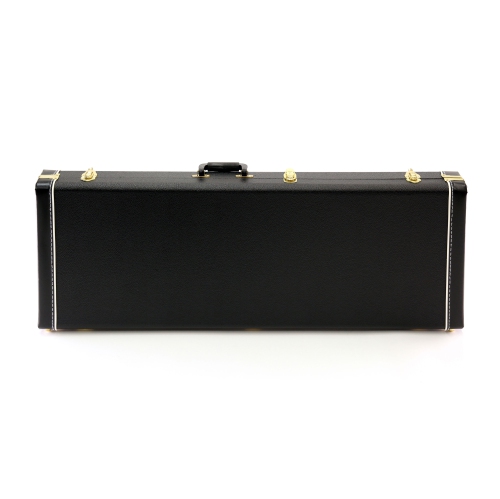
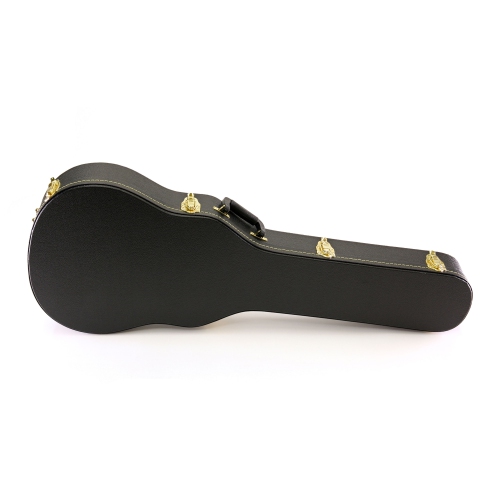
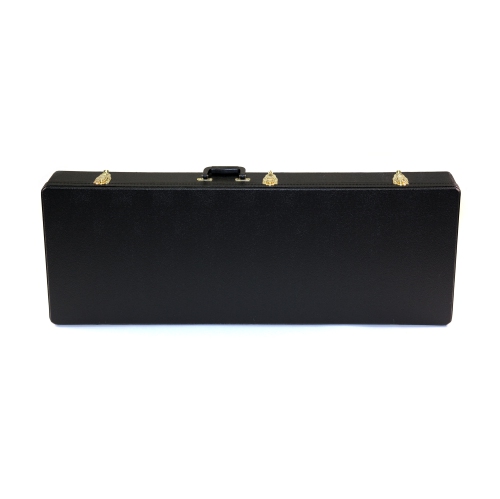
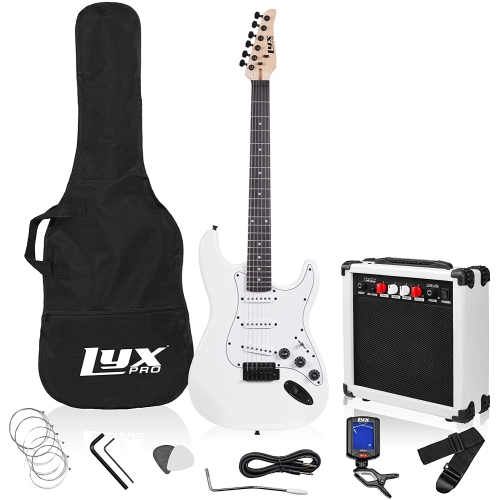
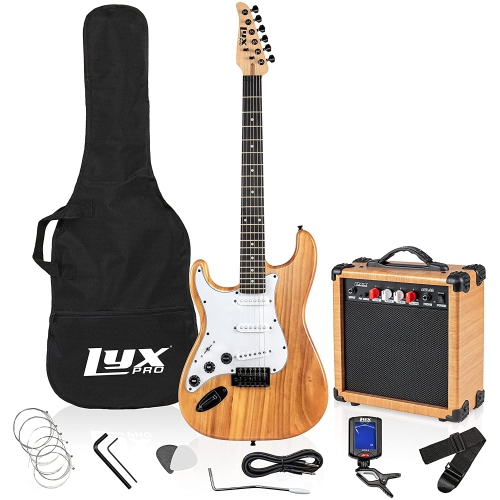
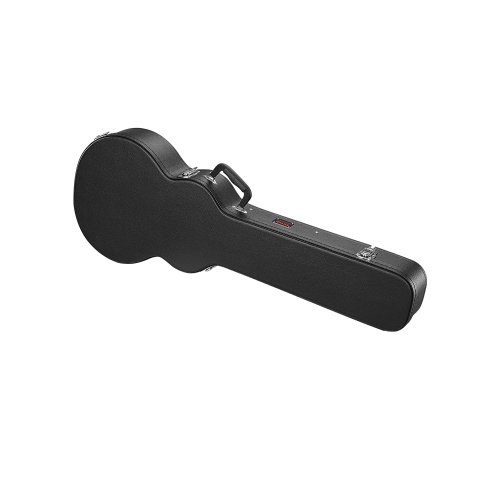
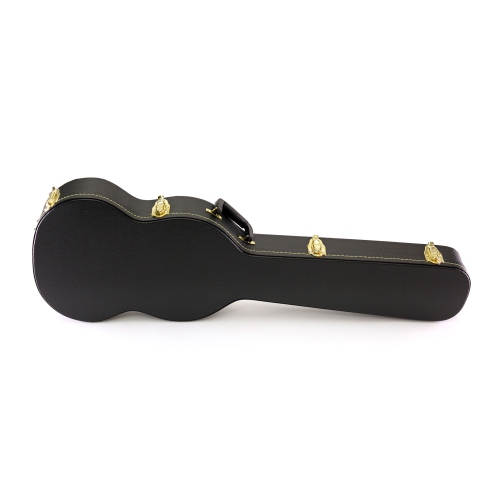
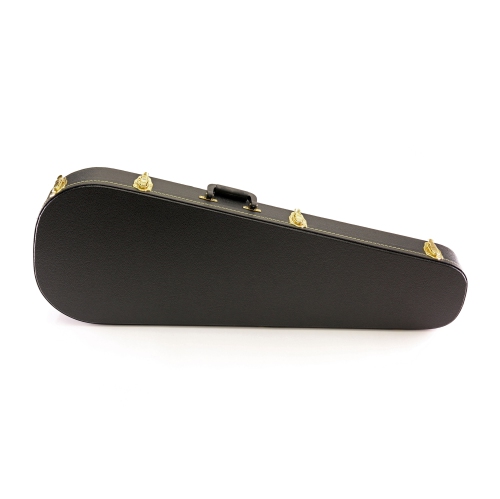
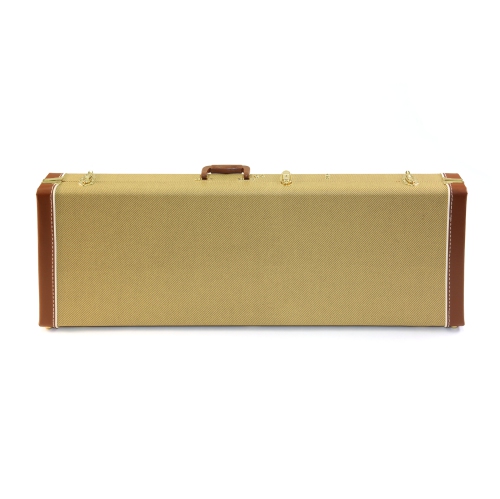
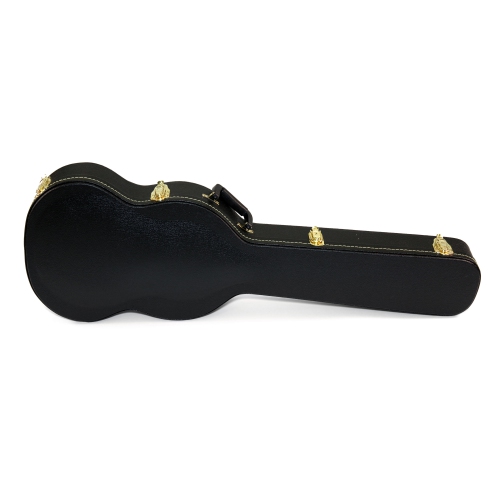
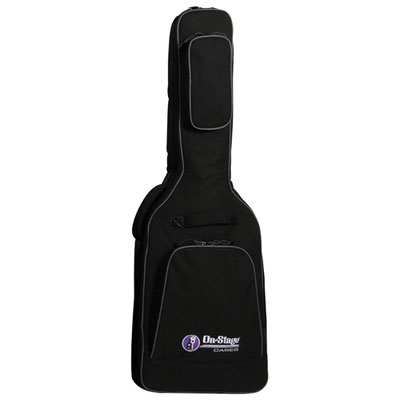
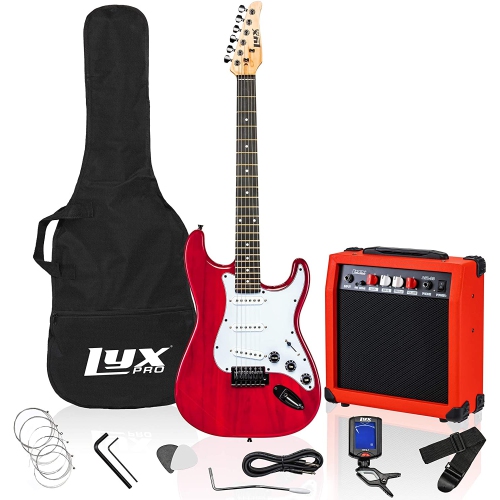


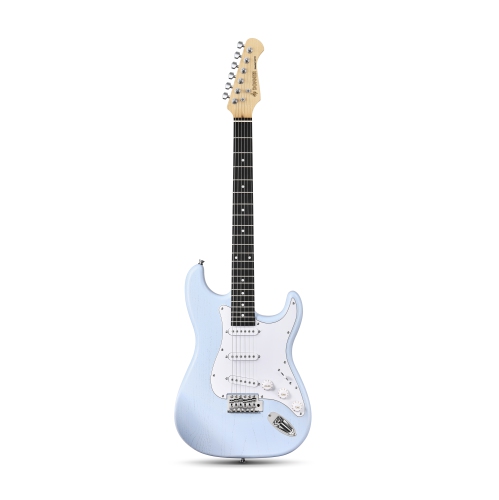
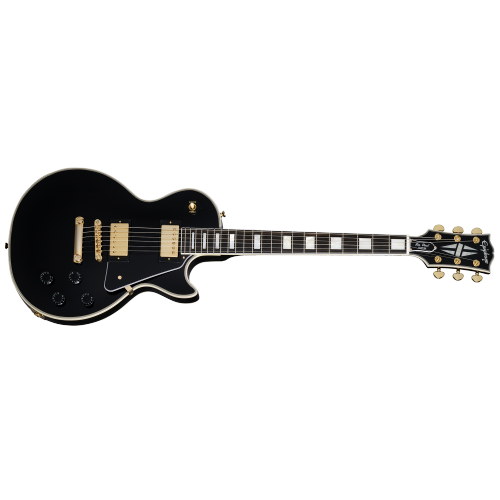
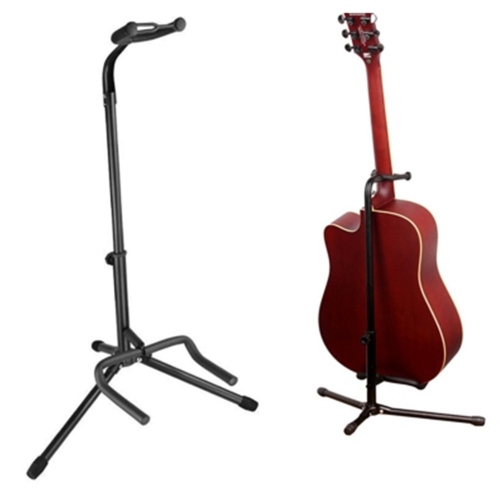
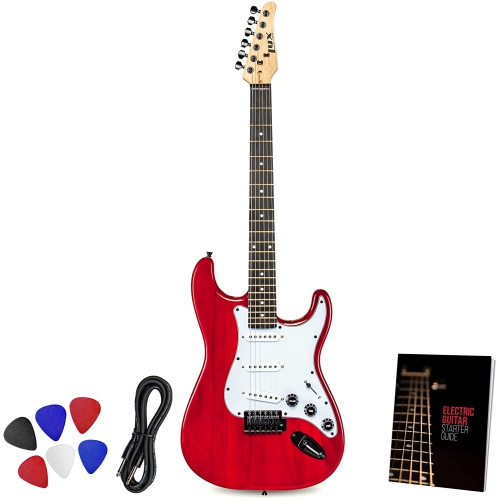
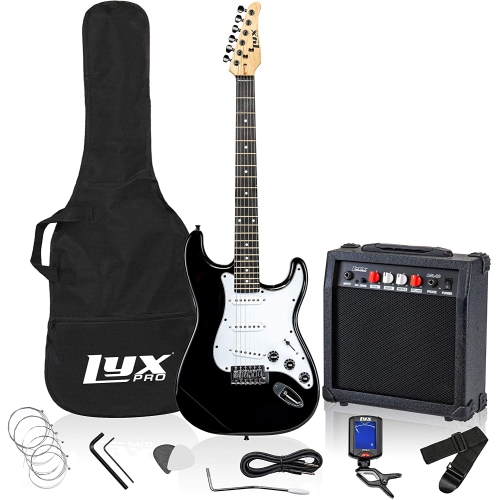
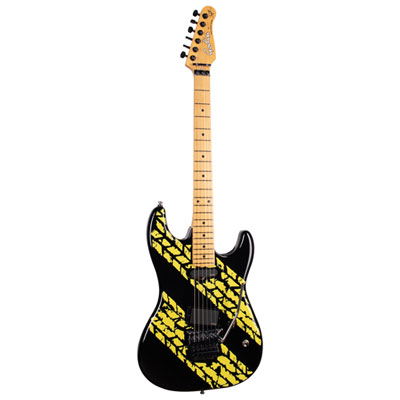
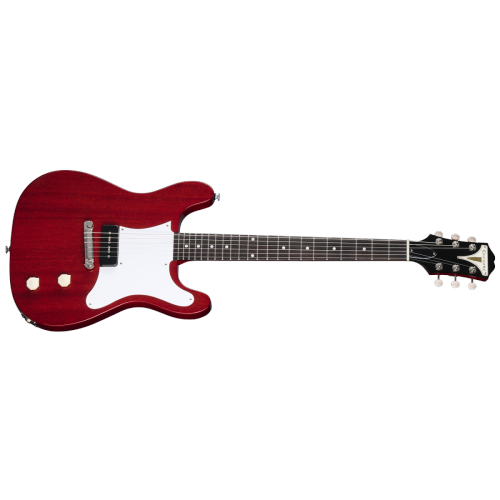

Protection and fit for every electric guitar journey
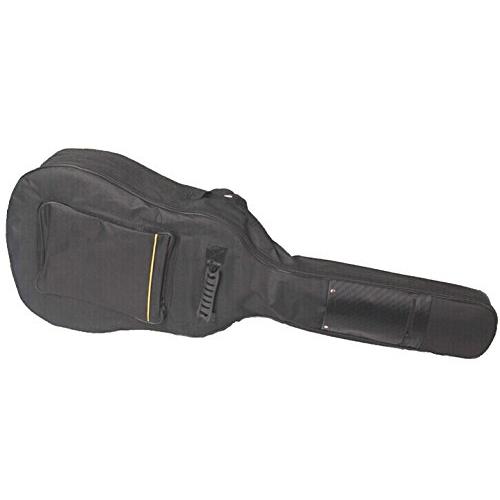
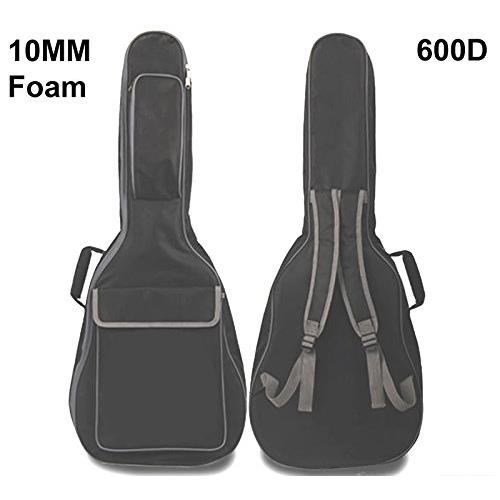
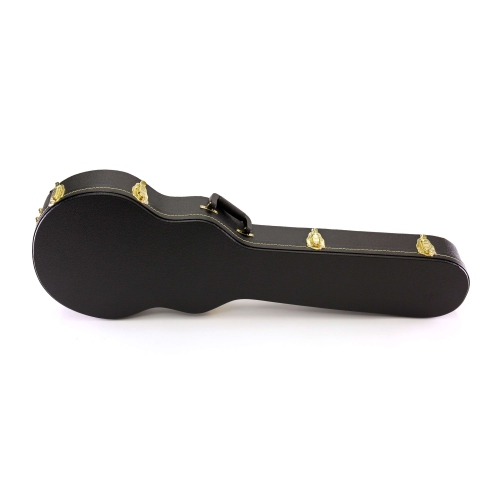
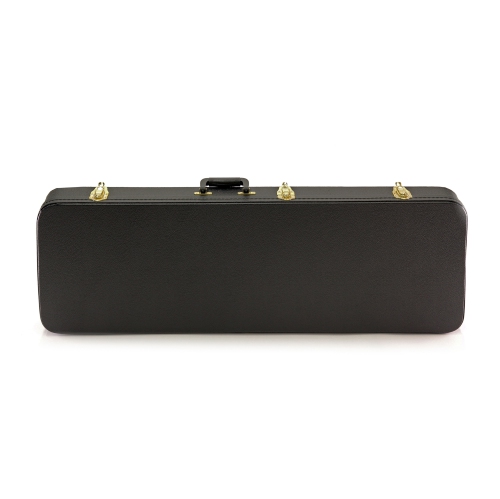
Cases for electric guitars help protect an instrument from the bumps, dust, temperature changes, and everyday handling that come with moving between home, lessons, rehearsals, studios, and performances. The right case depends on how the guitar is used, how far it travels, and how much protection is needed along the way. A padded gig bag is often a practical choice for local trips, music lessons, casual rehearsals, and short walks to a nearby practice space. Soft fabric construction keeps the overall load manageable, while padded walls, reinforced stitching, and adjustable backpack straps make carrying more comfortable. Many gig bags also include exterior pockets for sheet music, picks, tuners, cables, straps, and other small accessories, which can be useful when everything needs to be ready by the door. For longer drives, frequent transport, or situations where gear may be placed in a crowded vehicle, a hard-shell case offers a more structured layer of protection. Wood-shell cases are traditionally valued for their sturdy construction, while ABS and other moulded cases can provide a rigid exterior with a lighter feel. Hybrid cases combine some of the portability of a gig bag with the support of a semi-rigid frame or dense foam interior, making them a versatile middle ground for players who want additional protection without carrying a particularly heavy case.
Fit is one of the most important considerations when choosing a case for an electric guitar. Electric guitars are made in a wide variety of body shapes and sizes, and a case designed for one style may not properly support another. Check whether the interior is intended for a familiar double-cutaway shape, a single-cutaway design, an offset body, a smaller travel-style guitar, or another distinctive profile. The neck support should hold the instrument securely without placing pressure on the headstock, while the body cavity should keep the guitar from shifting when the case is lifted. A soft plush, fleece, or velour lining helps cushion the finish and reduce the chance of surface marks, particularly when the guitar is being placed inside or removed after a long rehearsal. It is also worth looking for padding around the lower bout, bridge, and headstock, along with a secure strap or interior fastening system. On a gig bag, inspect the thickness and distribution of the padding rather than relying on the exterior appearance alone. On a hard case, pay attention to the alignment of the lid, the strength of the hinges, and whether the latches close cleanly. Lockable latches can provide added peace of mind during transport or storage, while reinforced handles and comfortable shoulder straps make a noticeable difference when a case is carried across a parking lot, up a stairwell, or through a busy venue. Cases with weather-resistant outer materials can also be helpful during cooler months or when moving between indoor and outdoor spaces, although any case should be kept closed and stored in a dry location whenever possible.
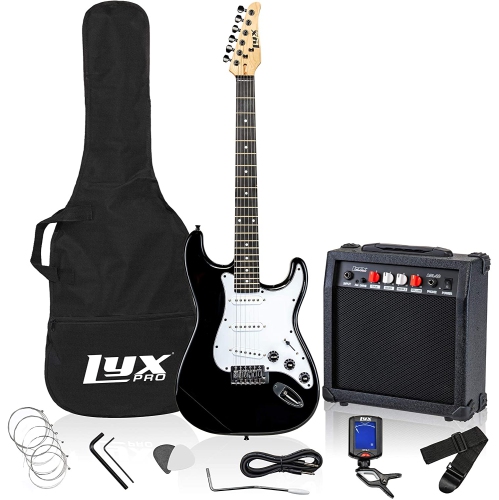
These cases can suit beginners, students, performing musicians, collectors, and anyone who wants a more dependable way to store an electric guitar between playing sessions. For a new player, a padded case makes it easier to bring an instrument to lessons and encourages a regular practice routine by keeping the guitar protected and accessible. For an experienced guitarist, a second case can be useful for a backup instrument, a rehearsal setup, or a guitar that travels frequently while another remains safely at home. A case can also be a thoughtful gift for a guitarist who has recently purchased an instrument, joined a band, started taking lessons, or begun travelling to performances. When choosing one as a gift, the guitar’s exact shape and dimensions are worth confirming first, since a close-looking case may still have an interior that does not provide the right support. Storage needs matter as well: a player who carries pedals, spare strings, a capo, cables, and music may prefer generous accessory compartments, while someone travelling light may favour a streamlined design. During the warmer part of the year, a case can make outdoor practice and local performances easier to manage; as the weather cools, it becomes especially useful for keeping the instrument covered while moving between heated rooms and the outdoors. Players comparing complete instrument options may also want to browse Guitars With Case for guitars that already include a compatible case. Whether the priority is light everyday carrying, structured storage, or stronger protection for regular transport, a well-fitting case helps an electric guitar remain ready for the next chord, rehearsal, recording session, or performance.
Fit is one of the most important considerations when choosing a case for an electric guitar. Electric guitars are made in a wide variety of body shapes and sizes, and a case designed for one style may not properly support another. Check whether the interior is intended for a familiar double-cutaway shape, a single-cutaway design, an offset body, a smaller travel-style guitar, or another distinctive profile. The neck support should hold the instrument securely without placing pressure on the headstock, while the body cavity should keep the guitar from shifting when the case is lifted. A soft plush, fleece, or velour lining helps cushion the finish and reduce the chance of surface marks, particularly when the guitar is being placed inside or removed after a long rehearsal. It is also worth looking for padding around the lower bout, bridge, and headstock, along with a secure strap or interior fastening system. On a gig bag, inspect the thickness and distribution of the padding rather than relying on the exterior appearance alone. On a hard case, pay attention to the alignment of the lid, the strength of the hinges, and whether the latches close cleanly. Lockable latches can provide added peace of mind during transport or storage, while reinforced handles and comfortable shoulder straps make a noticeable difference when a case is carried across a parking lot, up a stairwell, or through a busy venue. Cases with weather-resistant outer materials can also be helpful during cooler months or when moving between indoor and outdoor spaces, although any case should be kept closed and stored in a dry location whenever possible.
These cases can suit beginners, students, performing musicians, collectors, and anyone who wants a more dependable way to store an electric guitar between playing sessions. For a new player, a padded case makes it easier to bring an instrument to lessons and encourages a regular practice routine by keeping the guitar protected and accessible. For an experienced guitarist, a second case can be useful for a backup instrument, a rehearsal setup, or a guitar that travels frequently while another remains safely at home. A case can also be a thoughtful gift for a guitarist who has recently purchased an instrument, joined a band, started taking lessons, or begun travelling to performances. When choosing one as a gift, the guitar’s exact shape and dimensions are worth confirming first, since a close-looking case may still have an interior that does not provide the right support. Storage needs matter as well: a player who carries pedals, spare strings, a capo, cables, and music may prefer generous accessory compartments, while someone travelling light may favour a streamlined design. During the warmer part of the year, a case can make outdoor practice and local performances easier to manage; as the weather cools, it becomes especially useful for keeping the instrument covered while moving between heated rooms and the outdoors. Players comparing complete instrument options may also want to browse Guitars With Case for guitars that already include a compatible case. Whether the priority is light everyday carrying, structured storage, or stronger protection for regular transport, a well-fitting case helps an electric guitar remain ready for the next chord, rehearsal, recording session, or performance.
Top selling and popular products
-
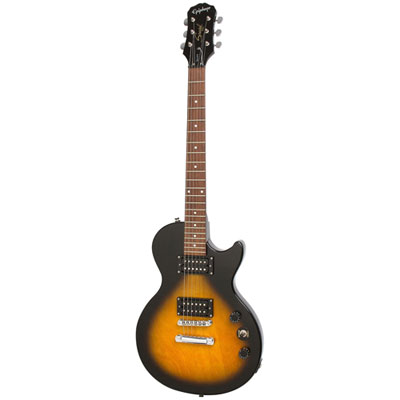 Your price for this item is $299.99
 -
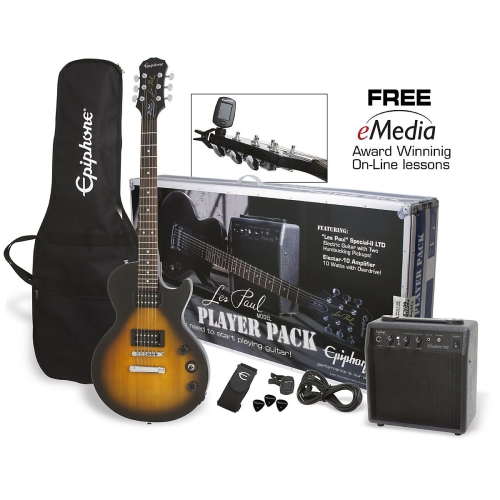 Your price for this item is $429
 -
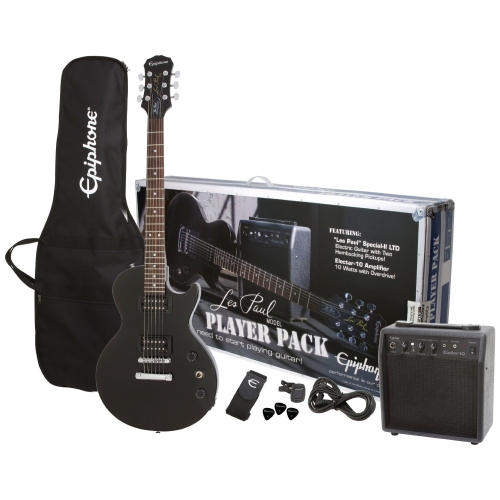 Your price for this item is $494.49
 -
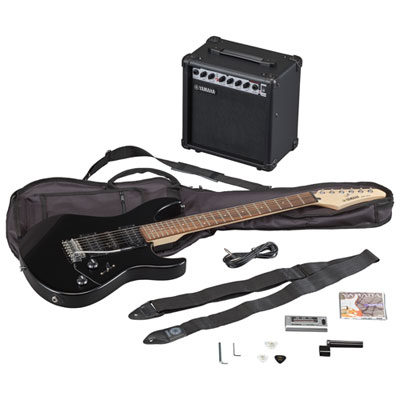 Your price for this item is $349.99
 -
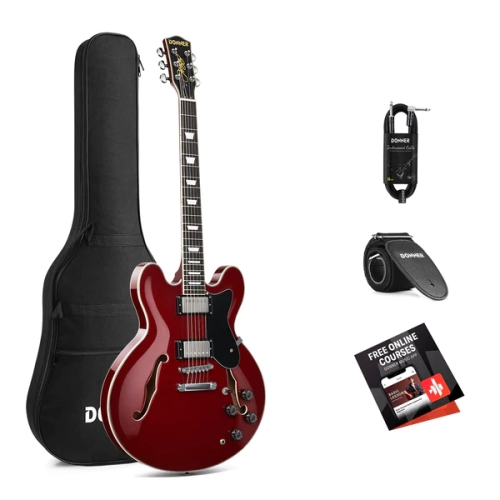 Your price for this item is $395.99
 -
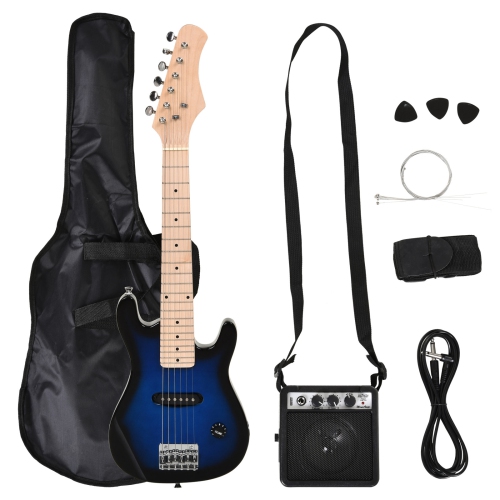 Your price for this item is $116.99
 -
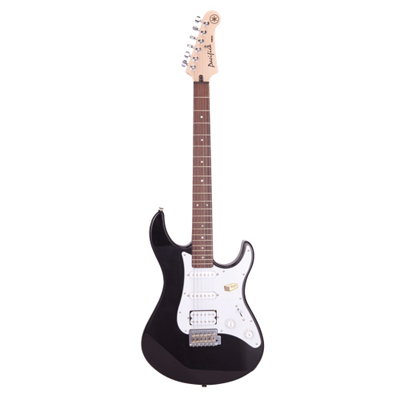 Your price for this item is $279.99
 -
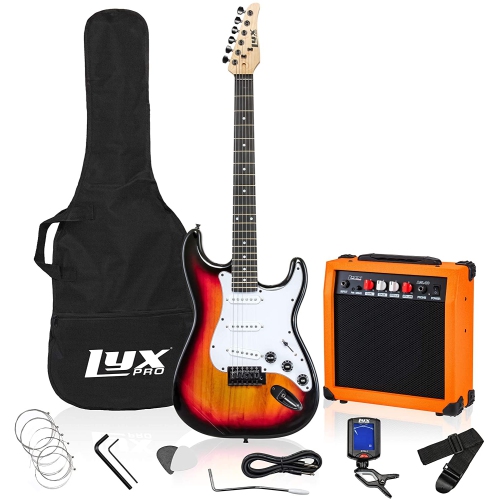 Your price for this item is $239.99
Discover more categories related to Cases for Electric Guitars
Top Collections:
Pokemon Centers, Kindle Devices, Best Budget Office Chairs, Apple iPhones 16, Canon G7X Cameras, iPhone 15 Apple, Alarm Clock, Refurbished Apple Laptops, Flip Phones, Best Laptops for Writers
Some products may be subject to Environmental Handling Fees
(EHF) depending on your province.
Learn more about EHFs.