Electric Guitars With Cases
Explore our collection of electric guitars with cases, designed to provide both style and protection for your instrument. Whether you're a seasoned musician or just starting out, these guitars offer exceptional sound quality and versatility to suit any playing style. With a range of colors, designs, and features to choose from, finding the perfect electric guitar with a case to match your needs has never been easier. Elevate your music experience and take your performance to the next level with one of these high-quality electric guitars.
Sort
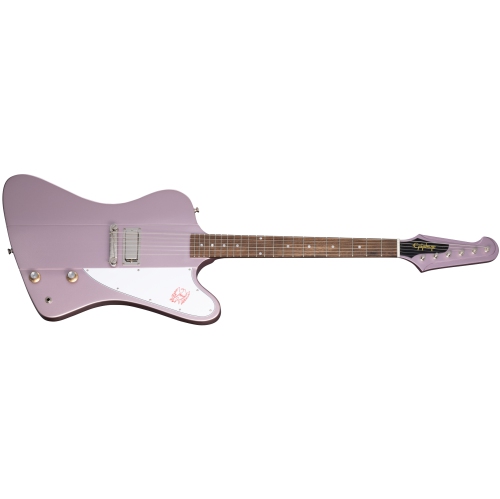
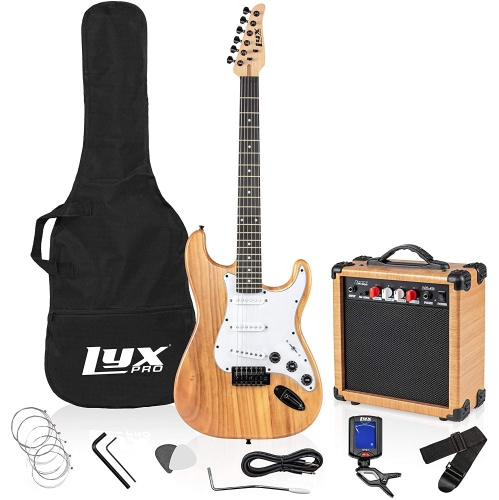
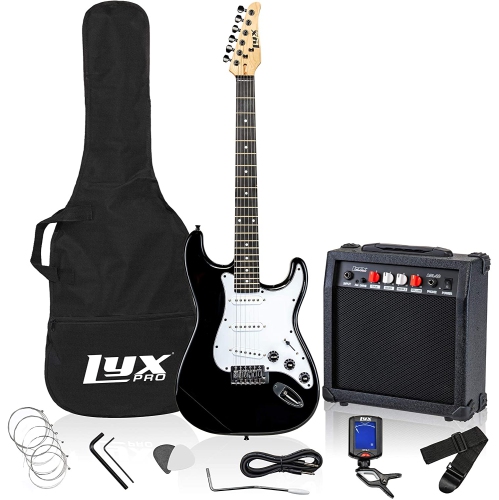
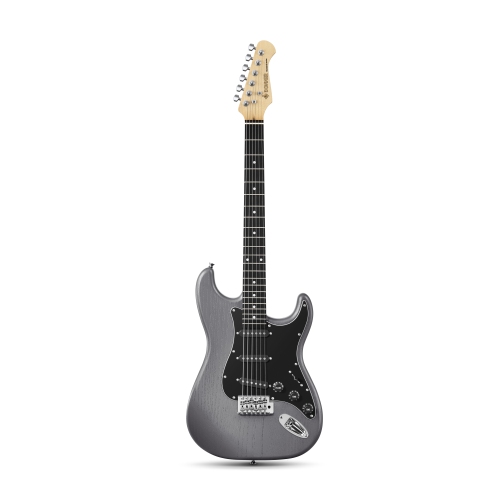
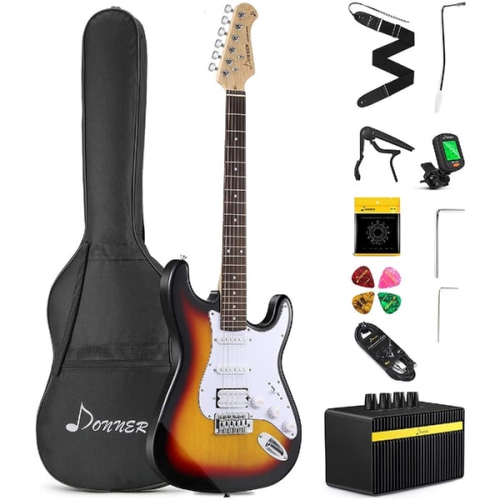
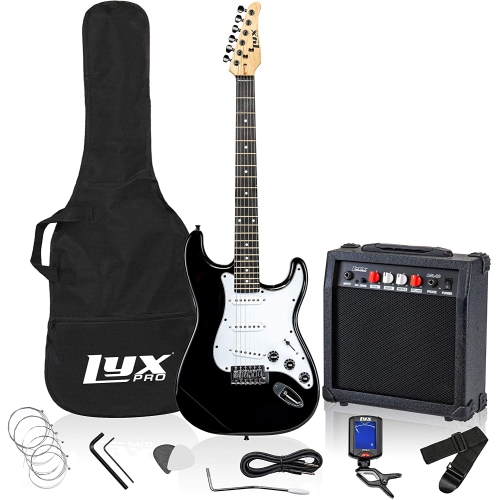
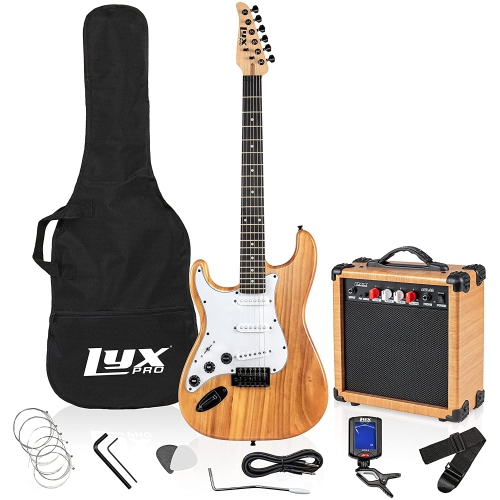
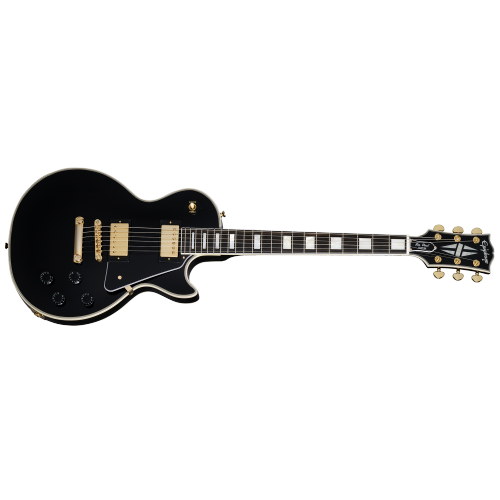
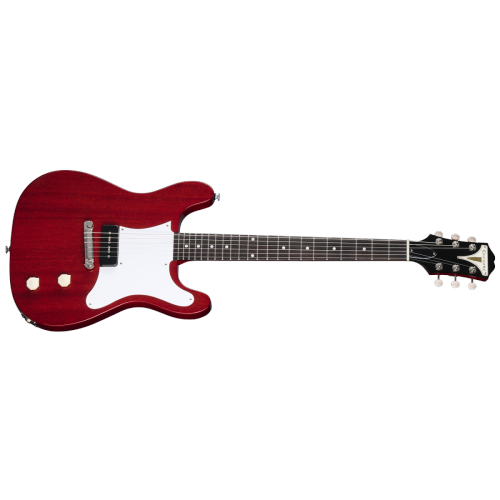
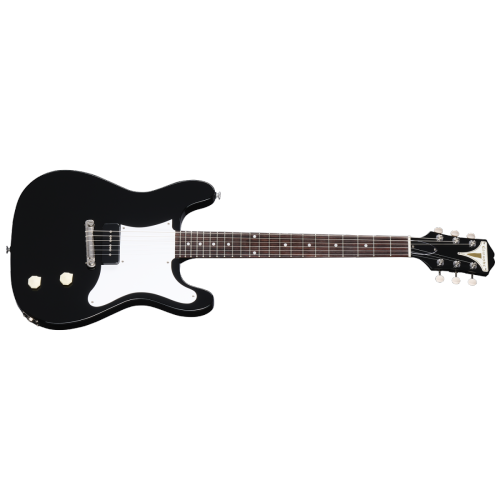
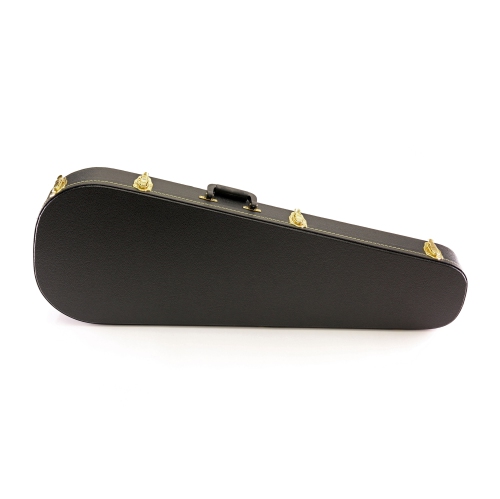
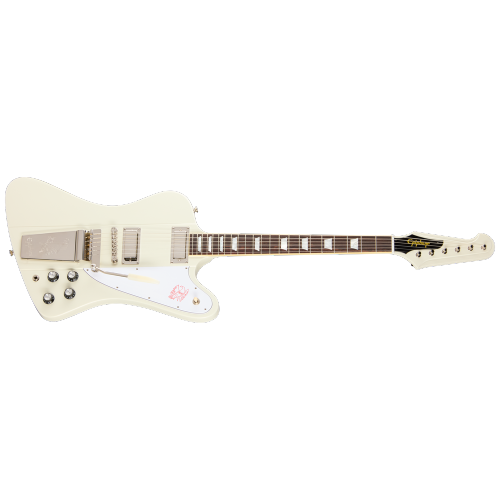
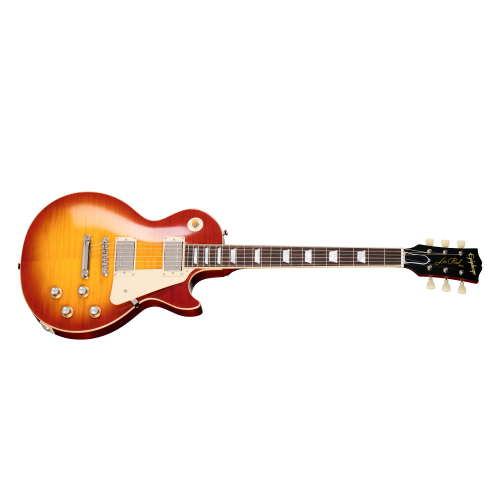
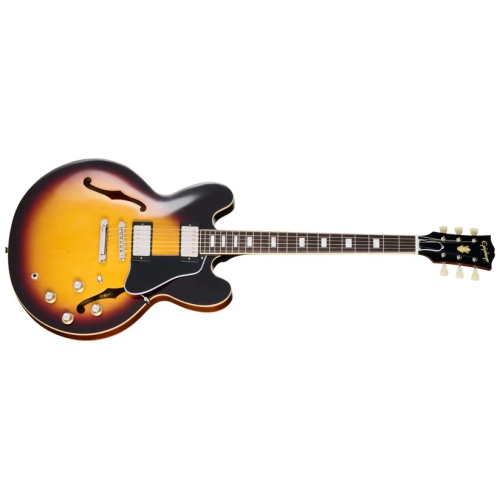
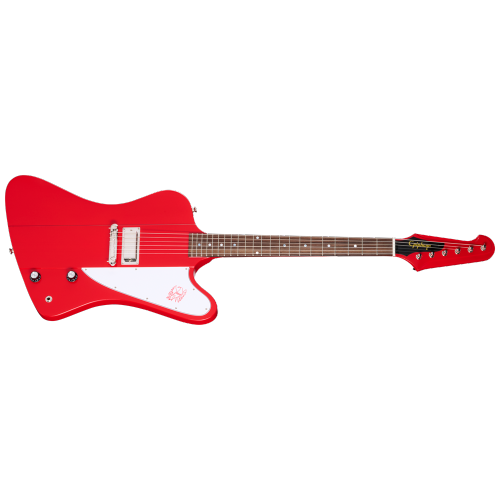
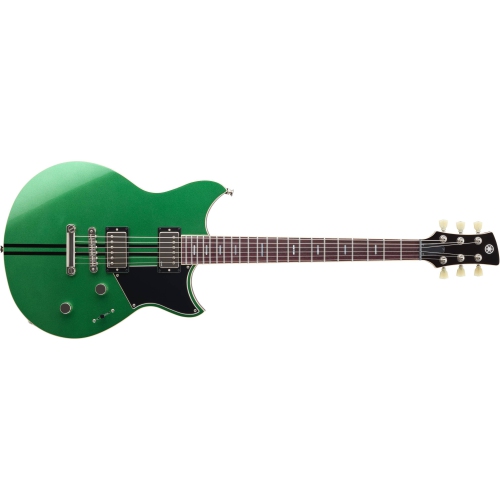
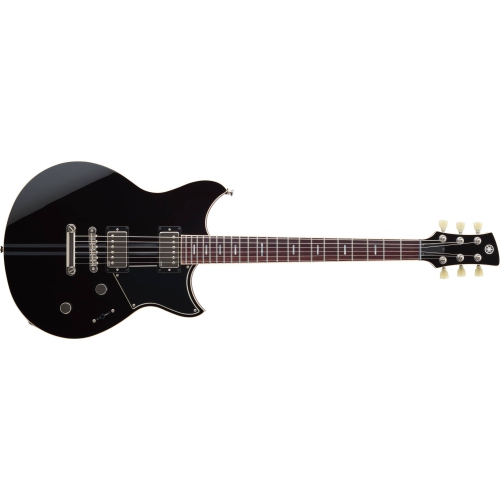
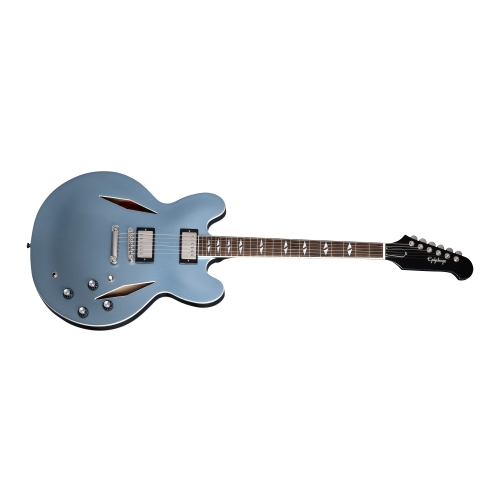
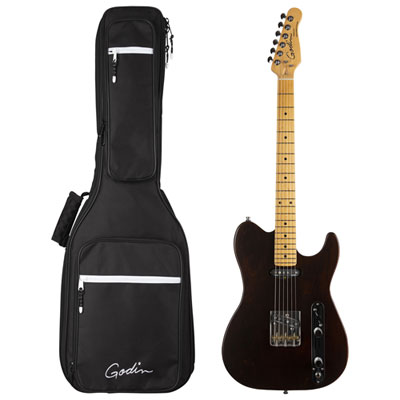
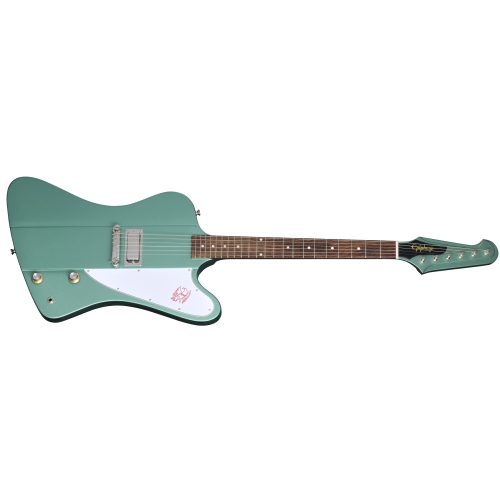
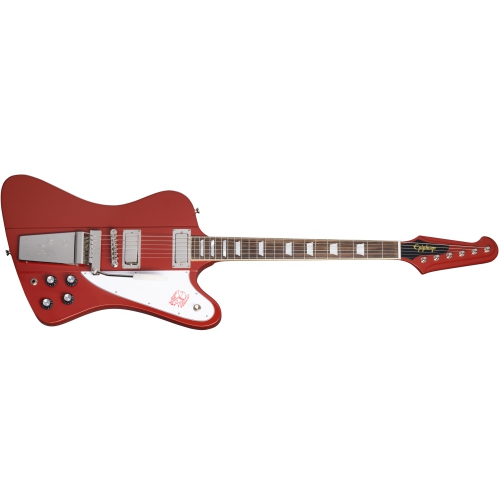
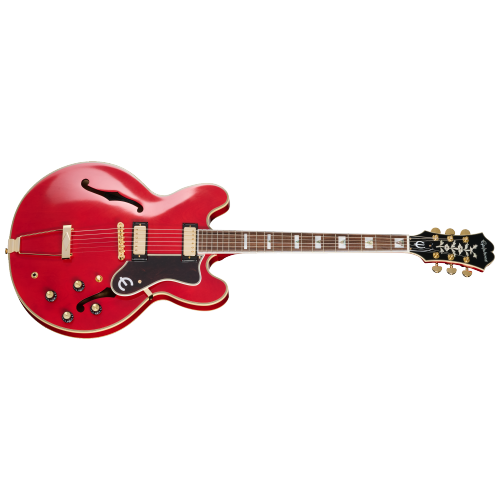
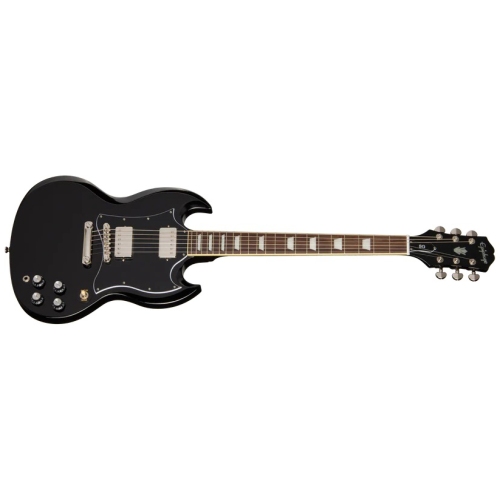
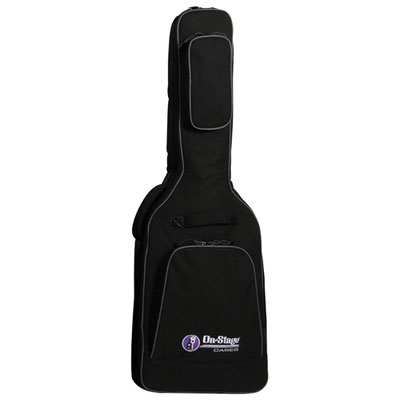
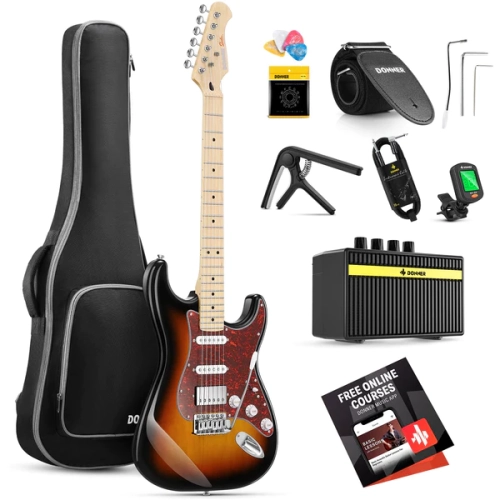
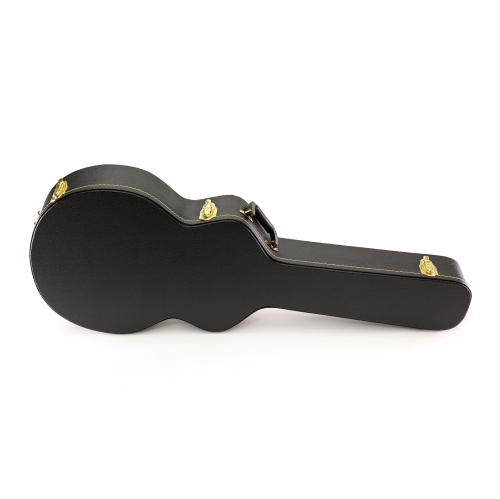
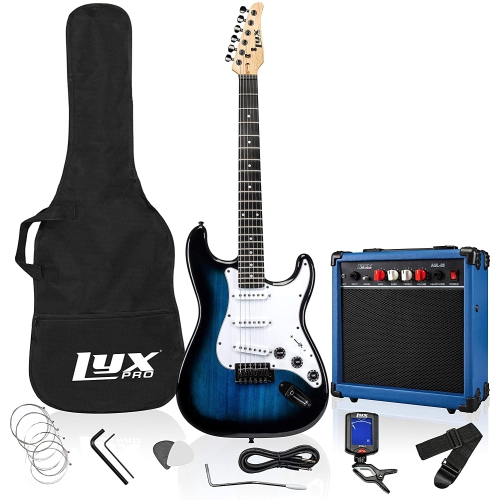
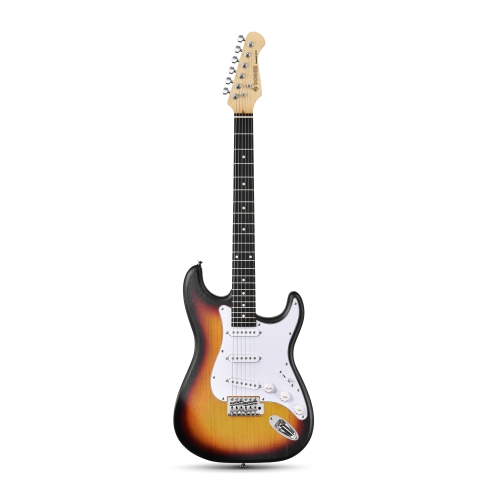
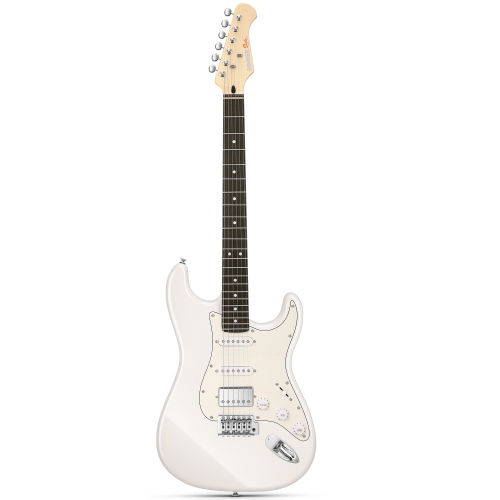
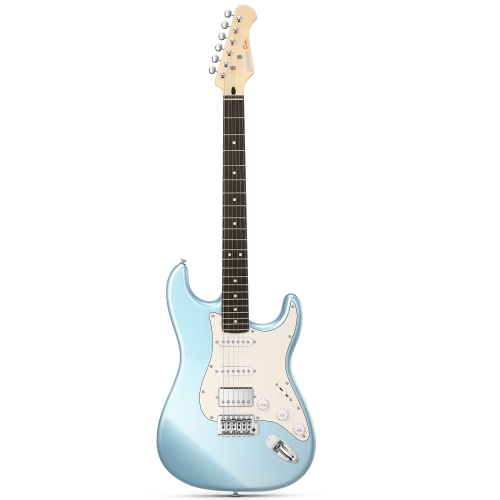
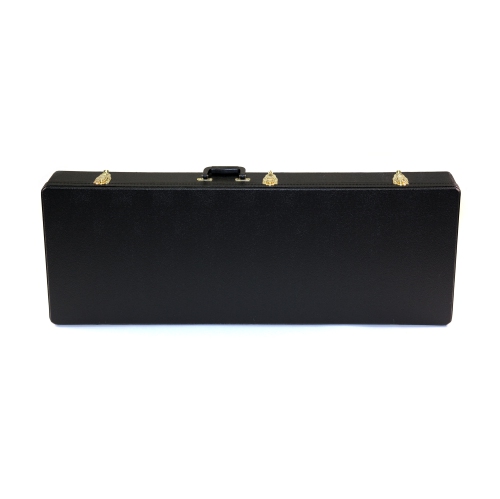
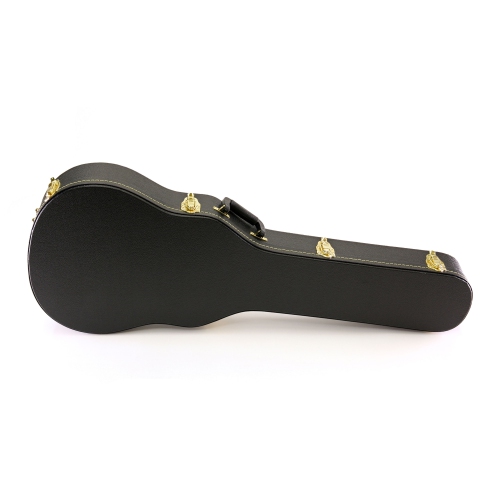
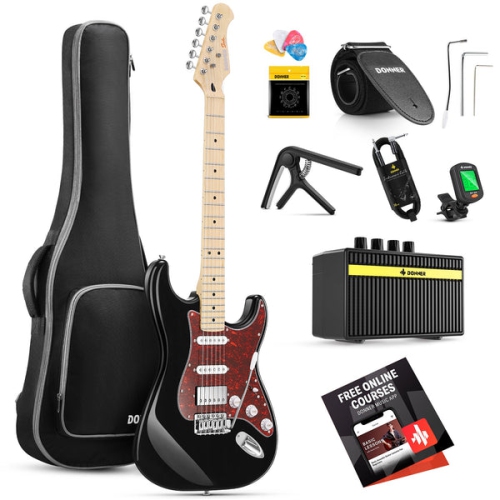
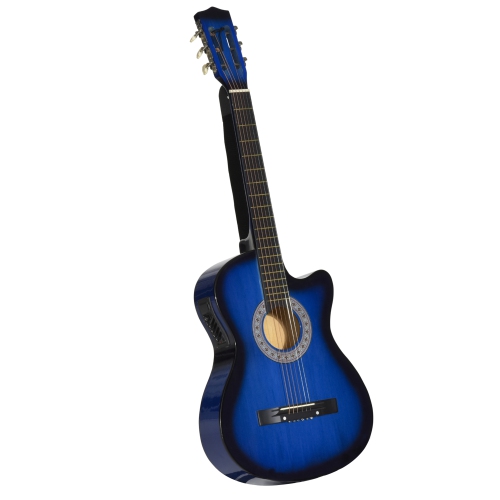
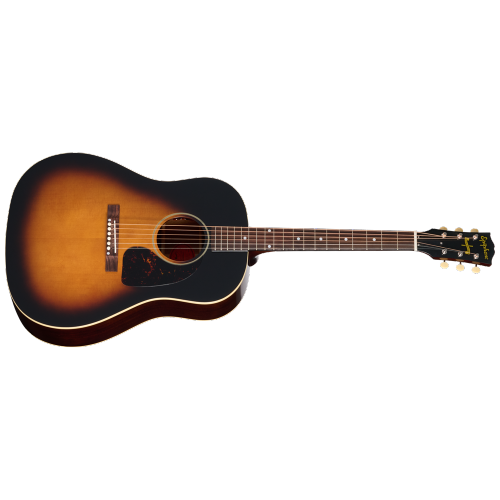
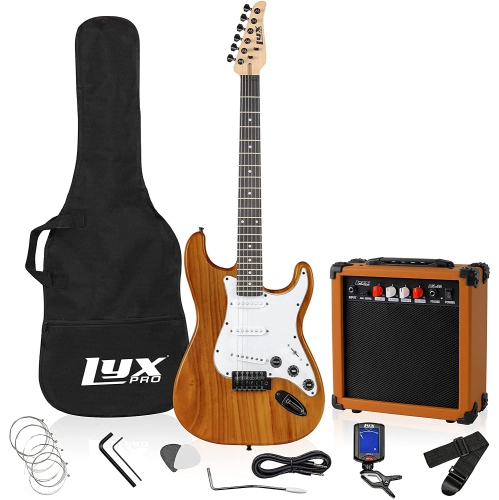
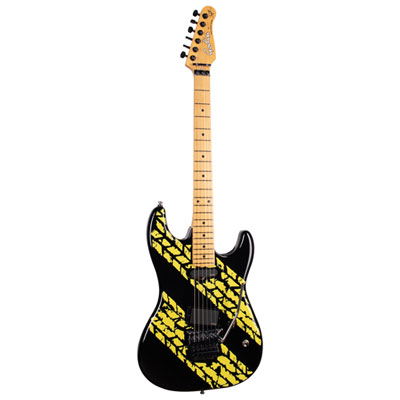
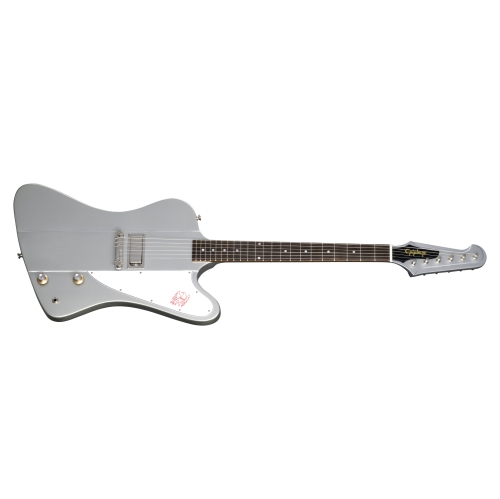
Practical protection for practice, lessons, rehearsals and travel
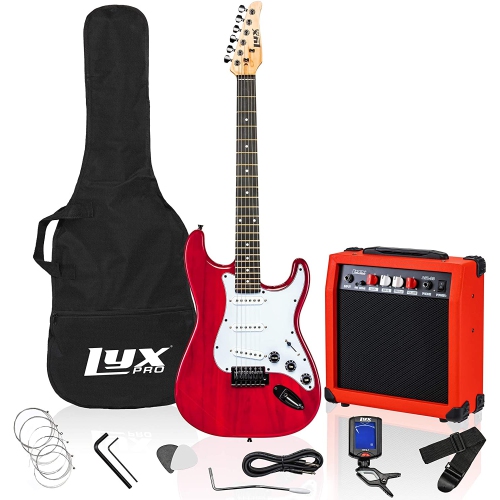
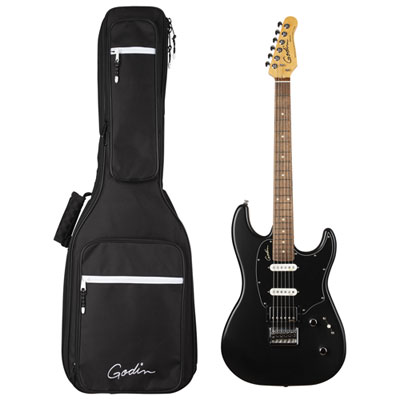
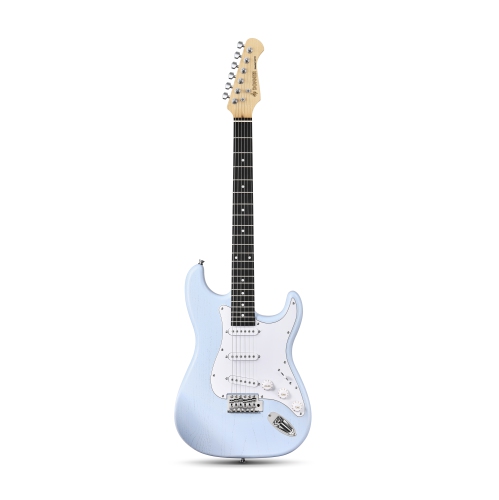
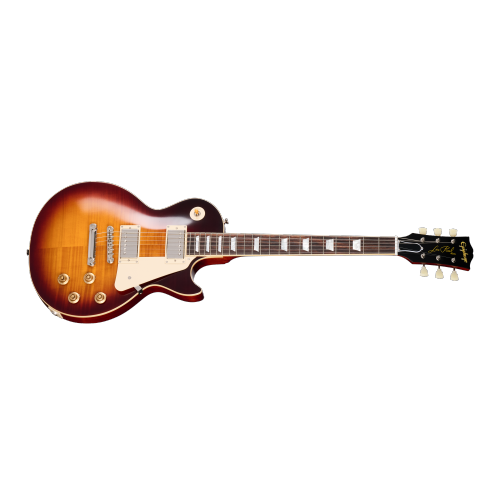
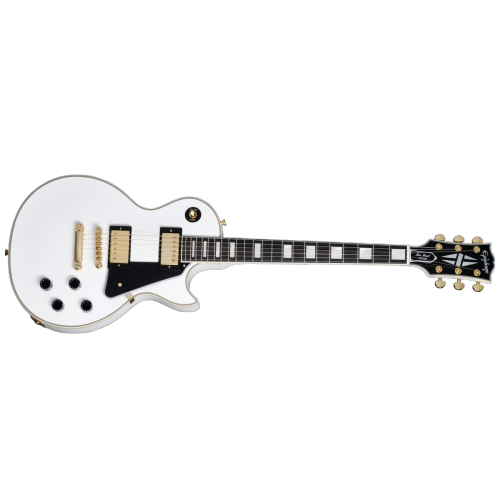
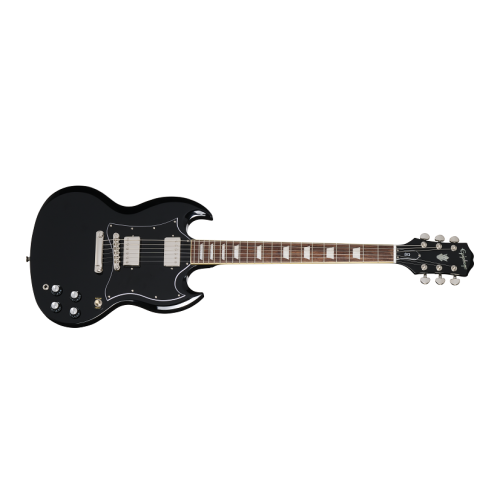
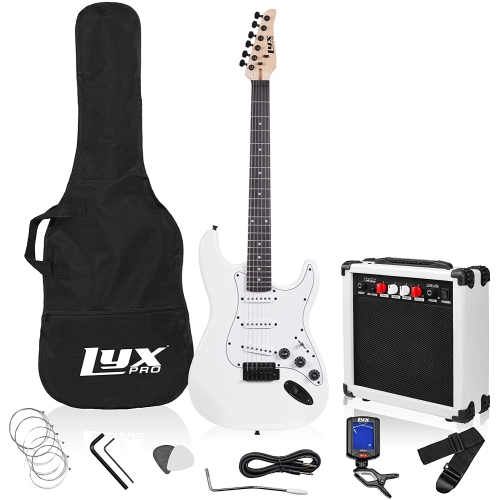
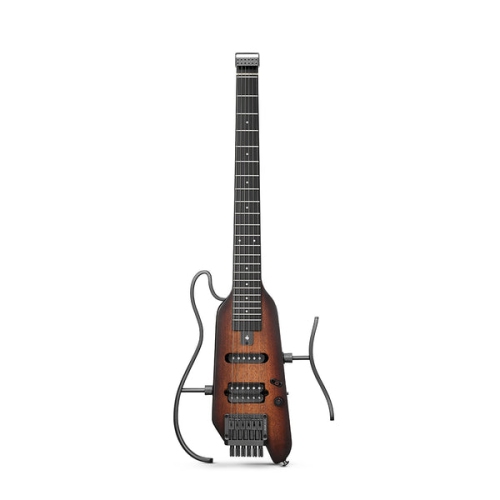
Electric guitars with cases offer a practical way to start playing, upgrade a home setup, or give a musician an instrument that is ready to travel. This category can include a complete starter kit with a solid-body electric guitar, a small practice amplifier, a padded gig bag and useful accessories, as well as a standalone guitar paired with a soft case, molded case or hardshell case. Starter kits are especially convenient for beginners because the main pieces are selected to work together, reducing the need to identify every cable or accessory separately. Depending on the configuration, a kit may include a full-size or compact electric guitar, a 5W or 10W amplifier, an instrument cable, a strap, picks, a capo and spare strings. A smaller amplifier can be a good fit for bedroom practice, a student’s music corner or quiet sessions in a shared home, while an instrument with a standard full-size neck may provide a more familiar playing experience as skills develop. The included case protects the guitar between lessons, rehearsals and performances, and makes it easier to keep everything together when the instrument is stored. These sets can also make thoughtful gifts for a first-time player, a teenager discovering rock or blues, or an experienced guitarist who wants a second instrument for casual playing. When choosing an electric guitar with a case, consider the player’s size, experience and musical interests, along with where the guitar will be used. A beginner may appreciate a straightforward control layout, comfortable neck and lightweight body, while a more advanced player may look for specific pickup arrangements, a wider range of tone controls or a construction suited to a particular style. Pickup layouts can influence the character of the sound, with different combinations offering bright, clear tones, fuller sounds or additional versatility for clean and overdriven playing. It is also worth checking whether the case is designed specifically for the guitar’s shape and dimensions, since a secure fit helps prevent unnecessary movement during transport.
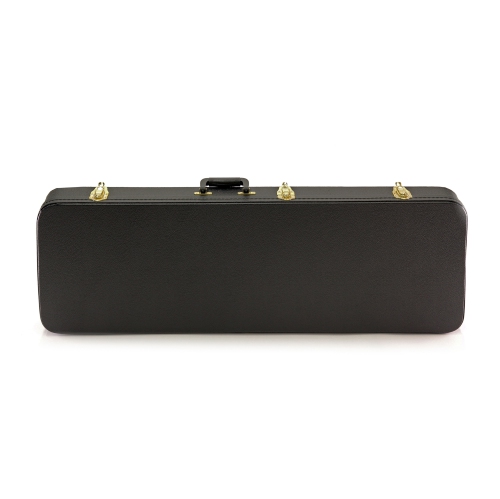
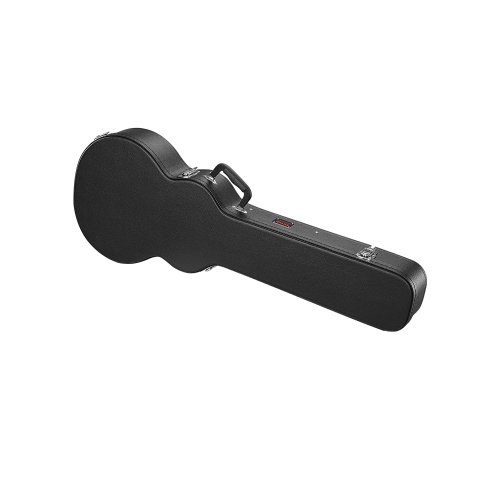
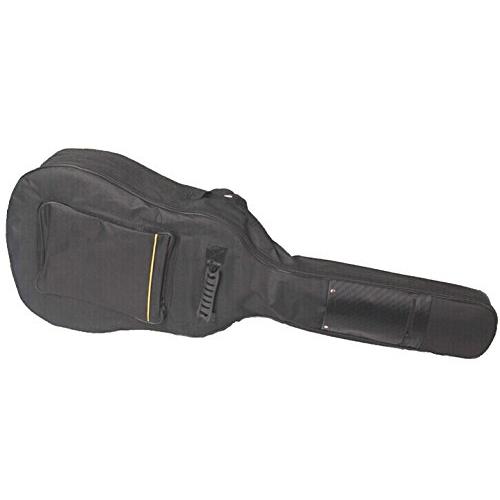
The case is more than an accessory; it is part of the everyday experience of owning an electric guitar. A gig bag is usually made from padded fabric with a zippered opening, carrying handle and shoulder straps, making it convenient for walking to lessons, taking public transit or moving between rooms. Some soft cases include exterior pockets for cables, picks, sheet music and a tuner, which can be helpful when the player wants to leave for rehearsal with one compact load. Padding thickness, stitching, handle placement and the quality of the zippers are useful details to compare, particularly if the guitar will be carried often. A hardshell case typically has a rigid wooden or molded exterior, a shaped interior and latches that hold the lid securely closed. It is heavier than a gig bag, but provides a higher level of protection against knocks, pressure and accidental drops during storage or vehicle transport. A molded case can offer a balance between impact protection and manageable weight, while a flight or ATA-style case is intended for demanding travel, including air transport and touring. Reinforced corners, robust latches, a sealed or weather-resistant exterior and a secure interior fit are important features for musicians who regularly check equipment or move it through busy venues. Guitarists who already own an instrument and need better protection can explore Cases for Electric Guitars separately, while shoppers looking for an all-in-one solution may prefer a guitar bundled with a compatible case. Before placing an instrument inside, check that the neck is supported, the headstock is not pressing against the case and the body sits without excessive room around the edges. A case should close without forcing the lid, and accessories should be stored in dedicated compartments rather than loose against the guitar’s finish.
Think about the setting where the guitar will spend most of its time. For a home player who practises in a quiet corner, a padded gig bag may provide enough protection while keeping the instrument easy to pick up and play. This can encourage regular practice: the case rests beside a desk or amplifier, the guitar comes out for a few minutes after school or work, and everything can be packed away neatly when the room is needed for another purpose. For a student travelling to lessons, comfortable shoulder straps and a front accessory pocket can matter as much as the appearance of the guitar. For a band member attending rehearsals, a durable case, reliable handles and room for a cable and tuner can make repeated trips less cumbersome. Musicians who perform outdoors, travel by vehicle or share storage space may prefer a rigid case that offers added protection from crowded trunks, equipment stacks and changing conditions. It is also useful to consider the amplifier included with a kit: a compact practice amp may provide volume, tone and overdrive controls for learning, while players who already have amplification may place greater importance on the guitar’s feel and the case’s construction. During the cooler months, allow an instrument to adjust gradually when moving between heated indoor spaces and colder vehicles, and avoid leaving it in a parked car for extended periods. Wiping the strings and hardware after playing, keeping the case closed when the guitar is not in use and storing the instrument away from direct heat can help maintain its playing condition. Whether it is being used to learn the first chords, write songs in a living room, rehearse with friends or bring familiar music to a small gathering, an electric guitar with a suitable case combines creative potential with convenient protection.
The case is more than an accessory; it is part of the everyday experience of owning an electric guitar. A gig bag is usually made from padded fabric with a zippered opening, carrying handle and shoulder straps, making it convenient for walking to lessons, taking public transit or moving between rooms. Some soft cases include exterior pockets for cables, picks, sheet music and a tuner, which can be helpful when the player wants to leave for rehearsal with one compact load. Padding thickness, stitching, handle placement and the quality of the zippers are useful details to compare, particularly if the guitar will be carried often. A hardshell case typically has a rigid wooden or molded exterior, a shaped interior and latches that hold the lid securely closed. It is heavier than a gig bag, but provides a higher level of protection against knocks, pressure and accidental drops during storage or vehicle transport. A molded case can offer a balance between impact protection and manageable weight, while a flight or ATA-style case is intended for demanding travel, including air transport and touring. Reinforced corners, robust latches, a sealed or weather-resistant exterior and a secure interior fit are important features for musicians who regularly check equipment or move it through busy venues. Guitarists who already own an instrument and need better protection can explore Cases for Electric Guitars separately, while shoppers looking for an all-in-one solution may prefer a guitar bundled with a compatible case. Before placing an instrument inside, check that the neck is supported, the headstock is not pressing against the case and the body sits without excessive room around the edges. A case should close without forcing the lid, and accessories should be stored in dedicated compartments rather than loose against the guitar’s finish.
Think about the setting where the guitar will spend most of its time. For a home player who practises in a quiet corner, a padded gig bag may provide enough protection while keeping the instrument easy to pick up and play. This can encourage regular practice: the case rests beside a desk or amplifier, the guitar comes out for a few minutes after school or work, and everything can be packed away neatly when the room is needed for another purpose. For a student travelling to lessons, comfortable shoulder straps and a front accessory pocket can matter as much as the appearance of the guitar. For a band member attending rehearsals, a durable case, reliable handles and room for a cable and tuner can make repeated trips less cumbersome. Musicians who perform outdoors, travel by vehicle or share storage space may prefer a rigid case that offers added protection from crowded trunks, equipment stacks and changing conditions. It is also useful to consider the amplifier included with a kit: a compact practice amp may provide volume, tone and overdrive controls for learning, while players who already have amplification may place greater importance on the guitar’s feel and the case’s construction. During the cooler months, allow an instrument to adjust gradually when moving between heated indoor spaces and colder vehicles, and avoid leaving it in a parked car for extended periods. Wiping the strings and hardware after playing, keeping the case closed when the guitar is not in use and storing the instrument away from direct heat can help maintain its playing condition. Whether it is being used to learn the first chords, write songs in a living room, rehearse with friends or bring familiar music to a small gathering, an electric guitar with a suitable case combines creative potential with convenient protection.
Top selling and popular products
-
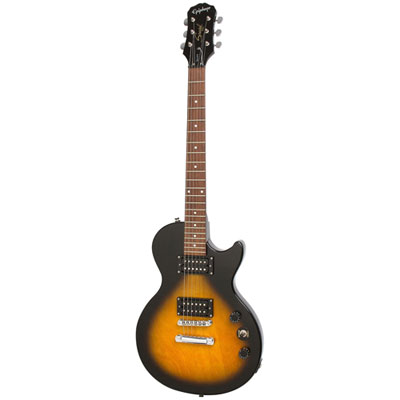 Your price for this item is $299.99
 -
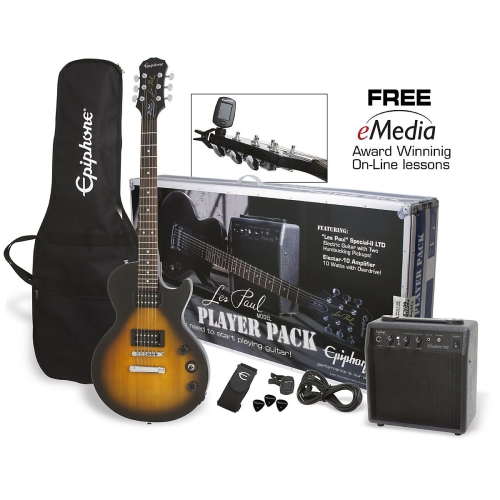 Your price for this item is $429
 -
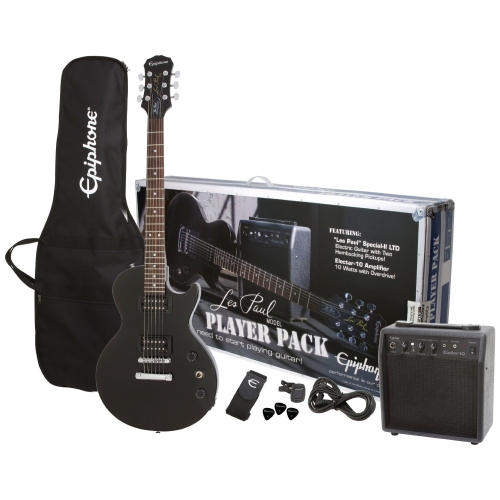 Your price for this item is $494.49
 -
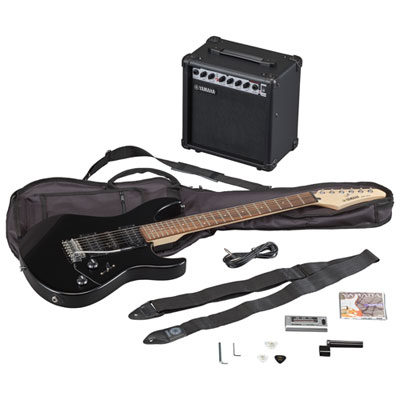 Your price for this item is $349.99
 -
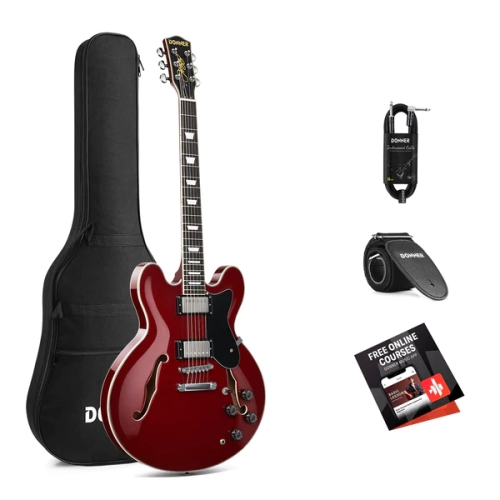 Your price for this item is $395.99
 -
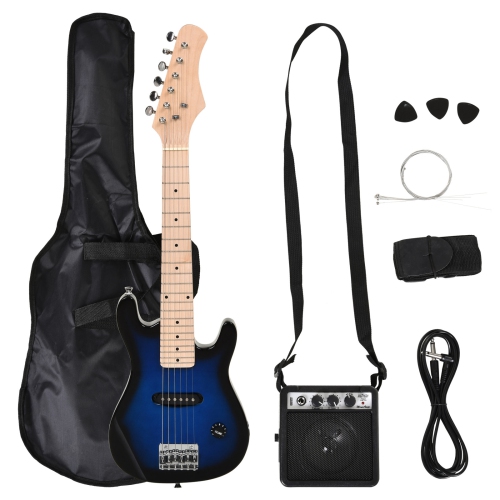 Your price for this item is $116.99
 -
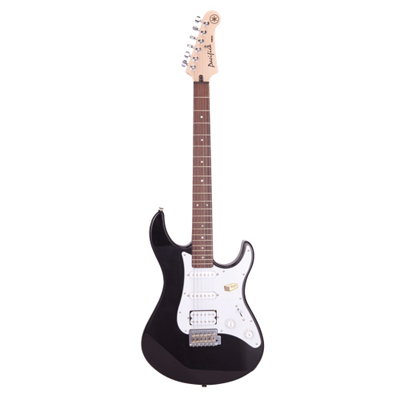 Your price for this item is $279.99
 -
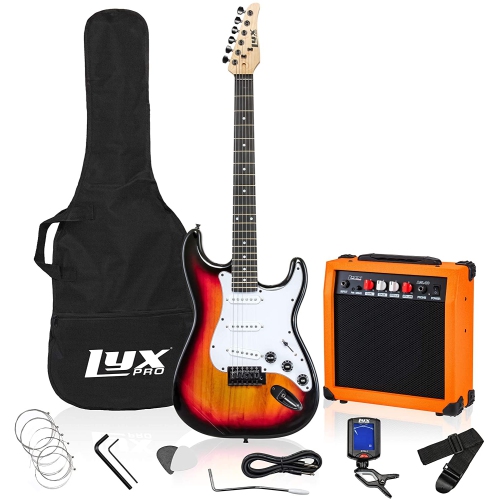 Your price for this item is $239.99
Discover more categories related to Electric Guitars With Cases
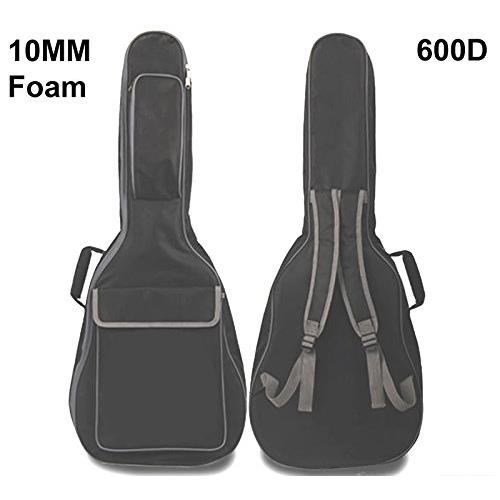
Top Collections:
Pokemon Centers, Kindle Devices, Best Budget Office Chairs, Apple iPhones 16, Best Laptops for Writers, iPhone 15 Apple, Canon G7X Cameras, Refurbished Apple Laptops, Alarm Clock, Motorola Razr Phones
Some products may be subject to Environmental Handling Fees
(EHF) depending on your province.
Learn more about EHFs.