Classical Guitar Music
Looking to immerse yourself in the soothing melodies and timeless beauty of classical guitar music? Look no further! Our extensive collection of classical guitar music is sure to captivate your senses and transport you to a world of enchantment. Whether you're a seasoned guitarist or a passionate music lover, our selection offers a wide range of compositions, from iconic masterpieces to hidden gems waiting to be discovered. So, tune in and let the delicate strings of these mesmerizing melodies resonate with your soul. Explore our collection today and embark on a musical journey like no other.
Sort
![JUST4GAMES Classical Guitar: Masterpieces [Audio CD] Irina Kircher; Joaquin Rodrigo; Isaac Albeniz; E.a. Marturet Machad](https://multimedia.bbycastatic.ca/multimedia/products/500x500/150/15094/15094142.jpg)
![SONY CLASSICAL Thibault Cauvin - Bach - [CD]](https://multimedia.bbycastatic.ca/multimedia/products/500x500/187/18709/18709277.jpeg)
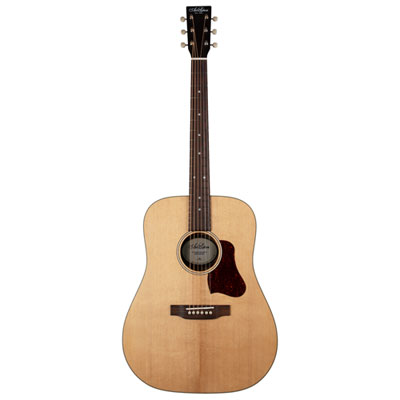
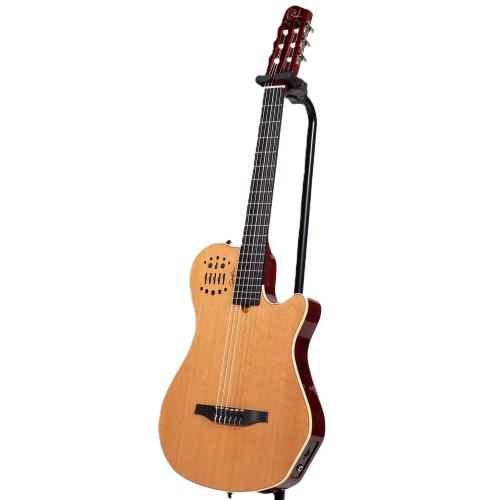
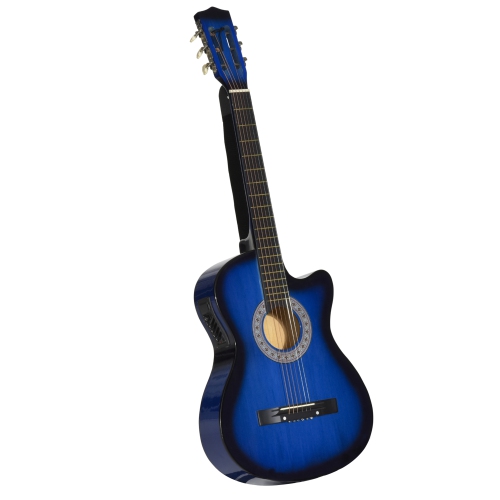
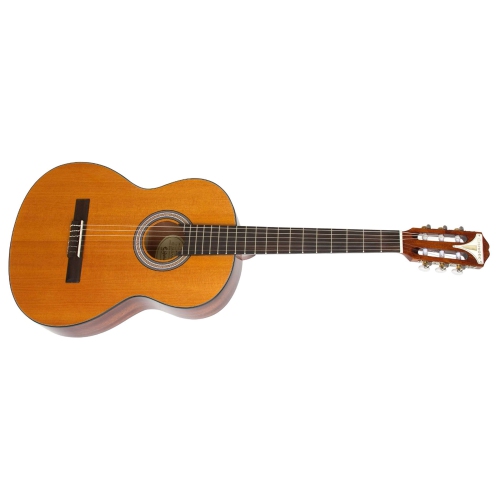
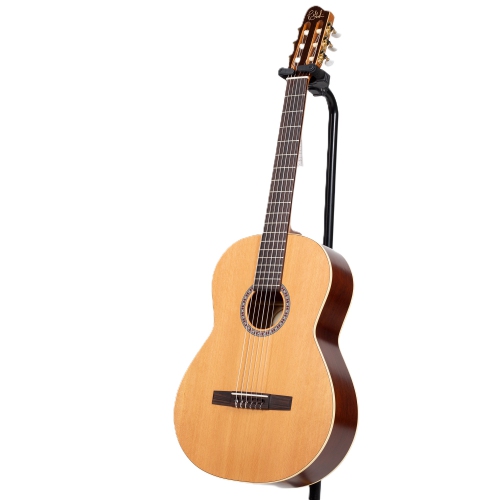
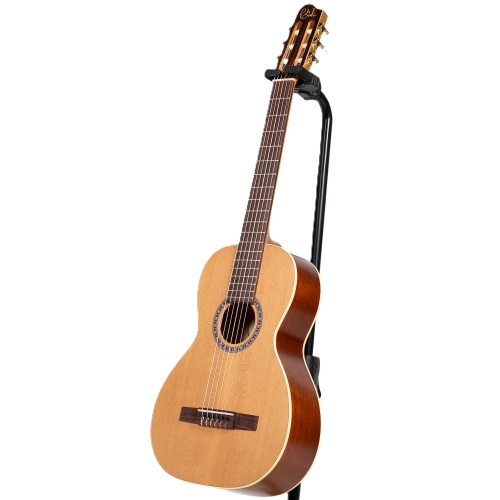
![JUST4GAMES Music Of The Evening [Audio CD]](https://multimedia.bbycastatic.ca/multimedia/products/500x500/150/15095/15095961.jpg)
![JUST4GAMES Classical Evening Mozart [Audio CD] Mozart](https://multimedia.bbycastatic.ca/multimedia/products/500x500/150/15095/15095812.jpg)
![JUST4GAMES A Classical Evening [Audio CD] [Audio CD] Beethoven|Mozart](https://multimedia.bbycastatic.ca/multimedia/products/500x500/150/15095/15095814.jpg)
![SNYC CLASSICAL Hauser - Classic Deluxe - [CD] In Multicolor](https://multimedia.bbycastatic.ca/multimedia/products/500x500/192/19213/19213449.jpeg)
The many voices within a single guitar performance
Classical guitar music brings melody, harmony, and rhythm together on an instrument capable of sounding intimate even in a concert hall. Its character comes from the interplay of plucked strings, resonant bass notes, and upper-register melodies that can sing above an accompaniment played by the same musician. Most contemporary classical performances use nylon-string guitars, whose rounded attack and varied tone suit everything from a quiet dance movement to a demanding concert work. The repertoire reaches beyond the Classical period itself: it includes arrangements of Renaissance lute music, Baroque dances and counterpoint, nineteenth-century studies and character pieces, and modern compositions written specifically for guitar. Spanish traditions are an important part of that history, but Latin American, European, and other musical traditions have also shaped the instrument’s concert repertoire. A solo performance can make separate musical lines feel like a conversation, while a guitar concerto places that smaller, plucked voice against an orchestra’s broader palette. Duets and chamber ensembles offer another perspective, pairing the guitar with a second guitar, strings, flute, or voice. For listeners browsing classical guitar recordings, these differences matter as much as the period or style. A solo recital leaves space to hear the decay of each note; an ensemble recording adds contrasting textures and exchanges between players. A collection spanning several periods can introduce the instrument’s range, while a programme centred on one tradition offers a more concentrated listening experience. Slow, lyrical music can accompany reading or a quiet meal, although not every classical guitar album is gentle background listening. Brisk dances, sharp accents, and large changes in volume often reward closer attention. The appeal lies partly in that range: a few softly voiced chords can give way to a passage of rapid scales, ringing harmonics, or a melody sustained through repeated notes.
The choice of recording format affects both everyday use and the way a music collection fits into a home. CDs suit listeners who want a physical edition with straightforward track selection, provided their player or audio system supports the format. Vinyl offers a different listening routine, with a turntable, compatible playback equipment, and a programme divided across sides. Digital editions, where offered, depend on the stated file format, playback compatibility, and access terms. None of these formats alone guarantees a more convincing performance or better sound; the original recording, mastering, condition of physical media, and playback equipment all contribute. With classical guitar, a useful listening detail is the balance between clarity and room sound. A close recording may reveal fingertips contacting strings and the small movements that accompany a performance, while a more distant perspective can give the instrument greater space and blend. Those incidental sounds are not necessarily flaws: some listeners value the sense of a person playing just a few feet away. Others prefer a presentation that places more emphasis on the musical line. Live recordings may include applause and audience noise, whereas studio sessions generally offer more controlled surroundings. Album descriptions and track listings can help distinguish a complete recital from a compilation, a full concerto from an isolated movement, or an original guitar work from an arrangement. Duration and programme order also shape the experience, especially for someone who likes to hear an album from beginning to end. For physical collections, handle discs by their edges, return them to their sleeves or cases, and use cleaning materials intended for the medium. Store records upright with suitable support, and keep CDs protected from scratches and direct sunlight. Protective packaging and readable liner notes can add lasting value for a gift recipient who enjoys learning about the performers, repertoire, and recording sessions as well as hearing the music.
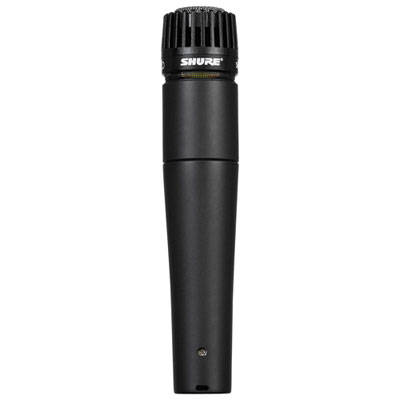
Printed classical guitar music serves a related but distinct purpose, bringing the repertoire onto a music stand for practice, lessons, rehearsals, and performance. The most suitable edition depends on the player’s reading skills and technical experience, not simply on whether a melody sounds familiar. A slow piece may still require wide stretches, sustained barre chords, or careful control of several voices at once. Beginner collections usually place greater emphasis on manageable rhythms, accessible positions, and short phrases, while more advanced scores can involve frequent position changes, intricate fingering, and independent bass and melody lines. Standard notation communicates pitch, rhythm, phrasing, and musical relationships; tablature shows string and fret positions, though the amount of rhythmic and expressive information varies by edition. Publications combining both can help a player connect the written notes with the fingerboard. Clear printing, generous spacing, useful fingering suggestions, and practical page turns make a difference during repeated practice. Binding matters too: a book that rests securely on a stand is easier to use than one that needs constant attention to stay open. For ensemble music, the distinction between a full score and separate playing parts is important, particularly when several musicians need to read at once. Keep printed music in a protective folder or on a supported shelf, and use light pencil markings for fingerings and lesson notes that may change. Recordings and scores can complement each other without serving the same role: listening reveals pacing and tone, while the printed page makes it possible to examine a passage in detail. Students, returning players, teachers, and dedicated listeners may each appreciate a different combination, making format and difficulty useful considerations when choosing a gift. Players documenting their progress or sharing a recital may also explore a Classical Guitar Mic to capture the instrument’s acoustic detail. In that setting, a short test recording can reveal whether bass notes overpower the melody or room reflections obscure faster passages. Whether the aim is attentive listening or learning a piece phrase by phrase, the most rewarding choice matches the music’s character with how it will actually be enjoyed.
The choice of recording format affects both everyday use and the way a music collection fits into a home. CDs suit listeners who want a physical edition with straightforward track selection, provided their player or audio system supports the format. Vinyl offers a different listening routine, with a turntable, compatible playback equipment, and a programme divided across sides. Digital editions, where offered, depend on the stated file format, playback compatibility, and access terms. None of these formats alone guarantees a more convincing performance or better sound; the original recording, mastering, condition of physical media, and playback equipment all contribute. With classical guitar, a useful listening detail is the balance between clarity and room sound. A close recording may reveal fingertips contacting strings and the small movements that accompany a performance, while a more distant perspective can give the instrument greater space and blend. Those incidental sounds are not necessarily flaws: some listeners value the sense of a person playing just a few feet away. Others prefer a presentation that places more emphasis on the musical line. Live recordings may include applause and audience noise, whereas studio sessions generally offer more controlled surroundings. Album descriptions and track listings can help distinguish a complete recital from a compilation, a full concerto from an isolated movement, or an original guitar work from an arrangement. Duration and programme order also shape the experience, especially for someone who likes to hear an album from beginning to end. For physical collections, handle discs by their edges, return them to their sleeves or cases, and use cleaning materials intended for the medium. Store records upright with suitable support, and keep CDs protected from scratches and direct sunlight. Protective packaging and readable liner notes can add lasting value for a gift recipient who enjoys learning about the performers, repertoire, and recording sessions as well as hearing the music.
Printed classical guitar music serves a related but distinct purpose, bringing the repertoire onto a music stand for practice, lessons, rehearsals, and performance. The most suitable edition depends on the player’s reading skills and technical experience, not simply on whether a melody sounds familiar. A slow piece may still require wide stretches, sustained barre chords, or careful control of several voices at once. Beginner collections usually place greater emphasis on manageable rhythms, accessible positions, and short phrases, while more advanced scores can involve frequent position changes, intricate fingering, and independent bass and melody lines. Standard notation communicates pitch, rhythm, phrasing, and musical relationships; tablature shows string and fret positions, though the amount of rhythmic and expressive information varies by edition. Publications combining both can help a player connect the written notes with the fingerboard. Clear printing, generous spacing, useful fingering suggestions, and practical page turns make a difference during repeated practice. Binding matters too: a book that rests securely on a stand is easier to use than one that needs constant attention to stay open. For ensemble music, the distinction between a full score and separate playing parts is important, particularly when several musicians need to read at once. Keep printed music in a protective folder or on a supported shelf, and use light pencil markings for fingerings and lesson notes that may change. Recordings and scores can complement each other without serving the same role: listening reveals pacing and tone, while the printed page makes it possible to examine a passage in detail. Students, returning players, teachers, and dedicated listeners may each appreciate a different combination, making format and difficulty useful considerations when choosing a gift. Players documenting their progress or sharing a recital may also explore a Classical Guitar Mic to capture the instrument’s acoustic detail. In that setting, a short test recording can reveal whether bass notes overpower the melody or room reflections obscure faster passages. Whether the aim is attentive listening or learning a piece phrase by phrase, the most rewarding choice matches the music’s character with how it will actually be enjoyed.
Top selling and popular products
-
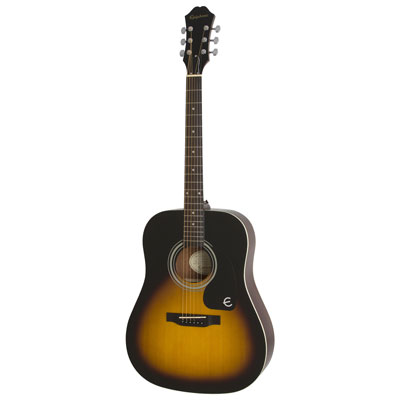 Your price for this item is $259.99
 -
 Your price for this item is $229.99
 -
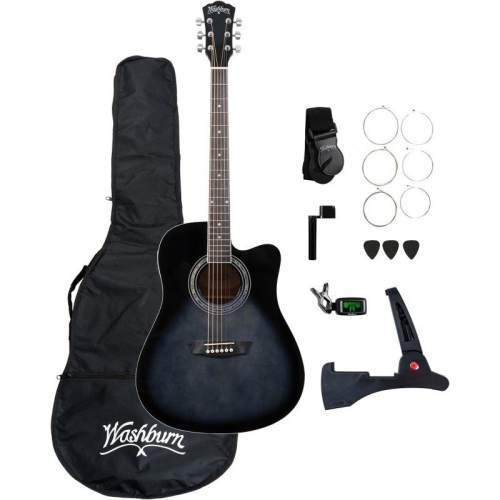 Your price for this item is $269.99
 -
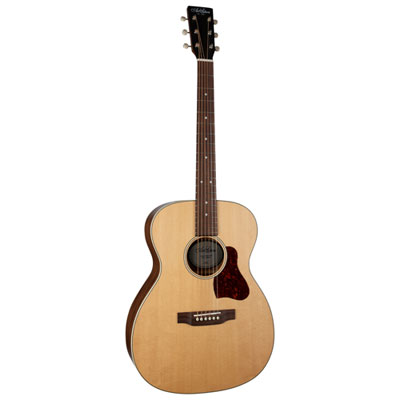 Your price for this item is $599.99
 -
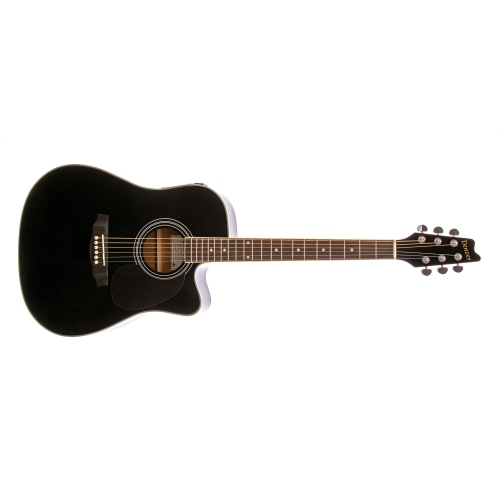 Your price for this item is $269.99
 -
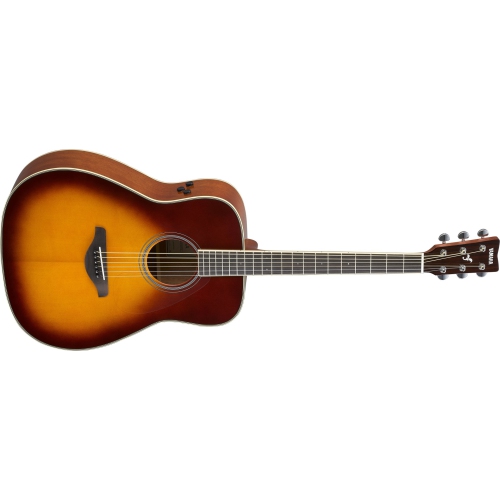 Your price for this item is $899
 -
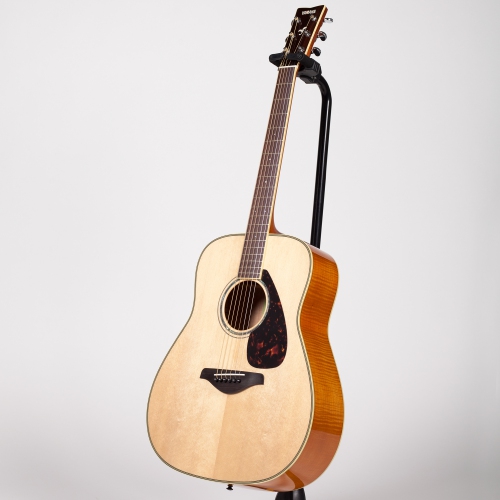 Your price for this item is $649.99
 -
 Your price for this item is $459.99
Discover more categories related to Classical Guitar Music

Top Collections:
Pokemon Centers, Kindle Devices, Best Budget Office Chairs, Apple iPhones 16, Canon G7X Cameras, iPhone 15 Apple, Alarm Clock, Refurbished Apple Laptops, Flip Phones, Best Laptops for Writers
Some products may be subject to Environmental Handling Fees
(EHF) depending on your province.
Learn more about EHFs.