Classical Guitars
Looking to channel your inner musician with the timeless sounds of classical music? Look no further than our collection of classical guitars. Whether you're a seasoned guitarist or just starting out on your musical journey, our wide selection of classical guitars offers something for everyone. From beautifully crafted instruments with rich, warm tones to beginner-friendly options that won't break the bank, we have the perfect guitar to help you create beautiful melodies and express your musical creativity. Shop from our range of classical guitars and find the perfect instrument to bring your music to life.
Sort
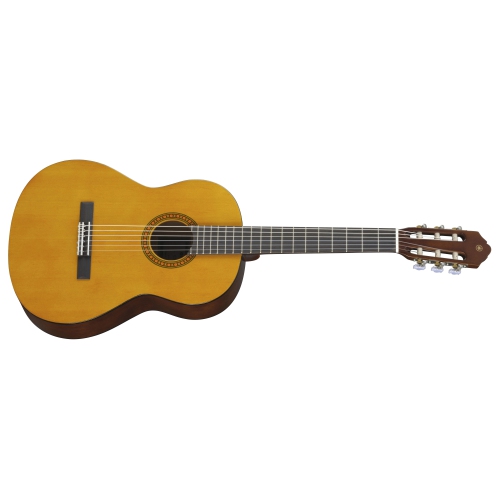

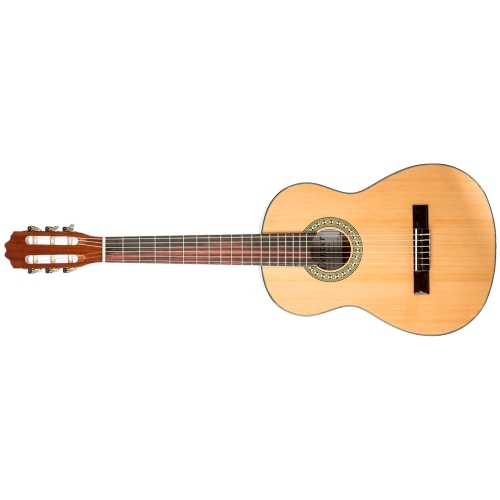
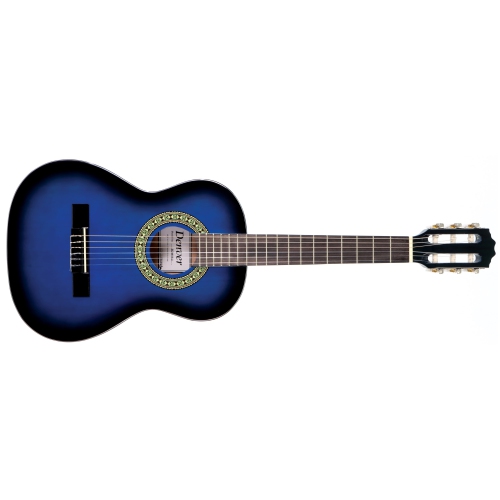
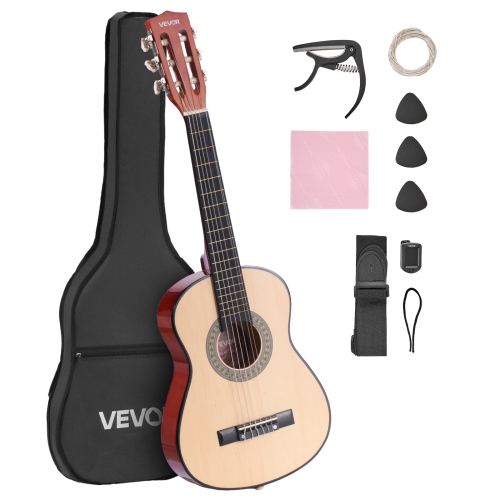
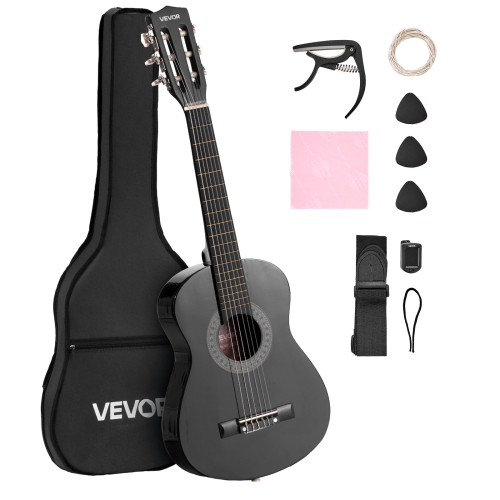

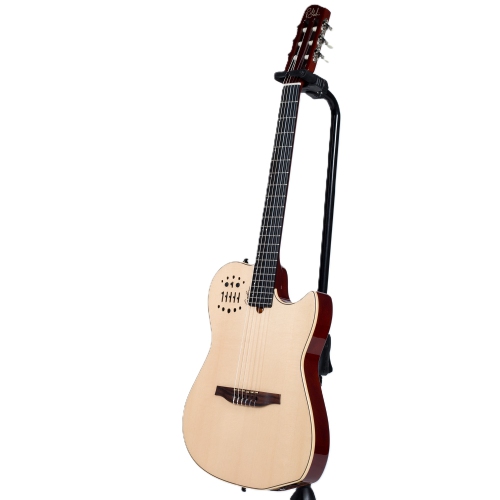
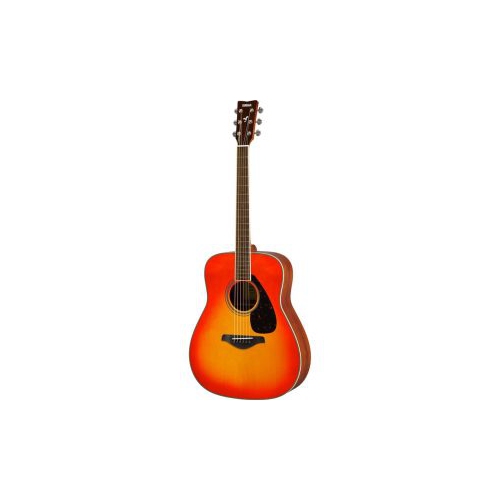
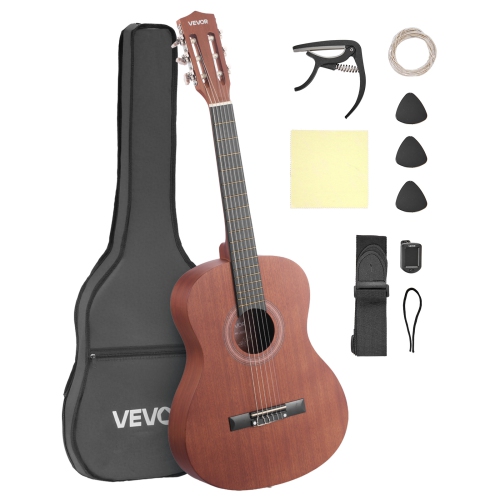
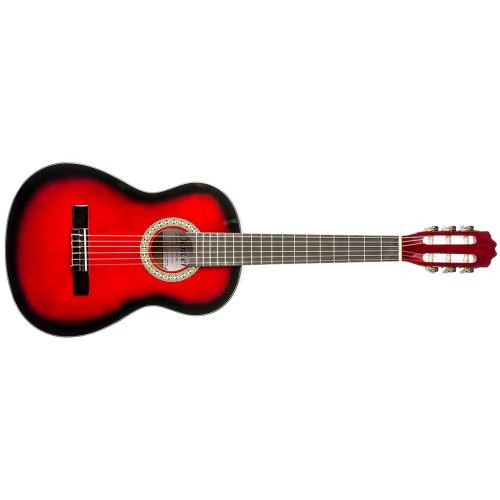
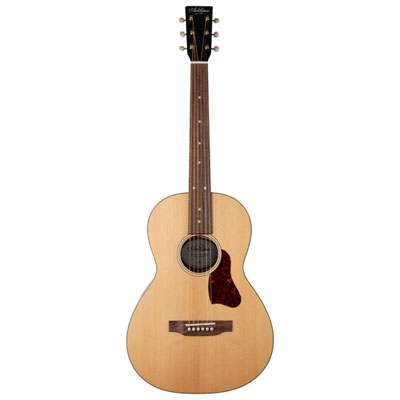
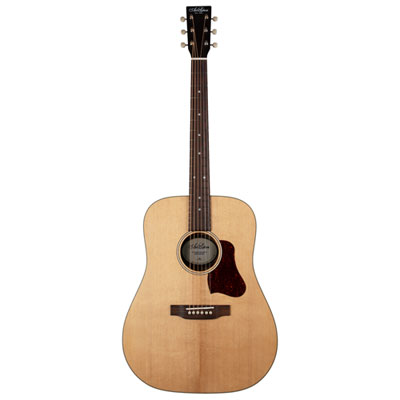

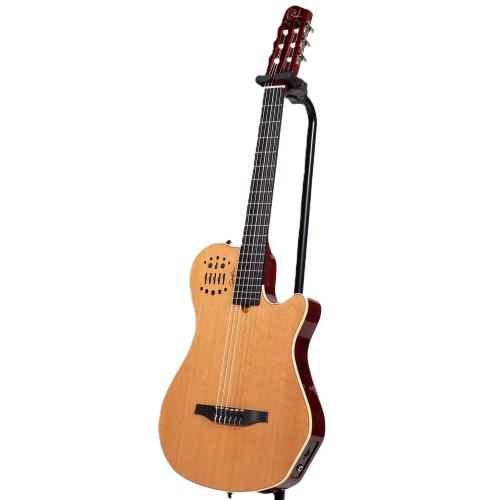
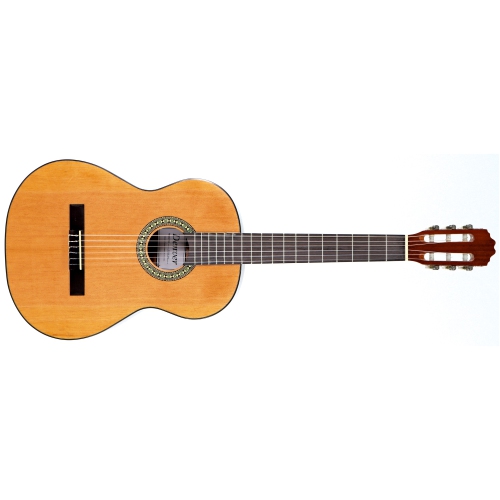
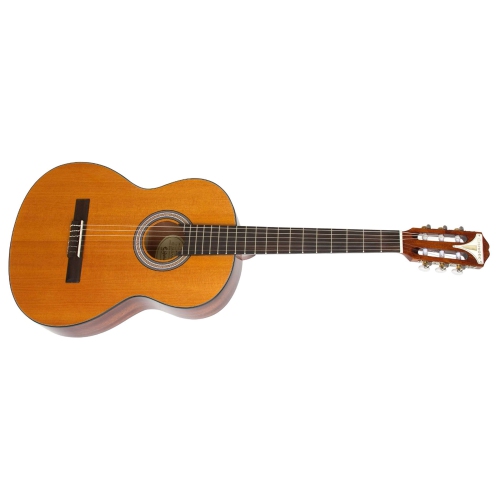
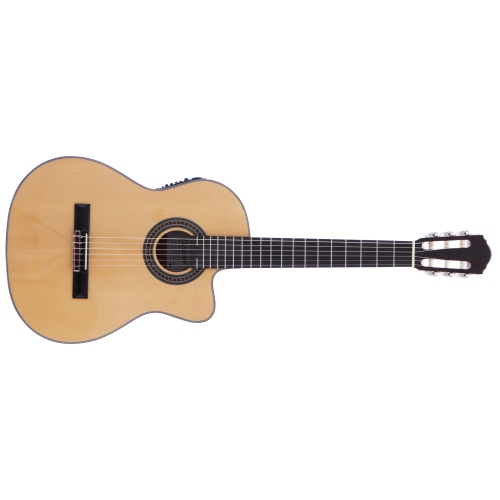
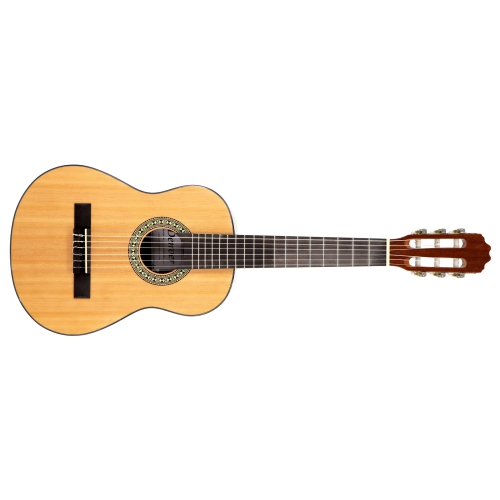
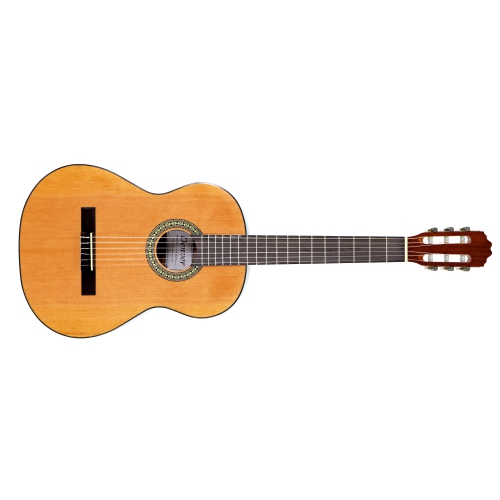
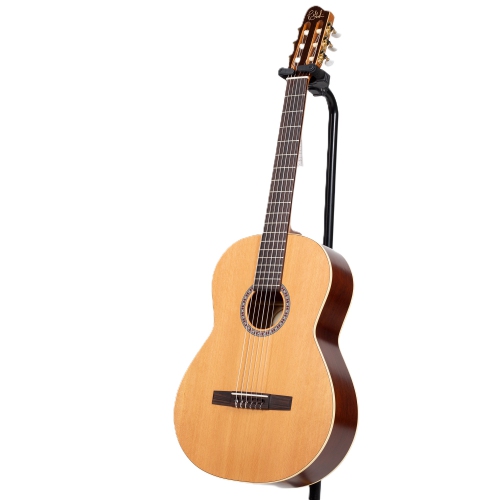
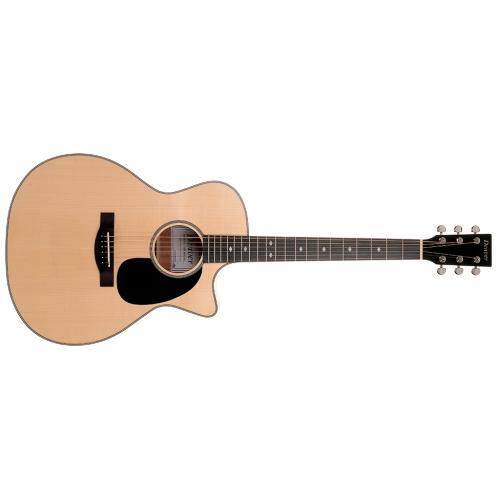


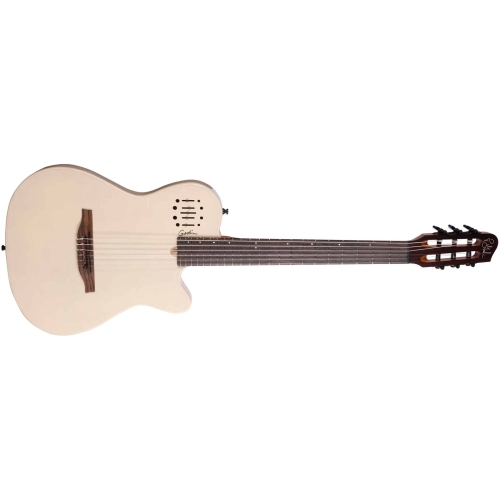
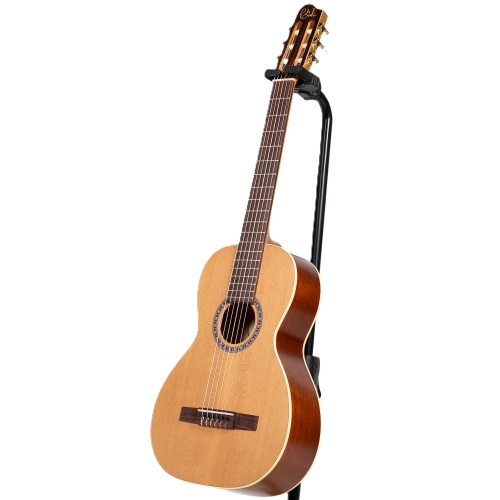

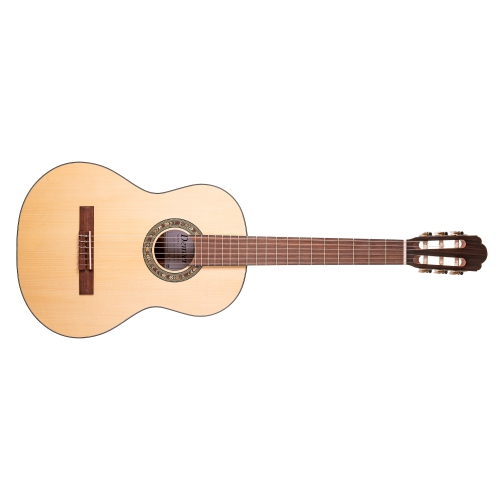
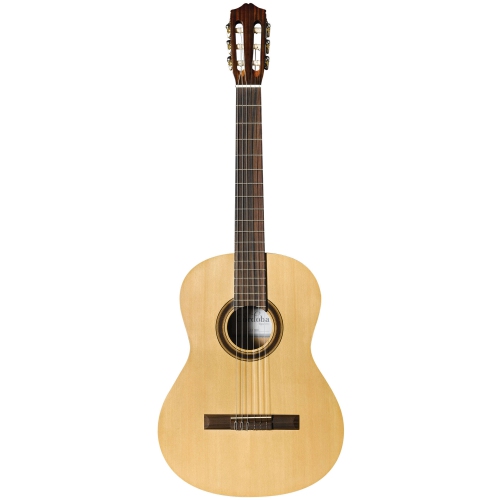
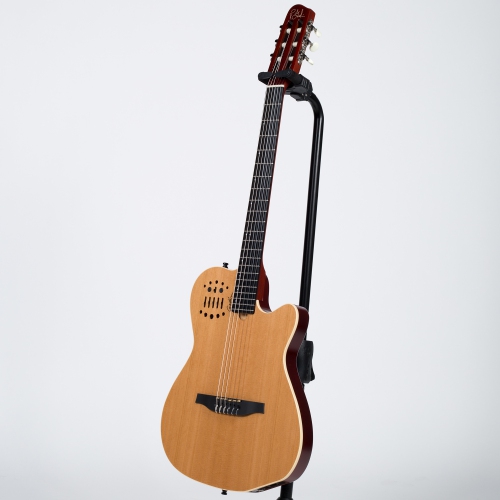
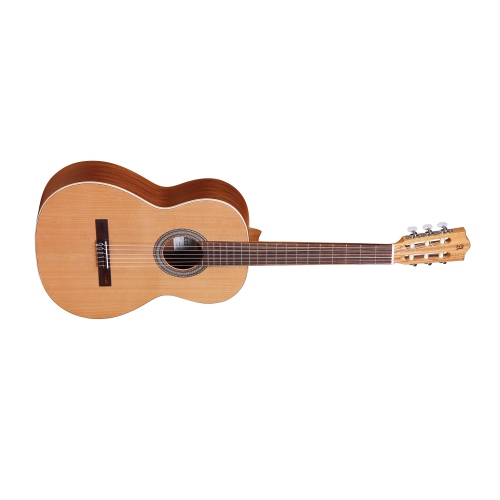
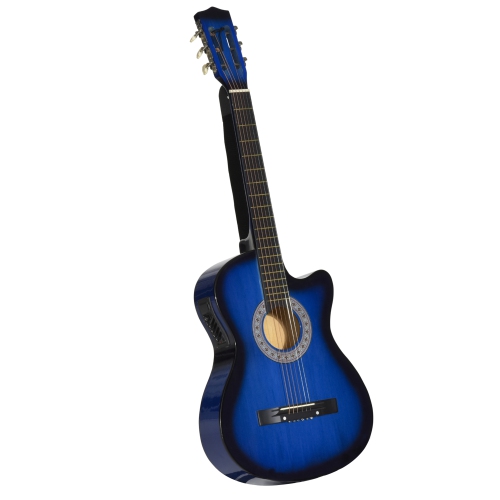

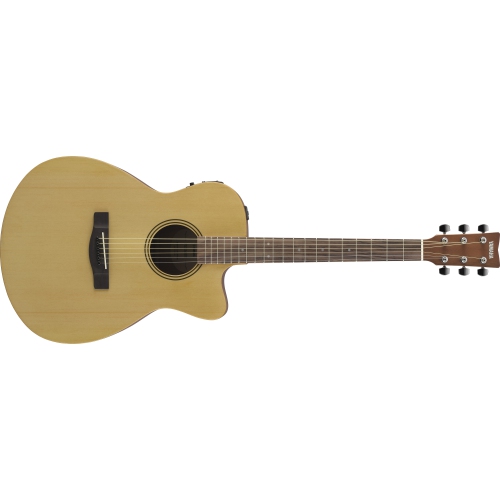
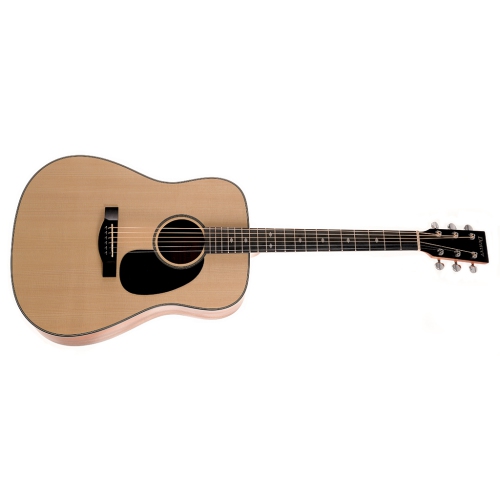
Warm nylon-string tone for expressive fingerstyle playing
Classical guitars are acoustic instruments designed around a warm, rounded sound and a comfortable fingerstyle playing experience. Their most recognisable feature is the use of nylon strings, which have lower tension and a softer feel than steel strings. This can make them more approachable for beginners, particularly players who are developing fingertip strength or learning to place individual fingers accurately. Nylon strings produce a mellow tone that suits classical compositions, Spanish and Latin-inspired music, folk arrangements, bossa nova, ballads and gentle accompaniment. The traditional design usually includes a wider, flatter neck than a steel-string acoustic guitar, giving each finger more room to move between the strings. That spacing is useful for playing independent bass lines, arpeggios and melodies at the same time, although it may take a little adjustment for anyone who is already accustomed to a narrower electric or steel-string neck. Classical guitars also tend to have a compact acoustic body with a wooden soundboard and back and sides that help project the softer voice of nylon strings. Spruce tops often provide a clear, articulate response, while cedar tops are commonly appreciated for a warmer, more immediate sound. Different woods, bracing patterns, finishes and body shapes can all influence volume, resonance and the way an instrument responds to a light or firm touch. For a first guitar, reliable construction, comfortable action and stable tuning are often more important than choosing the most elaborate appointments. A well-set-up instrument should feel inviting in the hands, with strings that are not excessively high above the fretboard and frets that allow clean notes without unnecessary effort. Players who are new to guitar may appreciate a full-size model for long-term learning, while children and smaller-framed players can find a fractional-size instrument easier to hold. The right size should allow the player to sit comfortably, reach the first position without straining and maintain a relaxed wrist and shoulder posture.
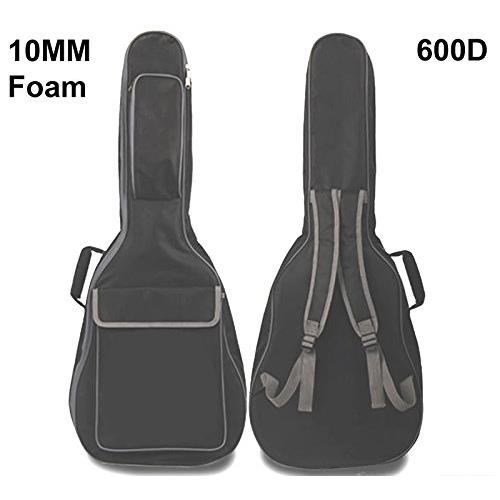
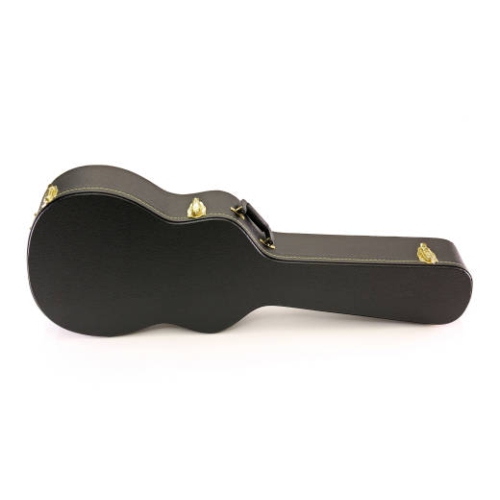
Classical guitars can suit a wide range of players, from complete beginners taking lessons to experienced musicians refining fingerstyle technique. A student working through music notation may value the clear separation between treble and bass notes, while a self-taught player can use the instrument for chord practice, simple melodies and relaxed evening playing. Teachers often recommend nylon-string guitars for learners who want to build patience, precision and good right-hand habits, since the instrument encourages controlled plucking rather than relying only on a pick. The wider fretboard can also make finger placement easier to see, although beginners should expect a short period of familiarisation as they learn chord shapes and scales. More advanced players may look for a solid top, responsive tonewoods, carefully finished fretwork and a balanced voice that remains expressive across the entire range. When comparing options, consider where the guitar will be played, how often it will be transported and whether it will be used for quiet practice, casual performance or recording. A guitar intended for lessons at home may prioritise comfort and dependable tuning, while an instrument for recitals or ensemble work may benefit from stronger projection and a more nuanced dynamic range. Classical guitars are also thoughtful gifts for music students, creative family members or anyone who has expressed an interest in learning an instrument. They can provide a tangible starting point for a new hobby, whether the recipient plans to follow online lessons, attend classes or learn favourite songs independently. Choosing a size appropriate to the player is especially important when giving a guitar as a gift, and it is helpful to consider whether the recipient prefers a traditional natural wood appearance or a more distinctive finish. A tuner, spare nylon strings, a footstool or support for classical posture and a protective case can make the gift more useful from the first practice session. For players who carry their instrument to lessons, rehearsals or community performances, a padded Classical Guitar Gig Bags can make handling and storage more convenient while helping protect the guitar from everyday knocks.
The differences between a classical guitar and a steel-string acoustic guitar are worth considering before making a choice. Steel strings usually offer greater brightness, volume and attack, making them popular for strumming, country, rock, pop and contemporary singer-songwriter styles. Nylon strings have a gentler response and a softer, more rounded character, which is often better suited to fingerpicking, classical repertoire and music where subtle changes in touch are important. Nylon-string guitars are not simply smaller or quieter versions of steel-string instruments; their neck shape, bridge design, bracing and string attachment are built for a different playing approach. Steel strings should not be fitted to a classical guitar, as the additional tension can damage the instrument and affect its neck, bridge or top. Likewise, nylon strings are intended for the appropriate classical-style design and may not perform correctly on every steel-string guitar. New players should allow time for the strings to stretch and settle after installation, with regular tuning forming part of the early learning routine. Keeping the guitar away from extreme heat, cold and sudden changes in humidity can help preserve its playability, while wiping the strings and finish with a soft, dry cloth after playing removes oils and perspiration. Store the instrument in a suitable case or bag when it is not being used, and avoid leaving it in a vehicle during very hot or cold weather. During the warmer part of the year, a shaded, temperature-controlled room is preferable to a sunny windowsill; during the cooler months, keeping the guitar away from radiators, fireplaces and heating vents can help reduce the risk of drying or warping. With regular tuning, gentle cleaning and occasional professional adjustments, a classical guitar can remain a rewarding companion for lessons, home practice and informal performances. Its mellow voice works equally well in a quiet corner of a living room, around a camp setting with suitable protection from the elements or in a rehearsal space where the player wants expressive detail without an overpowering sound. Choosing the right size, neck feel, tonewood character and level of construction helps ensure that the instrument feels comfortable enough to pick up often, which is one of the most important parts of making steady progress.
Classical guitars can suit a wide range of players, from complete beginners taking lessons to experienced musicians refining fingerstyle technique. A student working through music notation may value the clear separation between treble and bass notes, while a self-taught player can use the instrument for chord practice, simple melodies and relaxed evening playing. Teachers often recommend nylon-string guitars for learners who want to build patience, precision and good right-hand habits, since the instrument encourages controlled plucking rather than relying only on a pick. The wider fretboard can also make finger placement easier to see, although beginners should expect a short period of familiarisation as they learn chord shapes and scales. More advanced players may look for a solid top, responsive tonewoods, carefully finished fretwork and a balanced voice that remains expressive across the entire range. When comparing options, consider where the guitar will be played, how often it will be transported and whether it will be used for quiet practice, casual performance or recording. A guitar intended for lessons at home may prioritise comfort and dependable tuning, while an instrument for recitals or ensemble work may benefit from stronger projection and a more nuanced dynamic range. Classical guitars are also thoughtful gifts for music students, creative family members or anyone who has expressed an interest in learning an instrument. They can provide a tangible starting point for a new hobby, whether the recipient plans to follow online lessons, attend classes or learn favourite songs independently. Choosing a size appropriate to the player is especially important when giving a guitar as a gift, and it is helpful to consider whether the recipient prefers a traditional natural wood appearance or a more distinctive finish. A tuner, spare nylon strings, a footstool or support for classical posture and a protective case can make the gift more useful from the first practice session. For players who carry their instrument to lessons, rehearsals or community performances, a padded Classical Guitar Gig Bags can make handling and storage more convenient while helping protect the guitar from everyday knocks.
The differences between a classical guitar and a steel-string acoustic guitar are worth considering before making a choice. Steel strings usually offer greater brightness, volume and attack, making them popular for strumming, country, rock, pop and contemporary singer-songwriter styles. Nylon strings have a gentler response and a softer, more rounded character, which is often better suited to fingerpicking, classical repertoire and music where subtle changes in touch are important. Nylon-string guitars are not simply smaller or quieter versions of steel-string instruments; their neck shape, bridge design, bracing and string attachment are built for a different playing approach. Steel strings should not be fitted to a classical guitar, as the additional tension can damage the instrument and affect its neck, bridge or top. Likewise, nylon strings are intended for the appropriate classical-style design and may not perform correctly on every steel-string guitar. New players should allow time for the strings to stretch and settle after installation, with regular tuning forming part of the early learning routine. Keeping the guitar away from extreme heat, cold and sudden changes in humidity can help preserve its playability, while wiping the strings and finish with a soft, dry cloth after playing removes oils and perspiration. Store the instrument in a suitable case or bag when it is not being used, and avoid leaving it in a vehicle during very hot or cold weather. During the warmer part of the year, a shaded, temperature-controlled room is preferable to a sunny windowsill; during the cooler months, keeping the guitar away from radiators, fireplaces and heating vents can help reduce the risk of drying or warping. With regular tuning, gentle cleaning and occasional professional adjustments, a classical guitar can remain a rewarding companion for lessons, home practice and informal performances. Its mellow voice works equally well in a quiet corner of a living room, around a camp setting with suitable protection from the elements or in a rehearsal space where the player wants expressive detail without an overpowering sound. Choosing the right size, neck feel, tonewood character and level of construction helps ensure that the instrument feels comfortable enough to pick up often, which is one of the most important parts of making steady progress.
Top selling and popular products
-
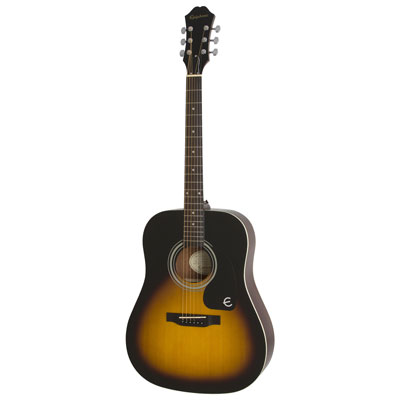 Your price for this item is $259.99
 -
 Your price for this item is $229.99
 -
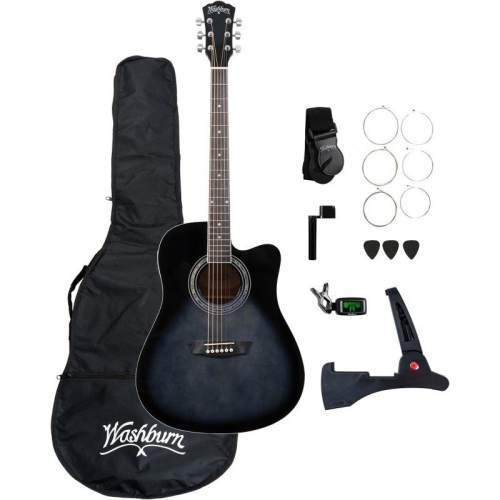 Your price for this item is $269.99
 -
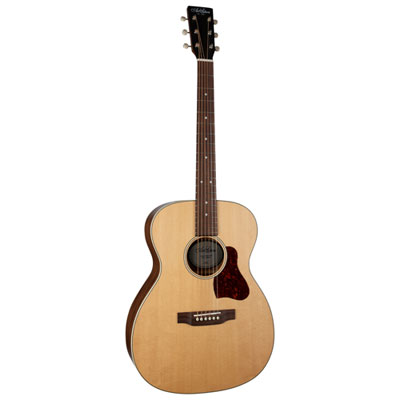 Your price for this item is $599.99
 -
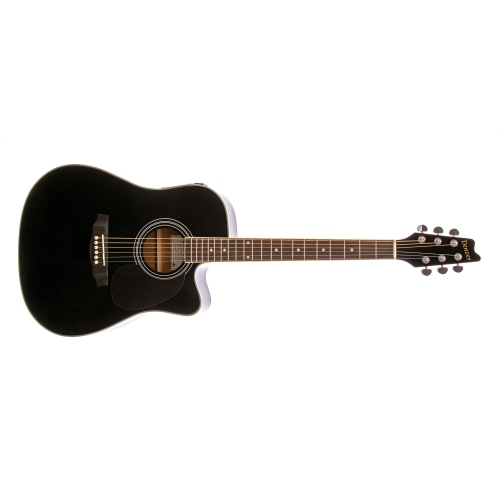 Your price for this item is $269.99
 -
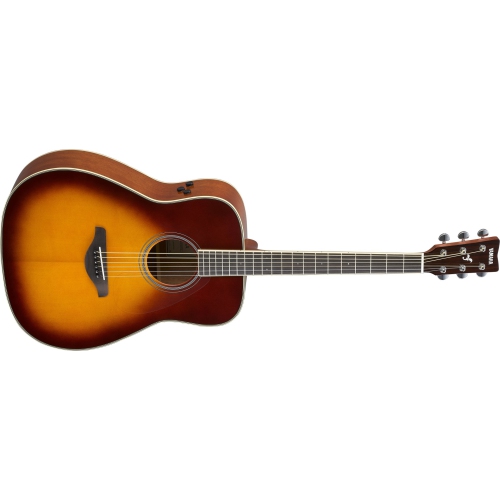 Your price for this item is $899
 -
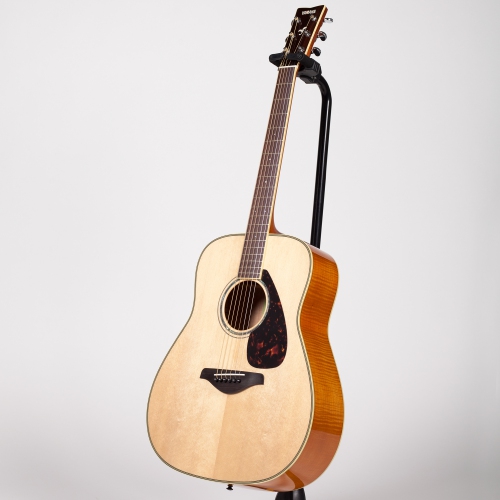 Your price for this item is $649.99
 -
 Your price for this item is $459.99
Discover more categories related to Classical Guitars
Top Collections:
Pokemon Centers, Kindle Devices, Best Budget Office Chairs, Apple iPhones 16, Canon G7X Cameras, iPhone 15 Apple, Alarm Clock, Refurbished Apple Laptops, Flip Phones, Best Laptops for Writers
Some products may be subject to Environmental Handling Fees
(EHF) depending on your province.
Learn more about EHFs.