Classroom Musical Instruments
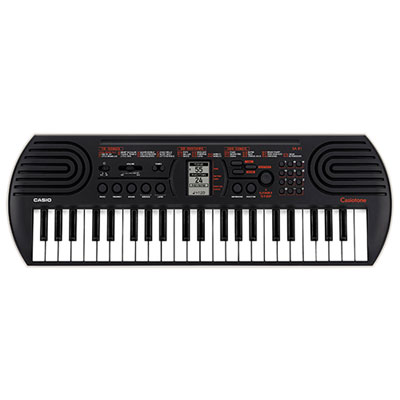
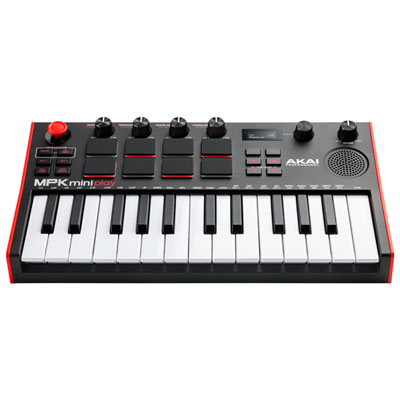
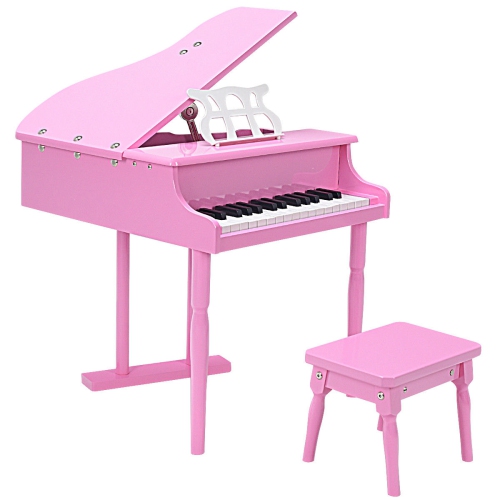
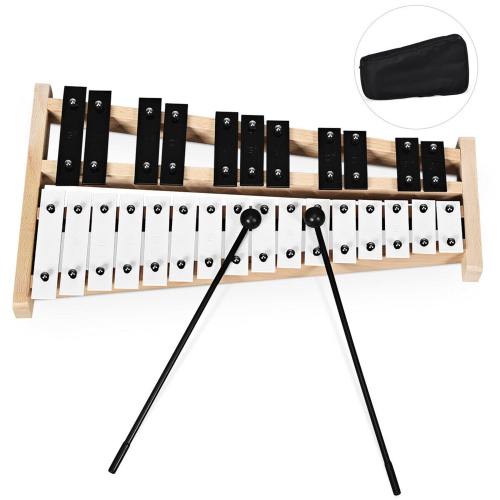
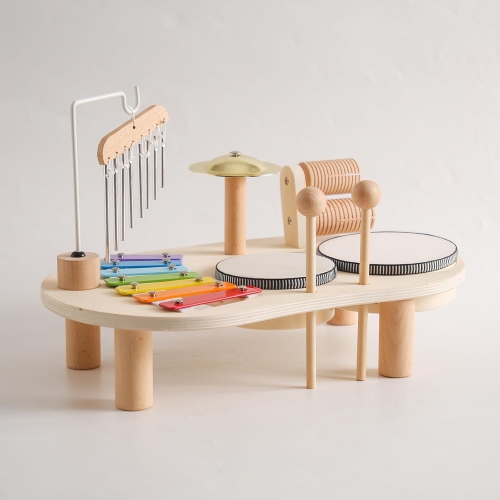
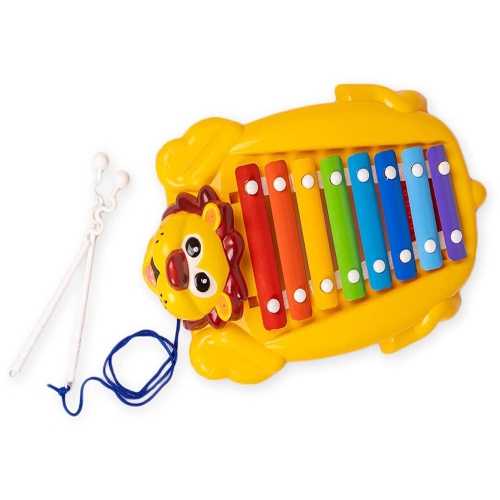
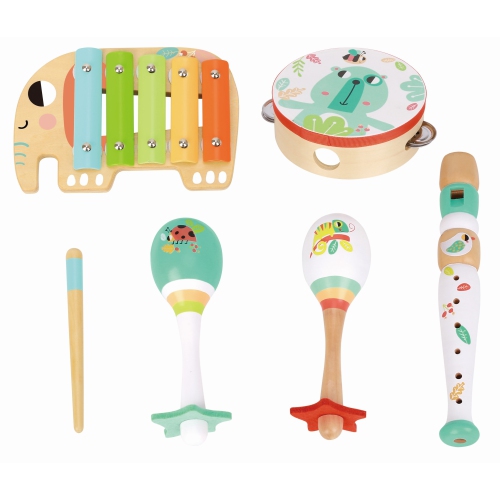
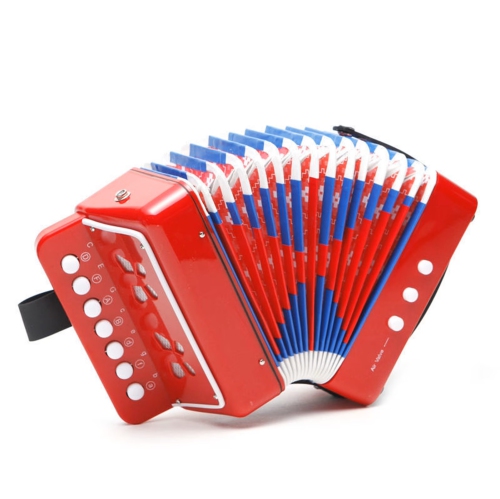
Enhance the learning experience and foster creativity in the classroom with our wide range of musical instruments. From keyboards to drums, xylophones to recorders, our collection has everything educators need to introduce students to the world of music. Whether you're looking to create a full-fledged school band or simply want to incorporate music into your lesson plans, our selection of classroom musical instruments ensures that every student can explore their musical talents. With durable construction and high-quality sound, these instruments are designed to withstand the rigors of daily use while providing an engaging and immersive musical experience. Discover the possibilities and watch your students' love for music soar with our exceptional classroom musical instruments.

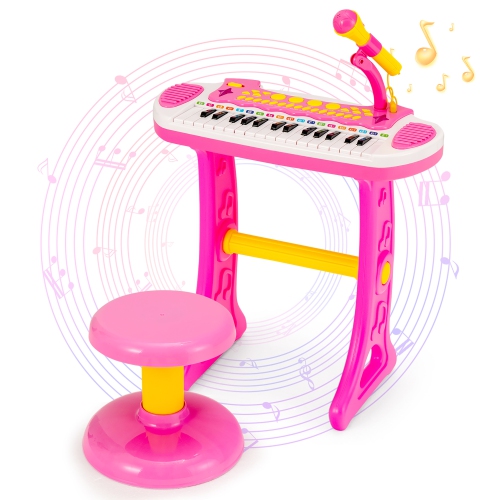
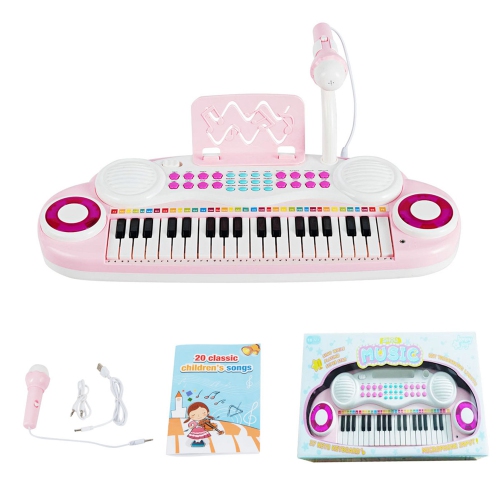
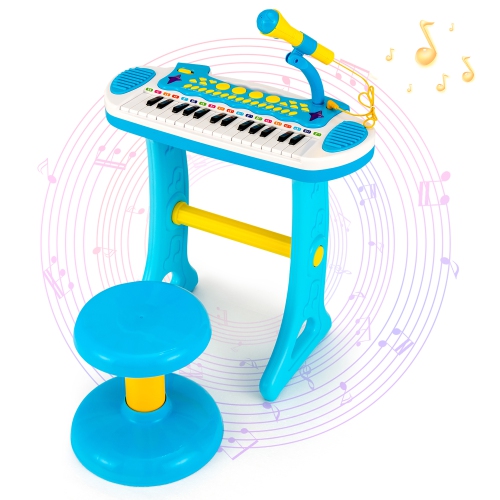
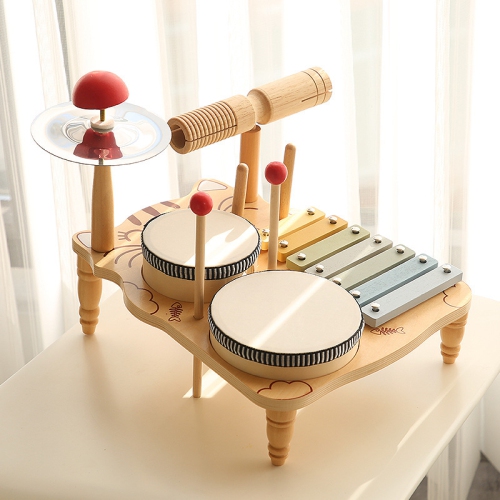
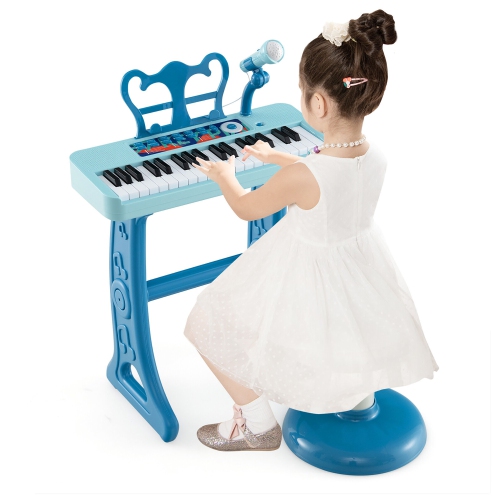
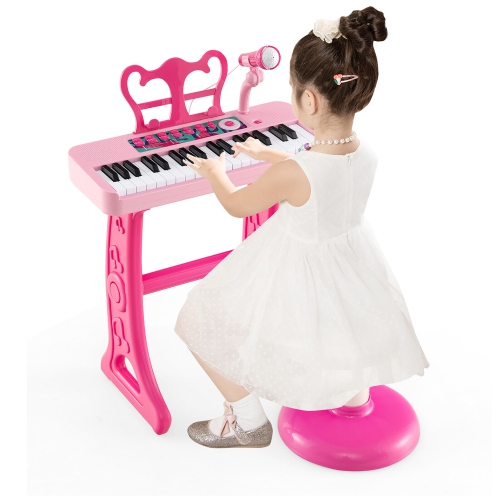
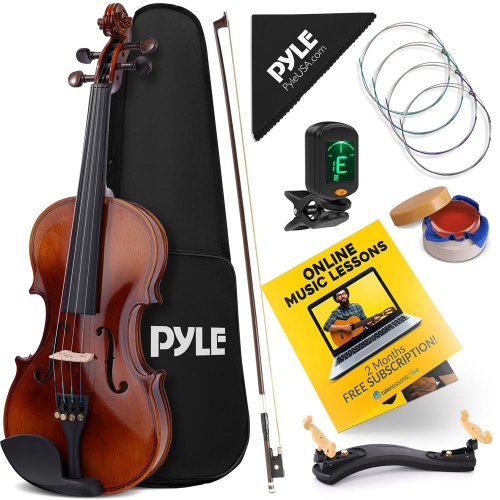
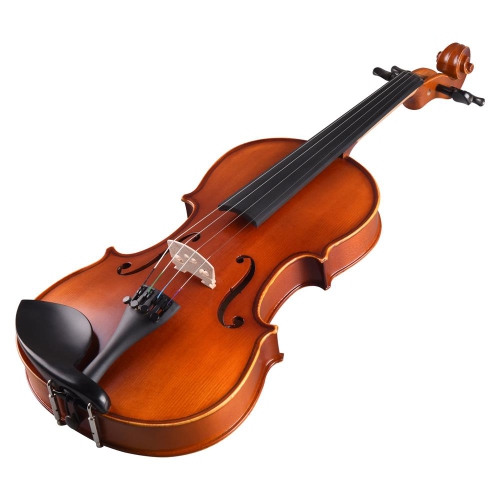

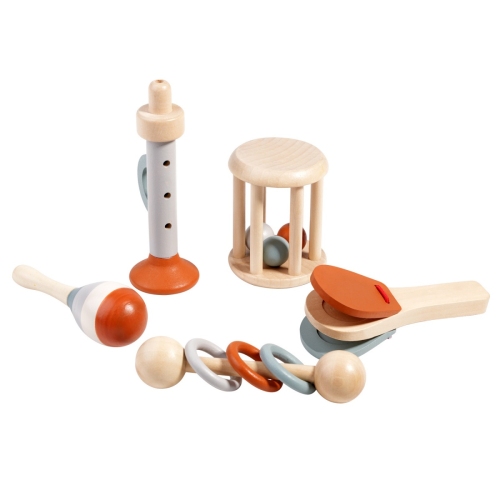
How shared music making helps students hear their part
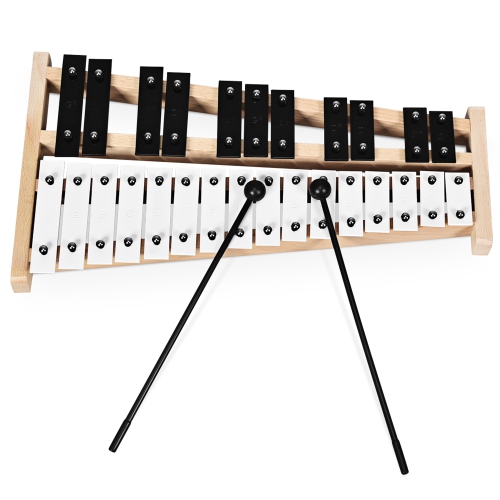
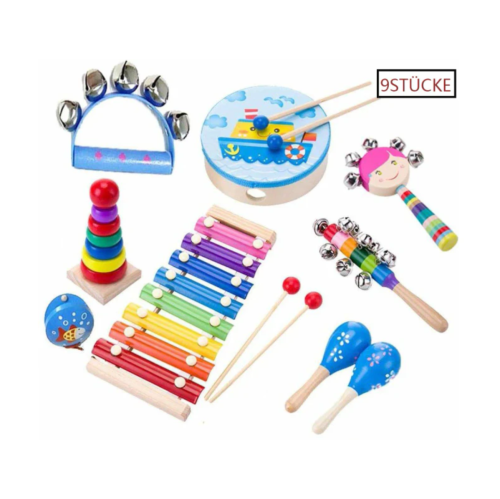
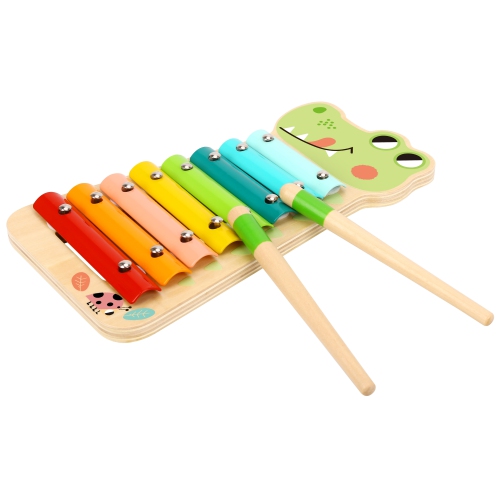
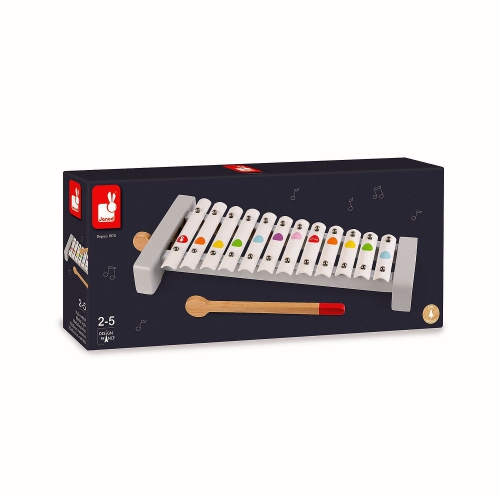
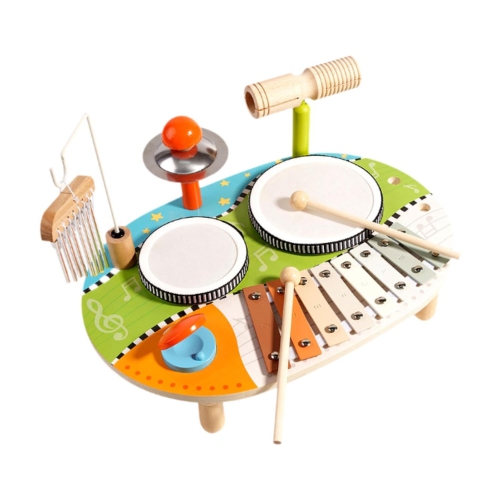
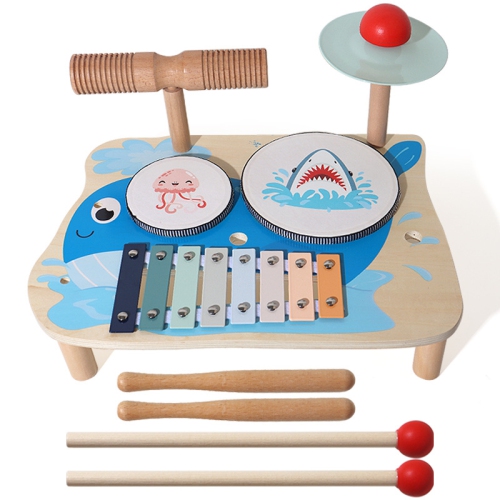
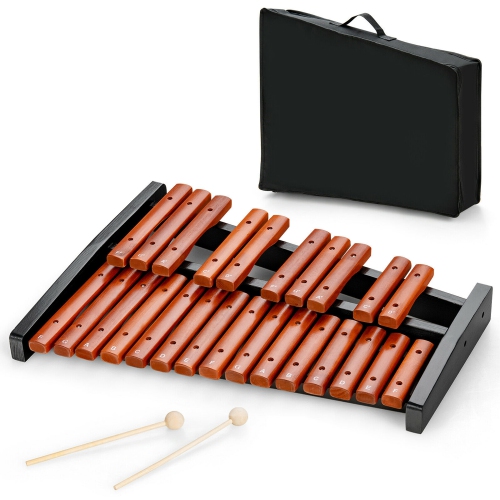
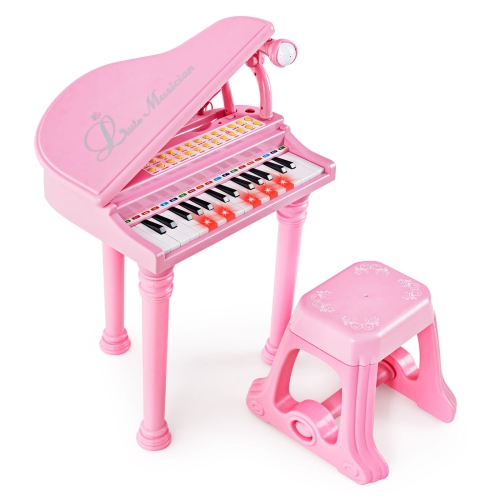
Materials, size, and construction influence how classroom instruments feel, sound, and stand up to repeated handling. Wooden percussion often has a warm, distinct attack, although the tone varies with the wood, shape, and playing surface. Metal bars and bells tend to ring longer, while plastic bodies can offer a lightweight option for frequent movement between desks, floor circles, and storage areas. No material is automatically the best choice for every age group. Smooth finishes, comfortable edges, firmly attached handles, and secure components are especially important where instruments pass through many hands. A child should be able to hold an instrument without straining their wrist or stretching their fingers around an oversized grip. Drum height and playing position matter too: a surface that is easy to reach helps a student play without lifting their shoulders or leaning awkwardly. Mallet length, weight, and head material affect both control and tone, and the appropriate mallet should match the instrument maker’s recommendations. A hard striking surface can damage an instrument intended for softer beaters. For younger learners, manufacturer age ratings and warnings about small parts deserve particular attention, including removable pieces, loose jingles, cords, and mallet heads. Small dimensions alone do not make an instrument suitable for toddlers. For compact options suited to smaller spaces or portable music activities, Mini Music Instruments offers a related category to explore, with suitability still depending on the individual instrument’s design and age guidance. Accessibility is another practical consideration. Some students find a stable tabletop instrument easier to use than one that must be held, while others benefit from a broad handle or an instrument that sounds with a gentle movement. Clear note markings can support early melodic playing, particularly when they are easy to see from the playing position. Sound sensitivity also matters in a shared room. Quieter instruments, softer mallets where appropriate, and space between players can make participation more comfortable without taking away the pleasure of making music together.
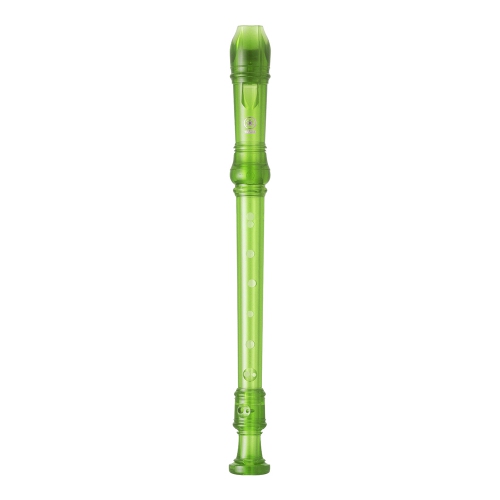
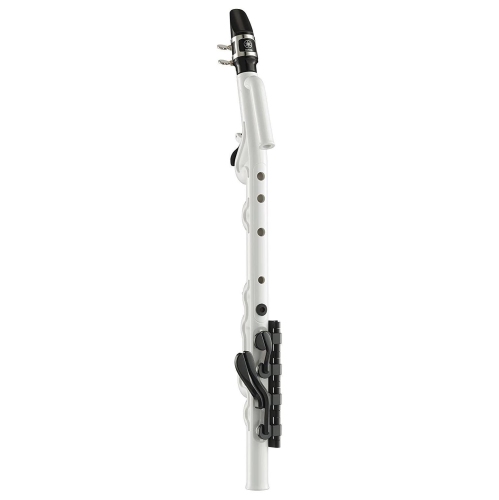
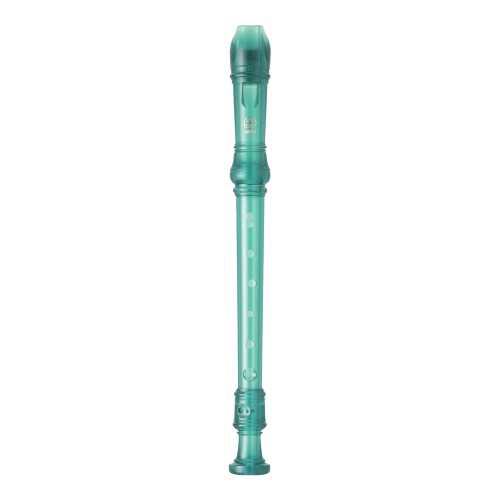
Durability in classroom musical instruments is about more than surviving an occasional drop. Instruments need to remain comfortable, intact, and musically useful through repeated lessons, packing away, and transport. Secure bar mounts, sturdy frames, well-finished seams, and replaceable playing accessories can be valuable features for frequent group use. Storage deserves equal attention: a drumhead pressed against a sharp object or a set of tone bars piled beneath heavier equipment may suffer damage even when students handle it carefully during class. Separate compartments, suitable cases, and shelves within an adult’s easy reach can help keep instruments organised and protect delicate surfaces. Allowing room for instruments to sit without rubbing against one another also helps preserve their finish. Care routines should follow the manufacturer’s directions, since wood, metal, plastic, and drumheads can require different treatment. A cleaning method suitable for a hard plastic shell may not be appropriate for unfinished wood, a coated bar, or a natural-skin head. Excess moisture can harm some materials, and instruments should be dry before they return to enclosed storage. Shared mouth-blown instruments require particular attention to hygiene; individual assignment and compatible cleaning procedures are important considerations. Regular checks for cracks, splinters, loose fasteners, damaged cords, and detached parts help identify instruments that should be set aside for repair or replacement. The intended setting also shapes a practical collection. A travelling music teacher may value manageable carrying weight and straightforward setup, while a dedicated music room may accommodate larger instruments that stay in position. An after-school group may benefit from instruments that allow newcomers to join a repeating pattern quickly, with more demanding parts for experienced players. For families, classroom-style instruments can make a thoughtful gift for a child who enjoys tapping along to songs, creating sound effects for stories, or playing music with siblings. Age suitability, comfortable handling, household sound levels, and storage space are more useful considerations than appearance alone. Whether used for a short listening activity or a full ensemble session, well-matched instruments give each participant a clear, manageable way to take part.
Top selling and popular products
-
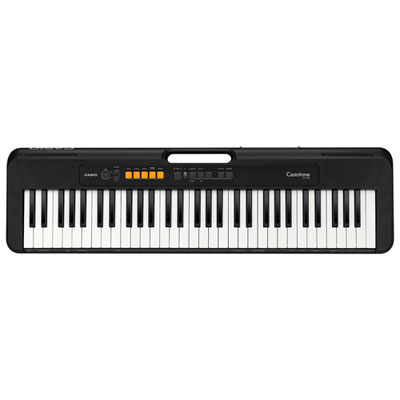 Your price for this item is $119.99
 -
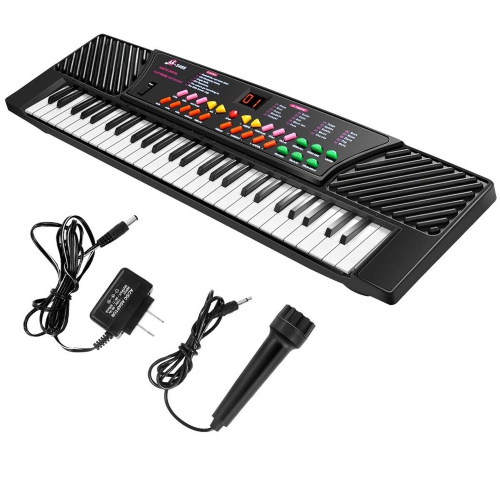 Your price for this item is $69.99
 -
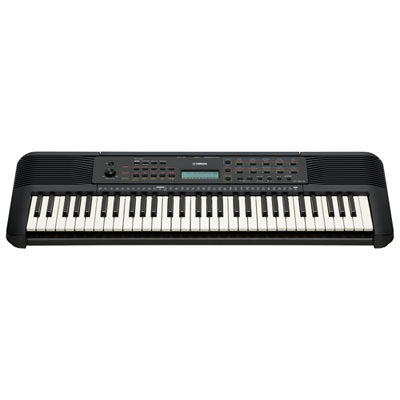 Your price for this item is $129.99
 -
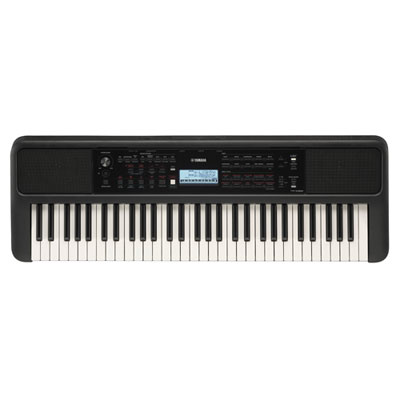 Your price for this item is $249.99
 -
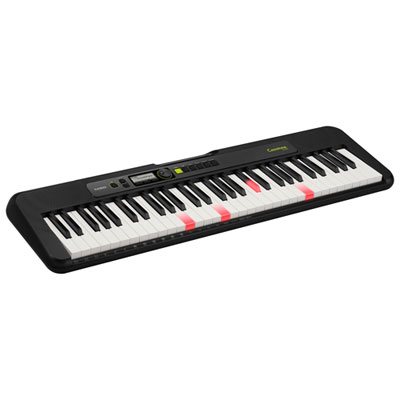 Your price for this item is $229.99
 -
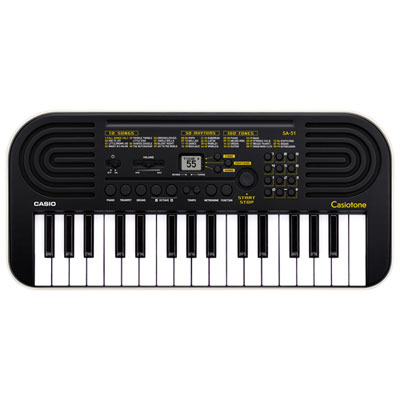 Your price for this item is $99.99
 -
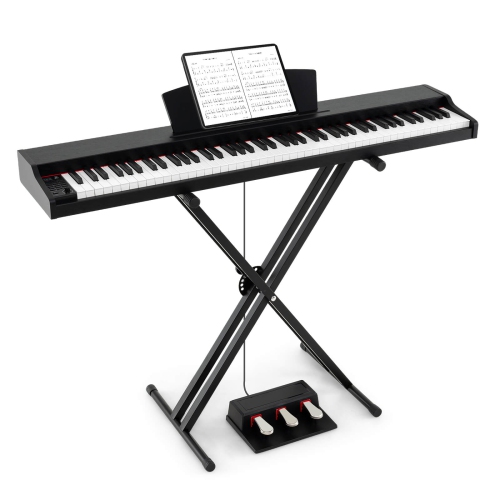 Your price for this item is $229.99
 -
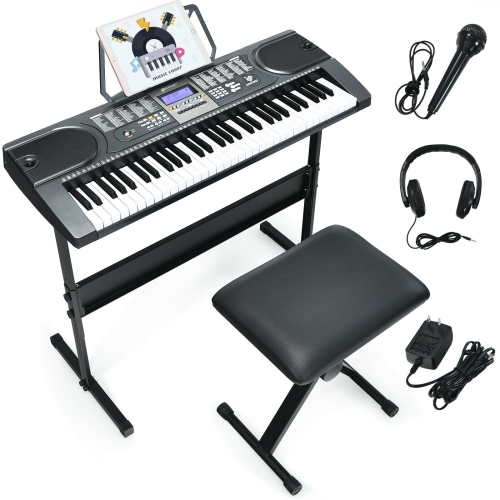 Your price for this item is $199.99