Musical Instruments for Students
Musical Instruments For Students are designed to inspire creativity and help learners of all ages develop their musical talents. Whether starting a new hobby or advancing your skills, finding the right instrument can make practice sessions more enjoyable and rewarding. Explore a wide selection of options perfect for school bands, music classes, or personal enrichment, and discover how the right musical companion can support every step of your learning journey.
Sort

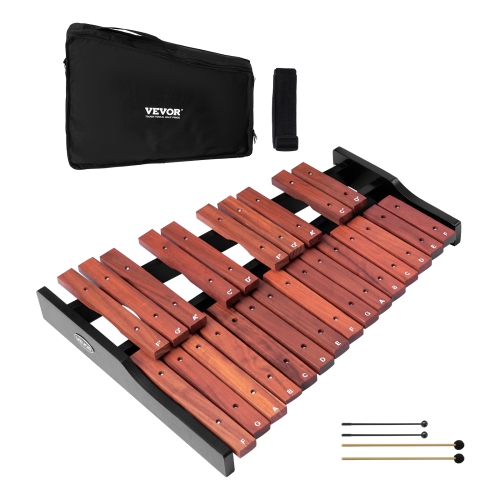

Why instrument fit matters as much as sound
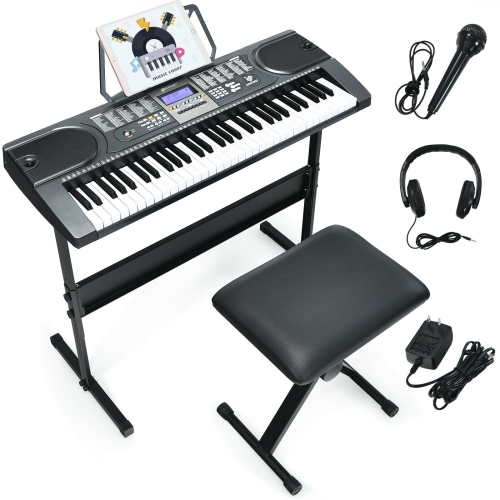
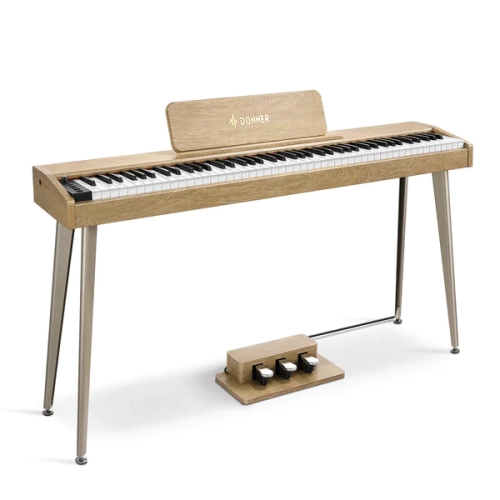
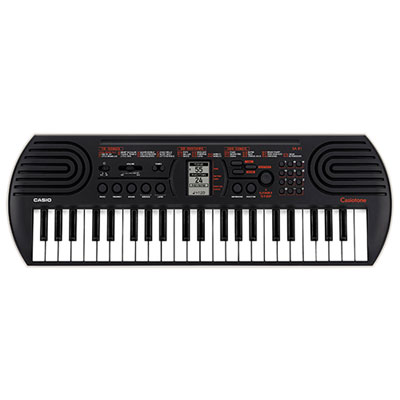
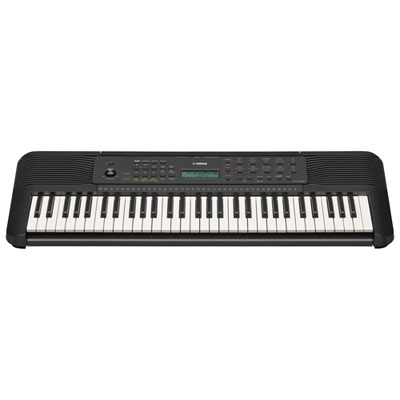
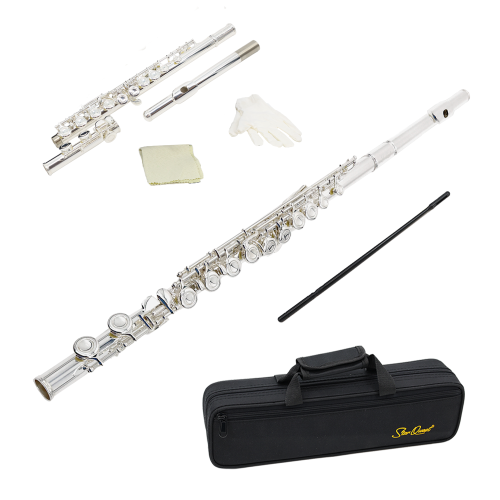
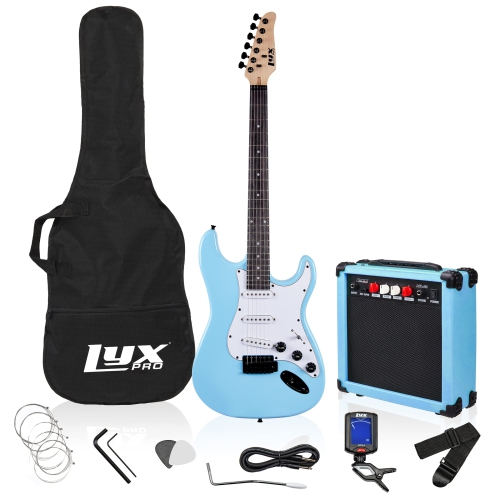
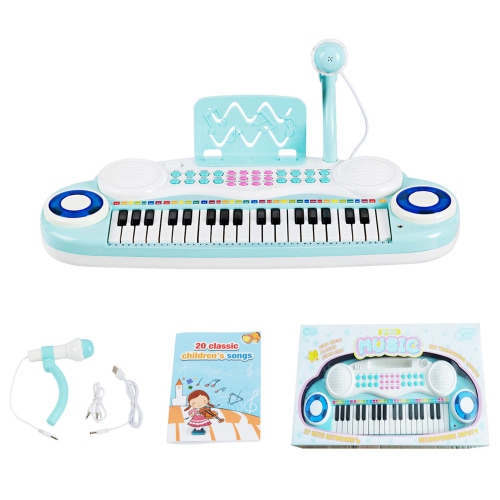
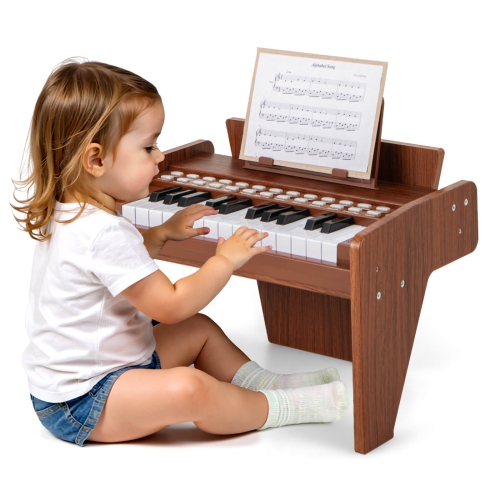
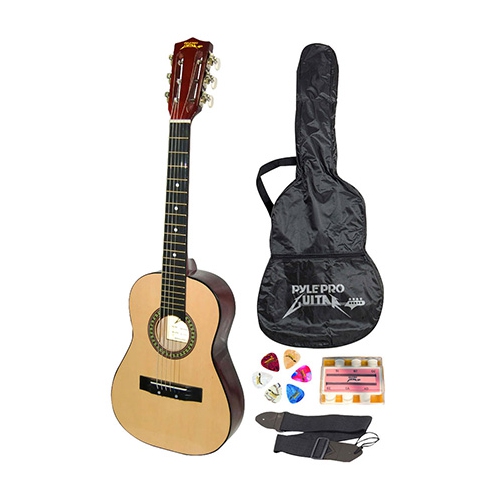
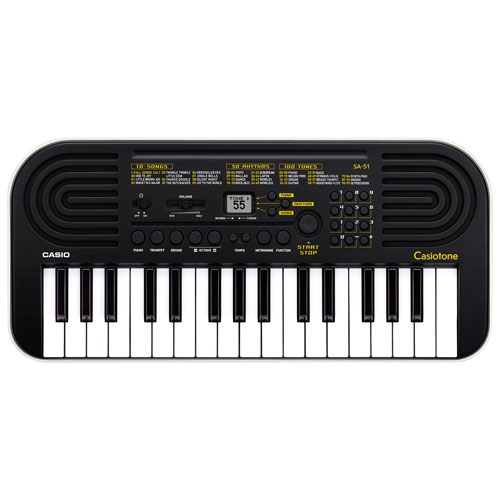
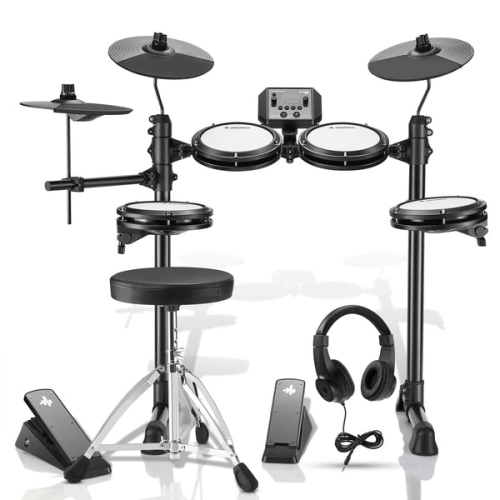
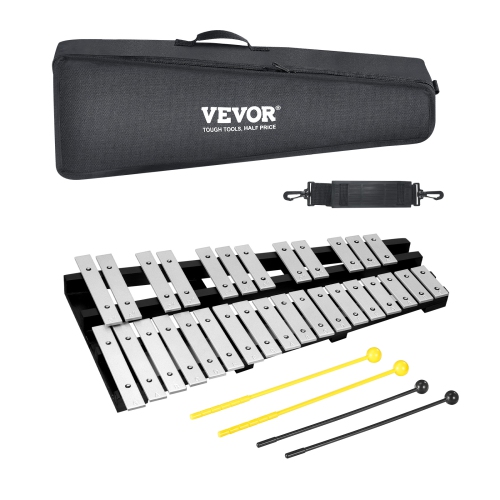
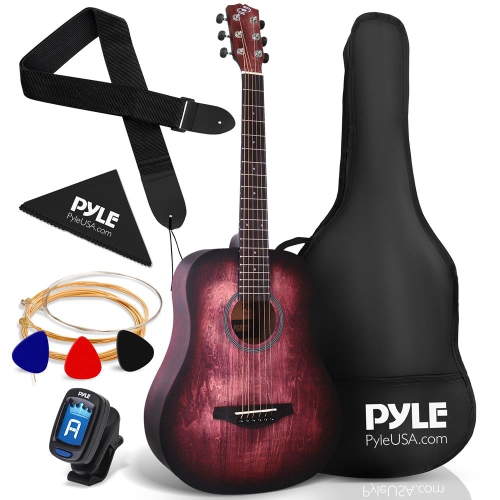
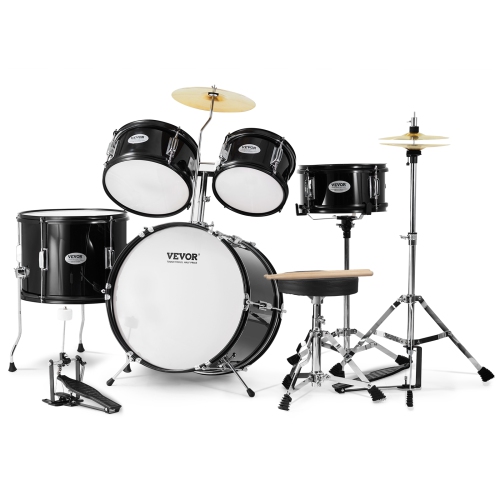
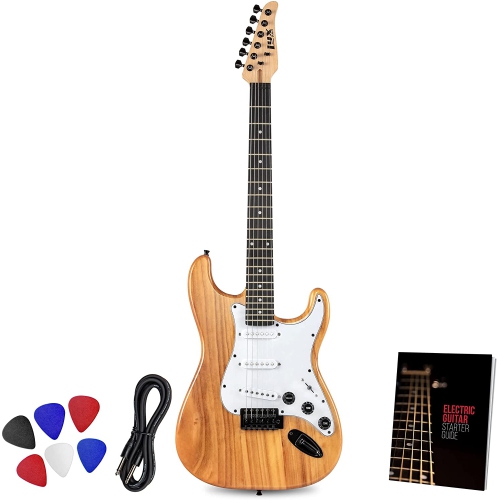
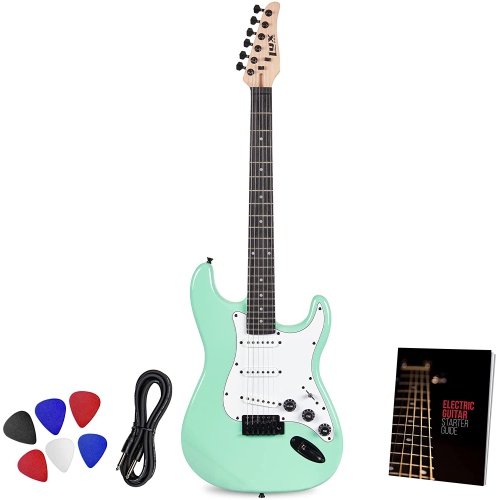
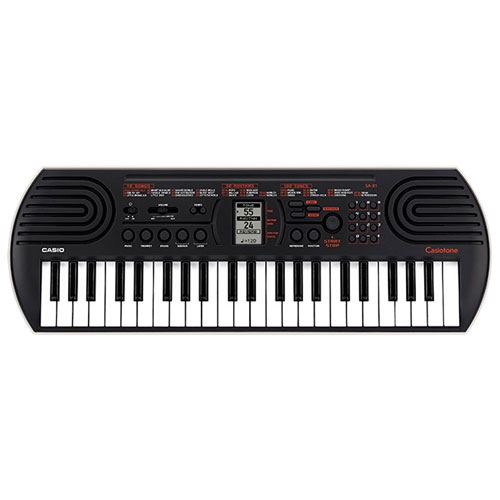
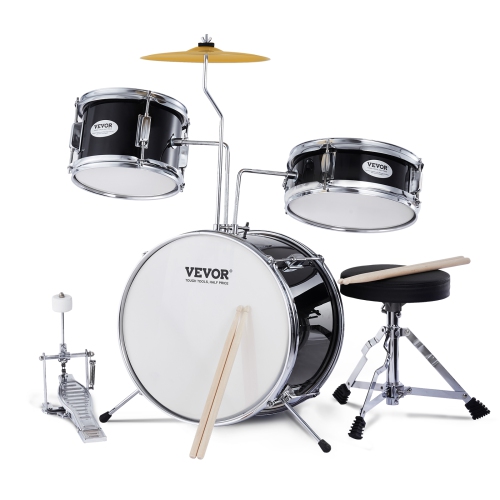
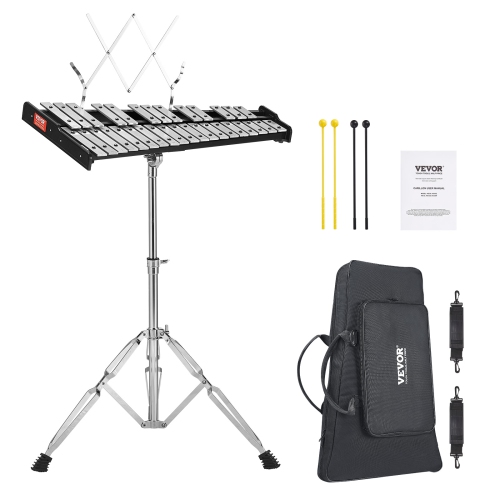
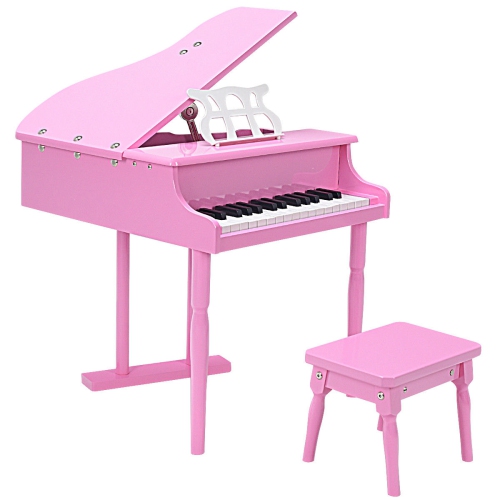
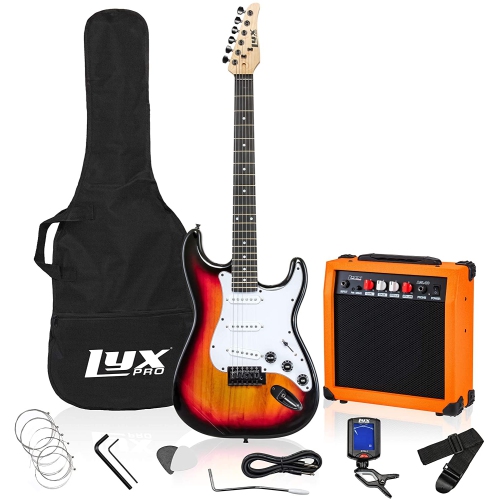
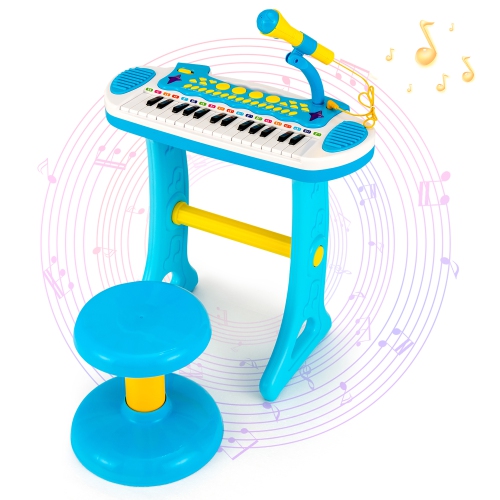
Musical instruments for students support learning at home, in private lessons, and in school music programs, with different instrument families offering different ways to explore melody, rhythm, and musical expression. A good match depends on the student’s interests, physical comfort, lesson requirements, and the kind of music they want to play. Keyboards give beginners a clear visual arrangement of notes, making it easier to see patterns, practise scales, and connect written music with sound. A note sounds as soon as a key is pressed, so early lessons can focus on listening, coordination, and simple melodies. Guitars bring together melody and accompaniment, appealing to students who want to sing along, learn familiar songs, or eventually play with others. Ukuleles have a compact body and four strings, which may feel approachable for some younger learners, although comfortable finger placement still takes practice. Percussion introduces pulse, rhythmic patterns, and coordination through tapping, striking, and listening. Simple hand percussion can suit early musical exploration, while drum kits and more involved percussion parts require increasingly precise technique and independence between the hands and feet. Bowed strings, woodwinds, and brass often connect directly with school ensembles, where the required instrument and playing level help shape the choice. No single instrument is the easiest for every learner: enthusiasm for its sound can matter just as much as the first few weeks of progress. A student drawn to the warm tone of a cello may be more motivated by that instrument than by one chosen only for convenience. Across the broader range of Musical Instruments, student-focused choices work best when their size, features, and intended use fit the lessons ahead. For a child beginning classroom music, a teenager joining a band, or an adult returning to lessons, an instrument that feels comfortable and responds consistently can make regular practice more inviting.
Fit and construction influence how an instrument feels through repeated practice, especially when a student is still developing strength and coordination. With guitars and bowed strings, body size, neck dimensions, and playing position affect whether the learner can reach notes without stretching awkwardly or lifting a shoulder. Fractional sizes can help younger string players, but age alone is not a reliable measure; arm length, hand size, and a teacher’s assessment provide a better picture. A guitar’s string height also matters, since strings that sit too far above the fingerboard can make fretting unnecessarily tiring. Nylon and steel strings have different playing feels and tonal qualities, and each belongs on an instrument designed for that string type. For piano students, full-size keys and touch response are important considerations. Weighted keys more closely resemble the resistance of an acoustic piano, while lighter keyboard actions feel different and may suit other musical goals. The number of keys needs to support the lesson material, with more advanced piano repertoire requiring a wider range. An adjustable bench and a stable stand help position the hands and arms comfortably rather than forcing the player to adapt to a dining chair or an uneven surface. Wind players benefit from an instrument whose weight, key placement, and mouthpiece suit their developing technique. Straps or appropriate supports can ease the load, but they cannot replace a comfortable overall fit. Materials also contribute to tone, weight, and care needs. Solid wood, laminated wood, metal, and moulded components each have a role across instrument families; their value depends on the instrument’s design and use rather than a simple ranking of materials. Smooth edges, secure joints, reliable tuning hardware, and responsive keys or valves are meaningful details on an instrument carried between lessons and home. For percussion, sturdy frames, secure stands, and suitable playing surfaces help the setup remain steady during practice. Durability means more than resisting bumps: it also means maintaining the adjustments and dependable response a learner needs to build technique.
Everyday use brings practical details into focus, from where an instrument sits during practice to how it travels to rehearsal. A student working on a short melody in a shared living room has different needs from a drummer practising coordinated patterns or a wind player preparing an ensemble part. Digital keyboards and electronic percussion may offer headphone connections for private listening, though key movement, pedal action, and stick impacts can still produce sound in the room. Acoustic instruments need a practice space where their natural volume is appropriate, and hearing protection matters when playing loud percussion or rehearsing with amplified instruments. A stable music stand keeps notation visible, while a metronome supports steady timing and a tuner helps players check pitch where applicable. These accessories serve distinct purposes, and lesson requirements help determine which are useful from the start. Protective cases and well-fitting gig bags make transport easier, with structured cases generally offering more impact protection and padded bags providing a lighter carrying option. Secure closures, comfortable handles, and storage for small accessories are helpful for students moving through school corridors or travelling to lessons. Care routines vary by instrument: strings and finishes benefit from suitable wiping after use, woodwinds need moisture removed according to their care instructions, and brass instruments require the appropriate cleaning and lubrication routine. Household cleaners and unsuitable oils can damage finishes or working parts, so manufacturer guidance matters. Regular attention to loose fittings, worn strings, reeds, or other replaceable components helps prevent small maintenance issues from interrupting practice. Safe storage also keeps instruments away from spills, direct sunlight, and accidental knocks. As a gift, a musical instrument can mark the beginning of lessons or support an existing interest, but the recipient’s preferred instrument, size, and teacher’s requirements deserve particular attention. A well-matched student instrument leaves room for progress without adding unnecessary complexity, supporting the ordinary moments that build musicianship: repeating a difficult bar, finding a clean chord, keeping time with a friend, and hearing a familiar tune take shape.
Fit and construction influence how an instrument feels through repeated practice, especially when a student is still developing strength and coordination. With guitars and bowed strings, body size, neck dimensions, and playing position affect whether the learner can reach notes without stretching awkwardly or lifting a shoulder. Fractional sizes can help younger string players, but age alone is not a reliable measure; arm length, hand size, and a teacher’s assessment provide a better picture. A guitar’s string height also matters, since strings that sit too far above the fingerboard can make fretting unnecessarily tiring. Nylon and steel strings have different playing feels and tonal qualities, and each belongs on an instrument designed for that string type. For piano students, full-size keys and touch response are important considerations. Weighted keys more closely resemble the resistance of an acoustic piano, while lighter keyboard actions feel different and may suit other musical goals. The number of keys needs to support the lesson material, with more advanced piano repertoire requiring a wider range. An adjustable bench and a stable stand help position the hands and arms comfortably rather than forcing the player to adapt to a dining chair or an uneven surface. Wind players benefit from an instrument whose weight, key placement, and mouthpiece suit their developing technique. Straps or appropriate supports can ease the load, but they cannot replace a comfortable overall fit. Materials also contribute to tone, weight, and care needs. Solid wood, laminated wood, metal, and moulded components each have a role across instrument families; their value depends on the instrument’s design and use rather than a simple ranking of materials. Smooth edges, secure joints, reliable tuning hardware, and responsive keys or valves are meaningful details on an instrument carried between lessons and home. For percussion, sturdy frames, secure stands, and suitable playing surfaces help the setup remain steady during practice. Durability means more than resisting bumps: it also means maintaining the adjustments and dependable response a learner needs to build technique.
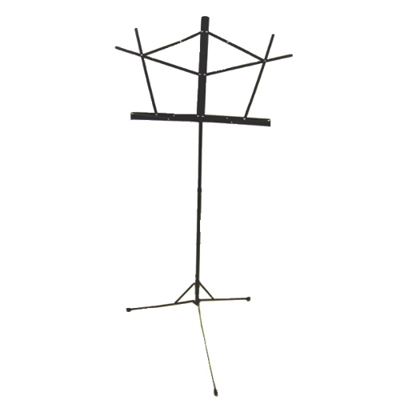
Everyday use brings practical details into focus, from where an instrument sits during practice to how it travels to rehearsal. A student working on a short melody in a shared living room has different needs from a drummer practising coordinated patterns or a wind player preparing an ensemble part. Digital keyboards and electronic percussion may offer headphone connections for private listening, though key movement, pedal action, and stick impacts can still produce sound in the room. Acoustic instruments need a practice space where their natural volume is appropriate, and hearing protection matters when playing loud percussion or rehearsing with amplified instruments. A stable music stand keeps notation visible, while a metronome supports steady timing and a tuner helps players check pitch where applicable. These accessories serve distinct purposes, and lesson requirements help determine which are useful from the start. Protective cases and well-fitting gig bags make transport easier, with structured cases generally offering more impact protection and padded bags providing a lighter carrying option. Secure closures, comfortable handles, and storage for small accessories are helpful for students moving through school corridors or travelling to lessons. Care routines vary by instrument: strings and finishes benefit from suitable wiping after use, woodwinds need moisture removed according to their care instructions, and brass instruments require the appropriate cleaning and lubrication routine. Household cleaners and unsuitable oils can damage finishes or working parts, so manufacturer guidance matters. Regular attention to loose fittings, worn strings, reeds, or other replaceable components helps prevent small maintenance issues from interrupting practice. Safe storage also keeps instruments away from spills, direct sunlight, and accidental knocks. As a gift, a musical instrument can mark the beginning of lessons or support an existing interest, but the recipient’s preferred instrument, size, and teacher’s requirements deserve particular attention. A well-matched student instrument leaves room for progress without adding unnecessary complexity, supporting the ordinary moments that build musicianship: repeating a difficult bar, finding a clean chord, keeping time with a friend, and hearing a familiar tune take shape.
Top selling and popular products
-
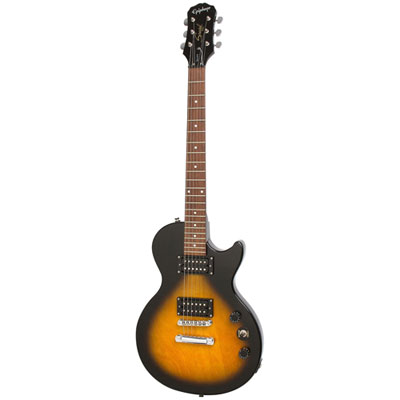 Your price for this item is $299.99
 -
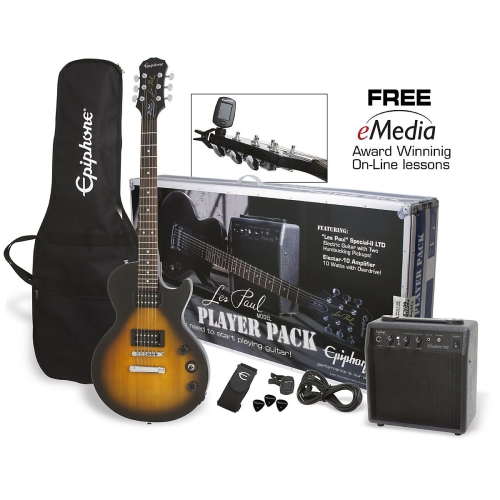 Your price for this item is $429
 -
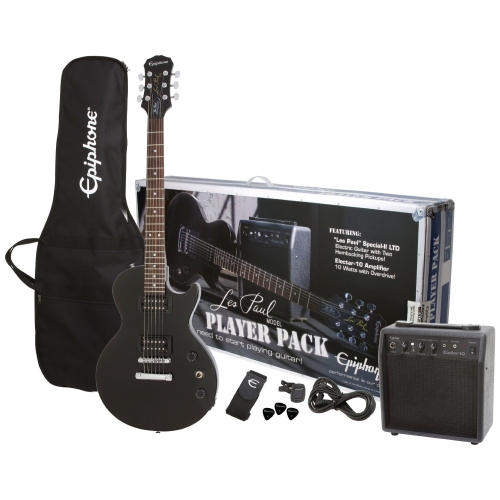 Your price for this item is $494.49
 -
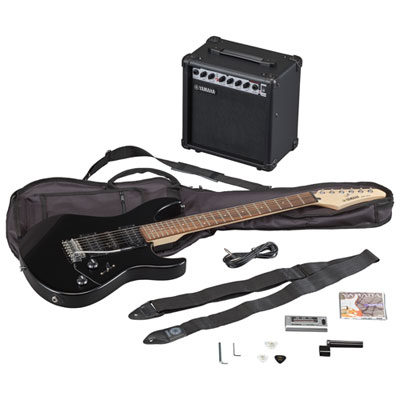 Your price for this item is $349.99
 -
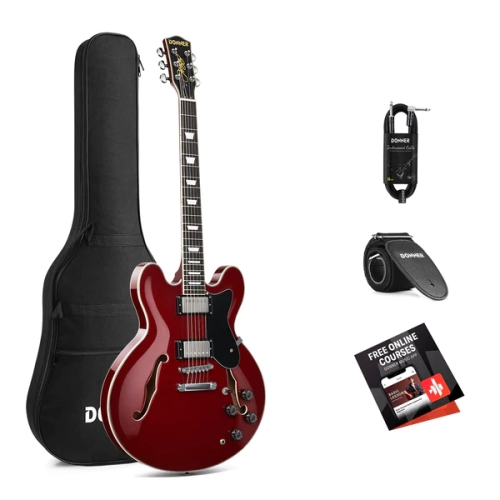 Your price for this item is $395.99
 -
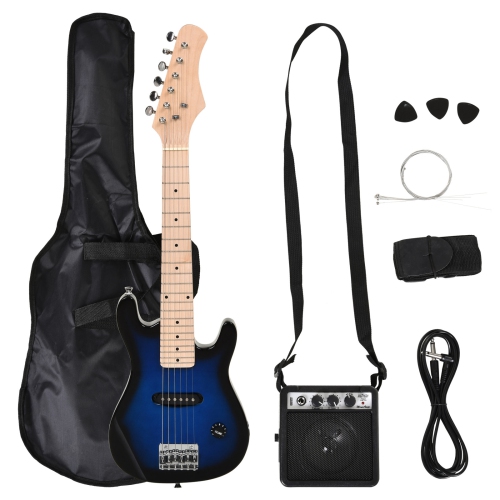 Your price for this item is $116.99
 -
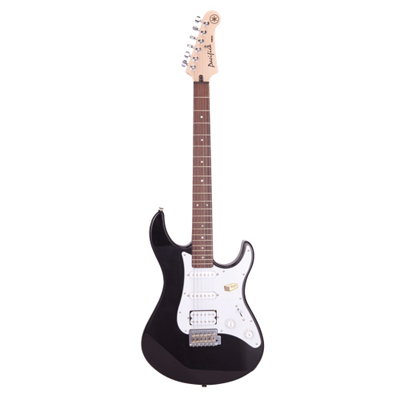 Your price for this item is $279.99
 -
 Your price for this item is $239.99
Discover more categories related to Musical Instruments for Students

Top Collections:
Pokemon Centers, Kindle Devices, Best Budget Office Chairs, Apple iPhones 16, Best Laptops for Writers, iPhone 15 Apple, Canon G7X Cameras, Refurbished Apple Laptops, Alarm Clock, Motorola Razr Phones
Some products may be subject to Environmental Handling Fees
(EHF) depending on your province.
Learn more about EHFs.