Compressor Pedals
Whether you're a seasoned musician or just starting out, these pedals are designed to provide you with the perfect balance of sustain, dynamics, and clarity. With their ability to even out your guitar's signal and add a touch of warmth, compressor pedals are an essential tool for any guitarist looking to achieve a professional sound. Explore our range of compressor pedals today and discover the perfect one to elevate your playing experience.
Sort
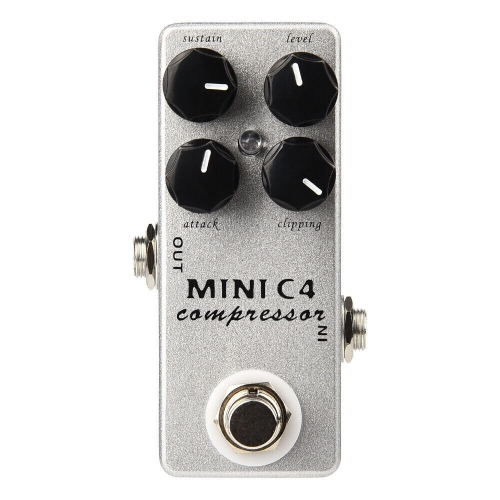
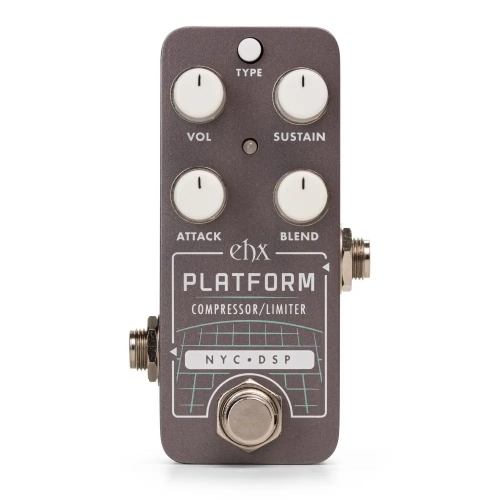
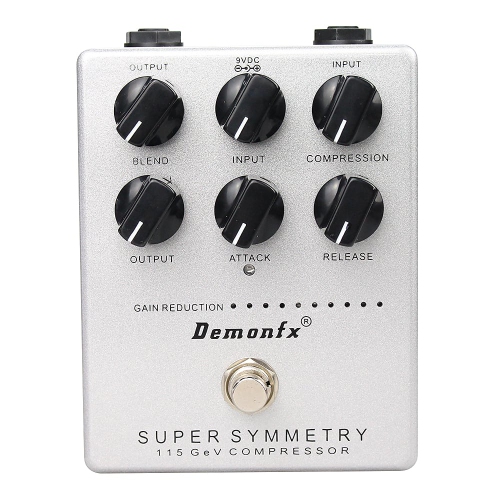
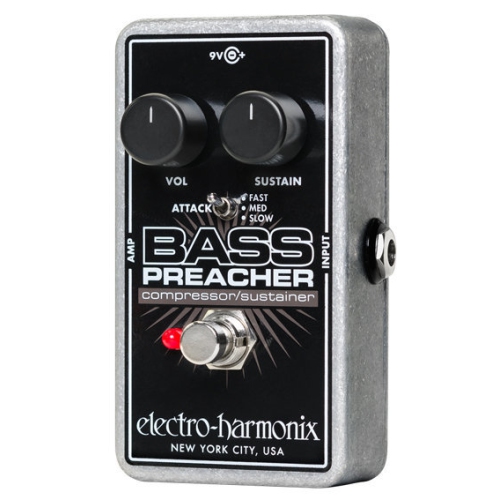

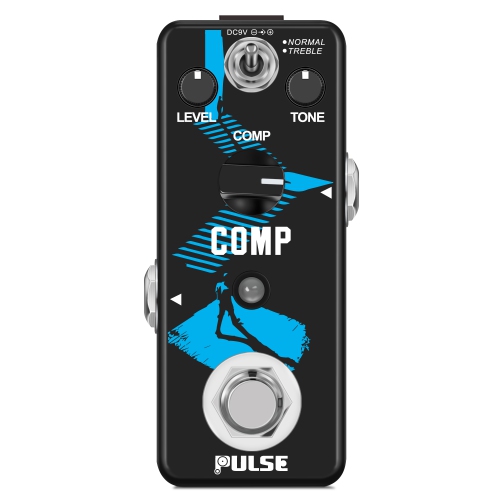
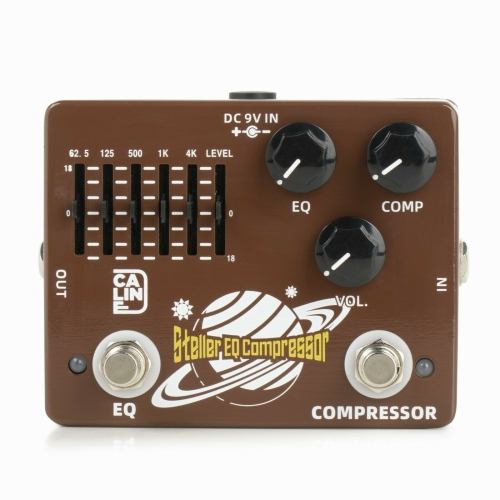
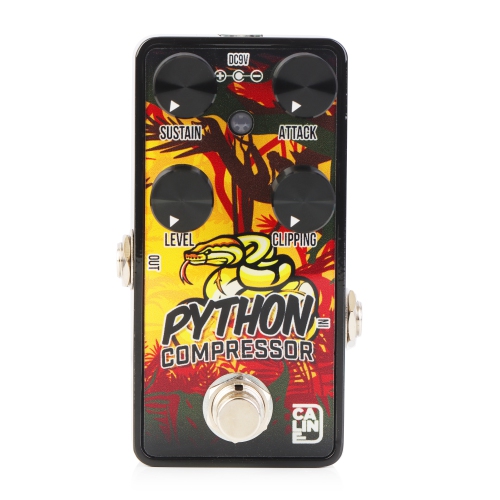
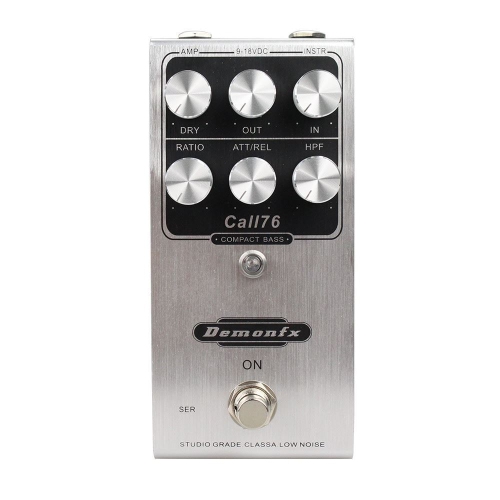

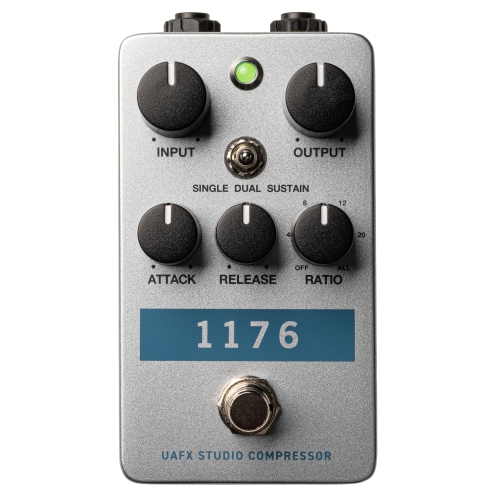

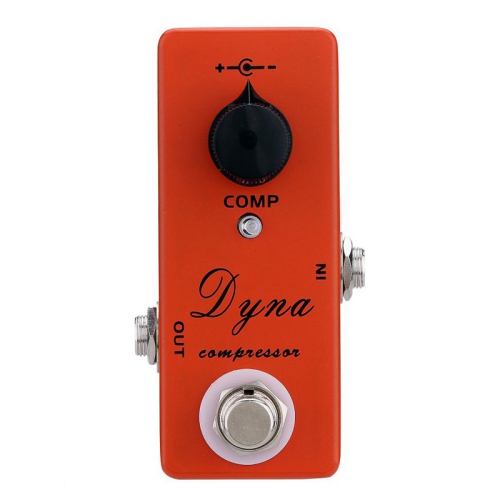
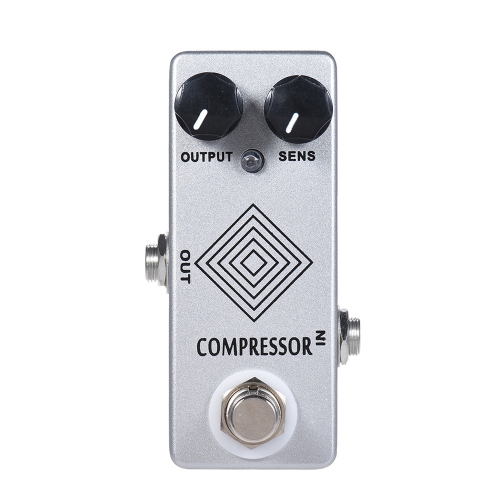
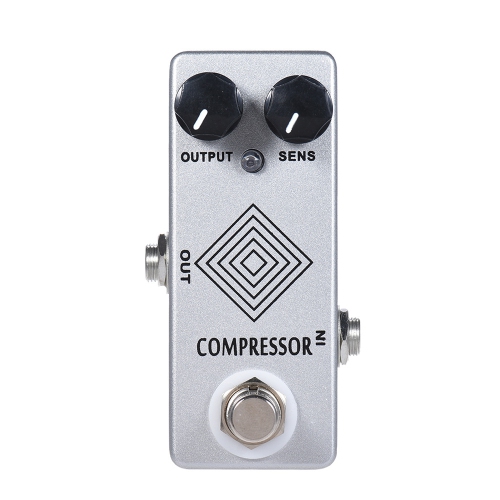
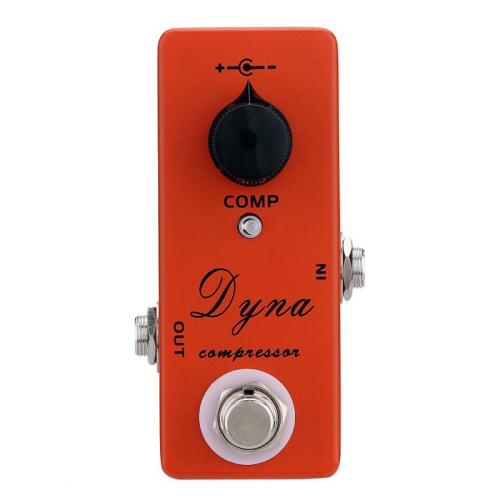
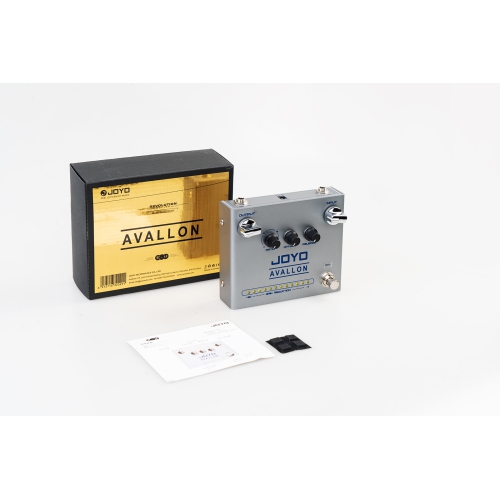
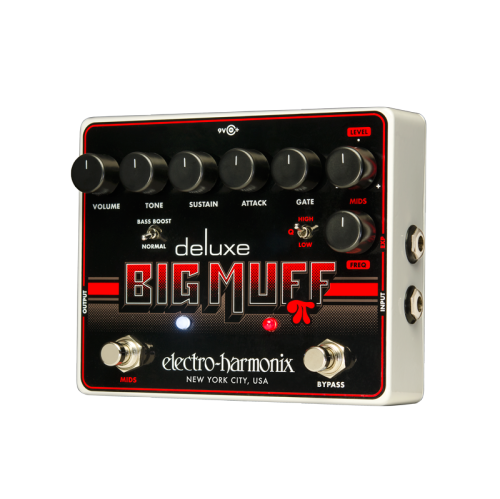
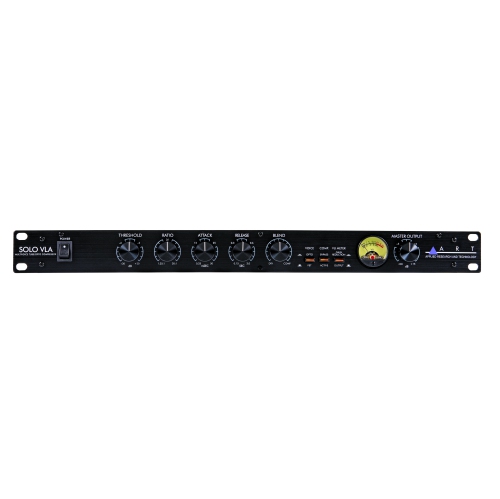
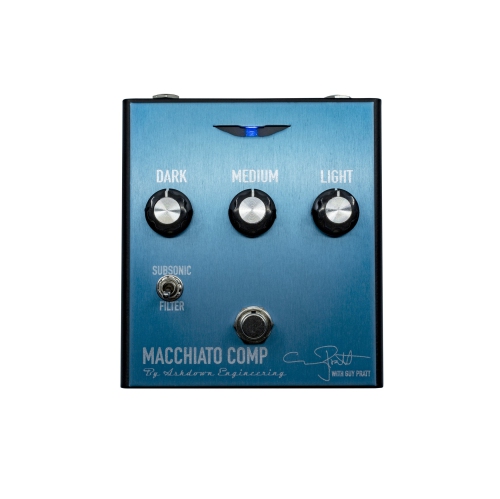
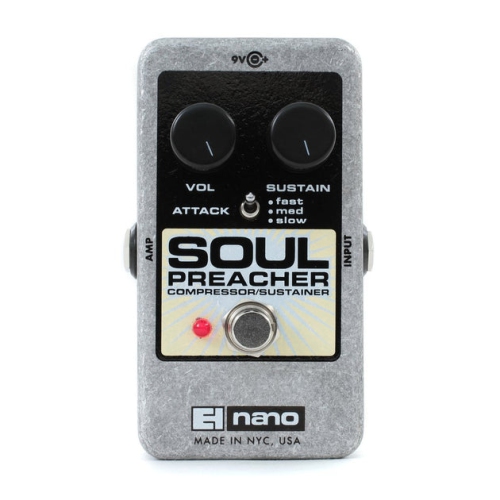
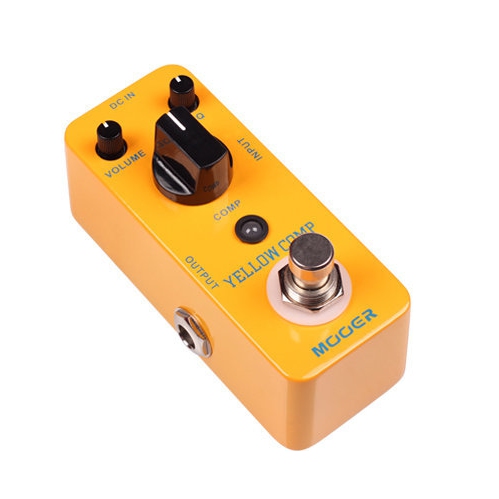
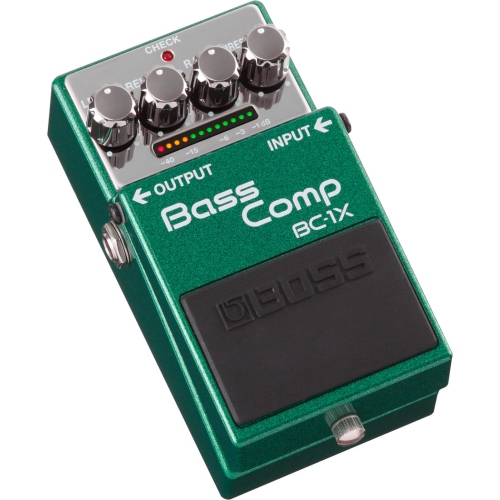
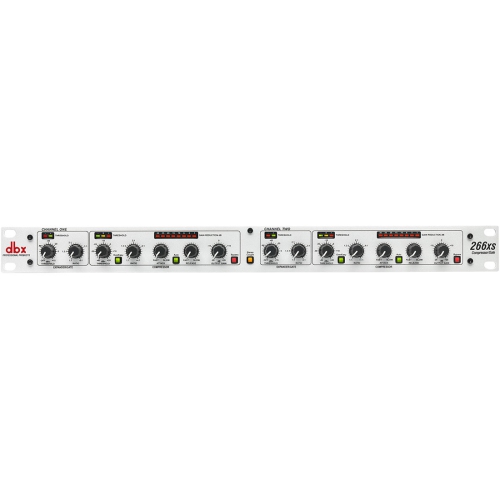
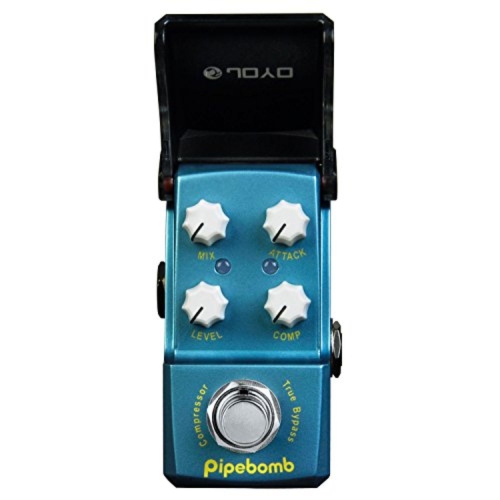
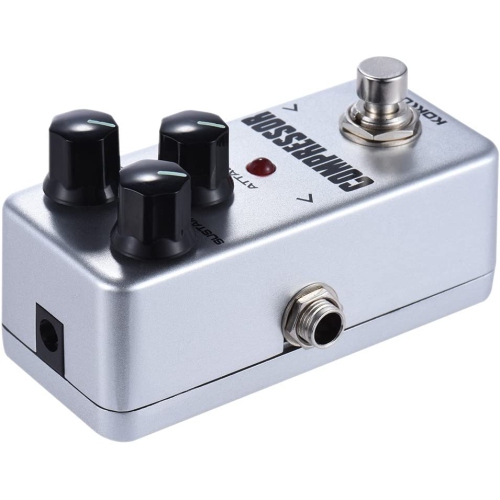
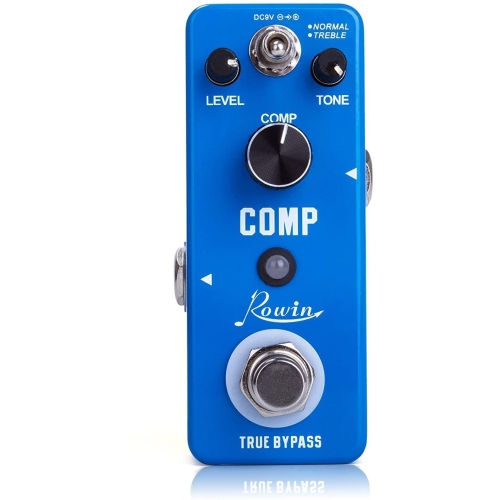
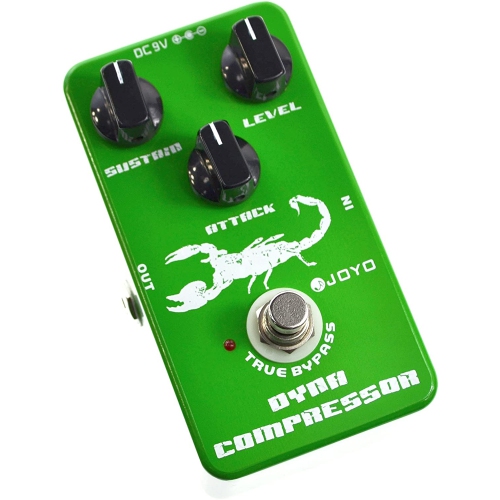
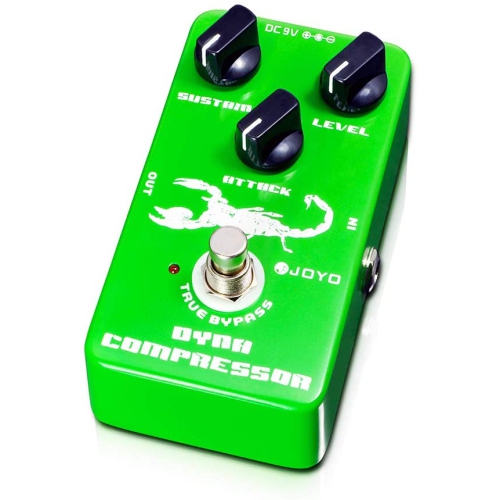

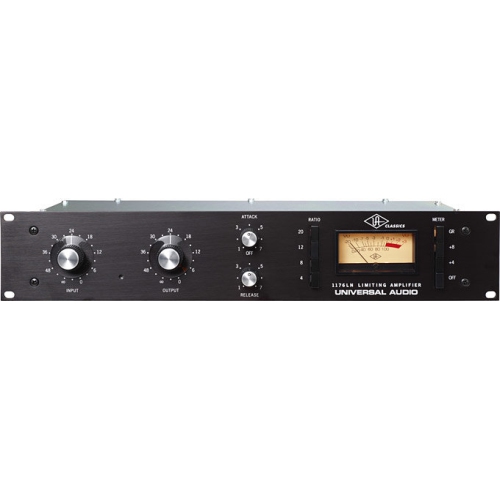
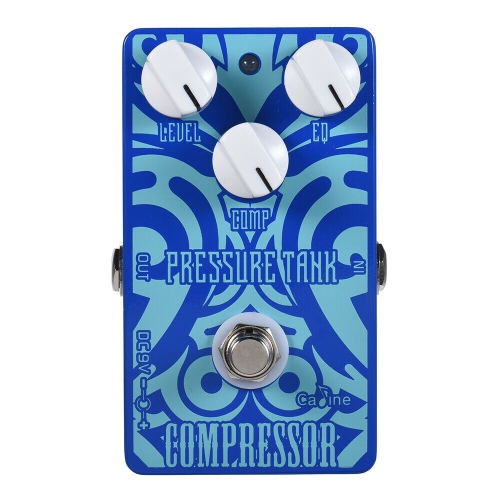
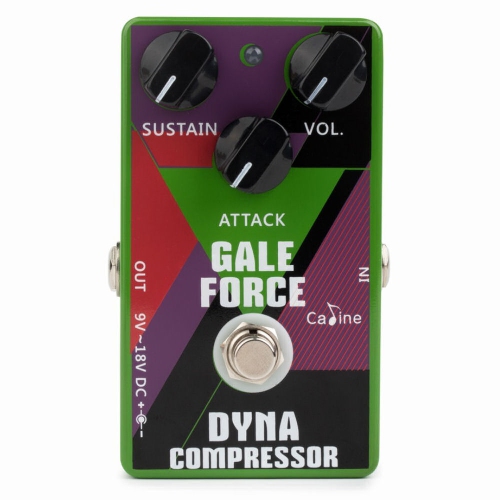
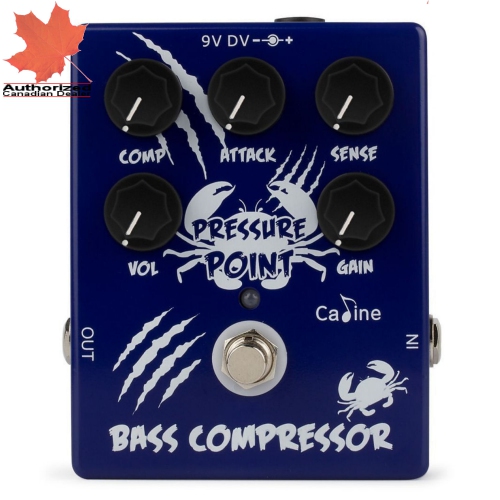
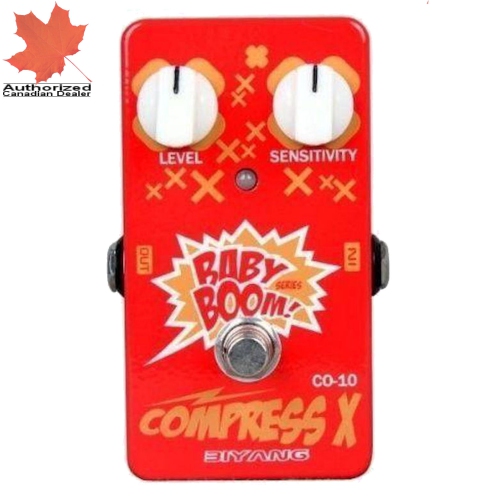
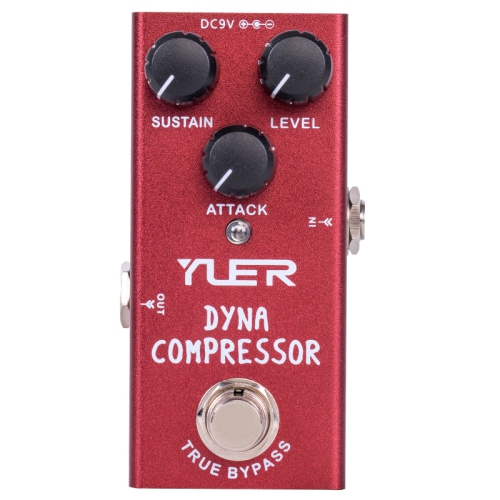
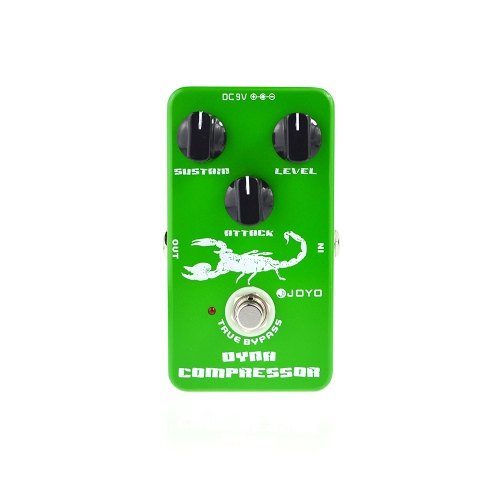
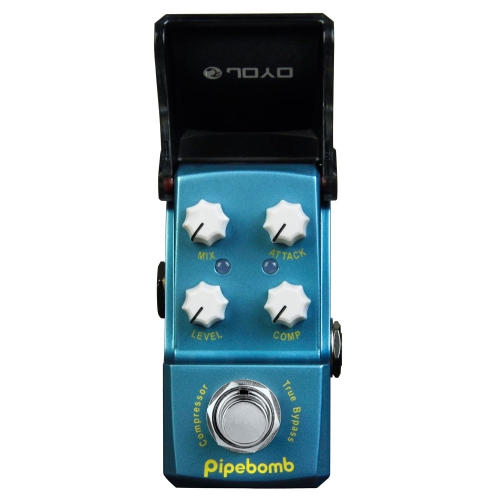
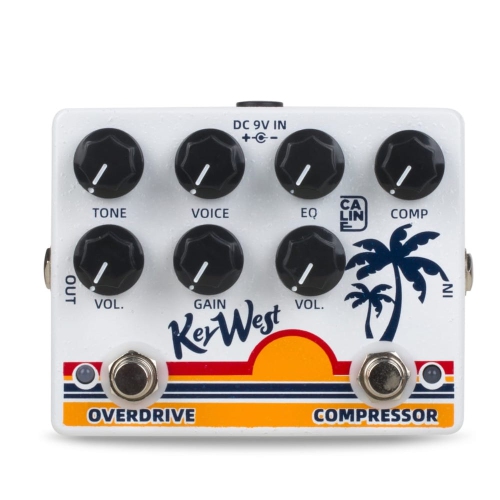
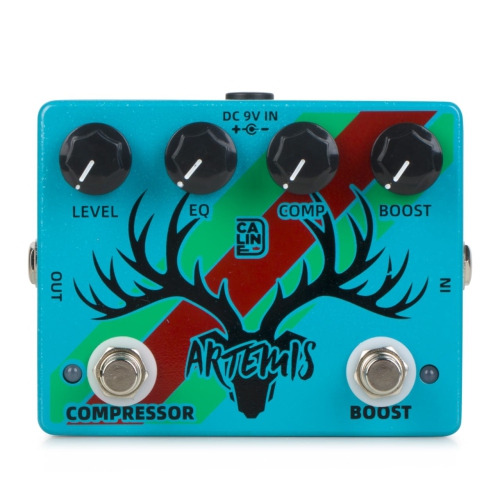
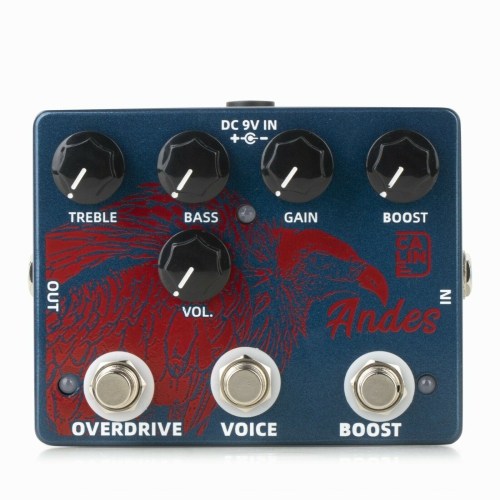
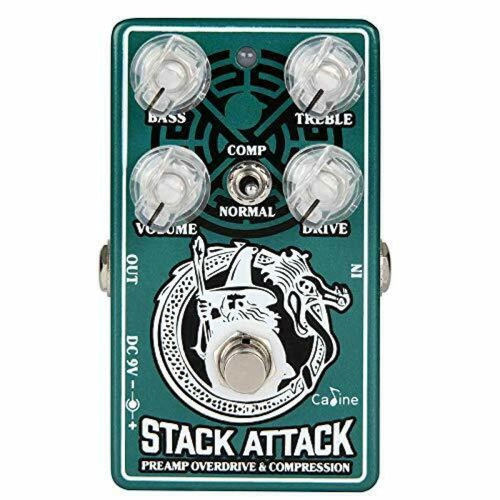
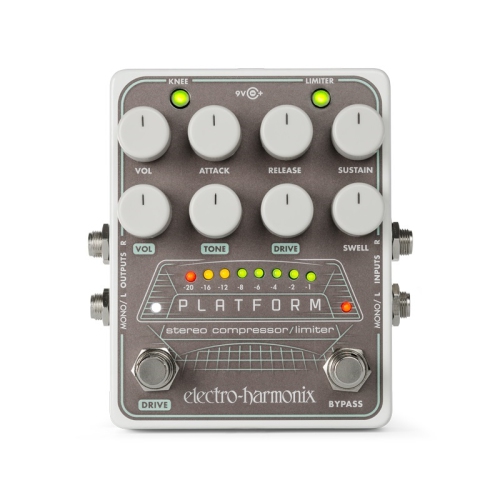
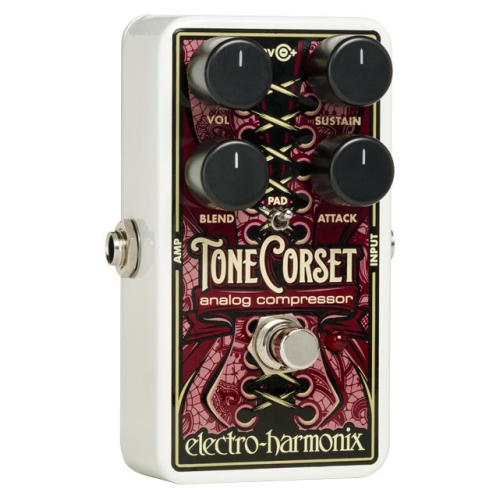
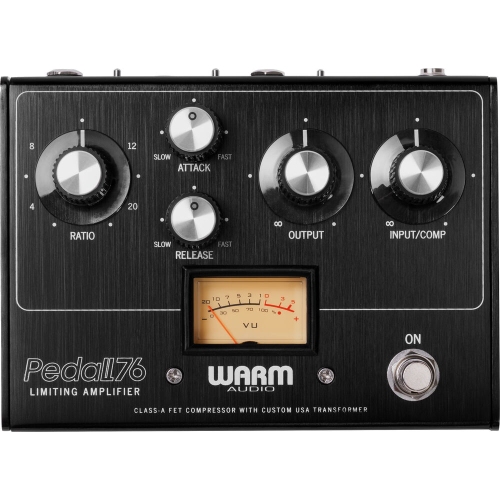
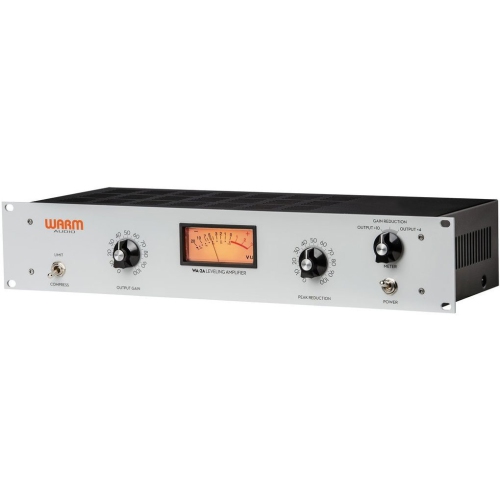
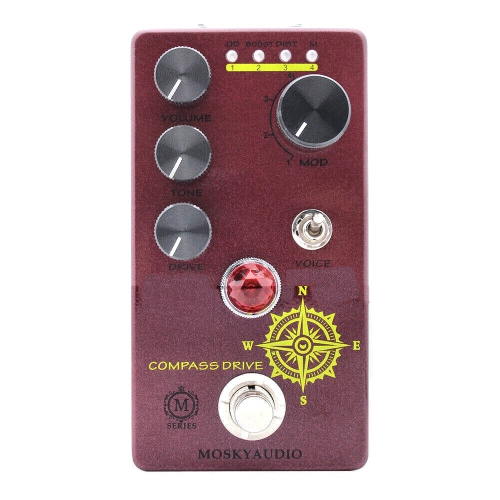


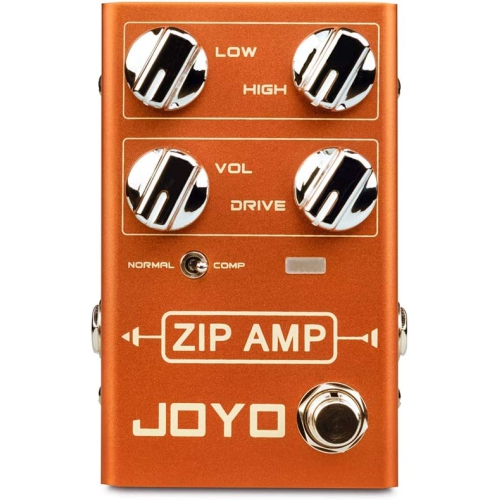
How compression smooths peaks and reveals quieter details
Compressor pedals control the dynamic range of an instrument signal, reducing the difference between its loudest peaks and quieter passages. When a note crosses a set threshold, the compressor reduces its level; output gain can then bring the overall signal back up, making softer details and the trailing portion of a note more audible. The result can be a more consistent rhythm part, a smoother lead sound, or longer perceived sustain without adding distortion. For electric guitar, that might mean keeping a sharply picked chord from jumping out above a delicate arpeggio, or giving clean single-note lines enough body to sit comfortably beside drums and bass. Bass compressor pedals serve a similar purpose, helping contain the sudden peaks of slap playing while maintaining the weight of fingerstyle passages. Compression can be subtle enough that the main difference is how comfortably the instrument sits in a mix, or pronounced enough to produce the rounded attack and audible squeeze associated with certain country, funk, and pop sounds. A guitarist moving between muted strums and ringing chords may appreciate that consistency, while a bassist switching between fingers and a pick may use compression to reduce abrupt changes in level. These pedals are useful for home practice, rehearsals, live performance, and recording, though their value depends more on playing style and signal behaviour than on skill level. Beginners can hear how picking strength affects their sound, while experienced players often use compression to refine an already familiar touch. A compressor does not replace controlled technique or remove unwanted noise, and heavy compression can make string noise, pickup hum, and hiss more noticeable when output gain is raised. Its appeal lies in shaping the relationship between attack, body, and decay. Some players prefer an almost invisible levelling effect; others enjoy the springy response that makes each note feel thick and deliberate. Both approaches belong within the broad range of sounds compressor pedals can deliver, particularly when the controls suit the instrument and the player's intended use.
The controls on a compressor pedal determine how that response feels under the fingers. Threshold sets the signal level above which compression begins, while ratio determines how strongly levels above that point are reduced. At a ratio of 4:1, for example, a signal increase of four decibels above the threshold produces an output increase of about one decibel above it. Attack controls how quickly gain reduction develops: a faster attack catches more of the initial pick or finger transient, while a slower attack allows more of that leading edge through. Release determines how quickly the gain reduction eases after the signal falls back below the threshold. Together, these settings can preserve a crisp rhythmic snap or create a softer, more rounded note shape. A blend control mixes the compressed signal with the dry signal, allowing stronger compression to add body while retaining some of the original dynamics. Output or level adjusts the final volume, which makes it useful for comparing the effect with the bypassed sound at a similar loudness. Simpler designs may combine several behaviours under controls labelled sustain, sensitivity, or compression, so those labels do not always correspond to a single studio-style parameter. Circuit design also influences response. Optical compressors often have a smooth, programme-dependent character; FET designs can react quickly and add character; VCA designs can provide precise control; and OTA circuits are associated with many familiar pedal compression sounds. These are broad tendencies rather than guarantees, since the complete circuit and control range matter. For bass or lower-tuned instruments, low-frequency response and sufficient headroom deserve particular attention. A sidechain filter, when included, can reduce how strongly deep bass frequencies trigger compression without necessarily removing those frequencies from the audible signal. Gain-reduction meters make the amount of compression easier to see, especially when the audible change is subtle. Players using active pickups, boosted signals, or line-level equipment also benefit from checking input compatibility, because a pedal can distort at its input even when its compression settings appear gentle.
Physical fit and construction matter just as much as the sound when a compressor becomes part of a working pedalboard. Compact enclosures leave room for other effects, but closely spaced knobs and footswitches may be less comfortable to operate beside neighbouring pedals. Top-mounted and side-mounted jacks create different cable layouts, and the space needed for plugs can make the practical footprint larger than the enclosure alone suggests. Metal housings, firmly mounted sockets, readable markings, and controls that feel secure are useful details for equipment that travels between practice rooms and stages. True bypass and buffered bypass serve different needs rather than representing a simple quality ranking: a suitable buffer can help preserve signal through long cable runs, while true bypass removes the pedal's active circuitry from the audio path when switched off. Power requirements also need to match the board's supply, including voltage, polarity, and current draw. A higher supply voltage should only be used when the manufacturer explicitly supports it; on compatible designs, it may provide additional headroom. In a typical guitar setup, compression sits early in the signal chain, often after the tuner and before overdrive, where it can smooth the peaks feeding later effects. Placing it after overdrive instead changes how the combined sound is levelled and may bring more noise forward. Compression and pedal preamps perform different jobs: compression shapes dynamics, while a preamp typically provides gain and tonal shaping, with other connection features depending on its design. Their order affects the result, particularly when either stage adds substantial gain. Routine care is straightforward: a soft, dry cloth helps keep the enclosure clean, cables should be removed by gripping the plug rather than pulling the lead, and protected transport helps prevent bent controls and damaged sockets. Battery-powered designs may also require unplugging the input cable to prevent drain when not in use. As a gift for a guitarist or bassist, a compressor is most useful when its connections, power needs, and control complexity suit the recipient's existing setup and musical interests.
The controls on a compressor pedal determine how that response feels under the fingers. Threshold sets the signal level above which compression begins, while ratio determines how strongly levels above that point are reduced. At a ratio of 4:1, for example, a signal increase of four decibels above the threshold produces an output increase of about one decibel above it. Attack controls how quickly gain reduction develops: a faster attack catches more of the initial pick or finger transient, while a slower attack allows more of that leading edge through. Release determines how quickly the gain reduction eases after the signal falls back below the threshold. Together, these settings can preserve a crisp rhythmic snap or create a softer, more rounded note shape. A blend control mixes the compressed signal with the dry signal, allowing stronger compression to add body while retaining some of the original dynamics. Output or level adjusts the final volume, which makes it useful for comparing the effect with the bypassed sound at a similar loudness. Simpler designs may combine several behaviours under controls labelled sustain, sensitivity, or compression, so those labels do not always correspond to a single studio-style parameter. Circuit design also influences response. Optical compressors often have a smooth, programme-dependent character; FET designs can react quickly and add character; VCA designs can provide precise control; and OTA circuits are associated with many familiar pedal compression sounds. These are broad tendencies rather than guarantees, since the complete circuit and control range matter. For bass or lower-tuned instruments, low-frequency response and sufficient headroom deserve particular attention. A sidechain filter, when included, can reduce how strongly deep bass frequencies trigger compression without necessarily removing those frequencies from the audible signal. Gain-reduction meters make the amount of compression easier to see, especially when the audible change is subtle. Players using active pickups, boosted signals, or line-level equipment also benefit from checking input compatibility, because a pedal can distort at its input even when its compression settings appear gentle.
Physical fit and construction matter just as much as the sound when a compressor becomes part of a working pedalboard. Compact enclosures leave room for other effects, but closely spaced knobs and footswitches may be less comfortable to operate beside neighbouring pedals. Top-mounted and side-mounted jacks create different cable layouts, and the space needed for plugs can make the practical footprint larger than the enclosure alone suggests. Metal housings, firmly mounted sockets, readable markings, and controls that feel secure are useful details for equipment that travels between practice rooms and stages. True bypass and buffered bypass serve different needs rather than representing a simple quality ranking: a suitable buffer can help preserve signal through long cable runs, while true bypass removes the pedal's active circuitry from the audio path when switched off. Power requirements also need to match the board's supply, including voltage, polarity, and current draw. A higher supply voltage should only be used when the manufacturer explicitly supports it; on compatible designs, it may provide additional headroom. In a typical guitar setup, compression sits early in the signal chain, often after the tuner and before overdrive, where it can smooth the peaks feeding later effects. Placing it after overdrive instead changes how the combined sound is levelled and may bring more noise forward. Compression and pedal preamps perform different jobs: compression shapes dynamics, while a preamp typically provides gain and tonal shaping, with other connection features depending on its design. Their order affects the result, particularly when either stage adds substantial gain. Routine care is straightforward: a soft, dry cloth helps keep the enclosure clean, cables should be removed by gripping the plug rather than pulling the lead, and protected transport helps prevent bent controls and damaged sockets. Battery-powered designs may also require unplugging the input cable to prevent drain when not in use. As a gift for a guitarist or bassist, a compressor is most useful when its connections, power needs, and control complexity suit the recipient's existing setup and musical interests.
Top selling and popular products
-
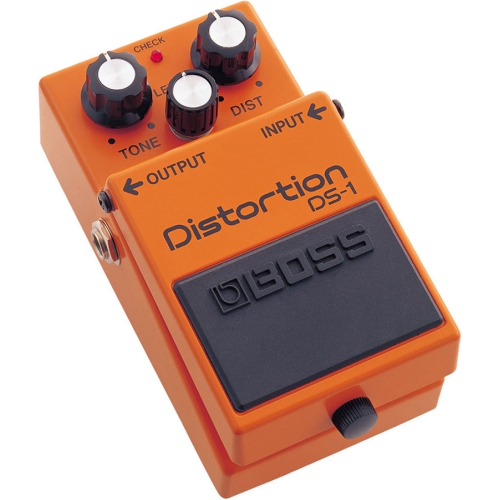 Your price for this item is $89.99
 -
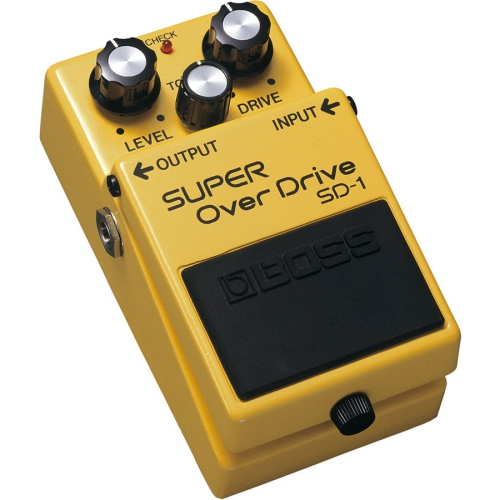 Your price for this item is $89.99
 -
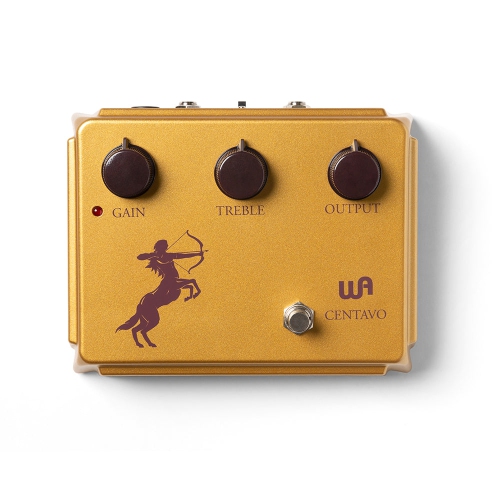 Your price for this item is $289
 -
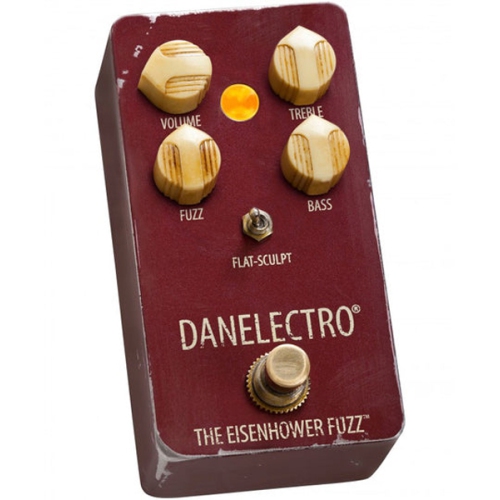 Your price for this item is $164.99
 -
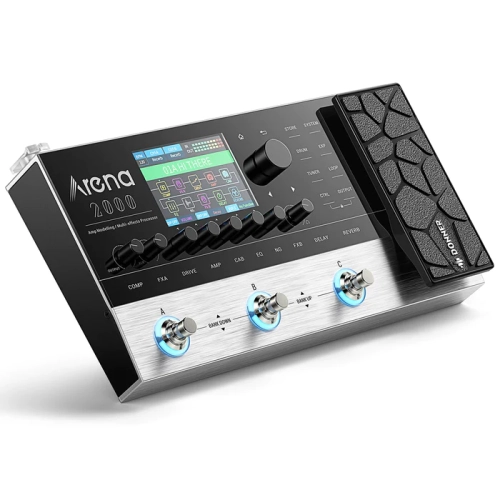 Your price for this item is $209.99
 -
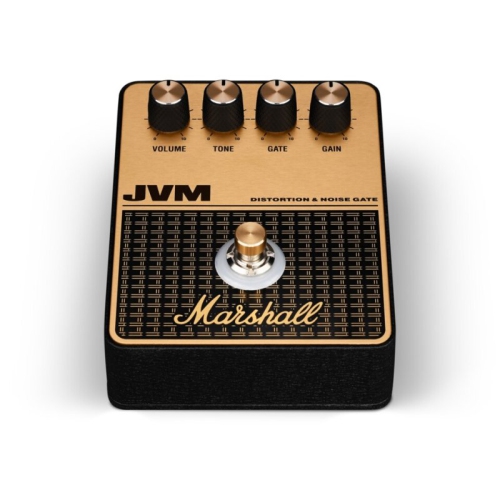 Your price for this item is $249.99
 -
 Your price for this item is $249.99
 -
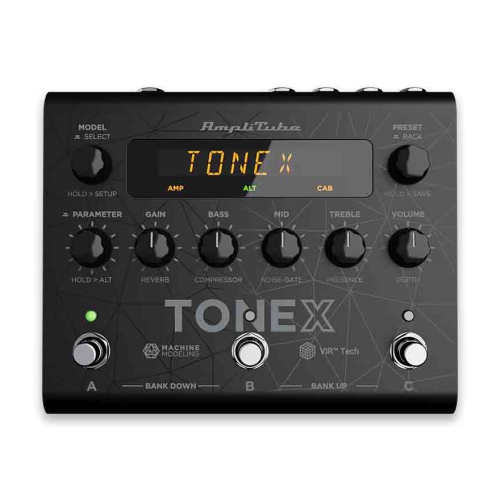 Your price for this item is $599.99
Discover more categories related to Compressor Pedals
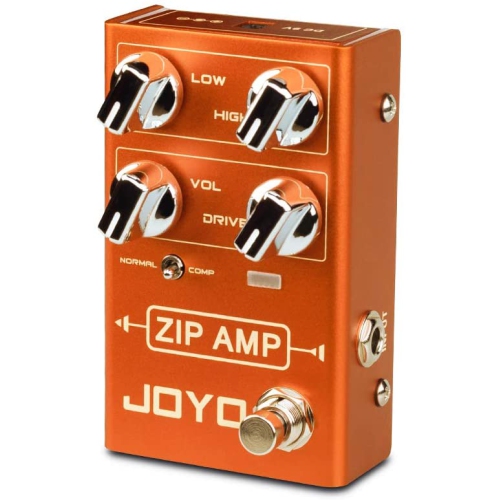
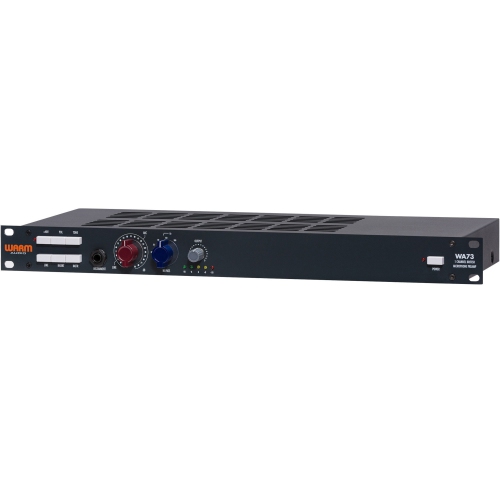
Top Collections:
Pokemon Centers, Kindle Devices, Best Budget Office Chairs, Apple iPhones 16, Canon G7X Cameras, iPhone 15 Apple, Alarm Clock, Refurbished Apple Laptops, Flip Phones, Best Laptops for Writers
Some products may be subject to Environmental Handling Fees
(EHF) depending on your province.
Learn more about EHFs.