Diatonic Harmonicas
Looking to add a touch of melodic charm to your musical repertoire? Look no further than our collection of diatonic harmonicas. These versatile instruments have been captivating musicians for decades with their soulful sound and compact design. Whether you're a seasoned harmonica player or just starting out, our selection offers a range of options to suit your skill level and musical preferences. From bluesy riffs to folk-inspired melodies, these diatonic harmonicas are the perfect companion for any aspiring musician looking to create beautiful music on the go. So, get ready to unleash your inner harmonica virtuoso and explore our diverse range of diatonic harmonicas today!
Sort
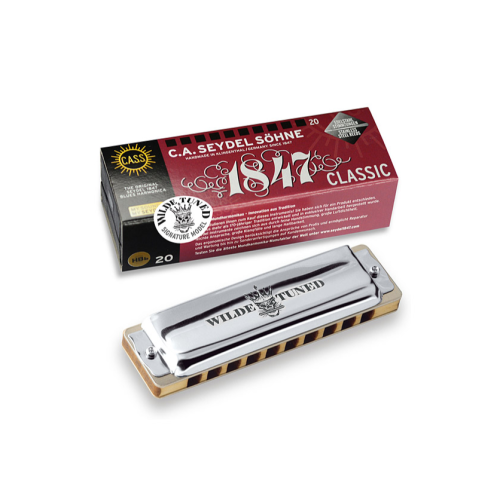
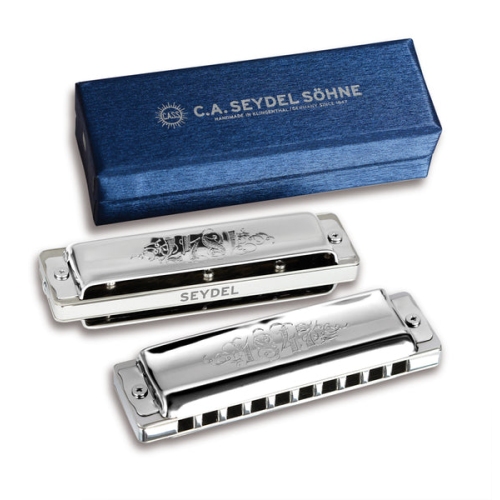
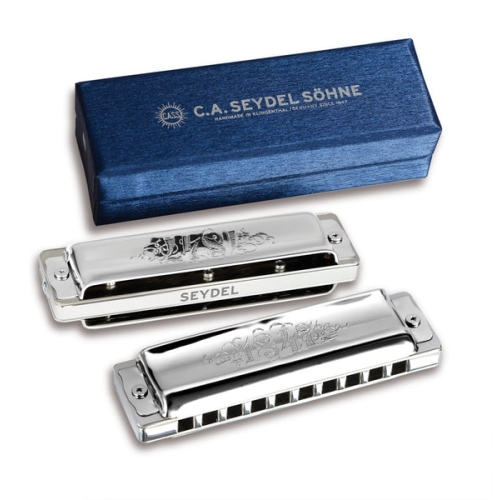
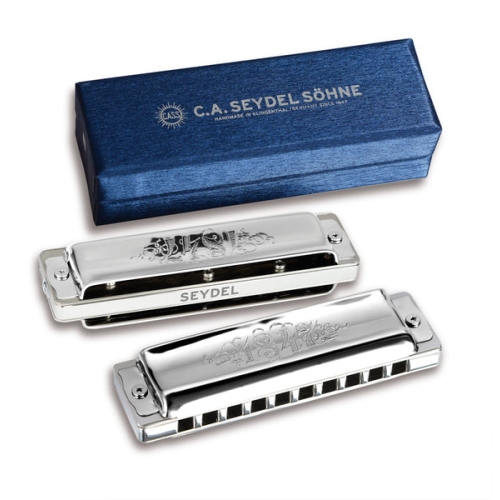
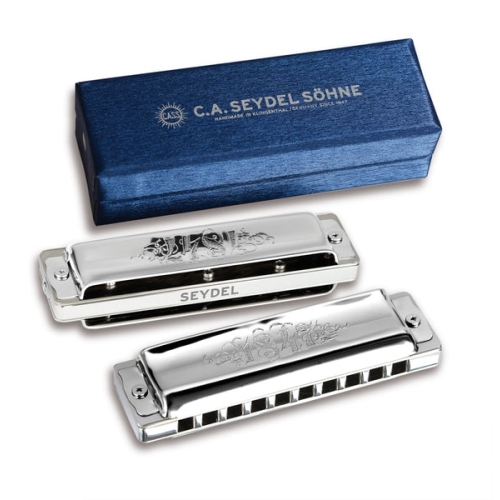
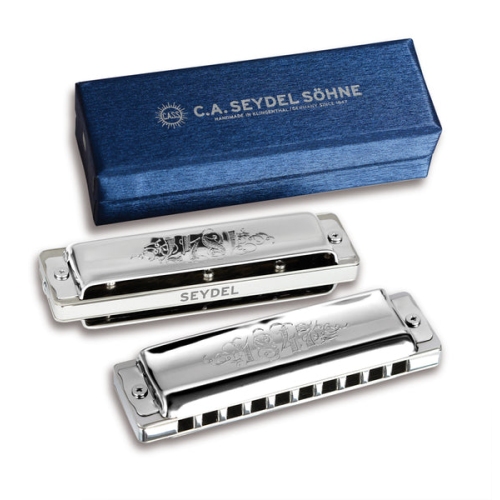
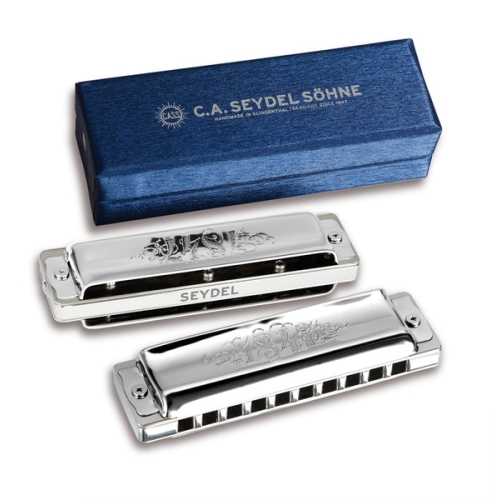
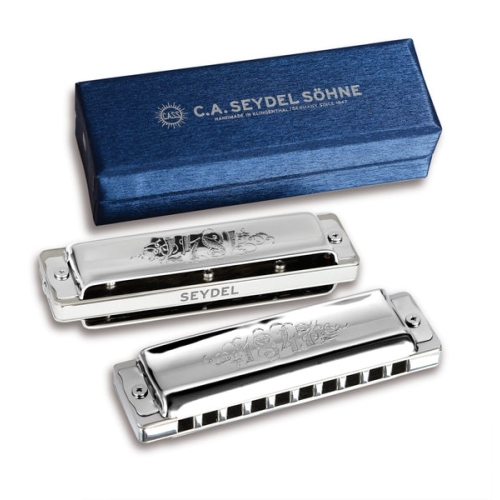
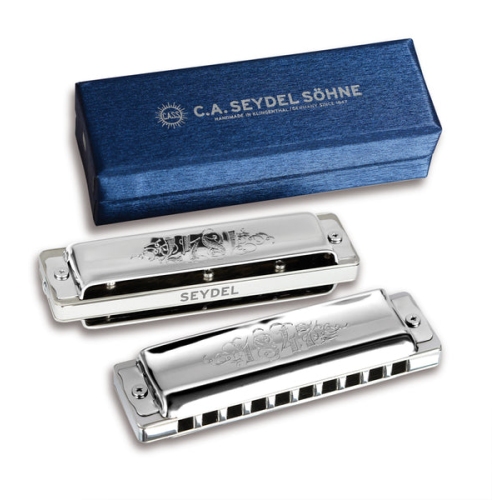
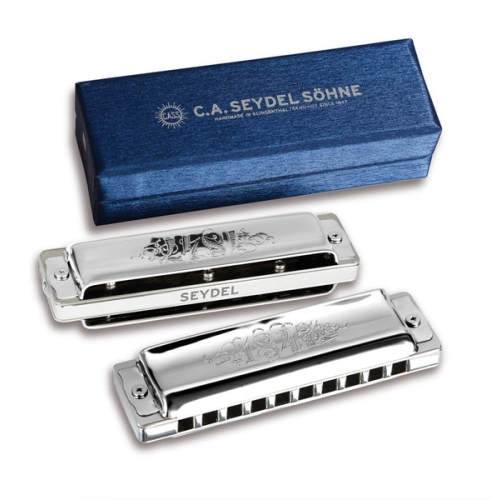
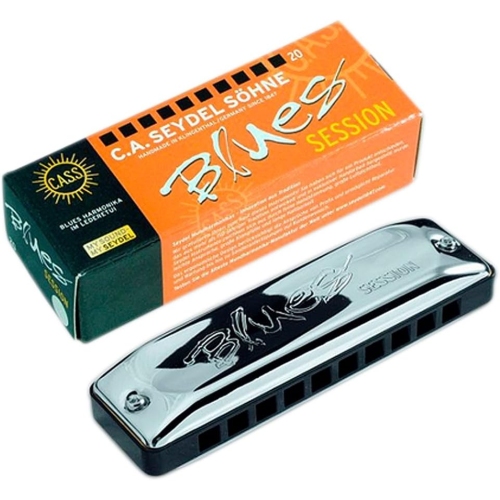
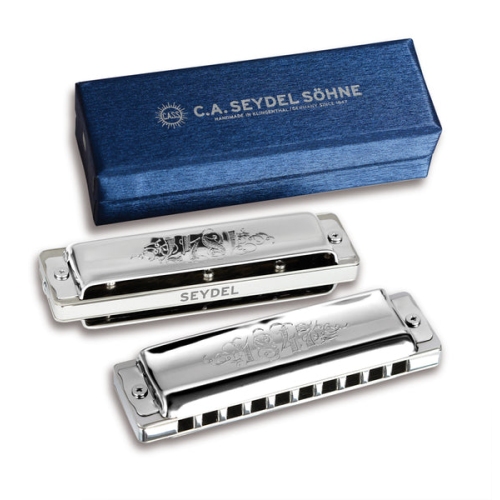
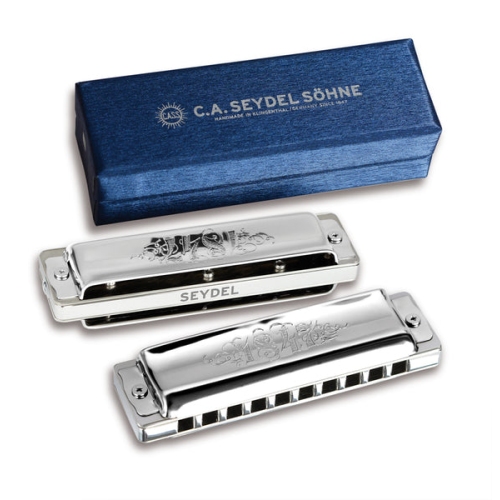
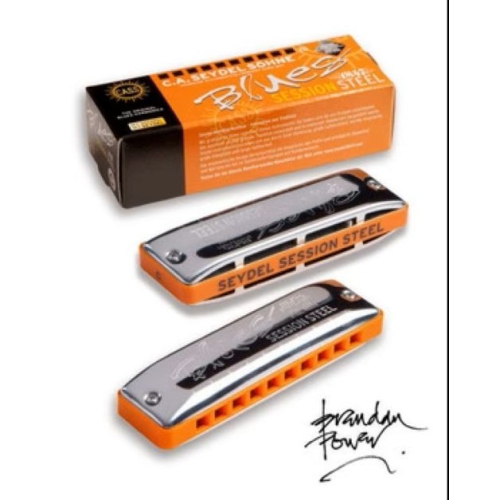
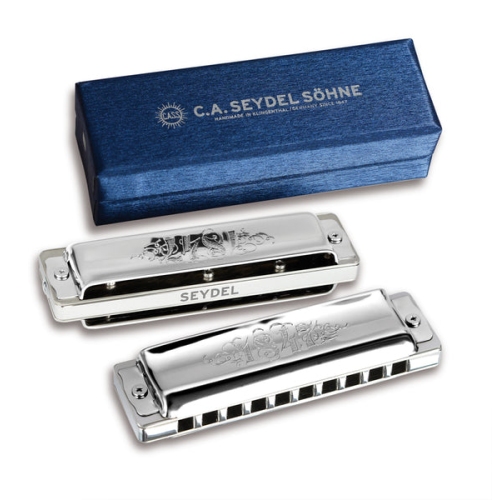
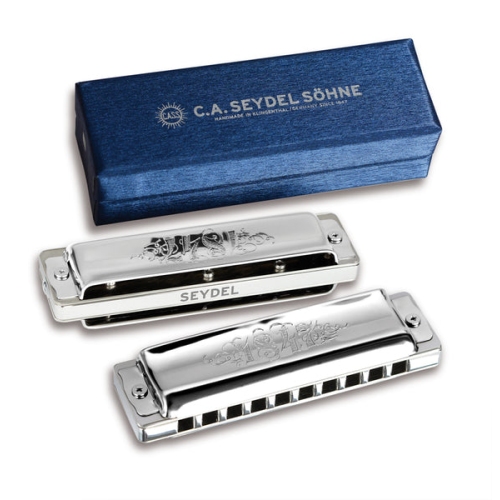
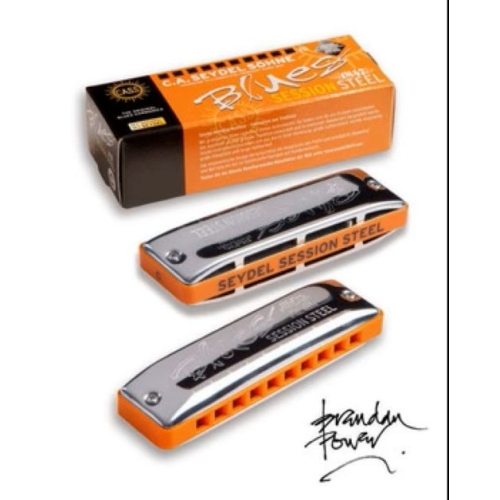
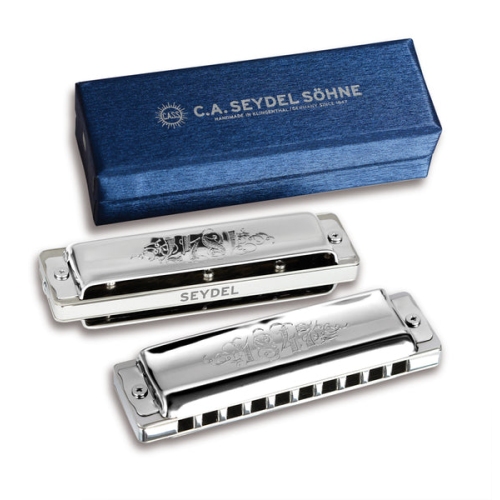
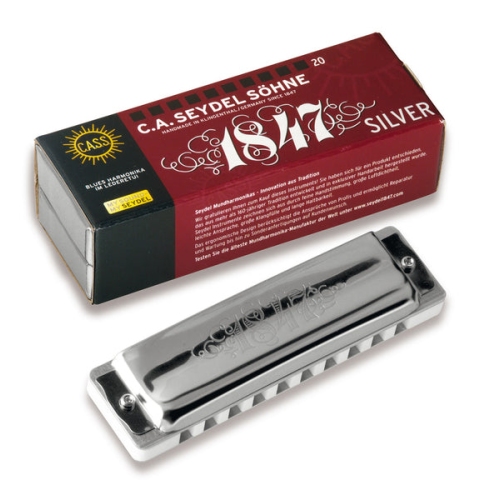
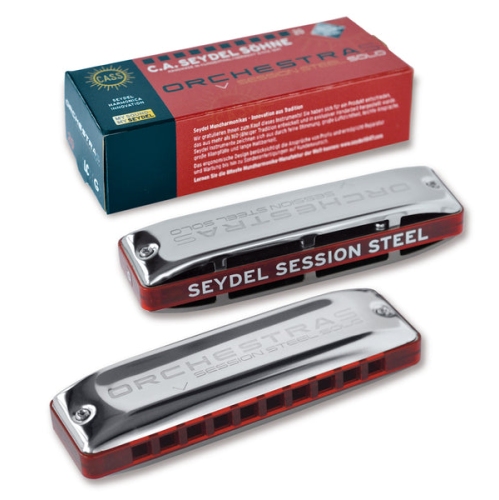
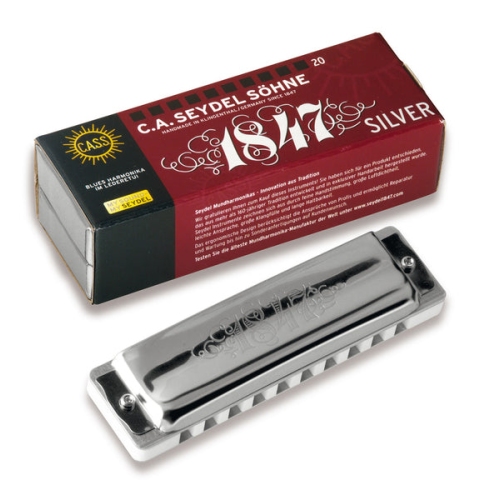
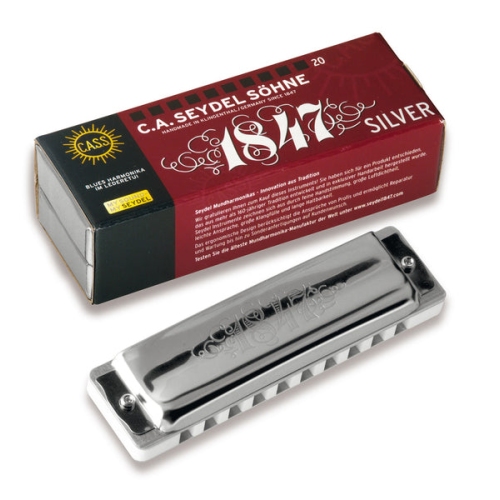
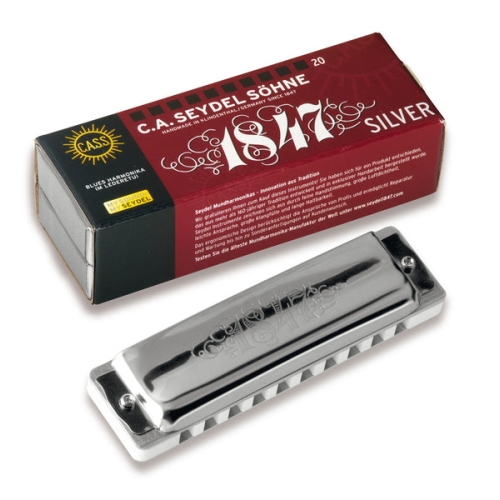
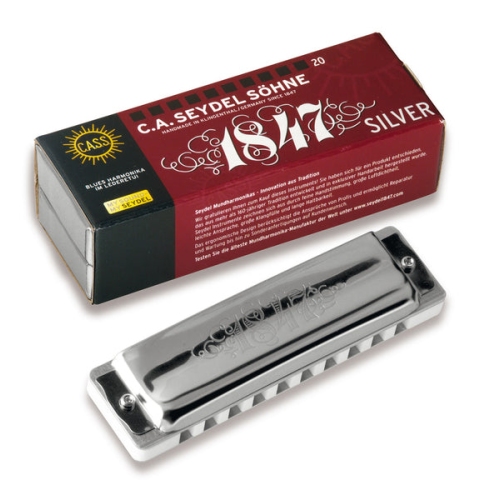
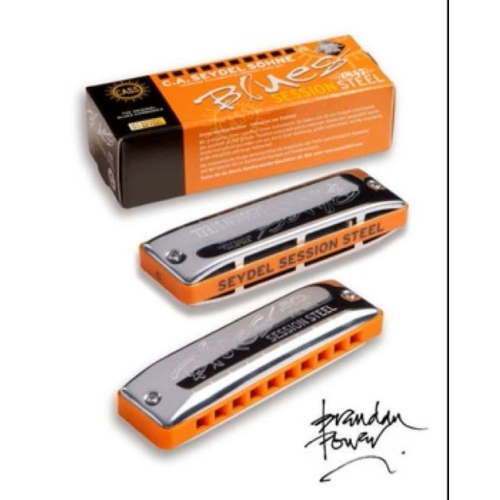
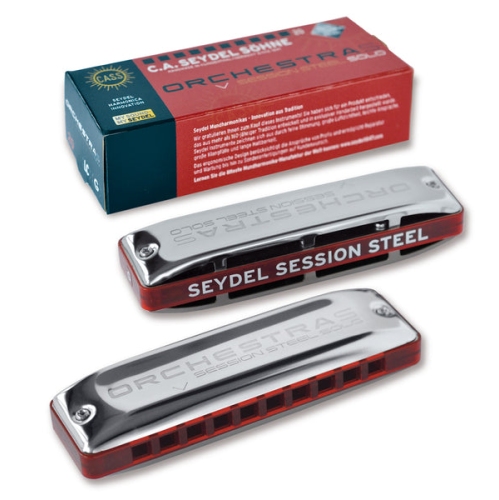
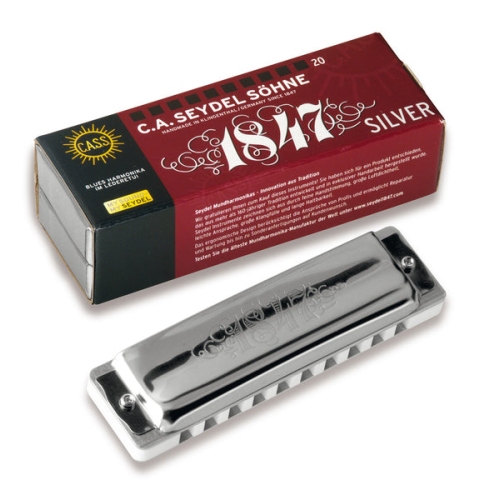
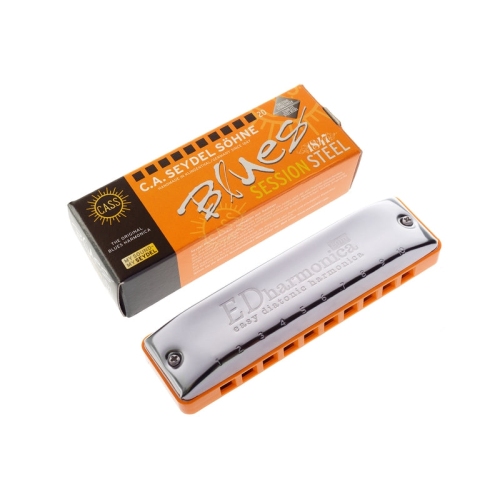
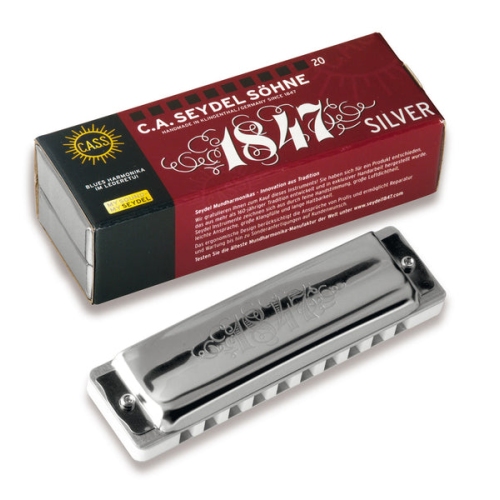
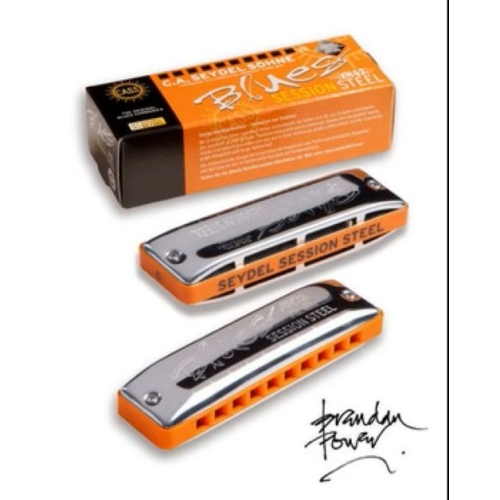
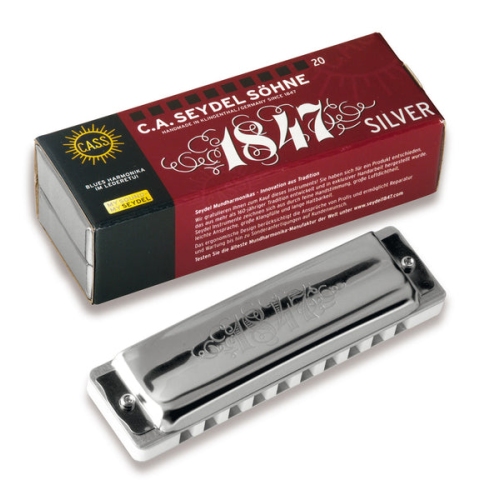
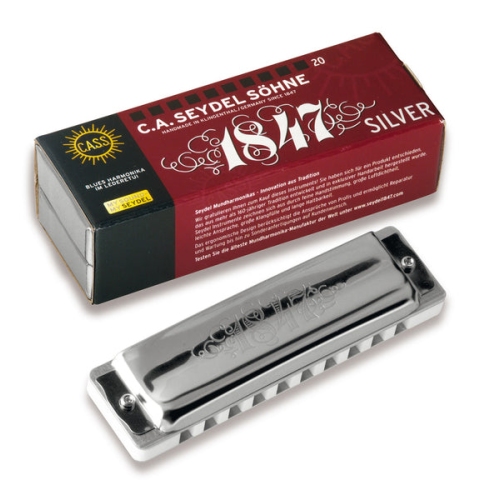
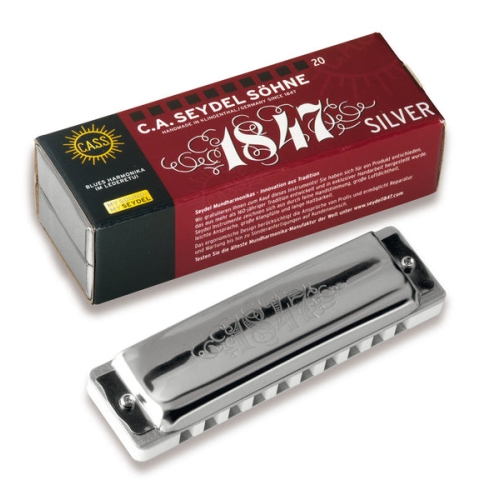
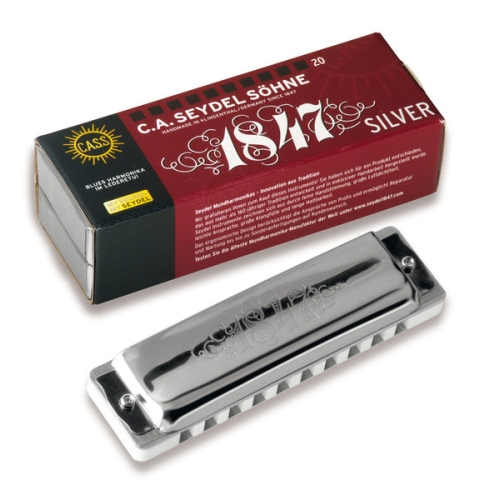
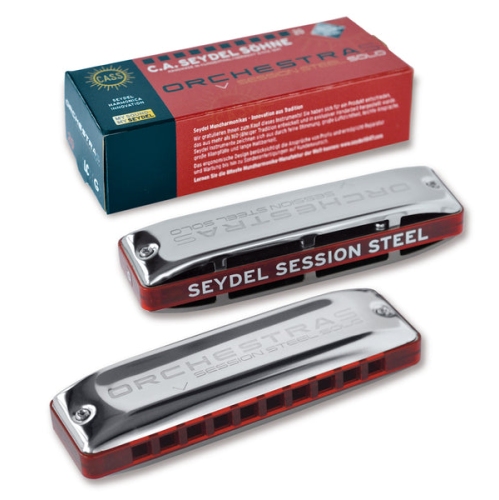
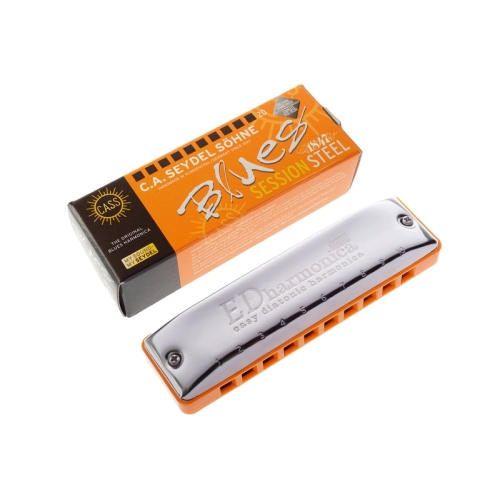
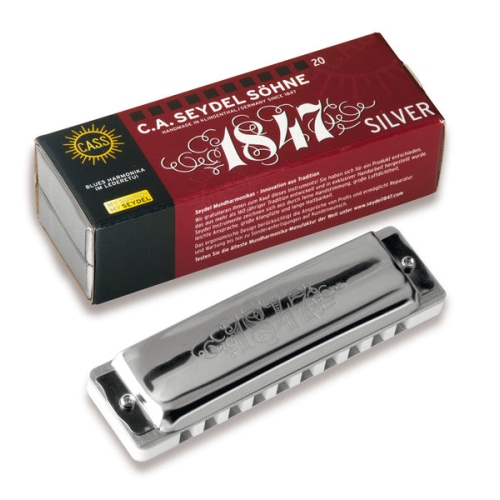
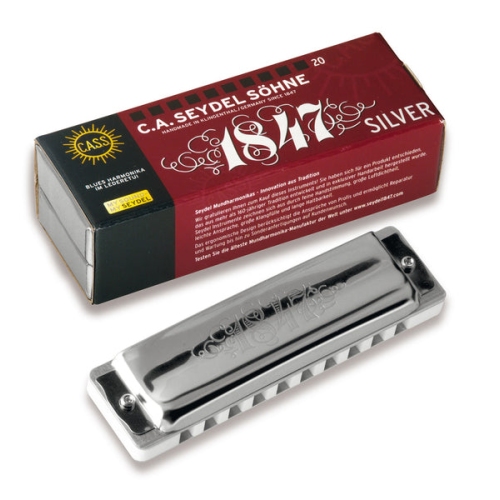
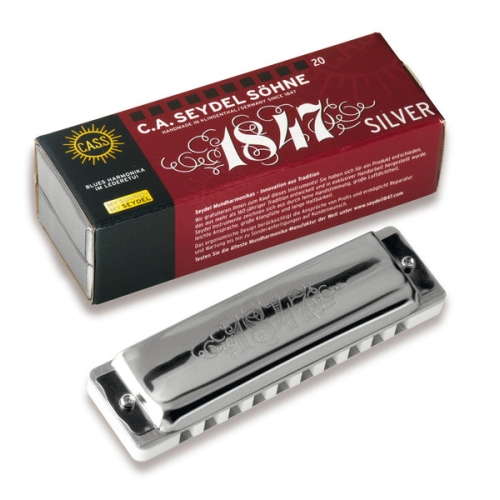
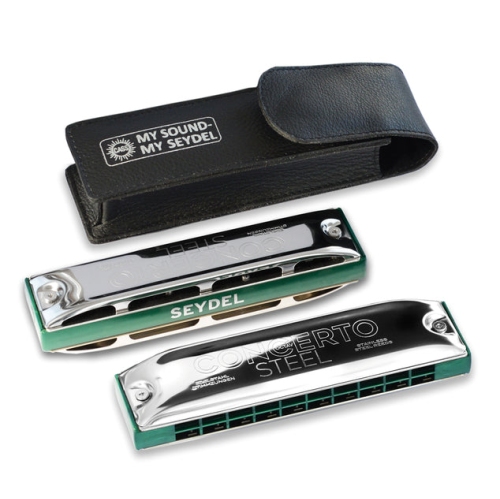
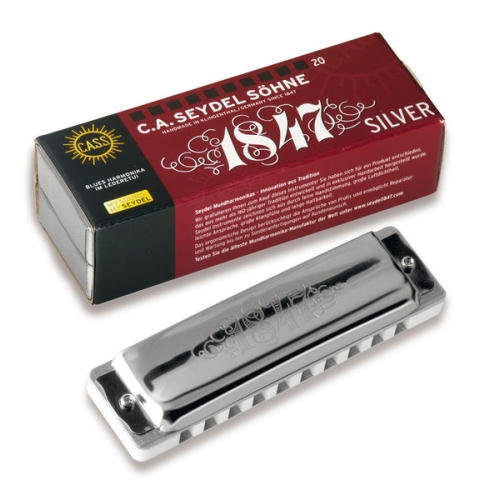
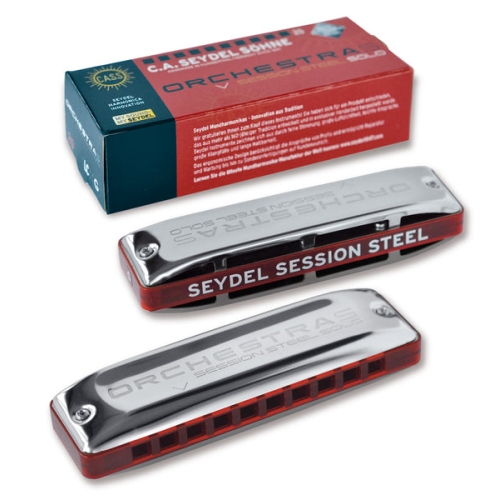
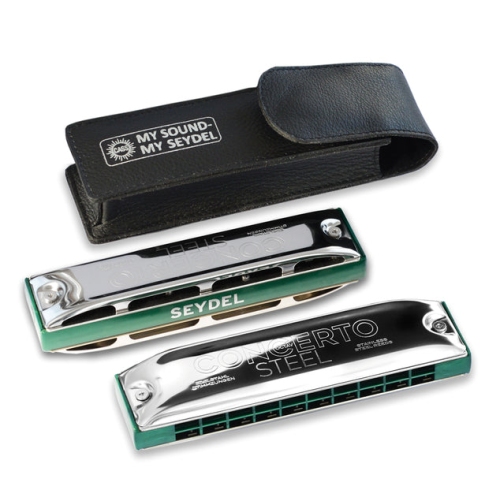
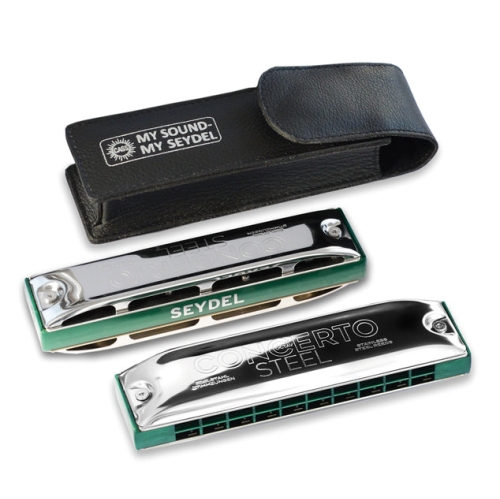
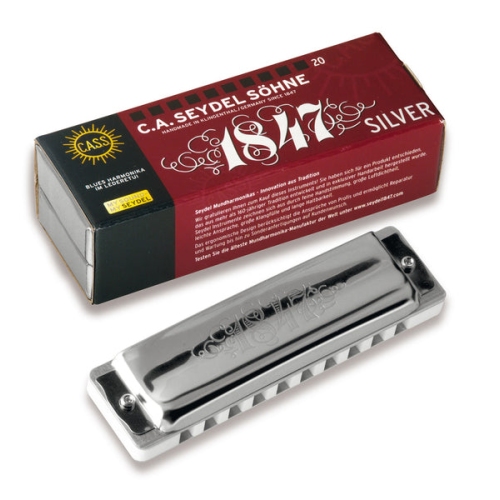
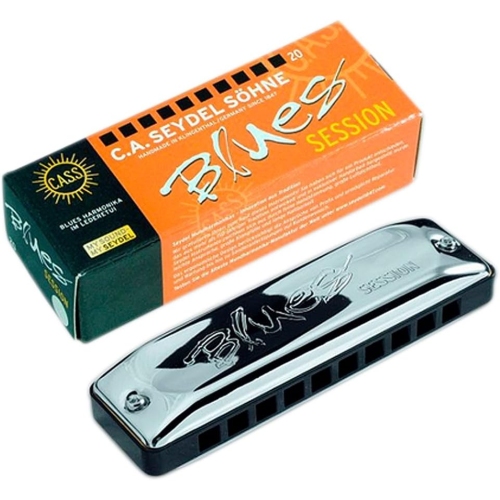
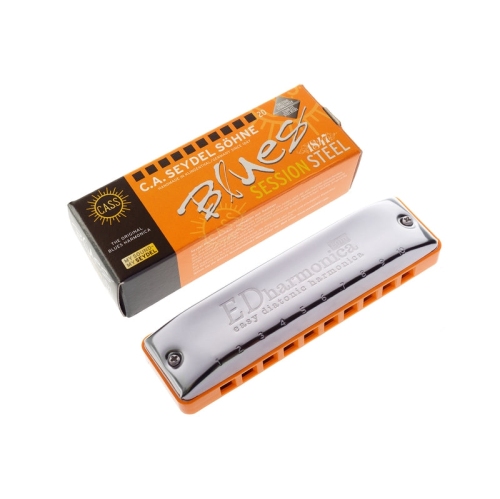
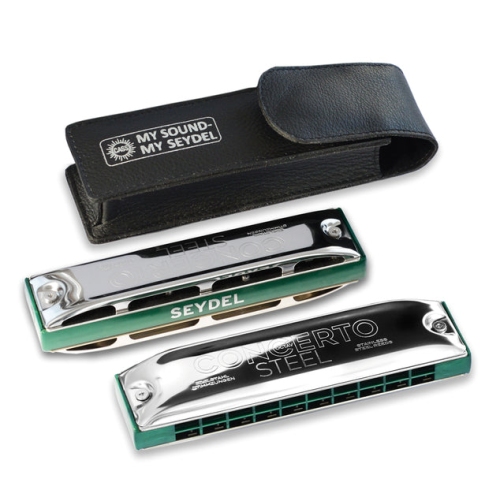
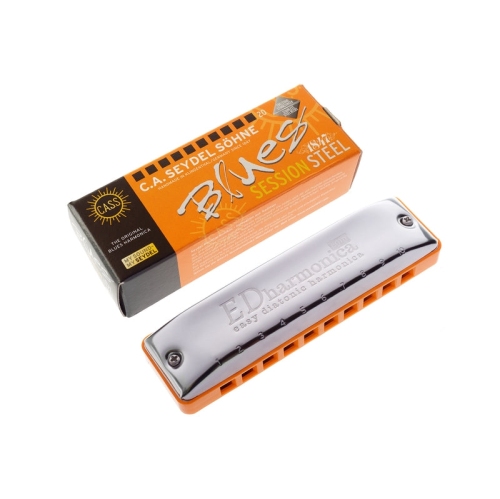
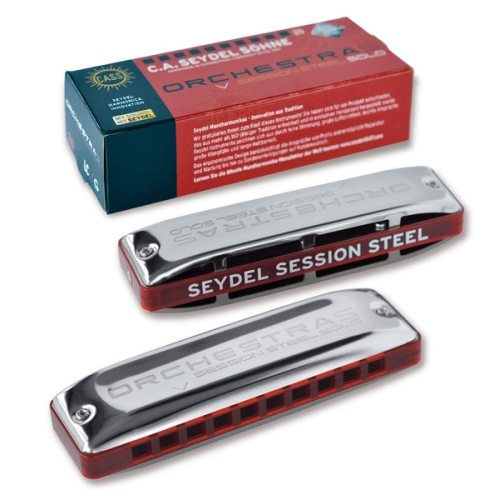
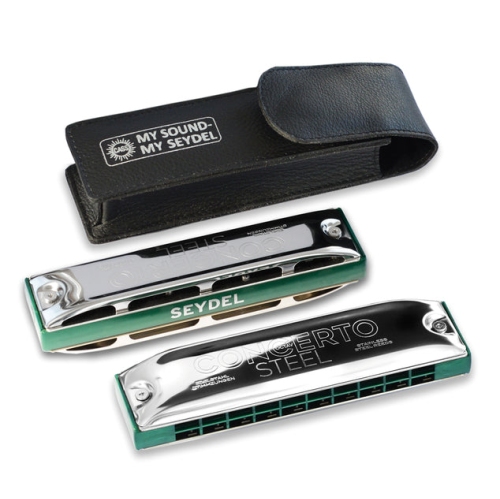
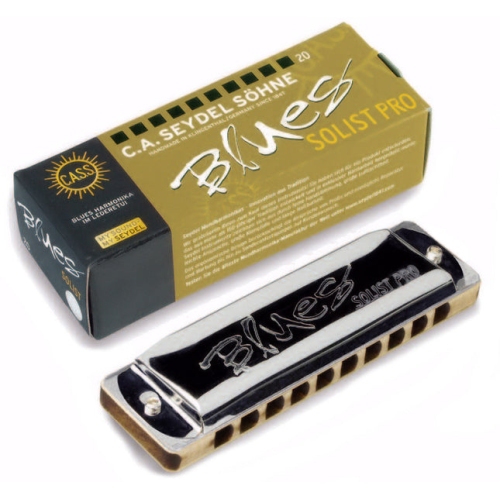
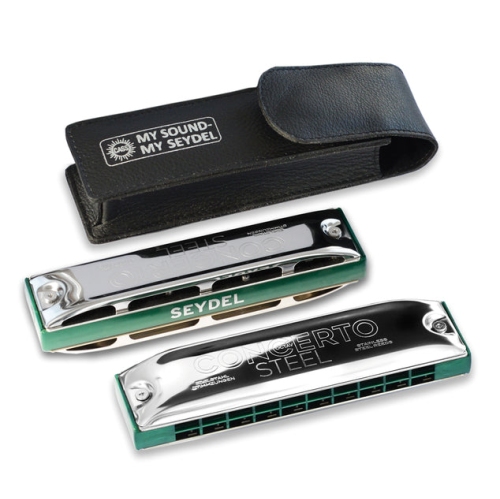
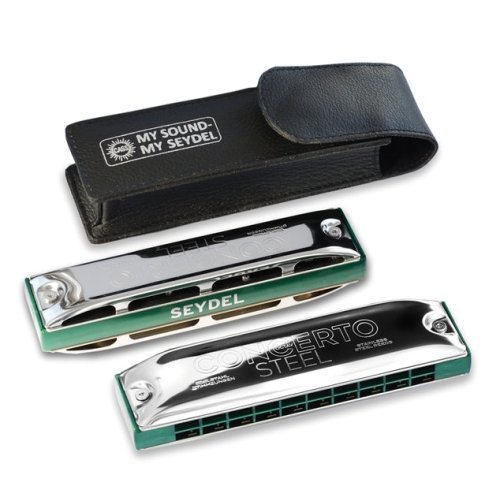
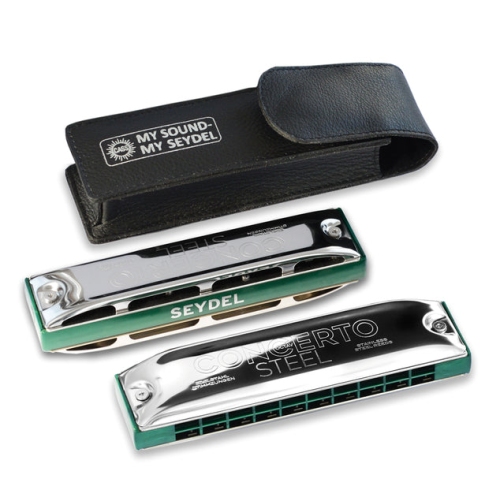
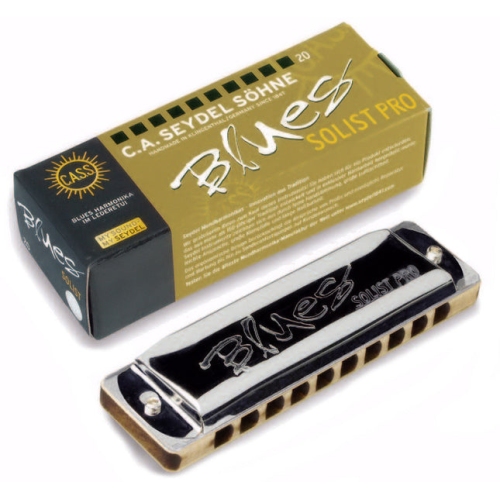
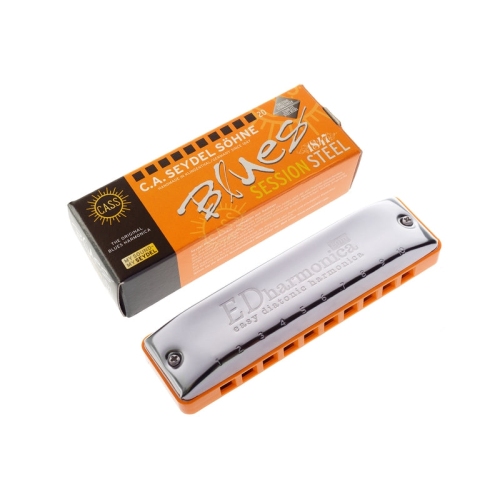

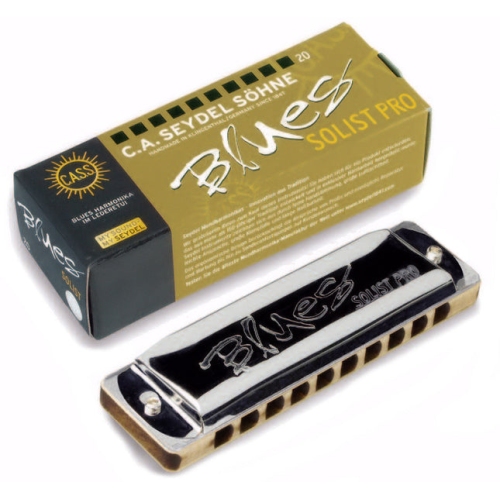
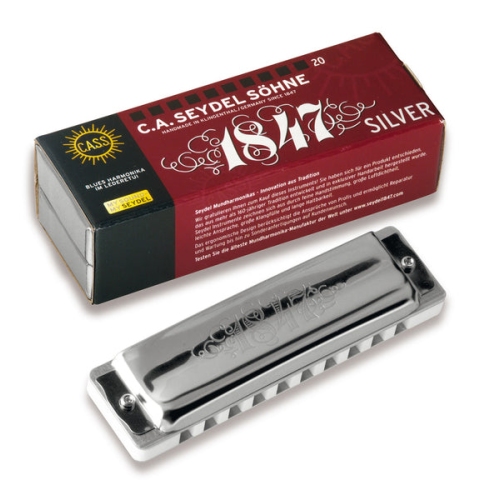
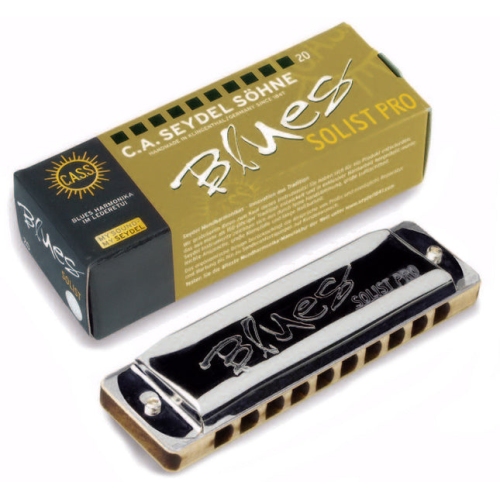
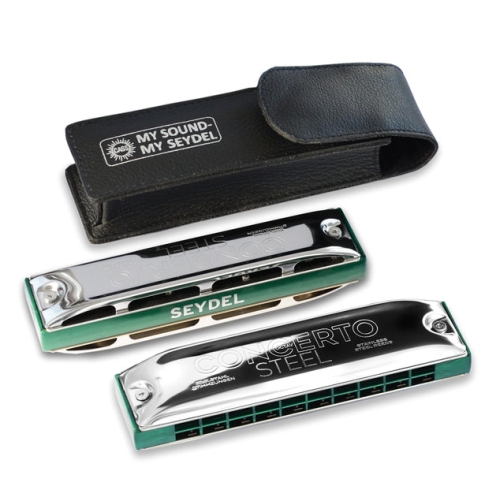
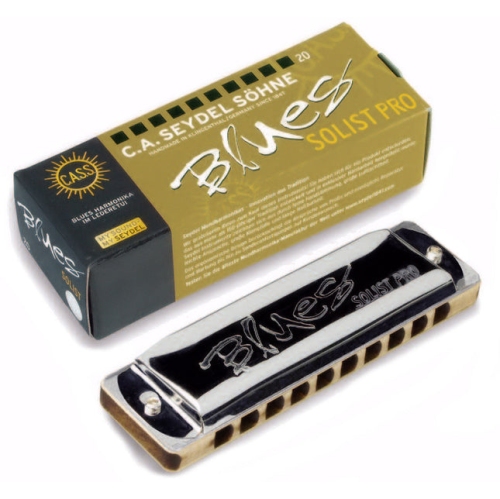
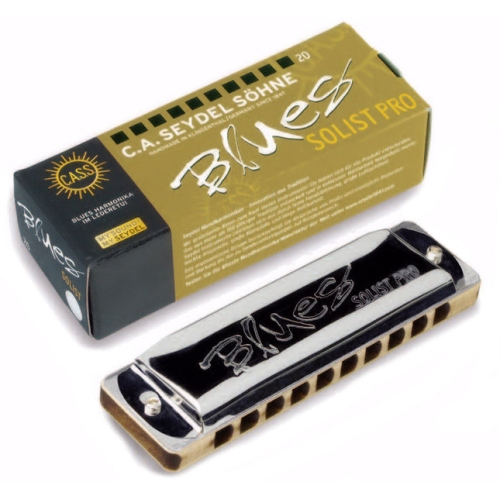
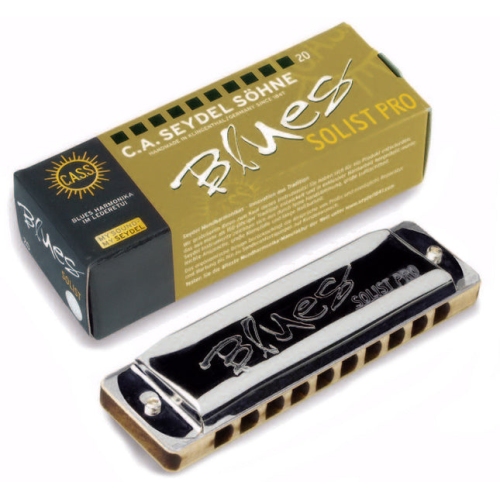
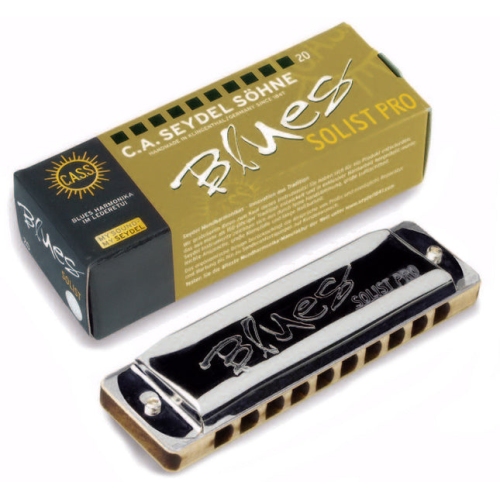
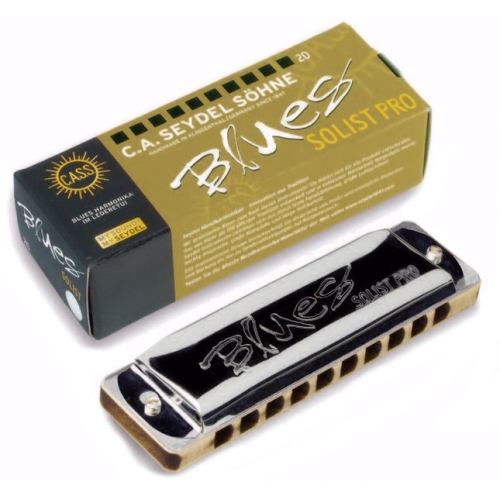
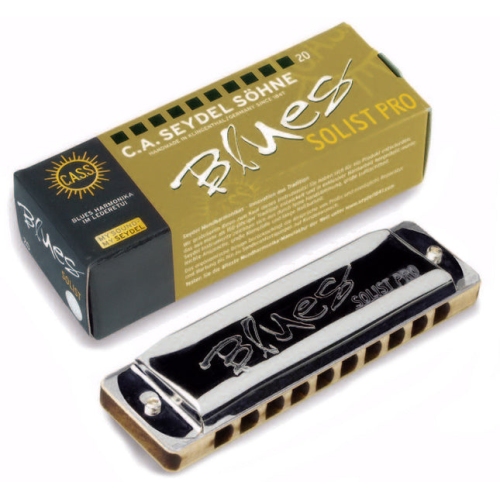
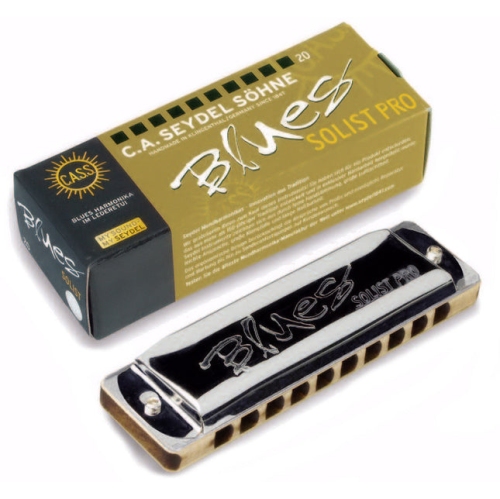
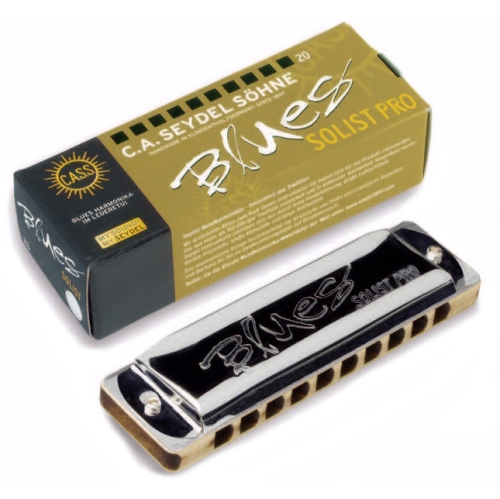
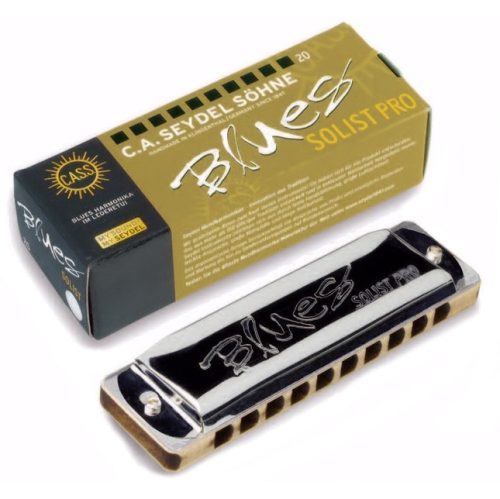
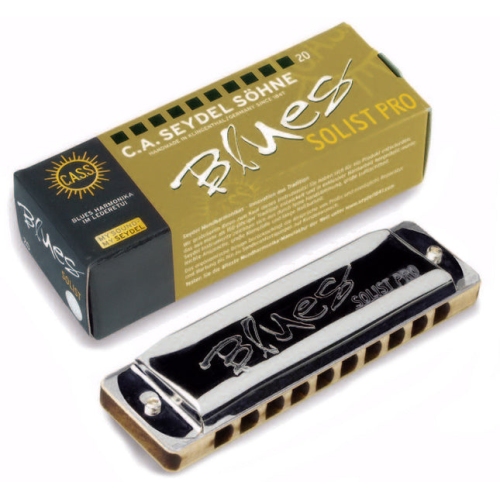
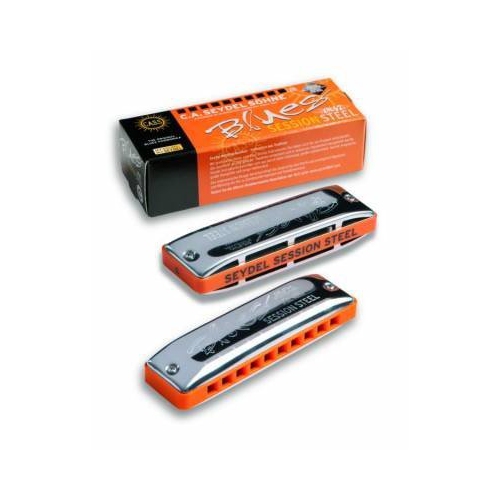
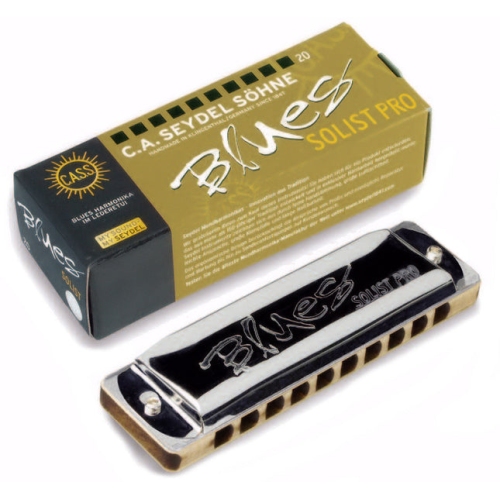
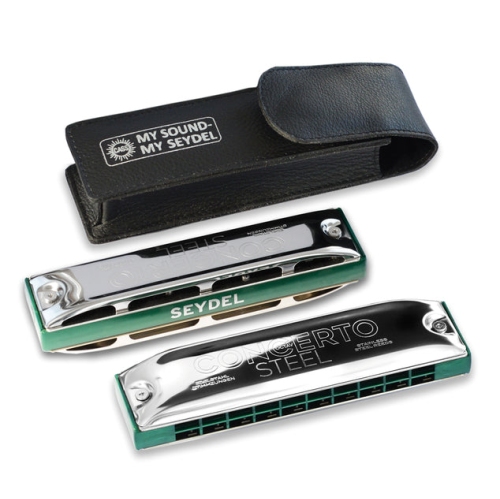
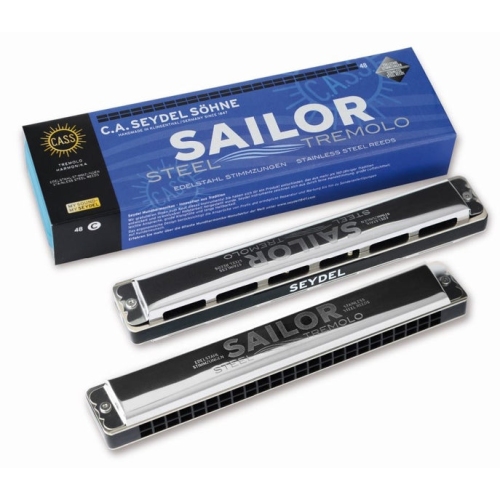
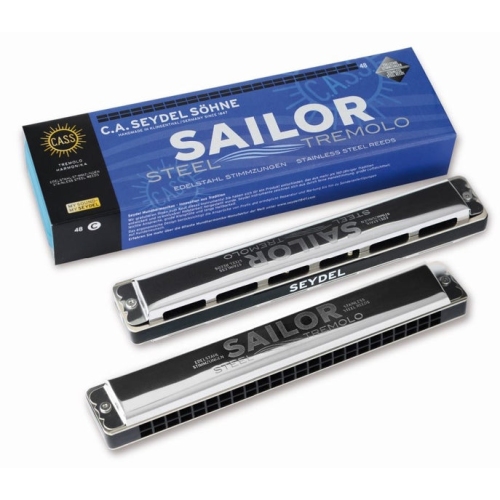
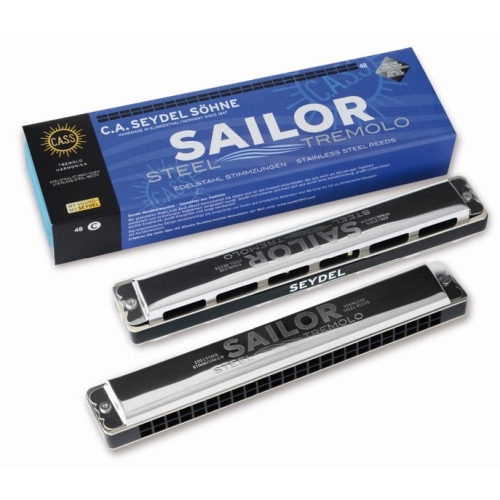
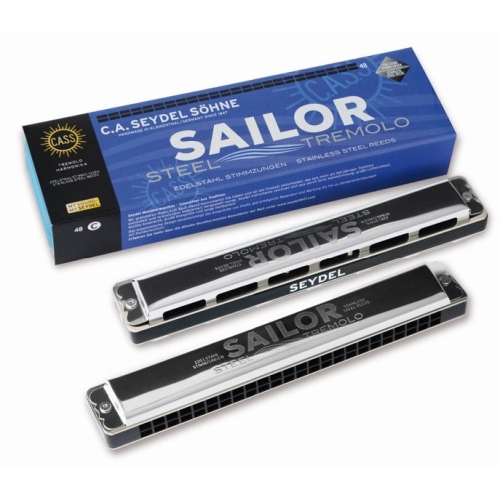
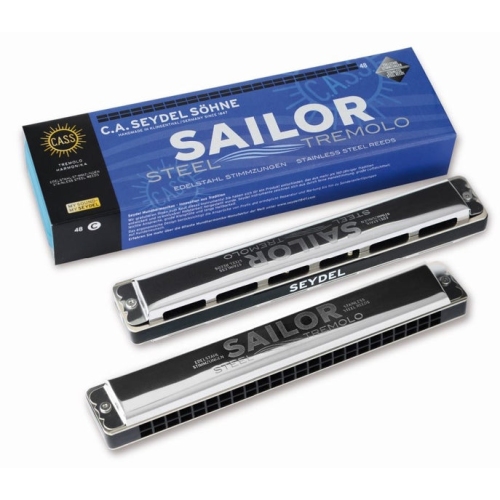
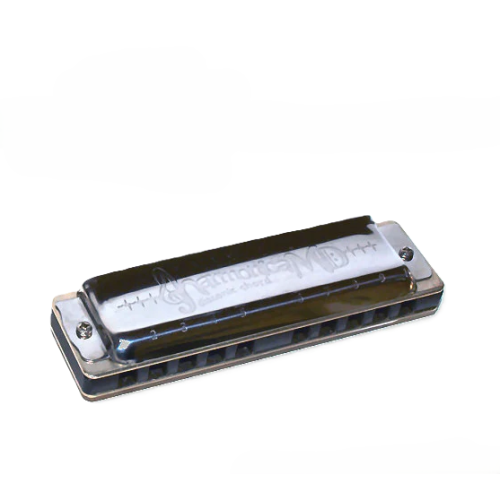
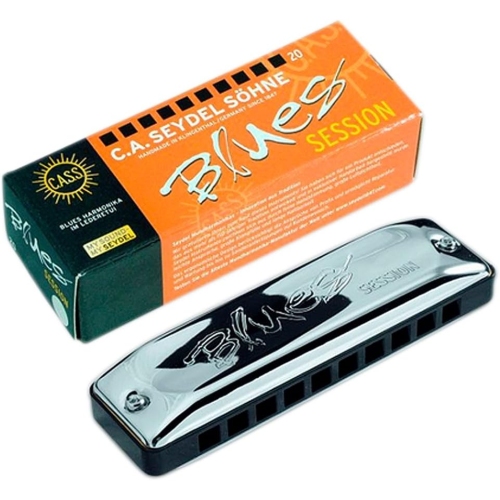
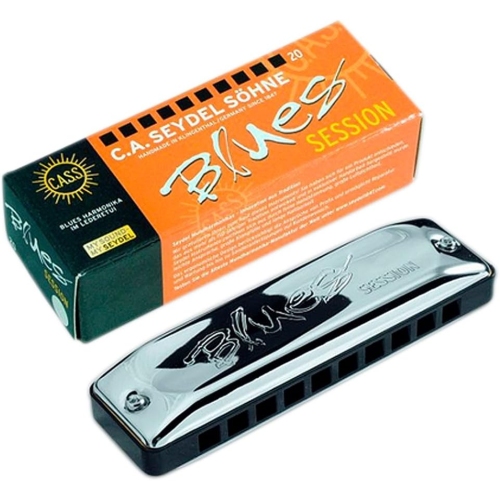
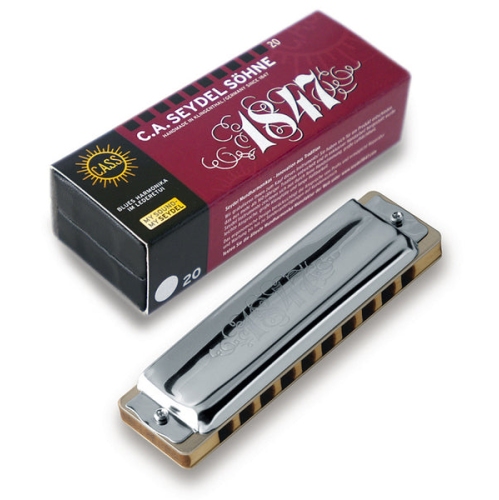
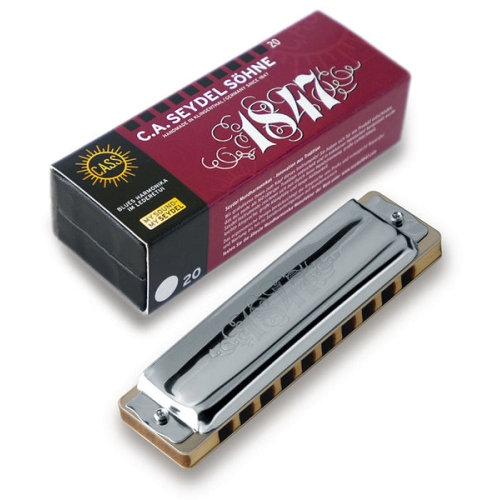
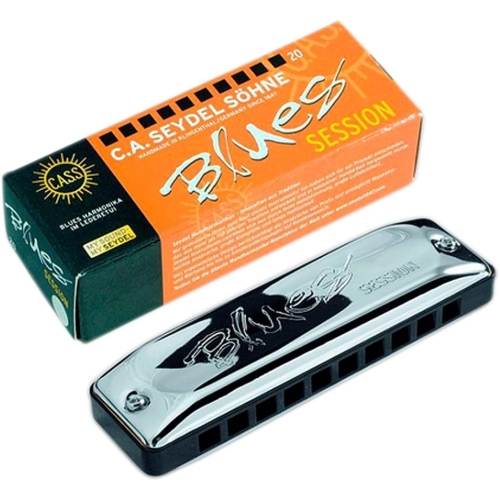
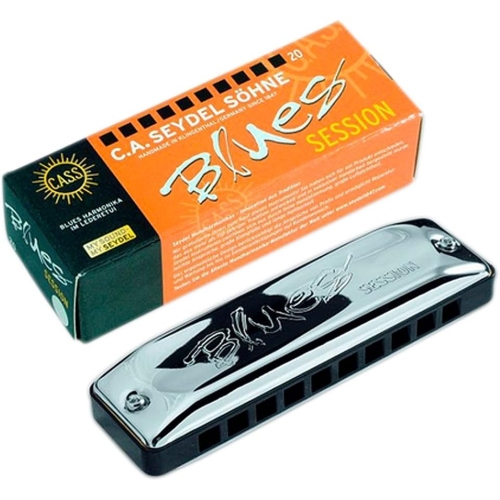
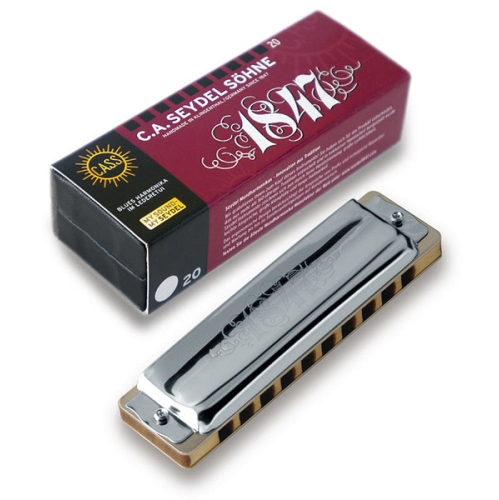
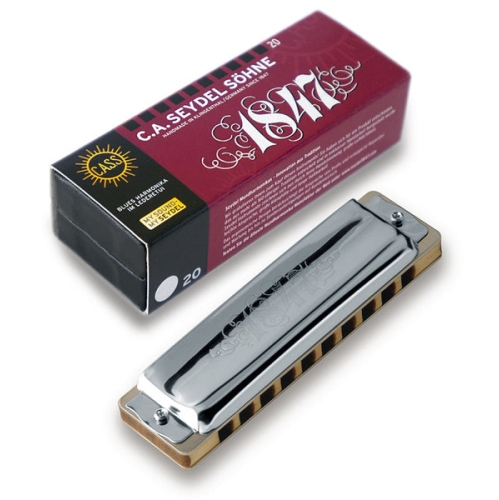
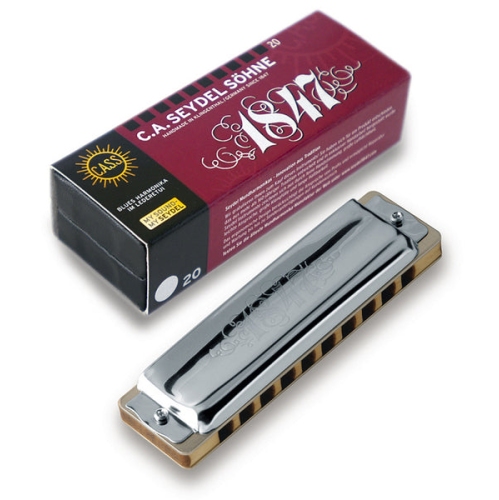
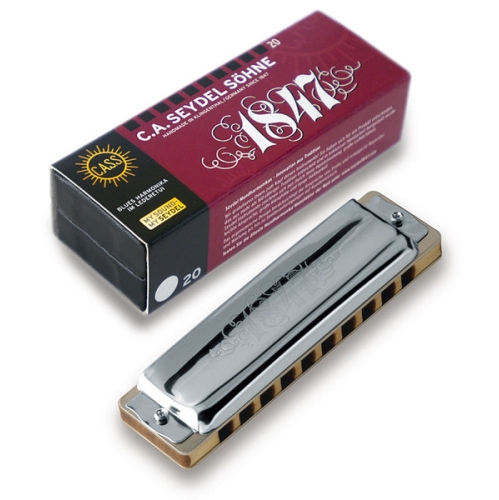
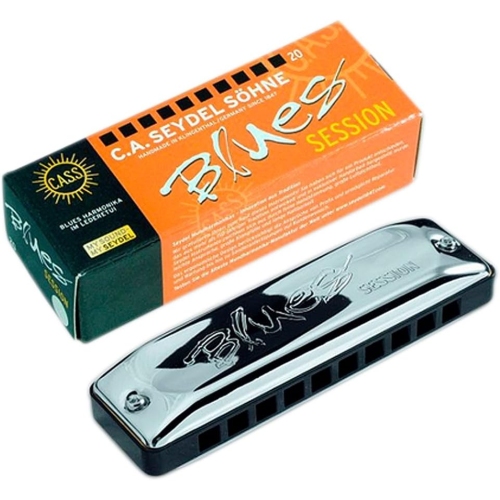
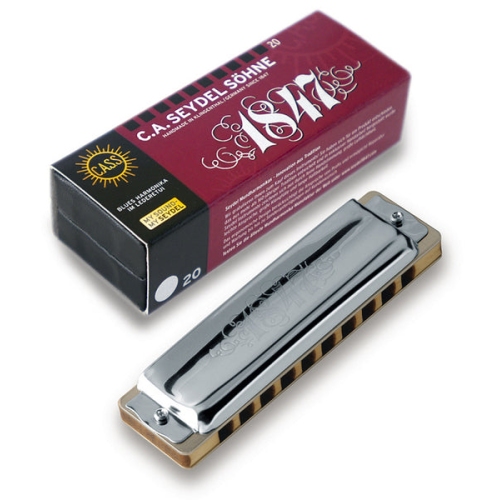
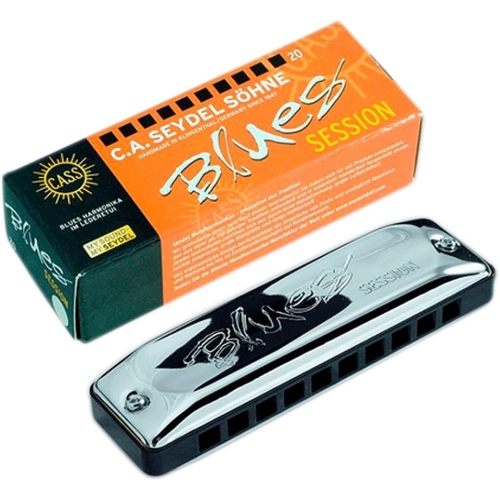
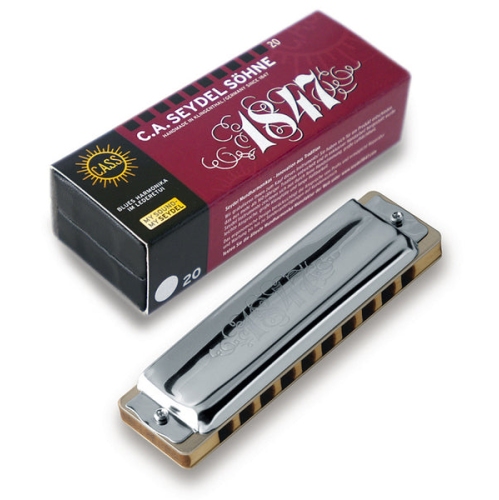
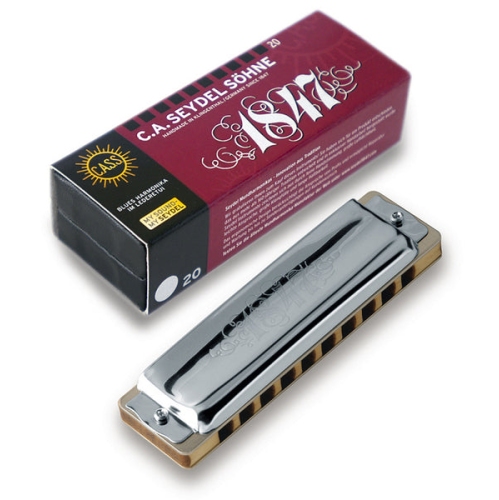
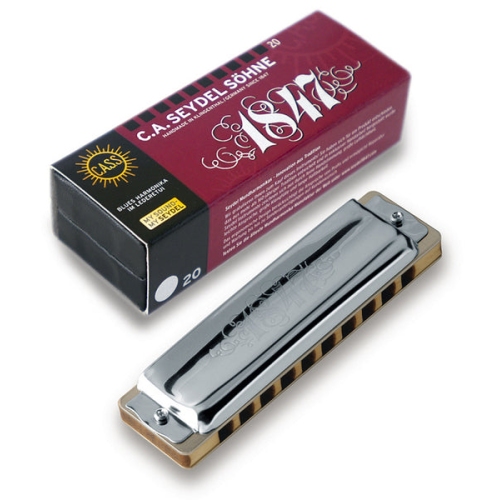
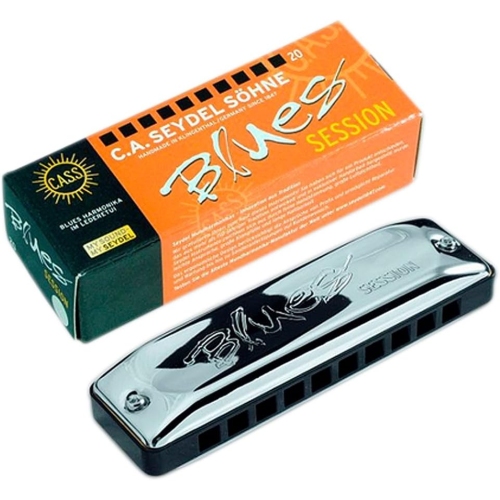
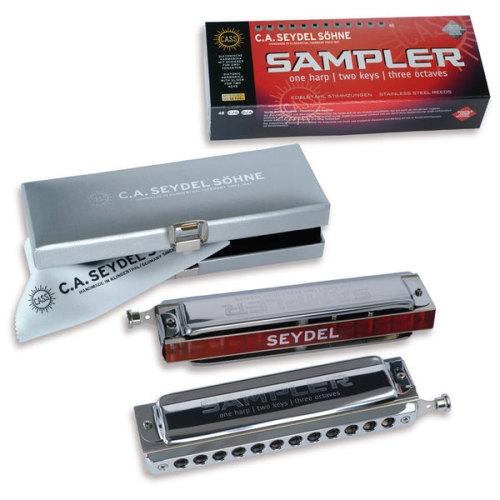
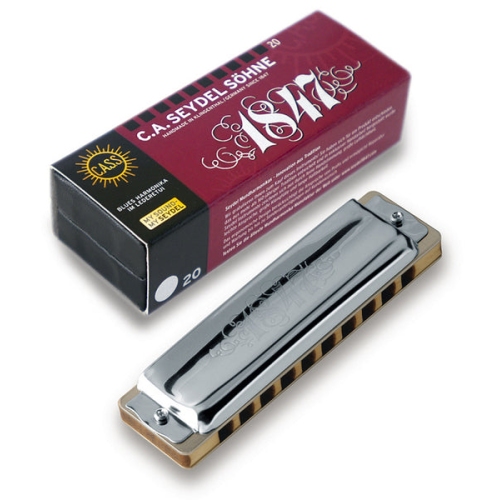
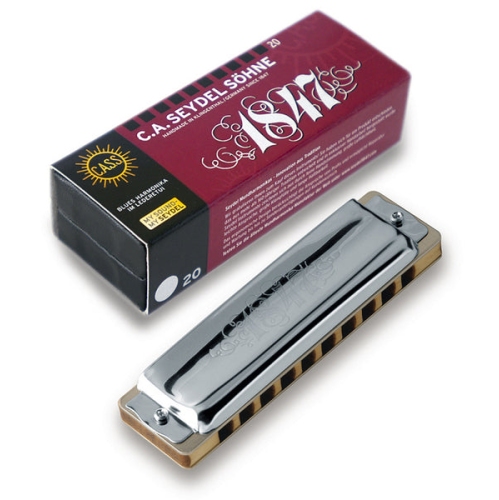
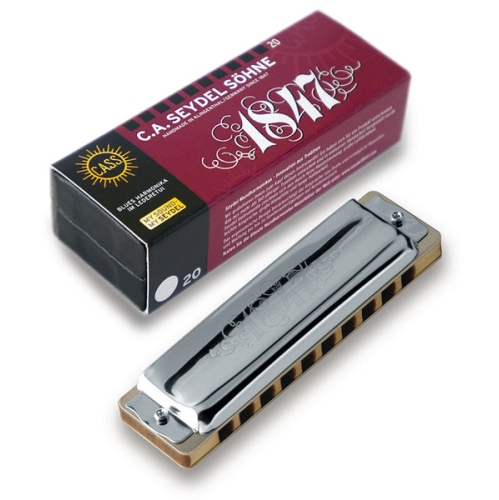
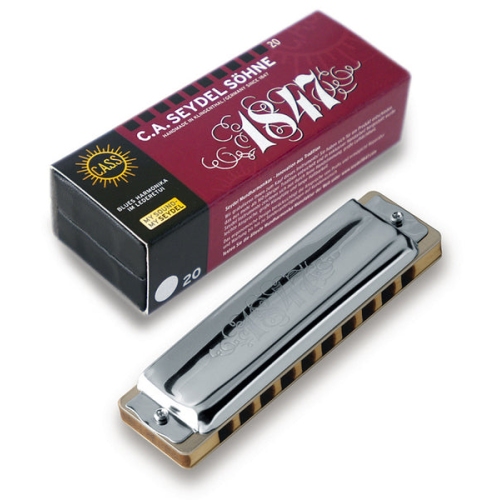
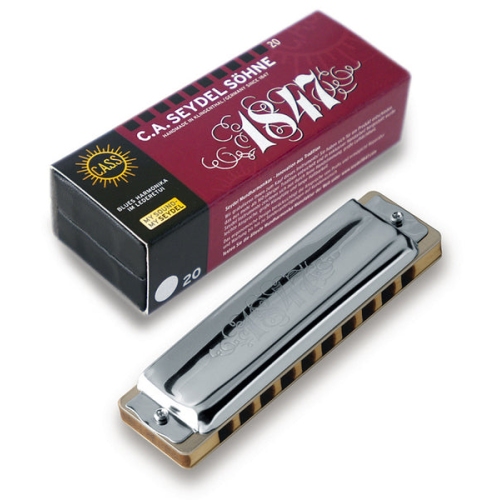
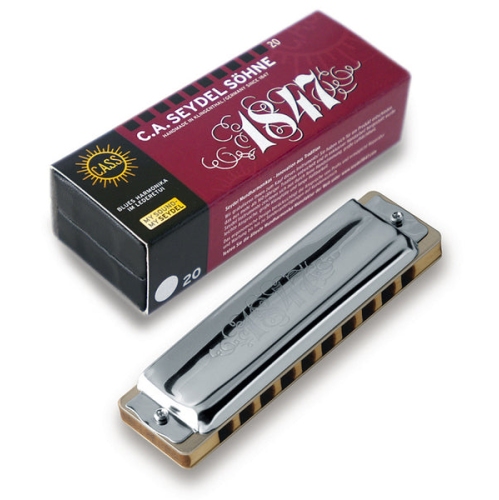
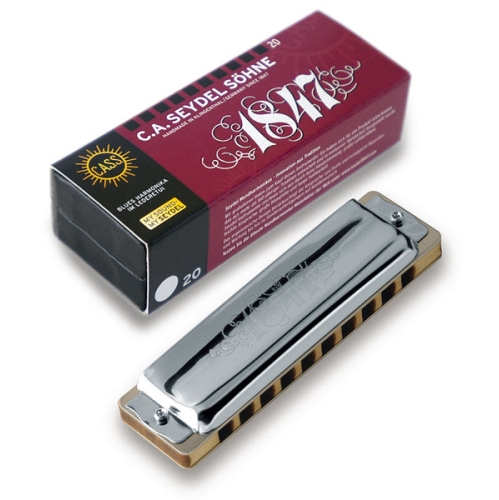
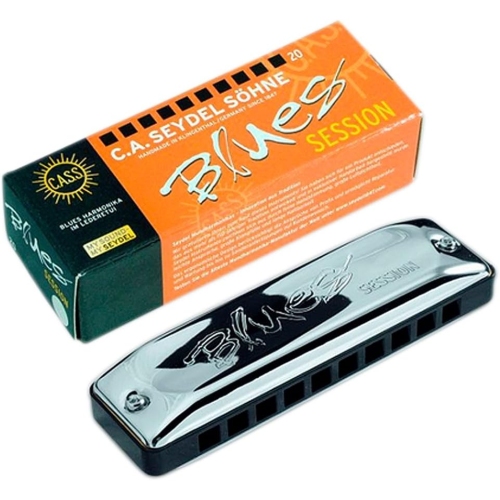
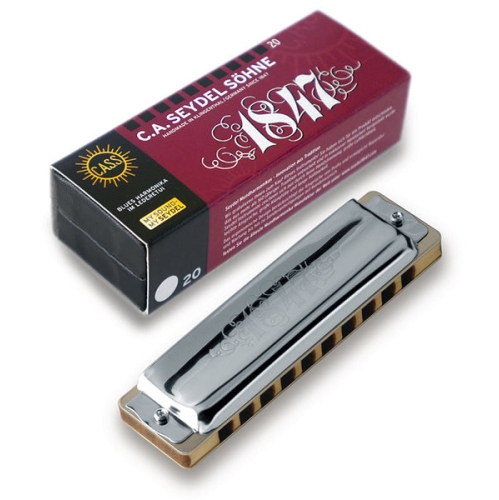
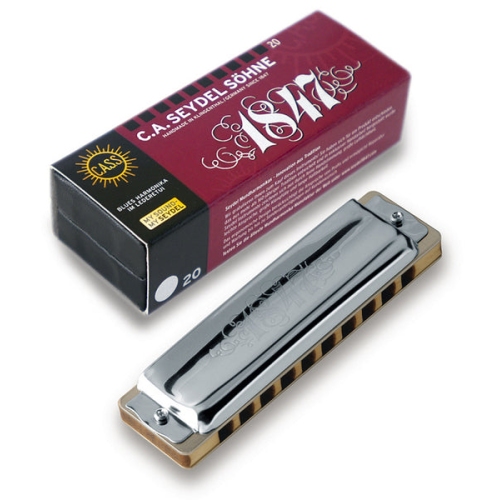
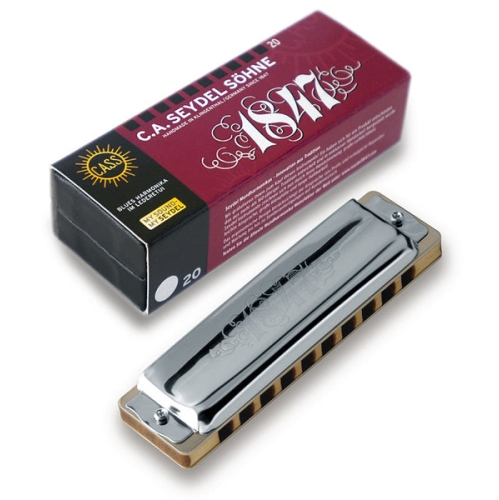
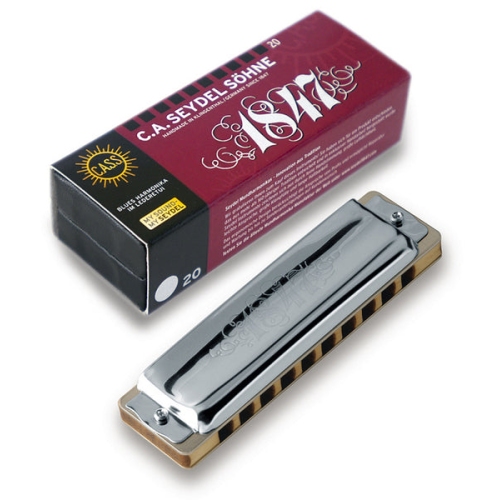
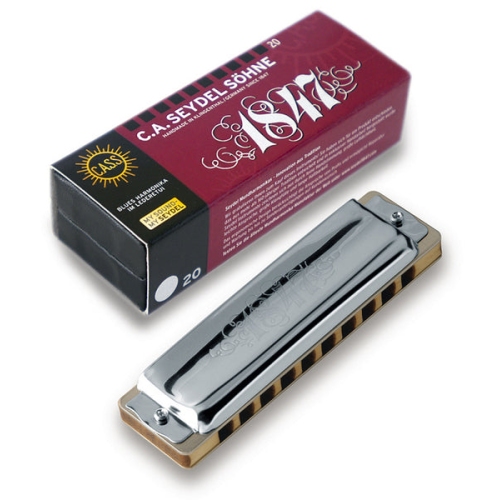
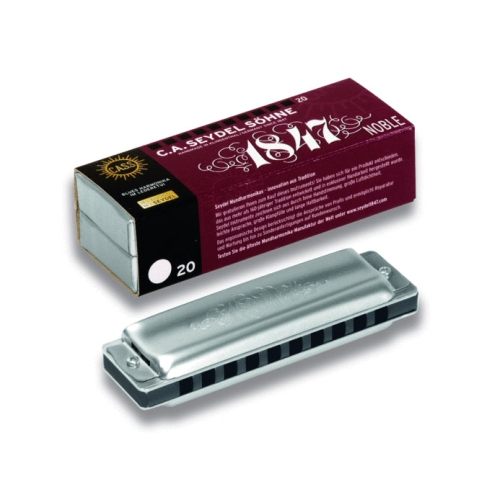
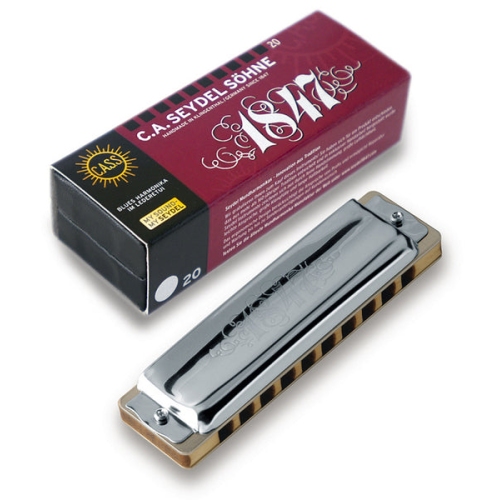
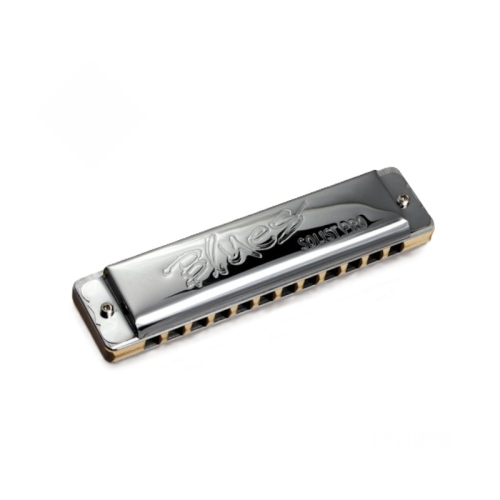
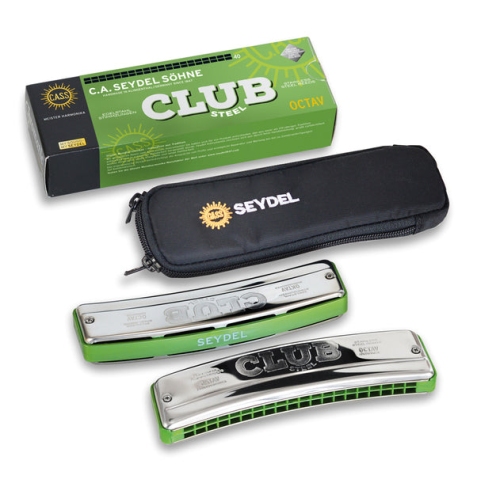
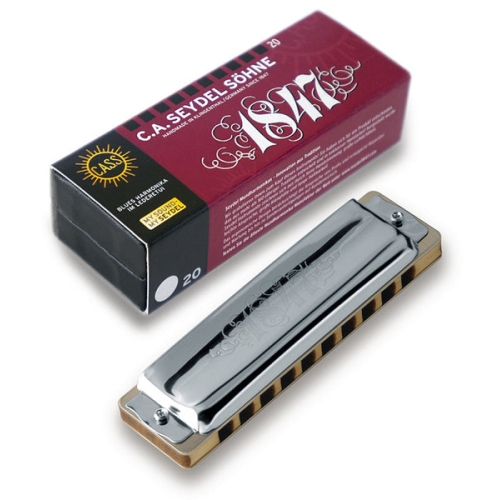
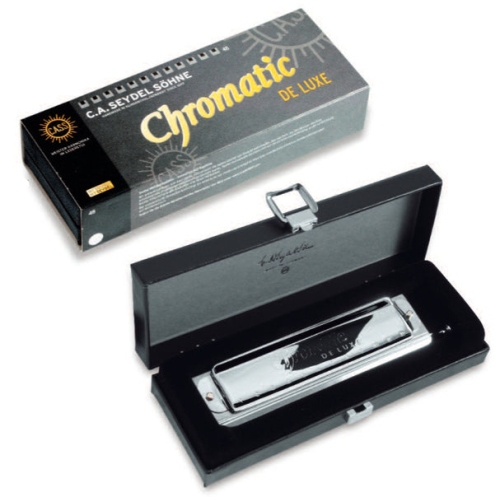
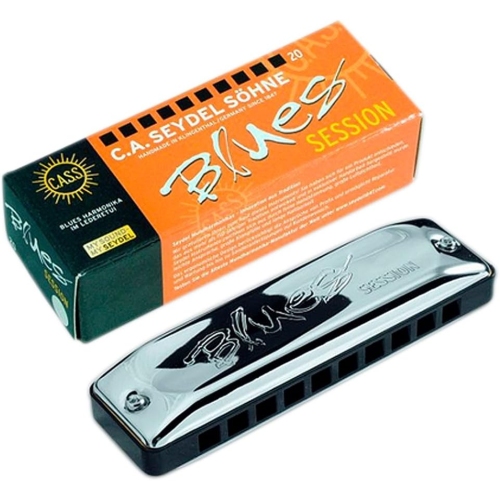
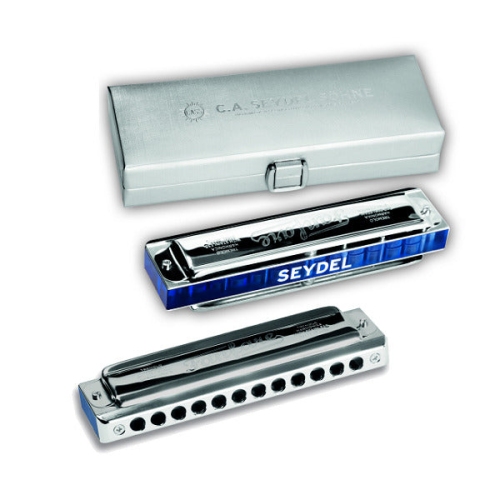
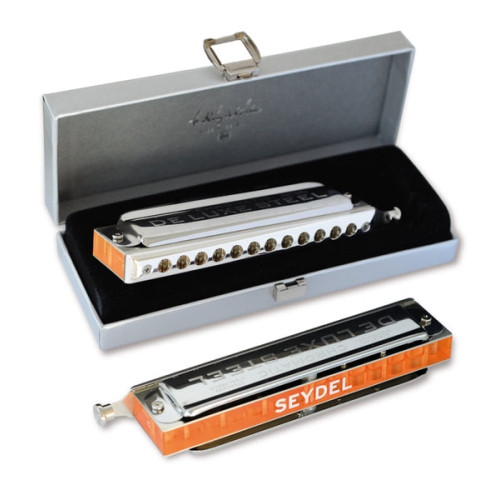
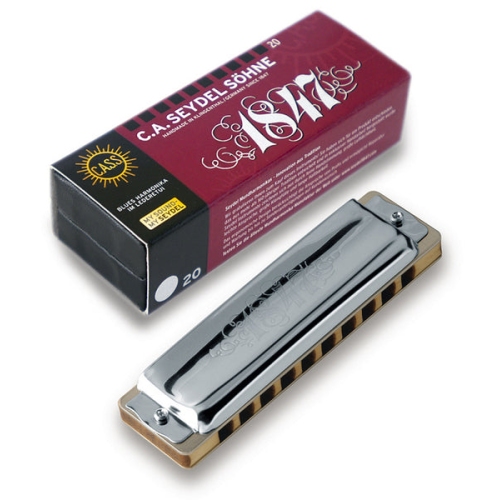
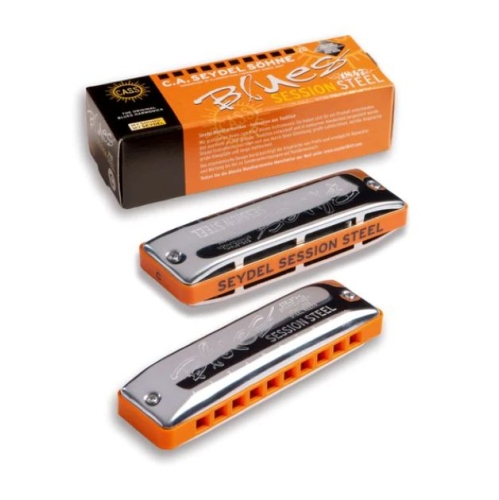
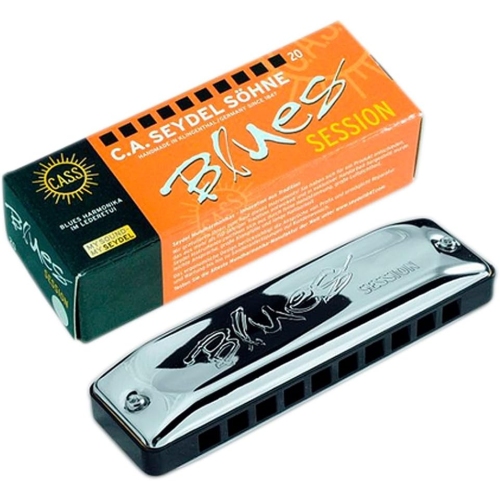
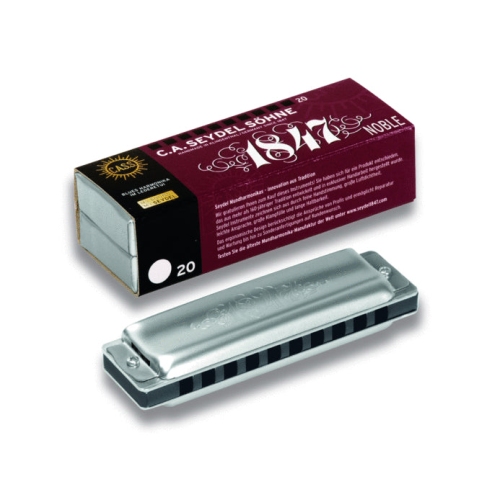
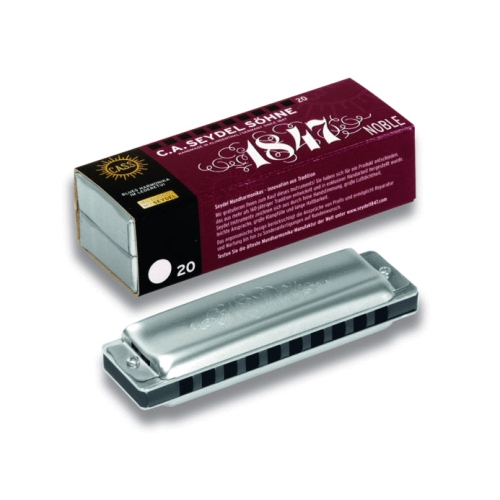
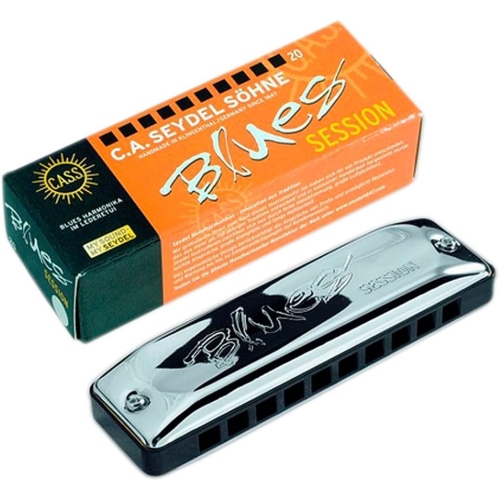
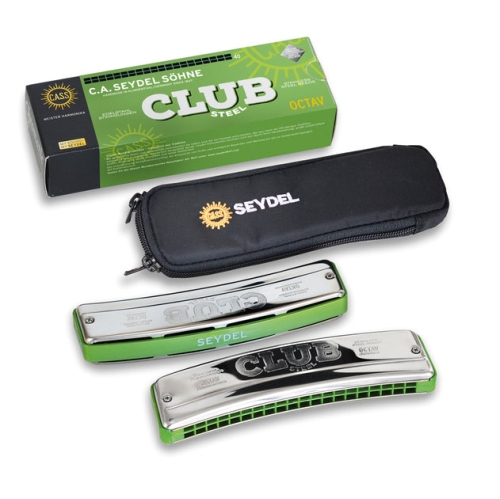
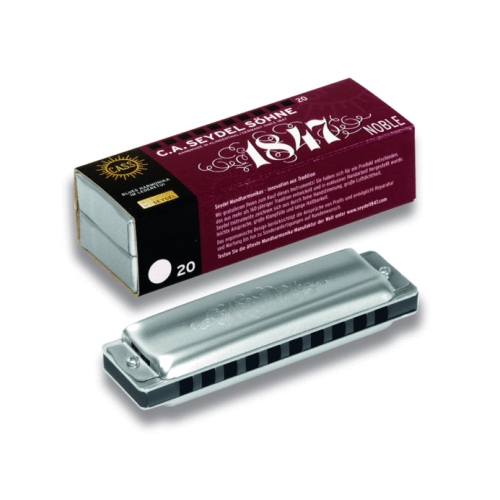
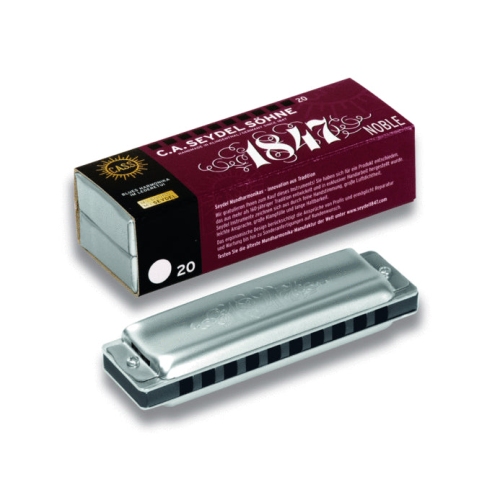
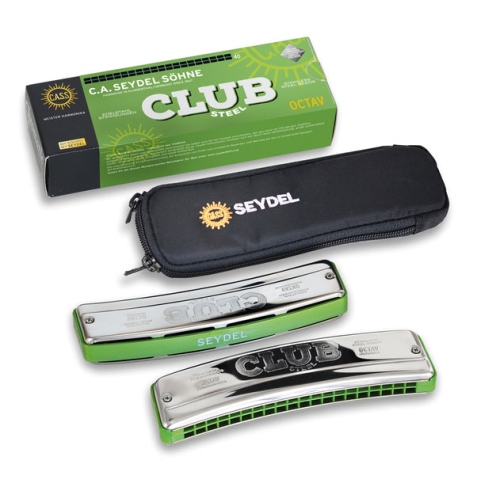
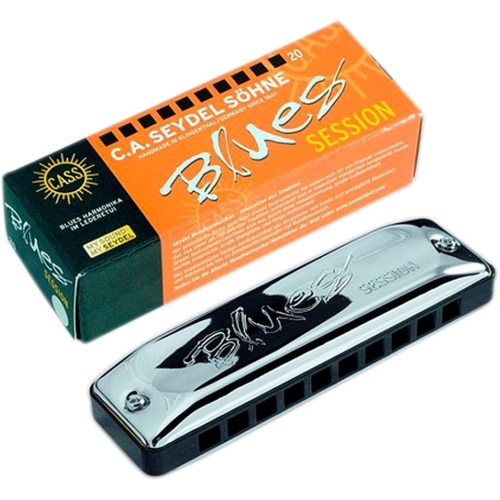
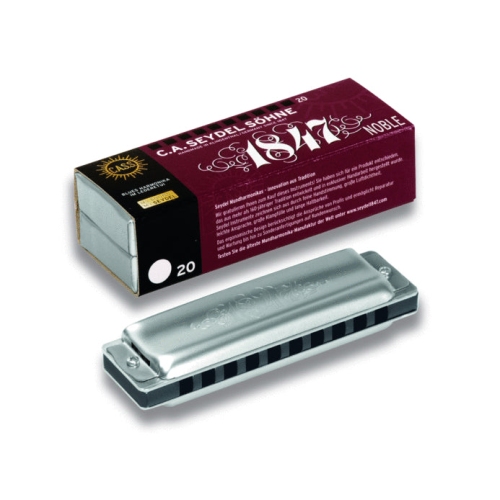
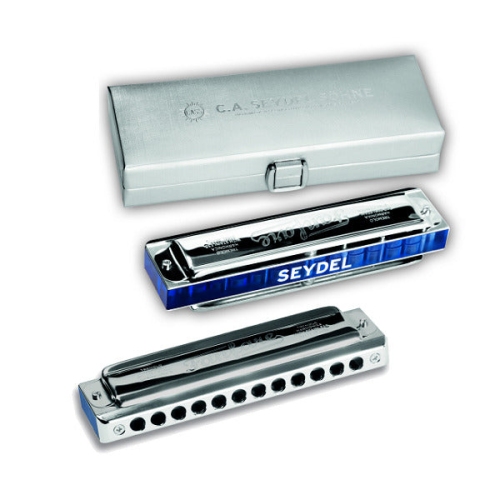
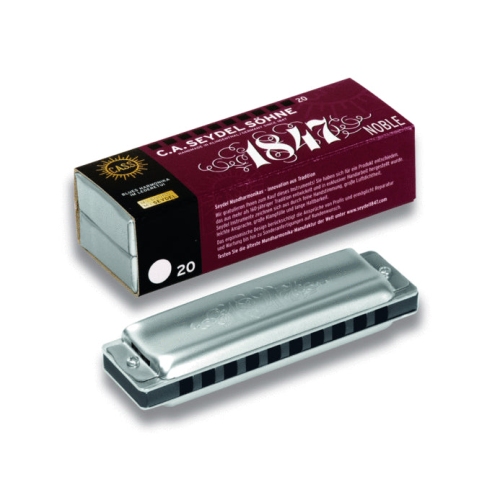
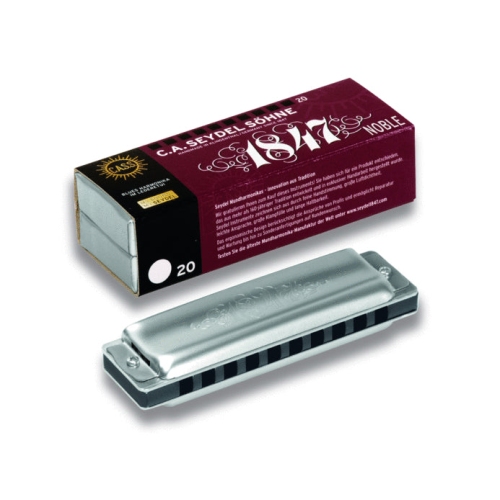
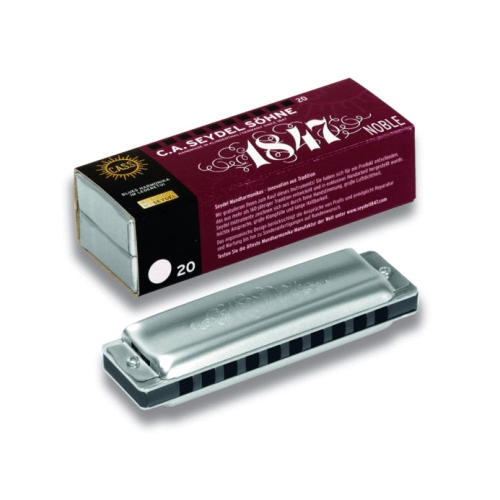
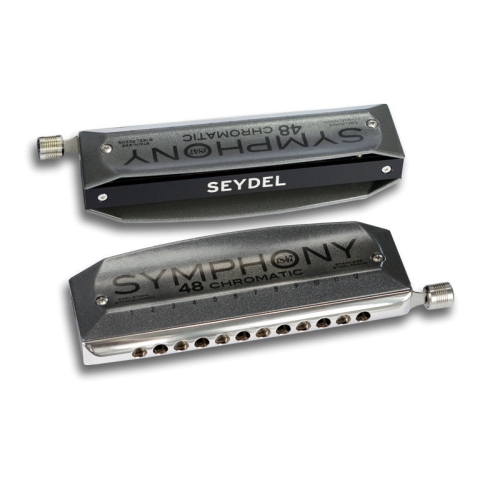
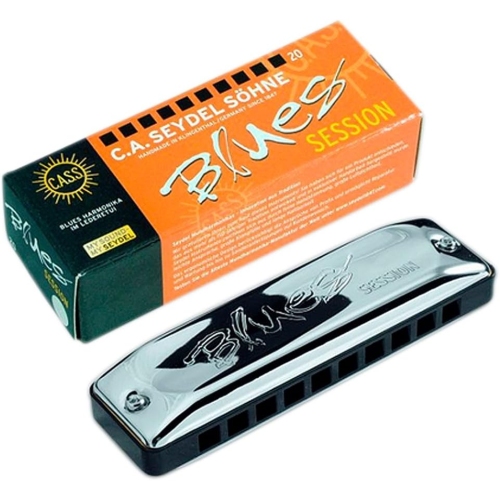
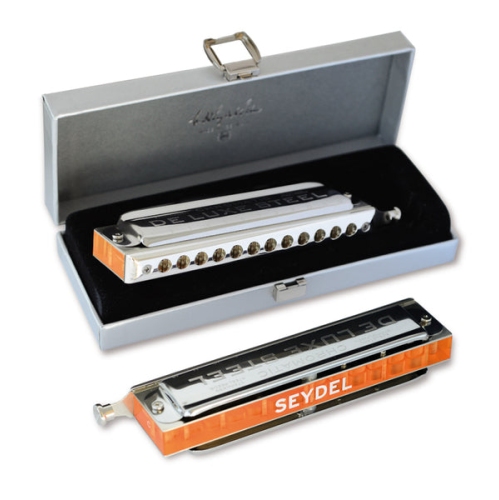
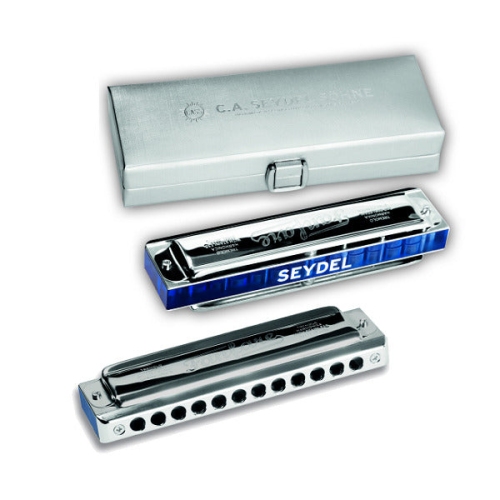
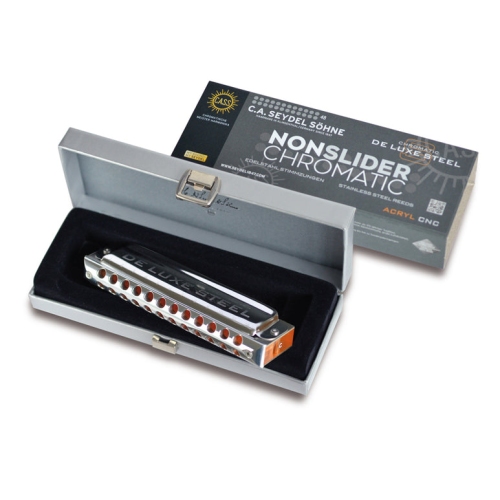

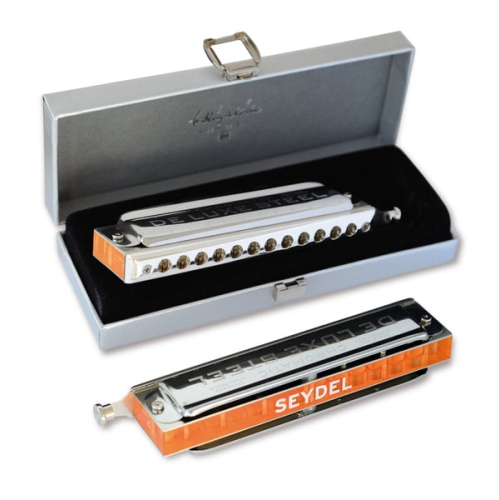
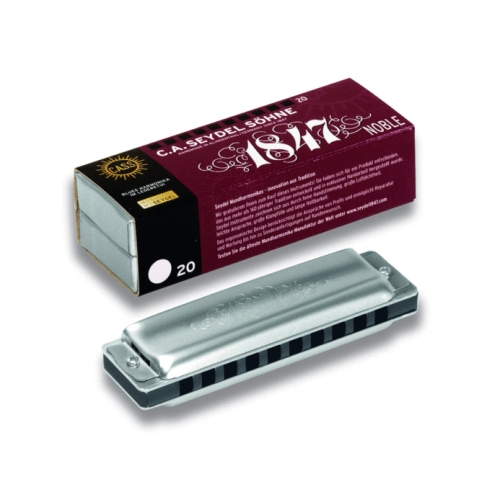
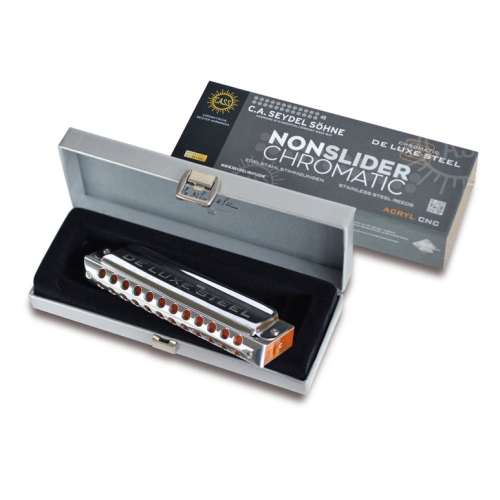
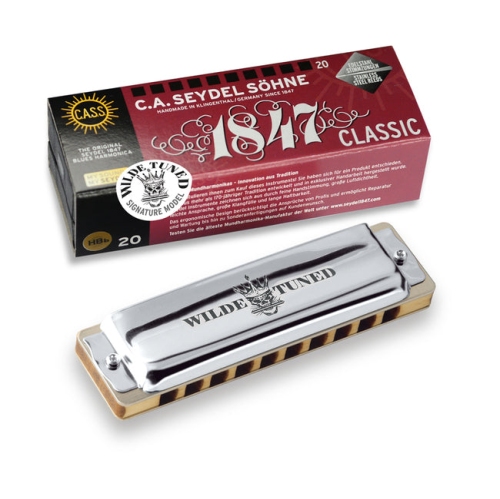
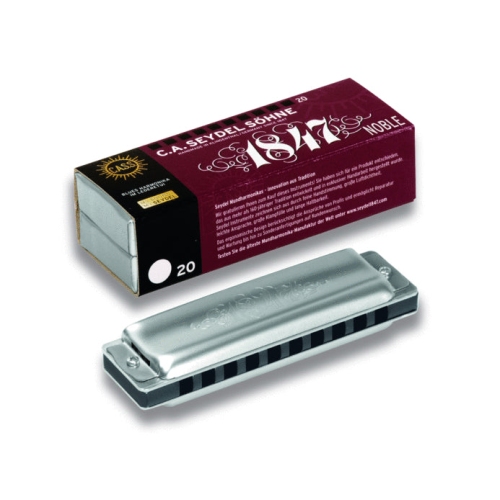
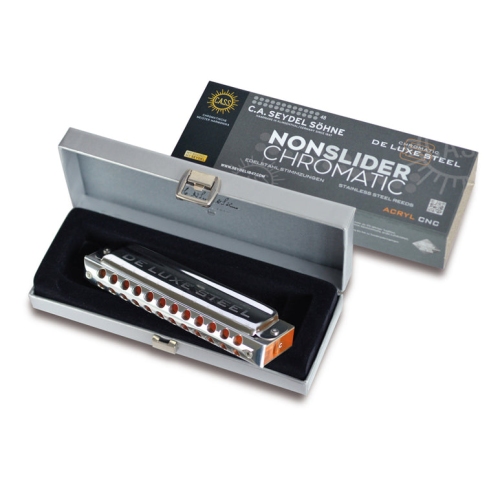
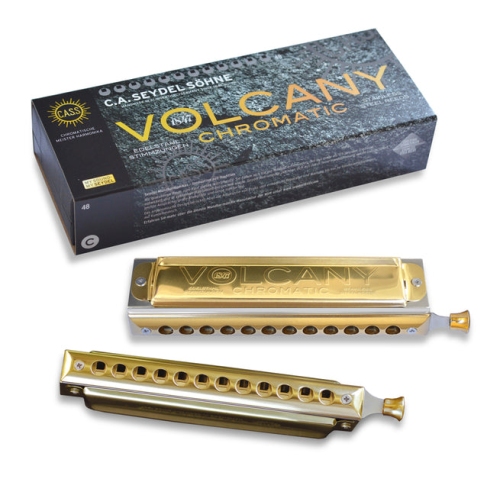
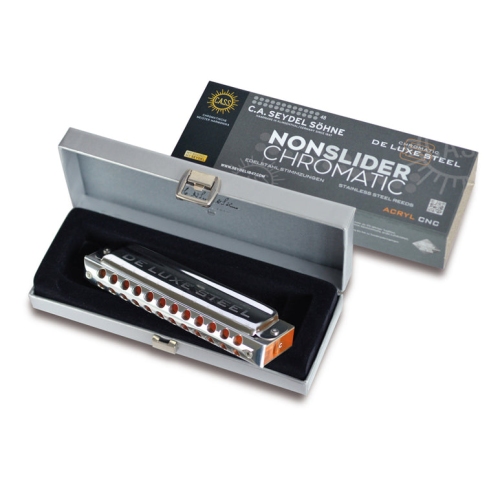
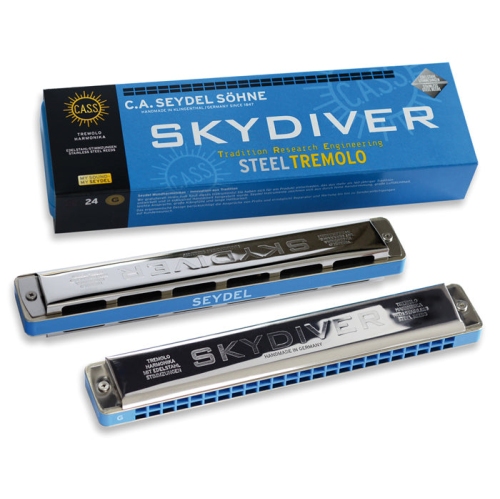
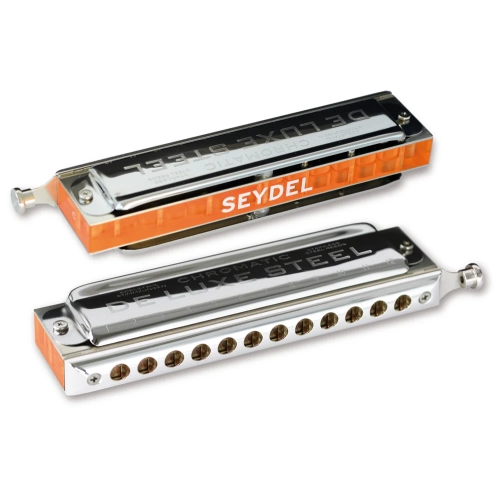
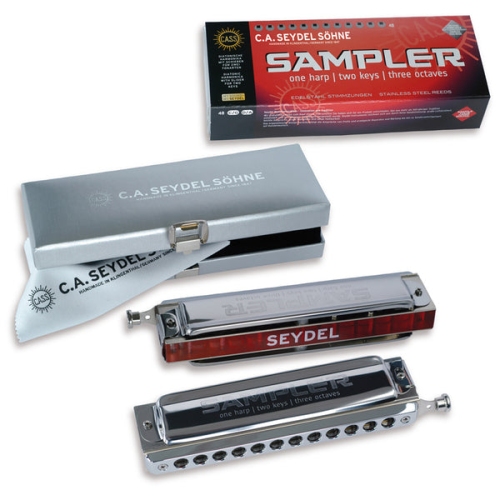
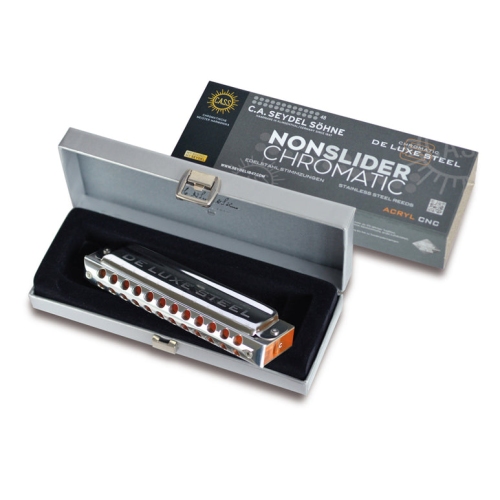
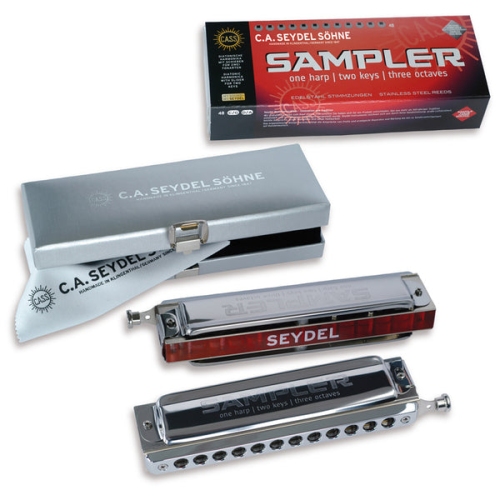
How keys, construction, and technique shape expressive playing
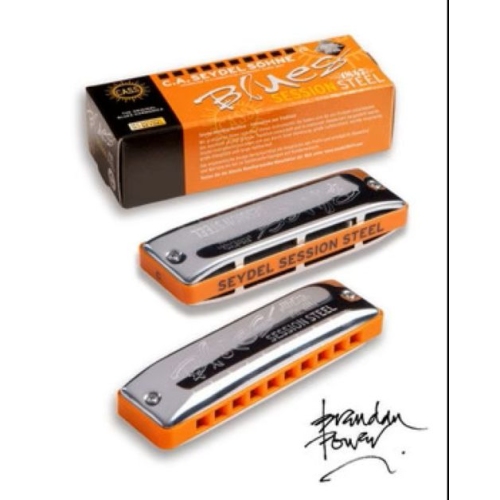
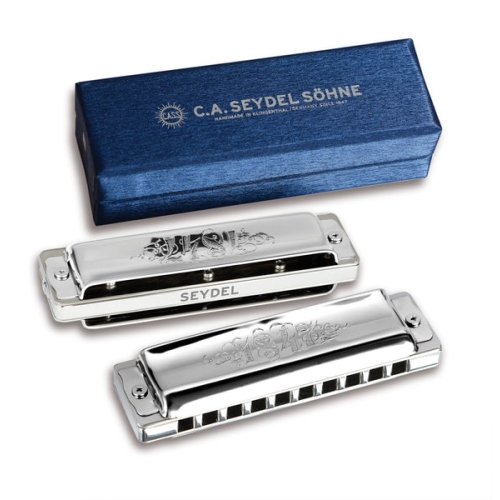
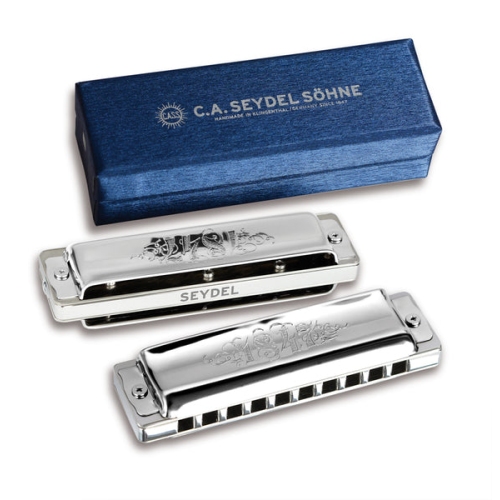
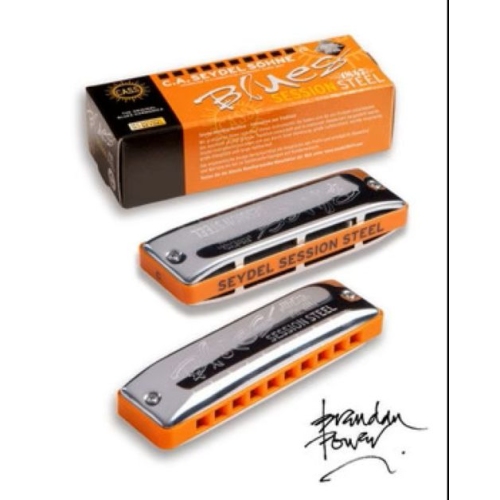
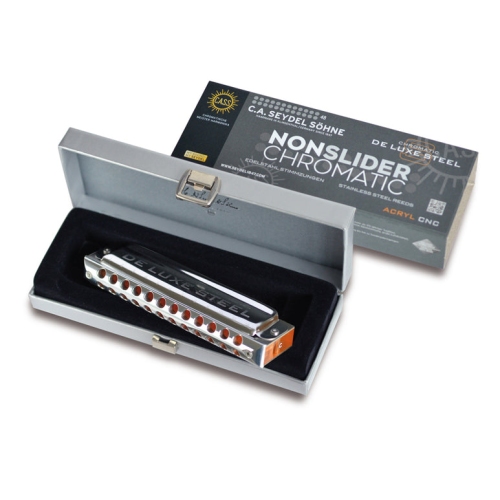
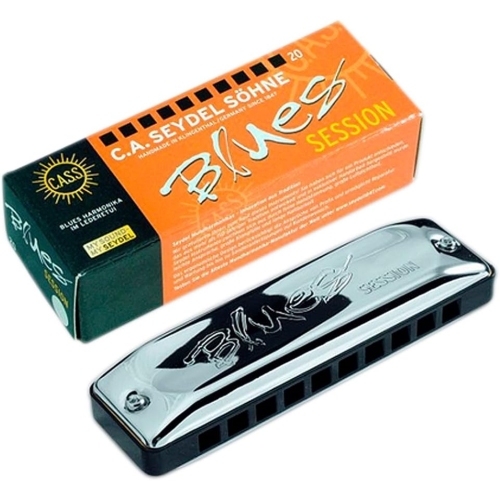
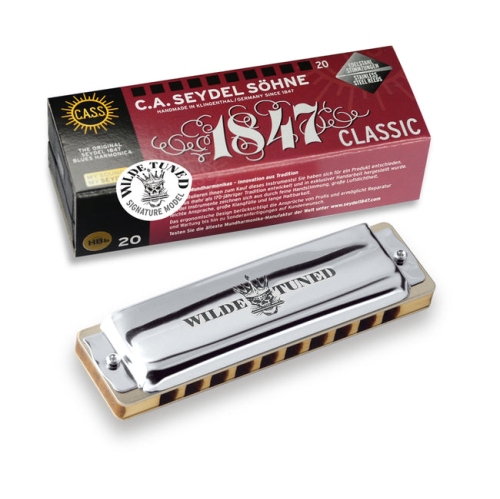
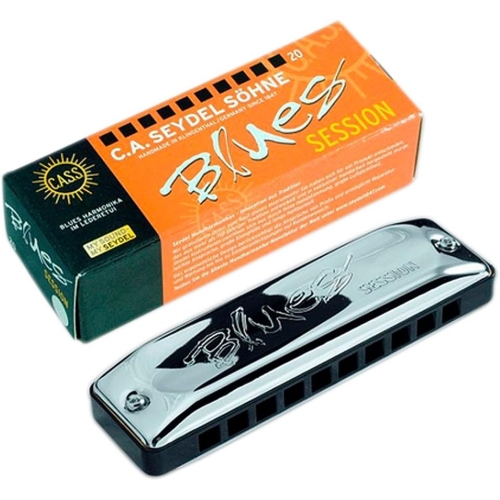
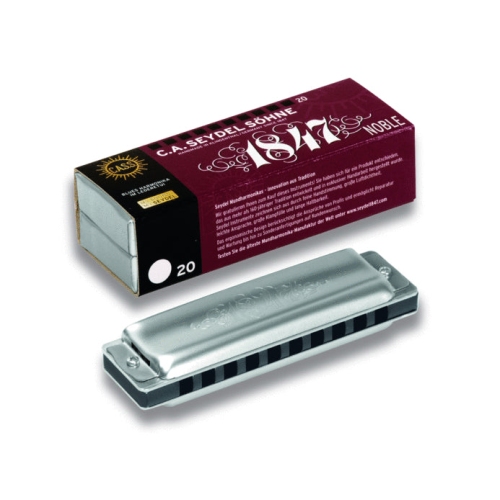
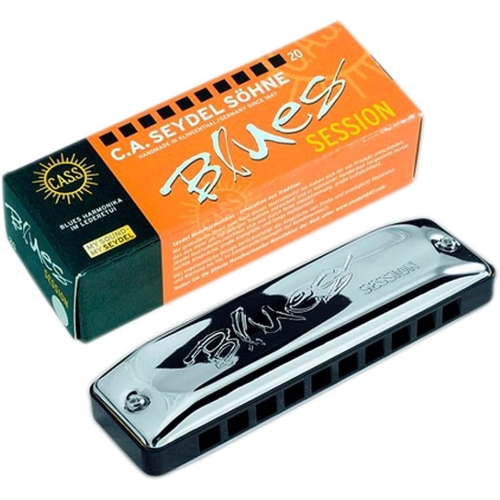
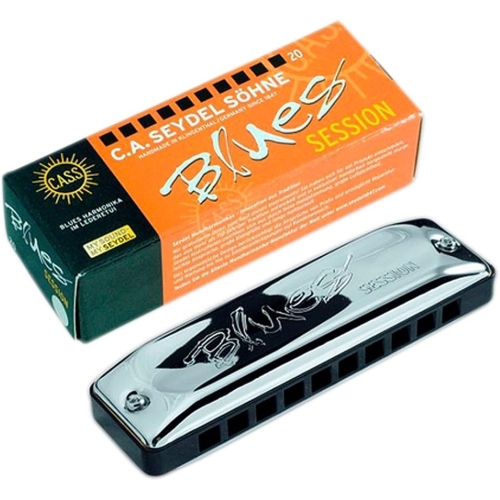
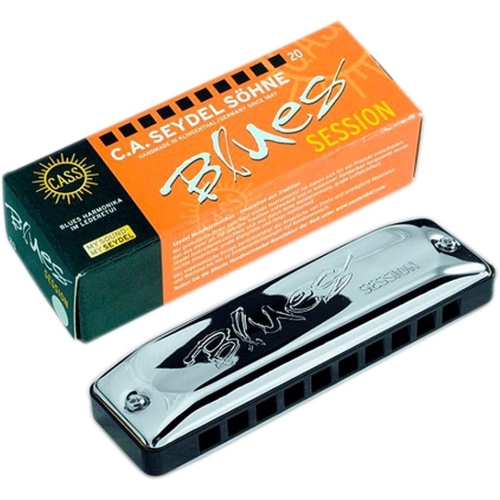
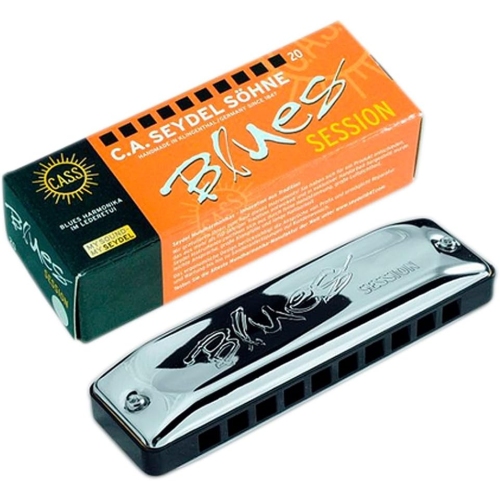
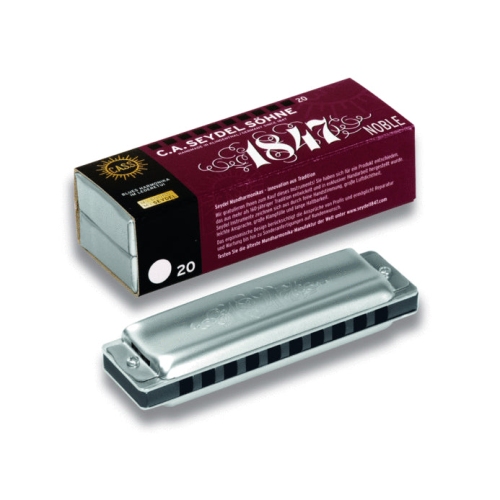
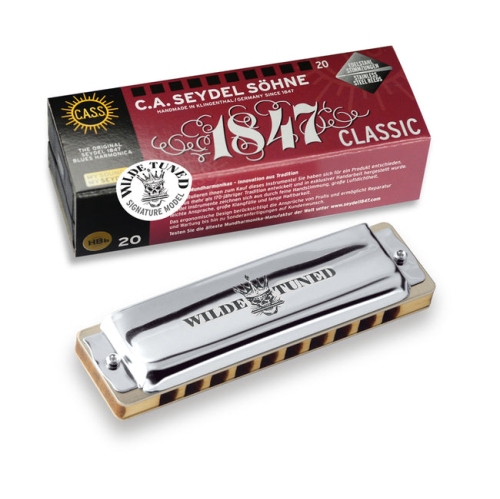
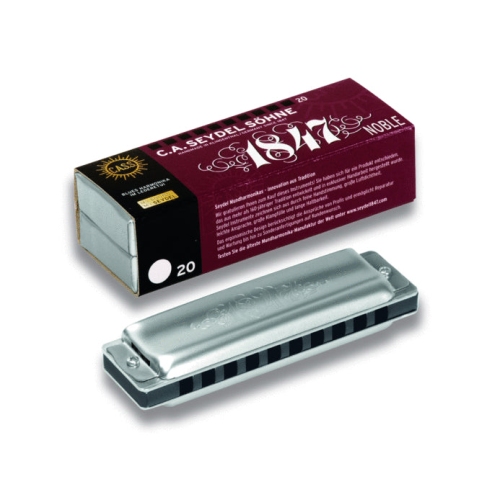
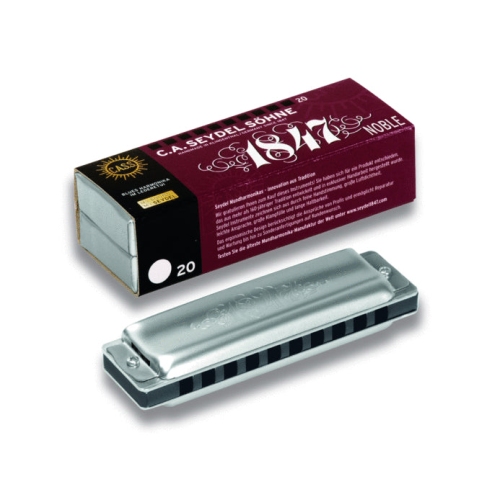
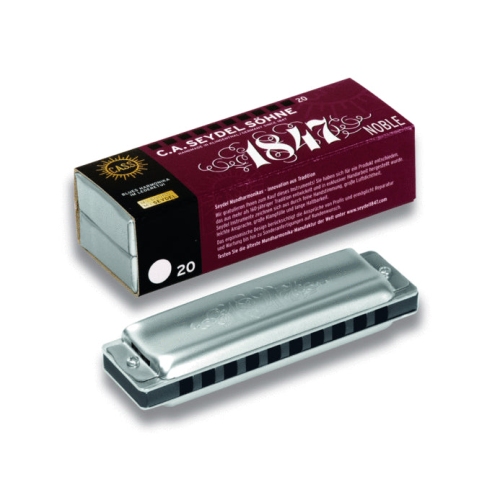
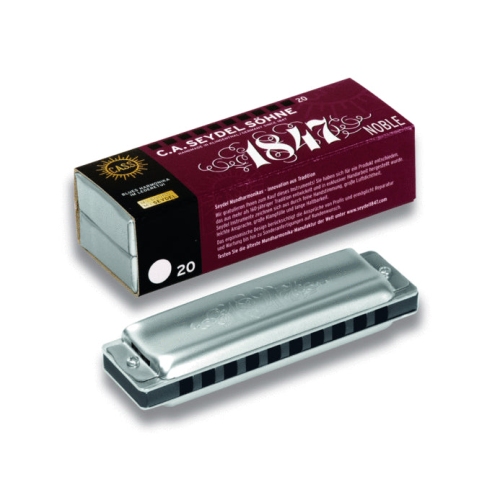
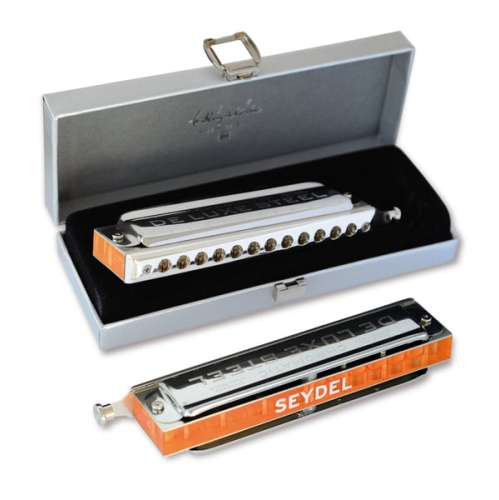
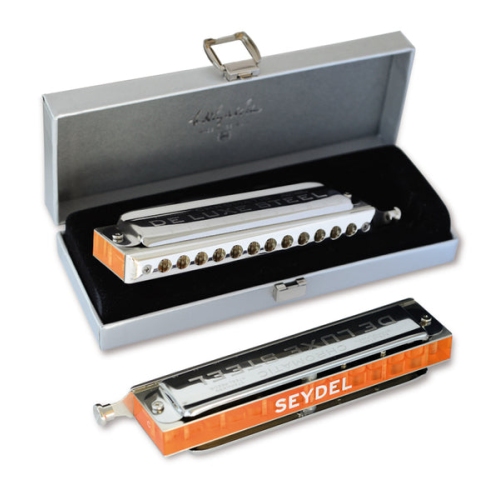
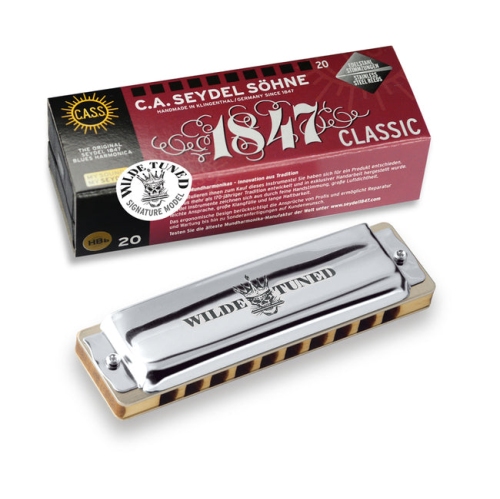
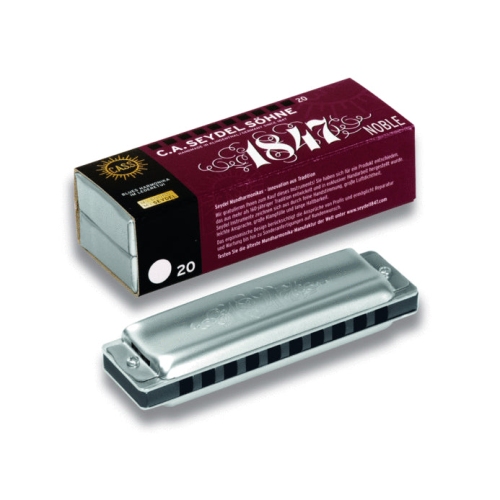
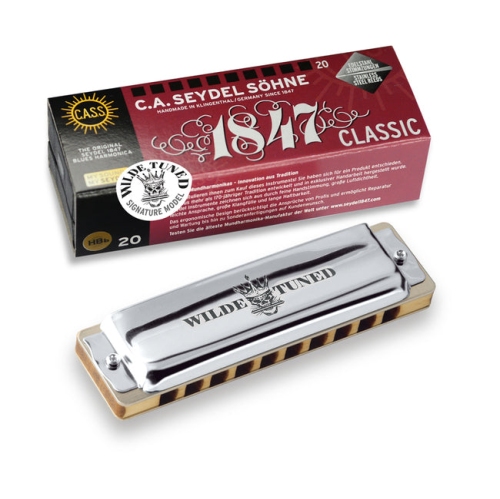
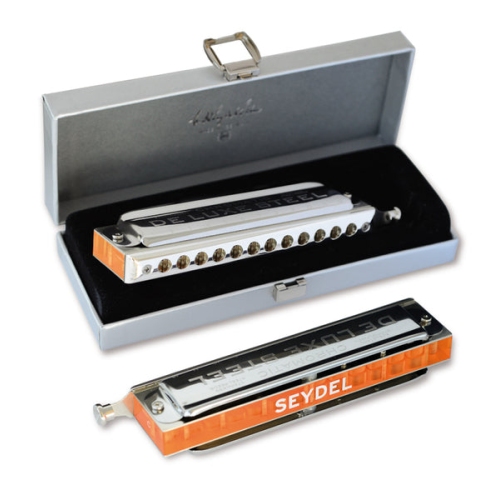
Diatonic harmonicas are compact, expressive instruments with a distinctive sound that can move from a soft, breathy melody to a gritty blues phrase with only subtle changes in airflow. Most models use 10 holes and are tuned to one major key, with notes produced by blowing and drawing through the openings. Together, the blow and draw notes provide the instrument’s familiar chords, scales, and melodic patterns, while advanced techniques such as bending can lower selected notes to create expressive blue notes and pitches outside the standard major scale. This design makes diatonic harmonicas especially popular for blues, rock, folk, country, gospel, and casual acoustic playing. Their small size makes them easy to keep in a pocket, instrument case, backpack, or desk drawer, so practice can fit naturally into everyday routines. A player may work through scales at home, add a short melodic response to a guitar session, or bring a harmonica to a campfire, rehearsal, open mic, or family gathering. Although they are approachable for beginners, they offer plenty of room for growth as players develop cleaner single notes, controlled breath, vibrato, tongue-blocking, and bending techniques. Those exploring other members of the wind family can also browse Woodwind Instruments for additional ways to build a versatile instrument collection.
Choosing a diatonic harmonica begins with the musical key. Since each instrument is primarily tuned to a single key, the right choice depends on the songs a player wants to perform, the key of a band or backing track, and the position in which they plan to play. A harmonica in C is often selected for lessons and beginner materials because many introductory exercises use the C major scale, while players accompanying guitarists, singers, or traditional blues progressions may eventually need several other keys. Building a small collection makes it easier to follow different songs without forcing every melody into the same range. The comb, reed plates, and cover plates also influence the playing experience. Plastic combs are generally smooth, consistent, and straightforward to maintain, while wood combs can provide a traditional feel and a warm response when properly cared for. Metal components may appeal to players who prefer a solid, substantial construction. Look for comfortable mouthpiece edges, responsive reeds, secure covers, and a layout that feels easy to navigate. Beginners benefit from an instrument that responds readily to gentle breath rather than requiring excessive force, since relaxed airflow helps produce clearer notes and makes longer practice sessions more comfortable. Experienced players may place greater importance on precise tuning, quick response during bends, projection, and the ability to shape tone across different volumes. A diatonic harmonica can be a thoughtful gift for a budding musician, singer, guitarist, or music lover who enjoys portable instruments. It also suits adults returning to music after years away, since the basic layout is easy to carry and the first sounds can be produced without learning to read a full page of notation.
Care and technique have a noticeable effect on the life and sound of a diatonic harmonica. Players should use a relaxed embouchure and moderate breath pressure instead of forcing air through the reeds; strong blowing does not automatically create a louder or better tone and can make control more difficult. Learning to isolate a single hole with a lip-pucker or tongue-blocking approach is an important early milestone, especially when moving from simple chords to clear melodies. Gentle cleaning after use, allowing moisture to leave the instrument, and storing it in a protective case can help keep the covers, comb, and reed plates in good condition. Avoid sharing a harmonica without proper cleaning, and follow the care instructions provided with the instrument, as construction materials and maintenance requirements can vary. Players who are new to bending should first concentrate on steady notes and accurate timing, then experiment with changing the shape of the mouth and throat while drawing air. These techniques can reveal the expressive character that makes the diatonic harmonica so effective in blues and roots music. During the warmer and cooler parts of the year alike, its portability makes it a natural companion for informal playing at home, on a porch, while travelling, or alongside other musicians. Whether the goal is to learn familiar melodies, accompany a voice, explore improvisation, or add a distinctive accent to a larger arrangement, selecting the appropriate key, comfortable construction, and responsive reeds creates a stronger foundation for enjoyable playing.
Choosing a diatonic harmonica begins with the musical key. Since each instrument is primarily tuned to a single key, the right choice depends on the songs a player wants to perform, the key of a band or backing track, and the position in which they plan to play. A harmonica in C is often selected for lessons and beginner materials because many introductory exercises use the C major scale, while players accompanying guitarists, singers, or traditional blues progressions may eventually need several other keys. Building a small collection makes it easier to follow different songs without forcing every melody into the same range. The comb, reed plates, and cover plates also influence the playing experience. Plastic combs are generally smooth, consistent, and straightforward to maintain, while wood combs can provide a traditional feel and a warm response when properly cared for. Metal components may appeal to players who prefer a solid, substantial construction. Look for comfortable mouthpiece edges, responsive reeds, secure covers, and a layout that feels easy to navigate. Beginners benefit from an instrument that responds readily to gentle breath rather than requiring excessive force, since relaxed airflow helps produce clearer notes and makes longer practice sessions more comfortable. Experienced players may place greater importance on precise tuning, quick response during bends, projection, and the ability to shape tone across different volumes. A diatonic harmonica can be a thoughtful gift for a budding musician, singer, guitarist, or music lover who enjoys portable instruments. It also suits adults returning to music after years away, since the basic layout is easy to carry and the first sounds can be produced without learning to read a full page of notation.
Care and technique have a noticeable effect on the life and sound of a diatonic harmonica. Players should use a relaxed embouchure and moderate breath pressure instead of forcing air through the reeds; strong blowing does not automatically create a louder or better tone and can make control more difficult. Learning to isolate a single hole with a lip-pucker or tongue-blocking approach is an important early milestone, especially when moving from simple chords to clear melodies. Gentle cleaning after use, allowing moisture to leave the instrument, and storing it in a protective case can help keep the covers, comb, and reed plates in good condition. Avoid sharing a harmonica without proper cleaning, and follow the care instructions provided with the instrument, as construction materials and maintenance requirements can vary. Players who are new to bending should first concentrate on steady notes and accurate timing, then experiment with changing the shape of the mouth and throat while drawing air. These techniques can reveal the expressive character that makes the diatonic harmonica so effective in blues and roots music. During the warmer and cooler parts of the year alike, its portability makes it a natural companion for informal playing at home, on a porch, while travelling, or alongside other musicians. Whether the goal is to learn familiar melodies, accompany a voice, explore improvisation, or add a distinctive accent to a larger arrangement, selecting the appropriate key, comfortable construction, and responsive reeds creates a stronger foundation for enjoyable playing.
Top selling and popular products
-
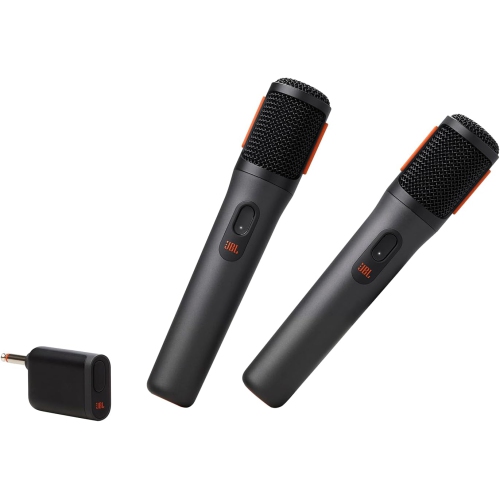 Your price for this item is $199.98
 -
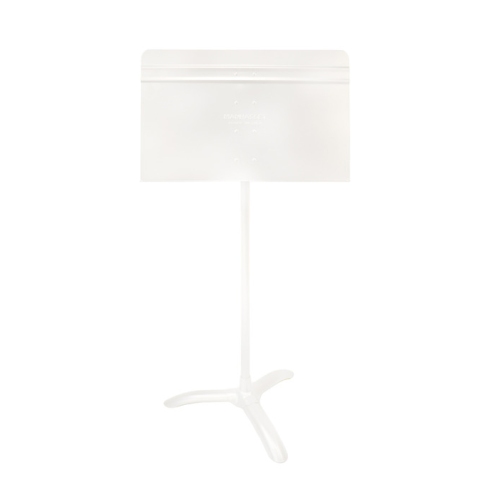 Your price for this item is $109
 -
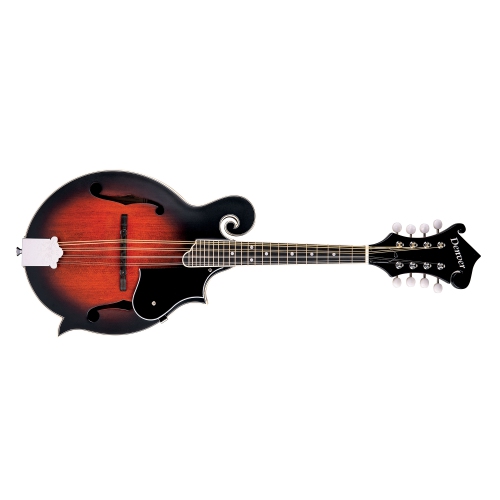 Your price for this item is $399.99
 -
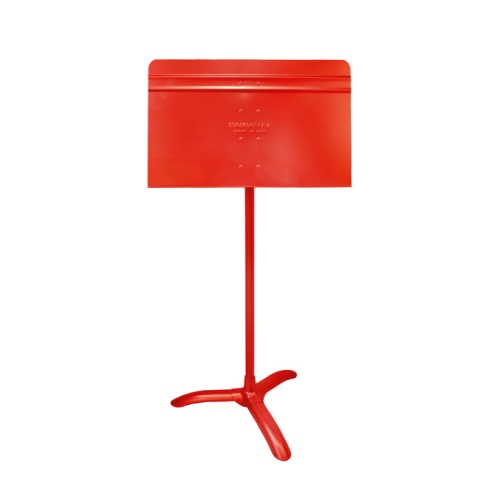 Your price for this item is $109
 -
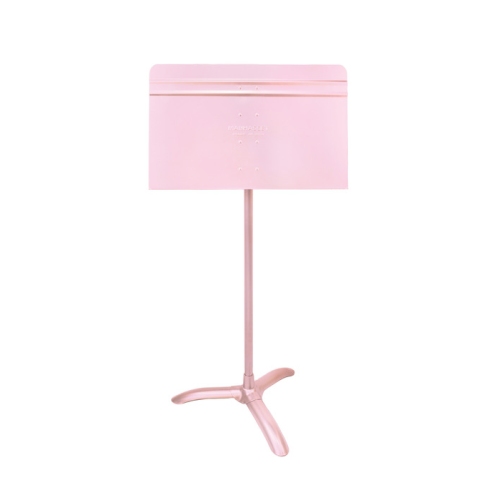 Your price for this item is $109
 -
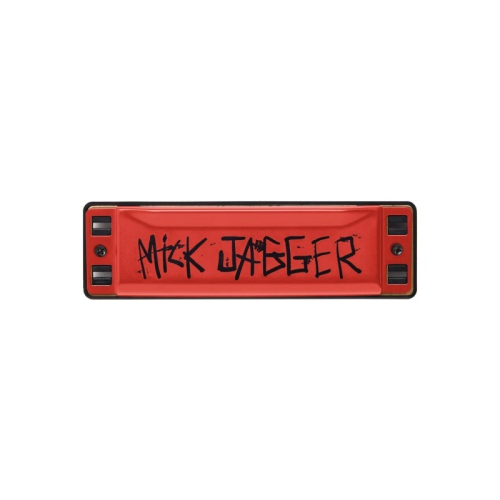 Your price for this item is $105.99
 -
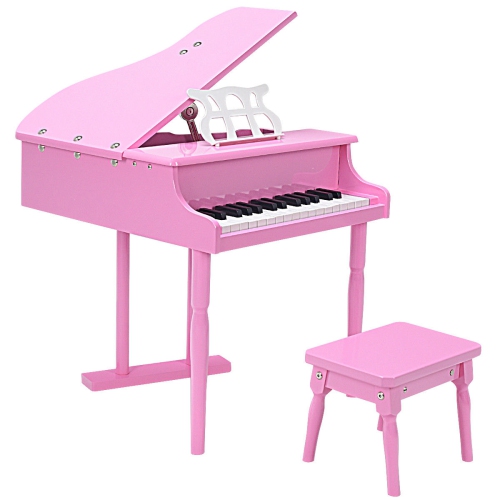 Your price for this item is $128.99
 -
 Your price for this item is $25.95
Discover more categories related to Diatonic Harmonicas
Top Collections:
Pokemon Centers, Best Cameras for Sports Photography, Kindle Devices, Samsung Galaxy Phones, Canon G7X Cameras, Pokémon 30th Celebration Cards, Refurbished Apple Laptops, iPhone 15 Apple, Laptops for Students, Budget Smartphones
Some products may be subject to Environmental Handling Fees
(EHF) depending on your province.
Learn more about EHFs.