Disco Lamps
Transform any space into a vibrant party zone with a Disco Lamp. Perfect for home gatherings, dance floors, or adding a fun touch to your room décor, these lamps create an energetic atmosphere that gets everyone moving. Explore a wide selection of Disco Lamps designed to suit different styles and occasions, making it easy to find the right addition for your next celebration. Bring color and excitement to your events with the dynamic lighting effects of a Disco Lamp.
Sort
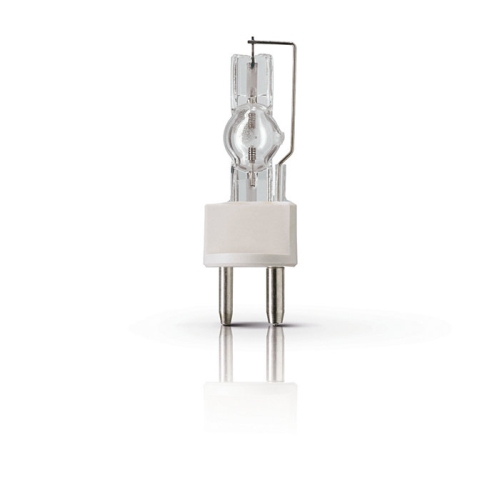


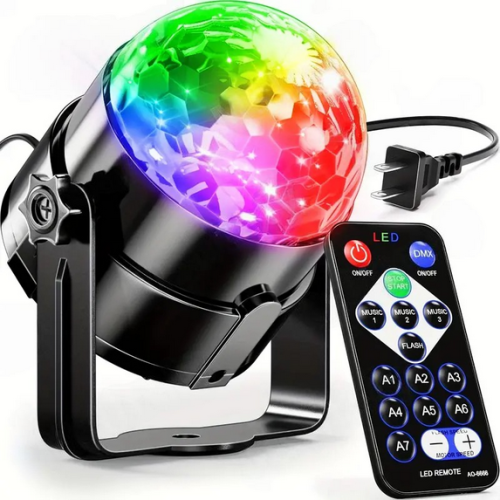

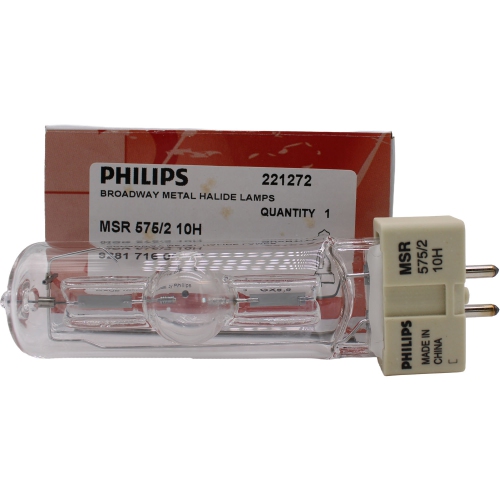
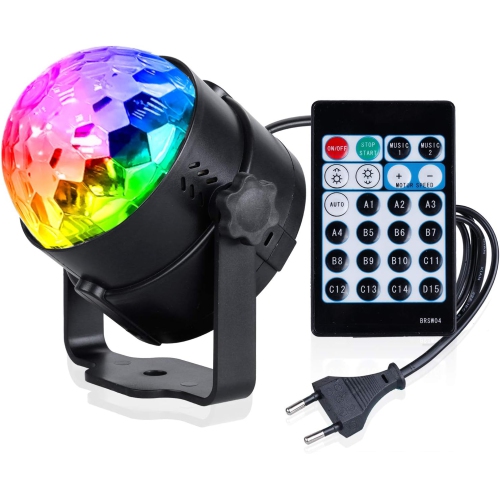








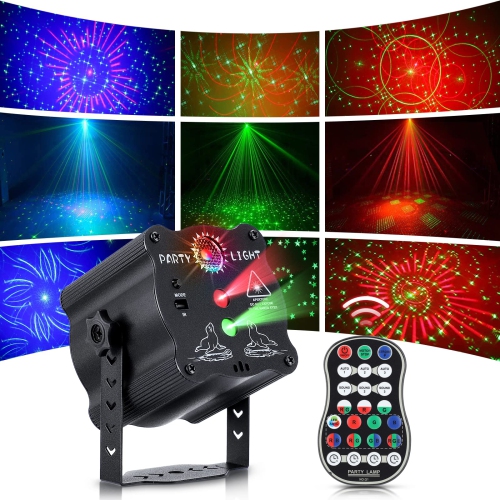
How moving colour turns everyday rooms into dance floors
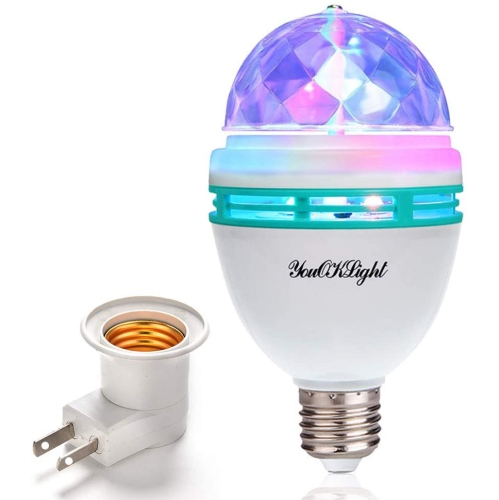
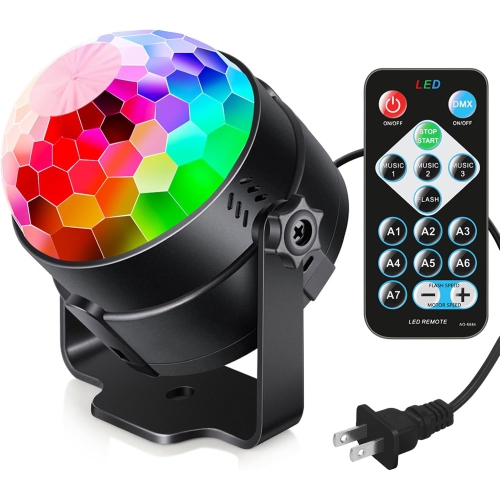
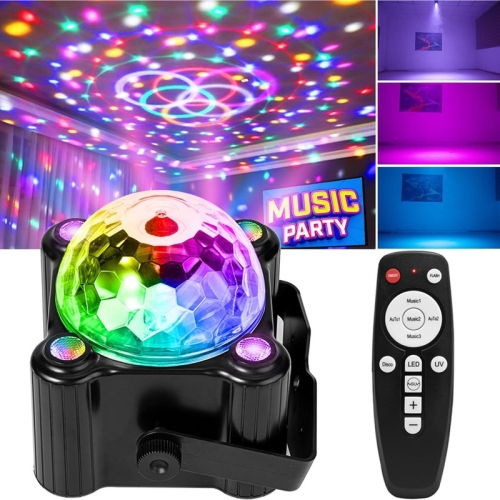
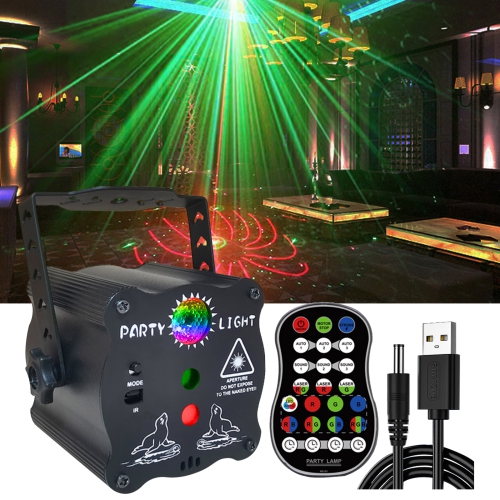
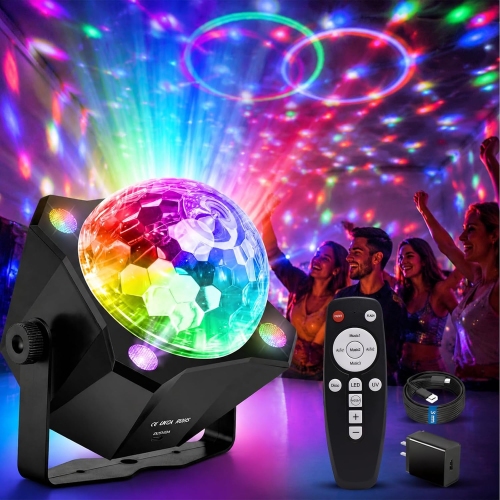
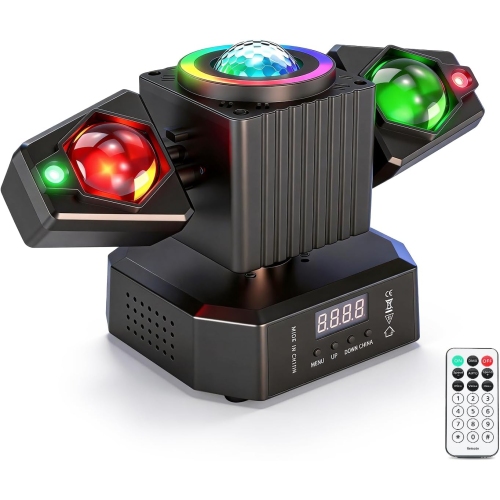
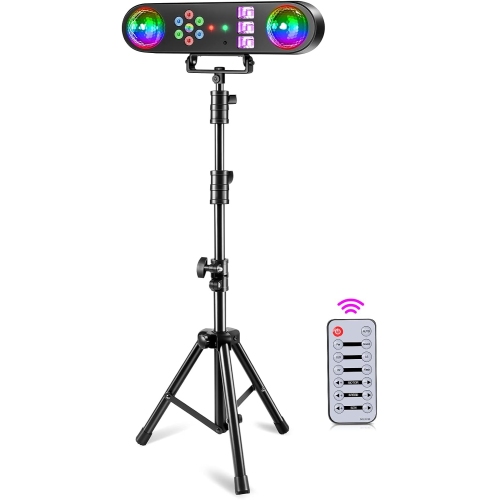
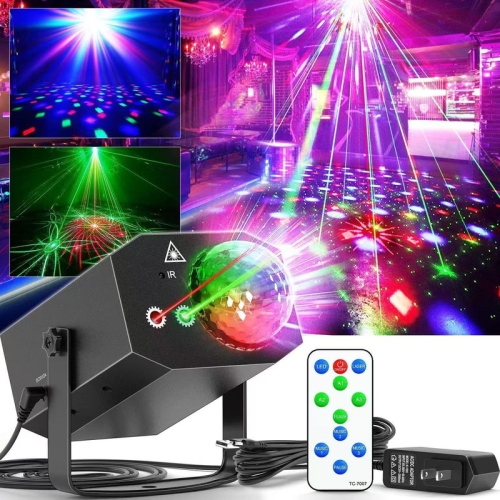
Disco lamps are decorative lighting devices that project coloured beams, moving patterns, or flashing effects to create a party atmosphere. Often compact enough for a table or shelf, they can turn a cleared corner of a living room into a dance floor or add a moving wash of colour behind a karaoke microphone. The effect depends on the design: a faceted dome can spread points of light across nearby walls, a rotating projector can sweep patterns around a room, and a spotlight directed at a mirrored ball can scatter reflections over a wider area. Disco Balls create their distinctive sparkle by reflecting a separate light source, while many disco lamps combine the light source and effect mechanism in one housing. Neither approach needs to produce an intense nightclub effect; slower movement and a restrained colour setting can give a games room or music corner a softer backdrop. These lights suit birthday celebrations, dance practice, karaoke nights, small receptions, and casual gatherings where lighting helps distinguish the activity space from the rest of the room. They can also appeal to music enthusiasts, aspiring DJs, and people who enjoy hosting, making them a thoughtful gift when their preferred setup and available space are known. For a recipient who likes a straightforward arrangement, a self-contained lamp with accessible controls may be more useful than equipment that needs separate mounting hardware or a lighting controller. For someone building a more involved entertainment setup, adjustable effects and connections to other lighting equipment may matter more. The most suitable disco lighting is not necessarily the brightest or most elaborate. A compact lamp with a broad spread can feel lively in a small room, while a larger gathering space may need several coordinated sources to keep the effect visible beyond the area immediately surrounding the fixture.
The appearance of disco lighting depends as much on the room as on the lamp itself. Pale walls and ceilings generally make projected colours easier to see, while dark surfaces absorb more light and can make the same pattern appear less pronounced. Bright overhead lighting can wash out small dots and fine shapes, so a lamp intended as the main party effect benefits from a setting where general lighting can be reduced without obscuring steps, doorways, or furniture. Coverage, beam angle, and the recommended projection distance are useful considerations alongside brightness. A narrow beam may create a concentrated feature behind a performer, whereas a wider pattern can reach across a wall or ceiling. Placement also changes the result: a low tabletop position sends light upward through the room, while an elevated, properly secured position can spread the effect above the activity area. Rotating effects add movement even when the music is quiet; sound-activated modes use a built-in microphone to respond to nearby audio, although the response varies with microphone sensitivity, speaker placement, and the selected setting. Sound activation does not necessarily mean a lamp can stream music or connect to a phone. Automatic modes, adjustable movement speed, colour selection, and remote controls serve different purposes, and the available combinations vary by design. A remote can be convenient when the lamp sits out of easy reach, while physical controls remain useful for a simple setup. For karaoke or dancing, a slower colour change may leave faces easier to see than rapid flashing. Where several lights share the space, coordinated settings can produce a more deliberate result than unrelated patterns moving at different speeds. Some fixtures support dedicated lighting-control connections, but those connections require compatible equipment and should not be confused with ordinary audio inputs. For everyday home use, clear controls and predictable operation can make a greater difference than a long list of effects that rarely get used.
Materials, power arrangements, and construction influence how comfortably a disco lamp fits into repeated use. Lightweight plastic housings are practical for portable setups, while metal housings and sturdy brackets may be preferable when lighting is moved frequently or mounted for regular events. Clear plastic lenses and faceted covers help shape the projected effect, but their exposed surfaces can pick up scratches if packed loosely with cables or hardware. A stable base, secure adjustment points, and an intact power cable all matter, particularly in rooms where people will be dancing nearby. USB-powered designs need a power source that meets the manufacturer's stated requirements; a matching connector alone does not establish compatibility. Rechargeable designs offer placement flexibility, although operating time depends on the battery, brightness, and selected effects. Plug-in lamps need a suitable outlet and a cable route that stays clear of walkways. Indoor-only lighting belongs in dry indoor spaces, and outdoor use requires a fixture specifically rated for the intended conditions. Ventilation openings should remain unobstructed, with the clearance specified by the manufacturer, rather than being hidden beneath fabric or pressed against soft furnishings. For care, disconnecting the power and allowing the lamp to cool before cleaning helps protect both the user and the fixture. A soft, dry cloth is generally suitable for exterior dust, while liquid cleaners and abrasive materials can damage optical surfaces unless expressly permitted in the care instructions. Protective storage helps preserve lenses, brackets, and connectors between gatherings. Safety is also part of a comfortable party setup: avoid directing concentrated beams into anyone's eyes, keep cables and small accessories away from young children, and use only approved mounting methods. Flashing effects may be unsuitable for guests with photosensitivity, so knowing whether those effects can be disabled is important. With appropriate placement and care, disco lamps can provide a repeatable finishing touch for music, movement, and shared celebrations without requiring a permanent change to the room.
Top selling and popular products
-
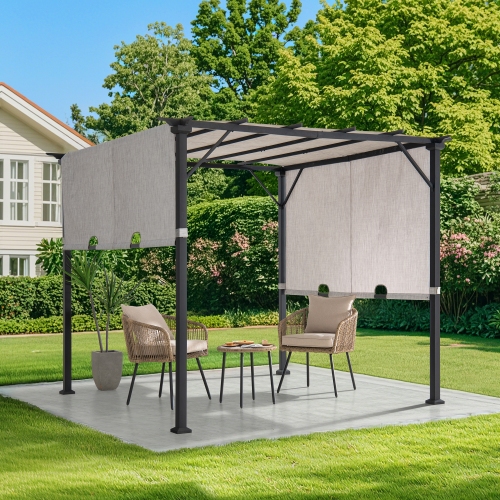 Your price for this item is $274.99
-
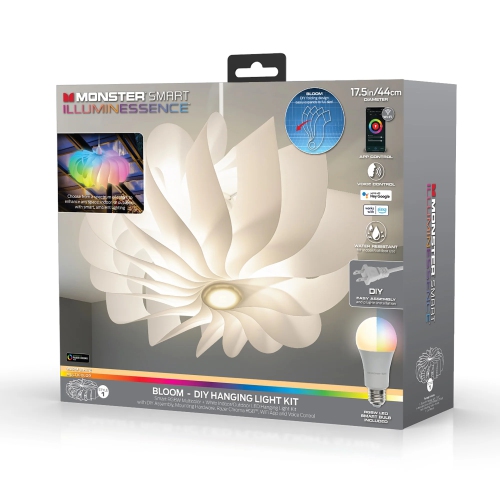 Your price for this item is $49.99
-
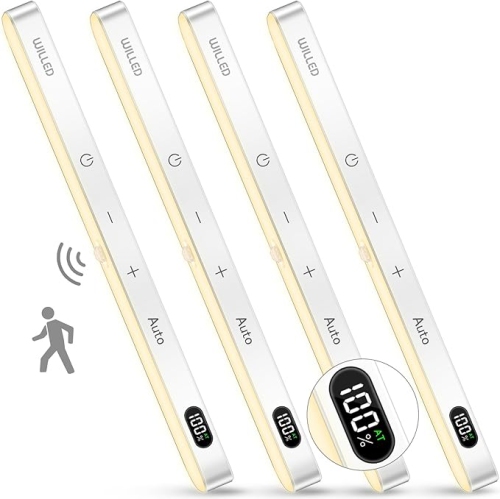 Your price for this item is $48.2
-
 Your price for this item is $89.99
-
 Your price for this item is $89.99
-
 Your price for this item is $29.99
-
 Your price for this item is $26.99
-
 Your price for this item is $99.99
Discover more categories related to Disco Lamps


Top Collections:
Pokemon Centers, Best Cameras for Sports Photography, Kindle Devices, Samsung Galaxy Phones, Canon G7X Cameras, Pokémon 30th Celebration Cards, Refurbished Apple Laptops, iPhone 15 Apple, Laptops for Students, Budget Smartphones
Some products may be subject to Environmental Handling Fees
(EHF) depending on your province.
Learn more about EHFs.