DJ Speakers
Looking to take your next party or event to the next level? Look no further than our selection of DJ speakers. With powerful sound quality and reliable performance, these speakers are designed to keep the music pumping all night long. Whether you're a professional DJ or just looking to amp up your home audio setup, our range of DJ speakers offers a variety of options to suit your needs. Get ready to turn up the volume and get the party started with our top-of-the-line DJ speakers.
Sort
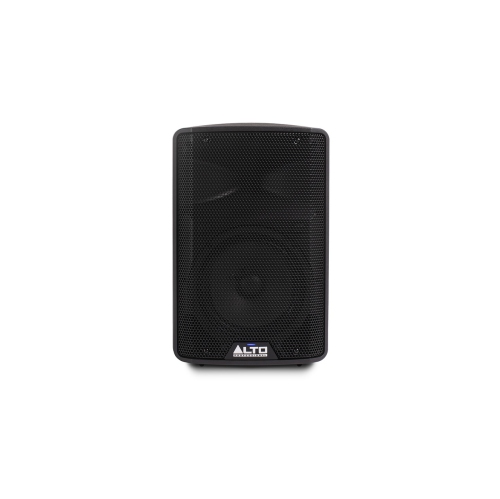
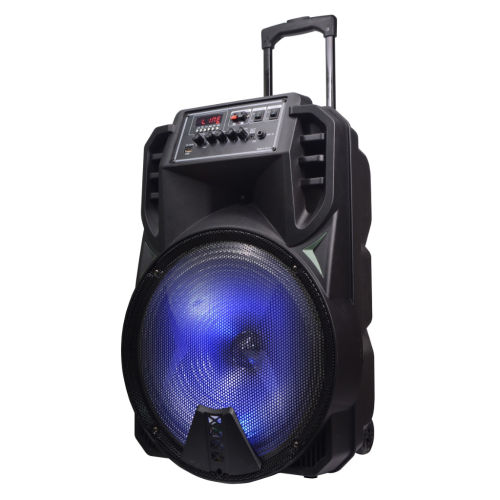
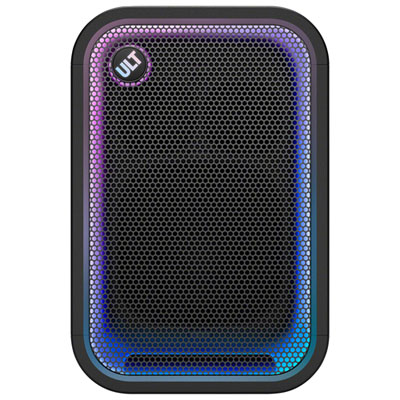
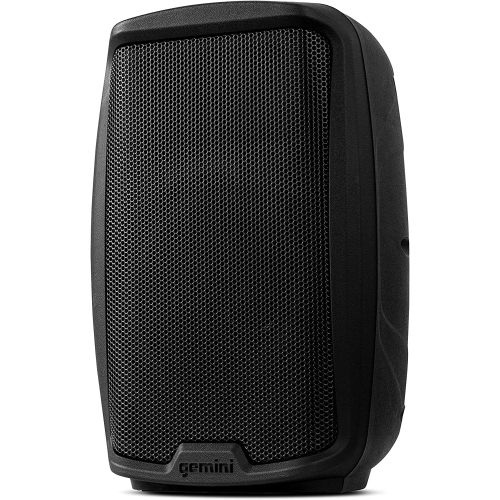
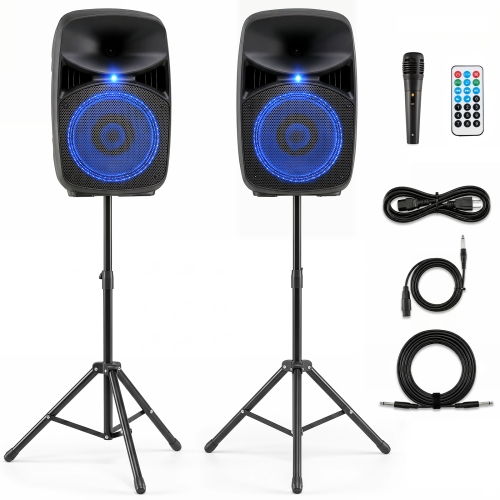
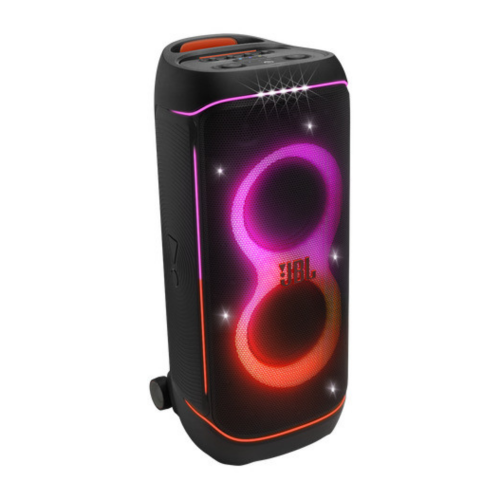
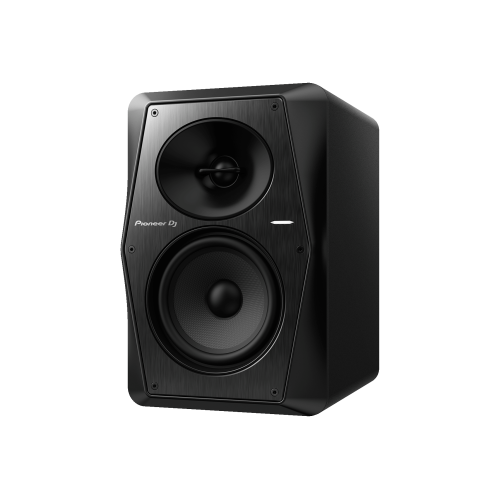
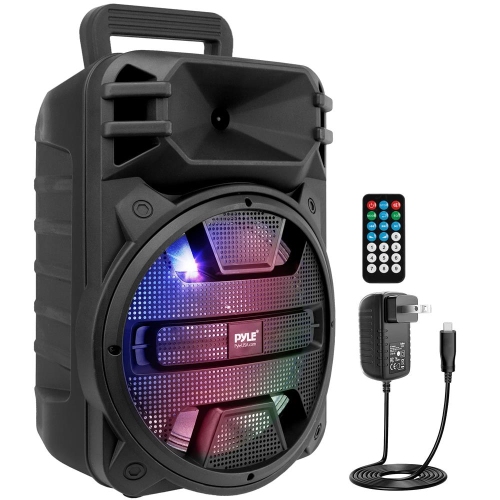
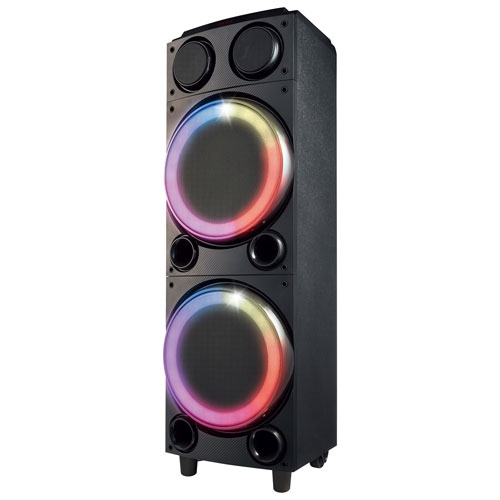
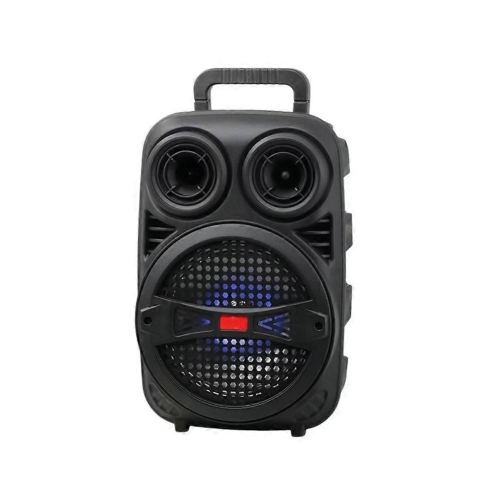
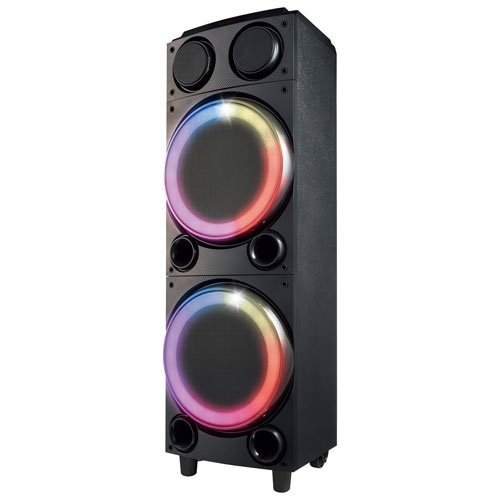
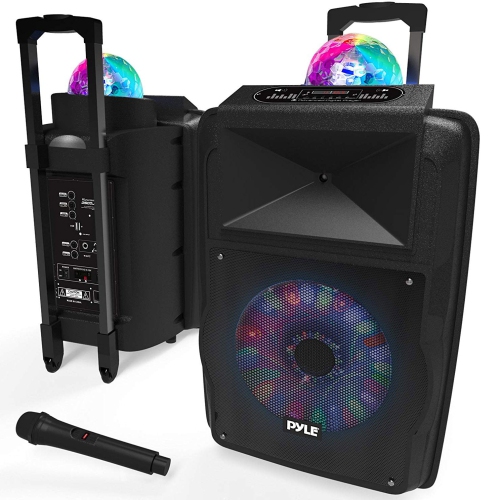
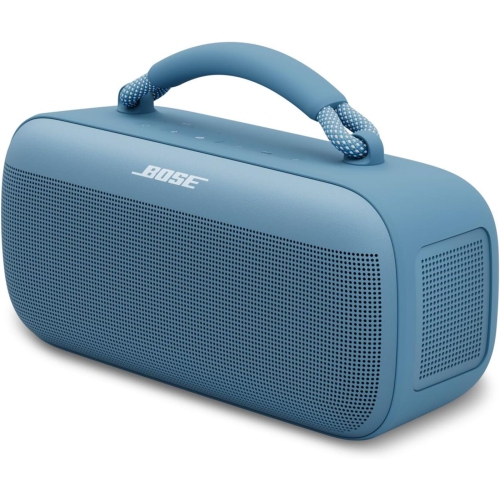
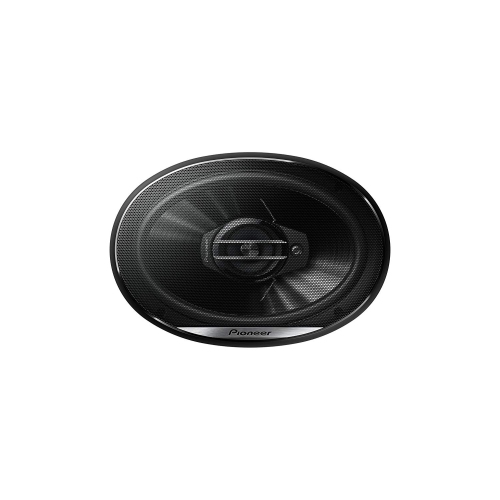
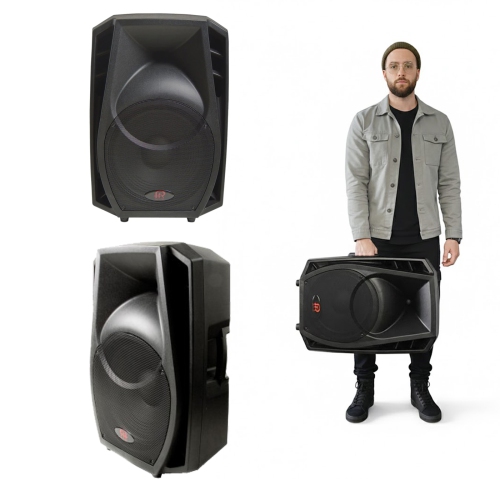
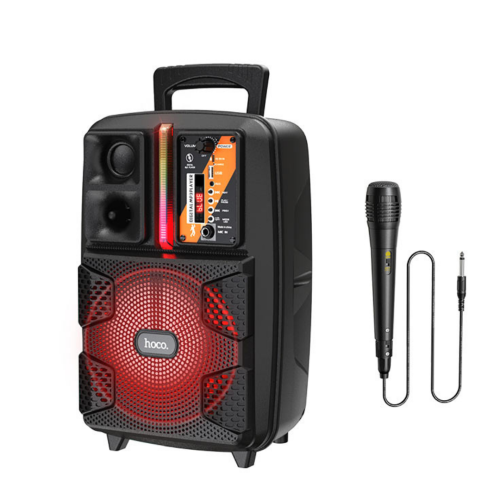
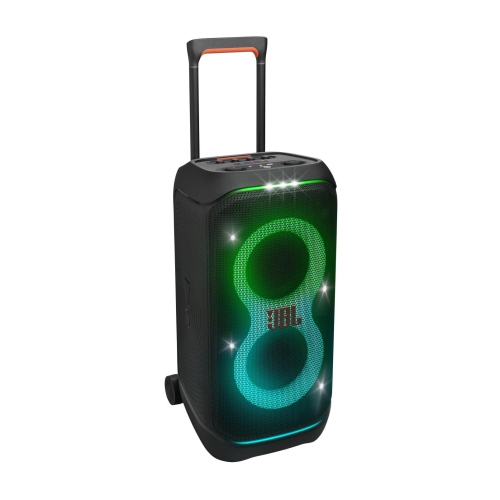
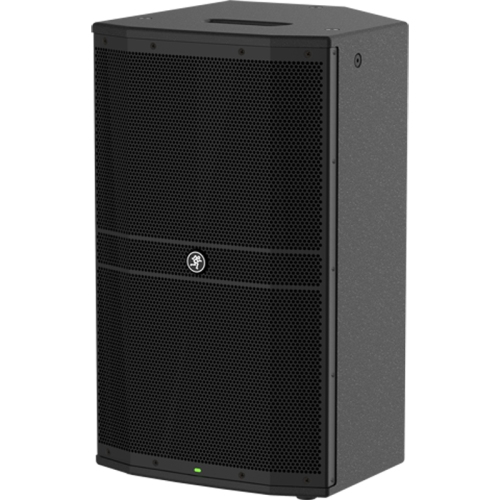
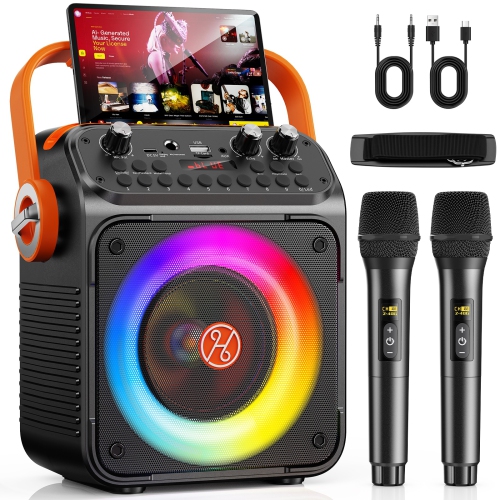
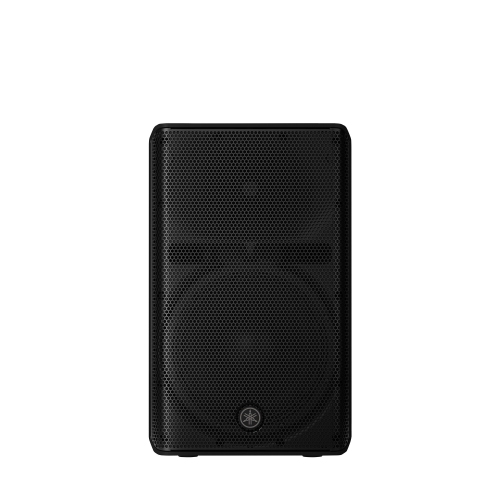
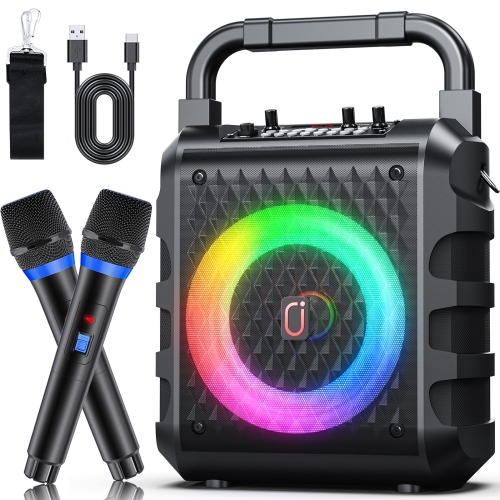
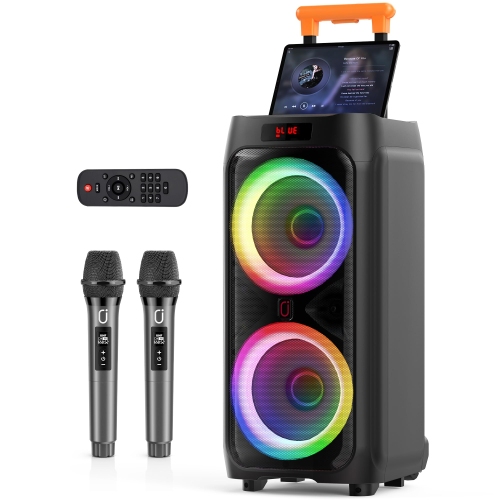
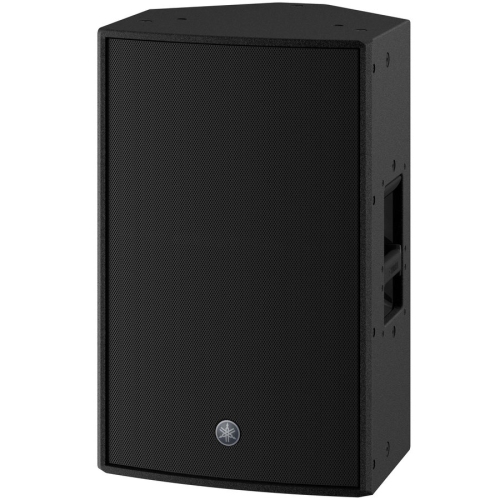
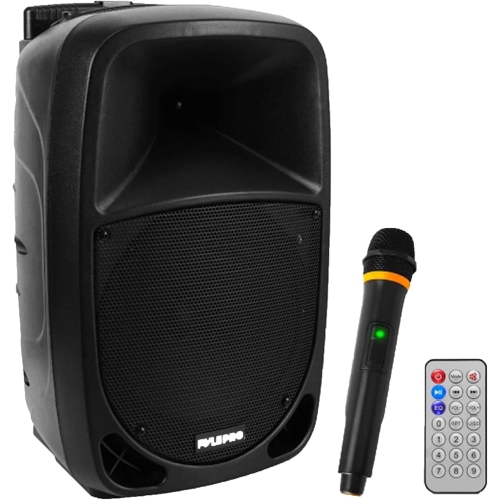
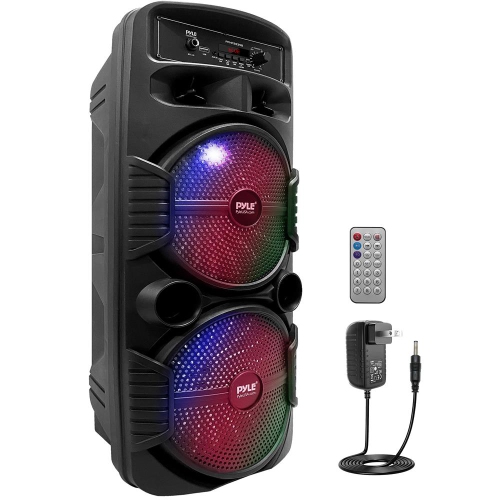
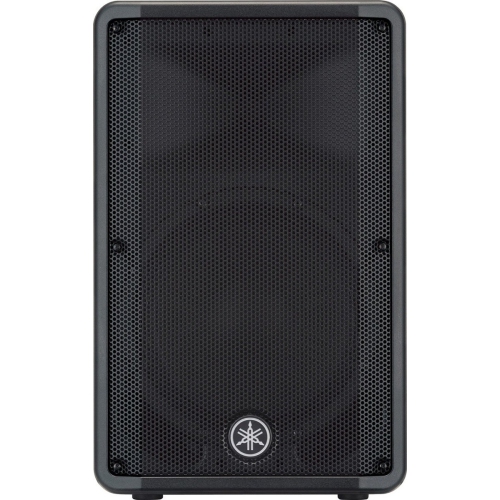
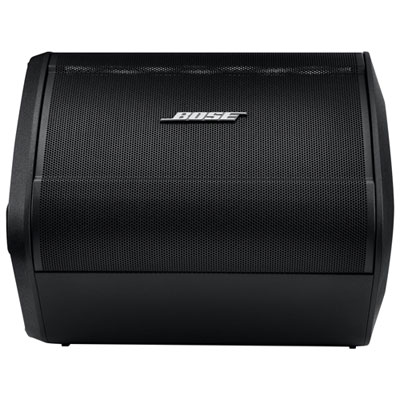
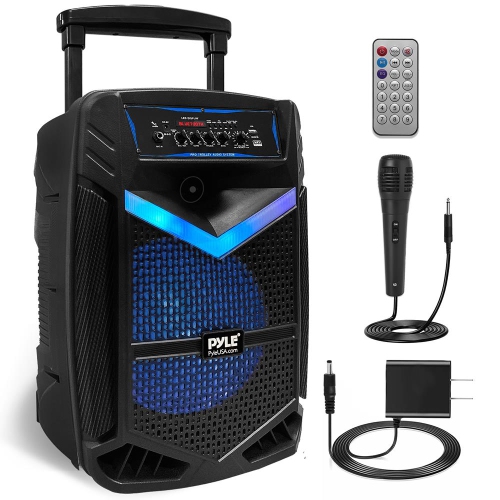

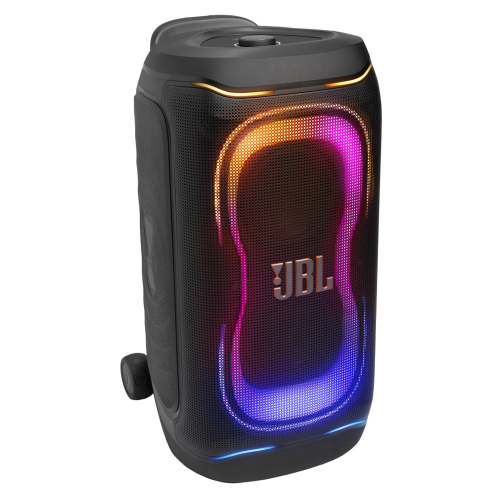
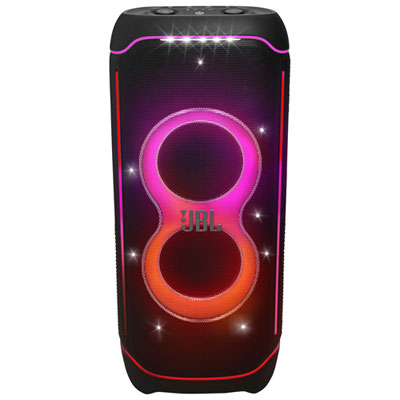
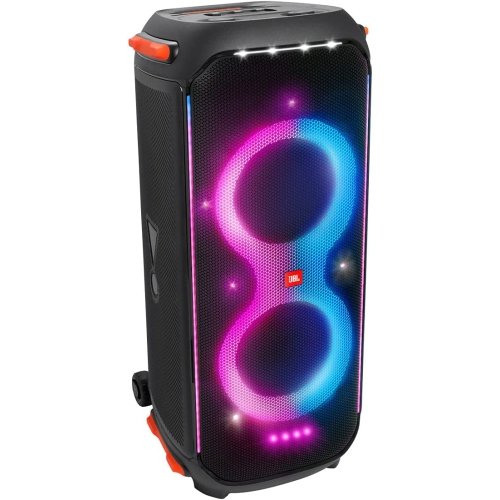
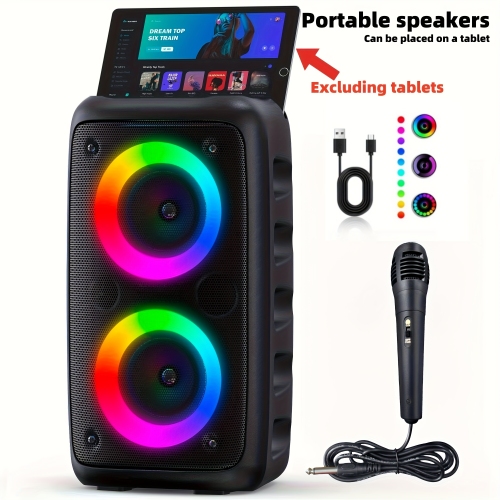
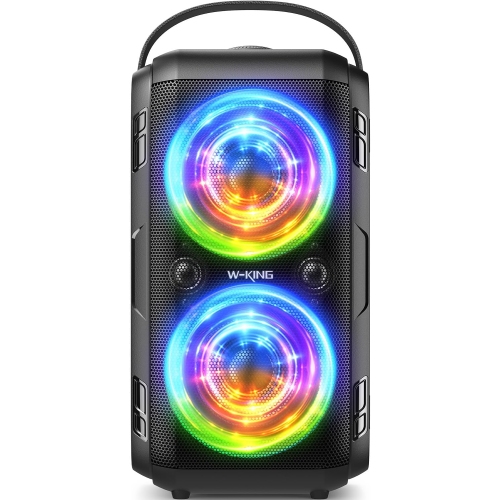
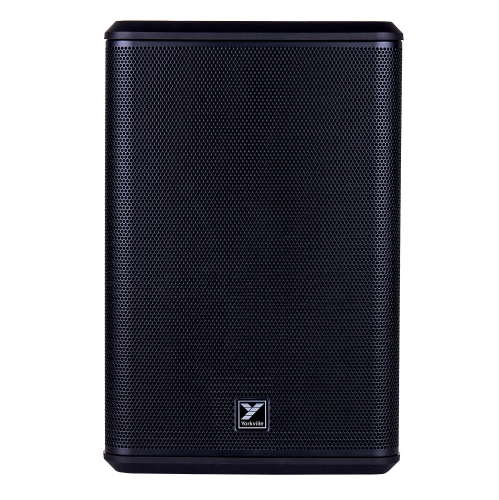
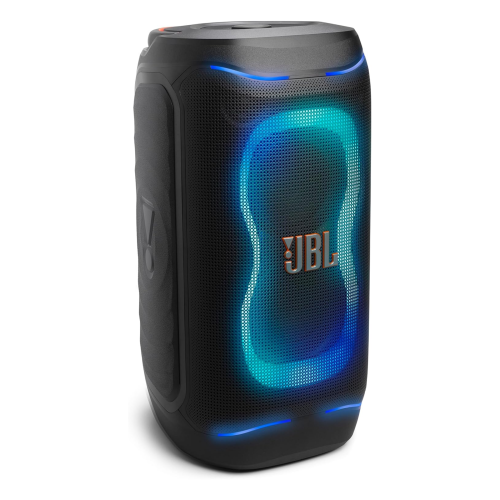
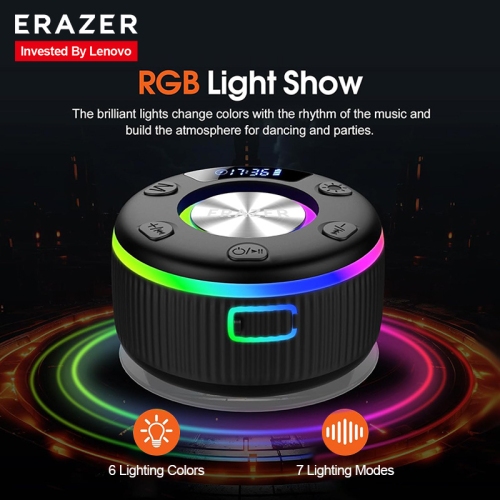
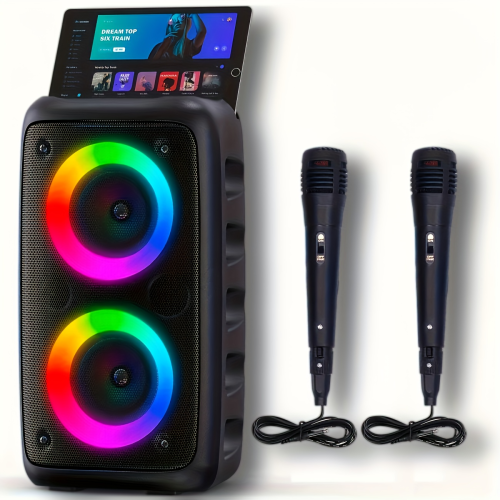
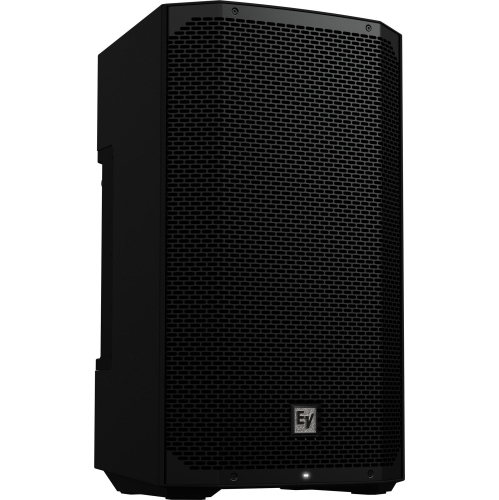
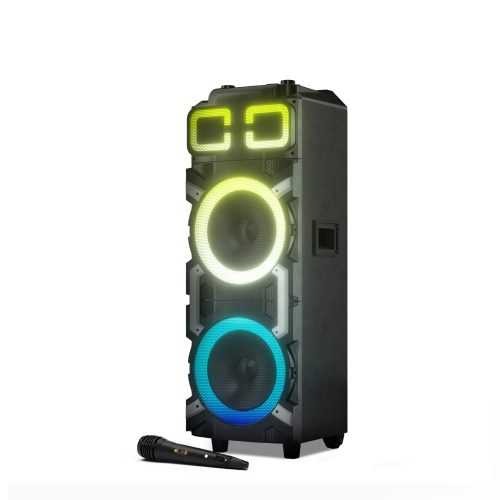
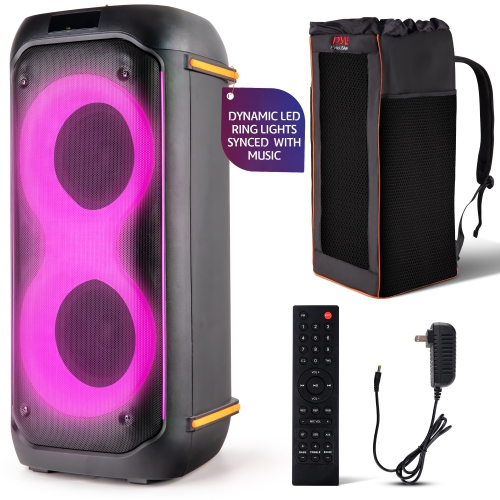
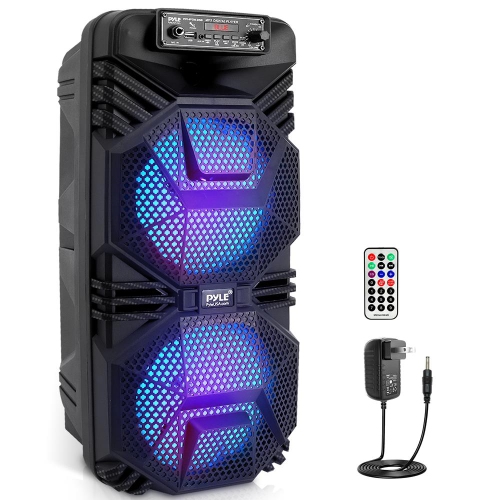
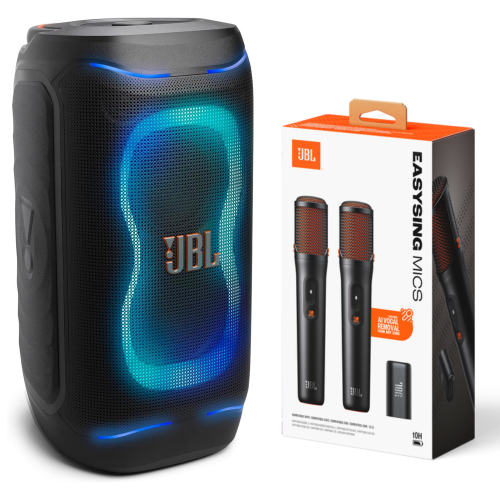
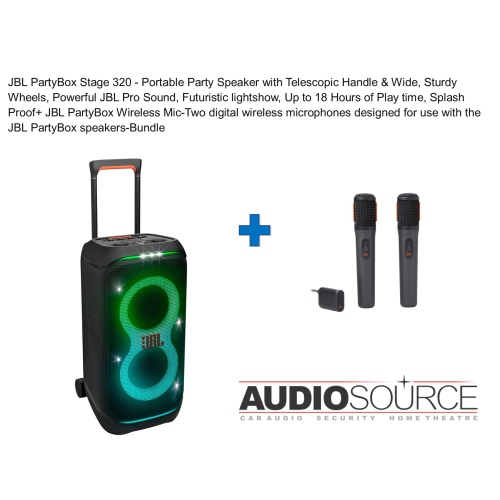
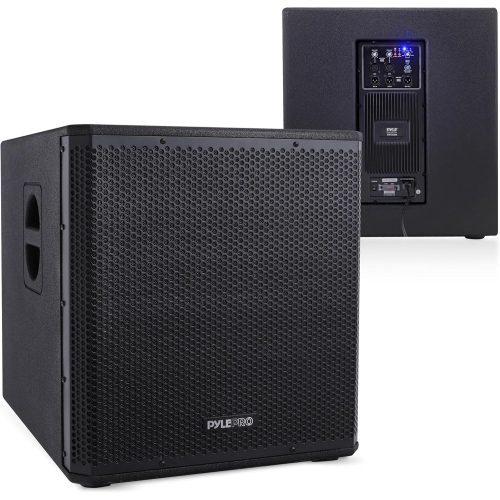
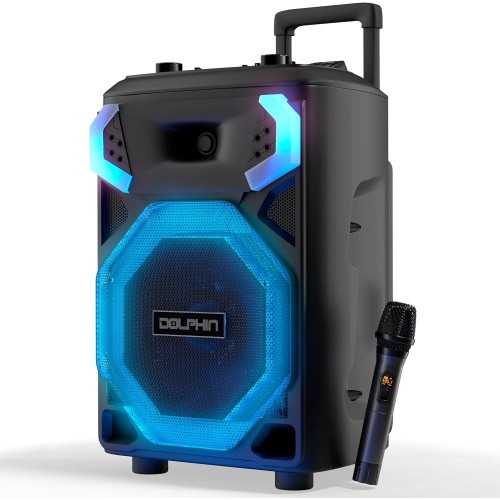
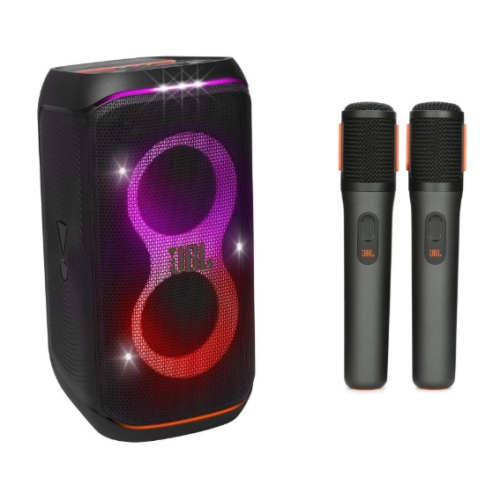
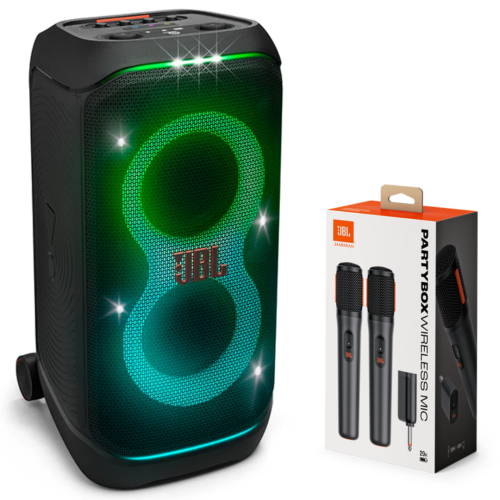
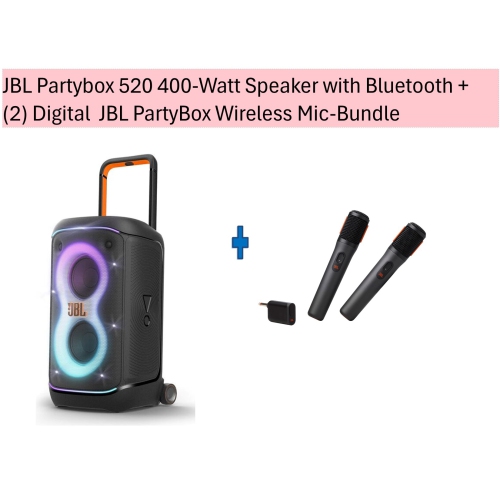
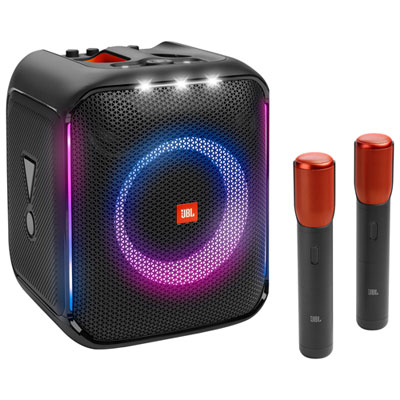
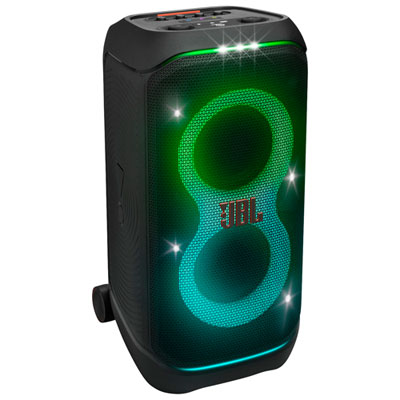
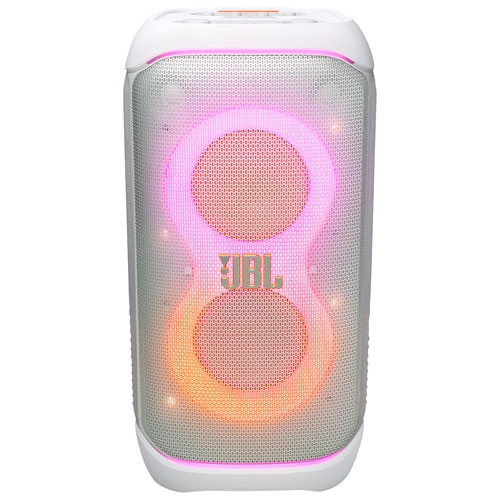
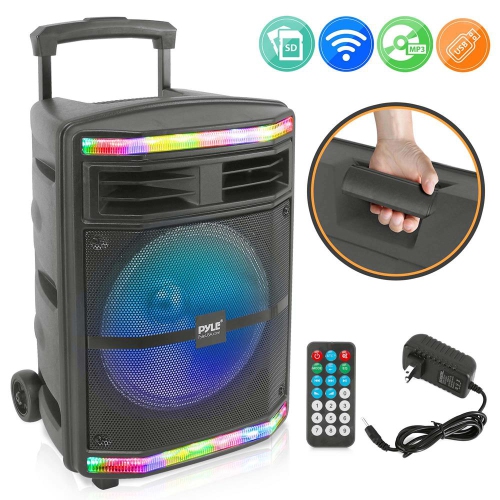
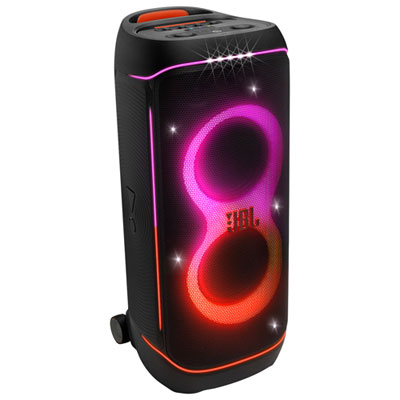
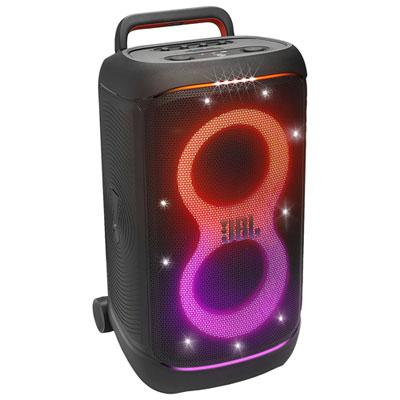
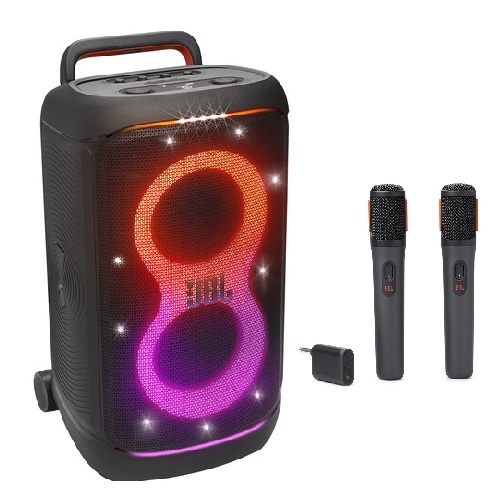
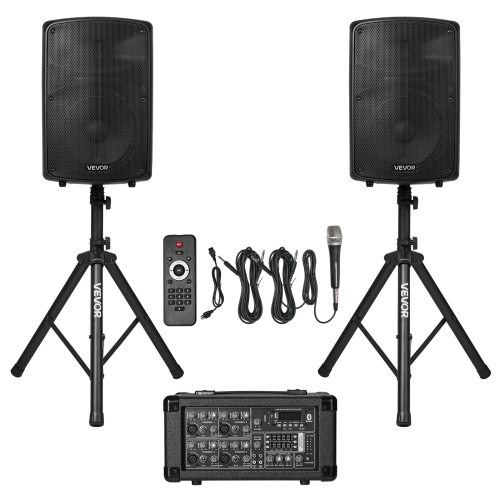
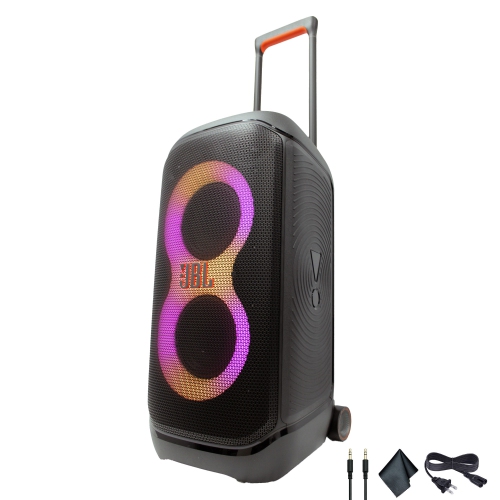
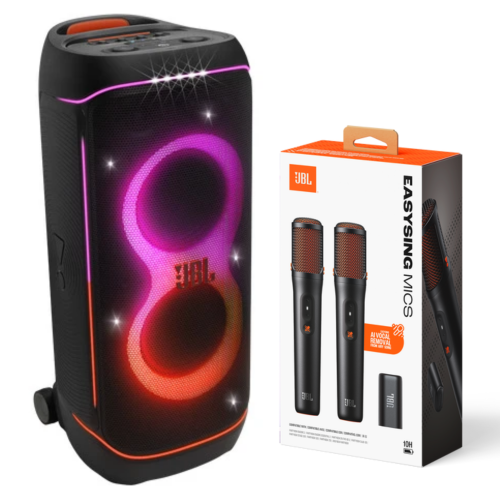
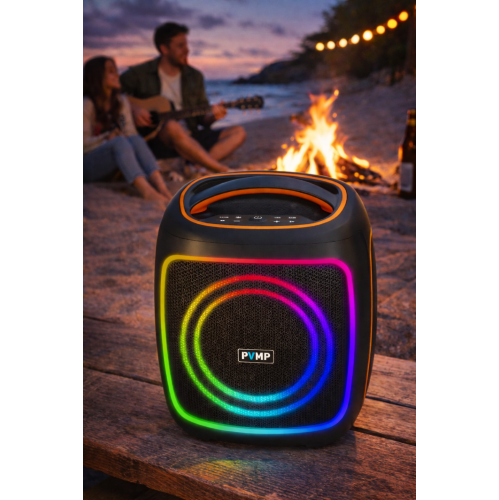
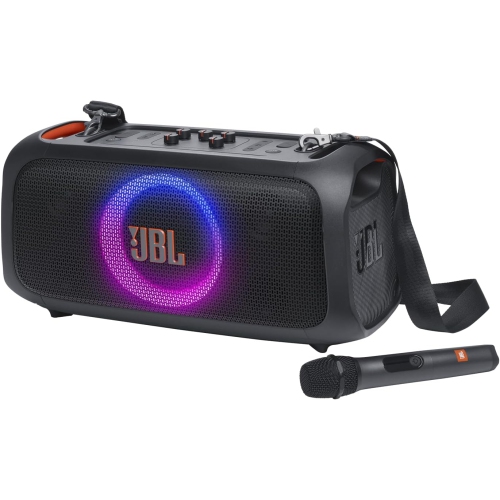
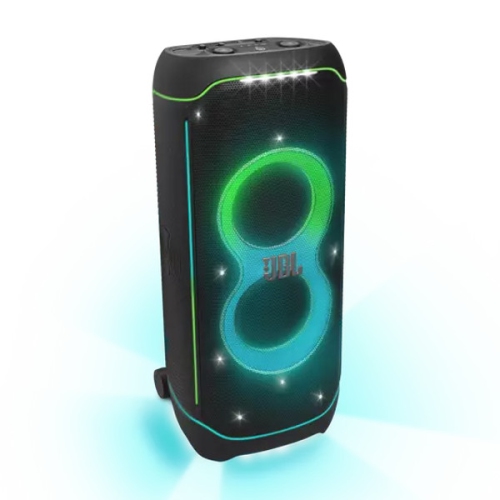
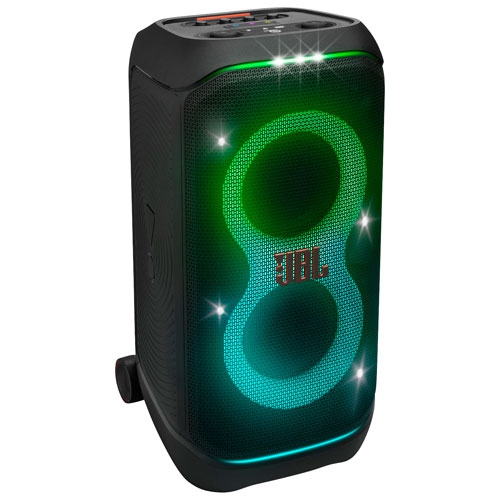
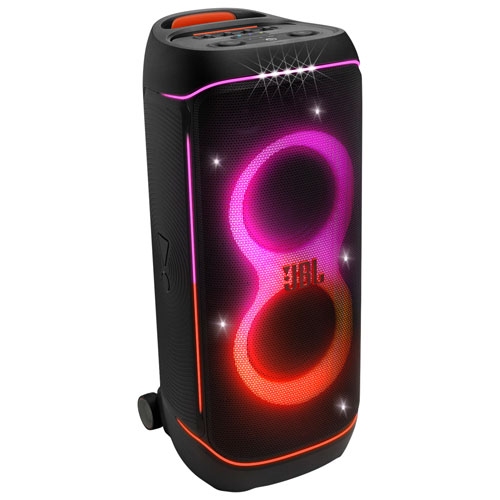
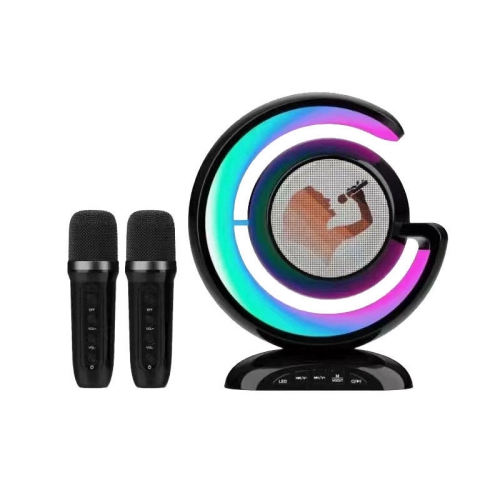
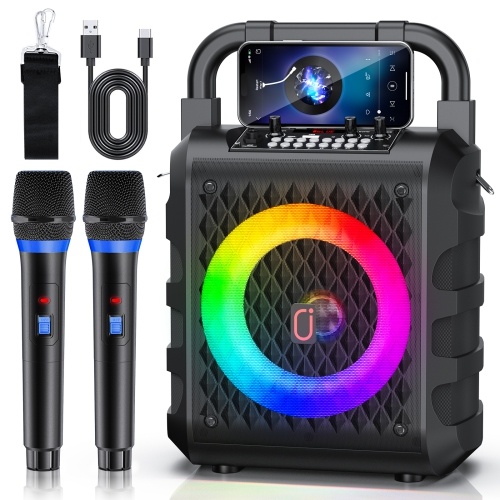
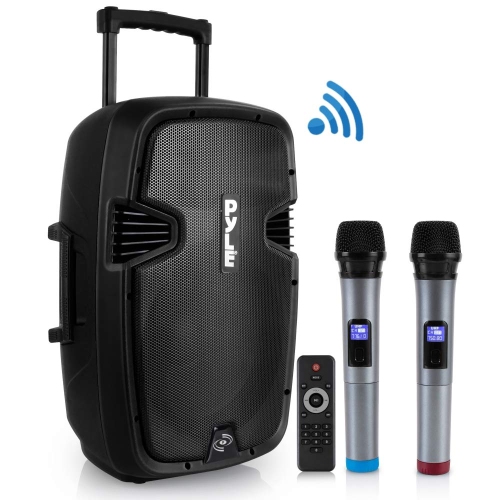
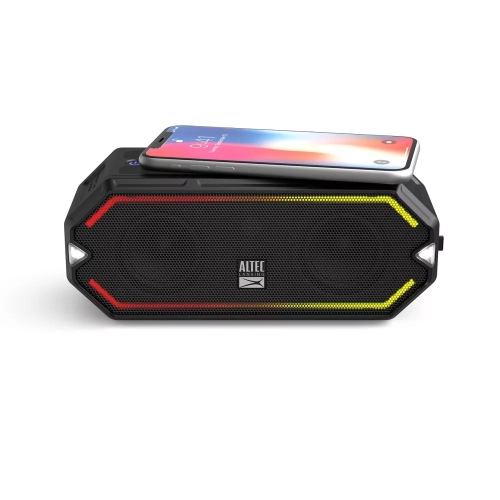
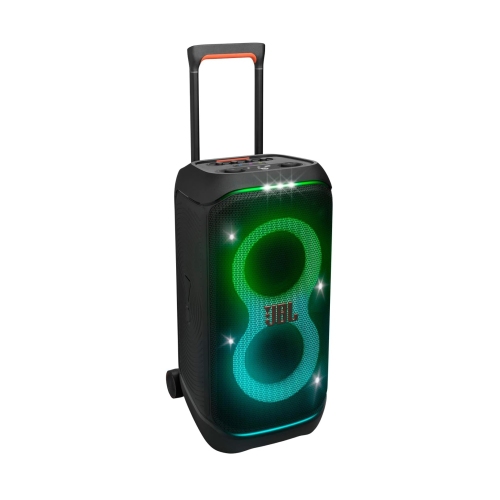
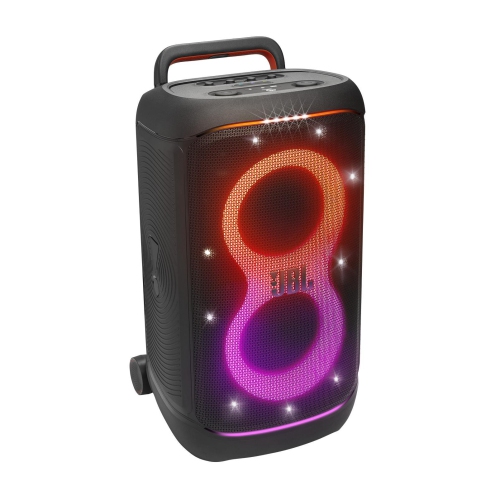
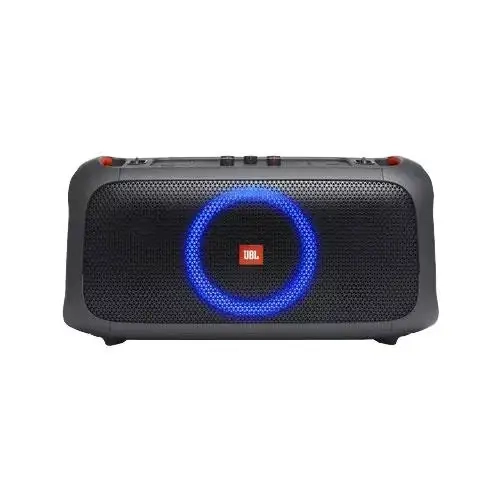
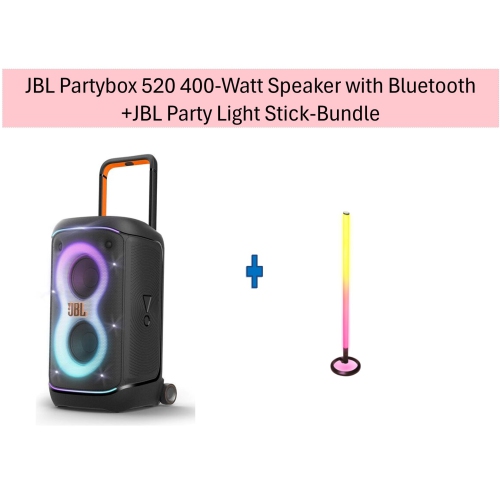
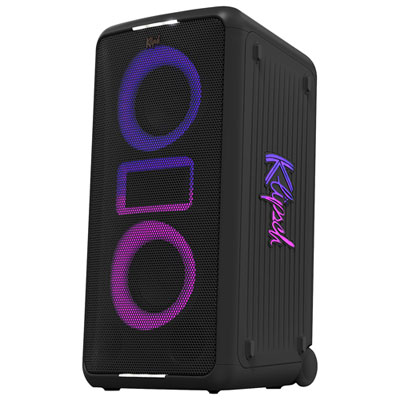
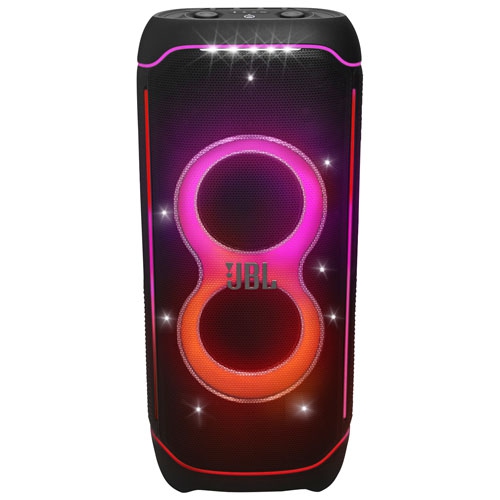
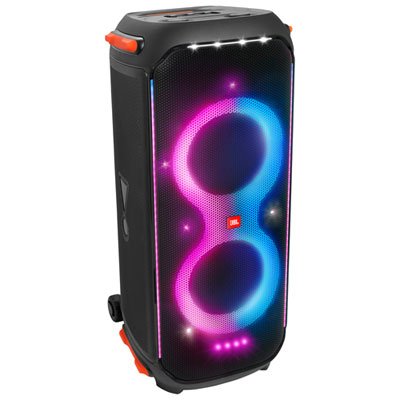
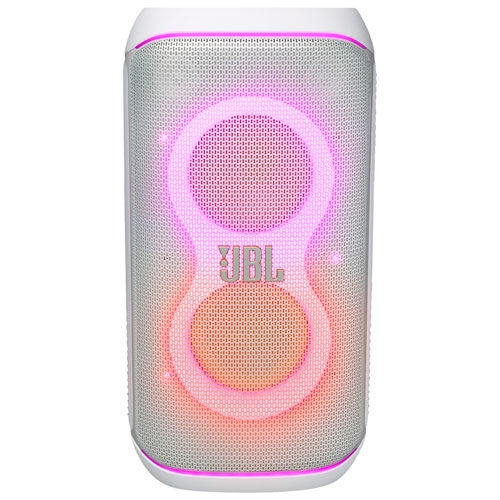
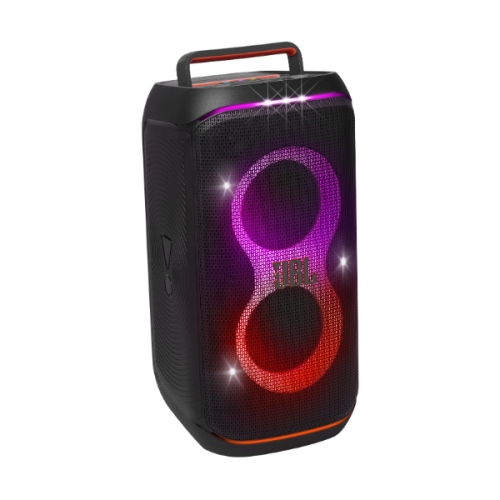
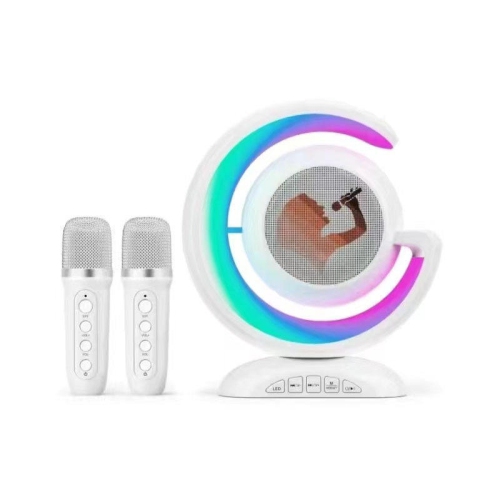
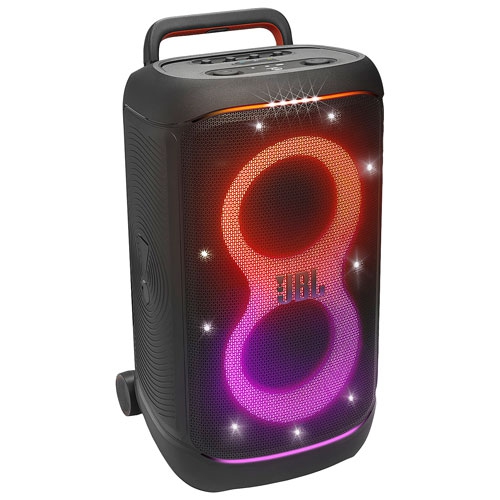
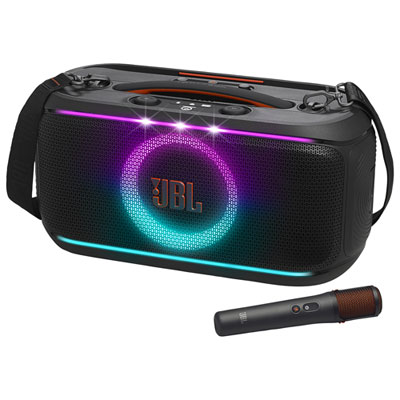
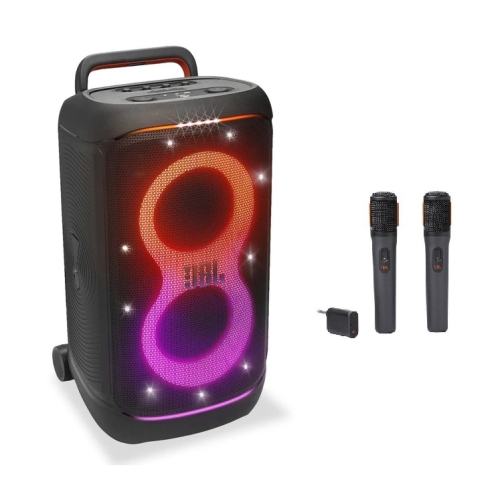
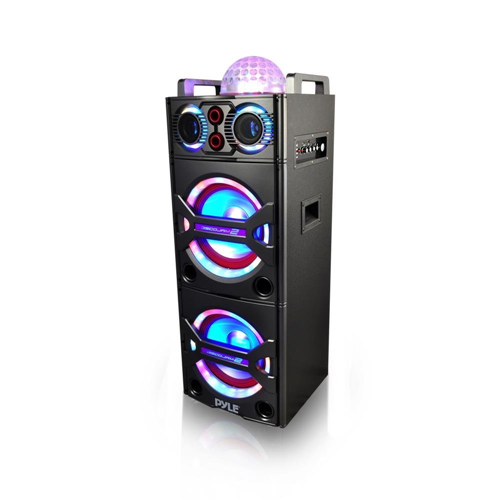
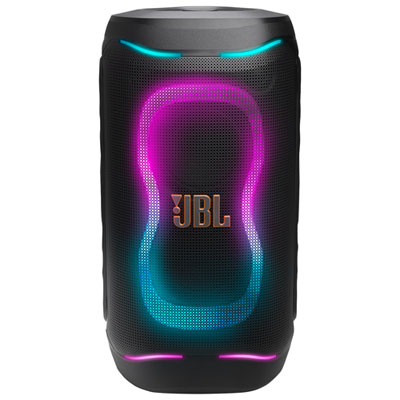
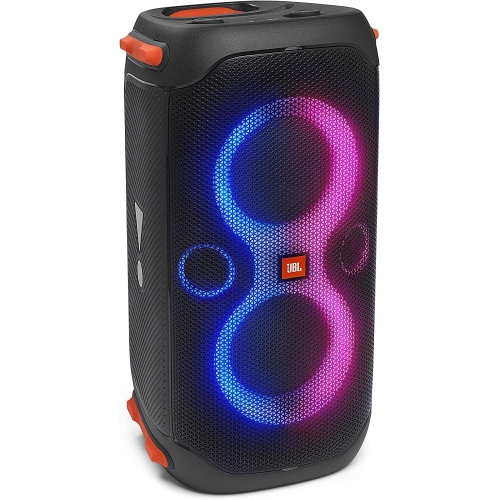
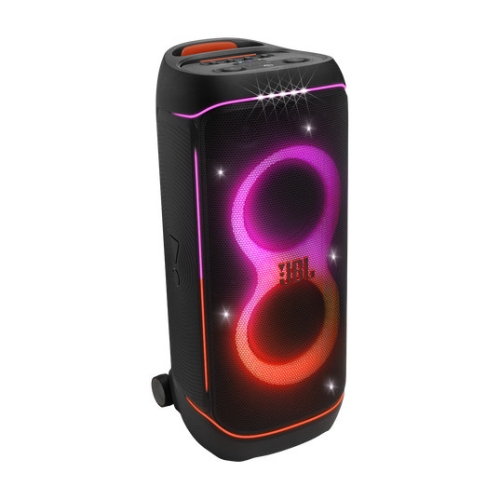
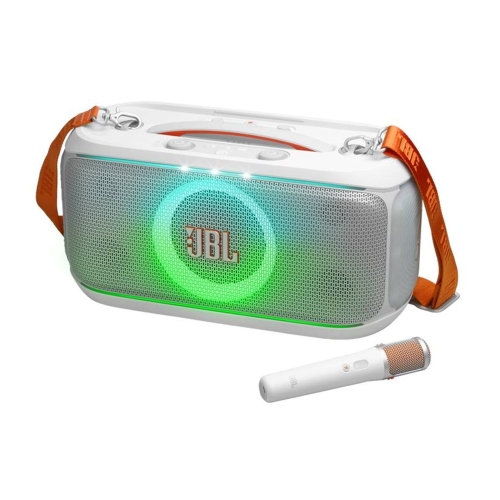
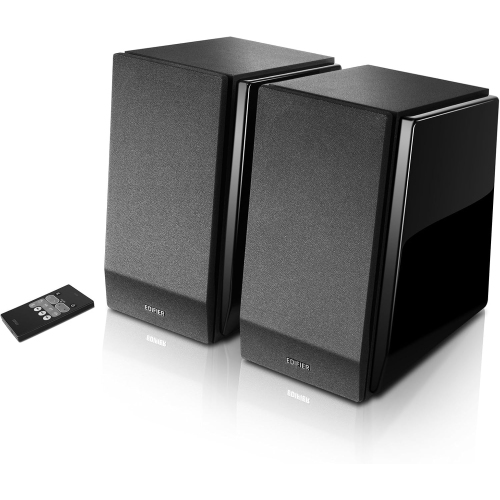
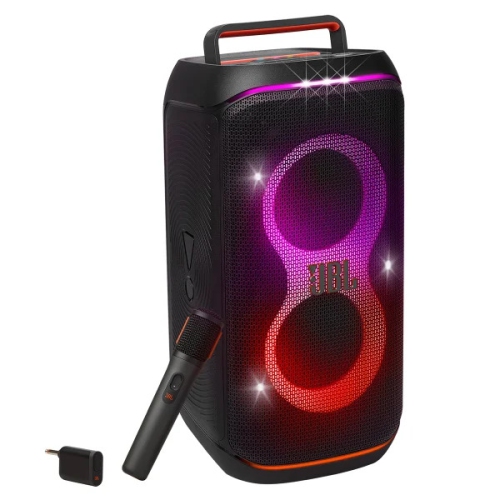
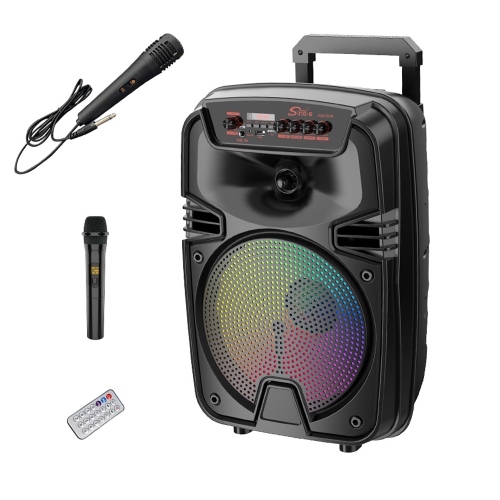
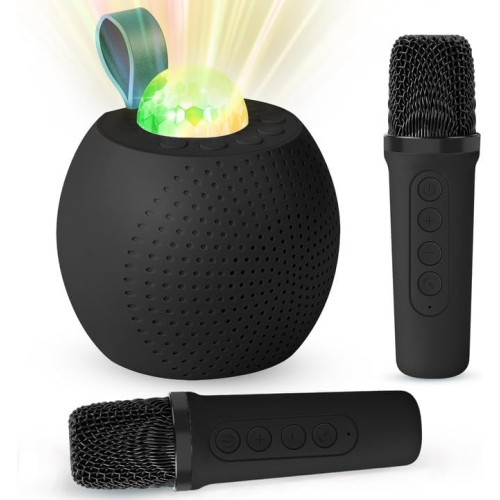

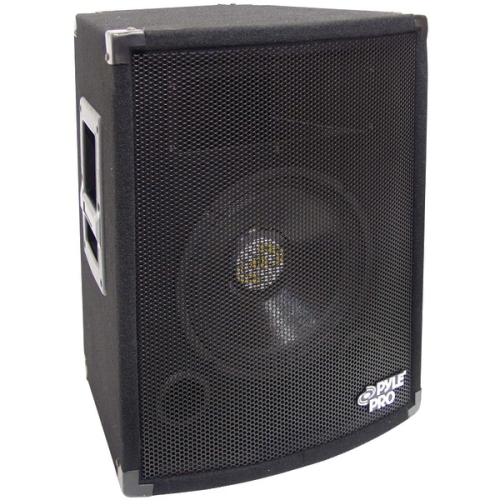
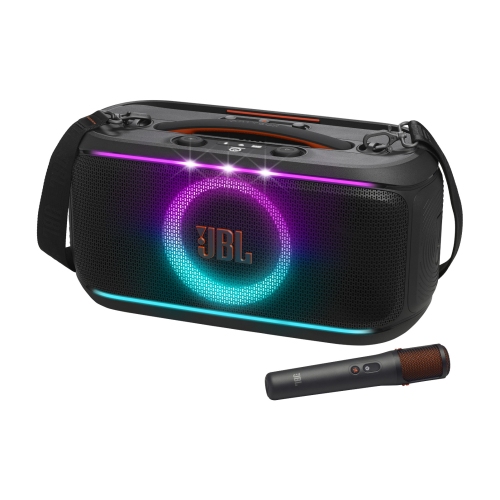
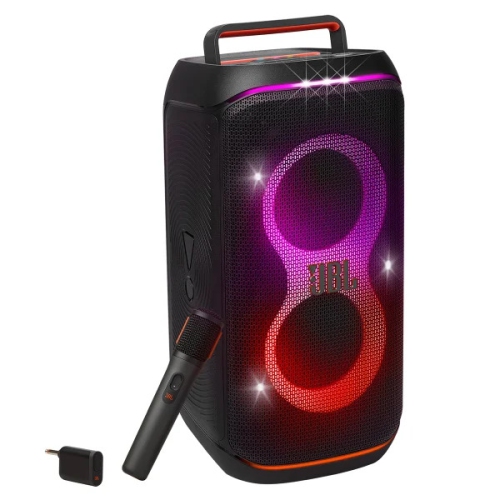
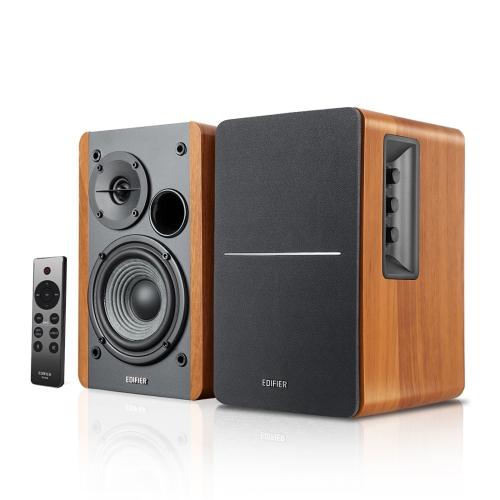
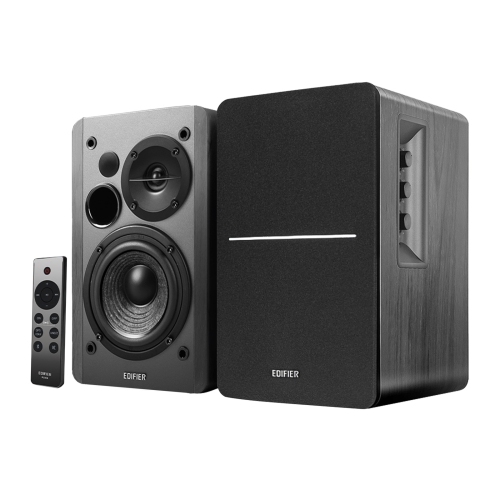
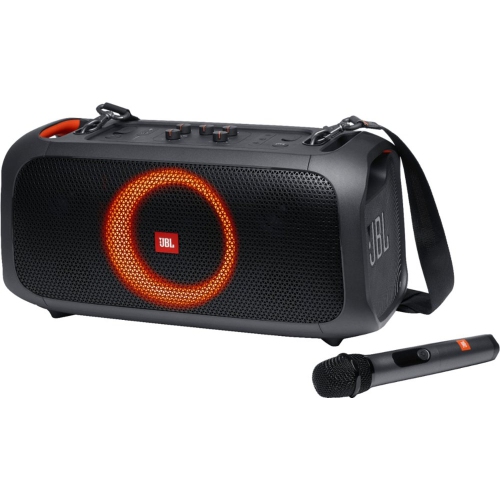
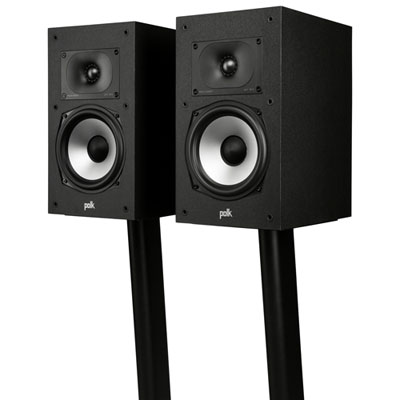
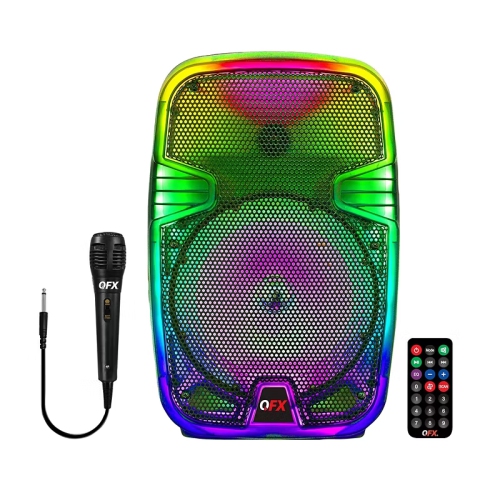
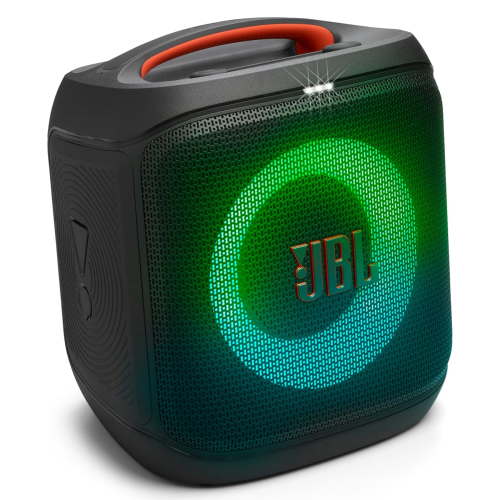
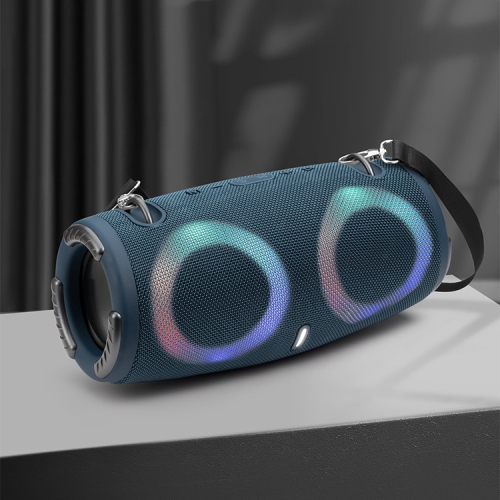
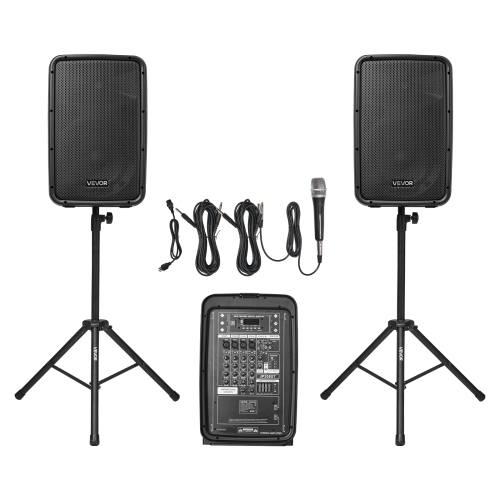
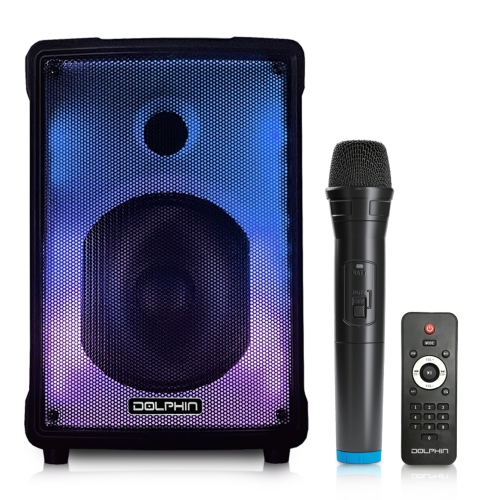

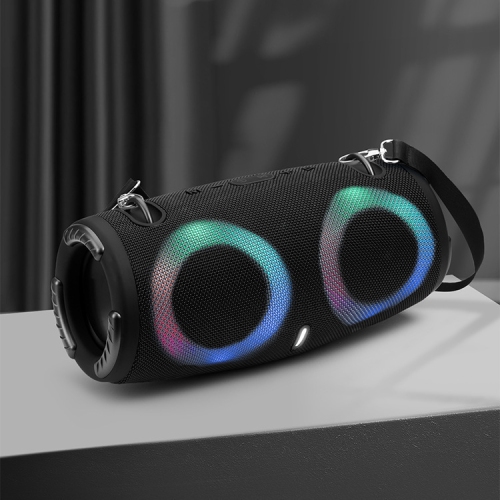
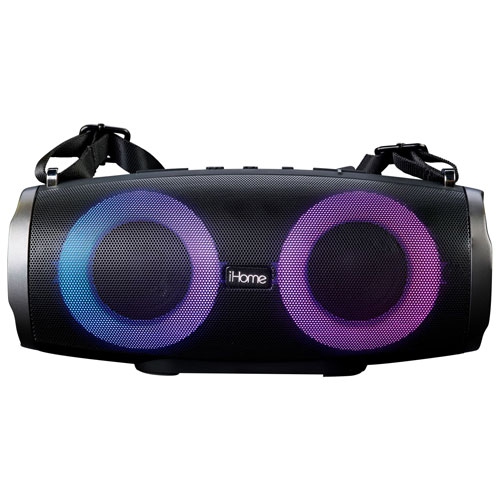
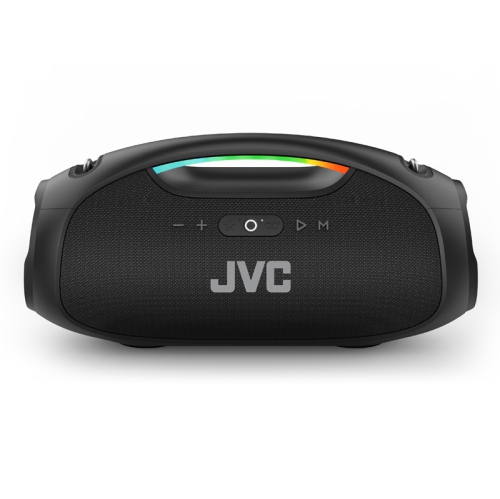
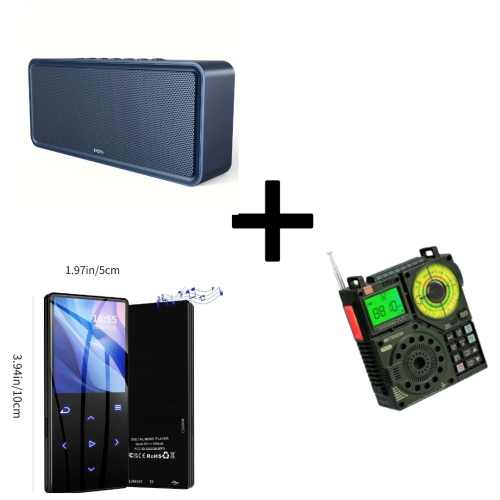

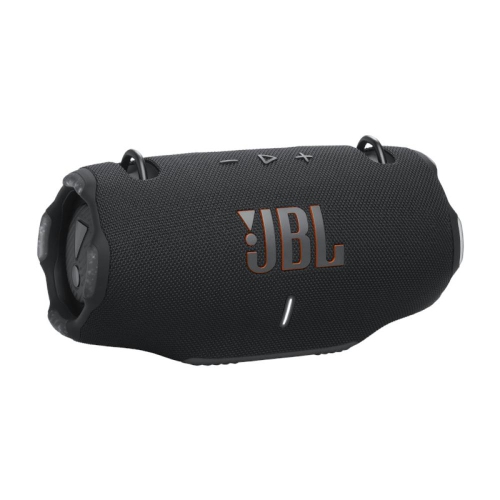
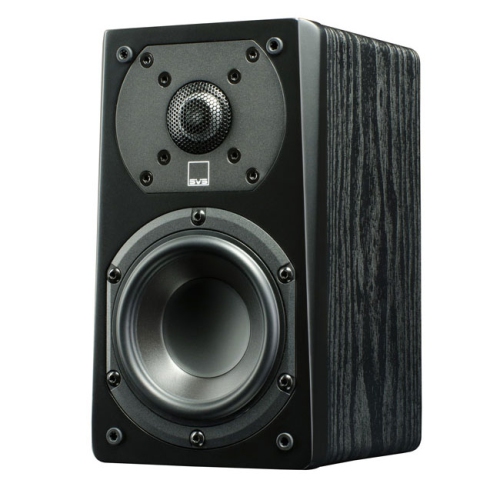
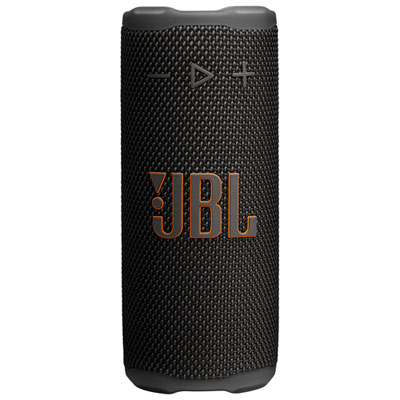
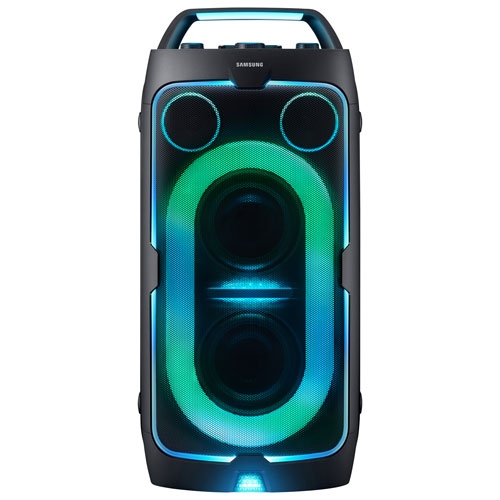
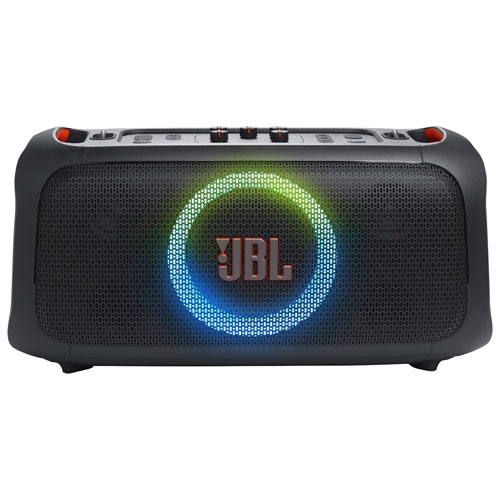
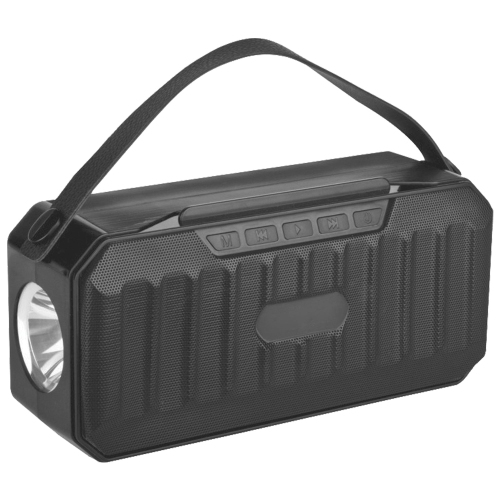
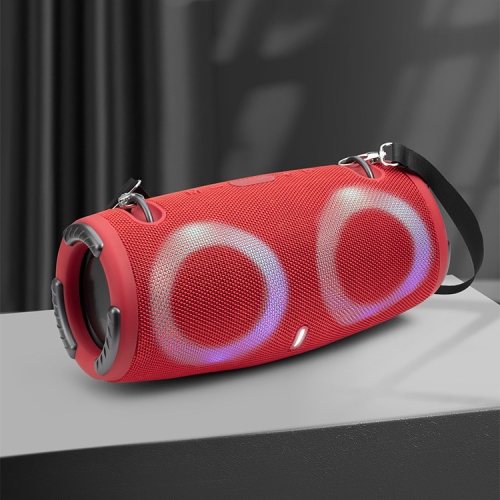
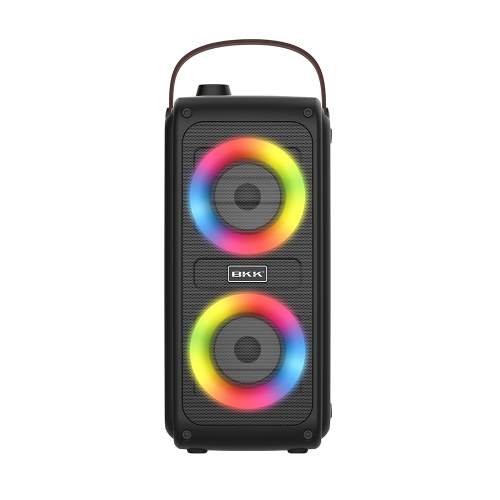
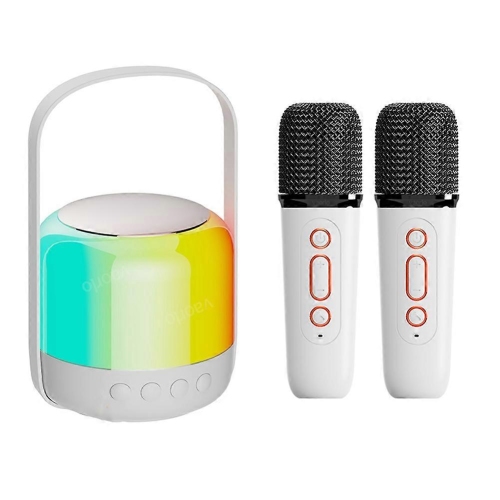
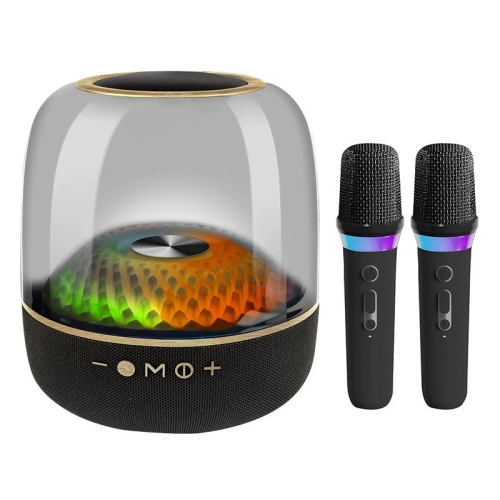
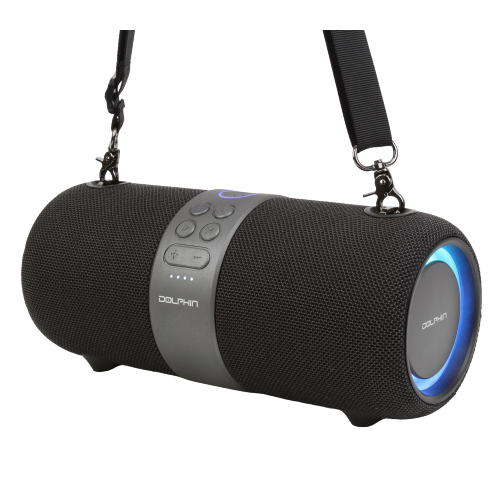
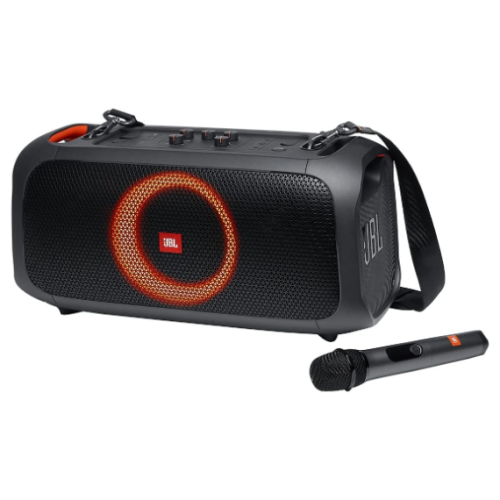
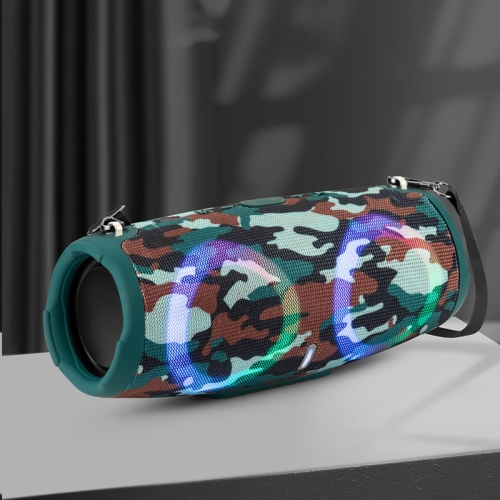

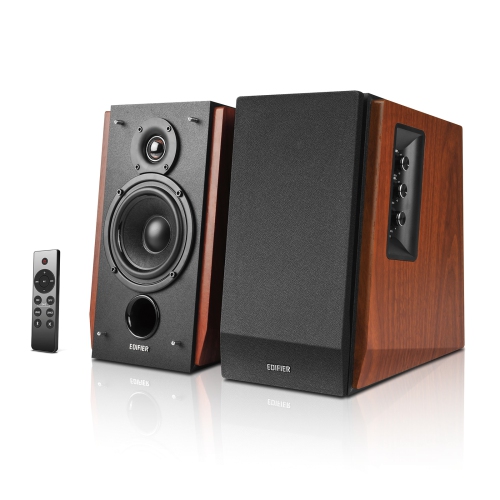
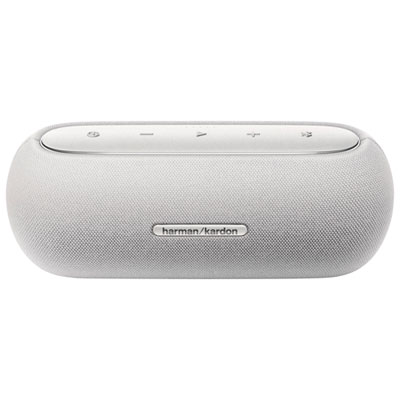
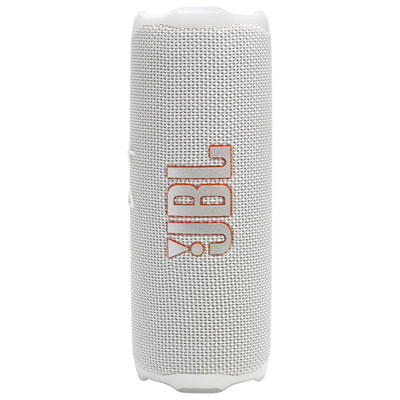
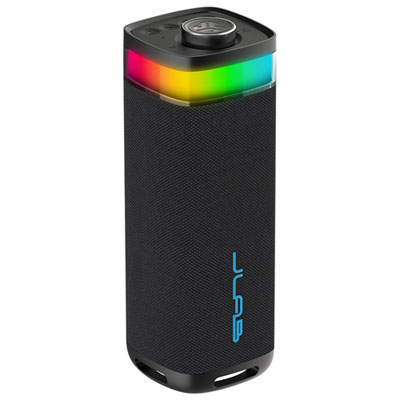
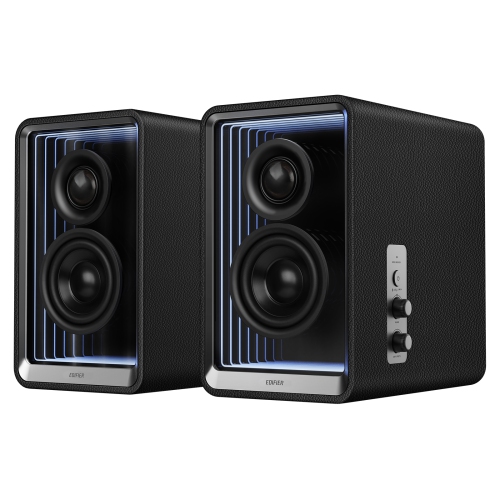
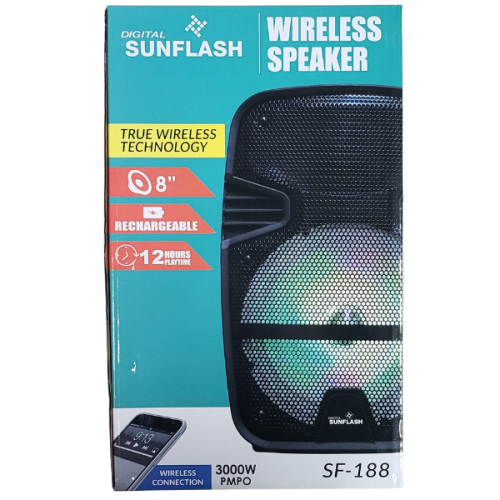
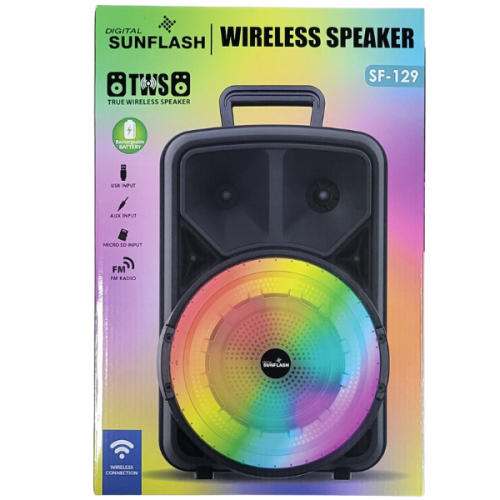
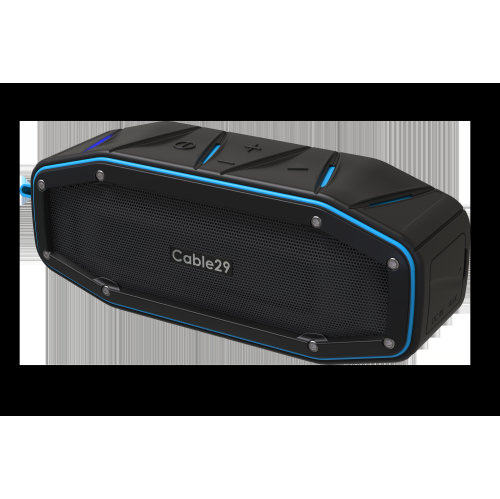
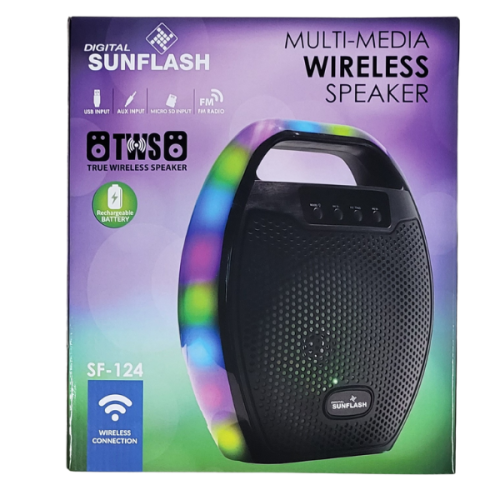

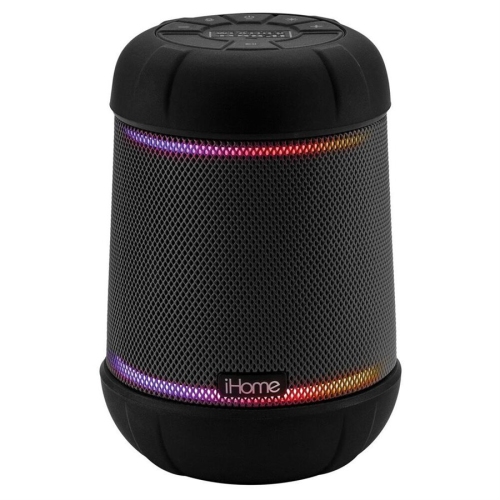
How speaker types suit rooms, crowds and events
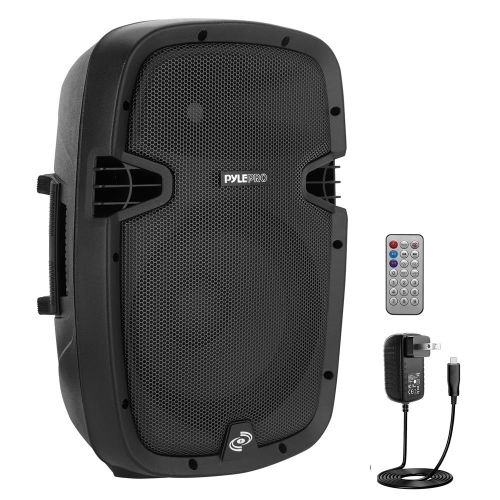
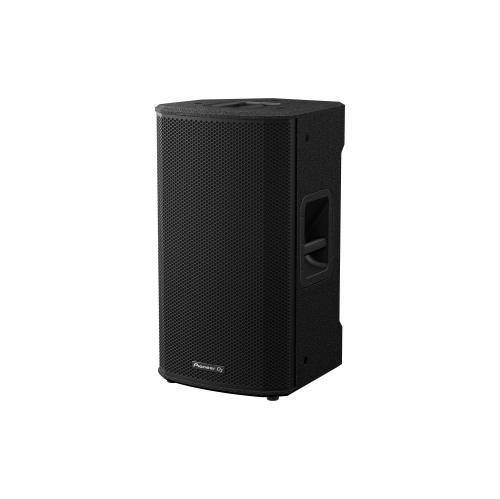
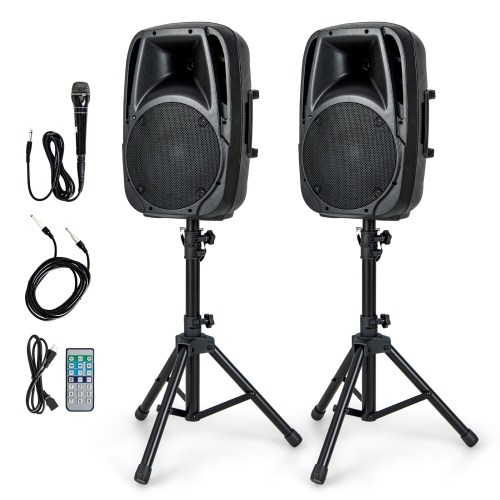
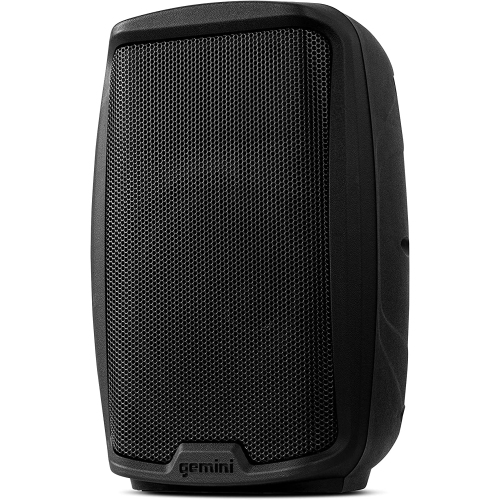
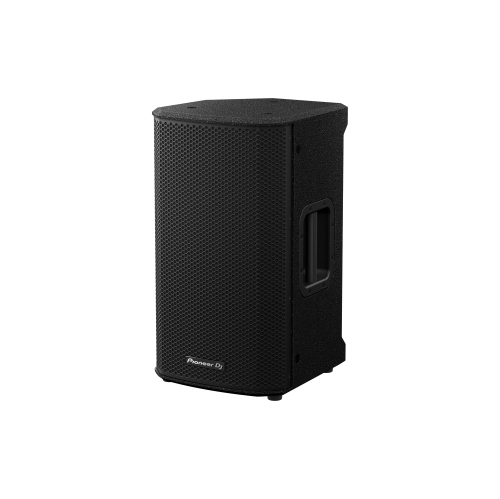
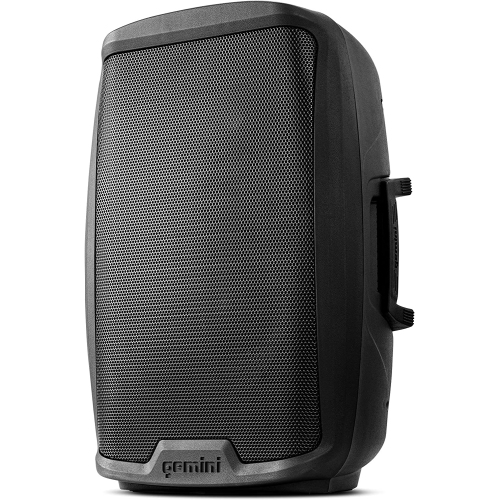
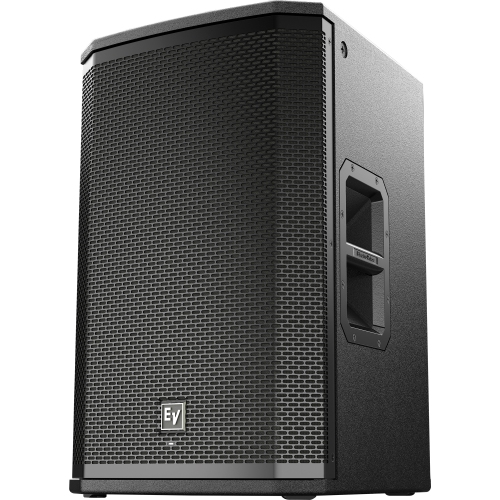
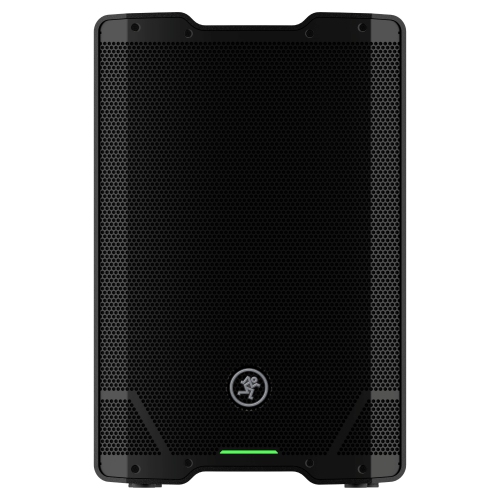
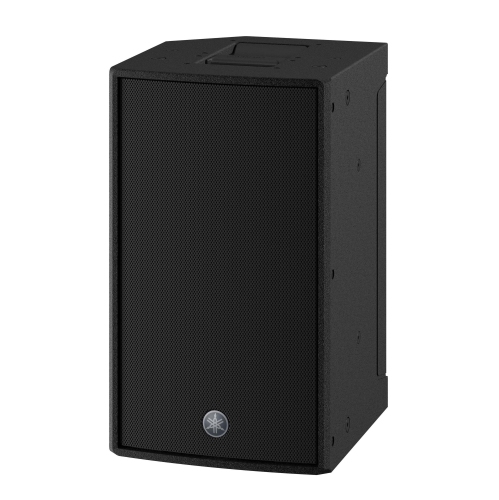
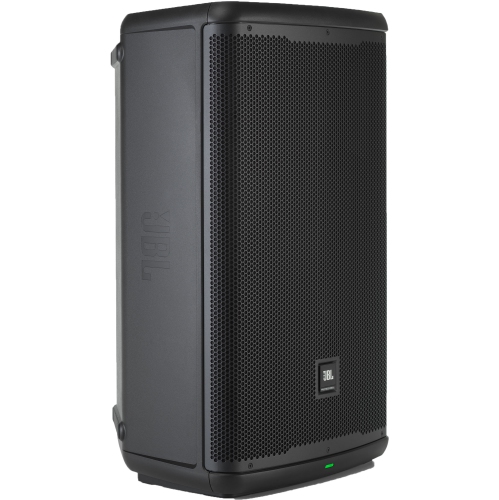
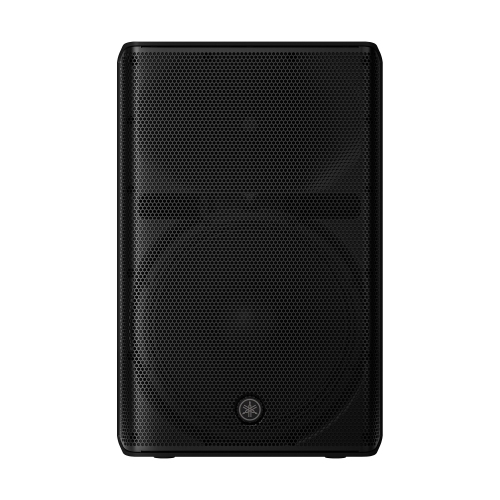
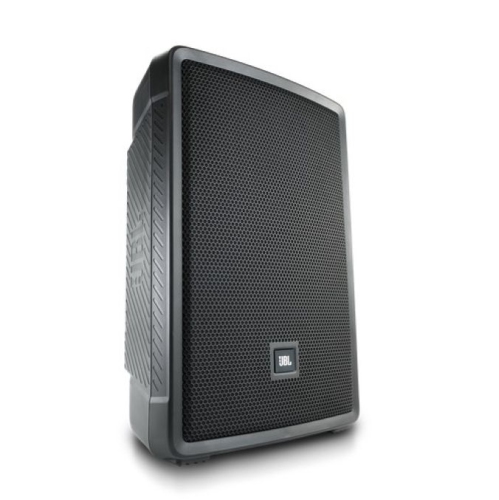
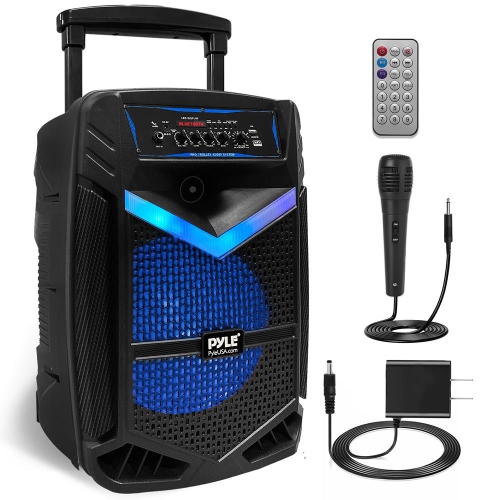
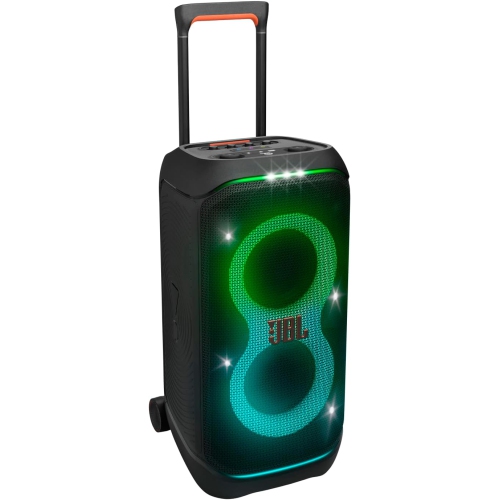
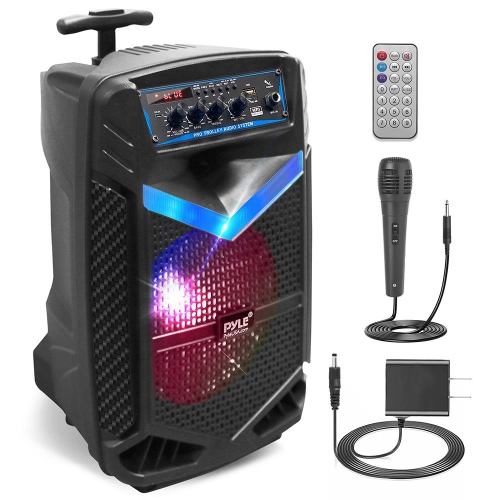
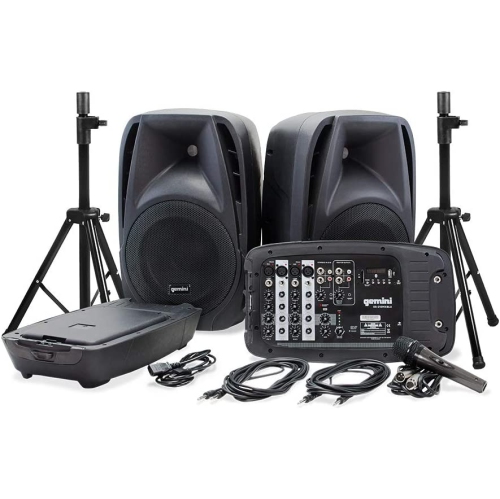
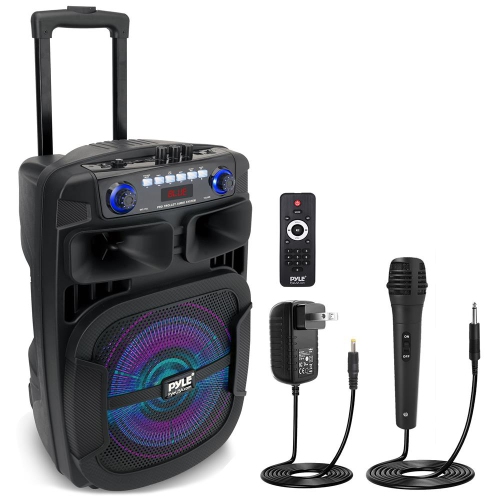
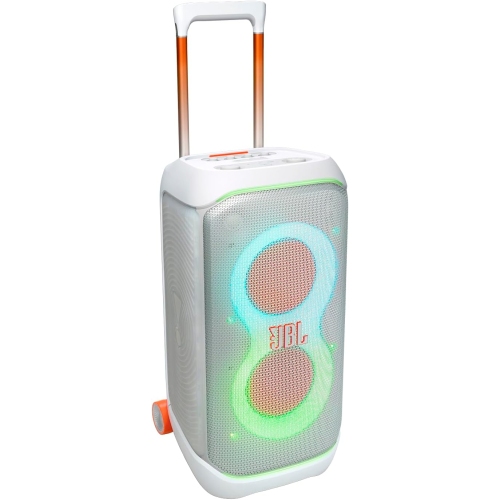
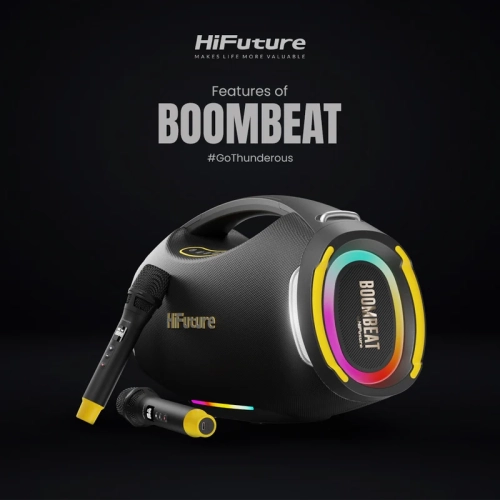
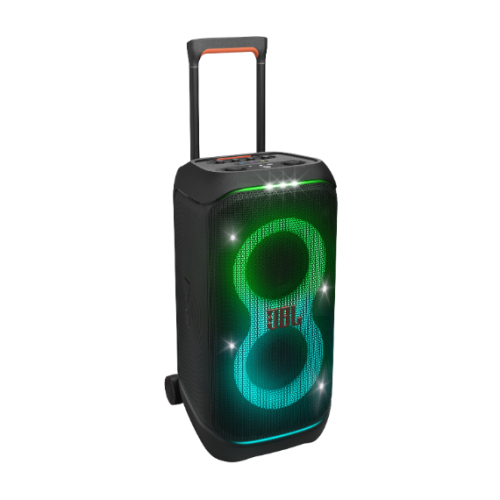
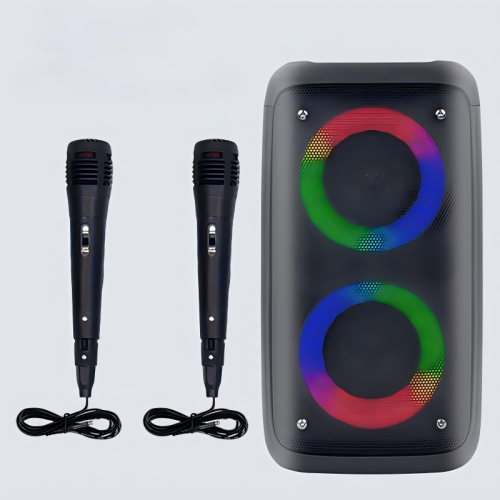
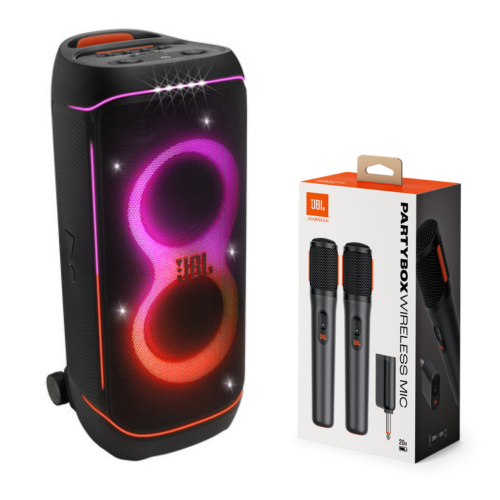
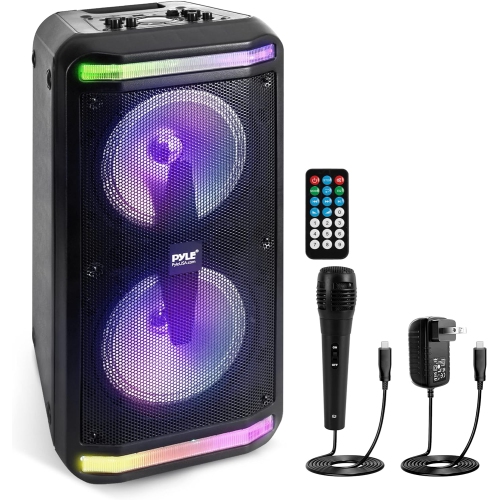
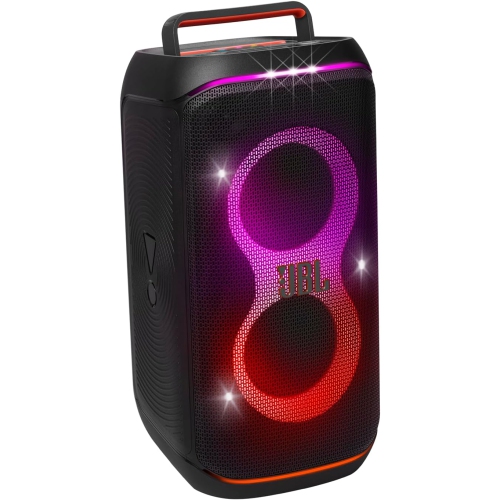
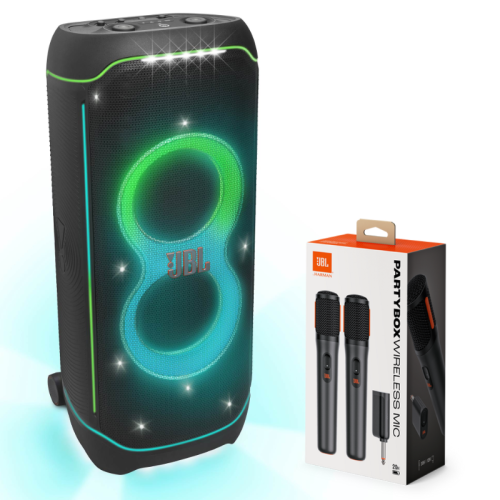
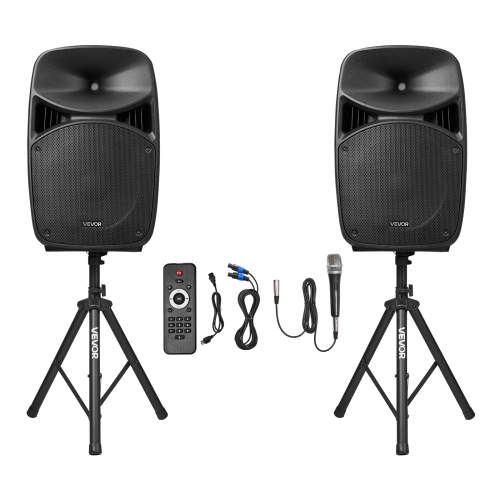
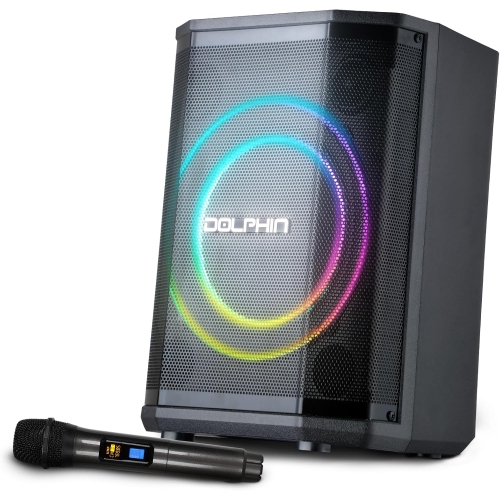
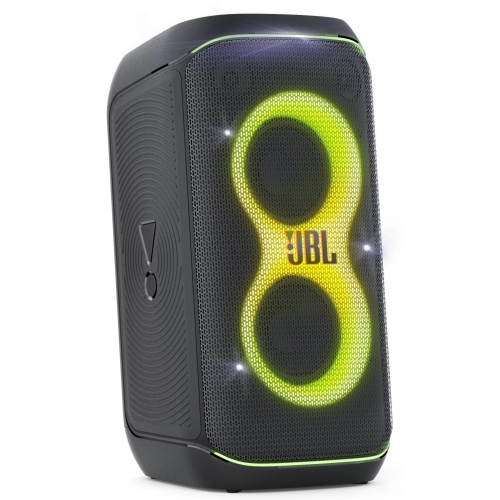
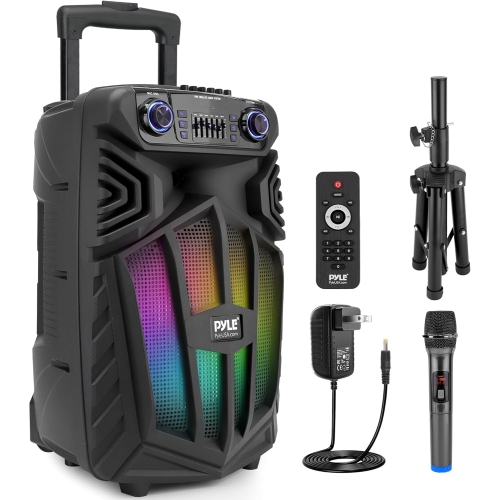
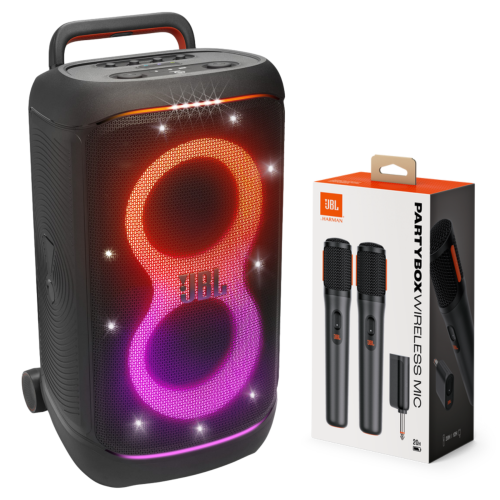
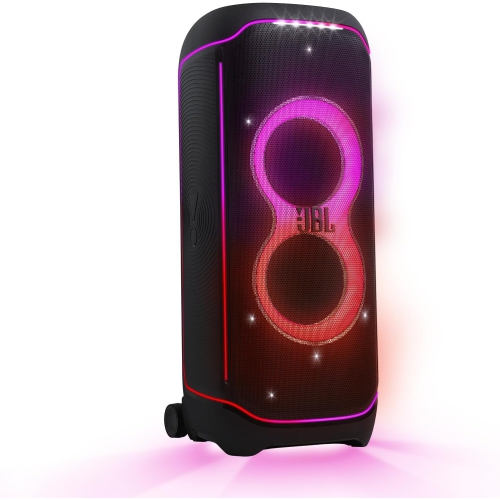
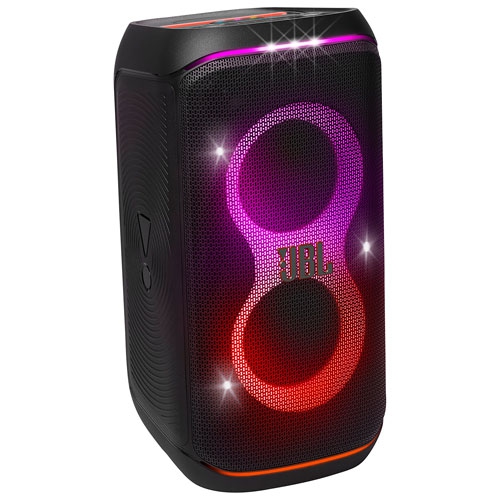
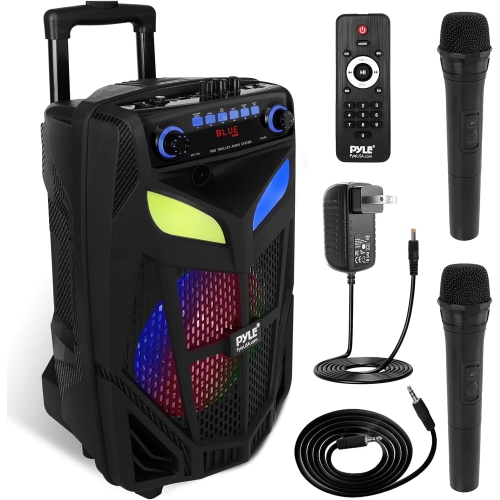
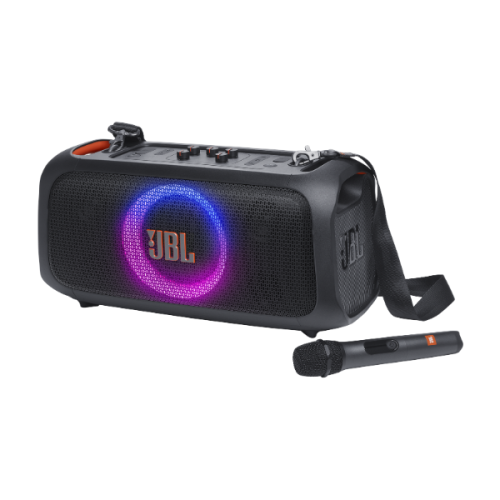
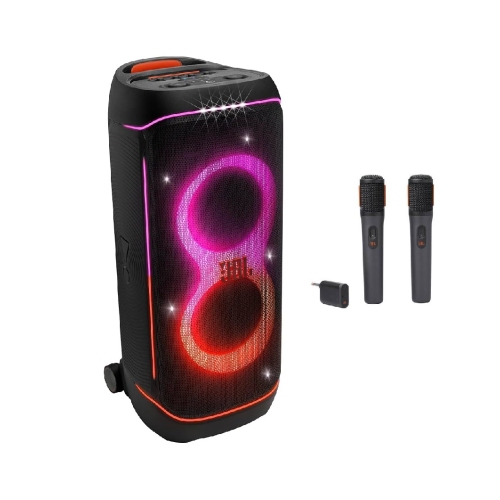
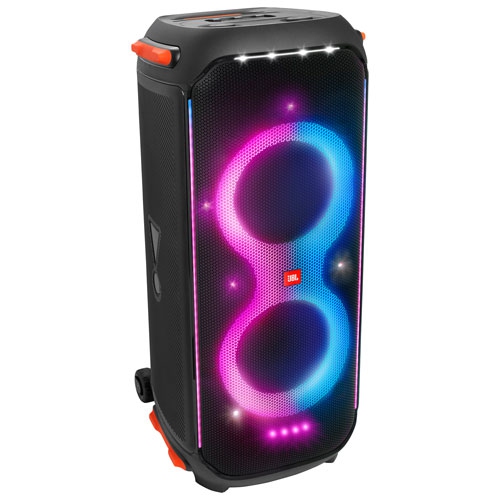
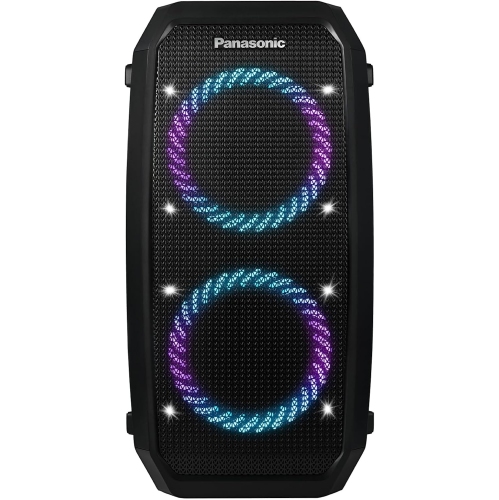
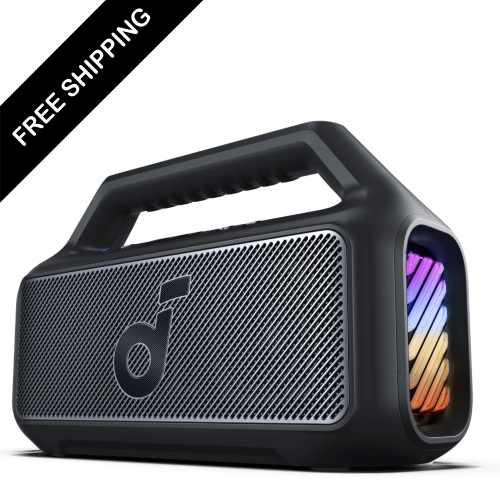
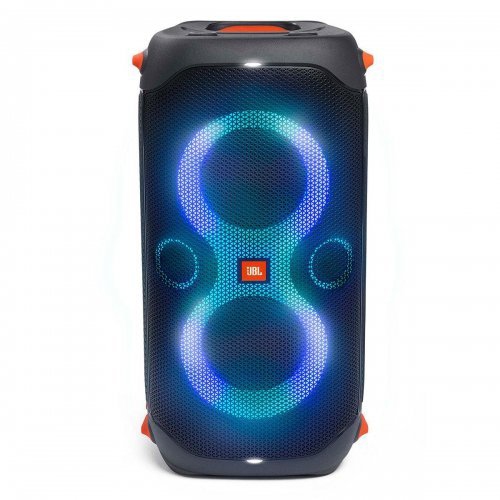
DJ speakers are designed to turn a playlist, live set, rehearsal or home listening session into a more engaging sound experience. The right choice depends on where the speakers will be used, how many people need to hear them and how much equipment you want to carry from one location to another. Mobile DJs, event hosts and performers often choose powered, or active, PA speakers because the amplifier is built into the cabinet. This can simplify setup: connect a DJ controller, mixer, microphone or audio source, adjust the levels and start playing without matching a separate amplifier to the speakers. Active PA cabinets are available in different sizes and power levels, making them suitable for everything from a living-room practice space to a wedding reception, community hall or outdoor gathering. When comparing models, consider the maximum sound pressure level, often listed in decibels or dB, as this provides an indication of how loudly the speaker can play. A higher SPL rating can be useful for larger rooms and busier events, although volume is only one part of sound quality. Clear vocals, controlled bass and balanced high frequencies help music remain enjoyable when the room fills with conversation and movement. Look for sturdy handles, manageable weight and a cabinet shape that is easy to position on a stand or floor, especially if the setup will be packed into a vehicle regularly. Some powered speakers also include built-in equalization, microphone inputs, mixing controls or wireless audio, which can reduce the amount of extra gear needed for a casual event. Passive speakers may appeal to DJs who already own an amplifier or want to build a more customized system, but they require closer attention to power ratings, impedance and cable connections. A properly matched system can perform reliably, while an unsuitable amplifier or connection may affect performance.
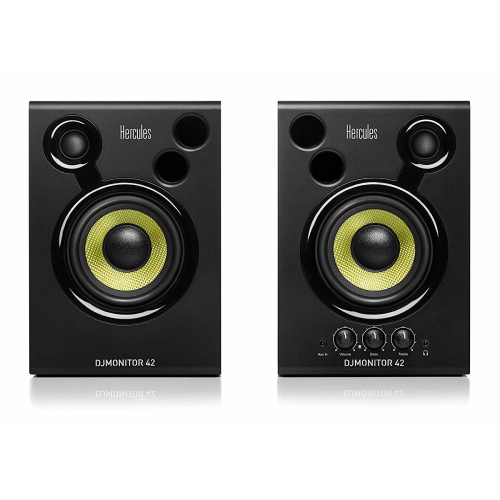
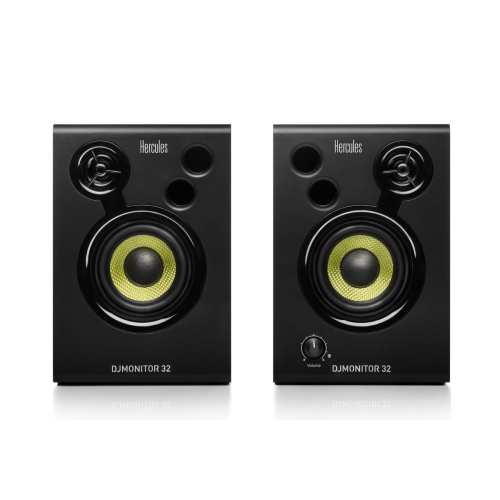
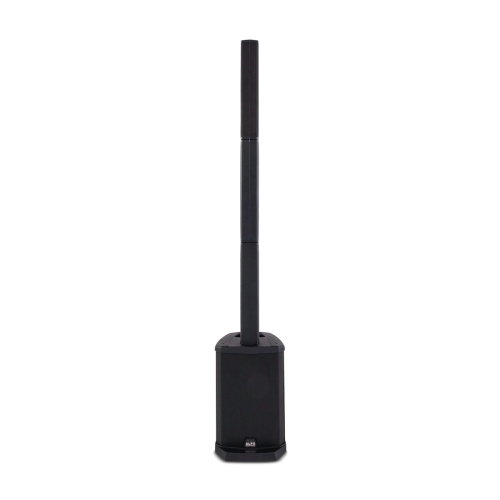
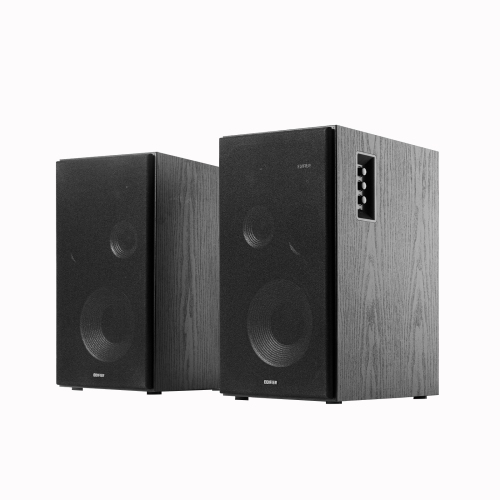
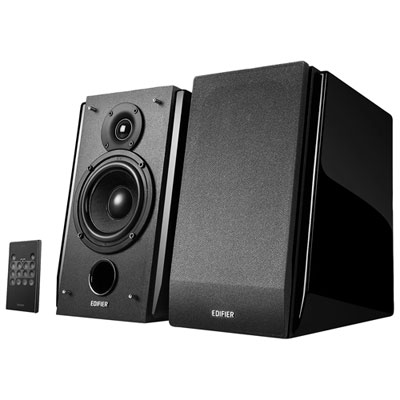
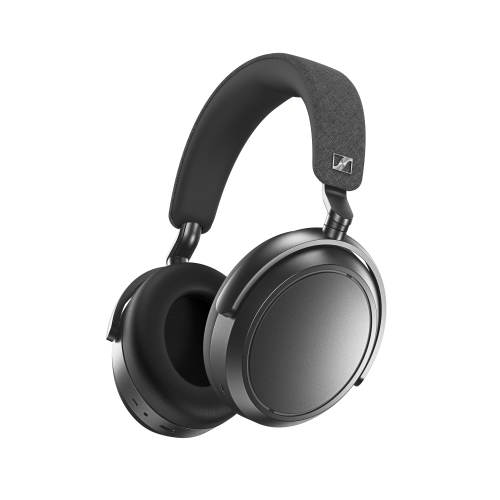
For home practice, bedroom studios and smaller creative spaces, near-field studio monitors provide a different kind of listening experience from high-output PA cabinets. They are intended to be positioned relatively close to the listener, often on a desk, shelf or monitor stand, so the sound reaches the ears directly rather than filling a large venue. DJs and producers may use them to evaluate transitions, basslines, vocals and effects with greater detail while preparing a set. A flatter frequency response can help reveal how a track is balanced instead of adding a dramatic boost to one part of the spectrum. Placement makes a noticeable difference: keep the left and right speakers at a similar distance from your listening position, angle them toward your ears and leave suitable space around rear ports when the design calls for it. For a more complete low-frequency experience, some setups can be paired with a subwoofer, but a subwoofer is not essential for every room or listener. In a compact space, excessive bass can become muddy or disturb others, while a well-positioned pair of monitors may provide more than enough impact. Column array systems are another option for DJs who want broad, even coverage with a relatively compact footprint. Their tall design can help distribute sound across a crowd, while a separate base section often contributes fuller bass. These systems can be appealing for acoustic performers, event hosts and mobile DJs who value quick assembly and a clean appearance at receptions, patios or small venues. Before purchasing, check the available inputs and outputs. XLR and 1/4-inch combination inputs are common on professional audio equipment, while RCA and 3.5-millimetre connections may suit home sources. Bluetooth can be convenient for streaming music from a phone or tablet, although a wired connection may be preferable for a live set where reliability and low latency matter. For a complete monitoring setup, DJ speakers can be used alongside Dj Headphones so a performer can preview the next track without sending it through the main system.
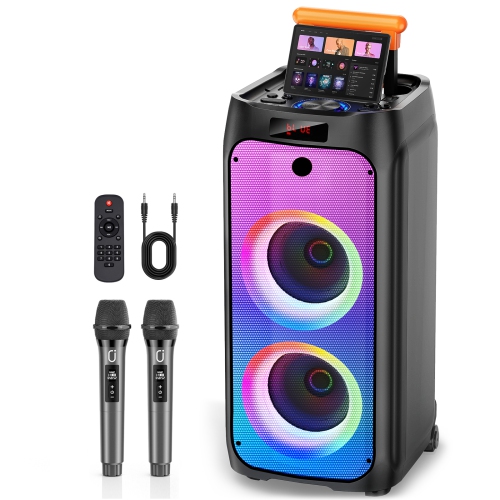
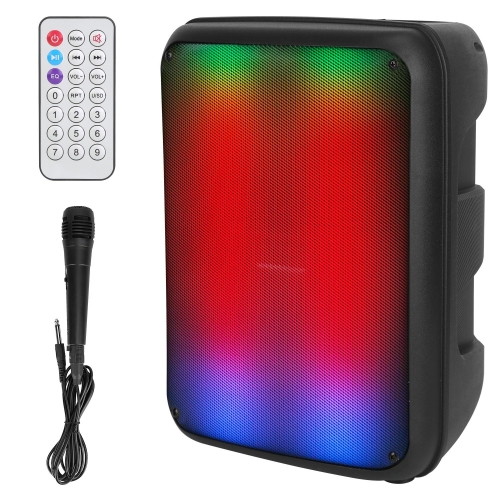
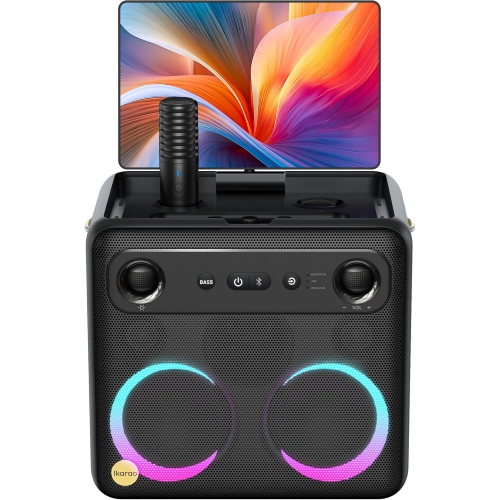
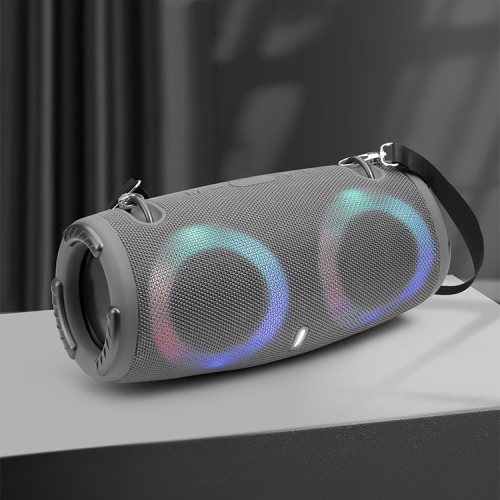
DJ speakers can suit a wide range of listeners and occasions. A new DJ may use a compact powered pair to practise beatmatching at home before bringing the same speakers to a friend’s gathering. An experienced mobile performer may prioritize high output, durable construction and flexible inputs for weddings, school events, fundraisers and dance parties. Musicians, presenters and karaoke hosts can also benefit from a PA speaker with microphone support, while a producer or electronic music enthusiast may prefer detailed monitors for arranging and mixing. They can make a thoughtful gift for someone building a first DJ setup, provided the speaker type matches the recipient’s space and existing equipment. Before choosing, measure the room or storage area, consider the distance to the audience and note whether speaker stands, cables or a mixer are already available. A small indoor setup generally does not need the same output as a large hall, and a portable speaker may be more practical than a heavier cabinet for someone who travels between venues. Think about the music being played as well: bass-heavy dance tracks benefit from solid low-frequency performance, while spoken announcements require intelligible midrange and vocal clarity. During warmer weather, speakers may be used for backyard gatherings and outdoor celebrations, where coverage and weather-aware placement matter; during the cooler months, the same equipment can move indoors for parties, rehearsals and community events. Keep speakers away from moisture, provide stable support and avoid placing them where cables can become a tripping hazard. Whether the goal is to practise quietly, entertain a crowd or build a flexible sound system over time, comparing speaker type, output, connectivity, portability and room size can help create a setup that sounds confident and works naturally with the rest of the equipment.
For home practice, bedroom studios and smaller creative spaces, near-field studio monitors provide a different kind of listening experience from high-output PA cabinets. They are intended to be positioned relatively close to the listener, often on a desk, shelf or monitor stand, so the sound reaches the ears directly rather than filling a large venue. DJs and producers may use them to evaluate transitions, basslines, vocals and effects with greater detail while preparing a set. A flatter frequency response can help reveal how a track is balanced instead of adding a dramatic boost to one part of the spectrum. Placement makes a noticeable difference: keep the left and right speakers at a similar distance from your listening position, angle them toward your ears and leave suitable space around rear ports when the design calls for it. For a more complete low-frequency experience, some setups can be paired with a subwoofer, but a subwoofer is not essential for every room or listener. In a compact space, excessive bass can become muddy or disturb others, while a well-positioned pair of monitors may provide more than enough impact. Column array systems are another option for DJs who want broad, even coverage with a relatively compact footprint. Their tall design can help distribute sound across a crowd, while a separate base section often contributes fuller bass. These systems can be appealing for acoustic performers, event hosts and mobile DJs who value quick assembly and a clean appearance at receptions, patios or small venues. Before purchasing, check the available inputs and outputs. XLR and 1/4-inch combination inputs are common on professional audio equipment, while RCA and 3.5-millimetre connections may suit home sources. Bluetooth can be convenient for streaming music from a phone or tablet, although a wired connection may be preferable for a live set where reliability and low latency matter. For a complete monitoring setup, DJ speakers can be used alongside Dj Headphones so a performer can preview the next track without sending it through the main system.
DJ speakers can suit a wide range of listeners and occasions. A new DJ may use a compact powered pair to practise beatmatching at home before bringing the same speakers to a friend’s gathering. An experienced mobile performer may prioritize high output, durable construction and flexible inputs for weddings, school events, fundraisers and dance parties. Musicians, presenters and karaoke hosts can also benefit from a PA speaker with microphone support, while a producer or electronic music enthusiast may prefer detailed monitors for arranging and mixing. They can make a thoughtful gift for someone building a first DJ setup, provided the speaker type matches the recipient’s space and existing equipment. Before choosing, measure the room or storage area, consider the distance to the audience and note whether speaker stands, cables or a mixer are already available. A small indoor setup generally does not need the same output as a large hall, and a portable speaker may be more practical than a heavier cabinet for someone who travels between venues. Think about the music being played as well: bass-heavy dance tracks benefit from solid low-frequency performance, while spoken announcements require intelligible midrange and vocal clarity. During warmer weather, speakers may be used for backyard gatherings and outdoor celebrations, where coverage and weather-aware placement matter; during the cooler months, the same equipment can move indoors for parties, rehearsals and community events. Keep speakers away from moisture, provide stable support and avoid placing them where cables can become a tripping hazard. Whether the goal is to practise quietly, entertain a crowd or build a flexible sound system over time, comparing speaker type, output, connectivity, portability and room size can help create a setup that sounds confident and works naturally with the rest of the equipment.
Top selling and popular products
-
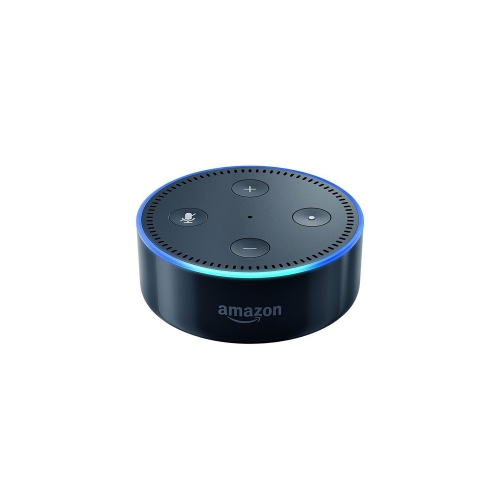 Your price for this item is $48.99
 -
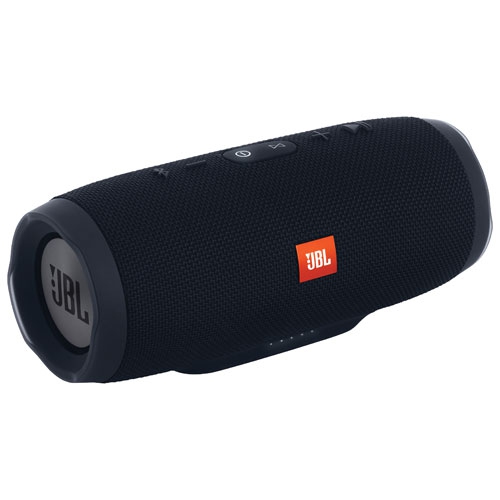 Your price for this item is $189
 -
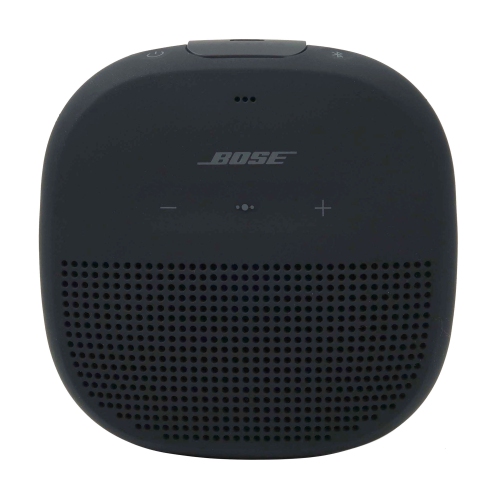 Your price for this item is $110
 -
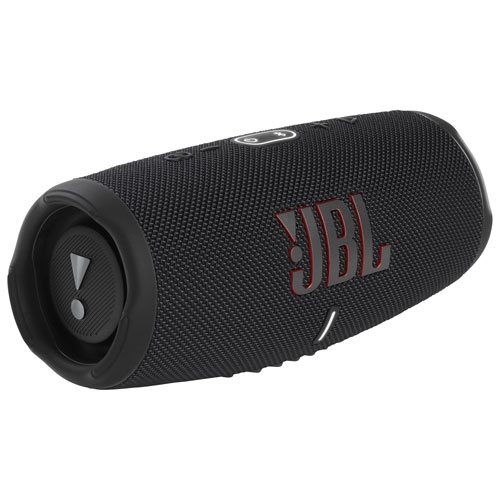 Your price for this item is $239.98
 -
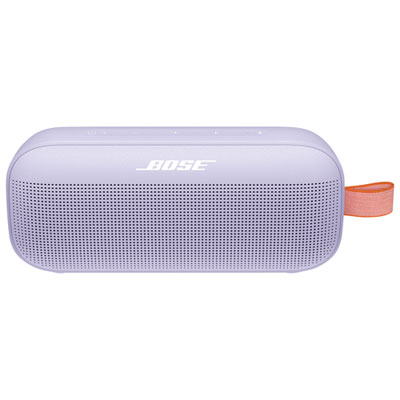 Your price for this item is $149.99
 -
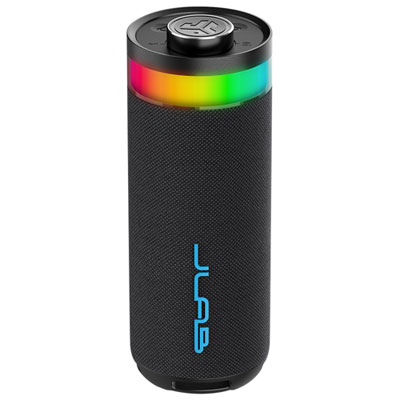 Your price for this item is $59.99
 -
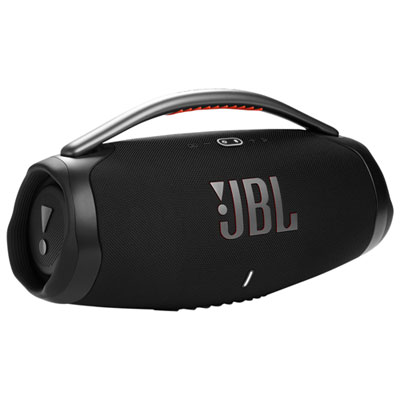 Your price for this item is $399.99
 -
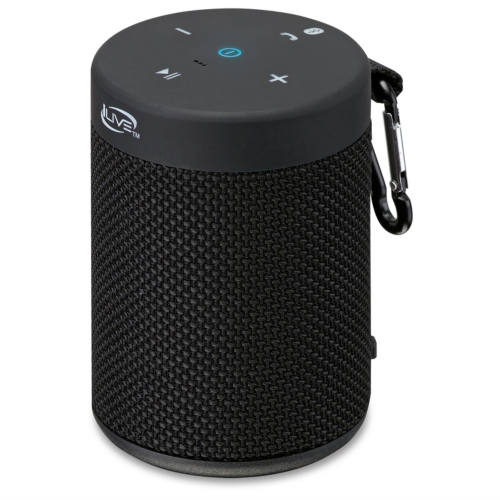 Your price for this item is $23.68
Discover more categories related to DJ Speakers
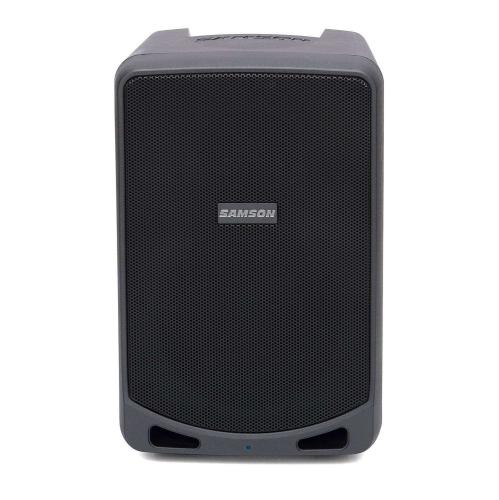
Top Collections:
Pokemon Centers, Kindle Devices, Best Budget Office Chairs, Canon G7X Cameras, Apple iPhones 16, Samsung Galaxy Phones, Refurbished Apple Laptops, Laptops for Students, iPhone 15 Apple, Budget Smartphones
Some products may be subject to Environmental Handling Fees
(EHF) depending on your province.
Learn more about EHFs.