Drumming Accessories
Enhance your drumming experience with a wide range of top-notch drumming accessories. From drumsticks to pedals, cymbals to drum heads, we have everything you need to take your beats to the next level. Whether you're a professional drummer or just starting out, this carefully curated collection of drumming accessories will help you achieve the perfect sound and feel.
Sort

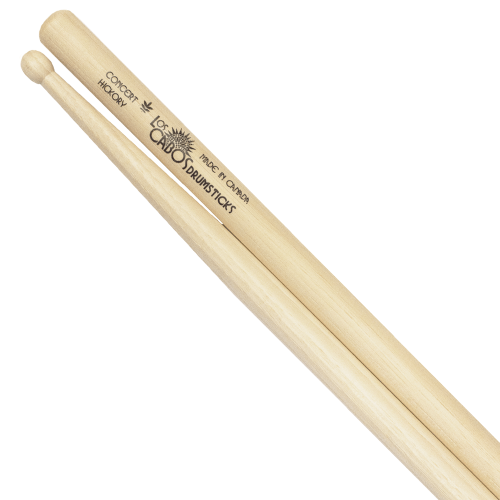
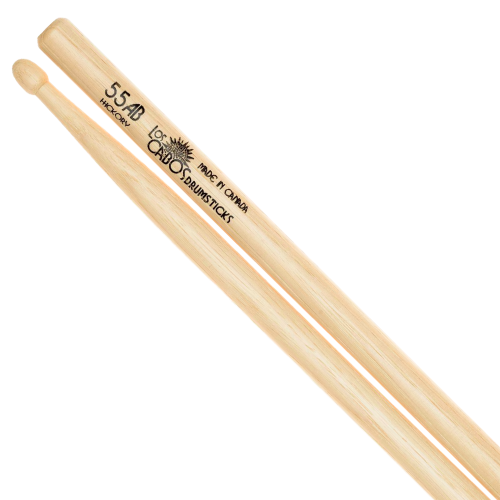
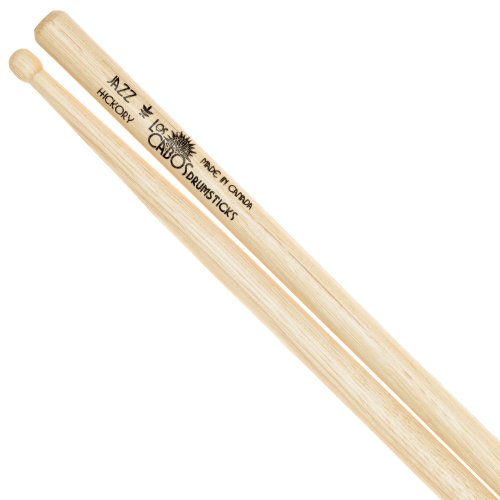
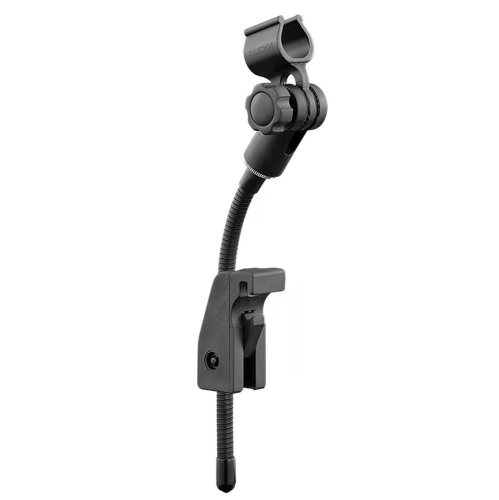

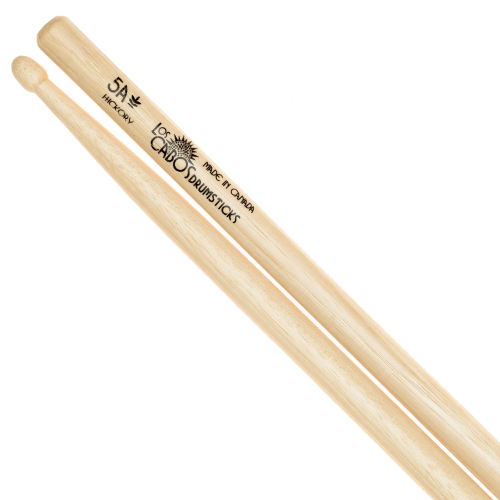
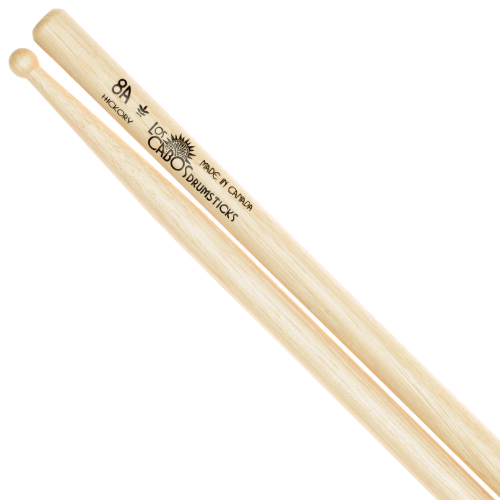
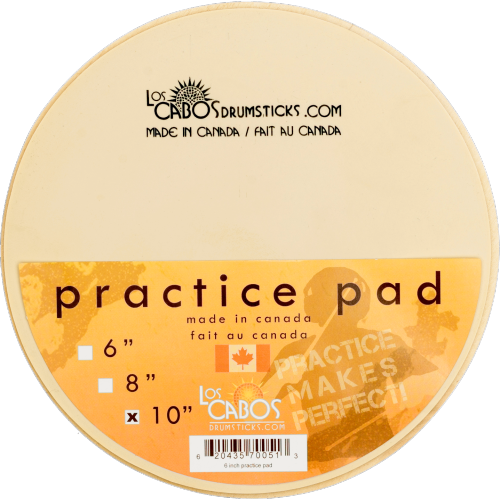
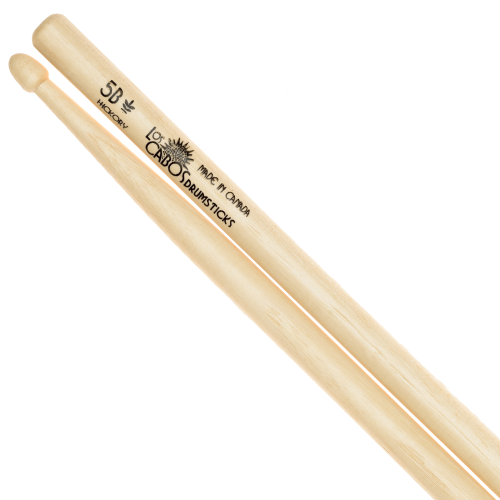
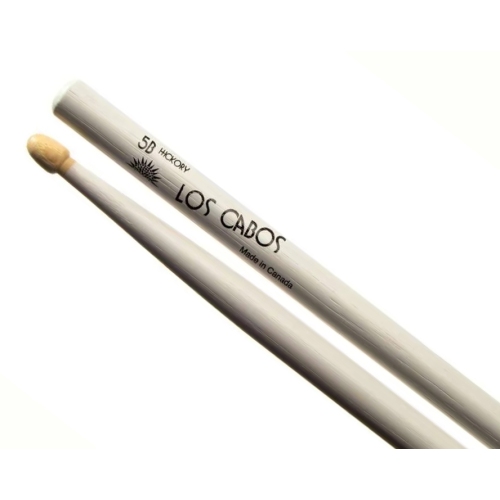
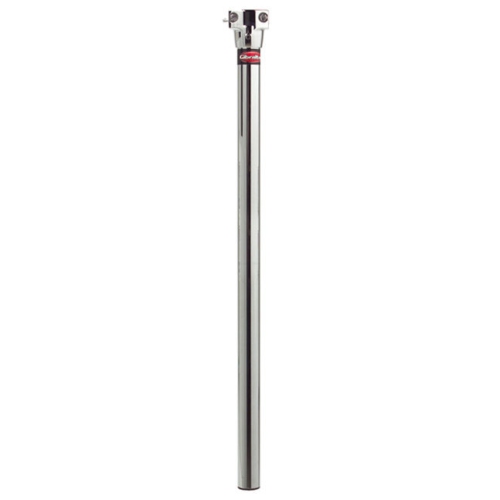
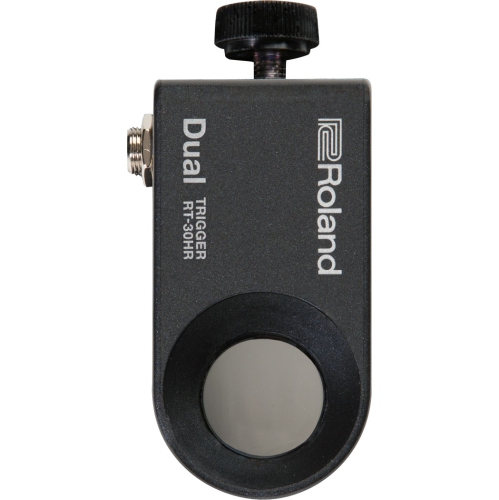
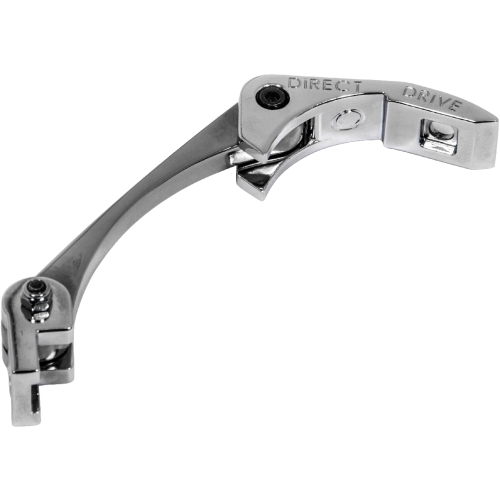
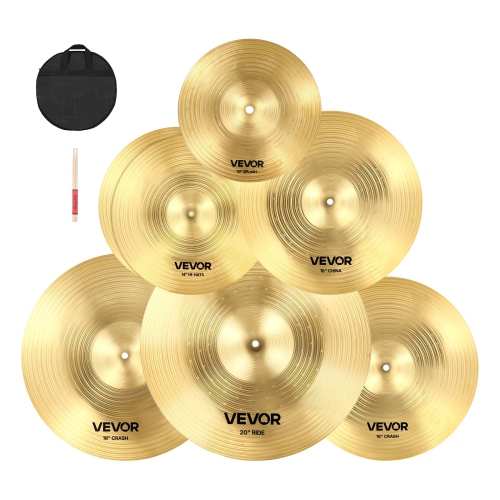
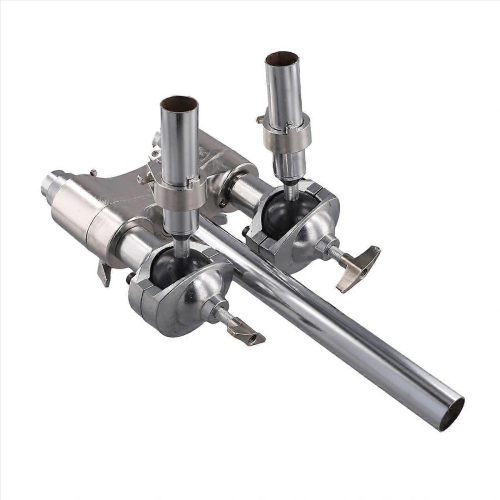
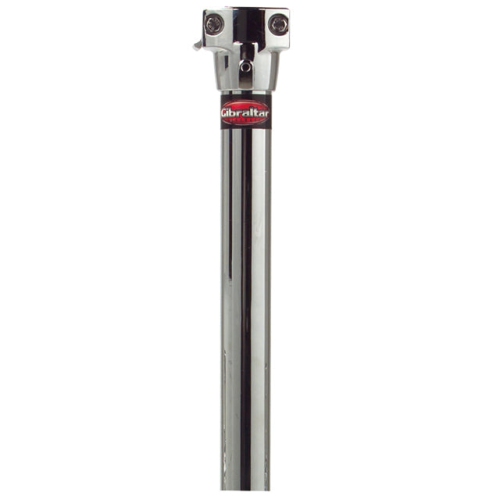
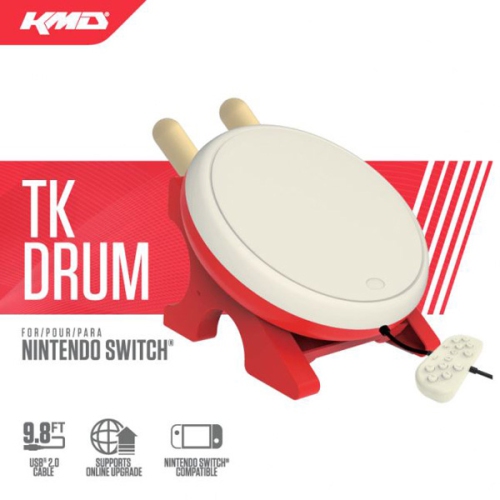
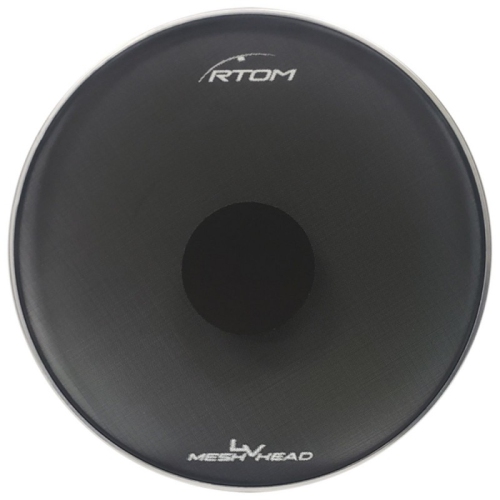
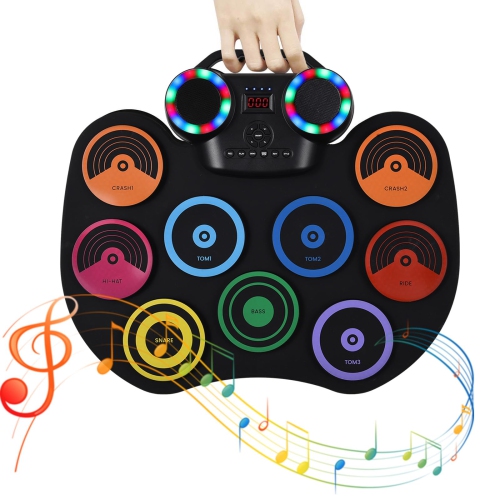
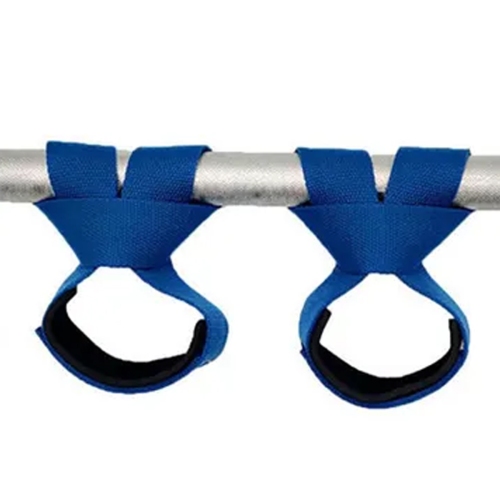

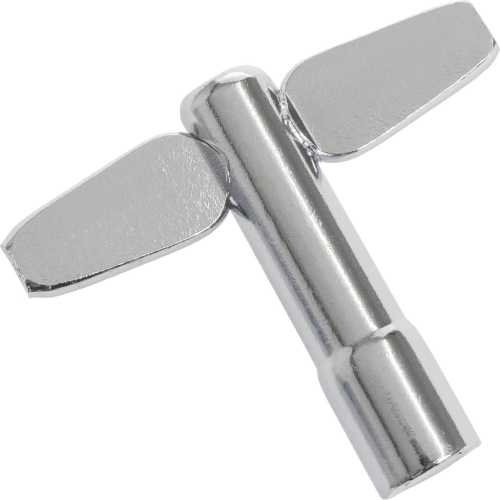
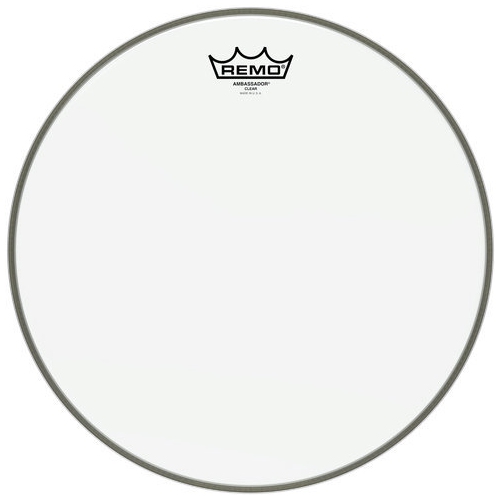
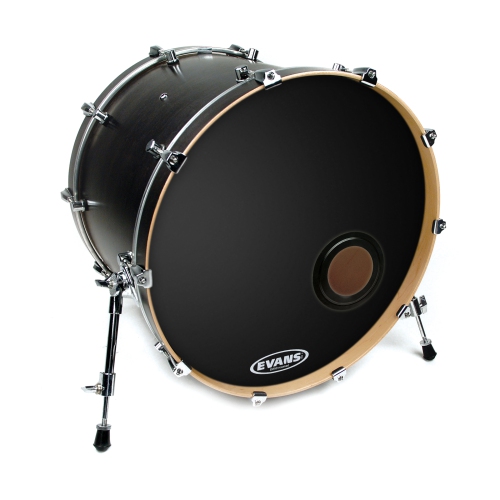
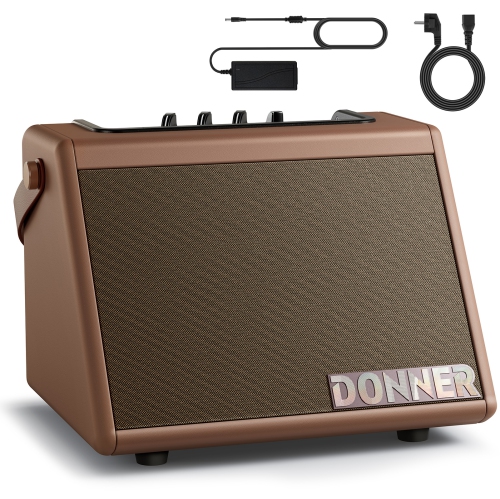
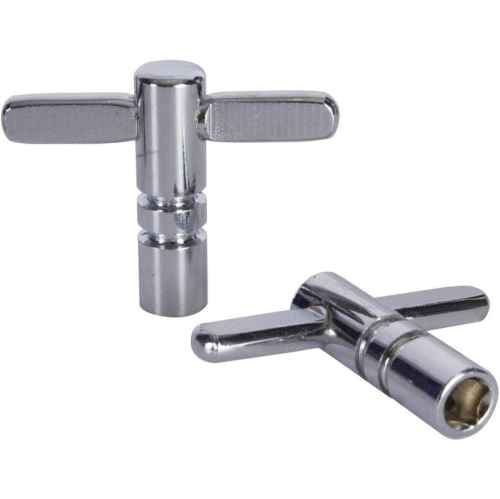
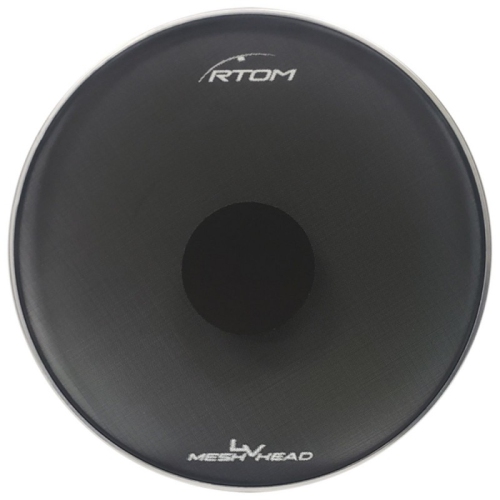
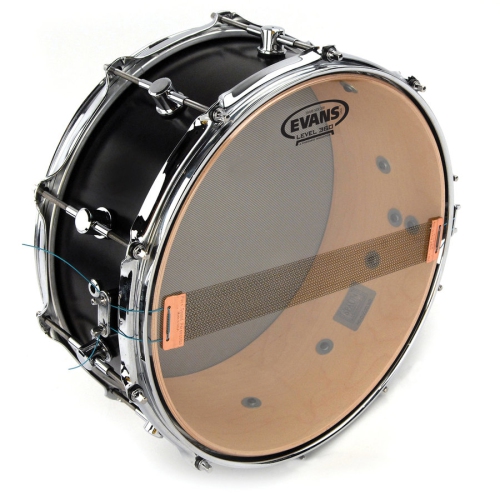
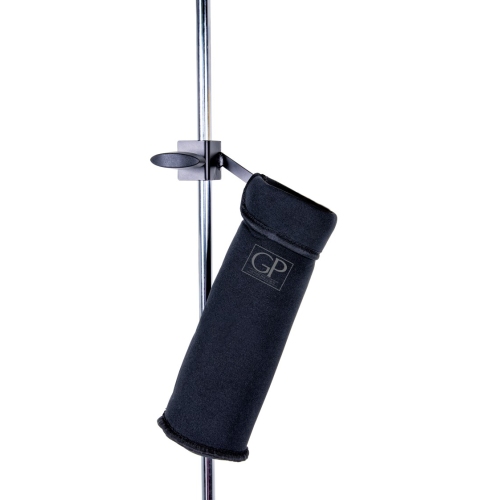
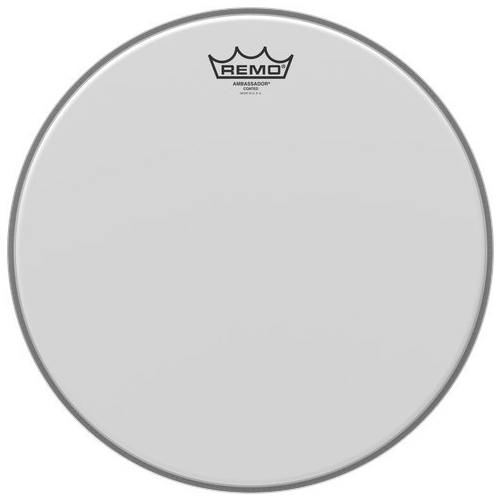

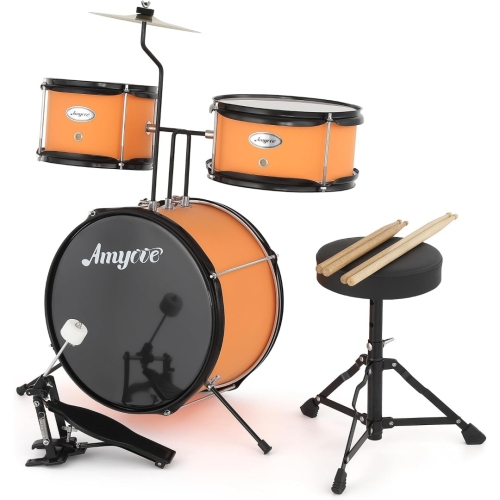

Practical tools for tuning, sound control, comfort, and transport
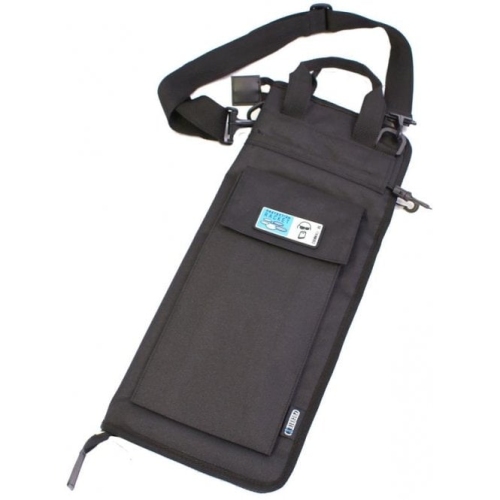
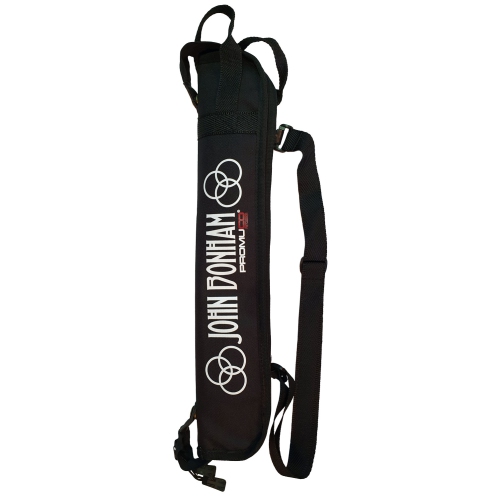
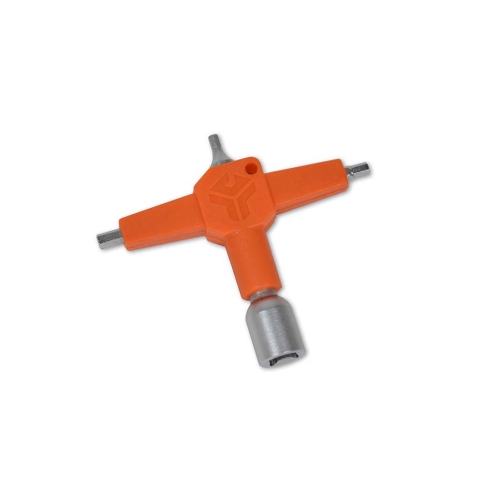
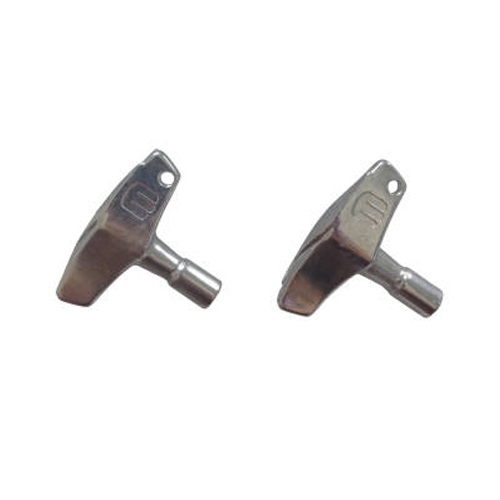
Drumming accessories help players get more from their kit, whether they are learning their first basic beats, preparing for rehearsals, or setting up for regular performances. The right additions can make playing more comfortable, improve consistency, protect equipment, and simplify the small jobs that come with setting up and packing down. Drum keys are among the most useful items to keep close at hand, since they are used to adjust tension rods, change drumheads, and make quick tuning changes before a practice session or performance. More precise tuning tools can help players measure head tension across a drum, which is especially useful when they are trying to create an even pitch around the head rather than relying only on ear and feel. A small supply of maintenance accessories can also make a noticeable difference: suitable lubricant helps tension rods turn smoothly, while a soft cleaning cloth and a product intended for drum hardware can help remove fingerprints and keep fittings looking their best. These practical tools are easy to overlook when building a kit, yet they are often the accessories players reach for most often. They can also make thoughtful gifts for a drummer who already owns the essentials, particularly when chosen to complement the way that person plays. A beginner may appreciate a straightforward drum key and stick holder, while a more experienced player may value a tuning aid, compact hardware tool, or replacement accessory that can live in a gig bag. As the weather warms and practice moves between bedrooms, garages, studios, and outdoor spaces, portable organization becomes even more useful. A dedicated stick bag keeps spare sticks, brushes, mallets, and small tools together, reducing the familiar scramble through a backpack when a tip breaks or a different sound is needed. For drummers who also play other instruments, related equipment such as Electric Bass Accessories can help keep a broader music setup organized without mixing delicate gear together.
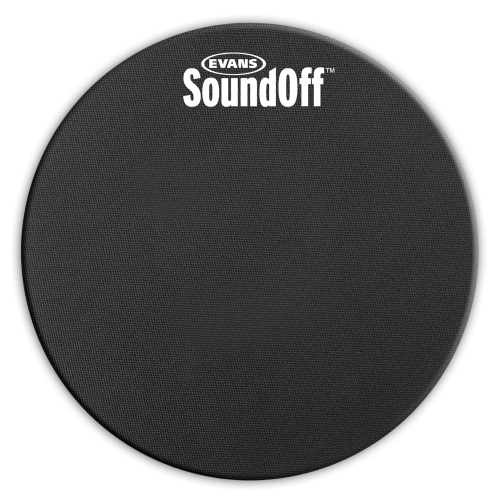
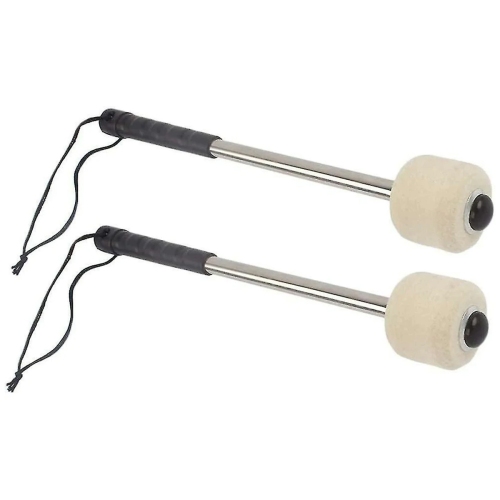
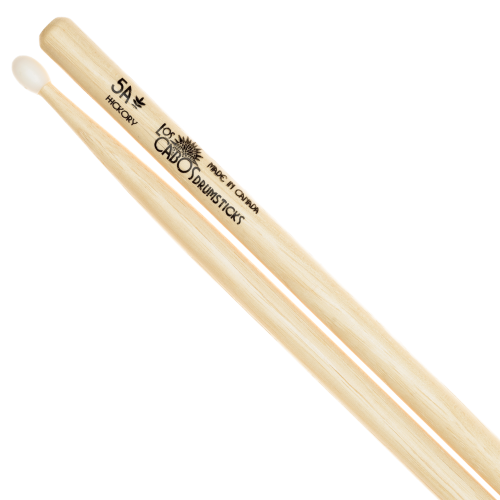
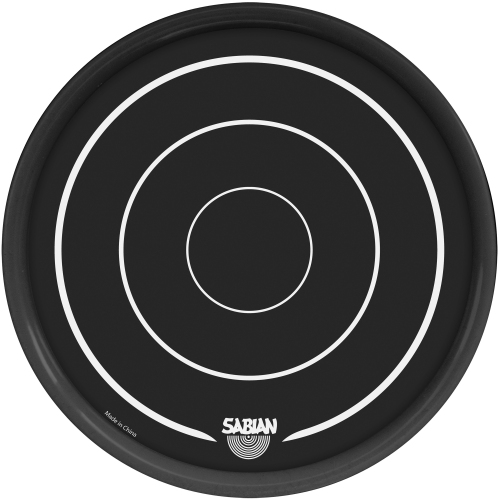
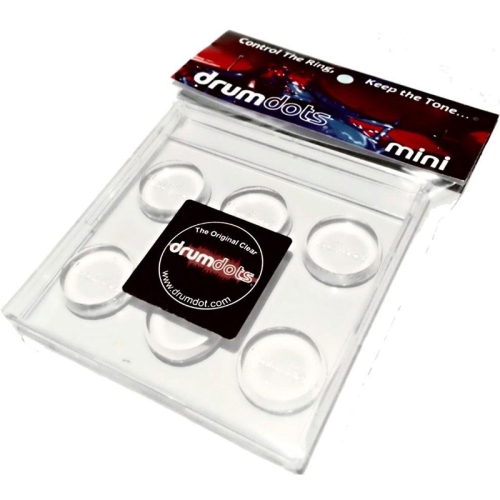
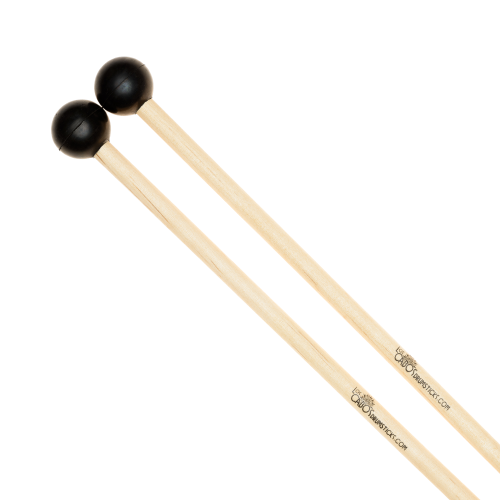
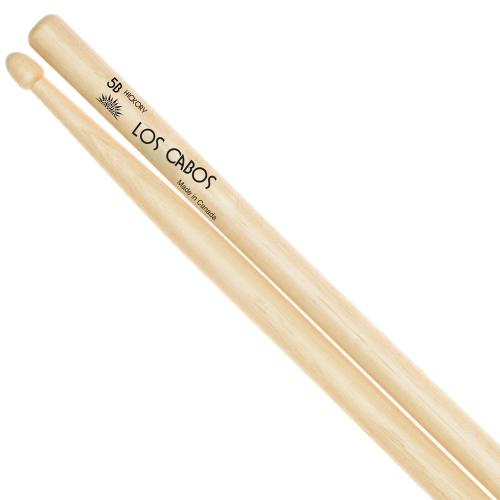
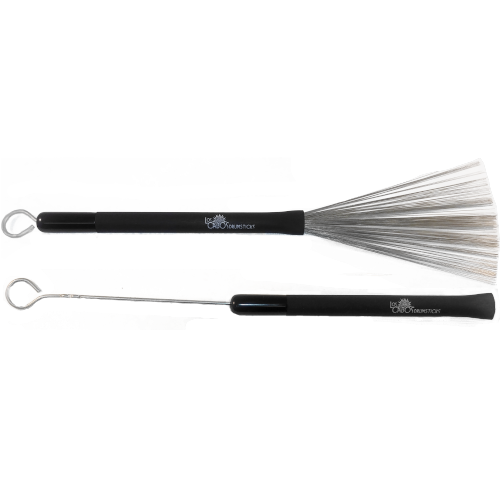
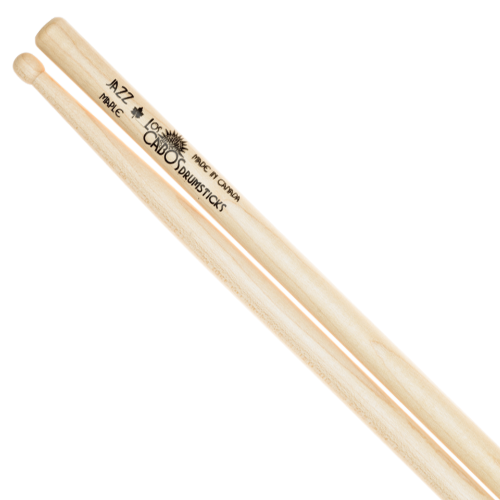
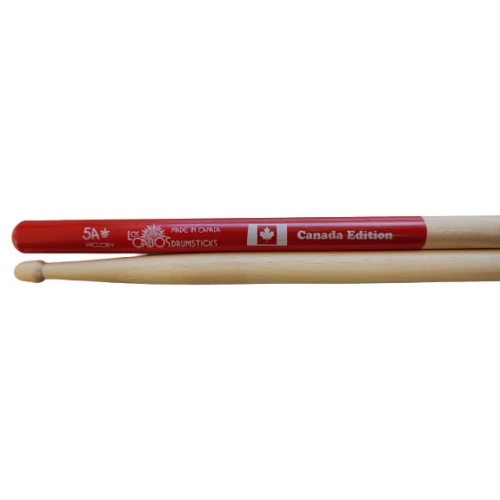
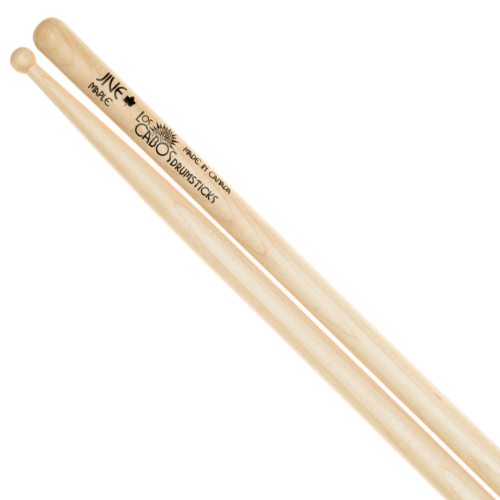
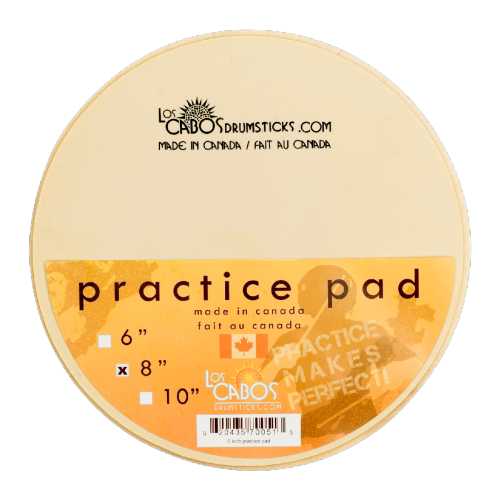
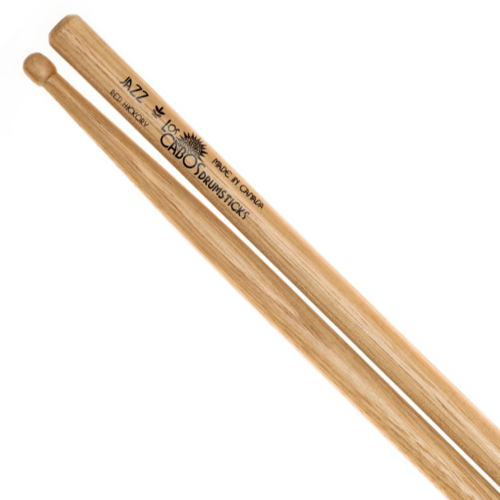
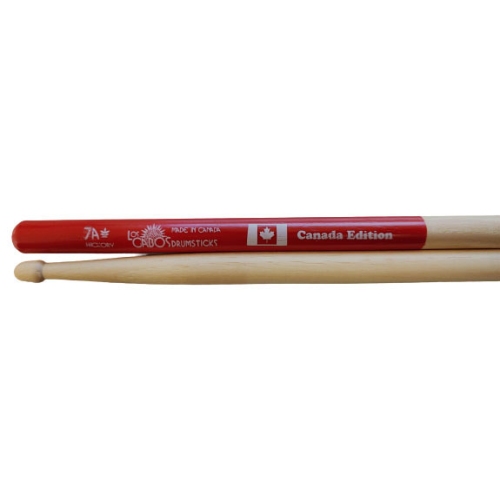
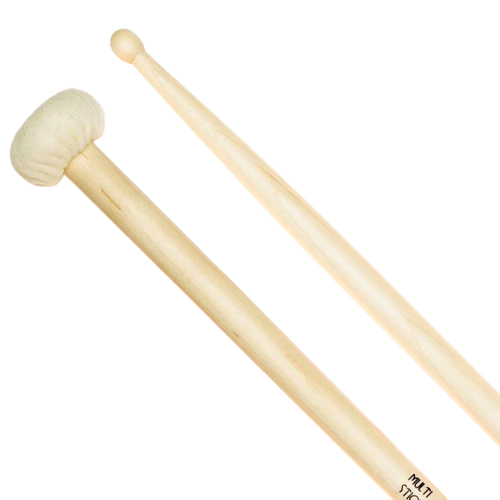
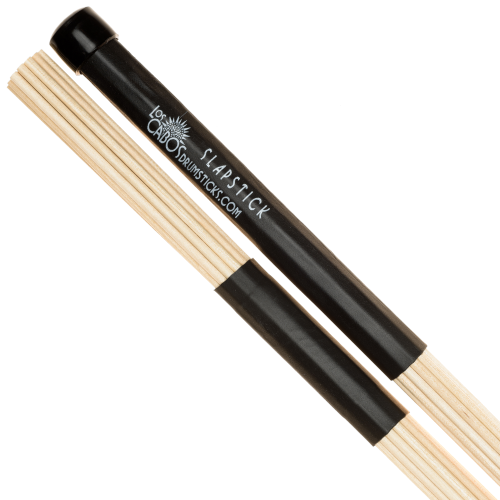
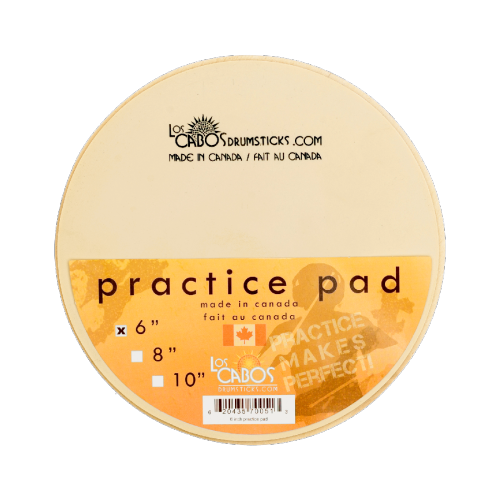
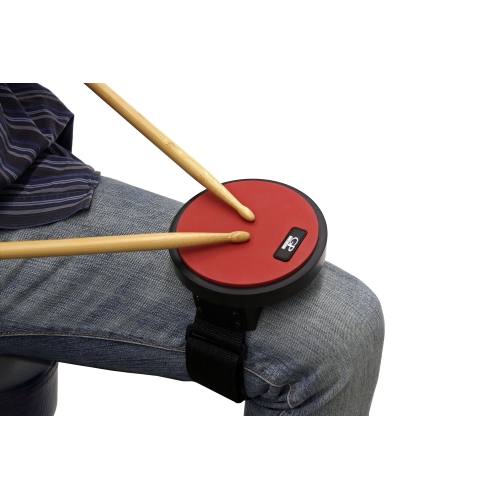
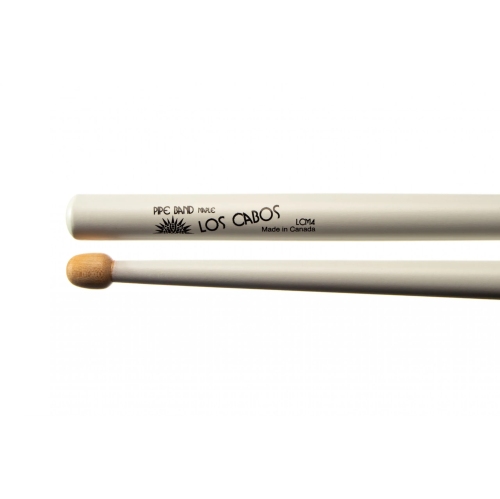
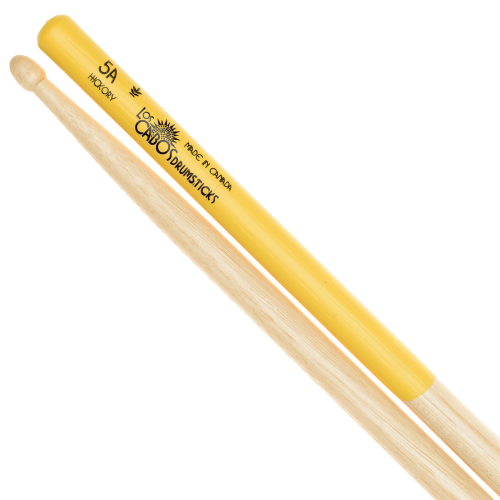
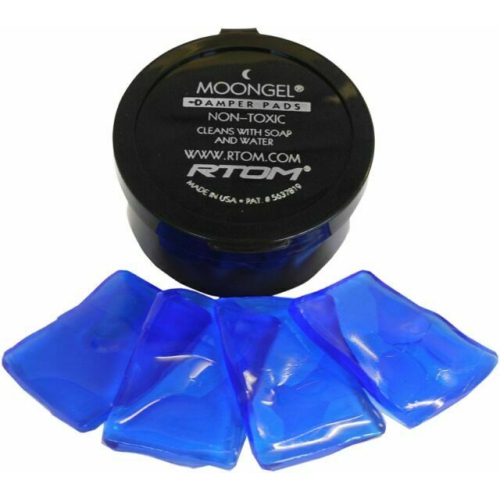
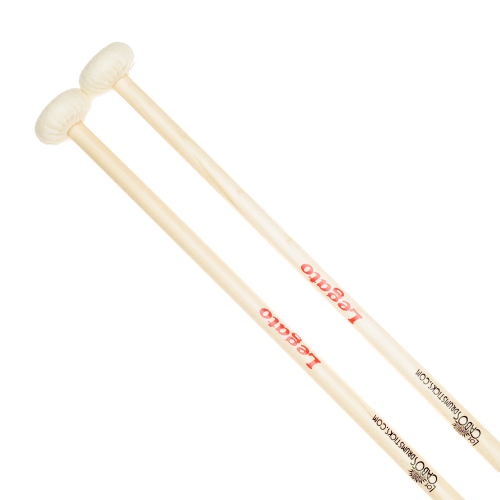
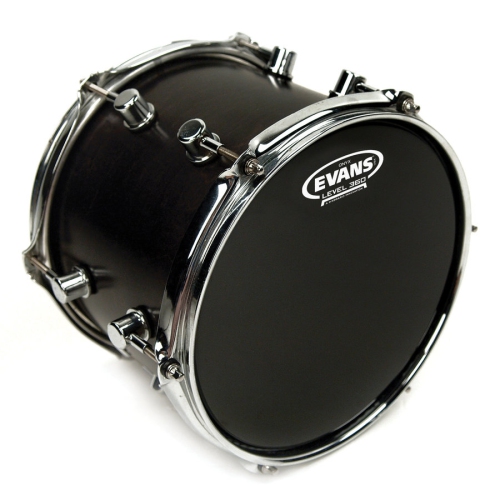
Sound control is another important part of choosing drumming accessories. Every room responds differently to a drum kit: a carpeted basement may soften the attack, while a hard-floored rehearsal room can make cymbals and toms sound brighter and more forceful. Dampening accessories let players shape that response without permanently changing the drum. Gel pads can be placed on a drumhead to reduce unwanted ringing and shorten the sustain, making them useful when a sound needs to sit neatly in a recording or when a room has a lively echo. Overtone-control rings provide a broader, more consistent reduction around the edge of the head, which can be helpful for players who prefer a focused sound with less lingering resonance. Removable tape designed for music or stage use offers another flexible option for quick adjustments, although it is wise to test placement carefully and remove it after playing so the finish and drumhead remain in good condition. These tools are not only for studios. A drummer playing in a shared home may use light dampening to keep practice from becoming overwhelming, while a live player may adjust the amount of control to suit a small venue, worship space, theatre, or rehearsal room. Practice pads are also valuable for building timing, hand control, and endurance with less volume than a full kit. Pairing a pad with comfortable sticks can create a convenient routine for a desk, living room, or quiet corner during the cooler months, when indoor practice is often more appealing. Stick selection matters: lighter sticks can feel quick and responsive, heavier models can provide a stronger sense of impact, and brushes or mallets open up softer textures for jazz, acoustic music, and experimental playing. Players should consider grip, balance, tip shape, and the type of music they enjoy rather than choosing only by appearance. A young musician receiving a practice pad, a pair of appropriately sized sticks, and a simple storage bag may be able to practise more consistently, while an experienced drummer may enjoy experimenting with alternate tools that bring out new tones from familiar drums.
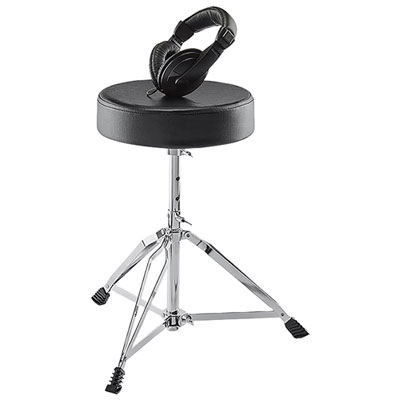
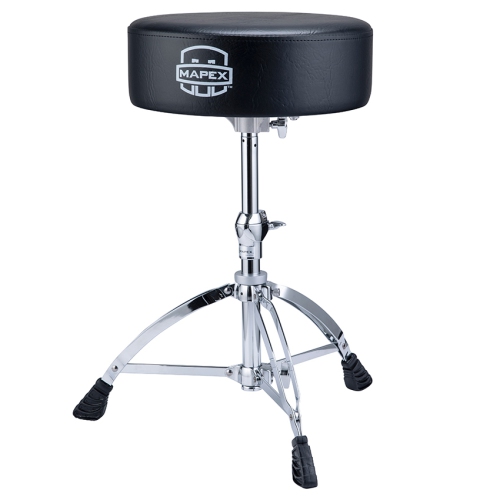
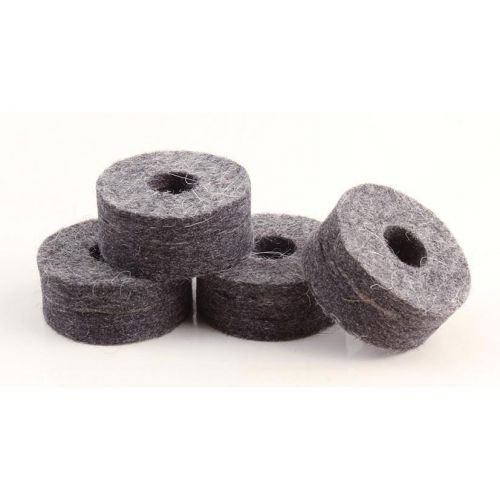
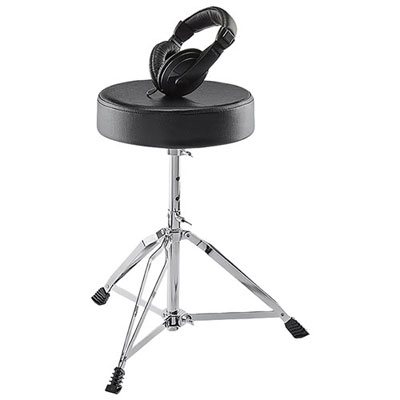
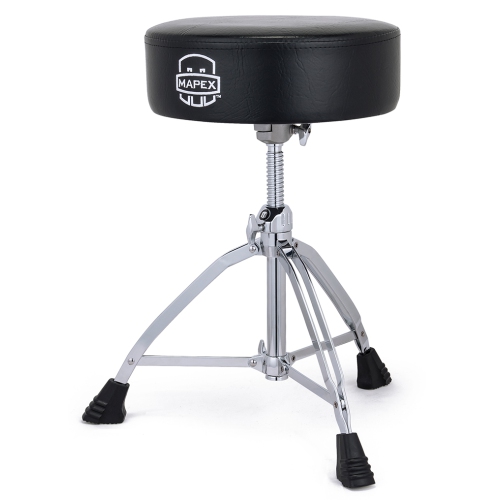
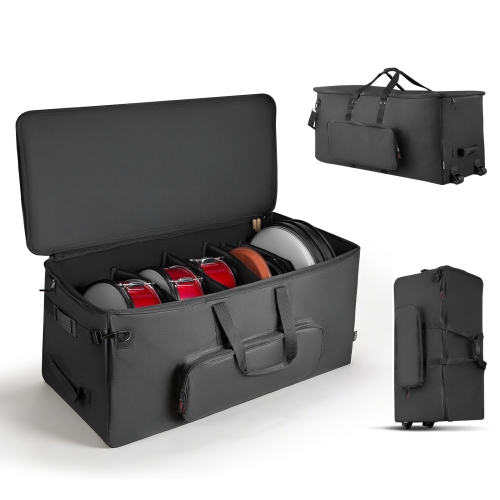
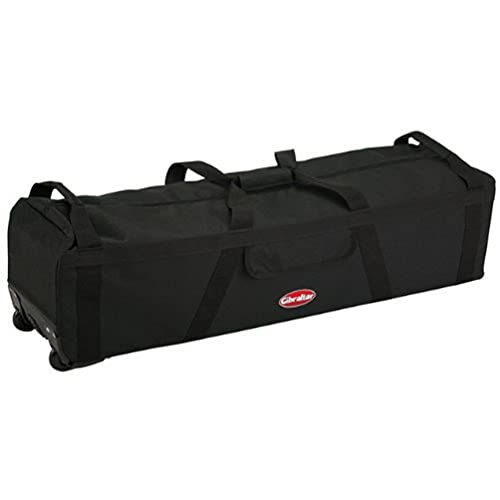
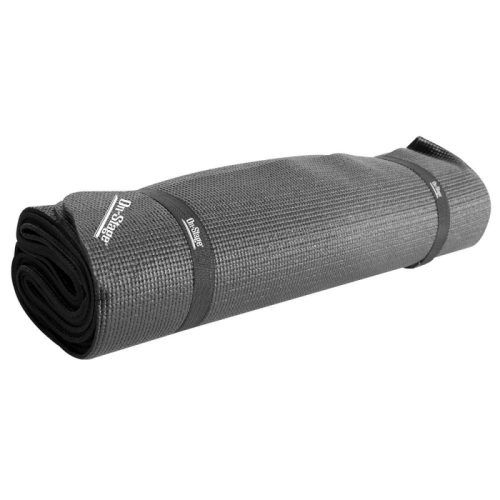
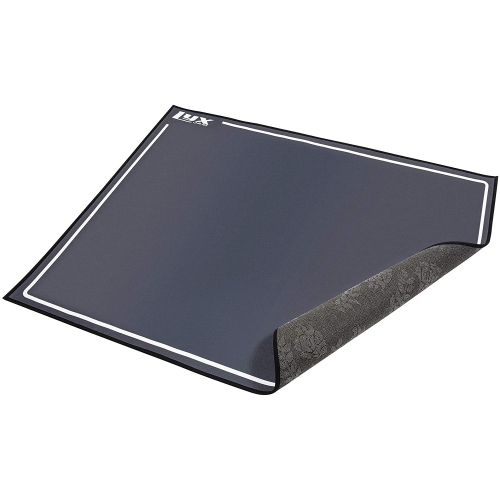
Comfort, stability, transport, and hearing protection are just as important as sound. A properly supported throne helps a drummer maintain a balanced posture while reaching the pedals and cymbals, and height adjustment is essential because the ideal position varies with the player’s height, leg length, and setup. A stable drum mat or rug keeps the bass drum and stands from creeping forward during energetic playing, especially on smooth floors. This small movement can gradually change a kit’s layout, forcing the drummer to stretch or reset between songs, so a non-slip base can make a rehearsal feel more natural. Transport bags and cases protect drums, stands, cymbals, and smaller hardware from knocks when moving between home, lessons, rehearsals, and venues. Look for secure closures, practical handles, padding suited to the type of equipment, and dimensions that allow the contents to fit without excessive movement. Quick-release hardware accessories can shorten setup time, while spare felts, washers, sleeves, and clutch components are useful backups when a small part goes missing before a performance. Ear protection deserves equal attention. Drums and cymbals can produce intense sound levels, and musicians should choose hearing protection that reduces volume while allowing enough clarity to follow the music and communicate with other players. A well-organized accessory collection does not need to be complicated; it should reflect the drummer’s routine, available storage, playing environment, and goals. Beginners benefit from simple, durable tools that remove frustration from practice, while seasoned players may prefer specialized tuning, dampening, and transport solutions that refine a familiar setup. During the cooler months and throughout changing rehearsal schedules, accessories that improve comfort and organization can help make regular playing easier to maintain, whether the kit is used for private practice, lessons, recording, community performances, or time spent making music with friends.
Sound control is another important part of choosing drumming accessories. Every room responds differently to a drum kit: a carpeted basement may soften the attack, while a hard-floored rehearsal room can make cymbals and toms sound brighter and more forceful. Dampening accessories let players shape that response without permanently changing the drum. Gel pads can be placed on a drumhead to reduce unwanted ringing and shorten the sustain, making them useful when a sound needs to sit neatly in a recording or when a room has a lively echo. Overtone-control rings provide a broader, more consistent reduction around the edge of the head, which can be helpful for players who prefer a focused sound with less lingering resonance. Removable tape designed for music or stage use offers another flexible option for quick adjustments, although it is wise to test placement carefully and remove it after playing so the finish and drumhead remain in good condition. These tools are not only for studios. A drummer playing in a shared home may use light dampening to keep practice from becoming overwhelming, while a live player may adjust the amount of control to suit a small venue, worship space, theatre, or rehearsal room. Practice pads are also valuable for building timing, hand control, and endurance with less volume than a full kit. Pairing a pad with comfortable sticks can create a convenient routine for a desk, living room, or quiet corner during the cooler months, when indoor practice is often more appealing. Stick selection matters: lighter sticks can feel quick and responsive, heavier models can provide a stronger sense of impact, and brushes or mallets open up softer textures for jazz, acoustic music, and experimental playing. Players should consider grip, balance, tip shape, and the type of music they enjoy rather than choosing only by appearance. A young musician receiving a practice pad, a pair of appropriately sized sticks, and a simple storage bag may be able to practise more consistently, while an experienced drummer may enjoy experimenting with alternate tools that bring out new tones from familiar drums.
Comfort, stability, transport, and hearing protection are just as important as sound. A properly supported throne helps a drummer maintain a balanced posture while reaching the pedals and cymbals, and height adjustment is essential because the ideal position varies with the player’s height, leg length, and setup. A stable drum mat or rug keeps the bass drum and stands from creeping forward during energetic playing, especially on smooth floors. This small movement can gradually change a kit’s layout, forcing the drummer to stretch or reset between songs, so a non-slip base can make a rehearsal feel more natural. Transport bags and cases protect drums, stands, cymbals, and smaller hardware from knocks when moving between home, lessons, rehearsals, and venues. Look for secure closures, practical handles, padding suited to the type of equipment, and dimensions that allow the contents to fit without excessive movement. Quick-release hardware accessories can shorten setup time, while spare felts, washers, sleeves, and clutch components are useful backups when a small part goes missing before a performance. Ear protection deserves equal attention. Drums and cymbals can produce intense sound levels, and musicians should choose hearing protection that reduces volume while allowing enough clarity to follow the music and communicate with other players. A well-organized accessory collection does not need to be complicated; it should reflect the drummer’s routine, available storage, playing environment, and goals. Beginners benefit from simple, durable tools that remove frustration from practice, while seasoned players may prefer specialized tuning, dampening, and transport solutions that refine a familiar setup. During the cooler months and throughout changing rehearsal schedules, accessories that improve comfort and organization can help make regular playing easier to maintain, whether the kit is used for private practice, lessons, recording, community performances, or time spent making music with friends.
Top selling and popular products
-
 Your price for this item is $97.99
 -
 Your price for this item is $78.99
 -
 Your price for this item is $59.99
 -
 Your price for this item is $32.99
 -
 Your price for this item is $129
 -
 Your price for this item is $719
 -
 Your price for this item is $1091.35
 -
 Your price for this item is $759
Discover more categories related to Drumming Accessories
Top Collections:
Pokemon Centers, Best Cameras for Sports Photography, Kindle Devices, Samsung Galaxy Phones, Canon G7X Cameras, Pokémon 30th Celebration Cards, Refurbished Apple Laptops, iPhone 15 Apple, Laptops for Students, Budget Smartphones
Some products may be subject to Environmental Handling Fees
(EHF) depending on your province.
Learn more about EHFs.