Fender Guitar Amp
Elevate your musical experience with a high-quality guitar amp that brings your sound to life. Whether you're practicing in your bedroom, jamming with friends, or performing on stage, a reliable amplifier is essential for delivering the rich, dynamic tones that define your style. Discover the perfect blend of power and precision designed to enhance every note and chord. With versatile features and robust construction, these amps are ideal for both beginners and seasoned musicians looking to amplify their creativity. Explore options that offer exceptional sound clarity and customizable settings, ensuring your music is heard just the way you intended.
Sort
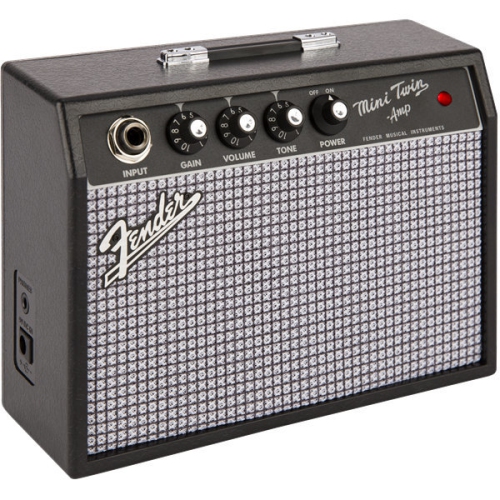
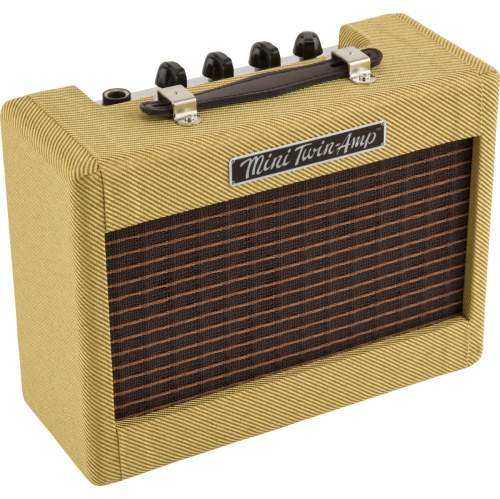
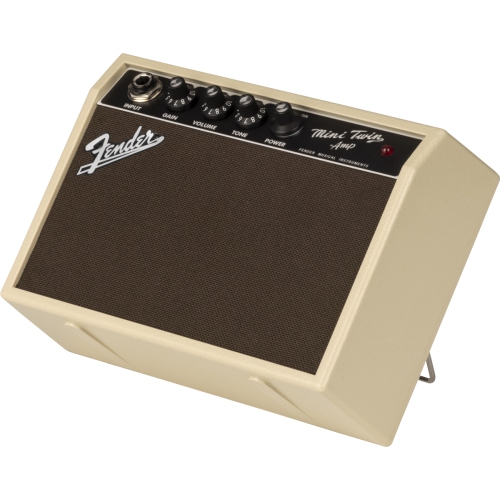
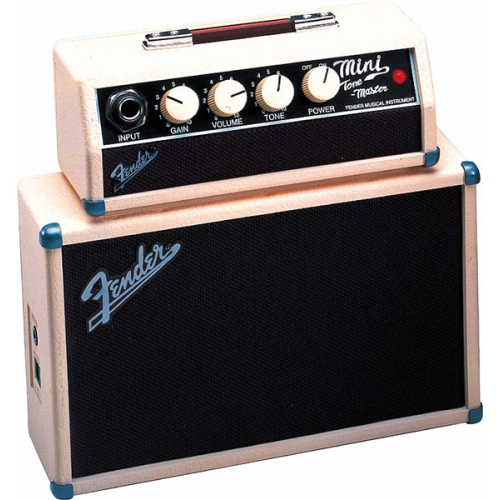

How your amp shapes tone beyond volume
Guitar amps shape far more than volume: they influence how a chord rings out, how a picked note responds, and how much grit comes through when a player digs into the strings. For electric guitarists, the amplifier is part of the instrument’s voice, whether the goal is a bright, clear rhythm sound, warm blues phrasing, or a crunchy rock riff. Guitar amplifiers range from compact practice combos to larger models suited to rehearsals, recording sessions, and live performances. A combo places the amplifier and speaker in one cabinet, making it a convenient choice for players who want a straightforward setup with fewer separate pieces to carry. An amplifier head needs a compatible speaker cabinet, offering more flexibility but adding equipment and connection requirements. Within those formats, solid-state, digital modelling, and tube designs offer different strengths. Solid-state amps are often relatively lightweight and low-maintenance, with clear sound available at comfortable listening levels. Digital modelling amps can provide several amplifier voicings and built-in effects in a single unit, letting players move between clean chords, overdriven leads, and spacious ambient textures without assembling a large pedalboard. Tube amps appeal to players who value the way certain circuits respond to picking strength and guitar volume adjustments, moving from clarity towards breakup as they are pushed. That character depends on the design and settings, and some tube amps need more volume than a shared living space comfortably allows to reach their characteristic overdrive. Clean headroom—the volume available before noticeable distortion—is another useful distinction. A player using crisp chord voicings or pedals may want ample headroom, while someone chasing a rougher blues sound may prefer an amp that breaks up earlier. Neither approach is inherently better; the right fit is the one that makes the player’s usual music feel natural beneath their fingers. Even a familiar guitar can feel different through an amplifier that responds well to a light touch, a firm strum, or a sustained bend.
For home use, a guitar practice amp earns its place by sounding satisfying at the volume people actually use, not simply by getting loud. A small combo beside a favourite chair can make a few minutes of playing easy to fit into an evening, especially during the cooler months when more leisure time moves indoors. Power ratings help describe an amp, but watts alone do not tell the whole story: speaker efficiency, cabinet design, circuit type, and the amount of clean volume required all affect its usefulness. Doubling wattage does not double perceived loudness, and a modestly rated tube amp can still be surprisingly loud in a bedroom. For quiet practice, a responsive master volume, selectable power settings, or a suitable headphone output may matter more than maximum output. Speaker size also affects the experience. Smaller speakers can keep a practice setup compact and focused, while a 10-inch or 12-inch speaker may offer a fuller presentation, depending on the cabinet and overall design. Neither size guarantees better sound at low volume. Controls deserve equal attention: simple bass and treble adjustments can be enough for a beginner, while separate gain, midrange, and channel controls give experienced players more ways to shape the sound. Built-in reverb adds a sense of space, and delay, modulation, or other onboard effects can make practising more engaging without extra cables and power supplies. An auxiliary input or Bluetooth audio playback, where available, can support playing along with songs, although playback support does not necessarily mean the guitar itself connects wirelessly. For recording, USB audio or a speaker-emulated output can simplify capturing ideas, but connections and compatibility vary by model. A tuner within easy reach, clearly labelled controls, and presets that are simple to save can be small advantages that become important through everyday use. The most useful features are often the ones that remove a little friction between picking up the guitar and playing the first chord.
Rehearsals and performances bring different priorities, particularly once a drummer and other amplified instruments enter the room. An amp needs enough usable volume and clarity for the setting, though a larger power rating is not always necessary when a venue can put a microphone in front of the speaker or accept a suitable direct output. Players who carry their own equipment will notice cabinet weight, handle placement, and overall dimensions long before the first song begins. A manageable combo can be appealing for lessons and regular rehearsals, while a larger setup may suit someone who needs broader stage coverage or more clean headroom. Pedal users may value an effects loop for placing certain effects after the amp’s preamp stage, along with a clean channel that leaves room for their preferred overdrive and distortion pedals. Footswitch support can make changing channels or effects easier during a performance, but the compatible switch may be sold separately. Tube ownership also involves occasional maintenance and proper ventilation, considerations worth balancing against the sound and feel a player enjoys. As a gift, an amplifier can be meaningful for a new guitarist taking lessons, a returning player rebuilding a home setup, or an experienced musician wanting a smaller practice option. Matching the recipient’s instrument and routine is more useful than choosing the biggest cabinet: an electric guitar amp, an acoustic guitar amp, and a bass amp serve different purposes and are not interchangeable simply because their inputs look similar. If the gift is for someone exploring Fender Bass Guitars, a dedicated bass amplifier is the appropriate match for the instrument’s low-frequency demands. For an electric guitarist, practical finishing touches include the correct instrument cable, a stable place for the amp, and headphones compatible with its output when private listening matters. With the right balance of tone, volume control, portability, and connections, a guitar amplifier becomes a familiar part of everyday playing—from quietly working through a difficult chord change to hearing a favourite riff fill the rehearsal room.
Top selling and popular products
-
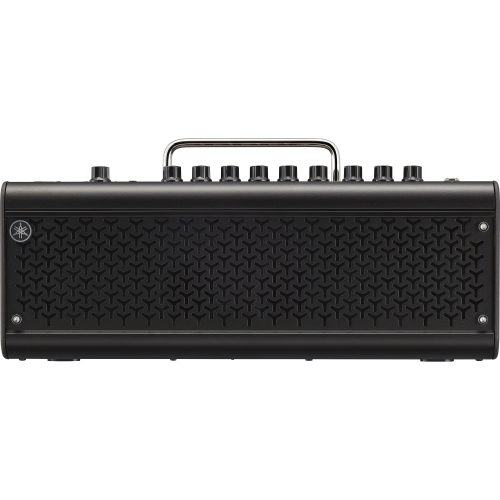 Your price for this item is $599.99
-
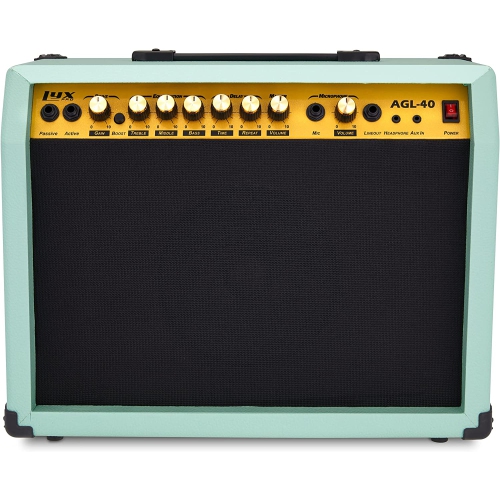 Your price for this item is $159.99
-
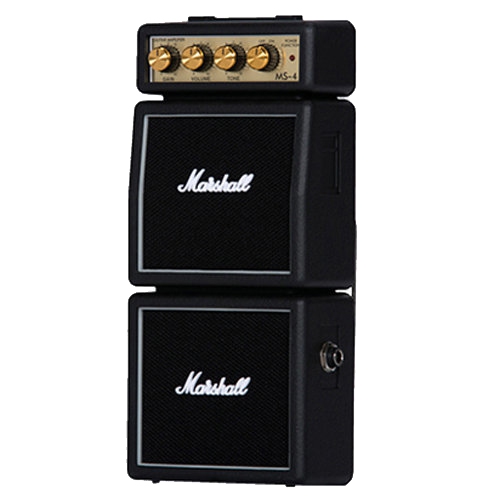 Your price for this item is $99.99
-
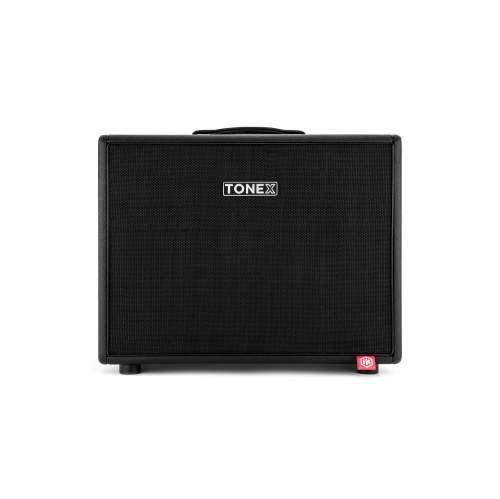 Your price for this item is $1119
-
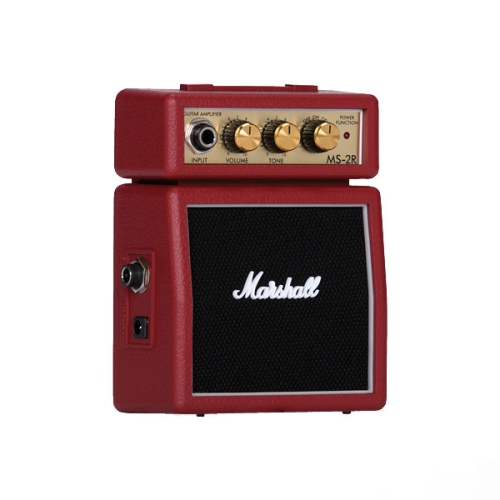 Your price for this item is $79.99
-
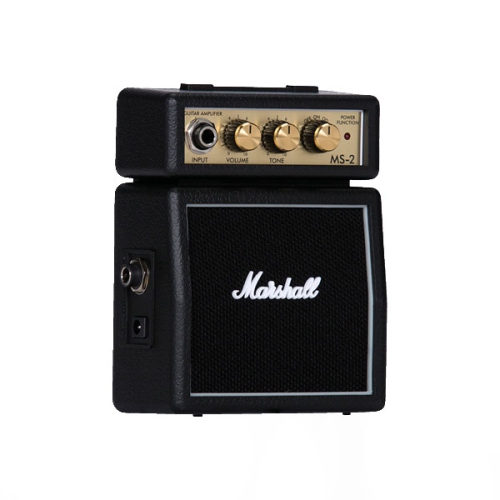 Your price for this item is $79.99
-
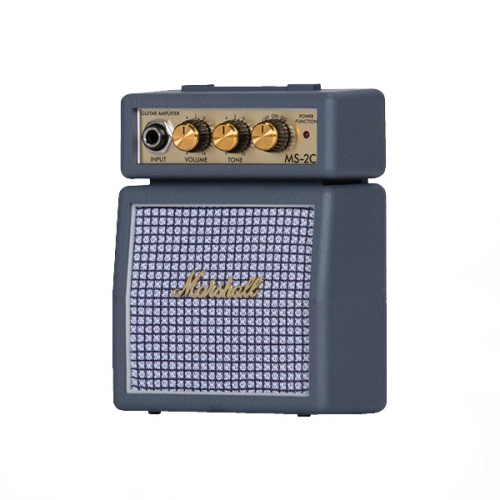 Your price for this item is $79.99
-
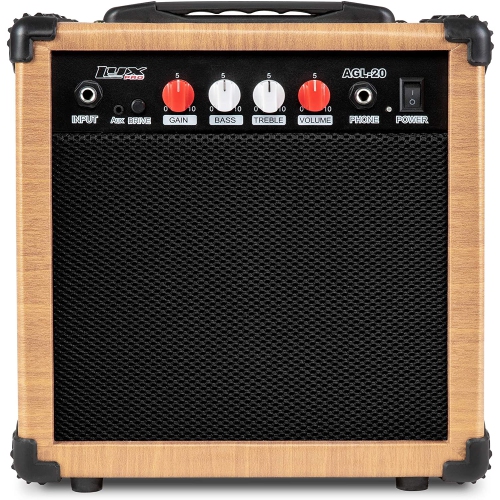 Your price for this item is $159.99
Discover more categories related to Fender Guitar Amp
Top Collections:
Pokemon Centers, Best Cameras for Sports Photography, Kindle Devices, Samsung Galaxy Phones, Canon G7X Cameras, Pokémon 30th Celebration Cards, Refurbished Apple Laptops, iPhone 15 Apple, Laptops for Students, Budget Smartphones
Some products may be subject to Environmental Handling Fees
(EHF) depending on your province.
Learn more about EHFs.