Gifts for Piano Teachers
Finding the perfect gift for piano teachers can be a delightful task, as you have the opportunity to show appreciation for their dedication and passion. Whether they are guiding aspiring pianists or sharing their expertise in music theory, our collection of gifts is designed to celebrate their love for all things piano-related. From practical accessories to inspirational decor, this curated selection offers a range of options that will surely bring joy to the piano teacher in your life. Discover unique and thoughtful gifts that will leave a lasting impression, making them feel valued and inspired in their musical journey.
Sort

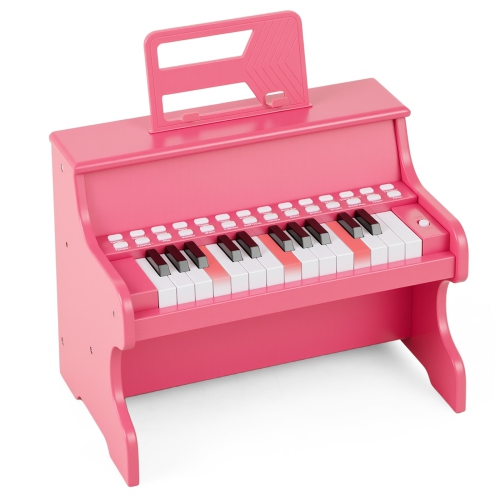
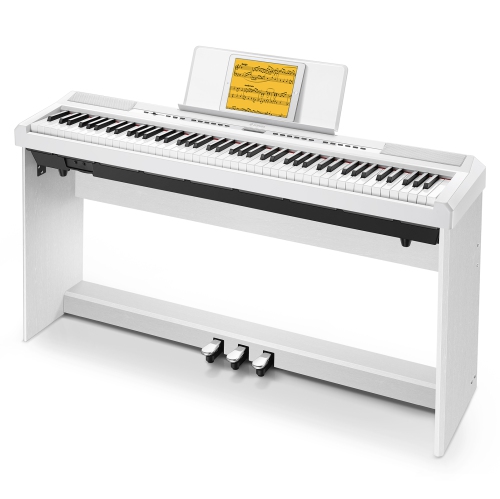
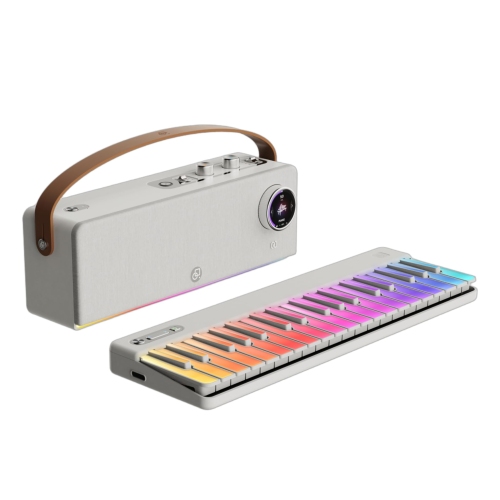
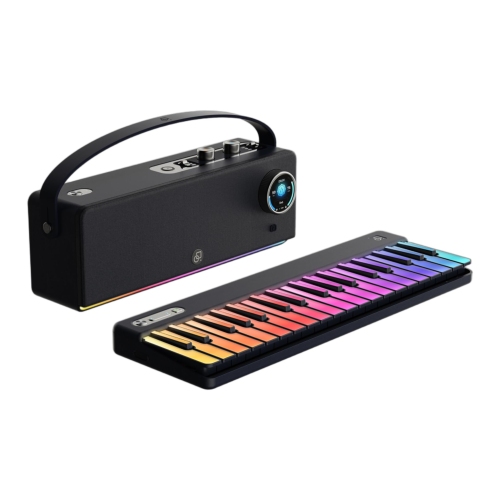
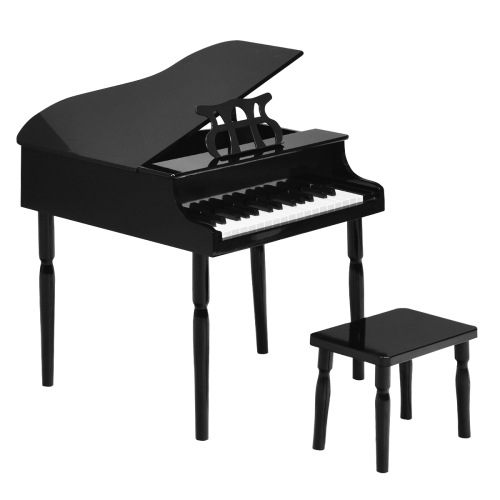


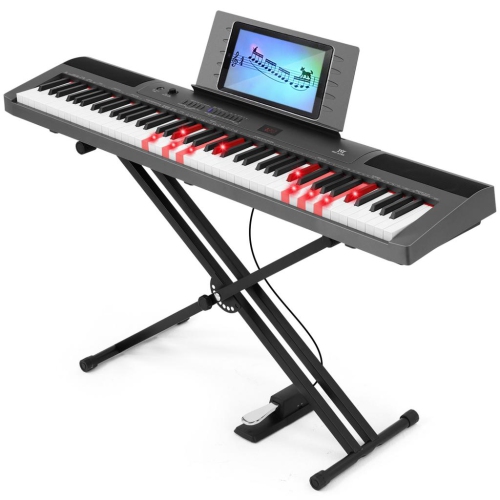
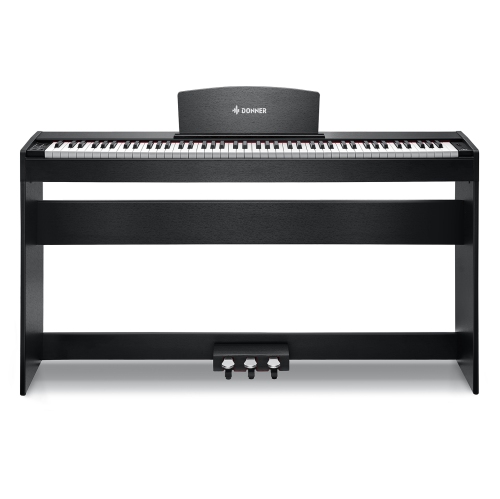
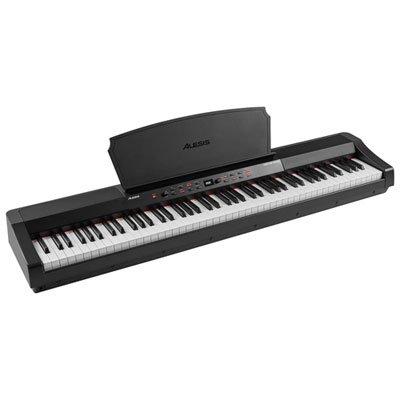

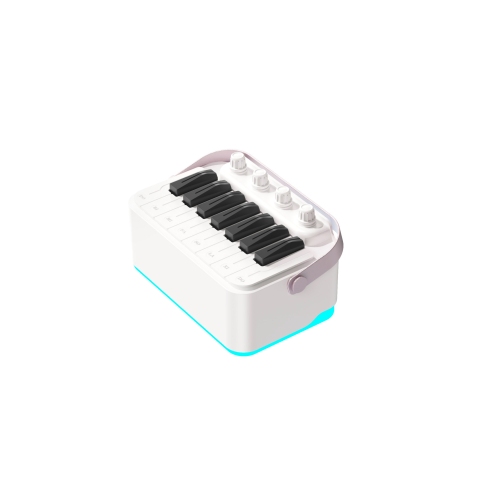
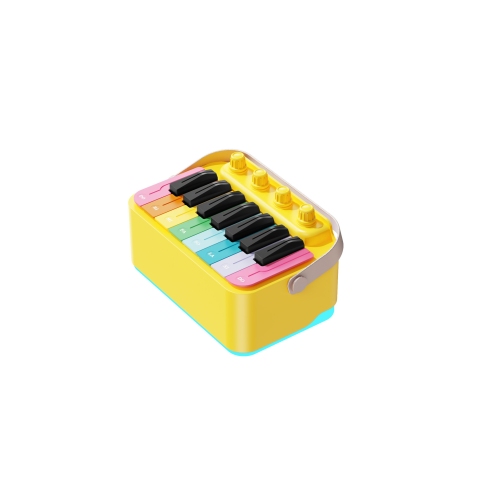
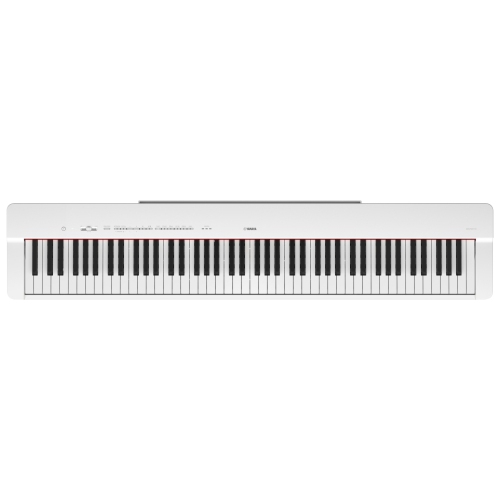
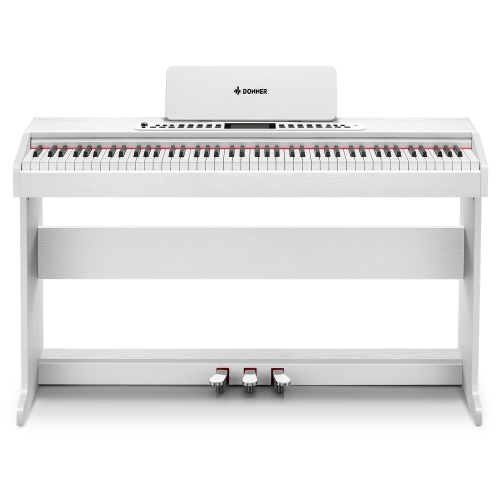
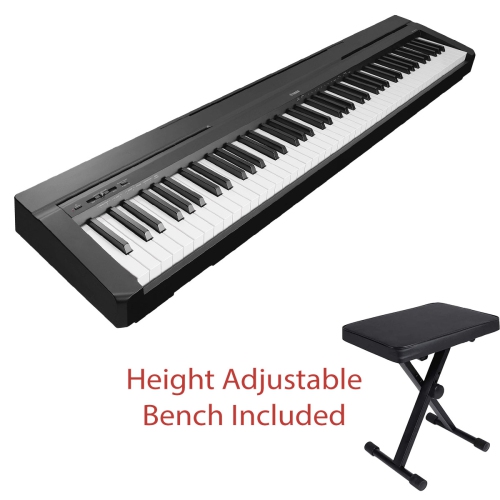
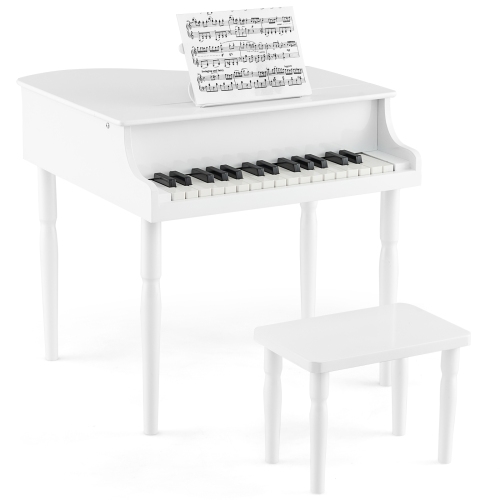
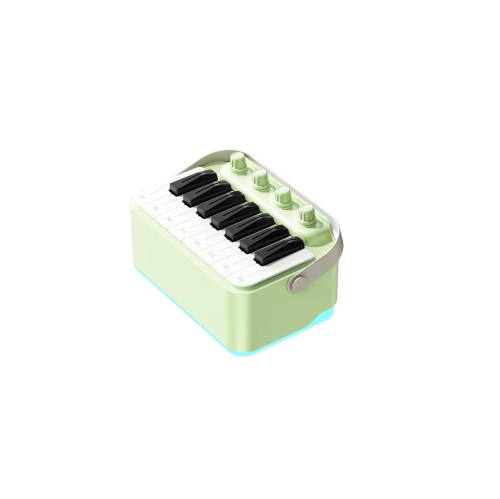
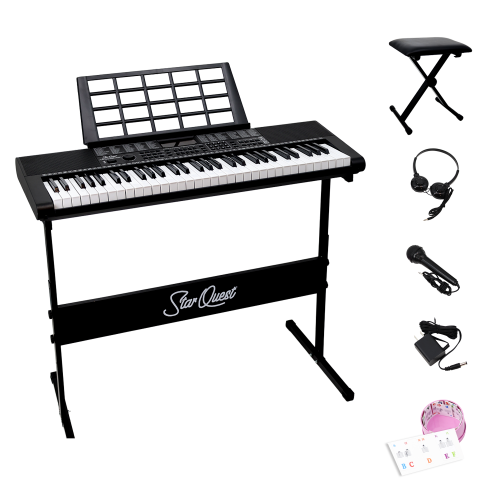
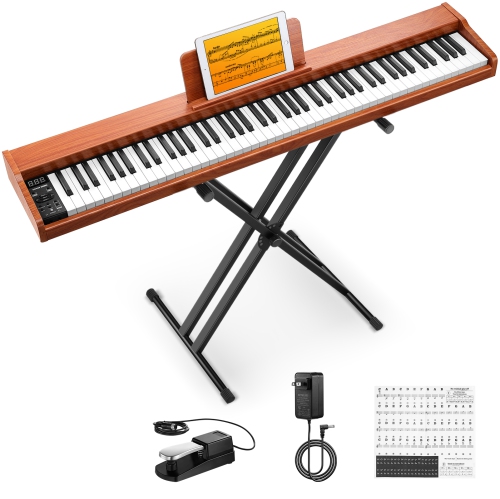
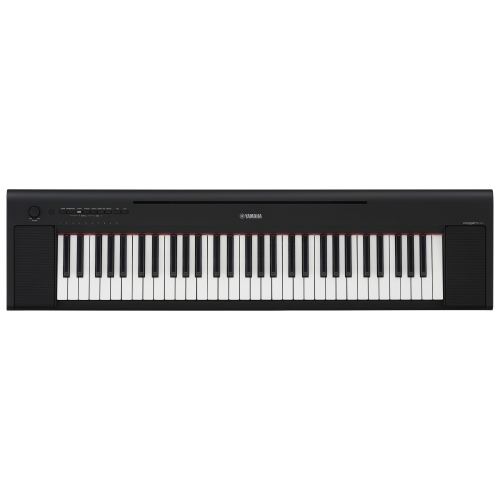
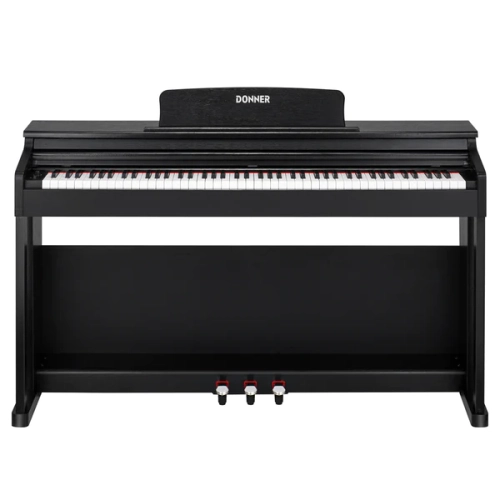

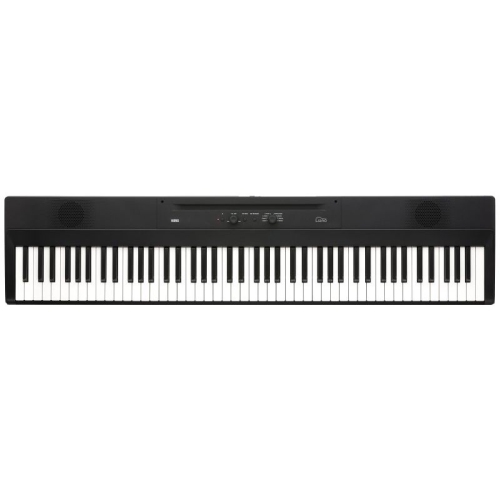


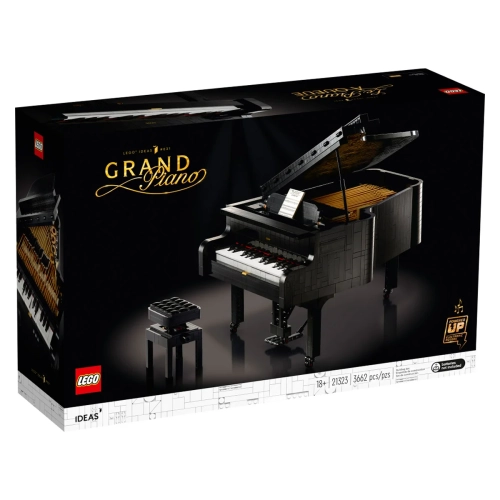


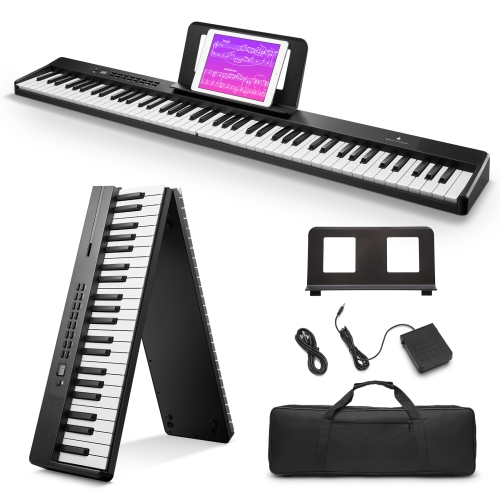
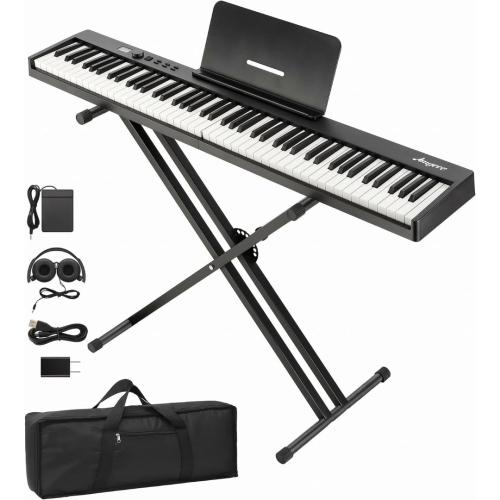
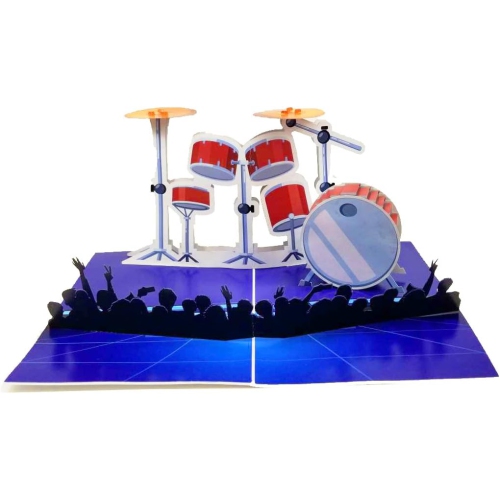


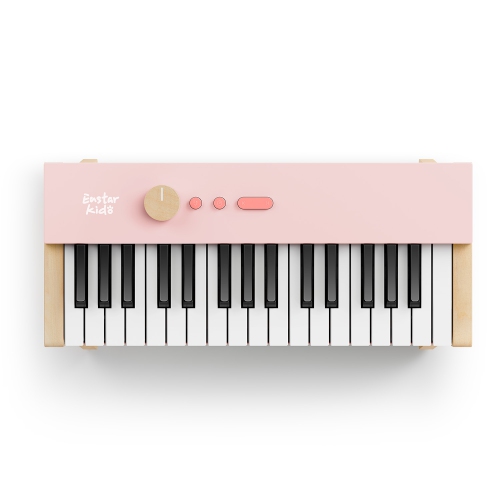
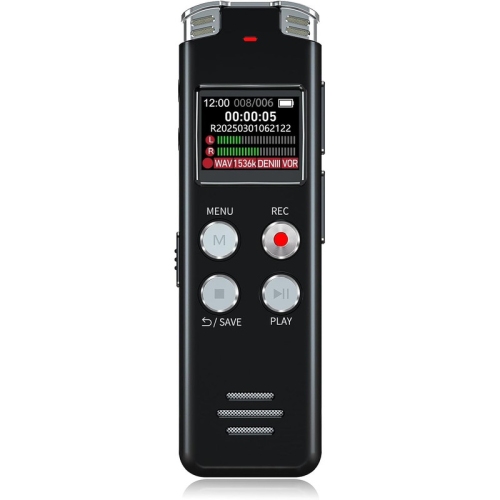
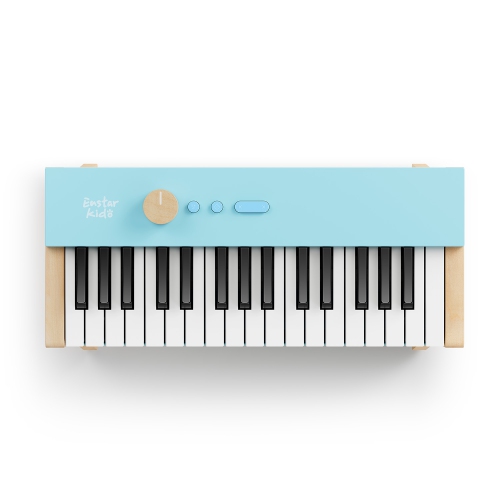
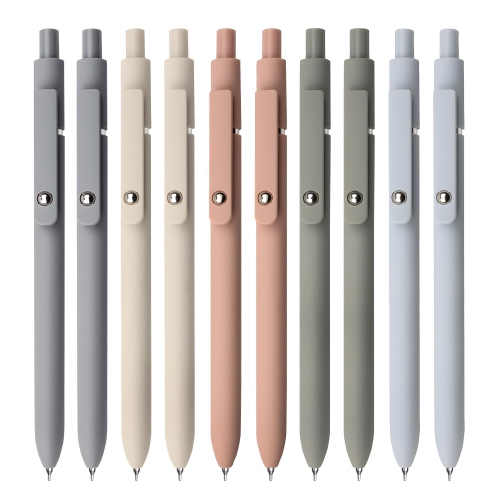
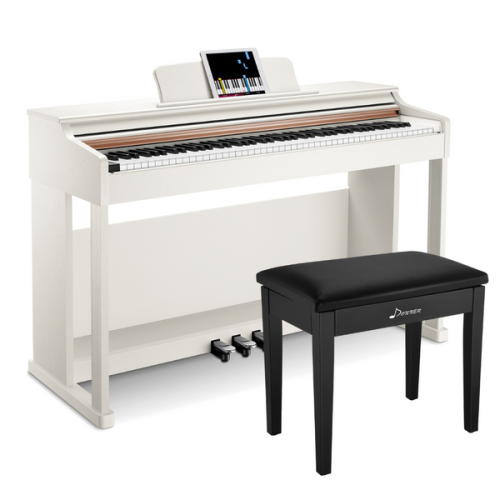
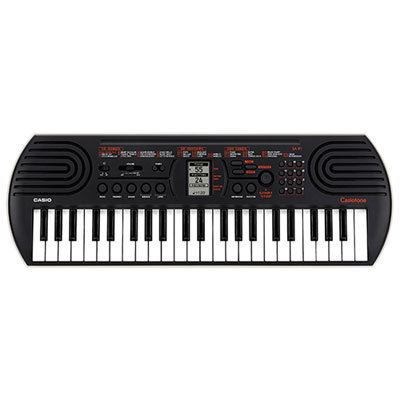
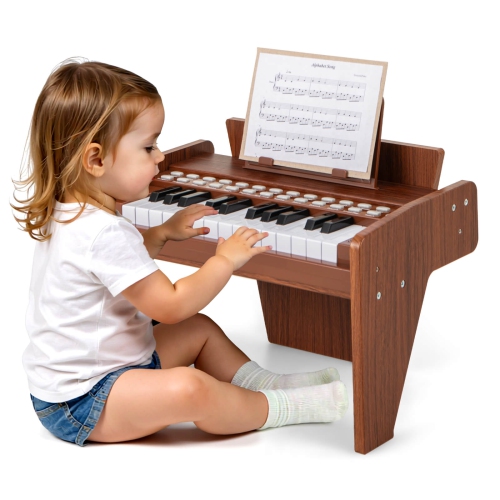
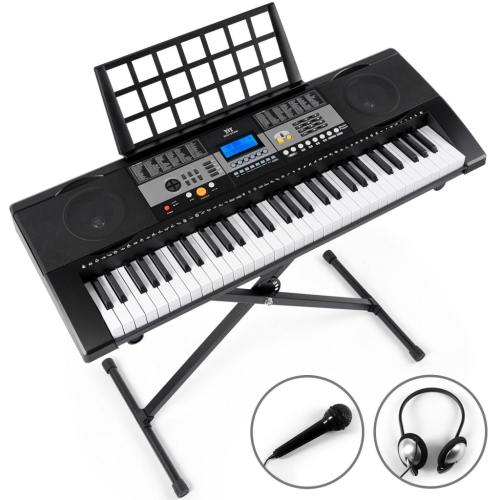

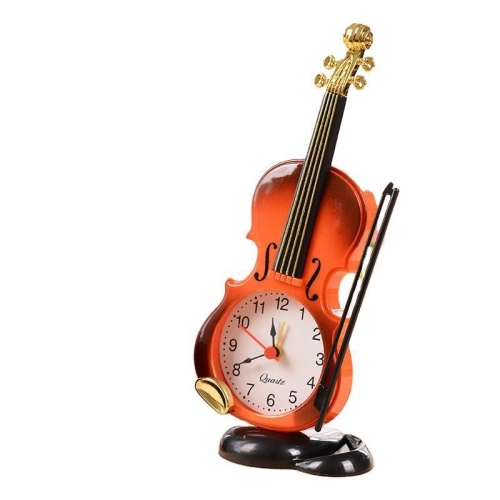
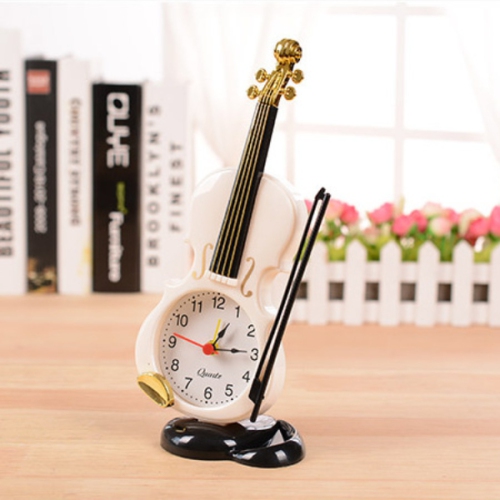
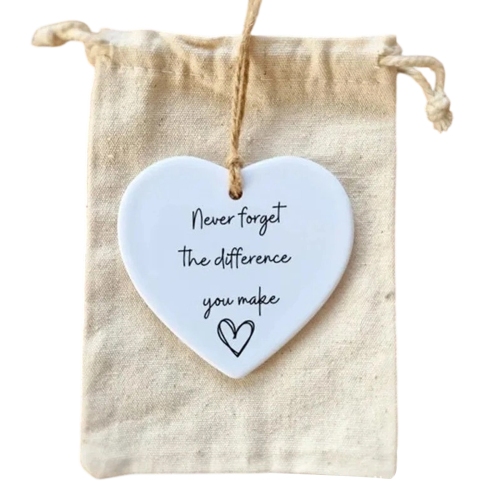
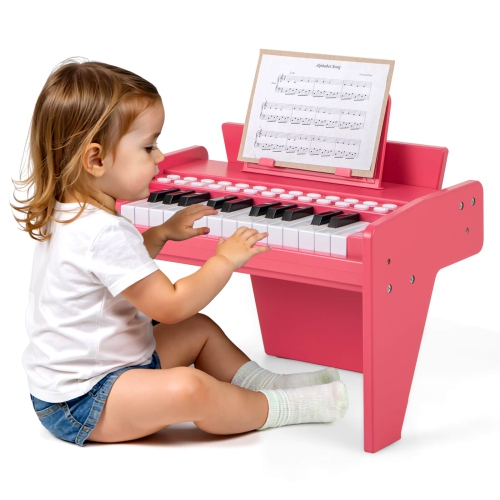
Practical gifts that strike a more personal chord
Thoughtful gifts for piano teachers combine practical usefulness with personal appreciation, from sheet music and studio accessories to comfortable everyday essentials and music-inspired décor. Teaching piano involves much more than demonstrating a melody: there are scores to annotate, lesson notes to organize, recital programmes to prepare, and different learning styles to support throughout the day. Gifts that suit those routines can feel especially personal without needing to be elaborate. A teacher working mainly with beginners may appreciate materials that make rhythm and notation easier to explain, while someone preparing advanced students for examinations or performances may place greater value on score storage and practice tools. Sheet music can be a meaningful choice when it reflects the recipient’s preferred repertoire, teaching approach, and level of study. Clearly printed notation, generous spacing, and bindings that stay open on a music rest matter during repeated practice and demonstration. An unmarked score leaves room for a teacher’s own fingering, phrasing, and lesson annotations, whereas an instructional edition may offer useful commentary for a particular teaching purpose. These differences make familiarity with the teacher’s musical interests more important than an impressive-looking cover. Stationery and organization accessories also have a natural place in a busy studio. Durable folders help separate repertoire for different students, while notebooks provide space for lesson planning, musical ideas, and observations between appointments. Smooth page turns, sturdy covers, and enough writing space are practical details that become noticeable after months of use. Personalized book stamps or labels can help identify music that travels between a home studio, rehearsal room, and performance venue, provided the wording suits the recipient’s professional name. For teachers who work with children, visual learning materials can support note recognition and rhythm activities away from the keyboard. Clear symbols, easy-to-handle pieces, and surfaces that wipe clean are useful qualities for materials shared across lessons. Any small components should also suit the ages of the students using them. The strongest connection is to the teacher’s actual routine, whether that means keeping a well-used music library organized or making a challenging concept easier to demonstrate.
Technology-related gifts for piano teachers are most useful when they fit the instruments and devices already used in lessons. A teacher with a digital piano may have different needs from someone working exclusively at an acoustic instrument, and a studio offering online instruction has different requirements again. Metronomes support steady pulse and controlled practice, with readable displays, straightforward controls, and adjustable volume making them easier to use between demonstrations. A visual beat indicator can be helpful when an audible click would compete with conversation, though individual teaching preferences vary. Headphones can support private practice on a compatible digital instrument, but connector type, cable length, weight, and comfort all affect how naturally they fit into a session. Soft ear cushions and an adjustable headband may matter more during extended use than a long list of extra features. Recording accessories can serve a different purpose, allowing a teacher to capture a musical phrase for later listening or demonstrate changes in articulation and balance. Stable placement, accessible controls, and compatibility with the intended device are important, especially where equipment must be set up quickly between students. Any recording involving learners also needs to respect their privacy and the studio’s consent arrangements. Teachers who read digital scores may find practical value in tablet supports or page-turning accessories, provided they suit the device dimensions, software, and available space. A holder should leave the keyboard and music rest usable rather than crowding the teaching area. Charging and cable organization can also make a difference in a room where several devices serve different purposes. Durable cables with suitable connectors and storage that keeps loose leads away from walking routes support a tidier setup. Care requirements deserve attention with frequently handled electronics: cleaning methods should follow the manufacturer’s directions, and liquids should stay clear of ports and instrument surfaces. These details distinguish a gift that slips easily into daily teaching from one that requires the recipient to rethink an established setup.
Personal gifts can acknowledge the musician beyond the lesson schedule while still feeling appropriate for a professional relationship. Music-inspired artwork, desk accessories, and drinkware can bring character to a teaching space without becoming teaching equipment themselves. Décor tends to work best when its colours, size, and style suit the room: a compact studio may have little spare wall space, and a teacher with a restrained aesthetic may prefer a subtle musical detail to a bold keyboard pattern. Wood, metal, ceramic, and fabric each bring different textures and care needs. Smooth finishes are easier to dust, sturdy bases help freestanding pieces remain stable, and washable textiles are practical wherever students come and go throughout the day. Drinkware can be useful during a full teaching schedule, particularly when it has a comfortable grip, a stable shape, and a lid appropriate to its intended use. Stainless steel and ceramic offer different weights and handling qualities, while cleaning instructions determine whether a piece suits the recipient’s routine. Even a well-sealed drink belongs on a separate, stable surface rather than on a piano, where a spill could cause damage. Gifts intended for use away from work can be equally welcome, especially when they reflect an interest the teacher has shared rather than assuming every possession needs a musical motif. For recipients who also perform, compose, or play for enjoyment, Piano Player Gifts offers a closely related theme centred on their own time at the keyboard. A birthday, recital, completed examination, or final lesson can provide a natural occasion for a gesture of thanks. The relationship matters more than the scale of the gift: a family thanking a child’s first teacher may choose differently from an adult student acknowledging years of mentorship. A brief handwritten message describing a memorable lesson or a newly gained skill adds context that no musical design can supply on its own. Paired with something suited to the recipient’s habits, it recognizes both the practical work of teaching and the patience behind a student’s progress.
Top selling and popular products
-
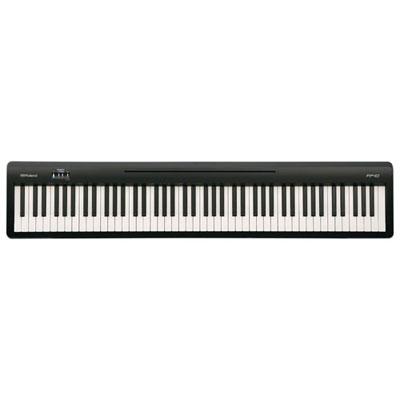 Your price for this item is $799.99
-
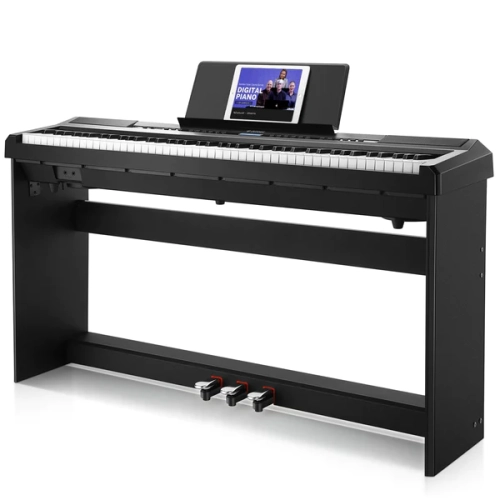 Your price for this item is $479.99
-
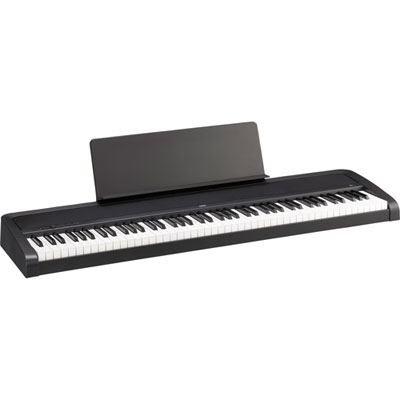 Your price for this item is $699.98
-
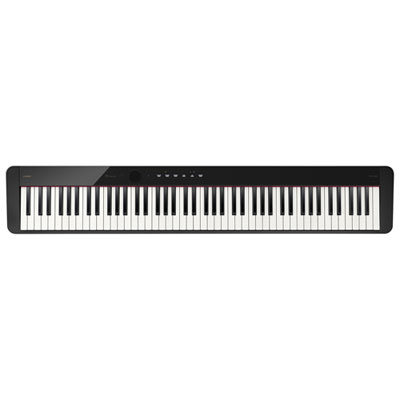 Your price for this item is $849.99
-
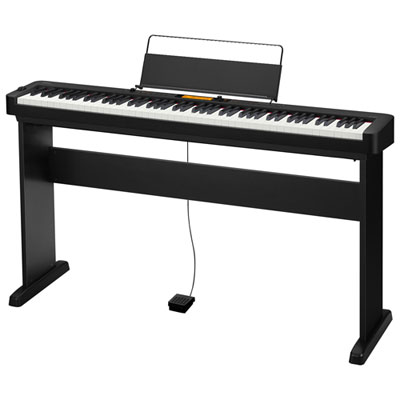 Your price for this item is $869.95
-
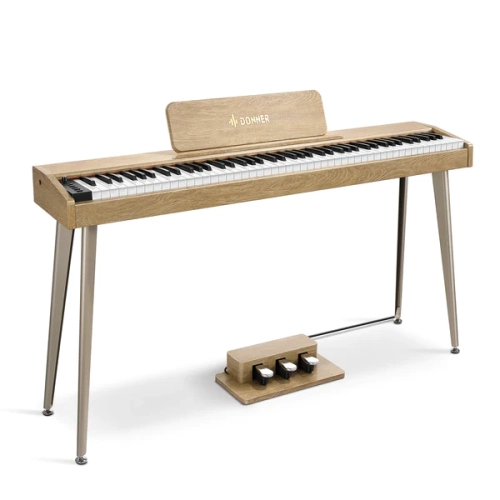 Your price for this item is $415.99
-
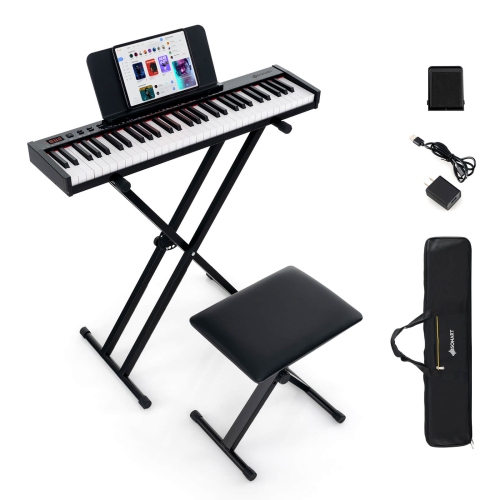 Your price for this item is $189.99
-
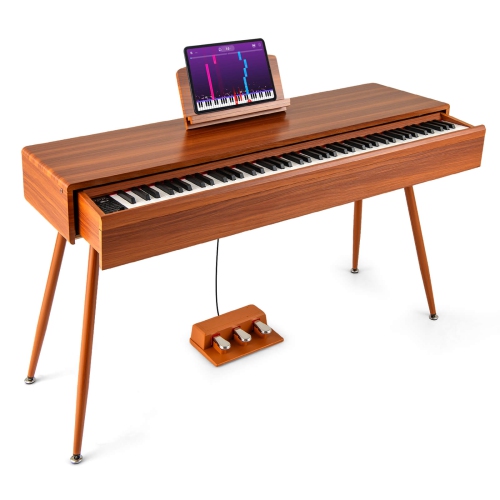 Your price for this item is $571.99
Discover more categories related to Gifts for Piano Teachers
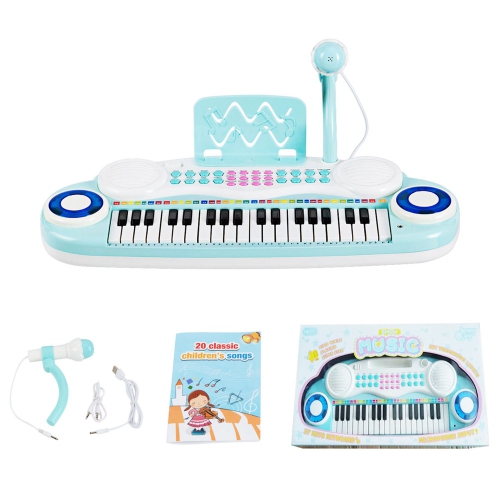
Top Collections:
Pokemon Centers, Best Cameras for Sports Photography, Kindle Devices, Samsung Galaxy Phones, Canon G7X Cameras, Pokémon 30th Celebration Cards, Refurbished Apple Laptops, iPhone 15 Apple, Laptops for Students, Budget Smartphones
Some products may be subject to Environmental Handling Fees
(EHF) depending on your province.
Learn more about EHFs.