Guitar Accessories for Beginners
Guitar accessories for beginners make it easy to start your musical journey with confidence. Whether you're picking up an acoustic or electric guitar, the right gear can help you practice, play, and learn more effectively. From essential items that support learning to tools that enhance comfort and sound, exploring a variety of guitar accessories for beginners ensures you have everything needed to enjoy playing and progressing on your instrument. Find options designed to help new players get started and make every practice session more enjoyable.
Sort
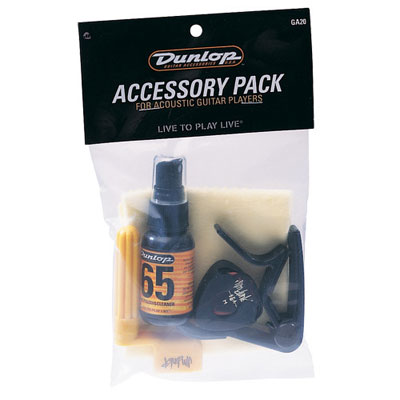
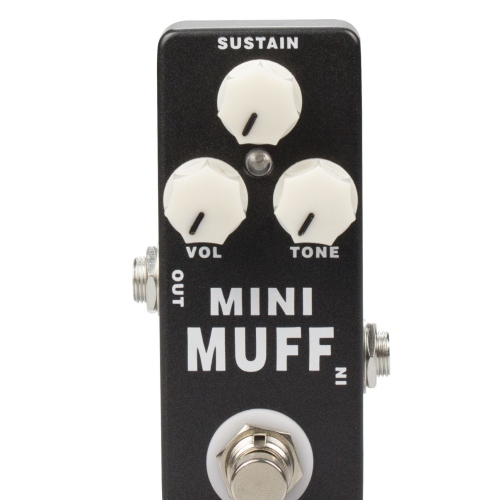
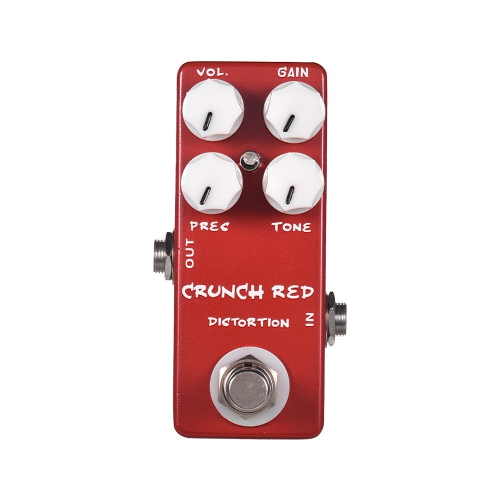



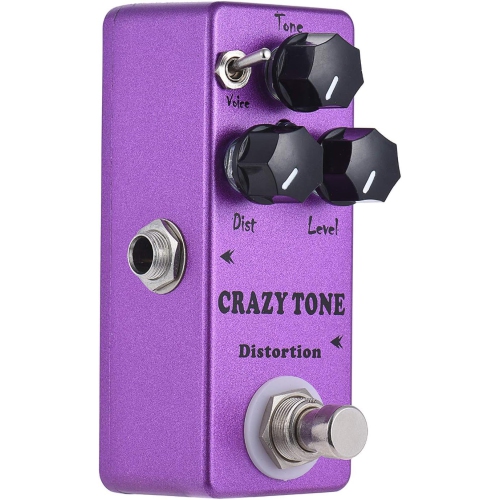
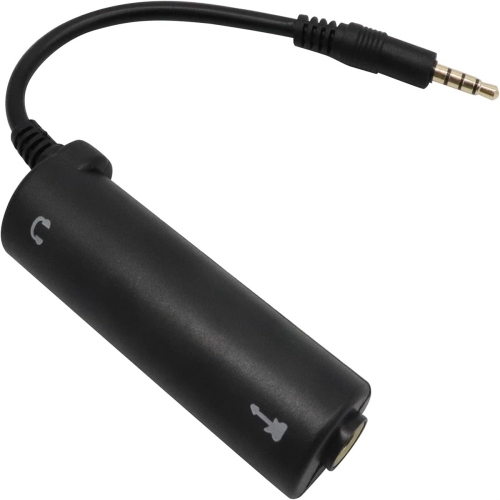
Better practice starts with accessories that fit your guitar
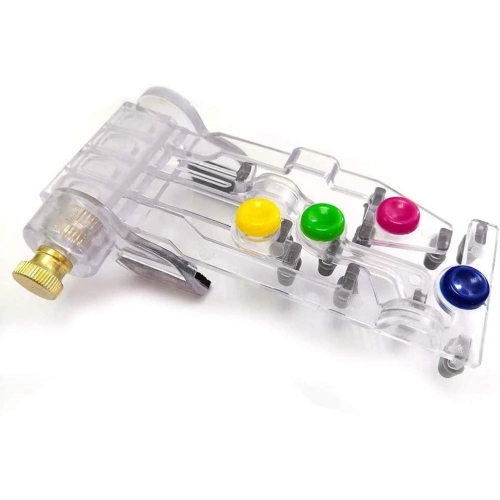
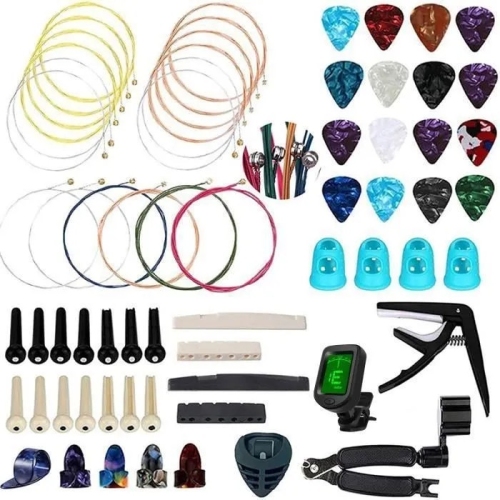
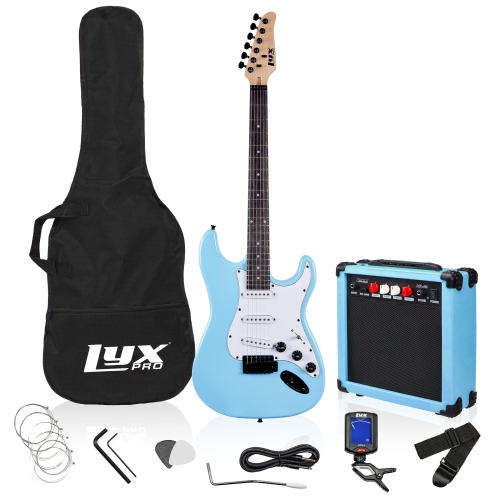
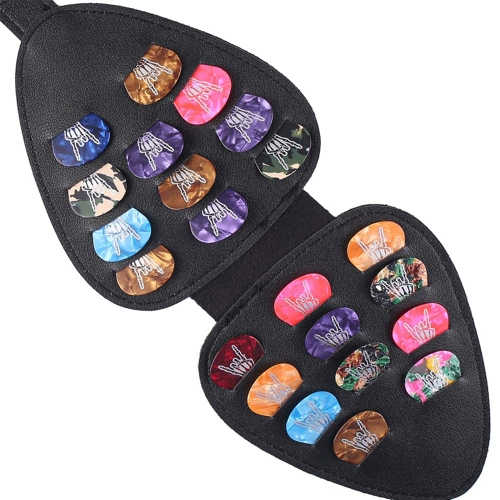
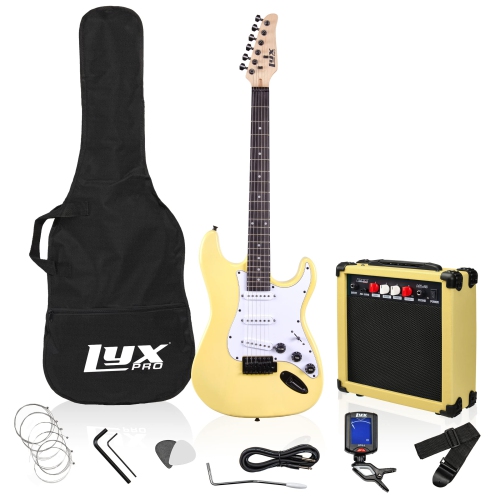
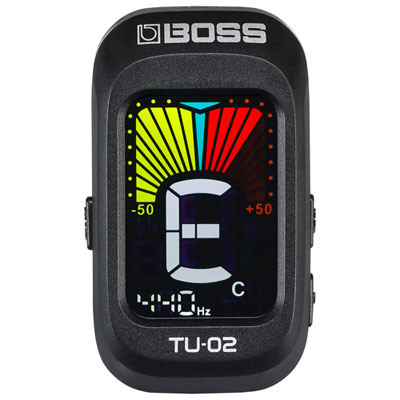
Guitar accessories for beginners help with tuning, comfortable playing, instrument care, and everyday practice. Common starting essentials include a tuner, picks suited to the player’s technique, compatible spare strings, and a way to store or carry the guitar safely. A strap, capo, and metronome can add convenience as playing habits develop, while electric guitar setups may also need an instrument cable and a compatible amplification or headphone solution. The most useful selection depends on whether the instrument is a steel-string acoustic, nylon-string classical, or electric guitar, rather than on how many accessories are included together. Clip-on tuners detect vibration through the instrument and are convenient when tuning by ear is still unfamiliar. A clear display and an easy-to-position clip can make a difference when checking each string before a short practice session. Picks vary in thickness, shape, surface texture, and material; a flexible pick can feel forgiving across open chords, while a firmer pick offers a more defined feel for individual notes. Nylon and other common pick materials have different textures and flex, so a comfortable grip matters as much as appearance. Players who prefer fingerstyle may use picks less often. Spare strings need to match the instrument and its recommended string type and gauge. Nylon strings and steel strings are not interchangeable, and a change in gauge can affect tension, feel, and the guitar’s setup. Lighter strings may feel easier under developing fingertips, but the instrument’s requirements remain the deciding factor. A string winder can make string changes less awkward, while a suitable cutter handles excess string ends. Capos shorten the vibrating length of the strings to change pitch without changing familiar chord shapes; neck width and fingerboard curvature affect how evenly a capo holds the strings. Metronomes support a steady pulse for chord changes and picking patterns, with an adjustable tempo and an audible or visible beat offering flexibility for different practice routines.
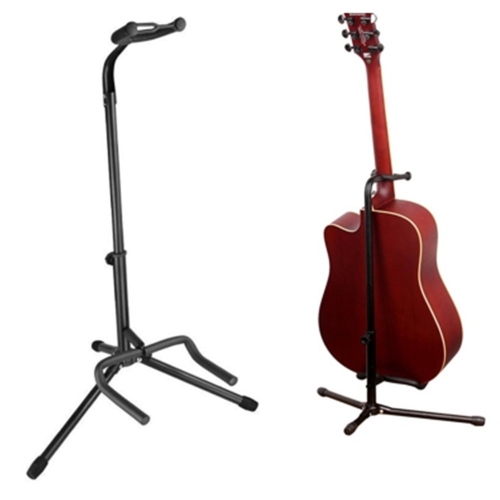
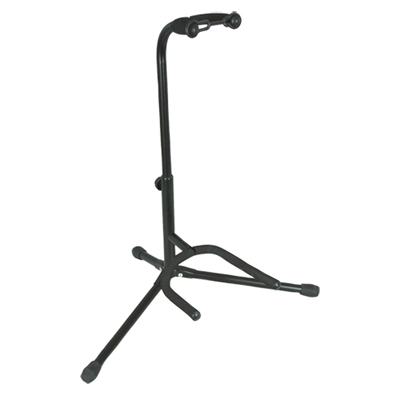
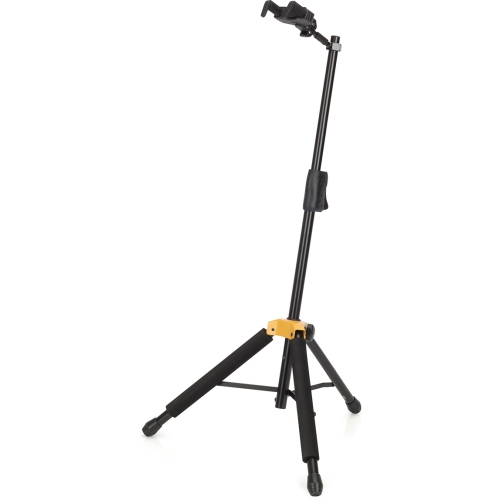
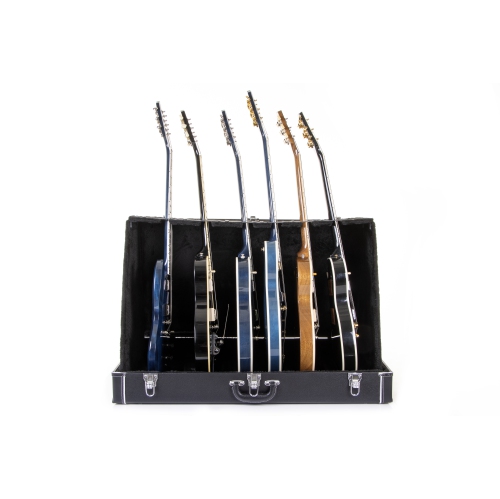
Comfort and fit are especially important for accessories that support the guitar or stay in contact with it. Guitar straps come in woven fabrics, leather, and other materials, with differences in flexibility, grip, padding, and care requirements. A wider strap can spread the instrument’s weight across more of the shoulder, while an adjustable length helps position the guitar comfortably for seated or standing playing. Strap attachment points vary between instruments, and some acoustic guitars need a suitable attachment at the headstock rather than a second strap button. Secure connections and sound stitching matter more than decorative details when the guitar is being supported. For a younger beginner or someone with a smaller frame, the strap’s shortest usable length can be just as important as its maximum length. Footrests and guitar supports offer another way to position an instrument during seated practice, particularly for classical playing. Protective storage also depends on a close match to the instrument’s shape and dimensions. A padded gig bag is convenient for carrying a guitar to lessons, while a fitted hard case offers a more rigid outer shell. Neither should force the neck or body into place, and a bag intended for one body shape may not suit another. Reinforced handles, dependable zippers, and secure shoulder straps are useful durability details for regular travel. Accessory pockets provide space for picks, spare strings, and sheet music without leaving loose objects against the instrument. At home, a stable guitar stand offers a designated resting place between sessions, with support points suited to the guitar’s shape and finish. Cleaning accessories deserve the same attention to compatibility. Soft, clean cloths help remove fingerprints and residue after playing, while polishes and fretboard treatments need to suit the particular finish and wood. Not every fingerboard needs the same treatment, and a cleaner intended for one surface may be unsuitable for another. Straightforward care accessories can make upkeep less of a chore without adding unnecessary steps to a beginner’s routine.
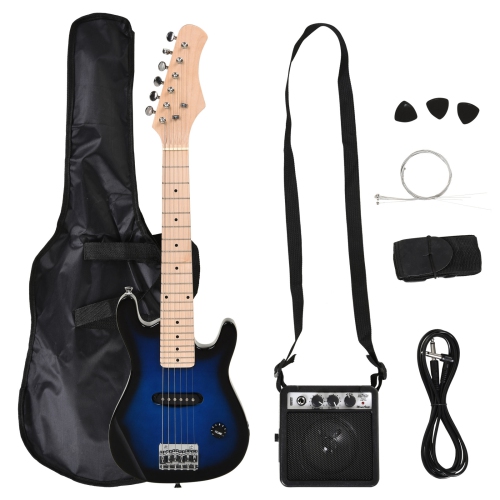
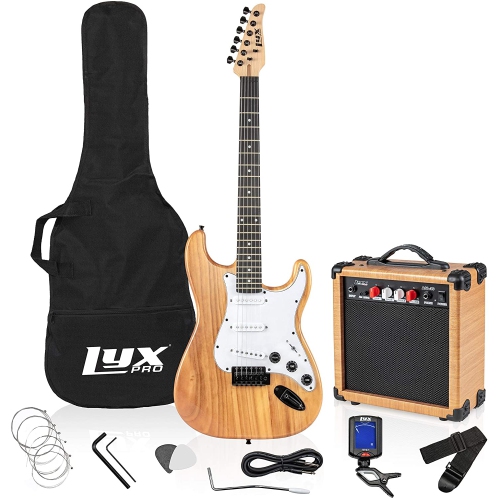
Electric guitar accessories bring a few additional connection and listening considerations. A shielded instrument cable carries the guitar’s signal to a compatible amplifier or interface, and its connectors need to match the equipment. Cable length is a practical choice: enough reach allows a comfortable playing position, but unnecessary slack can clutter a small practice area. Flexible cable jackets, reinforced connector housings, and strain relief are useful features where a cable bends or is frequently plugged in and unplugged. A right-angle connector may sit neatly against some guitar bodies, although the location and recess of the output jack determine whether it fits properly. For quieter practice, headphones need a suitable headphone output on an amplifier, interface, or dedicated guitar headphone device; ordinary headphones do not connect directly to a passive electric guitar as a replacement for amplification. Comfort around the ears and a manageable cable are worth considering for repeated practice sessions. Away from the signal chain, simple organizational accessories can be just as useful. A pick holder keeps small essentials within reach, and a music stand holds chord sheets or a songbook at a readable angle without taking up space on a chair. Stable construction and adjustable height help a stand suit different seated positions. The broader category of Accessories for Guitarists also supports needs that emerge as a beginner moves from practising alone to lessons or playing with friends. For gifts, knowing the recipient’s guitar type helps narrow the choice considerably. Picks, cleaning cloths, and accessory organizers can be approachable options, while strings, capos, straps, and cases require closer attention to fit or playing preferences. A thoughtful accessory selection reflects the player’s actual routine: carrying a guitar across town, working through chord changes at home, or keeping a shared practice space tidy. Useful beginner gear earns its place through comfortable handling, reliable construction, and compatibility with the instrument already being played.
Top selling and popular products
-
 Your price for this item is $14.99
-
 Your price for this item is $65.99
-
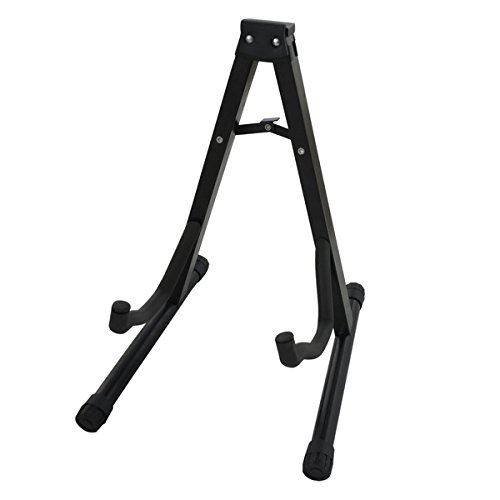 Your price for this item is $9.99
-
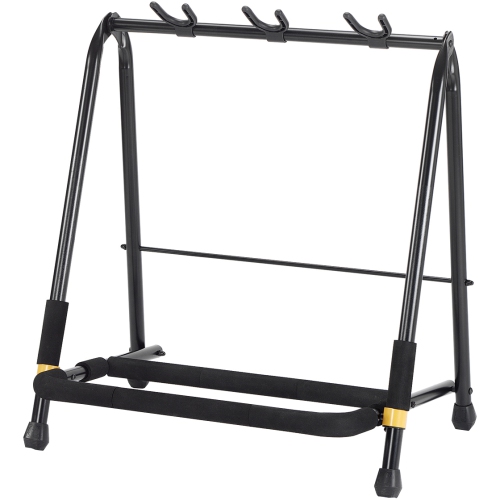 Your price for this item is $138.99
-
 Your price for this item is $15.99
-
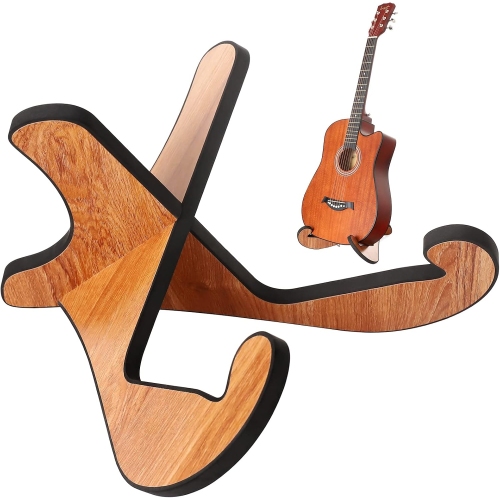 Your price for this item is $28.7
-
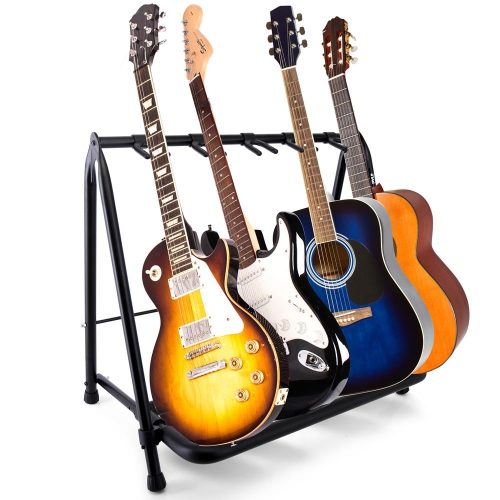 Your price for this item is $69.99
-
 Your price for this item is $249.99
Discover more categories related to Guitar Accessories for Beginners
Top Collections:
Best Black Friday Deals This Year, Best Black Friday Deals On Electronics, Kindle Devices, Pokemon Centers, Best Black Friday Deals On Apple Products, Best Cameras for Sports Photography, Dyson Airwrap, Pokémon 30th Celebration Cards, Apple iPhone 17 Pro, Canon G7X Cameras
Some products may be subject to Environmental Handling Fees
(EHF) depending on your province.
Learn more about EHFs.