Guitar Effects Power Supplies
Looking to take your guitar playing to the next level? Look no further than our wide selection of guitar effects power supplies. These essential accessories provide a reliable and consistent power source for your pedalboard, ensuring that your effects pedals deliver their full potential every time you step on stage or hit record. With various options available, you can find the perfect power supply to meet your specific needs and keep your music flowing smoothly. Whether you're a seasoned professional or just starting out, our guitar effects power supplies are here to help you create the perfect sound.
Sort
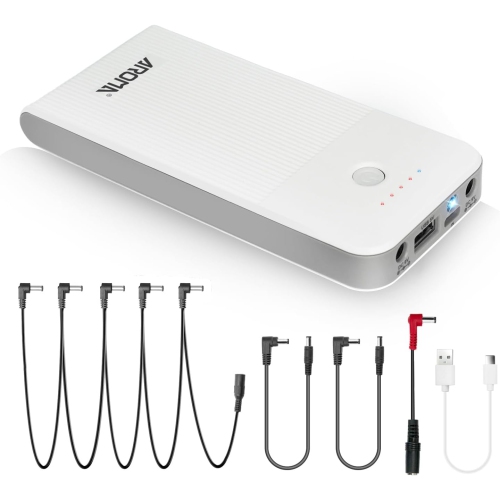


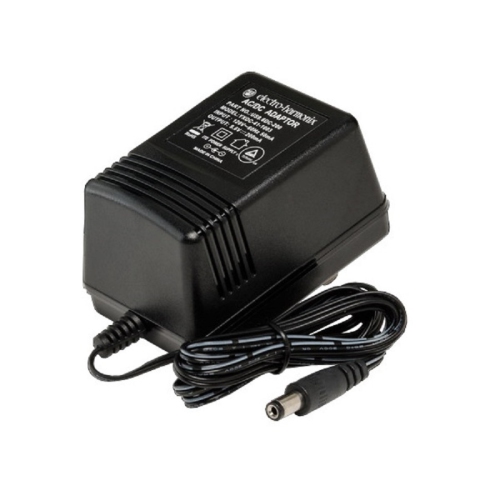


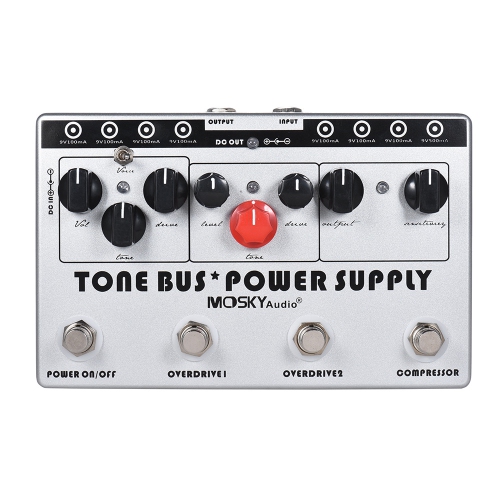


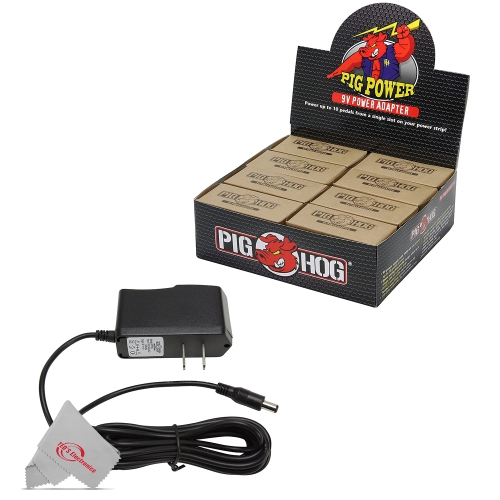




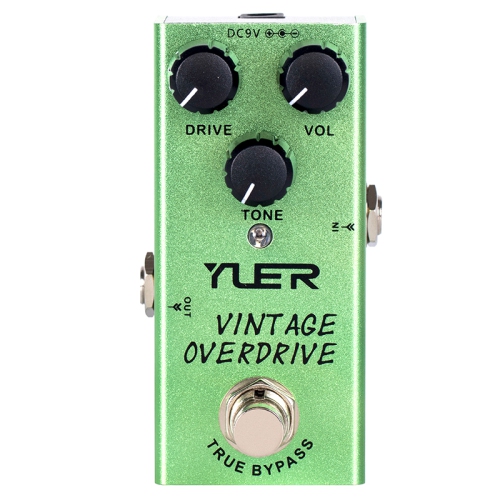
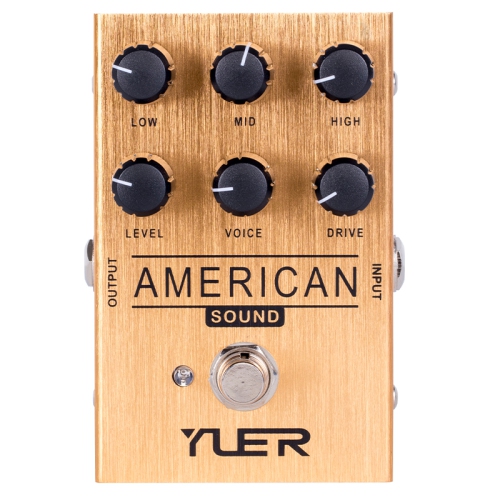
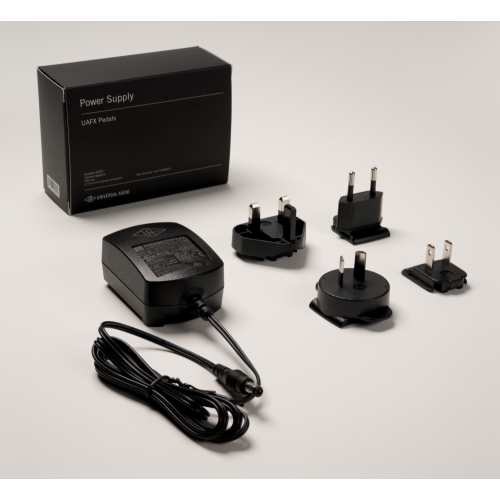

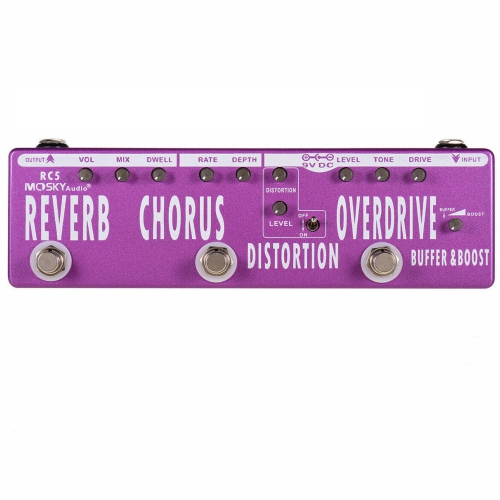

Reliable pedalboard power begins with compatibility and isolation
A guitar effects power supply is the quiet foundation beneath a well-organized pedalboard. While the pedals themselves shape your sound with overdrive, delay, reverb, modulation, compression, and other effects, the power supply keeps each unit running consistently from the first chord to the final note. It is a practical addition for guitarists building a first pedalboard, players expanding from a few stompboxes to a more complex setup, and musicians who need dependable equipment for rehearsals, recording sessions, lessons, or live performances. Instead of relying on separate wall adapters for every pedal, a dedicated supply can help reduce cable clutter and keep the board easier to transport. It can also make setup more predictable: connect the supply to the board, attach the appropriate power cables, and spend more time checking tuning and levels than tracing a maze of adapters across the floor. A compact supply may suit a small board with a tuner, drive pedal, and delay, while a larger multi-output unit can support a broad chain with several digital and analog effects. These supplies can also be thoughtful gifts for guitarists who have recently started collecting pedals, are preparing for their first gig, or are rebuilding a board after discovering that their current adapters do not provide enough connections. For a musician who has ever arrived at rehearsal with a tangled bag of cables or heard an unexpected buzz between songs, a well-matched power supply can be one of the most useful upgrades in the entire rig.
The most important purchase consideration is compatibility. Many guitar effects pedals use 9V DC power with a centre-negative polarity, but that standard is not universal, and some pedals require 12V, 18V, AC power, or a higher current capacity than a basic output can provide. Before choosing a supply, check the information printed on each pedal or listed in its manual, including voltage, polarity, current draw in milliamps, and connector size. The power supply should meet the pedal’s voltage and polarity requirements exactly, while its available current should equal or exceed the pedal’s demand. Digital delays, loopers, amp modelling pedals, multi-effects units, and pedals with displays or extensive processing often draw more current than simple analog effects, so they deserve particular attention. A supply with multiple output ratings or selectable voltage options may provide more flexibility as a board develops, but unused features should not replace careful compatibility checks. It is also helpful to count the number of pedals you plan to power, leaving a little room for future additions rather than selecting a unit with exactly the number of outputs in use today. Cable length, connector fit, mounting space, and the available clearance beneath the pedalboard matter as well. Low-profile designs can be easier to install under a board, while a more substantial unit may be appropriate for a large performance setup with numerous pedals. If a pedal uses a proprietary adapter or an unusual power requirement, confirm that the supply supports it before connecting anything. Matching the specifications protects your equipment and helps the entire signal chain operate as intended.
For many pedalboards, isolated outputs are a particularly useful feature. With an isolated design, outputs are electrically separated from one another, which can help limit interference, ground loops, and unwanted hum when several pedals share the same power source. This is especially valuable when combining digital and analog effects, running long signal chains, or connecting the board to an amplifier and other recording or live-sound equipment. A basic daisy-chain cable may be suitable for a small group of compatible low-current pedals, but sharing power can make noise more noticeable and may not provide enough current for every device. An isolated multi-output supply gives each connected pedal its own dedicated power path, helping maintain a cleaner, more consistent setup. It cannot correct every source of noise—guitar cables, lighting, amplifier settings, pickups, and venue wiring can all contribute—but it removes one common cause from the troubleshooting process. Good cable management also makes a difference. Keep power and audio cables arranged neatly where possible, avoid forcing connectors into awkward positions, and label cables if several have similar ends. When setting up a board for a gig during the warmer months or packing it away for rehearsals during the cooler months, a clearly arranged power system makes changes faster and reduces the chance of leaving an essential connection behind. Guitarists who enjoy experimenting with new sounds may appreciate the extra outputs and flexibility of a larger unit, while a player with a compact board may prefer a slim supply that preserves space for another effect. Those browsing related sound-shaping equipment can also explore Guitar Effects Kits when putting together a new setup or choosing a gift for someone discovering the creative possibilities of electric guitar.
Top selling and popular products
-
 Your price for this item is $89.99
-
 Your price for this item is $89.99
-
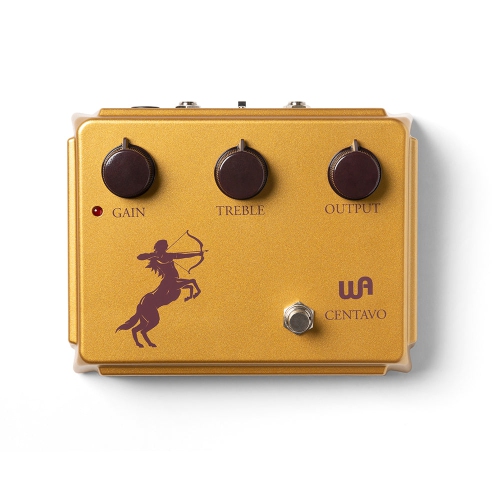 Your price for this item is $289
-
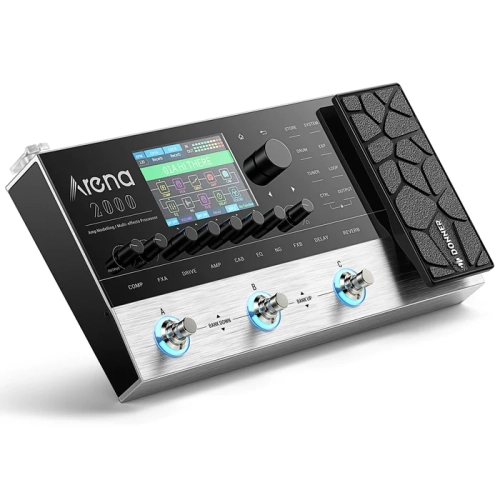 Your price for this item is $215.99
-
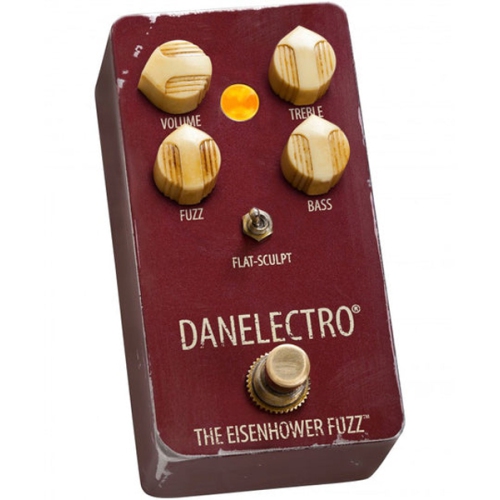 Your price for this item is $164.99
-
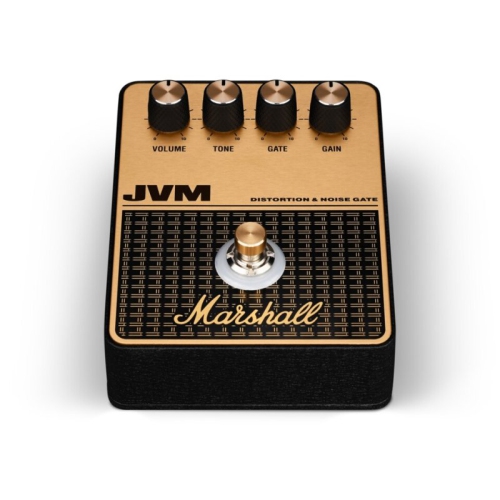 Your price for this item is $249.99
-
 Your price for this item is $599.99
-
 Your price for this item is $239.99
Discover more categories related to Guitar Effects Power Supplies
Top Collections:
Pokemon Centers, Best Budget Office Chairs, Kindle Devices, Best Laptops for Writers, Apple iPhones 16, Canon G7X Cameras, Best Cell Phones Under $300, Samsung Galaxy Phones, iPhone 15 Apple, Flip Phones
Some products may be subject to Environmental Handling Fees
(EHF) depending on your province.
Learn more about EHFs.