Electric Guitar Effects
Looking to take your guitar playing to the next level? Look no further than our selection of electric guitar effects. These powerful pedals and processors are designed to enhance your sound, add depth and dimension, and unleash your creativity. Whether you're a seasoned musician or just starting out, our range of electric guitar effects has something to suit every style and genre. From distortion and overdrive to delay and reverb, explore a world of sonic possibilities and discover new ways to express yourself through your instrument. Elevate your playing with the help of our top-notch electric guitar effects collection.
Sort
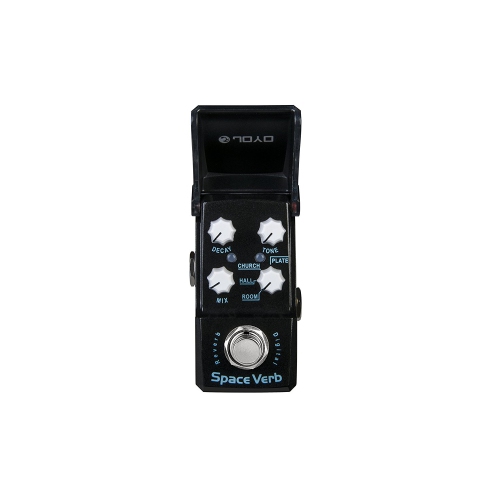
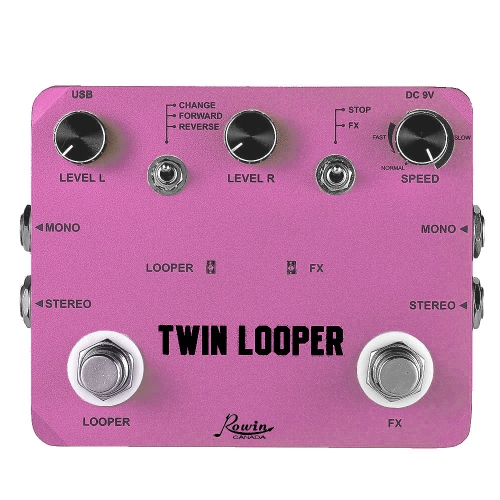
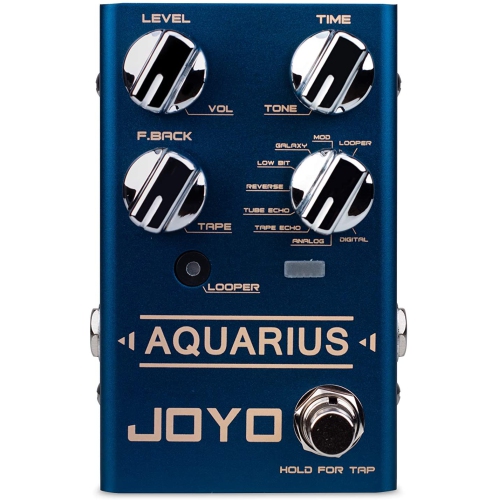
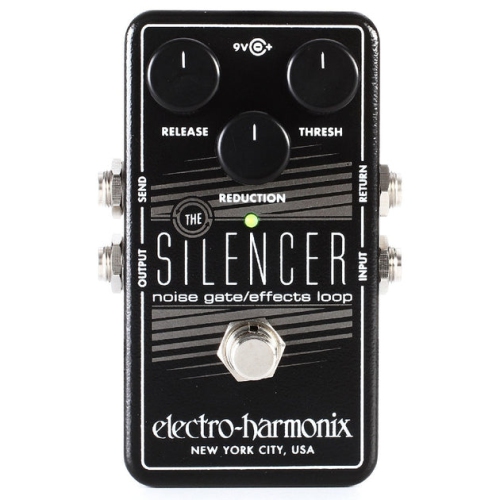


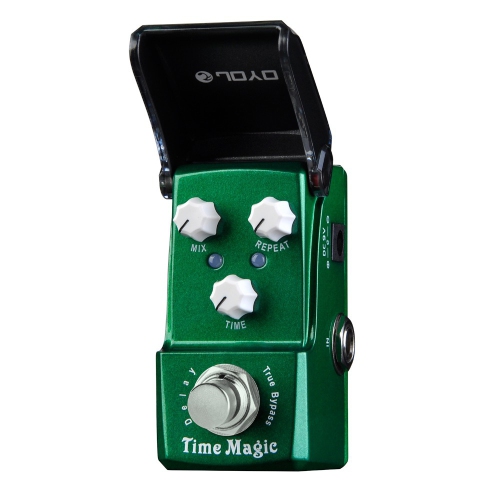
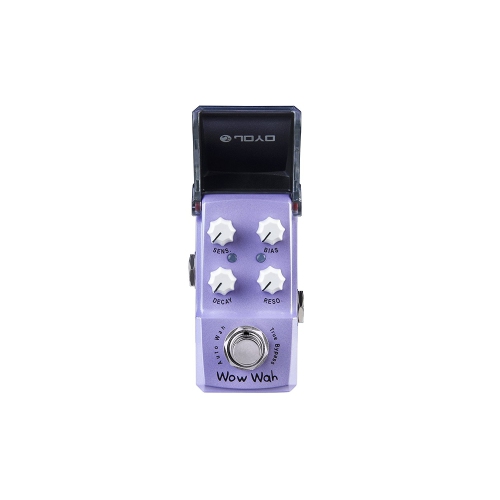
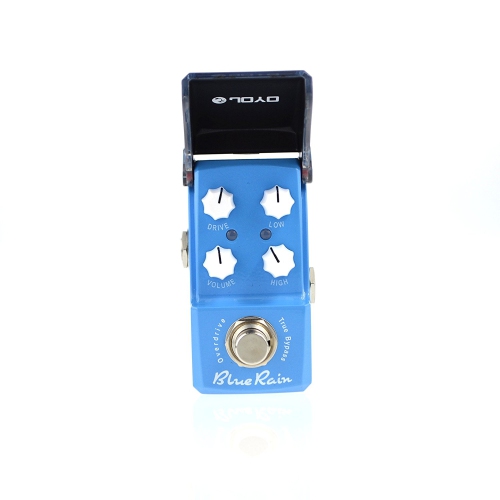
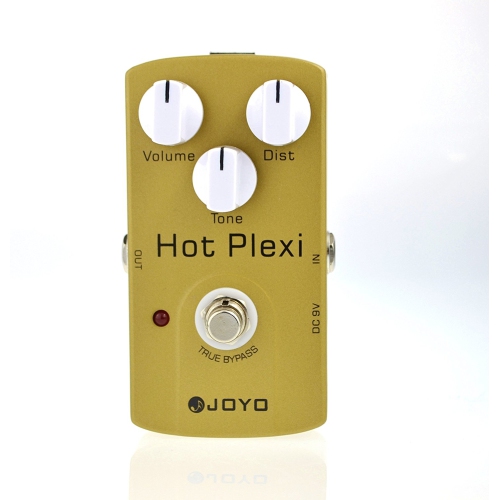


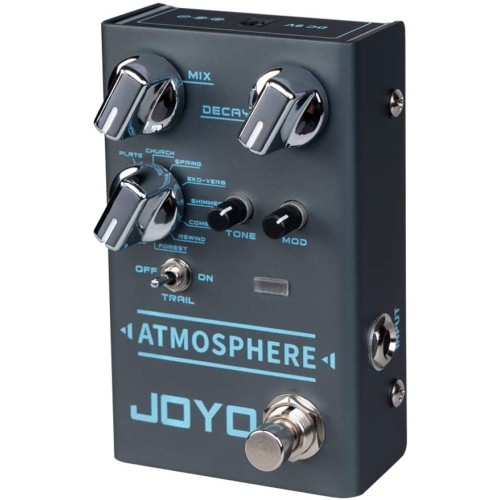
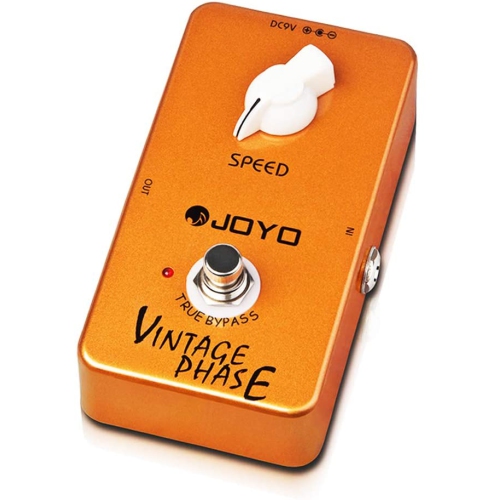
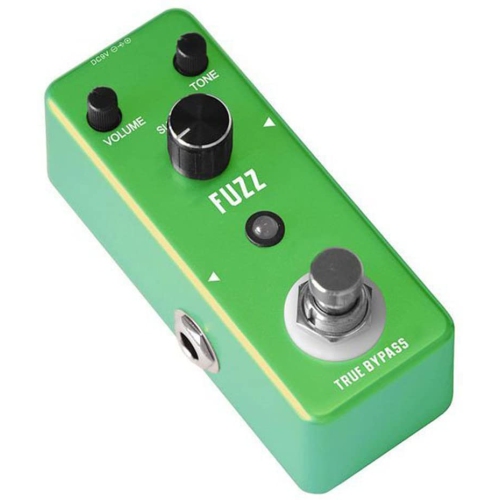
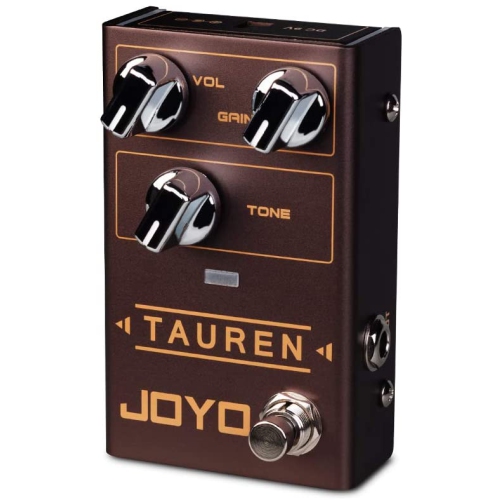
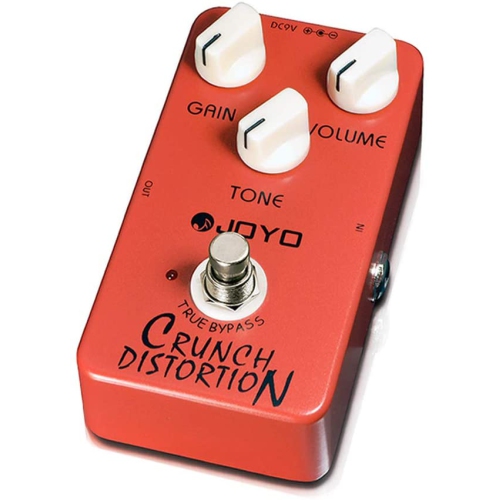
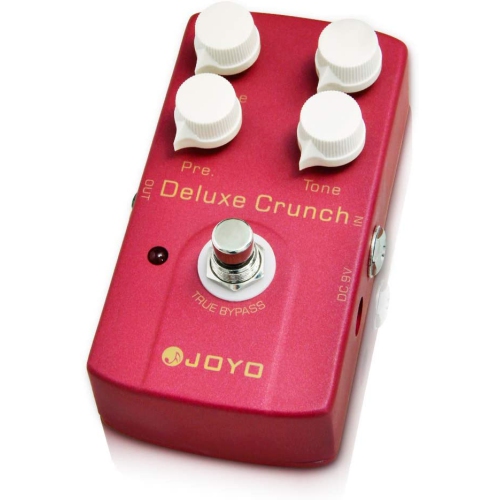
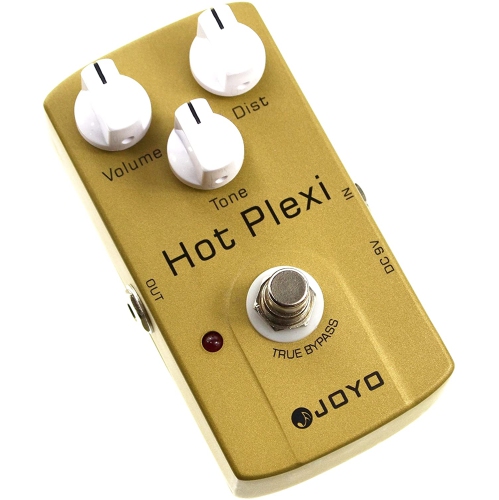

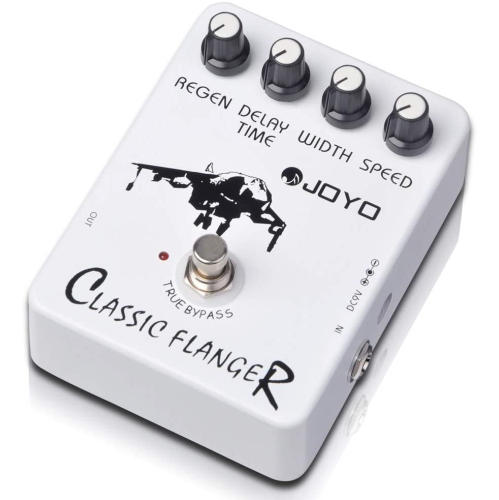
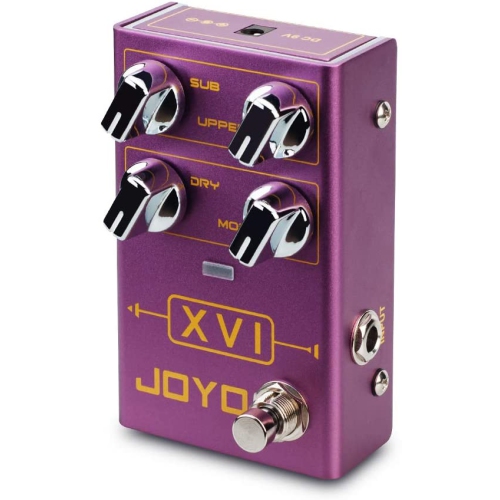
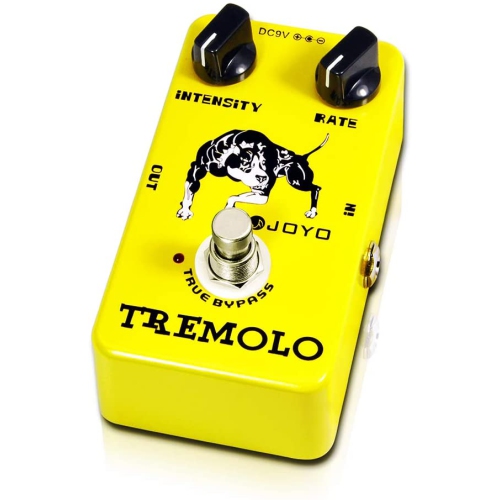
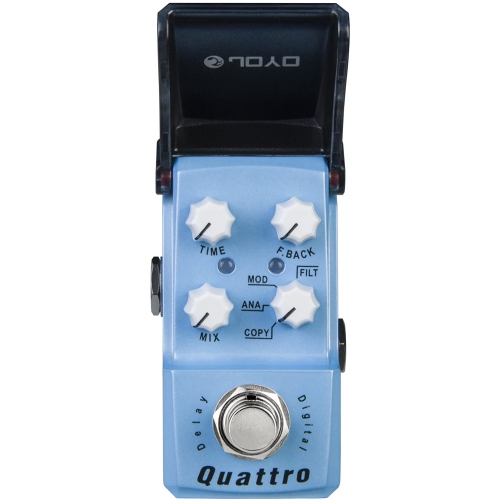
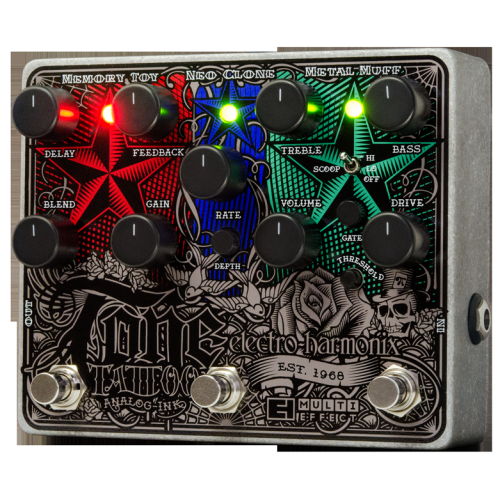




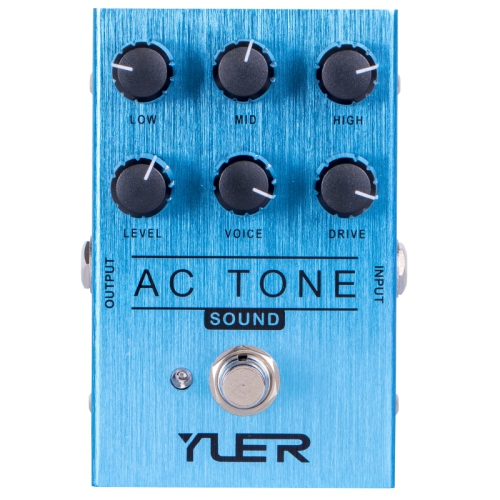
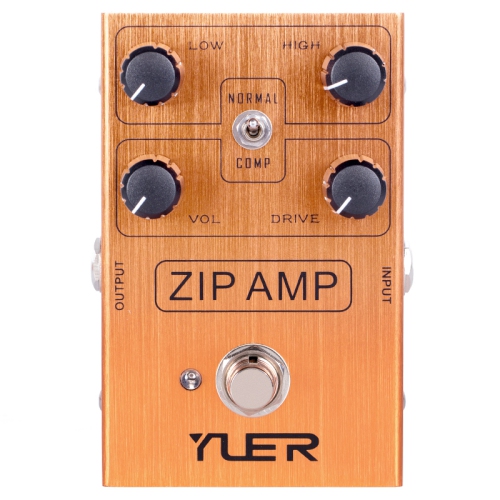
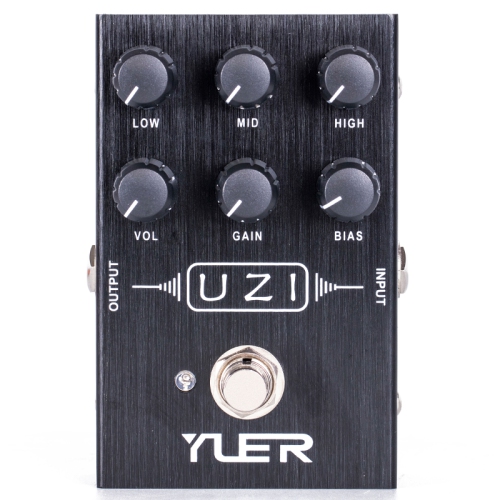
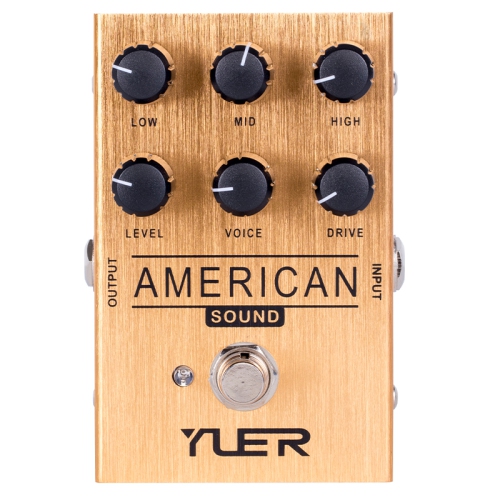
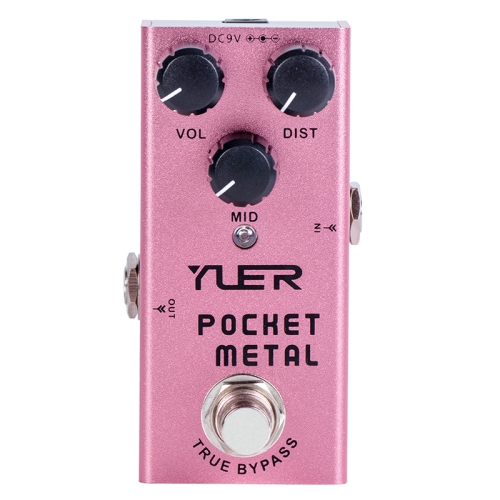
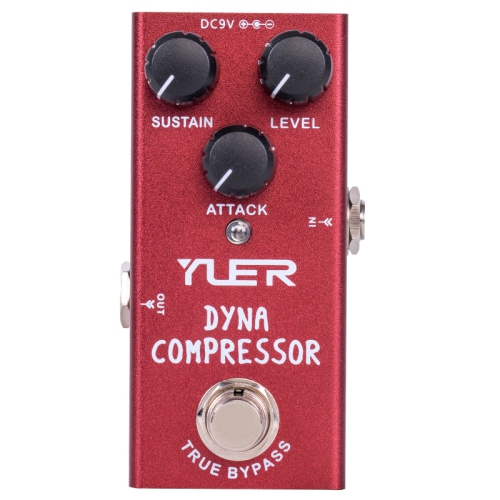
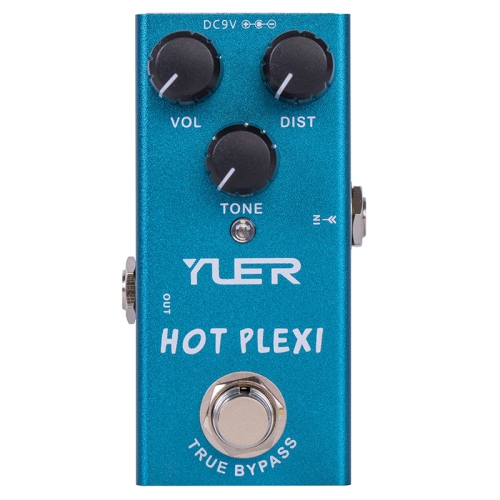
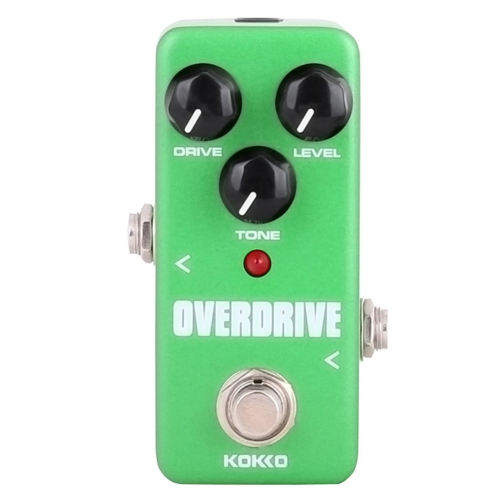
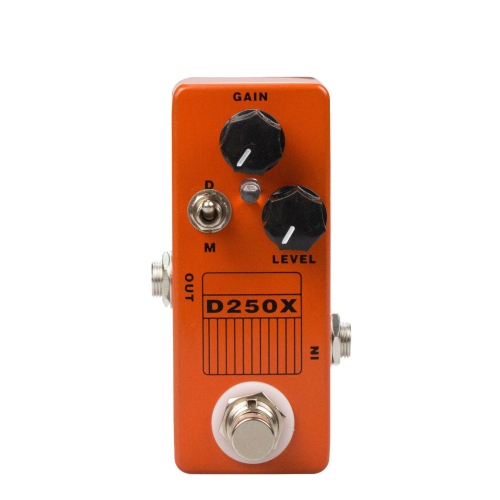
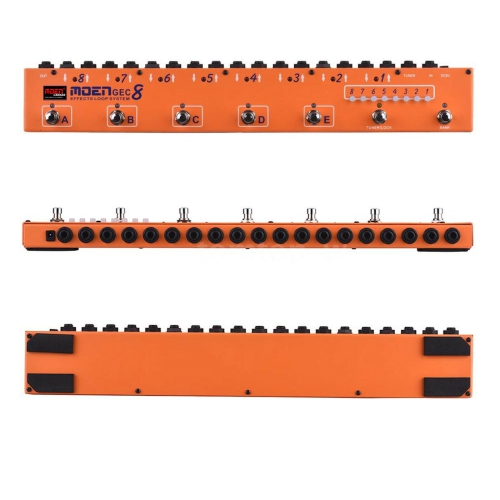
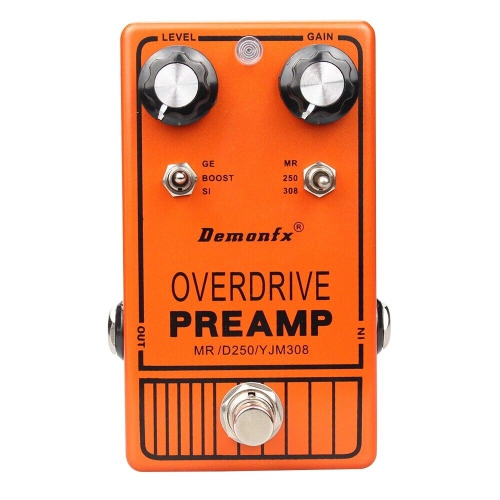
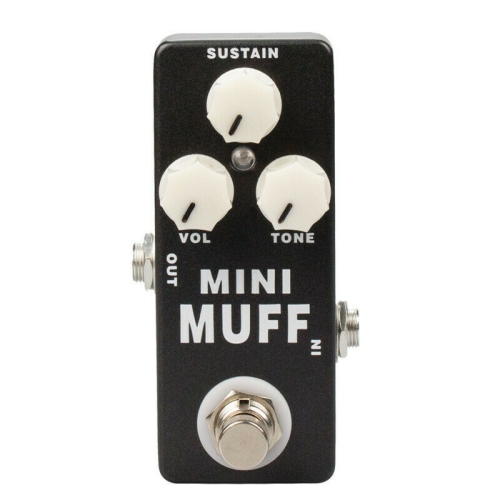
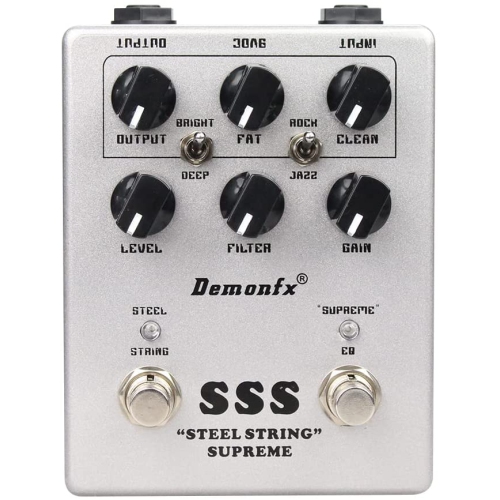
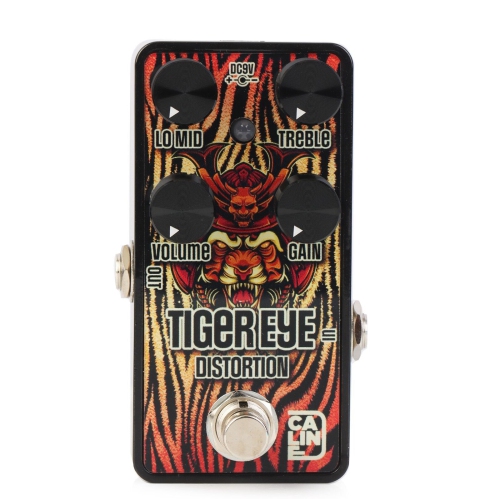
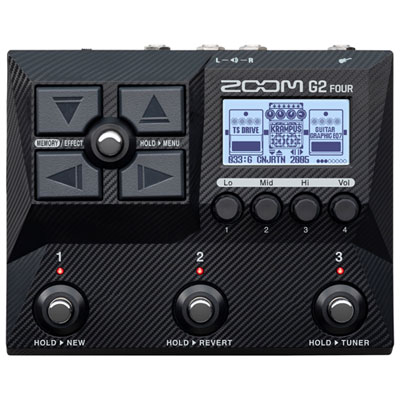
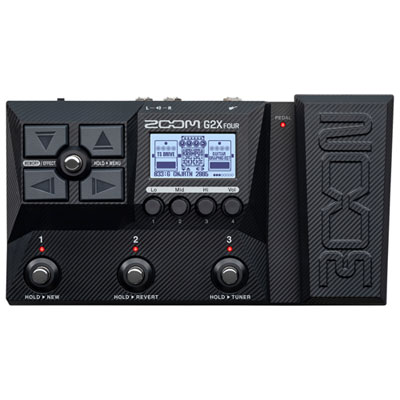





How one guitar moves from crunch to atmosphere
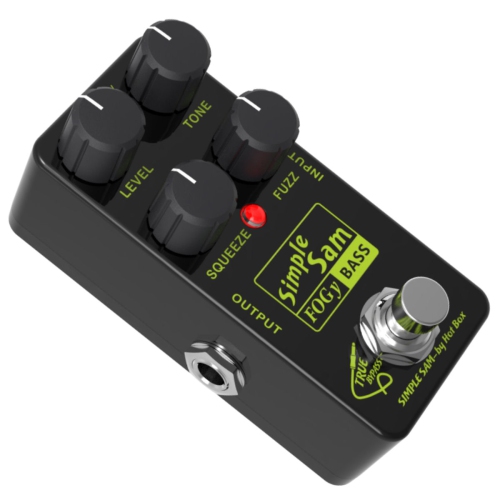
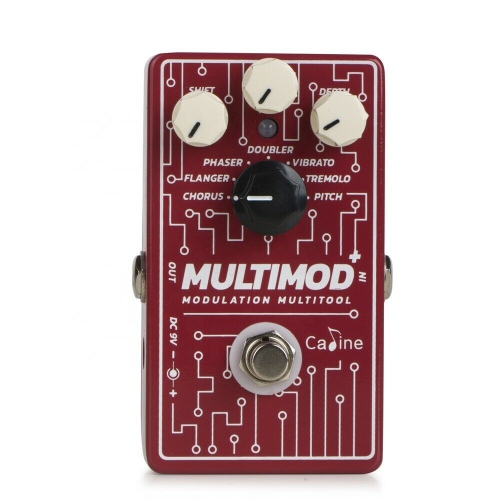
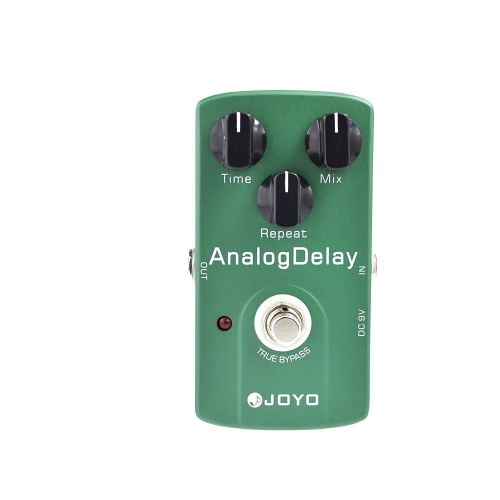
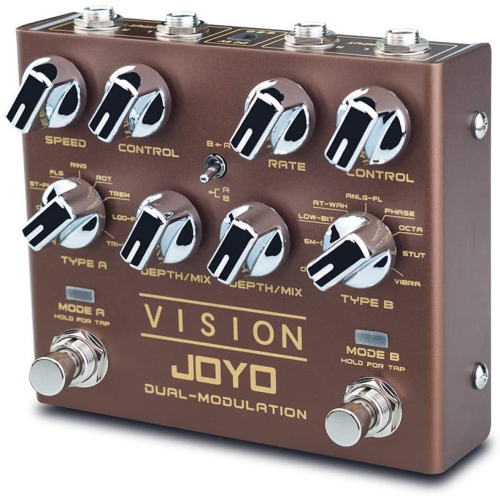
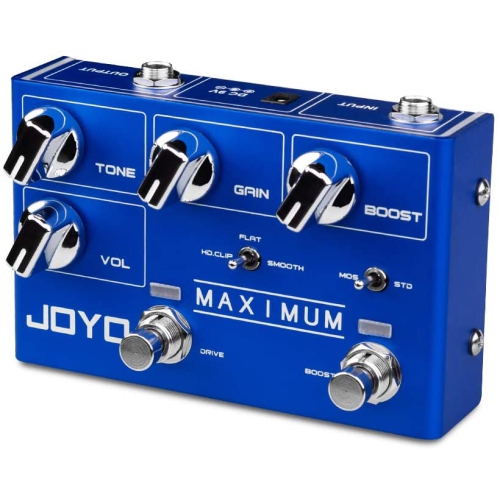
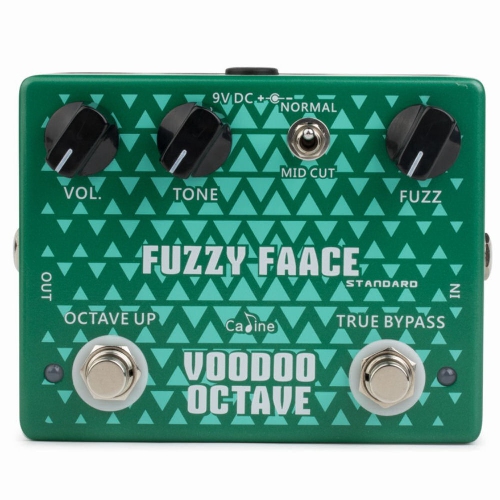
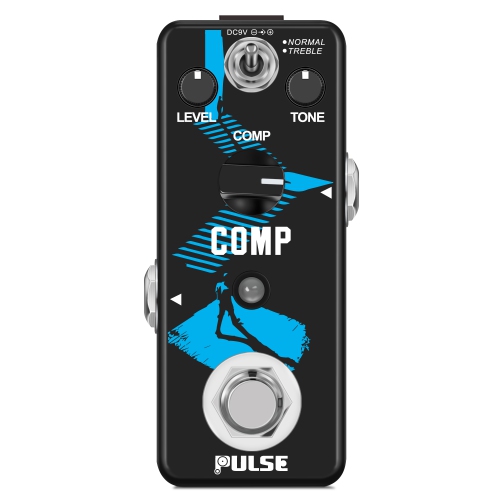
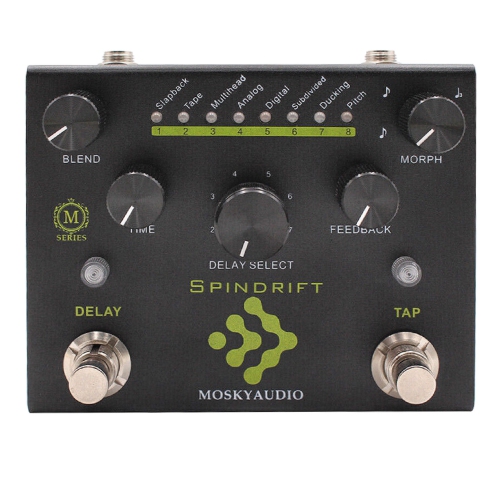
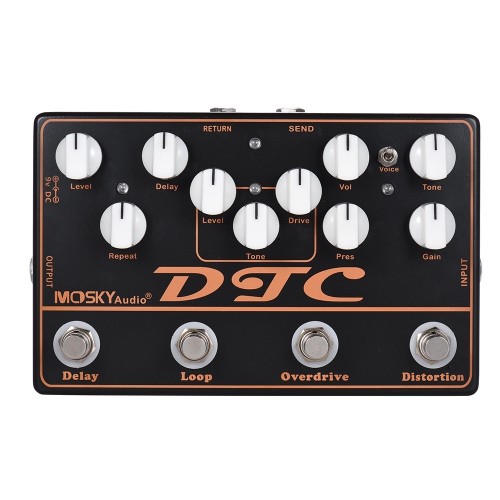
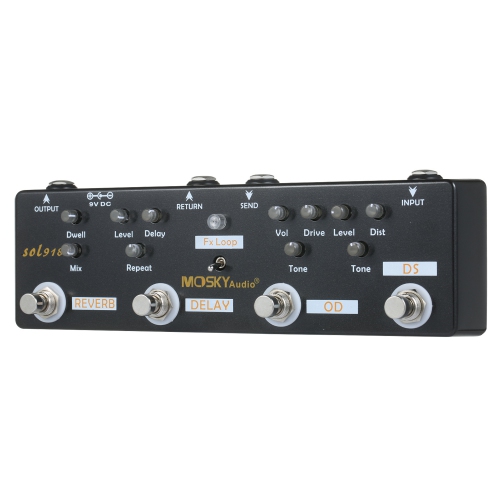
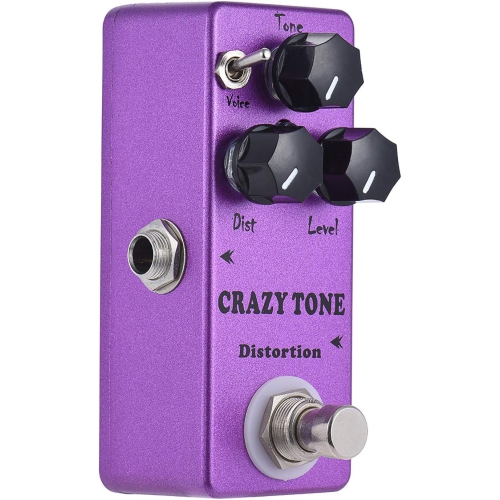
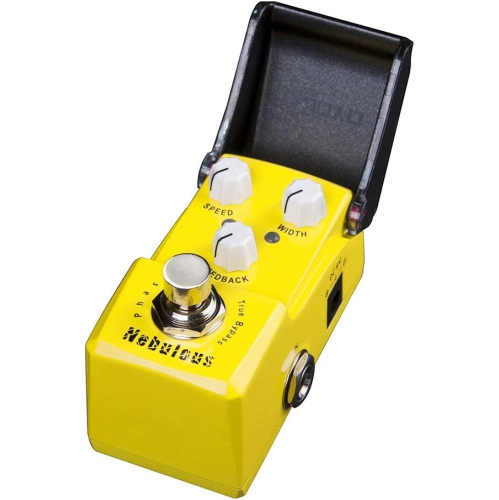
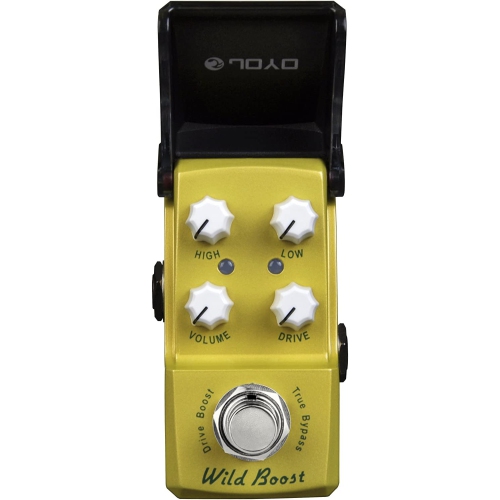
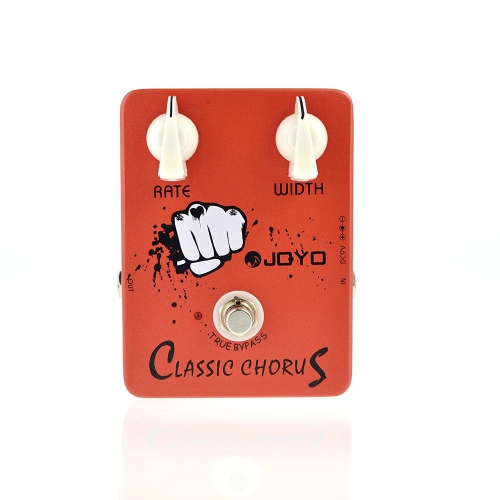
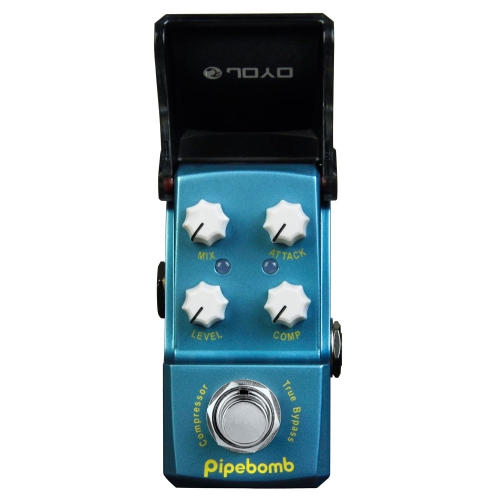
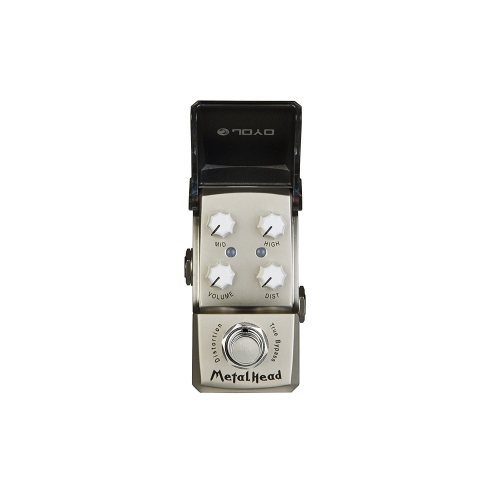
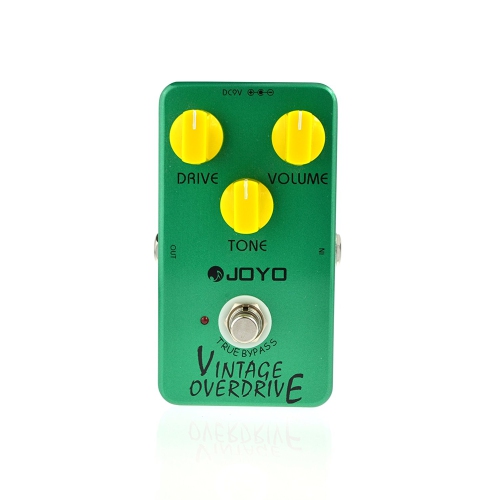
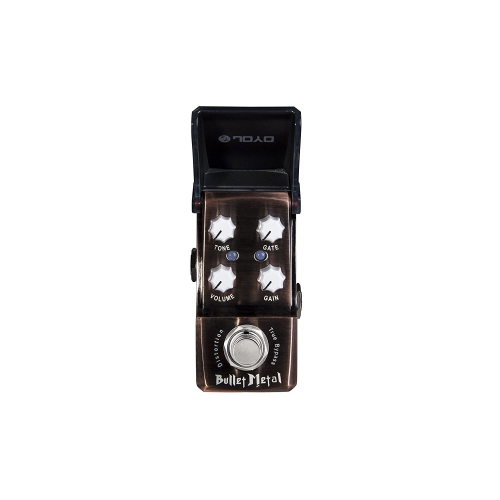
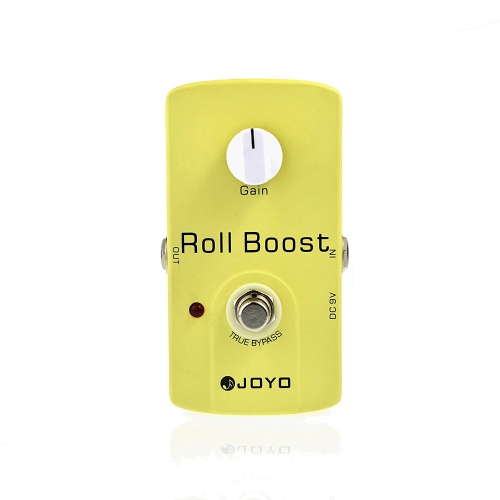
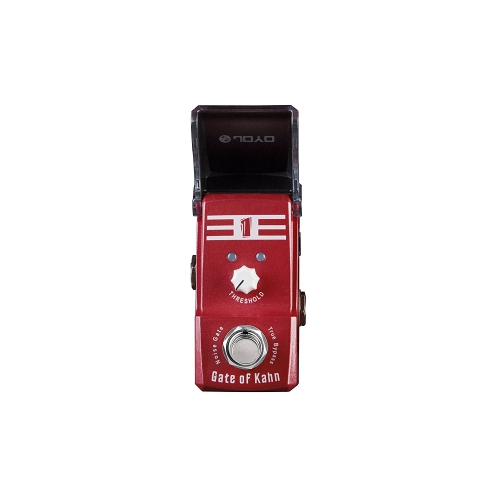
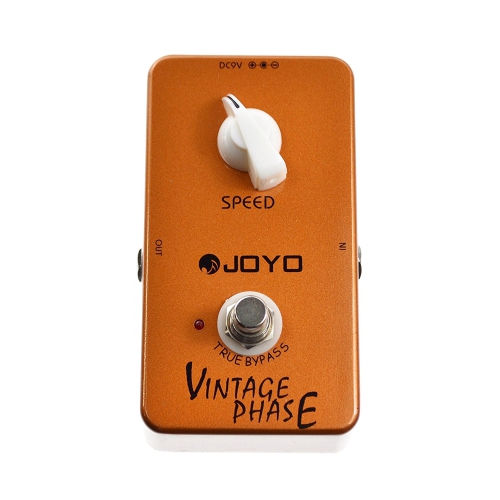
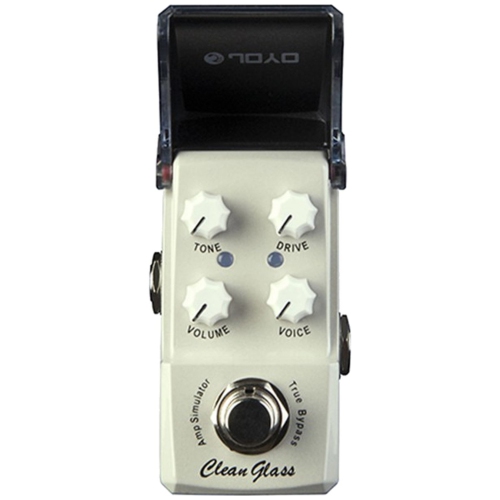
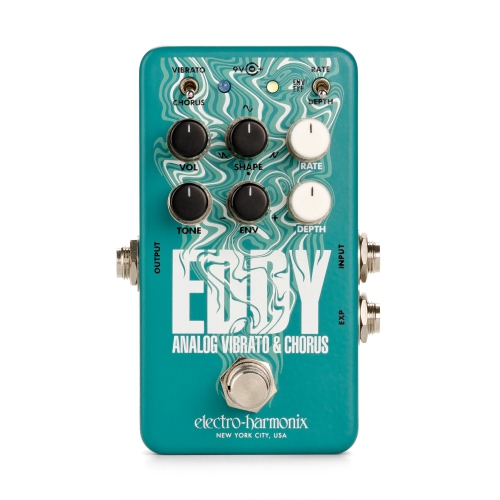
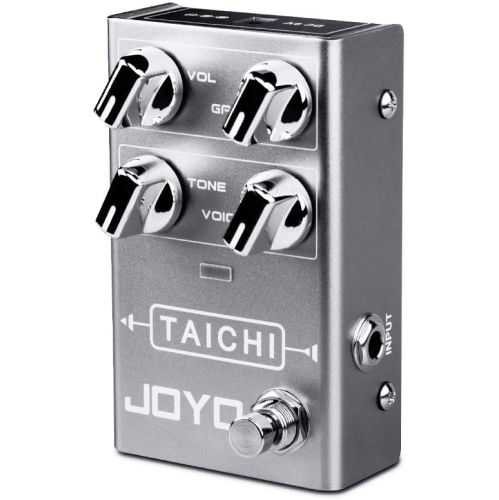
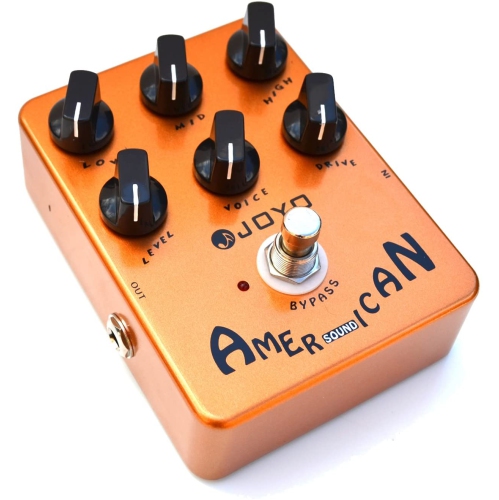
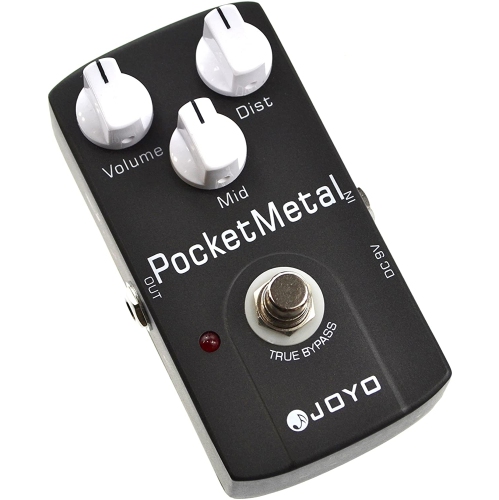
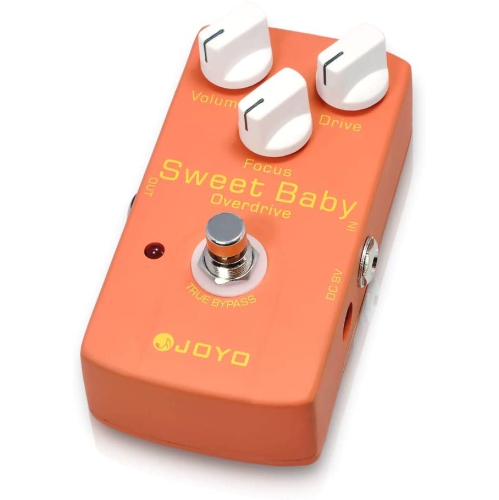
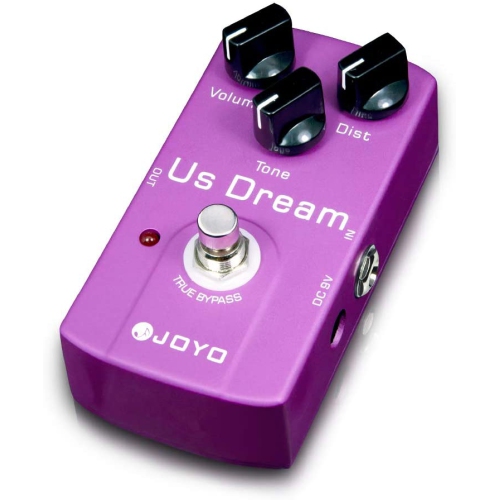
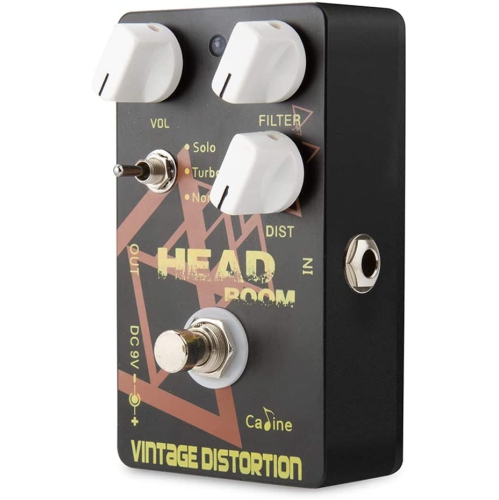
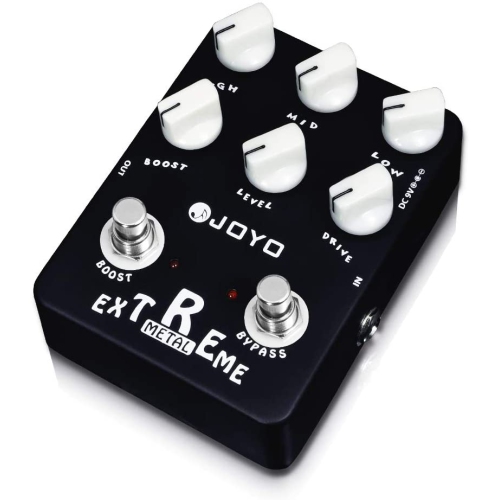
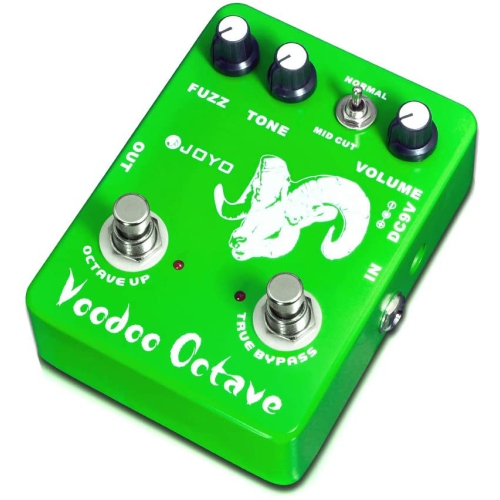
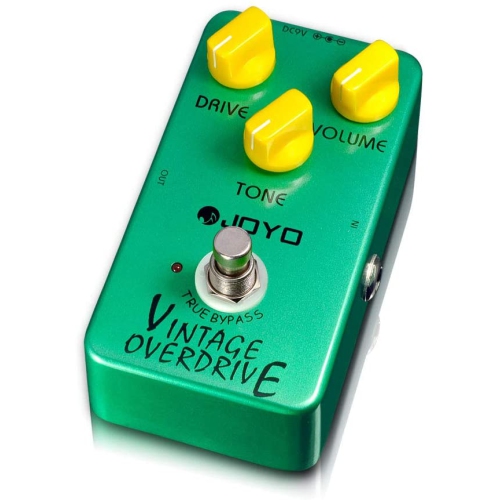
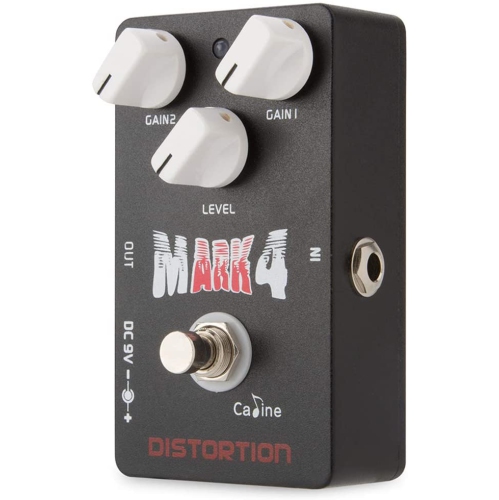
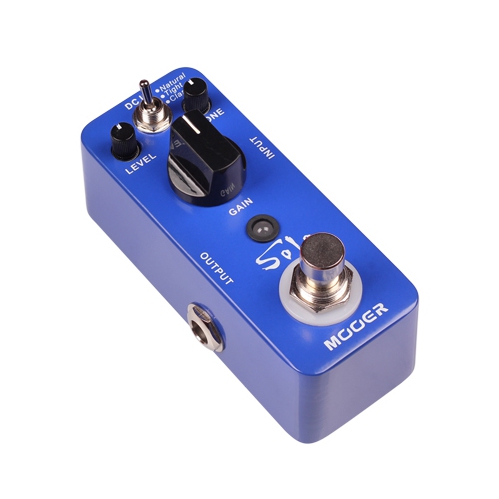
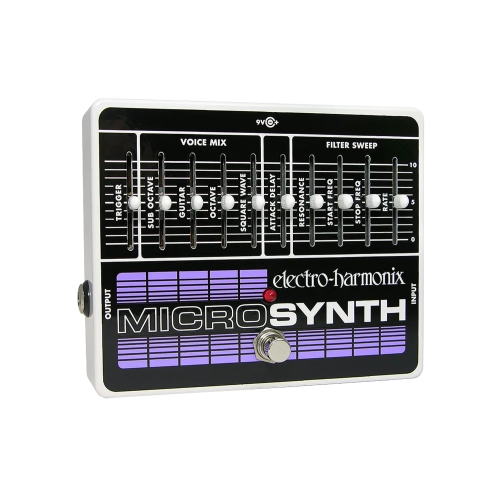
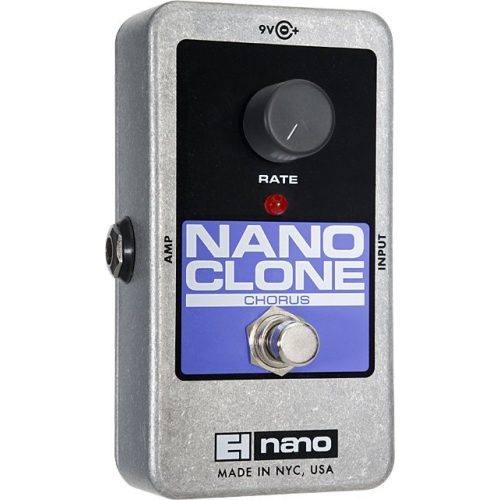
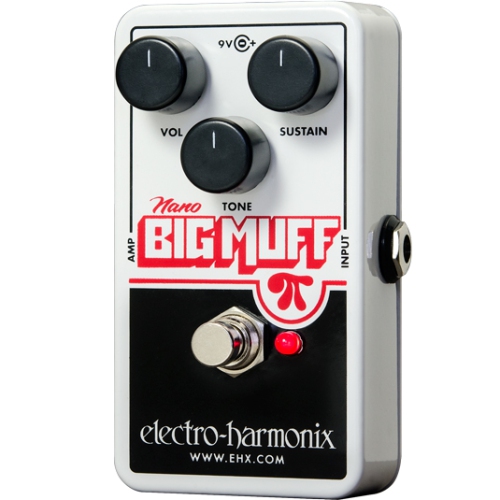
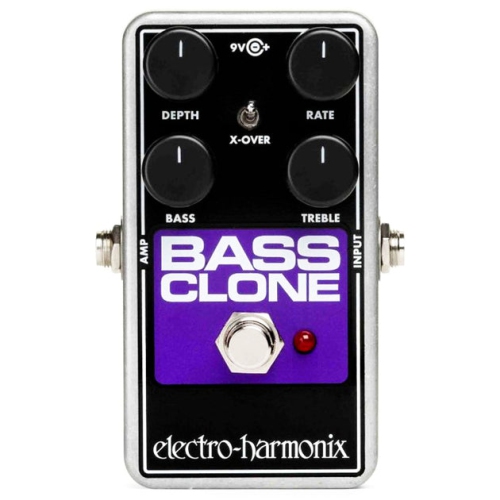
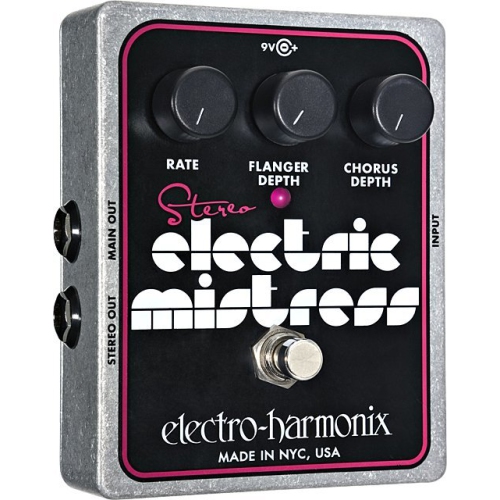
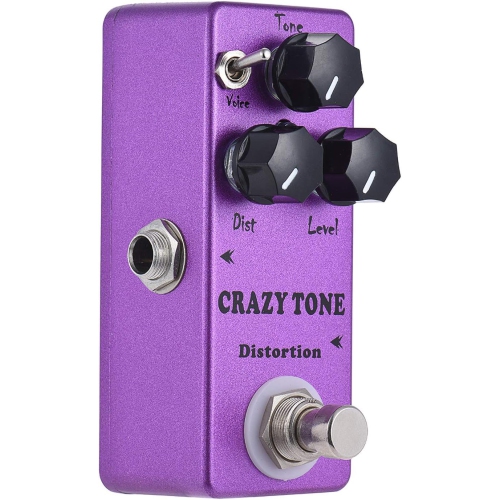
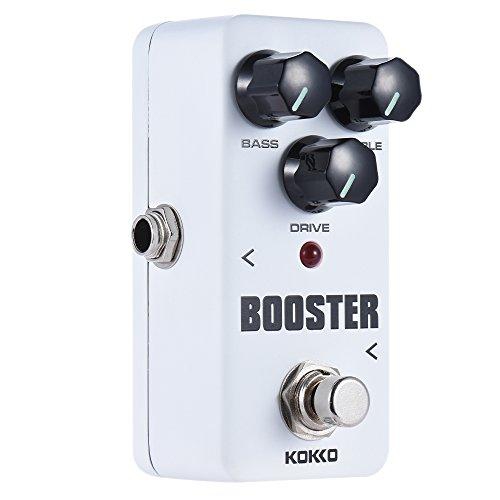
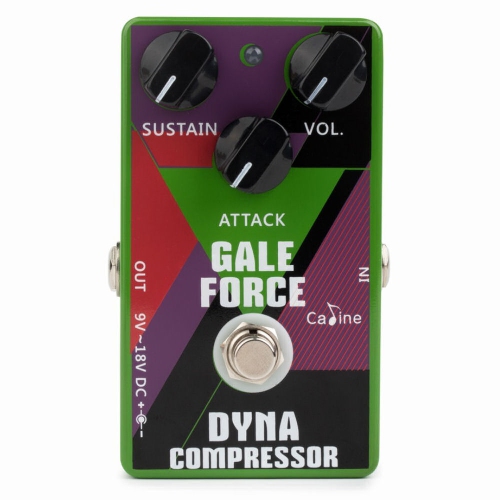
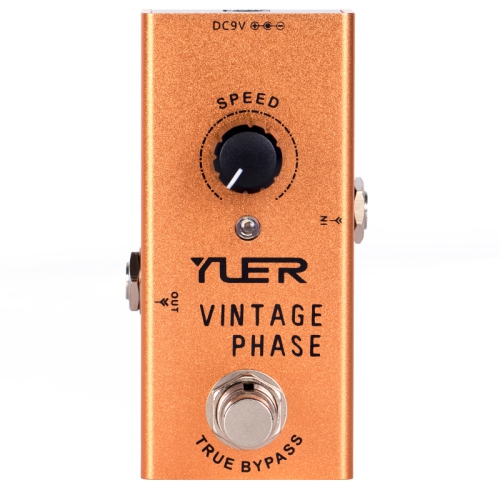
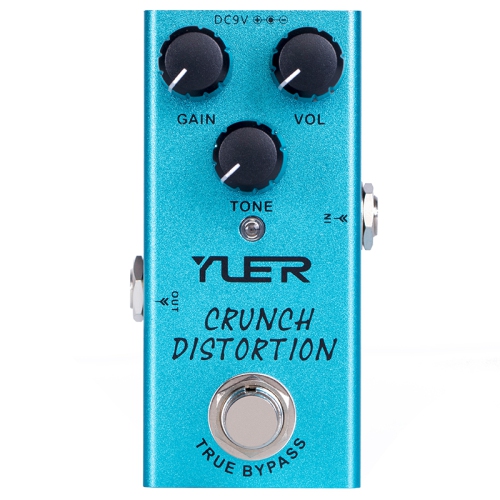
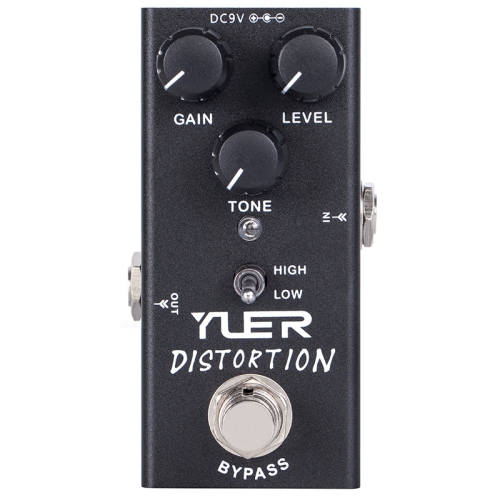
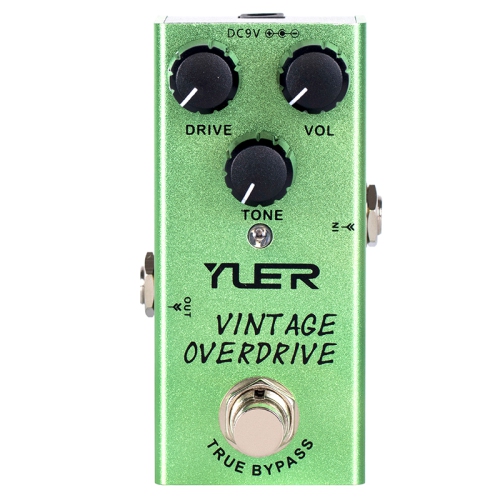
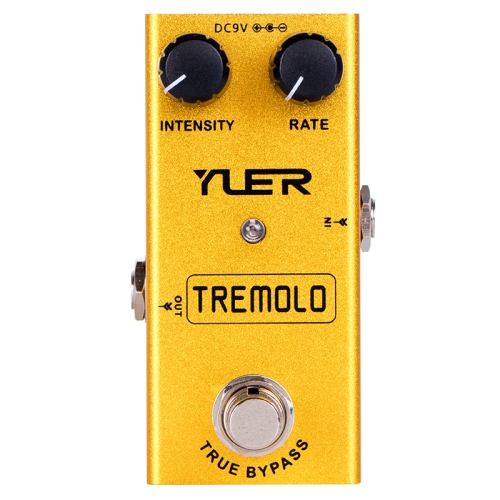
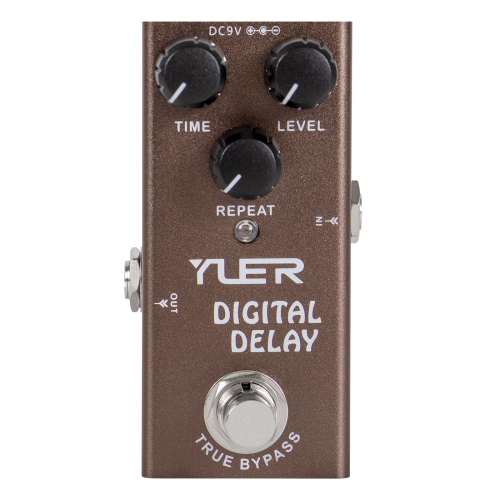
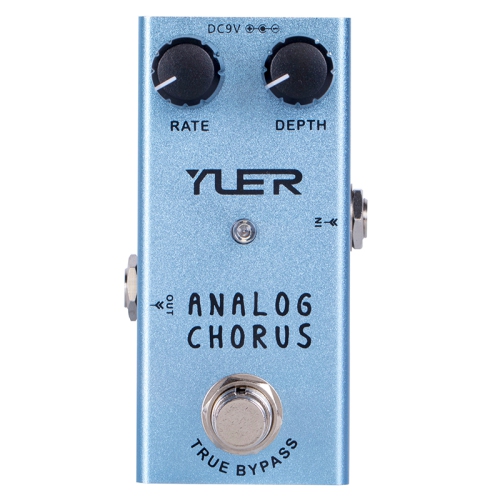
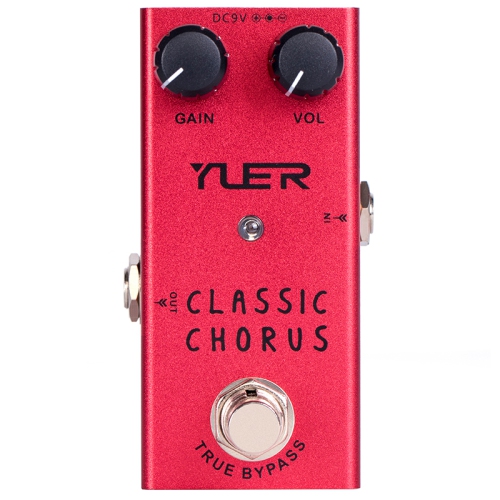
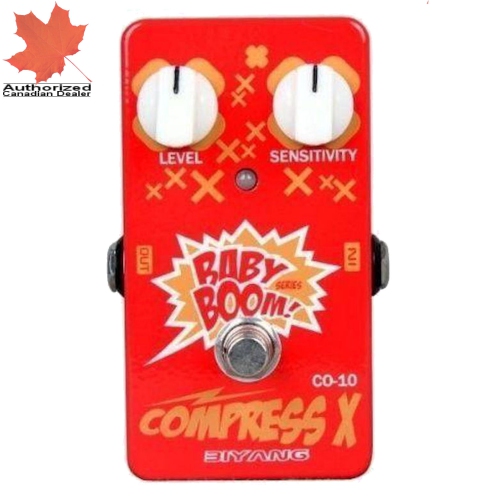
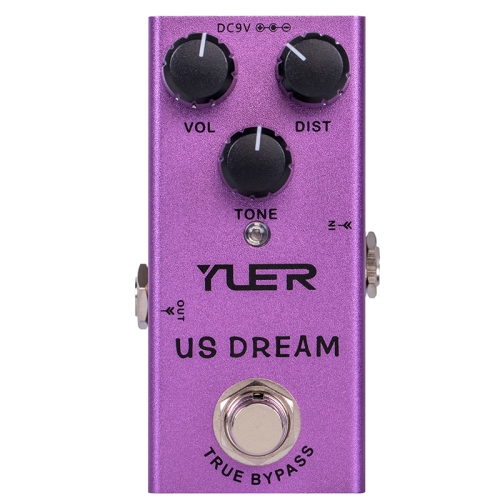
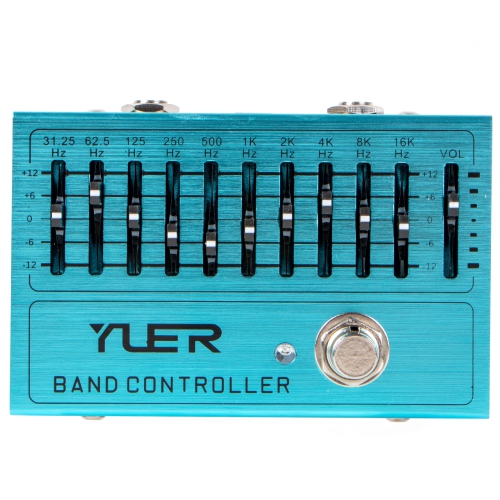
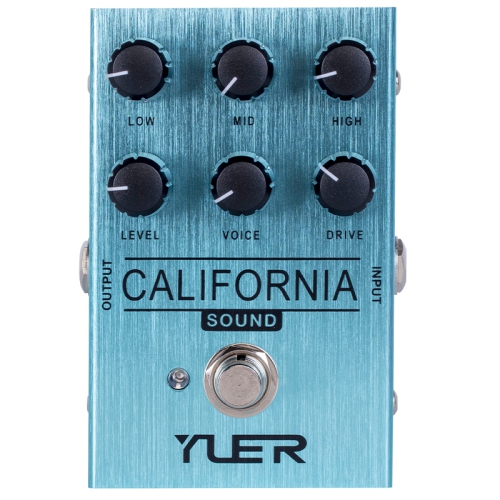
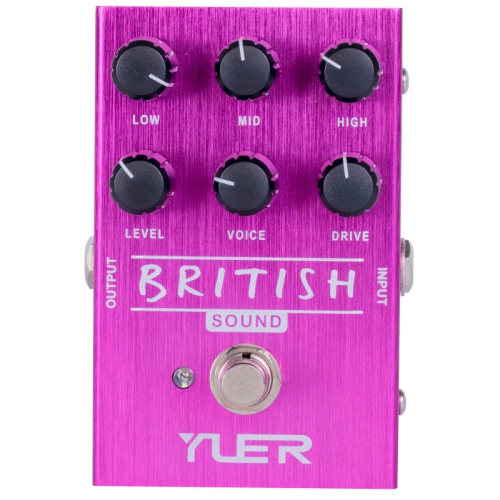
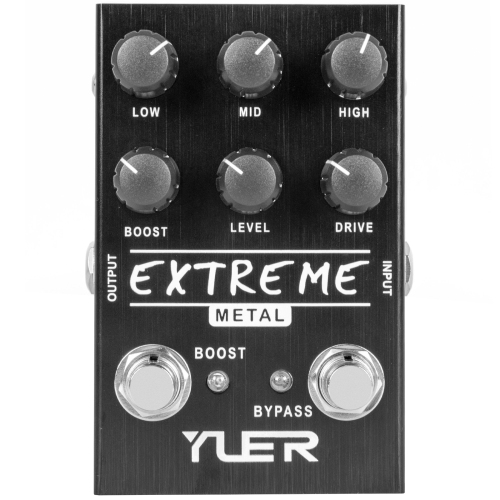
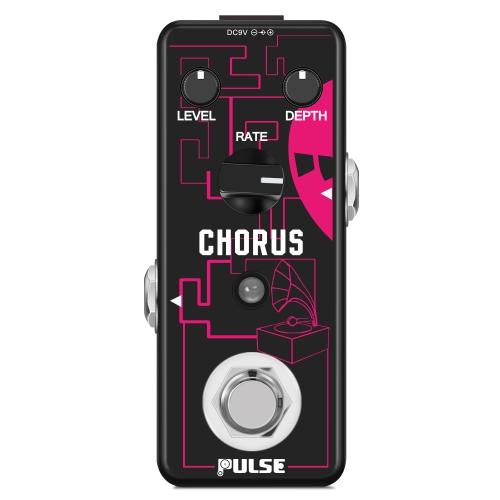
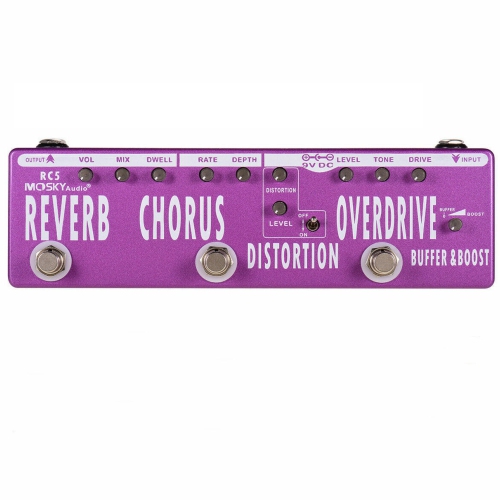
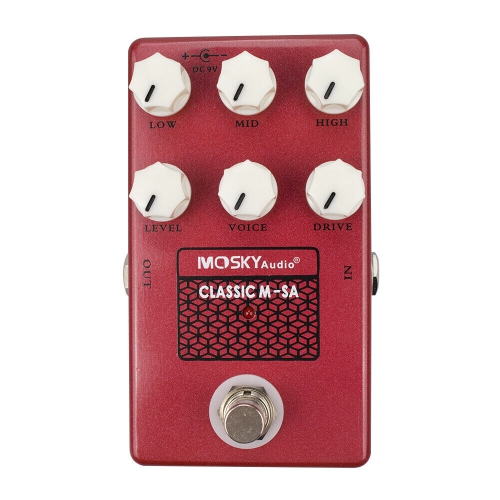
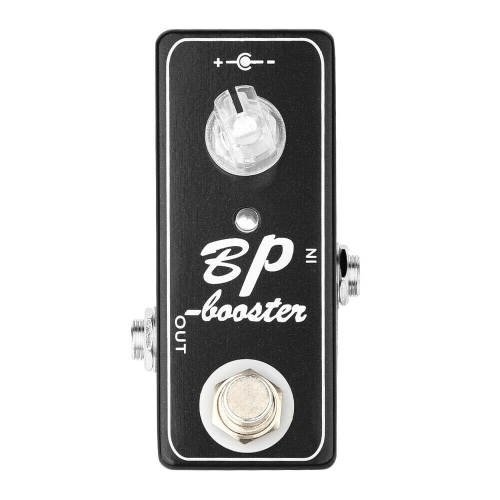
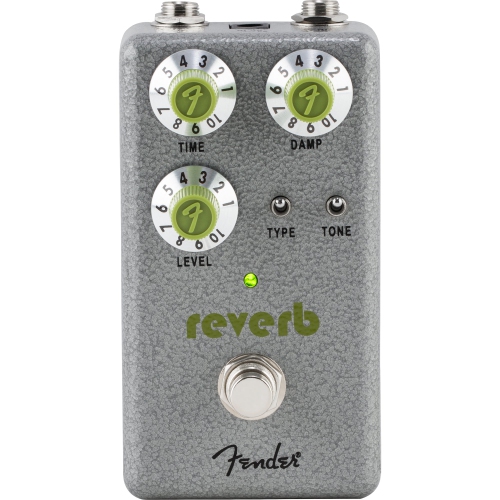
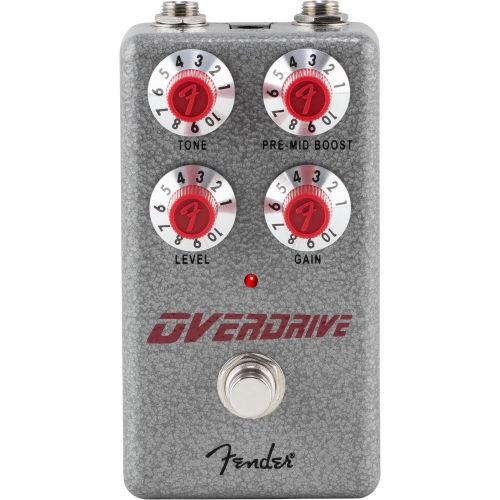
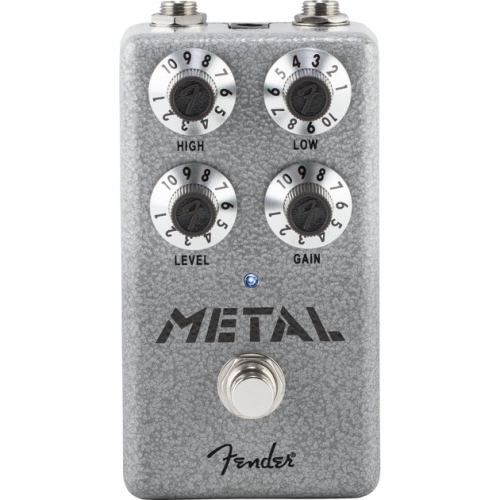
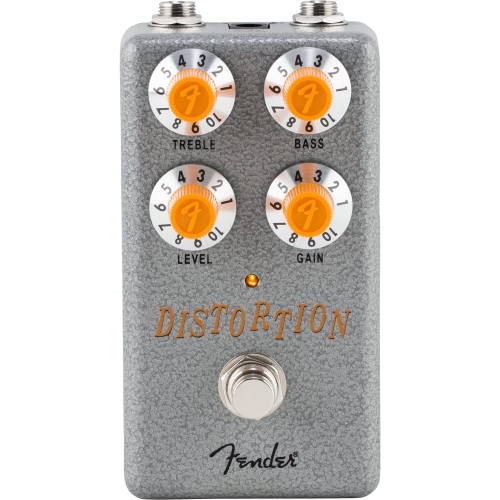
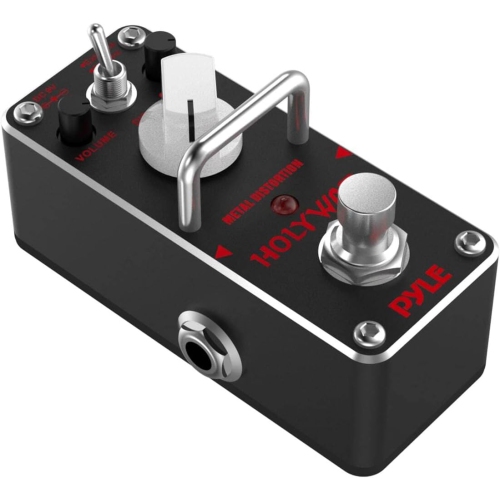
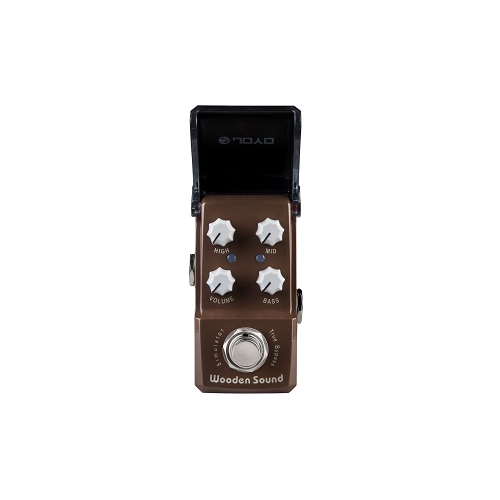
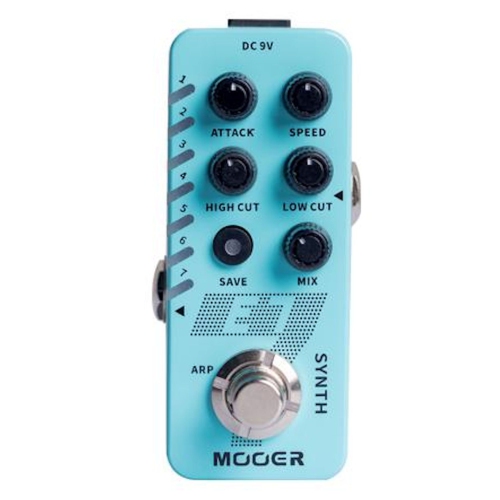
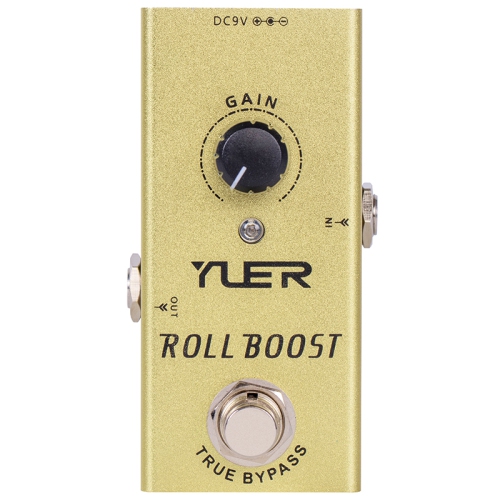
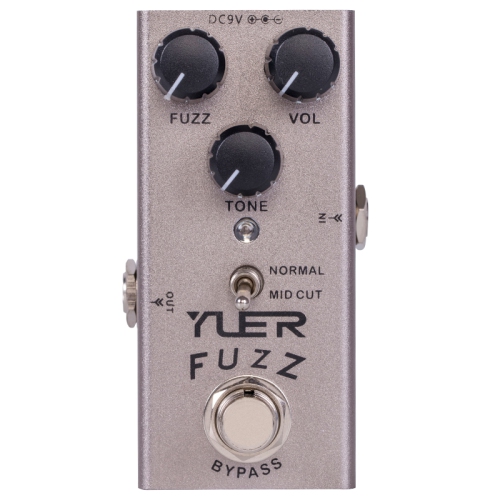
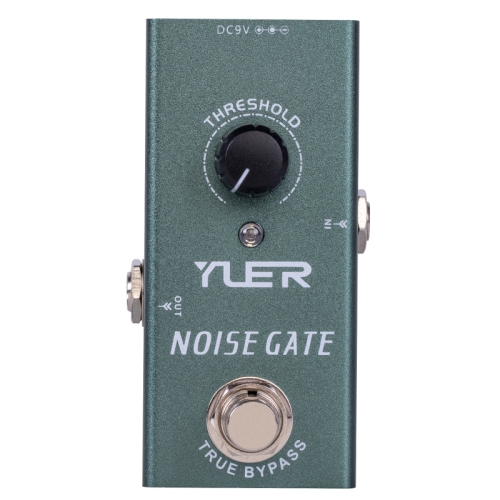
Electric guitar effects shape an instrument’s electrical signal, adding anything from a little extra bite to spacious, layered textures. They let the same guitar move between crisp rhythm parts, singing lead lines, gritty riffs, and atmospheric passages without changing instruments. The main effect families are gain, dynamics, modulation, time-based processing, and filters, with each affecting a different aspect of the sound. Overdrive, distortion, and fuzz belong to the gain family: overdrive often brings a responsive crunch, distortion produces more pronounced clipping and density, and fuzz can create a thick, ragged edge. Their character depends partly on the guitar’s pickups, the amplifier, and how firmly the strings are played. Dynamic effects shape volume and response. A compressor reduces the difference between softer and louder notes, helping picked arpeggios sound more even, while a boost raises signal level and may push an amplifier into greater breakup. Modulation effects add movement: chorus creates a layered, shimmering impression, phaser adds a sweeping texture, and flanger produces a more pronounced moving, comb-filtered sound. Delay repeats notes, from a short slapback behind a rockabilly phrase to rhythmic patterns that weave around the original playing. Reverb simulates the reflections of an acoustic space or the character of mechanical reverberation, placing a dry guitar sound in anything from a small room to a broad, lingering wash. Filters and equalizers adjust frequency content, while a wah pedal sweeps a resonant filter to create its familiar vocal-like expression. Pitch effects can add octave layers or harmonized voices, depending on their design. Across the wider range of Guitar Effects, these different approaches serve distinct musical purposes rather than acting as interchangeable ways to change tone. A blues player may want drive that cleans up when the guitar’s volume is lowered; a funk guitarist may value a tight compressor and expressive wah; an ambient player may favour long delays and reverbs that let chords overlap into a continuous backdrop.
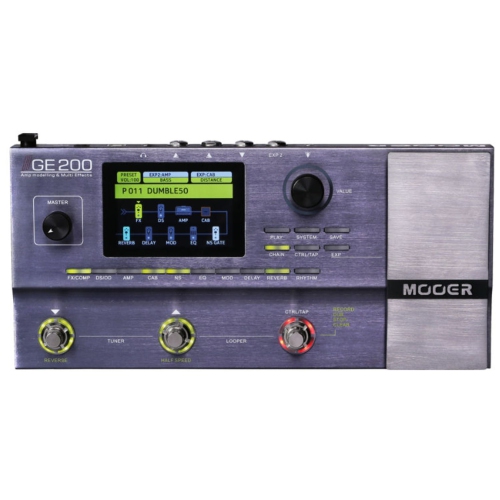
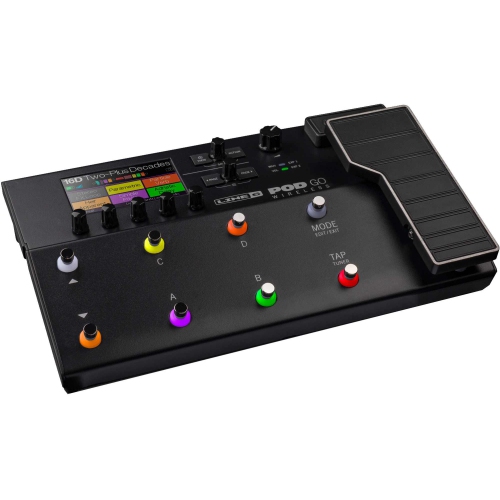
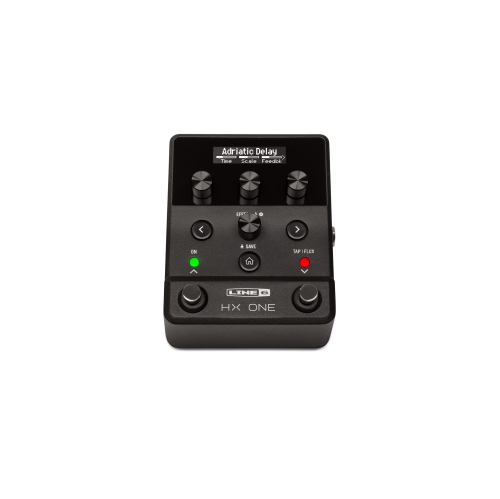
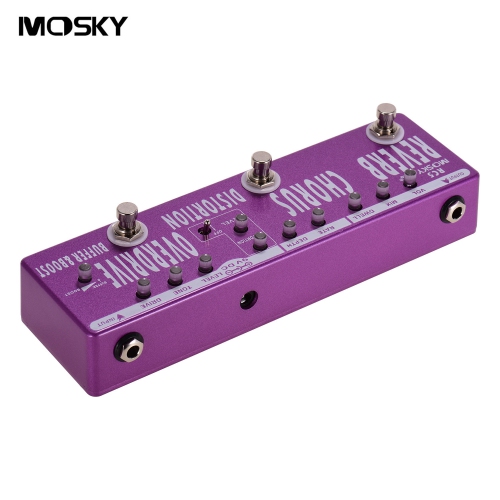
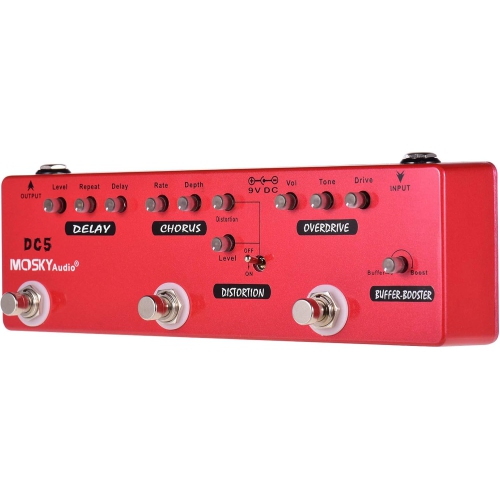
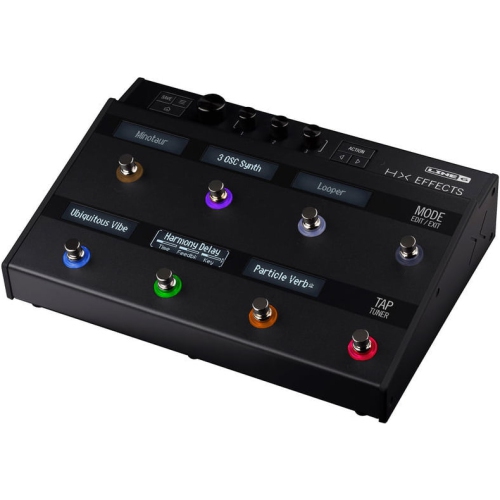
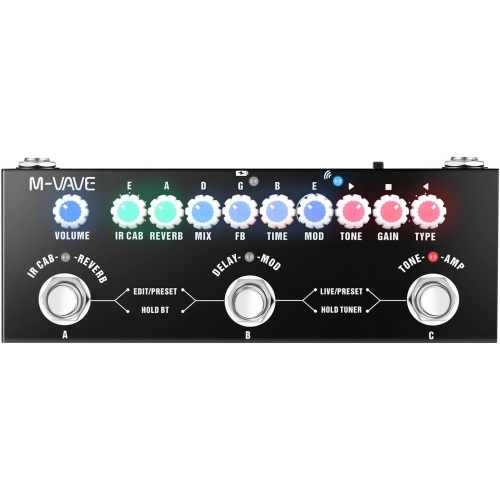
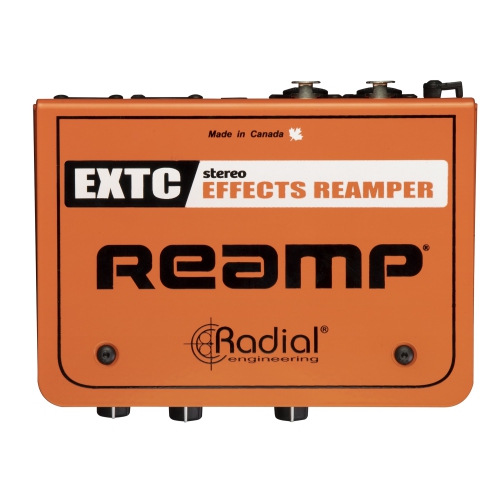
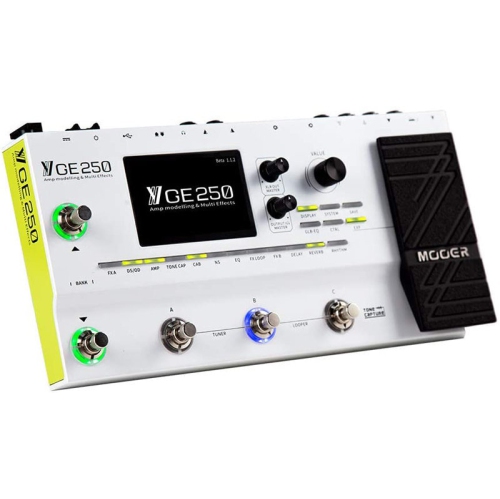
Electric guitar effects come in several practical formats, most commonly individual stompboxes and multi-effects processors. A single-effect pedal puts a focused set of controls within reach and makes it easy to adjust one sound independently. A multi-effects unit combines several processing types in one enclosure, often with saved presets that recall combinations of sounds for different songs or sections. Some also include amplifier and speaker-cabinet modelling, although those features are separate from effects themselves and vary by design. For a player moving from a clean verse to a distorted chorus and a delayed solo, preset switching can reduce the number of foot movements needed during a performance. Someone who enjoys making small adjustments by ear may prefer separate pedals with dedicated knobs. Physical fit matters as much as the number of sounds. Compact enclosures conserve pedalboard space, but closely spaced controls and footswitches can be harder to operate in larger shoes. Wider layouts may make switching more comfortable, while an expression pedal needs enough room for a full rocking movement. Input and output placement also affects how neatly patch cables fit beside neighbouring pedals. Compatibility includes the audio connections, power requirements, and the equipment receiving the processed signal. Many stompboxes use quarter-inch instrument connections, but mono and stereo arrangements differ, and stereo processing needs a suitable two-channel setup to preserve its spread. Power supplies must match the required voltage, polarity, and current capacity; a connector that fits is not proof of electrical compatibility. Some pedals accept batteries, while others require an external supply. Effects placed before an amplifier interact with its input stage, whereas compatible amplifier effects loops can place delay and reverb after the preamp for greater separation when using amplifier distortion. There is no single signal order for every sound, though gain before modulation, delay, and reverb is a common starting arrangement. A processor used with headphones, a mixer, or an audio interface needs outputs and features intended for that connection; an ordinary stompbox alone is not necessarily a complete direct-listening setup.
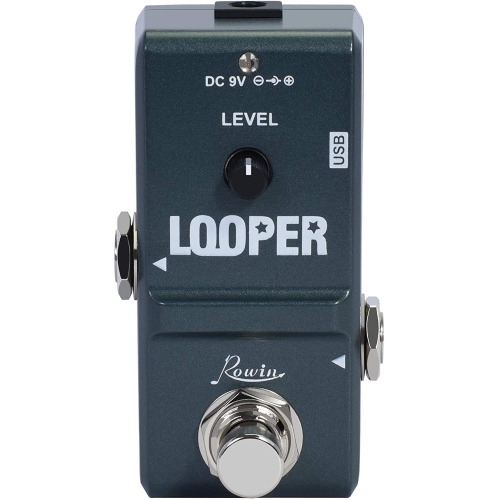
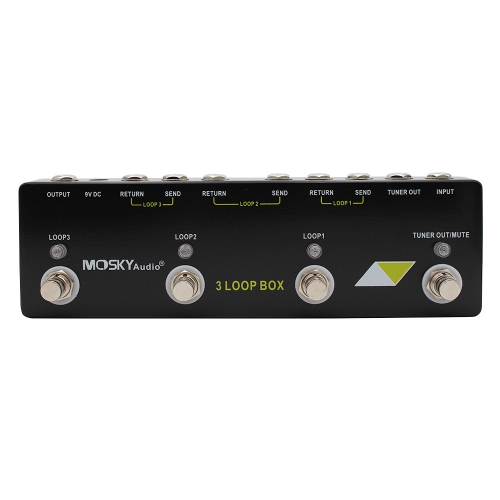
Construction, control feel, and everyday care all influence how well electric guitar effects suit regular playing. Metal housings are common because they provide a rigid enclosure for the circuitry, while lighter housings can suit equipment that travels less or stays on a desk. Material alone does not establish durability: secure jacks, stable knobs, dependable switches, and a layout that protects vulnerable connections also matter. On a rehearsal-room floor, cables can be tugged and controls can be bumped as players move around microphone stands and amplifier leads. A pedalboard with firmly attached effects and sensibly routed cables helps keep the arrangement predictable, while a fitted carrying case protects knobs and switches between sessions. Patch cables need enough slack to avoid pulling sideways on sockets, without leaving large loops underfoot. Dry, gentle cleaning and keeping drinks away from the equipment help protect surfaces and electronics; cleaning liquids should not be sprayed into openings. Battery-powered effects benefit from battery removal before extended storage to reduce the risk of leakage. Equipment brought indoors from a cold vehicle should reach room temperature before use if condensation may have formed. For home players, accessible controls and low-noise operation can be especially valuable when practising quiet passages, where hiss or hum is easier to notice. High-gain settings can amplify existing noise, and a suitable isolated power supply may help reduce certain power-related noise problems without fixing every possible cause. Live performers may place greater importance on readable displays, clear status lights, and switches that can be found confidently on a dim stage. Players building layered arrangements may appreciate tap tempo for matching delay repeats to a song, or a looper for playing a chord progression underneath a melody. Looping is distinct from delay because it captures and plays back a phrase rather than simply creating decaying repeats. Electric guitar effects can also make thoughtful gifts for guitarists who already have an instrument and a compatible amplification setup. Familiarity with the recipient’s musical interests, existing connections, and preference for simple controls or deeper sound editing helps make the choice useful. Whether the aim is a firmer rhythm tone, a lead sound that holds a note, or an expansive backdrop for slower playing, the most suitable format gives the musician practical control over the sounds they want to create.
Electric guitar effects come in several practical formats, most commonly individual stompboxes and multi-effects processors. A single-effect pedal puts a focused set of controls within reach and makes it easy to adjust one sound independently. A multi-effects unit combines several processing types in one enclosure, often with saved presets that recall combinations of sounds for different songs or sections. Some also include amplifier and speaker-cabinet modelling, although those features are separate from effects themselves and vary by design. For a player moving from a clean verse to a distorted chorus and a delayed solo, preset switching can reduce the number of foot movements needed during a performance. Someone who enjoys making small adjustments by ear may prefer separate pedals with dedicated knobs. Physical fit matters as much as the number of sounds. Compact enclosures conserve pedalboard space, but closely spaced controls and footswitches can be harder to operate in larger shoes. Wider layouts may make switching more comfortable, while an expression pedal needs enough room for a full rocking movement. Input and output placement also affects how neatly patch cables fit beside neighbouring pedals. Compatibility includes the audio connections, power requirements, and the equipment receiving the processed signal. Many stompboxes use quarter-inch instrument connections, but mono and stereo arrangements differ, and stereo processing needs a suitable two-channel setup to preserve its spread. Power supplies must match the required voltage, polarity, and current capacity; a connector that fits is not proof of electrical compatibility. Some pedals accept batteries, while others require an external supply. Effects placed before an amplifier interact with its input stage, whereas compatible amplifier effects loops can place delay and reverb after the preamp for greater separation when using amplifier distortion. There is no single signal order for every sound, though gain before modulation, delay, and reverb is a common starting arrangement. A processor used with headphones, a mixer, or an audio interface needs outputs and features intended for that connection; an ordinary stompbox alone is not necessarily a complete direct-listening setup.
Construction, control feel, and everyday care all influence how well electric guitar effects suit regular playing. Metal housings are common because they provide a rigid enclosure for the circuitry, while lighter housings can suit equipment that travels less or stays on a desk. Material alone does not establish durability: secure jacks, stable knobs, dependable switches, and a layout that protects vulnerable connections also matter. On a rehearsal-room floor, cables can be tugged and controls can be bumped as players move around microphone stands and amplifier leads. A pedalboard with firmly attached effects and sensibly routed cables helps keep the arrangement predictable, while a fitted carrying case protects knobs and switches between sessions. Patch cables need enough slack to avoid pulling sideways on sockets, without leaving large loops underfoot. Dry, gentle cleaning and keeping drinks away from the equipment help protect surfaces and electronics; cleaning liquids should not be sprayed into openings. Battery-powered effects benefit from battery removal before extended storage to reduce the risk of leakage. Equipment brought indoors from a cold vehicle should reach room temperature before use if condensation may have formed. For home players, accessible controls and low-noise operation can be especially valuable when practising quiet passages, where hiss or hum is easier to notice. High-gain settings can amplify existing noise, and a suitable isolated power supply may help reduce certain power-related noise problems without fixing every possible cause. Live performers may place greater importance on readable displays, clear status lights, and switches that can be found confidently on a dim stage. Players building layered arrangements may appreciate tap tempo for matching delay repeats to a song, or a looper for playing a chord progression underneath a melody. Looping is distinct from delay because it captures and plays back a phrase rather than simply creating decaying repeats. Electric guitar effects can also make thoughtful gifts for guitarists who already have an instrument and a compatible amplification setup. Familiarity with the recipient’s musical interests, existing connections, and preference for simple controls or deeper sound editing helps make the choice useful. Whether the aim is a firmer rhythm tone, a lead sound that holds a note, or an expansive backdrop for slower playing, the most suitable format gives the musician practical control over the sounds they want to create.
Top selling and popular products
-
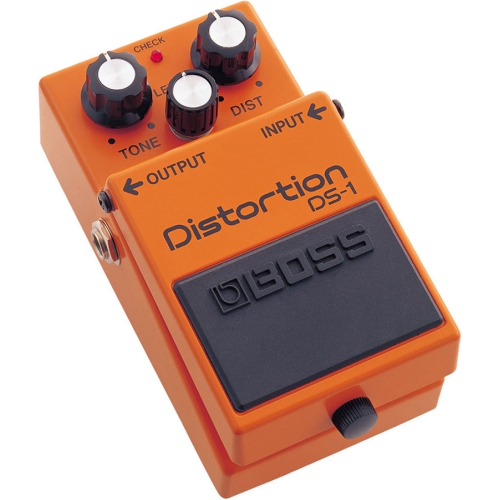 Your price for this item is $89.99
 -
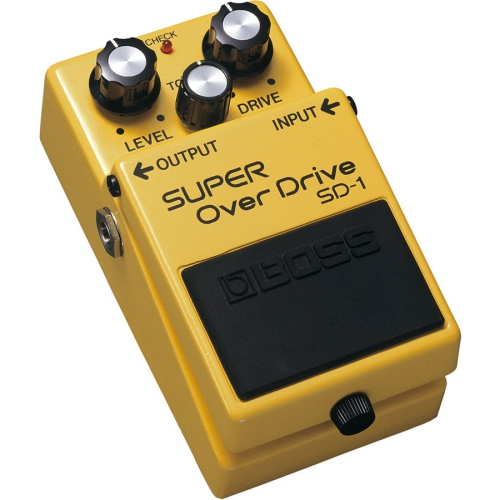 Your price for this item is $89.99
 -
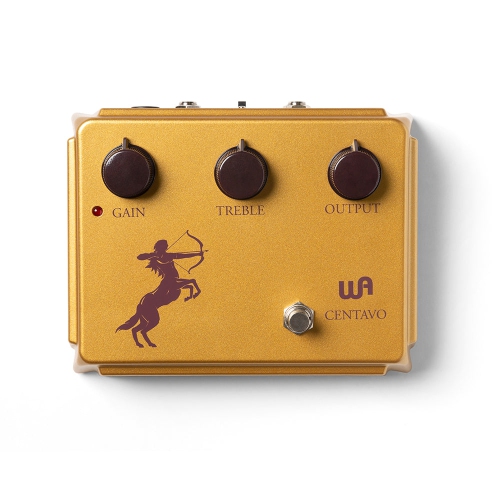 Your price for this item is $289
 -
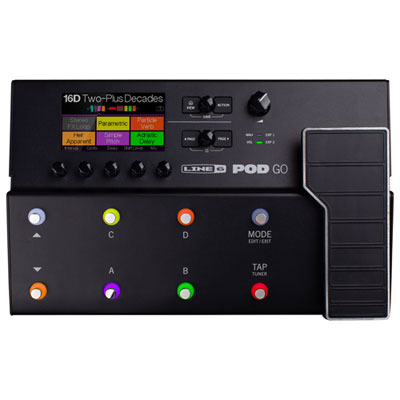 Your price for this item is $589.99
 -
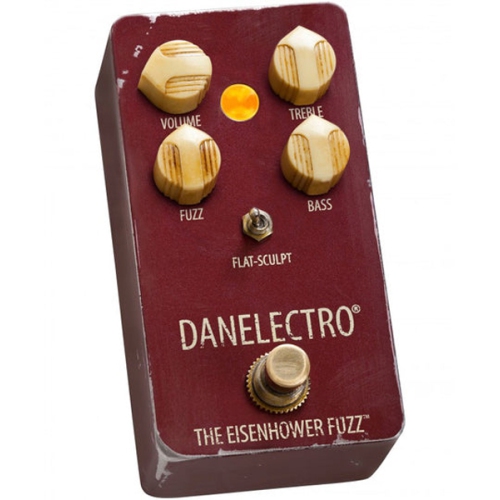 Your price for this item is $164.99
 -
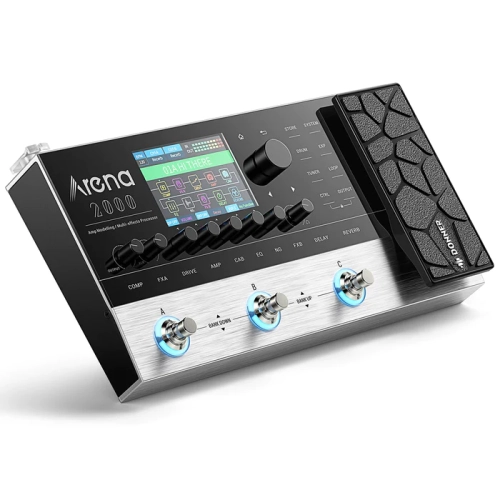 Your price for this item is $209.99
 -
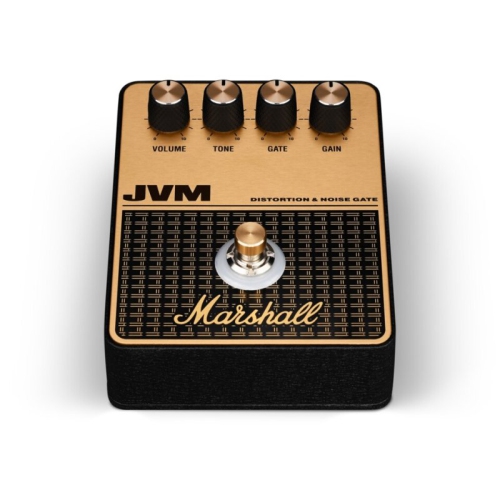 Your price for this item is $249.99
 -
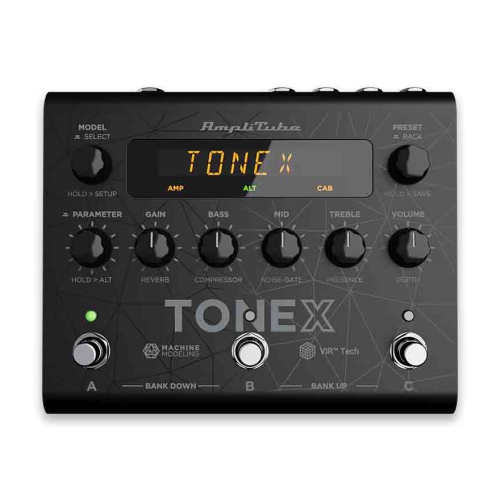 Your price for this item is $599.99
Discover more categories related to Electric Guitar Effects
Top Collections:
Pokemon Centers, Kindle Devices, Best Budget Office Chairs, Apple iPhones 16, Best Laptops for Writers, iPhone 15 Apple, Canon G7X Cameras, Refurbished Apple Laptops, Alarm Clock, Motorola Razr Phones
Some products may be subject to Environmental Handling Fees
(EHF) depending on your province.
Learn more about EHFs.