Guitar Effects Kits
Enhance your guitar playing experience with our wide selection of guitar effects kits. Whether you're a professional musician or just starting out, these kits are designed to take your sound to the next level. From distortion and delay to wah-wah and chorus effects, our collection offers a variety of options to suit every style and genre. Explore our range of guitar effects kits and discover the perfect tools to help you create unique and captivating melodies that will leave a lasting impression on your audience.
Sort
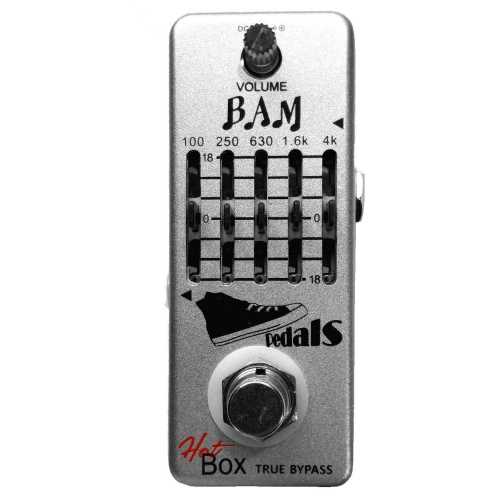
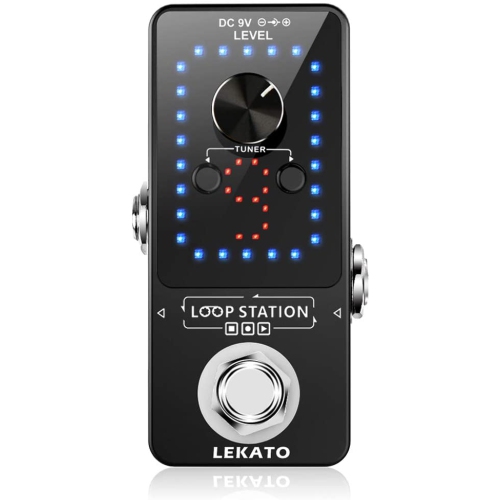
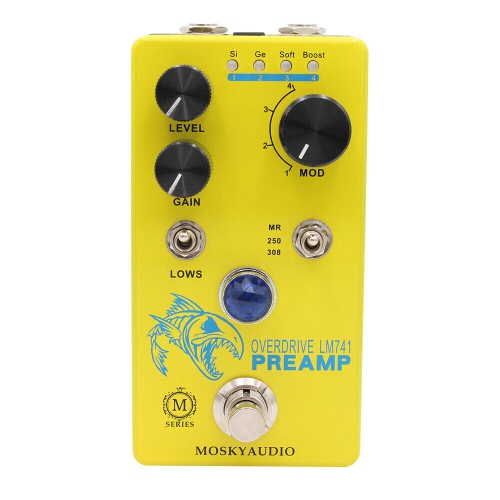
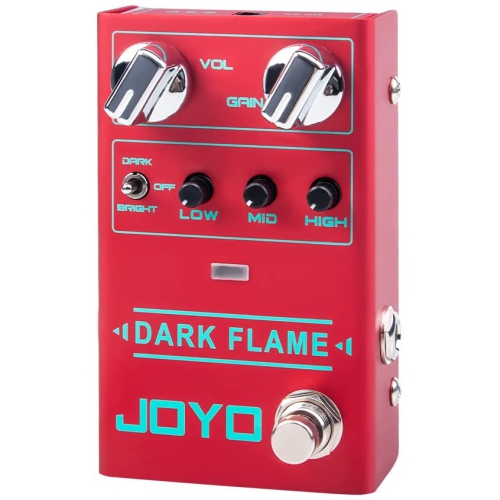
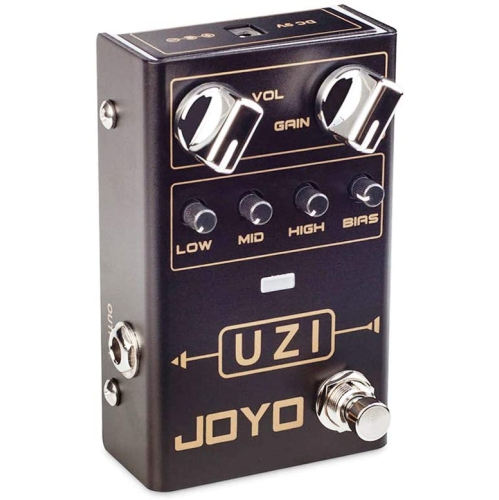
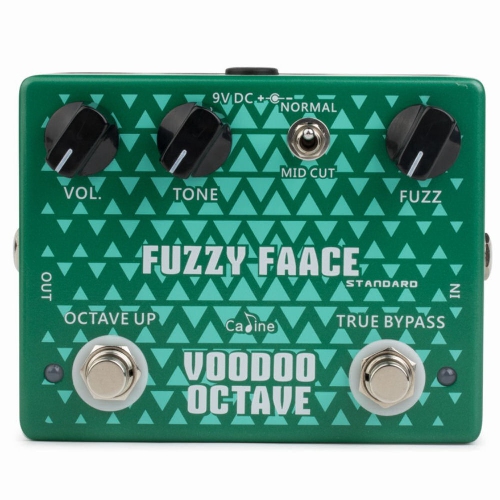
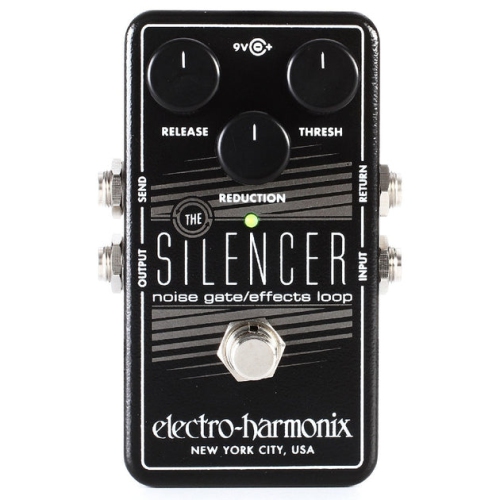
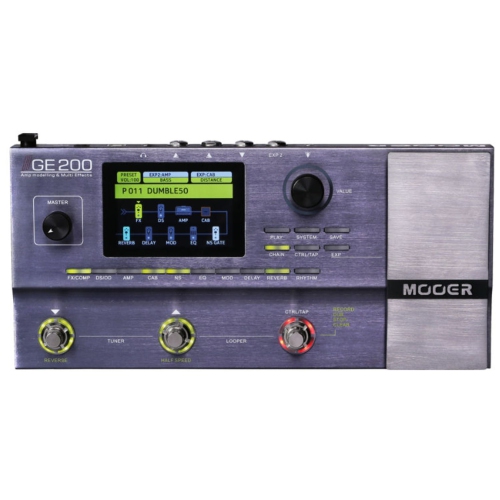

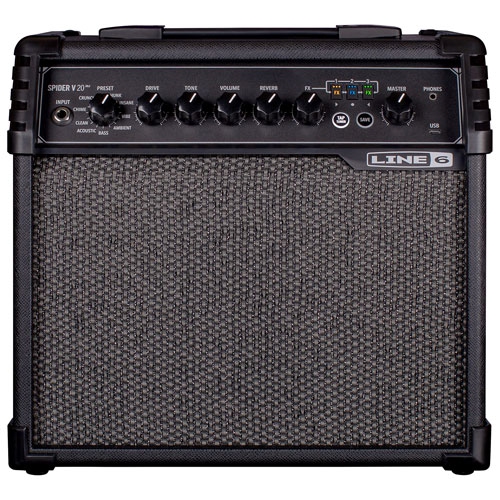
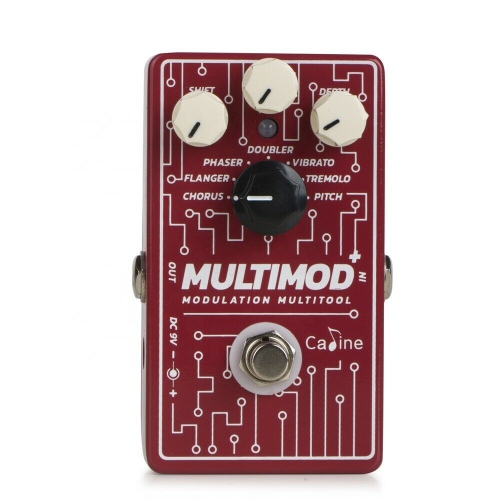
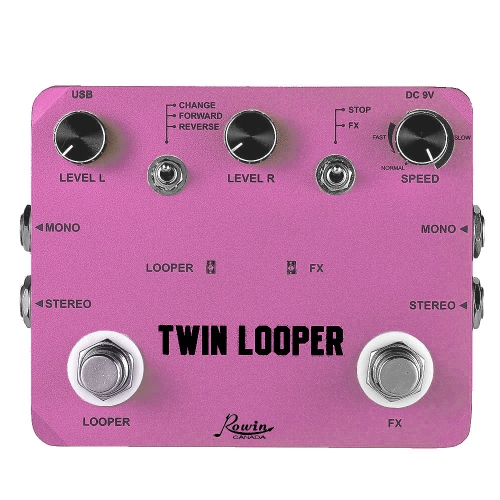
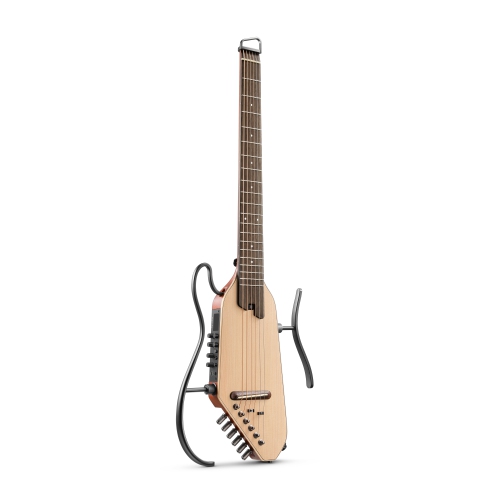
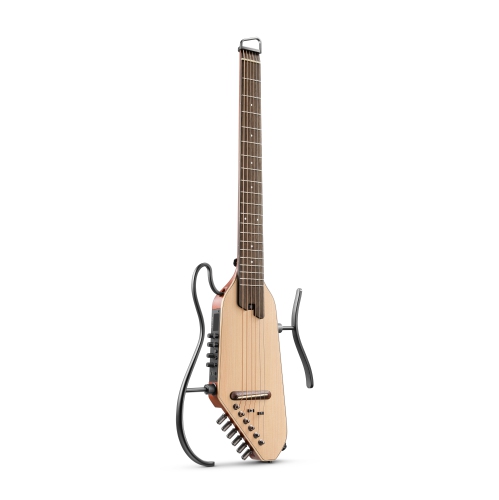
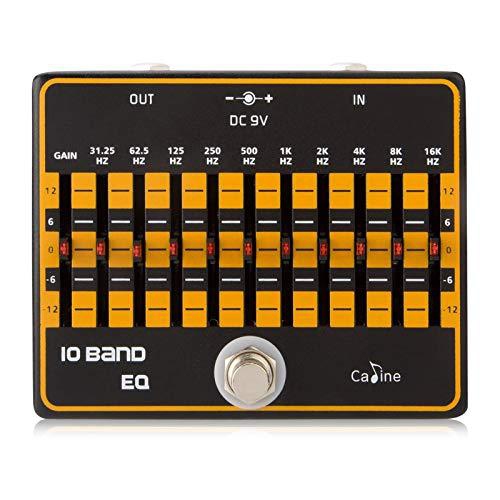
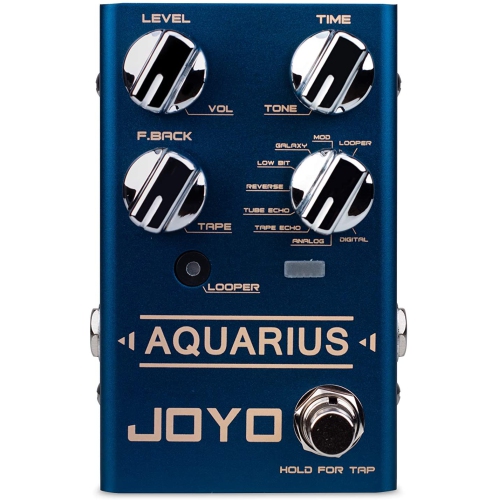
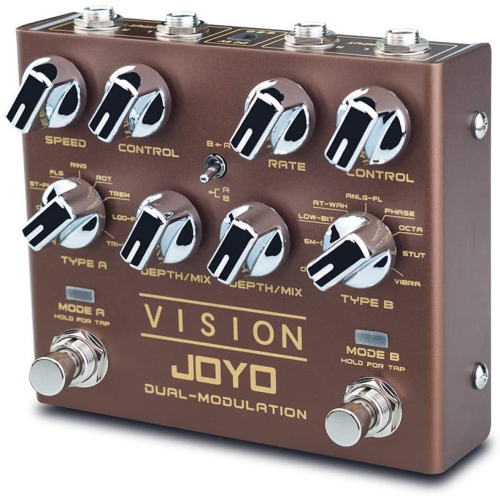
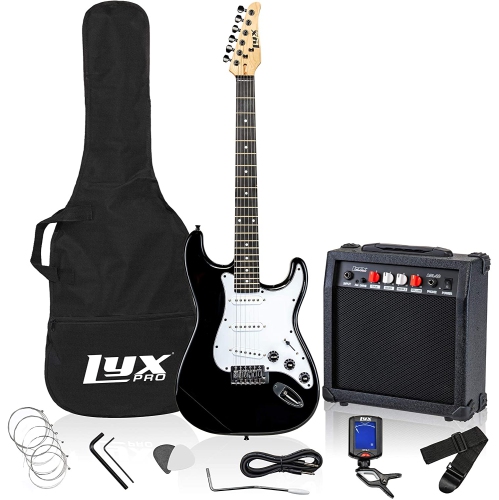
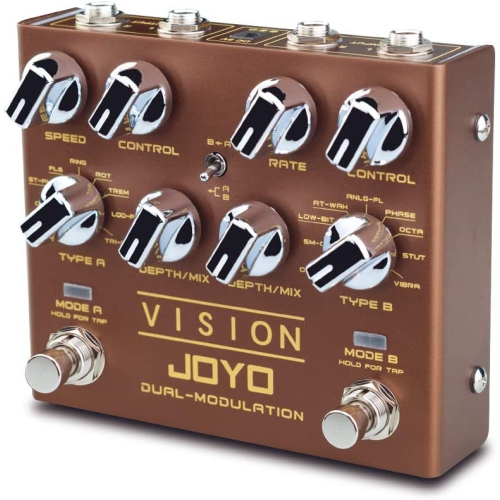

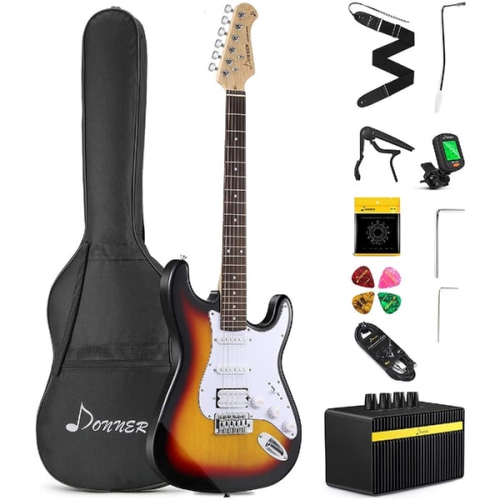
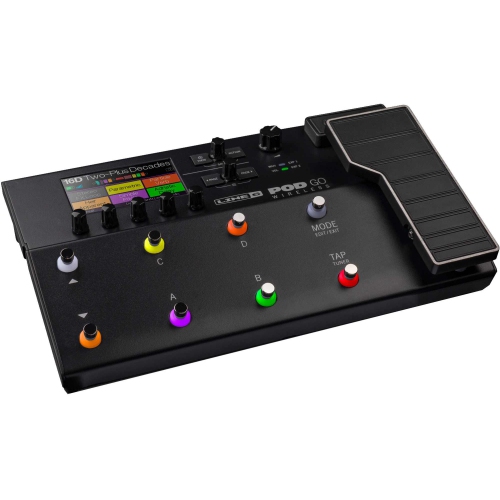

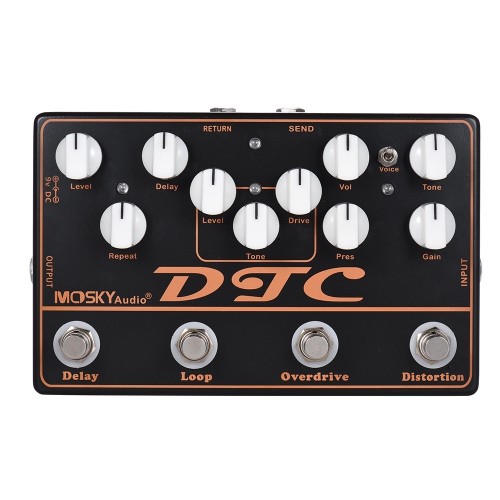
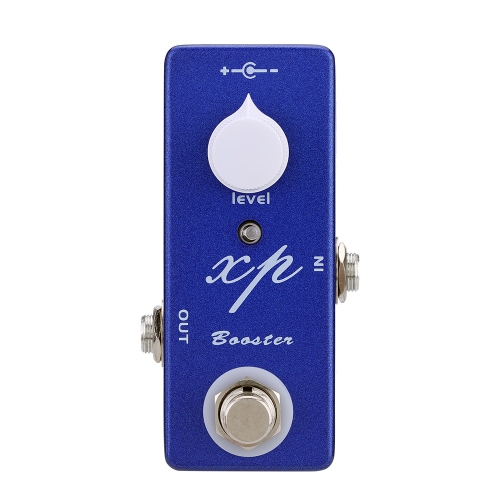

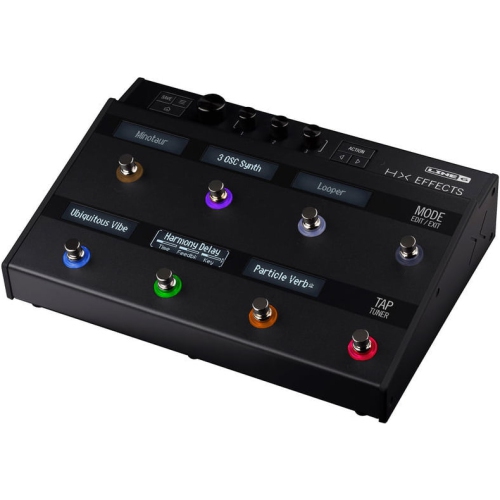
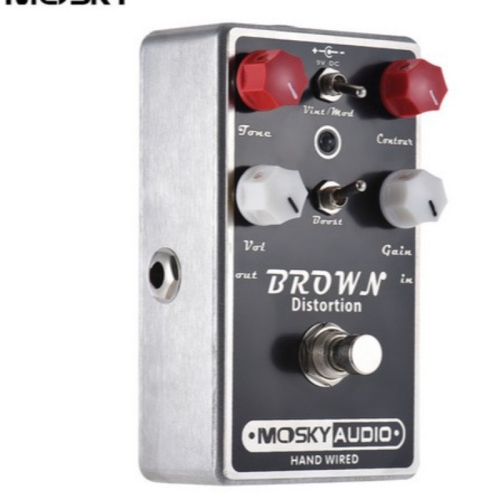
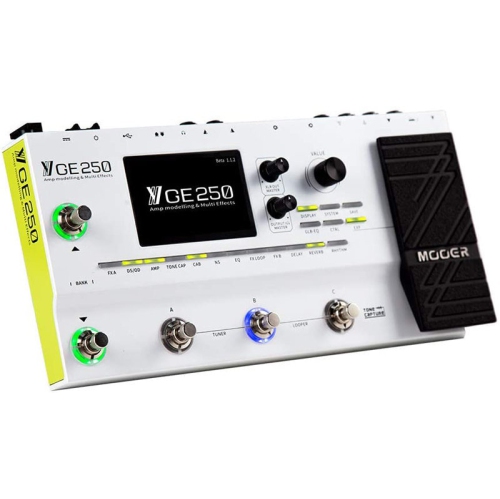
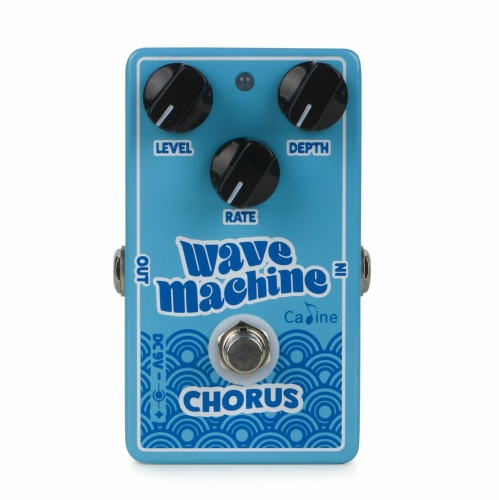
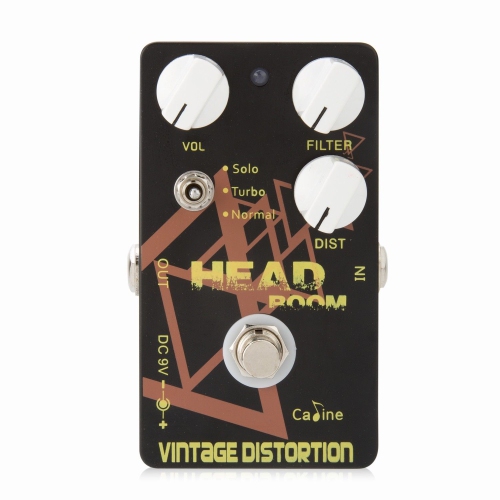
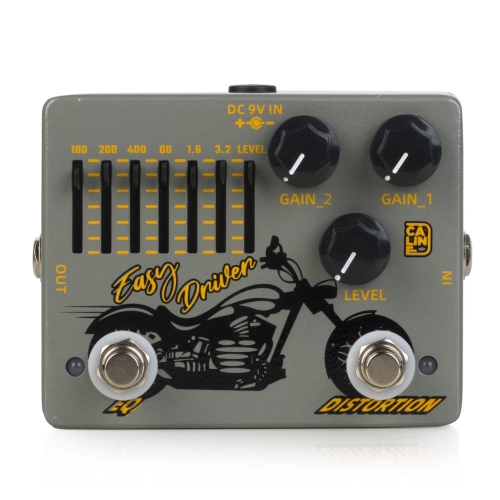
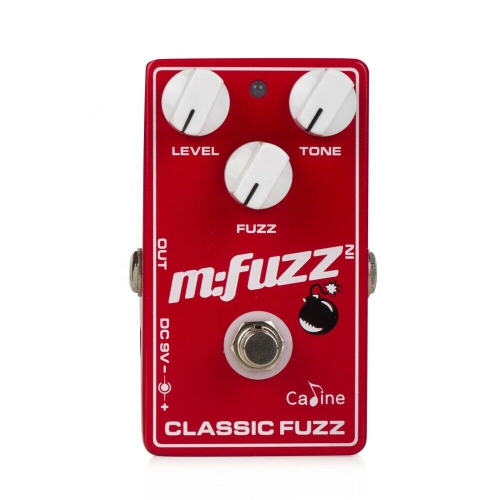
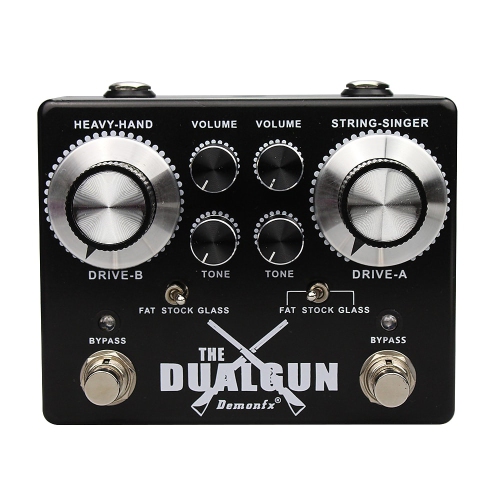
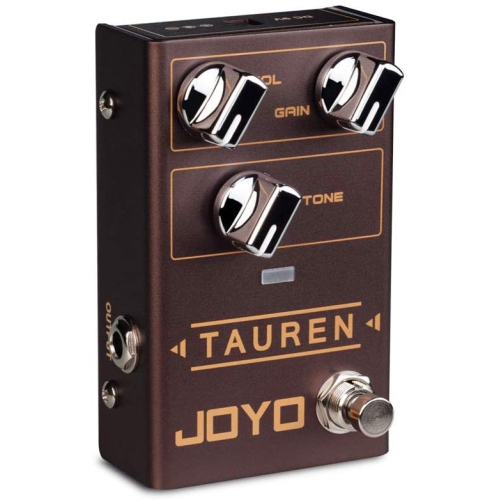
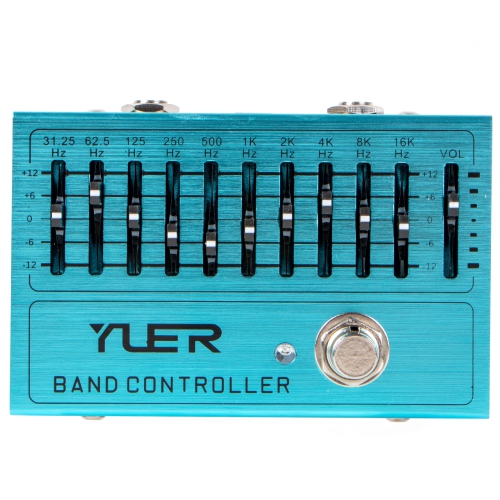
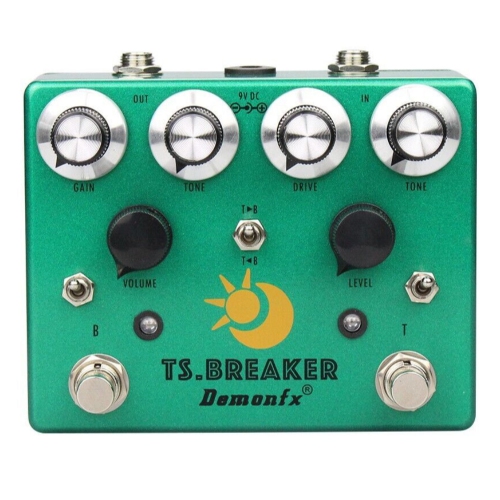

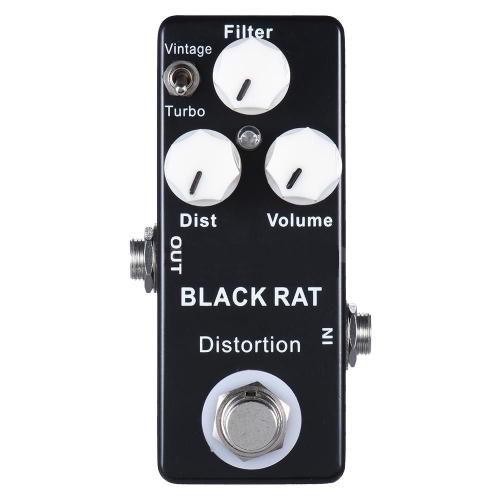
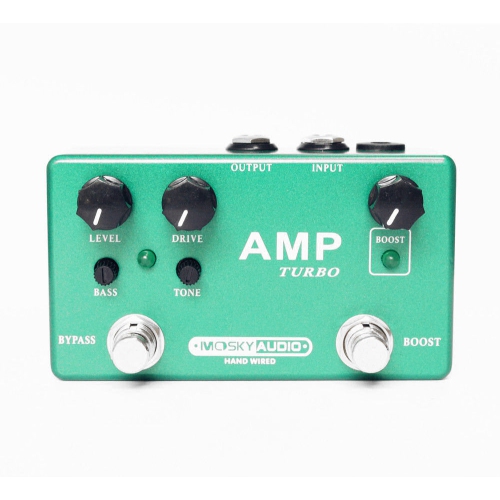
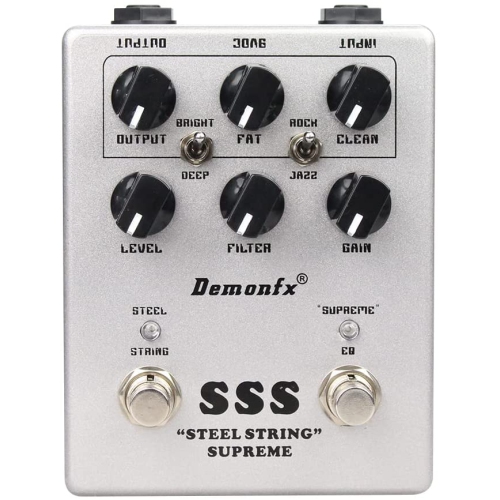
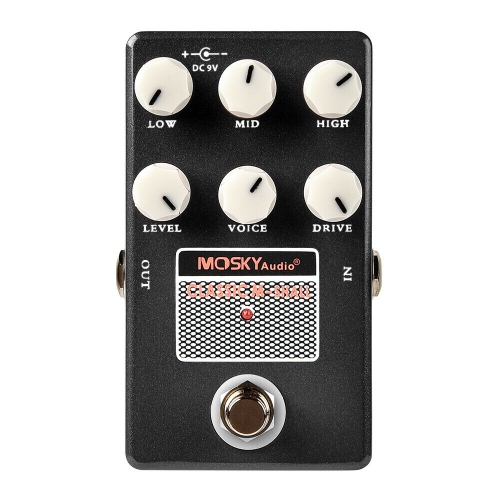
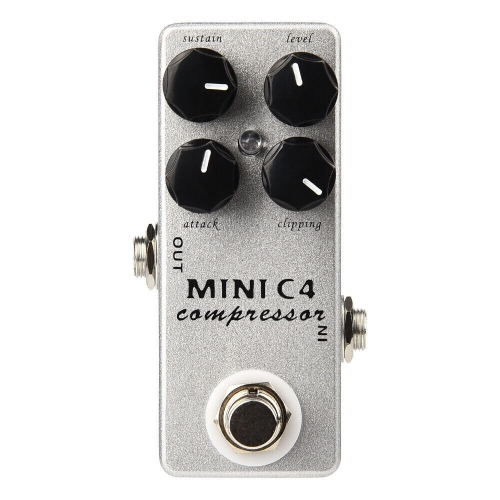
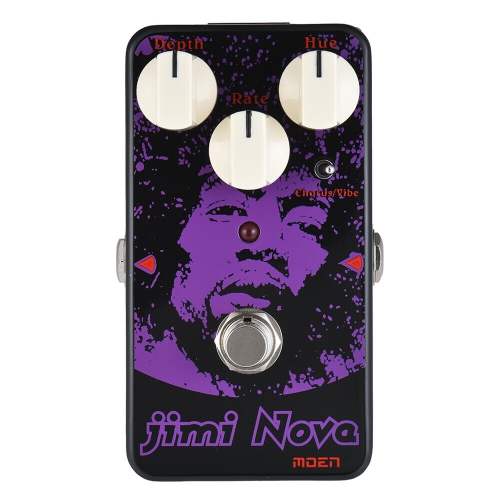
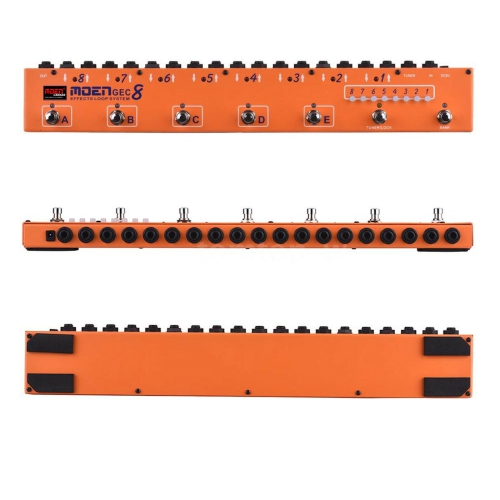
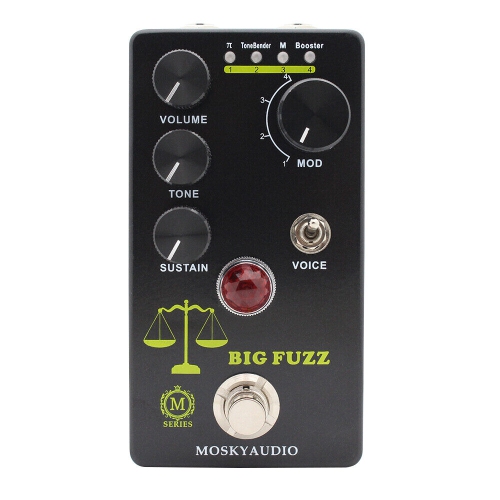
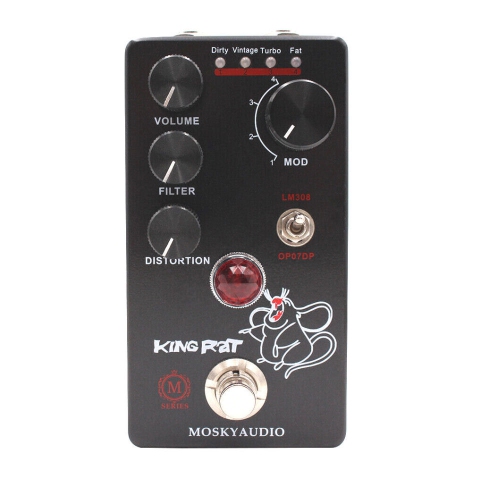
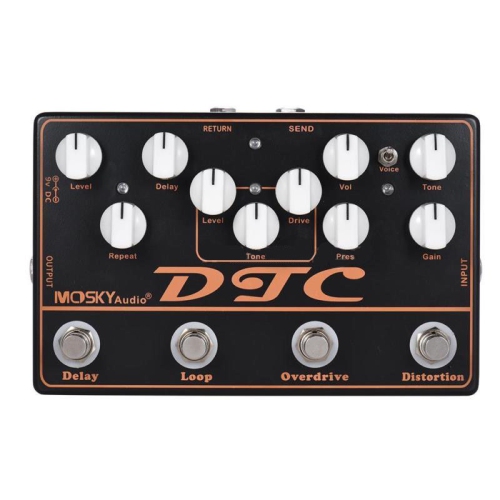
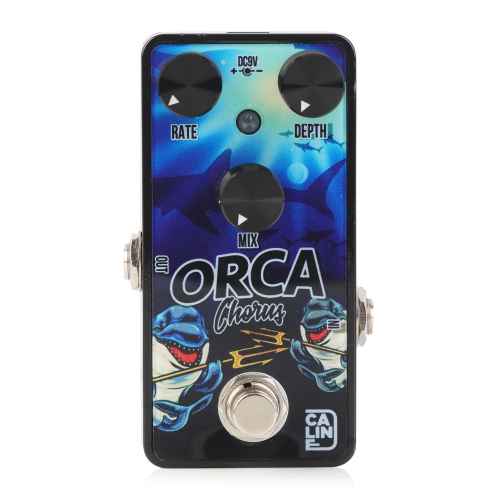
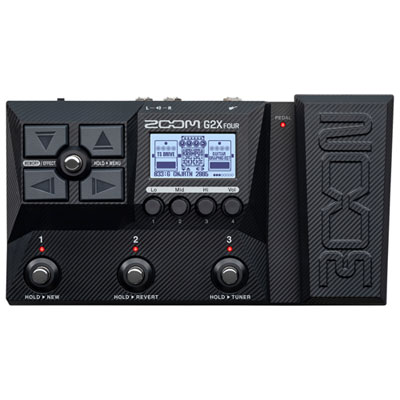
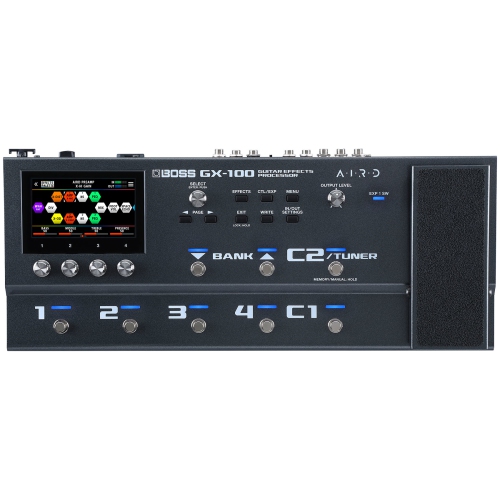
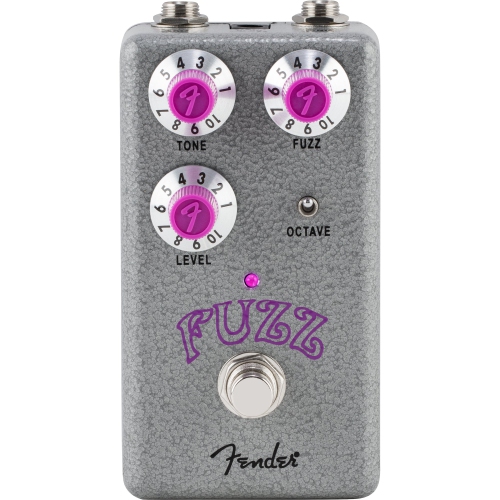
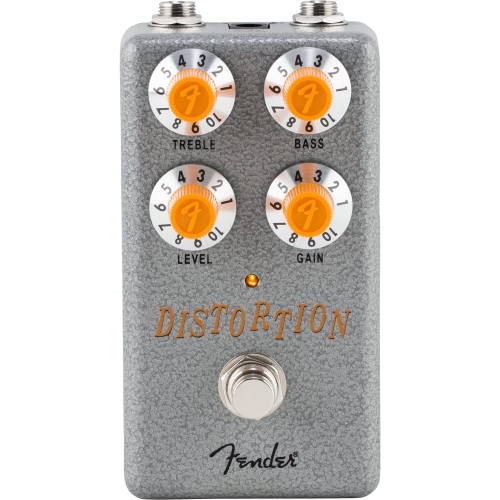

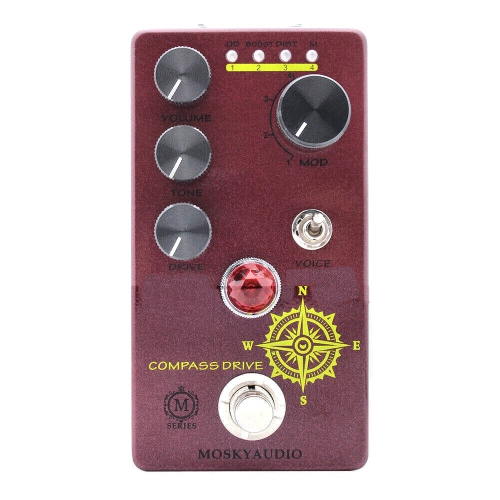
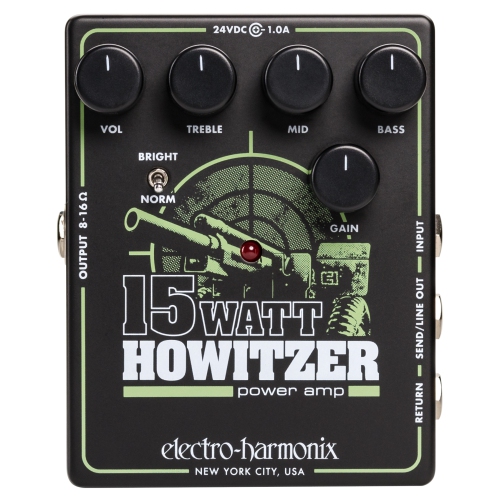
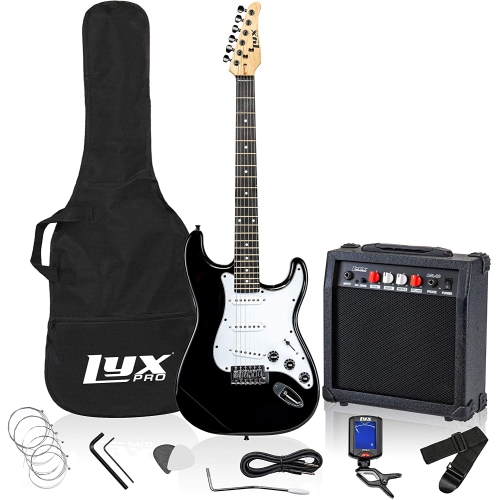
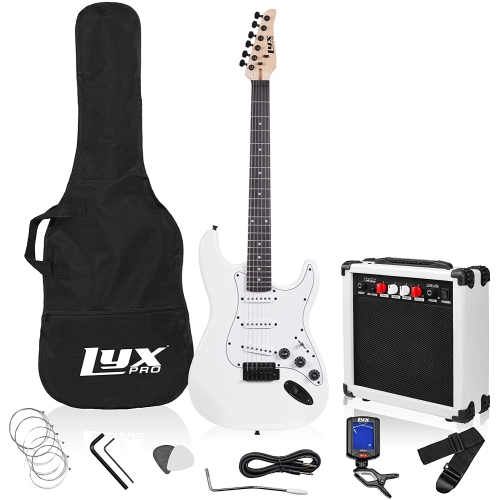

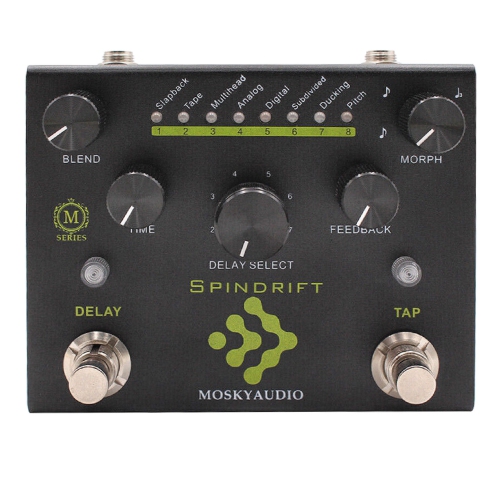
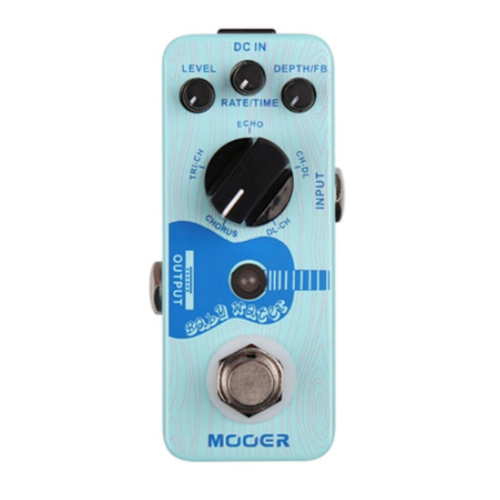
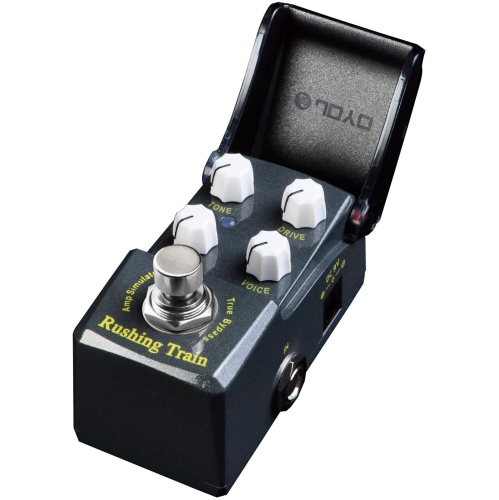
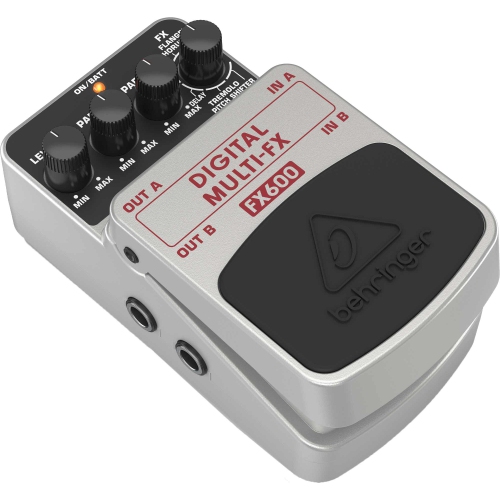
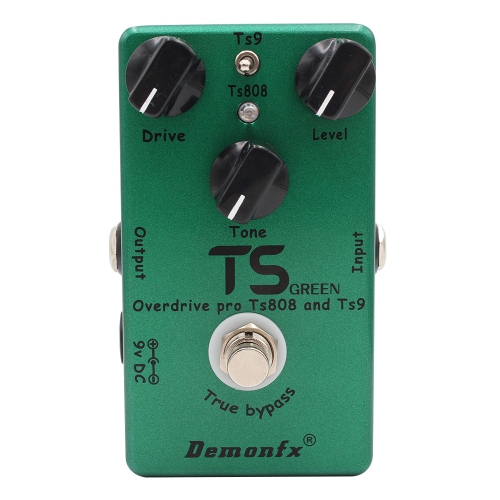
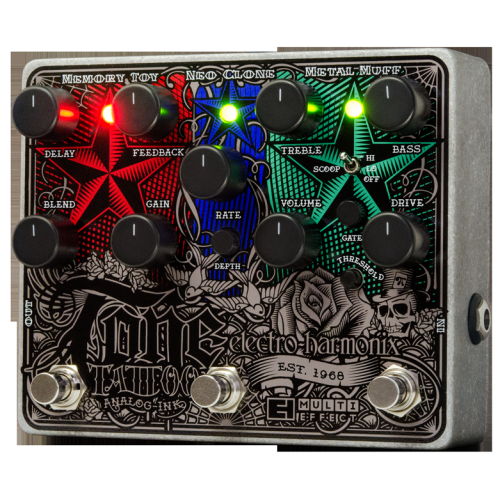
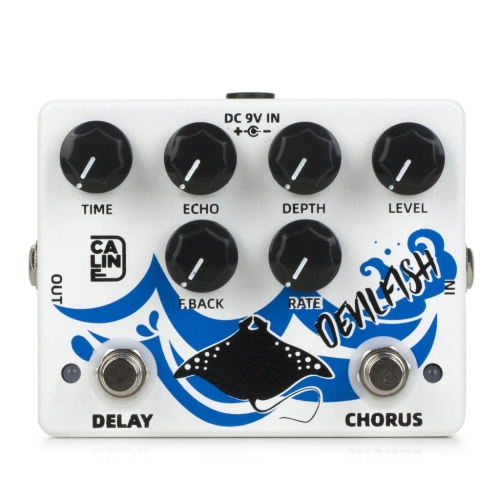
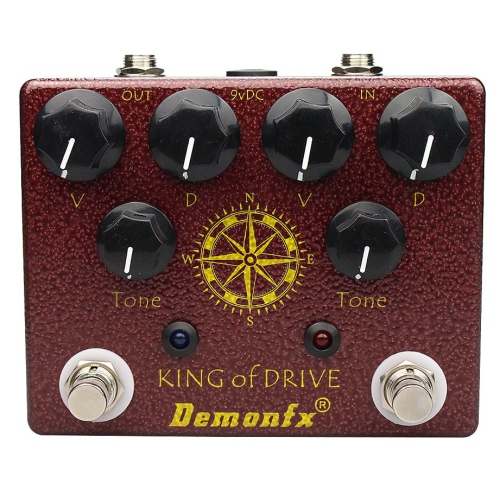
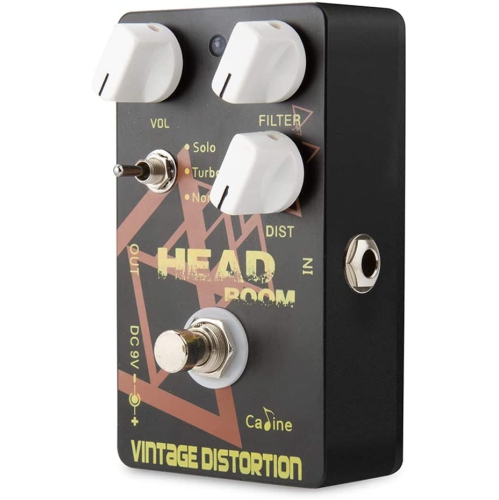

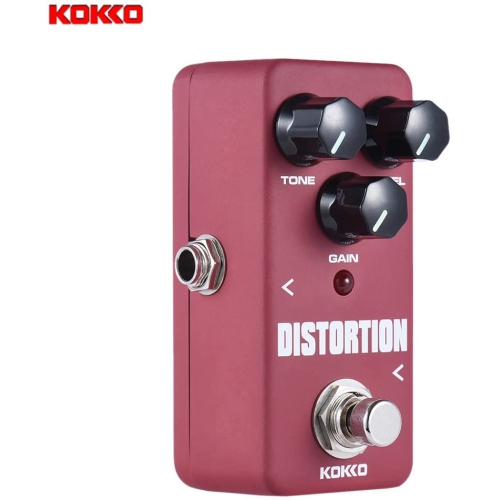
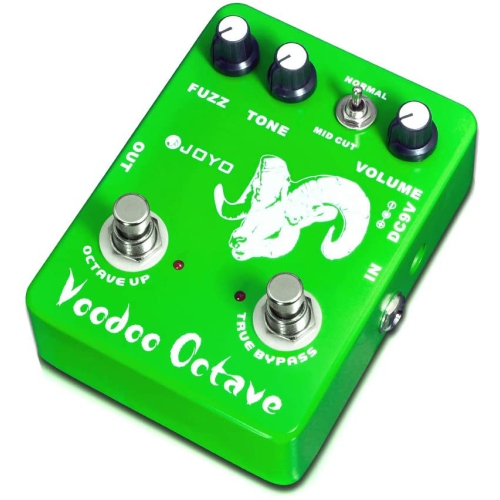
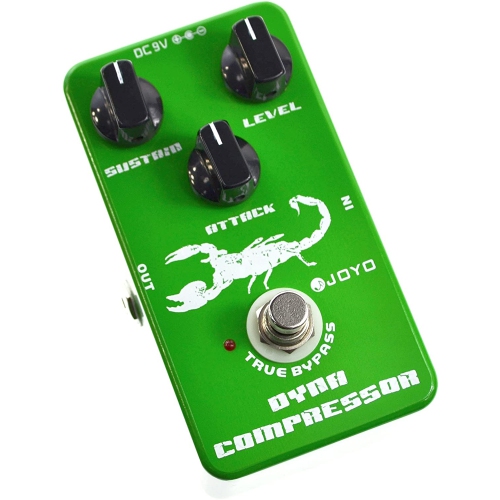
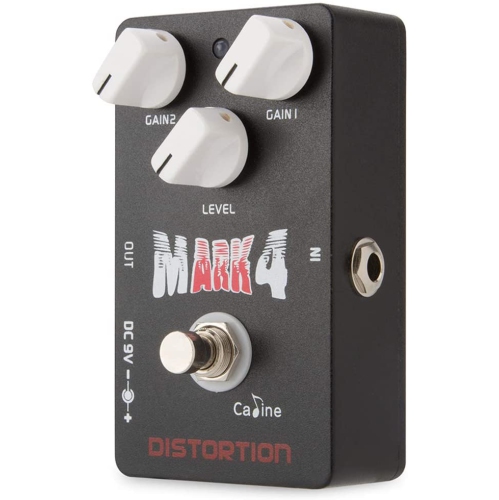
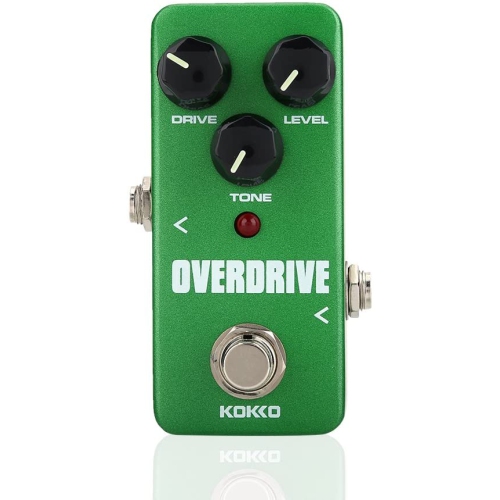
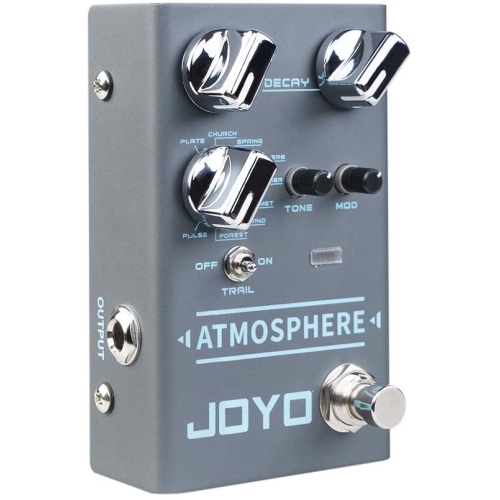
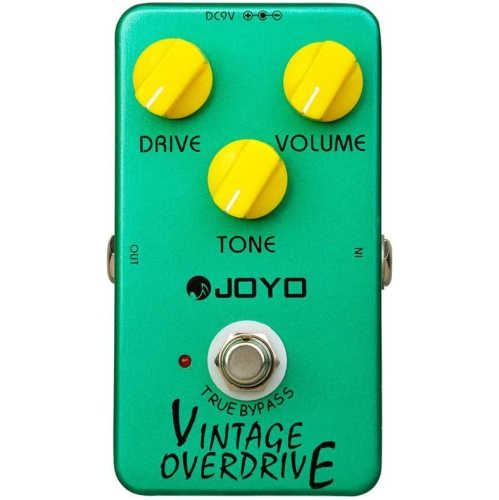
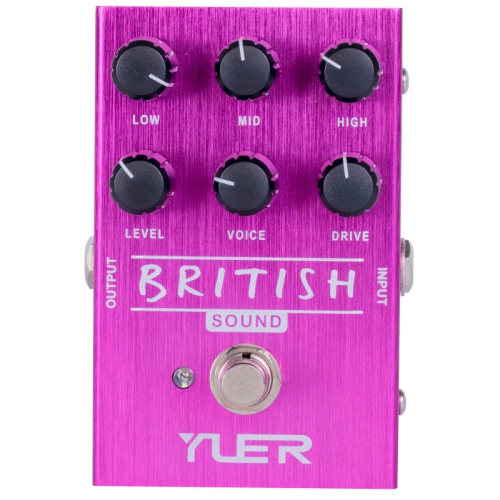
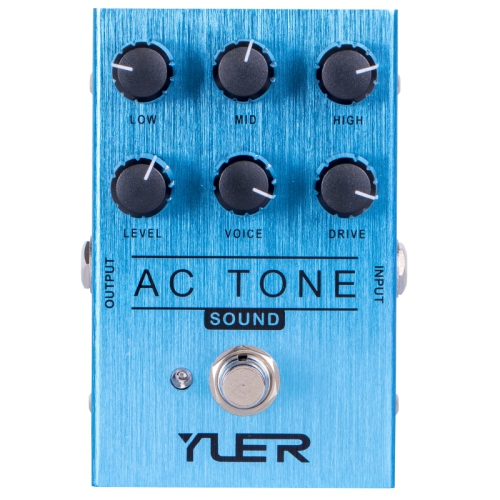
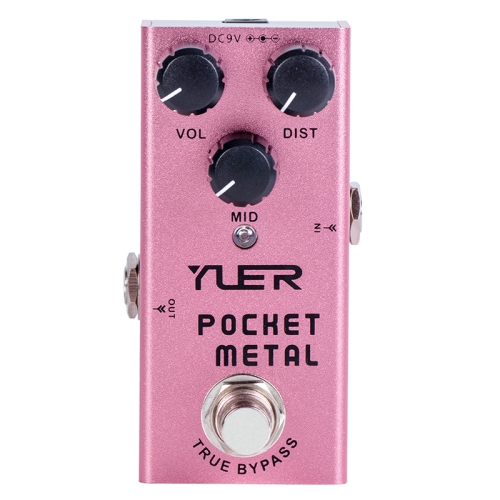


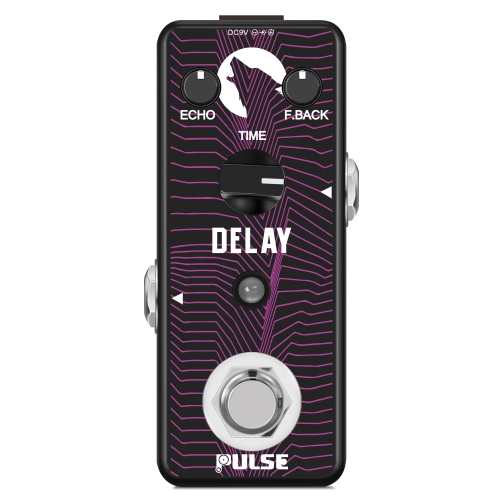
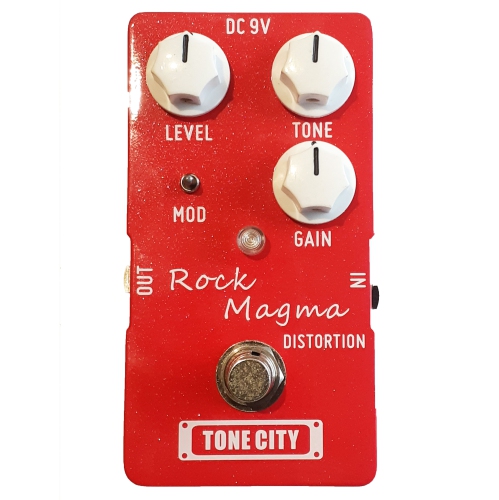
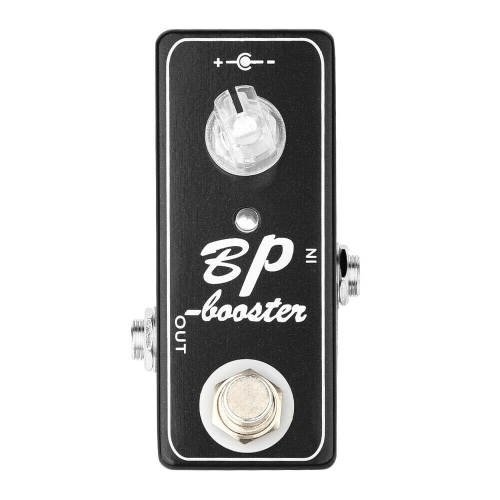
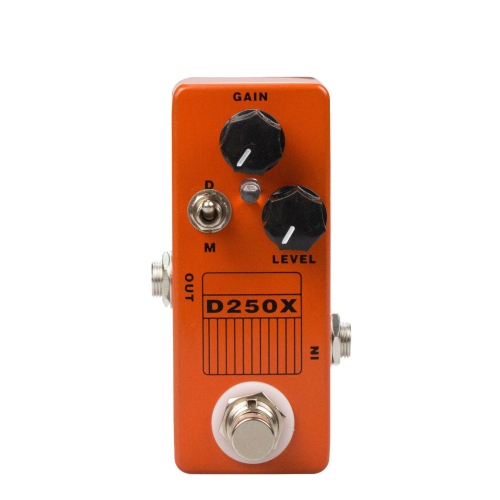
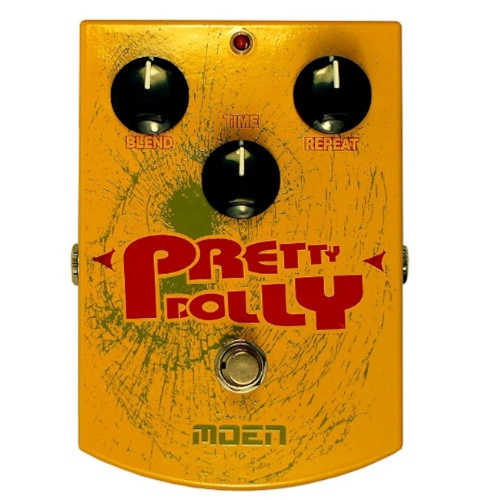

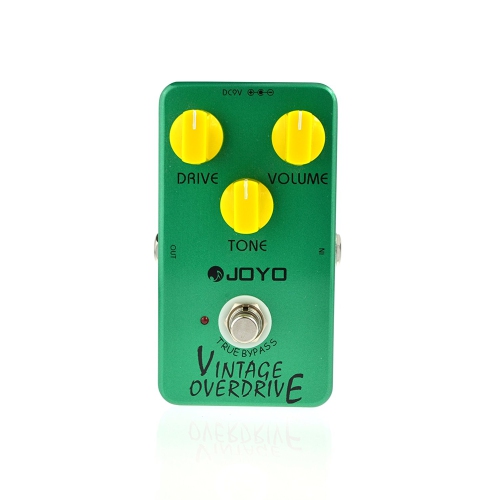
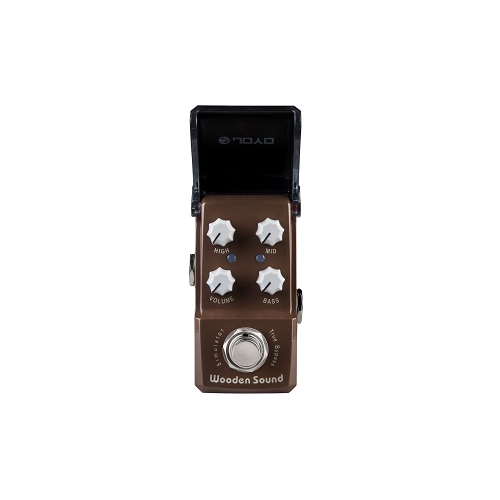
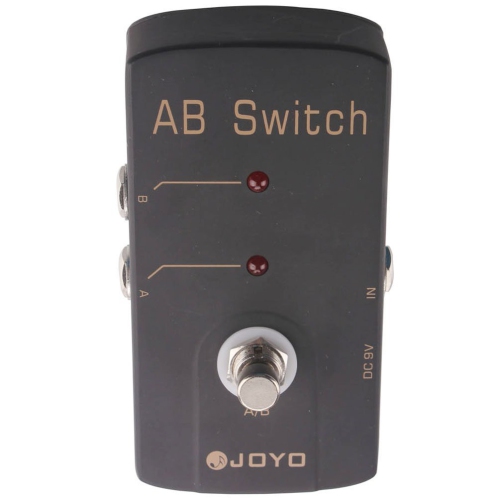
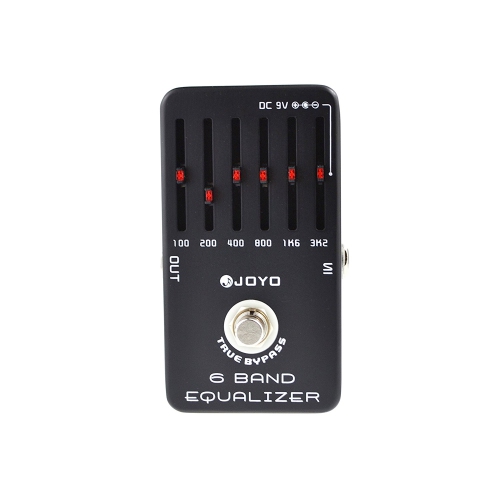
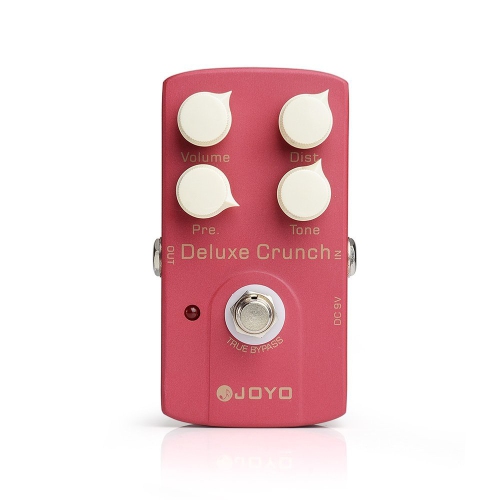
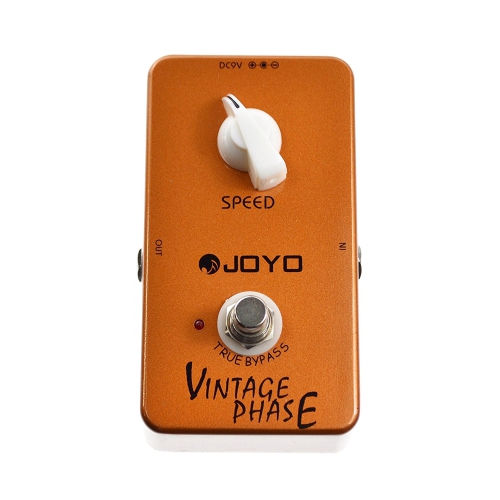
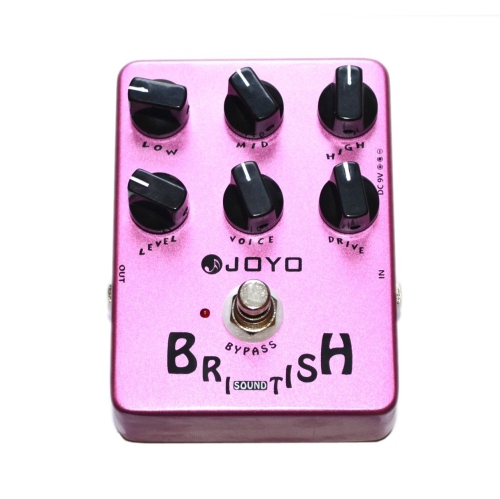

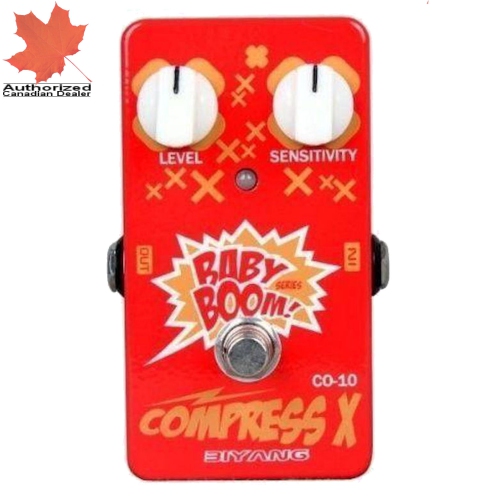
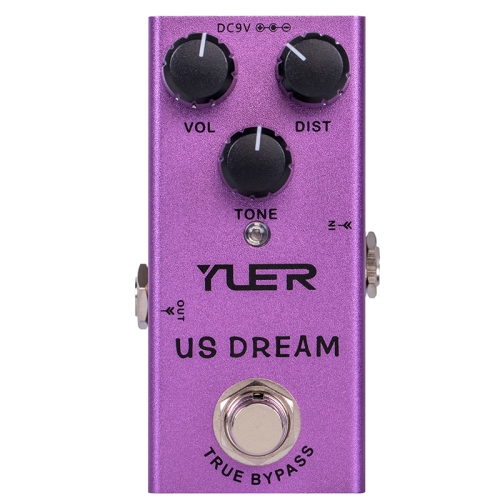
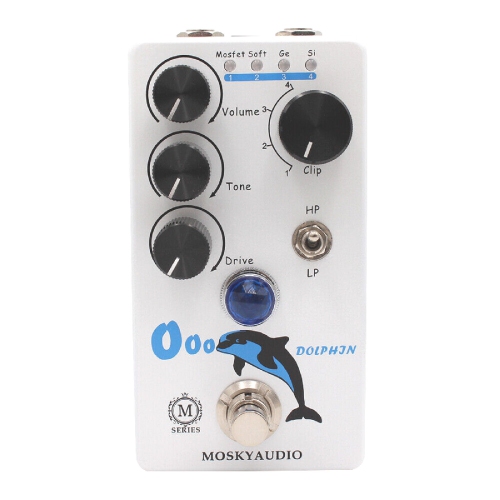
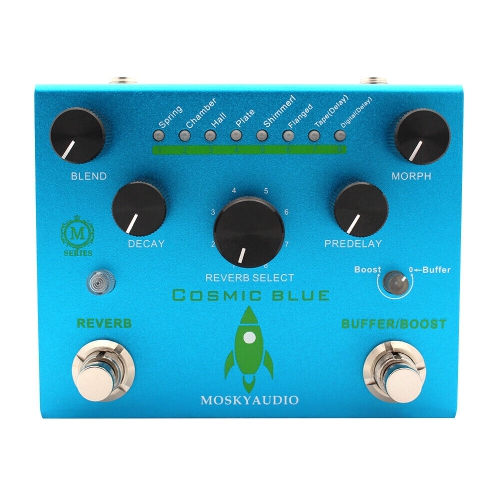
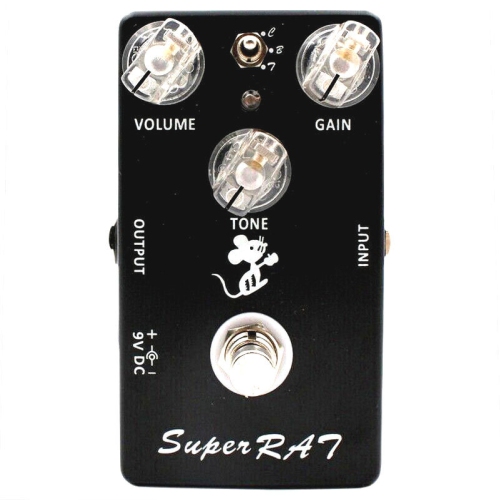
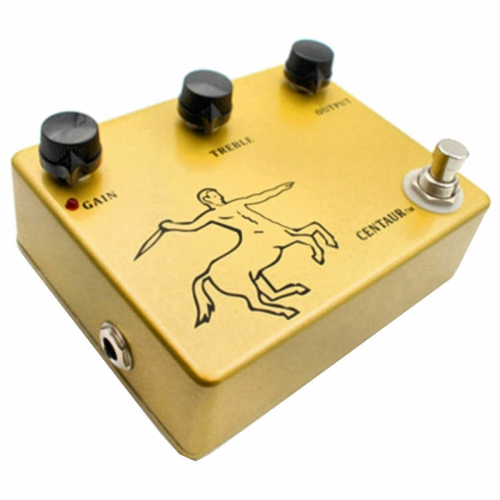
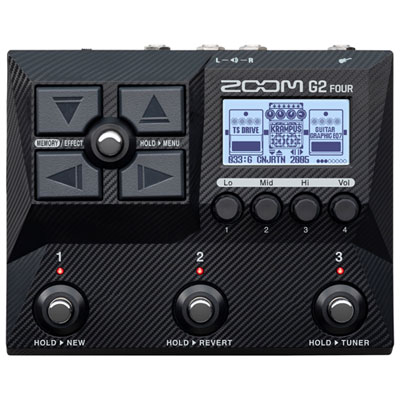
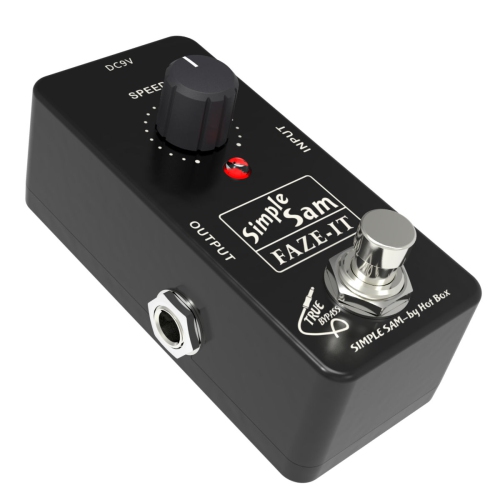
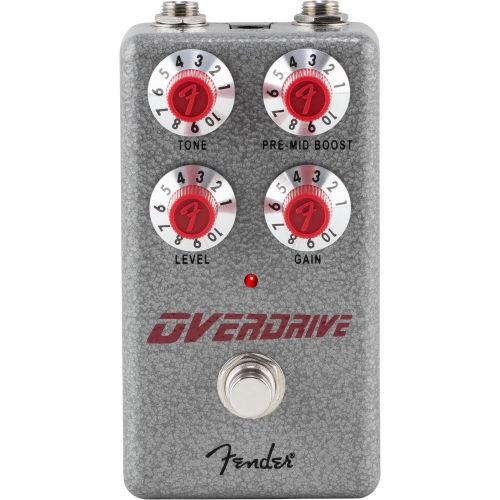
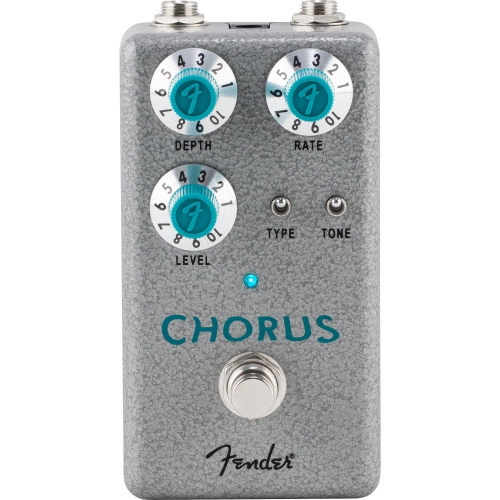
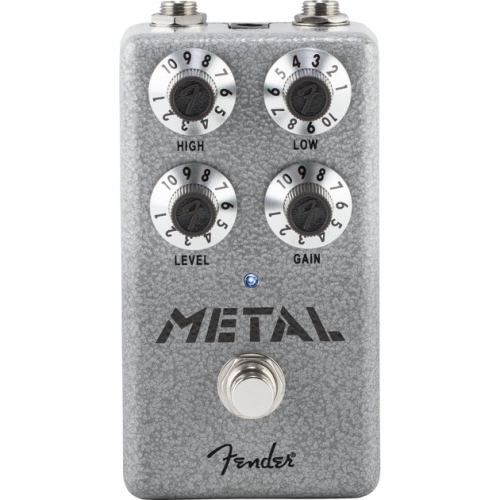
From loose components to a pedal with personality
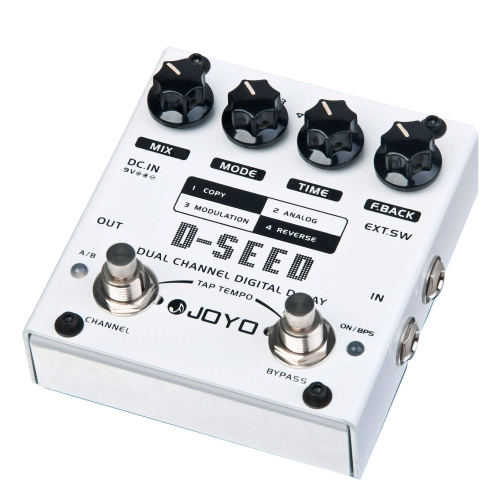
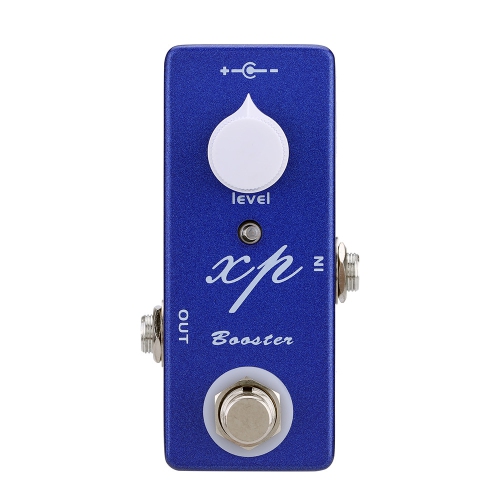
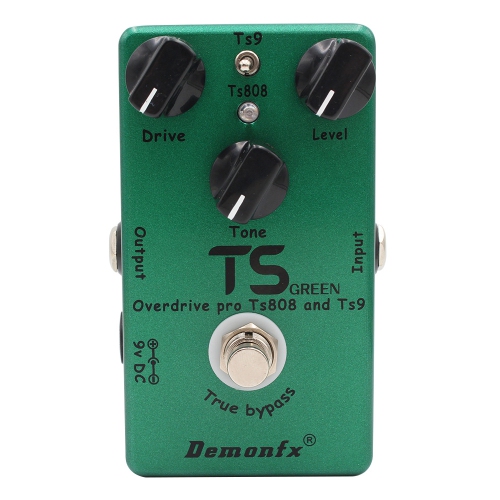
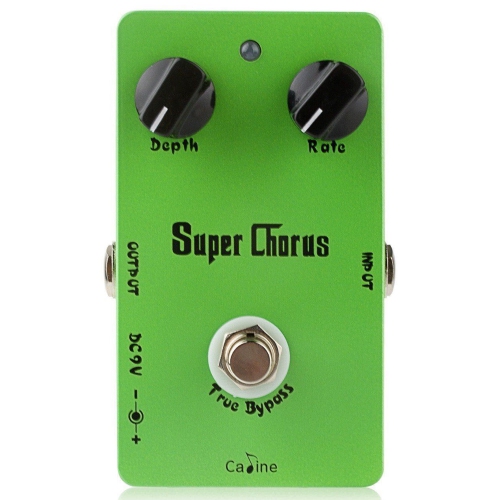
Guitar effects kits are do-it-yourself electronics projects for building pedals that shape the sound of an electric guitar. Rather than arriving as finished effects units, they supply parts that the builder assembles into a working circuit, usually by soldering components onto a printed circuit board and connecting controls, jacks, and a footswitch. Depending on the kit, the package may include resistors, capacitors, diodes, transistors or integrated circuits, potentiometers, knobs, wiring, and a metal enclosure. Assembly documentation helps identify component values, placement, and connections, but the exact contents vary: some kits contain nearly everything needed for the pedal itself, while others require a separate enclosure or additional hardware. Tools, solder, instrument cables, and a suitable power supply may also be separate requirements. These distinctions matter when choosing between a first electronics project and a build intended for someone with an established workbench. The effect type is equally important. A clean boost can lift the guitar’s signal level or push an amplifier towards breakup, while overdrive adds grit that can respond to picking strength and the guitar’s volume control. Distortion generally offers a more saturated sound, and fuzz can range from thick, sustained notes to rough-edged textures with a deliberately unruly character. Modulation effects introduce movement, while delay creates repeats that can add space or rhythmic patterns. For a player who wants a pedal that feels personal, building a kit offers a connection between the sound underfoot and the circuitry inside the enclosure. It also brings practical learning into a musical hobby, making the category relevant to guitarists, electronics enthusiasts, and hands-on makers. Someone exploring Electric Guitar Effects may enjoy a kit as a way to develop a particular sound while learning how a physical pedal comes together. The finished result is both an instrument accessory and a project whose controls, construction, and response become familiar through the assembly process.
The most suitable guitar pedal kit balances the desired sound with a realistic level of assembly work. A straightforward boost or basic fuzz circuit often has fewer components than a complex modulation or delay project, though component count alone does not determine difficulty. Small solder pads, tightly packed boards, surface-mount parts, and extensive wiring between the board and enclosure can all make a build more demanding. Through-hole components, clearly labelled boards, detailed wiring diagrams, and legible photographs can make the process easier to follow, especially for a builder still developing confidence with soldering. A pre-drilled enclosure removes the need to measure and drill openings for the controls, footswitch, and sockets; an undrilled enclosure leaves more layout decisions to the builder but calls for suitable tools and metalworking skills. These are meaningful differences for someone planning a relaxed hobby project rather than a lengthy troubleshooting exercise. Workspace needs also deserve attention. A stable work surface, good lighting, ventilation appropriate for soldering, and a safe holder for the soldering iron support careful assembly. Small components are easier to manage when kept organized, and the ability to read component markings and verify values with a multimeter can help prevent avoidable mistakes. Polarized capacitors, diodes, and some other components must face the correct direction, while excessive heat or poorly formed solder joints can affect reliability. A kit intended to run from an external low-voltage supply should not be treated as a mains-powered construction project, and the specified voltage and polarity must match the supply used. For a gift recipient, soldering experience matters as much as musical taste. A guitarist who loves experimenting with tone may welcome a build with approachable documentation, while an experienced electronics hobbyist may enjoy a denser circuit or greater scope for enclosure customization. Younger builders need appropriate adult supervision around hot tools, sharp component leads, and small parts. A thoughtful choice suits the person’s patience, workspace, and interest in making something, not just the sound they want to hear.
Once assembled, a guitar effects pedal needs to fit comfortably into the player’s actual setup. Enclosure dimensions, knob spacing, and jack placement influence how easily it sits on a pedalboard beside other effects. Side-mounted connections need room for cable plugs, while top-mounted connections change where that space is required. A compact enclosure may save pedalboard space but leave less room inside for wiring and component clearance. Sturdy metal housings, commonly made from die-cast aluminium, help protect the circuit from everyday knocks, and conductive enclosures can support shielding when the design and grounding are appropriate. Secure sockets and switches matter because plugging in cables and pressing a footswitch place repeated mechanical stress on the hardware. Neat internal wiring, sound solder joints, and clearance between exposed connections and the enclosure also contribute to durability. The controls should remain accessible without making it too easy to change a setting accidentally during a performance. Intended use helps narrow the choice further: a player practising expressive blues phrases may value an overdrive that cleans up with lighter picking, while someone recording layered guitar parts may prefer an effect with a more pronounced texture. Results depend on the whole signal chain, including pickup output, amplifier settings, and the position of the pedal among other effects. Some fuzz designs are particularly sensitive to what comes before them, and a boost placed before a driven pedal behaves differently from one placed after it. Power compatibility is another practical consideration, since voltage, current requirements, and polarity are not interchangeable across every design. Routine care is generally simple: disconnect power before opening the enclosure, keep liquids away, remove surface dust with a soft dry cloth, and avoid letting cables pull against the jacks during storage or transport. With assembly suited to the builder’s abilities and hardware suited to regular use, a kit can become a dependable part of a guitar setup, carrying the satisfaction of a hands-on project into practice sessions, recording, and live playing.
The most suitable guitar pedal kit balances the desired sound with a realistic level of assembly work. A straightforward boost or basic fuzz circuit often has fewer components than a complex modulation or delay project, though component count alone does not determine difficulty. Small solder pads, tightly packed boards, surface-mount parts, and extensive wiring between the board and enclosure can all make a build more demanding. Through-hole components, clearly labelled boards, detailed wiring diagrams, and legible photographs can make the process easier to follow, especially for a builder still developing confidence with soldering. A pre-drilled enclosure removes the need to measure and drill openings for the controls, footswitch, and sockets; an undrilled enclosure leaves more layout decisions to the builder but calls for suitable tools and metalworking skills. These are meaningful differences for someone planning a relaxed hobby project rather than a lengthy troubleshooting exercise. Workspace needs also deserve attention. A stable work surface, good lighting, ventilation appropriate for soldering, and a safe holder for the soldering iron support careful assembly. Small components are easier to manage when kept organized, and the ability to read component markings and verify values with a multimeter can help prevent avoidable mistakes. Polarized capacitors, diodes, and some other components must face the correct direction, while excessive heat or poorly formed solder joints can affect reliability. A kit intended to run from an external low-voltage supply should not be treated as a mains-powered construction project, and the specified voltage and polarity must match the supply used. For a gift recipient, soldering experience matters as much as musical taste. A guitarist who loves experimenting with tone may welcome a build with approachable documentation, while an experienced electronics hobbyist may enjoy a denser circuit or greater scope for enclosure customization. Younger builders need appropriate adult supervision around hot tools, sharp component leads, and small parts. A thoughtful choice suits the person’s patience, workspace, and interest in making something, not just the sound they want to hear.
Once assembled, a guitar effects pedal needs to fit comfortably into the player’s actual setup. Enclosure dimensions, knob spacing, and jack placement influence how easily it sits on a pedalboard beside other effects. Side-mounted connections need room for cable plugs, while top-mounted connections change where that space is required. A compact enclosure may save pedalboard space but leave less room inside for wiring and component clearance. Sturdy metal housings, commonly made from die-cast aluminium, help protect the circuit from everyday knocks, and conductive enclosures can support shielding when the design and grounding are appropriate. Secure sockets and switches matter because plugging in cables and pressing a footswitch place repeated mechanical stress on the hardware. Neat internal wiring, sound solder joints, and clearance between exposed connections and the enclosure also contribute to durability. The controls should remain accessible without making it too easy to change a setting accidentally during a performance. Intended use helps narrow the choice further: a player practising expressive blues phrases may value an overdrive that cleans up with lighter picking, while someone recording layered guitar parts may prefer an effect with a more pronounced texture. Results depend on the whole signal chain, including pickup output, amplifier settings, and the position of the pedal among other effects. Some fuzz designs are particularly sensitive to what comes before them, and a boost placed before a driven pedal behaves differently from one placed after it. Power compatibility is another practical consideration, since voltage, current requirements, and polarity are not interchangeable across every design. Routine care is generally simple: disconnect power before opening the enclosure, keep liquids away, remove surface dust with a soft dry cloth, and avoid letting cables pull against the jacks during storage or transport. With assembly suited to the builder’s abilities and hardware suited to regular use, a kit can become a dependable part of a guitar setup, carrying the satisfaction of a hands-on project into practice sessions, recording, and live playing.
Top selling and popular products
-
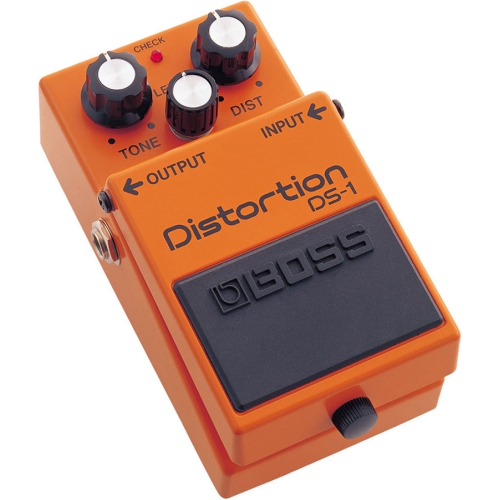 Your price for this item is $89.99
 -
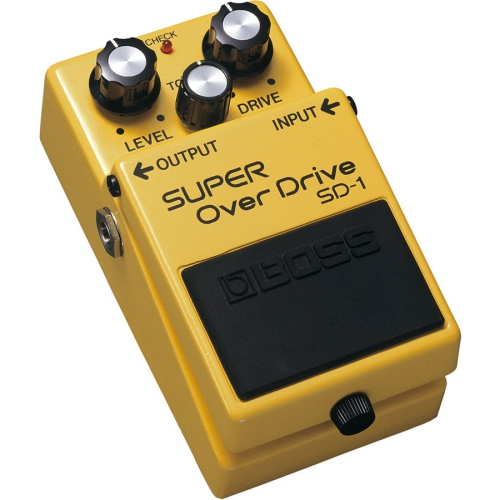 Your price for this item is $89.99
 -
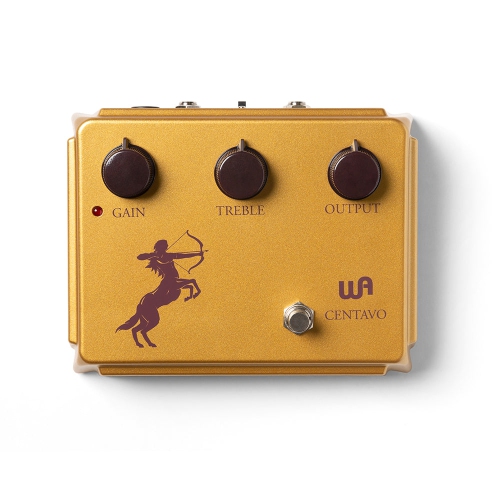 Your price for this item is $289
 -
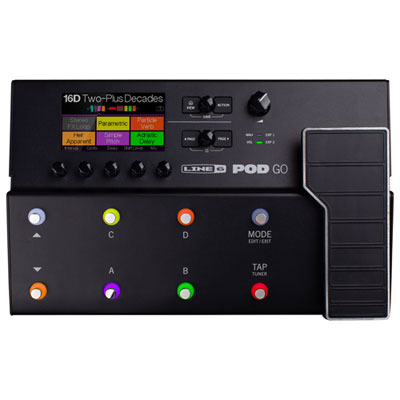 Your price for this item is $589.99
 -
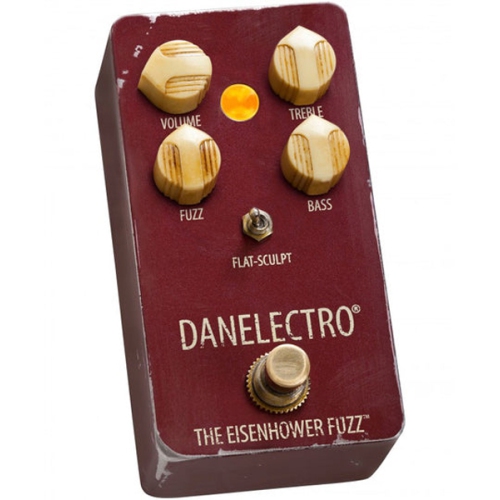 Your price for this item is $164.99
 -
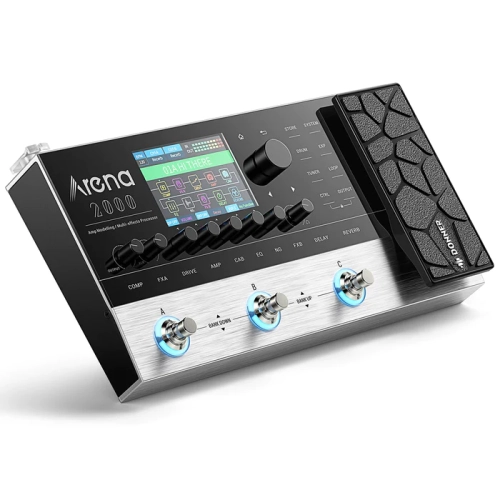 Your price for this item is $209.99
 -
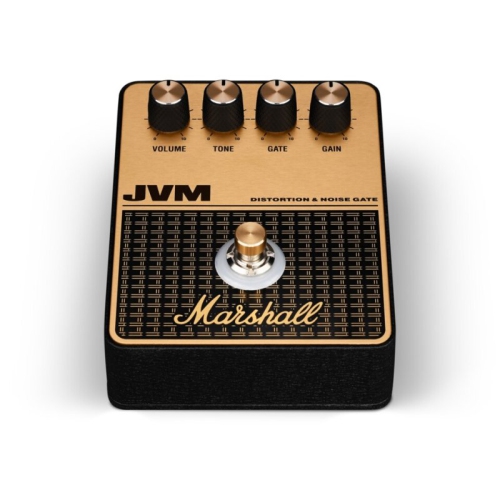 Your price for this item is $249.99
 -
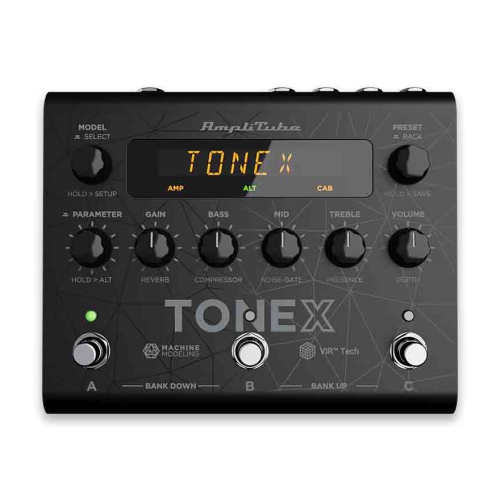 Your price for this item is $599.99
Discover more categories related to Guitar Effects Kits
Top Collections:
Pokemon Centers, Kindle Devices, Best Budget Office Chairs, Apple iPhones 16, Best Laptops for Writers, iPhone 15 Apple, Canon G7X Cameras, Refurbished Apple Laptops, Alarm Clock, Motorola Razr Phones
Some products may be subject to Environmental Handling Fees
(EHF) depending on your province.
Learn more about EHFs.