Guitar Harmony Pedals
Discover the perfect harmony for your guitar with our selection of guitar harmony pedals. Whether you're looking to add depth and dimension to your sound or create lush, layered tones, these pedals are designed to elevate your music to new heights. Explore a range of options that cater to both beginners and seasoned musicians, allowing you to experiment with different harmonies and effects to find your unique sound. Elevate your performance and unleash your creativity with our guitar harmony pedal collection.
Sort
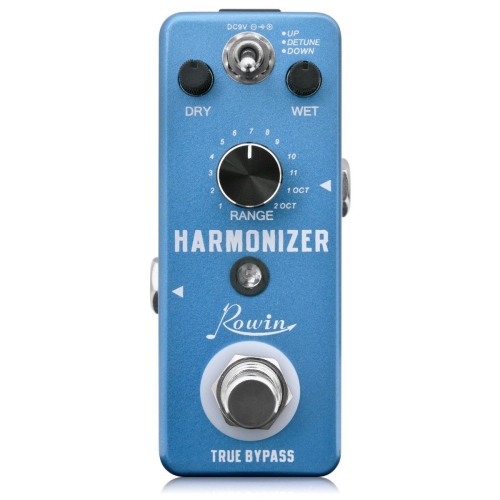
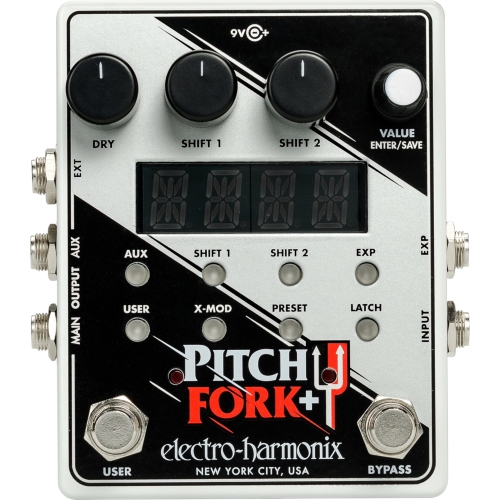
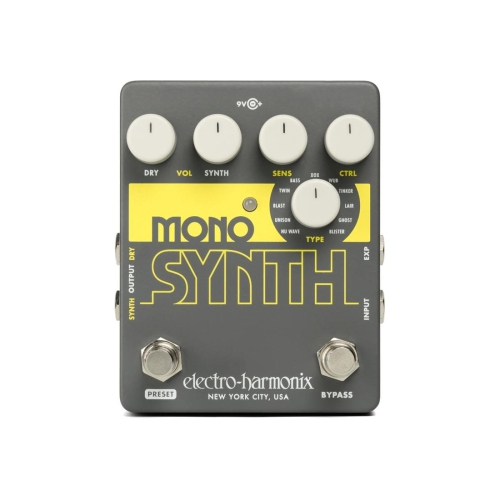
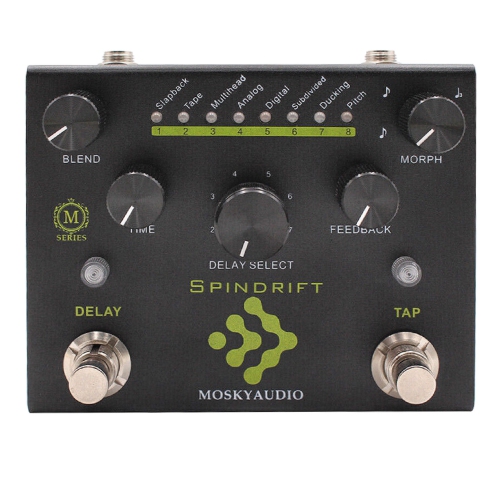
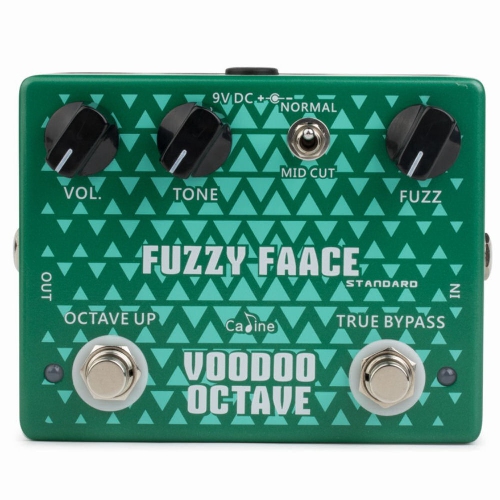
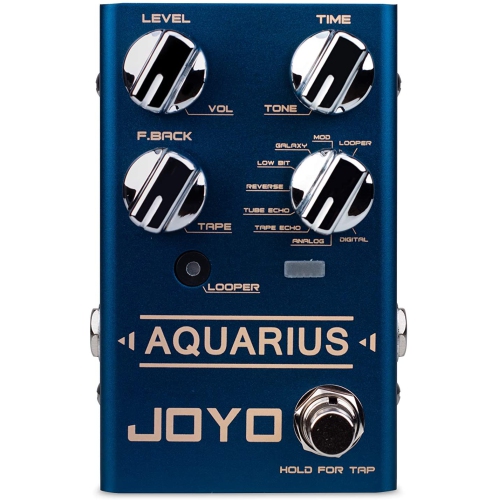
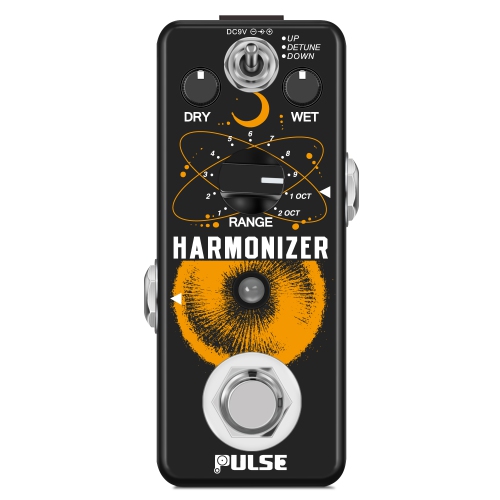
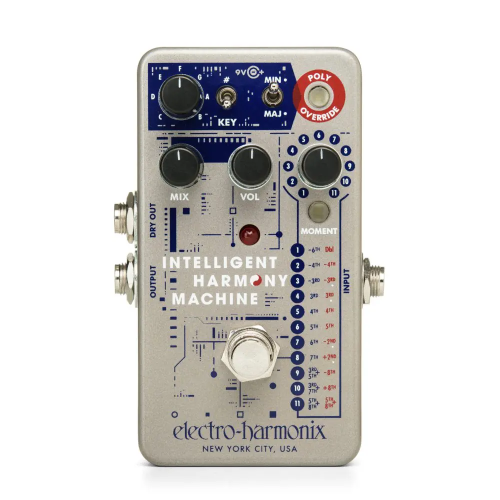
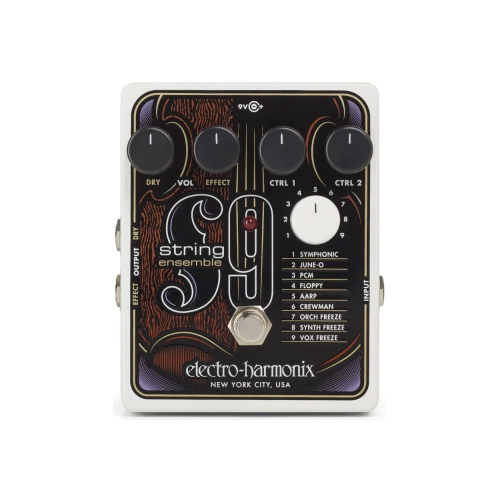
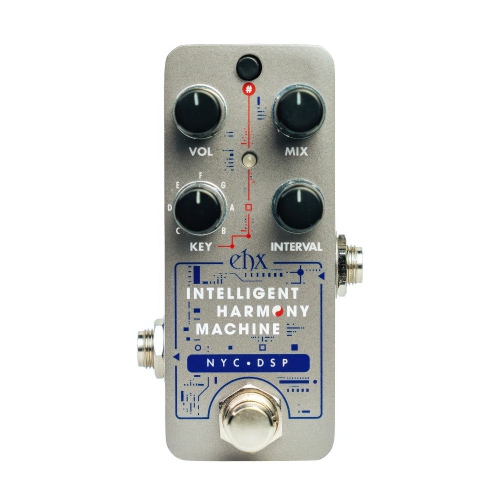

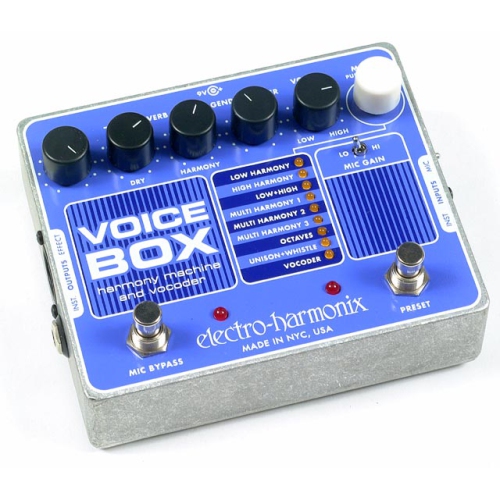

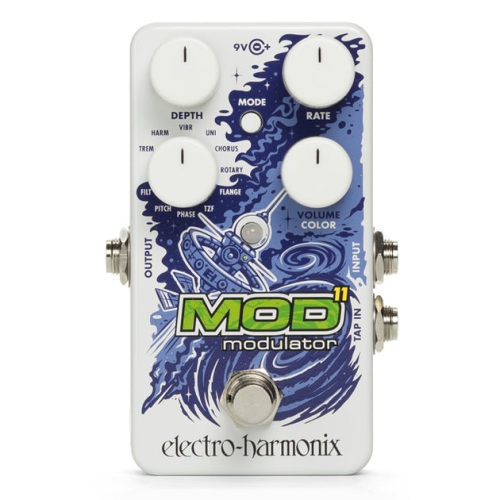
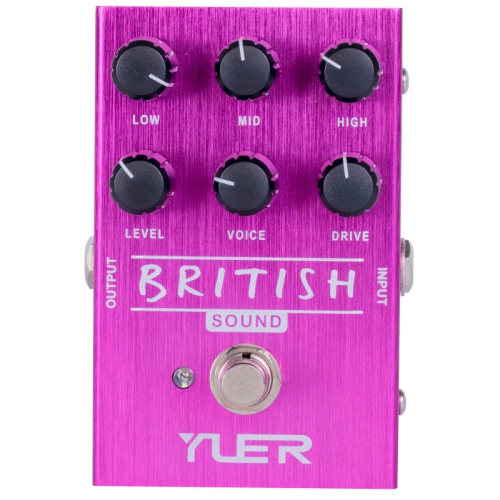
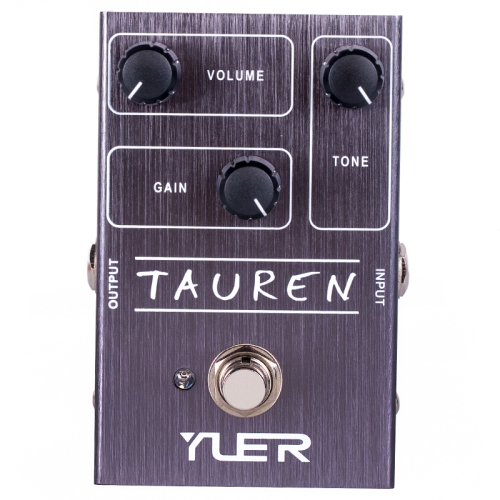
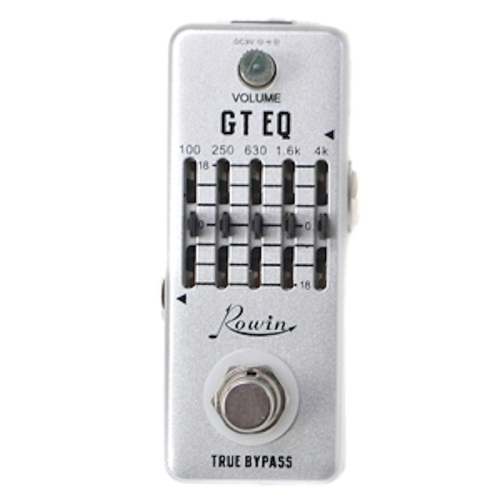
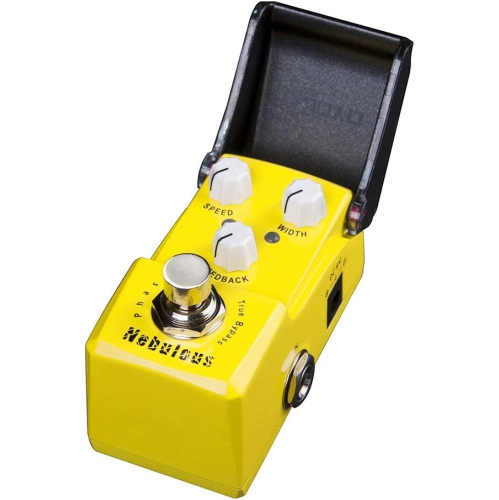
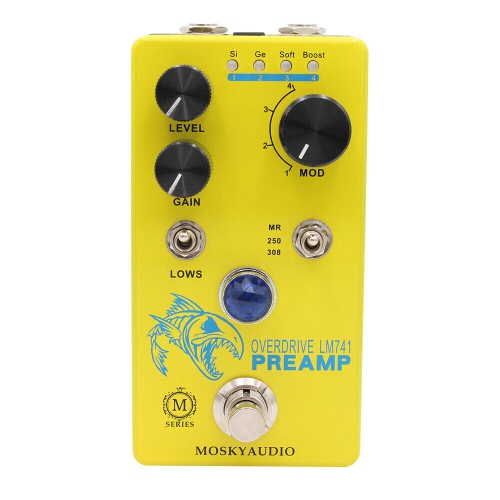
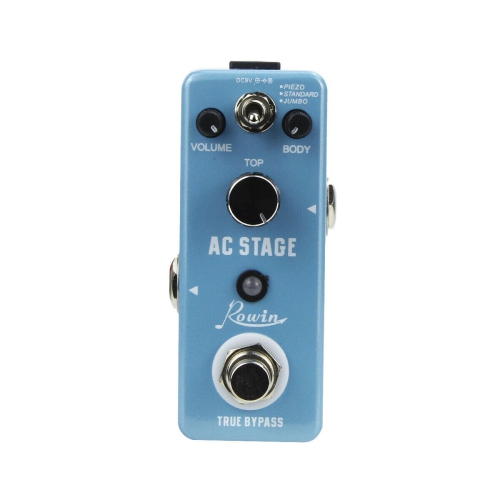
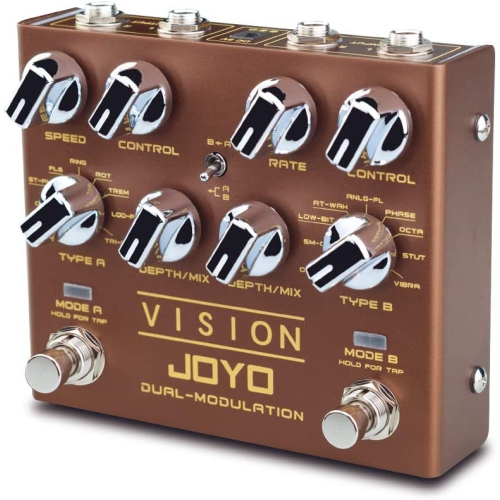
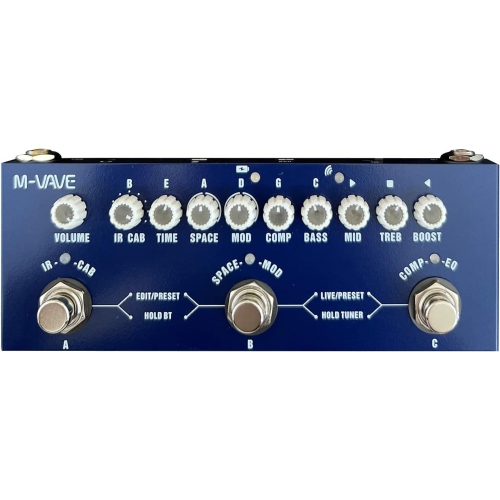
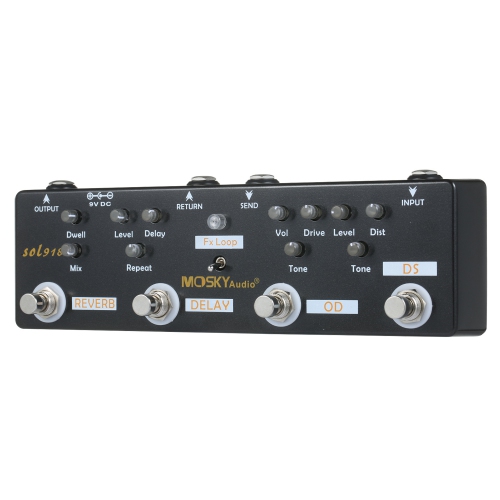
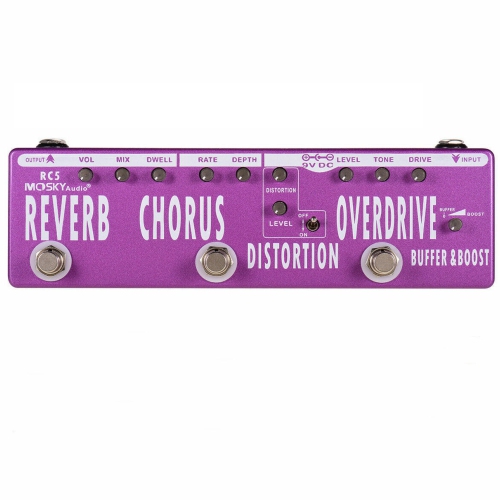
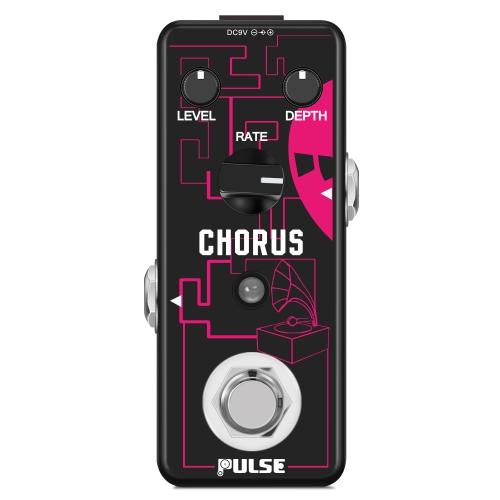
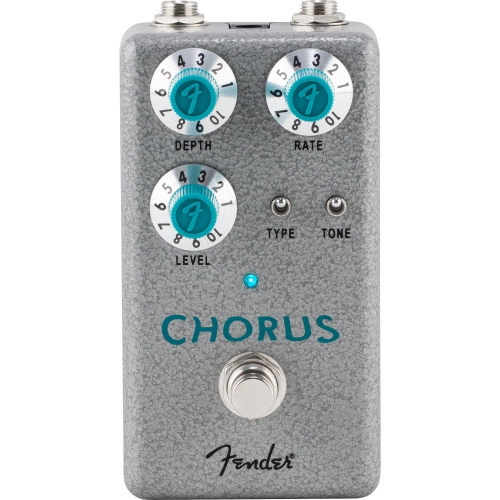

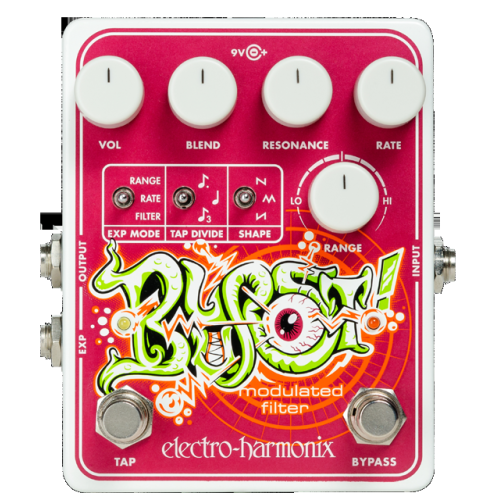
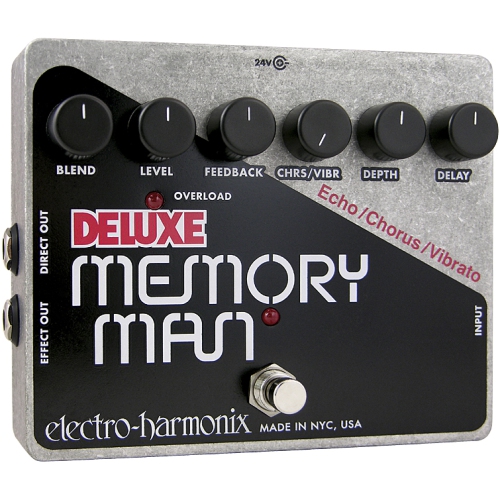
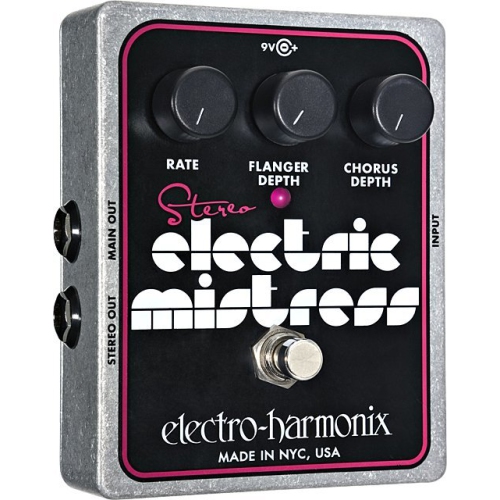
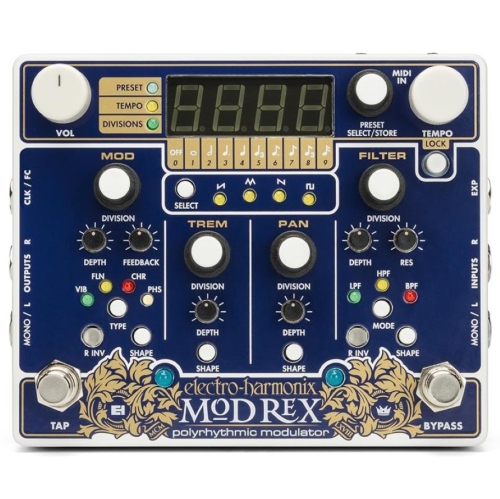
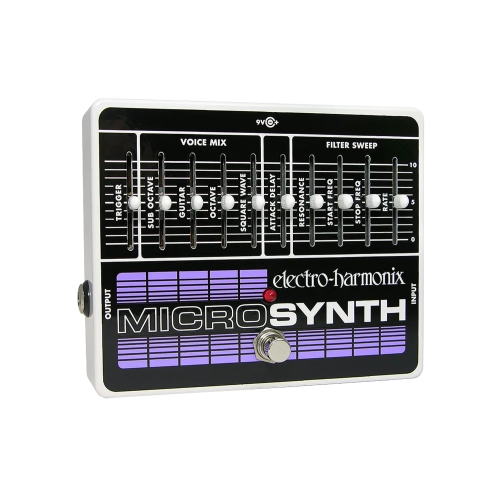
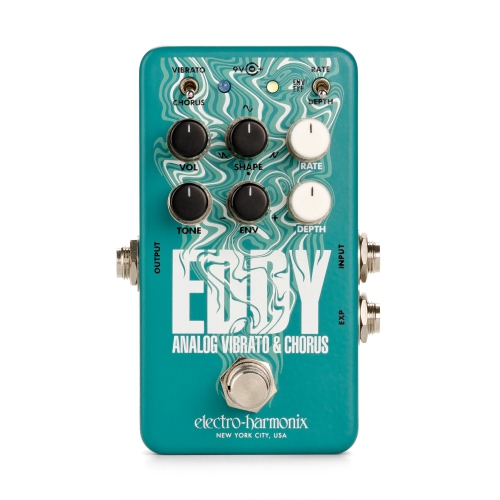
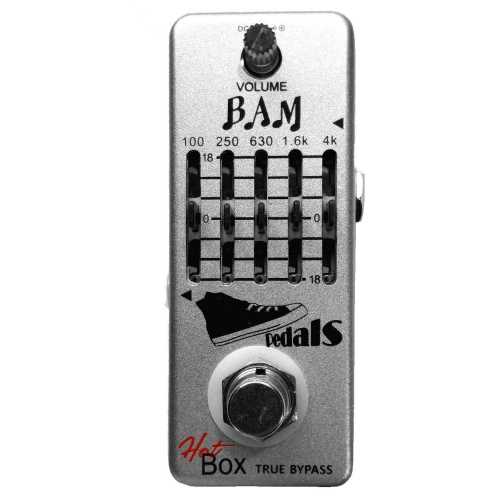
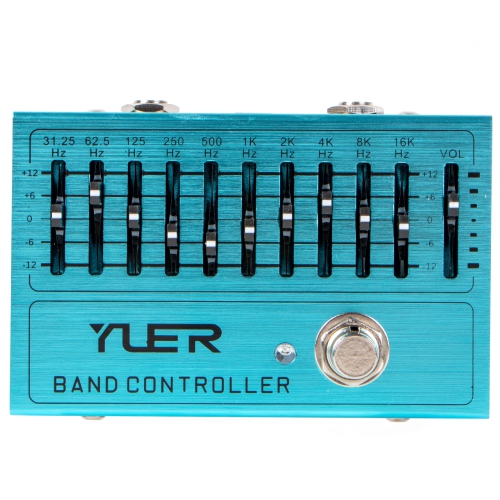
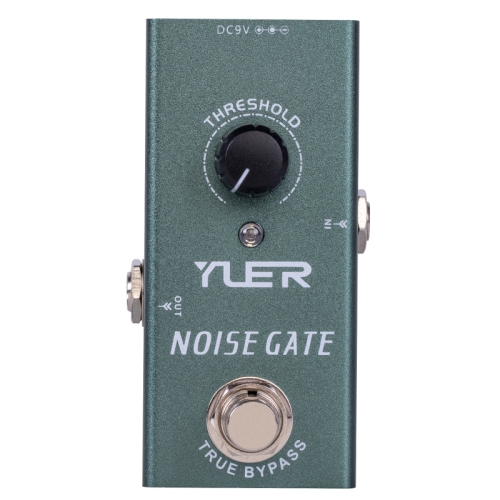
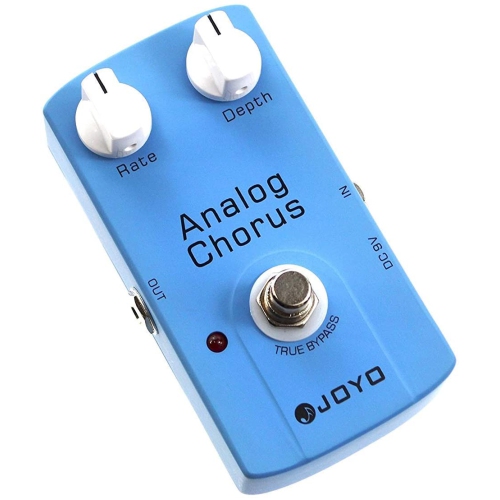
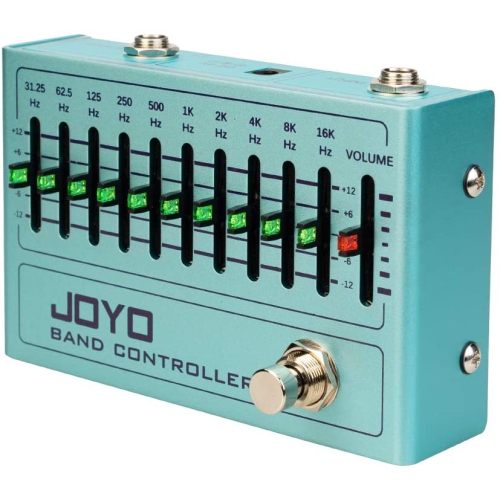
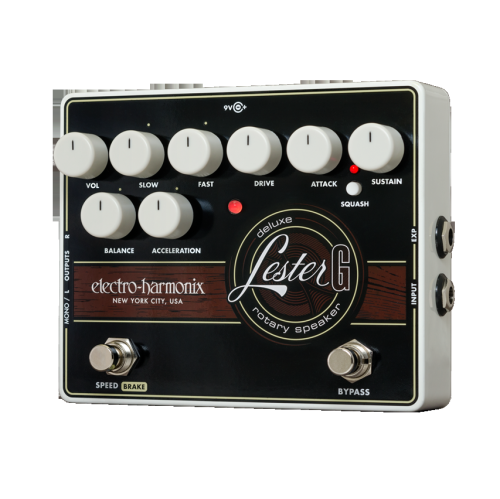
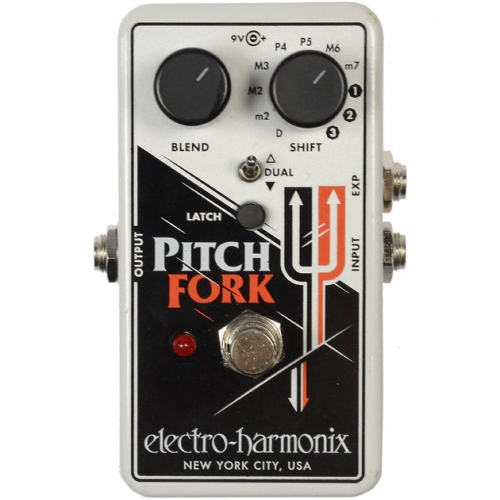
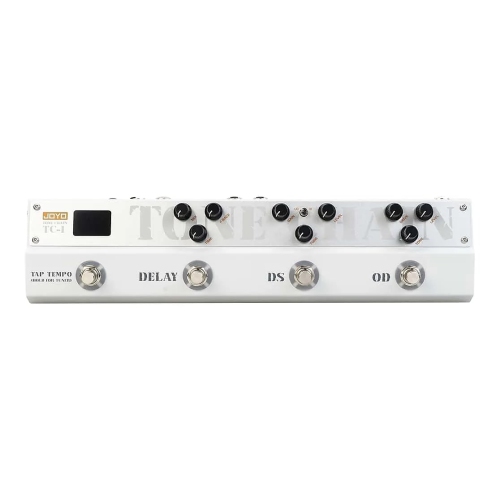
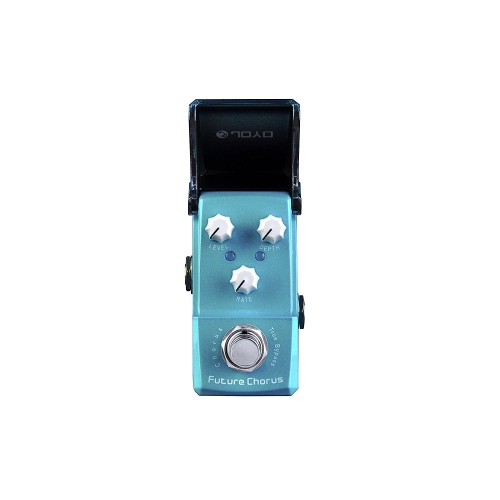
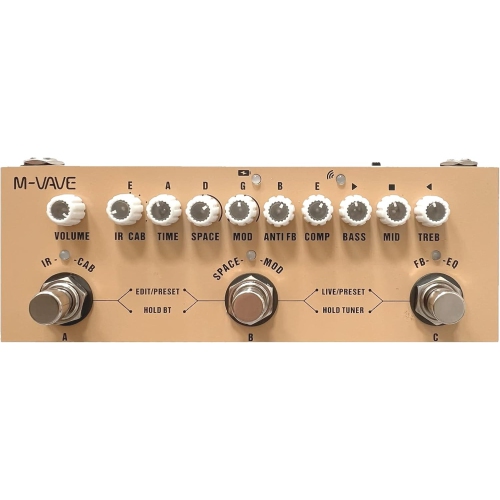
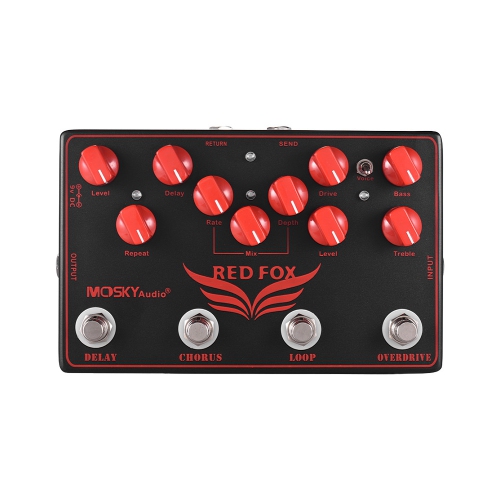
Add layered guitar voices to leads, chords, and solos
Guitar harmony pedals add one or more pitched voices to your original guitar signal, allowing a single player to create the fuller sound of a two- or three-guitar lead section. Instead of simply copying a note at the same pitch, these pedals shift the incoming signal by a selected musical interval, such as a third above, a fourth below, or an octave. Many models can follow a chosen key and scale, which helps the added harmony stay in tune with the song as the guitarist moves through a melody. This makes a harmony pedal useful for classic rock leads, country lines, progressive passages, worship arrangements, pop textures, and layered studio parts where a second guitarist is not available. The effect can be subtle, blending quietly behind the dry guitar, or bold enough to sound like several players sharing the same phrase. A guitarist might use one during a sustained solo to add width and movement, engage it for a memorable chorus hook, or switch it on for a dramatic climb into the final section of a song. Harmony pedals can also bring a spark of discovery to practice sessions: a familiar scale may take on a completely different character when every note is joined by a carefully chosen interval. For players exploring effects beyond overdrive and delay, browsing related options such as Acoustic Guitar Pedals can help round out a versatile setup.
The most important purchase consideration is how the pedal handles the guitarist’s playing style. Some harmony pedals are designed primarily for single-note melodies, where the processor can identify each note clearly and generate a smooth, musical companion voice. Others offer polyphonic tracking, allowing them to respond to chords as well as individual notes. Polyphonic capability can be valuable for chordal passages, layered rhythm parts, and experimental sounds, while a pedal focused on precise single-note tracking may feel especially natural for lead guitarists who want quick response and accurate intervals. Look for controls that match the way you prefer to work. A key or scale selector tells the pedal which notes belong in the musical framework, while harmony controls determine the distance and direction of the added voice. Some designs provide major and minor settings, independent level controls for the original and shifted signals, detune sounds, or pitch-bending effects that move beyond traditional harmony. Clear footswitch operation is helpful on stage, particularly when a player needs to activate the effect in the middle of a fast passage without taking attention away from the fretboard. Tracking speed matters as well. A responsive pedal should follow cleanly when notes are picked in quick succession, while accurate pitch recognition helps prevent wavering or unexpected intervals. The clearest results usually come from a well-tuned guitar, confident fretting, and a defined signal entering the pedal. Players who use heavy distortion may prefer to place the harmony effect before their main drive sounds, while those seeking a more polished, studio-like texture may experiment with its position alongside modulation, delay, and reverb. Since every pedalboard is different, checking input and output connections, power requirements, enclosure size, and available board space can prevent surprises when the pedal is added to an existing setup.
Guitar harmony pedals suit a wide range of players, from beginners learning how intervals work to experienced musicians shaping a distinctive live sound. A newer guitarist can use the added voice to hear the relationship between a melody and its supporting notes, making scales and lead patterns feel more musical than they might when played alone. Intermediate players may appreciate the inspiration of a pedal that turns a simple phrase into a layered hook, while performing guitarists can use one to fill out arrangements in a duo, trio, or solo performance. Songwriters and home-recording enthusiasts can create the impression of multiple guitar tracks without recording every part separately, which is useful when sketching a new arrangement or adding atmosphere to a demo. These pedals can also make thoughtful gifts for guitarists who already own the basics and enjoy experimenting with sound. They are compact, easy to add to most effects collections, and capable of producing an immediately noticeable change in a familiar instrument. Before choosing one, consider whether the intended player prefers traditional diatonic harmonies, octave-based sounds, chord-friendly processing, or more unusual pitch effects. It is also worth considering the guitar itself, including whether it has passive or active electronics, as well as the amplifier, headphones, recording interface, and other pedals used in the signal chain. A harmony pedal is at its most expressive when the key, interval, and mix are set to support the song rather than overpower it. A gentle third can suggest the bright lift of a second guitar on a chorus, while a lower octave can add weight to a sparse riff; a detuned setting can create a shimmering, almost doubled texture behind clean chords. During the cooler months, when practice time often shifts indoors, this kind of pedal can bring fresh colour to a home setup, rehearsal space, or recording corner and help turn everyday playing into a more expansive musical experience.
The most important purchase consideration is how the pedal handles the guitarist’s playing style. Some harmony pedals are designed primarily for single-note melodies, where the processor can identify each note clearly and generate a smooth, musical companion voice. Others offer polyphonic tracking, allowing them to respond to chords as well as individual notes. Polyphonic capability can be valuable for chordal passages, layered rhythm parts, and experimental sounds, while a pedal focused on precise single-note tracking may feel especially natural for lead guitarists who want quick response and accurate intervals. Look for controls that match the way you prefer to work. A key or scale selector tells the pedal which notes belong in the musical framework, while harmony controls determine the distance and direction of the added voice. Some designs provide major and minor settings, independent level controls for the original and shifted signals, detune sounds, or pitch-bending effects that move beyond traditional harmony. Clear footswitch operation is helpful on stage, particularly when a player needs to activate the effect in the middle of a fast passage without taking attention away from the fretboard. Tracking speed matters as well. A responsive pedal should follow cleanly when notes are picked in quick succession, while accurate pitch recognition helps prevent wavering or unexpected intervals. The clearest results usually come from a well-tuned guitar, confident fretting, and a defined signal entering the pedal. Players who use heavy distortion may prefer to place the harmony effect before their main drive sounds, while those seeking a more polished, studio-like texture may experiment with its position alongside modulation, delay, and reverb. Since every pedalboard is different, checking input and output connections, power requirements, enclosure size, and available board space can prevent surprises when the pedal is added to an existing setup.
Guitar harmony pedals suit a wide range of players, from beginners learning how intervals work to experienced musicians shaping a distinctive live sound. A newer guitarist can use the added voice to hear the relationship between a melody and its supporting notes, making scales and lead patterns feel more musical than they might when played alone. Intermediate players may appreciate the inspiration of a pedal that turns a simple phrase into a layered hook, while performing guitarists can use one to fill out arrangements in a duo, trio, or solo performance. Songwriters and home-recording enthusiasts can create the impression of multiple guitar tracks without recording every part separately, which is useful when sketching a new arrangement or adding atmosphere to a demo. These pedals can also make thoughtful gifts for guitarists who already own the basics and enjoy experimenting with sound. They are compact, easy to add to most effects collections, and capable of producing an immediately noticeable change in a familiar instrument. Before choosing one, consider whether the intended player prefers traditional diatonic harmonies, octave-based sounds, chord-friendly processing, or more unusual pitch effects. It is also worth considering the guitar itself, including whether it has passive or active electronics, as well as the amplifier, headphones, recording interface, and other pedals used in the signal chain. A harmony pedal is at its most expressive when the key, interval, and mix are set to support the song rather than overpower it. A gentle third can suggest the bright lift of a second guitar on a chorus, while a lower octave can add weight to a sparse riff; a detuned setting can create a shimmering, almost doubled texture behind clean chords. During the cooler months, when practice time often shifts indoors, this kind of pedal can bring fresh colour to a home setup, rehearsal space, or recording corner and help turn everyday playing into a more expansive musical experience.
Top selling and popular products
-
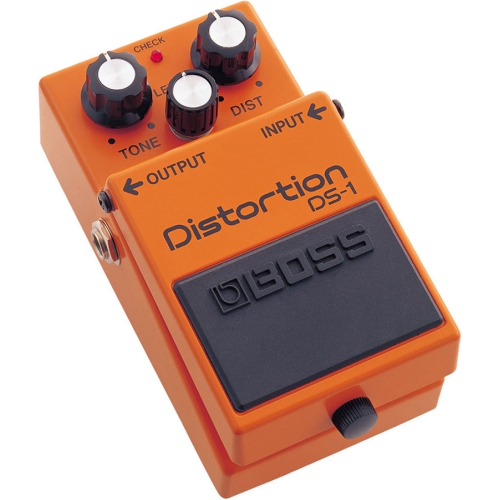 Your price for this item is $89.99
 -
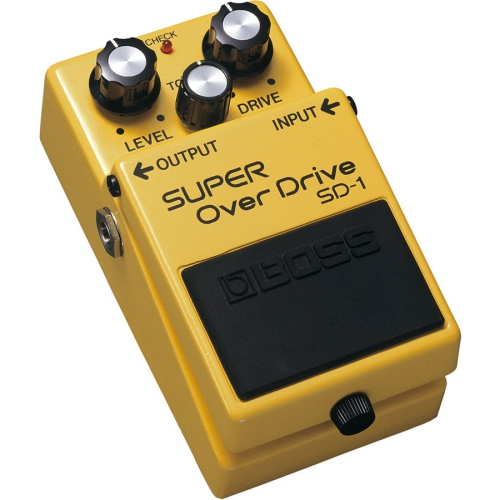 Your price for this item is $89.99
 -
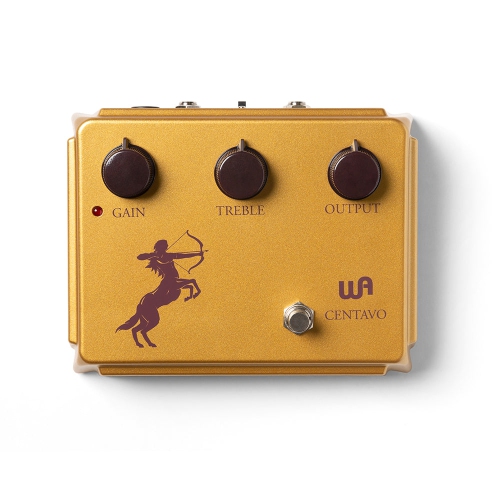 Your price for this item is $289
 -
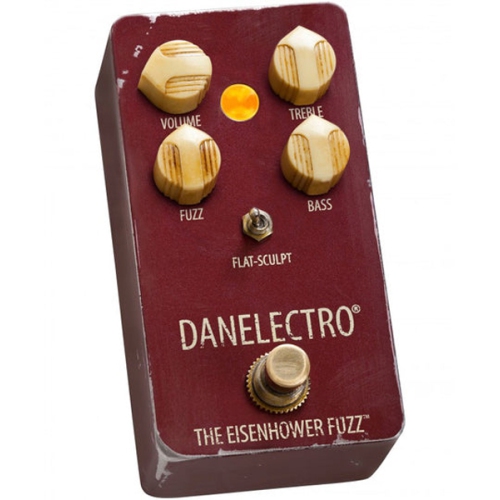 Your price for this item is $164.99
 -
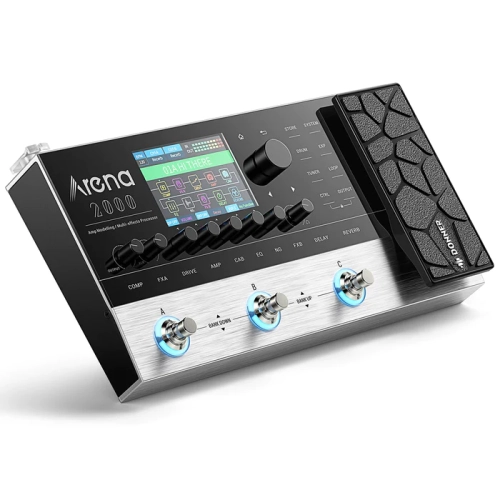 Your price for this item is $209.99
 -
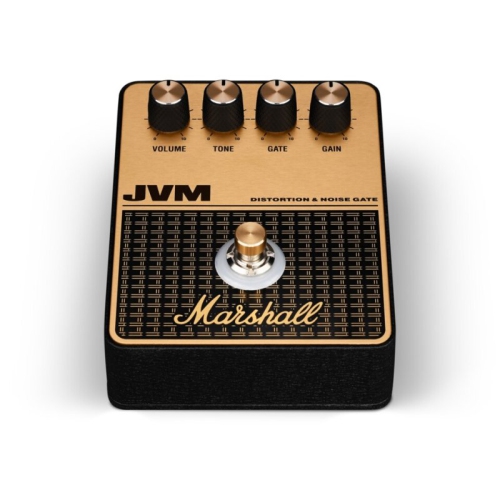 Your price for this item is $249.99
 -
 Your price for this item is $249.99
 -
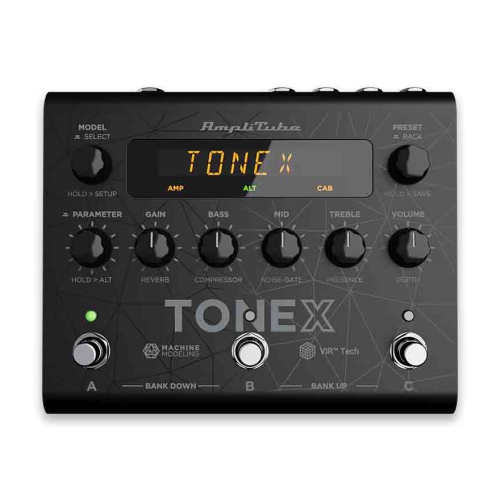 Your price for this item is $599.99
Discover more categories related to Guitar Harmony Pedals
Top Collections:
Pokemon Centers, Kindle Devices, Best Budget Office Chairs, Apple iPhones 16, Canon G7X Cameras, iPhone 15 Apple, Alarm Clock, Refurbished Apple Laptops, Flip Phones, Best Laptops for Writers
Some products may be subject to Environmental Handling Fees
(EHF) depending on your province.
Learn more about EHFs.