Stereo Guitar Pedals
Enhance your guitar playing experience with our selection of stereo guitar pedals, designed to elevate your sound to new heights. These innovative pedals offer a wide range of effects and features that will allow you to experiment and create unique tones that will set you apart from the rest. Whether you are a seasoned musician looking to expand your sonic possibilities or a beginner eager to explore the world of guitar effects, our stereo pedals are sure to inspire creativity and enhance your performance. Explore our collection today and discover the perfect pedal to take your music to the next level.
Sort
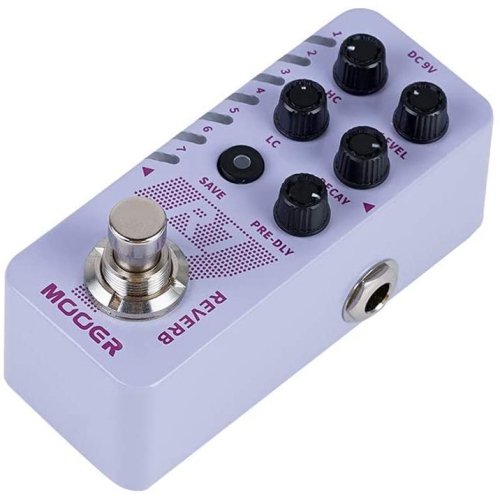
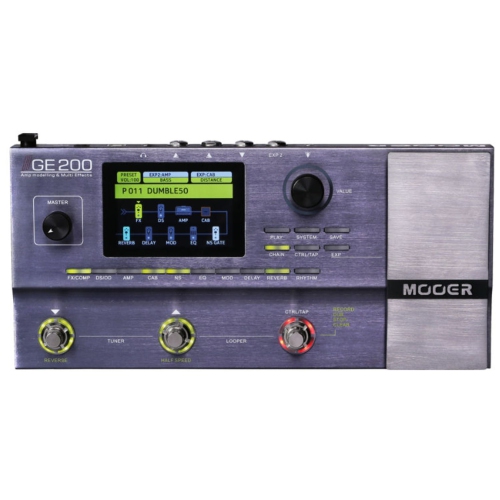
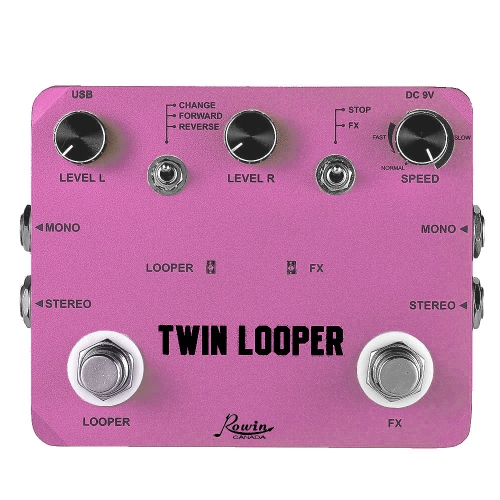
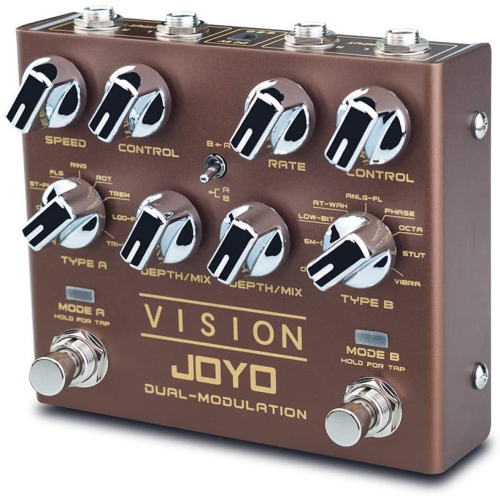
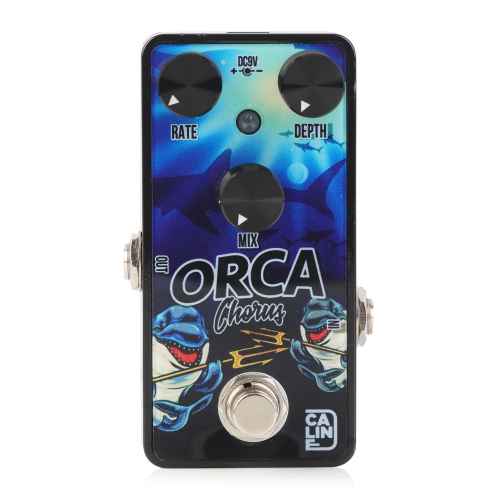
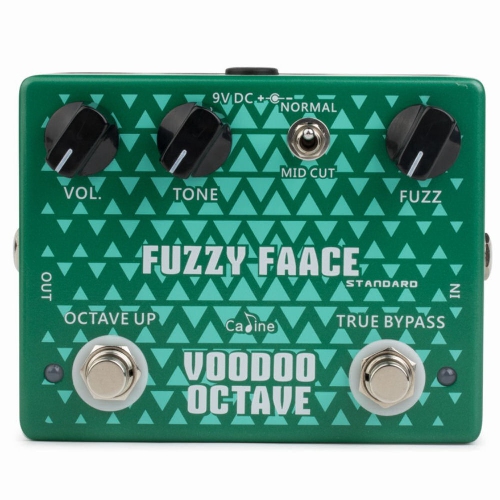
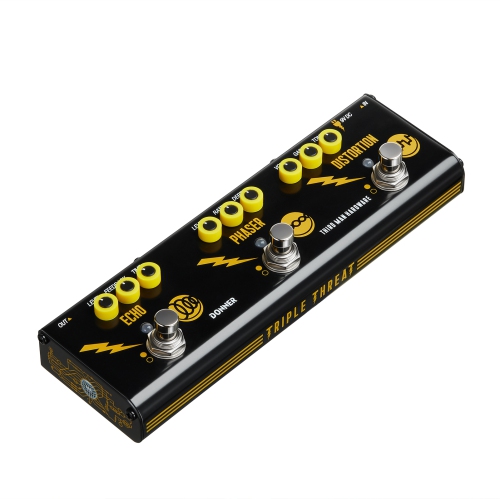


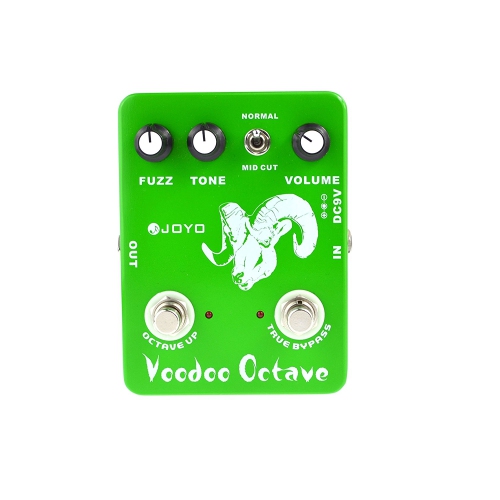
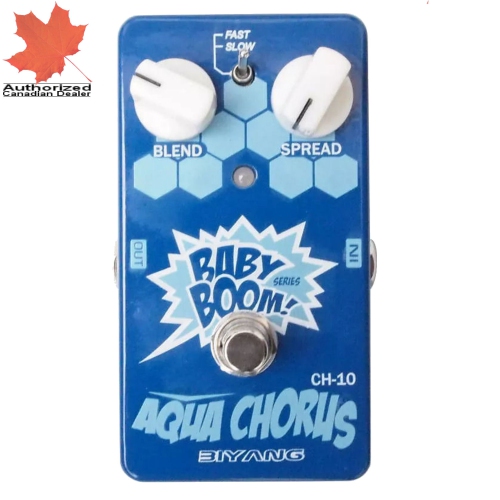
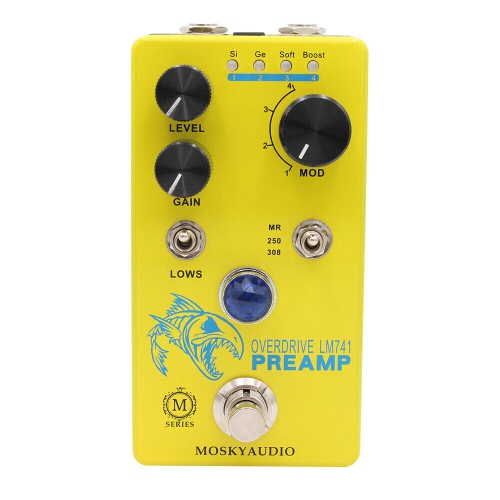
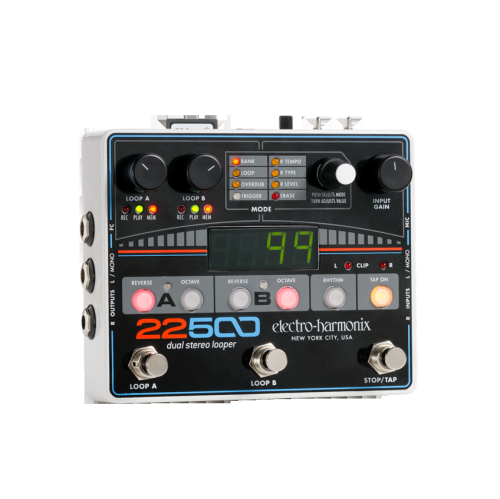
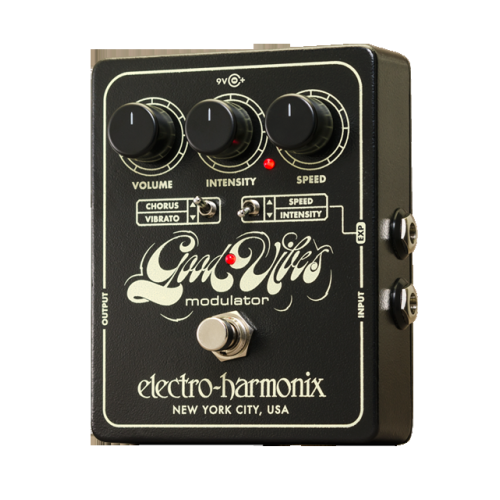
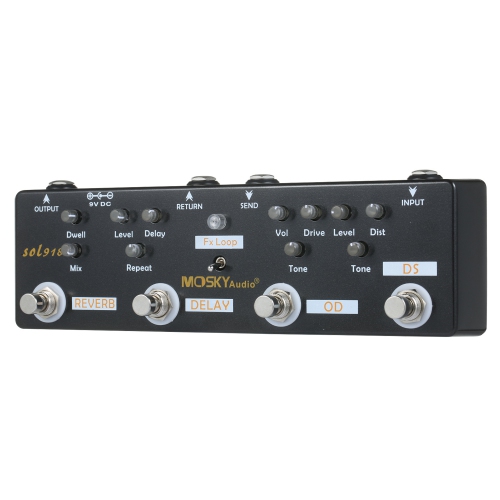

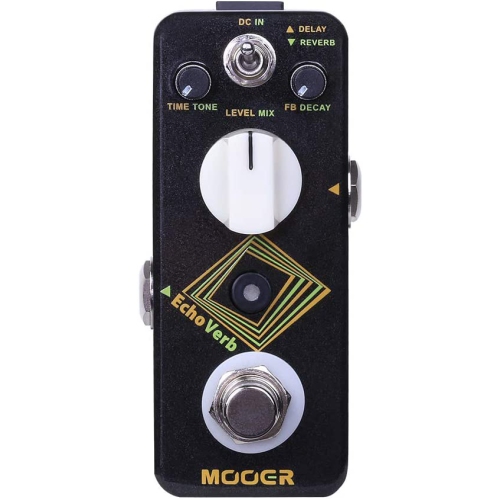
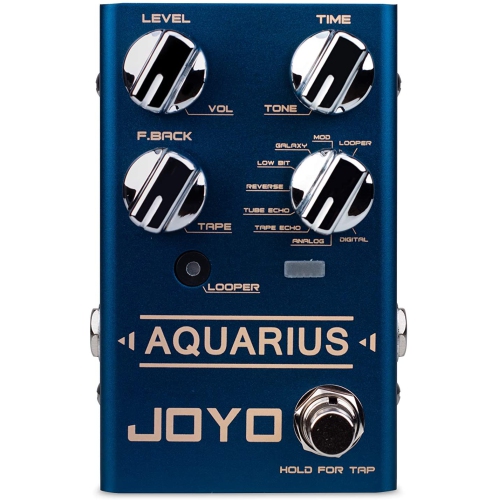
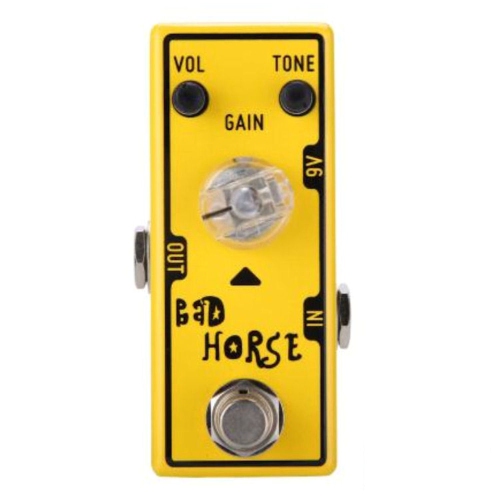
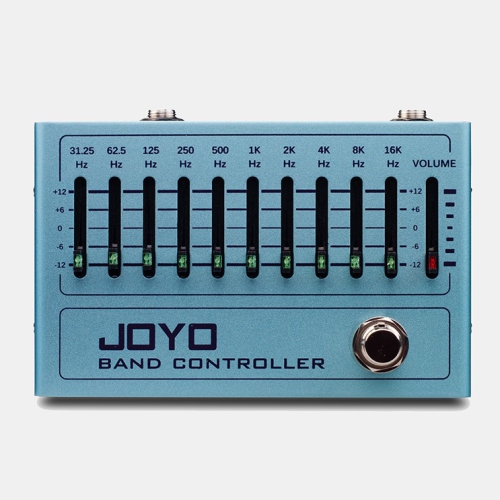
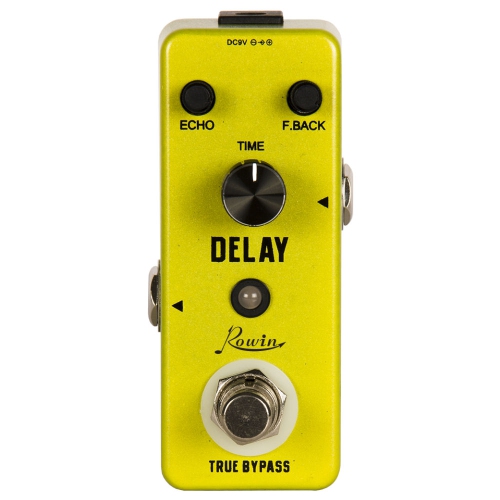
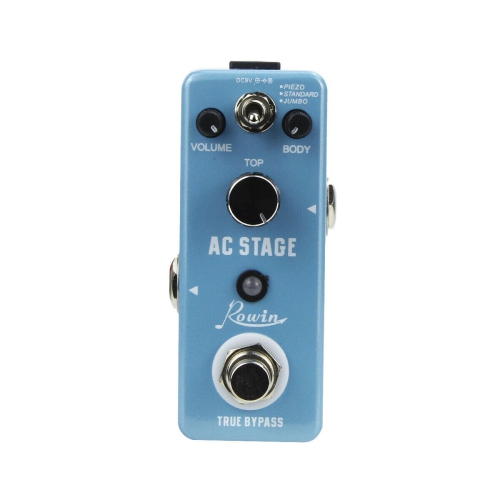
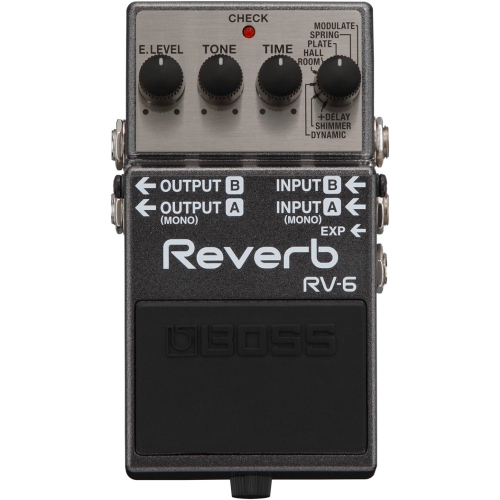
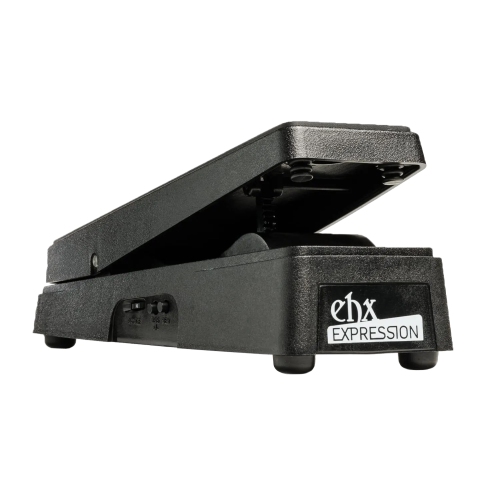
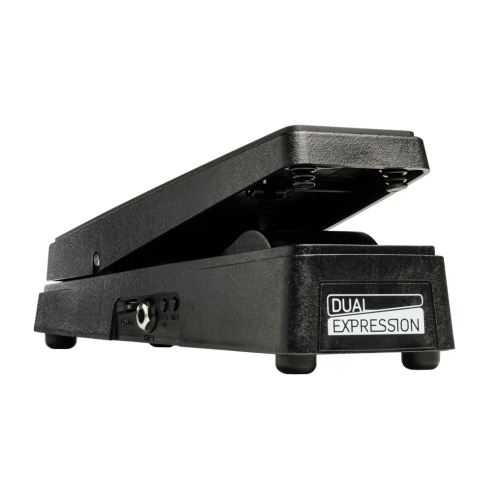
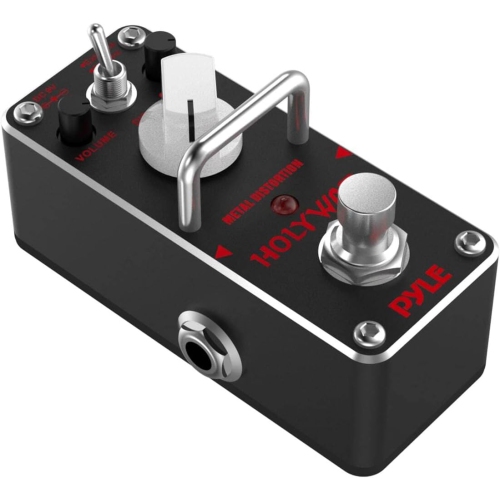

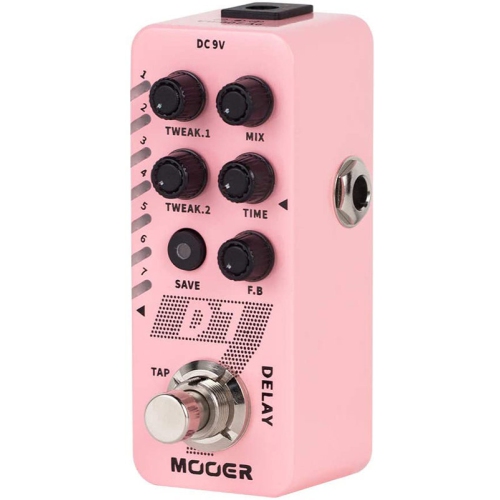

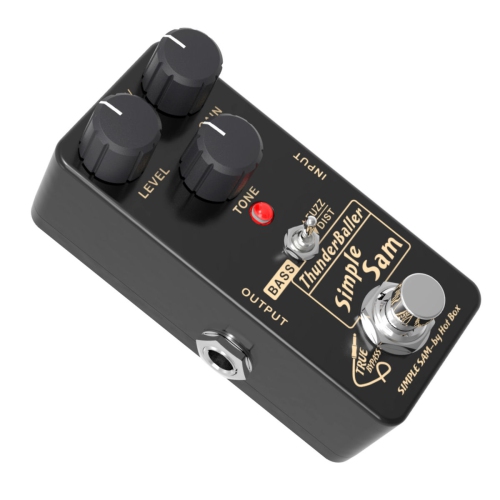

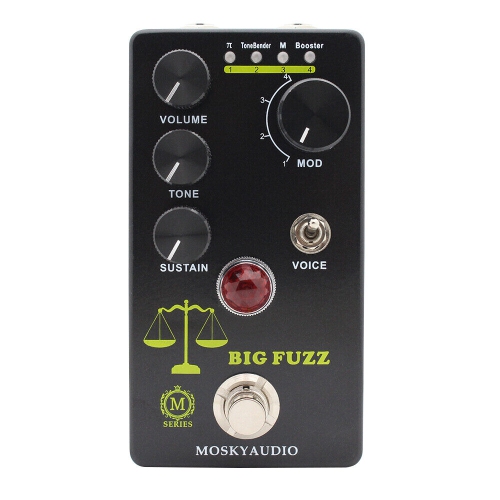
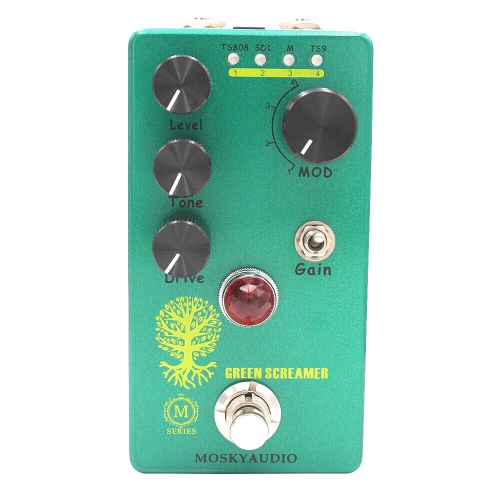
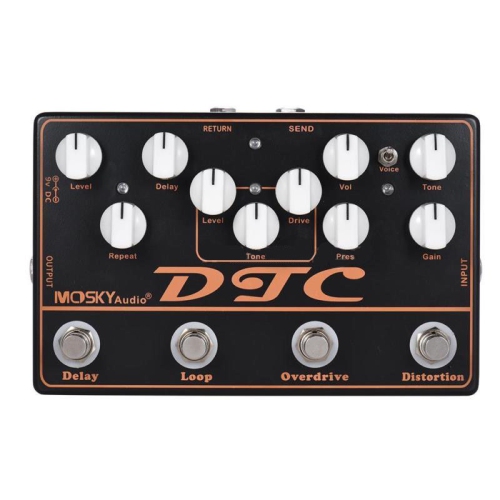
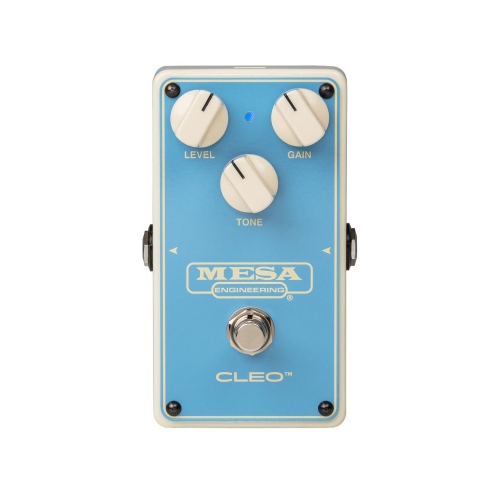
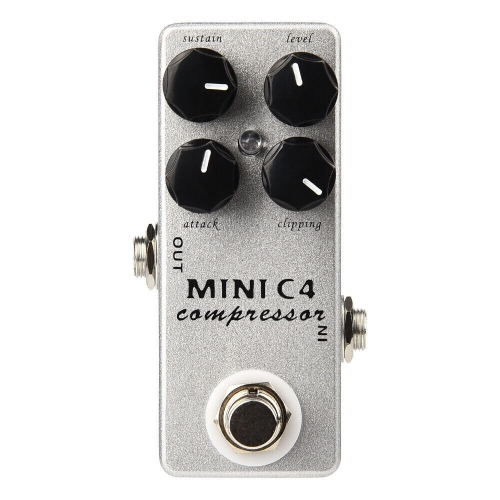
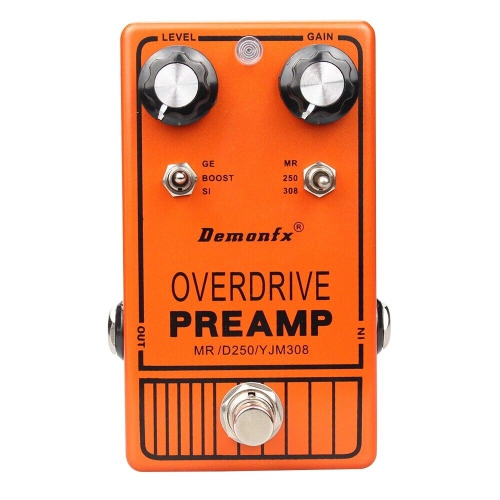
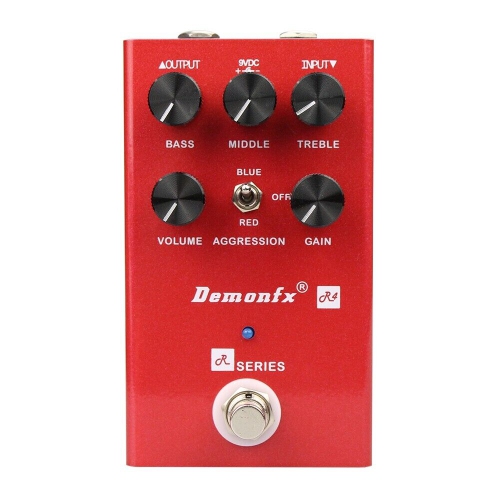

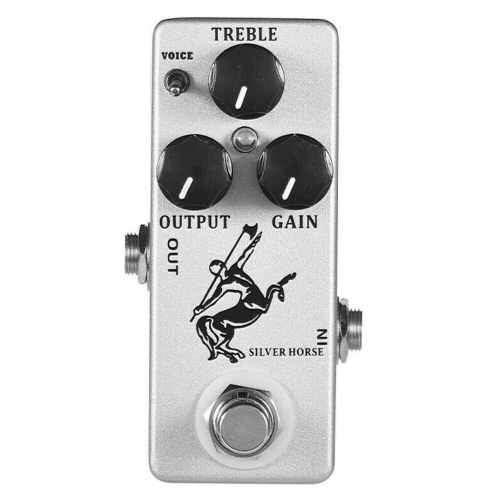
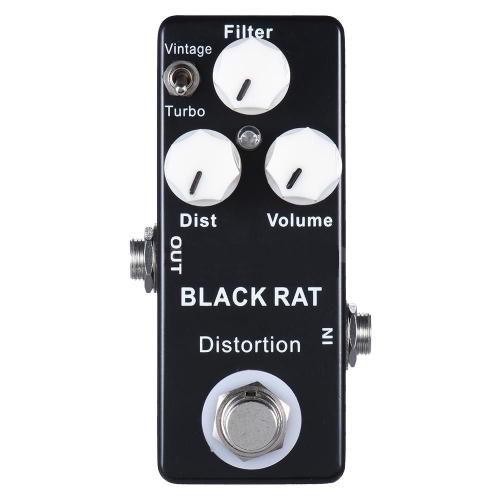
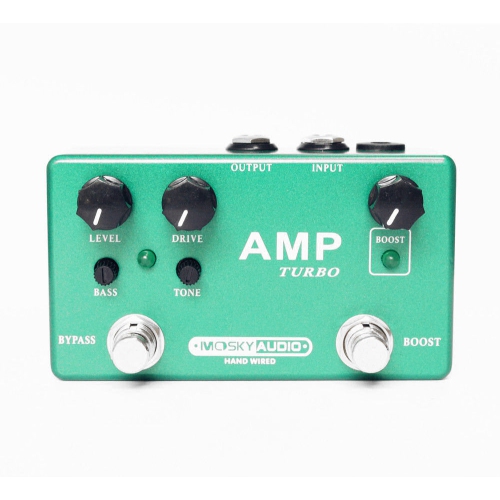
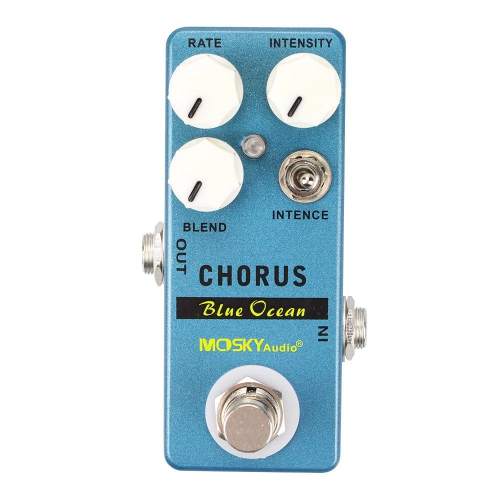
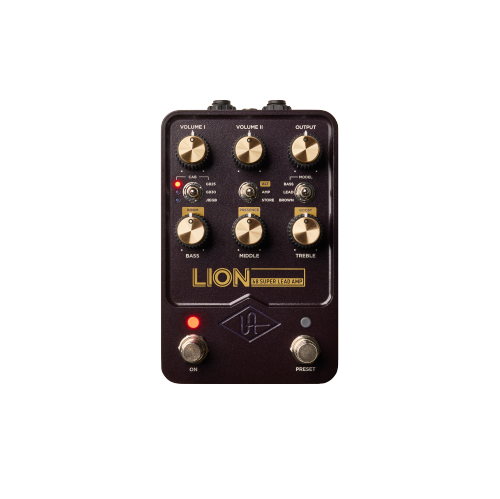

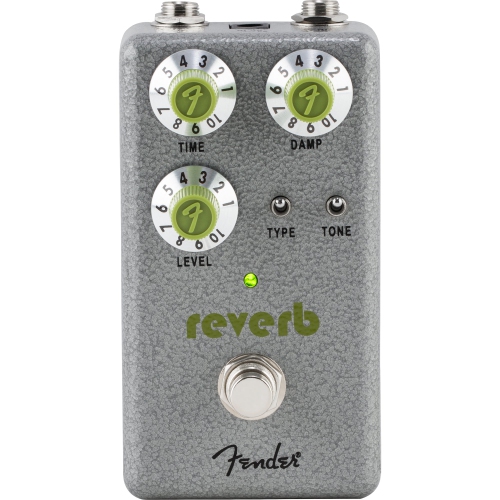
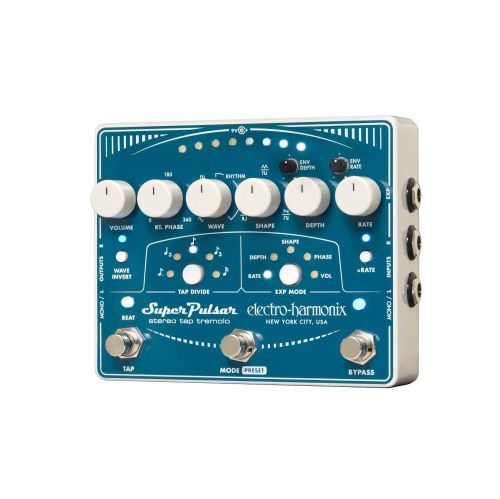
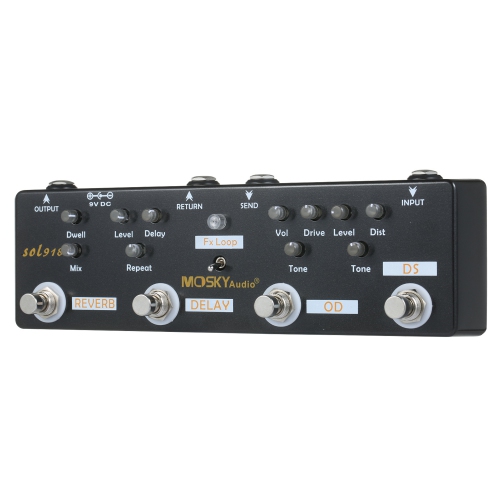
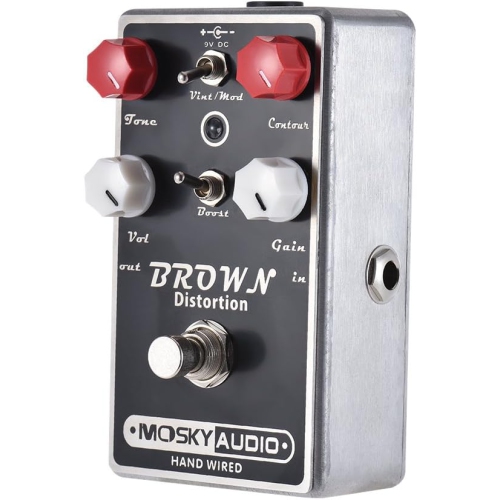
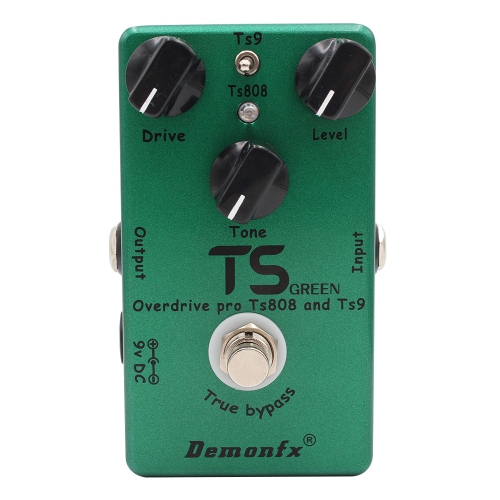
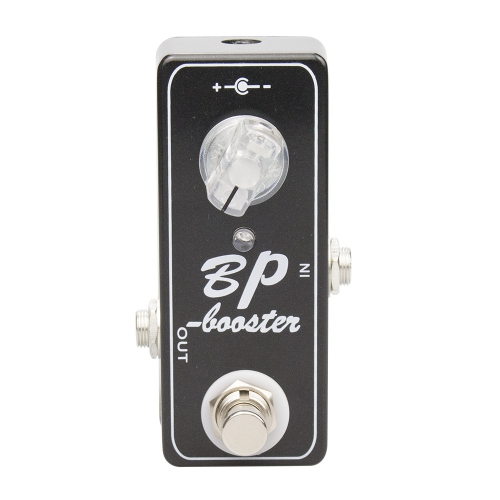
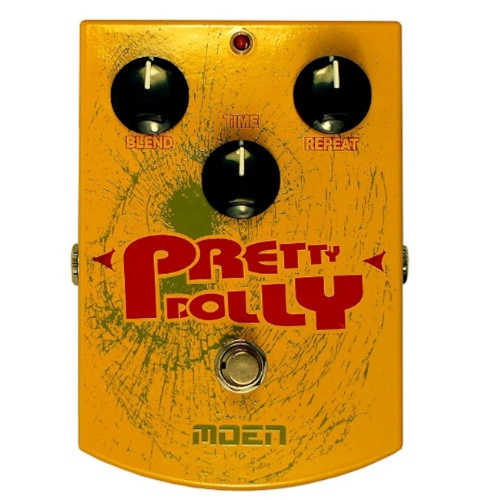
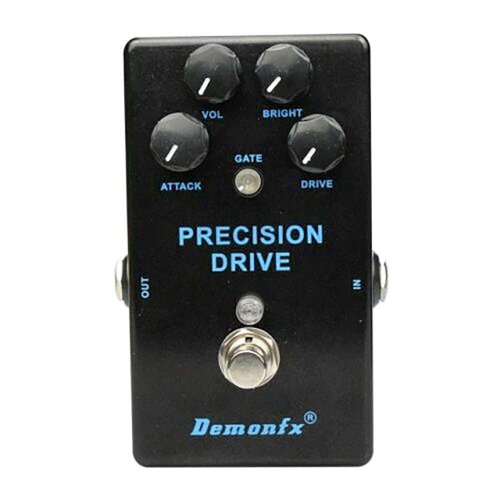
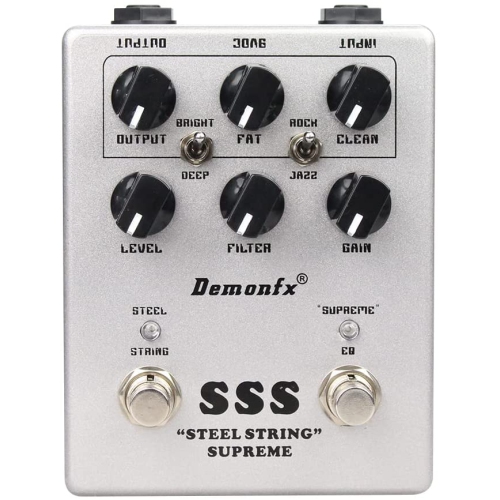
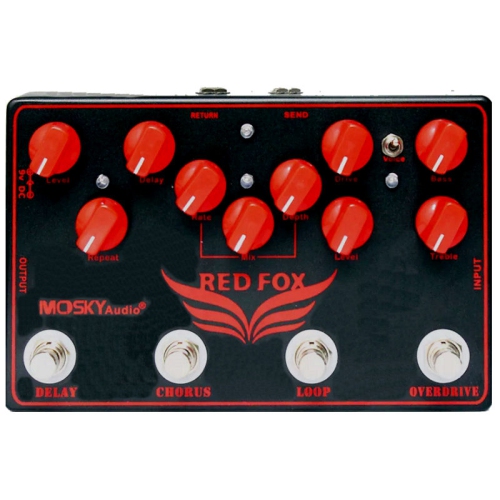
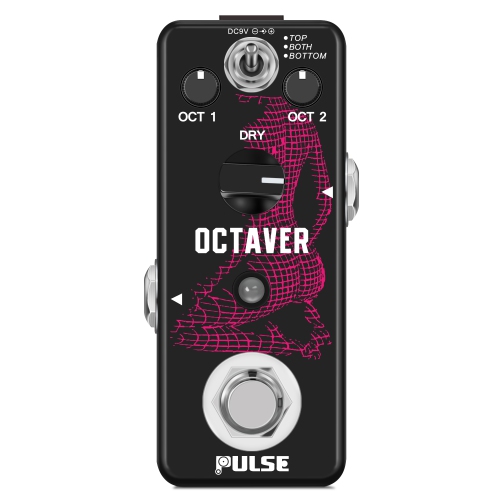
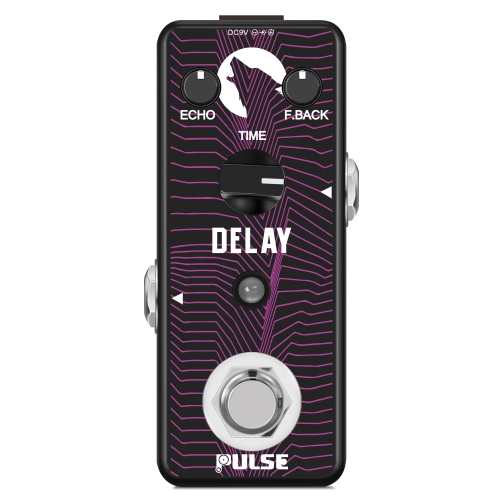
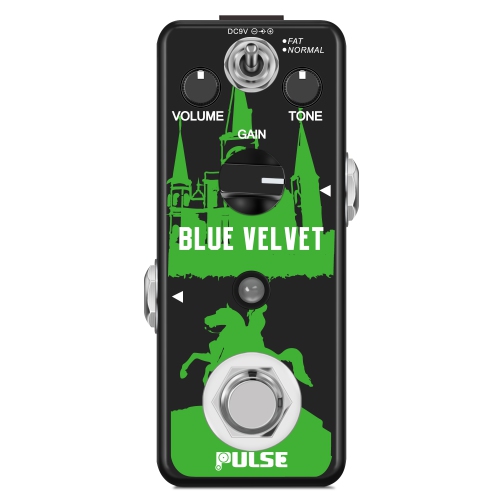
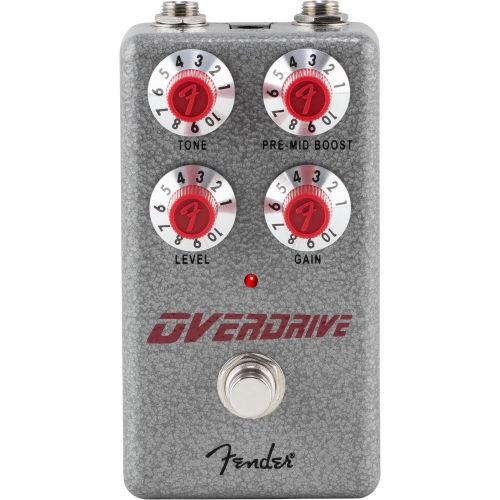
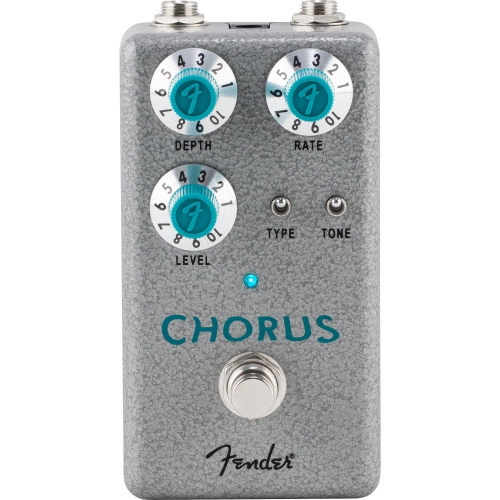
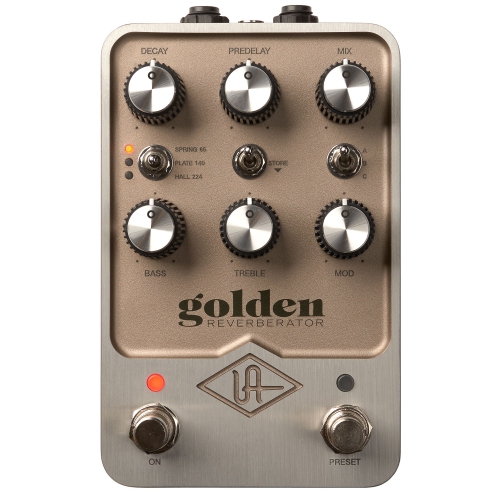
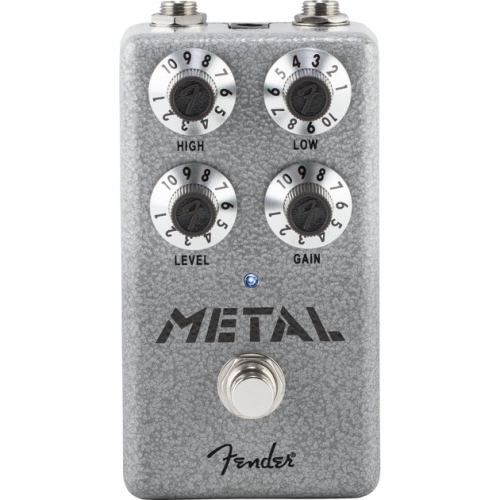
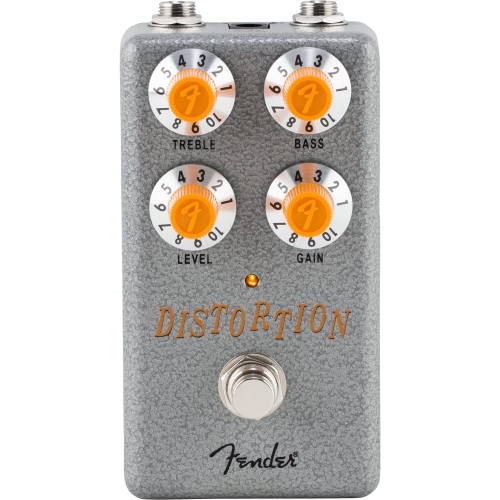
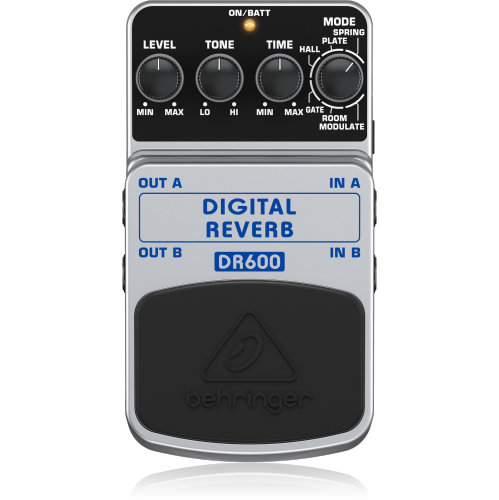
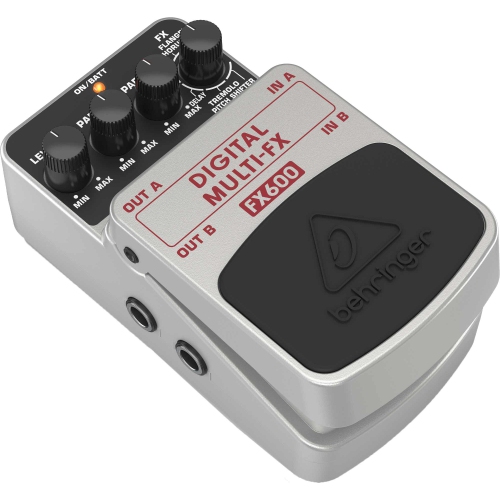
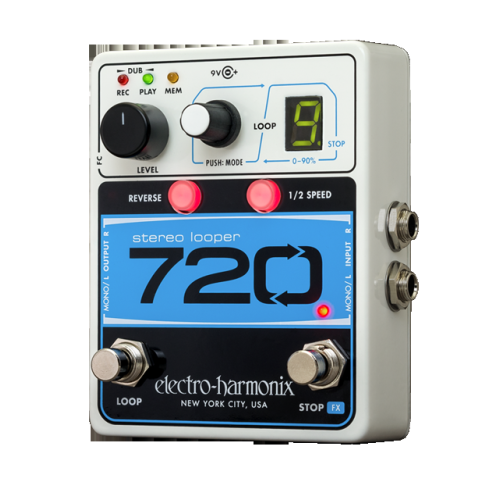
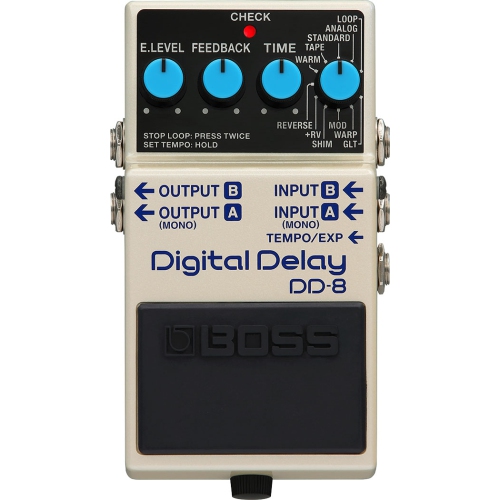
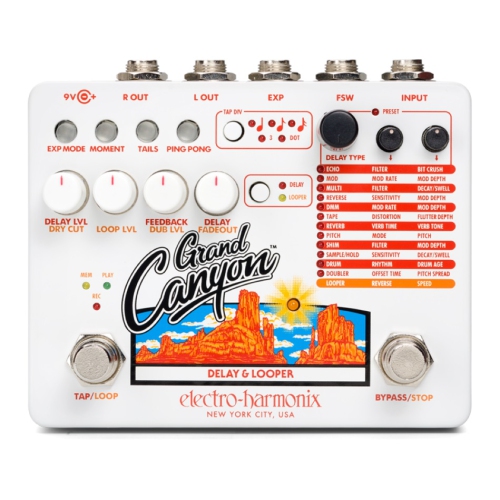
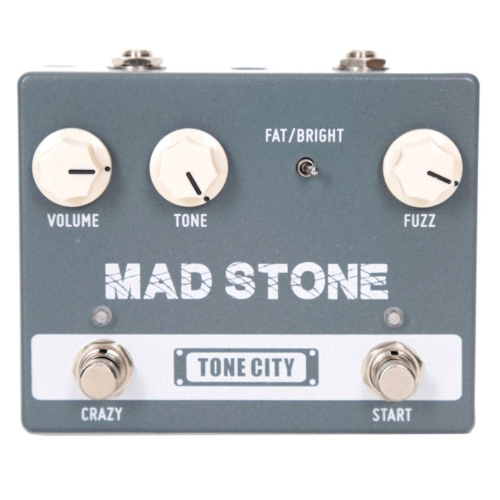
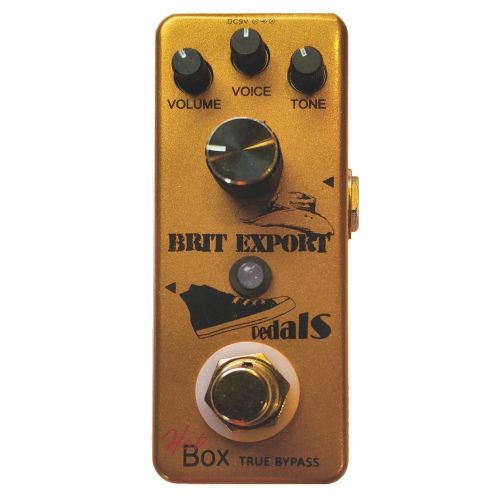
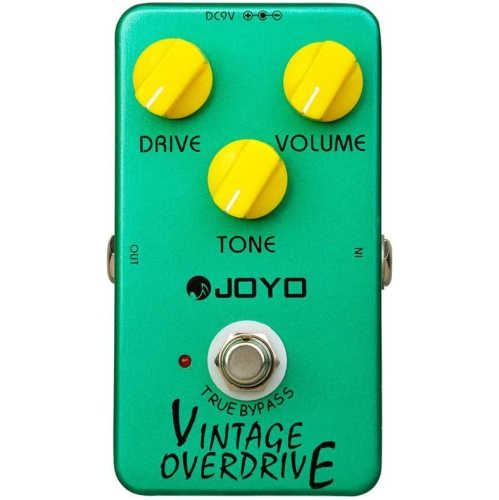
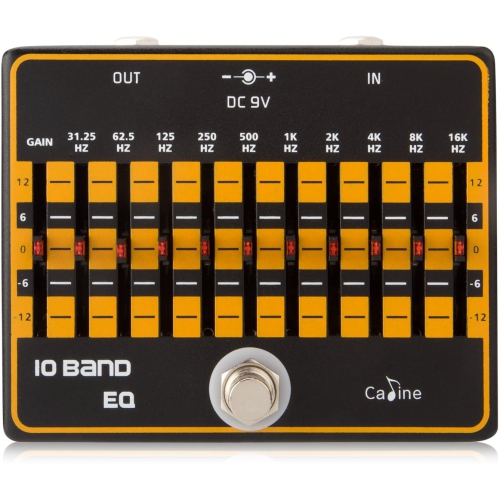
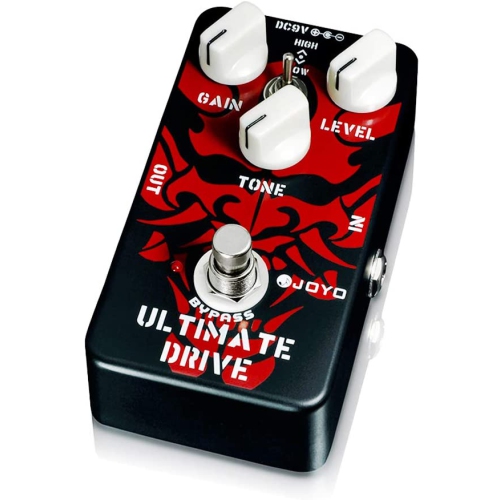
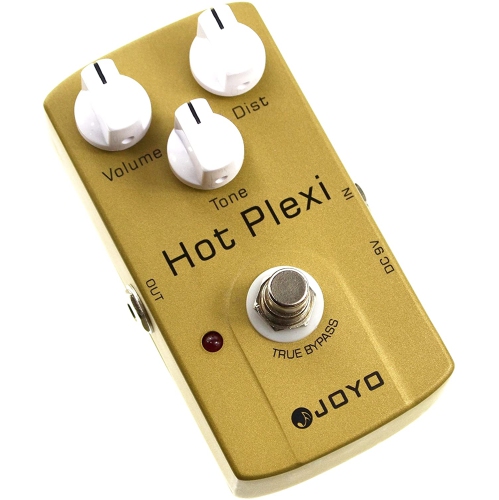

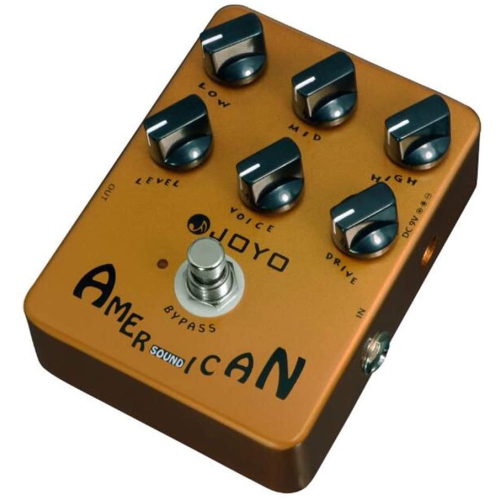
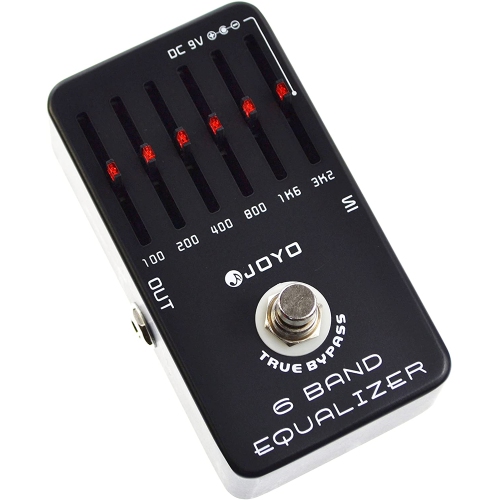
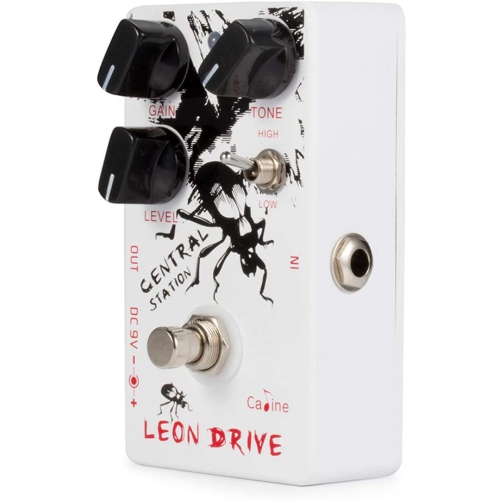
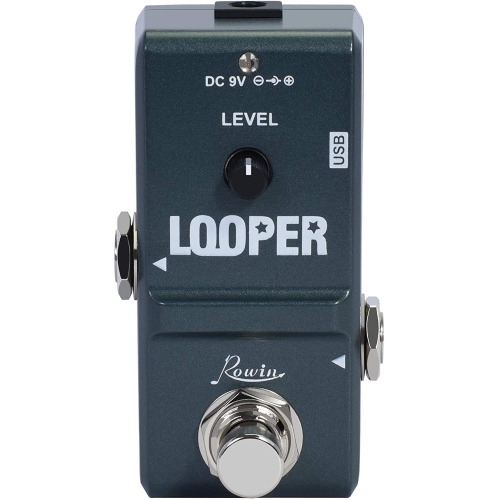
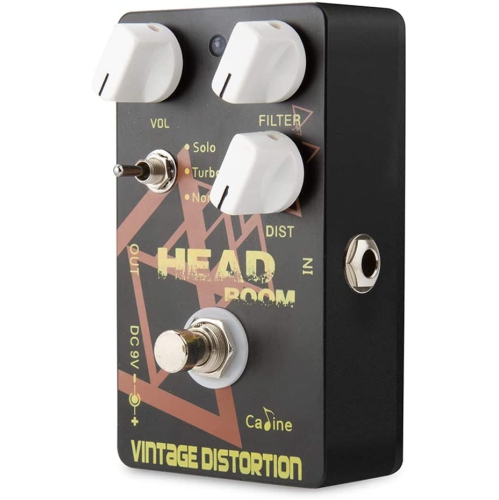
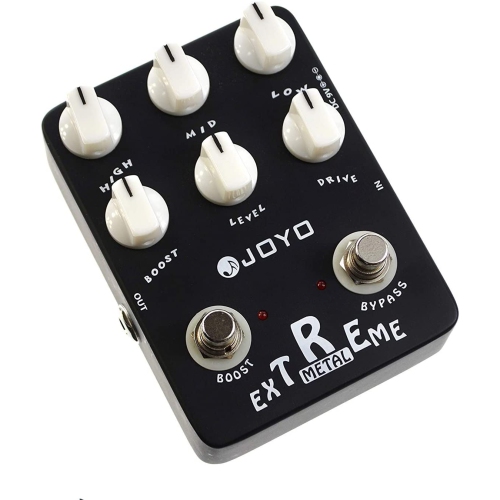
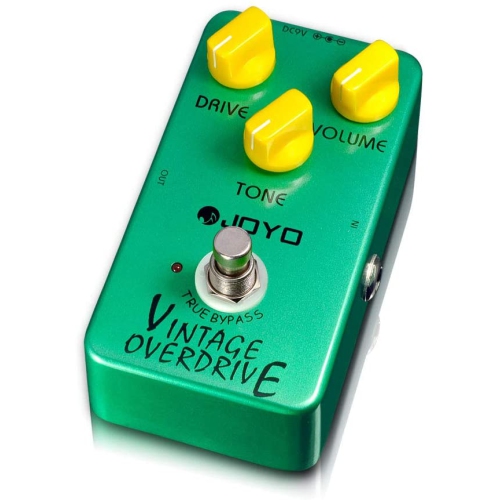
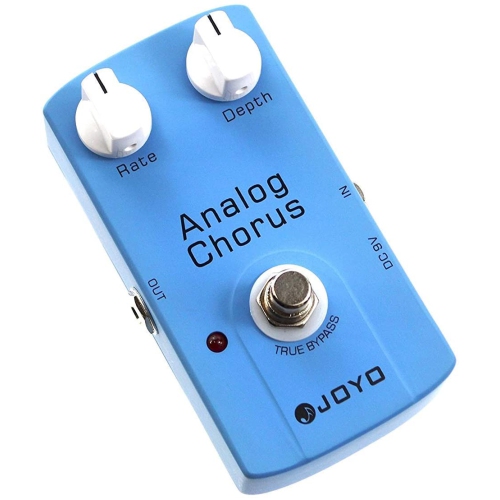
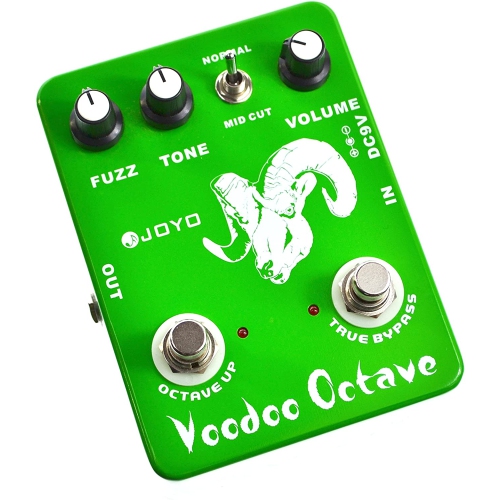

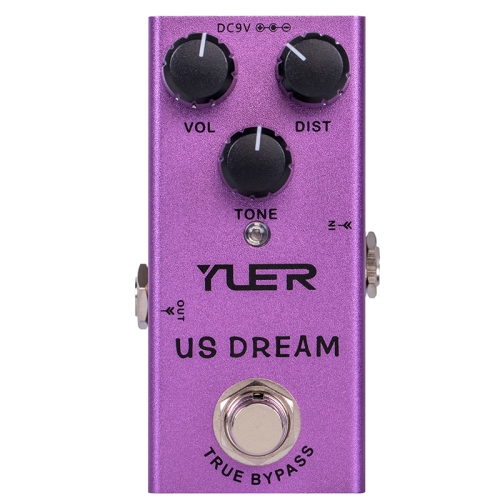
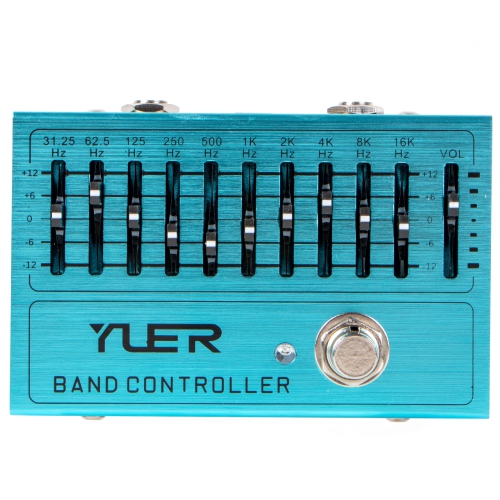
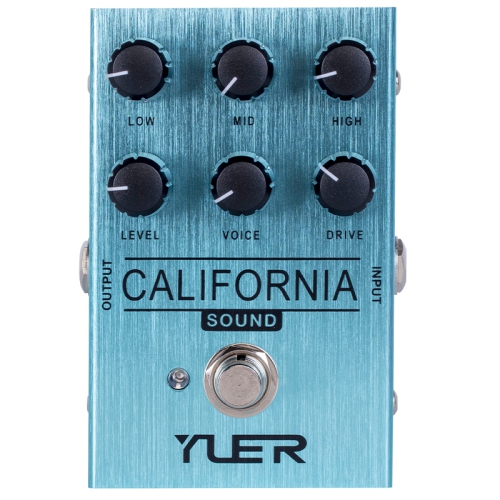
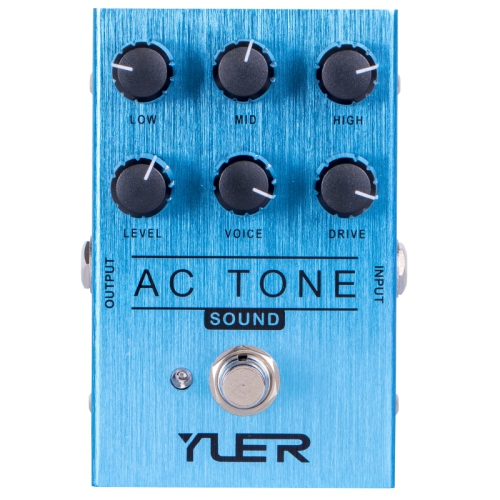
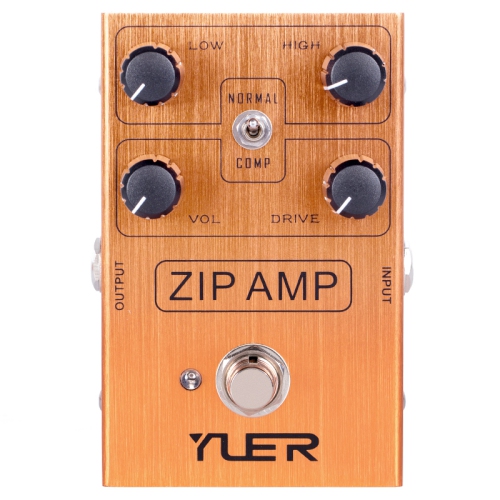
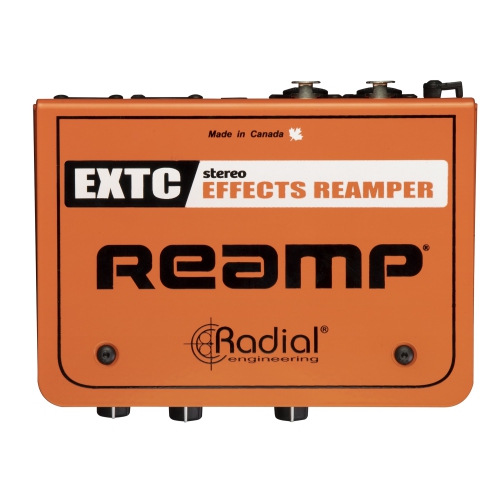
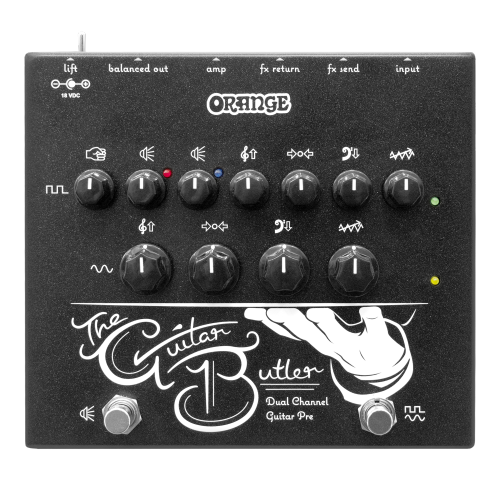

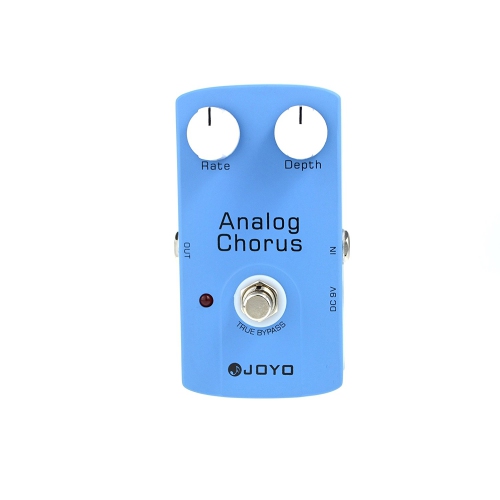
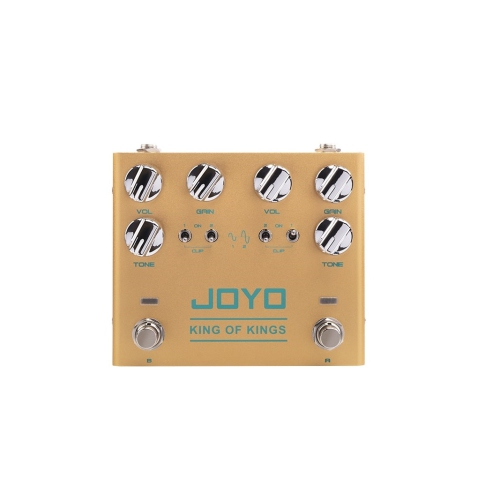
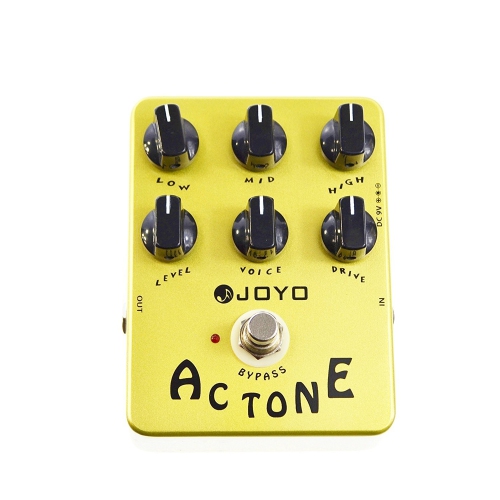
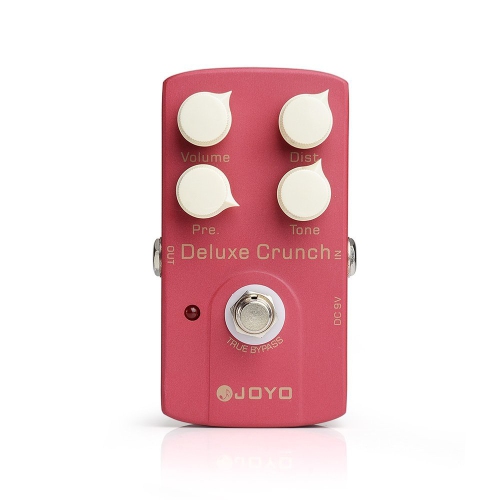
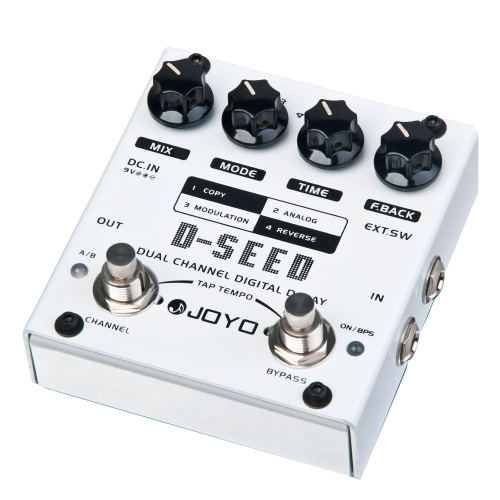
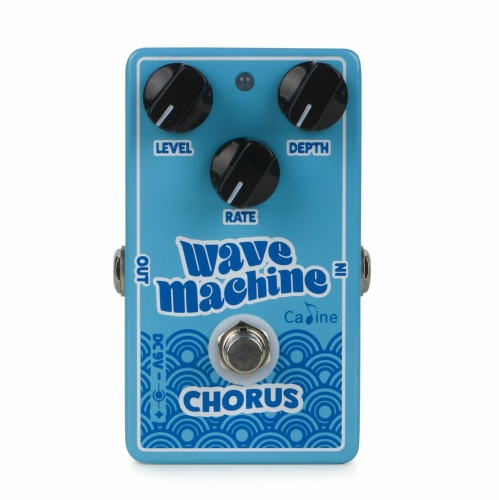
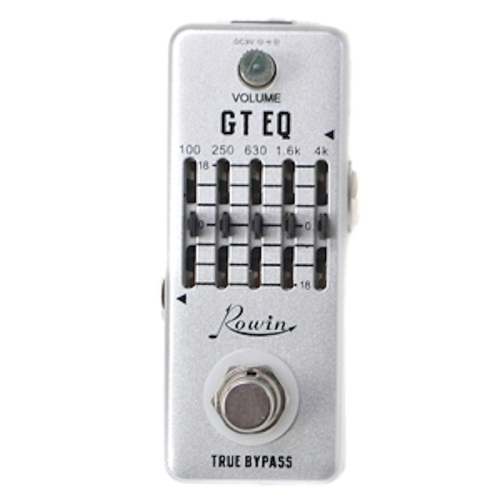
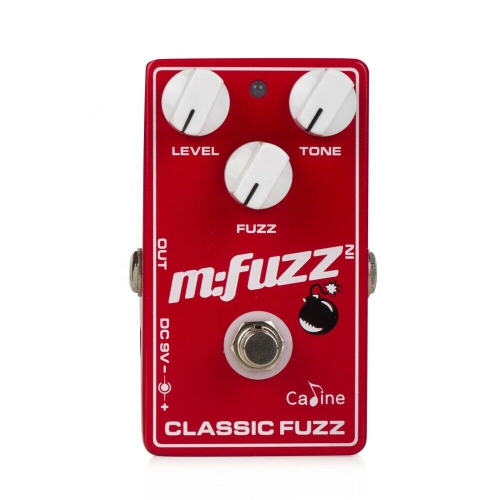
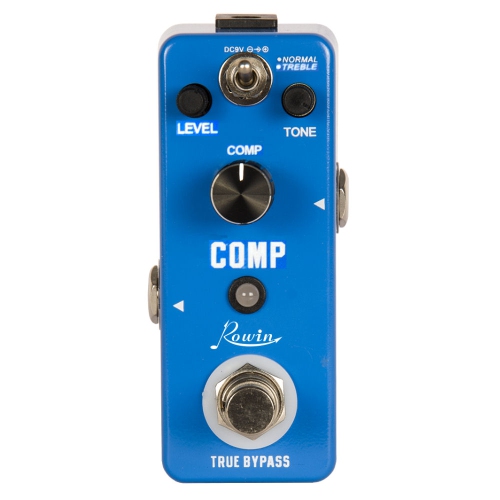

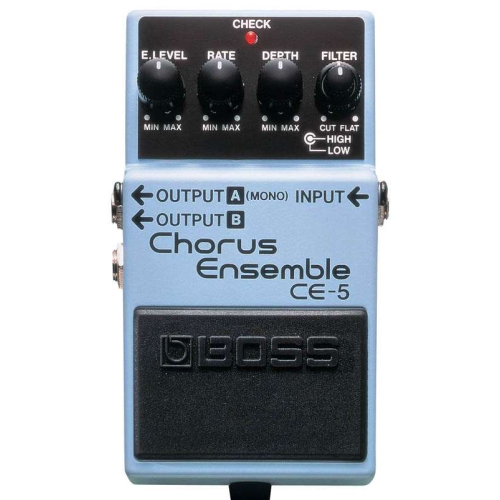
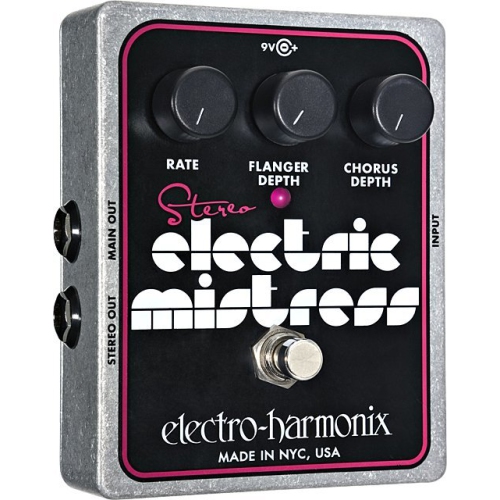
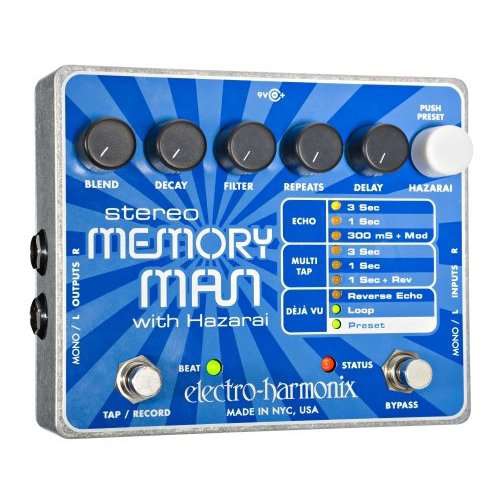
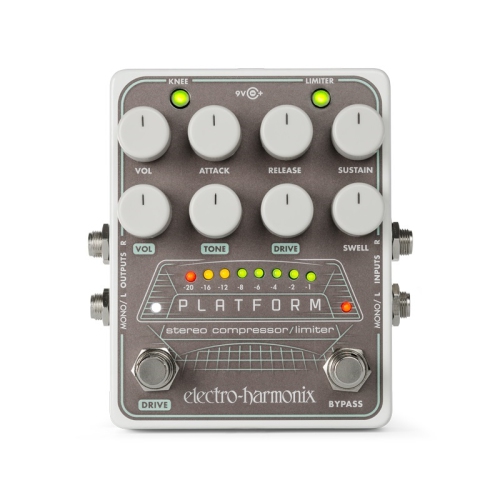
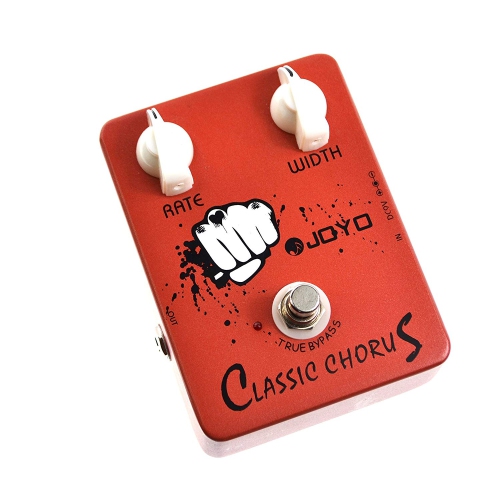

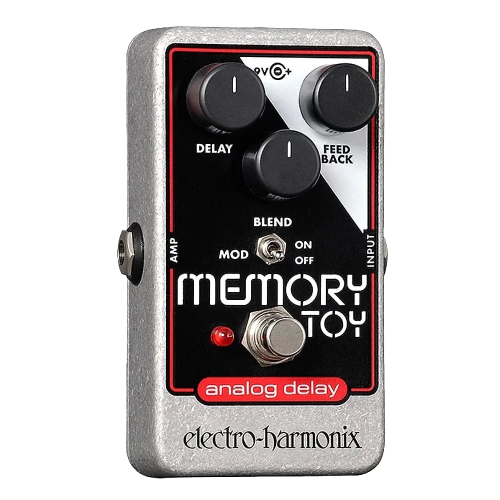

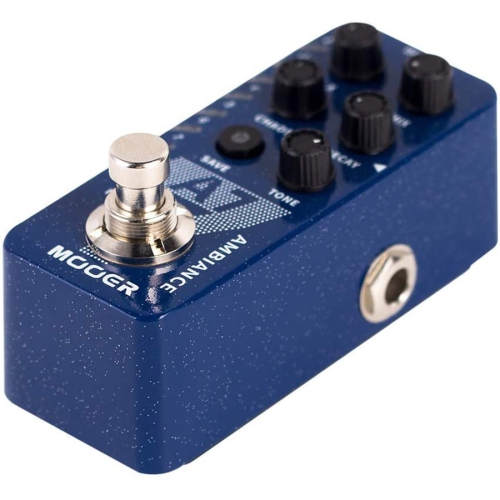
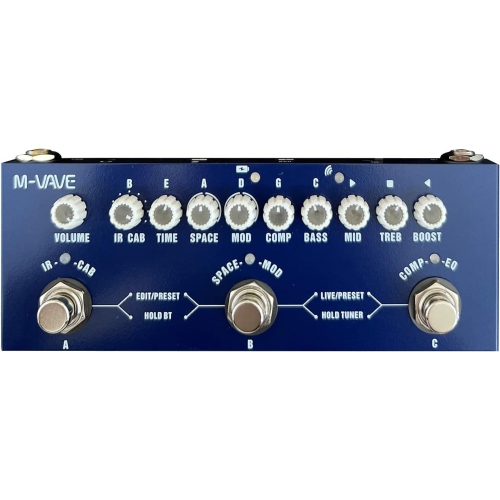
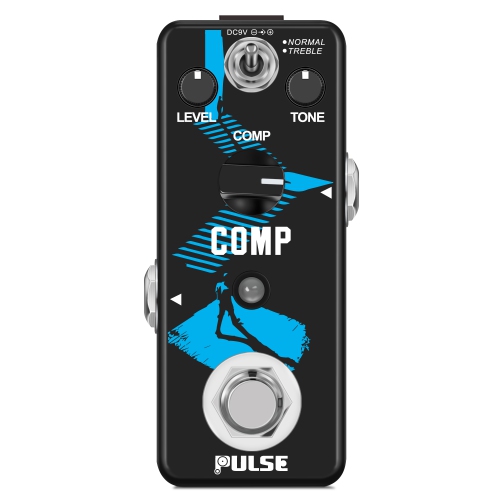
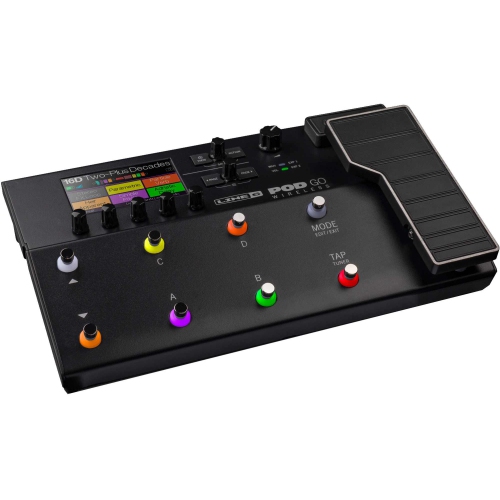
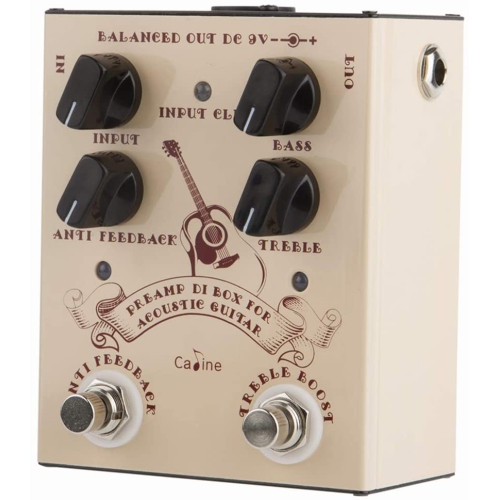
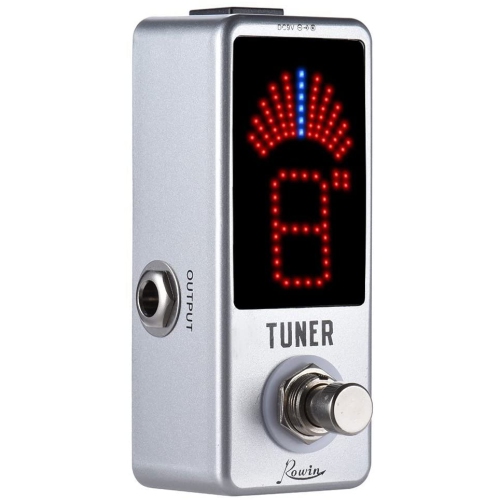
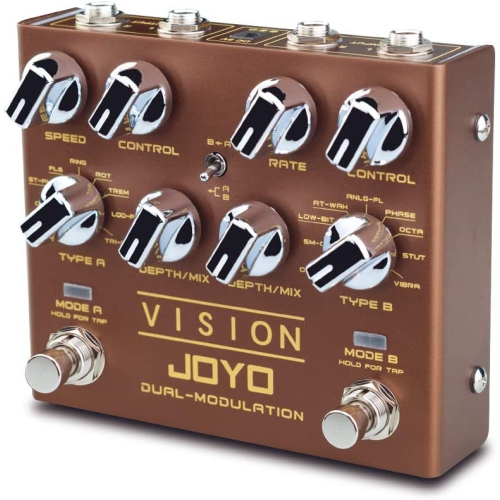
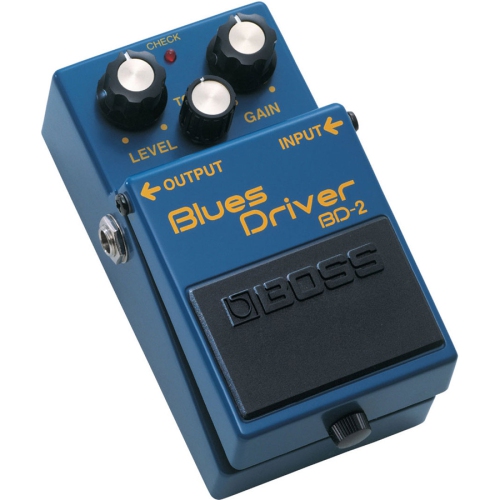
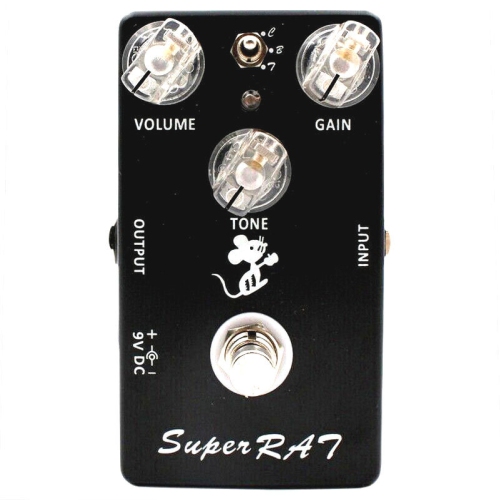
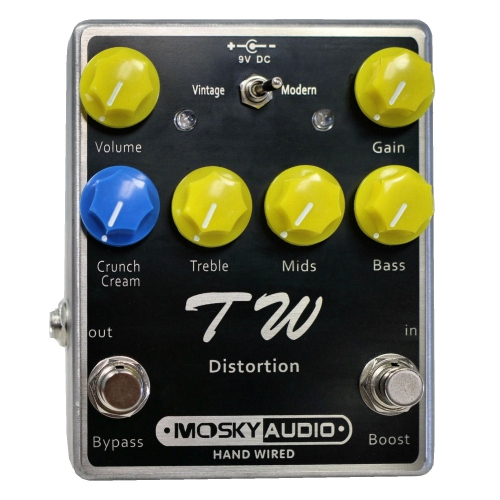
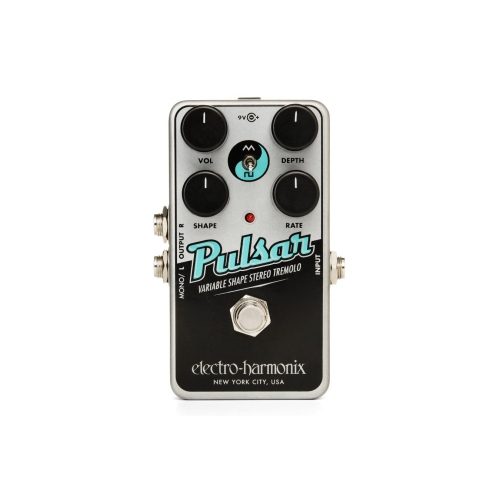
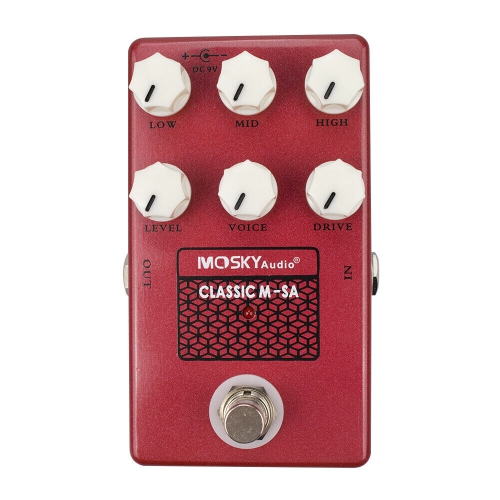
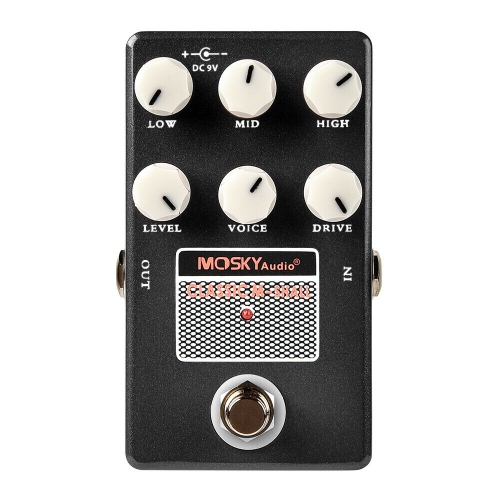
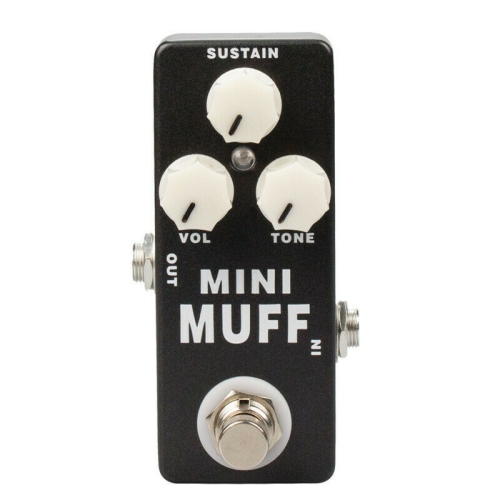
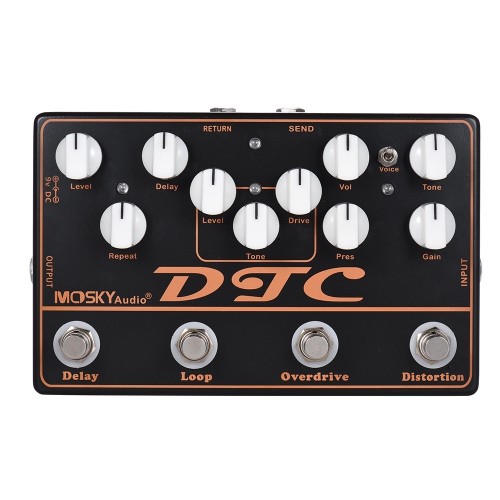
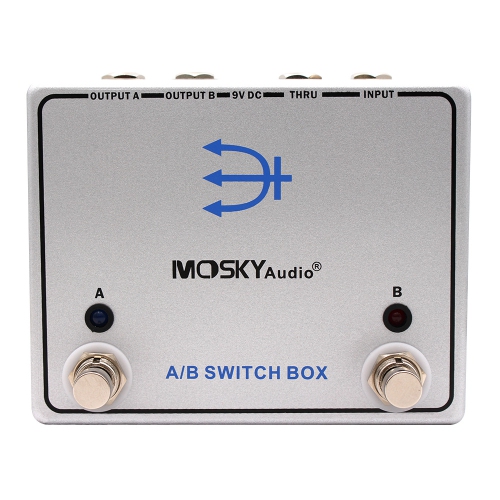
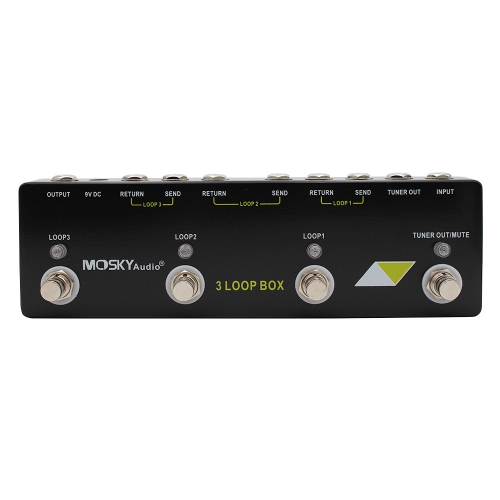
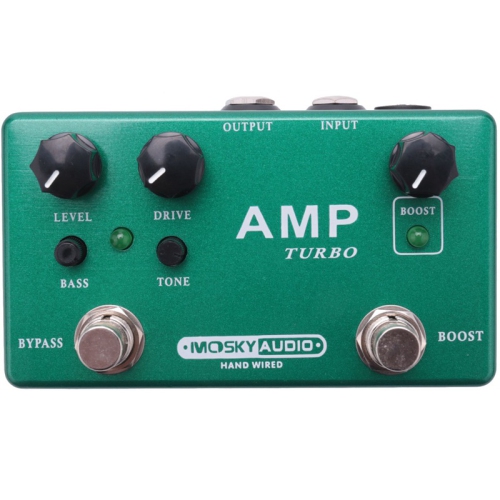
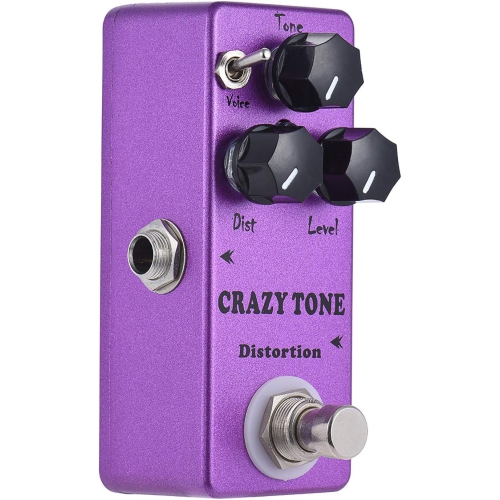
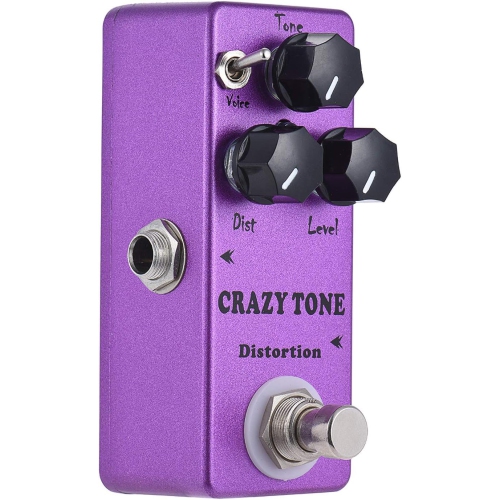
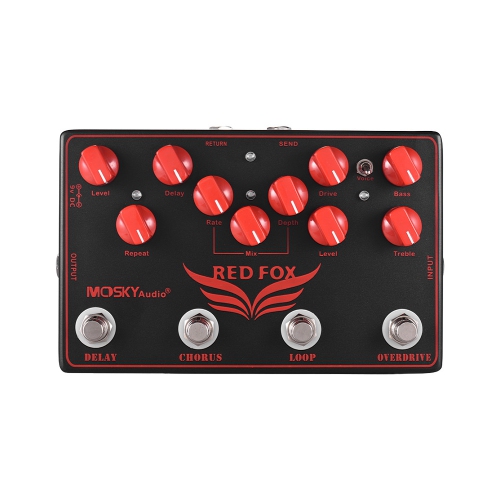
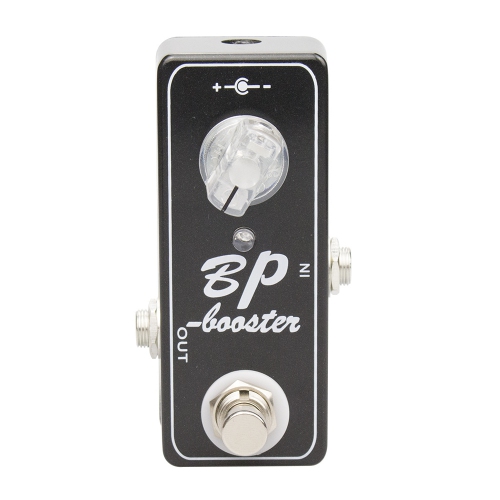
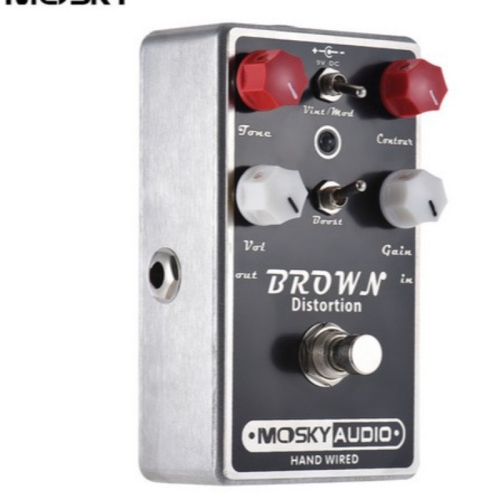
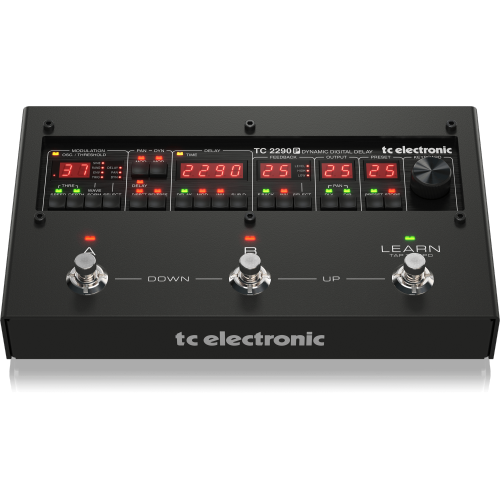
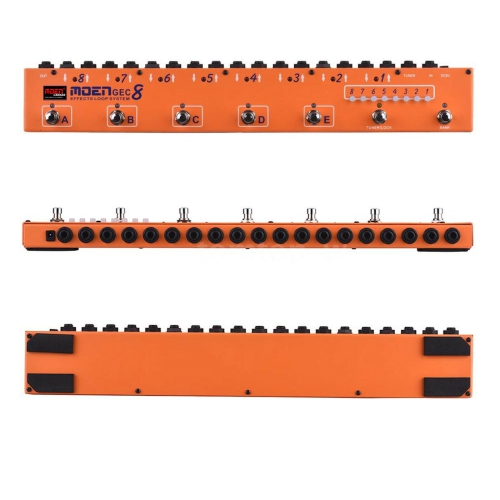
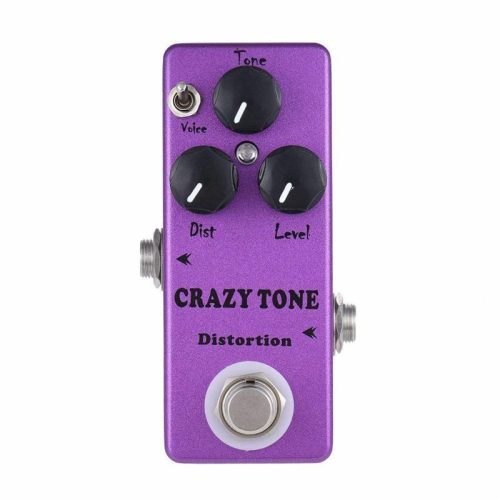
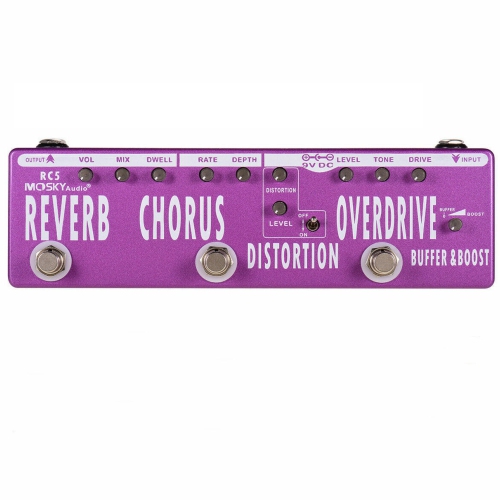
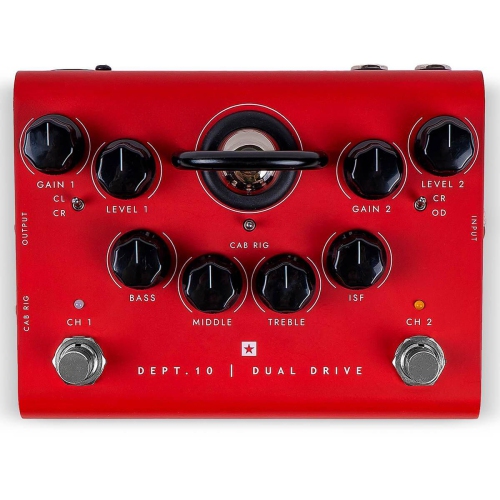
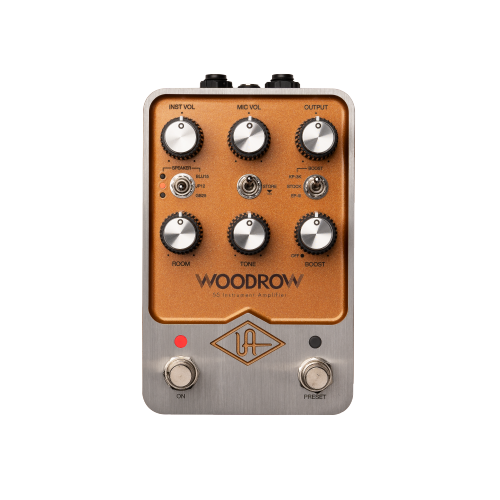
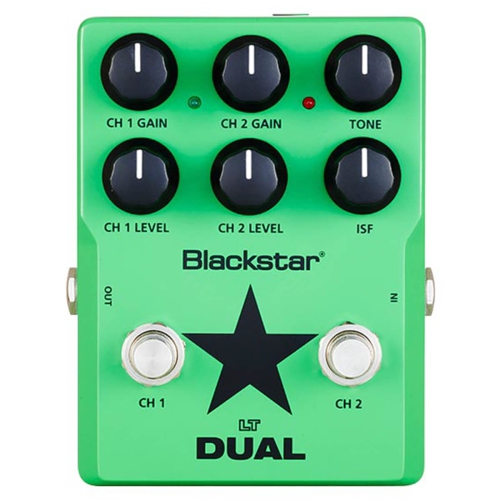

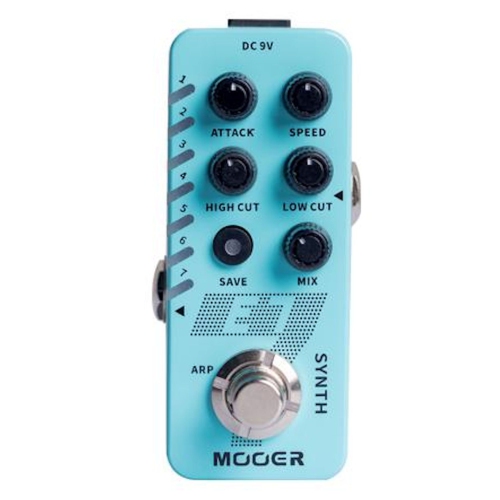
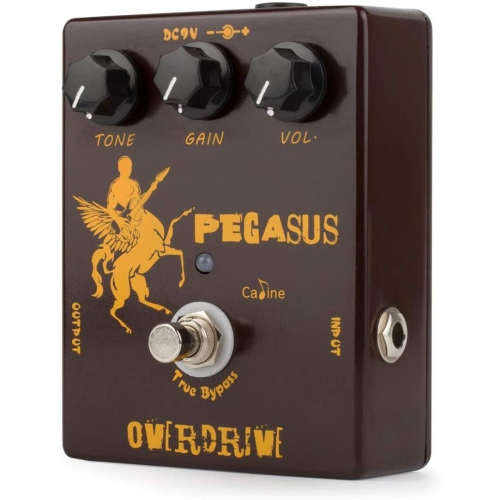
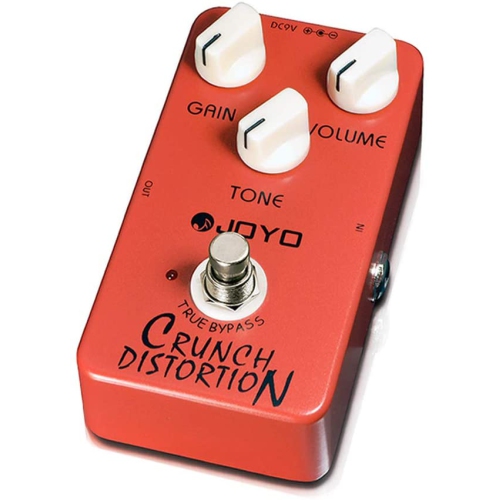
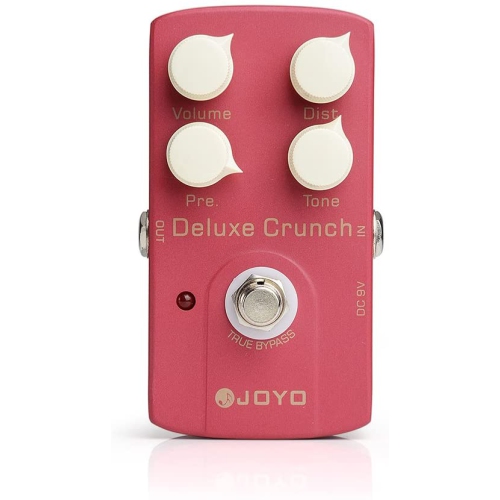
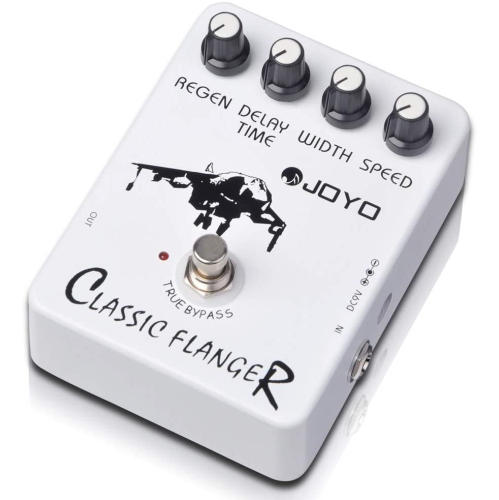
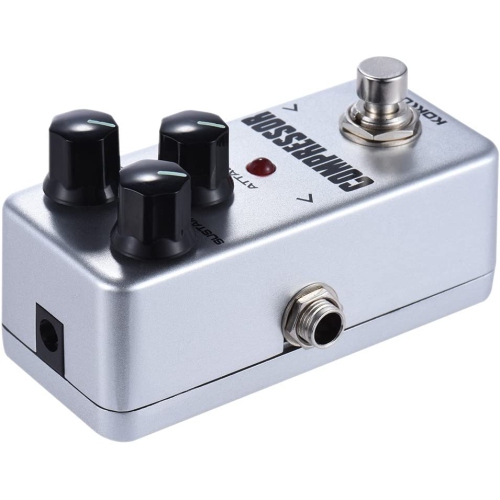
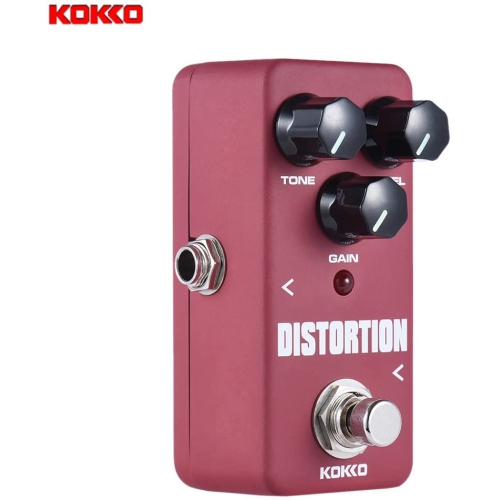
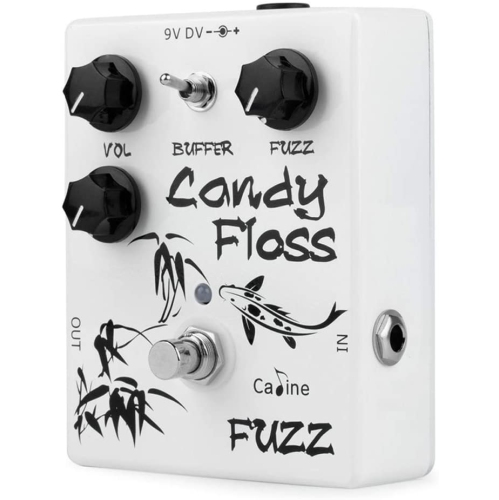
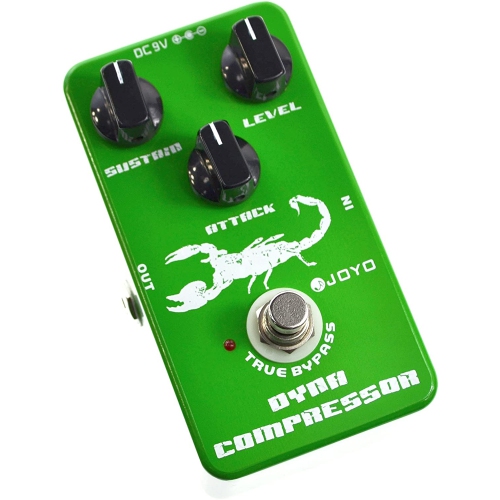
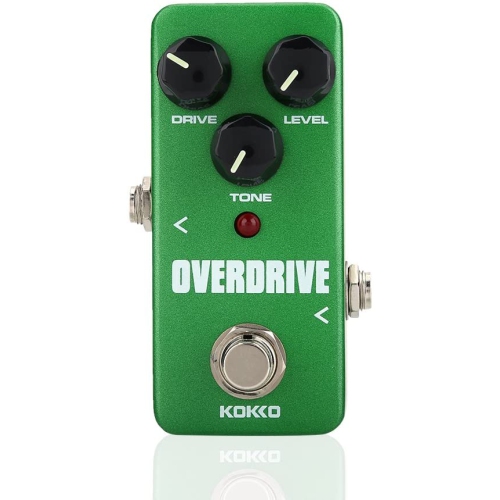
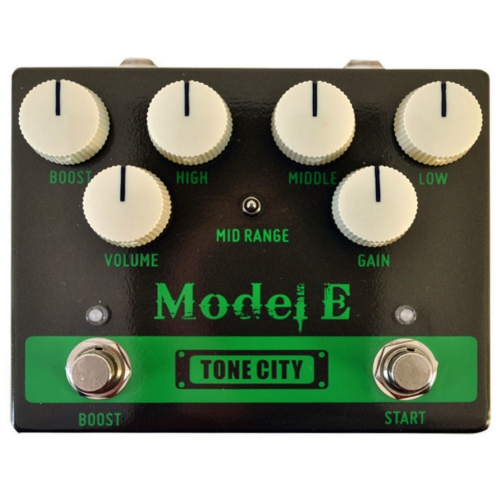

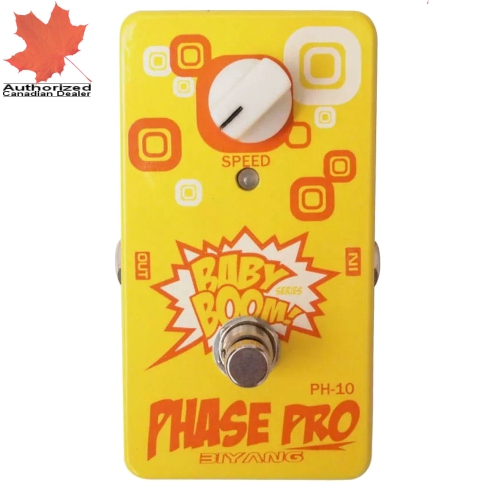
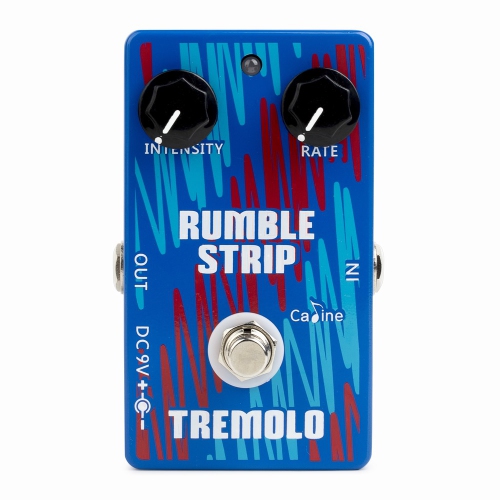
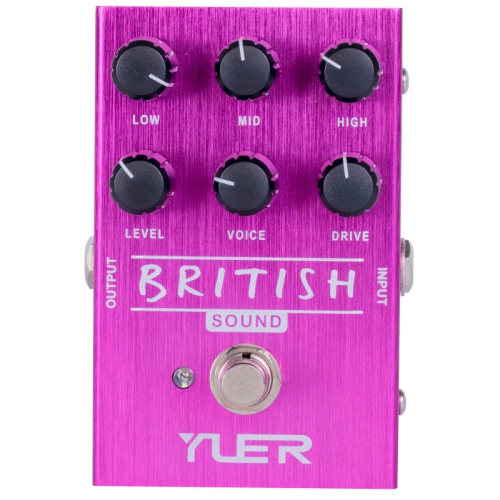
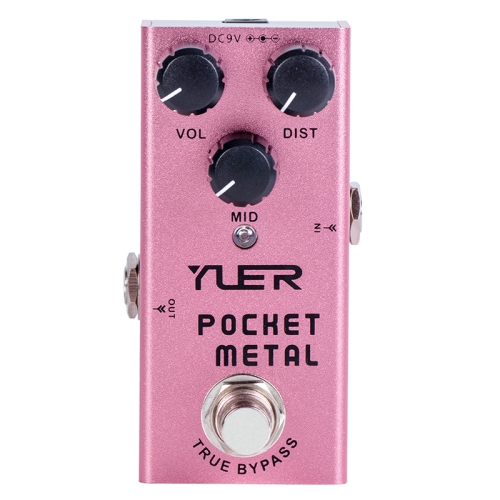
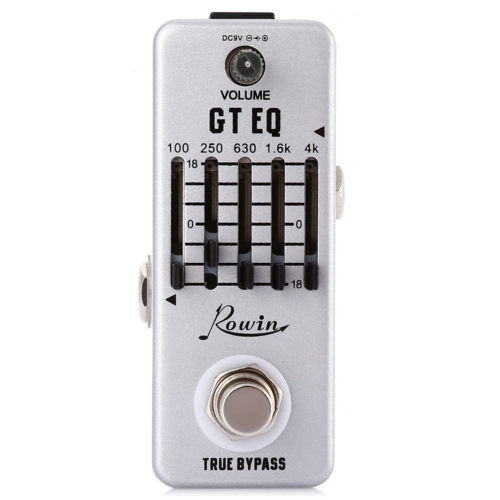
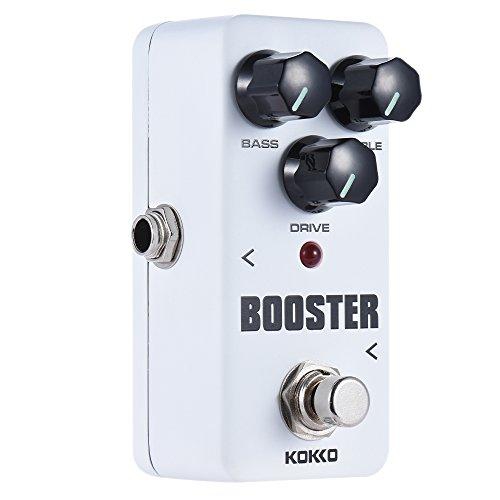
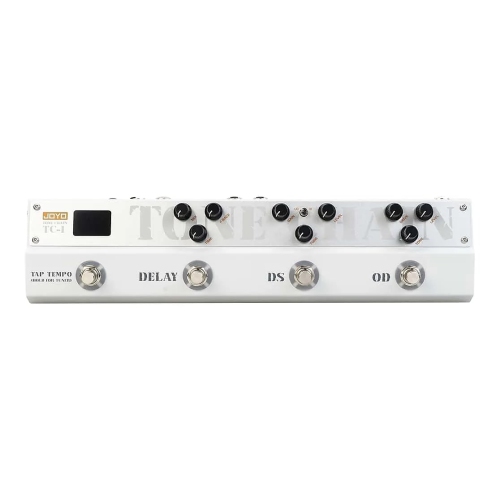
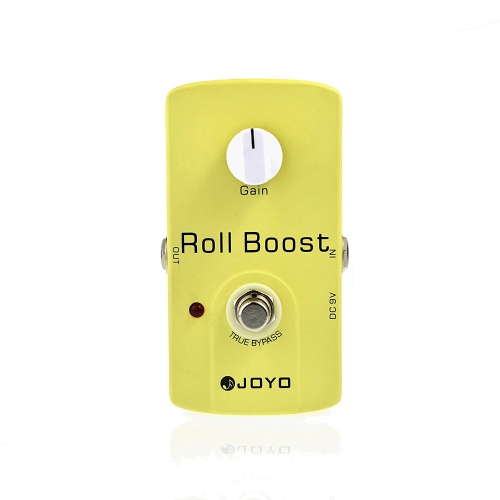
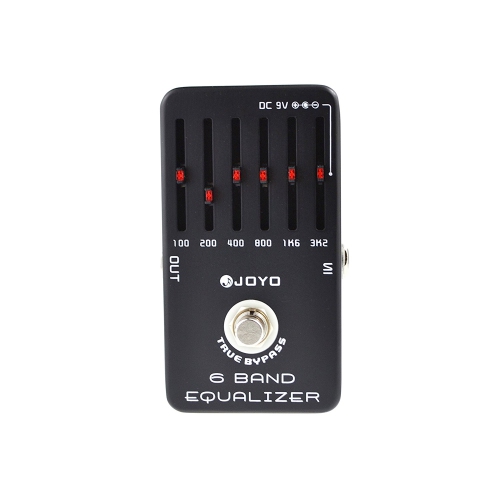
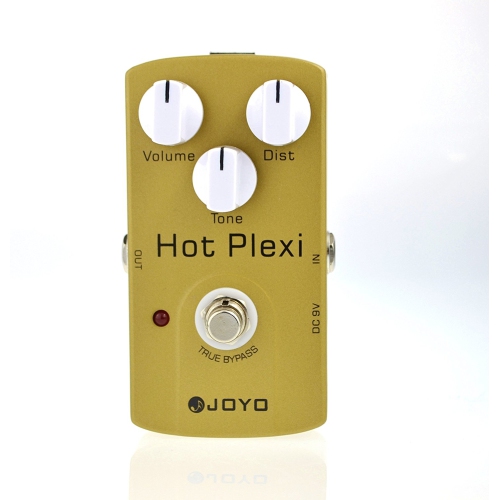
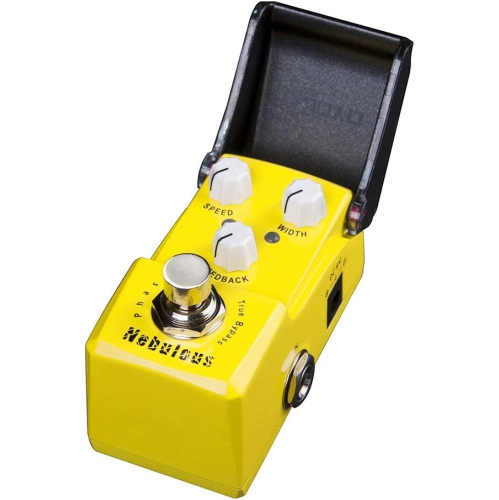
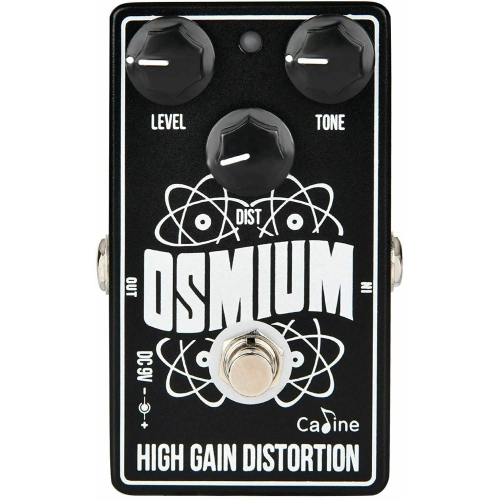
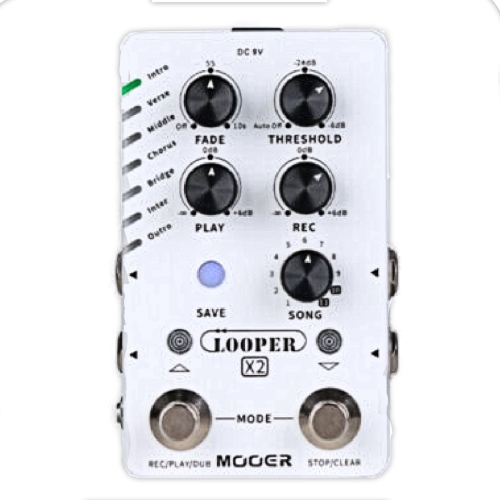
How stereo effects widen guitar tones across your setup
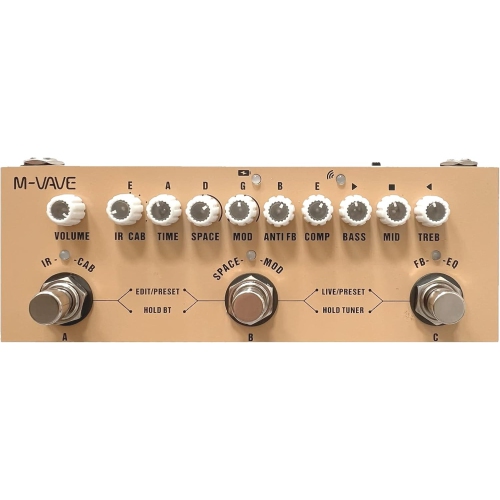
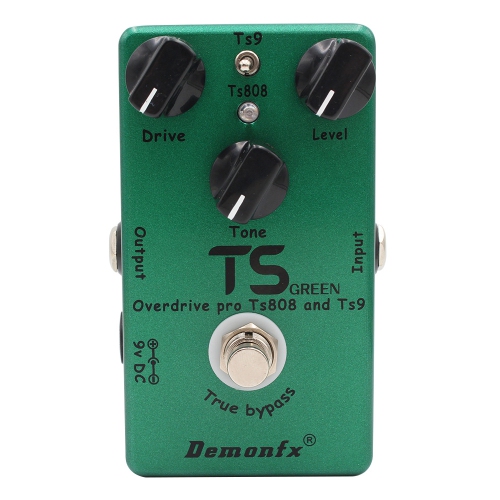
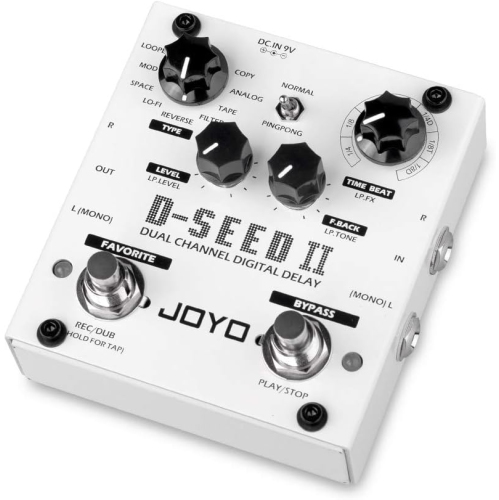
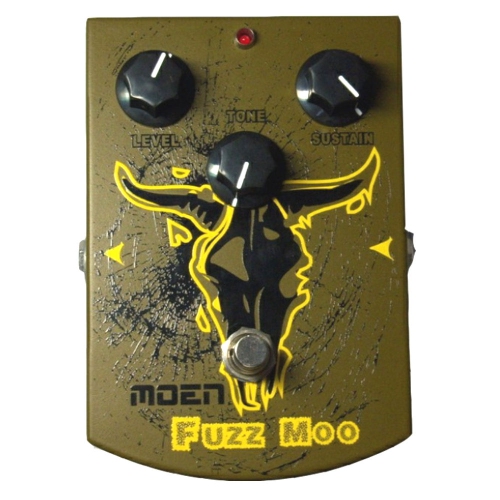
Stereo guitar pedals are designed to create a broader, more dimensional sound than a conventional mono setup. In many cases, a guitar or another mono source enters the pedal through a single input, then the effect duplicates or processes that signal across separate left and right outputs. Depending on the circuit, the pedal may introduce different timing, modulation, volume, pitch, or reverberation details between the two channels, creating movement and width that can make a familiar riff feel more spacious. Some stereo guitar pedals also accept stereo inputs, although it is important to check how the signal is handled internally: certain models preserve the left and right channels throughout the effect, while others mix the incoming signal to mono before generating a new stereo field. This distinction matters when combining several pedals, especially if you already use stereo delays, reverbs, loopers, amp modelers, or other spatial effects. Stereo chorus and vibrato can spread gentle pitch movement from side to side; stereo delay can place repeats in distinct positions or give each channel a different timing pattern; and stereo reverb can surround a dry guitar tone with a room, hall, plate, or atmospheric tail. The result may be subtle when heard through headphones, dramatic through two amplifiers, or especially useful when recording directly into an audio interface. For a wider selection of effects and related accessories, browse Guitar Pedals.
The way a stereo guitar pedal is connected has a major effect on its performance. A common arrangement places the pedal near the end of the signal chain, after drive, distortion, and other tone-shaping effects, so the stereo effect can spread the finished guitar sound across two outputs. The left and right outputs can then run to two amplifiers, two channels on a mixer, or two inputs on an audio interface. With two amps, the sound may feel like it opens outward across the room, with one speaker carrying details that complement rather than exactly duplicate the other. Through an interface, stereo routing can preserve the effect while recording or monitoring with headphones. A stereo pedal can still be useful with one amplifier, but the output may be heard as mono, and some left-output connections automatically sum or alter the available signal depending on the design. Before buying, check whether stereo operation requires two output cables, whether the inputs and outputs are true stereo or mono-to-stereo, and whether the pedal uses a standard power supply, batteries, or a manufacturer-specific adapter. It is also worth considering the available space on a pedalboard, footswitch placement, control visibility in low light, bypass behaviour, and whether the pedal offers tap tempo, presets, expression-pedal support, or separate controls for each channel. Cable length and routing deserve attention as well: keep the left and right paths clearly labelled, use reliable instrument or patch cables, and avoid placing power cables where they can create unwanted noise. When building a new rig, start with a simple test by connecting the pedal to two clean amplifier channels or two interface inputs, then adjust the effect level before adding more devices. This makes it easier to hear how the stereo image changes and helps identify phase issues, excessive wet signal, or an output that has been unintentionally summed to mono.
Stereo guitar pedals suit a wide range of players, from bedroom musicians shaping immersive headphone tones to gigging guitarists who want a larger sound from a dual-amplifier rig. They can be particularly helpful for ambient, shoegaze, post-rock, worship, pop, blues, and experimental styles, although a tasteful stereo delay or reverb can add depth to almost any genre. A solo performer may use a wide effect to make one guitar fill more of a venue, while a recording musician can place the dry guitar in the centre and let the effected signal expand around it. Players who use amp modelling, digital recording software, or a direct-to-PA setup may also appreciate a pedal that delivers a ready-to-record stereo image without requiring a complex studio arrangement. For practice, headphones can reveal small details in modulation and delay movement, but it is wise to check the sound in mono before performing or releasing a recording. Some venues, radios, streaming systems, and compact speaker setups combine stereo channels, and an effect that sounds beautifully wide can become thinner if its left and right signals cancel one another when summed. These pedals also make thoughtful gifts for guitarists who already have a basic collection of overdrive and distortion effects, since spatial effects can introduce a different area of experimentation without changing the instrument itself. They are a practical choice for someone preparing to record, expand from one amplifier to two, or explore layered textures during the cooler months indoors. Whether the goal is a gentle sense of room around a clean chord, rhythmic repeats that travel across the stereo field, or a deep wash that turns sustained notes into an expansive backdrop, choosing the right input and output configuration, effect type, controls, and connection method will help ensure the pedal fits naturally into the player’s existing setup.
The way a stereo guitar pedal is connected has a major effect on its performance. A common arrangement places the pedal near the end of the signal chain, after drive, distortion, and other tone-shaping effects, so the stereo effect can spread the finished guitar sound across two outputs. The left and right outputs can then run to two amplifiers, two channels on a mixer, or two inputs on an audio interface. With two amps, the sound may feel like it opens outward across the room, with one speaker carrying details that complement rather than exactly duplicate the other. Through an interface, stereo routing can preserve the effect while recording or monitoring with headphones. A stereo pedal can still be useful with one amplifier, but the output may be heard as mono, and some left-output connections automatically sum or alter the available signal depending on the design. Before buying, check whether stereo operation requires two output cables, whether the inputs and outputs are true stereo or mono-to-stereo, and whether the pedal uses a standard power supply, batteries, or a manufacturer-specific adapter. It is also worth considering the available space on a pedalboard, footswitch placement, control visibility in low light, bypass behaviour, and whether the pedal offers tap tempo, presets, expression-pedal support, or separate controls for each channel. Cable length and routing deserve attention as well: keep the left and right paths clearly labelled, use reliable instrument or patch cables, and avoid placing power cables where they can create unwanted noise. When building a new rig, start with a simple test by connecting the pedal to two clean amplifier channels or two interface inputs, then adjust the effect level before adding more devices. This makes it easier to hear how the stereo image changes and helps identify phase issues, excessive wet signal, or an output that has been unintentionally summed to mono.
Stereo guitar pedals suit a wide range of players, from bedroom musicians shaping immersive headphone tones to gigging guitarists who want a larger sound from a dual-amplifier rig. They can be particularly helpful for ambient, shoegaze, post-rock, worship, pop, blues, and experimental styles, although a tasteful stereo delay or reverb can add depth to almost any genre. A solo performer may use a wide effect to make one guitar fill more of a venue, while a recording musician can place the dry guitar in the centre and let the effected signal expand around it. Players who use amp modelling, digital recording software, or a direct-to-PA setup may also appreciate a pedal that delivers a ready-to-record stereo image without requiring a complex studio arrangement. For practice, headphones can reveal small details in modulation and delay movement, but it is wise to check the sound in mono before performing or releasing a recording. Some venues, radios, streaming systems, and compact speaker setups combine stereo channels, and an effect that sounds beautifully wide can become thinner if its left and right signals cancel one another when summed. These pedals also make thoughtful gifts for guitarists who already have a basic collection of overdrive and distortion effects, since spatial effects can introduce a different area of experimentation without changing the instrument itself. They are a practical choice for someone preparing to record, expand from one amplifier to two, or explore layered textures during the cooler months indoors. Whether the goal is a gentle sense of room around a clean chord, rhythmic repeats that travel across the stereo field, or a deep wash that turns sustained notes into an expansive backdrop, choosing the right input and output configuration, effect type, controls, and connection method will help ensure the pedal fits naturally into the player’s existing setup.
Top selling and popular products
-
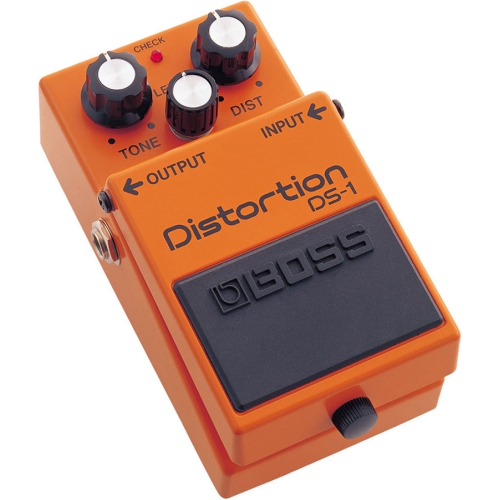 Your price for this item is $89.99
 -
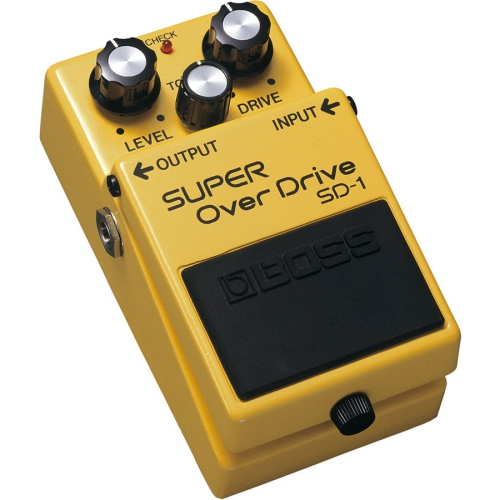 Your price for this item is $89.99
 -
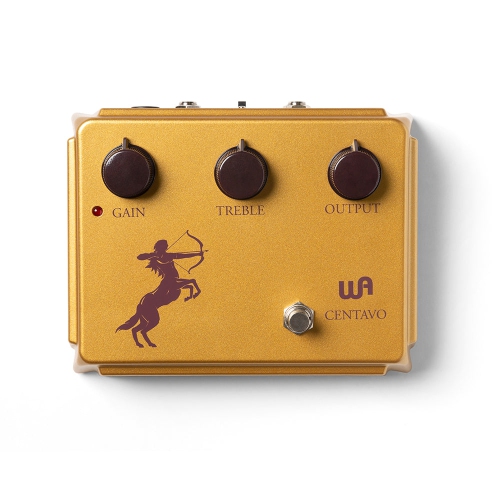 Your price for this item is $289
 -
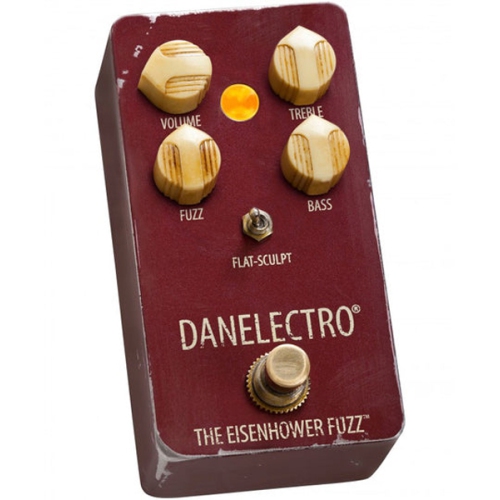 Your price for this item is $164.99
 -
 Your price for this item is $209.99
 -
 Your price for this item is $249.99
 -
 Your price for this item is $249.99
 -
 Your price for this item is $599.99
Discover more categories related to Stereo Guitar Pedals
Top Collections:
Pokemon Centers, Kindle Devices, Best Budget Office Chairs, Apple iPhones 16, Canon G7X Cameras, iPhone 15 Apple, Alarm Clock, Refurbished Apple Laptops, Flip Phones, Best Laptops for Writers
Some products may be subject to Environmental Handling Fees
(EHF) depending on your province.
Learn more about EHFs.