Guitar Kits for Beginners
Looking to kickstart your musical journey? Look no further than our collection of guitar kits for beginners. Whether you're a complete novice or have dabbled in strumming before, these carefully curated kits are designed to provide everything you need to get started on your path to becoming a guitar virtuoso. From guitars and accessories to instructional materials, we've got you covered. Discover the perfect kit that suits your style and unleash your inner rockstar today.
Sort





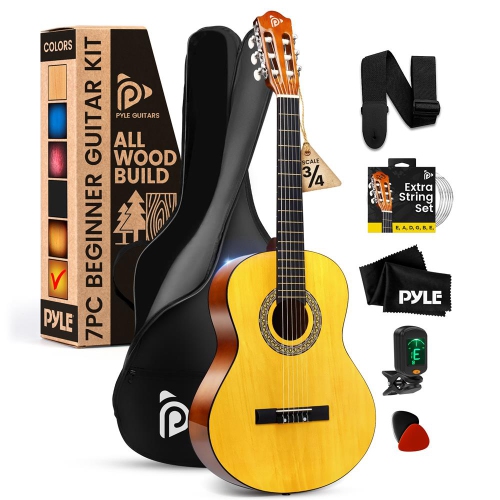

Why the right guitar matters more than extra accessories
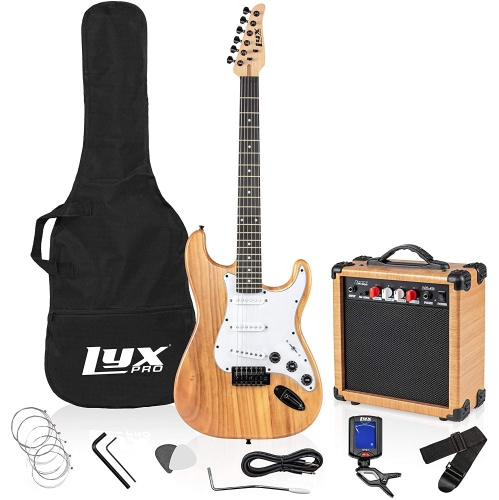
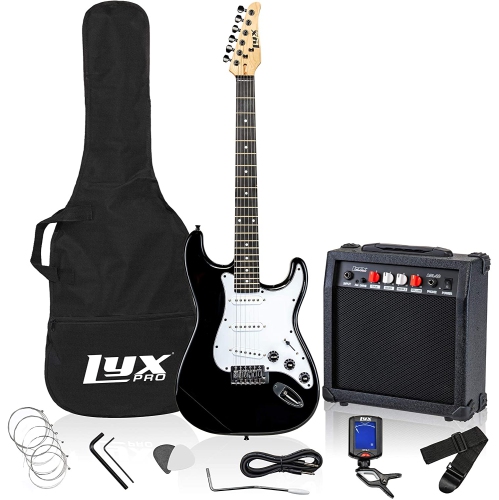
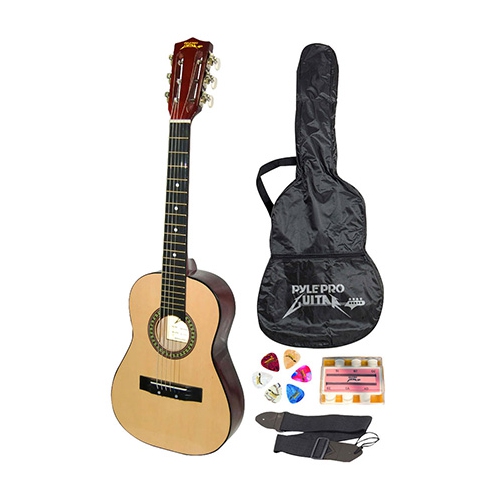
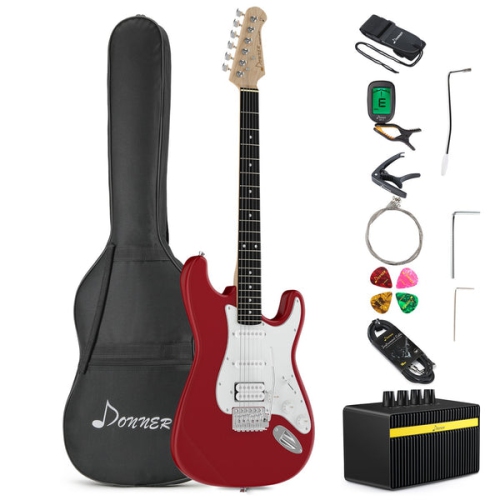
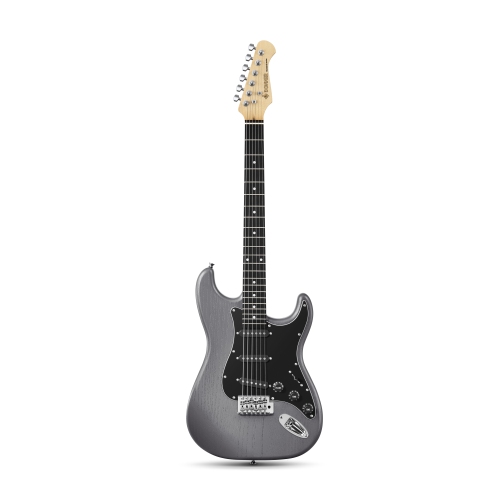
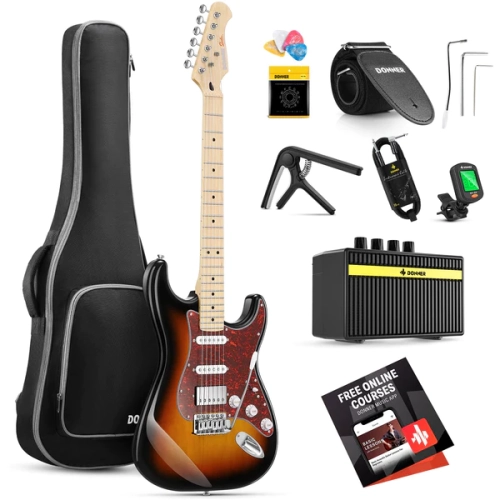
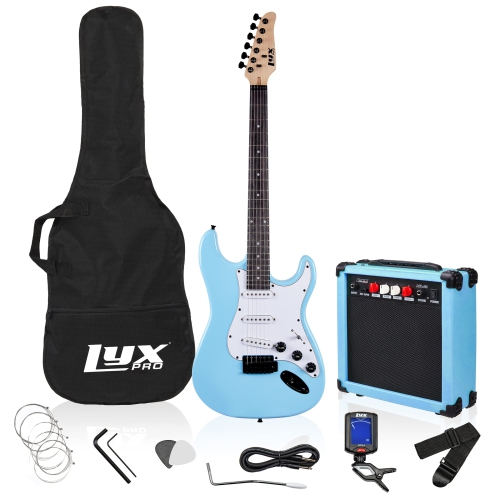
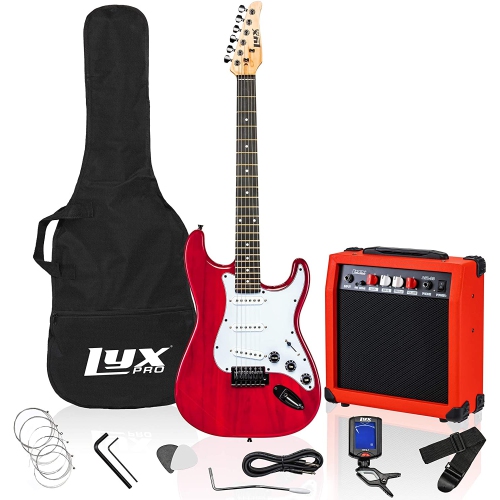
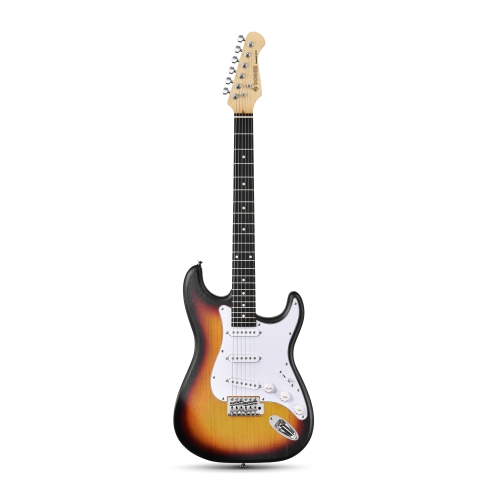
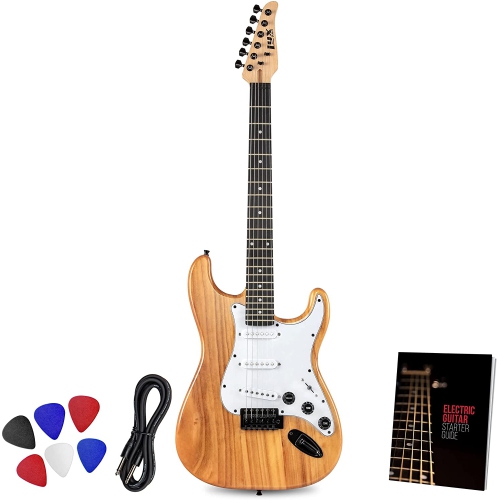
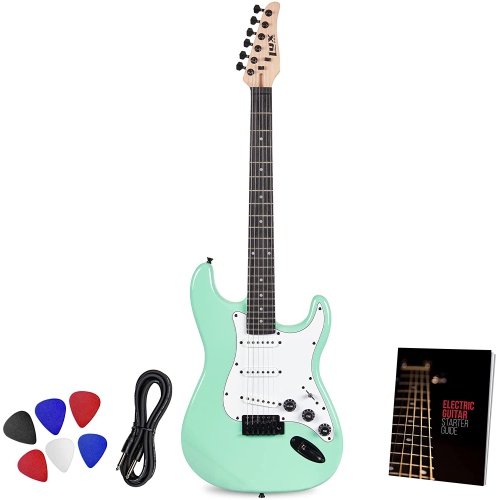
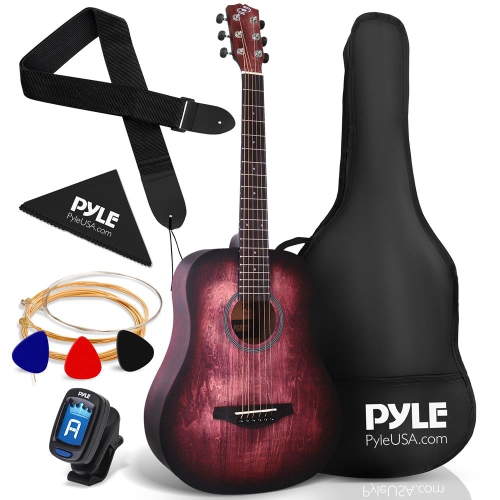
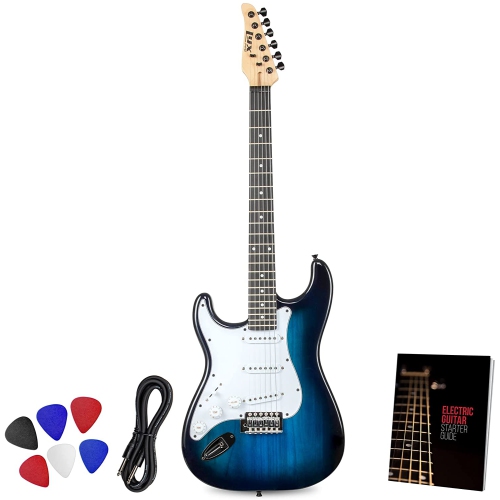
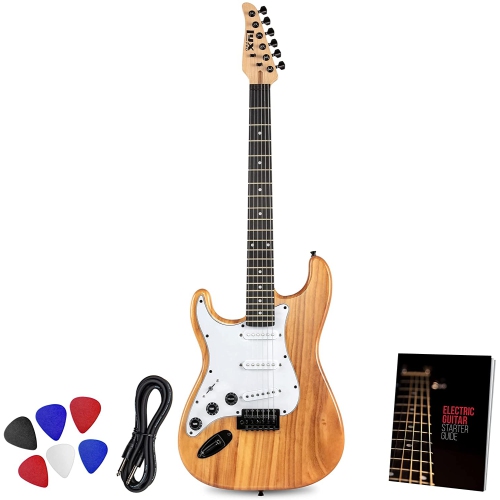
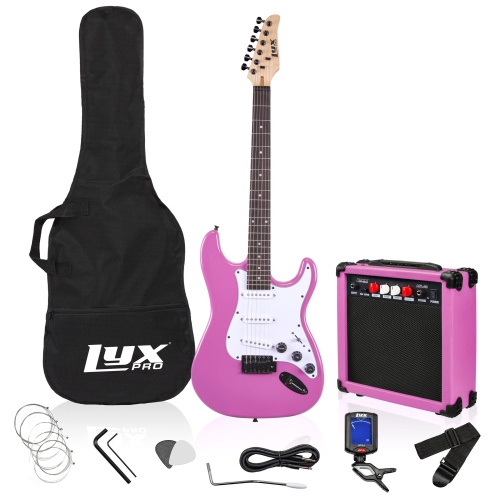
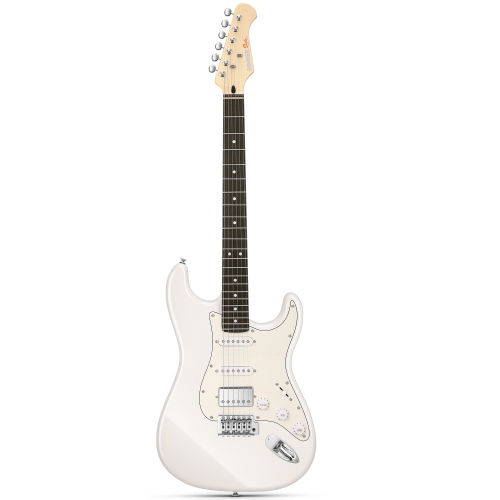
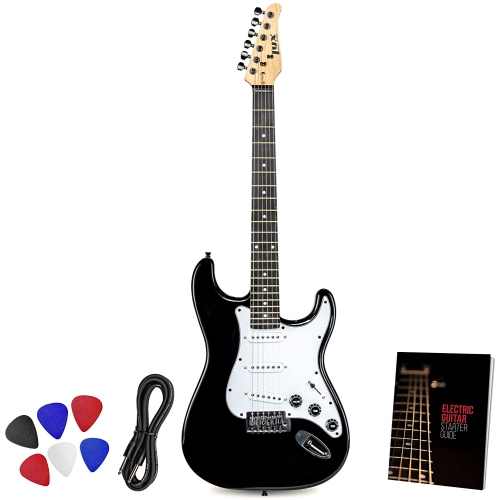
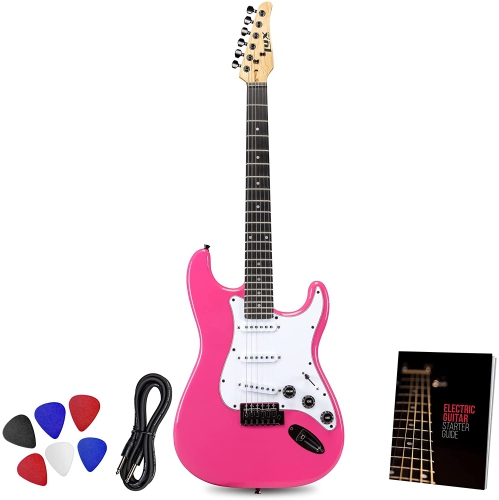
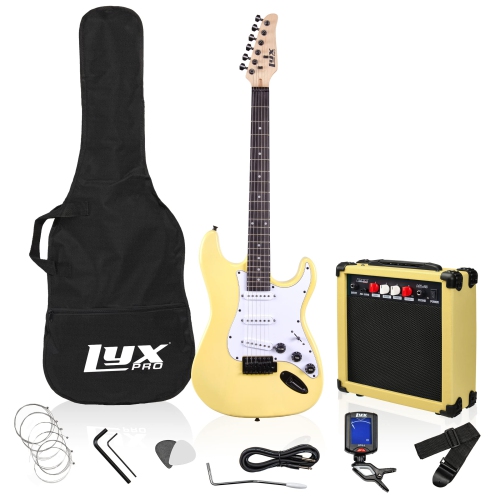
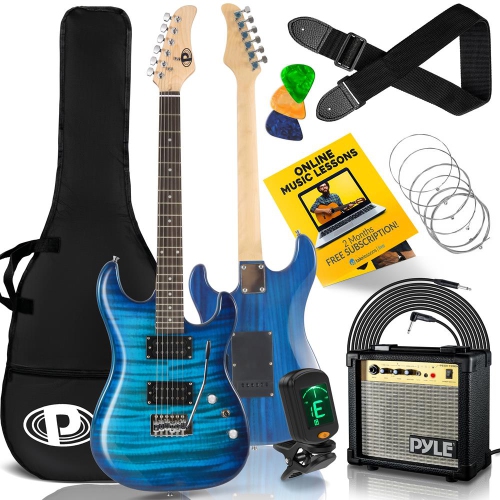
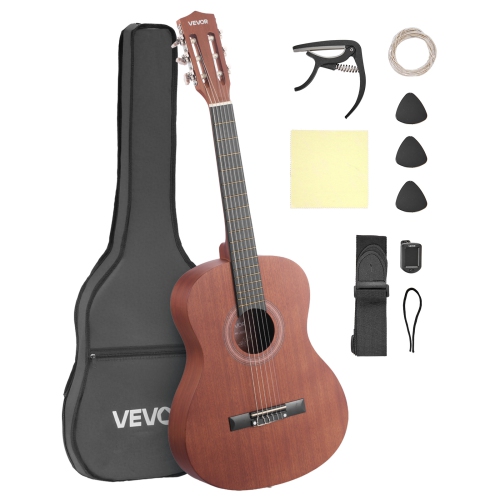
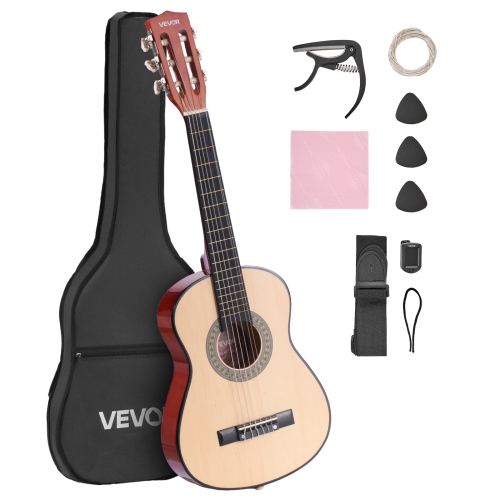
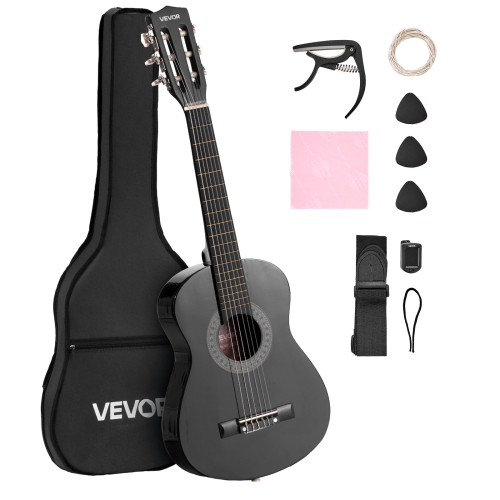
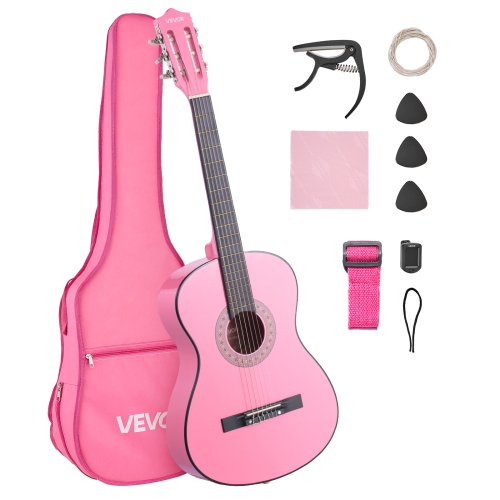
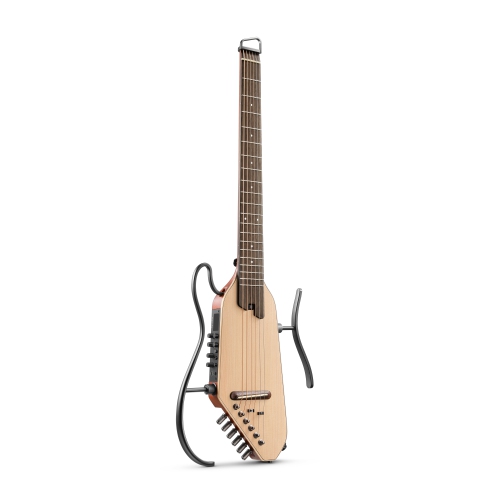
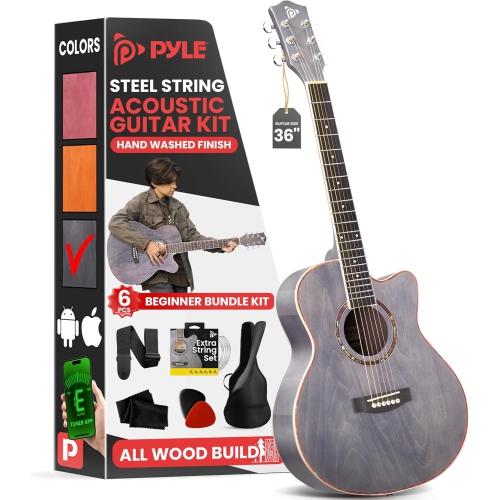
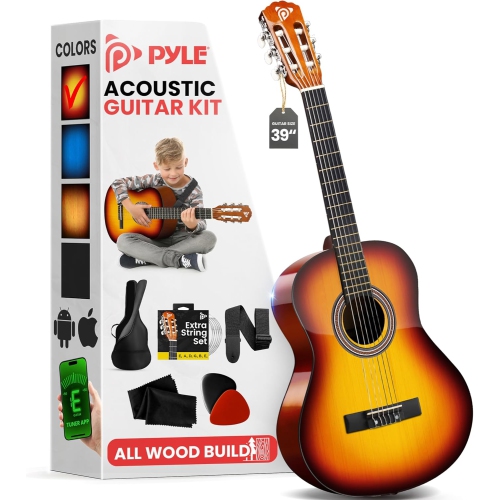
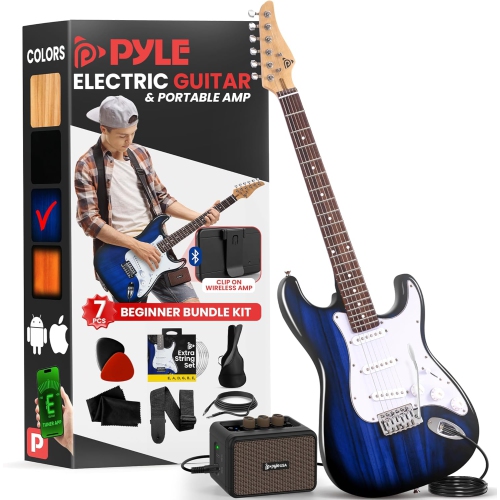
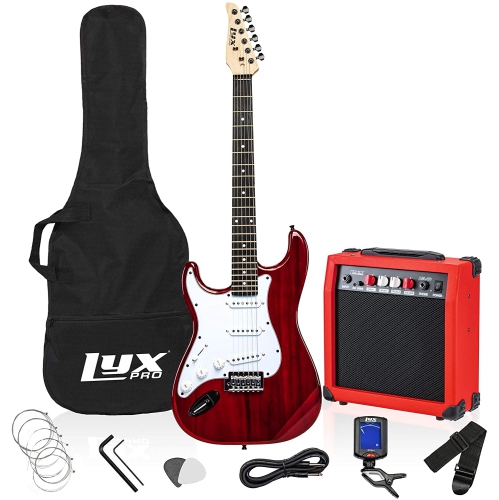
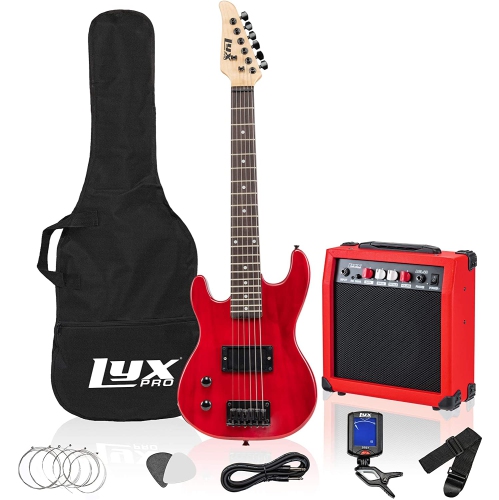
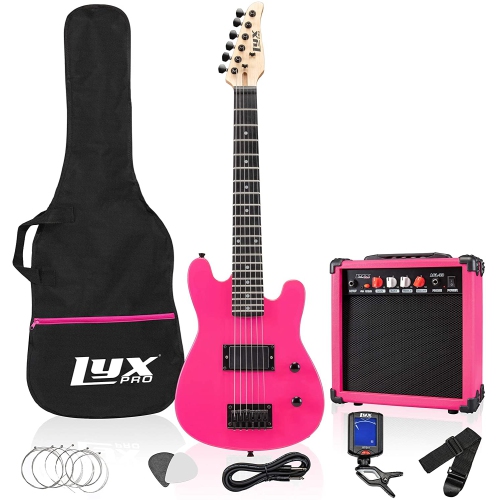
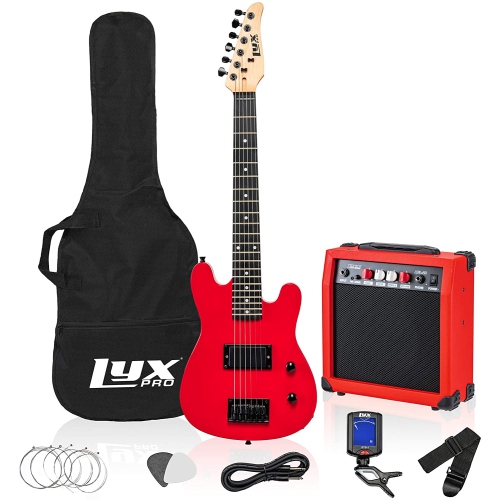
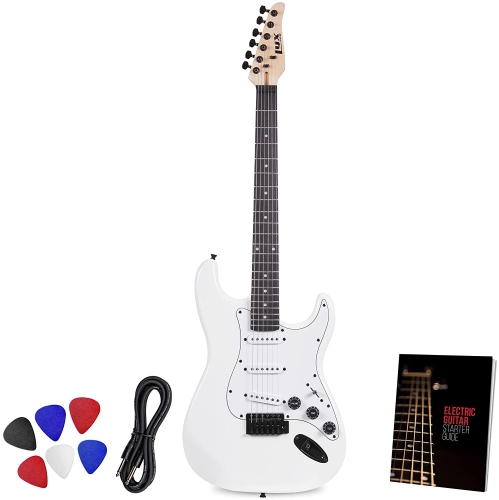
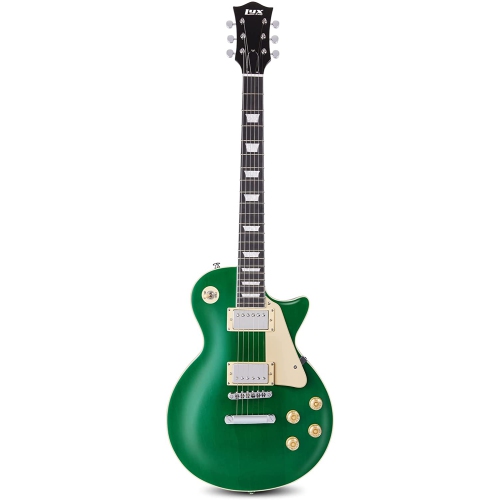
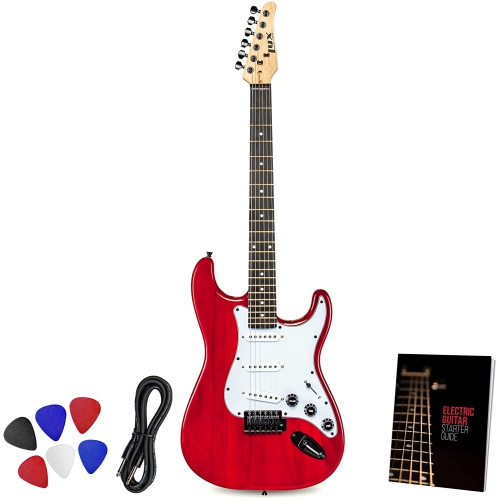
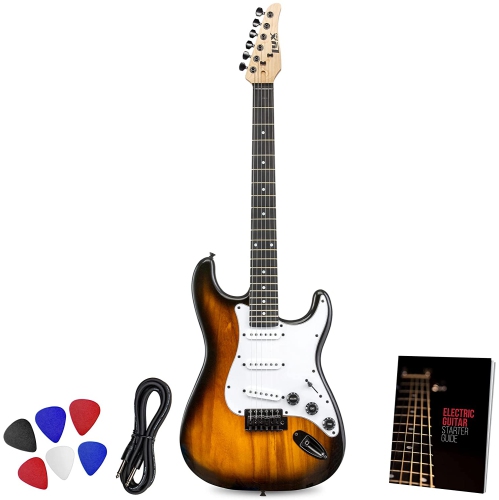
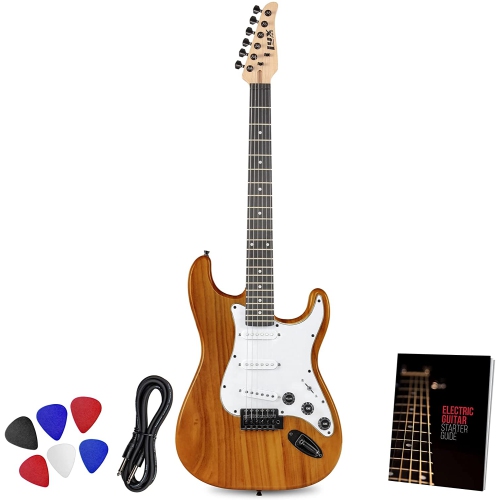
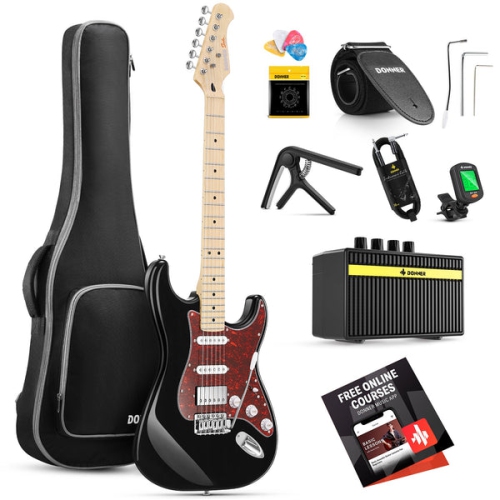
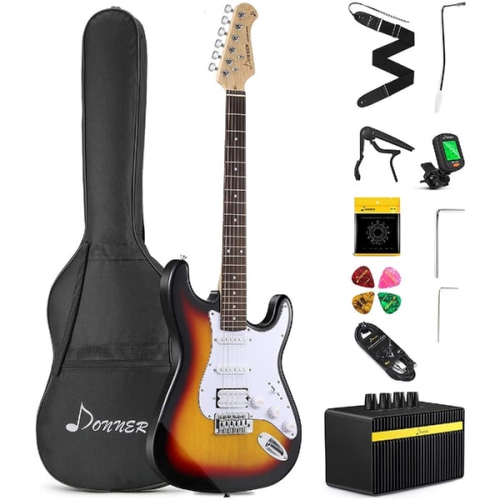
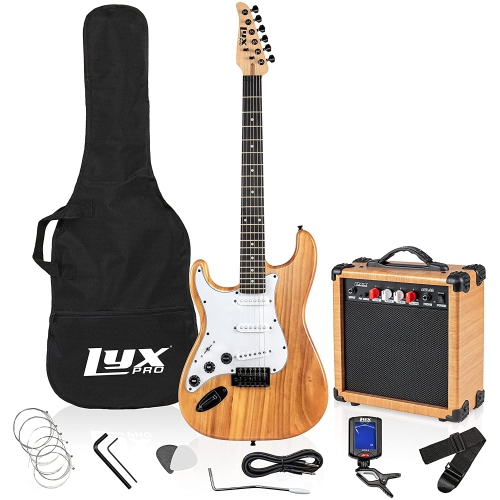
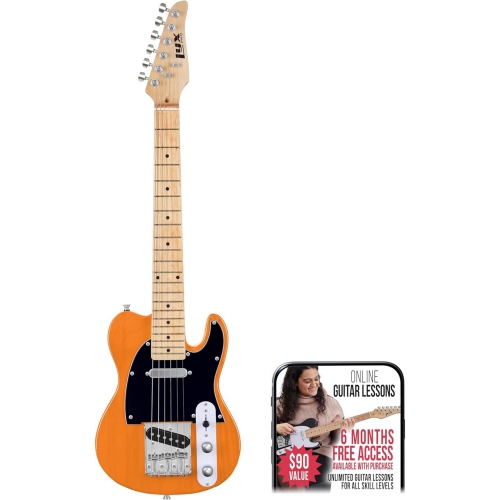
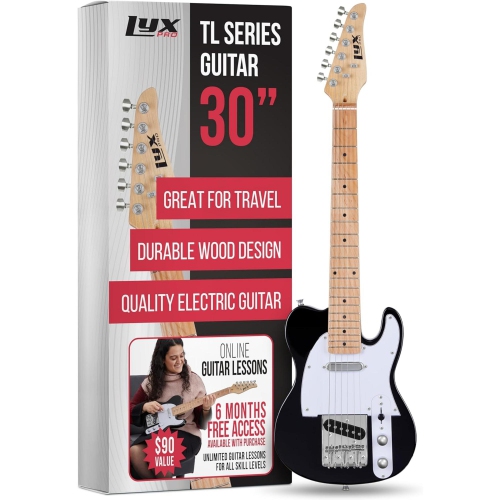
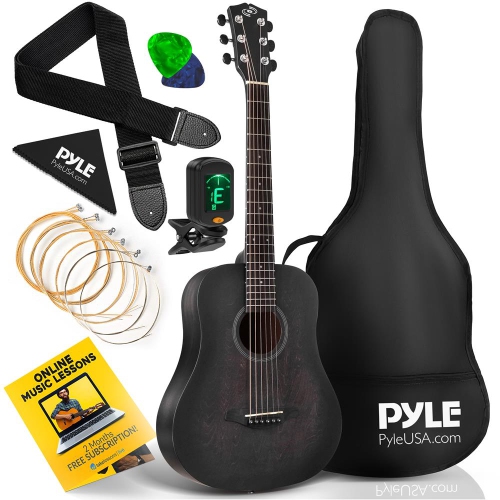
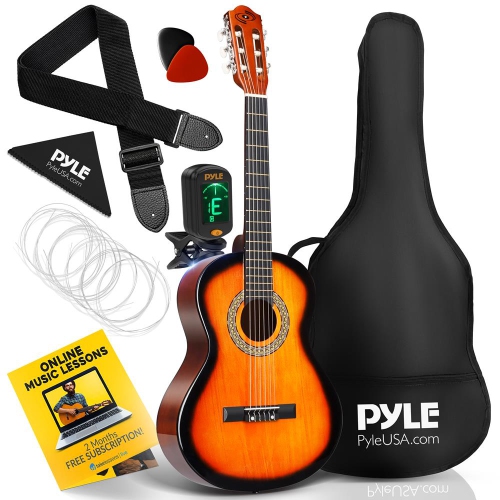
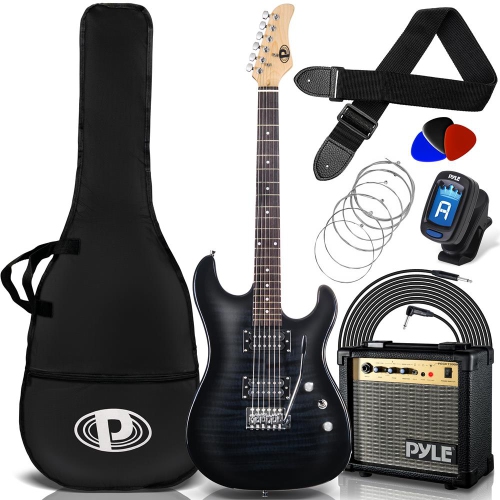
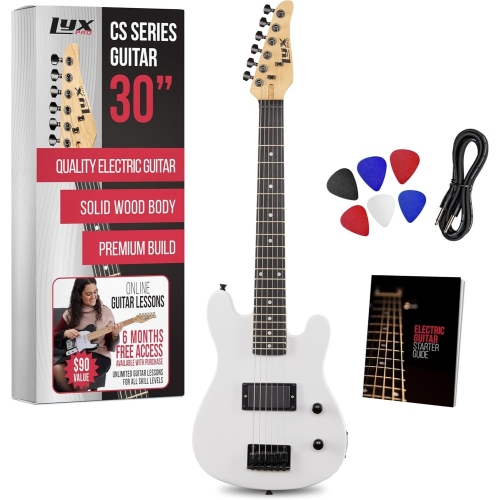
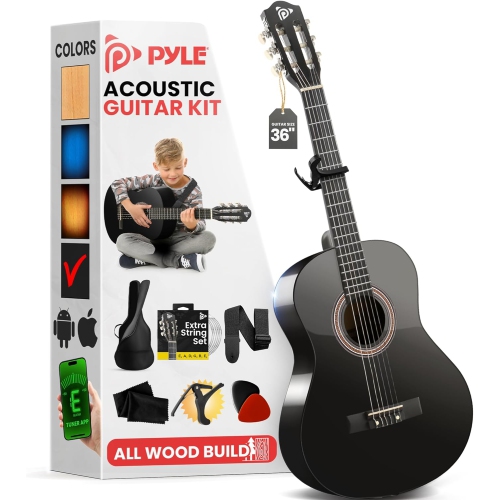
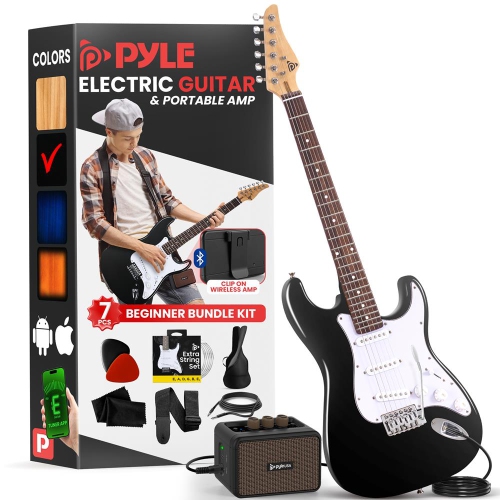
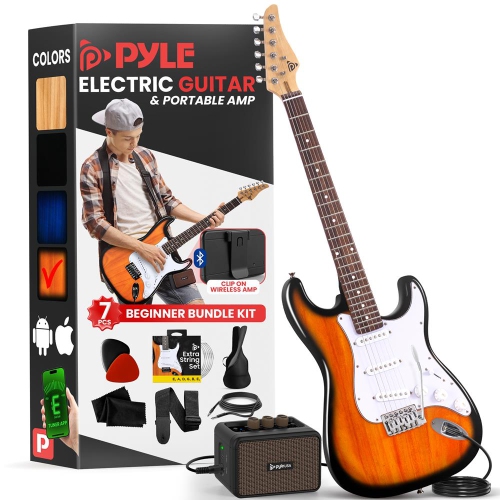
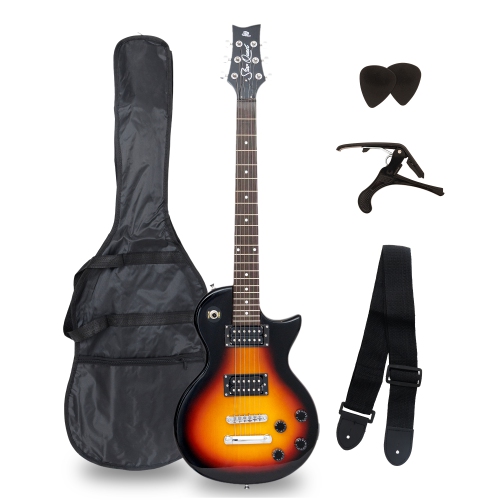
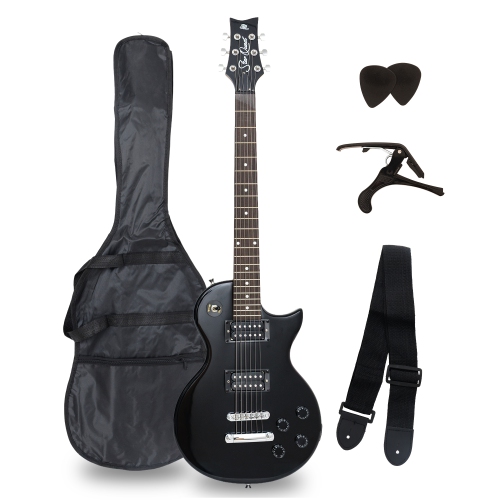
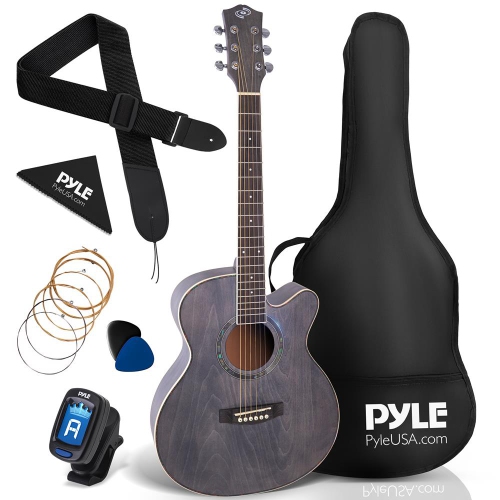
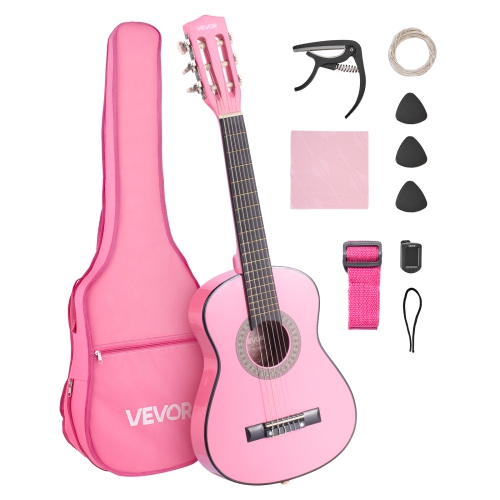
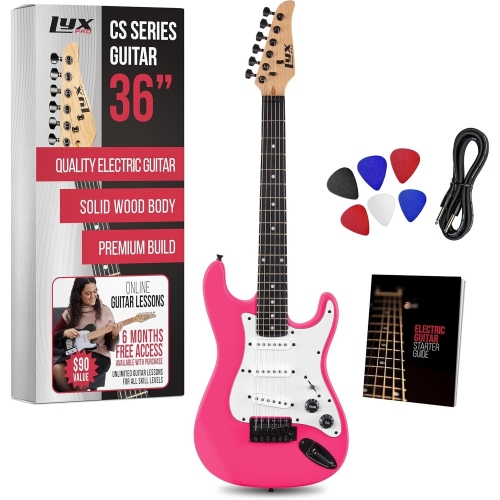
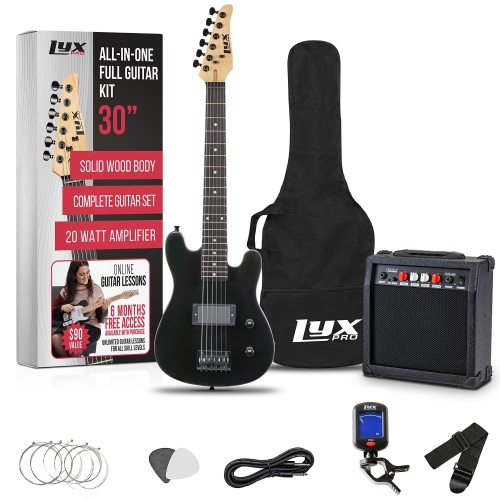
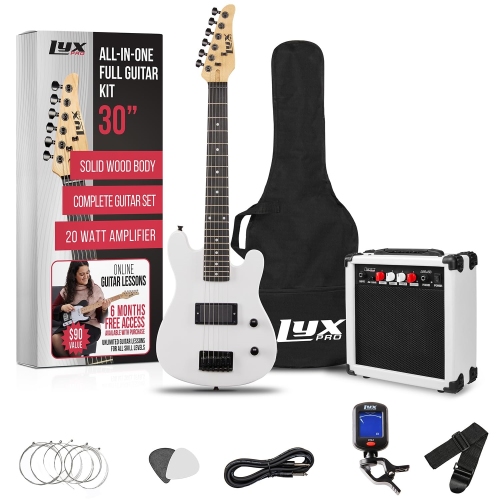
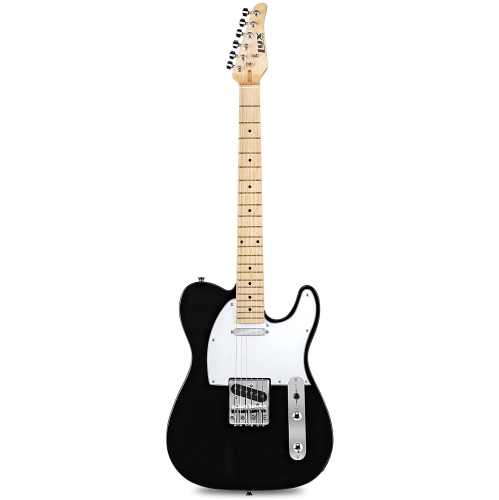
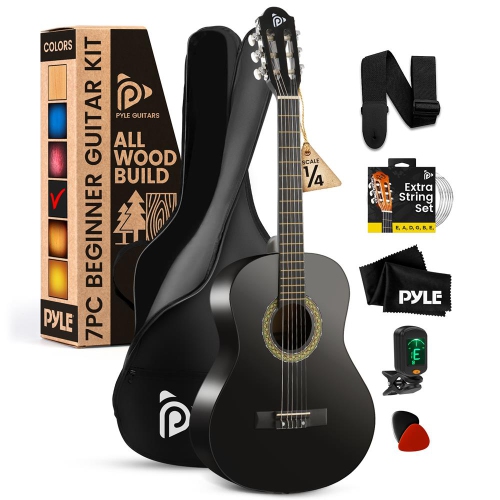
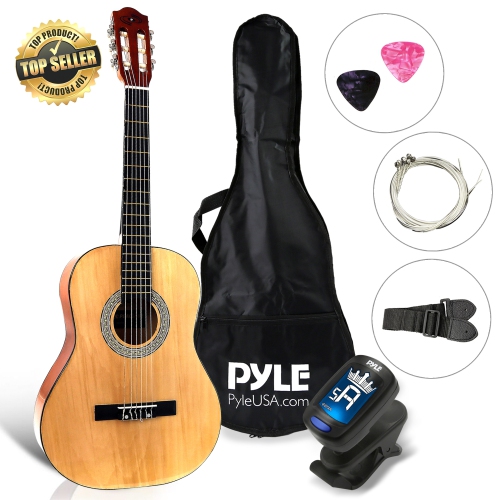
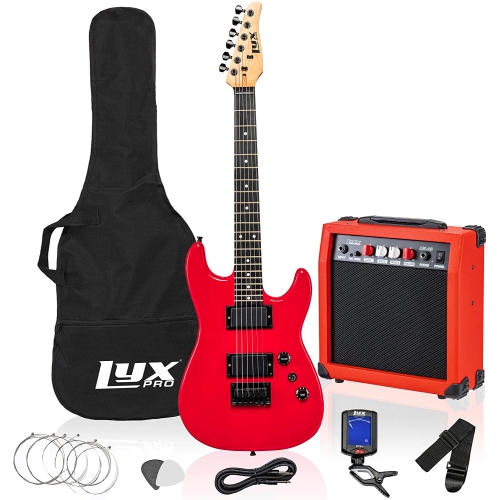
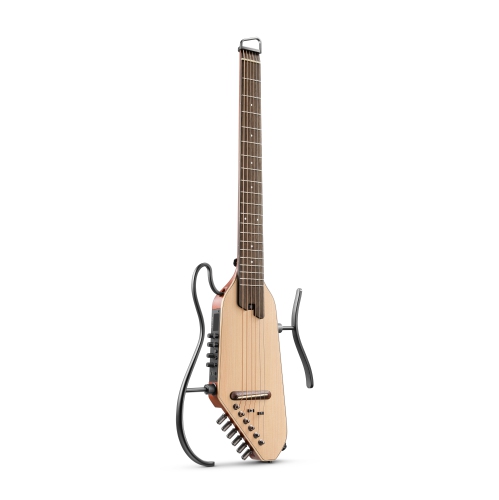
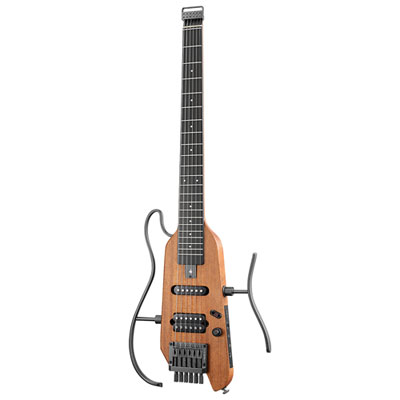
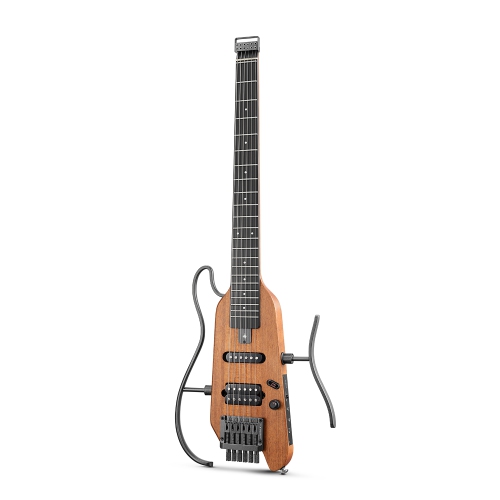
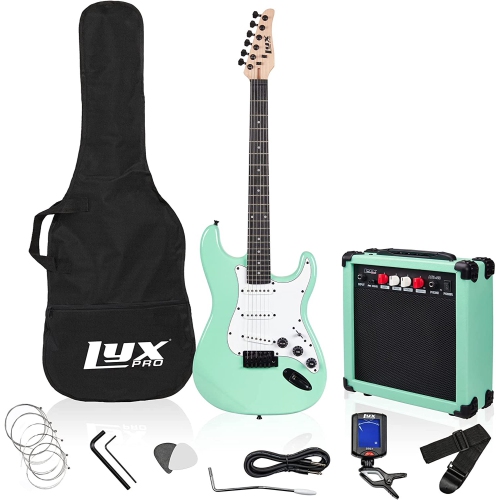
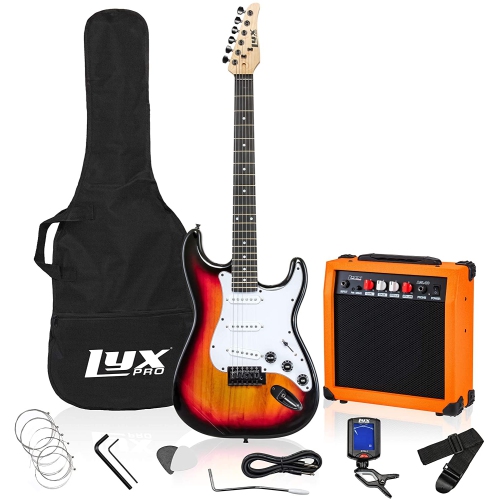
Guitar kits for beginners bring an instrument and a selection of useful accessories into one package, making it easier to start playing without choosing every piece separately. Depending on the bundle, a kit may include a guitar, gig bag, tuner, picks, strap, spare strings, or learning materials. Electric guitar packages may also include a practice amplifier and an instrument cable, while acoustic packages generally need less equipment for everyday playing. Contents vary, so the value of a starter kit comes from how well its included pieces suit the player—not simply how many accessories appear on the list. For someone picturing quiet chord practice on the sofa, an acoustic guitar offers a straightforward setup: take it out of its bag, tune the strings, and settle into a few familiar shapes. A steel-string acoustic has the bright, ringing sound associated with folk, country, and plenty of pop music. A nylon-string classical guitar has a warmer voice and a softer feel against the fingertips, although its typically wider neck can make some stretches more demanding for smaller hands. An electric guitar suits players drawn to rock, blues, and amplified sounds, with lighter strings and a slimmer neck on many beginner-friendly designs. Neither style is reserved for experienced musicians; the music someone wants to play is often a better starting point than the idea that everyone must learn on an acoustic first. Shoppers interested in that amplified route can also explore Electric Guitars for Beginners alongside complete starter packages. These kits can suit first-time players, adults returning to an old interest, and students who need an instrument for lessons. During the cooler months, a guitar within easy reach can turn a spare half-hour at home into something satisfying: a cleaner chord change, a steadier rhythm, or the first few bars of a favourite song finally falling into place.
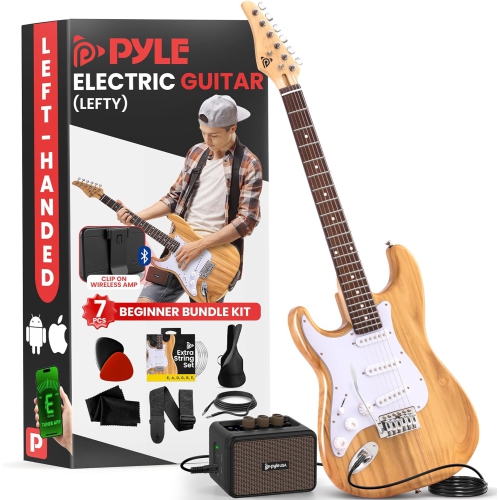
Comfort matters as much as sound when comparing beginner guitar kits, especially for a player who is still getting used to holding the instrument. Overall length alone does not tell the whole story. Body depth, body width, neck shape, weight, and scale length—the vibrating length of the strings between the nut and bridge—all affect how a guitar feels. A large acoustic body may sound full and lively but feel awkward against a smaller frame, while a compact body can make it easier to reach around and keep the strumming shoulder relaxed. Fractional sizes, such as half-size and three-quarter-size guitars, can be useful for children and smaller players, but sizing labels are not perfectly consistent across manufacturers. Actual dimensions and the player's reach are more helpful than age ranges on their own. Handedness deserves attention, too, since a left-handed beginner may need a purpose-built left-handed instrument rather than a standard guitar with its strings reversed. Another important detail is the action, or the distance between the strings and the fretboard. Strings that sit too high can make basic chords unnecessarily tiring, while action that is too low may contribute to buzzing. Even a new guitar can benefit from a professional setup, and allowing for that service in the budget can make a modest starter instrument more comfortable to play. The accessories should support the same practical goal. A tuner is particularly useful because new strings often need frequent tuning as they settle, and learning on an in-tune instrument helps beginners hear whether their notes and chords sound right. A padded gig bag offers cushioning for trips to lessons, although it is not a substitute for a protective hard case when more substantial protection is needed. For electric packages, amplifier controls, headphone capability, and any required headphone adapters are worth comparing. Low-volume practice is often more useful at home than high output, especially when a new player wants to repeat the same short passage without filling every room with sound.
A well-matched beginner guitar kit makes a thoughtful gift because it supports an interest the recipient can develop at their own pace. It might be for a child beginning lessons, a teenager learning songs with friends, a university student looking for a creative break, or an adult who has always wanted to play. The strongest choice reflects the recipient's musical taste, physical comfort, and available practice space rather than assumptions about what a beginner ought to use. Someone who loves the sound of an electric guitar may feel more motivated by a simple electric setup than by an acoustic purchased only as a stepping stone. For gift-givers, useful details include whether the recipient already has an amplifier, whether they play left-handed, and whether lessons require a particular guitar type. Price comparisons are most meaningful when they account for the whole usable setup: the instrument, necessary cables or amplification, carrying protection, and any accessories that still need to be purchased separately. Included lessons or app access can add value, but their format, access period, and possible subscription requirements deserve a close look. It is also worth distinguishing a ready-to-play starter package from a DIY guitar-building kit. A starter package is intended to support learning to play, though tuning and adjustments may still be needed. A building kit supplies parts for assembly and may require sanding, finishing, tools, wiring, and a final setup; it is better suited to someone who wants a hands-on project as well as an instrument. For either purchase, clear specifications matter more than a long accessory list. Once a guitar is home, sensible storage helps keep it ready for regular use. Wood instruments respond to changes in humidity, particularly when indoor heating dries the air, so keeping the guitar away from radiators and checking the maker's care advice is worthwhile. The everyday appeal of a beginner kit is simple: fewer separate purchases, a setup that fits the player, and an inviting way to make music part of life at home.
Comfort matters as much as sound when comparing beginner guitar kits, especially for a player who is still getting used to holding the instrument. Overall length alone does not tell the whole story. Body depth, body width, neck shape, weight, and scale length—the vibrating length of the strings between the nut and bridge—all affect how a guitar feels. A large acoustic body may sound full and lively but feel awkward against a smaller frame, while a compact body can make it easier to reach around and keep the strumming shoulder relaxed. Fractional sizes, such as half-size and three-quarter-size guitars, can be useful for children and smaller players, but sizing labels are not perfectly consistent across manufacturers. Actual dimensions and the player's reach are more helpful than age ranges on their own. Handedness deserves attention, too, since a left-handed beginner may need a purpose-built left-handed instrument rather than a standard guitar with its strings reversed. Another important detail is the action, or the distance between the strings and the fretboard. Strings that sit too high can make basic chords unnecessarily tiring, while action that is too low may contribute to buzzing. Even a new guitar can benefit from a professional setup, and allowing for that service in the budget can make a modest starter instrument more comfortable to play. The accessories should support the same practical goal. A tuner is particularly useful because new strings often need frequent tuning as they settle, and learning on an in-tune instrument helps beginners hear whether their notes and chords sound right. A padded gig bag offers cushioning for trips to lessons, although it is not a substitute for a protective hard case when more substantial protection is needed. For electric packages, amplifier controls, headphone capability, and any required headphone adapters are worth comparing. Low-volume practice is often more useful at home than high output, especially when a new player wants to repeat the same short passage without filling every room with sound.
A well-matched beginner guitar kit makes a thoughtful gift because it supports an interest the recipient can develop at their own pace. It might be for a child beginning lessons, a teenager learning songs with friends, a university student looking for a creative break, or an adult who has always wanted to play. The strongest choice reflects the recipient's musical taste, physical comfort, and available practice space rather than assumptions about what a beginner ought to use. Someone who loves the sound of an electric guitar may feel more motivated by a simple electric setup than by an acoustic purchased only as a stepping stone. For gift-givers, useful details include whether the recipient already has an amplifier, whether they play left-handed, and whether lessons require a particular guitar type. Price comparisons are most meaningful when they account for the whole usable setup: the instrument, necessary cables or amplification, carrying protection, and any accessories that still need to be purchased separately. Included lessons or app access can add value, but their format, access period, and possible subscription requirements deserve a close look. It is also worth distinguishing a ready-to-play starter package from a DIY guitar-building kit. A starter package is intended to support learning to play, though tuning and adjustments may still be needed. A building kit supplies parts for assembly and may require sanding, finishing, tools, wiring, and a final setup; it is better suited to someone who wants a hands-on project as well as an instrument. For either purchase, clear specifications matter more than a long accessory list. Once a guitar is home, sensible storage helps keep it ready for regular use. Wood instruments respond to changes in humidity, particularly when indoor heating dries the air, so keeping the guitar away from radiators and checking the maker's care advice is worthwhile. The everyday appeal of a beginner kit is simple: fewer separate purchases, a setup that fits the player, and an inviting way to make music part of life at home.
Top selling and popular products
-
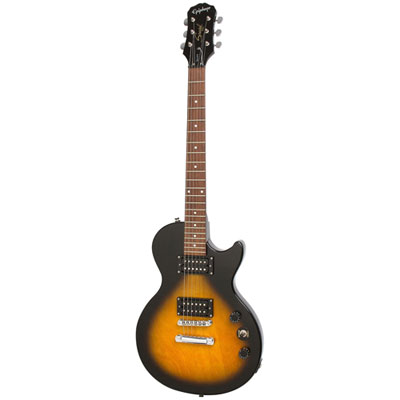 Your price for this item is $299.99
 -
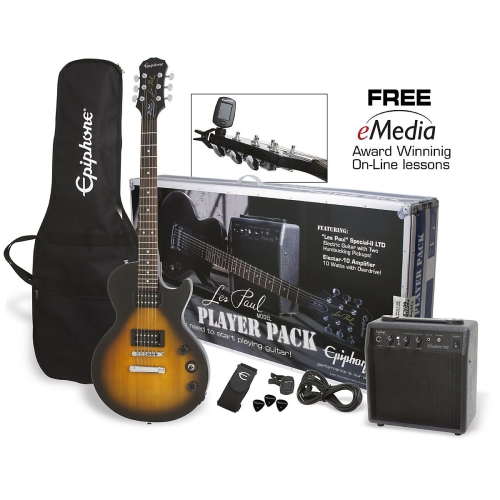 Your price for this item is $429
 -
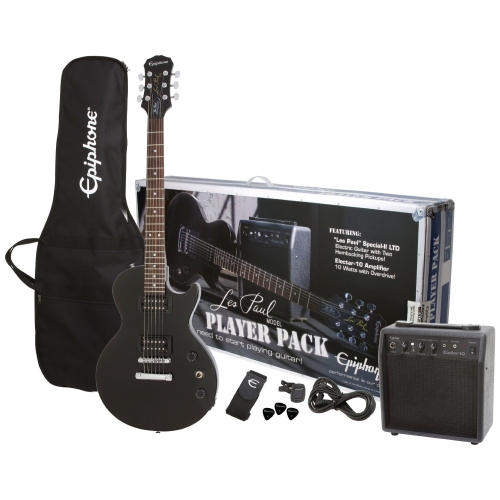 Your price for this item is $494.49
 -
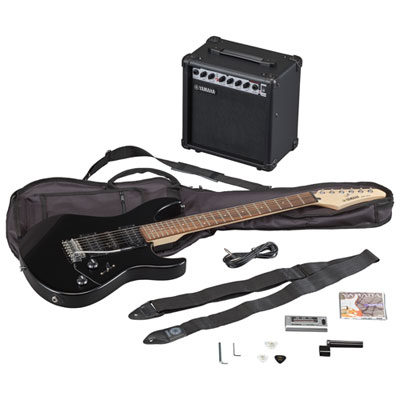 Your price for this item is $349.99
 -
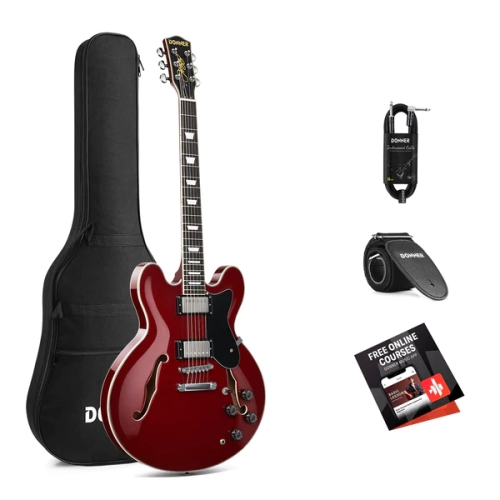 Your price for this item is $395.99
 -
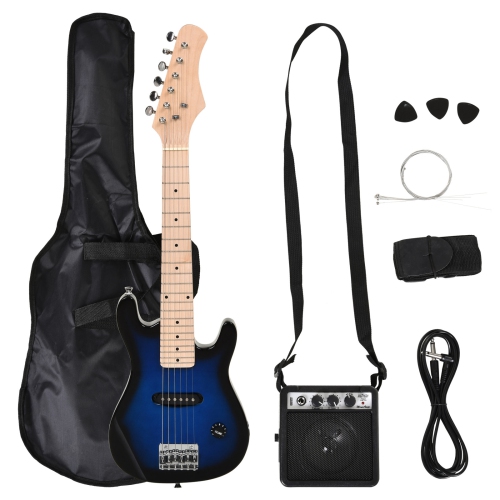 Your price for this item is $116.99
 -
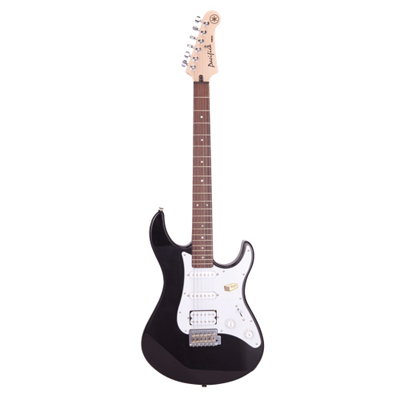 Your price for this item is $279.99
 -
 Your price for this item is $239.99
Discover more categories related to Guitar Kits for Beginners
Top Collections:
Pokemon Centers, Kindle Devices, Best Budget Office Chairs, Apple iPhones 16, Best Laptops for Writers, iPhone 15 Apple, Canon G7X Cameras, Refurbished Apple Laptops, Alarm Clock, Motorola Razr Phones
Some products may be subject to Environmental Handling Fees
(EHF) depending on your province.
Learn more about EHFs.