Guitar Pedals for Doom Metal
Guitar Pedals for Doom Metal are essential tools for crafting the genre’s signature heavy, immersive soundscapes. Whether you’re building crushing riffs or exploring atmospheric textures, the right pedals can help you unlock new levels of power and expression in your playing. Discover a range of options designed to enhance your tone and bring out the best in every performance, making it easy to create the deep, resonant sound that defines doom metal.
Sort
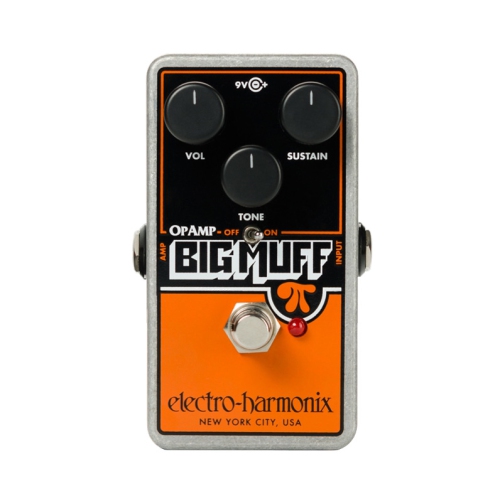
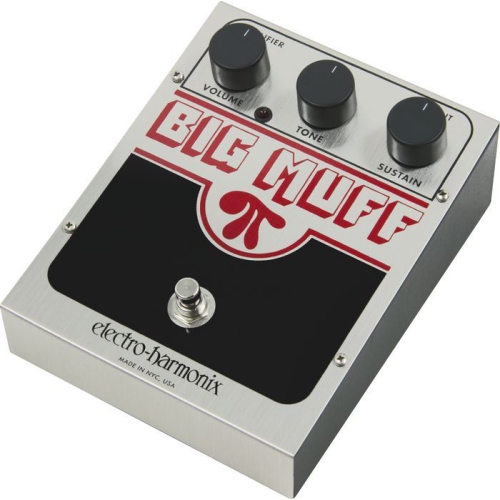
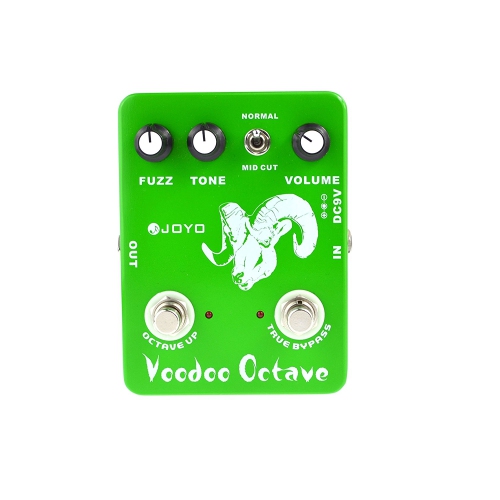
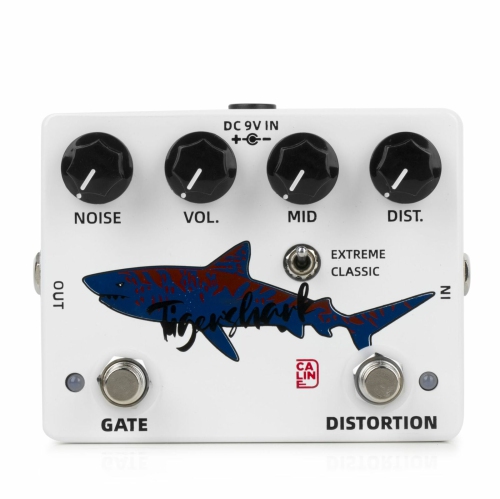
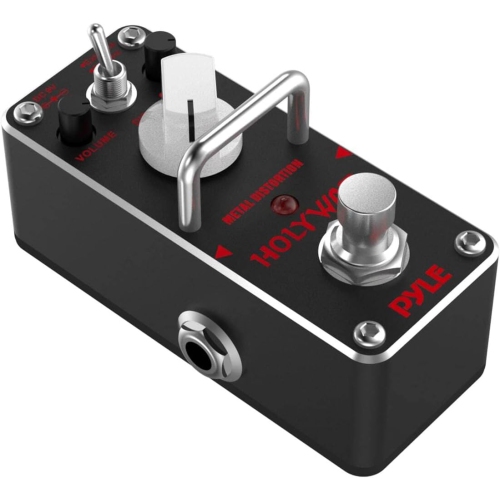
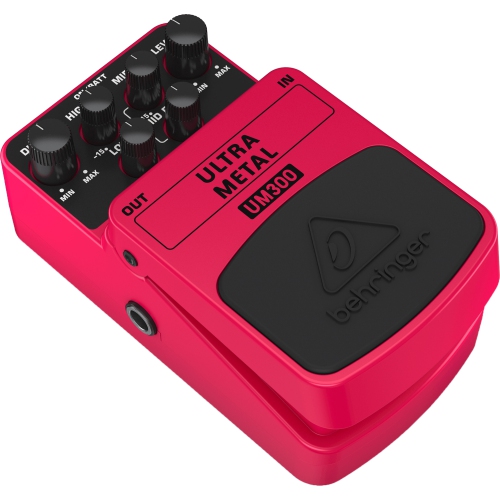
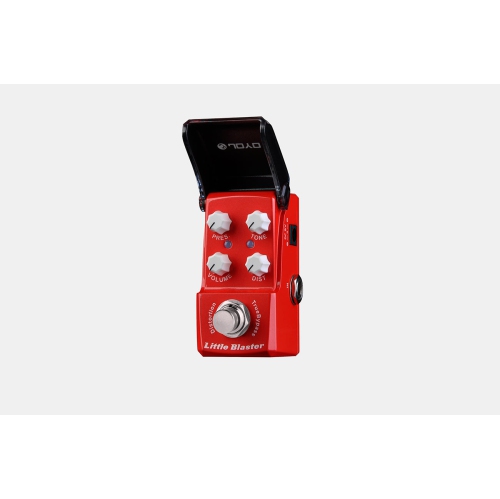
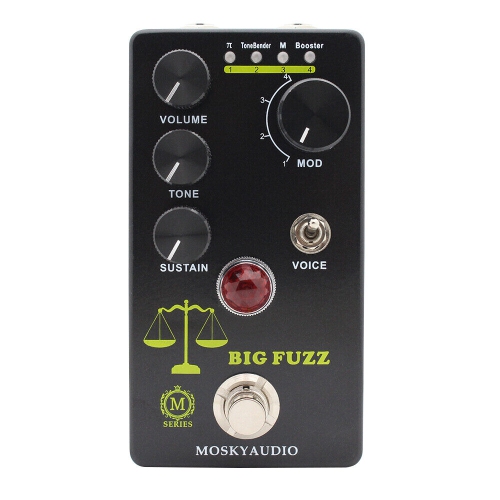
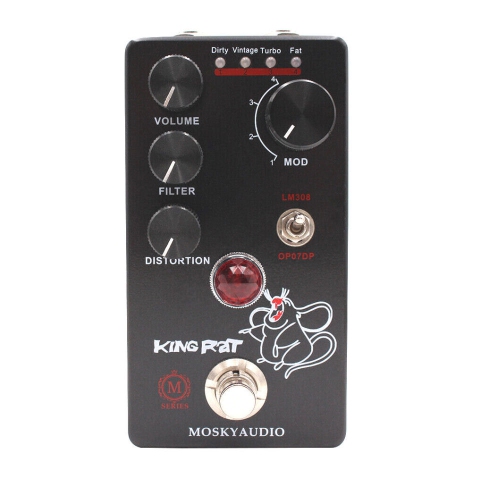
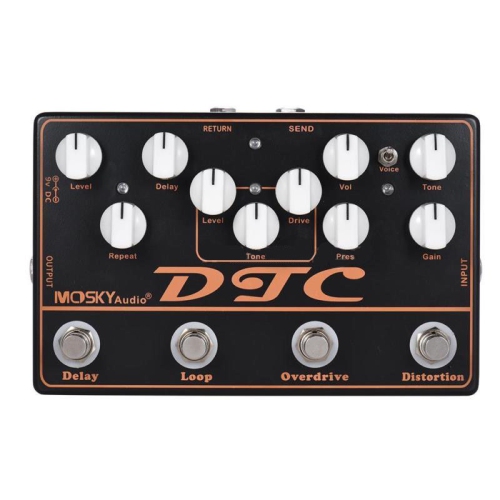
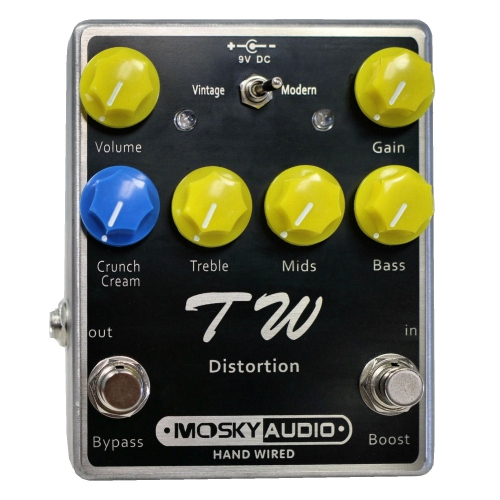
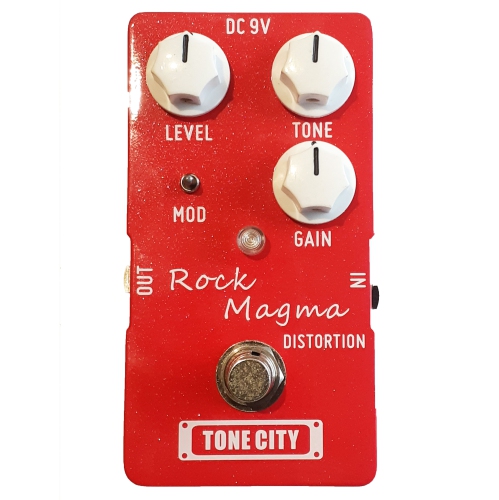
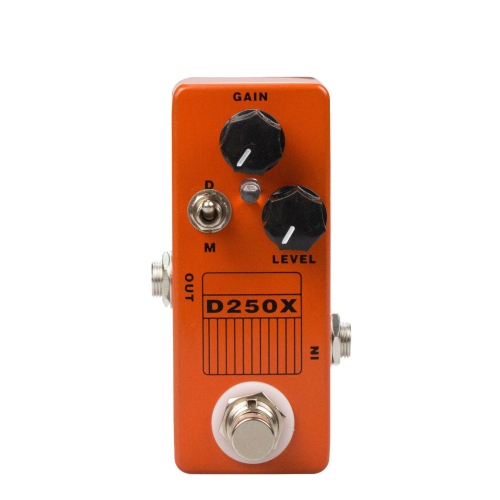
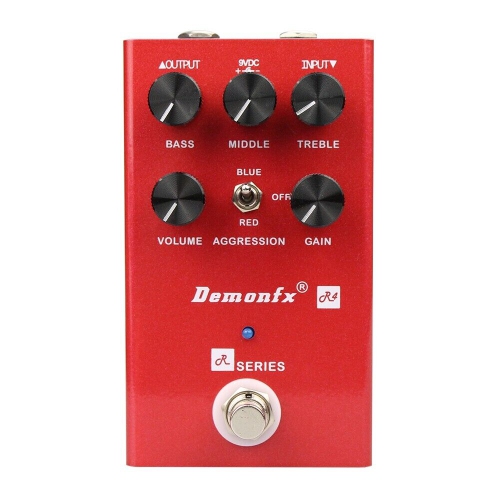
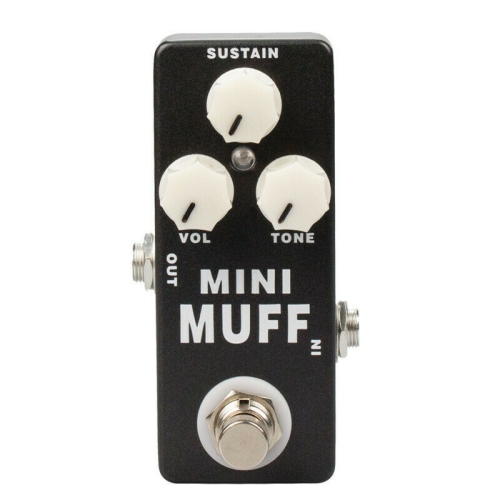
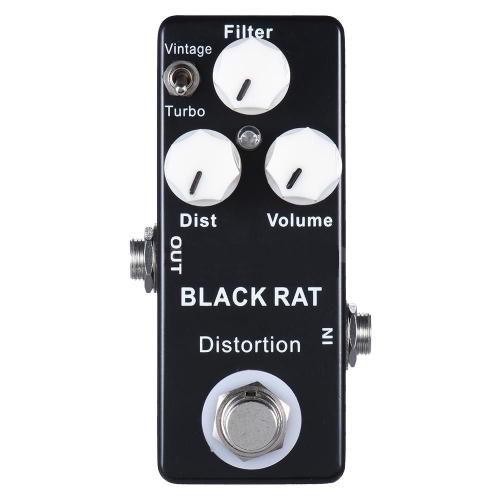
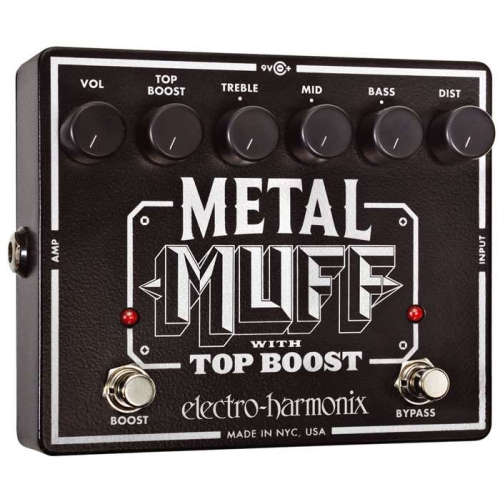
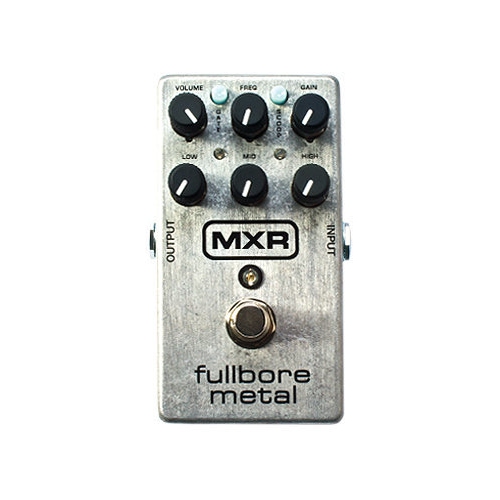
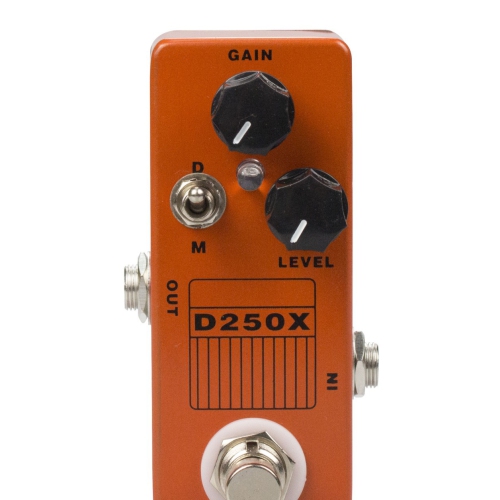
Slow riffs that sound enormous without losing definition
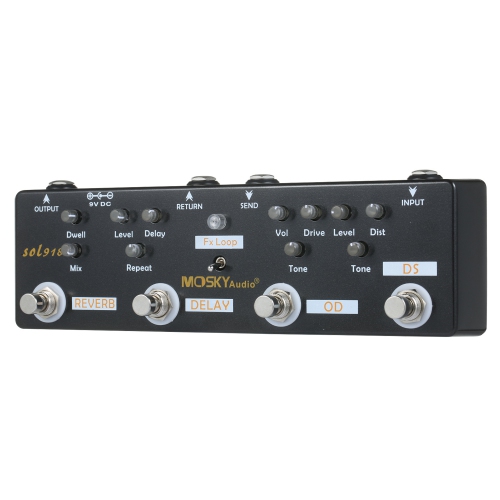
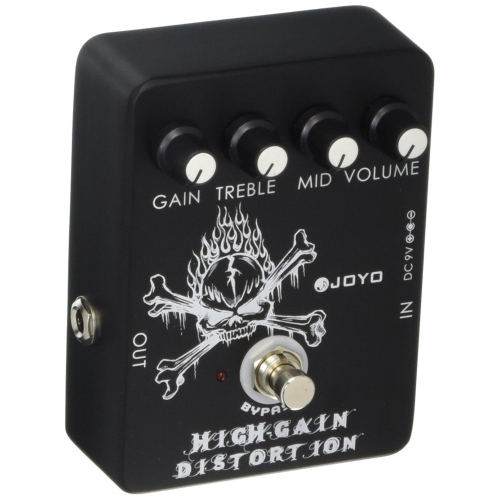
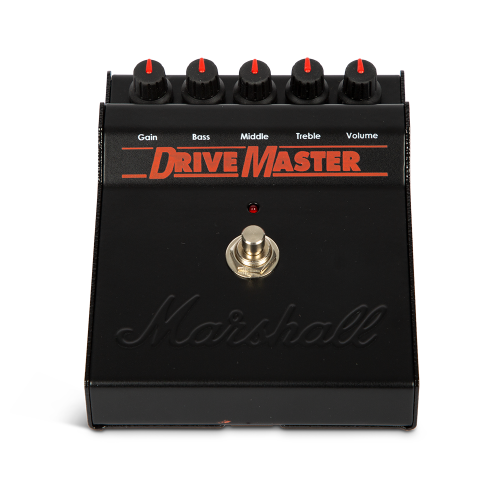
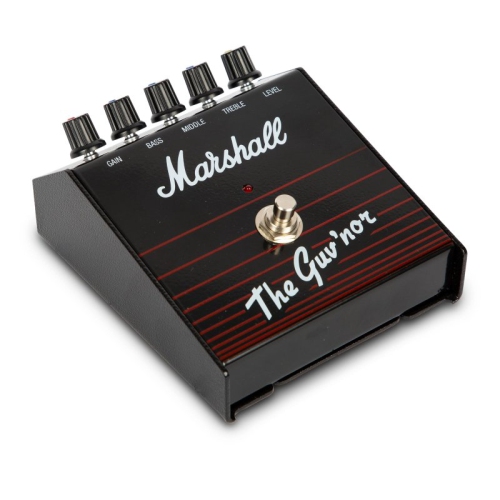
Guitar pedals for doom metal are built around the sounds that make a slow riff feel enormous: thick fuzz, weighty distortion, long sustain, and enough definition to keep low-tuned chords from dissolving into a blur. Fuzz pedals often supply the dense, woolly texture associated with traditional doom and stoner metal, while distortion pedals can bring a more focused attack and a gritty midrange suited to sludge. Neither approach depends on using the highest gain setting. The relationship between the pedal, guitar pickups, and amplifier matters as much as the amount of saturation, especially when a single chord needs to hang in the air between drum hits. A clean amplifier with ample headroom lets much of the pedal’s character come through; an amplifier already breaking up adds its own compression and overtones. Bass-rich fuzz can make single-note passages feel broad and heavy, but adjustable mids help the guitar remain audible alongside bass and cymbals. Octave fuzz adds an upper harmonic that can turn sustained notes into a snarling, almost metallic voice, with results that vary according to pickup selection and playing position. For funeral doom and drone, a smooth decay and extended sustain may matter more than a sharply defined pick attack. For tighter, palm-muted passages, distortion with controlled bass can preserve the shape of each note. Overdrive, boost, and preamp pedals also have a place in this sound, whether they add bite before a fuzz stage or provide an amplifier-like foundation for the rest of the pedalboard. Doom-focused effects share plenty of ground with the broader range of metal guitar pedals, though the emphasis here is often on weight, texture, and space rather than precision alone. The most useful combination is one that delivers the intended heaviness without hiding the phrasing: a scraped string, a sliding power chord, or the slight movement of vibrato beneath a sustained wall of gain.
Control layout and signal compatibility make a noticeable difference when these effects become part of a working setup. Gain adjusts the amount of clipping, while output level determines how hard the pedal drives the next device; a louder signal is not necessarily a more distorted one until it reaches another gain stage. A simple tone knob can move a fuzz from dark and rounded to cutting and abrasive, but separate bass, mid, and treble controls offer more scope for balancing a low-tuned guitar against the rest of a band. An equalizer pedal can be particularly useful when a tone feels huge alone but disappears during rehearsal. Reducing excess bass and restoring some midrange can leave room for the bass guitar while keeping the riff prominent. Pickup output also affects the response: high-output humbuckers may push a pedal into saturation sooner, whereas lower-output pickups can leave more variation between gentle picking and a hard attack. Some fuzz circuits respond strongly to the guitar’s volume control and to whether a buffered pedal sits before them, so input sensitivity and bypass design are worth considering alongside the sound itself. Stacking effects creates further tonal options. An overdrive before fuzz may tighten the bass or emphasize the mids, while a boost after fuzz can raise the overall level if the amplifier has sufficient headroom. Reversing the order usually changes the result. Delay and reverb add depth to sparse passages, although long repeats and dense ambience can obscure note changes under heavy distortion. An effects loop, where compatible, offers another placement option for these spatial effects. Noise gates can reduce hiss between riffs, but a high threshold may cut off the fading notes that give doom its sense of scale. These practical differences matter at home as well as onstage: satisfying sustain can come from pedal gain at moderate listening levels, while speaker-driven feedback depends more heavily on volume, position, and the room.
Physical construction and pedalboard fit are just as important as tonal character for effects that may travel between practice spaces, studios, and venues. Metal enclosures, secure jacks, firm control knobs, and dependable footswitches are useful qualities for repeated setup and transport, though casing material alone does not establish durability. Compact housings save space, but closely spaced switches can be awkward under a shoe during a dimly lit performance. Larger pedals may offer easier access to controls, and jack placement determines how much room patch cables need around each enclosure. Top-mounted connections can help with side-by-side spacing, while side-mounted jacks need clearance that is easy to overlook when measuring a board. Power requirements deserve equal attention. Many pedals use a 9-volt DC supply, but voltage, polarity, connector size, and current draw must match the manufacturer’s specifications; battery operation is not universal. Isolated power outputs can help reduce certain sources of hum in a multi-pedal setup, although they will not remove every kind of noise produced by high gain. For recording directly into an audio interface, a fuzz or distortion pedal alone does not usually reproduce the sound of a miked guitar cabinet. Suitable amplifier and cabinet simulation elsewhere in the signal path can provide that familiar speaker-shaped response. These considerations make doom metal pedals relevant to home players building a first heavy setup, experienced guitarists refining a live sound, and recording musicians layering contrasting textures. They can also make thoughtful gifts for a guitarist who enjoys slow, riff-driven music, particularly when the recipient’s existing effects, power supply, and available board space are known. Routine care is straightforward: disconnect cables before transport, keep strain off the sockets, and use a soft, dry cloth to remove dust without allowing liquid into switches or openings. A padded case or secured pedalboard helps protect controls in transit, and removing batteries before extended storage reduces the risk of leakage. With a suitable physical fit and a response that complements the guitar and amplifier, these effects can support everything from a bare, grinding riff to a long, enveloping drone.
Control layout and signal compatibility make a noticeable difference when these effects become part of a working setup. Gain adjusts the amount of clipping, while output level determines how hard the pedal drives the next device; a louder signal is not necessarily a more distorted one until it reaches another gain stage. A simple tone knob can move a fuzz from dark and rounded to cutting and abrasive, but separate bass, mid, and treble controls offer more scope for balancing a low-tuned guitar against the rest of a band. An equalizer pedal can be particularly useful when a tone feels huge alone but disappears during rehearsal. Reducing excess bass and restoring some midrange can leave room for the bass guitar while keeping the riff prominent. Pickup output also affects the response: high-output humbuckers may push a pedal into saturation sooner, whereas lower-output pickups can leave more variation between gentle picking and a hard attack. Some fuzz circuits respond strongly to the guitar’s volume control and to whether a buffered pedal sits before them, so input sensitivity and bypass design are worth considering alongside the sound itself. Stacking effects creates further tonal options. An overdrive before fuzz may tighten the bass or emphasize the mids, while a boost after fuzz can raise the overall level if the amplifier has sufficient headroom. Reversing the order usually changes the result. Delay and reverb add depth to sparse passages, although long repeats and dense ambience can obscure note changes under heavy distortion. An effects loop, where compatible, offers another placement option for these spatial effects. Noise gates can reduce hiss between riffs, but a high threshold may cut off the fading notes that give doom its sense of scale. These practical differences matter at home as well as onstage: satisfying sustain can come from pedal gain at moderate listening levels, while speaker-driven feedback depends more heavily on volume, position, and the room.
Physical construction and pedalboard fit are just as important as tonal character for effects that may travel between practice spaces, studios, and venues. Metal enclosures, secure jacks, firm control knobs, and dependable footswitches are useful qualities for repeated setup and transport, though casing material alone does not establish durability. Compact housings save space, but closely spaced switches can be awkward under a shoe during a dimly lit performance. Larger pedals may offer easier access to controls, and jack placement determines how much room patch cables need around each enclosure. Top-mounted connections can help with side-by-side spacing, while side-mounted jacks need clearance that is easy to overlook when measuring a board. Power requirements deserve equal attention. Many pedals use a 9-volt DC supply, but voltage, polarity, connector size, and current draw must match the manufacturer’s specifications; battery operation is not universal. Isolated power outputs can help reduce certain sources of hum in a multi-pedal setup, although they will not remove every kind of noise produced by high gain. For recording directly into an audio interface, a fuzz or distortion pedal alone does not usually reproduce the sound of a miked guitar cabinet. Suitable amplifier and cabinet simulation elsewhere in the signal path can provide that familiar speaker-shaped response. These considerations make doom metal pedals relevant to home players building a first heavy setup, experienced guitarists refining a live sound, and recording musicians layering contrasting textures. They can also make thoughtful gifts for a guitarist who enjoys slow, riff-driven music, particularly when the recipient’s existing effects, power supply, and available board space are known. Routine care is straightforward: disconnect cables before transport, keep strain off the sockets, and use a soft, dry cloth to remove dust without allowing liquid into switches or openings. A padded case or secured pedalboard helps protect controls in transit, and removing batteries before extended storage reduces the risk of leakage. With a suitable physical fit and a response that complements the guitar and amplifier, these effects can support everything from a bare, grinding riff to a long, enveloping drone.
Top selling and popular products
-
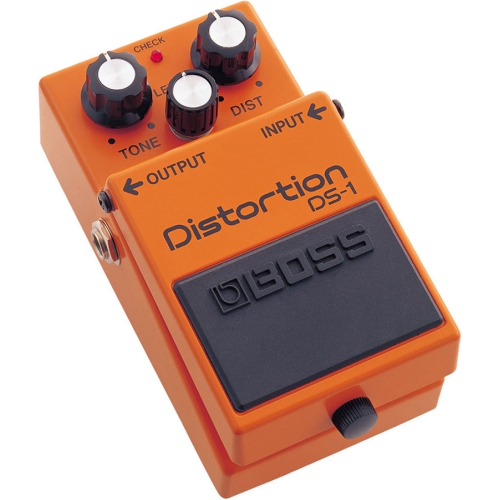 Your price for this item is $89.99
 -
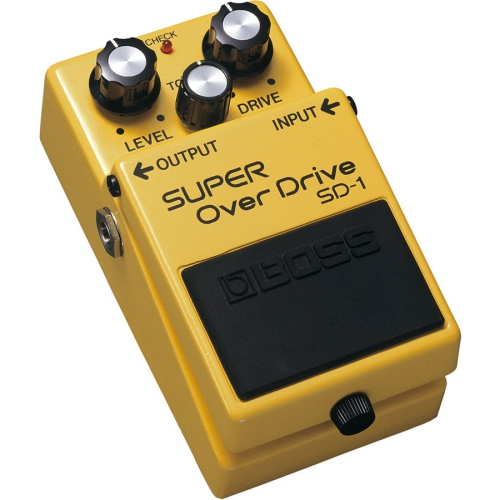 Your price for this item is $89.99
 -
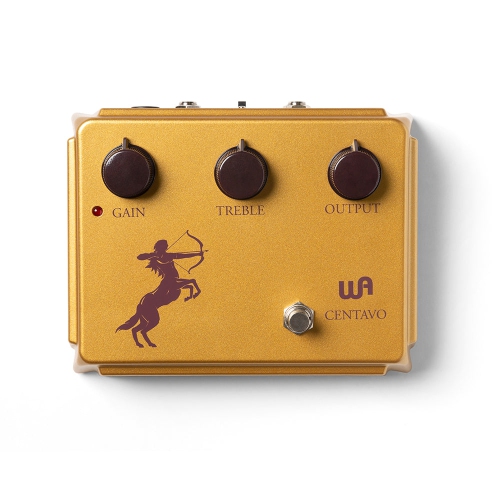 Your price for this item is $289
 -
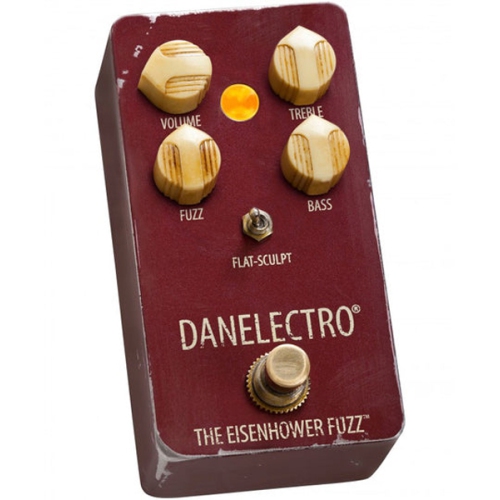 Your price for this item is $164.99
 -
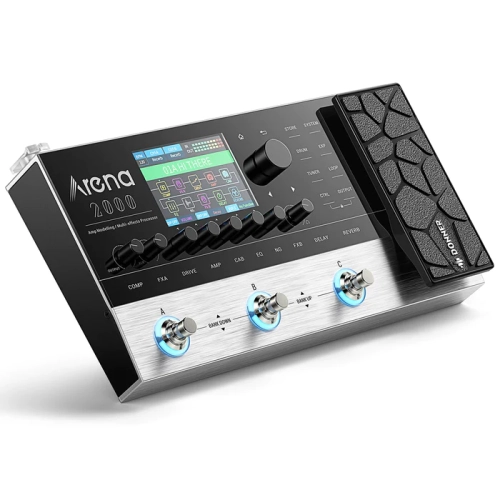 Your price for this item is $209.99
 -
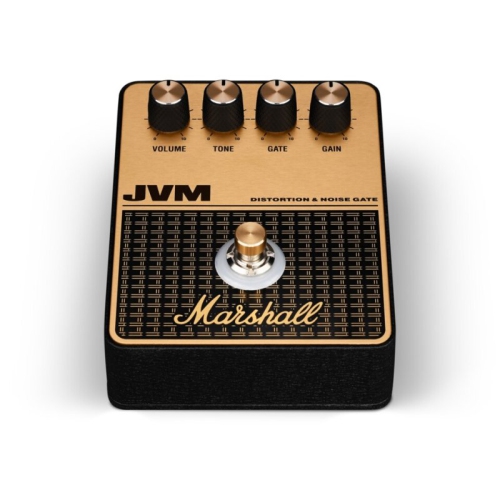 Your price for this item is $249.99
 -
 Your price for this item is $249.99
 -
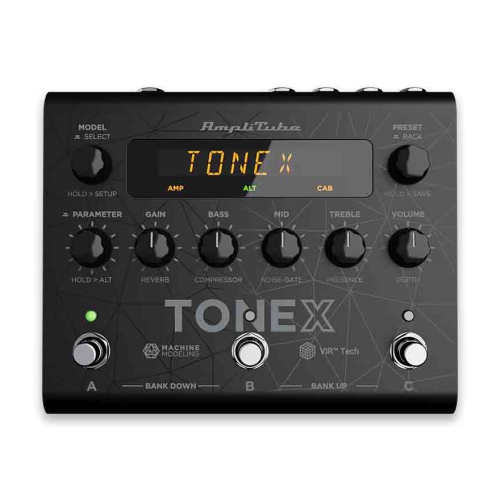 Your price for this item is $599.99
Discover more categories related to Guitar Pedals for Doom Metal
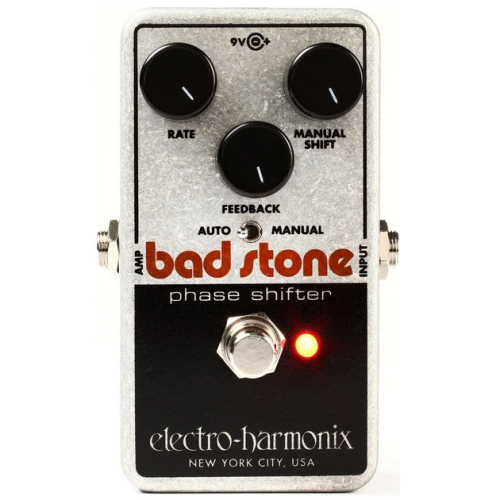
Top Collections:
Pokemon Centers, Kindle Devices, Best Budget Office Chairs, Apple iPhones 16, Canon G7X Cameras, iPhone 15 Apple, Alarm Clock, Refurbished Apple Laptops, Flip Phones, Best Laptops for Writers
Some products may be subject to Environmental Handling Fees
(EHF) depending on your province.
Learn more about EHFs.