Heavy Metal Distortion Pedals
Heavy Metal Distortion Pedals deliver the bold, aggressive sound that defines the genre’s signature style. Designed for guitarists who want to unleash powerful riffs and intense solos, these pedals are essential for shaping a commanding stage presence. Whether you’re building your pedalboard or looking to push your tone to new extremes, explore a range of options to find the perfect Heavy Metal Distortion Pedals for your setup.
Sort
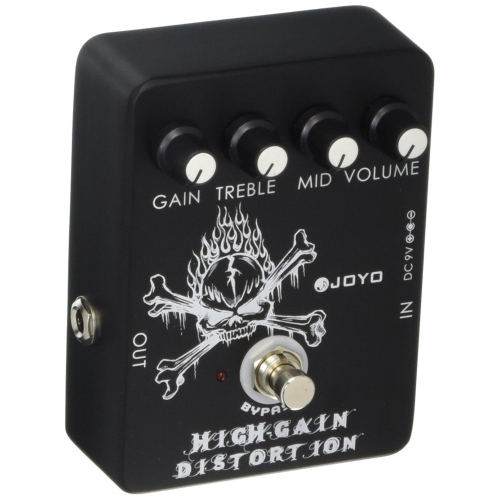
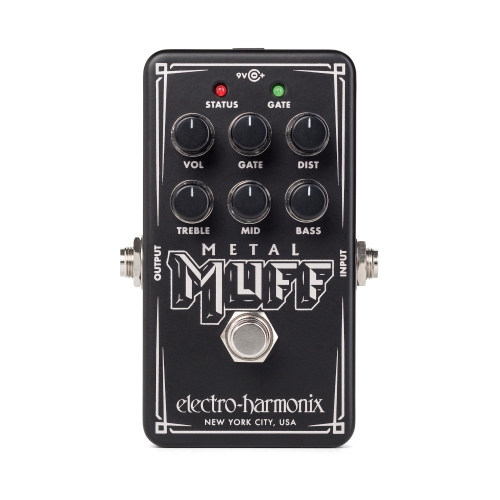
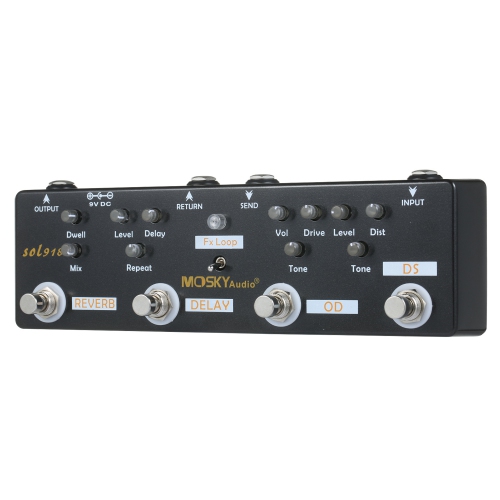
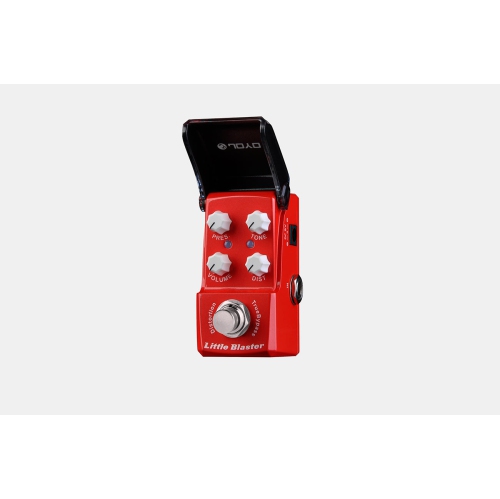
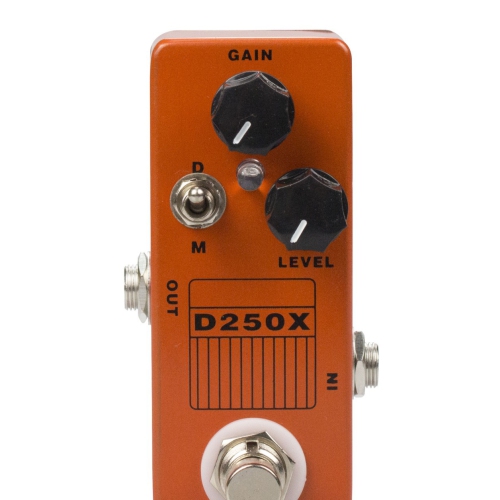
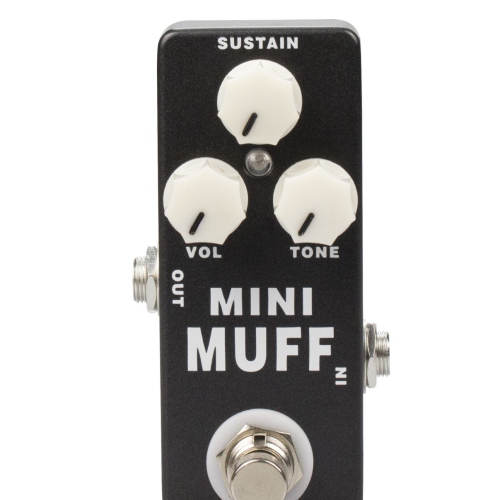
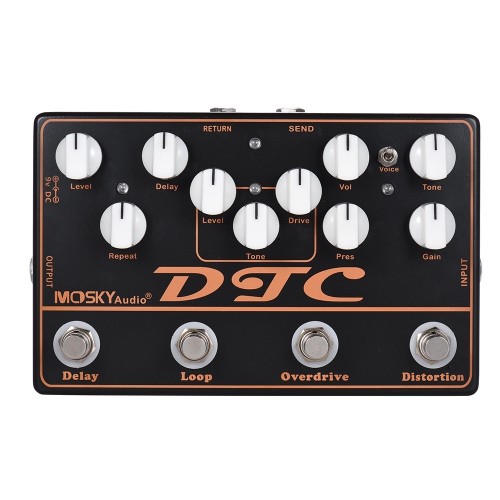
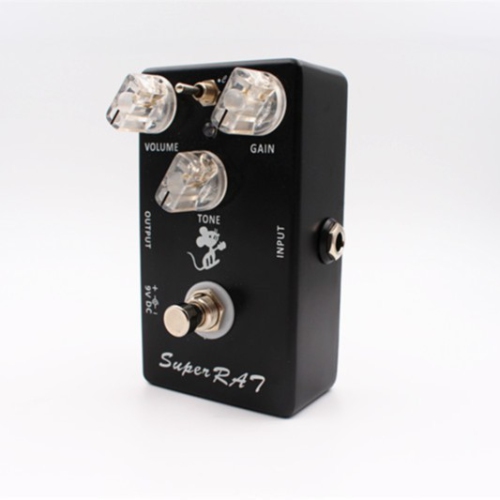
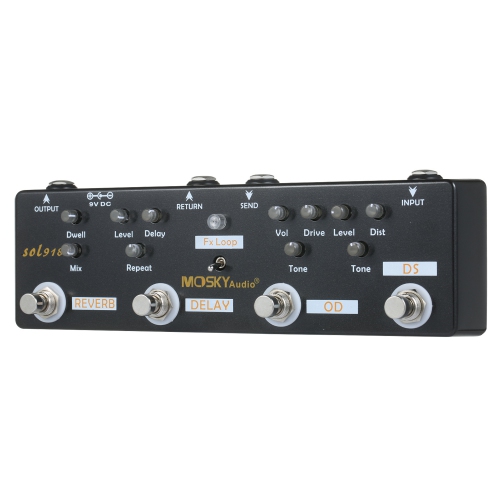
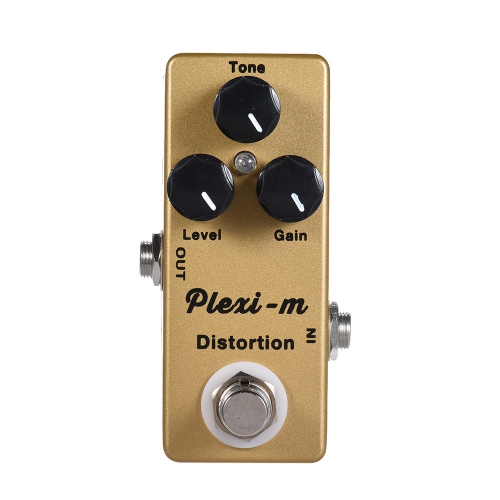
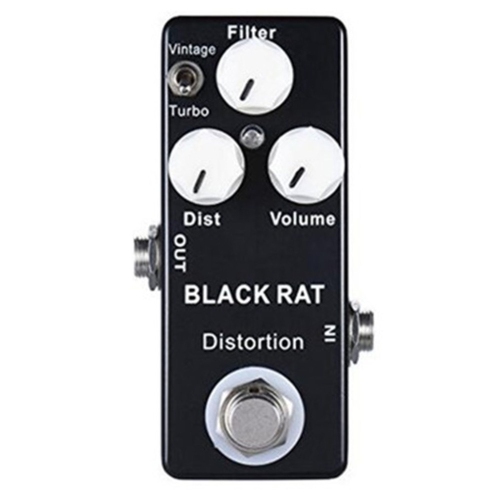
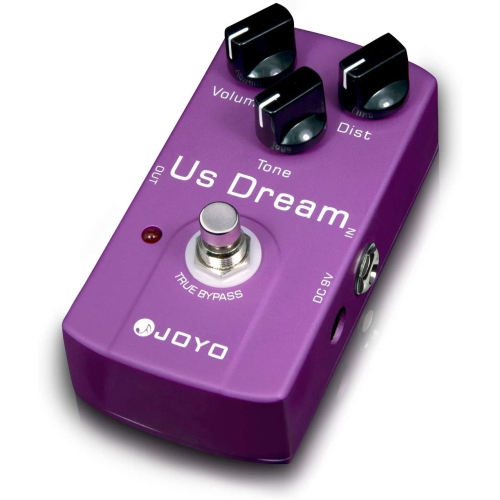
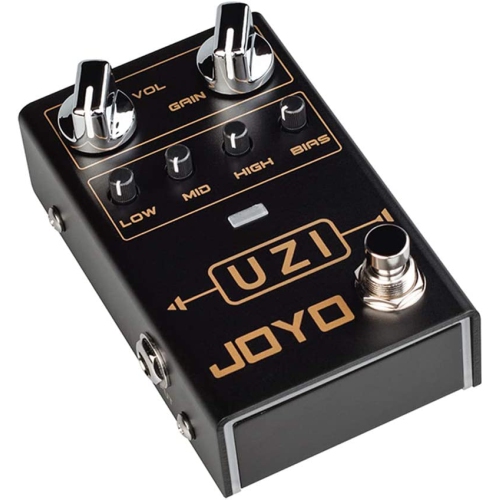
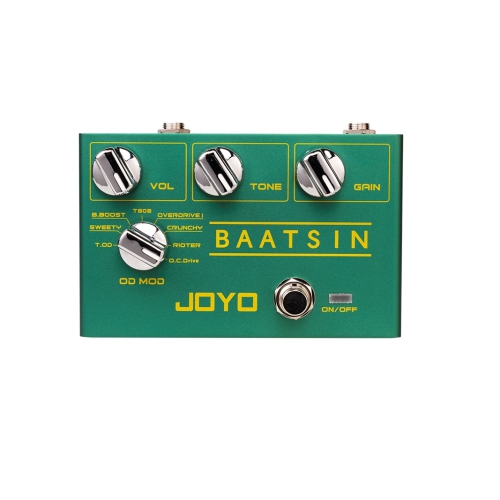
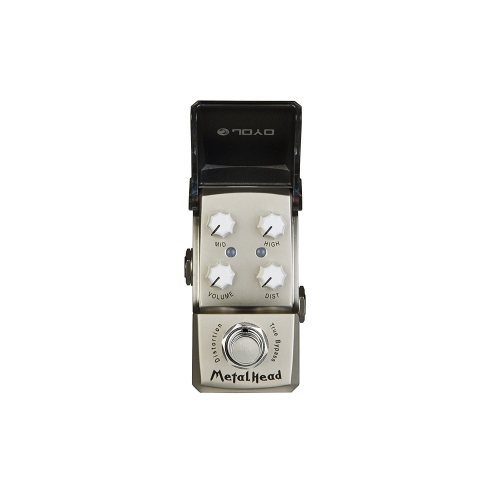
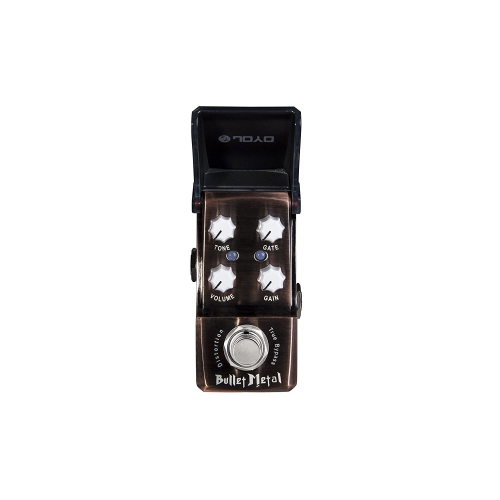
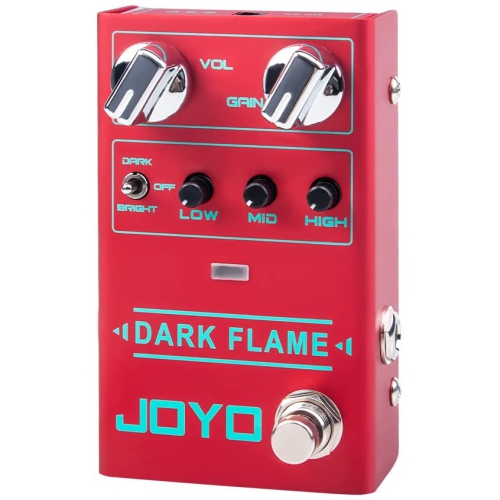
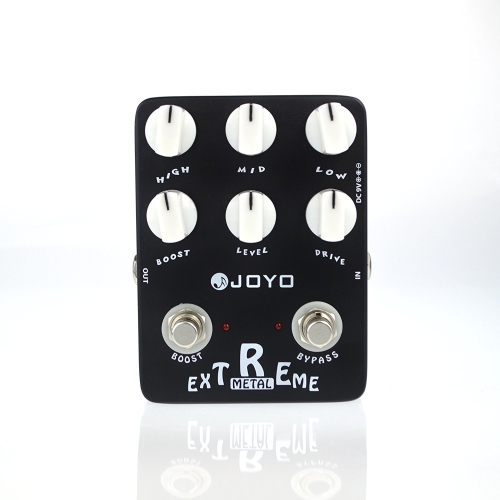
Heavy riffs need more than high gain
Heavy metal distortion pedals shape an electric guitar’s signal into the dense, aggressive sound associated with heavy riffs, sustained leads, and tightly articulated palm-muted passages. Their defining characteristics are substantial gain, strong tone-shaping options, and a response that keeps notes distinct even when the distortion is intense. Unlike a lighter overdrive, which often emphasizes the edge and touch sensitivity of an amplifier being pushed, a metal-focused distortion pedal can supply much of the saturation itself. That makes these effects useful for guitarists playing through a clean amplifier, adding another voice to an existing rig, or building a pedalboard around a particular style of heavy music. The most suitable sound depends on the music and the equipment around it: thrash often benefits from a quick attack and controlled bass, modern metal places a premium on precise low-string definition, and doom can favour a thicker, more sustained texture. Some death metal sounds rely on an abrasive, grinding midrange rather than a smooth, polished response. Gain alone does not determine how heavy a guitar sounds. A clearly defined pick attack can make a repeated low-string riff feel more forceful than a heavily saturated setting that blurs every note together. Similarly, a lead tone needs enough presence to carry a melody without making upper-register bends sound brittle. Metal distortion can range from dry and percussive to broad and almost fuzz-like, so the balance between attack, compression, and sustain matters as much as the amount of drive. Within the wider family of Electric Guitar Distortion Pedals, heavy metal designs generally emphasize higher saturation and more assertive tonal shaping, although their range varies by circuit. They suit rhythm players who need a solid foundation beneath a band, lead guitarists seeking longer sustain, and home players who want a substantial distorted sound without relying entirely on amplifier volume.
Tone controls are especially important when matching a heavy metal distortion pedal to a guitar, amplifier, and tuning. A simple tone knob offers broad adjustment, while separate bass, middle, and treble controls provide more influence over the character of the sound. A sweepable midrange control, where included, lets a player target the frequency area that gives a riff its bark, bite, or hollowed-out quality. Scooped mids can sound expansive when playing alone, but some midrange presence often helps the guitar remain audible beside bass guitar and drums. For down-tuned six-string guitars and extended-range instruments, low-end control is particularly valuable: too much bass before or within a high-gain circuit can soften the attack and make quick changes between muted notes less distinct. A tighter bass response can preserve the weight of the lowest strings while leaving room for the bass guitarist. Pickup output also affects the result. Higher-output pickups may drive the pedal harder, while lower-output pickups can leave more space for dynamic changes, depending on the circuit and settings. The level control serves a different purpose from gain, setting output volume rather than simply adding saturation; its usable range matters when balancing a distorted rhythm sound against a bypassed clean tone. Pedals with independent channels or switchable gain settings can support contrasting rhythm and lead sounds without requiring several knob adjustments between passages. A built-in noise gate, when present, can reduce hiss and help pauses land cleanly, though an aggressive threshold may shorten sustained notes. The amplifier remains part of the equation. A bright clean channel, a darker combo, and an already distorted amp will each respond differently to the same pedal. Many distortion pedals are intended for the amplifier’s instrument input; operation through an effects return depends on the pedal’s design and the amplifier’s requirements. For direct recording or headphone use, suitable amp and cabinet processing may still be needed, since distortion alone does not reproduce the full sound of a miked guitar speaker.
Practical construction and compatibility help determine whether a heavy metal distortion pedal fits comfortably into everyday playing. A sturdy metal enclosure can stand up well to repeated foot operation and transport, while secure input and output jacks reduce movement at cable connections. Footswitch feel, knob spacing, and clear control markings matter on a crowded pedalboard, particularly when a player needs to change sounds without disturbing nearby settings. Compact housings save space, but closely spaced controls can be harder to adjust; larger housings may offer more accessible switching or additional tone controls. Jack placement affects fit too, since side-mounted plugs need clearance beside the pedal, while top-mounted connections require room above it. Standard guitar pedals commonly use quarter-inch instrument connections, but power requirements deserve individual attention. Voltage, polarity, and current draw must match the pedal’s specifications, and battery operation should never be assumed. A suitable isolated power supply can help reduce some sources of unwanted noise in a multi-pedal setup, although high gain will also amplify noise from pickups, cables, and other parts of the signal path. Bypass design may matter on larger boards: true bypass removes the effect circuit from the signal path when switched off, while a well-designed buffer can help maintain signal clarity across longer cable runs. Neither arrangement is automatically the better choice for every setup. Routine care is straightforward: disconnect power before cleaning, wipe the housing with a soft, dry cloth, and keep liquids away from switches, jacks, and controls. Carrying the pedal in a padded bag or secured case helps protect protruding knobs, and leaving enough slack in patch cables avoids unnecessary strain on the sockets. These effects can make thoughtful gifts for guitarists interested in heavier styles, especially when their preferred sound, existing equipment, and power setup are known. A beginner experimenting with the first tight, muted riff may value straightforward controls, while an experienced performer may prioritize detailed equalization, repeatable settings, and reliable switching. For either player, the lasting appeal is a distortion sound that supports the music: weight behind the riff, definition between the notes, and sustain that lets a lead phrase sing.
Tone controls are especially important when matching a heavy metal distortion pedal to a guitar, amplifier, and tuning. A simple tone knob offers broad adjustment, while separate bass, middle, and treble controls provide more influence over the character of the sound. A sweepable midrange control, where included, lets a player target the frequency area that gives a riff its bark, bite, or hollowed-out quality. Scooped mids can sound expansive when playing alone, but some midrange presence often helps the guitar remain audible beside bass guitar and drums. For down-tuned six-string guitars and extended-range instruments, low-end control is particularly valuable: too much bass before or within a high-gain circuit can soften the attack and make quick changes between muted notes less distinct. A tighter bass response can preserve the weight of the lowest strings while leaving room for the bass guitarist. Pickup output also affects the result. Higher-output pickups may drive the pedal harder, while lower-output pickups can leave more space for dynamic changes, depending on the circuit and settings. The level control serves a different purpose from gain, setting output volume rather than simply adding saturation; its usable range matters when balancing a distorted rhythm sound against a bypassed clean tone. Pedals with independent channels or switchable gain settings can support contrasting rhythm and lead sounds without requiring several knob adjustments between passages. A built-in noise gate, when present, can reduce hiss and help pauses land cleanly, though an aggressive threshold may shorten sustained notes. The amplifier remains part of the equation. A bright clean channel, a darker combo, and an already distorted amp will each respond differently to the same pedal. Many distortion pedals are intended for the amplifier’s instrument input; operation through an effects return depends on the pedal’s design and the amplifier’s requirements. For direct recording or headphone use, suitable amp and cabinet processing may still be needed, since distortion alone does not reproduce the full sound of a miked guitar speaker.
Practical construction and compatibility help determine whether a heavy metal distortion pedal fits comfortably into everyday playing. A sturdy metal enclosure can stand up well to repeated foot operation and transport, while secure input and output jacks reduce movement at cable connections. Footswitch feel, knob spacing, and clear control markings matter on a crowded pedalboard, particularly when a player needs to change sounds without disturbing nearby settings. Compact housings save space, but closely spaced controls can be harder to adjust; larger housings may offer more accessible switching or additional tone controls. Jack placement affects fit too, since side-mounted plugs need clearance beside the pedal, while top-mounted connections require room above it. Standard guitar pedals commonly use quarter-inch instrument connections, but power requirements deserve individual attention. Voltage, polarity, and current draw must match the pedal’s specifications, and battery operation should never be assumed. A suitable isolated power supply can help reduce some sources of unwanted noise in a multi-pedal setup, although high gain will also amplify noise from pickups, cables, and other parts of the signal path. Bypass design may matter on larger boards: true bypass removes the effect circuit from the signal path when switched off, while a well-designed buffer can help maintain signal clarity across longer cable runs. Neither arrangement is automatically the better choice for every setup. Routine care is straightforward: disconnect power before cleaning, wipe the housing with a soft, dry cloth, and keep liquids away from switches, jacks, and controls. Carrying the pedal in a padded bag or secured case helps protect protruding knobs, and leaving enough slack in patch cables avoids unnecessary strain on the sockets. These effects can make thoughtful gifts for guitarists interested in heavier styles, especially when their preferred sound, existing equipment, and power setup are known. A beginner experimenting with the first tight, muted riff may value straightforward controls, while an experienced performer may prioritize detailed equalization, repeatable settings, and reliable switching. For either player, the lasting appeal is a distortion sound that supports the music: weight behind the riff, definition between the notes, and sustain that lets a lead phrase sing.
Top selling and popular products
-
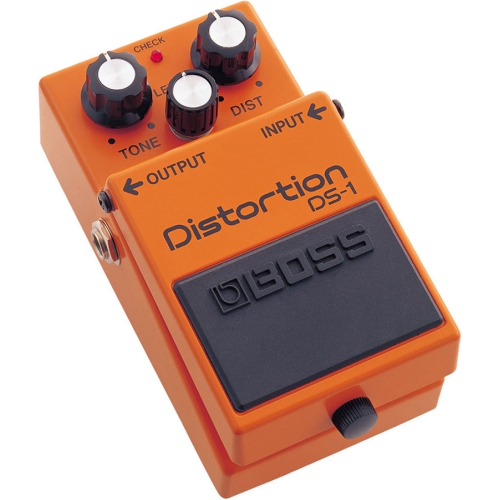 Your price for this item is $89.99
 -
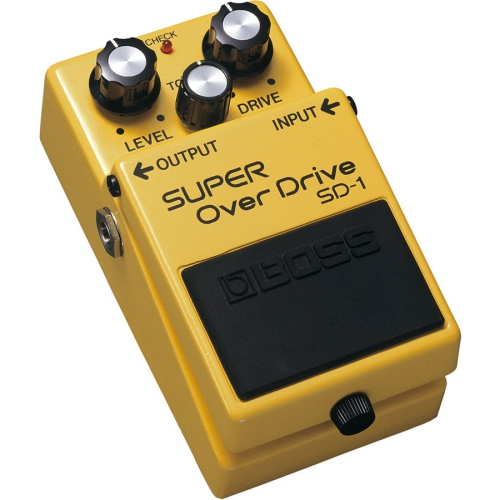 Your price for this item is $89.99
 -
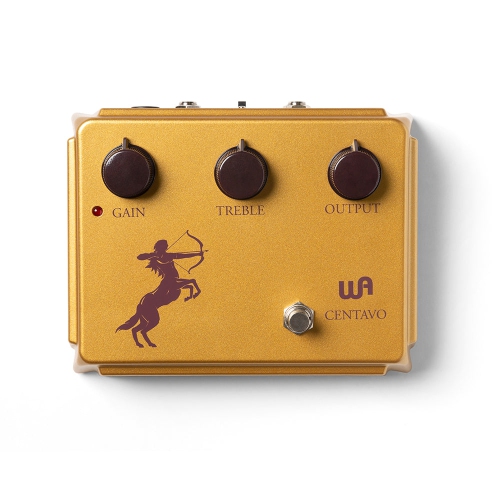 Your price for this item is $289
 -
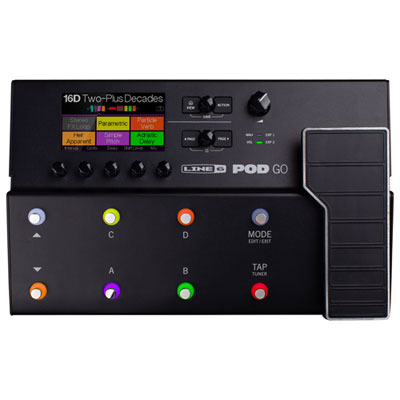 Your price for this item is $589.99
 -
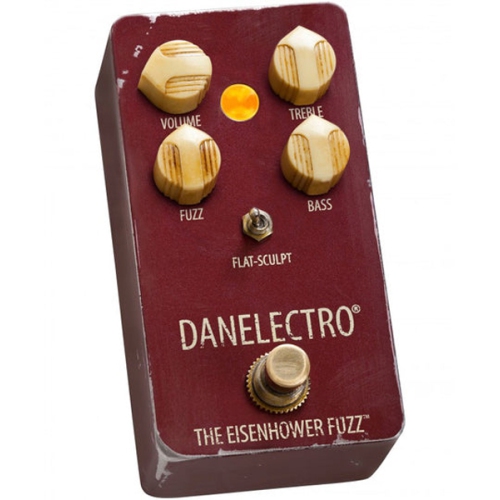 Your price for this item is $164.99
 -
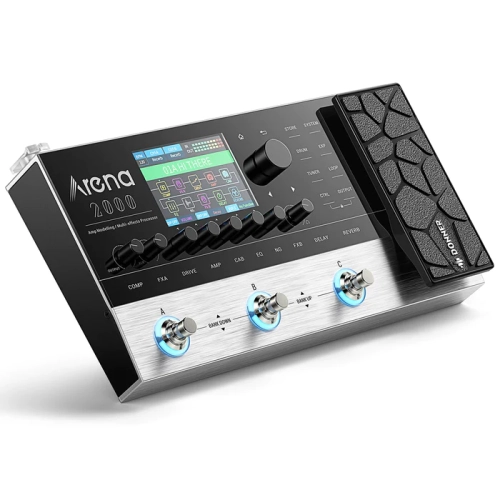 Your price for this item is $209.99
 -
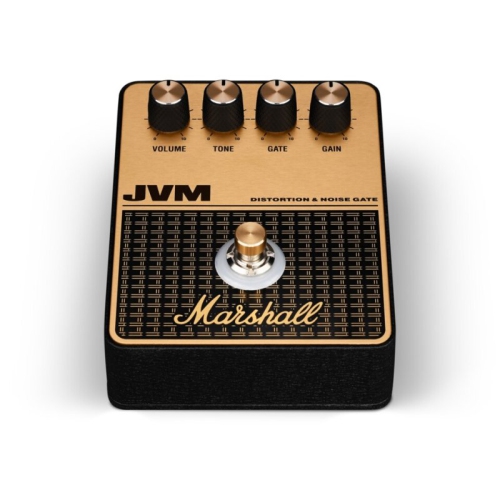 Your price for this item is $249.99
 -
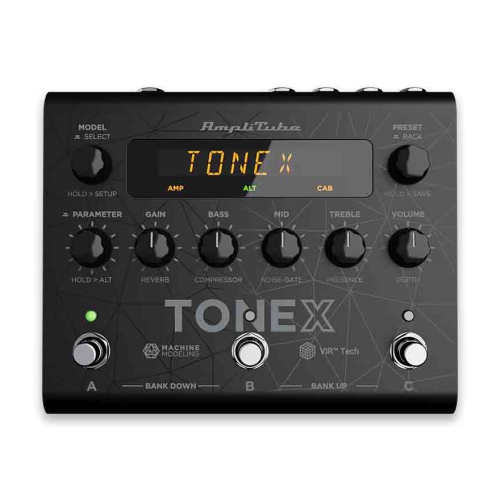 Your price for this item is $599.99
Discover more categories related to Heavy Metal Distortion Pedals
Top Collections:
Pokemon Centers, Kindle Devices, Best Budget Office Chairs, Apple iPhones 16, Best Laptops for Writers, iPhone 15 Apple, Canon G7X Cameras, Refurbished Apple Laptops, Alarm Clock, Motorola Razr Phones
Some products may be subject to Environmental Handling Fees
(EHF) depending on your province.
Learn more about EHFs.