Hal Leonard Guitar Method
Hal Leonard Guitar Method offers a comprehensive approach for anyone eager to learn guitar, whether you're just starting out or looking to build on your skills. Explore a selection of resources designed to help you master techniques, understand musical concepts, and enjoy the process of playing guitar. Find the tools you need to support your musical journey with Hal Leonard Guitar Method.
Sort
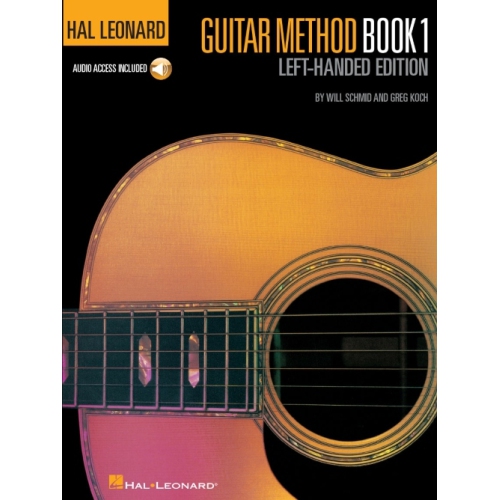
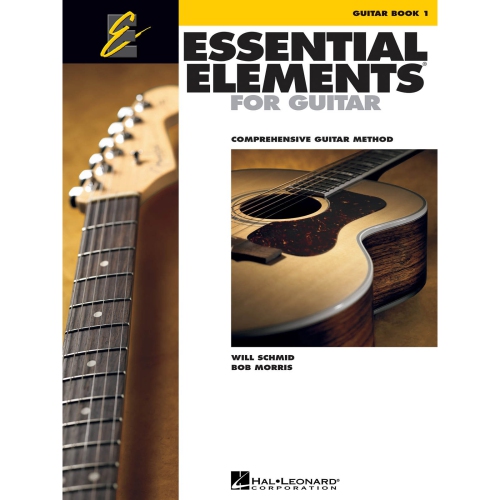
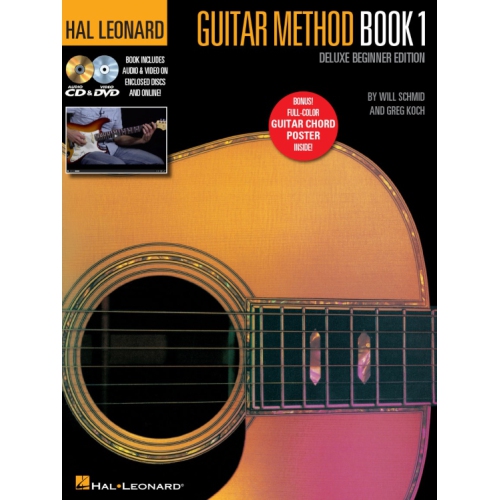
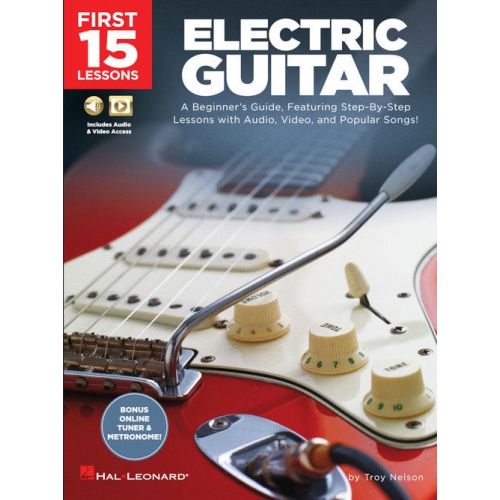
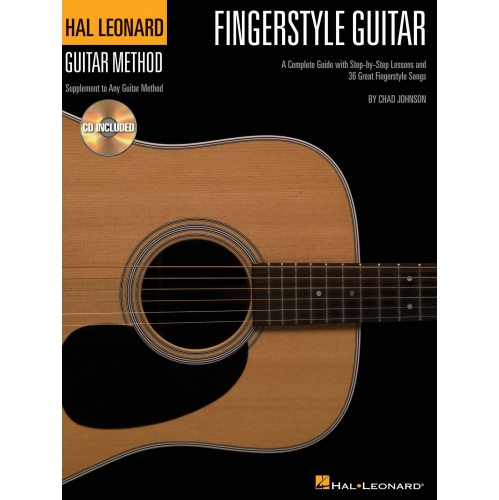
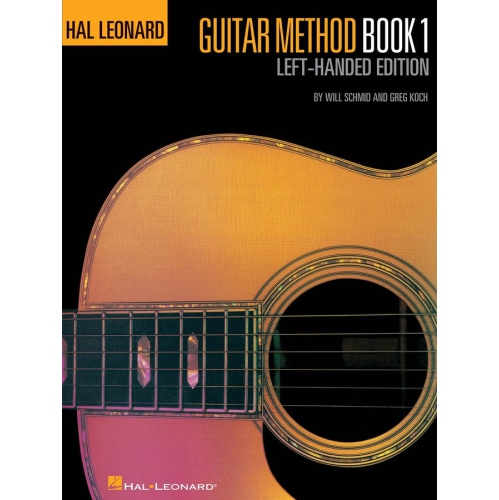
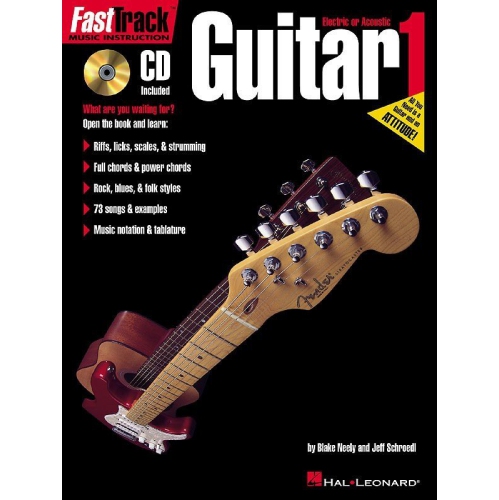
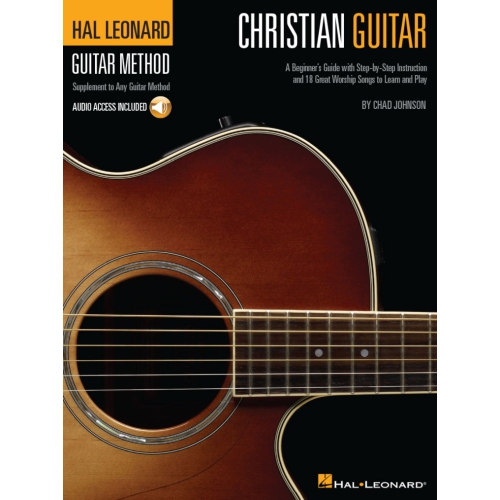
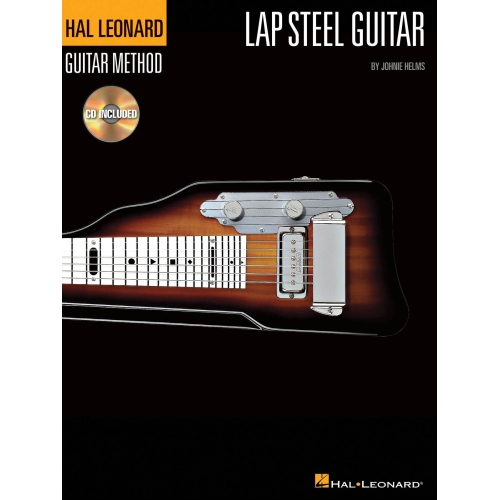

From first notes to chords through structured practice
Guitar method books bring the foundations of playing into a structured sequence, giving beginners a practical way to move from their first notes to chords, melodies, and more varied rhythms. These instructional books are designed for use with a guitar, rather than as reading material alone: a short explanation is followed by notation, an exercise, or a musical passage that puts the idea into practice. Many beginner methods support both acoustic and electric guitar, since standard tuning, note locations, and basic chord shapes carry across both instruments. Early material commonly covers holding the instrument, tuning the strings, reading chord diagrams, and finding notes in first position, where the fretting hand stays close to the nut. Open chords such as C, G, and D introduce the sound of accompaniment, while single-note melodies help connect written music to the fretboard. A progressive series can then build towards syncopation, pentatonic scales, power chords, and additional keys before introducing more demanding techniques such as barre chords, movable scale patterns, sixteenth notes, and fingerpicking. The order varies between methods, so the contents page and sample lessons are useful indicators of the starting level and pace. Separate volumes offer a focused section of that progression, while collected editions can keep several stages together in one place. For someone who remembers a few chord shapes but has never read music, a foundational volume may still provide useful context rather than simply repeating familiar material. For a complete beginner, clear diagrams and short, manageable exercises can make the difference between recognizing an instruction and knowing how to carry it out. These books are learning resources, not classes or personalized tuition, but they can provide continuity between lessons and a clear point of return during independent practice. Their lasting value often lies in that organization: earlier explanations remain easy to revisit when a later piece calls for a rhythm, note, or chord that needs another look.
The most useful format depends on how the player reads, listens, and practises. Standard music notation shows pitch and rhythm on a staff, building skills that can transfer to ensemble playing and other written music. Guitar tablature identifies strings and fret numbers, making fretboard positions easier to locate, although the amount of rhythmic detail varies with the presentation. Chord diagrams serve a different purpose, showing a shape at a glance so the player can focus on forming it cleanly and changing to the next chord. A method that uses more than one of these systems can help connect the written page with the physical movement of playing, but shoppers should check which systems an edition actually includes. Audio accompaniment is another important distinction. Depending on the format, supporting audio may demonstrate an exercise, provide an accompaniment, or place a simple guitar part within a fuller musical arrangement. Hearing the passage can clarify its rhythm and phrasing; playing along adds the separate challenge of keeping time without pausing at a difficult change. Online audio requires attention to the stated access method, compatible devices, and any included code or account requirements. A physical book does not necessarily include downloadable files, and audio access should not be assumed from the cover style alone. Printed books suit players who like to leave a passage open on a music stand or mark a troublesome bar lightly in pencil. Digital editions, where offered, can suit practice with a tablet, provided the screen displays the notation at a comfortable size and page turns do not interrupt playing. Across either format, generous spacing, readable fingering numbers, and clearly separated exercises matter more than decorative page design. A learner trying to distinguish neighbouring notes while holding a guitar needs a layout that remains legible at arm’s length. Related Guitar Music Books can broaden practice with repertoire and focused technique material, while a sequential method supplies the underlying progression that helps those additional pieces make sense.
Physical construction also affects how comfortably a guitar method book fits into everyday practice. Paper weight, print contrast, cover flexibility, and binding all influence handling, particularly when the book is opened repeatedly to the same exercise. A spiral-bound format can make it easier to keep pages open without holding them down, while a conventionally bound paperback may need support from a music stand’s page retainers. Larger pages can leave more room for notation and teacher annotations, but a substantial collected volume also needs a stand that supports its weight and width. A smaller volume is easier to carry between home and lessons, though its usefulness still depends on readable print rather than size alone. Gentle page turns, clean hands, and storage away from drinks help protect paper, printed diagrams, and any access information supplied inside the cover. Carrying a book in a separate folder or bag compartment can reduce bent corners and prevent loose accessories from catching the pages. Fit, in this category, is primarily about reading level, musical background, and the learner’s goals. A child beginning lessons may benefit from larger diagrams and a pace selected with a teacher, while an adult learning independently may prefer detailed explanations and audible examples. Returning players can use a method to fill gaps in timing, notation, or fretboard knowledge instead of starting every skill from scratch. The same resources can support quiet individual practice, a shared lesson, or preparation for playing with other musicians, although suitability for classroom use depends on the teacher’s programme. As a gift, a guitar method book is most thoughtful when it matches the recipient’s experience and preferred way of learning. Knowing whether they already follow a particular series, read notation, or have access to a device for accompanying audio helps avoid unnecessary overlap. A well-matched book gives the player material they can use immediately and a meaningful next step: a cleaner chord change, a melody played steadily from beginning to end, or a familiar pattern understood in a new position on the neck.
The most useful format depends on how the player reads, listens, and practises. Standard music notation shows pitch and rhythm on a staff, building skills that can transfer to ensemble playing and other written music. Guitar tablature identifies strings and fret numbers, making fretboard positions easier to locate, although the amount of rhythmic detail varies with the presentation. Chord diagrams serve a different purpose, showing a shape at a glance so the player can focus on forming it cleanly and changing to the next chord. A method that uses more than one of these systems can help connect the written page with the physical movement of playing, but shoppers should check which systems an edition actually includes. Audio accompaniment is another important distinction. Depending on the format, supporting audio may demonstrate an exercise, provide an accompaniment, or place a simple guitar part within a fuller musical arrangement. Hearing the passage can clarify its rhythm and phrasing; playing along adds the separate challenge of keeping time without pausing at a difficult change. Online audio requires attention to the stated access method, compatible devices, and any included code or account requirements. A physical book does not necessarily include downloadable files, and audio access should not be assumed from the cover style alone. Printed books suit players who like to leave a passage open on a music stand or mark a troublesome bar lightly in pencil. Digital editions, where offered, can suit practice with a tablet, provided the screen displays the notation at a comfortable size and page turns do not interrupt playing. Across either format, generous spacing, readable fingering numbers, and clearly separated exercises matter more than decorative page design. A learner trying to distinguish neighbouring notes while holding a guitar needs a layout that remains legible at arm’s length. Related Guitar Music Books can broaden practice with repertoire and focused technique material, while a sequential method supplies the underlying progression that helps those additional pieces make sense.
Physical construction also affects how comfortably a guitar method book fits into everyday practice. Paper weight, print contrast, cover flexibility, and binding all influence handling, particularly when the book is opened repeatedly to the same exercise. A spiral-bound format can make it easier to keep pages open without holding them down, while a conventionally bound paperback may need support from a music stand’s page retainers. Larger pages can leave more room for notation and teacher annotations, but a substantial collected volume also needs a stand that supports its weight and width. A smaller volume is easier to carry between home and lessons, though its usefulness still depends on readable print rather than size alone. Gentle page turns, clean hands, and storage away from drinks help protect paper, printed diagrams, and any access information supplied inside the cover. Carrying a book in a separate folder or bag compartment can reduce bent corners and prevent loose accessories from catching the pages. Fit, in this category, is primarily about reading level, musical background, and the learner’s goals. A child beginning lessons may benefit from larger diagrams and a pace selected with a teacher, while an adult learning independently may prefer detailed explanations and audible examples. Returning players can use a method to fill gaps in timing, notation, or fretboard knowledge instead of starting every skill from scratch. The same resources can support quiet individual practice, a shared lesson, or preparation for playing with other musicians, although suitability for classroom use depends on the teacher’s programme. As a gift, a guitar method book is most thoughtful when it matches the recipient’s experience and preferred way of learning. Knowing whether they already follow a particular series, read notation, or have access to a device for accompanying audio helps avoid unnecessary overlap. A well-matched book gives the player material they can use immediately and a meaningful next step: a cleaner chord change, a melody played steadily from beginning to end, or a familiar pattern understood in a new position on the neck.
Top selling and popular products
-
 Your price for this item is $19.99
 -
 Your price for this item is $26.44
 -
 Your price for this item is $139
 -
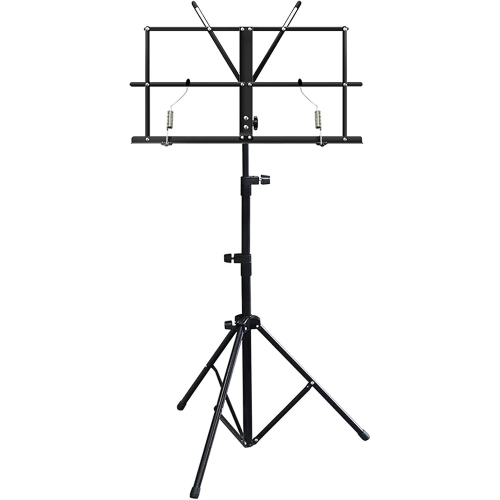 Your price for this item is $30.99
 -
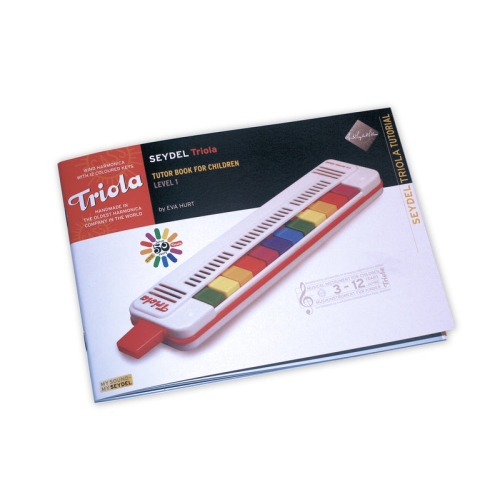 Your price for this item is $25.99
 -
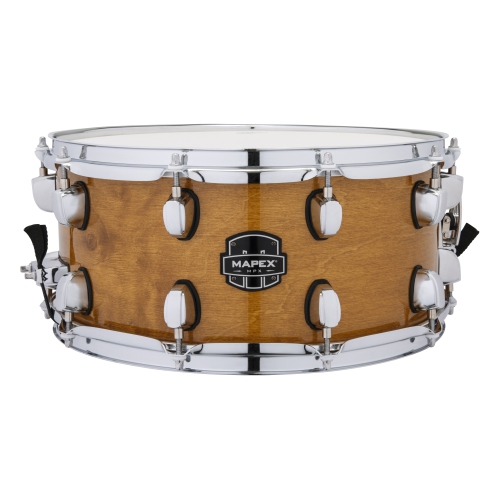 Your price for this item is $219
 -
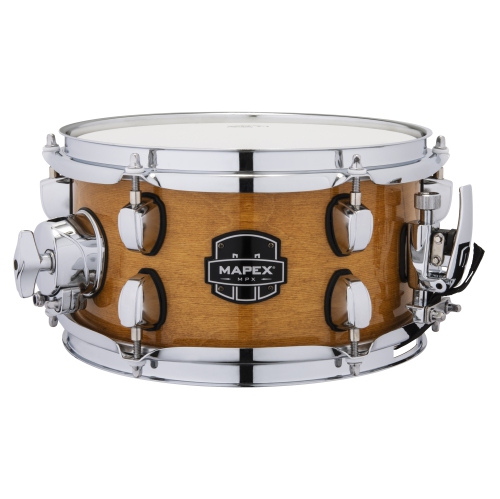 Your price for this item is $199
 -
 Your price for this item is $32.49
Discover more categories related to Hal Leonard Guitar Method

Top Collections:
Pokemon Centers, Kindle Devices, Best Budget Office Chairs, Apple iPhones 16, Canon G7X Cameras, iPhone 15 Apple, Alarm Clock, Refurbished Apple Laptops, Flip Phones, Best Laptops for Writers
Some products may be subject to Environmental Handling Fees
(EHF) depending on your province.
Learn more about EHFs.