Guitars for Beginner Kids
Finding the perfect guitar for beginner kids is an exciting first step on their musical journey. Whether your child dreams of strumming their favourite songs or exploring new sounds, choosing a guitar designed for young learners can make all the difference. Explore a variety of options that are comfortable and easy to handle, helping kids build confidence as they develop their skills. Start inspiring creativity and a lifelong love of music with the right guitar for beginner kids.
Sort
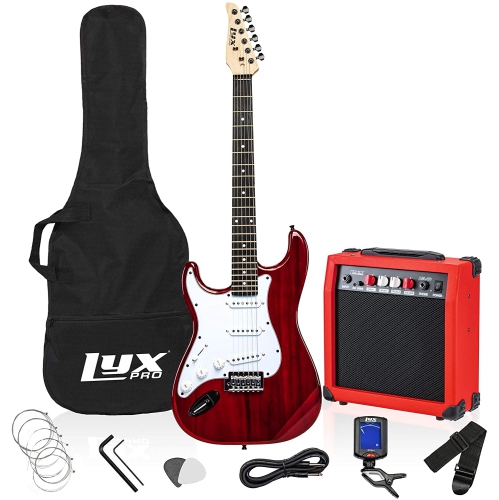

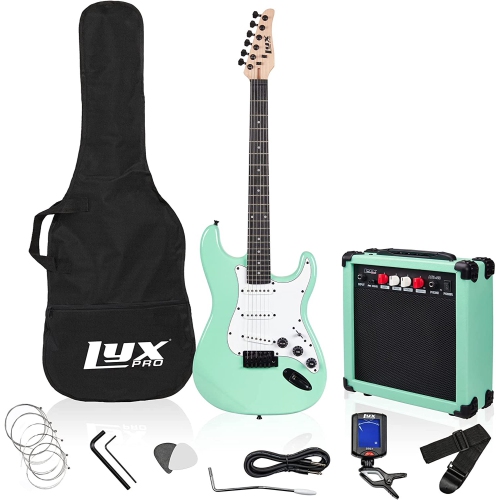
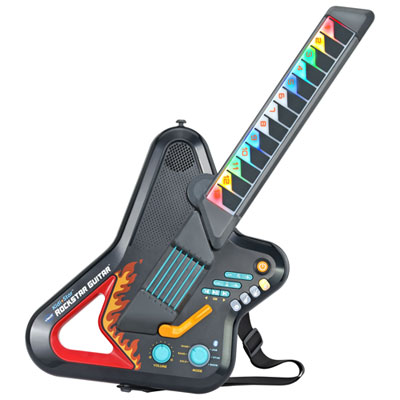
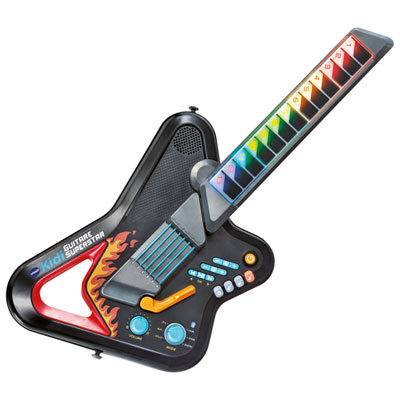
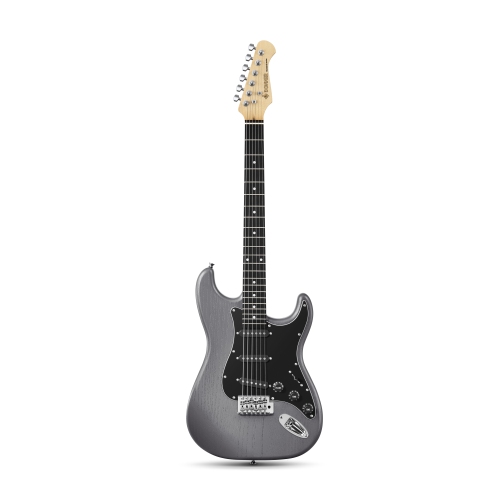
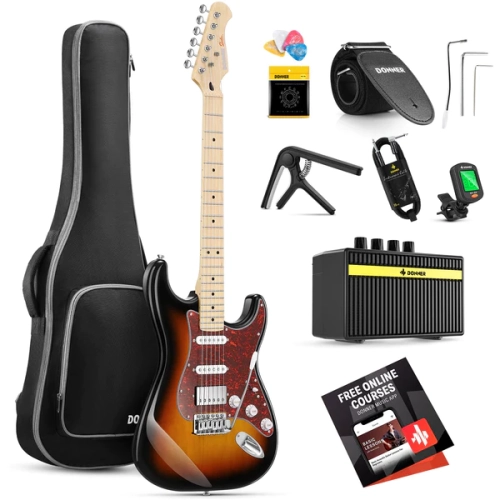

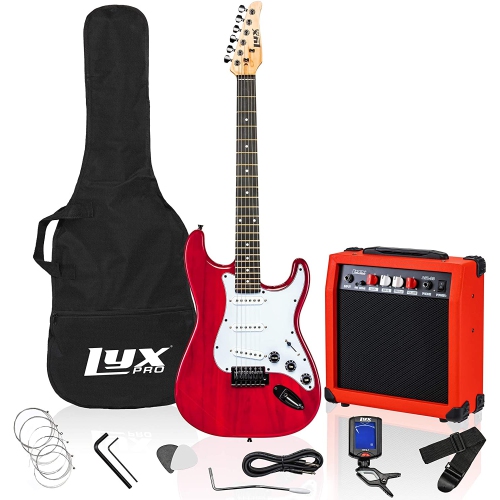
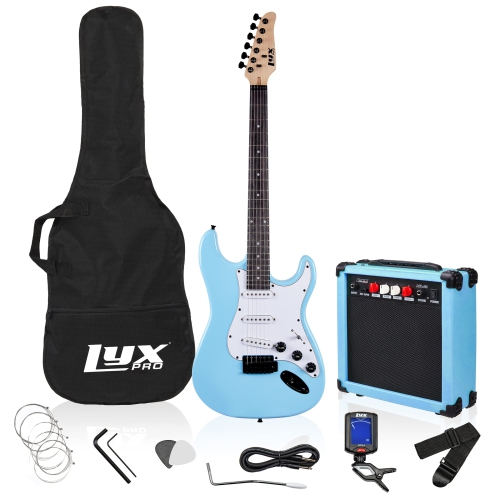
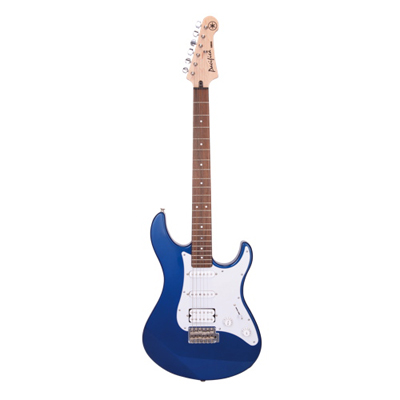
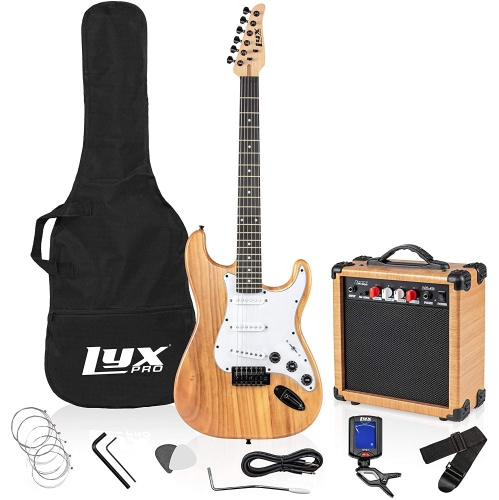
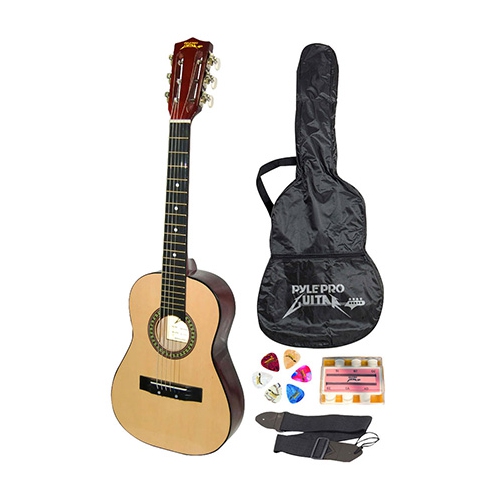
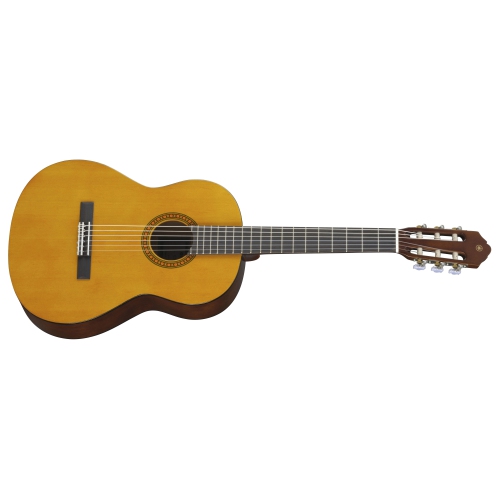
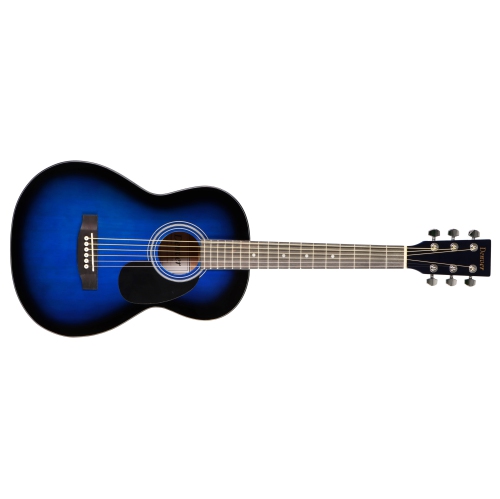
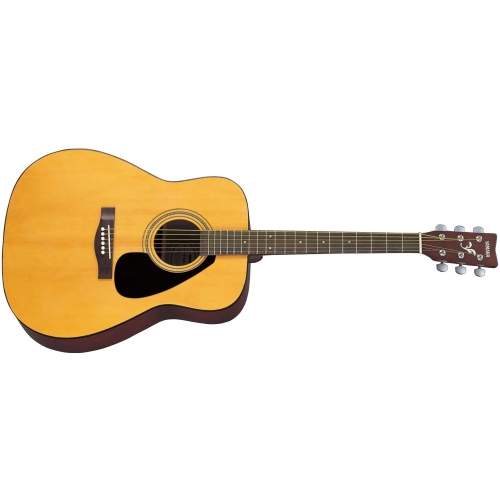
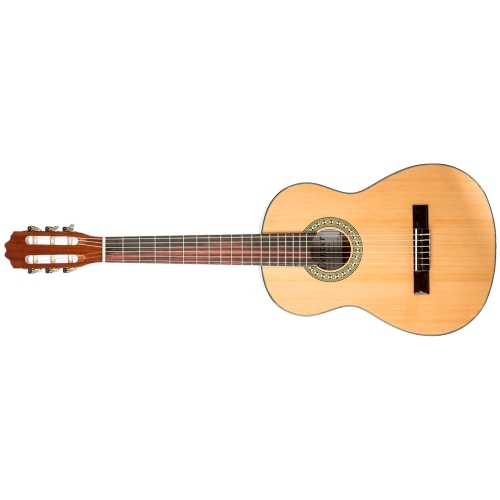
A comfortable start helps young players build confidence
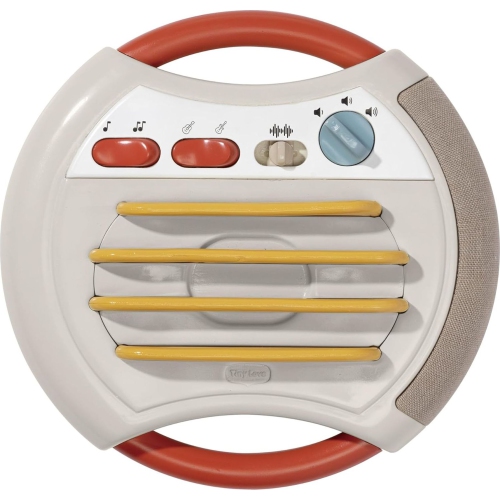
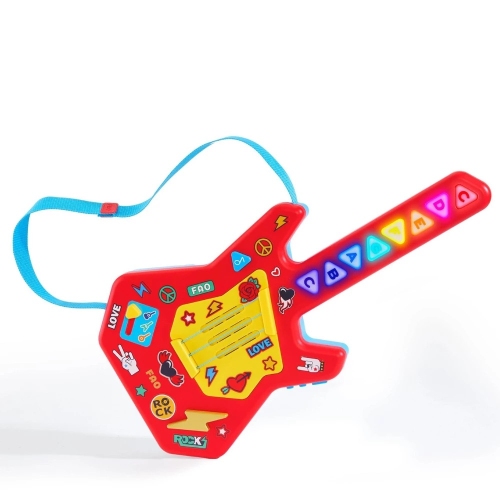
Guitars for beginner kids can make a thoughtful gift for a child who enjoys music, likes to sing along with favourite songs, or is eager to try an instrument at home or in lessons. The right starter guitar should feel inviting from the first strum, with a size and style that suit the child’s hands, reach, and comfort. Smaller guitars are easier for young players to hold against their bodies, while a manageable neck can make it simpler to form basic chords and move between strings. For many children around ages 4 to 7, a 30-inch or 1/2-size guitar may provide a comfortable starting point, particularly when paired with nylon strings that feel gentler on developing fingertips. Children around ages 8 to 11 may prefer a 3/4-size guitar that offers a little more room as they grow while remaining easier to handle than a full-size instrument. Age ranges are useful starting points, but children vary in height, arm length, hand size, and confidence, so comparing the guitar’s dimensions with the child’s body can be just as important as looking at the age recommendation. A child should be able to sit or stand with the instrument held securely, reach the tuning pegs without excessive stretching, and place the fretting hand around the neck without strain. A guitar that feels approachable can encourage regular practice, whether that means learning a simple melody after school, playing a few chords during family gatherings, or experimenting with rhythm on a quiet afternoon indoors.
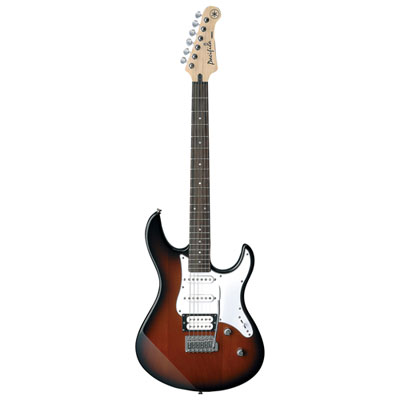
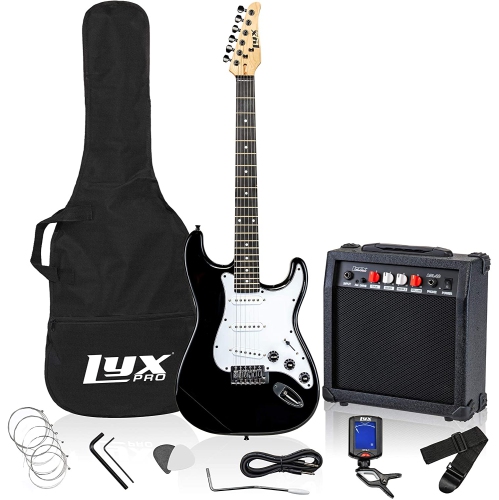
The choice between an acoustic and electric guitar depends on the child’s interests, playing environment, and the type of music they enjoy. Acoustic guitars are self-contained and portable, making them convenient for bedrooms, lessons, cottages, and visits with family because they do not need an amplifier to produce sound. They can be a natural fit for children who want to strum songs, accompany singing, or explore folk, country, and pop arrangements. Electric guitars often have slimmer necks and lighter strings, which some young players find easier when learning to press down individual notes and simple chords. They do require additional equipment, including an amplifier and a cable, although beginner sets may bring the main pieces together in one package. Small practice amplifiers can offer straightforward volume controls and, on some models, a headphone output for more private playing when others are reading, working, or relaxing nearby. The sound and appearance of an electric guitar may also appeal to children drawn to rock, blues, or lead guitar. For families comparing options, it can help to consider where the instrument will be played, how much equipment can be stored, and whether the child is more excited by the warm, natural sound of an acoustic guitar or the adjustable tones of an electric setup. Families interested in this style can also browse Electric Guitars for Kids for additional choices suited to younger players.
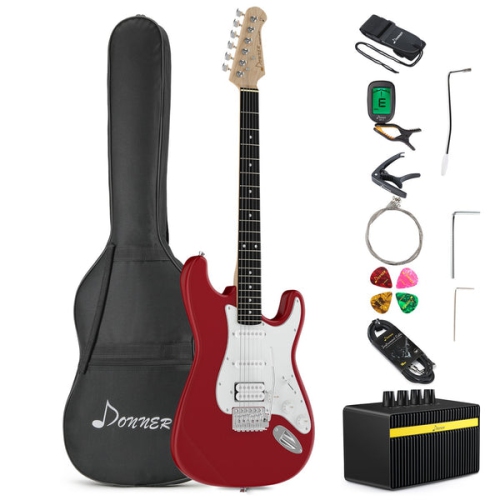
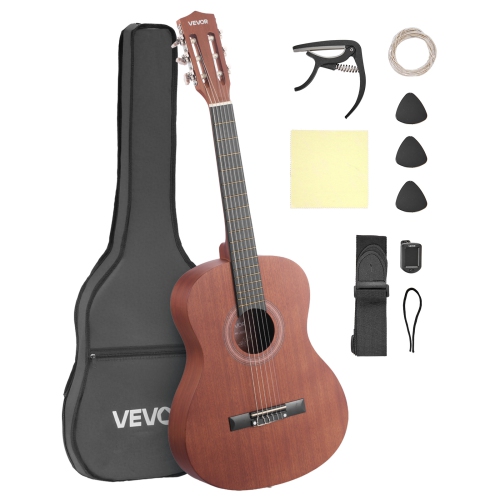
Beginner guitar bundles can be especially practical for children because they may include useful accessories needed for the first lesson or practice session. A gig bag helps protect the guitar during transport to music classes or a friend’s house, while a strap can provide added support when a child is learning to play standing up. Picks in different thicknesses let beginners discover whether they prefer a lighter, softer feel or a firmer pick for clear strumming. A digital clip-on tuner can make tuning easier by showing whether each string needs to be tightened or loosened, and learning this small routine helps children become more independent with their instrument. Extra strings can also be helpful for keeping a starter guitar ready for use, particularly as beginners learn how much pressure to apply while tuning and playing. Parents and gift-givers may wish to look for comfortable string spacing, smooth fret edges, secure tuning pegs, and a finish that is easy to wipe clean after regular use. A stable stand or safe storage spot can keep the guitar visible and accessible without leaving it where it may be knocked over. Early practice is often most successful when it feels achievable: a few minutes of open-string strumming, a simple rhythm, or one familiar chord can be enough to build confidence. During the cooler months, a guitar can provide a creative indoor activity between school, homework, and family routines, while during warmer weather a compact acoustic model can be convenient for casual playing on a porch or at a family gathering. With a properly sized instrument and the basic accessories close at hand, children can explore music at their own pace and gradually turn playful sounds into songs.
The choice between an acoustic and electric guitar depends on the child’s interests, playing environment, and the type of music they enjoy. Acoustic guitars are self-contained and portable, making them convenient for bedrooms, lessons, cottages, and visits with family because they do not need an amplifier to produce sound. They can be a natural fit for children who want to strum songs, accompany singing, or explore folk, country, and pop arrangements. Electric guitars often have slimmer necks and lighter strings, which some young players find easier when learning to press down individual notes and simple chords. They do require additional equipment, including an amplifier and a cable, although beginner sets may bring the main pieces together in one package. Small practice amplifiers can offer straightforward volume controls and, on some models, a headphone output for more private playing when others are reading, working, or relaxing nearby. The sound and appearance of an electric guitar may also appeal to children drawn to rock, blues, or lead guitar. For families comparing options, it can help to consider where the instrument will be played, how much equipment can be stored, and whether the child is more excited by the warm, natural sound of an acoustic guitar or the adjustable tones of an electric setup. Families interested in this style can also browse Electric Guitars for Kids for additional choices suited to younger players.
Beginner guitar bundles can be especially practical for children because they may include useful accessories needed for the first lesson or practice session. A gig bag helps protect the guitar during transport to music classes or a friend’s house, while a strap can provide added support when a child is learning to play standing up. Picks in different thicknesses let beginners discover whether they prefer a lighter, softer feel or a firmer pick for clear strumming. A digital clip-on tuner can make tuning easier by showing whether each string needs to be tightened or loosened, and learning this small routine helps children become more independent with their instrument. Extra strings can also be helpful for keeping a starter guitar ready for use, particularly as beginners learn how much pressure to apply while tuning and playing. Parents and gift-givers may wish to look for comfortable string spacing, smooth fret edges, secure tuning pegs, and a finish that is easy to wipe clean after regular use. A stable stand or safe storage spot can keep the guitar visible and accessible without leaving it where it may be knocked over. Early practice is often most successful when it feels achievable: a few minutes of open-string strumming, a simple rhythm, or one familiar chord can be enough to build confidence. During the cooler months, a guitar can provide a creative indoor activity between school, homework, and family routines, while during warmer weather a compact acoustic model can be convenient for casual playing on a porch or at a family gathering. With a properly sized instrument and the basic accessories close at hand, children can explore music at their own pace and gradually turn playful sounds into songs.
Top selling and popular products
-
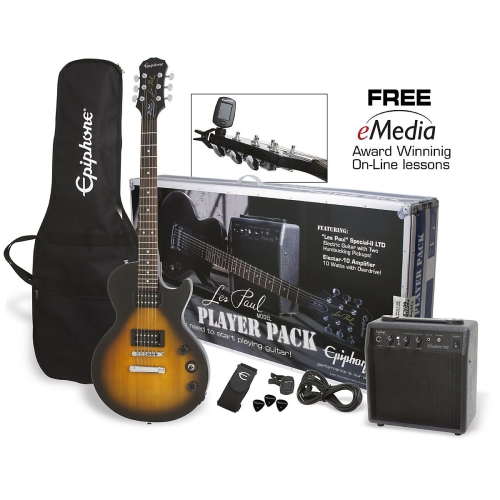 Your price for this item is $494.49
 -
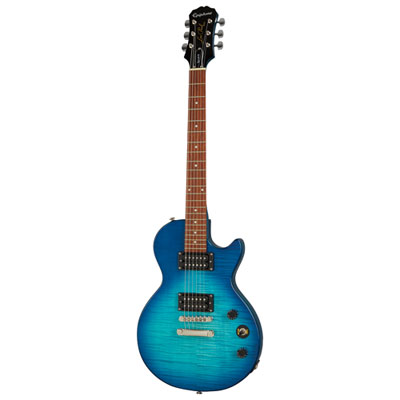 Your price for this item is $379.99
 -
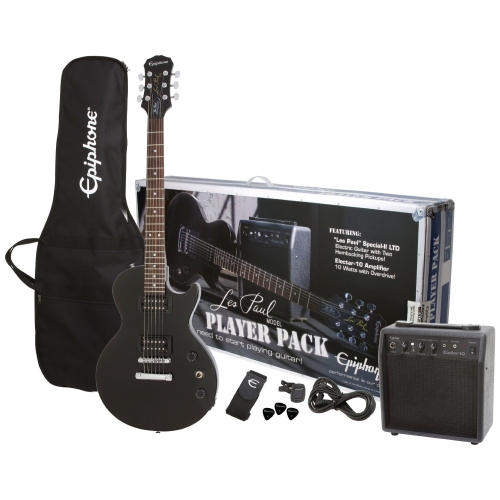 Your price for this item is $494.49
 -
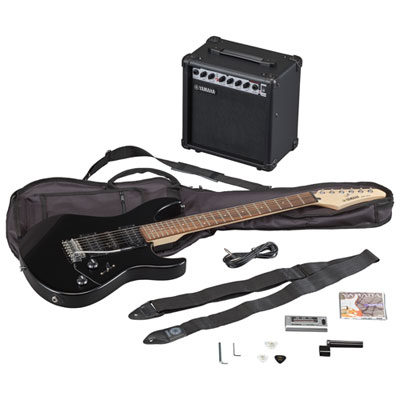 Your price for this item is $349.99
 -
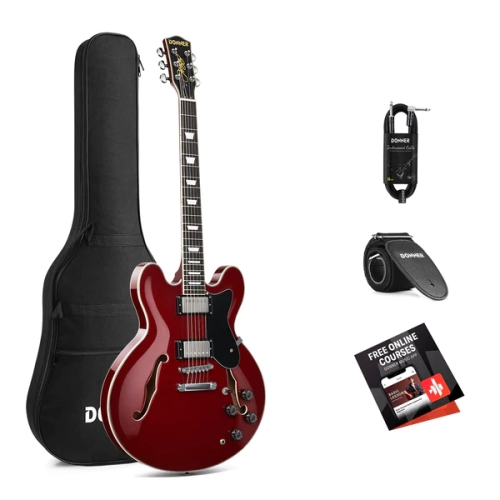 Your price for this item is $395.99
 -
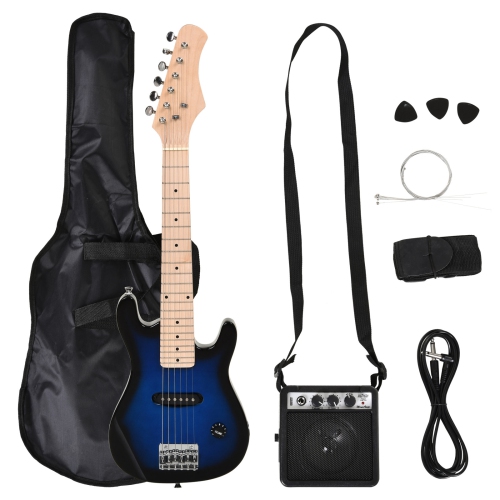 Your price for this item is $124.99
 -
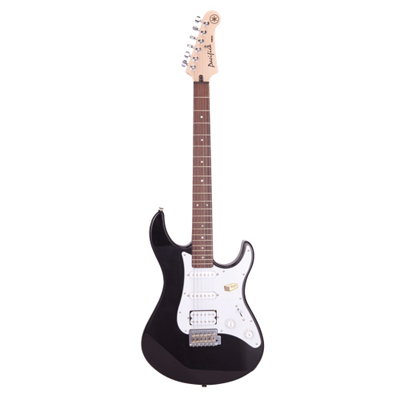 Your price for this item is $299.99
 -
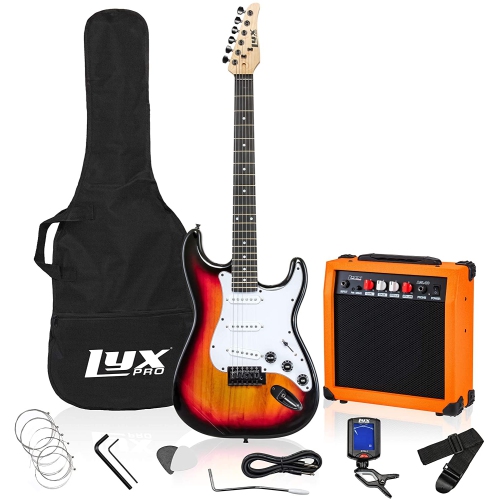 Your price for this item is $239.99
Discover more categories related to Guitars for Beginner Kids
Top Collections:
Pokemon Centers, Best Cameras for Sports Photography, Kindle Devices, Samsung Galaxy Phones, Canon G7X Cameras, Pokémon 30th Celebration Cards, Refurbished Apple Laptops, iPhone 15 Apple, Laptops for Students, Budget Smartphones
Some products may be subject to Environmental Handling Fees
(EHF) depending on your province.
Learn more about EHFs.