High End Acoustic Guitars
Looking to take your guitar playing to the next level? Look no further than our collection of high-end acoustic guitars. Crafted with precision and designed to deliver exceptional sound quality, these instruments are perfect for professional musicians and serious enthusiasts alike. Whether you're a seasoned player looking to upgrade your current guitar or a beginner seeking a top-notch instrument from the start, our selection of high-end acoustic guitars offers a wide range of options to suit every style and budget. Get ready to elevate your musical journey with these extraordinary instruments.
Sort


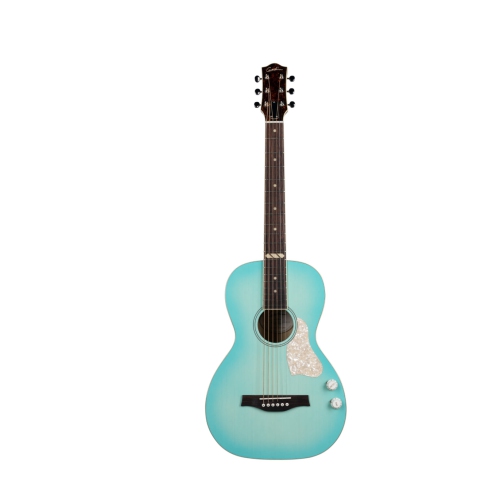


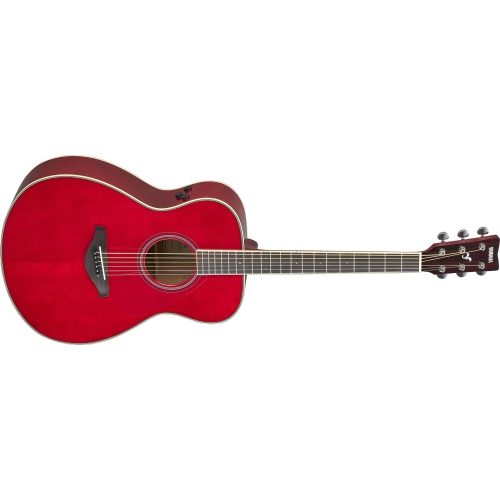

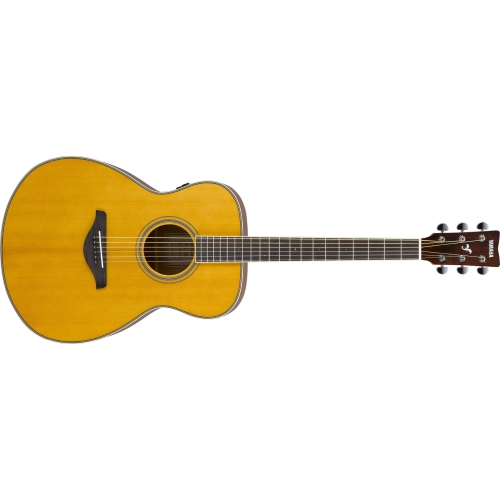
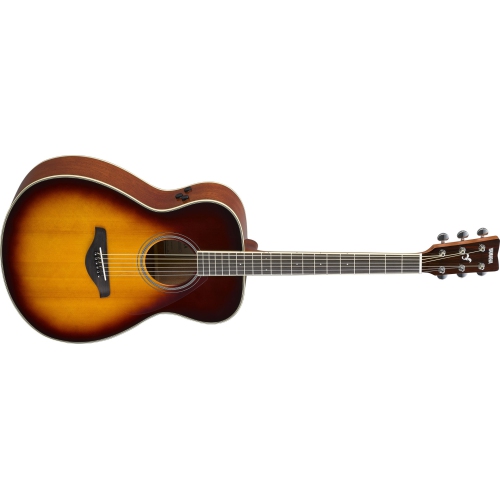
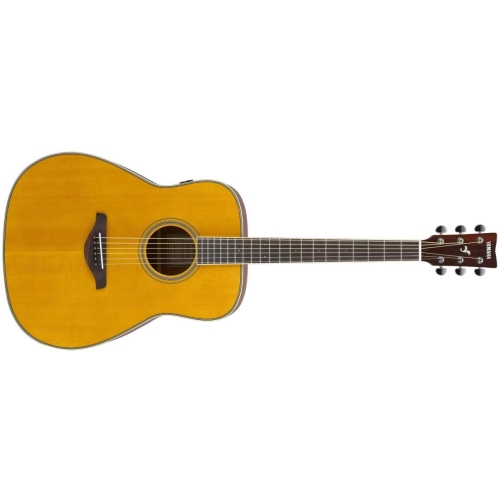
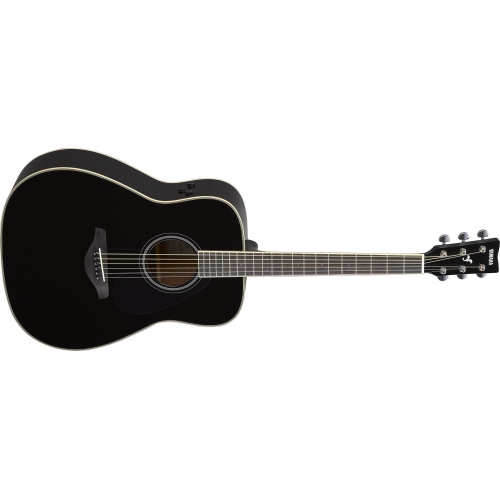
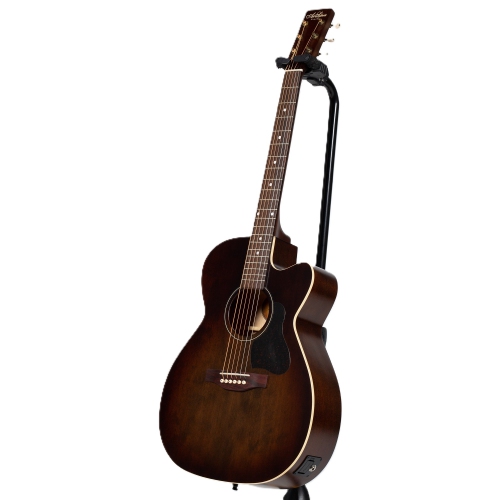
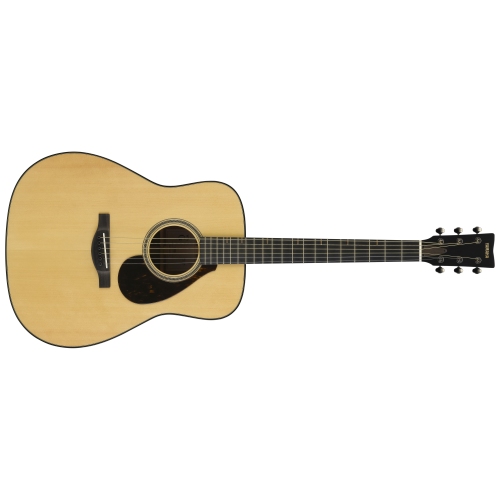
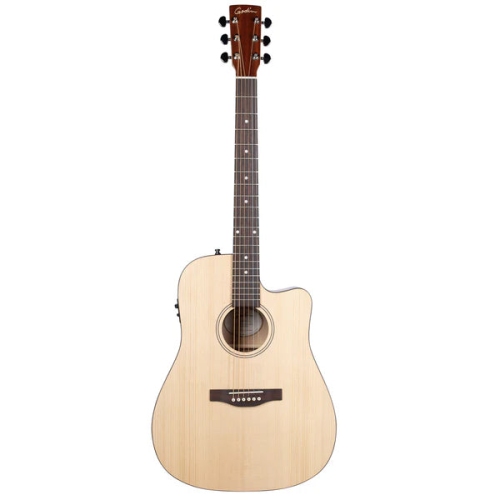
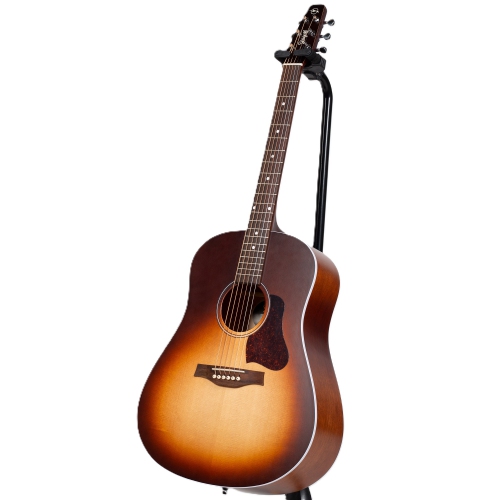

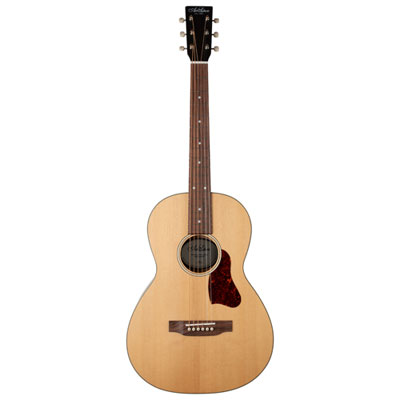
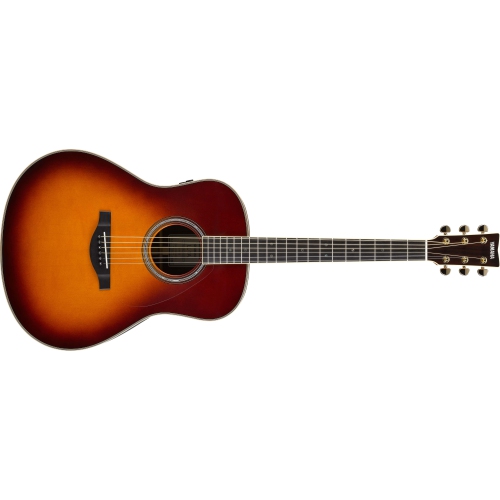
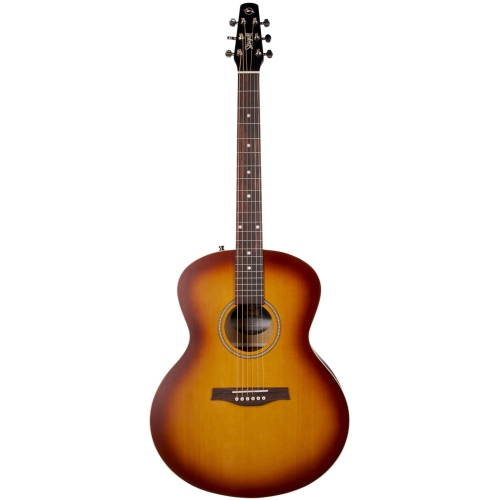
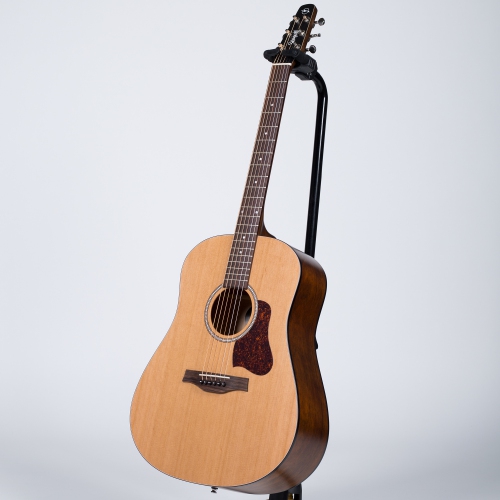
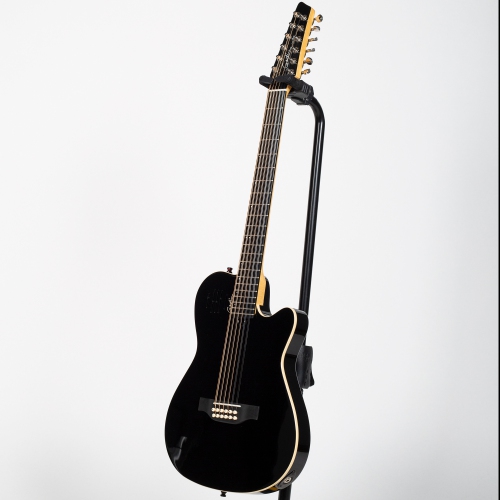
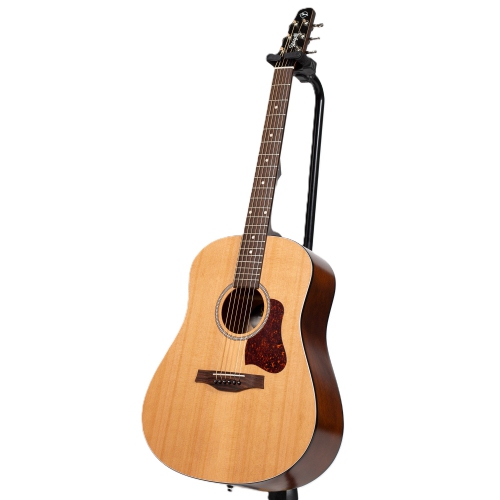
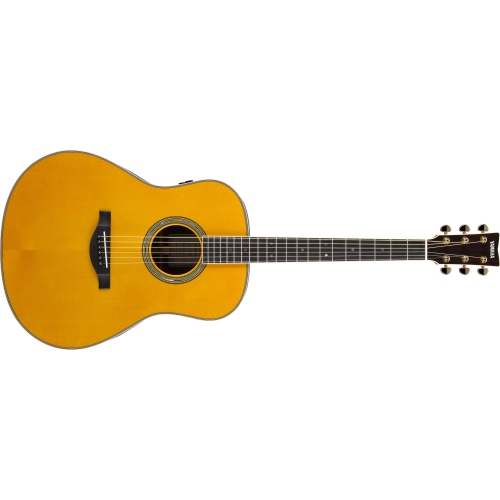
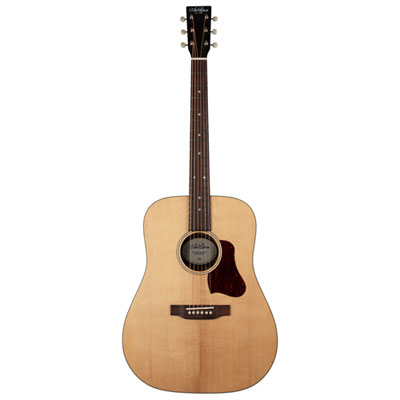
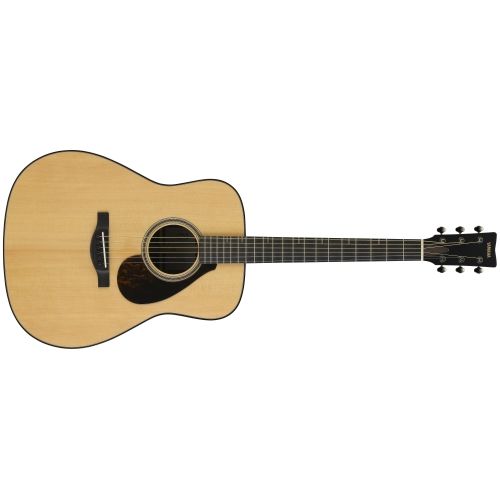
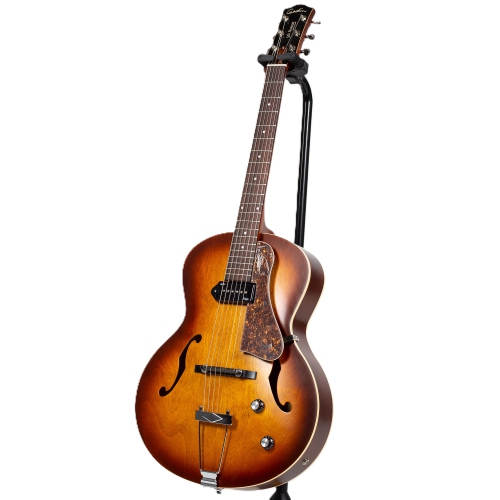
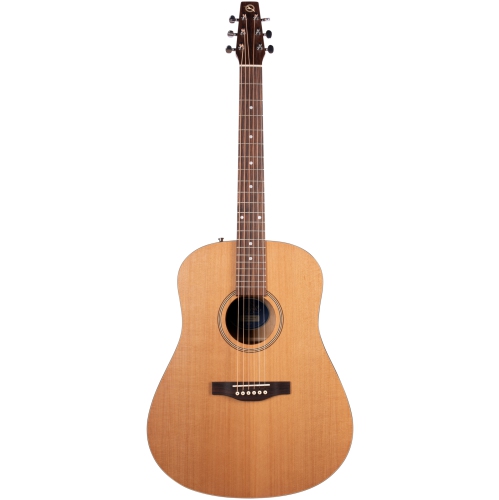
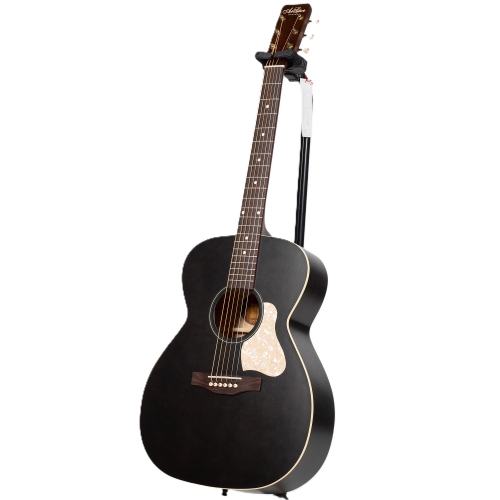

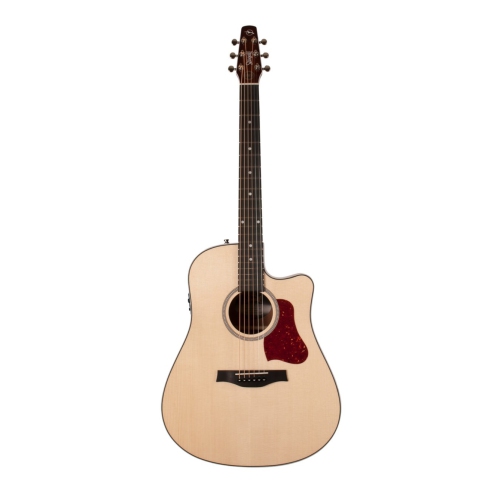
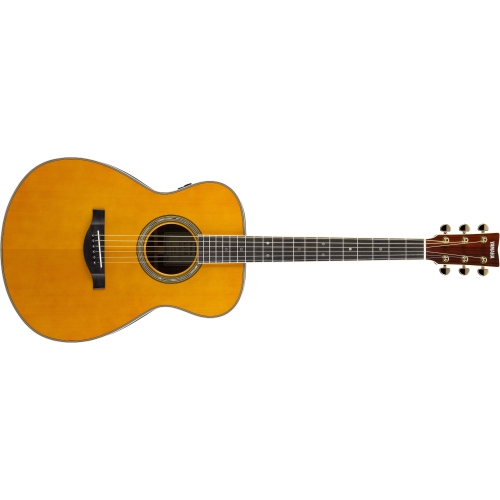
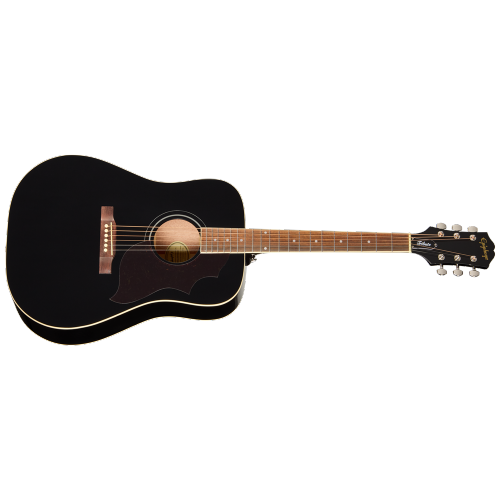
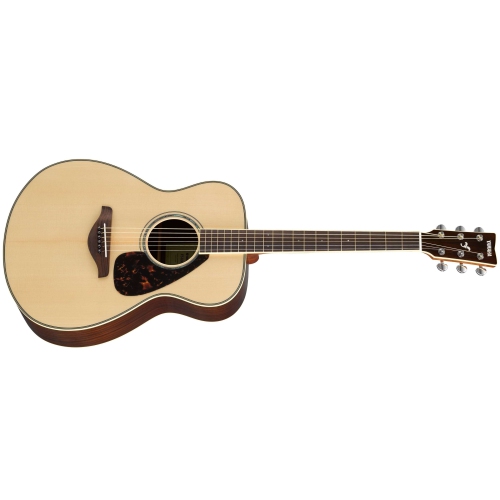
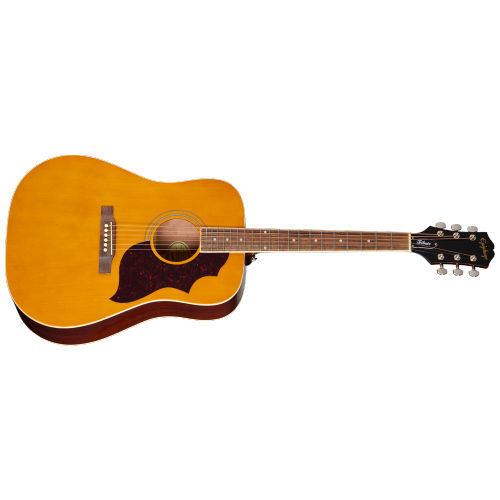

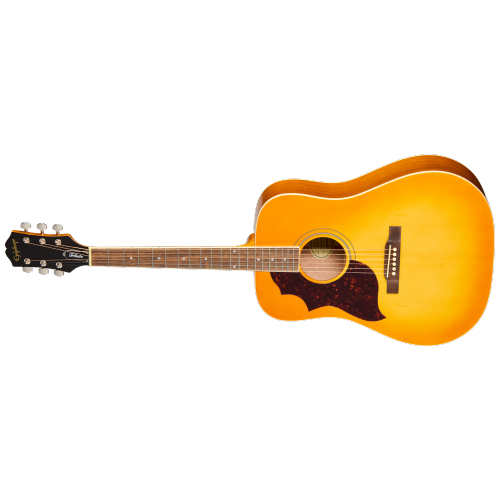
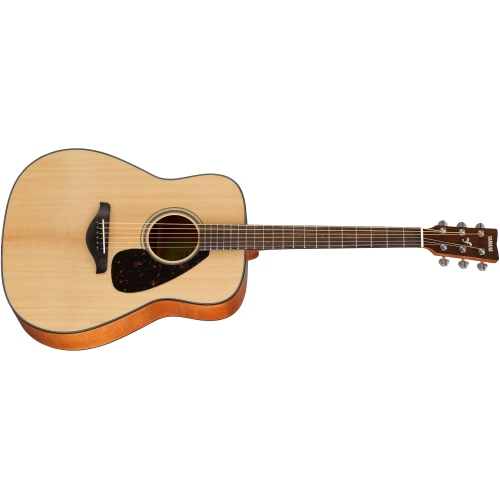

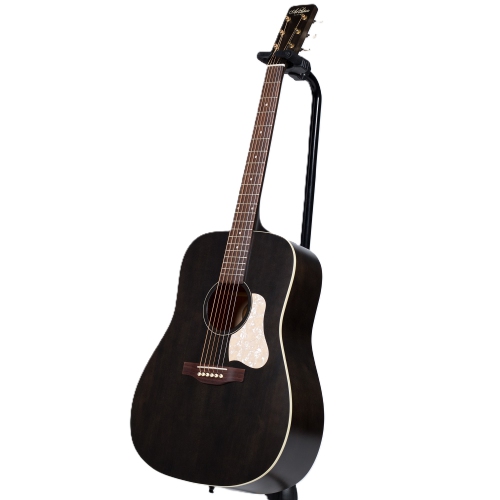
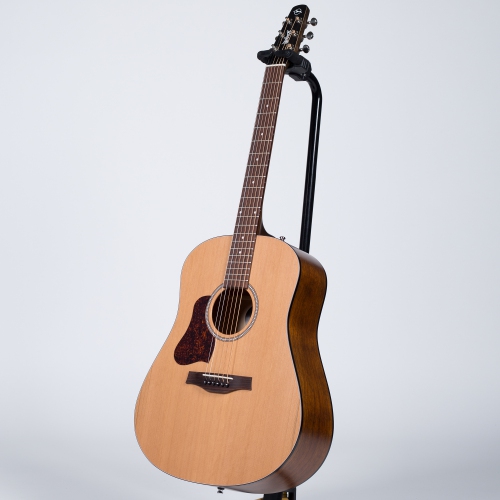

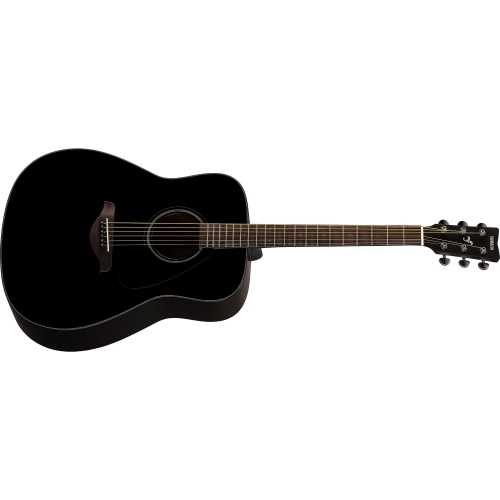
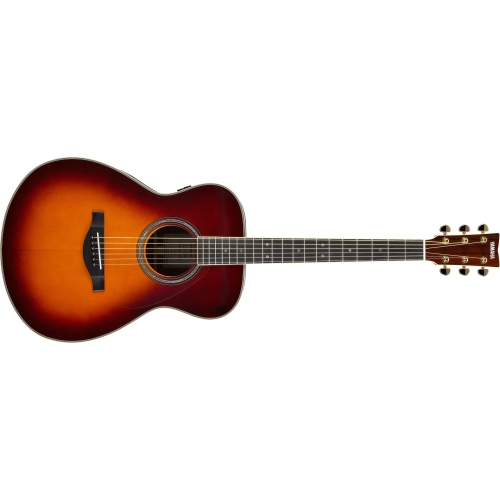
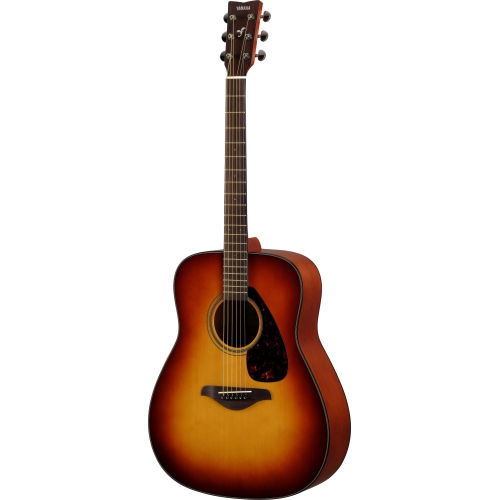
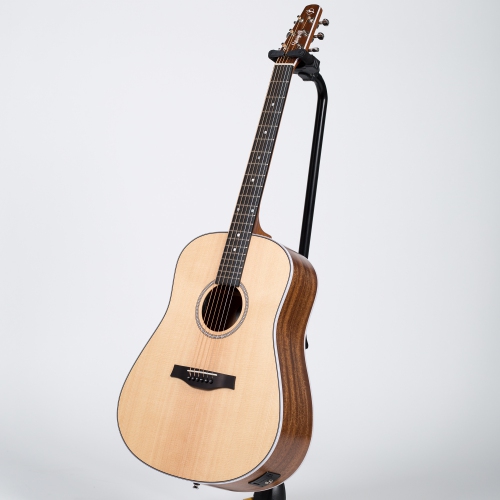
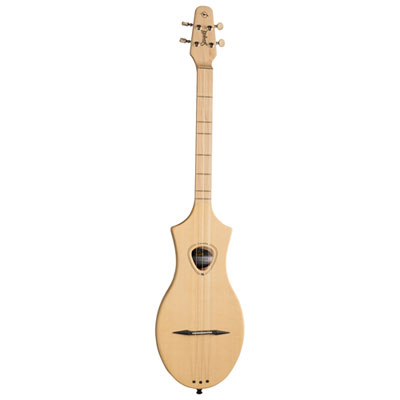
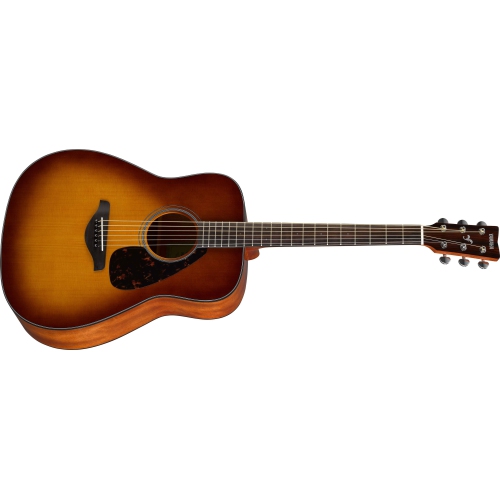
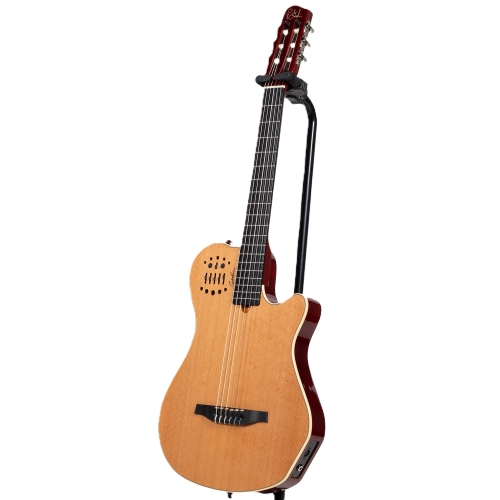
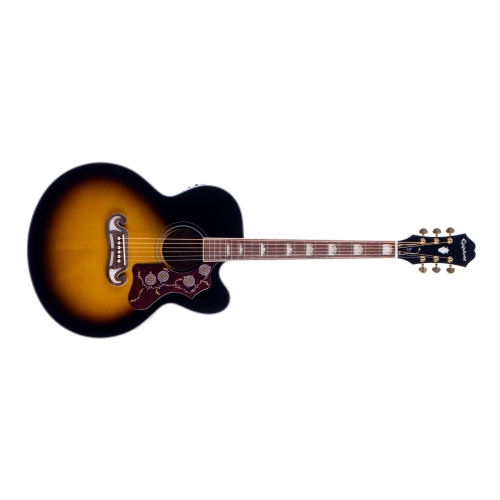
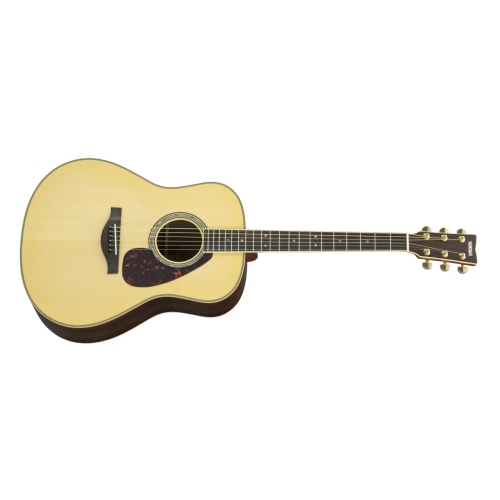
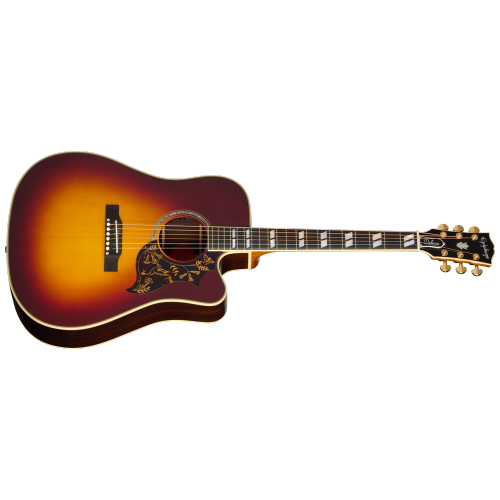
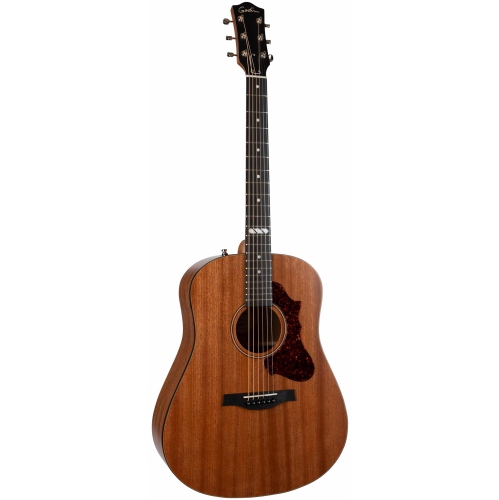

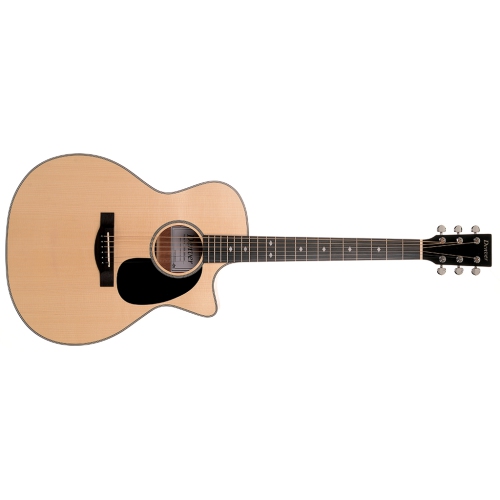
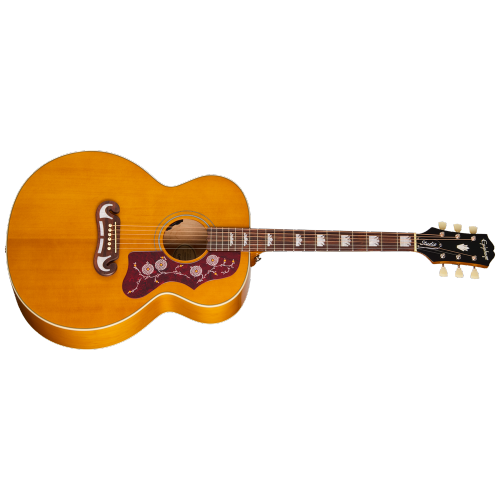
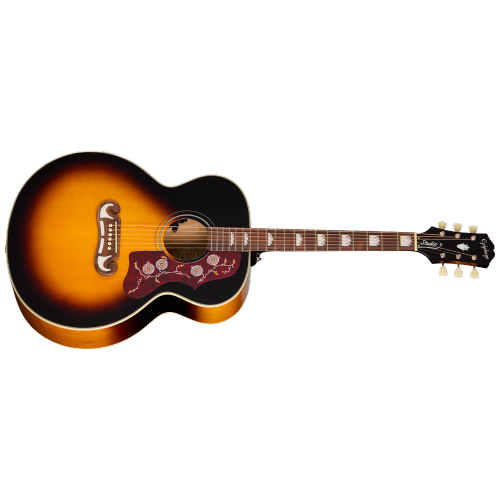
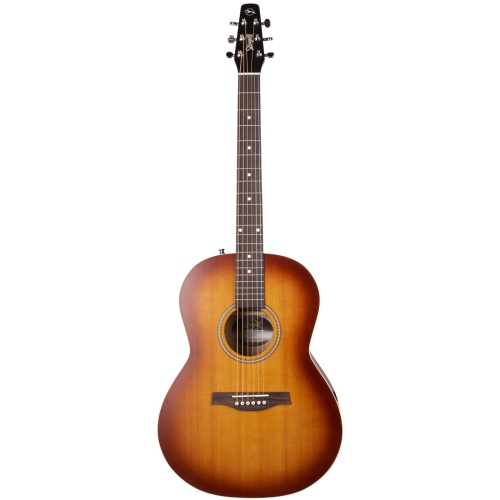
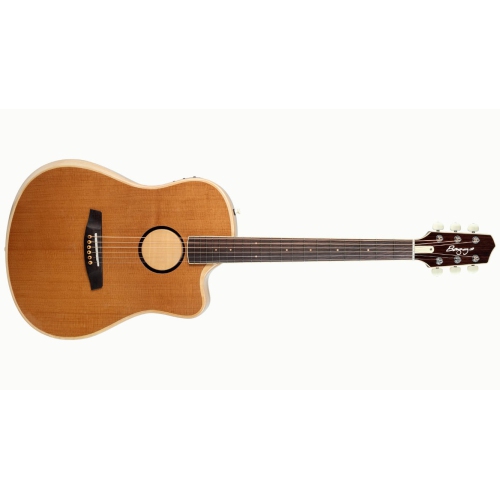
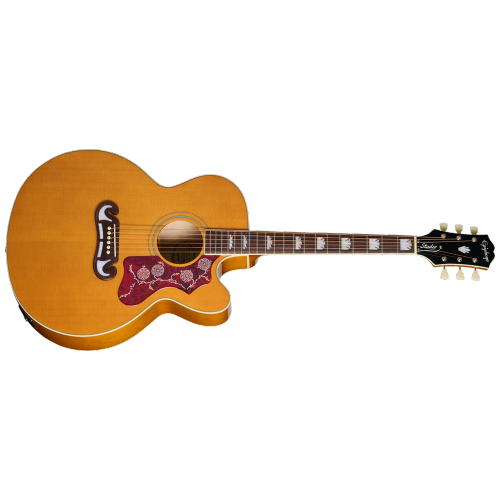
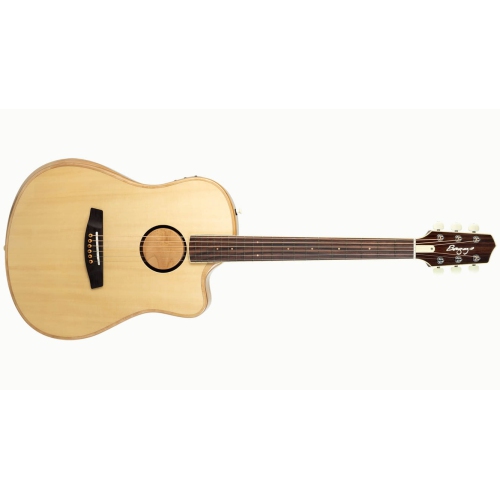
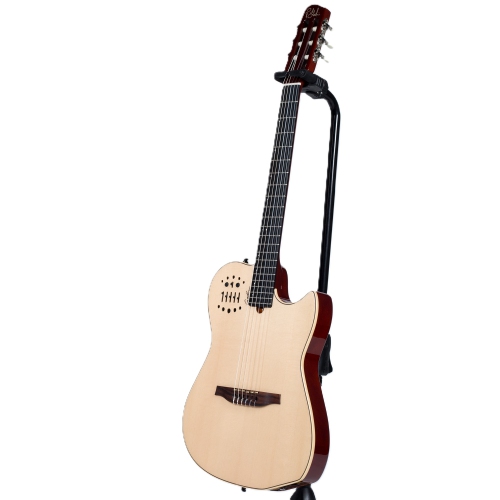
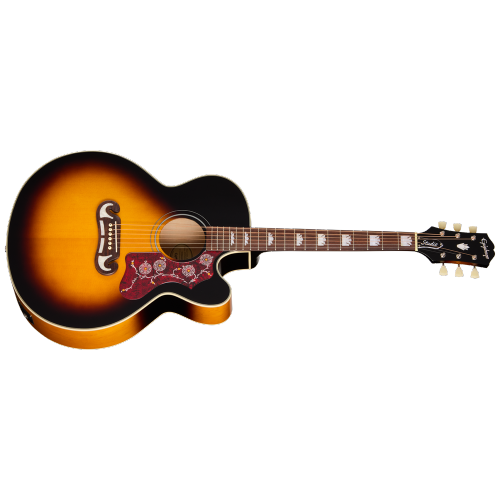
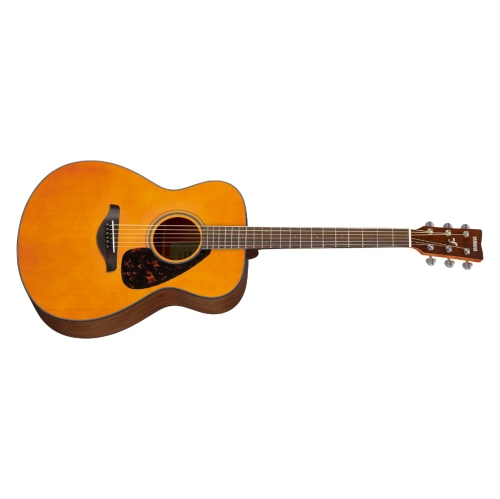

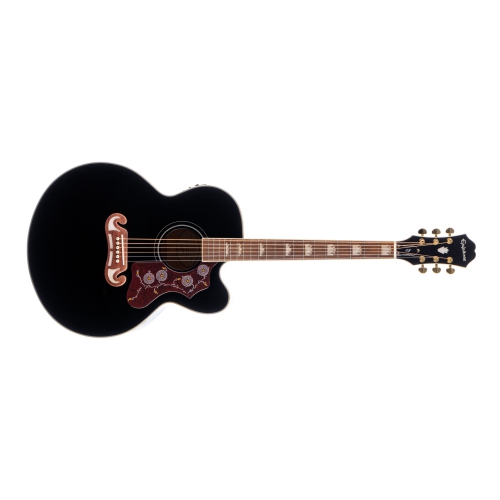
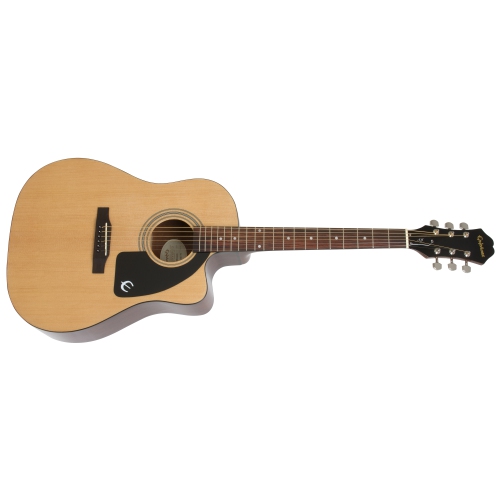

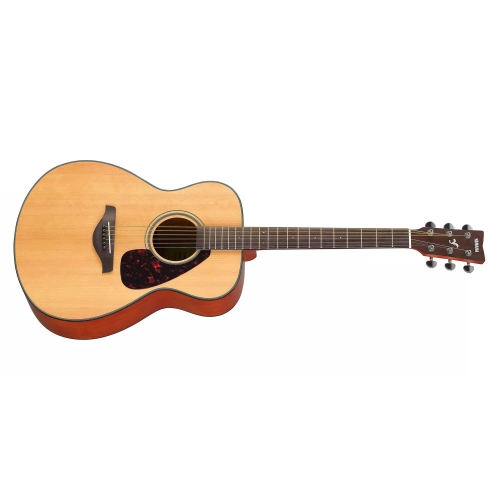
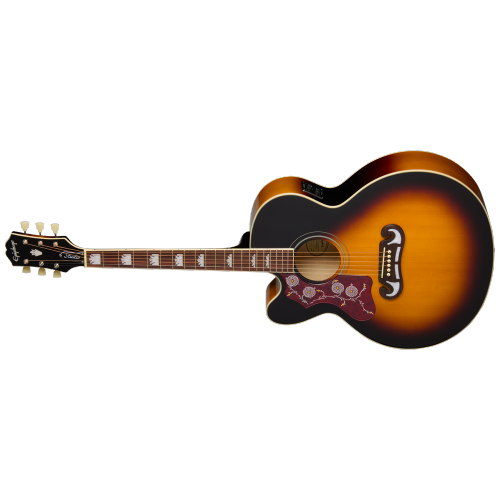
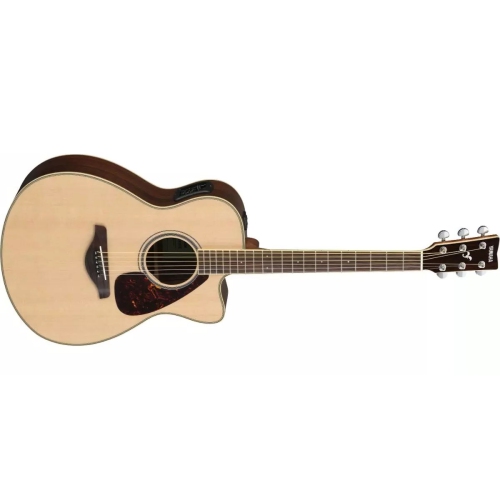
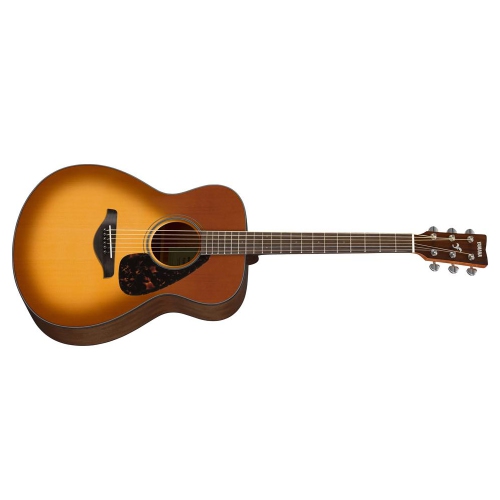
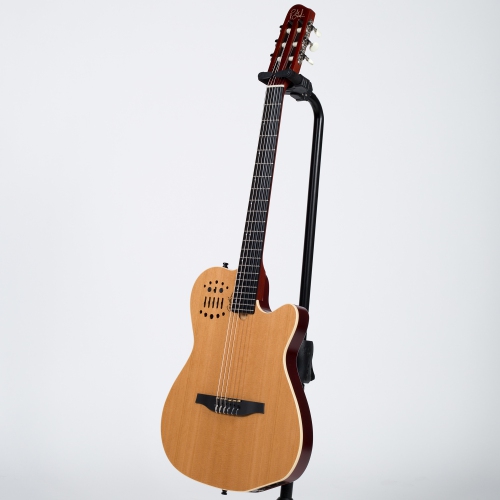
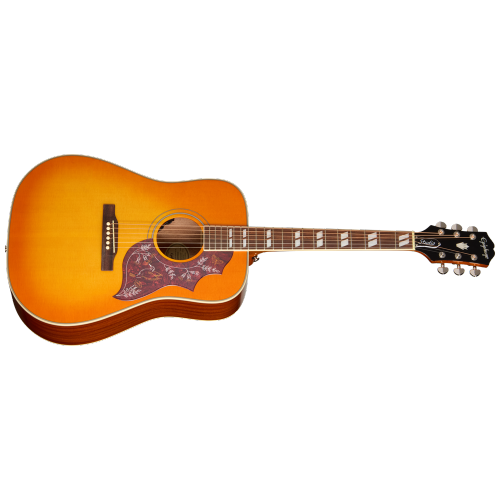
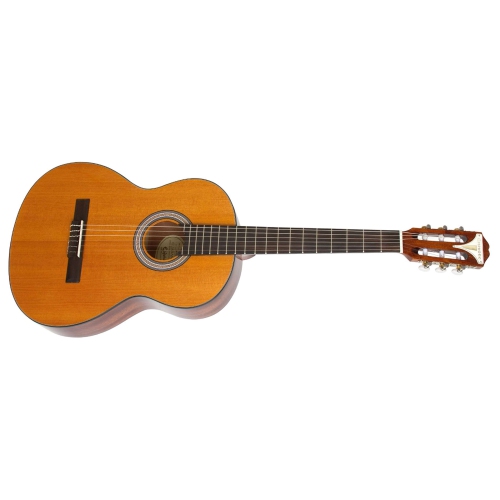

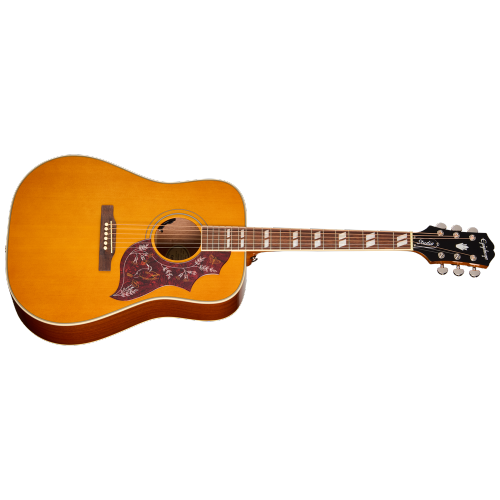
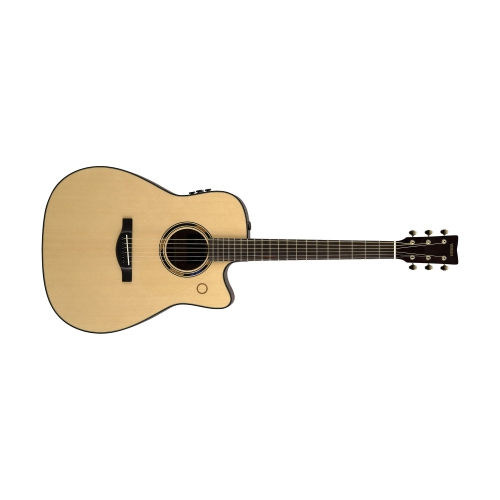
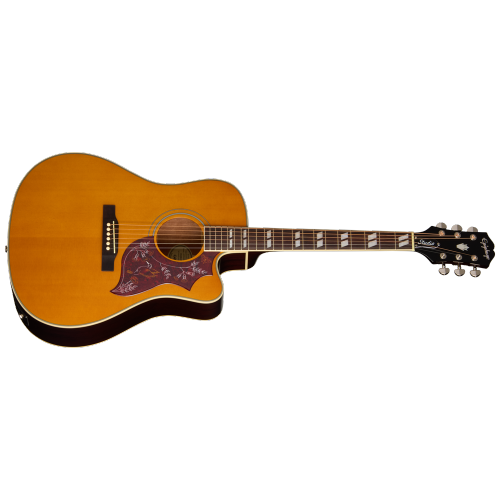

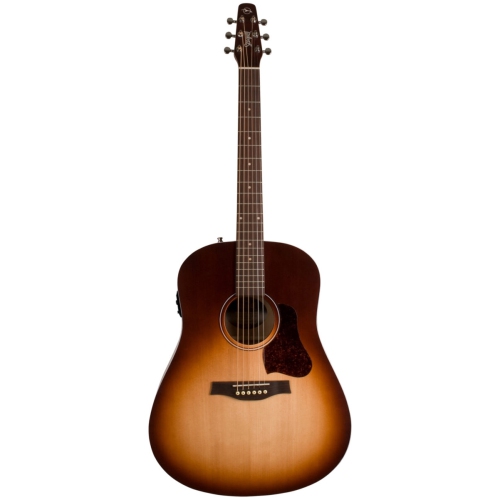
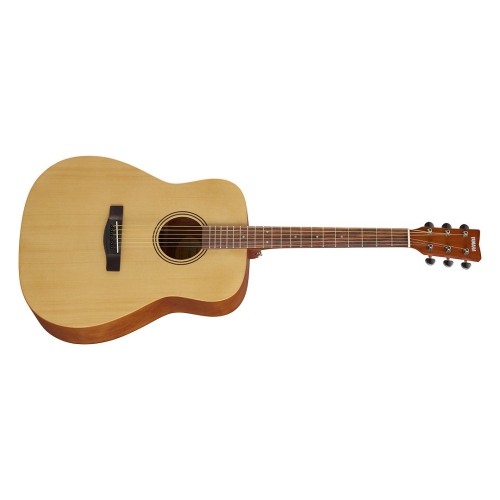
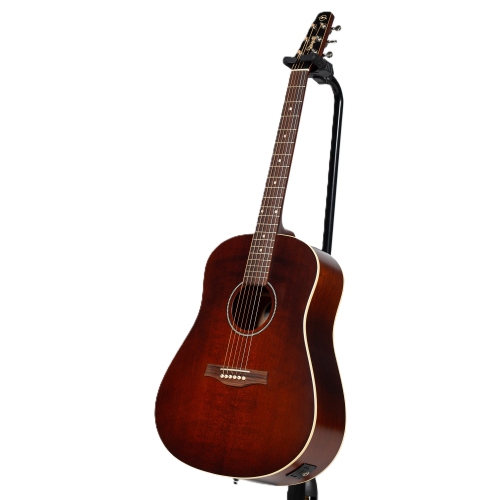
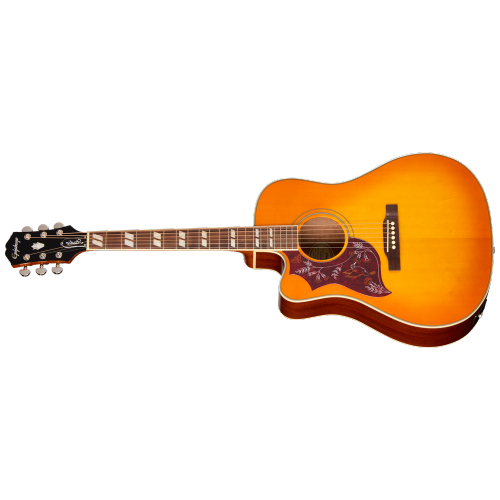
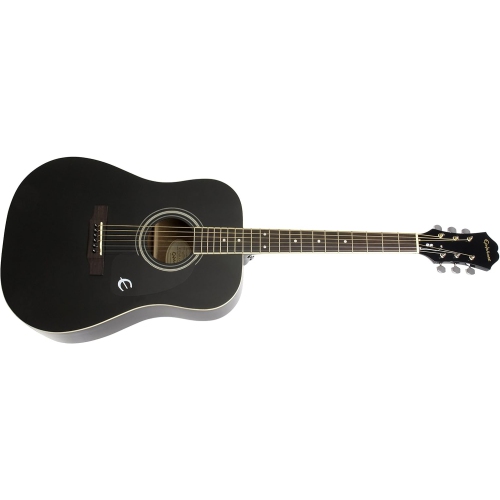
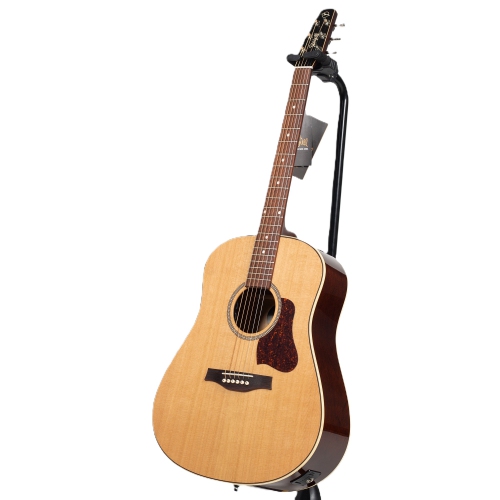
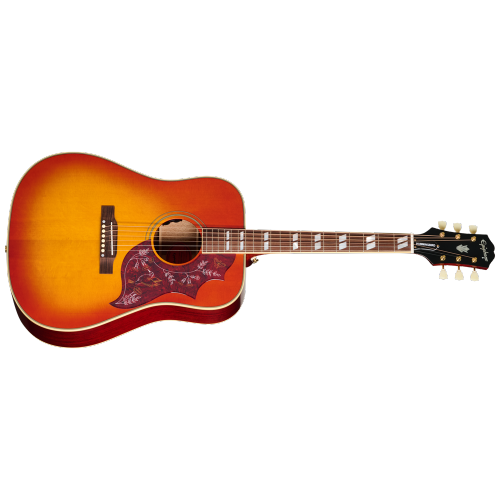
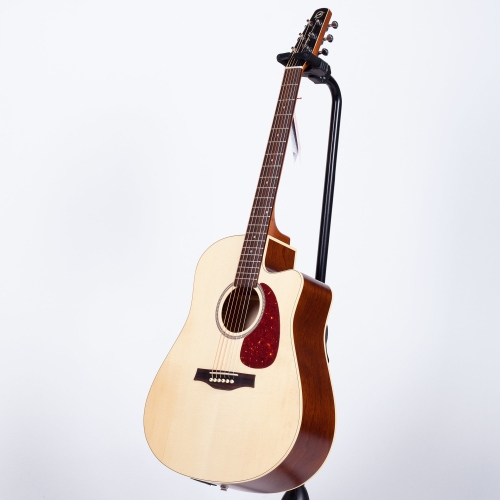
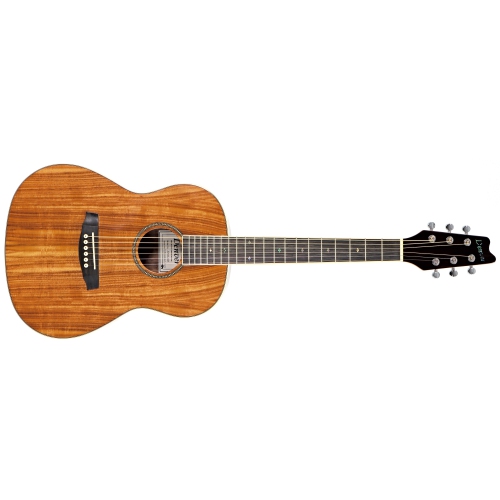
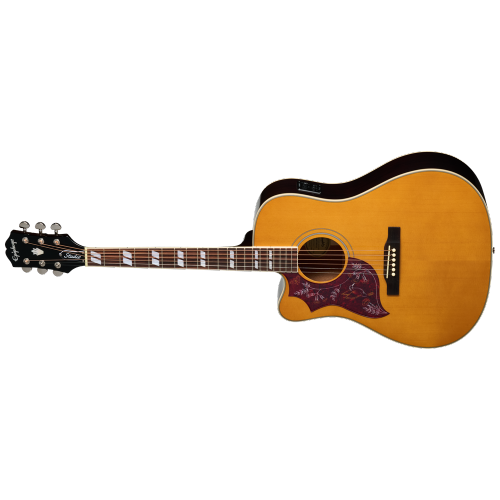
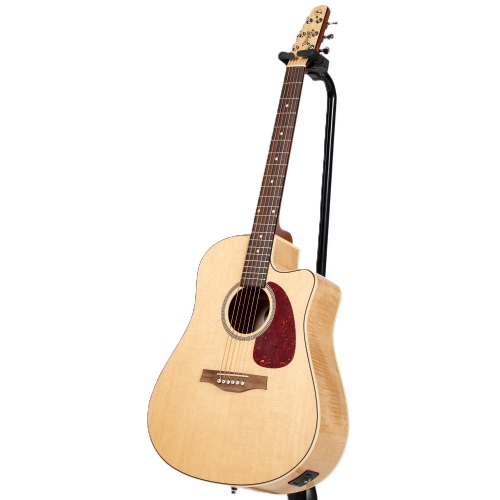
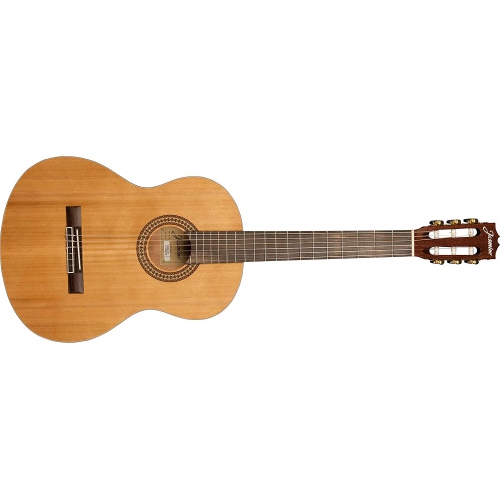
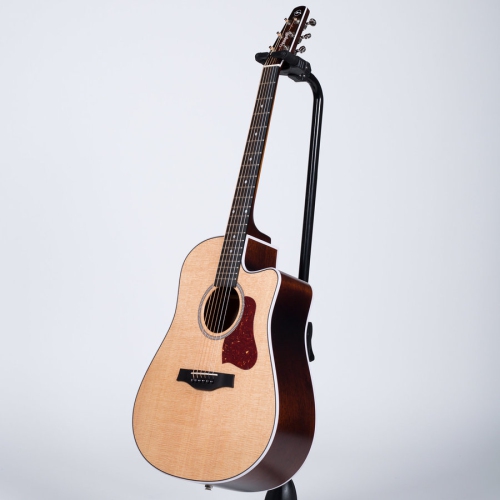
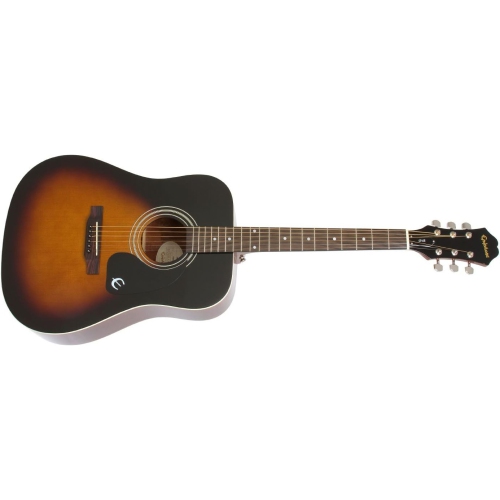
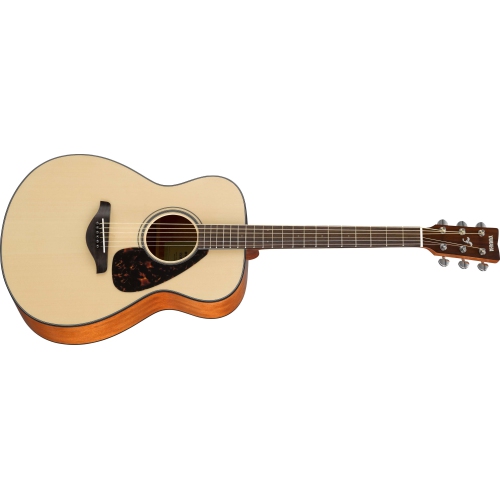
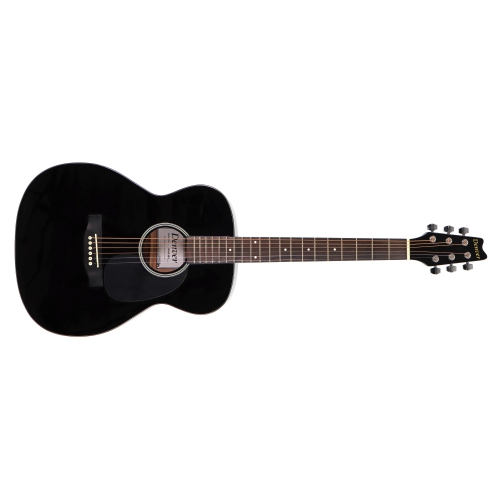
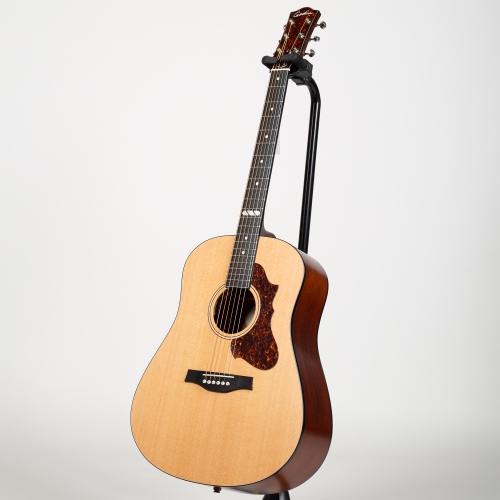
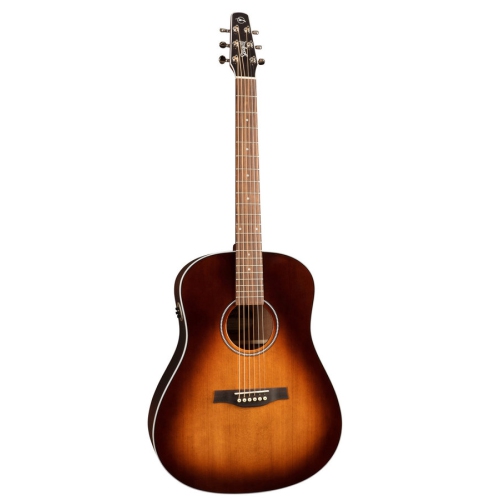

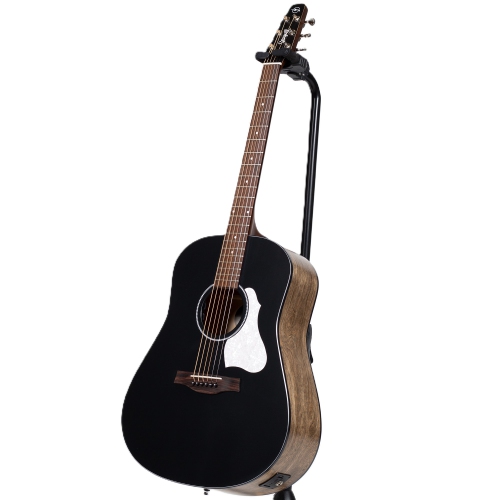
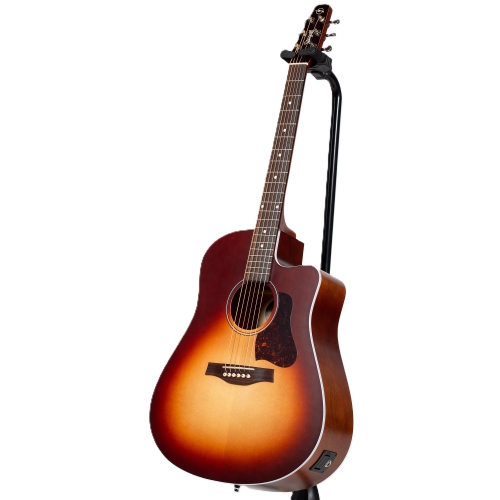
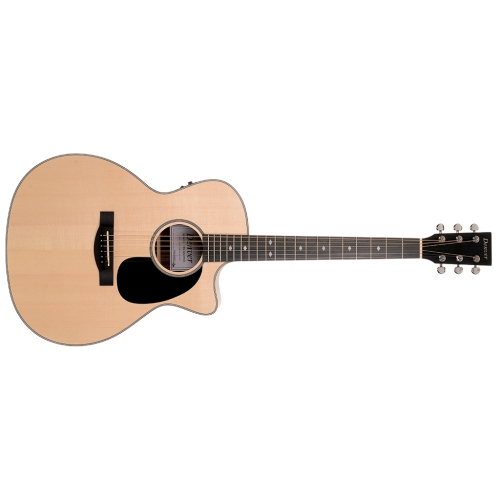
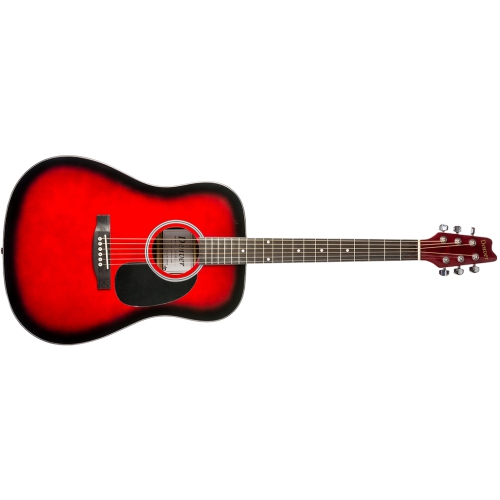
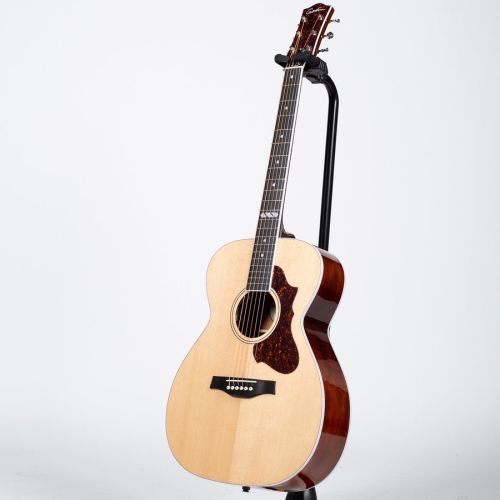
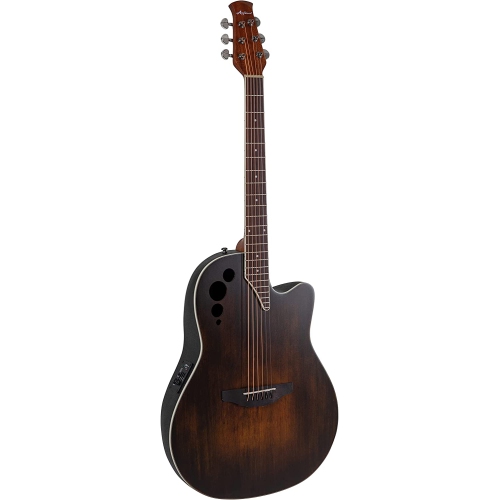

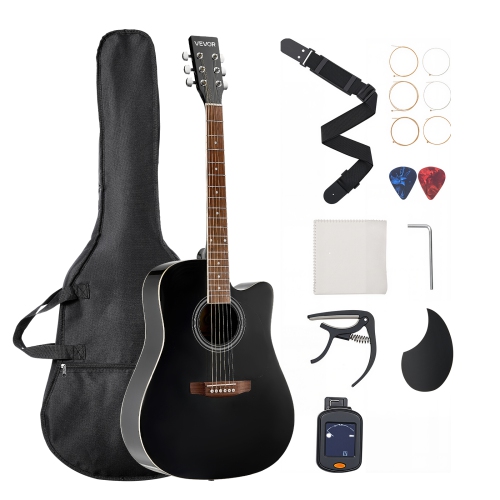
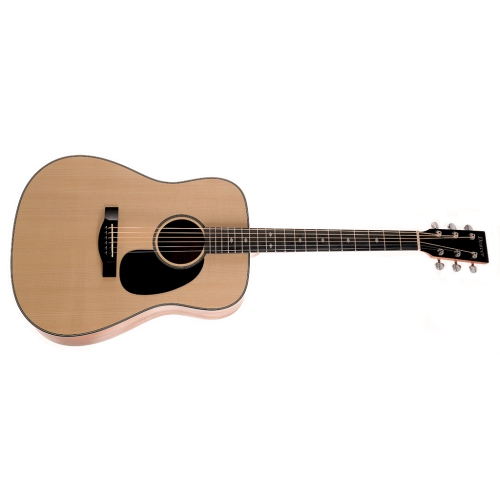
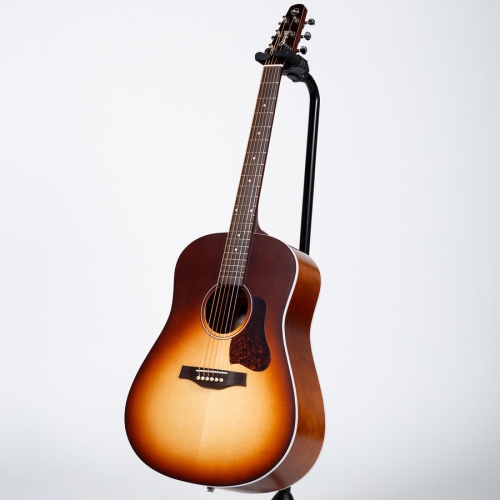
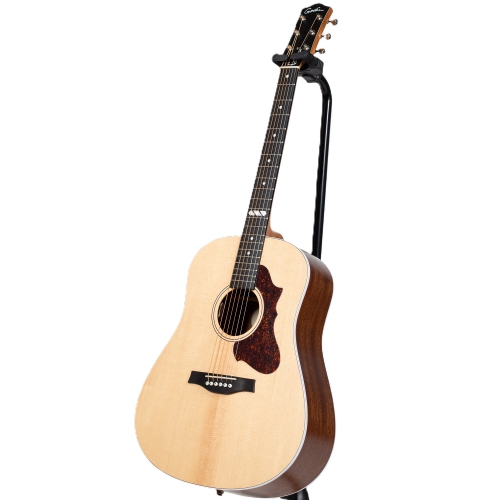
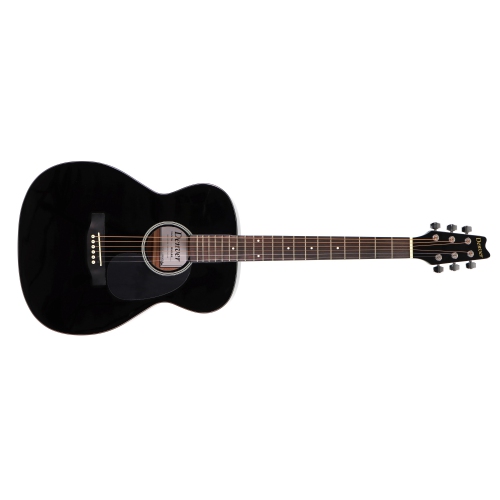
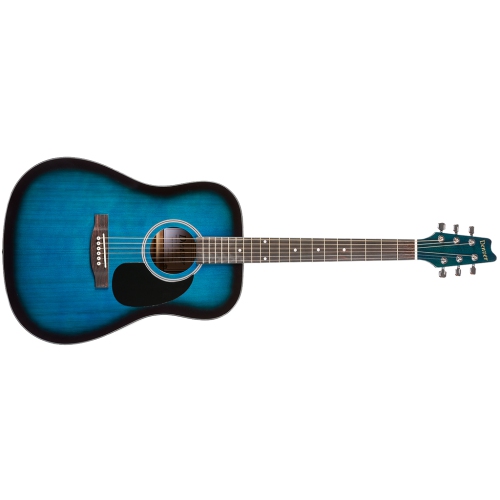


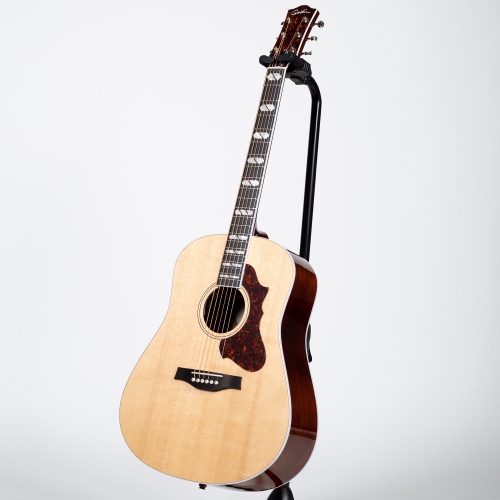
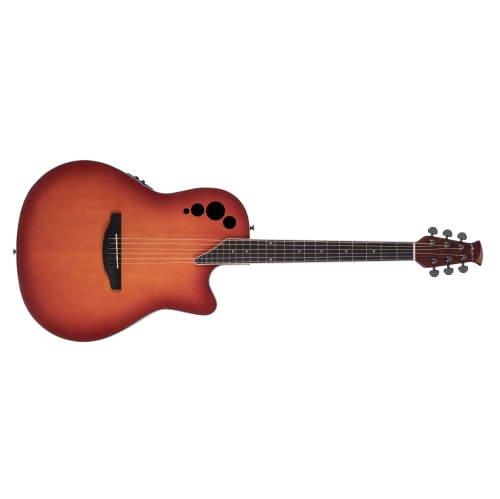
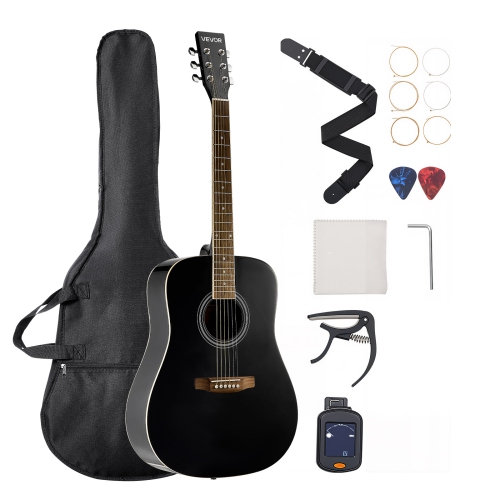
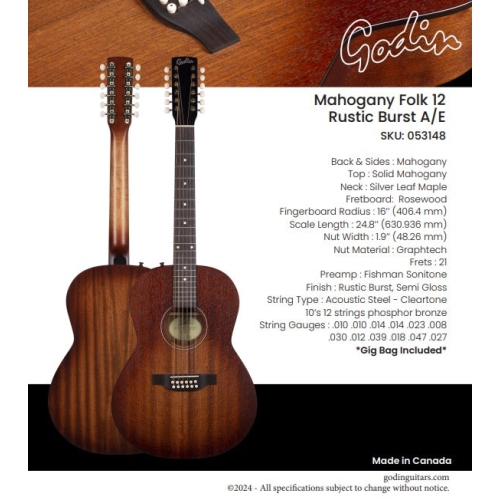
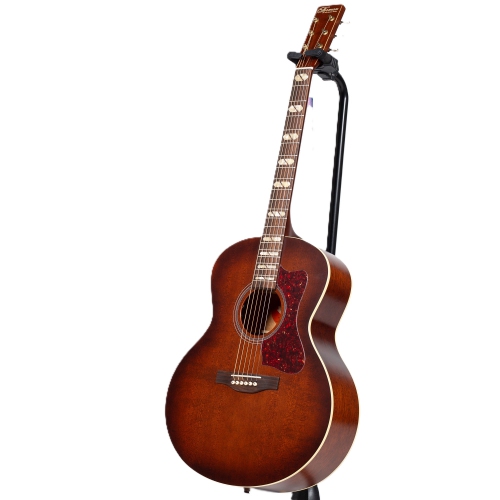
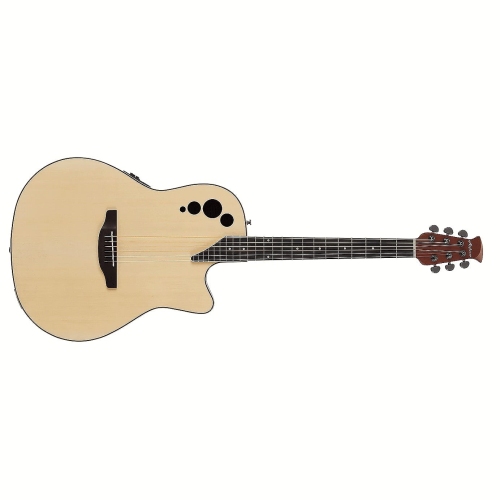
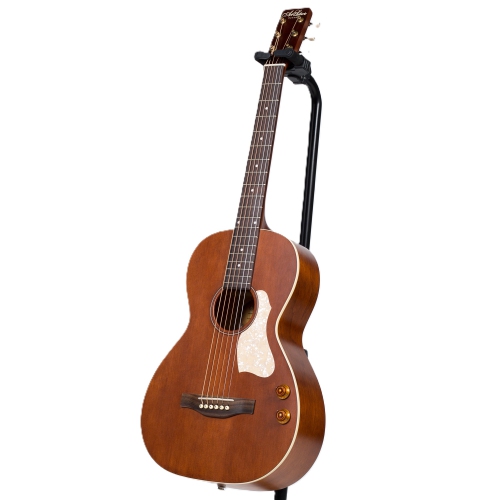
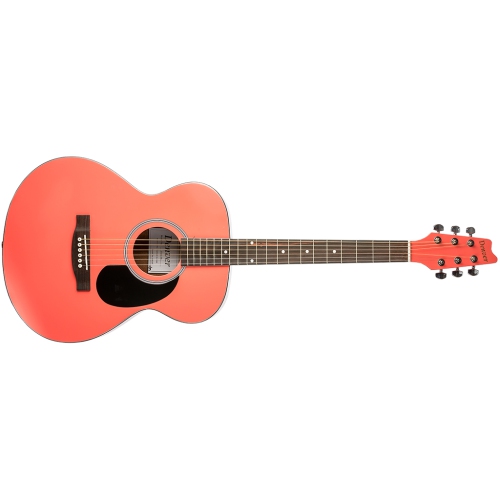
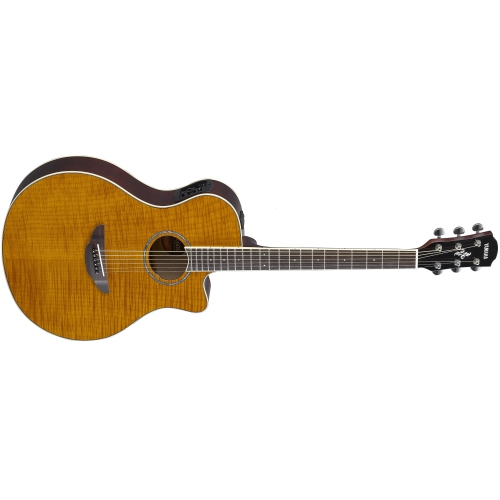
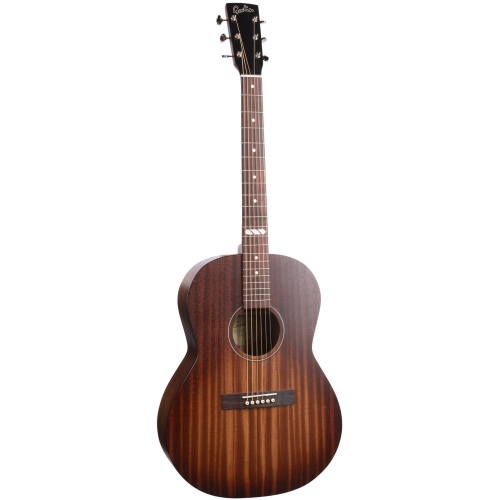
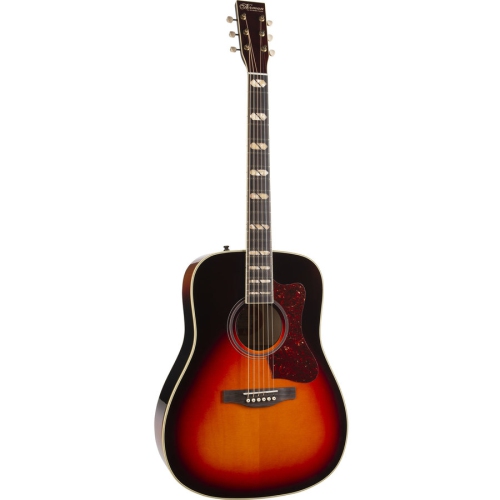

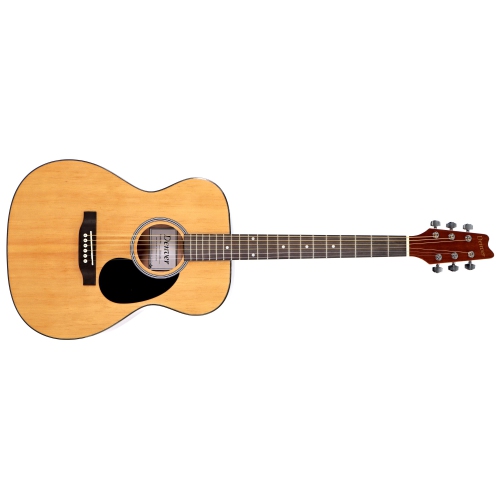
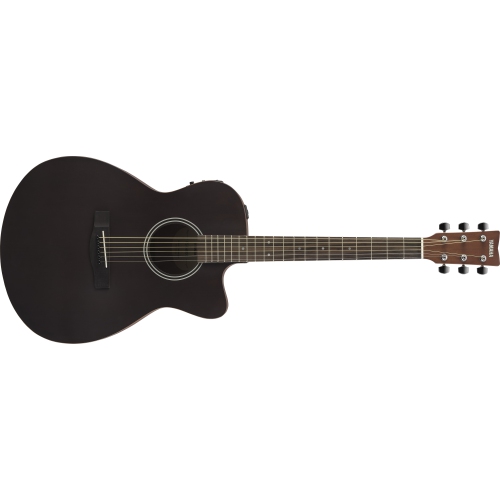
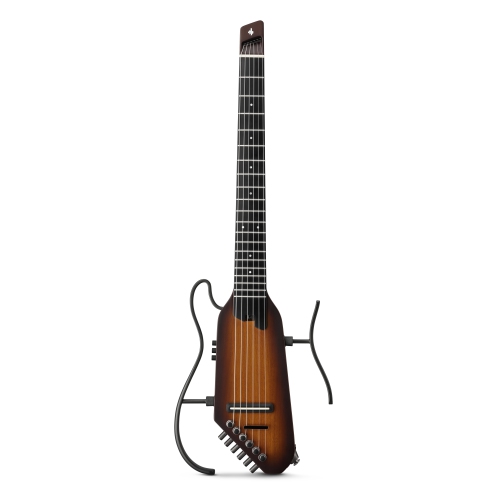
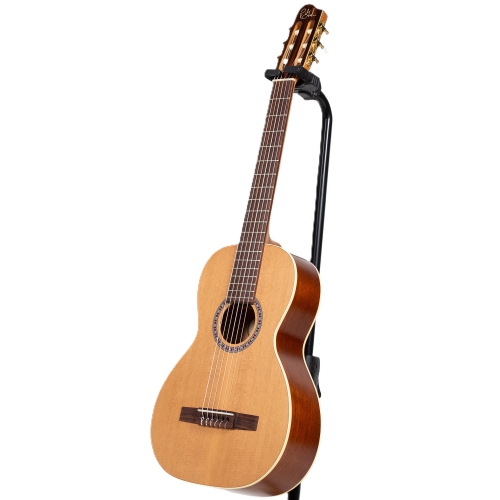
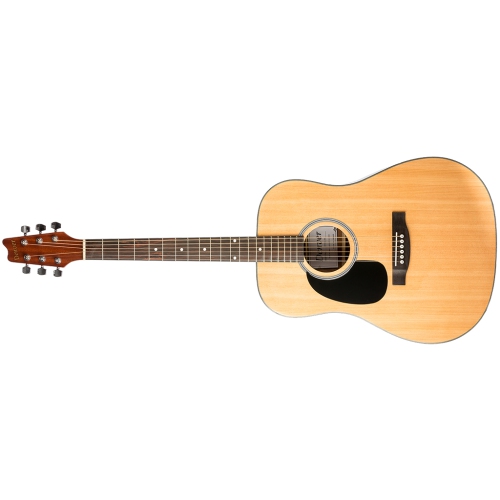
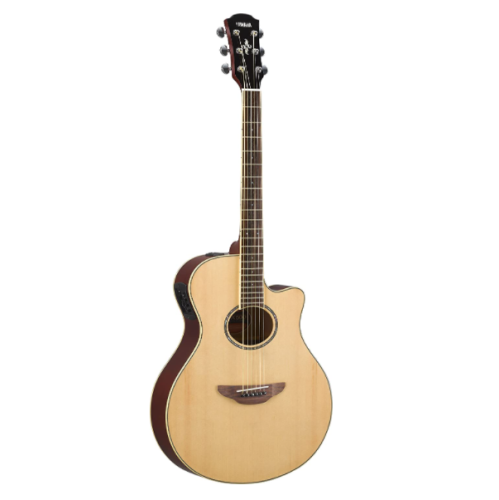
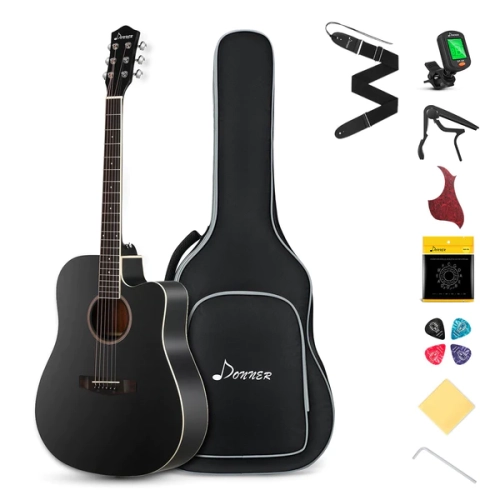
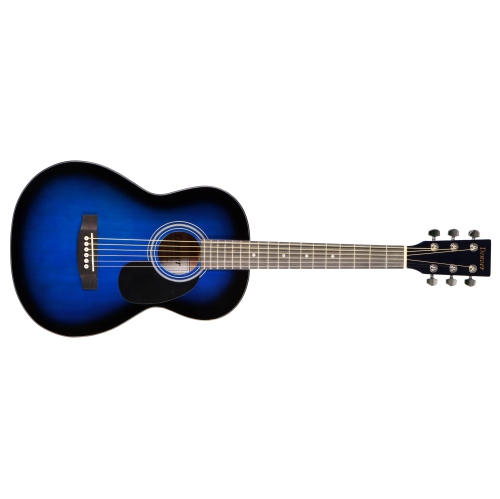
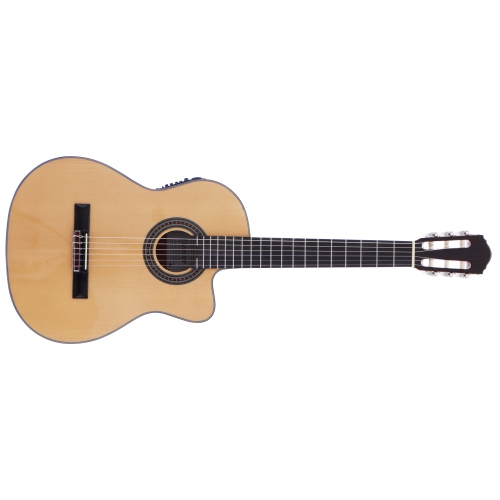
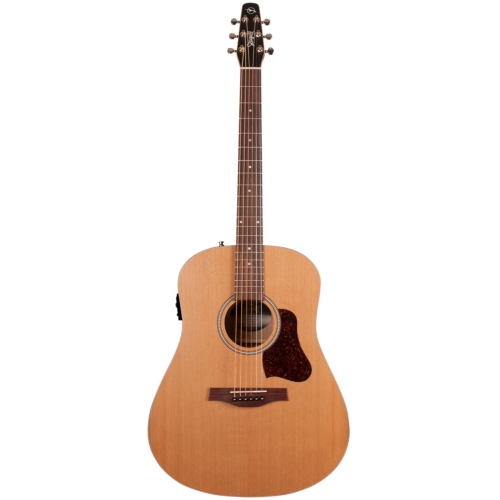
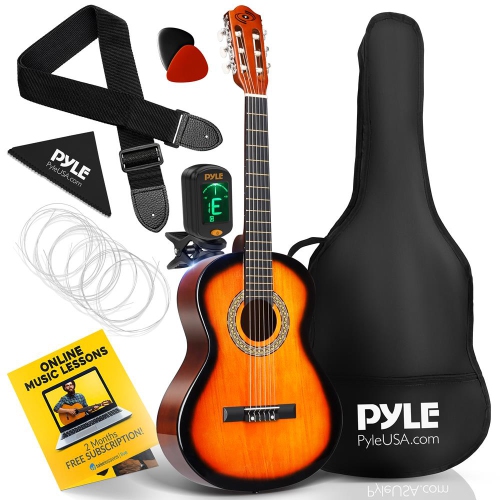
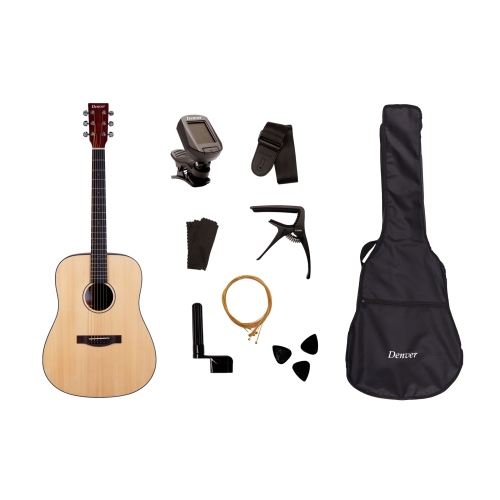
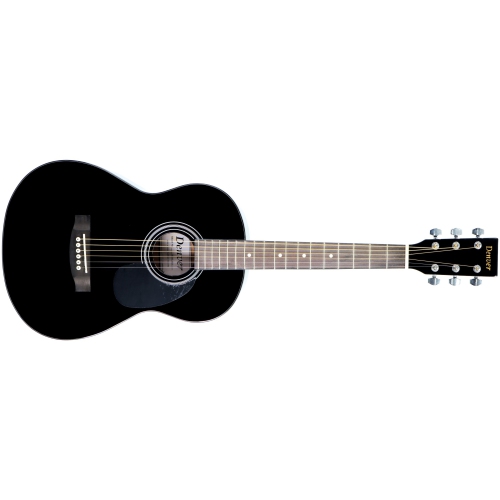
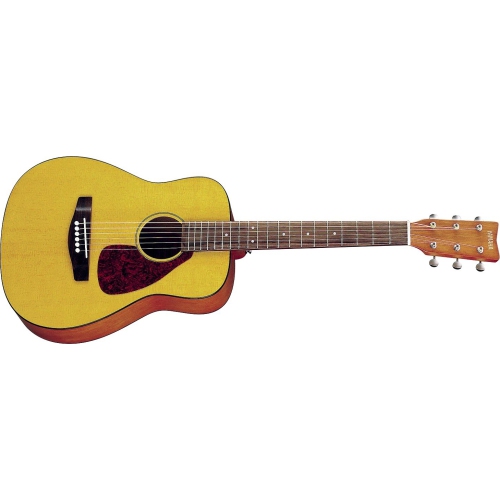
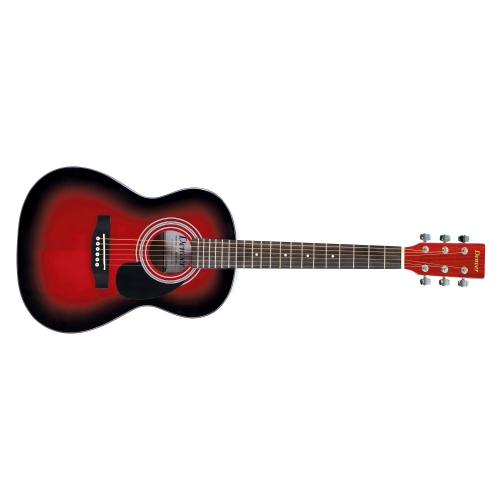
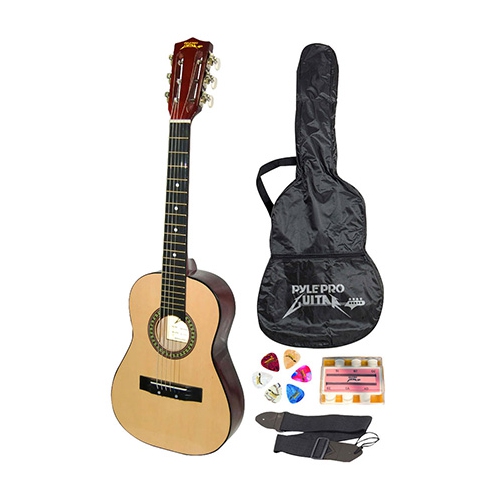
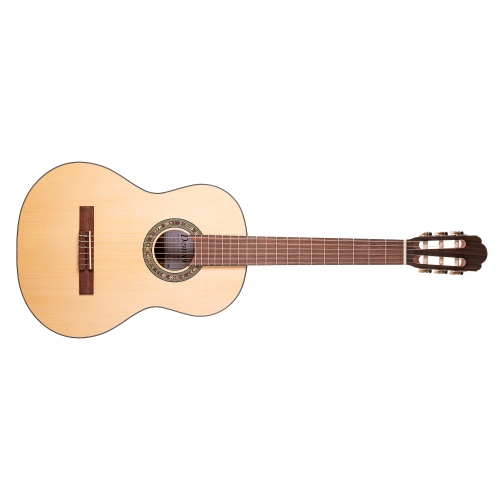

How tonewoods and craftsmanship shape your guitar’s voice
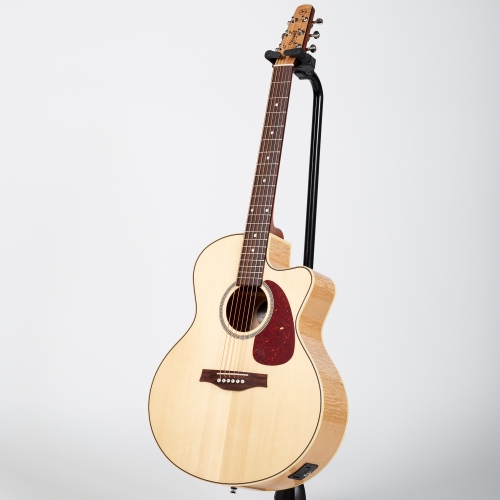
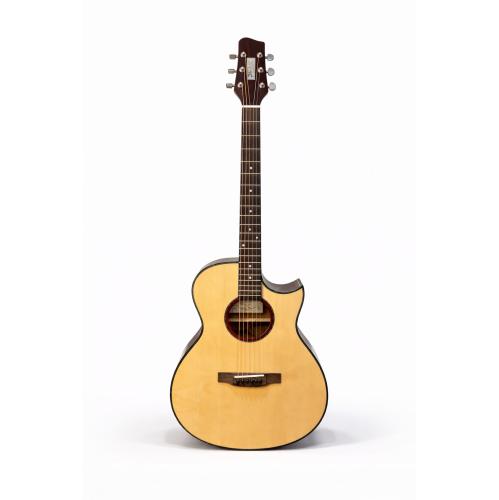
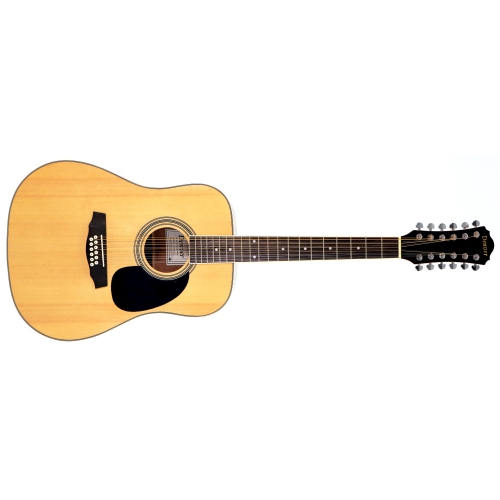
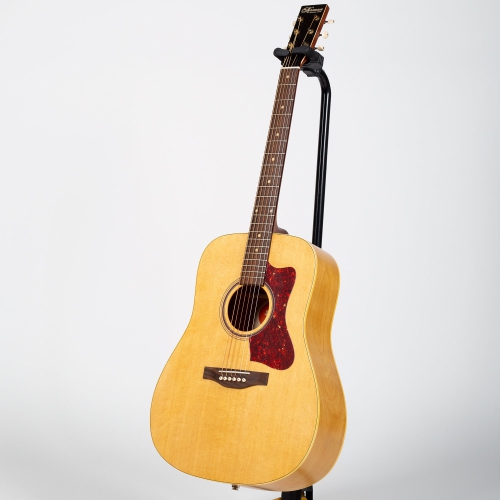
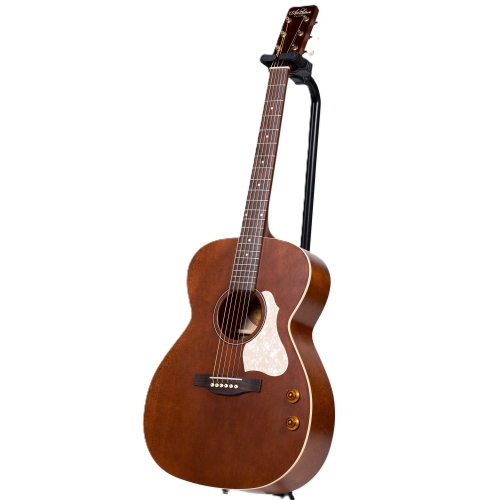
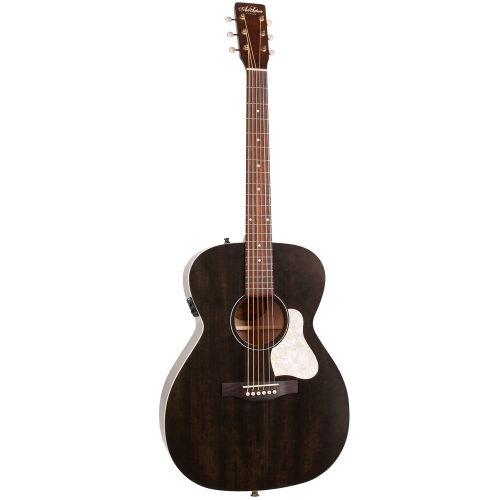
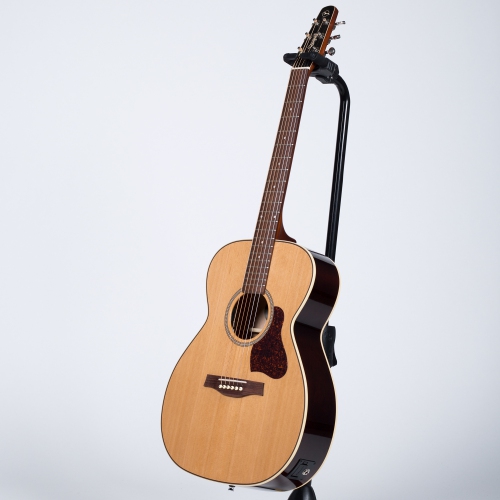
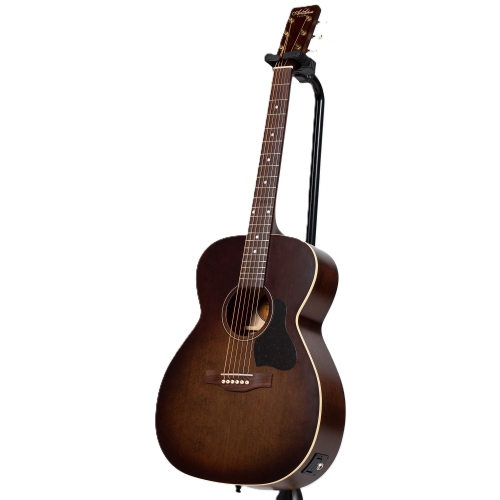
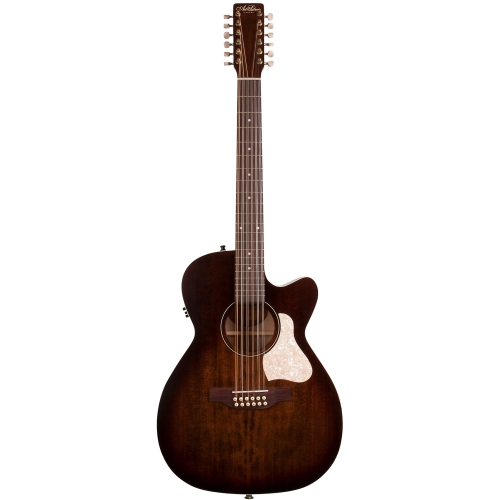
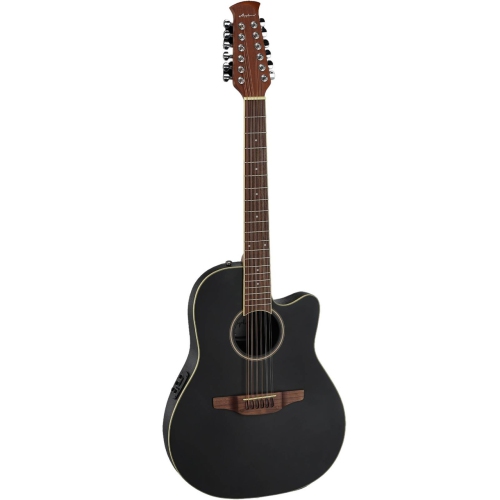
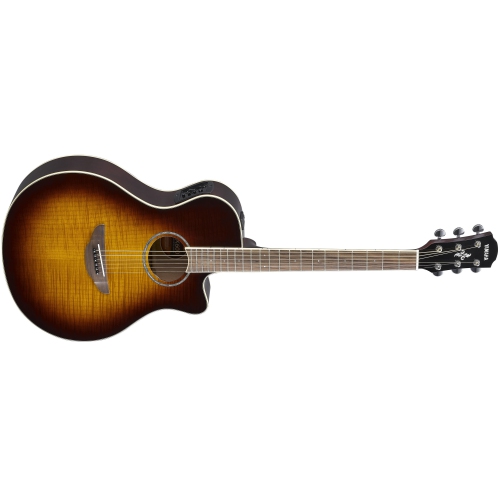
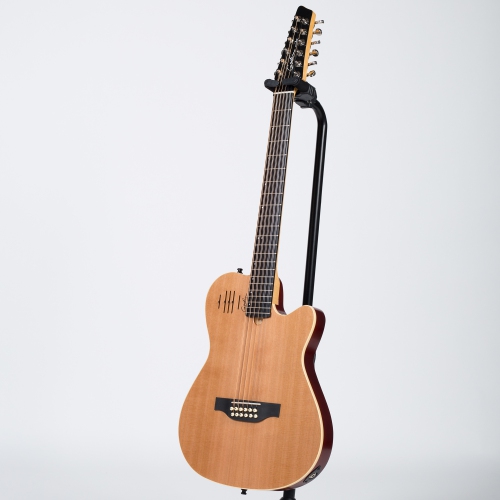
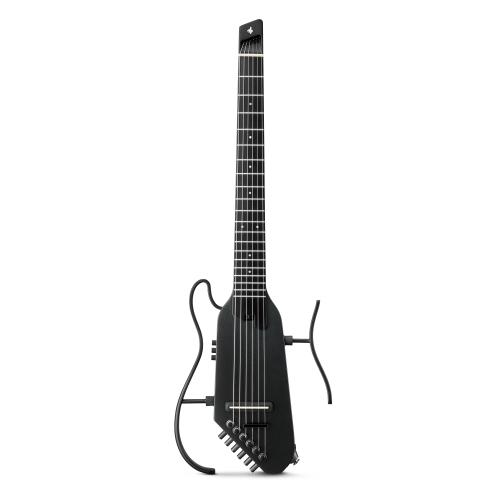
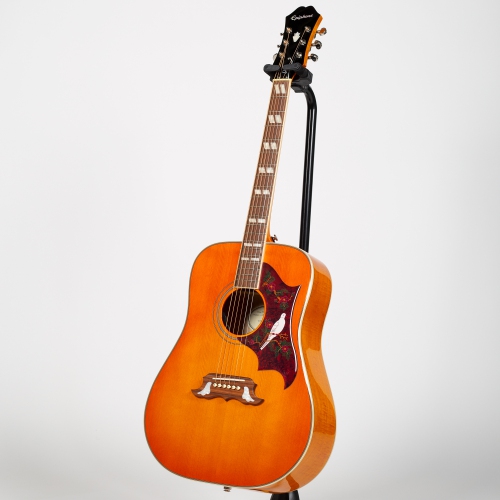
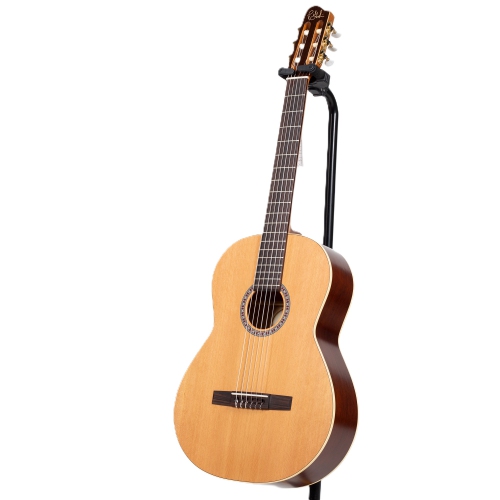
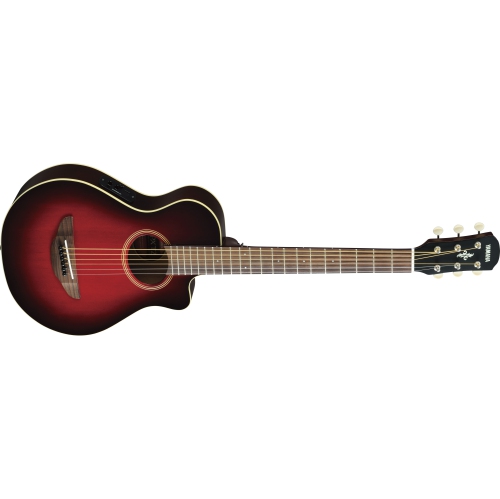
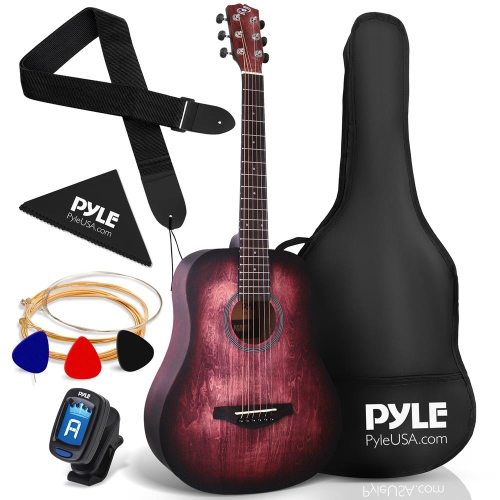
High-end acoustic guitars combine carefully selected tonewoods, precise construction, and refined playability to deliver a responsive, expressive instrument. Their appeal lies in the way small differences in touch become audible: a lightly brushed chord can sound open and delicate, while a firmer pick stroke brings out greater volume and definition. Many premium acoustic guitars feature solid-wood tops, backs, and sides, although construction varies and individual design matters more than any single specification. The soundboard, or top, plays a major role in shaping the response. Spruce is widely used for its clarity, dynamic range, and ability to handle both gentle fingerpicking and energetic strumming. Cedar often offers an immediate response to a lighter touch, with a rounded character that suits intimate arrangements. Back and side woods further influence the instrument’s voice. Mahogany is commonly associated with a focused midrange and clear note separation, while rosewood often contributes deep bass, bright trebles, and rich overtones. Maple can produce a clear, direct sound that helps complex passages remain distinct. These descriptions are useful reference points rather than guarantees, since body dimensions, bracing, wood thickness, and construction all work together. Carefully shaped internal bracing supports the top while allowing it to vibrate, influencing both strength and responsiveness. Some designs emphasize a strong fundamental note; others create a more layered sound that continues to bloom after the string is struck. Cleanly fitted joints, neatly finished frets, and a well-cut nut and saddle contribute to a polished playing experience. Decorative details such as wood binding, rosettes, and shell inlays add visual character, but elaborate ornamentation is not essential to exceptional sound. A restrained satin finish and a richly detailed gloss finish can each belong on a finely made instrument. The defining qualities are how naturally the guitar responds, how comfortably it plays, and how well its voice supports the music being made.
Body shape and physical fit give high-end acoustic guitars distinct personalities, even when they use similar woods. A dreadnought typically provides substantial bass and strong projection, making it a familiar choice for rhythmic accompaniment, flatpicking, and playing alongside other acoustic instruments. A grand auditorium often balances low-end presence with articulate trebles, offering versatility for musicians who move between strummed chords and fingerstyle passages. Smaller concert and parlour bodies can feel easier to hold and may bring a focused voice to solo practice, songwriting, or close-miked recording. A jumbo body can produce a broad, powerful sound, although its larger dimensions may be less comfortable for someone who prefers a compact instrument. These are general tendencies, not fixed rules; a well-designed small-bodied guitar can have surprising projection. Body depth, waist shape, and the position of the picking arm all affect comfort during longer sessions. Neck profile is equally personal. A fuller neck may feel supportive in the hand, while a slimmer profile can suit players who prefer less material beneath the thumb. Nut width and string spacing influence how much room the fretting and picking hands have, especially for intricate fingerstyle arrangements. Scale length affects fret spacing and contributes to string tension, so two instruments with similar body shapes can feel noticeably different. A cutaway provides easier access to higher frets for melodic playing without changing the instrument’s basic purpose. Steel-string acoustics are common choices for folk, country, pop, and many singer-songwriter arrangements, while high-end nylon-string guitars offer a different feel and voice for classical repertoire, Latin styles, and expressive fingerstyle playing. Experienced performers, dedicated learners, home recording musicians, and players returning to a long-standing interest may all appreciate these distinctions. For a broader view of acoustic body styles and features, explore Best Acoustic Guitars. Within the premium category, a strong match comes from the relationship between the instrument’s sound, its physical proportions, and the player’s technique rather than from decorative detail alone.
Intended use also shapes the features that matter most. For unamplified playing, acoustic projection, balance, and the character of sustained notes take centre stage. In a recording session, clear note separation and controlled bass can help a guitar sit naturally beneath a vocal, while a more overtone-rich voice may give a solo instrumental piece greater depth. For live performance, an acoustic-electric guitar adds a pickup system that sends the instrument’s signal to an acoustic amplifier, mixer, or PA system. Pickup designs capture sound differently: an undersaddle pickup senses vibration near the saddle, a soundboard transducer responds to vibration through the body, and an internal microphone captures air movement inside the instrument. Blended systems combine sources, while onboard controls may provide convenient adjustments for volume and tone. Amplified sound still depends on the system, the setup, and the room, rather than simply duplicating the guitar’s unplugged voice. Ongoing care helps preserve both performance and condition. Solid wood responds to changes in moisture, so consistent humidity within the maker’s recommended range is important. A suitable case, an instrument-safe humidification system when needed, and a reliable hygrometer can support appropriate storage. A soft cloth removes fingerprints after playing, and any cleaning product should be compatible with the guitar’s finish. Strings need periodic replacement as their tone and feel change, and the correct type and gauge should follow the instrument’s specifications; steel strings must not be fitted to a guitar designed for nylon strings. Professional setup work can address action, neck relief, and intonation, helping the instrument remain comfortable without introducing unnecessary fret buzz. A protective case also reduces the risk of knocks during transport, although careful handling remains essential. As a gift for a committed musician, a high-end acoustic guitar can mark a graduation, retirement, or significant musical milestone. Familiarity with the recipient’s preferred body size, neck feel, and playing style makes the choice more personal. The lasting attraction is an instrument that feels inviting every time its case is opened and responds faithfully to the player’s developing sound.
Top selling and popular products
-
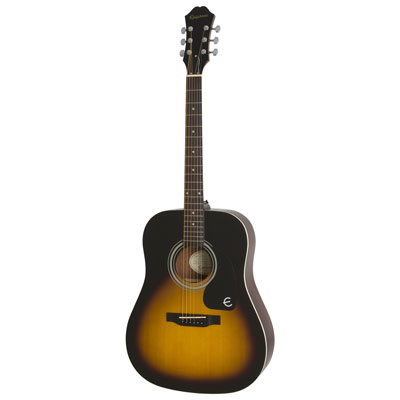 Your price for this item is $259.99
-
 Your price for this item is $279.99
-
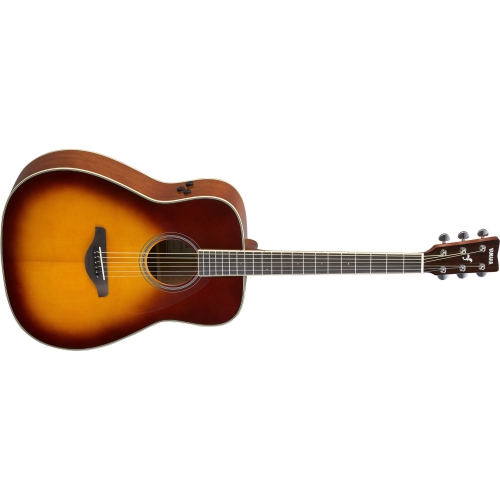 Your price for this item is $999.99
-
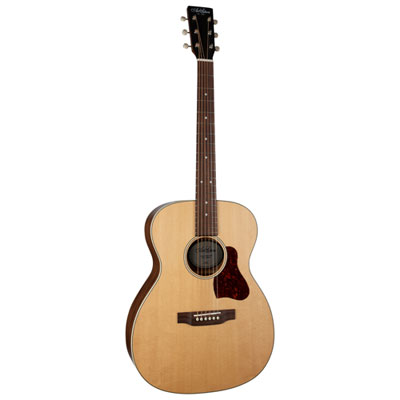 Your price for this item is $599.99
-
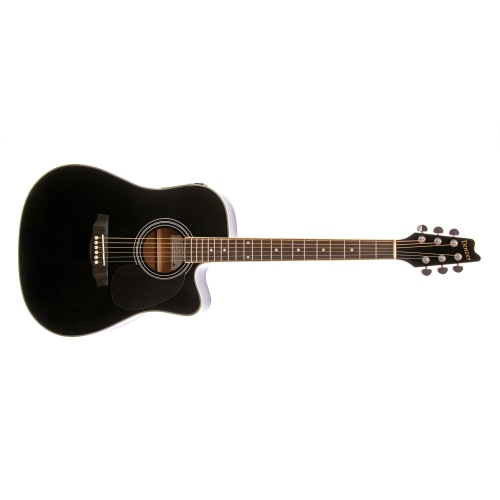 Your price for this item is $269.99
-
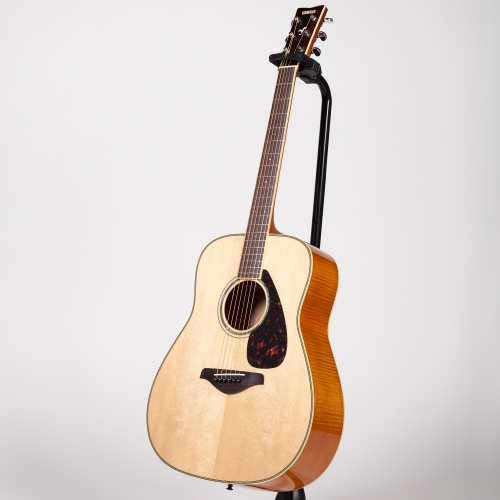 Your price for this item is $649.99
-
 Your price for this item is $459.99
-
 Your price for this item is $918.85
Discover more categories related to High End Acoustic Guitars
Top Collections:
Pokemon Centers, Best Cameras for Sports Photography, Kindle Devices, Samsung Galaxy Phones, Canon G7X Cameras, Pokémon 30th Celebration Cards, Refurbished Apple Laptops, iPhone 15 Apple, Laptops for Students, Budget Smartphones
Some products may be subject to Environmental Handling Fees
(EHF) depending on your province.
Learn more about EHFs.