Keyboards With Microphone
Looking to take your music production or gaming experience to the next level? Look no further than our selection of keyboards with microphone capabilities. These versatile devices offer the perfect combination of convenience and functionality, allowing you to not only play your favorite tunes or immerse yourself in virtual battles but also record vocals or engage in voice chat effortlessly. Whether you're a musician, content creator, or simply someone who enjoys communicating while using their keyboard, our range of keyboards with microphone integration has something to suit every need. Explore our collection now and unlock a whole new world of possibilities.
Sort
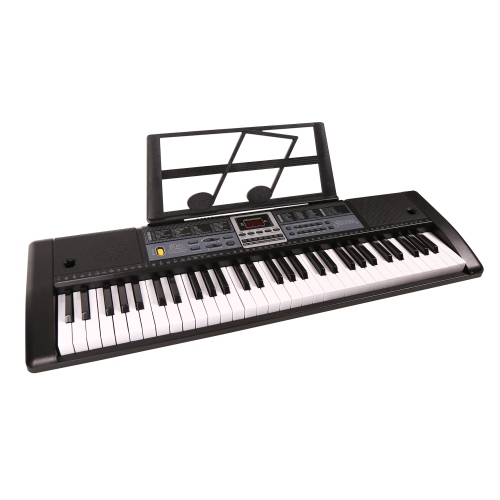
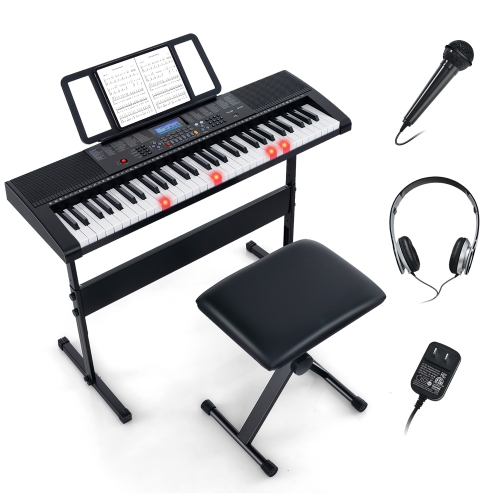
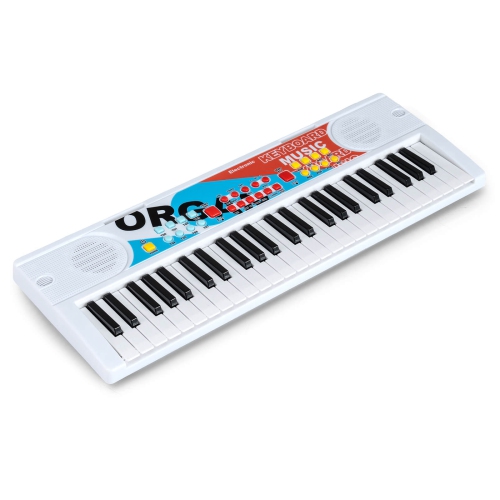
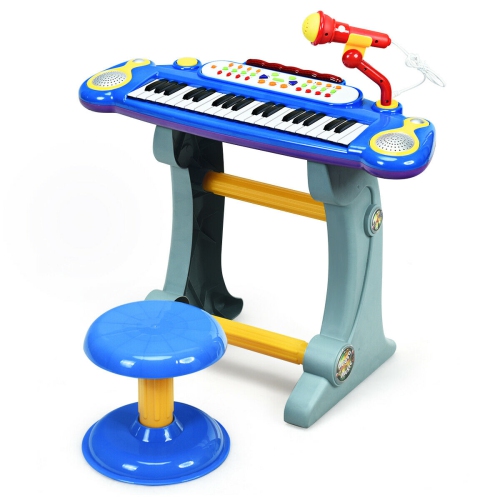
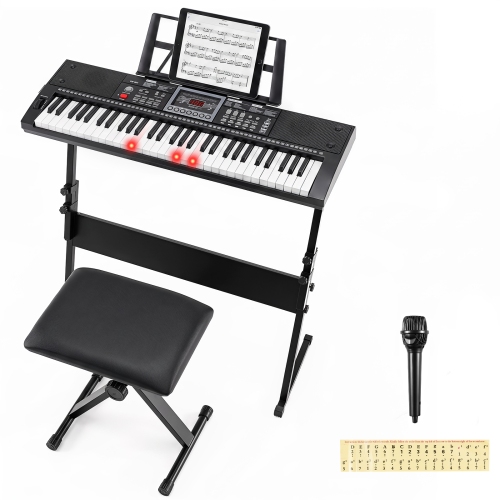
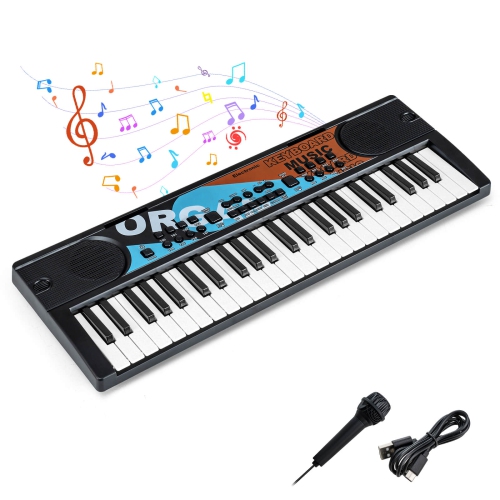
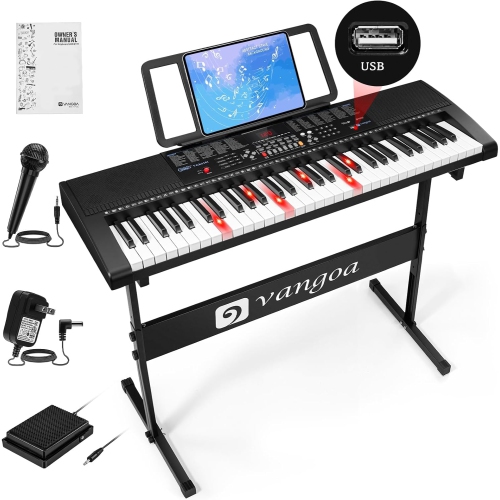
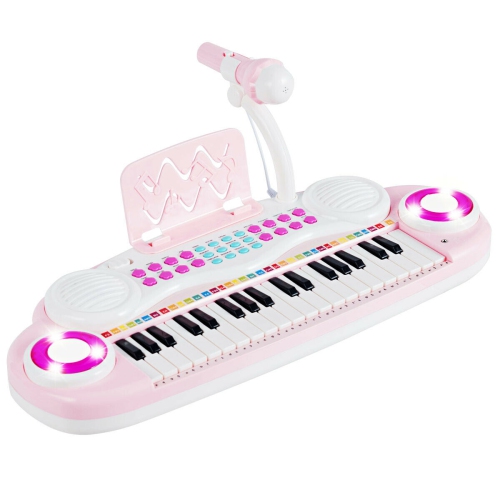
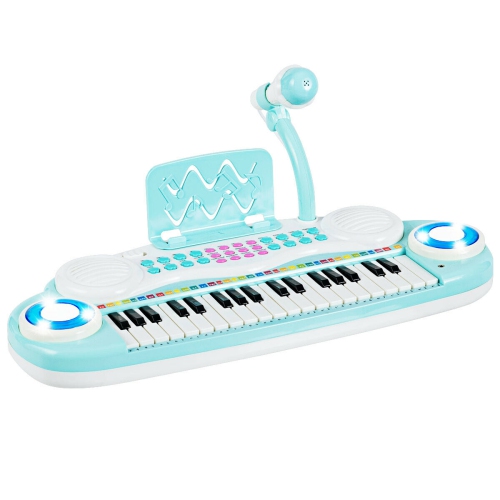
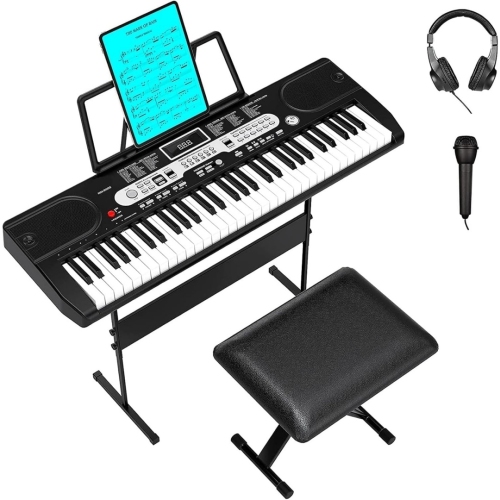
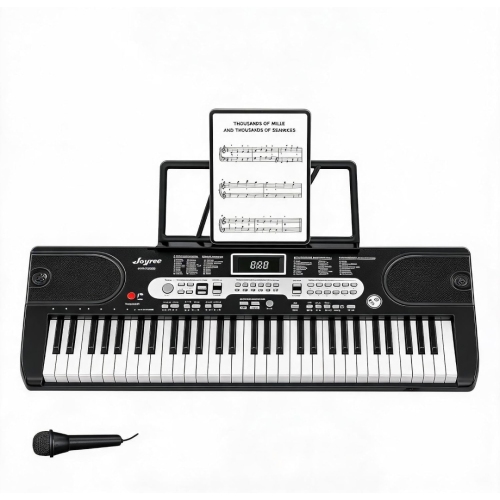

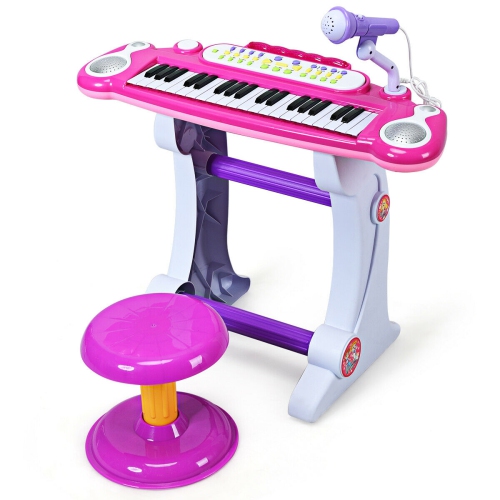
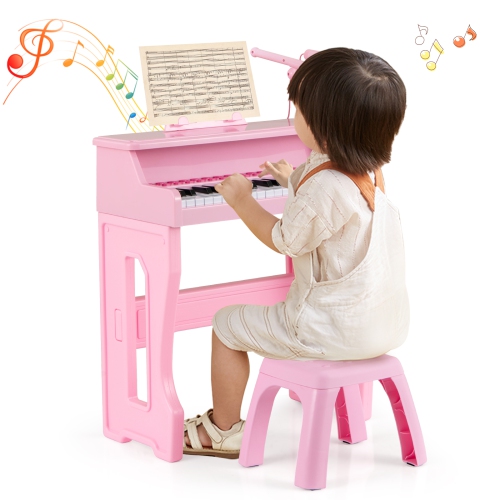
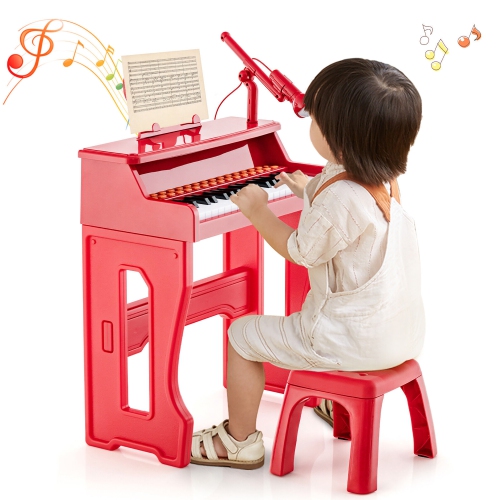
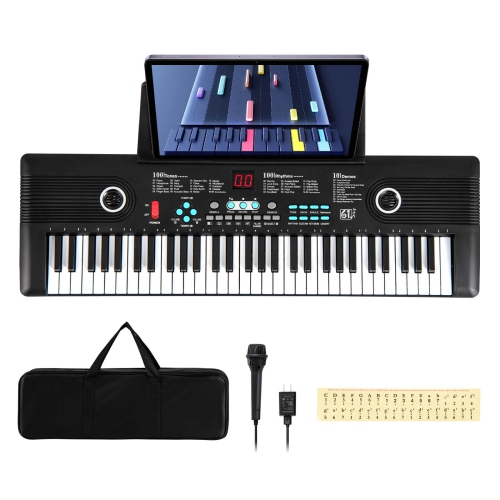
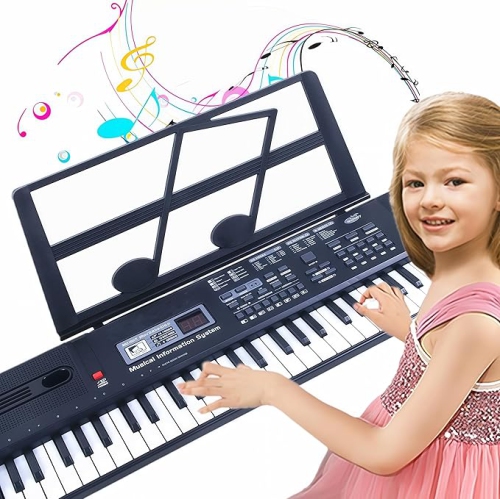
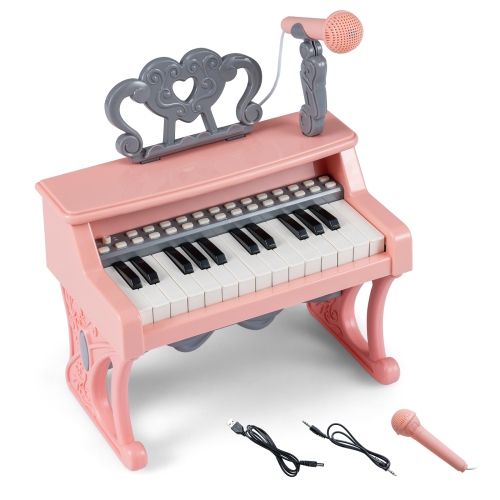
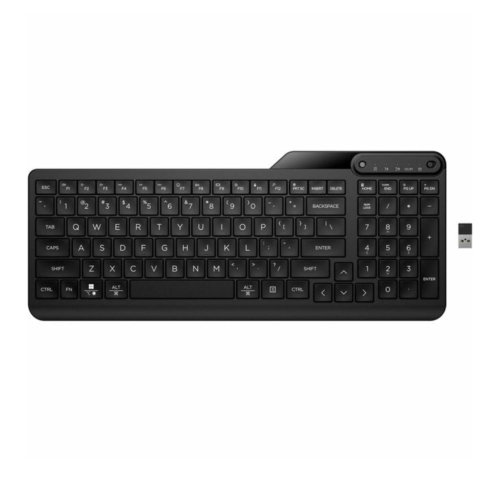
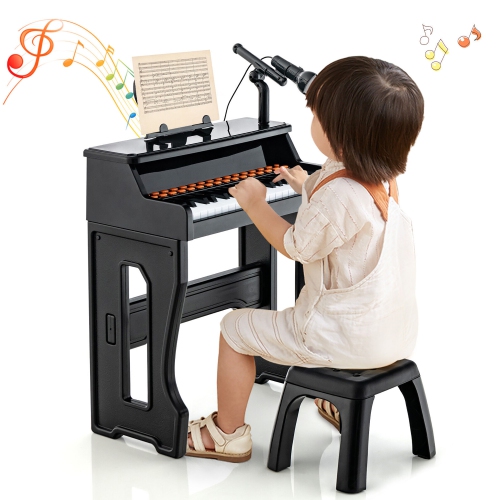
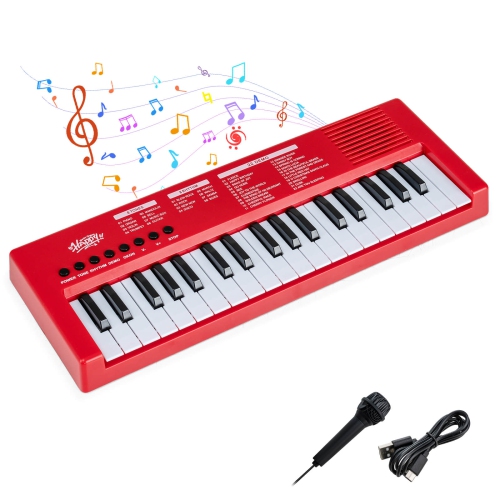
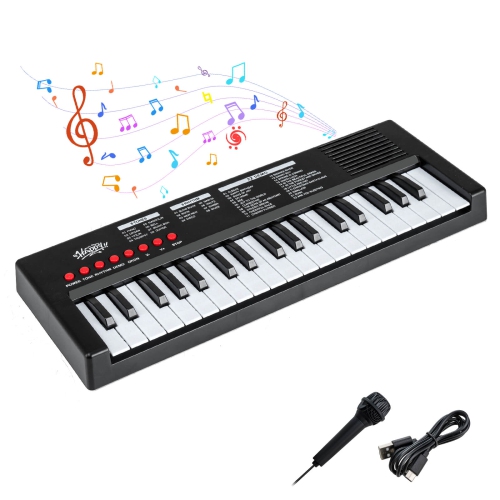
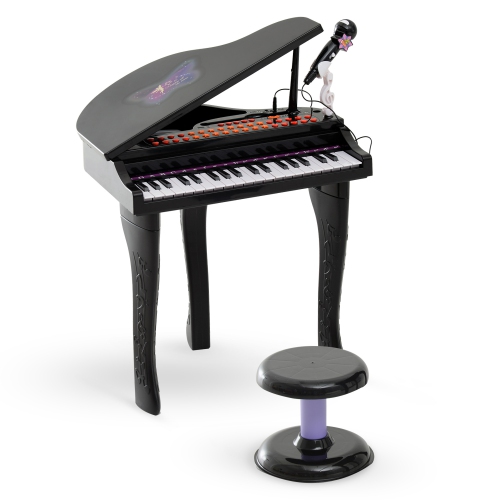
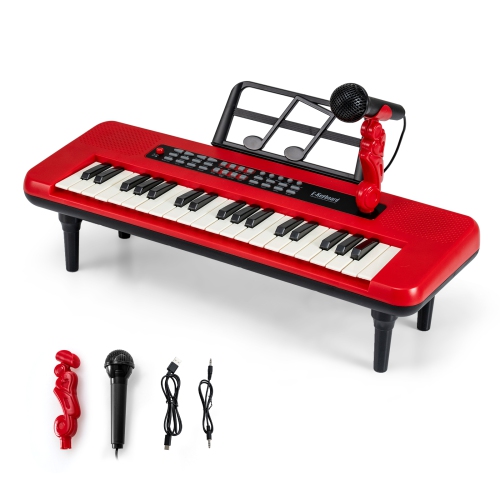
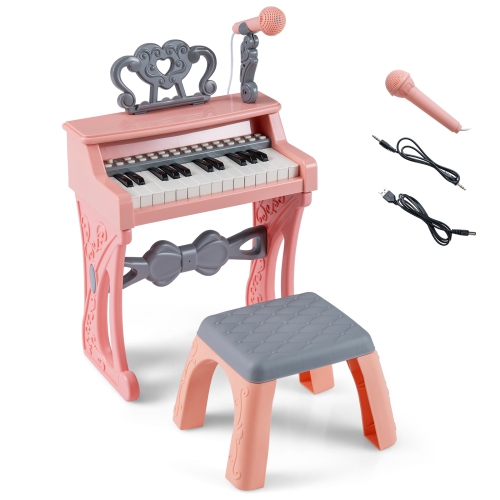
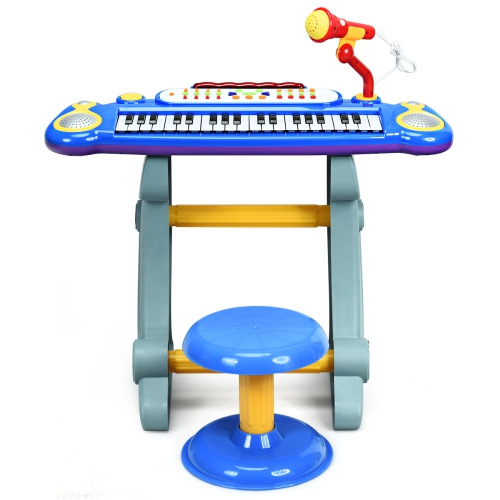
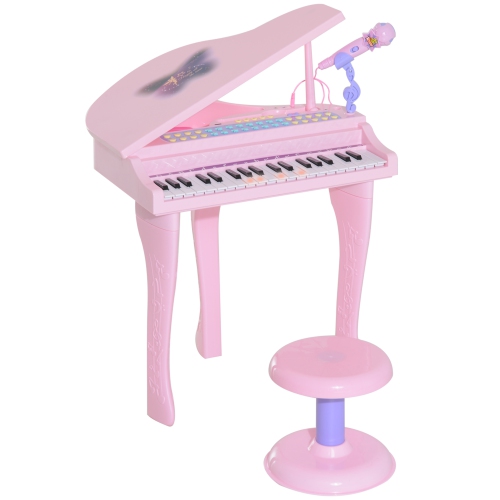
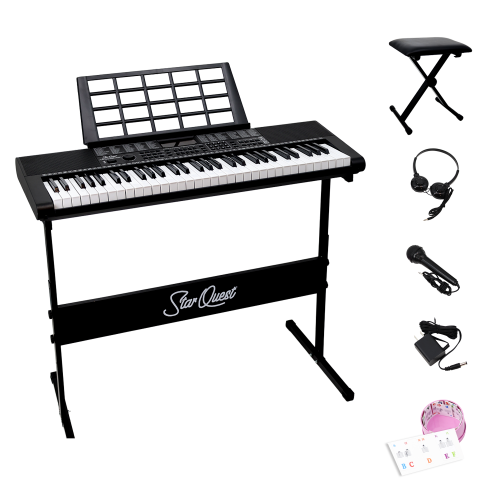
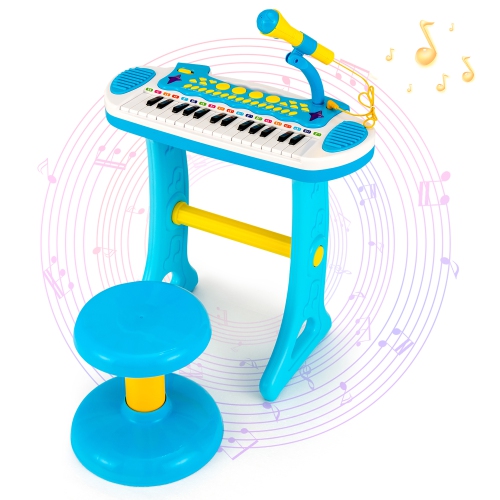
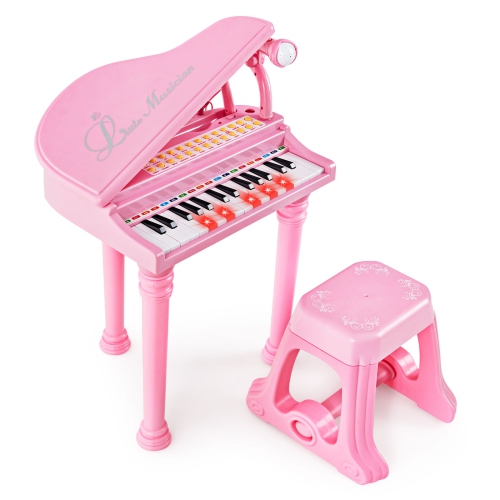
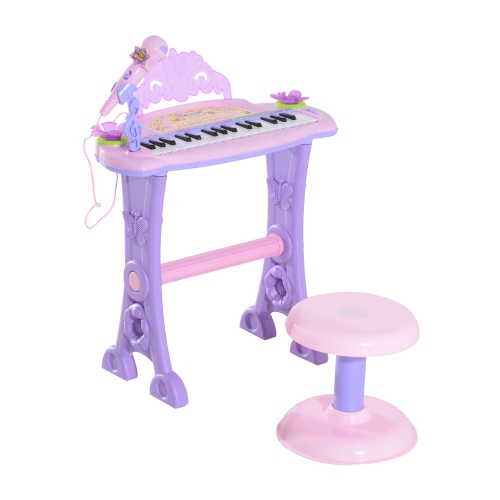
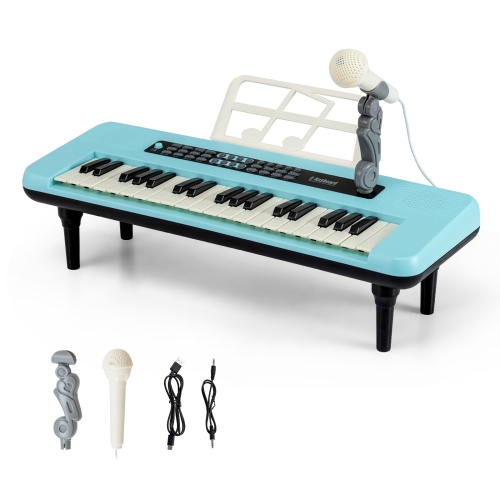
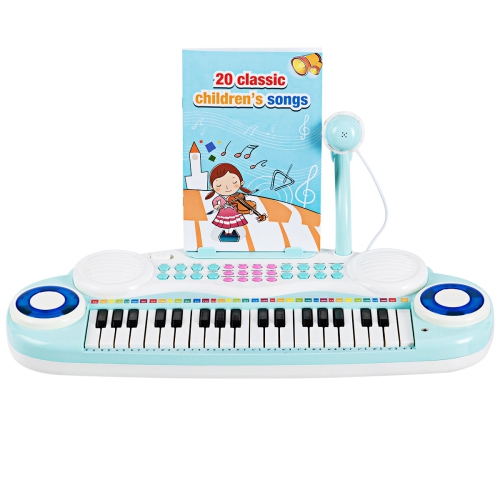
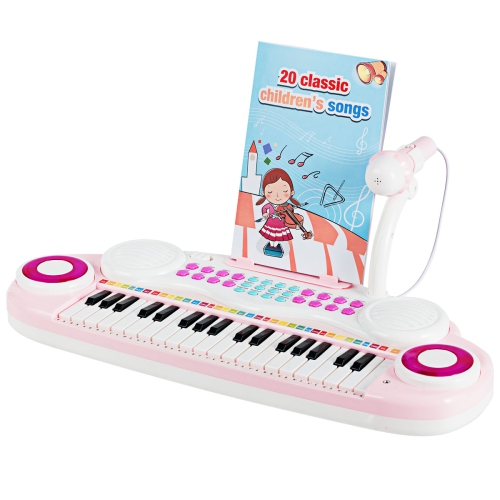
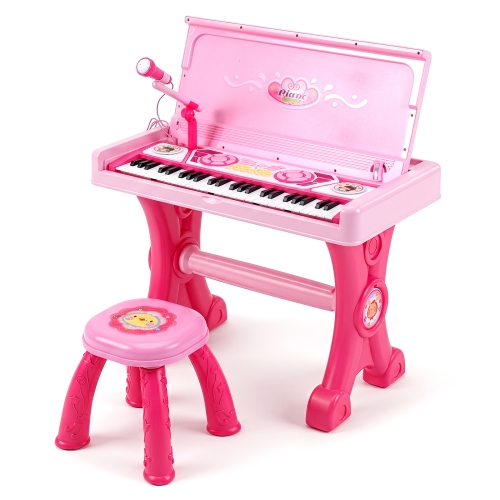
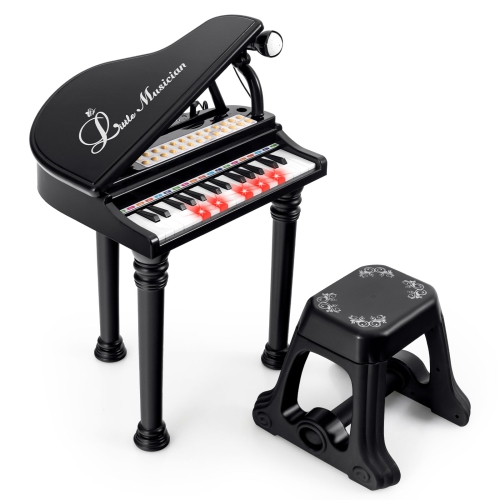
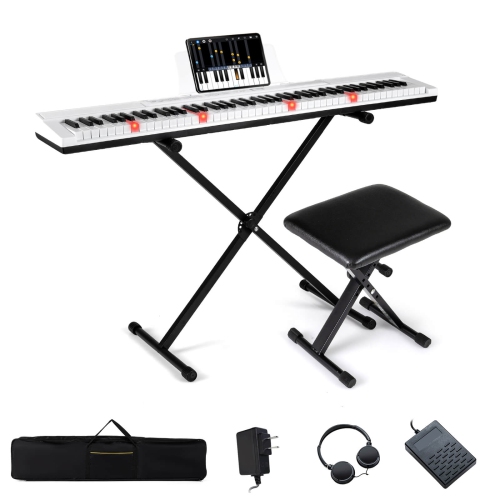
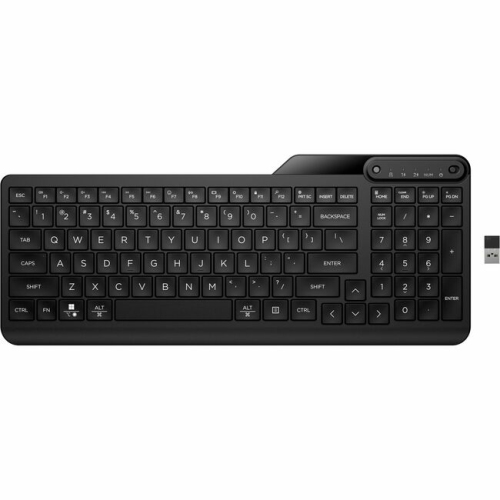
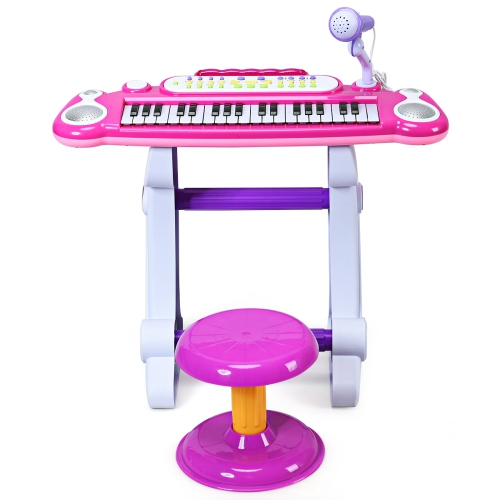
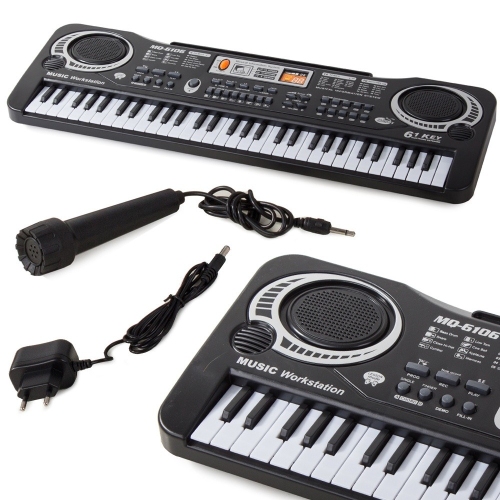
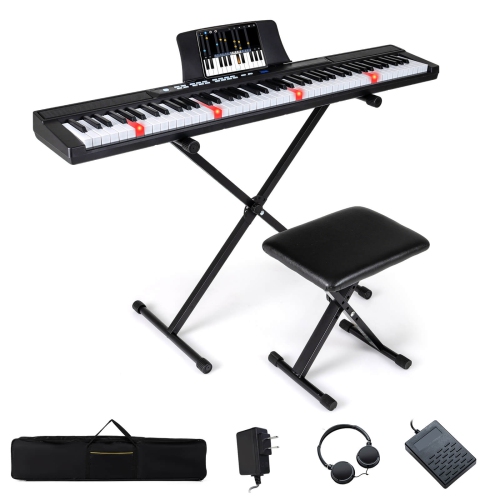
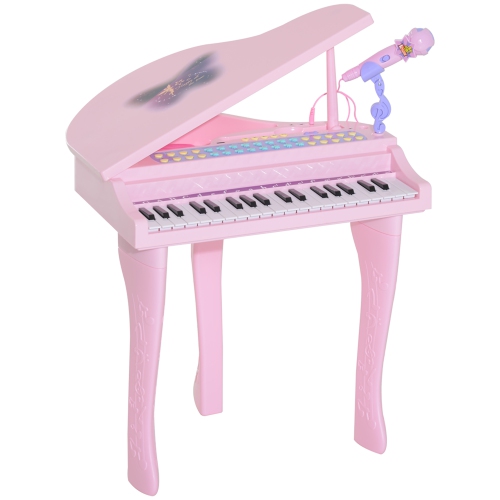
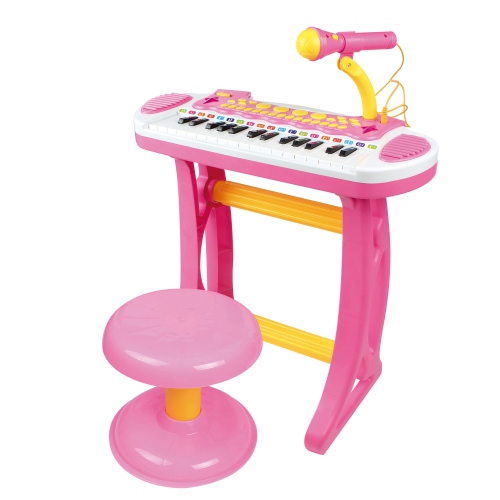
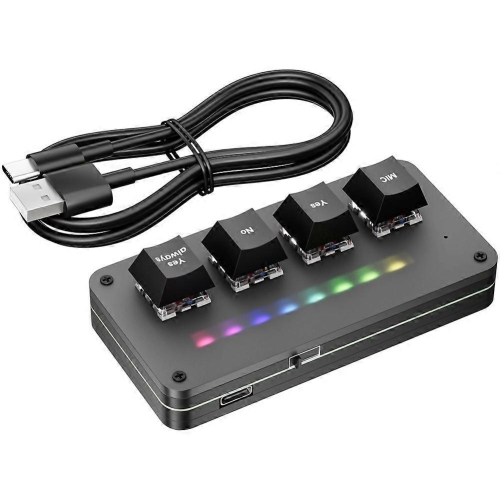
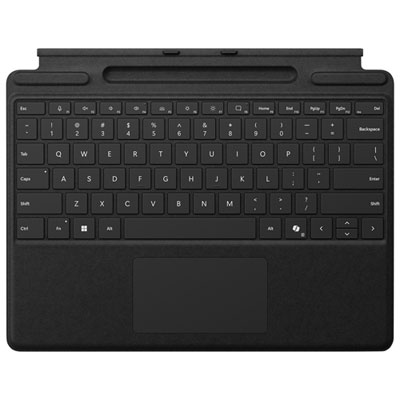
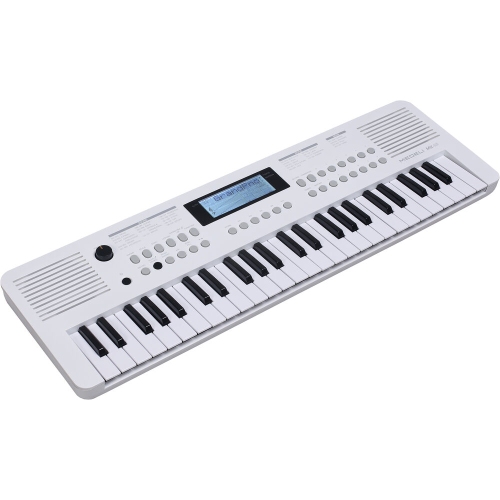
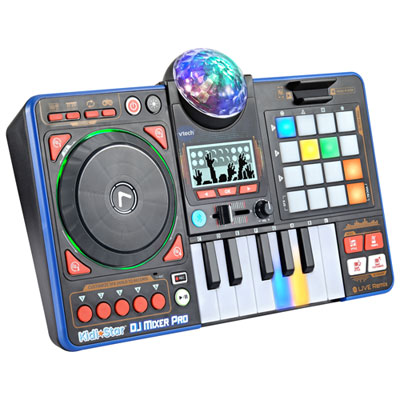
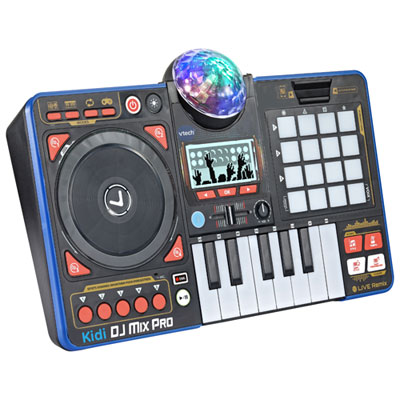
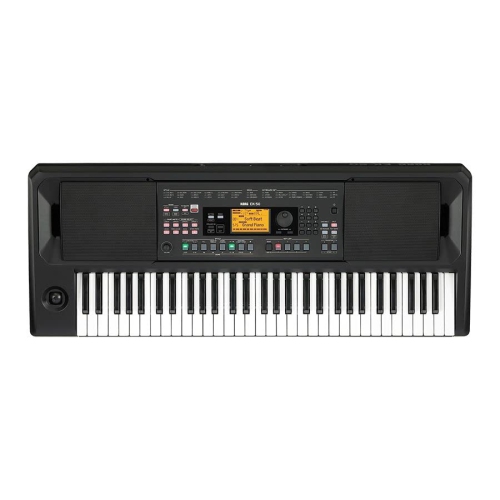
Where singing and playing come together at home
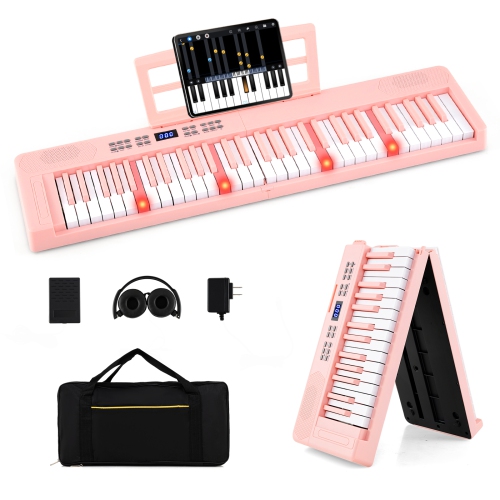
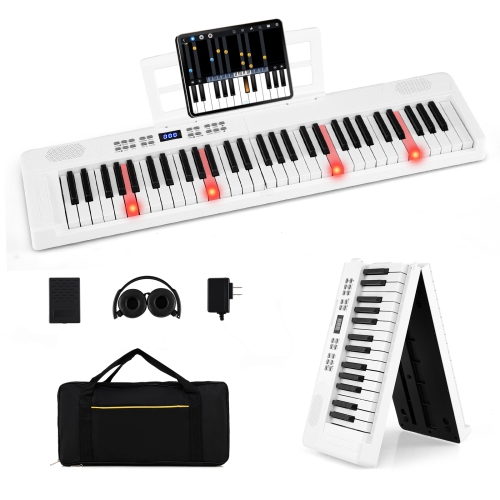
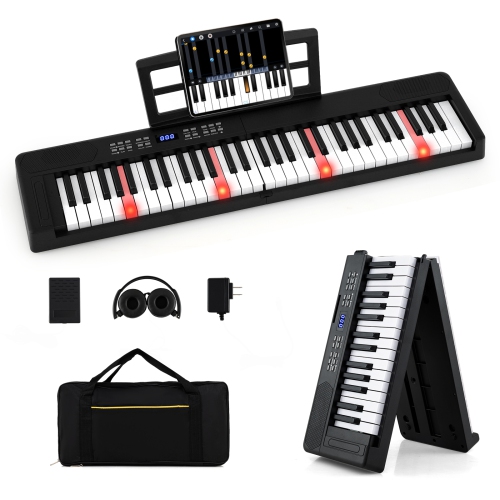
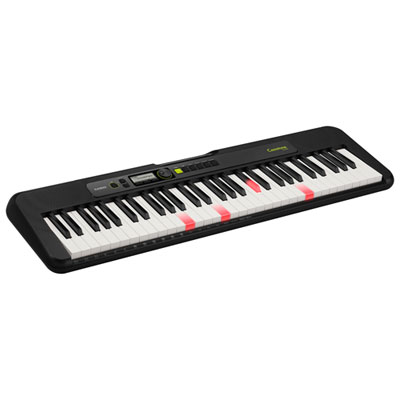
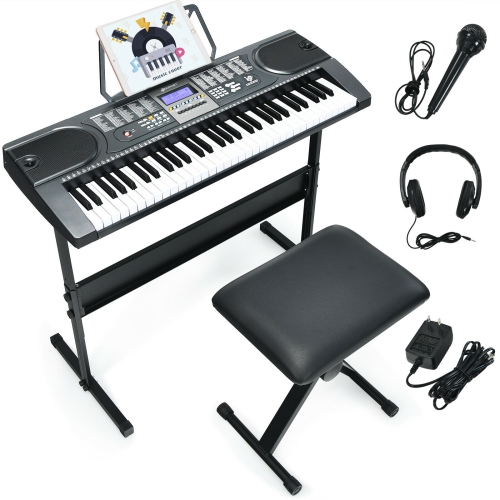
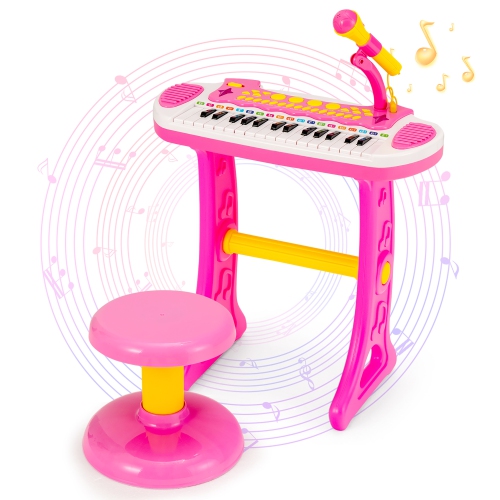
Musical keyboards with a microphone bring playing and singing together in one setup, making them a natural fit for first music lessons, singalongs, songwriting, and casual performances at home. In a typical arrangement, the microphone connects to a dedicated input so vocals can play through the keyboard’s built-in speakers alongside piano sounds, backing rhythms, or other instrument voices. The exact setup varies: some keyboards include a microphone in the package, while others have a microphone input but require a separate compatible microphone. That distinction matters when choosing a setup intended for singing straight out of the box. Portable 61-key keyboards are a common format for beginners, offering room for melodies, chords, and many two-handed arrangements without taking up the space of an 88-key instrument. Smaller keyboards can suit early musical play or limited spaces, although their narrower range and smaller keys may be less suitable for formal piano practice. Built-in sounds can range from acoustic piano and electric piano to strings, organs, and percussion, giving players different ways to shape a song. Rhythm patterns and automatic accompaniment, where included, can add a backing part while the player concentrates on melody and vocals. For a child, that might mean singing a familiar tune while picking out its notes; for an adult returning to music, it could mean working through chords and trying a different vocal melody over them. Learning features such as a metronome, lesson modes, or a clear display can support practice, but they differ between keyboards and are separate from microphone functionality. Recording features also deserve a close look: a keyboard may record notes played on the keys without recording the microphone signal. A microphone-equipped keyboard is therefore best understood as a way to combine instrumental playing with amplified vocals, with recording and connection options depending on the model. This combination can suit families sharing an instrument, beginners exploring their interests, and singers who want a straightforward accompaniment tool.
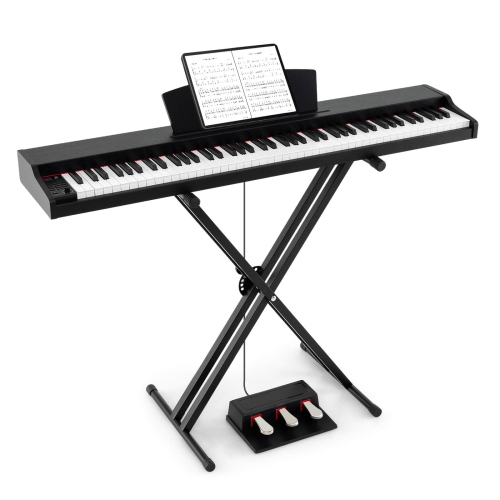
The feel and physical size of the keyboard have a lasting effect on how comfortably it fits into everyday use. Full-size keys offer spacing closer to a standard piano, while mini keys make an instrument more compact and may suit small hands during introductory play. Key size is different from key action: lightweight keyboard keys, touch-sensitive keys, and weighted piano-style actions do not feel or respond the same way. Touch sensitivity allows playing force to affect volume or tone, which can help players practise expression, but it should not be assumed from the number of keys alone. Someone taking piano lessons may need particular key features specified by their teacher, whereas a singer trying out chord progressions may place more importance on portability, clear controls, and an accessible microphone input. A stable playing position matters in either case. The keyboard should sit securely at a height that allows relaxed shoulders and comfortable wrists, with enough room for the player’s knees beneath it. Adjustable stands and benches can help accommodate different users, although package contents vary and should not be assumed to include either accessory. A microphone held in one hand works for singalongs, but a compatible microphone stand can leave both hands free for accompaniment. Around the instrument, space is needed for cables, a music rest, and easy access to volume controls without stretching across the keys. Many portable keyboards use moulded plastic housings to keep their weight manageable, while stands may use metal frames for support. Overall durability also depends on secure sockets, steady supports, and careful handling rather than the housing material alone. For a birthday gift or a first instrument, the most useful setup is one that suits the recipient’s age, space, and musical goals. An easy-to-read control panel and a comfortable place to practise can matter more in daily use than a large collection of sounds that rarely gets explored.
Microphone compatibility and sound control are especially important when vocals are part of the experience. Keyboard microphone inputs may use different connector sizes, and a matching plug does not by itself confirm that a microphone will work correctly; the input specifications and microphone requirements need to agree. A USB port may be intended for MIDI communication, file playback, or another function rather than accepting a USB microphone. For separate vocal accessories, Microphones for Keyboard Piano offers a related selection to explore alongside the keyboard’s connection requirements. Separate microphone and instrument volume controls, when provided, make it easier to keep lyrics audible without overpowering the accompaniment. Starting at a low volume and keeping the microphone away from the speakers helps reduce the chance of the sharp whistle known as feedback. A consistent singing distance can also produce a more even vocal level than repeatedly moving the microphone towards and away from the mouth. In a shared room, headphone support is useful, though whether microphone audio is heard through headphones depends on the keyboard’s routing. Power arrangements deserve the same attention: some portable keyboards run on batteries, some use an adaptor, and some support both, with included accessories varying by package. Everyday care is generally straightforward. A soft, dry microfibre cloth can lift dust from the casing and keys, while drinks should stay away from openings, controls, and electrical connections. Cables are best routed where they will not catch a foot or pull on a socket, particularly when children are playing or several people are taking turns. Disconnecting leads before moving the instrument helps protect its ports, and a suitably sized padded case can reduce scuffs during transport. With a comfortable layout, compatible microphone, and features matched to its intended use, a keyboard can become a familiar place to practise a chorus, share a song, or develop an original musical idea.
Top selling and popular products
-
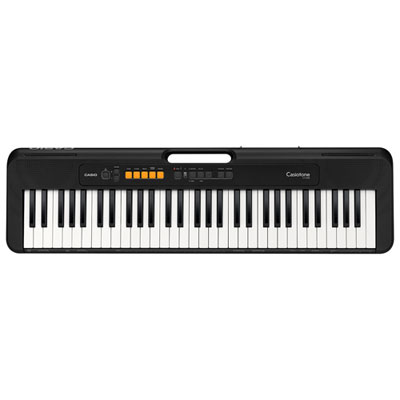 Your price for this item is $149.99
-
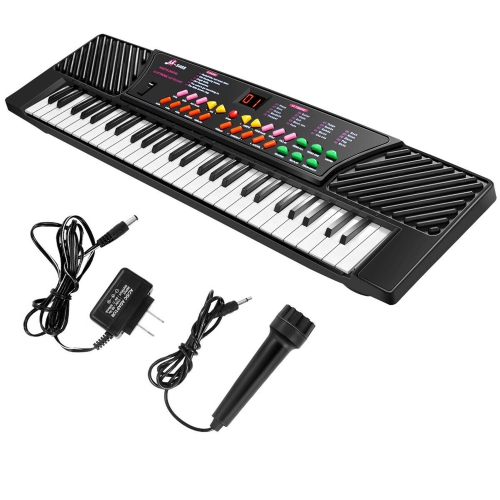 Your price for this item is $69.99
-
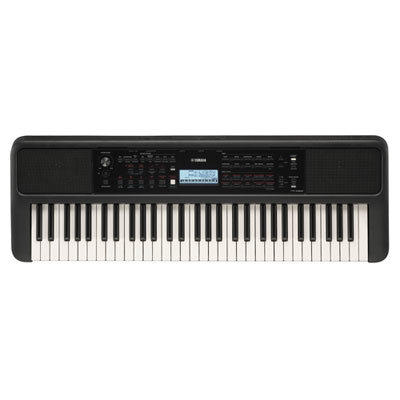 Your price for this item is $289.99
-
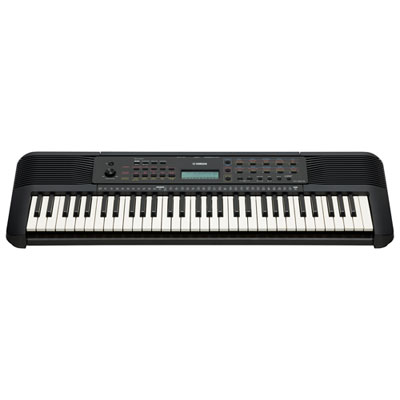 Your price for this item is $119.95
-
 Your price for this item is $229.95
-
 Your price for this item is $236.99
-
 Your price for this item is $199.99
-
 Your price for this item is $74.99
Discover more categories related to Keyboards With Microphone
Top Collections:
Pokemon Centers, Kindle Devices, Best Budget Office Chairs, Canon G7X Cameras, Apple iPhones 16, Samsung Galaxy Phones, Refurbished Apple Laptops, Laptops for Students, iPhone 15 Apple, Budget Smartphones
Some products may be subject to Environmental Handling Fees
(EHF) depending on your province.
Learn more about EHFs.