Light Gauge Acoustic Guitar Strings
Light gauge acoustic guitar strings are a popular choice for musicians seeking a comfortable playing experience and versatile sound. Perfect for both beginners and seasoned players, these strings offer a smooth feel that makes it easy to explore different playing styles. Whether you’re practicing at home or performing on stage, light gauge acoustic guitar strings provide the flexibility and responsiveness that help you bring out the best in your music. Discover options designed to suit a range of preferences and playing techniques, making it simple to find the ideal set for your acoustic guitar.
Sort
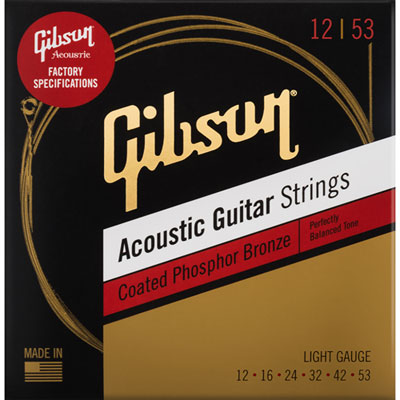

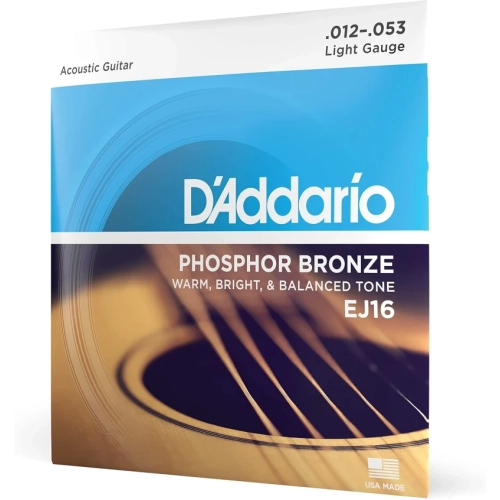
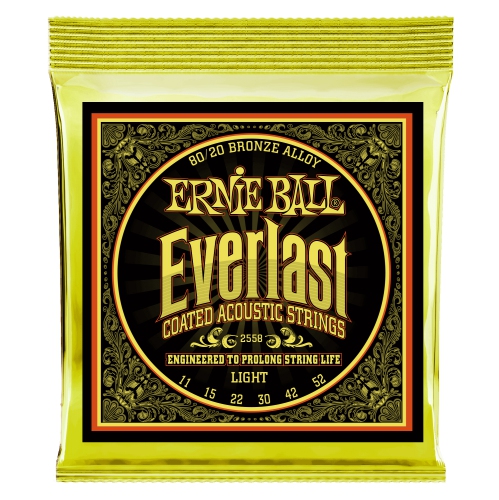
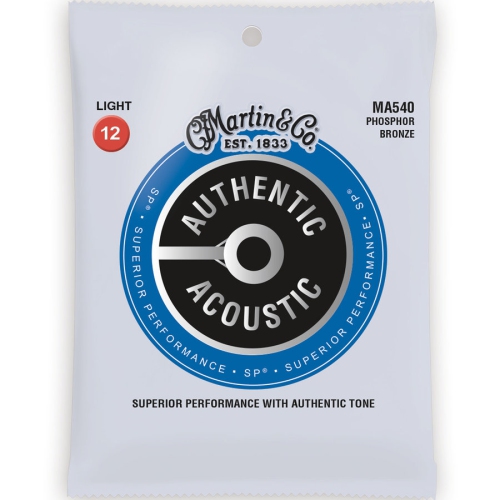

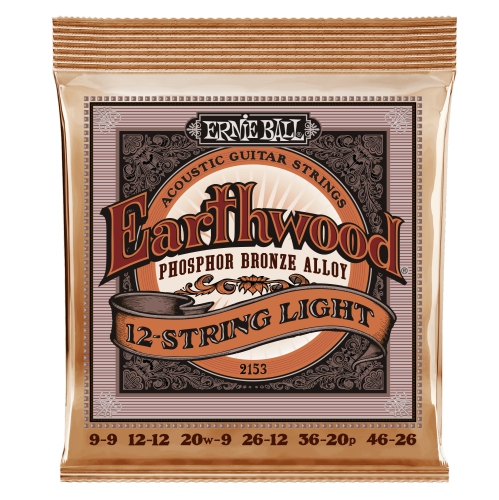
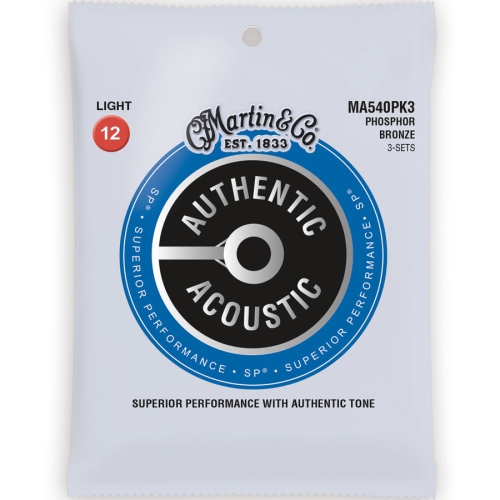
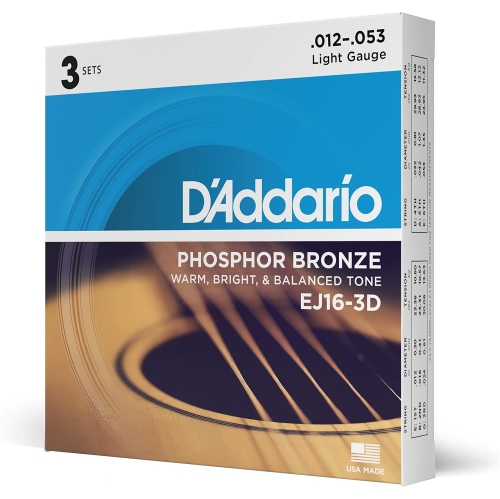
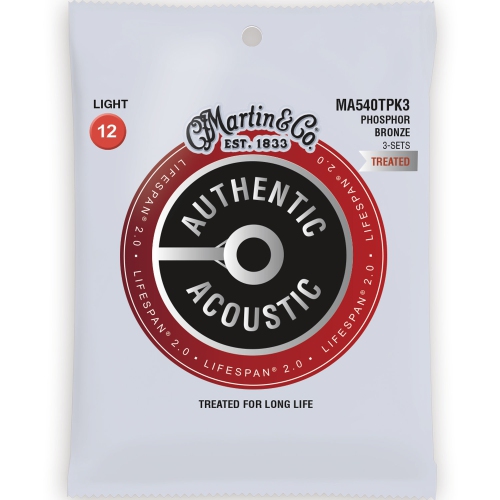
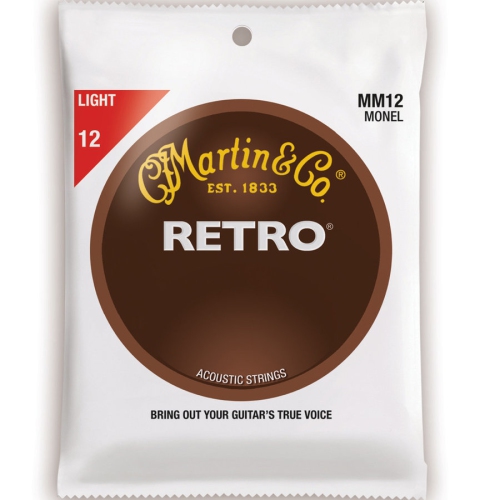


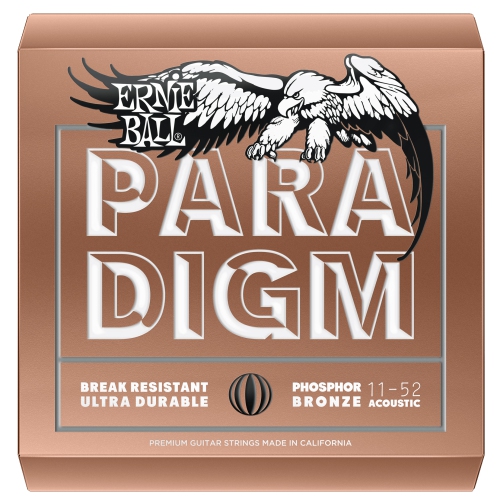
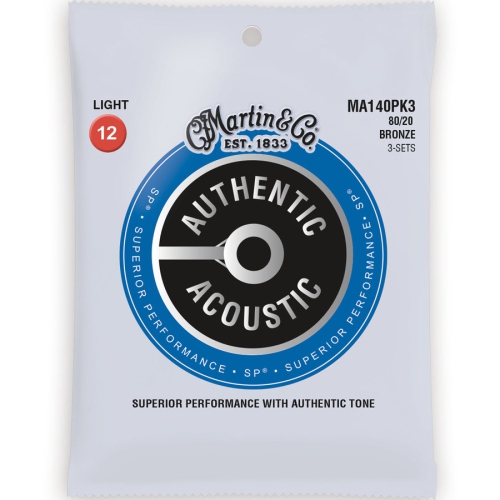
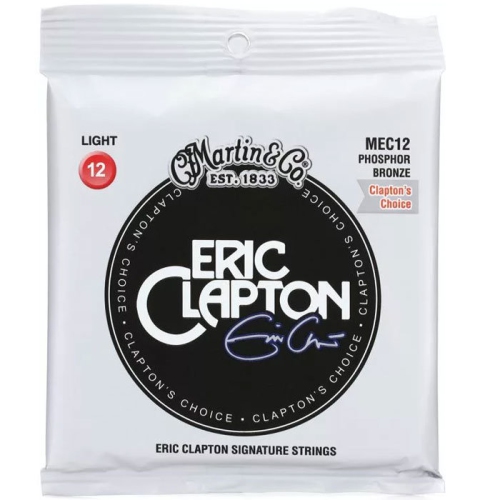
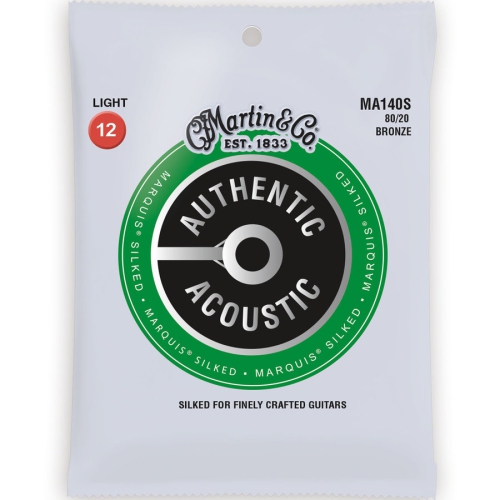
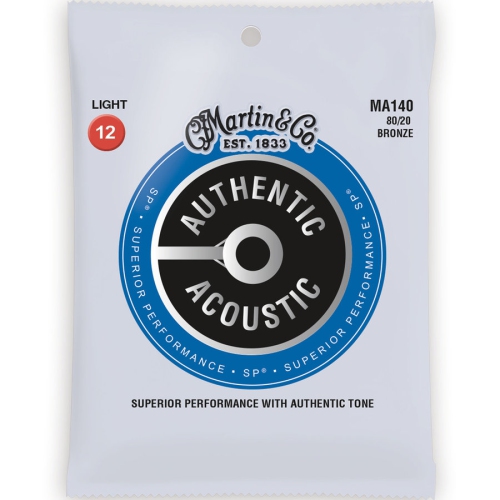
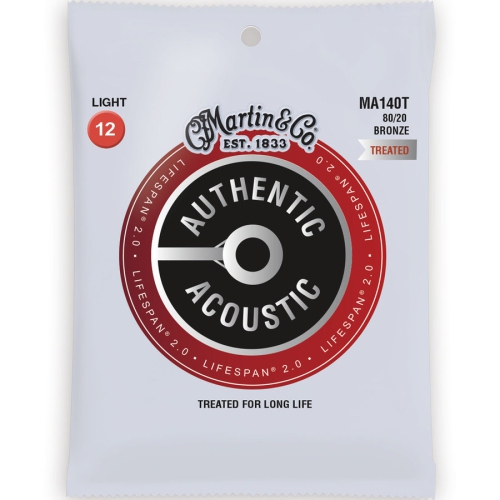
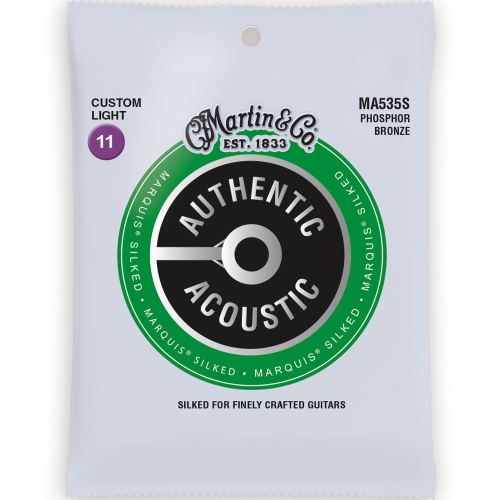
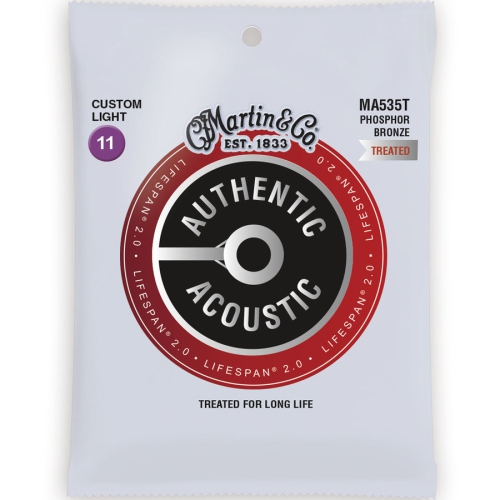
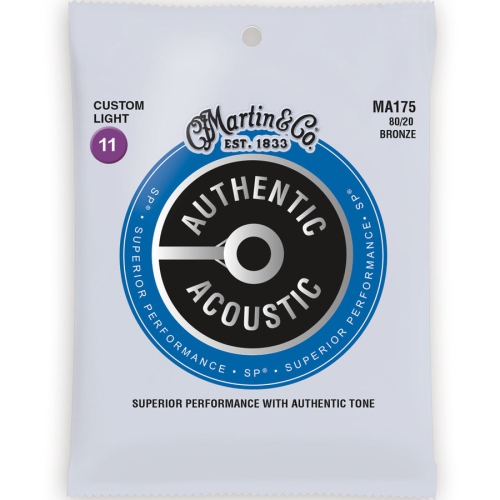
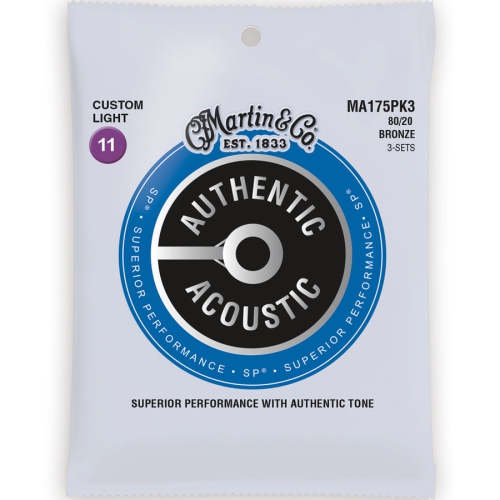
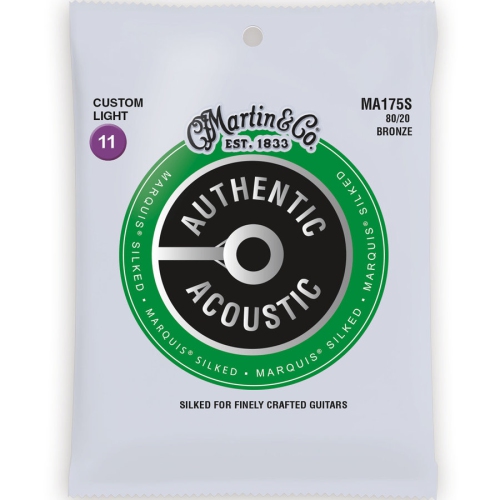
Easier fretting with the resonance of steel strings
Light gauge acoustic guitar strings offer a versatile balance of comfortable fretting, clear tone, and useful acoustic volume for steel-string guitars. A typical light set runs from a 0.012-inch high E string to a 0.053-inch low E string, which is why players often refer to these sets as “twelves.” Exact dimensions vary by manufacturer, and some light sets have a slightly thicker bass string, so the full gauge range matters more than the label alone. Compared with medium strings of similar construction on the same guitar at the same tuning, light strings generally place less tension on the instrument and require less effort to press against the frets. That difference can make barre chords, melodic bends, and repeated chord changes more manageable, especially during extended practice. Beginners developing fingertip strength may appreciate the more forgiving feel, while experienced musicians often choose light gauges for fingerstyle passages, accompaniment, and playing that moves between strumming and individual notes. They are not limited to one guitar shape: light sets can suit parlour, concert, auditorium, and dreadnought bodies when the instrument is designed for the tension. On a smaller acoustic, they can support an easy response to a gentle touch; on a larger guitar, they can offer a comfortable compromise between bass presence and fretting effort. Tone still depends on the guitar’s construction, scale length, setup, and the player’s attack. A forceful flatpicker may find that lighter strings reach their clean-volume limit sooner than heavier ones, while a singer accompanying a quiet vocal may value their responsiveness at lower playing intensity. For everyday practice, songwriting, lessons, and informal performances, light gauge acoustic guitar strings provide a practical middle ground rather than an extreme in either stiffness or softness. Their appeal lies in making a broad range of techniques accessible without giving up the familiar resonance and ringing chords of a steel-string acoustic.
Materials and construction shape how light acoustic strings sound beneath the fingers and how that sound develops with use. Most conventional sets combine plain steel treble strings with bass strings made from a steel core wrapped in an alloy. Phosphor bronze winding is commonly associated with warmth, complexity, and a clear upper register, making it a versatile match for both chord accompaniment and separated fingerpicked notes. Strings described as 80/20 bronze typically use an approximately 80 per cent copper and 20 per cent zinc wrap, often producing a bright, crisp initial sound with a pronounced pick attack. These tonal descriptions are useful starting points rather than guarantees: a naturally bright guitar may respond differently from one with a darker voice, and fresh strings often sound more brilliant than they do after settling in. Core shape, wrap dimensions, and surface treatment also influence flexibility, texture, and response, even when two sets carry the same gauge designation. Coated strings add a protective treatment intended to reduce the buildup of oils and debris and slow corrosion, which can help preserve a usable tone over repeated playing sessions. Depending on the coating, they may also feel smoother against the fingertips. Uncoated strings offer a familiar metal texture and direct tactile feedback that some players prefer, though their tone may change sooner with frequent use or perspiration. Neither construction removes finger noise entirely, and the amount of squeak heard during a slide also depends on technique and recording placement. For a player recording a delicate picked part, the balance between surface feel and audible movement can matter as much as brightness. For someone strumming through a long rehearsal, comfortable tension and consistent response may be the bigger priorities. String life varies with playing frequency, hand chemistry, handling, and care, so a fixed replacement schedule does not suit everyone. A dull or uneven sound, rough patches, visible corrosion, and increasing difficulty maintaining accurate tuning can all signal that a set is nearing the end of its useful life.
Fit begins with the type of guitar, not simply the word “acoustic” on the packaging. Conventional steel acoustic strings are intended for instruments built to handle their tension; they should not be fitted to a classical or nylon-string guitar unless its maker explicitly permits that use. Six-string and twelve-string instruments also need their respective set configurations, and the string-end style must match the bridge design. The guitar maker’s specified gauge range is a useful reference, particularly for older instruments or guitars with known structural concerns. Scale length affects feel as well: the same light set generally carries more tension on a longer-scale guitar at the same pitch. Moving from a heavier gauge to light strings can change neck relief and action, occasionally making a setup adjustment necessary to keep notes clean across the fretboard. Persistent fret buzz or unusually difficult fretting may reflect setup issues rather than a poor choice of string material. Players seeking an even softer feel can compare Extra Light Gauge Guitar Strings, bearing in mind that reduced tension can also alter bass weight, picking resistance, and response under a heavy strum. Alternate tunings deserve similar consideration, since lowering pitch reduces tension and can leave some light sets feeling loose. Routine care helps preserve both feel and tone: clean hands and a wipe with a clean, dry, lint-free cloth after playing limit residue on the strings. Cleaners should be suitable for guitar strings and compatible with the instrument’s finish, with excess liquid kept away from the wood. Secure seating at the bridge and tidy wraps around the tuning posts help a fresh set settle reliably, while clipped string ends need careful handling because they are sharp. As a gift for a student, songwriter, or regular acoustic player, strings are most useful when the recipient’s preferred gauge, guitar type, and coating preference are known. Matching those details supports the feel they already enjoy, whether they are practising chord changes at home or adding a clear acoustic part to an ensemble.
Top selling and popular products
-
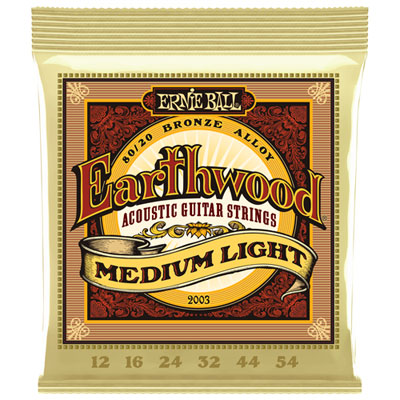 Your price for this item is $14.99
-
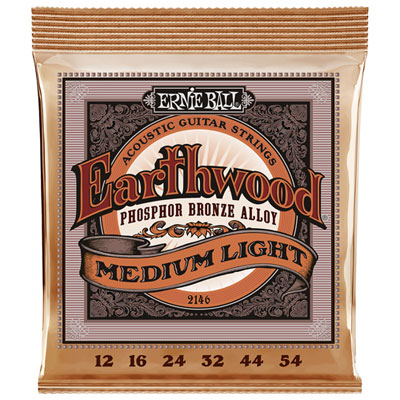 Your price for this item is $11.49
-
 Your price for this item is $31.49
-
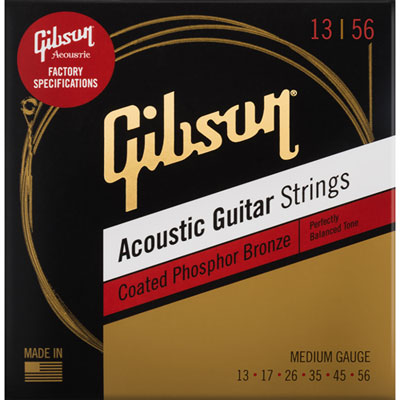 Your price for this item is $18.19
-
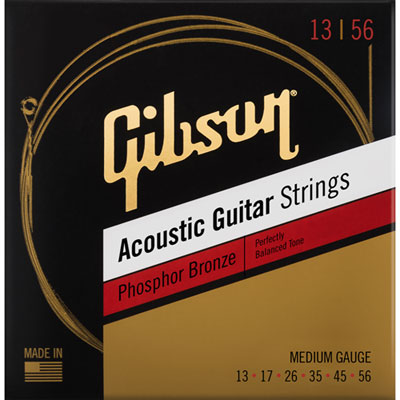 Your price for this item is $13.95
-
 Your price for this item is $15.49
-
 Your price for this item is $15.49
-
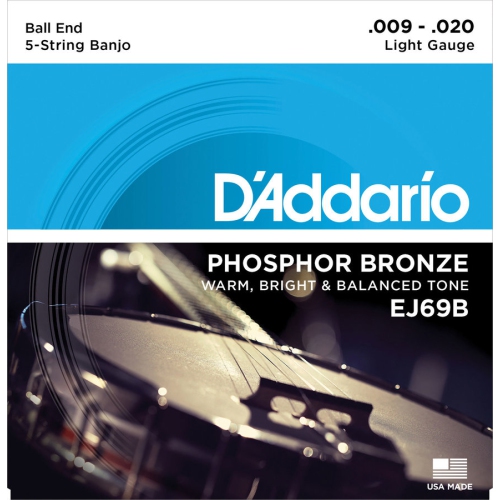 Your price for this item is $6.49
Discover more categories related to Light Gauge Acoustic Guitar Strings

Top Collections:
Pokemon Centers, Best Cameras for Sports Photography, Kindle Devices, Samsung Galaxy Phones, Canon G7X Cameras, Pokémon 30th Celebration Cards, Refurbished Apple Laptops, iPhone 15 Apple, Laptops for Students, Budget Smartphones
Some products may be subject to Environmental Handling Fees
(EHF) depending on your province.
Learn more about EHFs.