Lightweight Guitars
Looking for a lightweight guitar that's easy on the shoulders but heavy on performance? Look no further! Our collection of lightweight guitars offers the perfect balance of portability and playability, making them ideal for musicians on the go. Whether you're a seasoned pro looking for a travel companion or a beginner in need of a comfortable instrument to practice on, these guitars are designed to deliver exceptional sound quality without weighing you down. Explore our range of lightweight guitars and find your perfect match today!
Sort
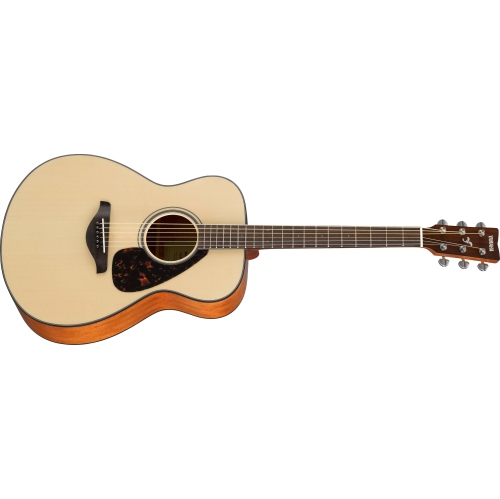
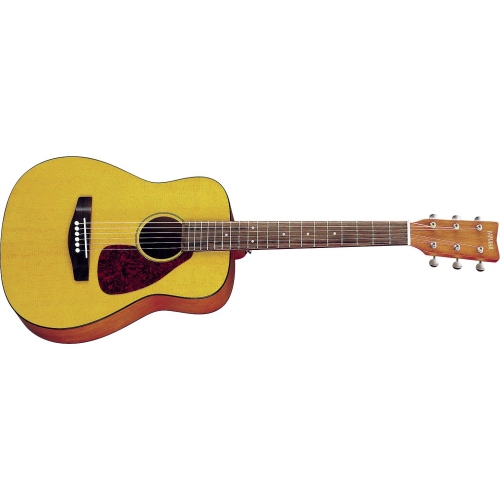
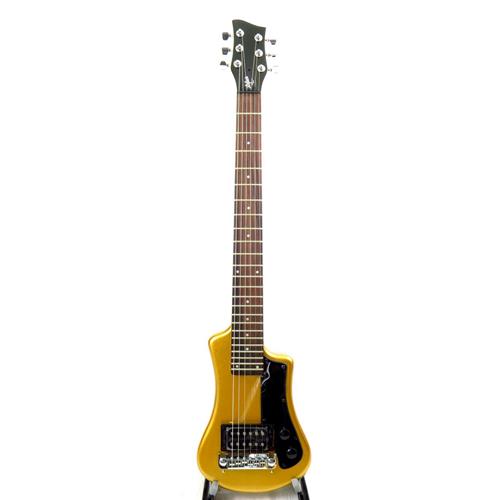
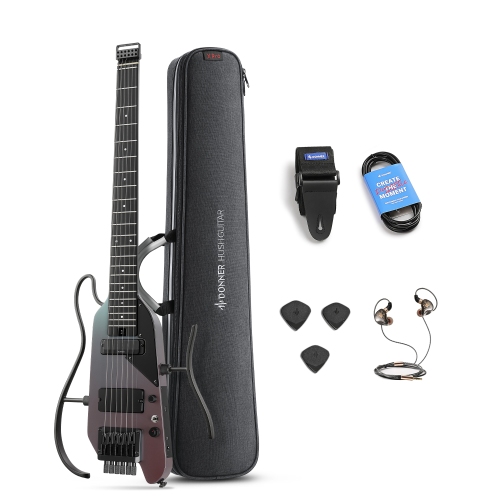
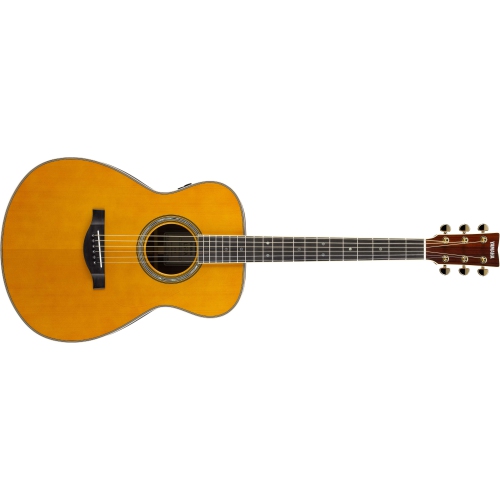
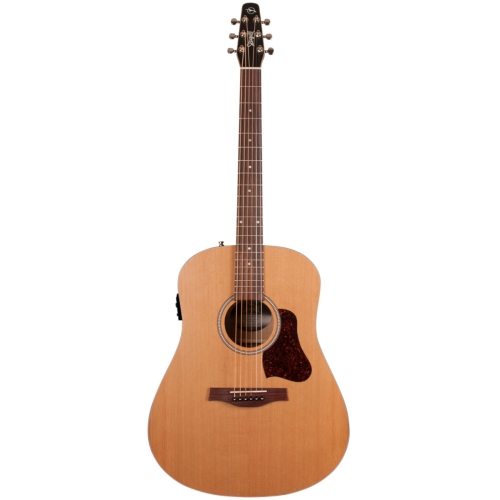
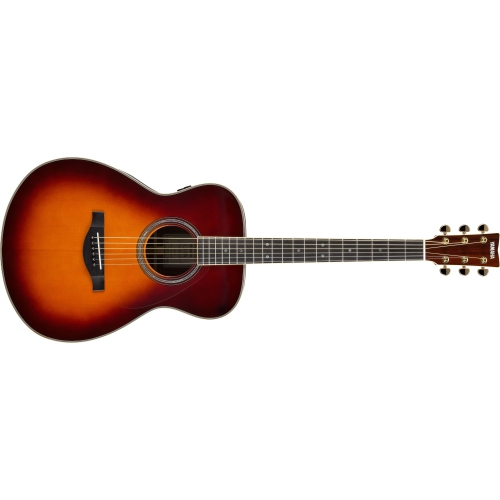
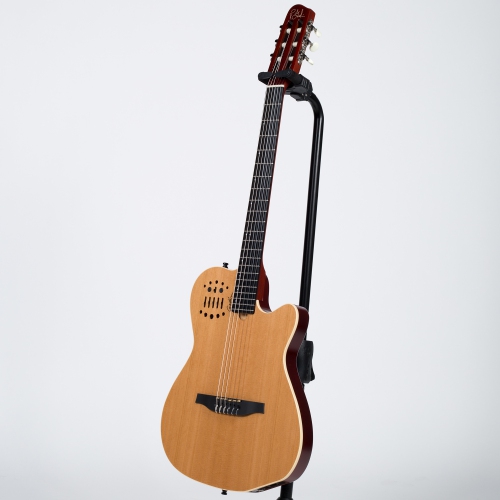
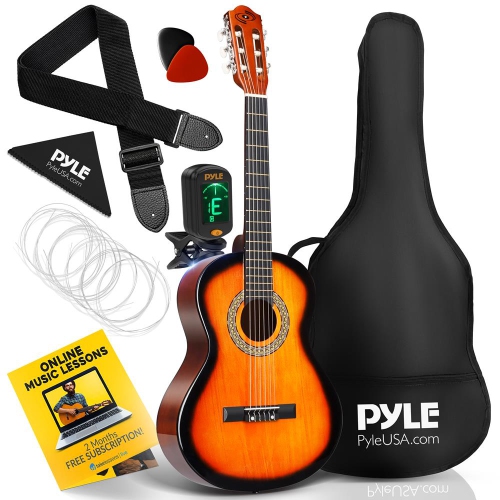
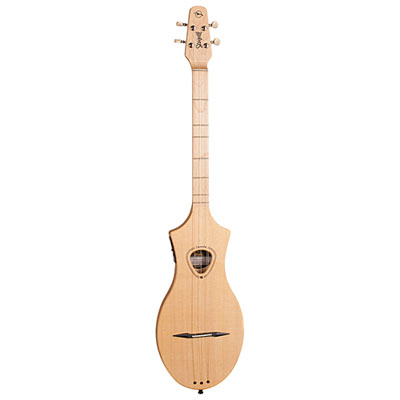
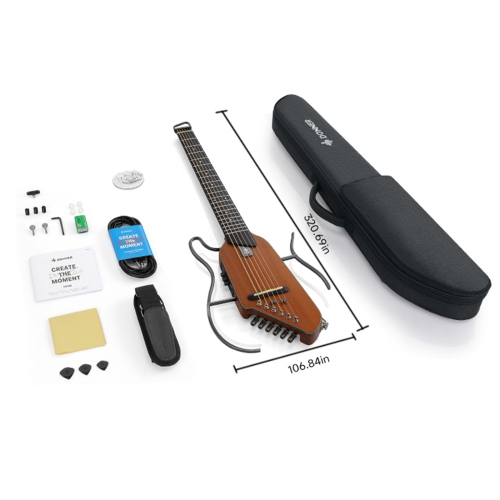
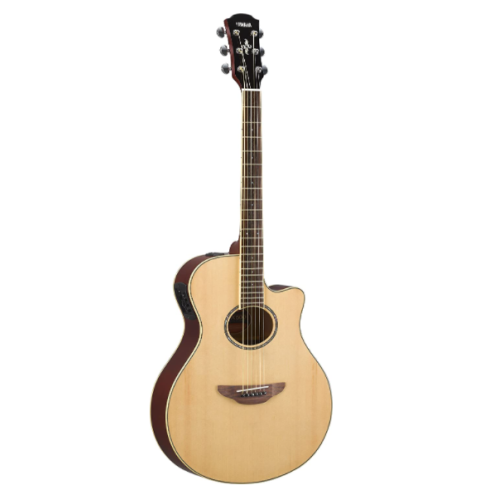
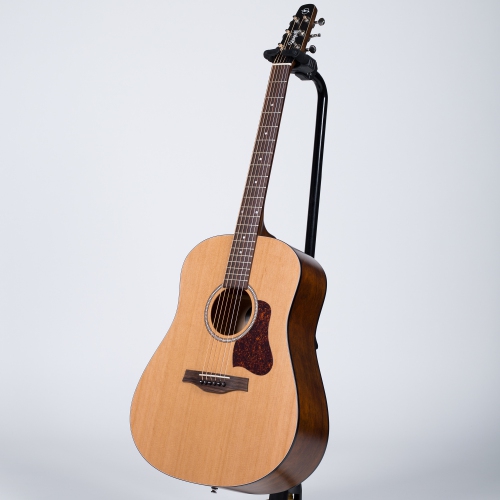
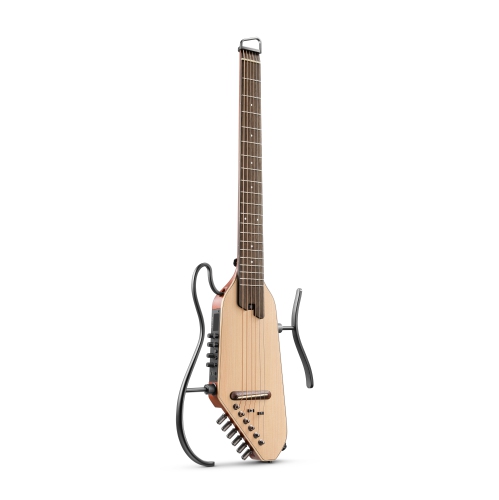
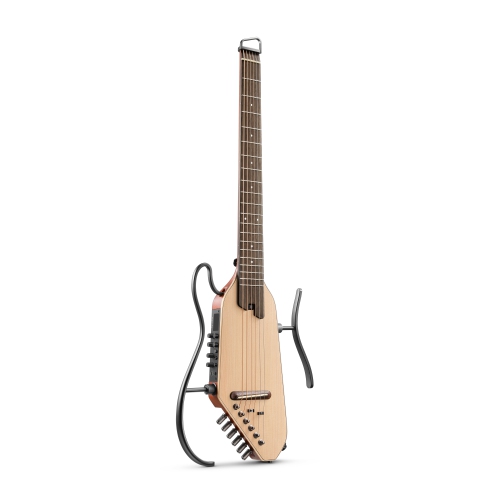
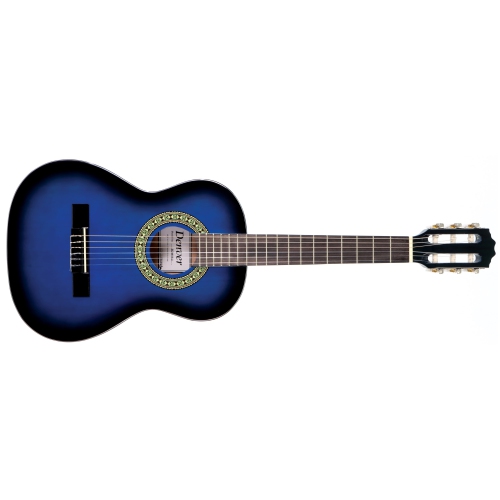
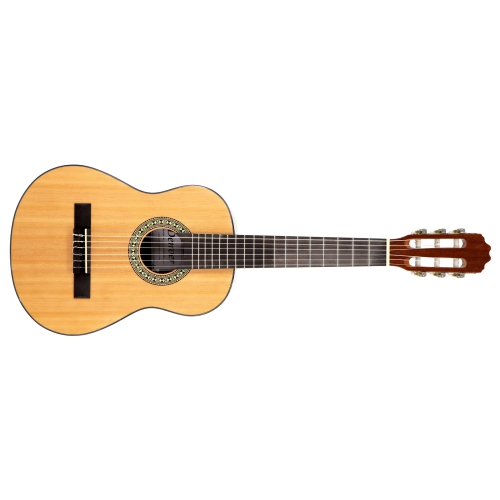
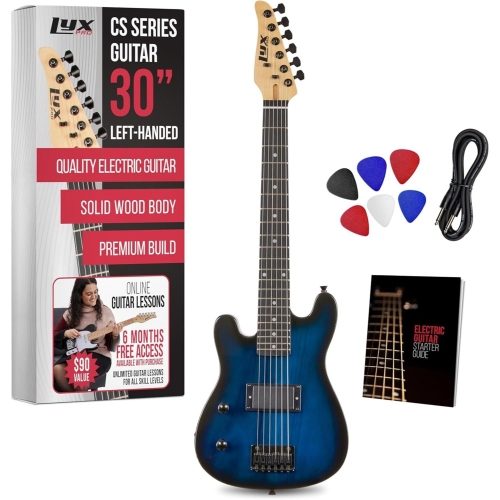

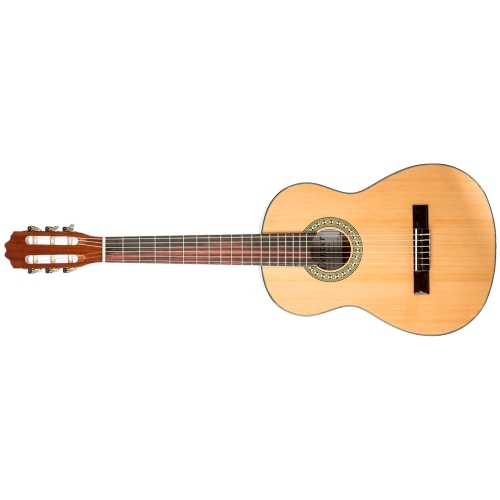
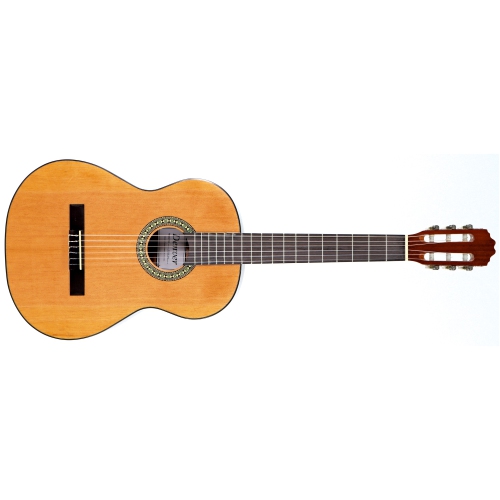

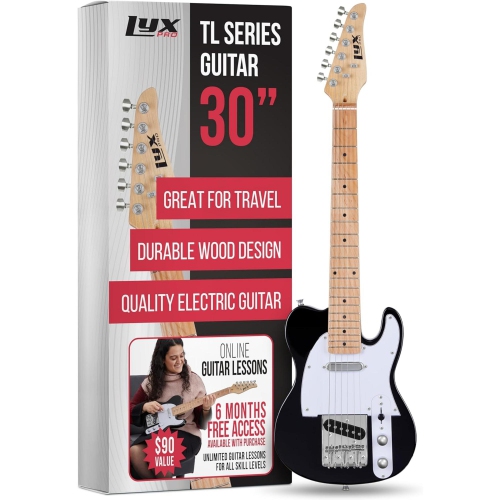
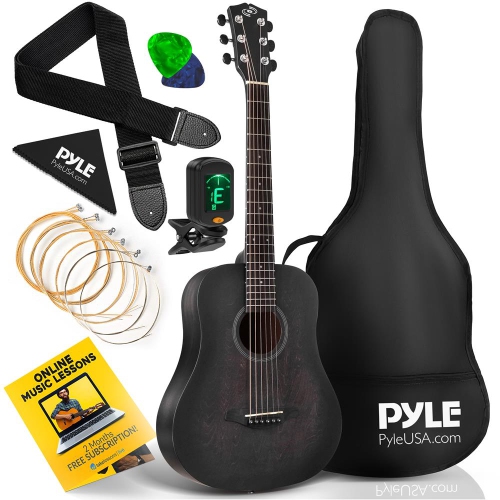
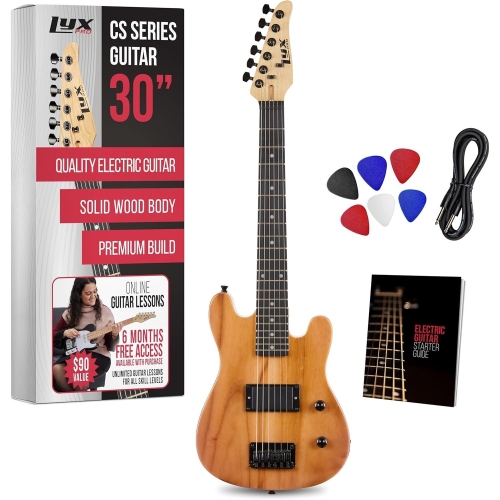
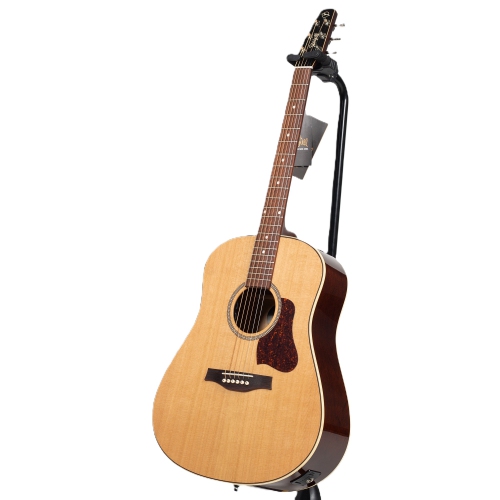

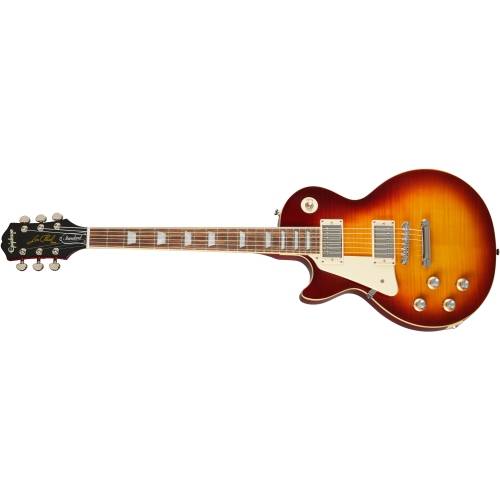

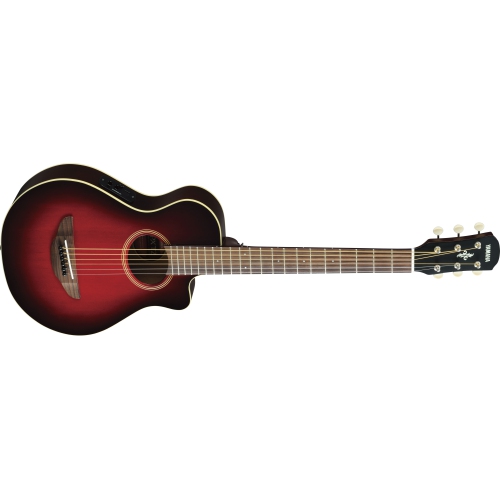
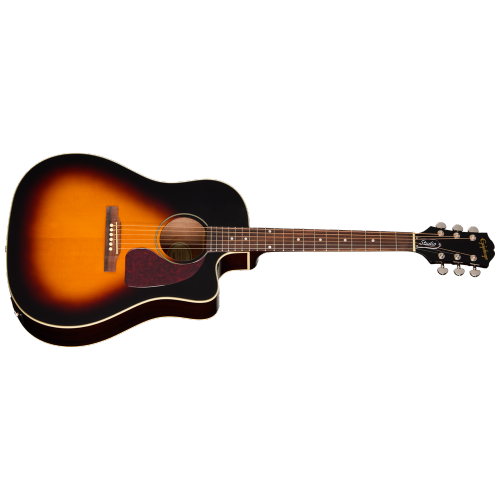
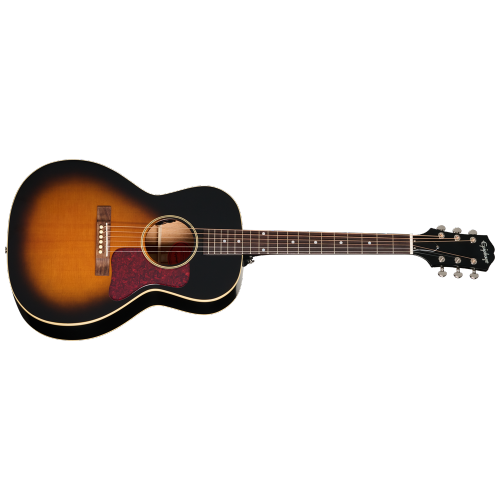

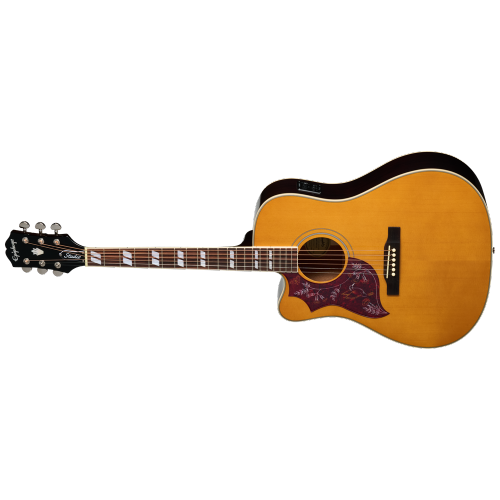
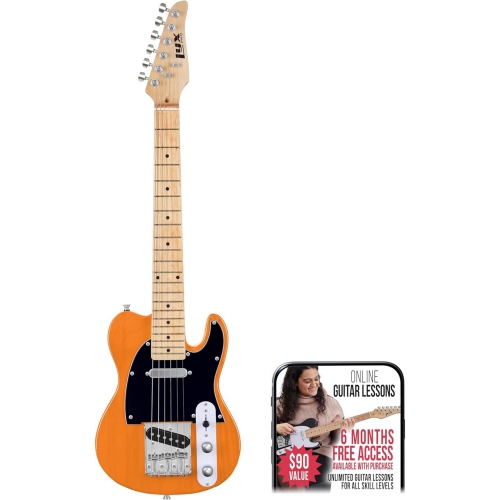
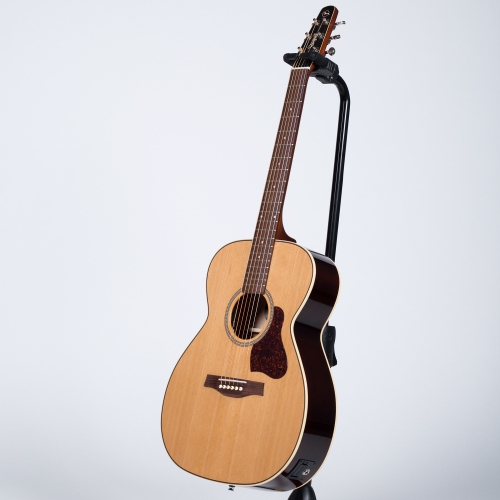
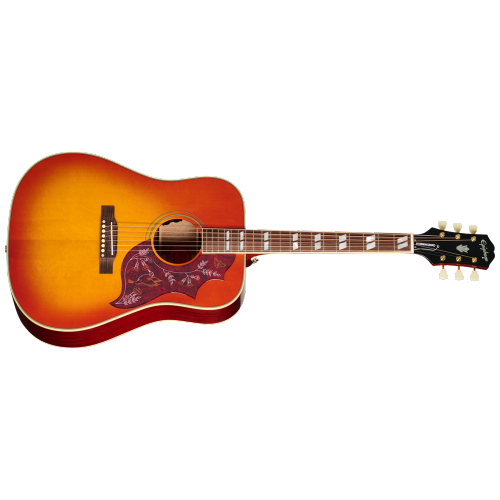
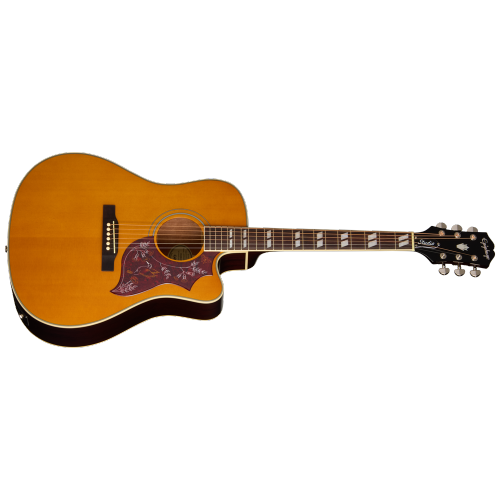
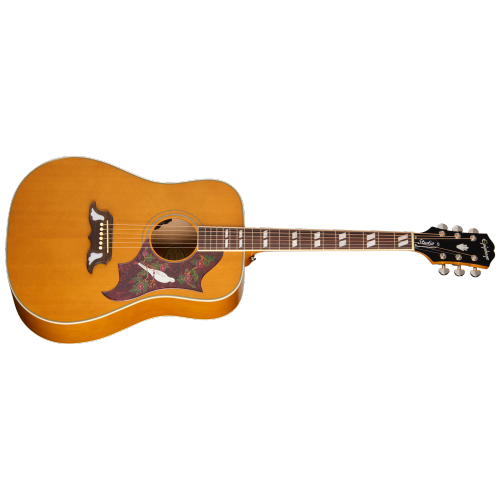
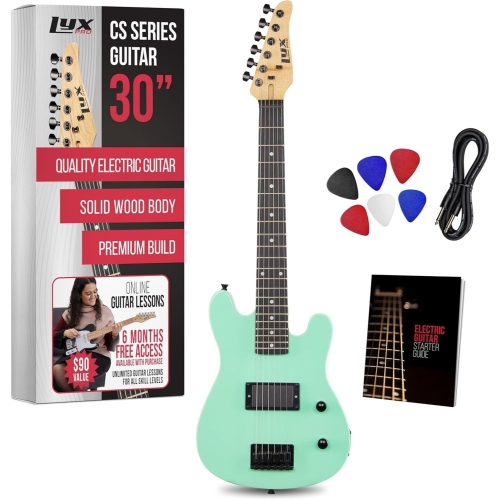
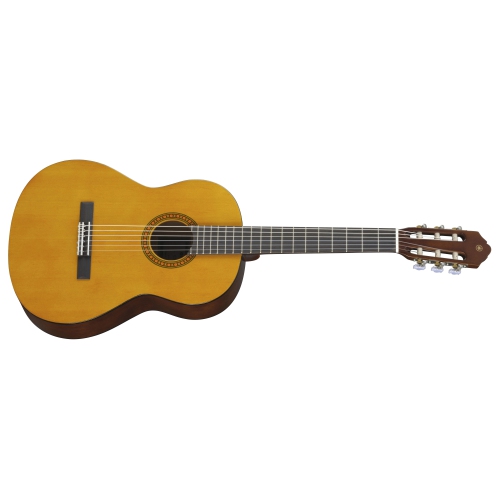

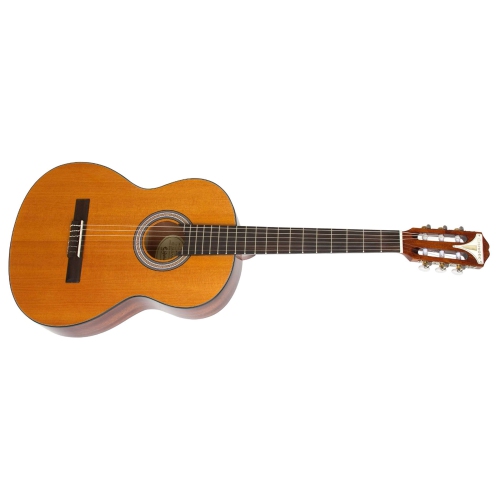
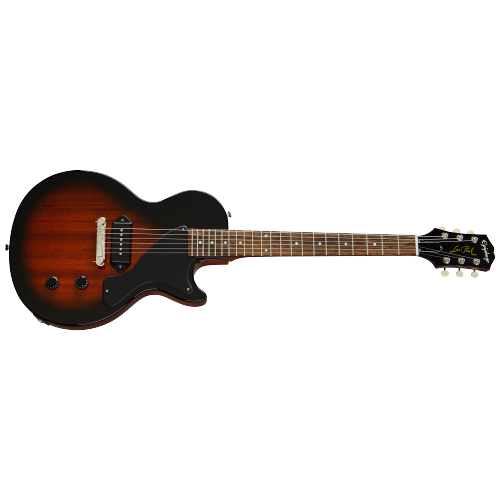
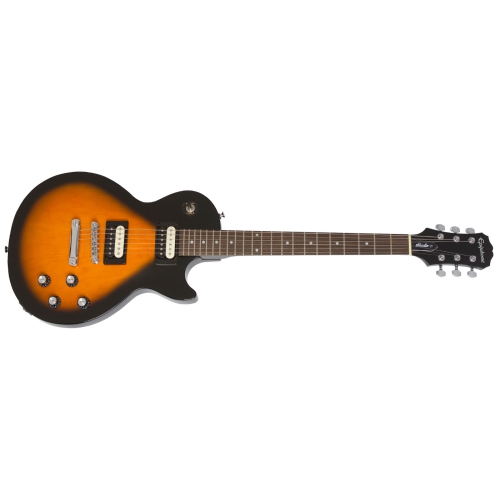
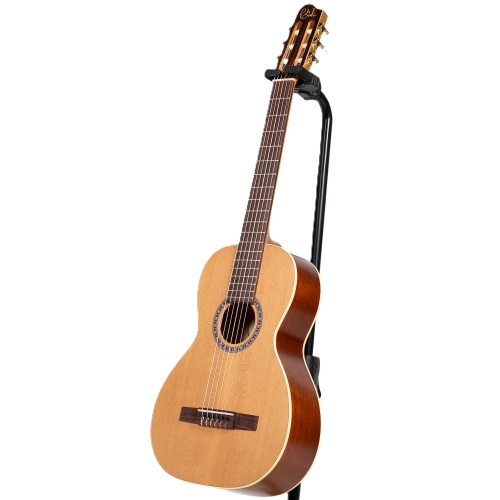
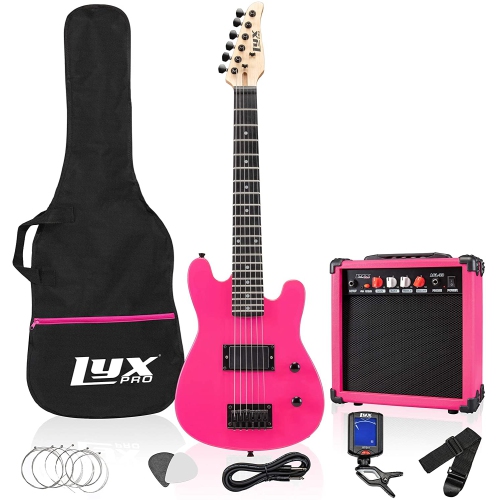
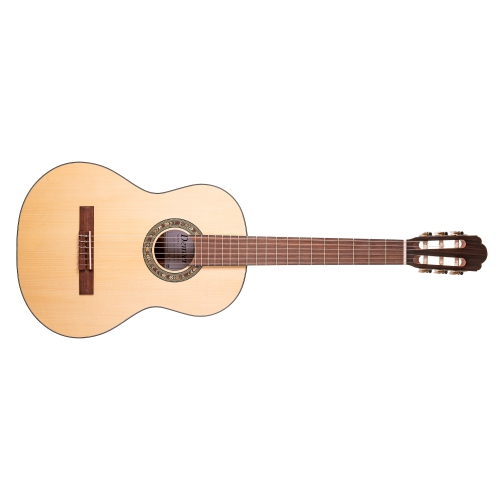
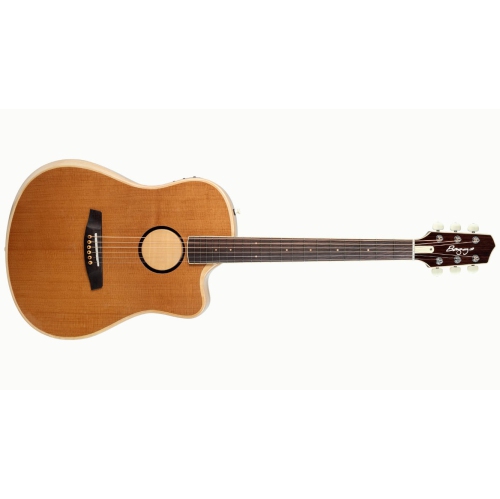
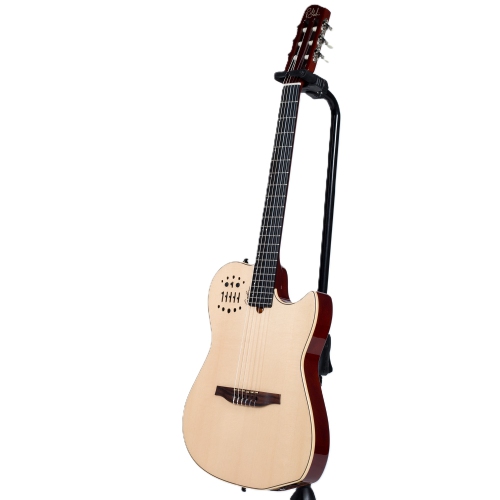
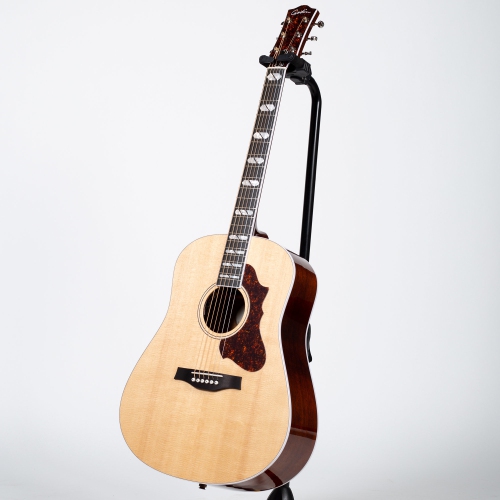
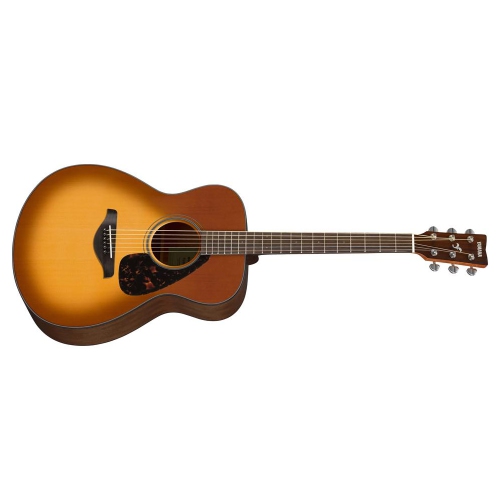
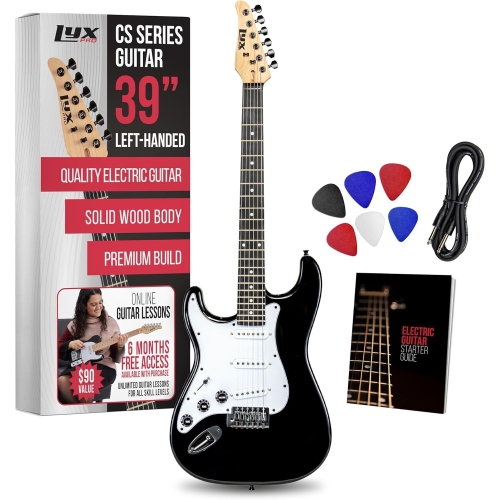
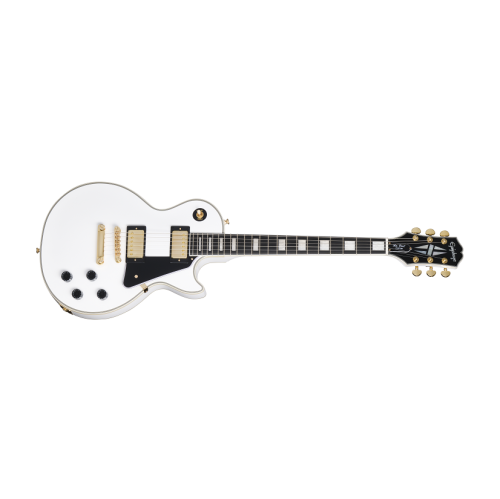
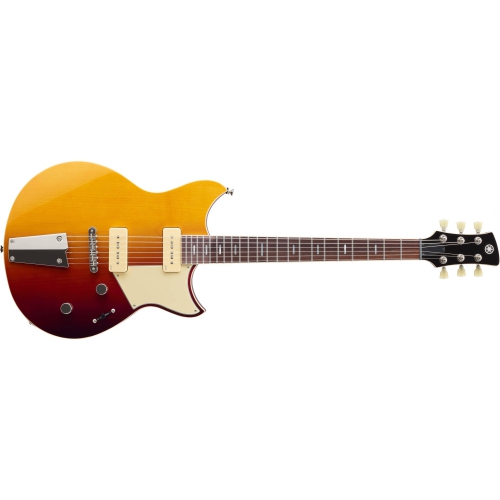
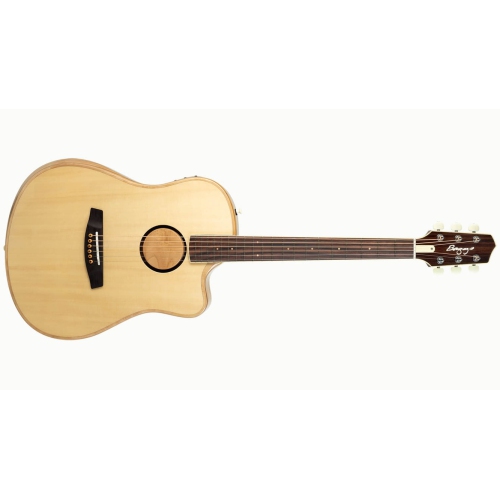
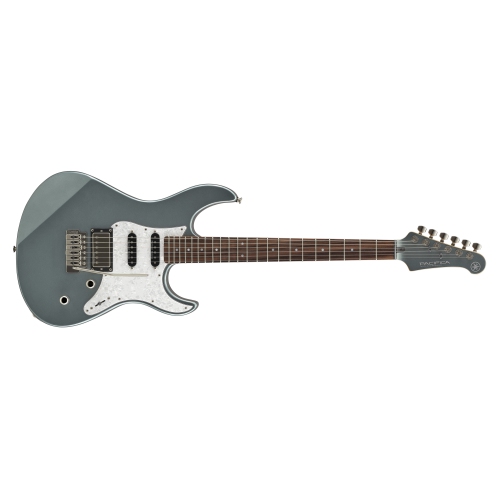
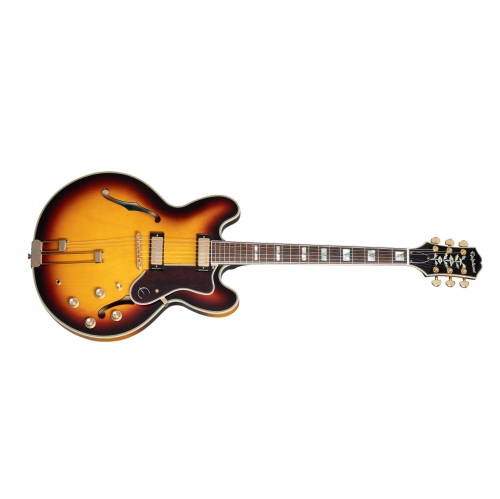
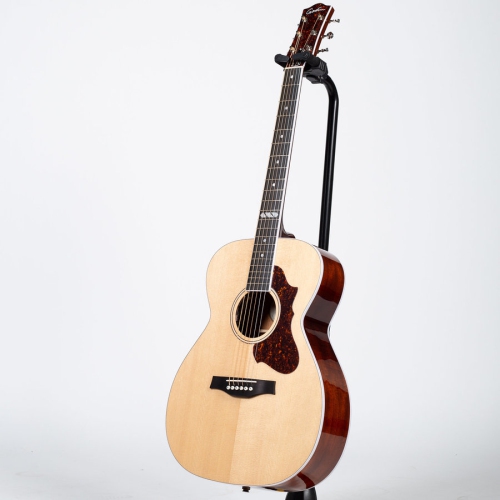
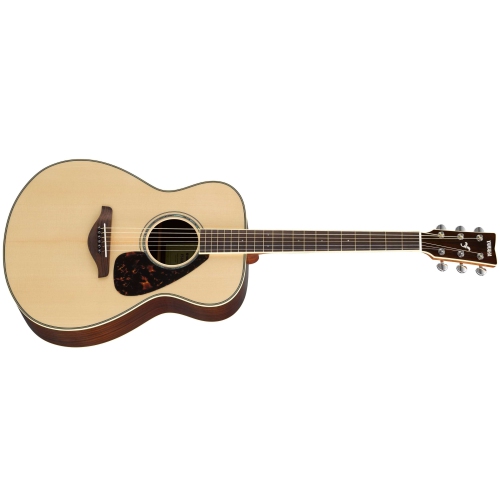
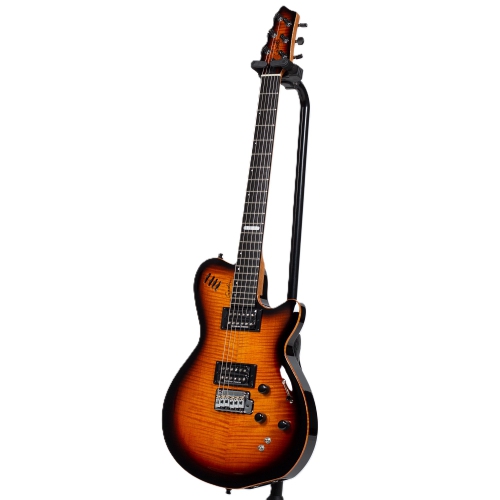
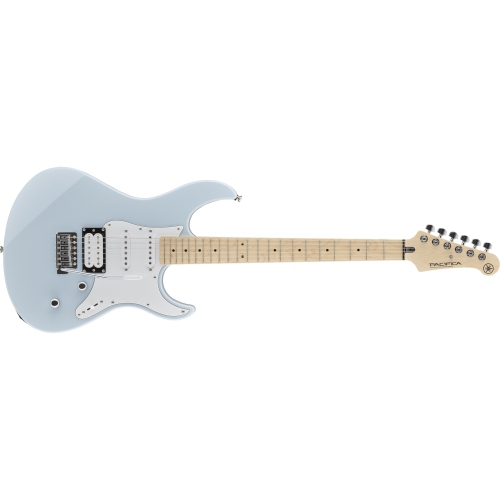
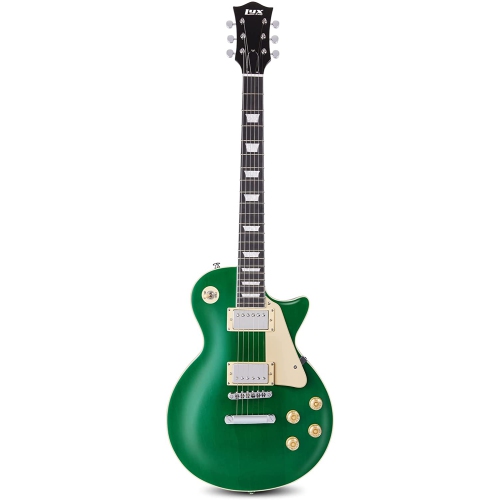
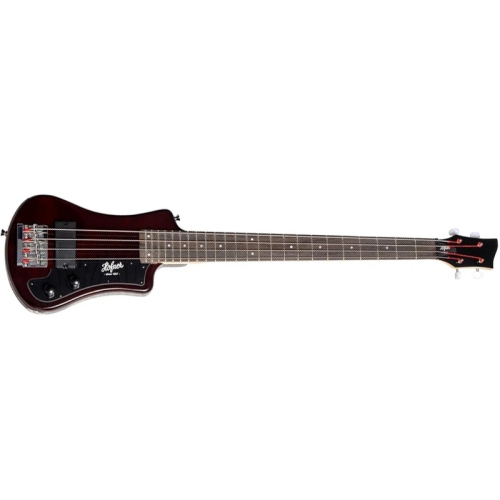
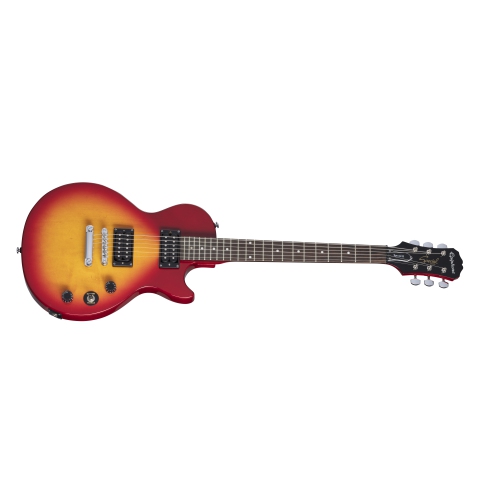
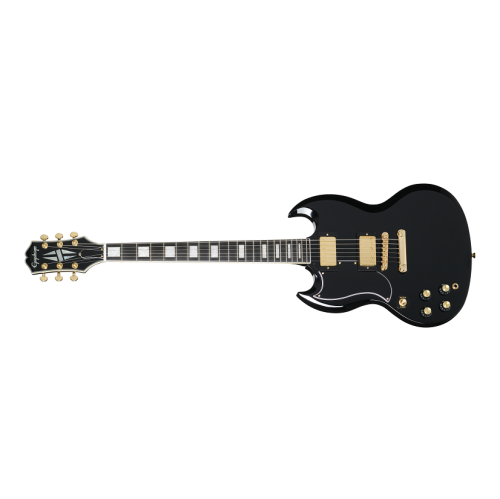
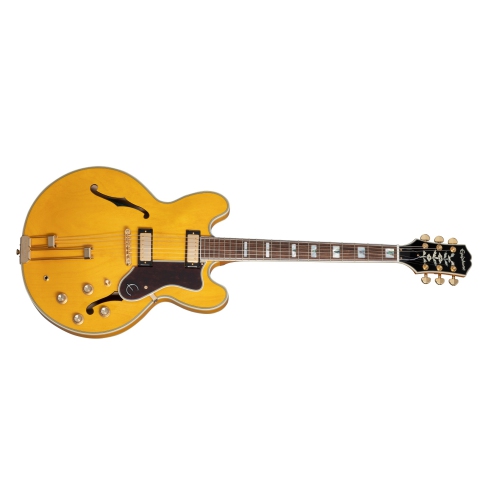
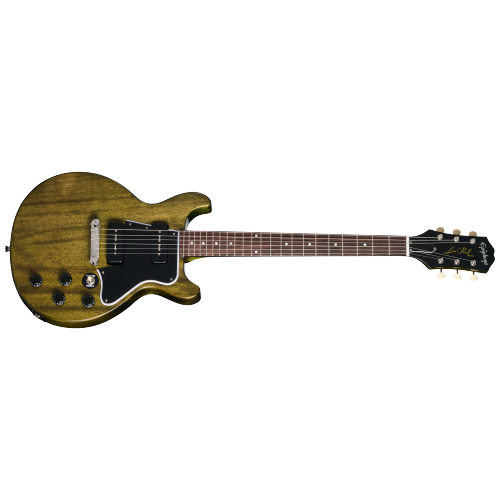
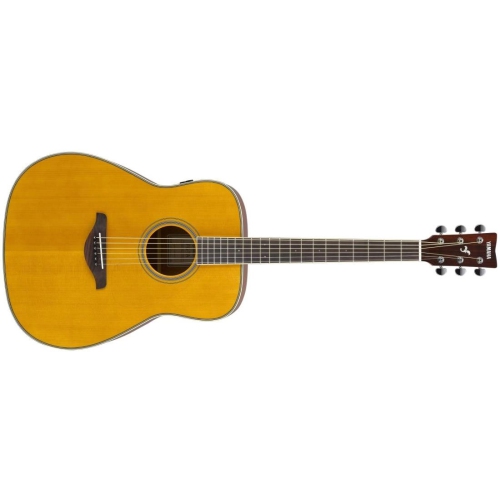

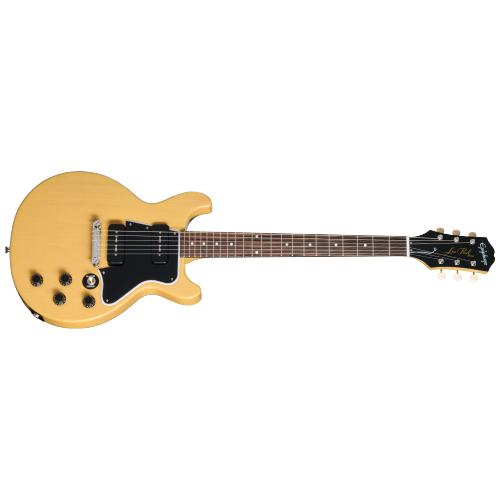
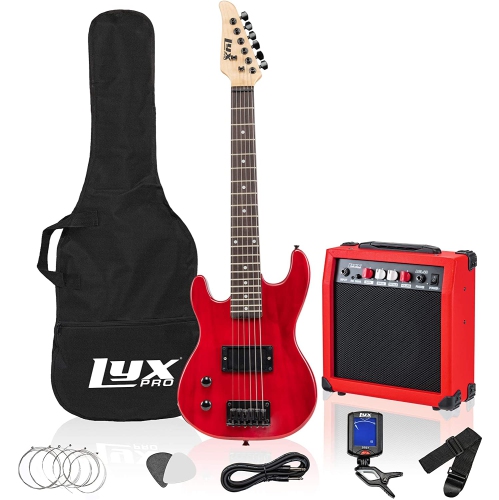

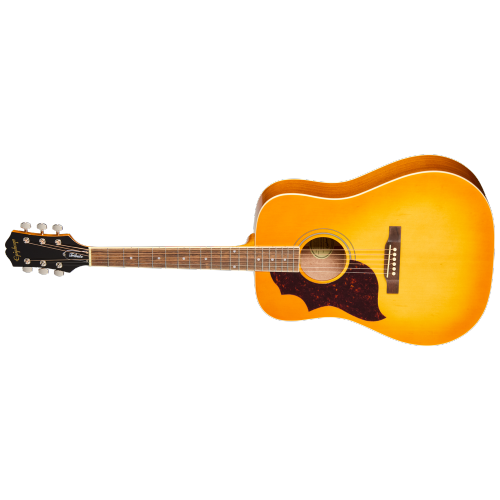
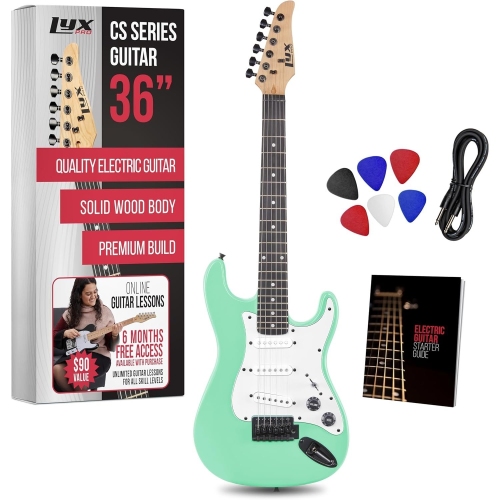
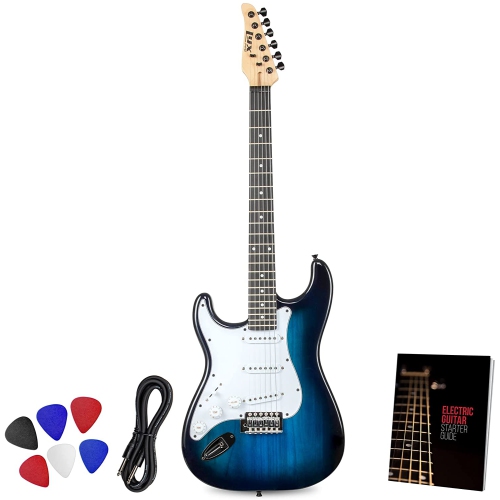

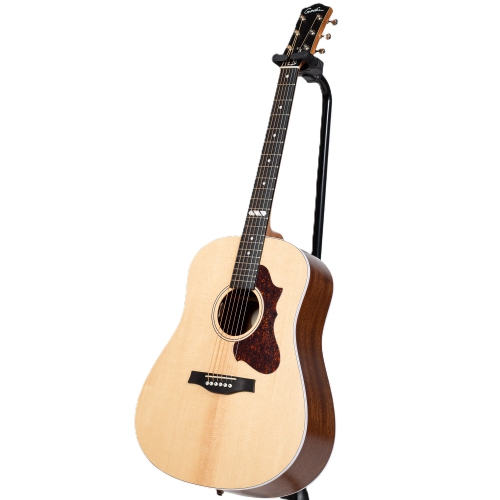
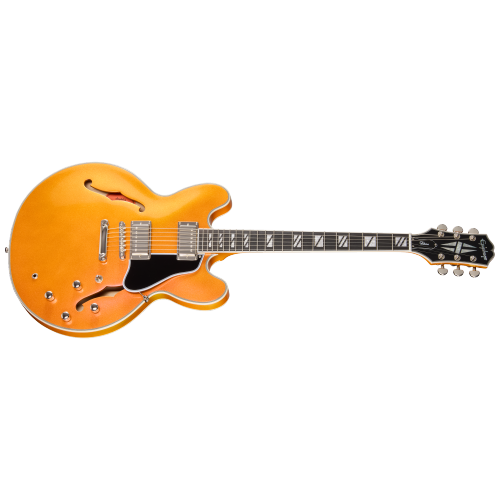
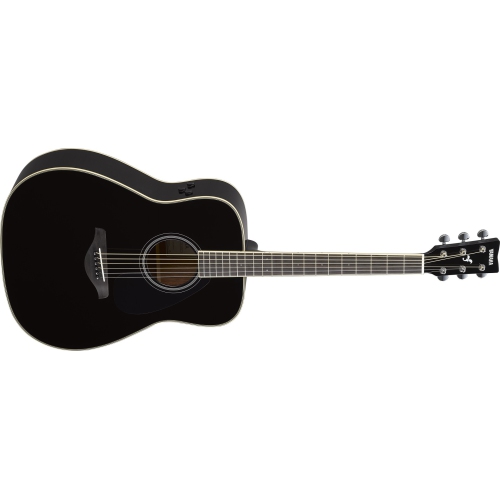
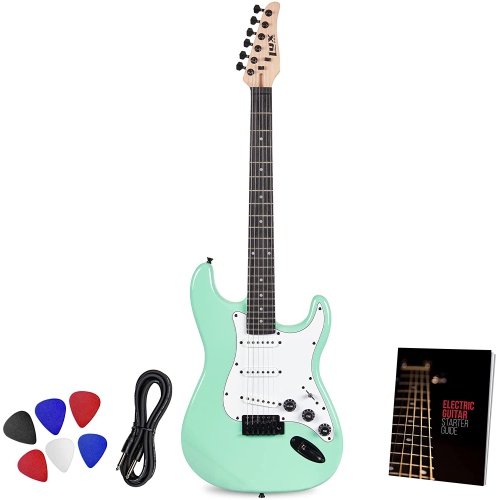
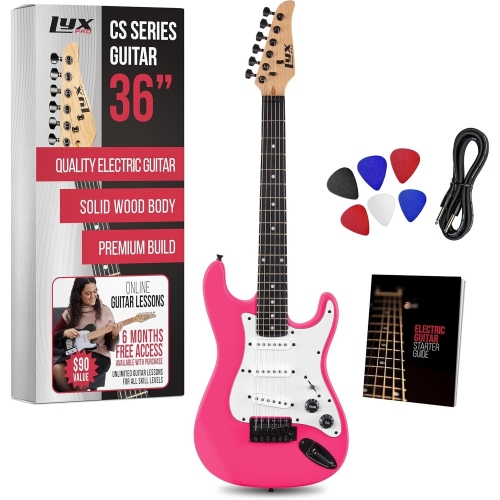
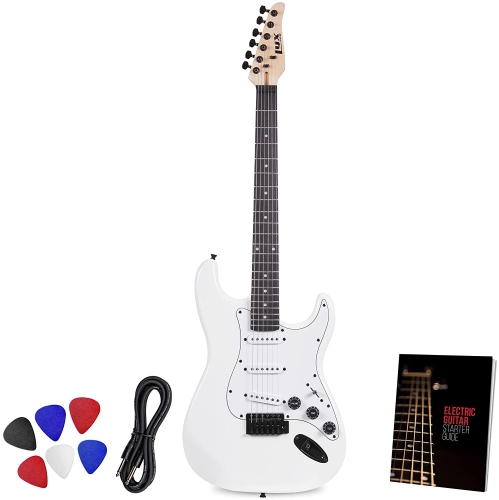
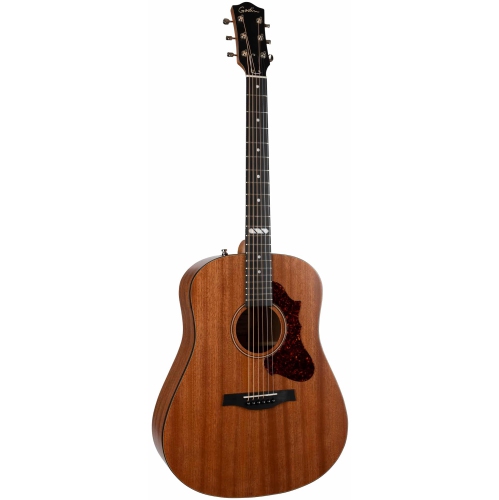
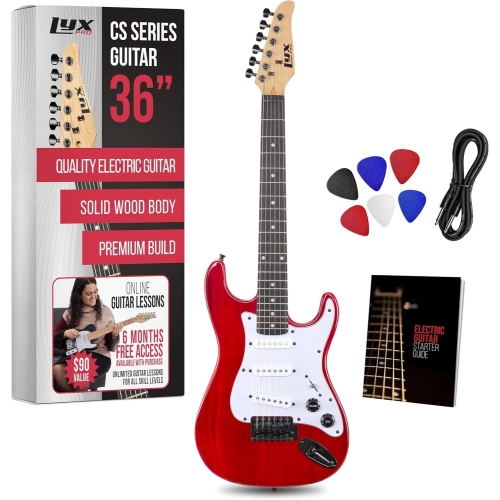
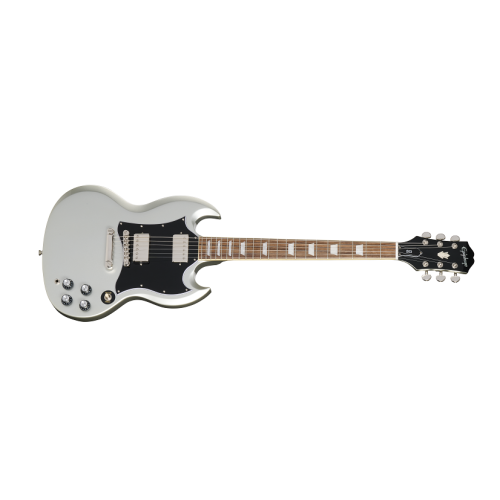
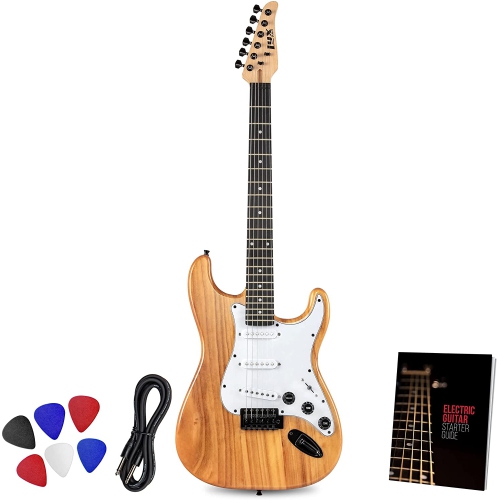
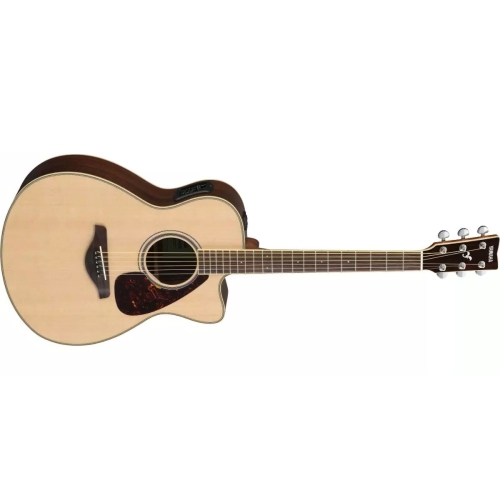

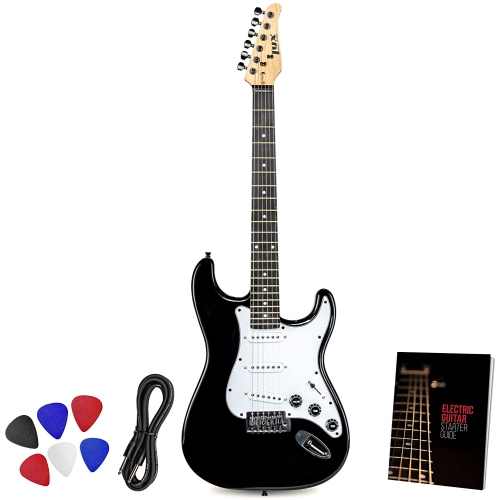
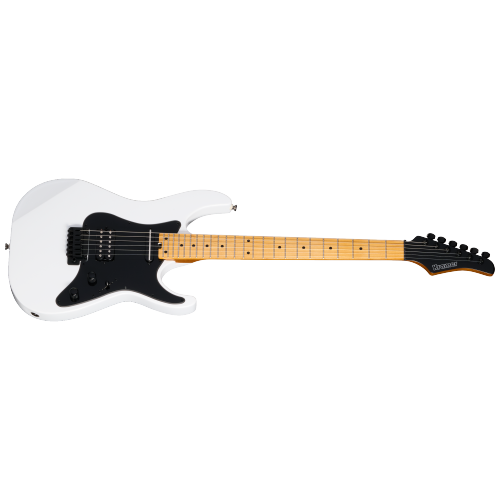
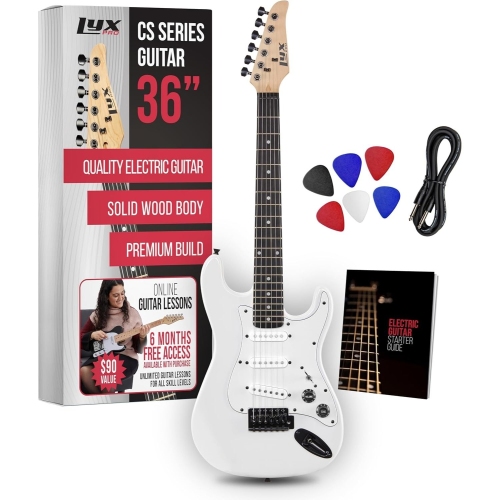
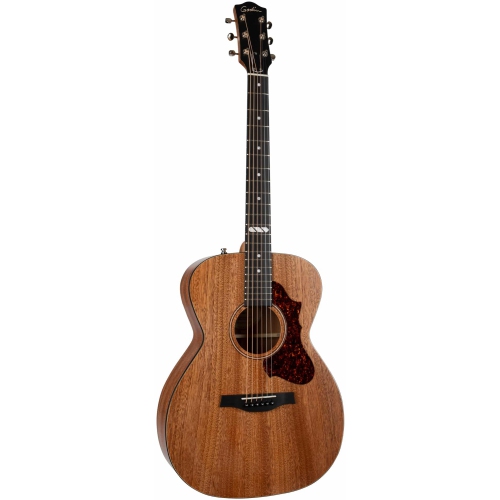
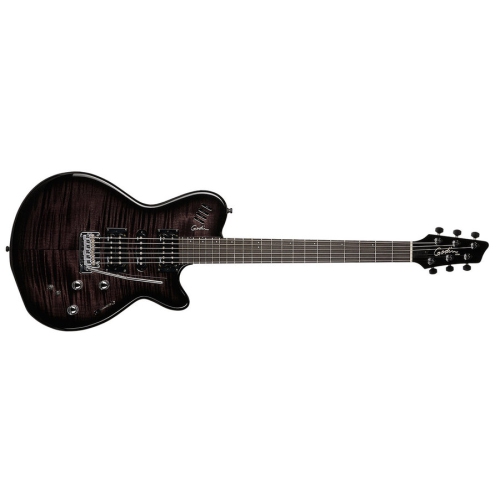
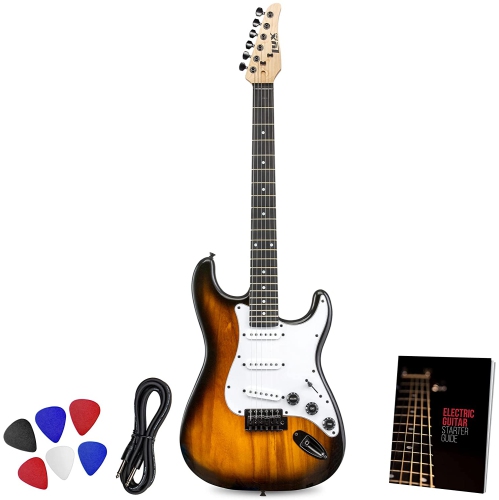
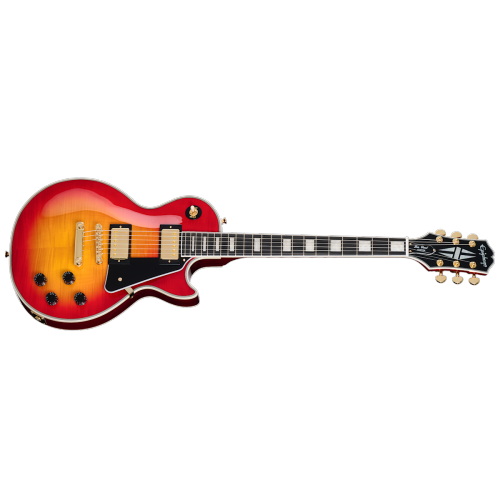
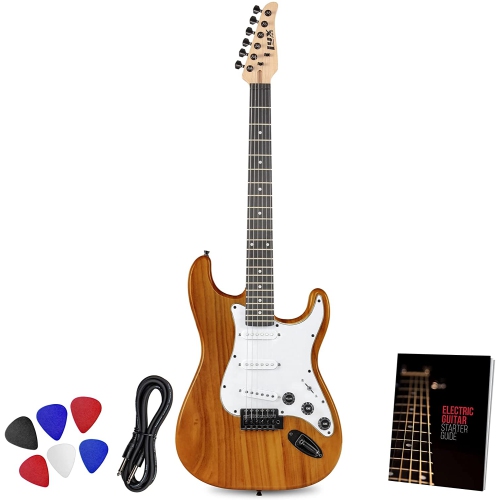
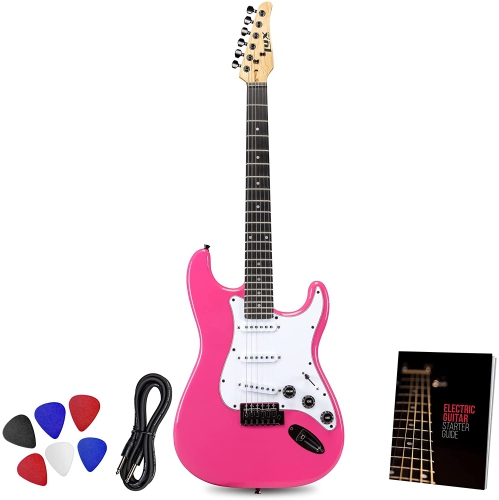
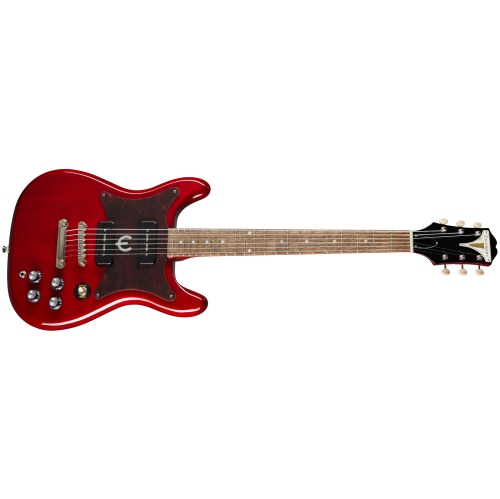
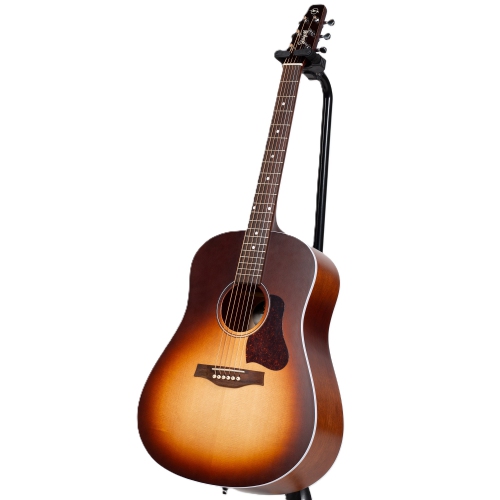
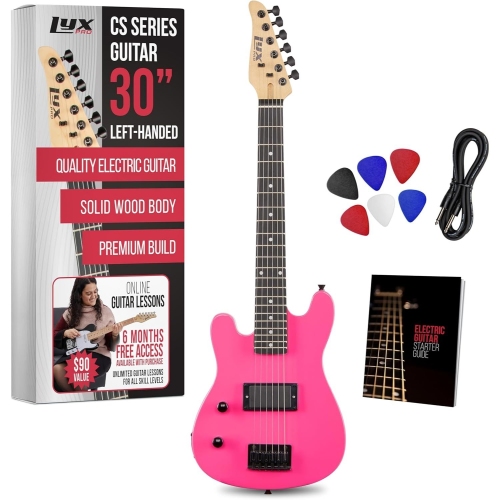
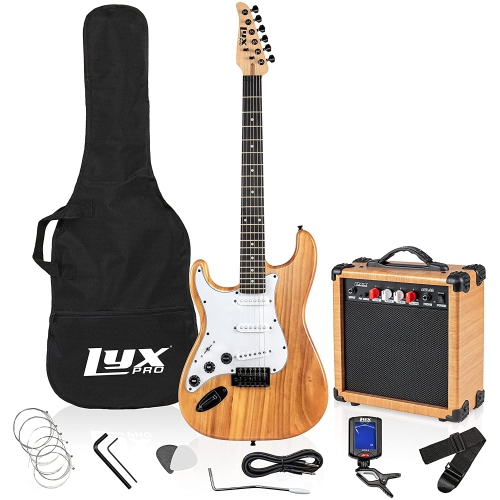
Comfort depends on more than the number on the scale
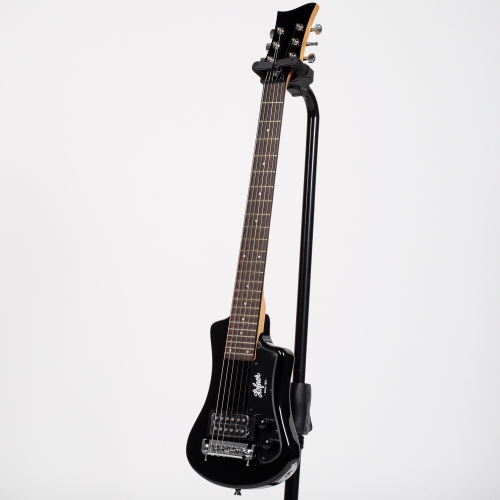
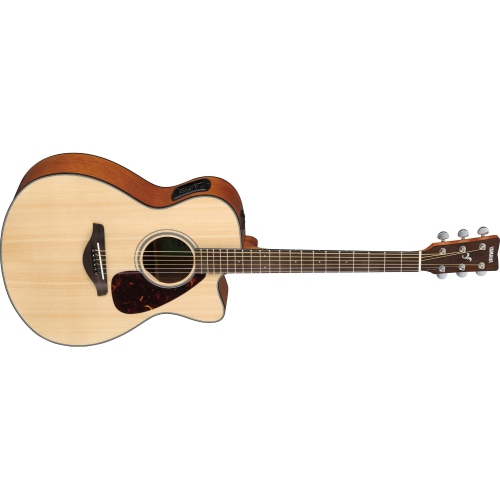
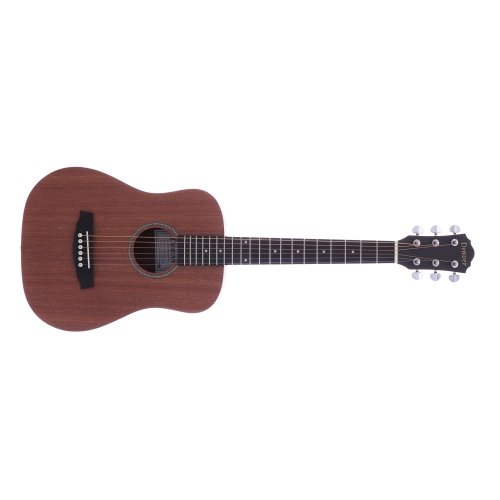
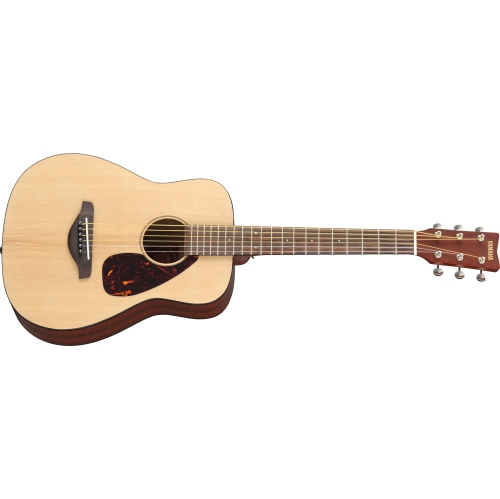
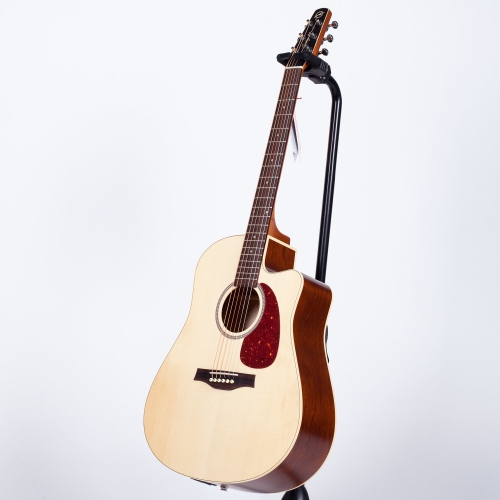
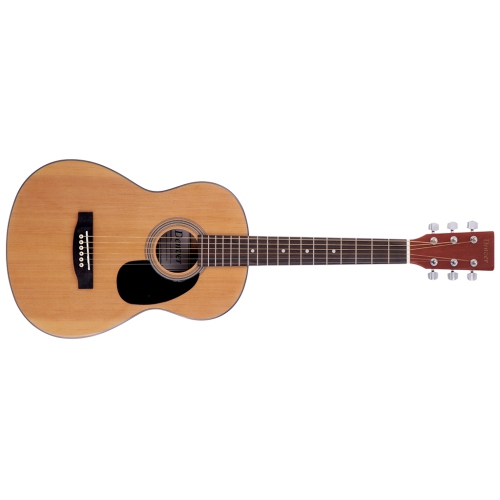
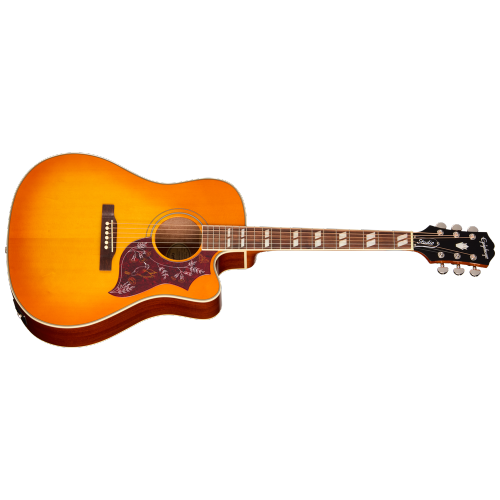
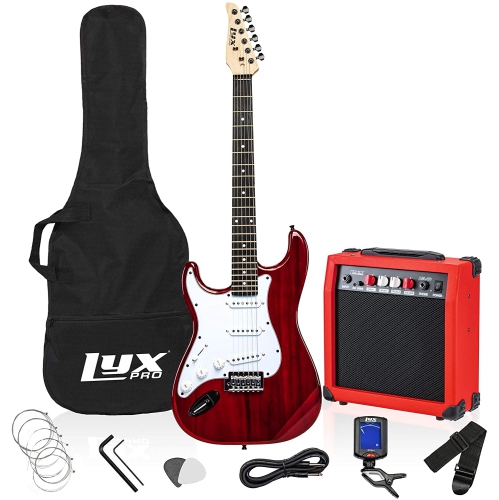
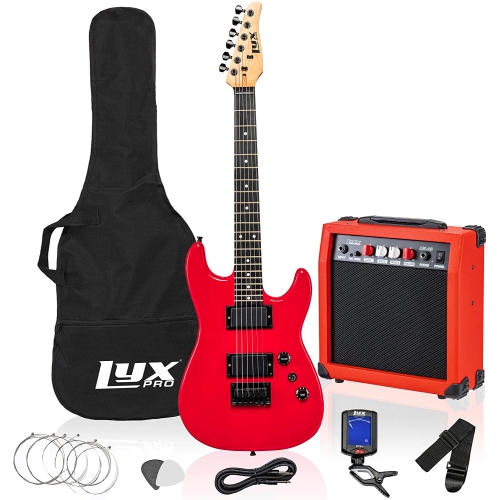
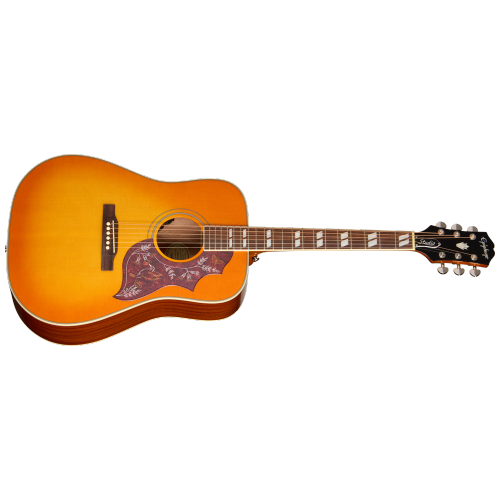
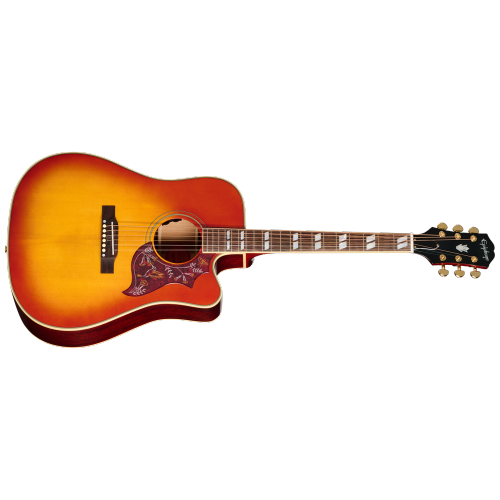
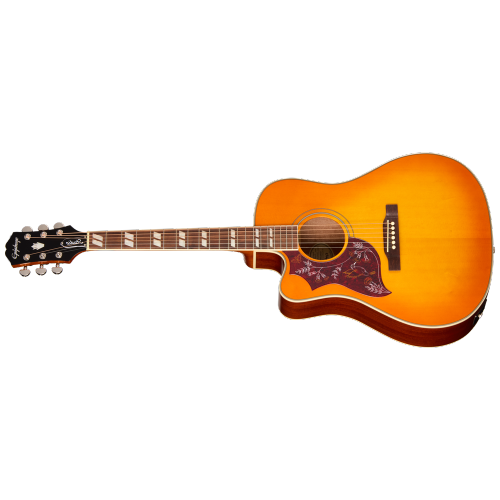
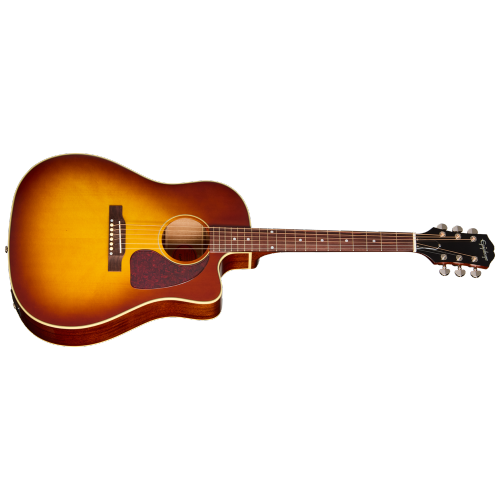
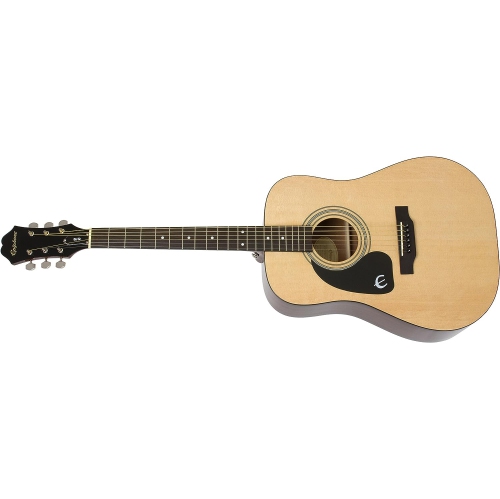
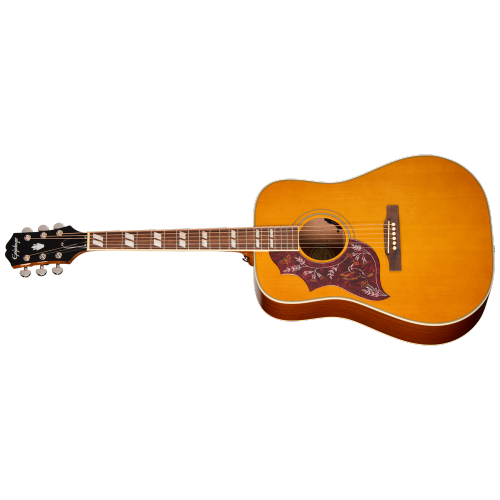
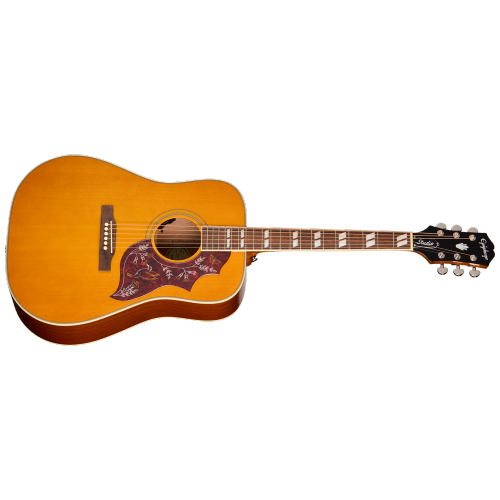
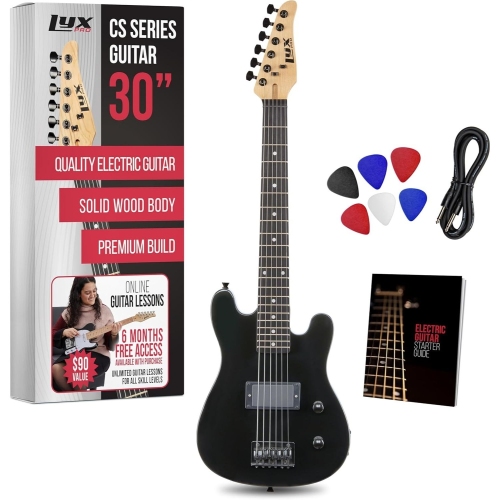
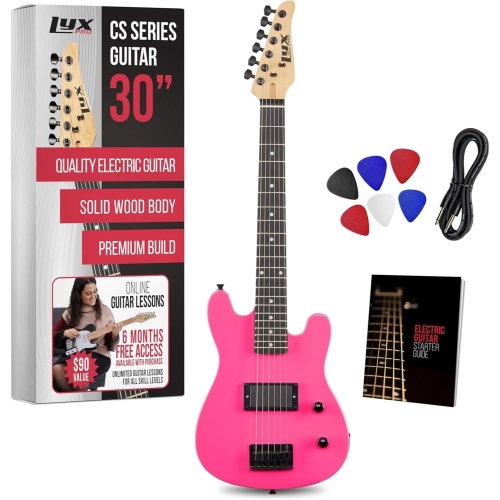
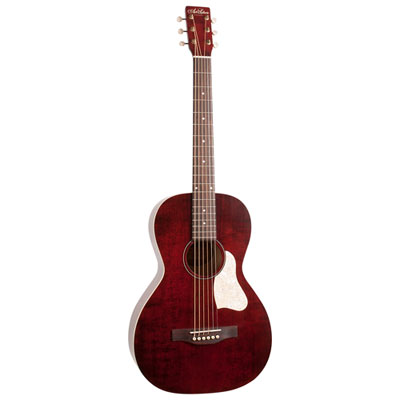
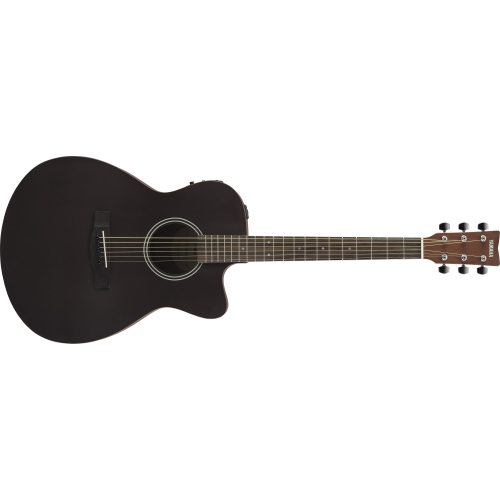
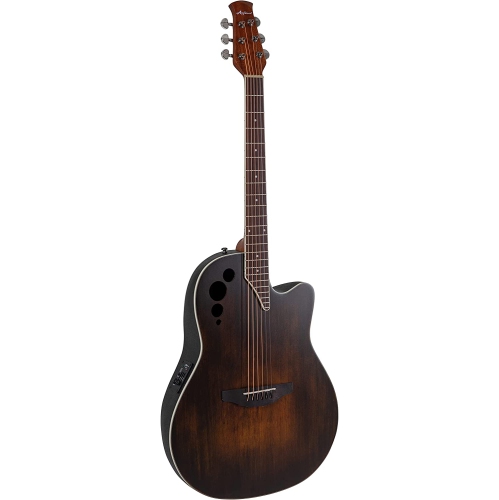
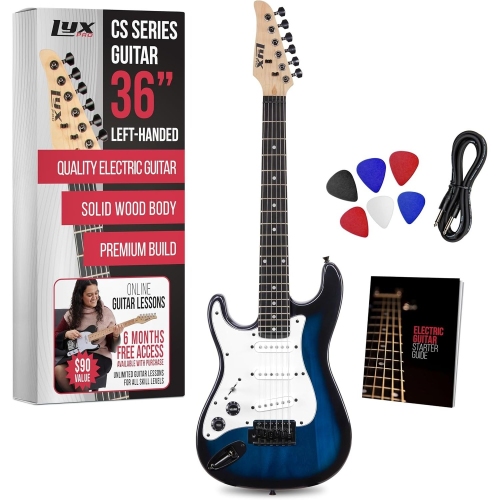
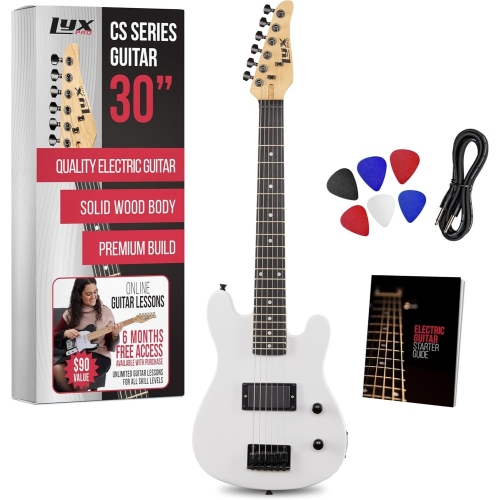
Lightweight guitars are designed to make playing more comfortable without taking away the character, response, or versatility guitarists expect from a full-size instrument. As a general guideline, many players consider a guitar weighing 7 pounds or less to be lightweight, although comfort depends on the instrument’s balance, body shape, neck profile, strap position, and how long it is worn. A well-balanced guitar can feel noticeably easier on the shoulder and back during a lengthy rehearsal, a full evening of playing, or a practice session at a desk or in a living room. These guitars can be a practical choice for beginners who are still developing their posture, experienced musicians who play standing for extended periods, and performers who move between lessons, rehearsals, studios, and stages. They can also suit players with smaller frames or anyone who prefers a less tiring instrument for everyday practice. When comparing options, look beyond the number on the scale. A guitar that feels light but neck-heavy may require constant support from the fretting hand, while a slightly heavier model with a comfortable centre of gravity may feel easier to play. Check the body dimensions, scale length, neck shape, strap button placement, and overall balance, and consider whether the instrument feels natural both while seated and standing. For players who are returning to music after time away, a manageable guitar can make it easier to pick up the instrument regularly, build playing strength gradually, and enjoy those quiet sessions when a few chords turn into an hour of music.
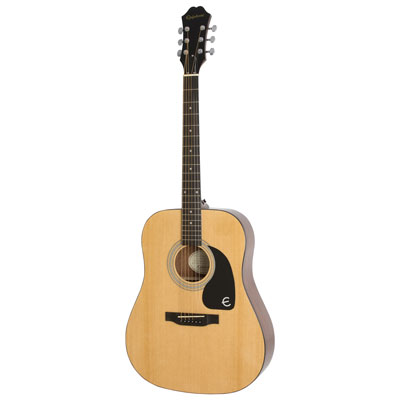
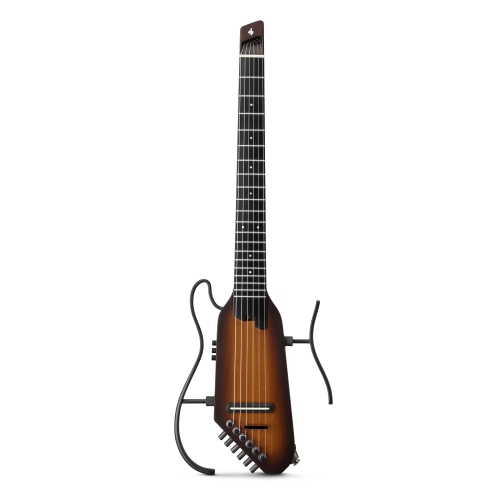
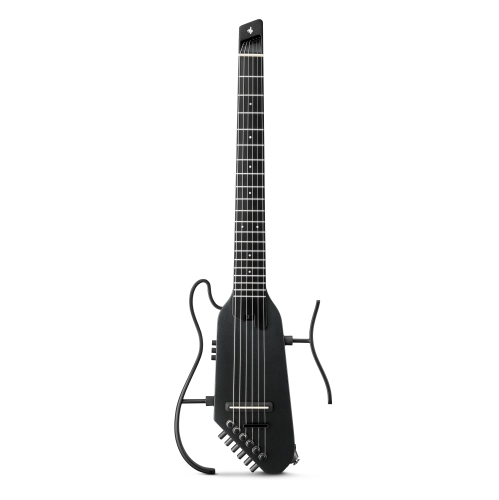
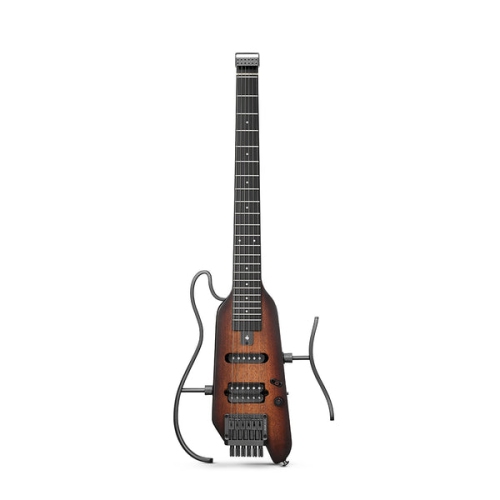
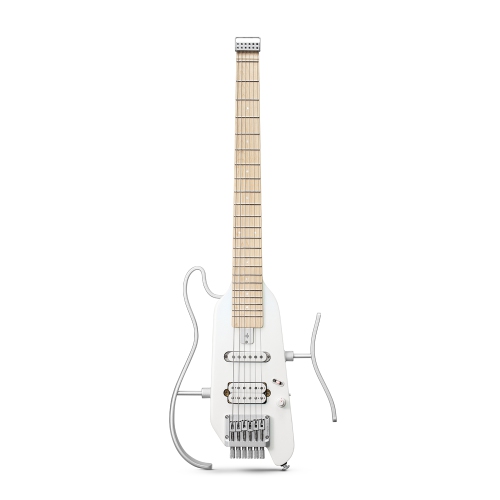
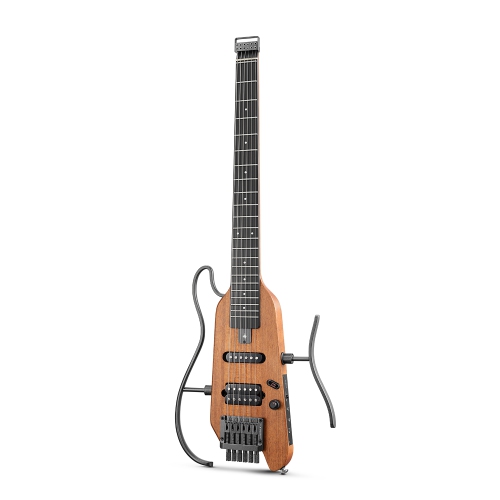
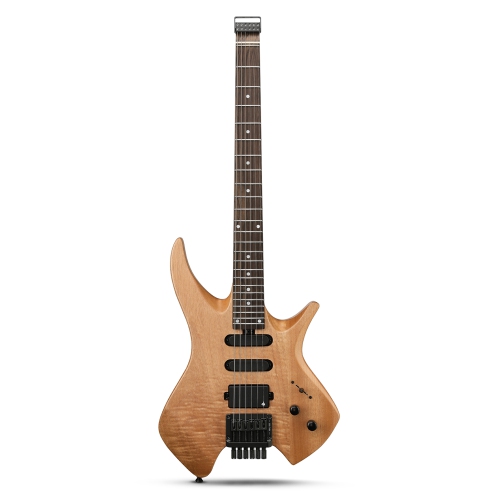
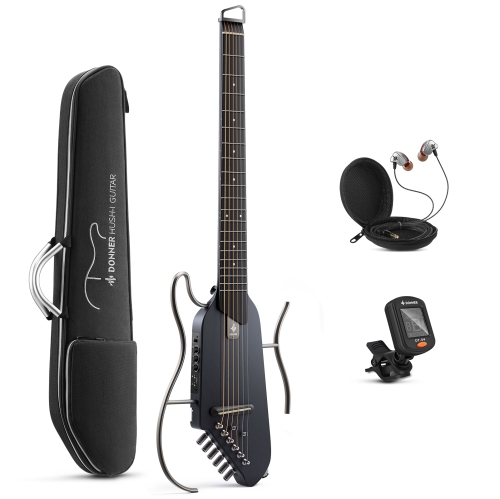
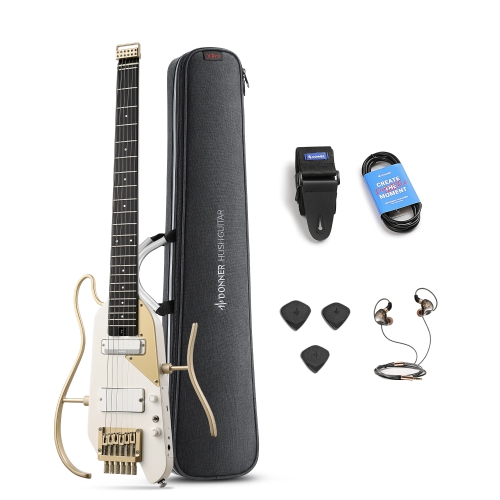
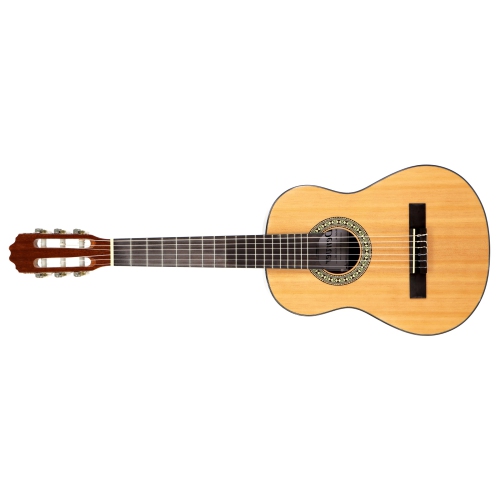
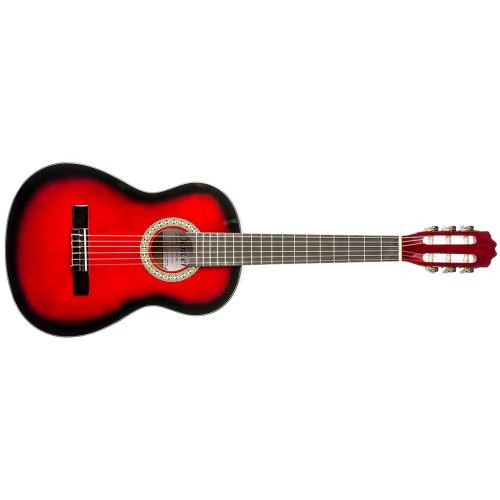
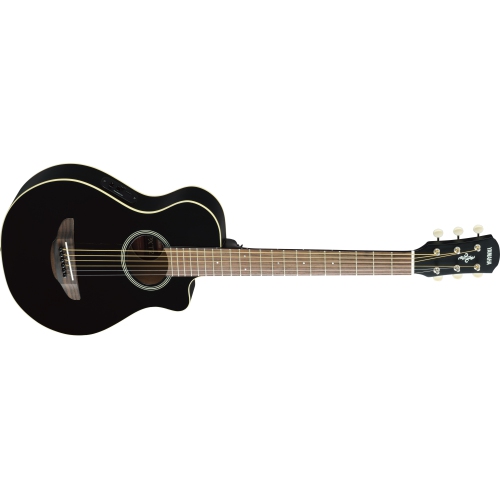
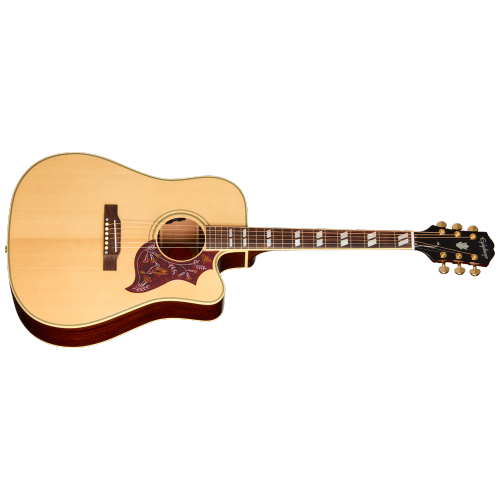
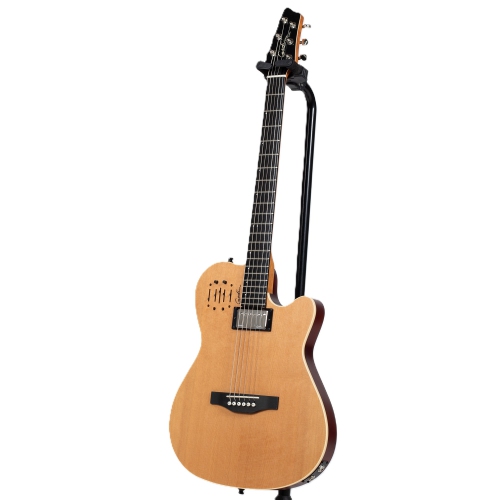
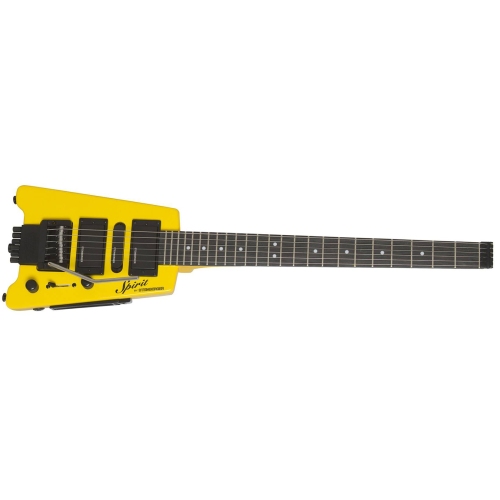
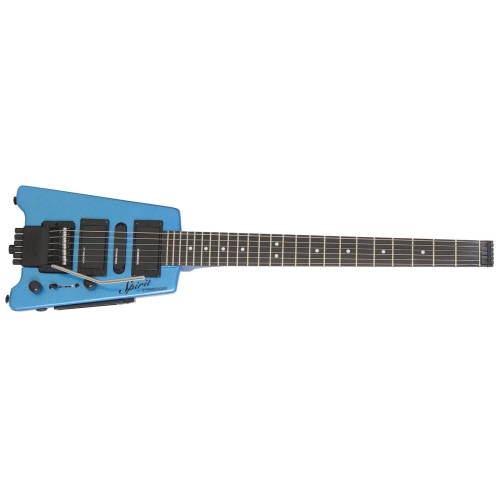
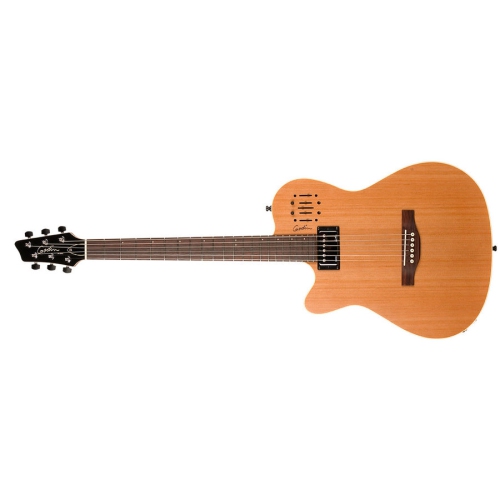
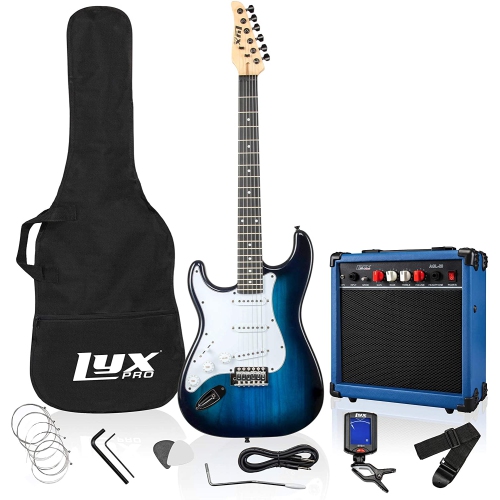
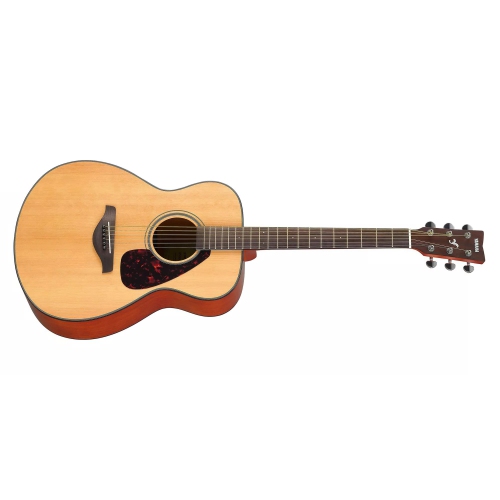
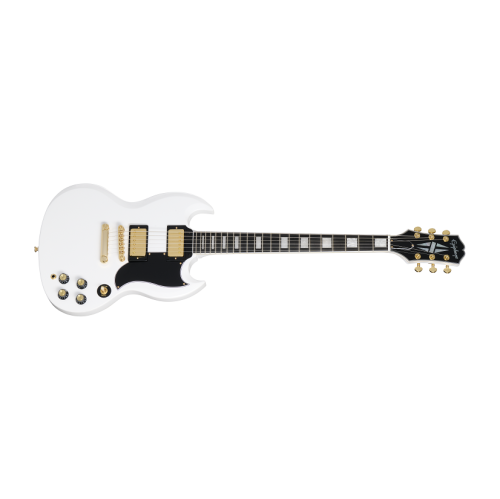
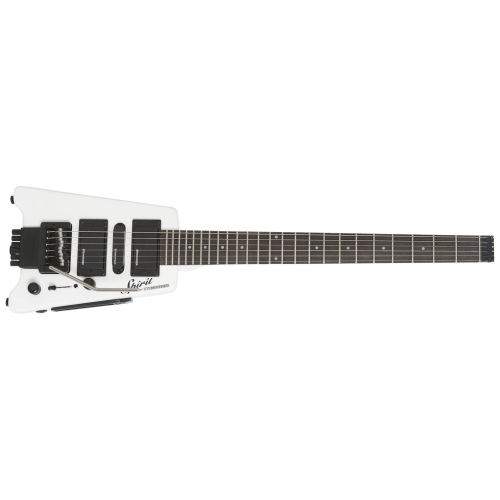
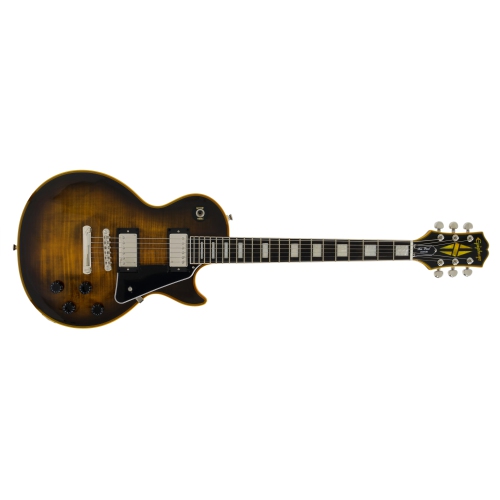
Construction and materials have a noticeable effect on a guitar’s weight and playing feel. Solid-body electric guitars with thinner or contoured bodies can reduce bulk while remaining suitable for rock, blues, pop, country, metal, and other amplified styles. Body woods such as basswood, paulownia, swamp ash, alder, mahogany, and meranti are commonly associated with different approaches to weight, resonance, appearance, and tonal response; no single wood guarantees a particular sound or a particular final weight, since hardware, finish, electronics, and the neck also contribute. Chambered and semi-hollow designs remove some interior material and can provide a more open acoustic response, with the exact feel and sound varying from one construction to another. A semi-hollow guitar may appeal to players who enjoy warm, airy cleans, blues phrasing, jazz chords, or classic rock textures, while a thin solid-body design can feel quick and unobtrusive when moving around the fretboard. Headless guitars take a different ergonomic approach by reducing the traditional headstock and often placing the tuning hardware at the bridge. Some compact headless models may weigh about 4 to 5 pounds, while especially minimalist designs can come in under 3 pounds, making them convenient for travel, practice, or players who place a high priority on low weight. Acoustic players should also consider body depth, bracing, tonewood, and the size of the sound box. A compact acoustic or travel-style guitar may be easier to carry and hold, while still offering a familiar unplugged experience for songwriting, lessons, campfire playing, or relaxed practice during the cooler months. For amplified instruments, also review the pickup configuration, controls, bridge design, tuning stability, and whether the guitar works with the amplifier and effects already in your setup. A lightweight body is most useful when it supports the sound, playability, and features you actually want.
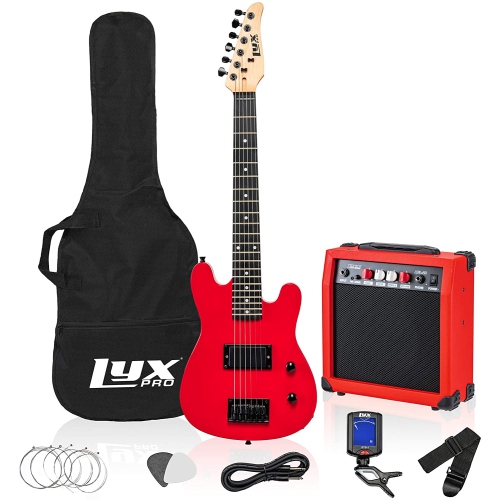
The best lightweight guitar depends on how and where it will be used. A student may appreciate a comfortable instrument that is easy to handle during lessons and simple to store between practice sessions. A travelling musician may favour a compact build that fits more easily into a vehicle, rehearsal space, or protective gig bag, while a performer may want reliable tuning, accessible upper frets, and a balanced feel when standing under stage lights. Songwriters often value an instrument that can remain nearby without feeling cumbersome, ready for a quick chord progression when an idea arrives. Lightweight guitars can also make thoughtful gifts for a new player, a guitarist building a second setup, or someone who spends long hours playing and would welcome a more comfortable alternative. Before choosing, consider whether the recipient prefers acoustic or electric guitar, the styles they play, their experience level, and whether they already own compatible accessories such as an amplifier, cable, tuner, strap, picks, or a stand. For electric guitar, remember that the total carrying weight includes the case, amplifier, pedals, and accessories, so a lighter instrument may be especially helpful when equipment is transported together. Players looking for a more compact feel can also explore Thin Body Guitars, which may offer a slimmer profile while preserving familiar guitar controls and playing positions. It is worth checking the listed weight, body thickness, scale length, fret access, and return details before ordering, particularly when the guitar will be purchased as a gift. A properly adjusted instrument should sit comfortably against the body, respond cleanly to a light touch, and remain enjoyable through everything from a short warm-up to a long rehearsal. With the right combination of weight, balance, construction, and sound, a lightweight guitar can encourage more frequent playing and make each session feel relaxed rather than physically demanding.
Construction and materials have a noticeable effect on a guitar’s weight and playing feel. Solid-body electric guitars with thinner or contoured bodies can reduce bulk while remaining suitable for rock, blues, pop, country, metal, and other amplified styles. Body woods such as basswood, paulownia, swamp ash, alder, mahogany, and meranti are commonly associated with different approaches to weight, resonance, appearance, and tonal response; no single wood guarantees a particular sound or a particular final weight, since hardware, finish, electronics, and the neck also contribute. Chambered and semi-hollow designs remove some interior material and can provide a more open acoustic response, with the exact feel and sound varying from one construction to another. A semi-hollow guitar may appeal to players who enjoy warm, airy cleans, blues phrasing, jazz chords, or classic rock textures, while a thin solid-body design can feel quick and unobtrusive when moving around the fretboard. Headless guitars take a different ergonomic approach by reducing the traditional headstock and often placing the tuning hardware at the bridge. Some compact headless models may weigh about 4 to 5 pounds, while especially minimalist designs can come in under 3 pounds, making them convenient for travel, practice, or players who place a high priority on low weight. Acoustic players should also consider body depth, bracing, tonewood, and the size of the sound box. A compact acoustic or travel-style guitar may be easier to carry and hold, while still offering a familiar unplugged experience for songwriting, lessons, campfire playing, or relaxed practice during the cooler months. For amplified instruments, also review the pickup configuration, controls, bridge design, tuning stability, and whether the guitar works with the amplifier and effects already in your setup. A lightweight body is most useful when it supports the sound, playability, and features you actually want.
The best lightweight guitar depends on how and where it will be used. A student may appreciate a comfortable instrument that is easy to handle during lessons and simple to store between practice sessions. A travelling musician may favour a compact build that fits more easily into a vehicle, rehearsal space, or protective gig bag, while a performer may want reliable tuning, accessible upper frets, and a balanced feel when standing under stage lights. Songwriters often value an instrument that can remain nearby without feeling cumbersome, ready for a quick chord progression when an idea arrives. Lightweight guitars can also make thoughtful gifts for a new player, a guitarist building a second setup, or someone who spends long hours playing and would welcome a more comfortable alternative. Before choosing, consider whether the recipient prefers acoustic or electric guitar, the styles they play, their experience level, and whether they already own compatible accessories such as an amplifier, cable, tuner, strap, picks, or a stand. For electric guitar, remember that the total carrying weight includes the case, amplifier, pedals, and accessories, so a lighter instrument may be especially helpful when equipment is transported together. Players looking for a more compact feel can also explore Thin Body Guitars, which may offer a slimmer profile while preserving familiar guitar controls and playing positions. It is worth checking the listed weight, body thickness, scale length, fret access, and return details before ordering, particularly when the guitar will be purchased as a gift. A properly adjusted instrument should sit comfortably against the body, respond cleanly to a light touch, and remain enjoyable through everything from a short warm-up to a long rehearsal. With the right combination of weight, balance, construction, and sound, a lightweight guitar can encourage more frequent playing and make each session feel relaxed rather than physically demanding.
Top selling and popular products
-
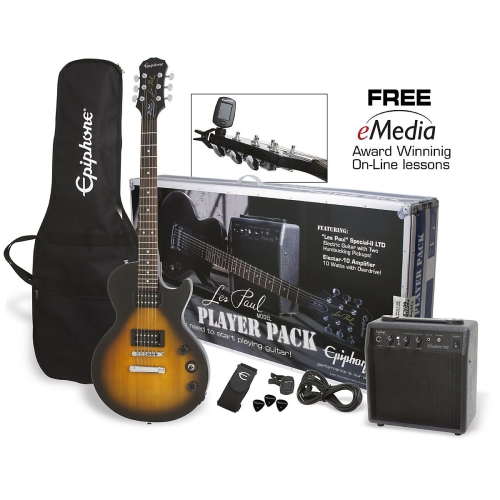 Your price for this item is $494.49
 -
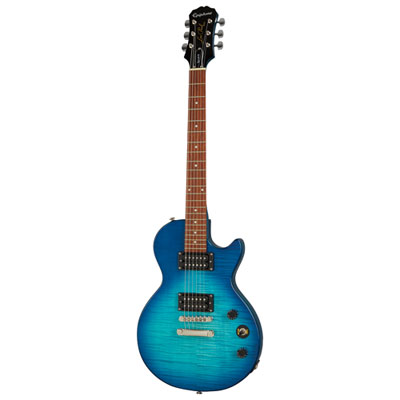 Your price for this item is $379.99
 -
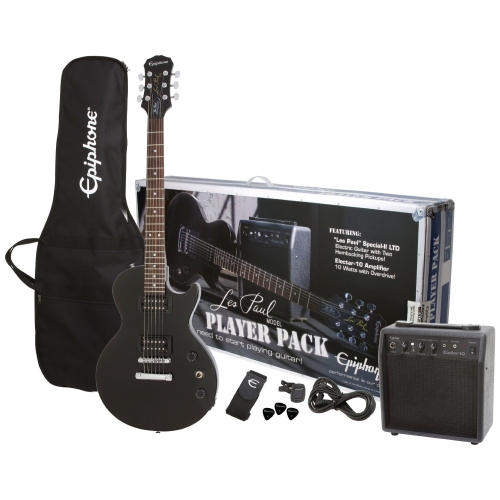 Your price for this item is $494.49
 -
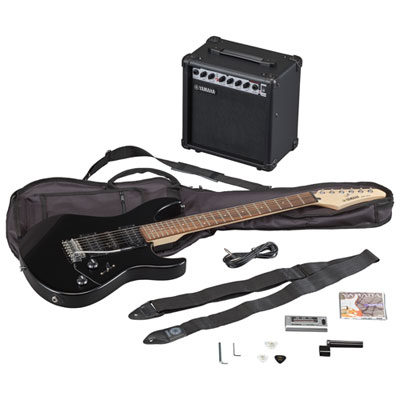 Your price for this item is $349.99
 -
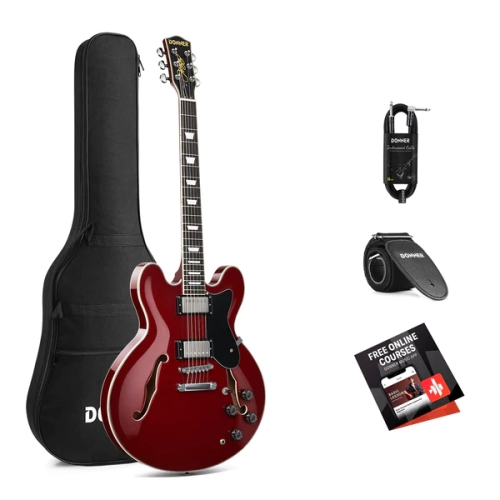 Your price for this item is $395.99
 -
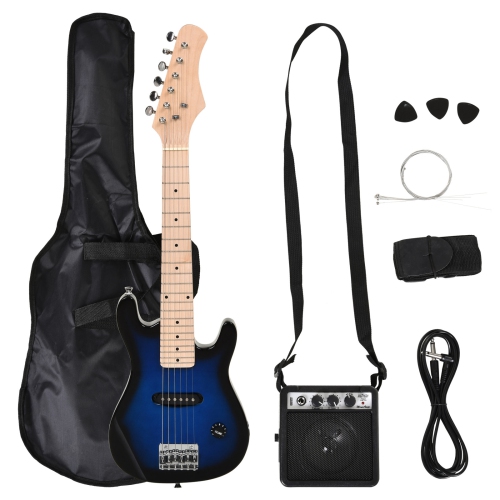 Your price for this item is $124.99
 -
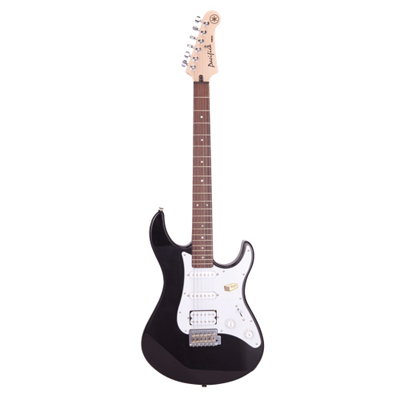 Your price for this item is $299.99
 -
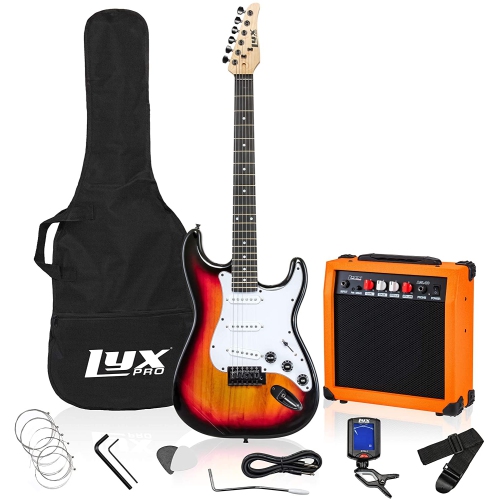 Your price for this item is $239.99
Discover more categories related to Lightweight Guitars
Top Collections:
Pokemon Centers, Best Cameras for Sports Photography, Kindle Devices, Samsung Galaxy Phones, Canon G7X Cameras, Pokémon 30th Celebration Cards, Refurbished Apple Laptops, iPhone 15 Apple, Laptops for Students, Budget Smartphones
Some products may be subject to Environmental Handling Fees
(EHF) depending on your province.
Learn more about EHFs.