Microphone Filters
Achieve crystal-clear audio quality with premium microphone filters designed to enhance your recording experience. Whether you're a podcaster, musician, streamer, or content creator, the right filter can make all the difference by reducing unwanted noise and ensuring your voice shines through with professional clarity. Explore a diverse range of options that cater to various needs and preferences, from pop filters that minimize plosive sounds to windshields that combat environmental noise.
Sort
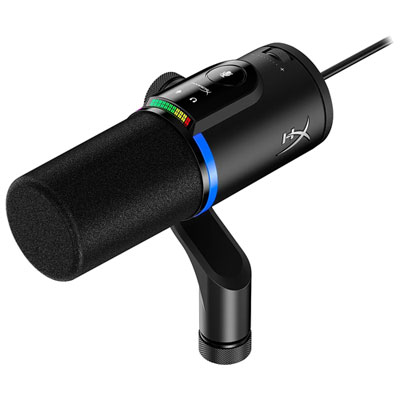
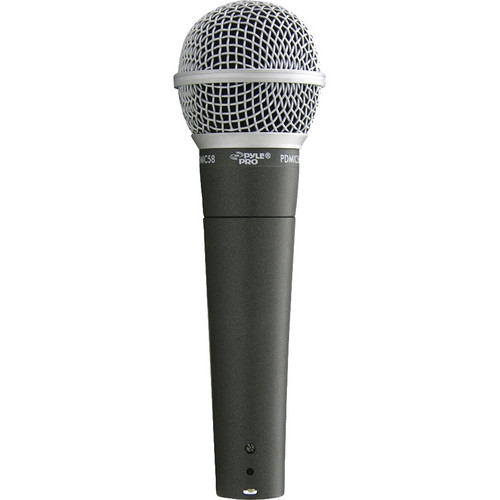
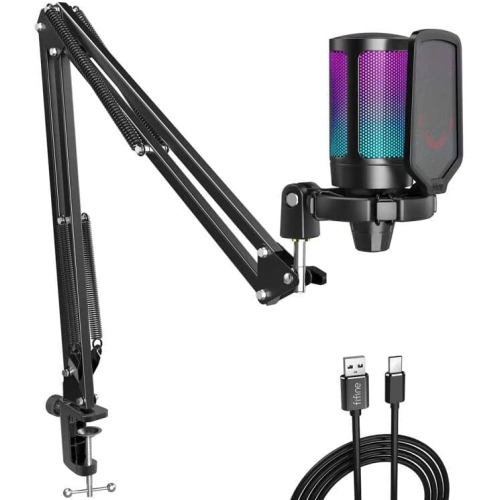
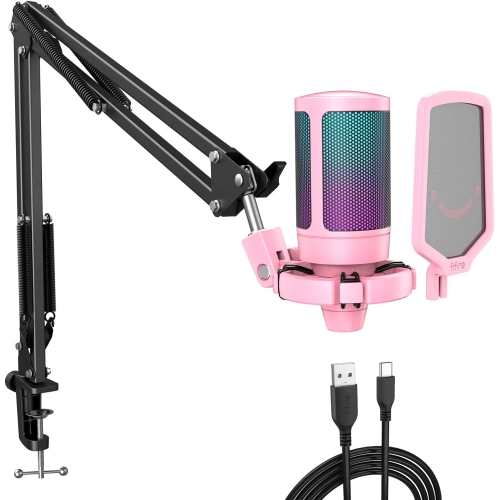
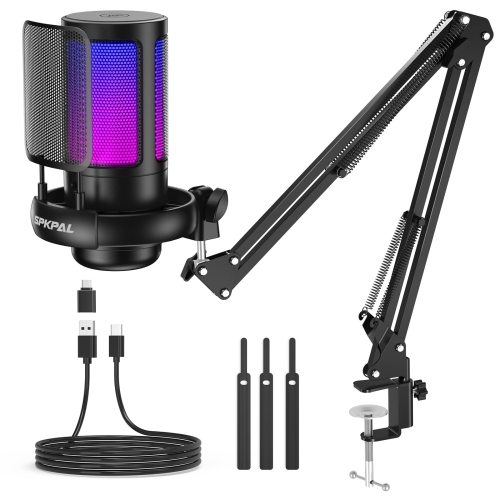
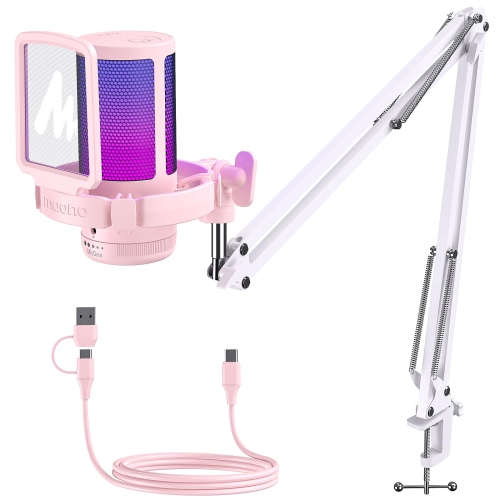
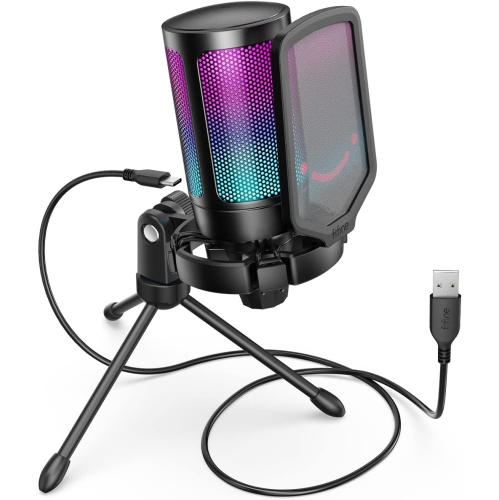
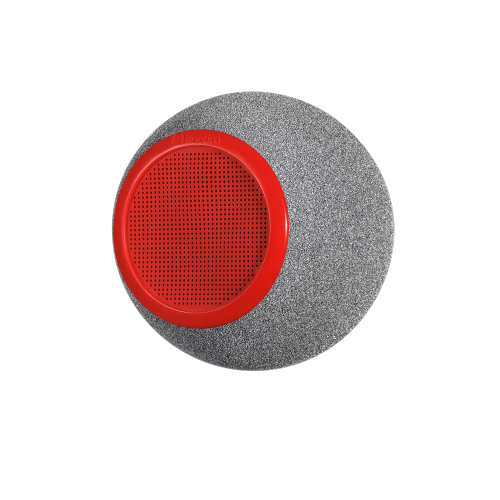
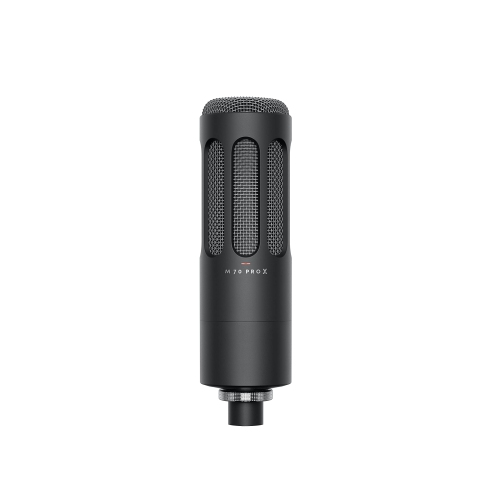
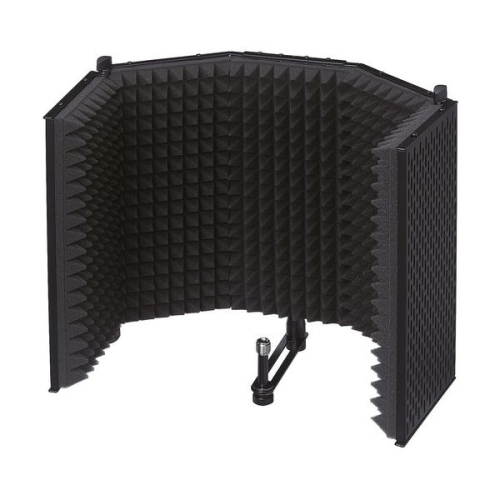
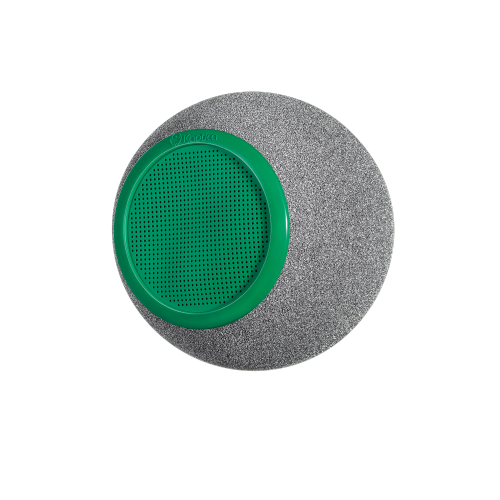
Smoother speech starts with better plosive control
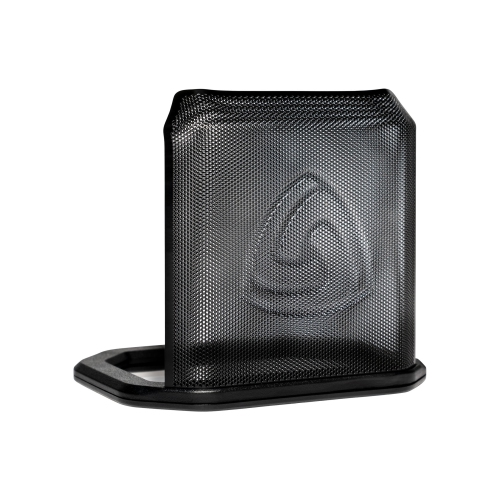
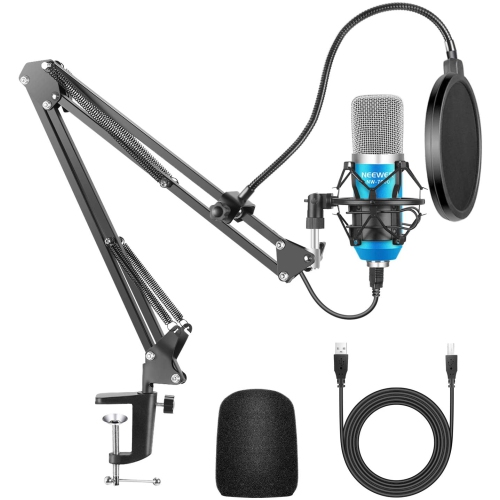
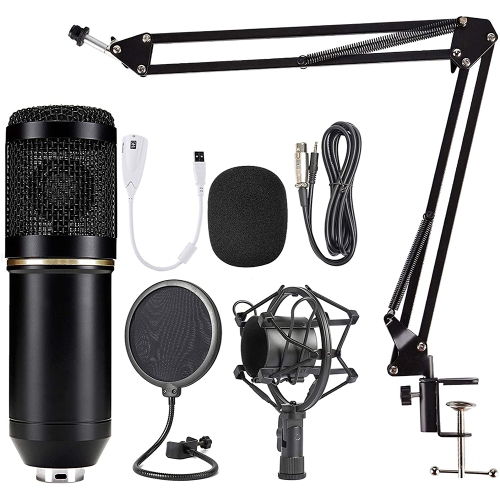
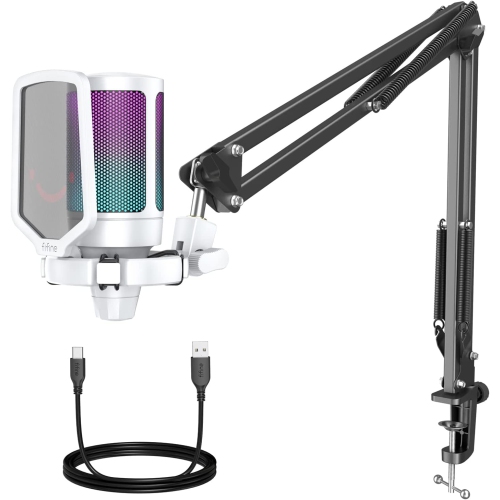
Microphone filters are simple recording accessories that can make spoken audio sound smoother, cleaner, and easier to understand. Often called pop filters or pop shields, they sit between the speaker and the microphone to reduce sudden bursts of air created by consonants such as “P,” “B,” and “T.” Without a filter, those bursts can strike the microphone diaphragm and produce a distracting pop, thump, or momentary distortion. A filter can also help reduce the amount of moisture that reaches the microphone during close-up vocal work, which is useful for protecting sensitive components over time. For podcasters, livestreamers, video creators, voice-over artists, musicians, teachers, and anyone recording spoken presentations, this small addition can make a noticeable difference without changing the natural character of the voice. It is especially helpful when the microphone is positioned close to the speaker, as it often is for podcasts, streaming desks, home studios, online lessons, and commentary videos. A good setup still depends on microphone placement and recording technique, but a filter provides an extra layer of control. Position it a few inches in front of the microphone, speak toward the centre, and keep the filter between your mouth and the capsule. This encourages a consistent working distance and can make close vocal sessions feel more comfortable. If you are exploring stands, cables, microphones, and other recording accessories alongside a filter, the wider selection of Microphone Electronics can help you build a setup suited to your space and style.
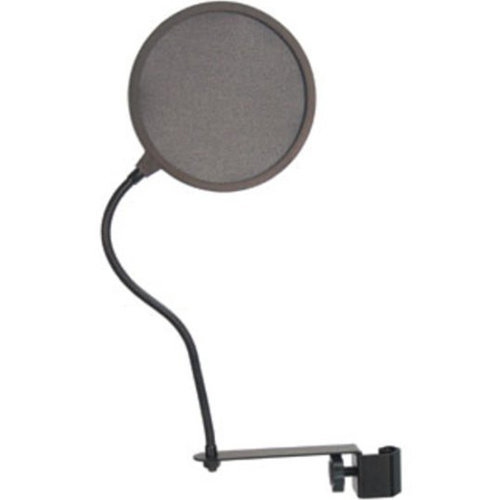
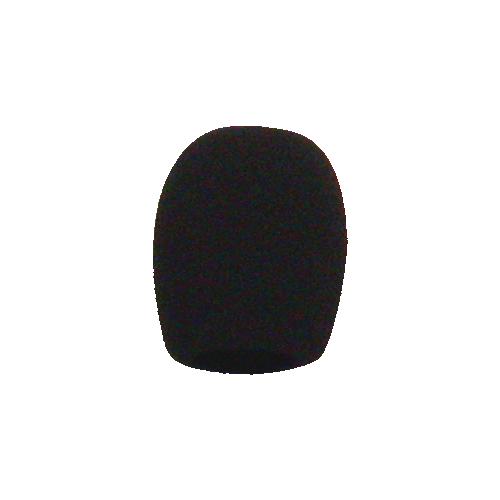
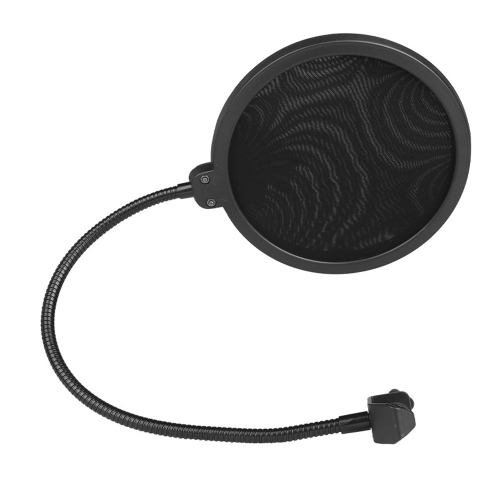
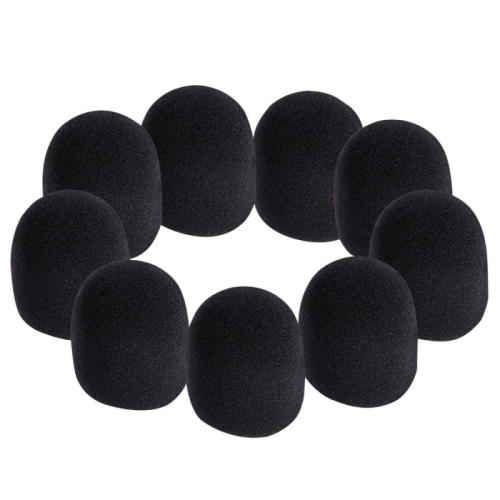
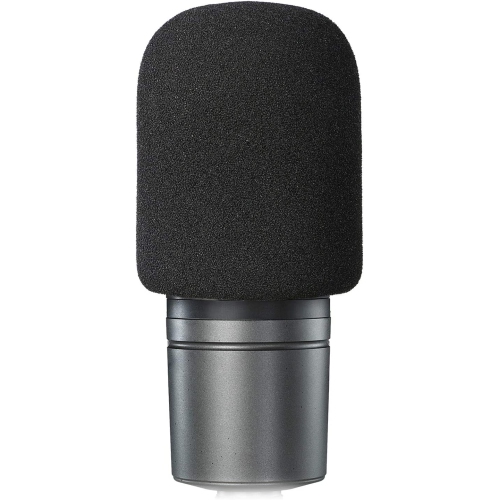
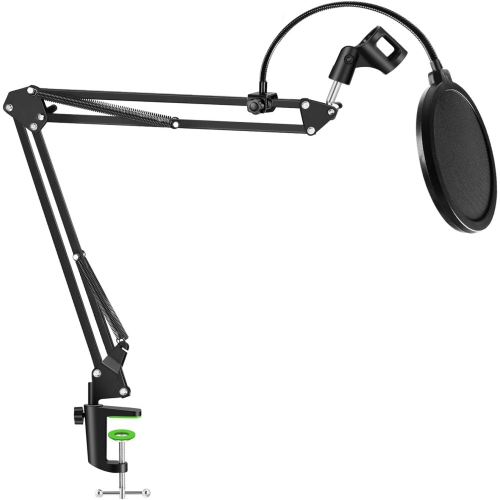
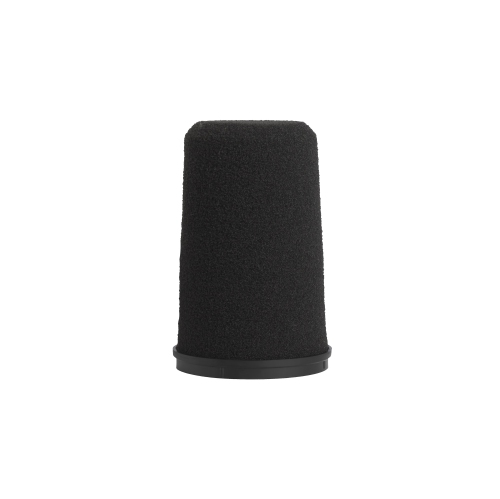
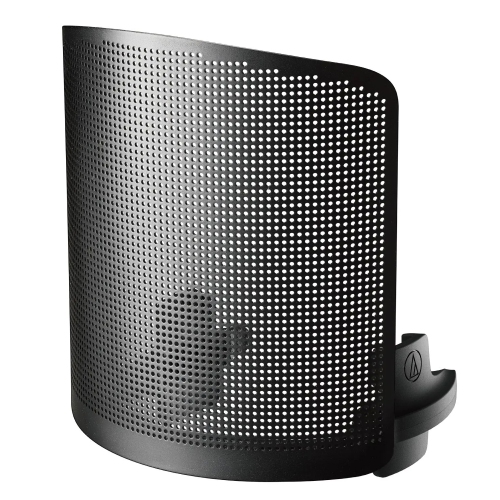
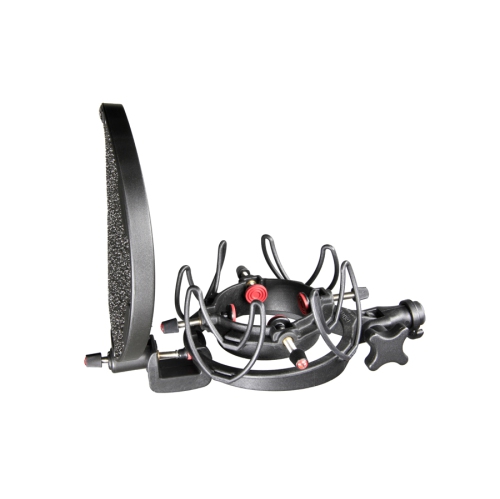
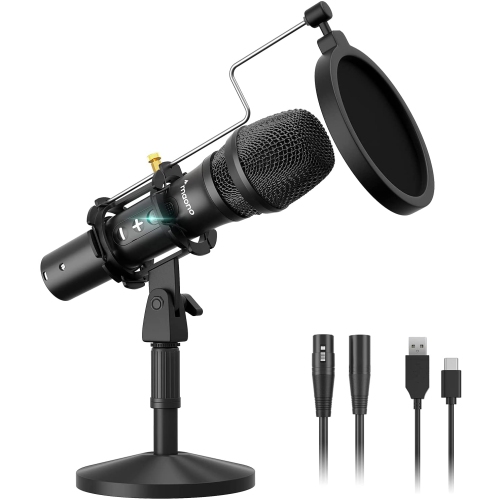
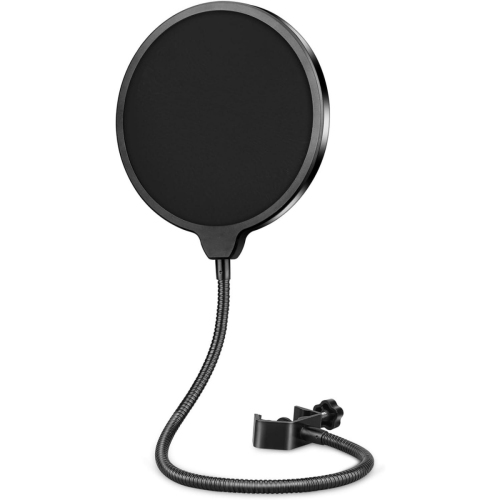
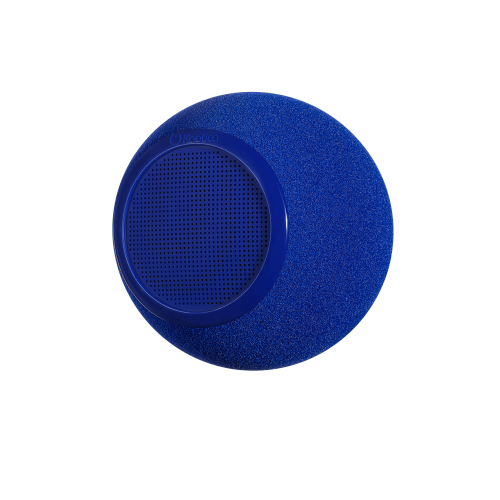
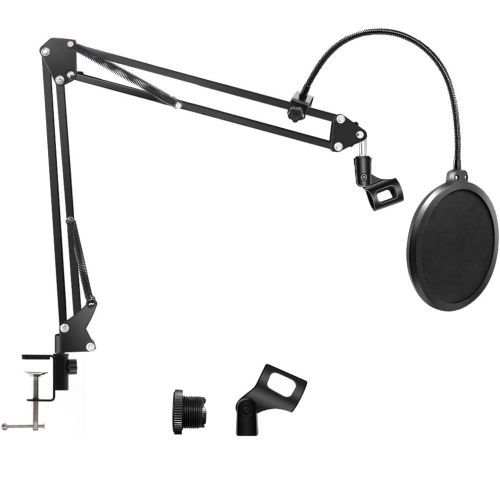
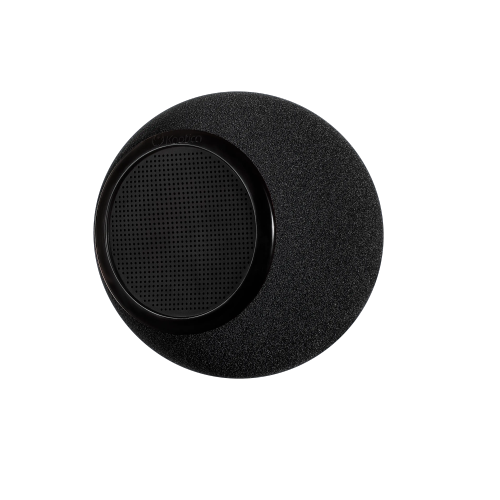
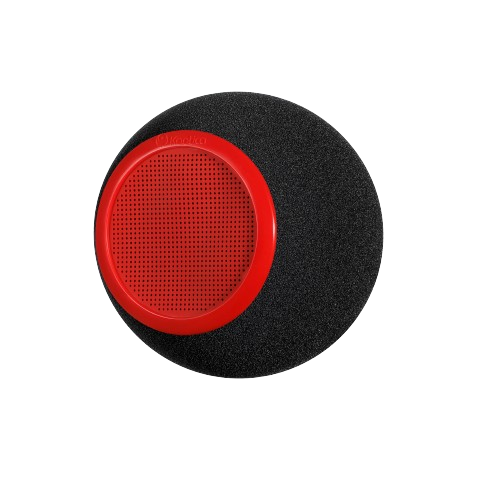
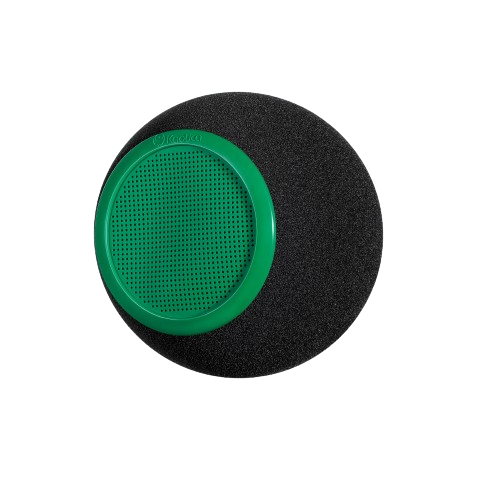
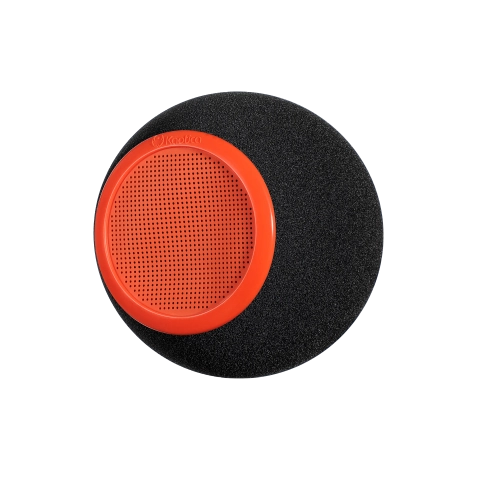
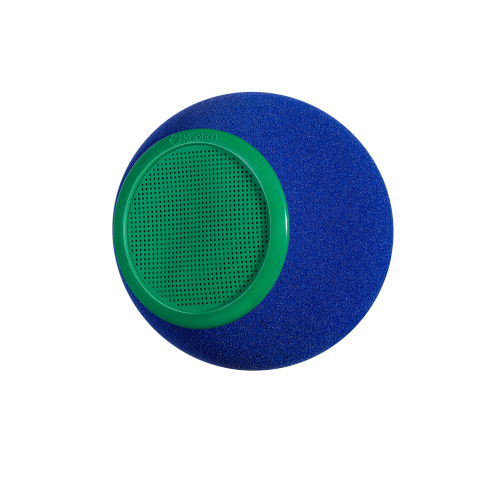
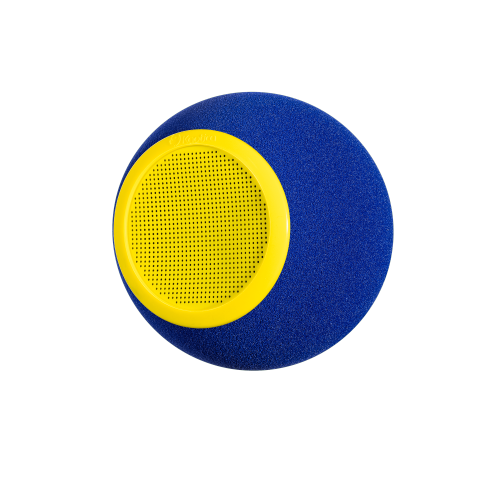
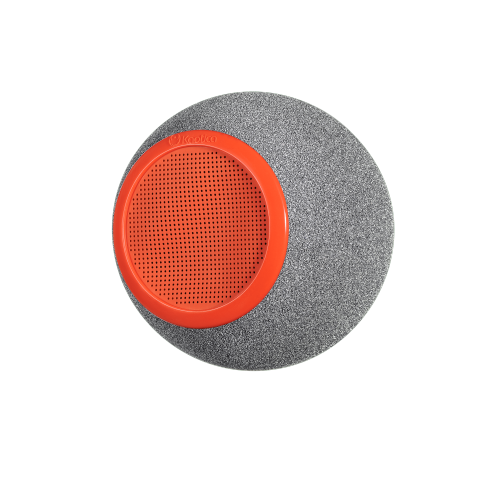
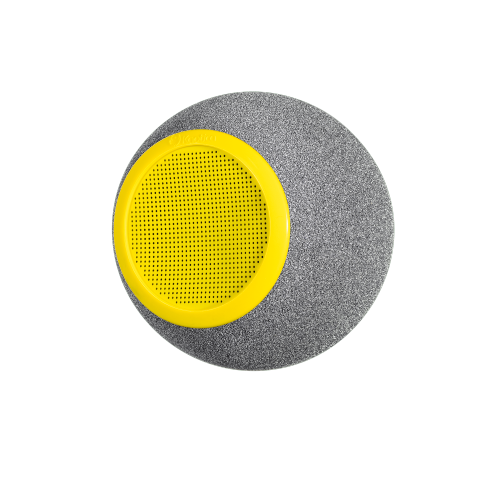
The two main types of microphone filters are physical pop filters and foam windscreens, and each is suited to a different recording environment. Pop filters generally use a circular frame covered with nylon mesh, fabric, or perforated metal. They attach to a microphone stand, boom arm, or desk-mounted support, usually with an adjustable clamp and flexible neck. Their open design lets you maintain a comfortable distance from the microphone while reducing plosive sounds, making them a strong choice for indoor speech, vocals, podcasting, streaming, and voice-over work. Dual-layer mesh designs can provide additional control over bursts of air, while metal filters are often chosen for their durable construction and easy-to-clean surface. Foam windscreens slip directly over the microphone head or capsule. They are compact and convenient, and they can help reduce light breath noise, dust, and minor air movement. Windscreens are also useful when recording away from a controlled room, although they should not be confused with specialized outdoor wind protection. Strong breezes and exterior recording conditions may require a larger foam cover or a synthetic-fur windscreen designed to diffuse moving air. When choosing among microphone filters, check the microphone’s shape and dimensions, the available mounting space, and whether the filter will fit around a shock mount or other accessories. Consider how you speak or sing as well: someone with a naturally forceful delivery may appreciate a filter with more than one layer, while a compact foam windscreen may suit a headset or portable microphone. The mounting hardware matters as well. A firm clamp and flexible gooseneck make it easier to position the filter precisely, while a lightweight design may be preferable for a small desk or travel kit. It is also worth considering maintenance. Filters exposed to frequent vocal sessions can collect dust and moisture, so a removable, washable, or easy-to-wipe surface can be practical for regular use.
Microphone filters can be a thoughtful gift for someone building a first home studio, starting a podcast, recording music, or developing a video channel. They are useful accessories for students preparing narrated presentations, remote instructors leading online classes, and streamers who want clearer speech during long sessions. They also make a practical addition to a shared creative space, where different people may use the same microphone at a desk or recording station. During the cooler months, many people spend more time indoors recording, gaming, practising instruments, or working on personal media projects, and a filter can help improve the sound of a modest setup without requiring a complete equipment upgrade. For a beginner, look for a universal-style option with straightforward mounting hardware and enough adjustment to place it between the mouth and microphone. For an experienced creator, compatibility, construction, appearance, and the distinction between plosive control and wind reduction may be more important. A filter will not remove room echo, background conversations, computer fans, or traffic noise, and it cannot replace good microphone technique. To get the best results, record in the quietest practical room, keep the microphone slightly off-axis if plosives remain noticeable, and maintain a steady distance while speaking. Avoid pressing a foam cover tightly against the microphone if it interferes with the capsule or controls, and store mesh filters where they will not be bent or crushed. With the right fit and placement, microphone filters help create more consistent recordings, protect equipment from everyday vocal moisture, and make voices sound polished for conversations, performances, broadcasts, and personal projects.
The two main types of microphone filters are physical pop filters and foam windscreens, and each is suited to a different recording environment. Pop filters generally use a circular frame covered with nylon mesh, fabric, or perforated metal. They attach to a microphone stand, boom arm, or desk-mounted support, usually with an adjustable clamp and flexible neck. Their open design lets you maintain a comfortable distance from the microphone while reducing plosive sounds, making them a strong choice for indoor speech, vocals, podcasting, streaming, and voice-over work. Dual-layer mesh designs can provide additional control over bursts of air, while metal filters are often chosen for their durable construction and easy-to-clean surface. Foam windscreens slip directly over the microphone head or capsule. They are compact and convenient, and they can help reduce light breath noise, dust, and minor air movement. Windscreens are also useful when recording away from a controlled room, although they should not be confused with specialized outdoor wind protection. Strong breezes and exterior recording conditions may require a larger foam cover or a synthetic-fur windscreen designed to diffuse moving air. When choosing among microphone filters, check the microphone’s shape and dimensions, the available mounting space, and whether the filter will fit around a shock mount or other accessories. Consider how you speak or sing as well: someone with a naturally forceful delivery may appreciate a filter with more than one layer, while a compact foam windscreen may suit a headset or portable microphone. The mounting hardware matters as well. A firm clamp and flexible gooseneck make it easier to position the filter precisely, while a lightweight design may be preferable for a small desk or travel kit. It is also worth considering maintenance. Filters exposed to frequent vocal sessions can collect dust and moisture, so a removable, washable, or easy-to-wipe surface can be practical for regular use.
Microphone filters can be a thoughtful gift for someone building a first home studio, starting a podcast, recording music, or developing a video channel. They are useful accessories for students preparing narrated presentations, remote instructors leading online classes, and streamers who want clearer speech during long sessions. They also make a practical addition to a shared creative space, where different people may use the same microphone at a desk or recording station. During the cooler months, many people spend more time indoors recording, gaming, practising instruments, or working on personal media projects, and a filter can help improve the sound of a modest setup without requiring a complete equipment upgrade. For a beginner, look for a universal-style option with straightforward mounting hardware and enough adjustment to place it between the mouth and microphone. For an experienced creator, compatibility, construction, appearance, and the distinction between plosive control and wind reduction may be more important. A filter will not remove room echo, background conversations, computer fans, or traffic noise, and it cannot replace good microphone technique. To get the best results, record in the quietest practical room, keep the microphone slightly off-axis if plosives remain noticeable, and maintain a steady distance while speaking. Avoid pressing a foam cover tightly against the microphone if it interferes with the capsule or controls, and store mesh filters where they will not be bent or crushed. With the right fit and placement, microphone filters help create more consistent recordings, protect equipment from everyday vocal moisture, and make voices sound polished for conversations, performances, broadcasts, and personal projects.
Top selling and popular products
-
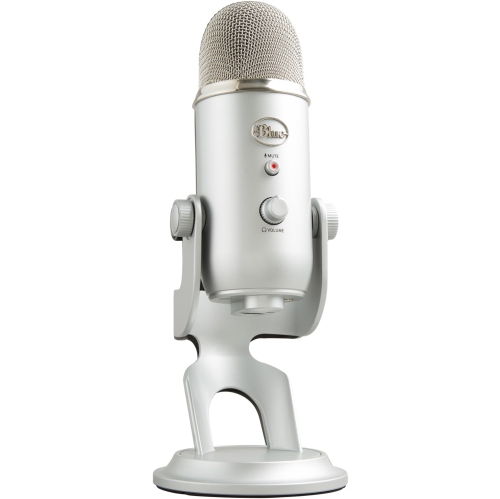 Your price for this item is $204.37
 -
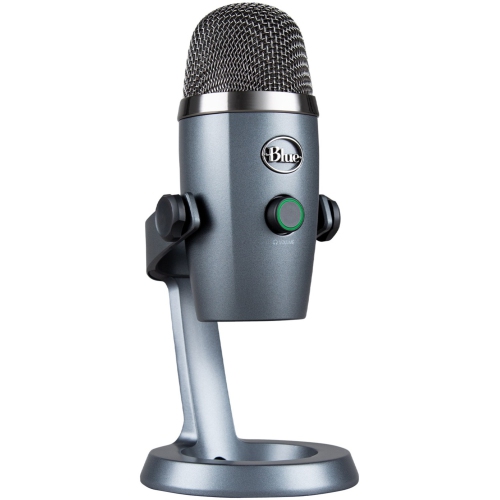 Your price for this item is $158.37
 -
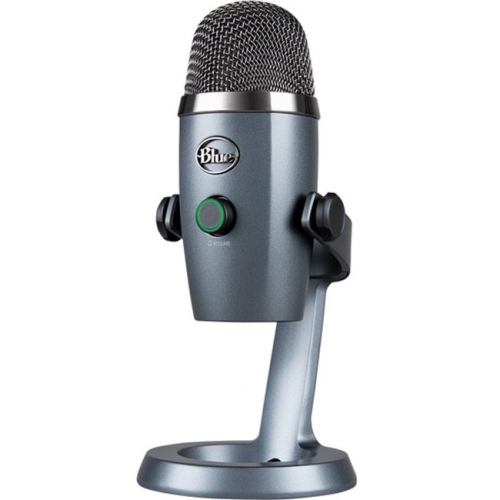 Your price for this item is $152.68
 -
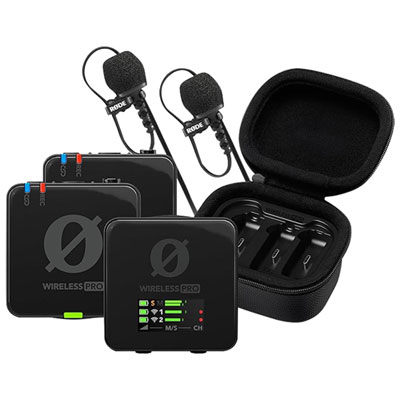 Your price for this item is $419.99
 -
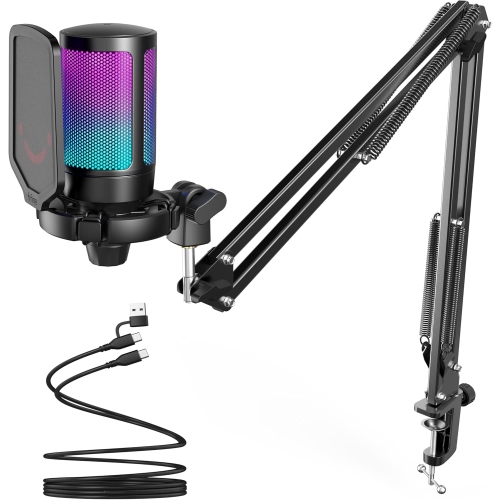 Your price for this item is $95.99
 -
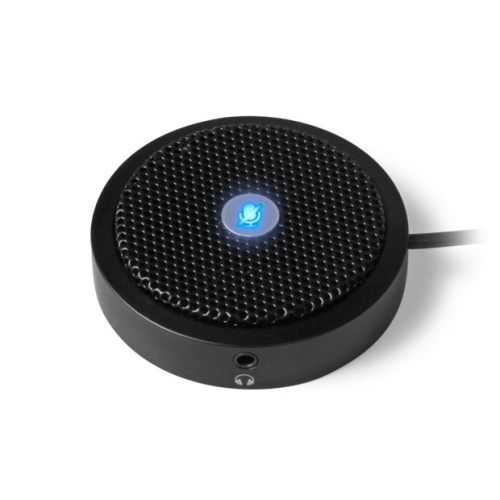 Your price for this item is $75.84
 -
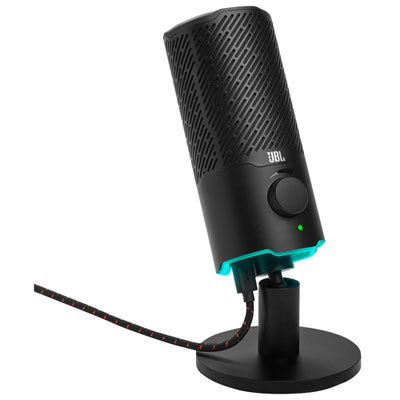 Your price for this item is $139.99
 -
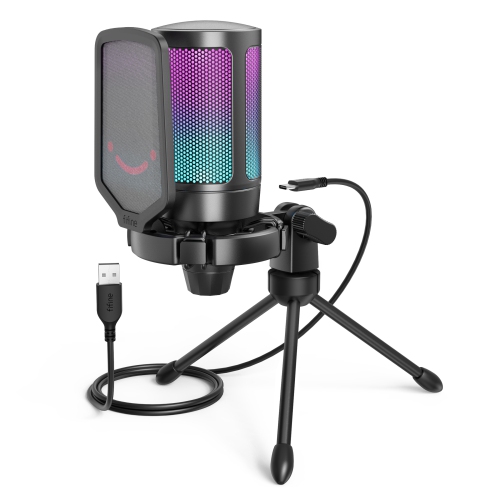 Your price for this item is $72.99
Discover more categories related to Microphone Filters
Top Collections:
Pokemon Centers, Kindle Devices, Best Budget Office Chairs, Apple iPhones 16, Best Laptops for Writers, iPhone 15 Apple, Canon G7X Cameras, Refurbished Apple Laptops, Alarm Clock, Motorola Razr Phones
Some products may be subject to Environmental Handling Fees
(EHF) depending on your province.
Learn more about EHFs.