Audio Microphones
Capture crystal-clear sound with our selection of audio microphones. Whether you're a seasoned musician, a content creator, or simply looking to enhance your audio recordings, we have the perfect microphone to meet your needs. From dynamic microphones ideal for live performances to condenser microphones perfect for studio settings, explore our range of high-quality options designed to elevate your sound recording experience.
Sort

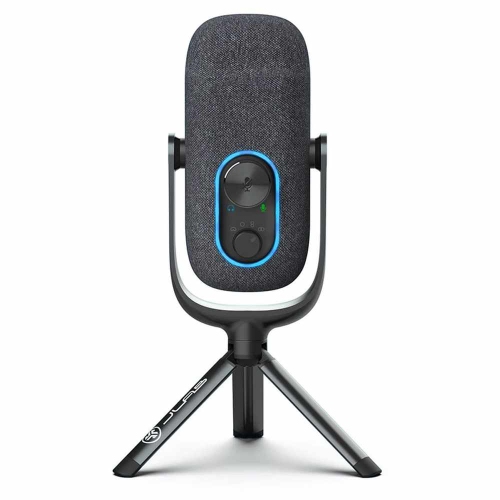
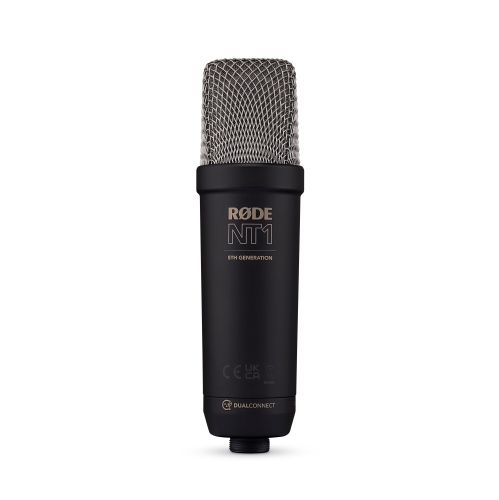
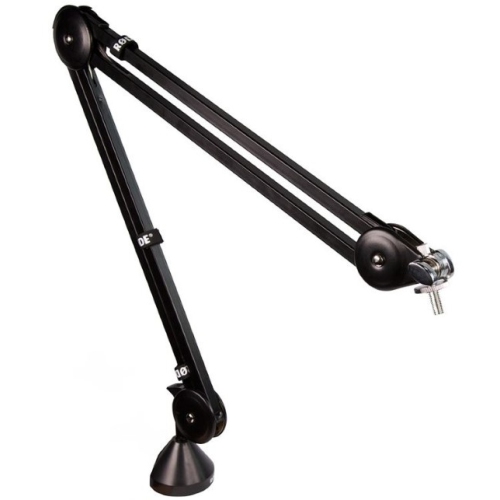
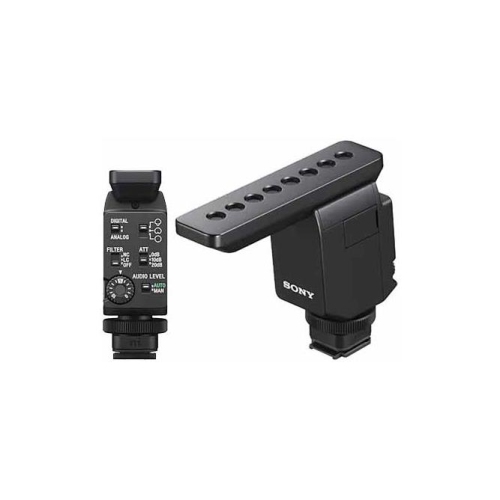
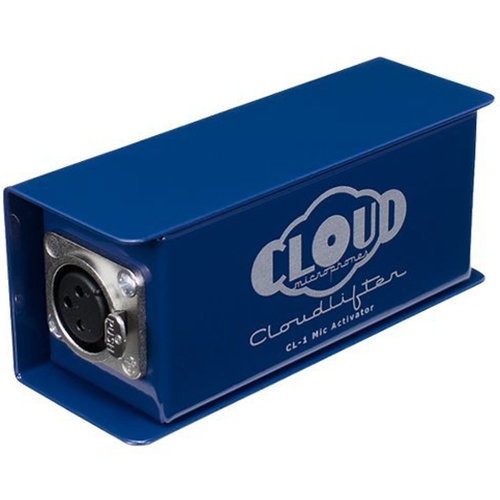
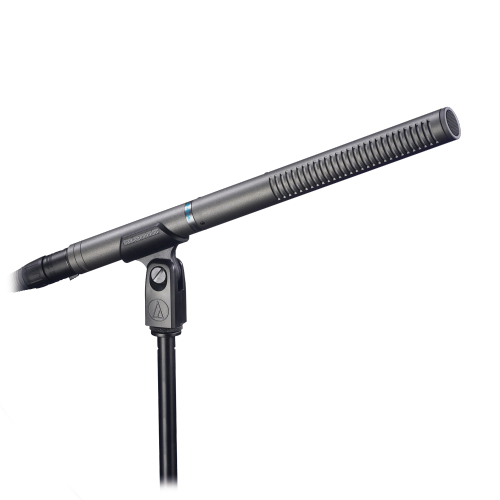
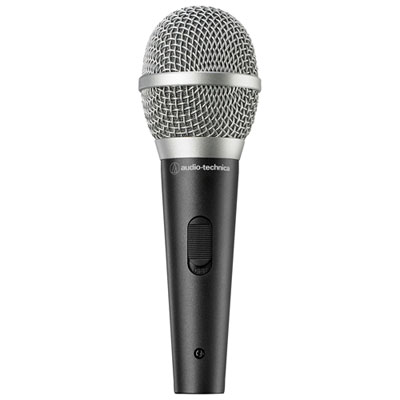
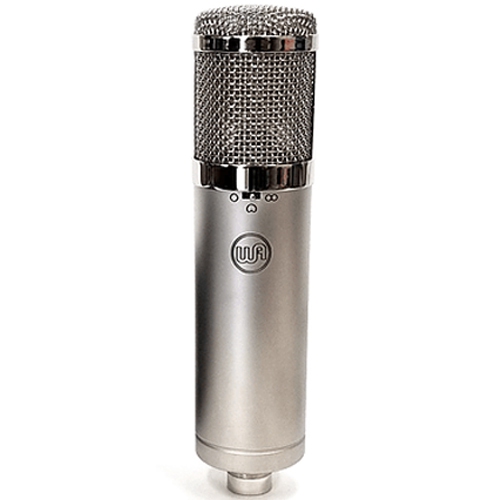

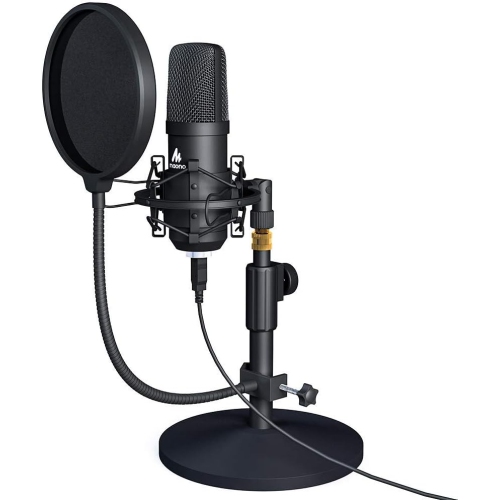
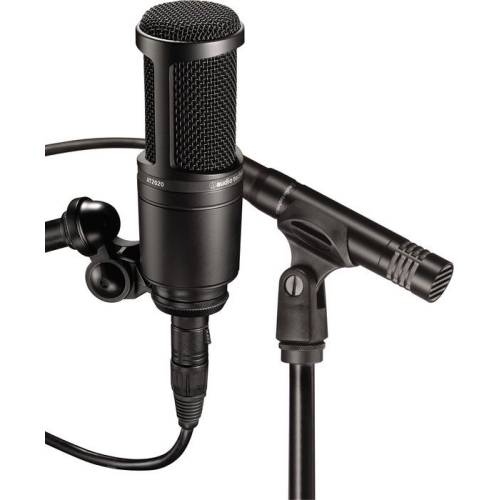
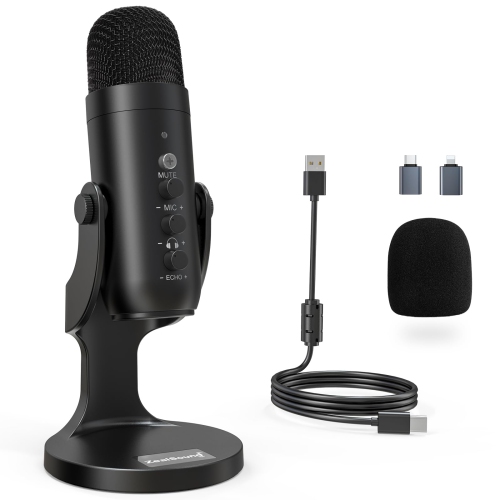
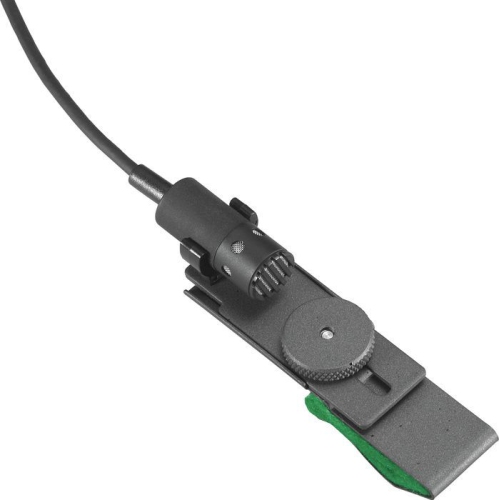

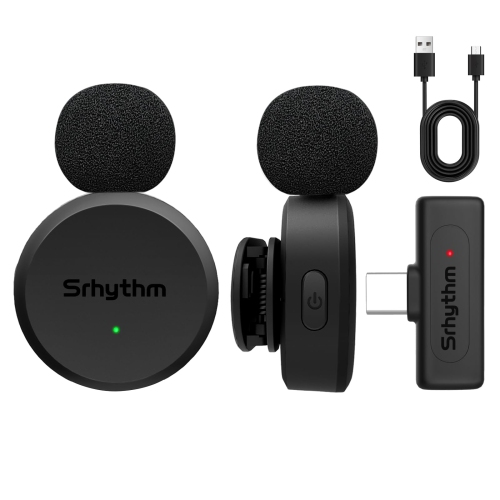
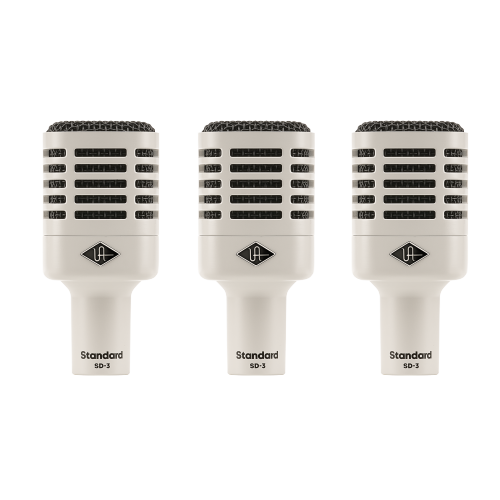
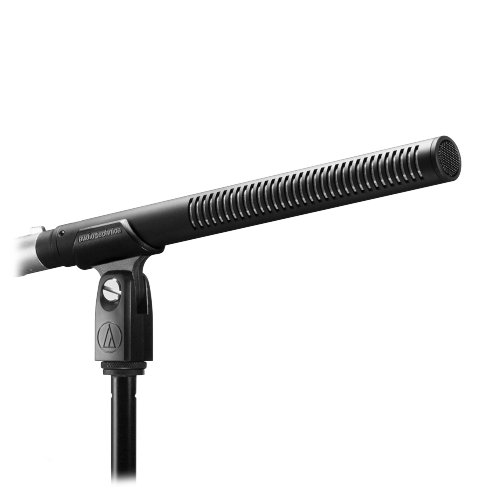
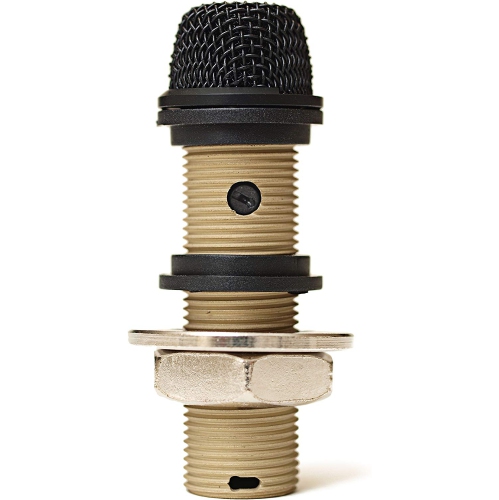
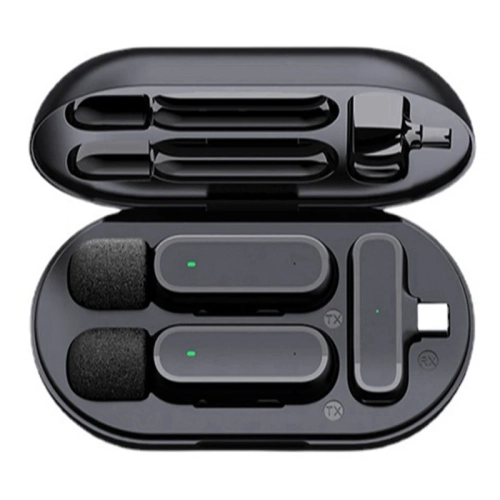

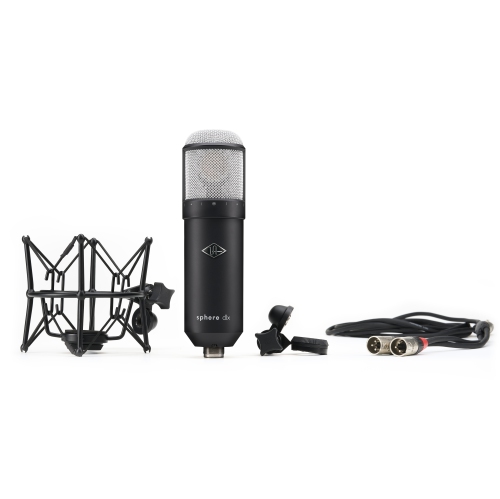
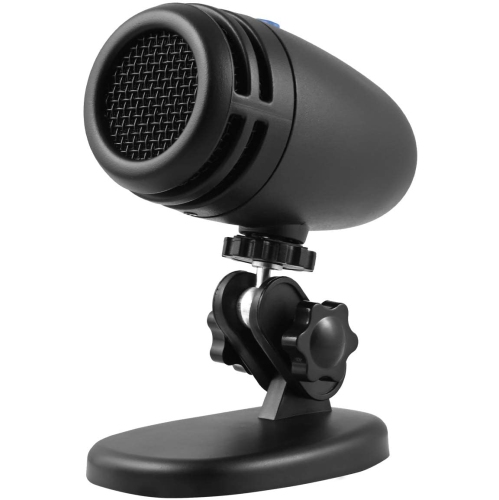
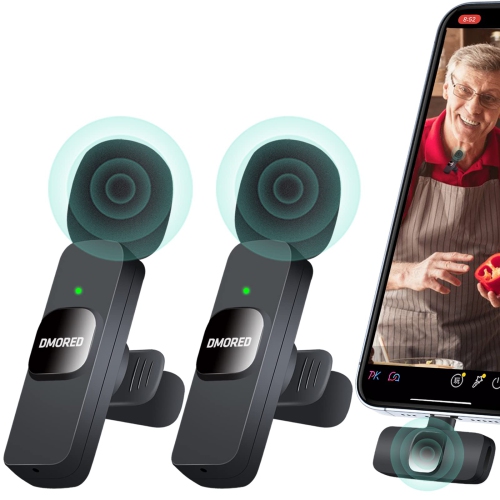
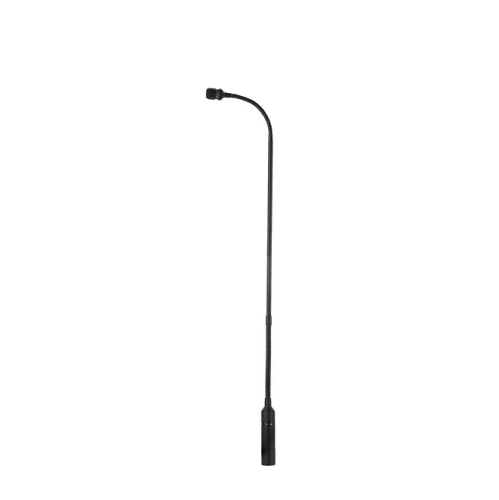
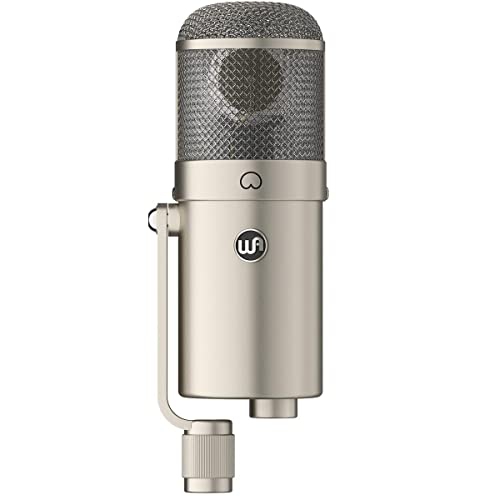

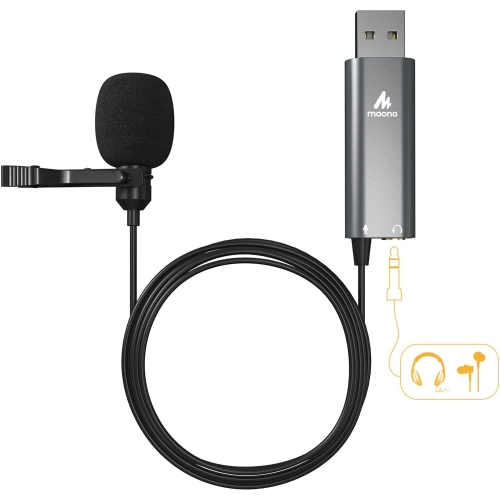
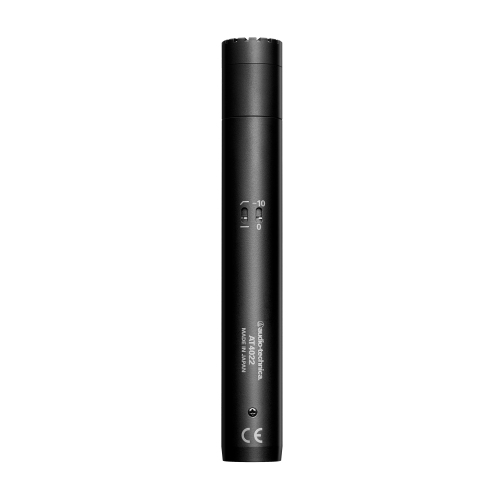

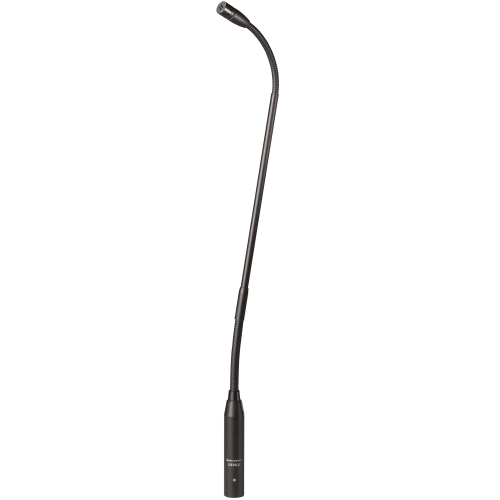
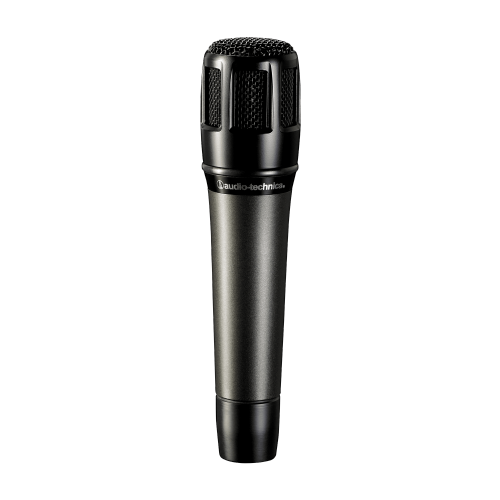
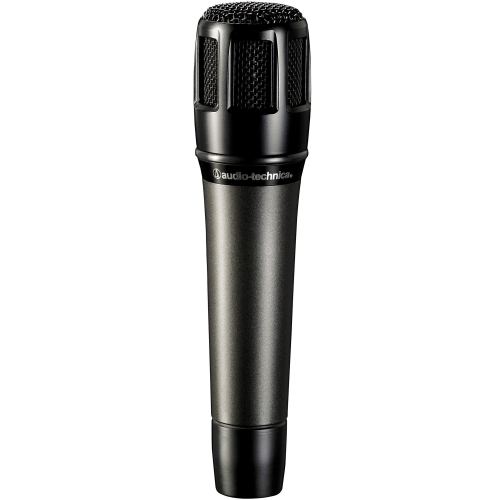

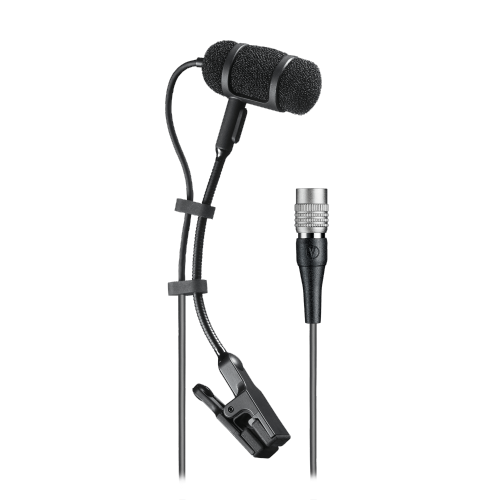
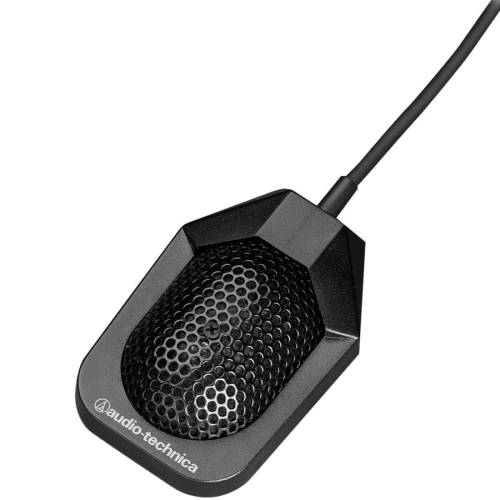
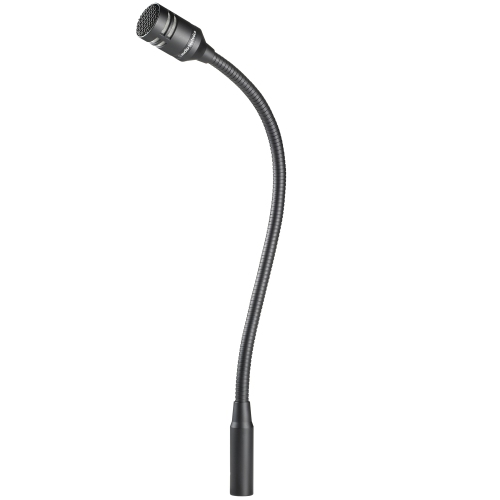
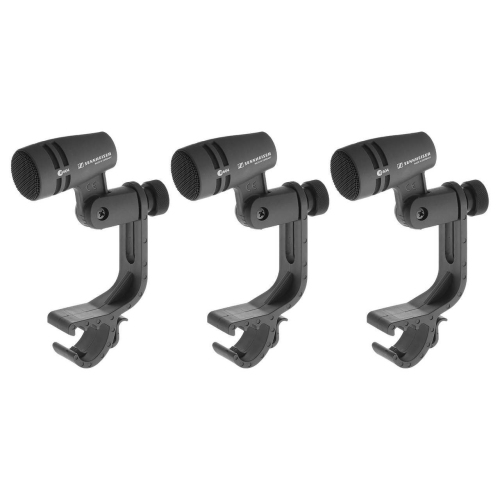
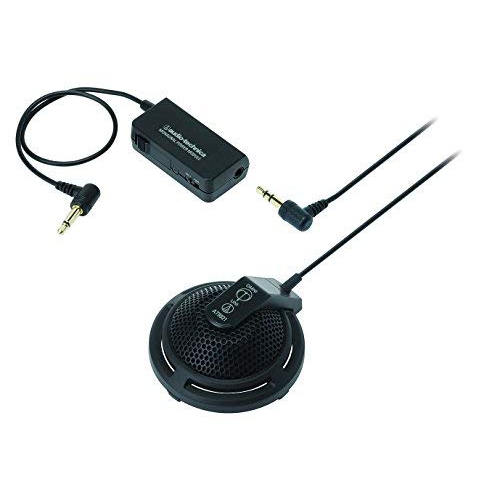
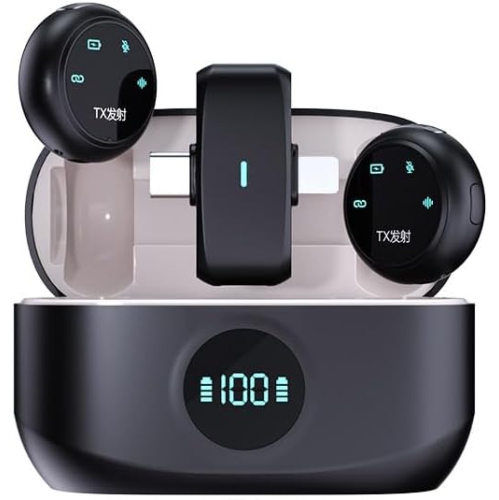
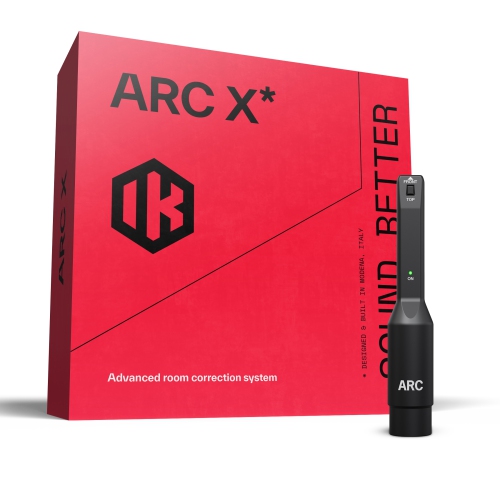
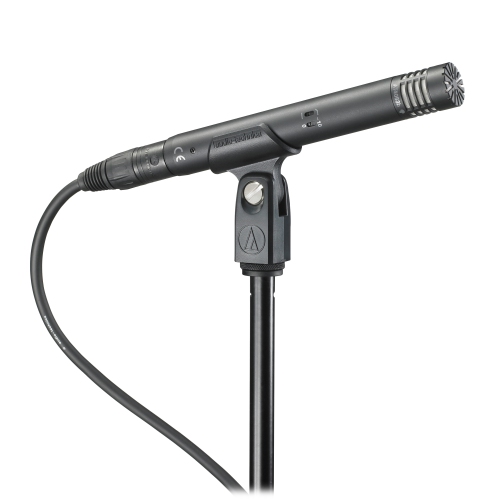
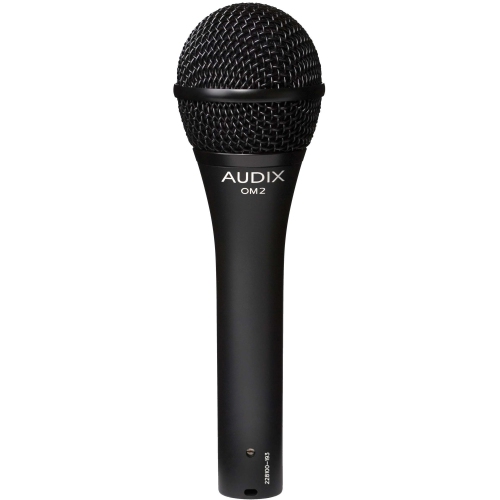
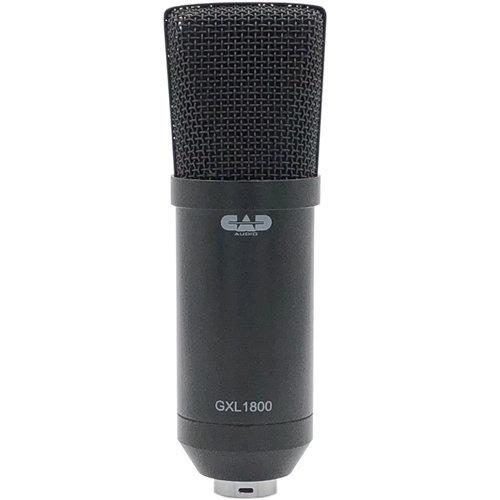

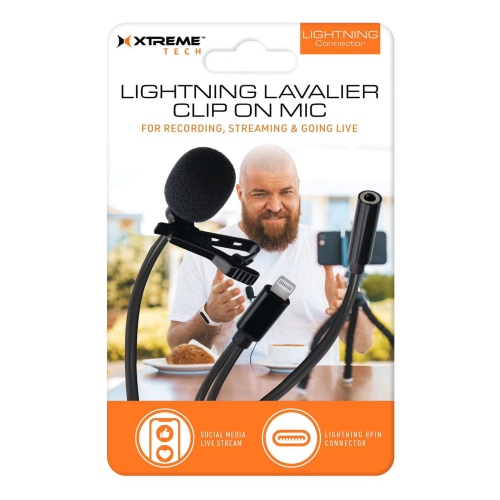
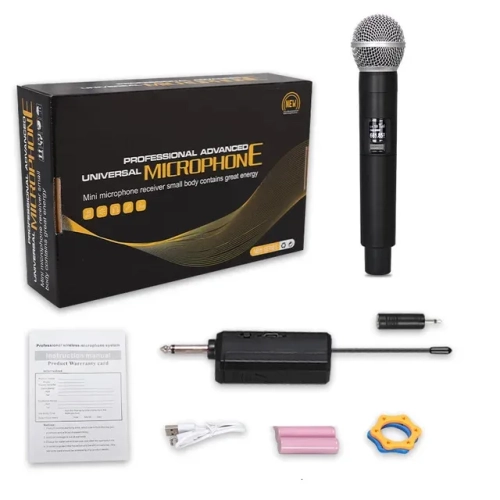
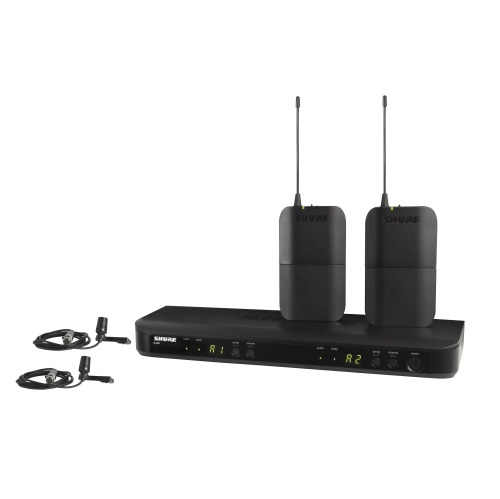
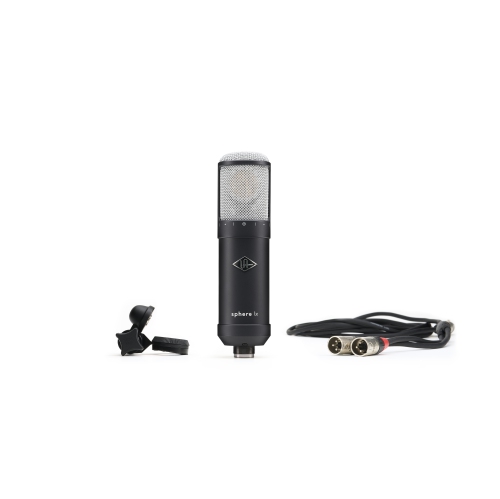
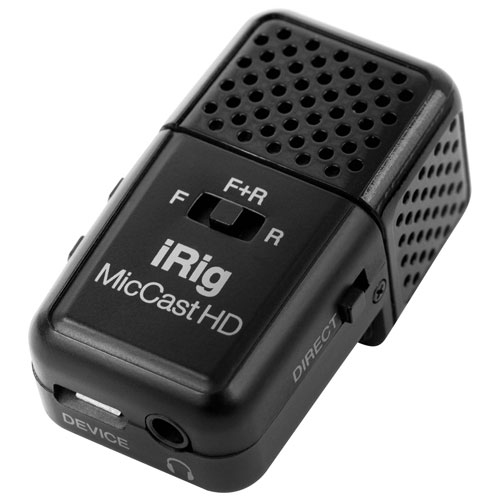
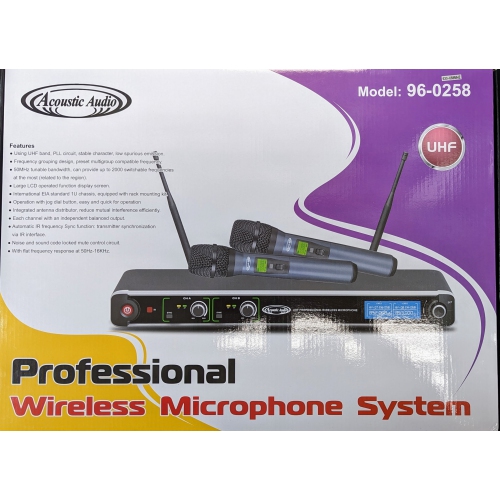
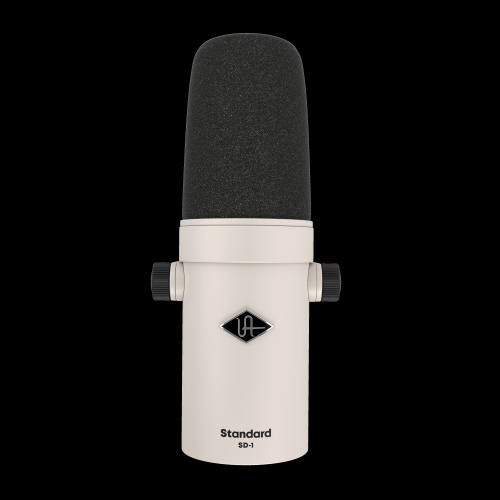


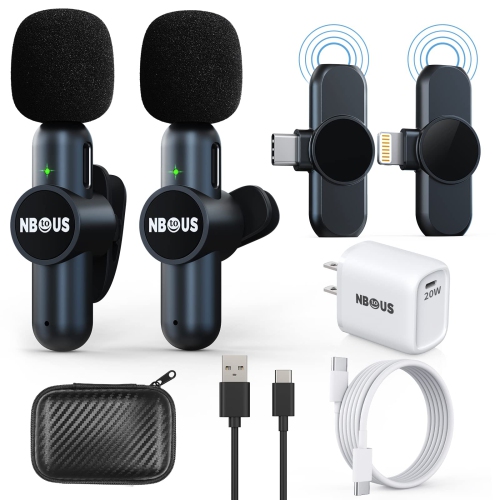
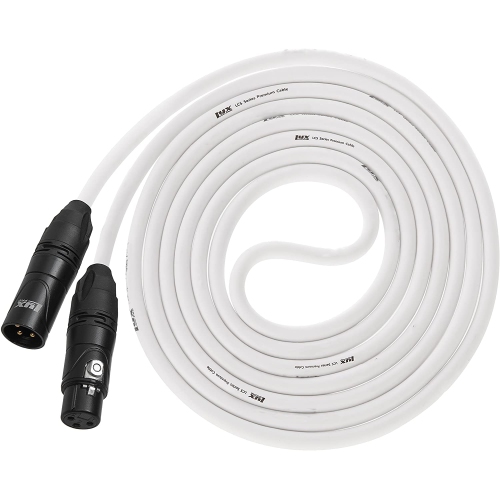
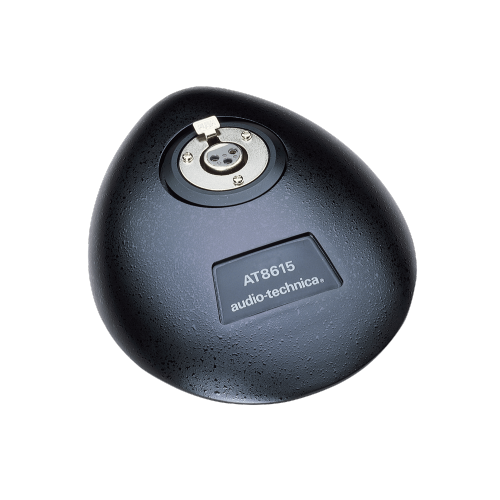
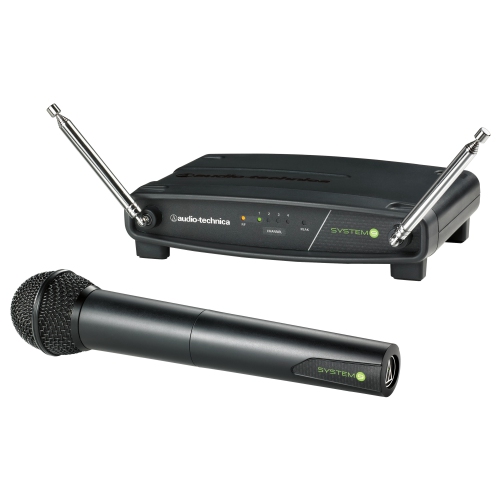

Why microphone placement matters as much as design
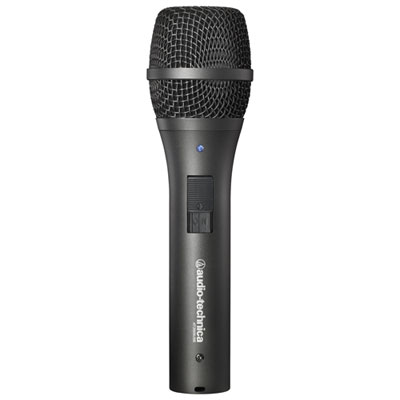
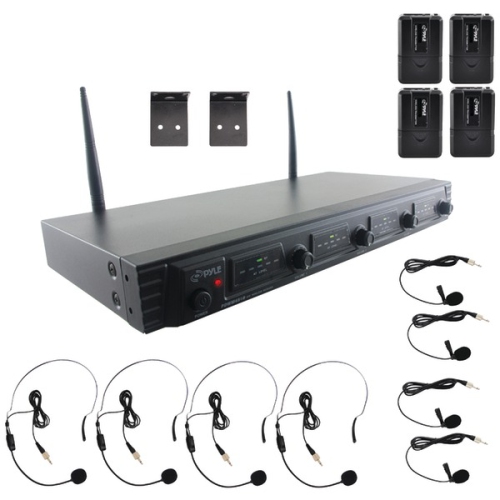
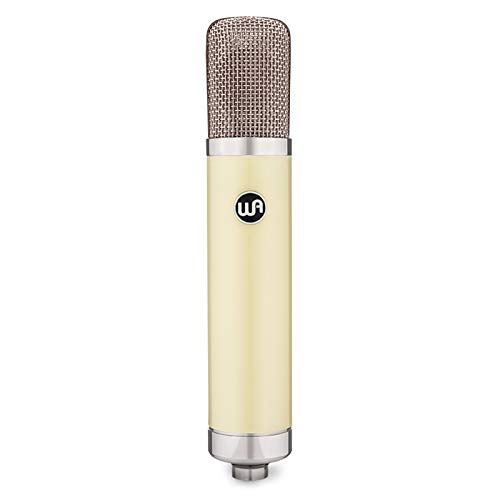
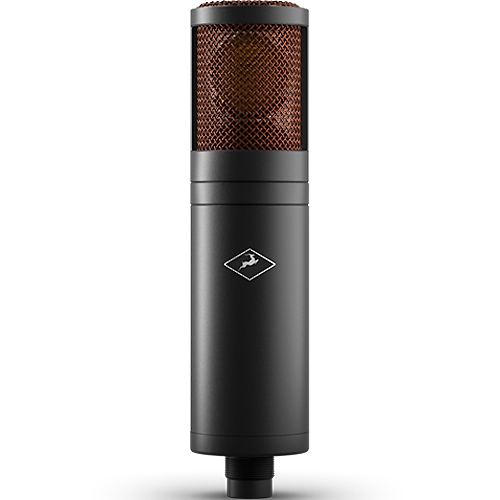
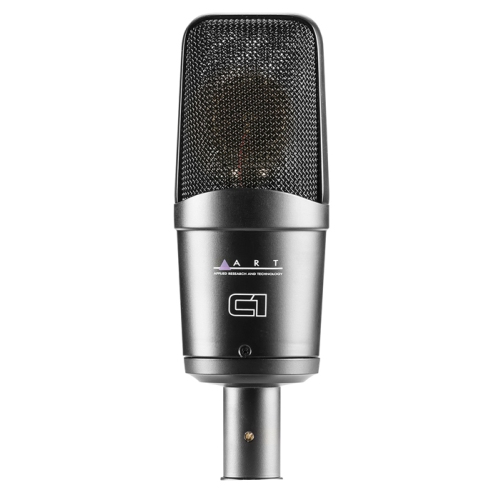
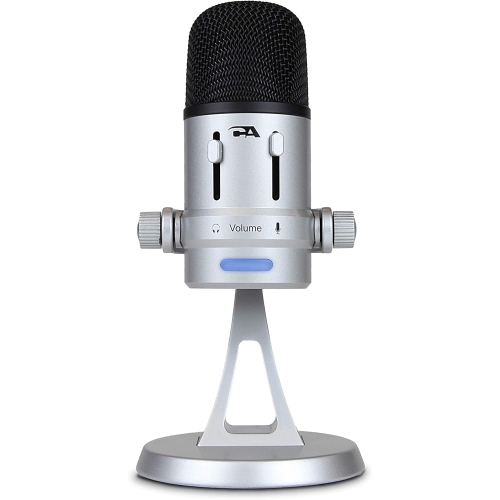
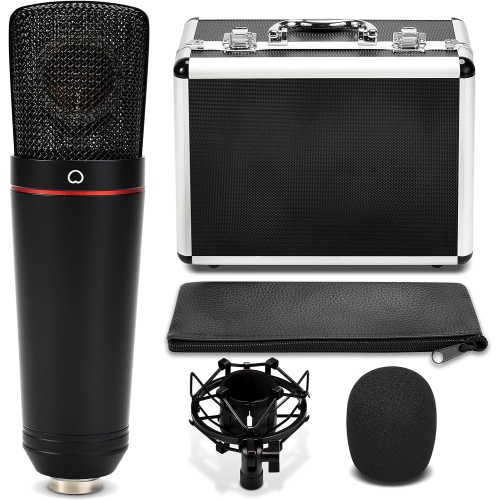
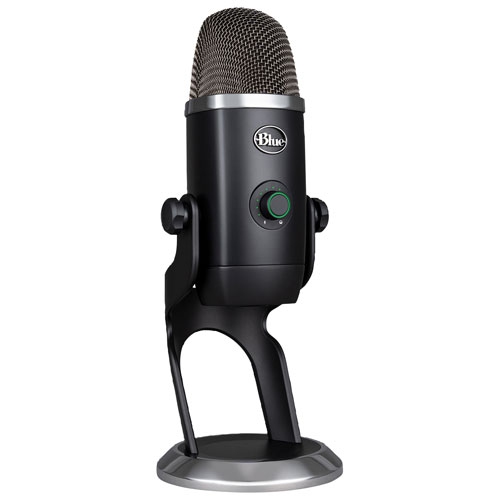
Audio microphones convert sound waves into electrical signals that can be amplified, recorded, or transmitted for calls, streams, and live performances. Their purpose ranges from making a quiet speaking voice easier to understand to capturing the attack of a snare drum or the resonance of an acoustic guitar. A microphone suited to a podcast at a desk may have different strengths from one used by a singer moving across a stage, so intended use matters more than any single specification. Dynamic microphones typically use a moving coil and are often chosen for their robust construction and ability to handle loud sources. Most moving-coil models do not need external power, making them practical for rehearsal spaces, presentations, and live vocals. Condenser microphones use a lightweight diaphragm and require power, supplied through a battery, USB connection, or phantom power, depending on the design. Many studio XLR condensers require 48-volt phantom power from a compatible interface or mixer. Their sensitivity and transient response can capture subtle vocal textures and instrumental detail, though microphone placement and room acoustics still shape the result. Neither design automatically removes household sounds: a keyboard, a nearby fan, or sound reflecting off bare walls can remain audible. A close working distance and an appropriate pickup pattern often make a bigger difference than simply choosing one microphone type over another. Frequency response also affects character. A relatively neutral response can preserve the natural tone of an instrument, while a shaped response may add vocal presence or soften certain frequencies. For spoken-word projects, Voice Recording Microphones are relevant to narration, interviews, lessons, and podcast conversations. Singers, musicians, gamers, teachers, and remote workers all use microphones, but the most useful features depend on whether the priority is expressive performance, intelligible speech, freedom of movement, or a straightforward desktop setup. A microphone can also make a thoughtful gift for someone starting a podcast or practising music, especially when its connections match equipment they already own.
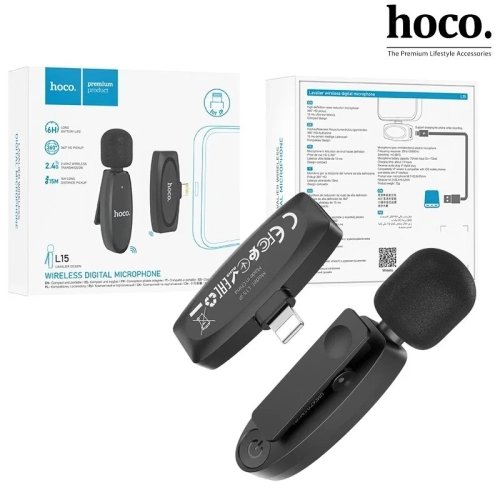
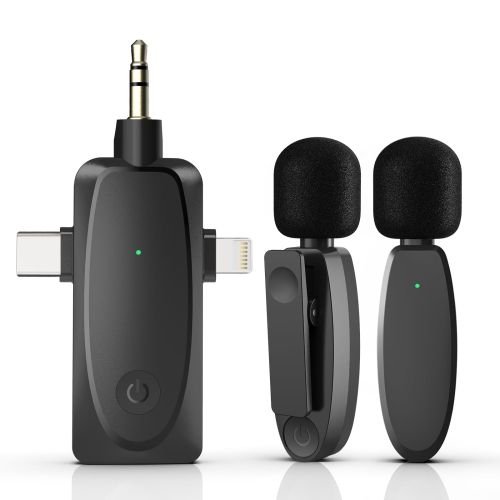
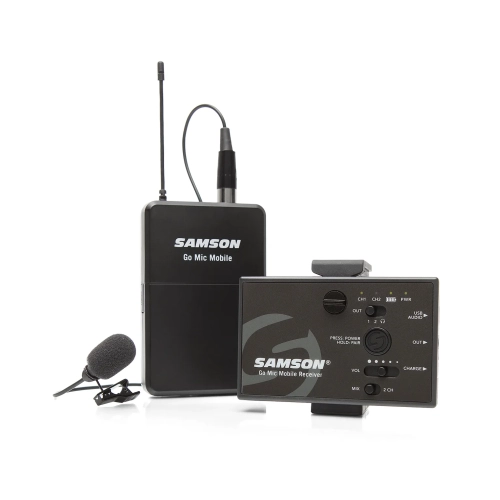
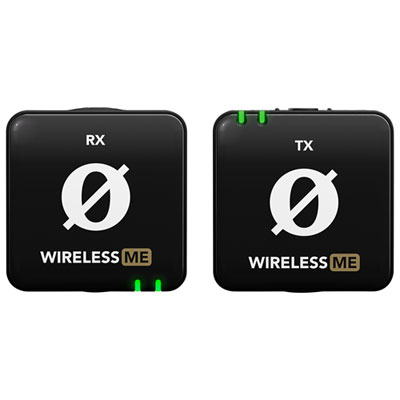
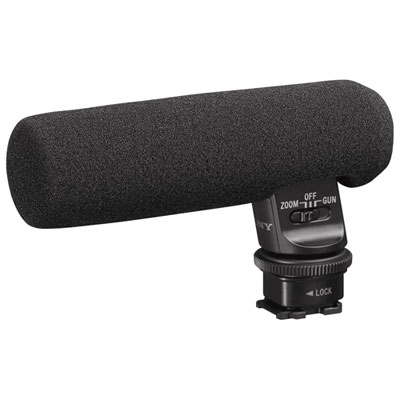
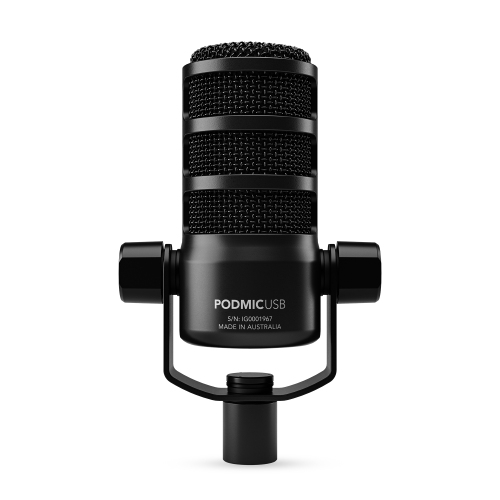
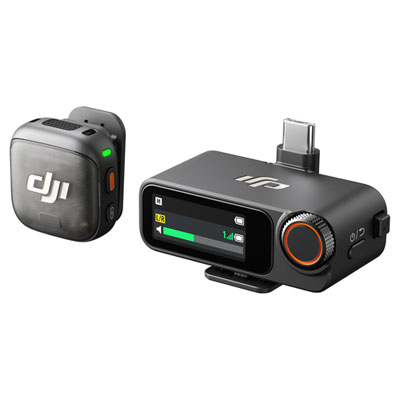
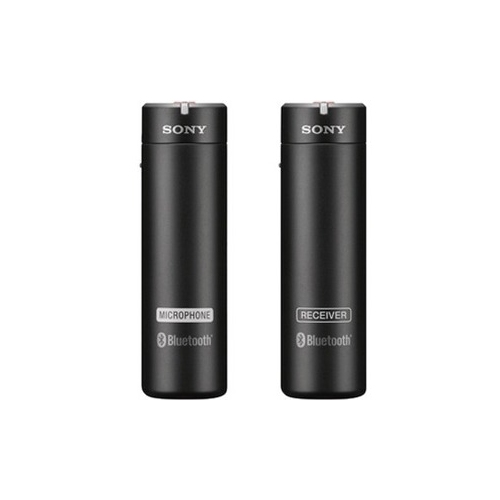
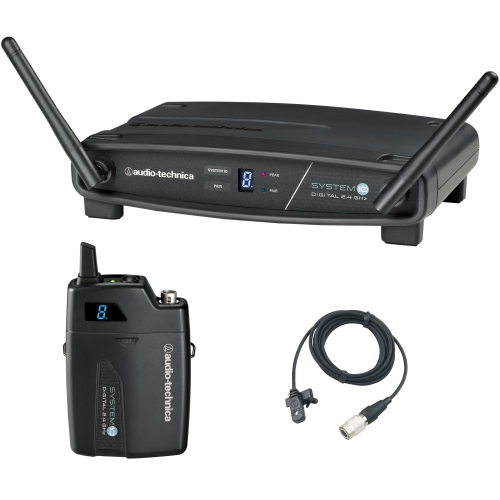
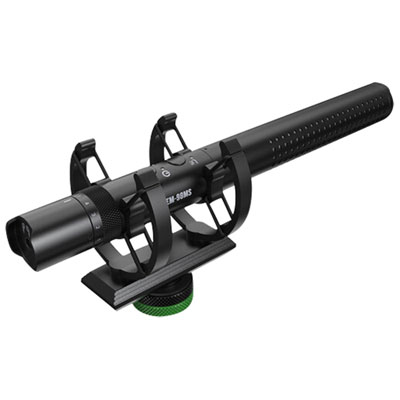
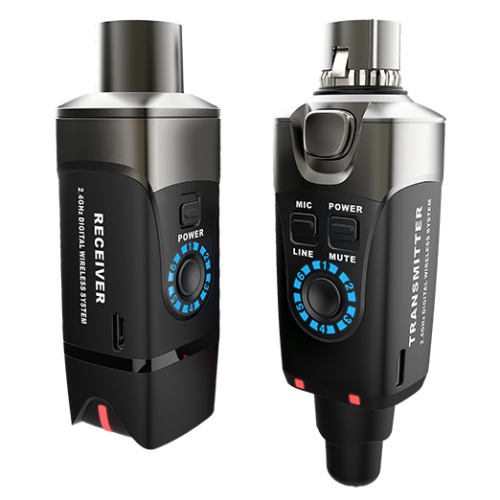
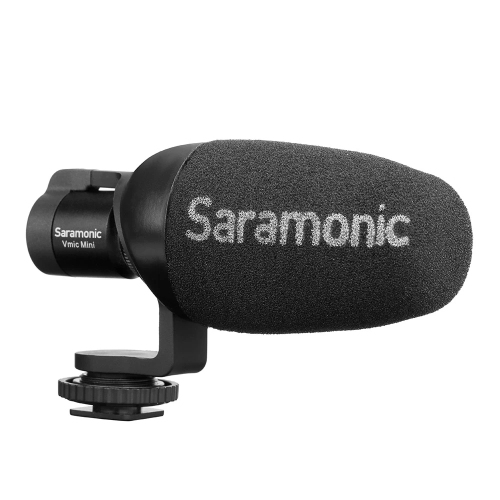
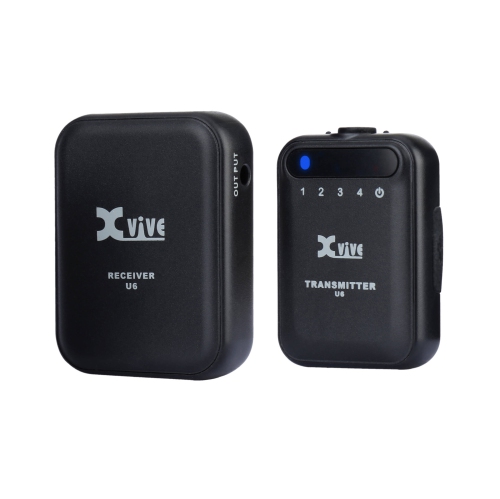
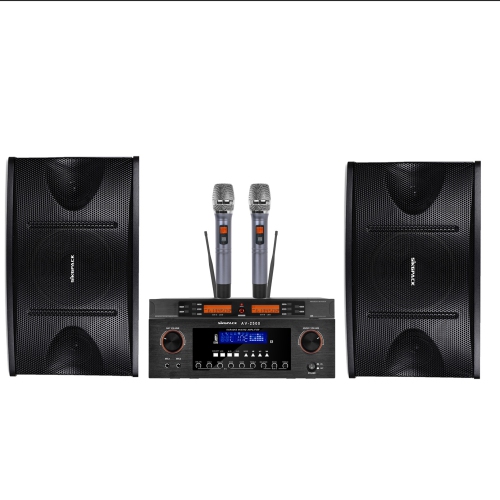
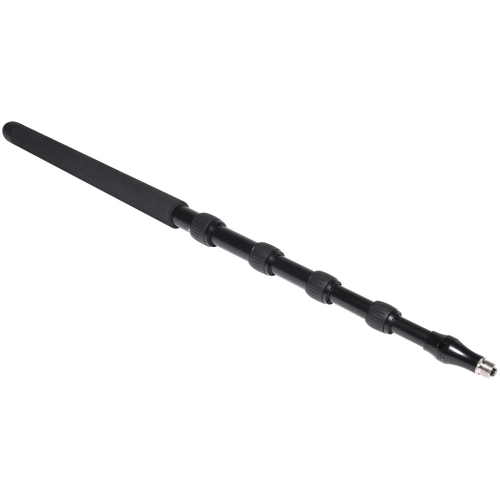
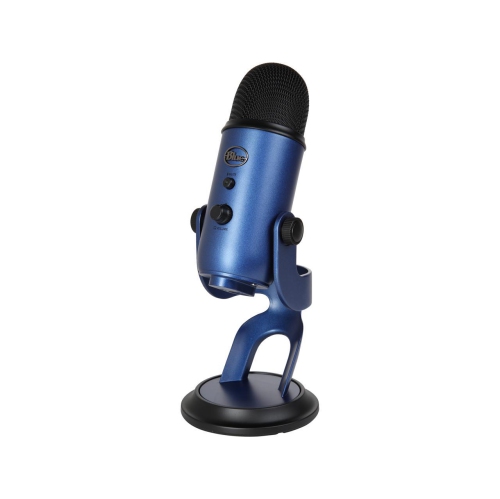
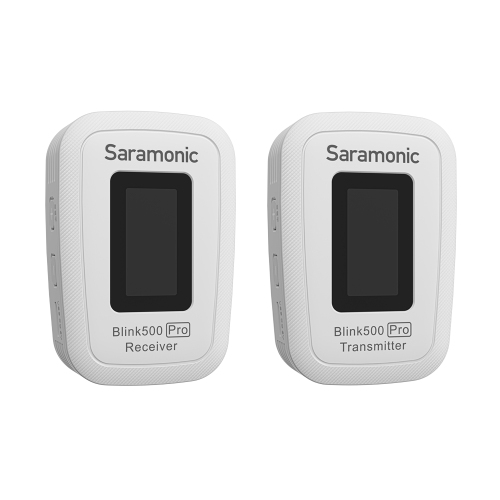
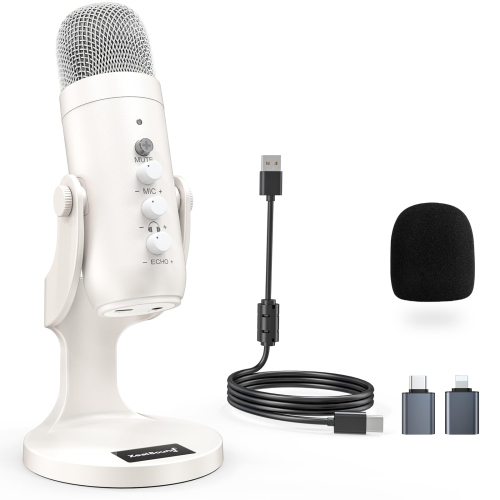
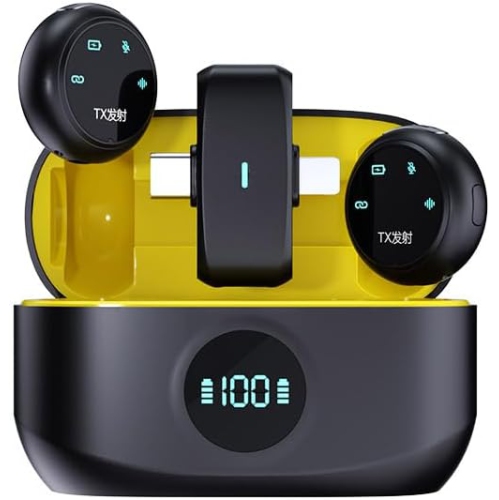
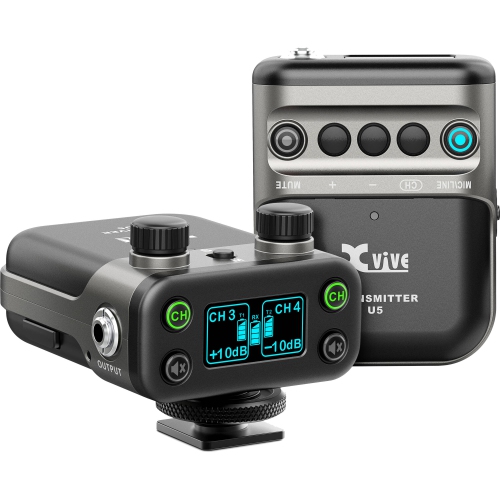
Connections determine how a microphone fits into the rest of an audio setup. USB microphones include the circuitry needed to convert their signal into digital audio and can connect directly to compatible computers without a separate audio interface. They suit desks where a single person records commentary, joins video meetings, or streams gameplay. Compatibility still depends on the device, operating system, connector, and software; a USB plug alone does not guarantee support for every phone, tablet, or gaming console. XLR microphones usually connect to a mixer, recorder, or audio interface with a suitable microphone input. This arrangement allows more flexibility with preamps, multiple microphones, and separate headphone monitoring, which can be useful for musical recording or conversations with several participants. Some microphones offer both USB and XLR connections, supporting a simple starting setup and a different signal path later. Wireless systems pair a transmitter with a compatible receiver, giving presenters and performers more room to move without a cable running from the microphone to the sound system. Their practical requirements include battery life, operating range, connection compatibility, and possible interference. Pickup patterns describe where a microphone is most sensitive to sound. Cardioid microphones favour sound from the front and reduce pickup from the rear, making them useful for a single speaker or instrument. Omnidirectional microphones pick up sound from all directions and can capture a group gathered around a table, along with more of the surrounding room sound. Bidirectional, or figure-eight, patterns capture the front and back while reducing sound from the sides, which can suit two people facing each other in a suitable space. Shotgun microphones use an interference tube to achieve directional pickup and are often used for video production, but they still need thoughtful placement close to the subject. For everyday recording, a headphone output with direct monitoring can make it easier to hear the microphone signal without a distracting software delay. Accessible gain controls, a clear mute indicator, and a stable stand can be just as valuable as more advanced settings during a lesson, interview, or lengthy call.
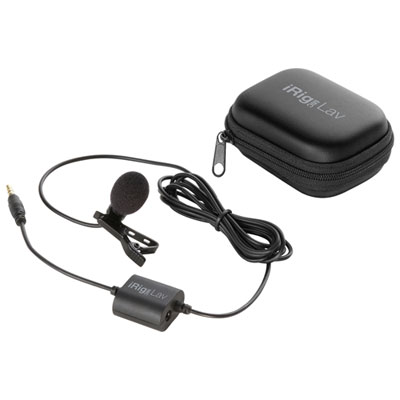
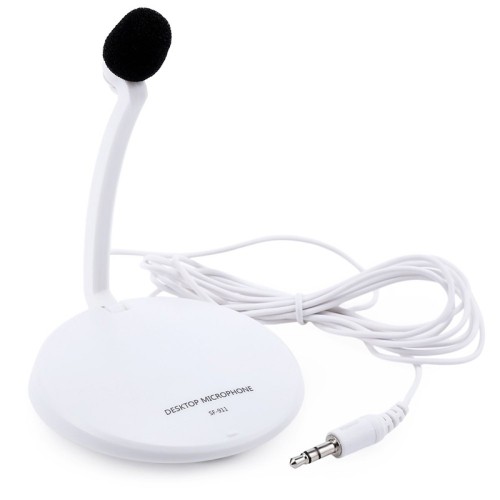
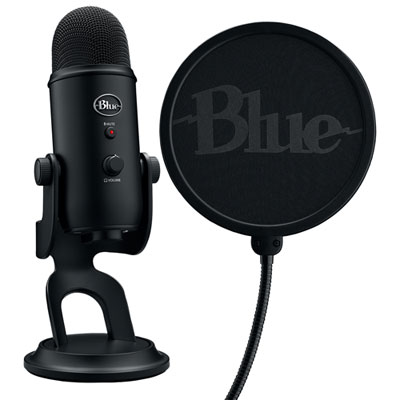
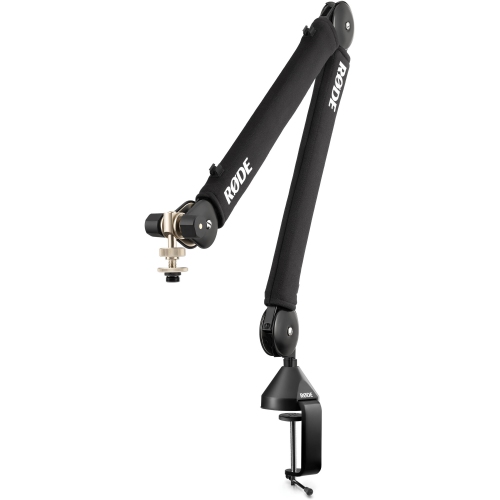
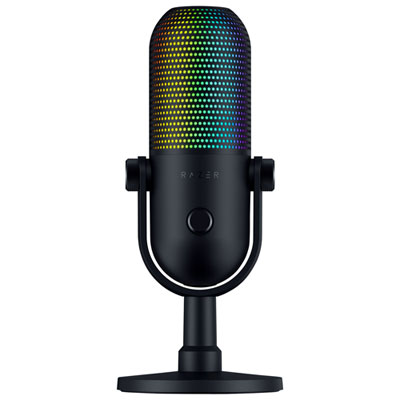
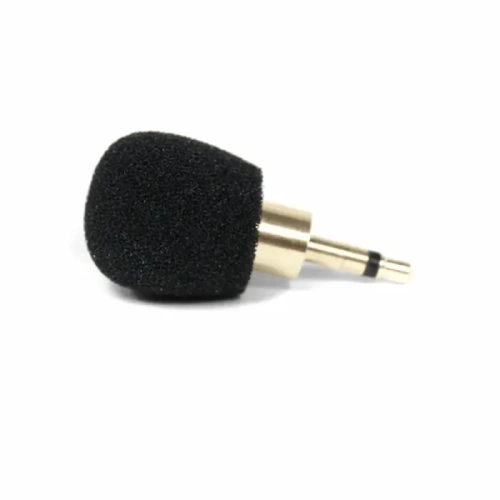
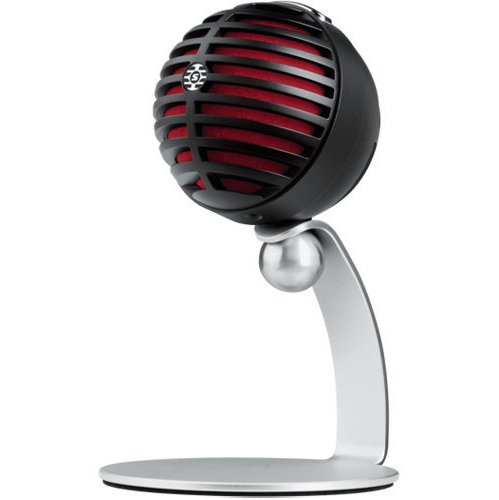
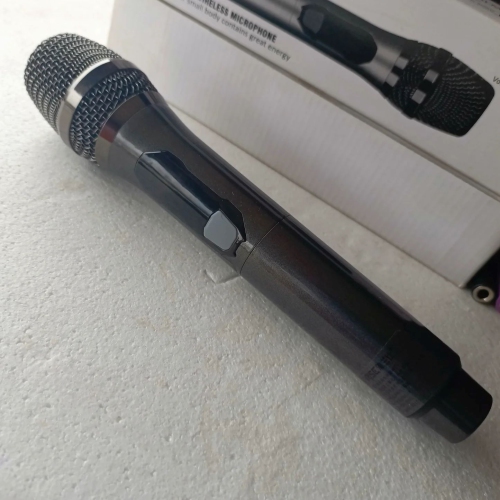
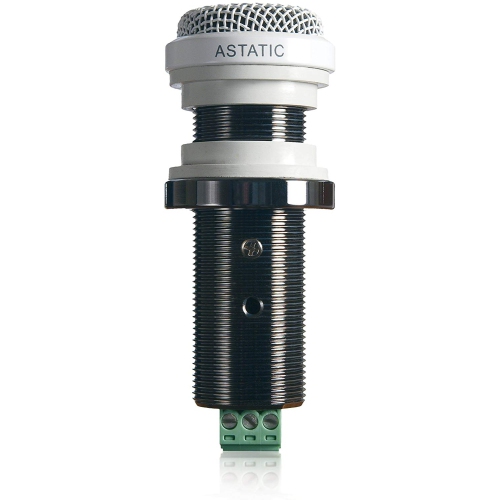
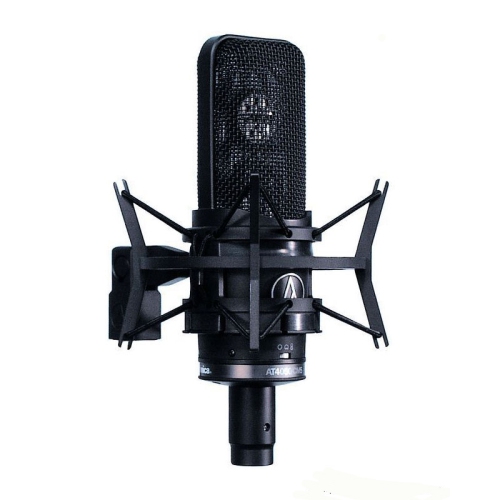
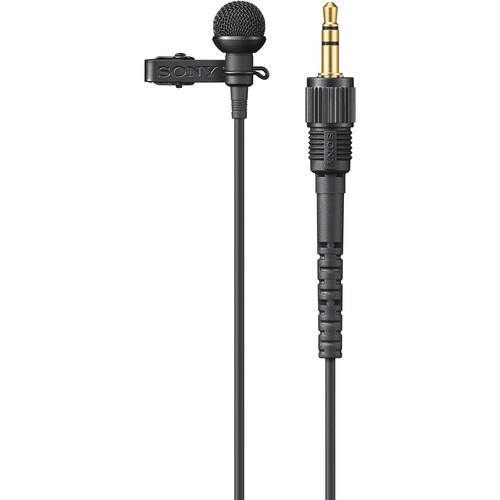
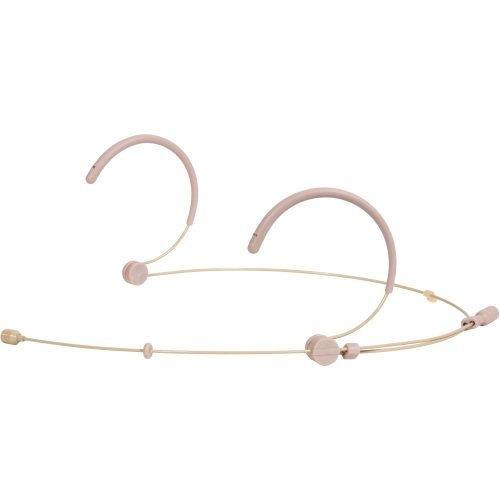
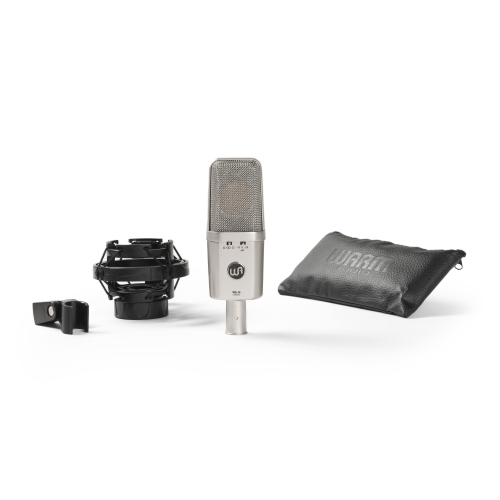
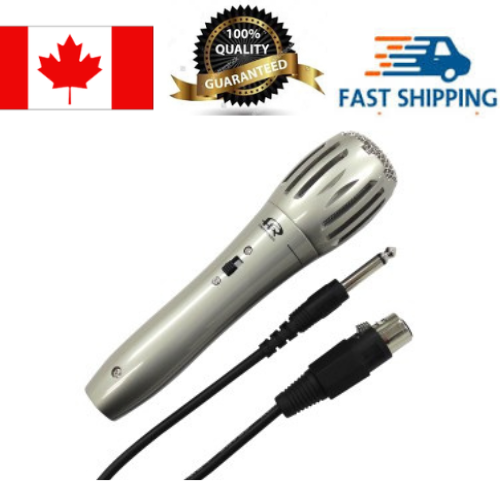
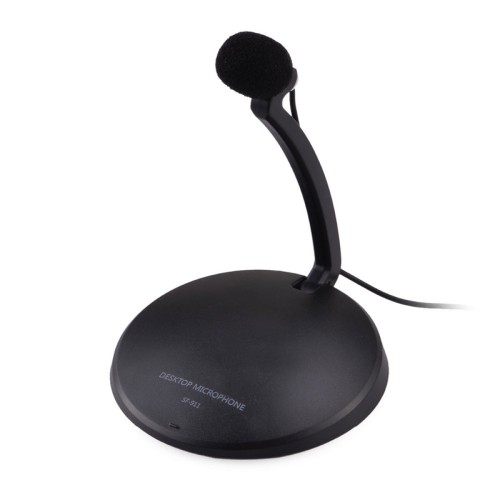
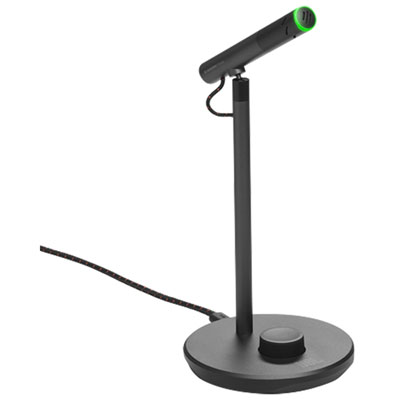
Physical design affects comfort, placement, and long-term use as much as it affects appearance. Handheld microphones need a comfortable grip and a secure grille, while desktop microphones benefit from a base that stays steady when someone reaches for a keyboard. Lavalier microphones clip to clothing for discreet speech capture, although fabric rubbing against the capsule or cable can create unwanted noise. Headset microphones keep the capsule at a relatively consistent distance from the mouth, which is useful for instructors or presenters who turn their heads while speaking. Metal bodies and sturdy mesh grilles can withstand regular handling, while lightweight housings may be easier to position on clothing or carry between locations. Weight also matters when matching a microphone to a boom arm: the arm needs enough load capacity, and its mount must fit the microphone or an appropriate adapter. A shock mount can reduce vibrations transmitted through a desk or stand, while a pop filter helps control bursts of air from sounds such as “p” and “b”. Foam windscreens can reduce breath noise and light air movement, though they serve a different purpose from a shock mount. Placement brings these details together. A narrator speaking a short distance from the capsule can achieve a more direct sound than someone leaning back across the desk, but moving too close to many directional microphones increases bass through the proximity effect. Angling the microphone slightly away from the direct path of breath can reduce plosives without forcing an uncomfortable posture. For instruments, small changes in position can shift the balance between brightness, body, and room sound. Durability also depends on care: storing a microphone in a protective pouch or case, keeping the grille dry, and coiling cables loosely can help prevent avoidable damage. Cleaning should follow the manufacturer’s instructions, with no liquid sprayed into the capsule or connectors. Secure cable routing and a properly balanced stand help protect both the microphone and the connected equipment, supporting dependable use through repeated rehearsals, recordings, and conversations.
Connections determine how a microphone fits into the rest of an audio setup. USB microphones include the circuitry needed to convert their signal into digital audio and can connect directly to compatible computers without a separate audio interface. They suit desks where a single person records commentary, joins video meetings, or streams gameplay. Compatibility still depends on the device, operating system, connector, and software; a USB plug alone does not guarantee support for every phone, tablet, or gaming console. XLR microphones usually connect to a mixer, recorder, or audio interface with a suitable microphone input. This arrangement allows more flexibility with preamps, multiple microphones, and separate headphone monitoring, which can be useful for musical recording or conversations with several participants. Some microphones offer both USB and XLR connections, supporting a simple starting setup and a different signal path later. Wireless systems pair a transmitter with a compatible receiver, giving presenters and performers more room to move without a cable running from the microphone to the sound system. Their practical requirements include battery life, operating range, connection compatibility, and possible interference. Pickup patterns describe where a microphone is most sensitive to sound. Cardioid microphones favour sound from the front and reduce pickup from the rear, making them useful for a single speaker or instrument. Omnidirectional microphones pick up sound from all directions and can capture a group gathered around a table, along with more of the surrounding room sound. Bidirectional, or figure-eight, patterns capture the front and back while reducing sound from the sides, which can suit two people facing each other in a suitable space. Shotgun microphones use an interference tube to achieve directional pickup and are often used for video production, but they still need thoughtful placement close to the subject. For everyday recording, a headphone output with direct monitoring can make it easier to hear the microphone signal without a distracting software delay. Accessible gain controls, a clear mute indicator, and a stable stand can be just as valuable as more advanced settings during a lesson, interview, or lengthy call.
Physical design affects comfort, placement, and long-term use as much as it affects appearance. Handheld microphones need a comfortable grip and a secure grille, while desktop microphones benefit from a base that stays steady when someone reaches for a keyboard. Lavalier microphones clip to clothing for discreet speech capture, although fabric rubbing against the capsule or cable can create unwanted noise. Headset microphones keep the capsule at a relatively consistent distance from the mouth, which is useful for instructors or presenters who turn their heads while speaking. Metal bodies and sturdy mesh grilles can withstand regular handling, while lightweight housings may be easier to position on clothing or carry between locations. Weight also matters when matching a microphone to a boom arm: the arm needs enough load capacity, and its mount must fit the microphone or an appropriate adapter. A shock mount can reduce vibrations transmitted through a desk or stand, while a pop filter helps control bursts of air from sounds such as “p” and “b”. Foam windscreens can reduce breath noise and light air movement, though they serve a different purpose from a shock mount. Placement brings these details together. A narrator speaking a short distance from the capsule can achieve a more direct sound than someone leaning back across the desk, but moving too close to many directional microphones increases bass through the proximity effect. Angling the microphone slightly away from the direct path of breath can reduce plosives without forcing an uncomfortable posture. For instruments, small changes in position can shift the balance between brightness, body, and room sound. Durability also depends on care: storing a microphone in a protective pouch or case, keeping the grille dry, and coiling cables loosely can help prevent avoidable damage. Cleaning should follow the manufacturer’s instructions, with no liquid sprayed into the capsule or connectors. Secure cable routing and a properly balanced stand help protect both the microphone and the connected equipment, supporting dependable use through repeated rehearsals, recordings, and conversations.
Top selling and popular products
-
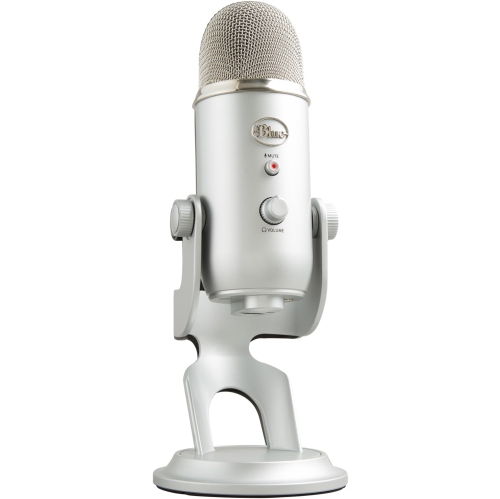 Your price for this item is $204.37
 -
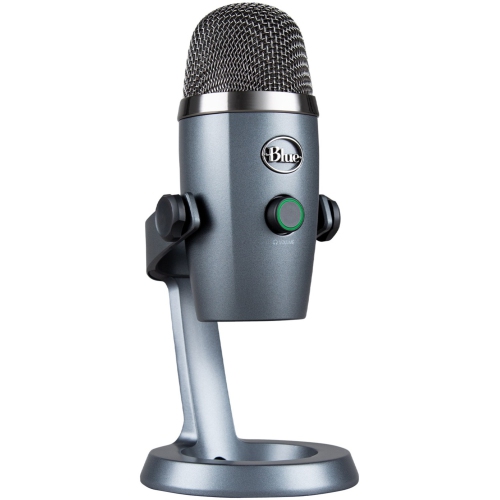 Your price for this item is $158.37
 -
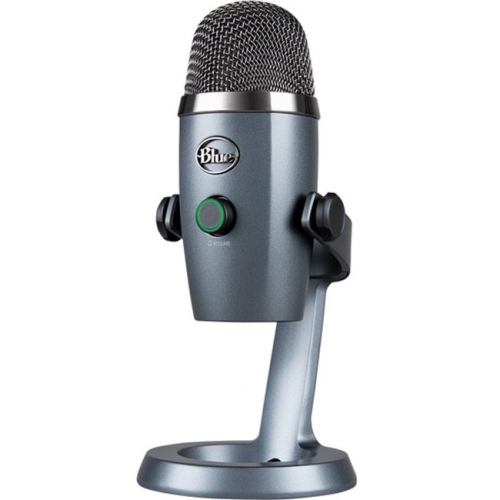 Your price for this item is $152.68
 -
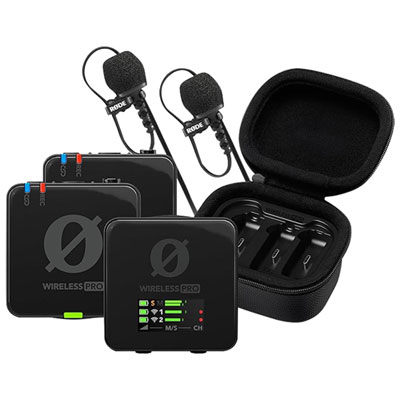 Your price for this item is $419.99
 -
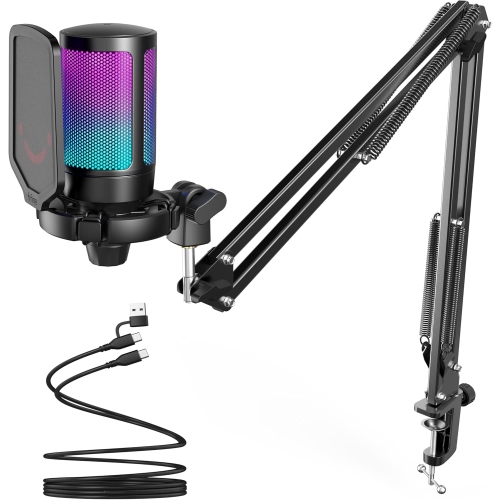 Your price for this item is $95.99
 -
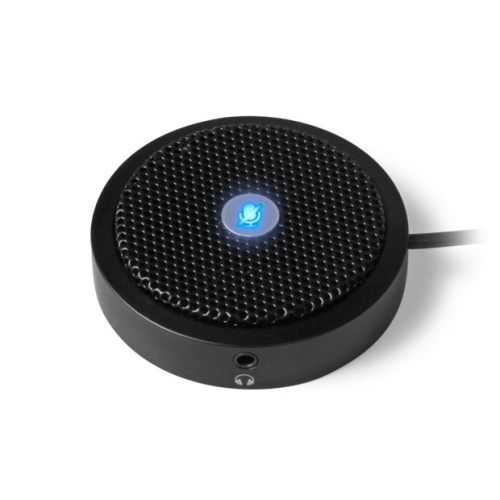 Your price for this item is $75.84
 -
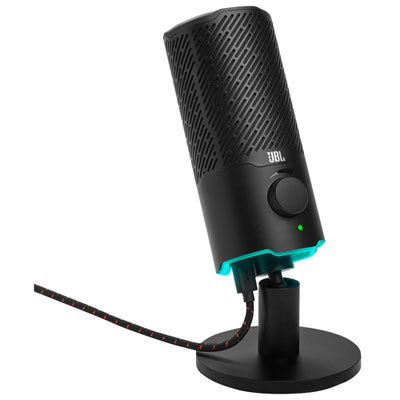 Your price for this item is $139.99
 -
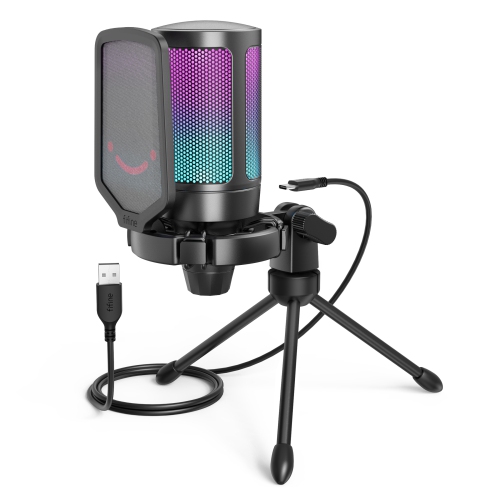 Your price for this item is $72.99
Discover more categories related to Audio Microphones
Top Collections:
Pokemon Centers, Kindle Devices, Best Budget Office Chairs, Apple iPhones 16, Best Laptops for Writers, iPhone 15 Apple, Canon G7X Cameras, Refurbished Apple Laptops, Alarm Clock, Motorola Razr Phones
Some products may be subject to Environmental Handling Fees
(EHF) depending on your province.
Learn more about EHFs.