Music Keyboards for Student Practice
Music Keyboards For Student Practice offer a range of options designed to support learning and skill development at every level. Whether you are just starting out or looking to enhance your practice sessions, these keyboards provide reliable performance for daily use. Explore models with various sizes and configurations to find the ideal fit for home, school, or lesson environments. With Music Keyboards For Student Practice, students can enjoy consistent playability as they progress on their musical journey.
Sort
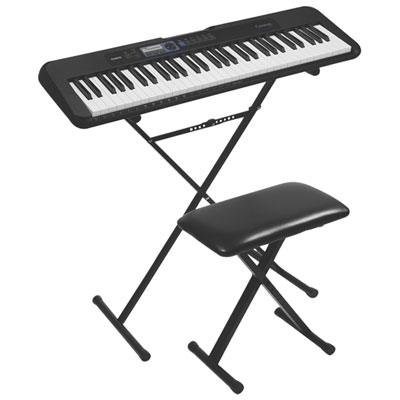
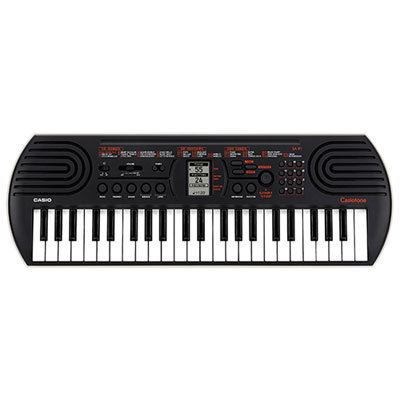
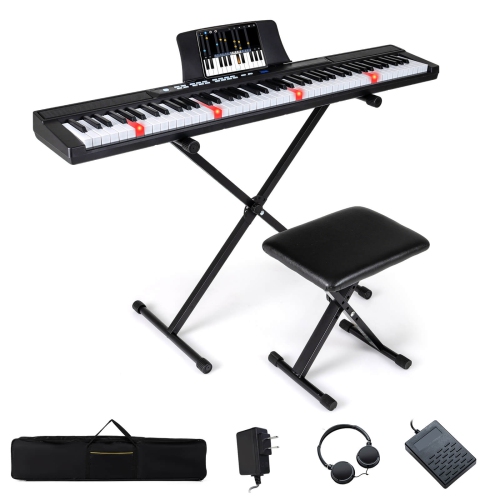
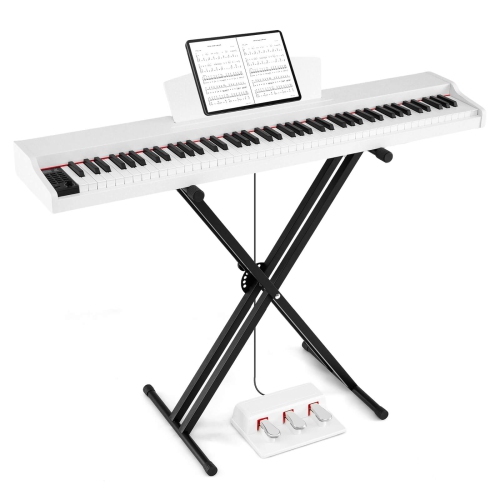


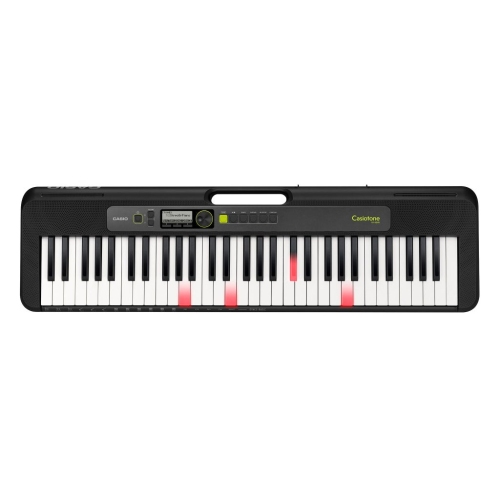
How key feel and setup shape everyday practice
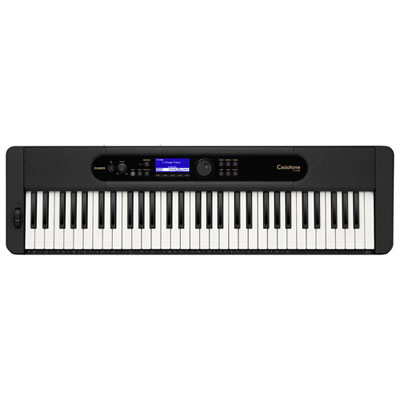
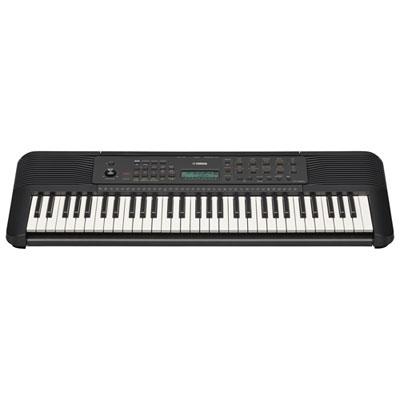
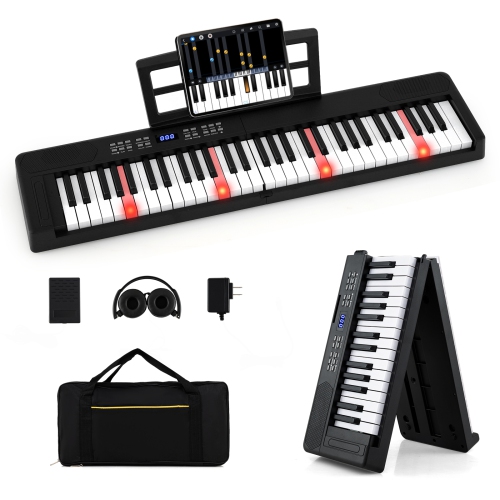
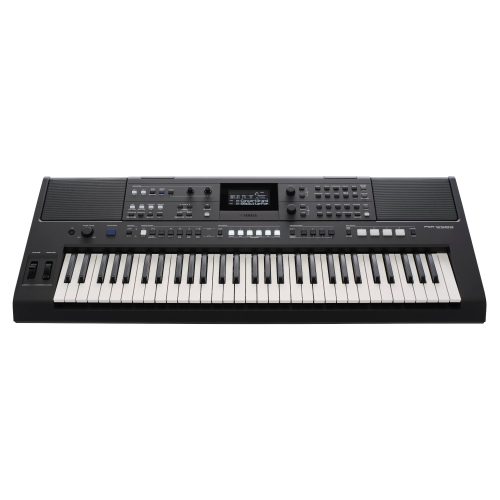
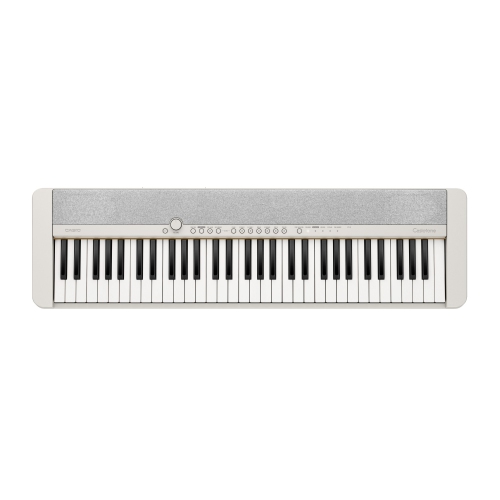
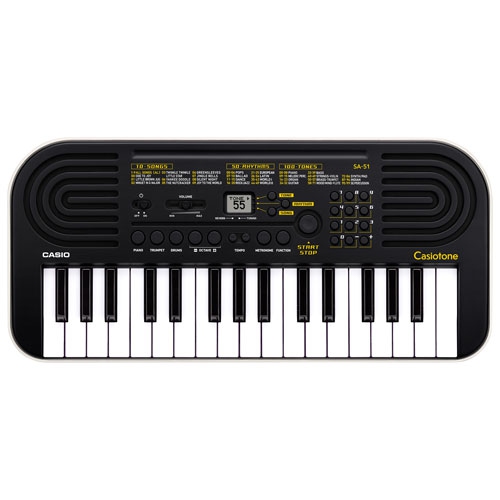
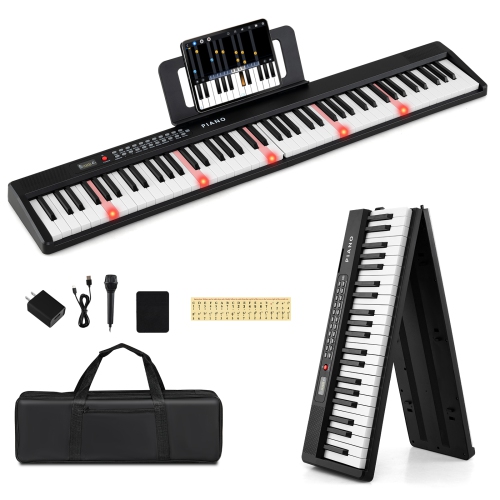
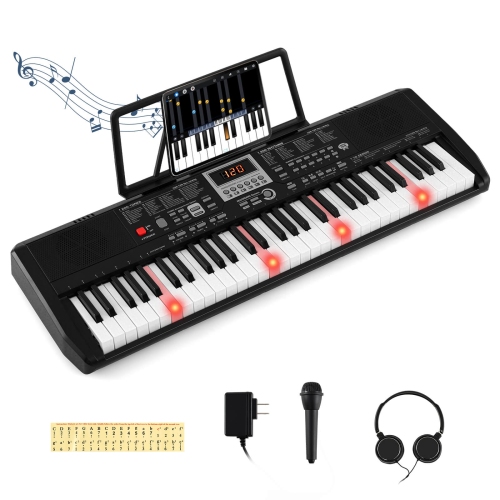
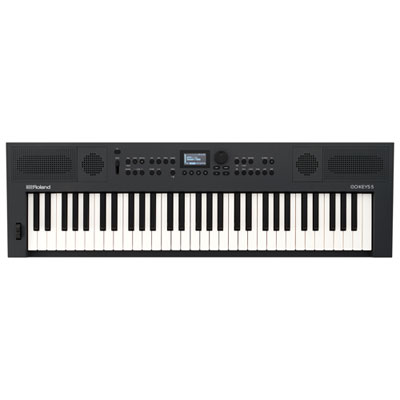
Music keyboards for student practice give learners a dedicated place to turn lessons into familiar movements, from finding middle C to playing a melody with a steady left-hand accompaniment. They suit children taking their first lessons, teenagers working through school music assignments, and adults returning to an instrument after time away. The right fit depends partly on what those practice sessions involve. A compact keyboard can support note recognition, basic chords, and simple songs, while a wider keyboard gives both hands more room as pieces become more demanding. Many portable keyboards have 61 keys, while 76-key designs provide additional range and 88-key instruments match the key count of a standard piano. Full-size keys help students become familiar with conventional spacing, which matters when lessons or performances take place on a different instrument. Key count and key feel are separate considerations: a keyboard may have a full set of keys without reproducing the resistance of an acoustic piano. Touch-sensitive keys let players vary the volume through the speed of their keystrokes, helping a quiet phrase sound different from a strong accent. Weighted actions add resistance, and graded hammer actions generally feel heavier toward the bass end and lighter toward the treble. These characteristics can be useful for students whose lessons focus on piano technique, although preferences and teaching requirements vary. Lighter actions can also suit introductory music activities, songwriting, and learning keyboard parts in a band. Clear controls and an easy-to-read display help keep everyday practice straightforward, especially when a student needs only a piano sound, a metronome, and a comfortable volume level. For a learner repeating four difficult bars before moving on to the next passage, an instrument that feels approachable and responds consistently can be more useful than a crowded control panel. A teacher’s expectations for range, touch response, and pedal use provide helpful context for matching a practice keyboard to the work happening in lessons.
A student keyboard also needs to fit the place where practice happens, whether that is a bedroom corner, a shared living room, or a space used for several activities. Overall width and depth matter as much as key count, particularly when a music rest, sheet music, headphones, and a pedal need room around the instrument. Lightweight plastic housings make portable keyboards easier to move between rooms or carry to lessons, while a more substantial chassis can feel steadier during energetic playing. Neither weight nor finish alone establishes durability; secure connections, firmly fitted controls, and proper support all contribute to dependable everyday use. A stable stand should suit the keyboard’s dimensions and weight, with enough space beneath it for comfortable leg movement. Adjustable seating helps position the player with relaxed shoulders and forearms approximately level with the keys, rather than reaching upward from a low chair or leaning forward from a sofa. Younger students may also benefit from foot support, particularly before their feet comfortably reach the floor. When pedal work becomes part of lessons, pedal placement needs to feel natural without stretching the leg or pulling the player away from the keyboard. In a shared room, an accessible setup can make the difference between a short practice session and an instrument that stays packed away. Where the keyboard must be stored after each use, manageable weight, a suitable carrying case, and a simple setup routine become especially practical. Care is generally uncomplicated, but it should follow the instrument’s instructions: clean hands, a soft dry cloth for routine dusting, and drinks kept away from keys and controls help protect frequently handled surfaces. A dust cover can protect an unused keyboard without adding much work to the routine. Cables routed away from walking paths reduce the chance of accidental pulls, and holding a plug rather than tugging its cable helps protect connections. Keeping sheet music nearby also makes it easier for students to return to the passage marked during their last lesson.
Practice features are most useful when they serve a clear musical purpose. A built-in metronome gives scales and exercises a steady pulse, while adjustable tempo settings let a student slow a passage enough to play it accurately before gradually increasing speed. Rhythm accompaniments can make timing exercises feel more like playing with other musicians, though a simple click remains valuable for hearing uneven notes clearly. Some keyboards include lesson functions, split-keyboard modes, or onboard recording, with capabilities that differ by instrument. A split or duet setting can give a teacher and student comparable note ranges at the same keyboard; a recording function lets a learner listen back for rushed endings, uneven chords, or a melody that disappears beneath the accompaniment. A convincing piano voice supports focused practice, while organ, string, and other instrument sounds can encourage experimentation once the assigned work is finished. Headphone listening is particularly helpful in homes where someone else is studying, working, or resting nearby, provided the listening level stays comfortable and session lengths allow for breaks. Built-in speakers offer a different experience, letting students hear their playing in the room and share a piece with family without extra equipment. Connections deserve attention when lessons involve an app or computer: USB-MIDI can transmit performance information without necessarily carrying audio, and compatibility depends on the keyboard, connected device, software, and any required adapters. Power requirements matter too, since battery operation and mains power serve different setups, and the correct power adapter is essential. For families exploring a first instrument, Music Keyboards for Beginners offers a related starting point for early learning needs. A keyboard can also make a thoughtful gift for a student beginning lessons or returning to music, especially when its size, action, and connections match their plans. Familiar controls, comfortable positioning, and useful practice tools help make it an instrument that earns a regular place in the student’s day.
Top selling and popular products
-
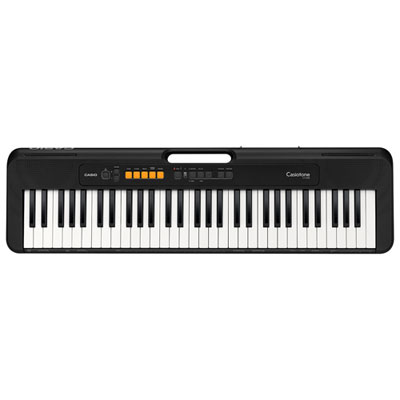 Your price for this item is $149.99
-
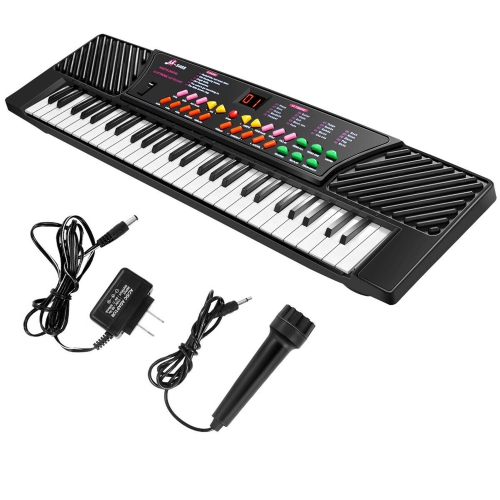 Your price for this item is $65.99
-
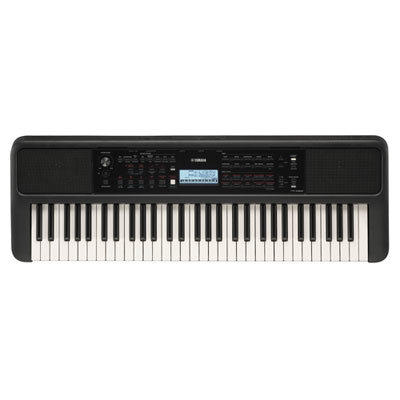 Your price for this item is $249.99
-
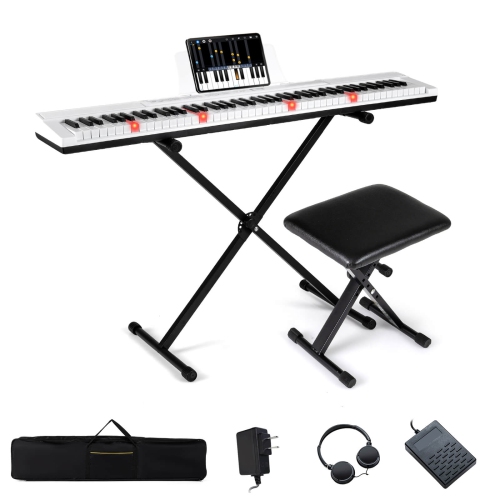 Your price for this item is $214.99
-
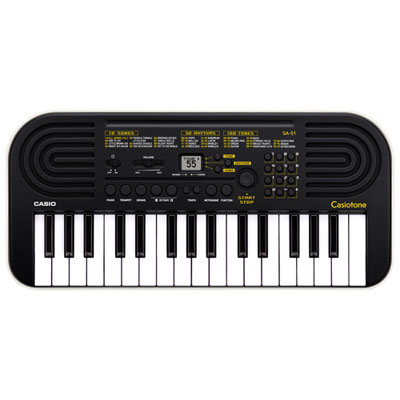 Your price for this item is $99.99
-
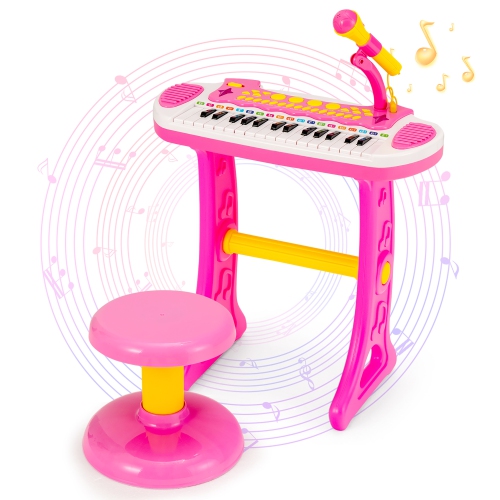 Your price for this item is $74.99
-
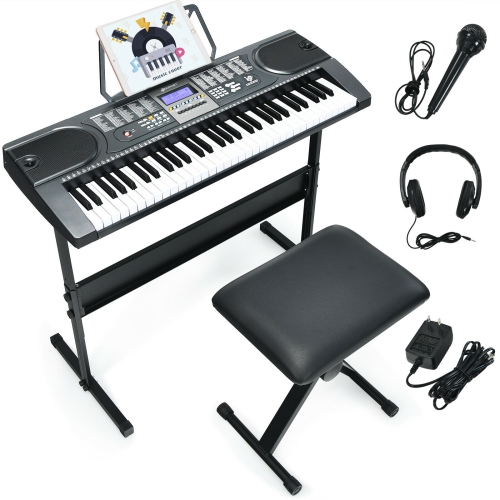 Your price for this item is $199.99
-
 Your price for this item is $699.99
Discover more categories related to Music Keyboards for Student Practice
Top Collections:
Best Black Friday Deals This Year, Best Black Friday Deals On Electronics, Kindle Devices, Pokemon Centers, Best Black Friday Deals On Apple Products, Best Cameras for Sports Photography, Dyson Airwrap, Pokémon 30th Celebration Cards, Apple iPhone 17 Pro, Canon G7X Cameras
Some products may be subject to Environmental Handling Fees
(EHF) depending on your province.
Learn more about EHFs.