Musical Instrument Amplifiers
Looking to take your musical performance to the next level? Look no further than our collection of musical instrument amplifiers. Whether you're a seasoned musician or just starting out, these amplifiers are designed to enhance the sound of your instruments and make sure your music is heard loud and clear. From guitar amps to keyboard amps, we have a wide range of options to suit every musician's needs. Get ready to rock the stage with our selection of high-quality, powerful, and reliable amplifiers.
Sort
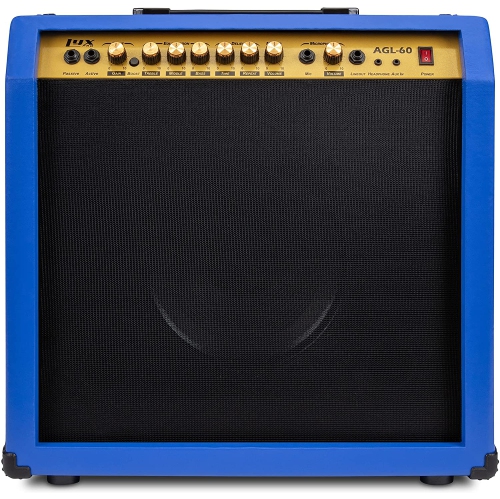
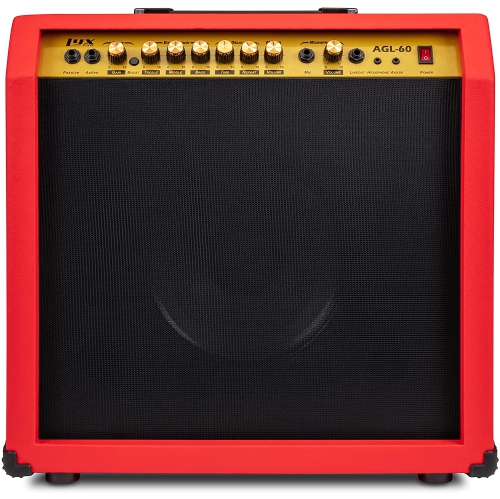
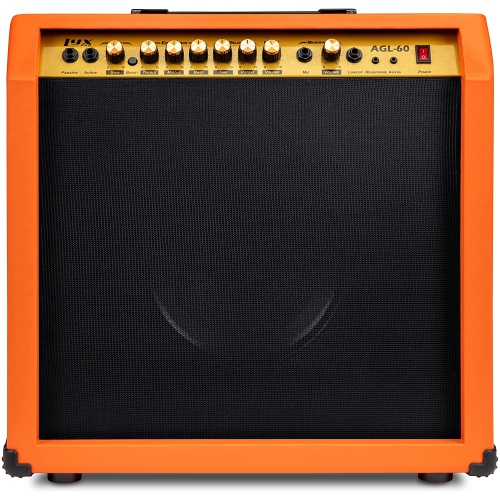
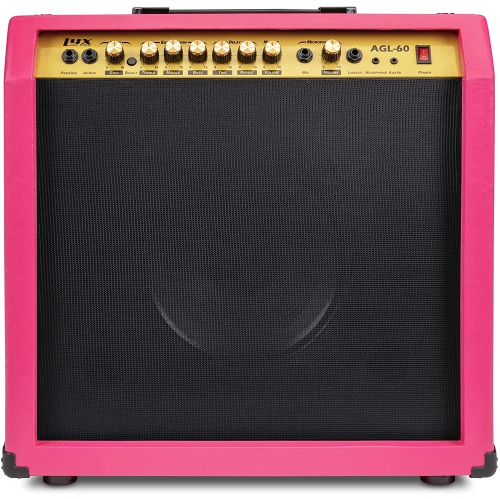
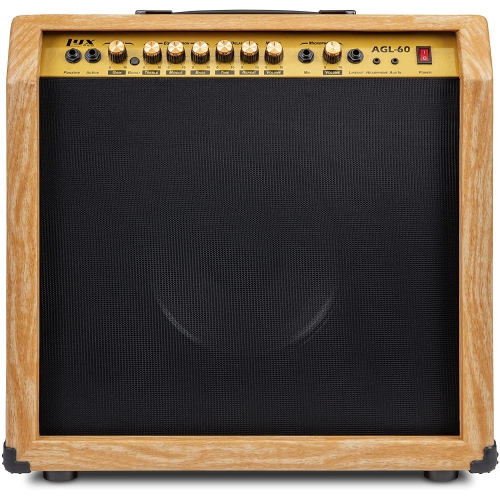
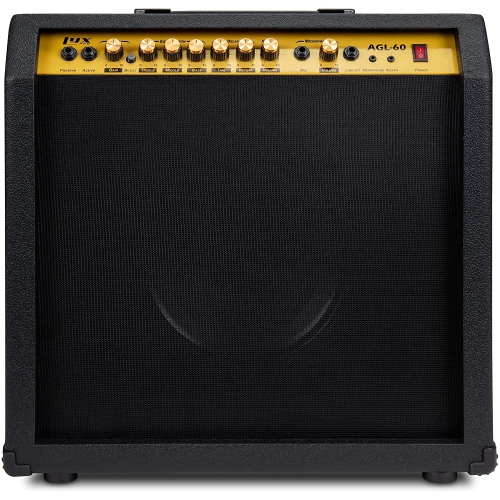
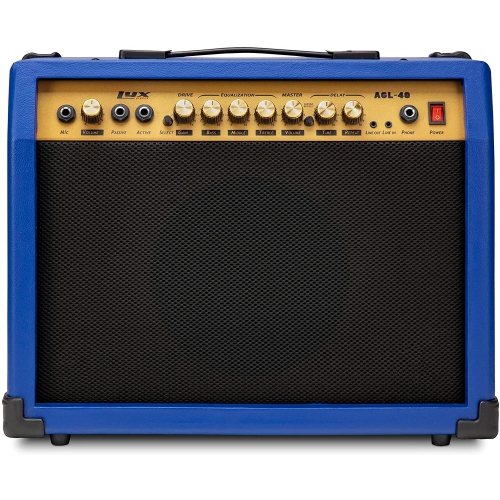

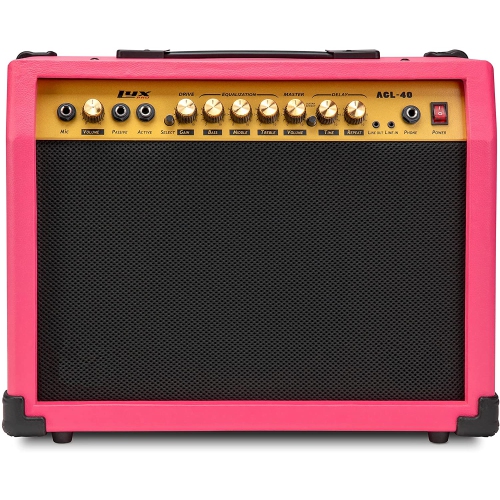
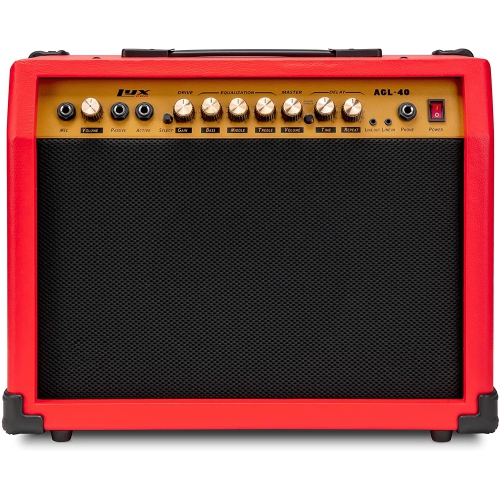
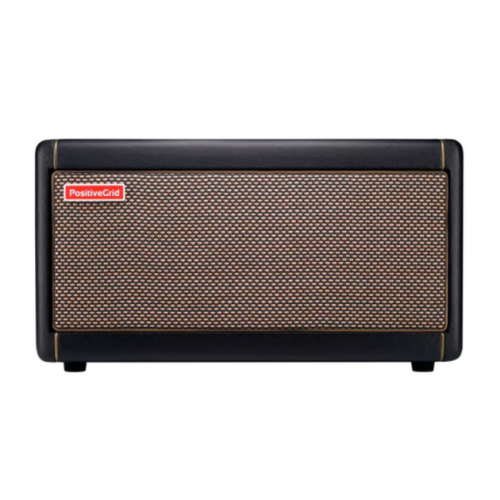
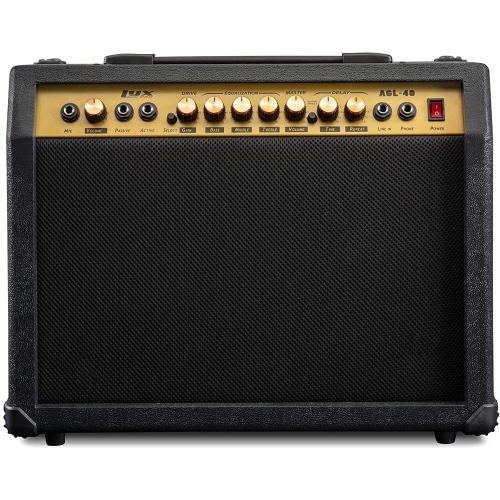
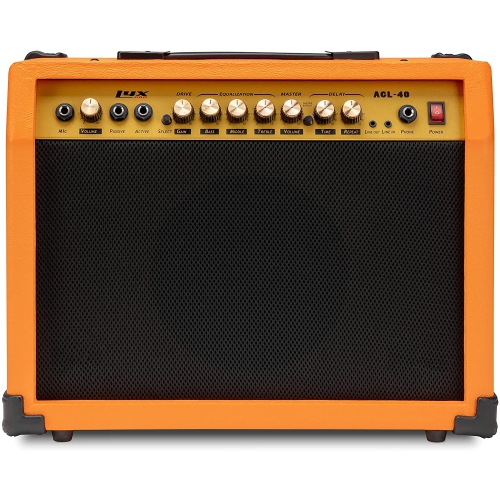
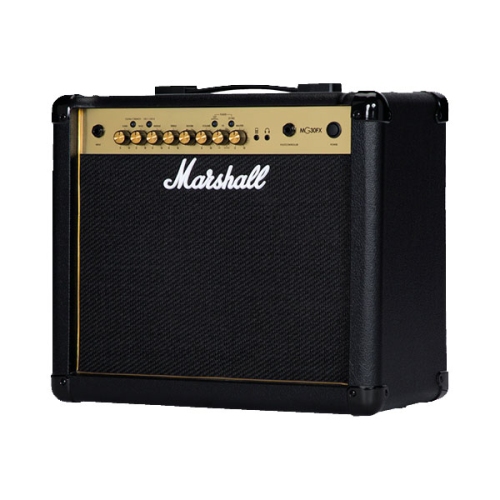
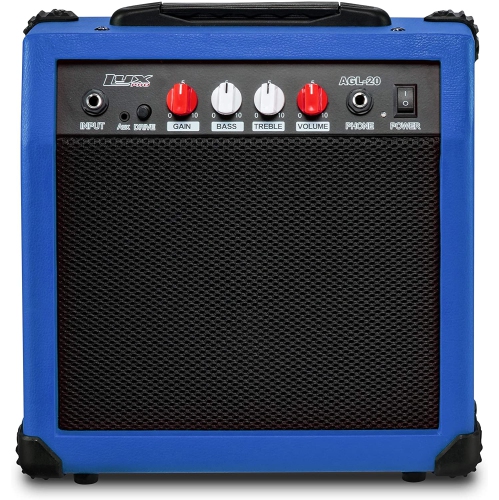
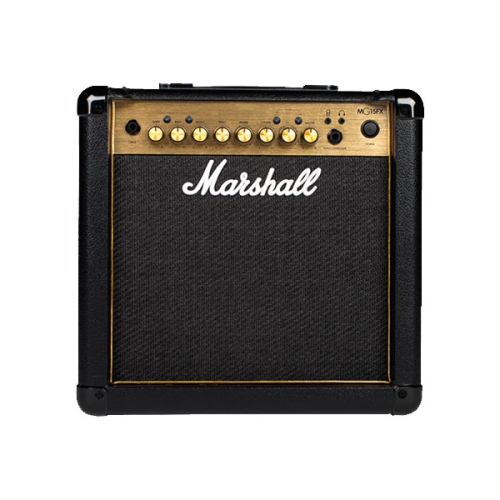

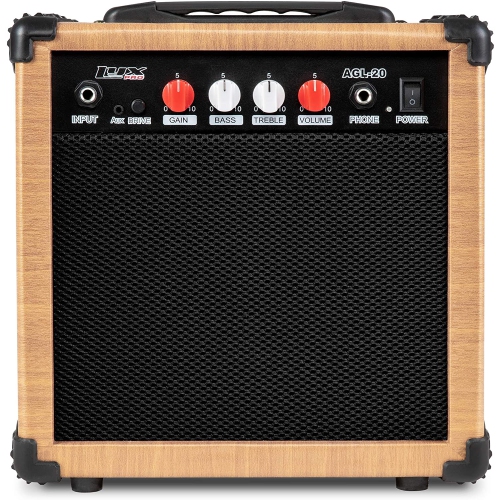
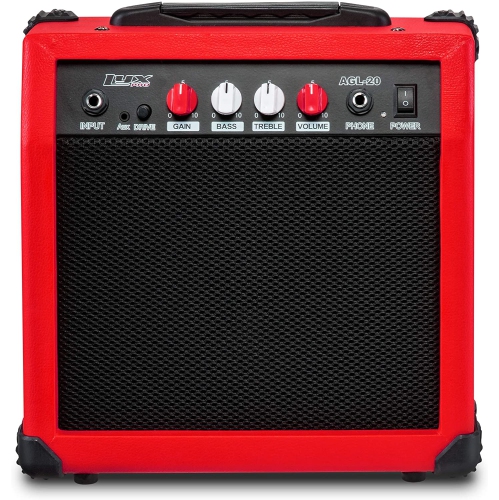
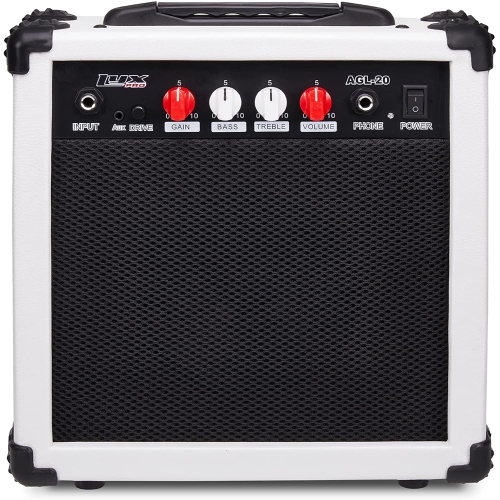
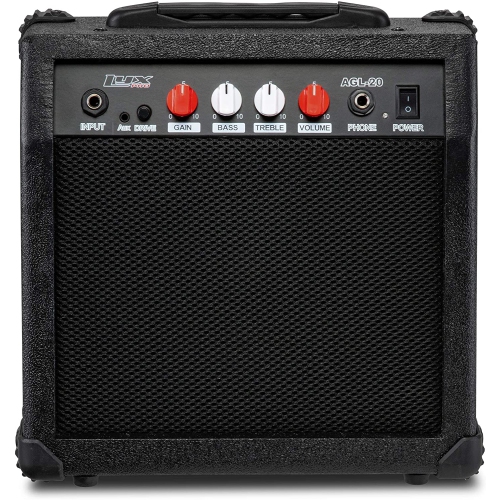
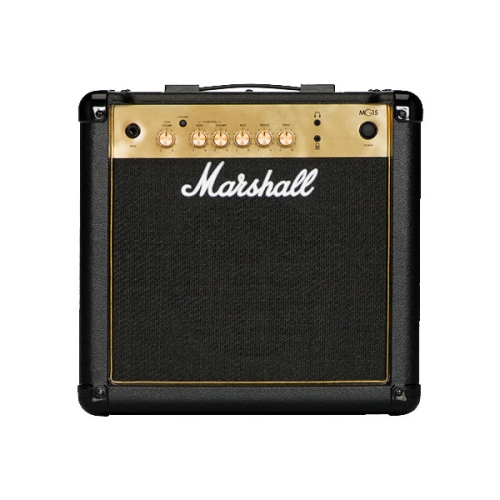
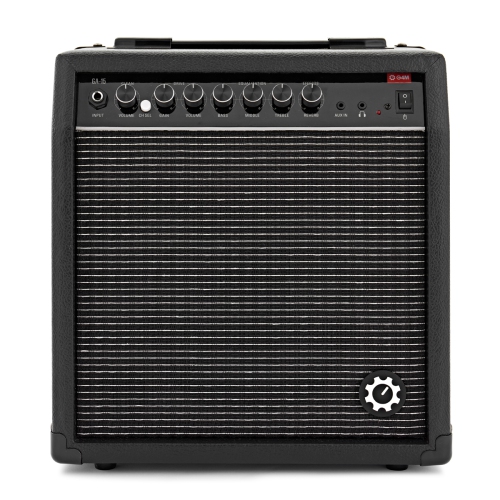
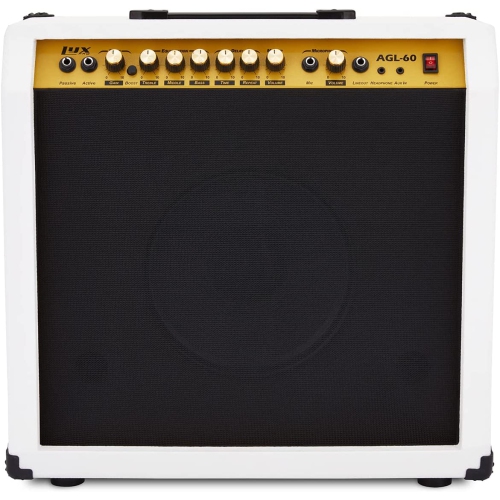
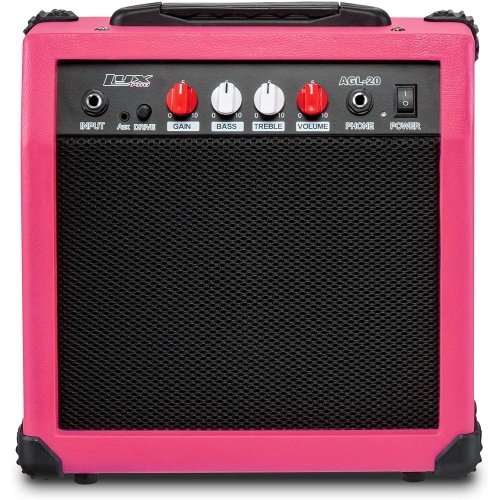
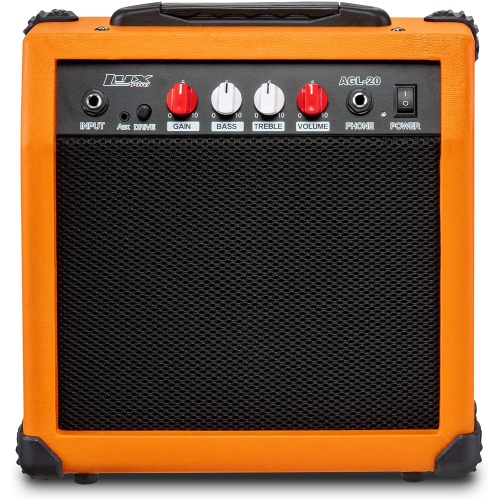
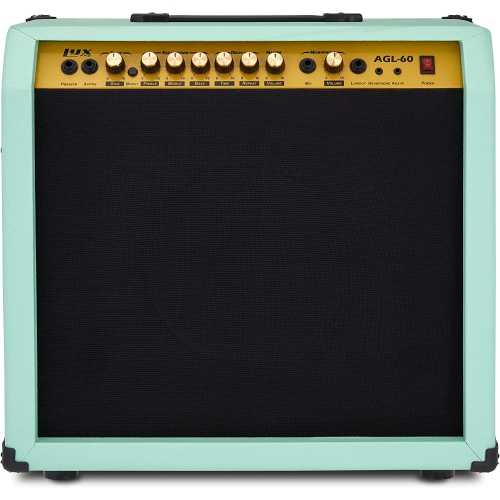
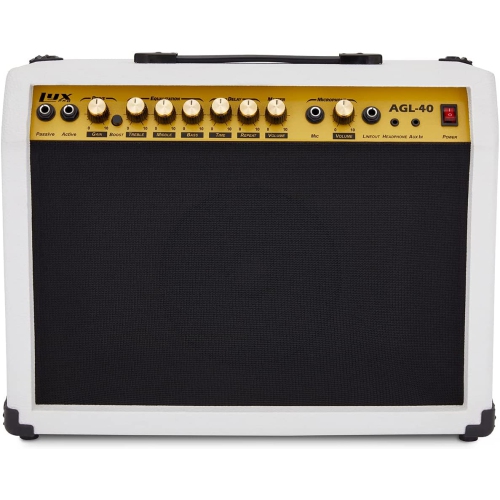
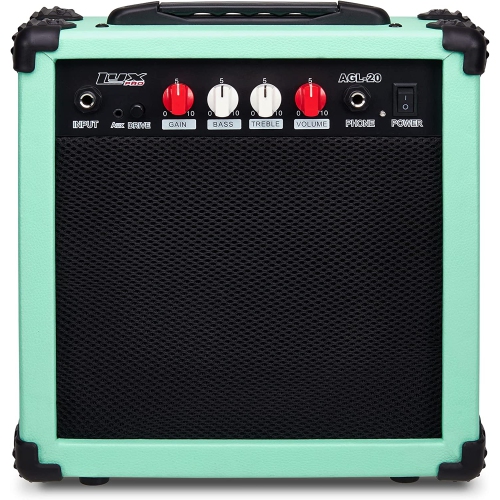
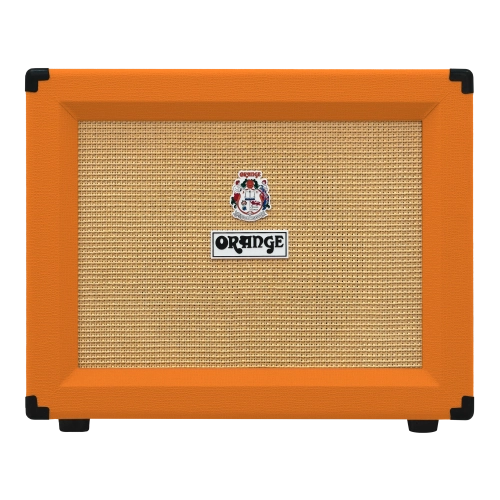
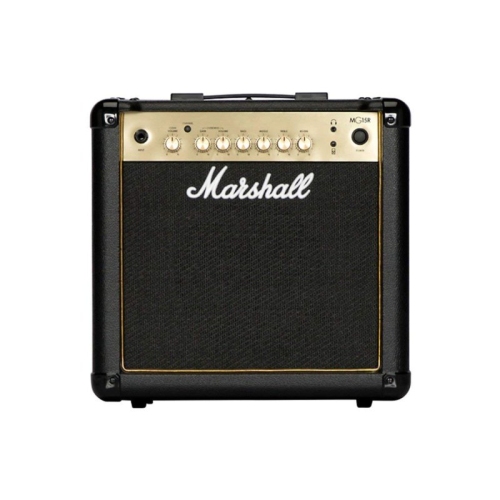
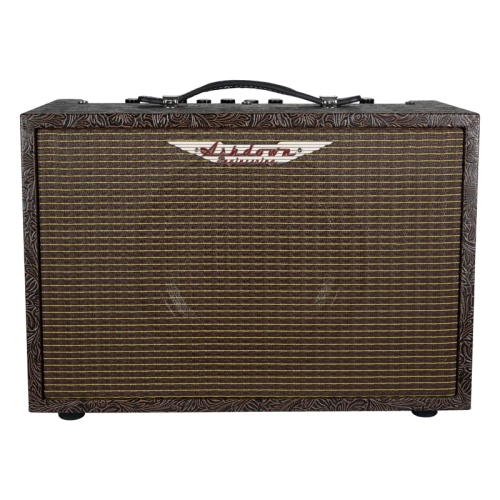
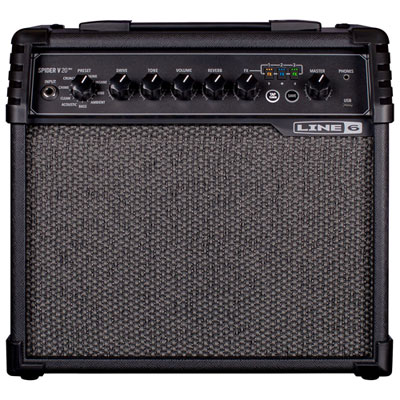
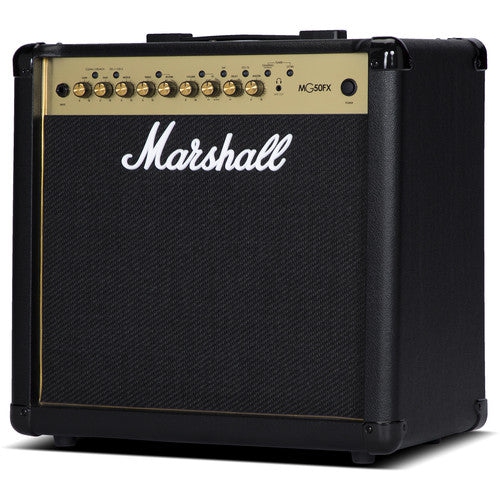
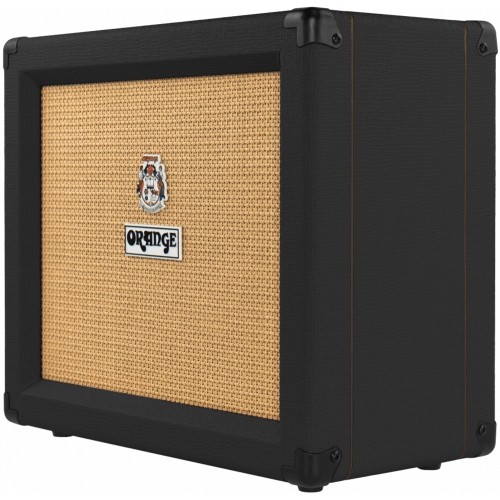

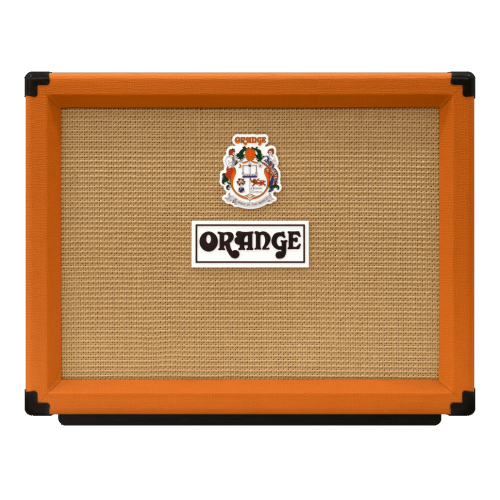

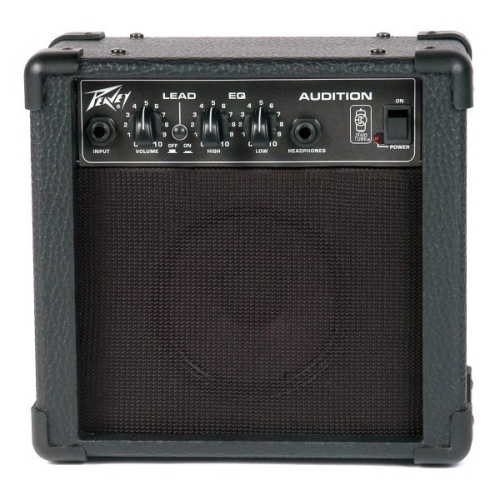

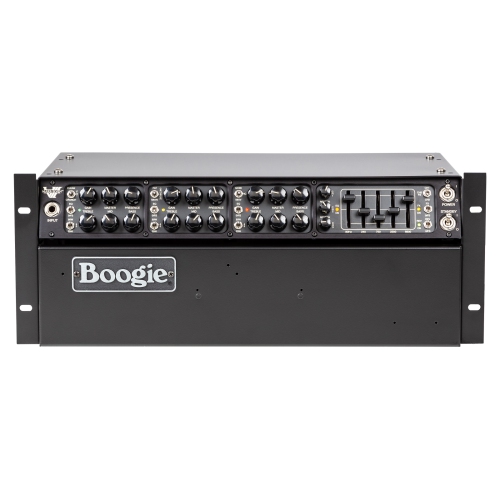
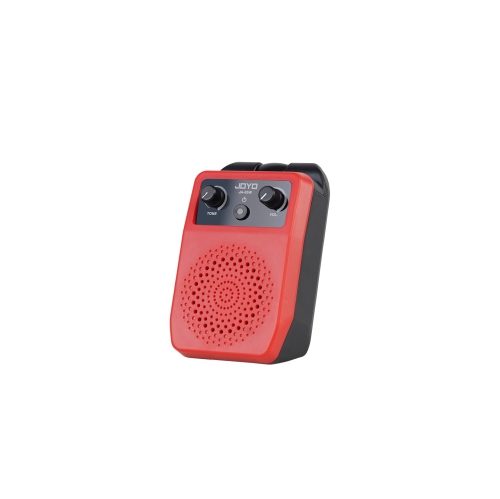
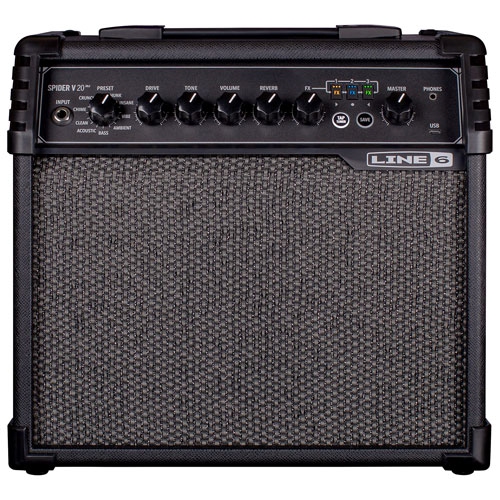

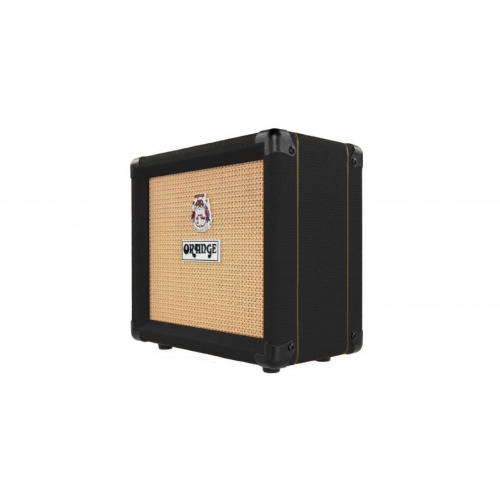

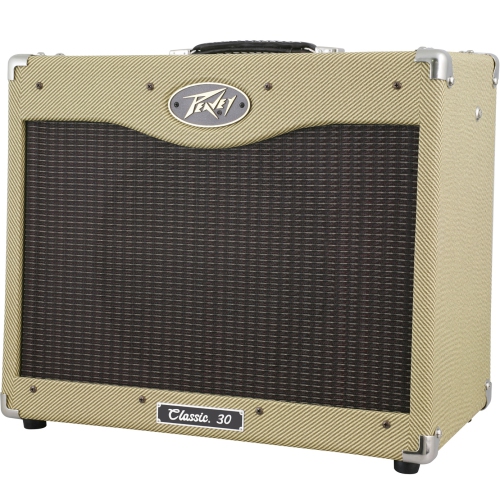
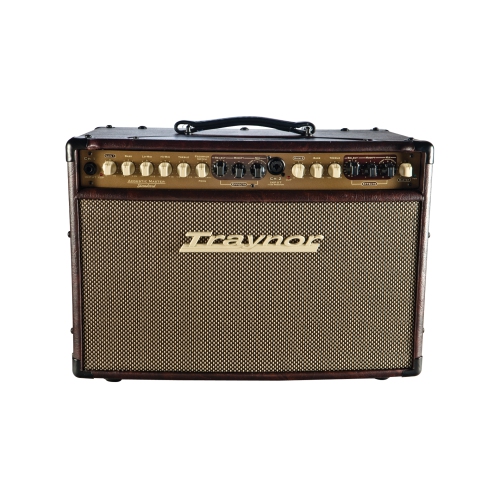
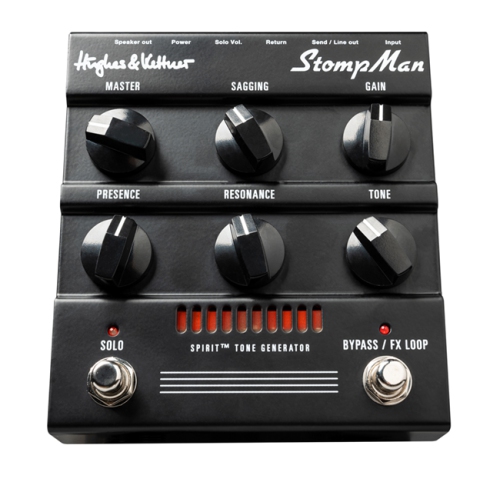
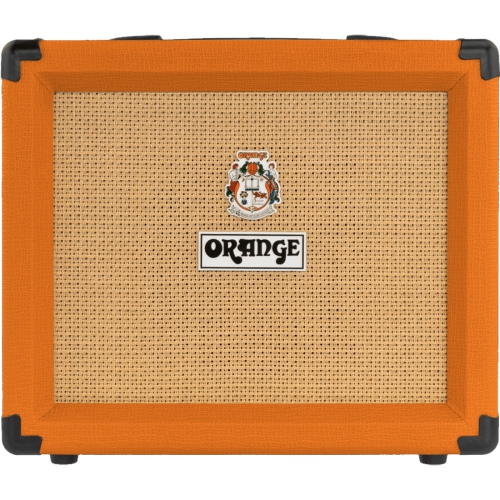
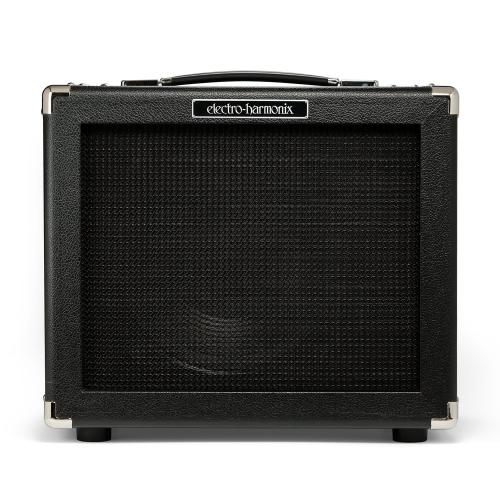
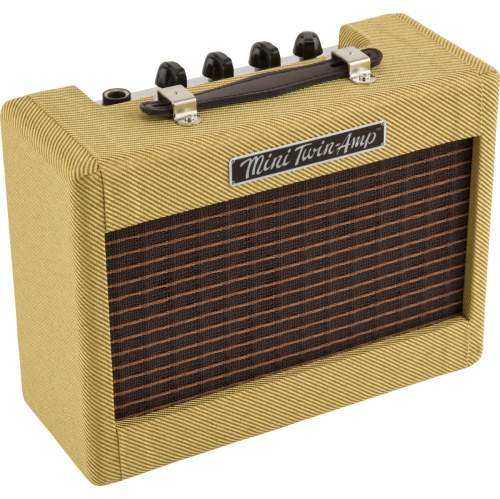
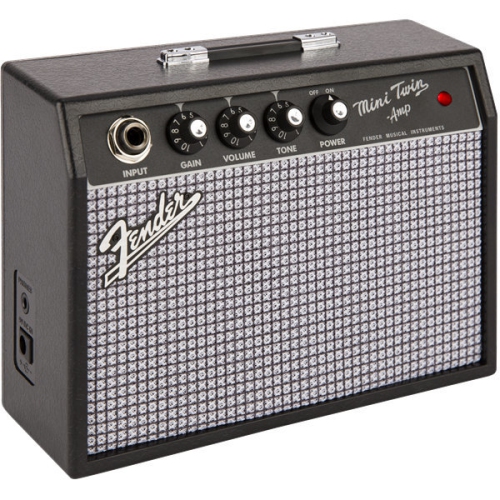
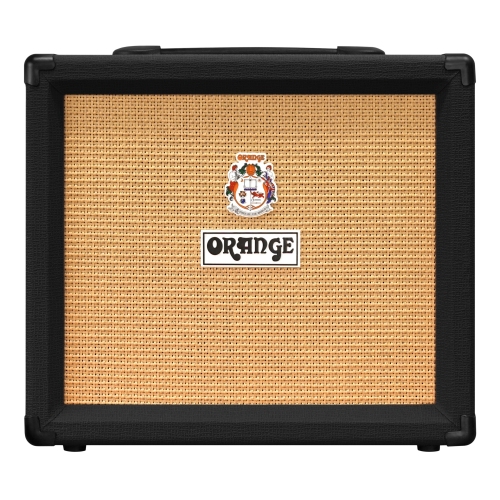
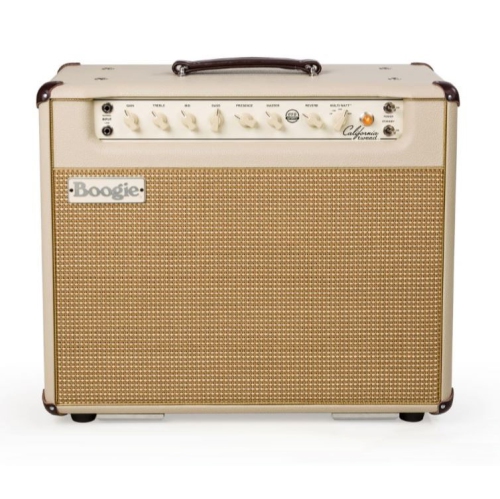
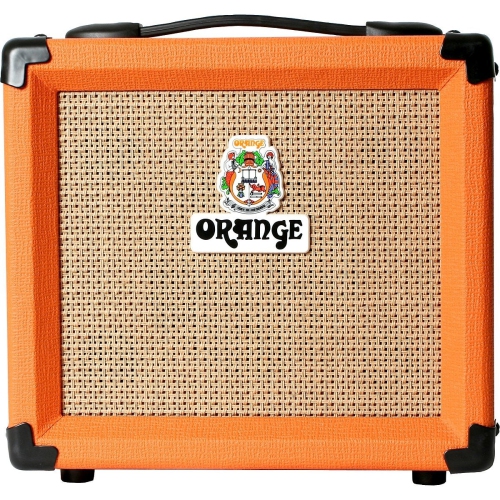
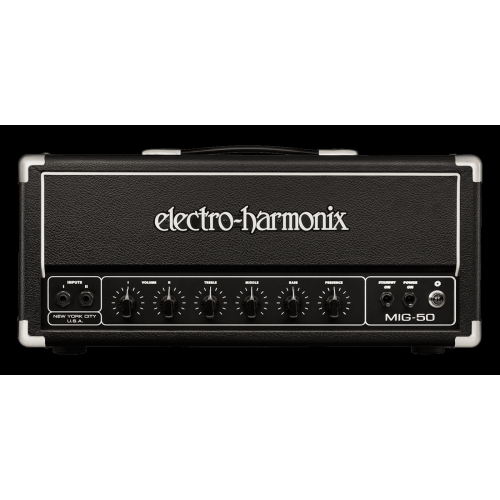
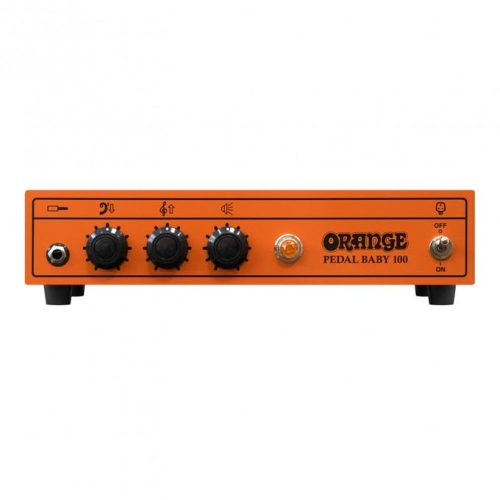
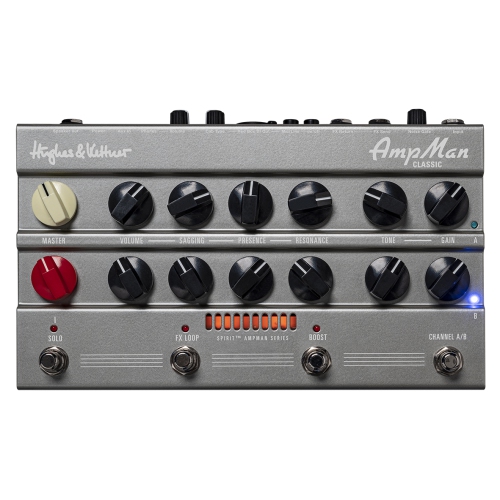
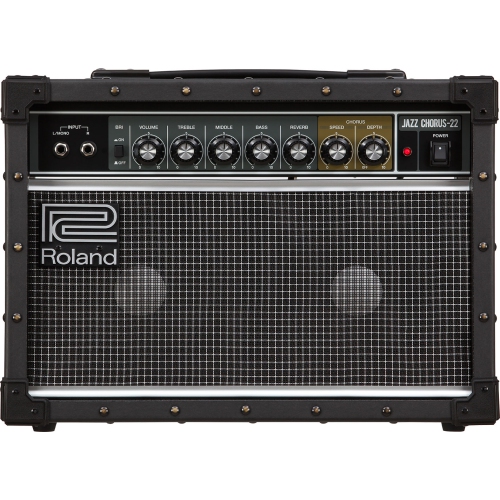
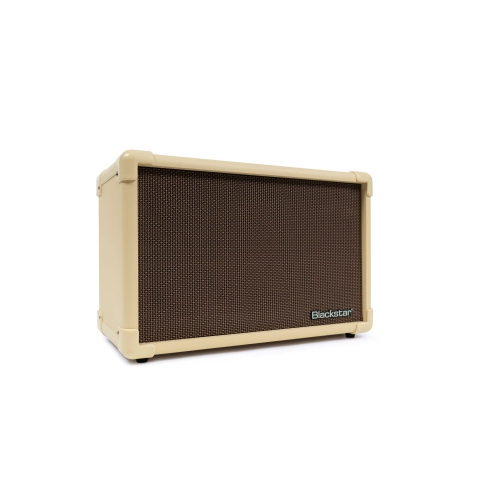
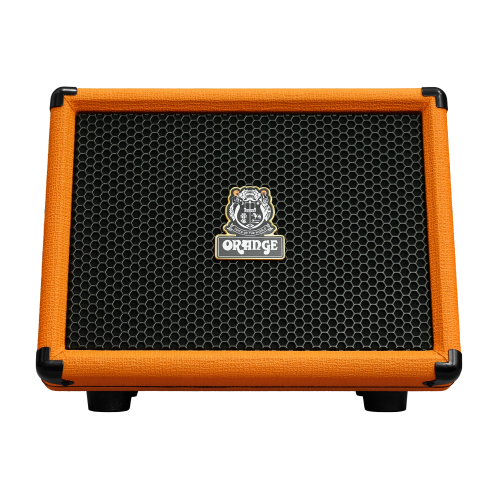

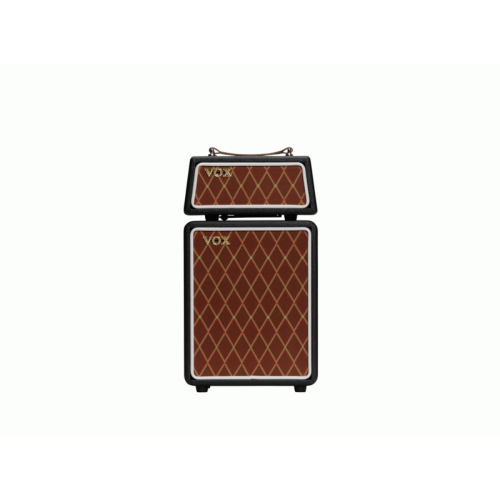
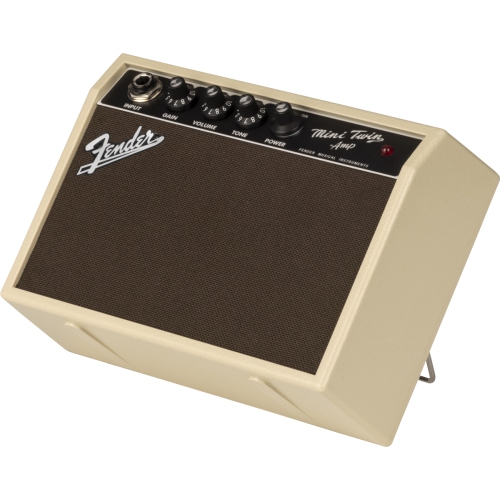
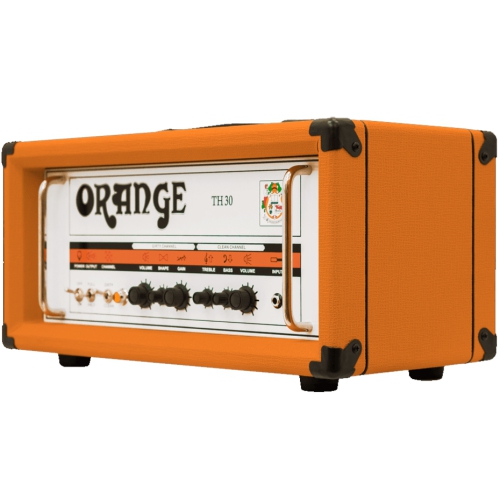
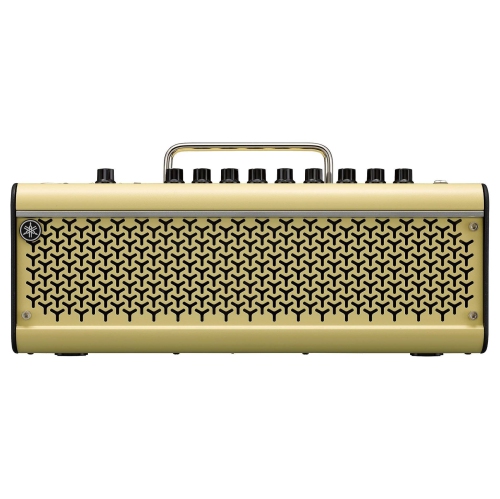
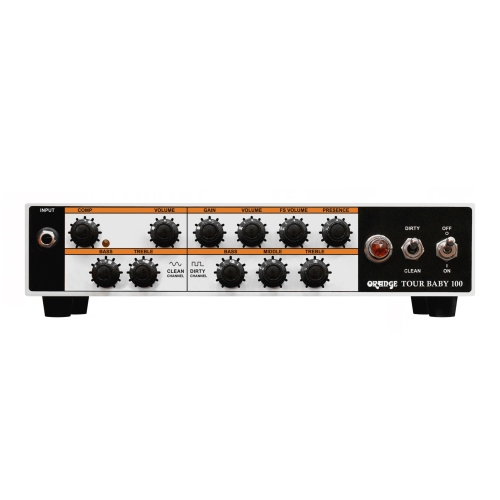

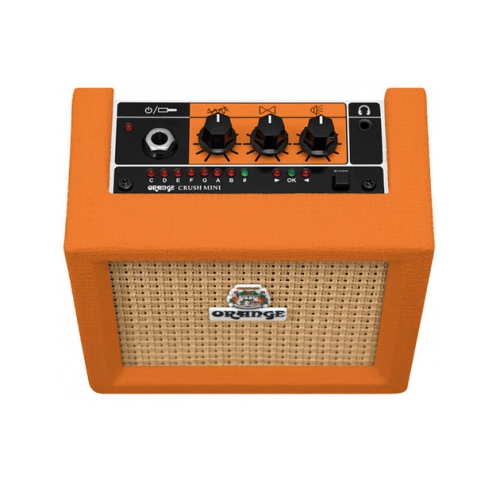
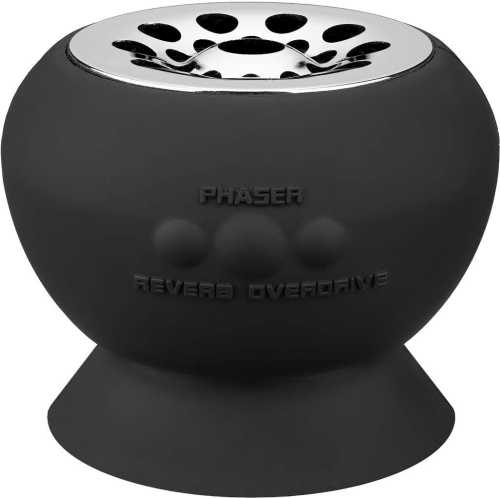
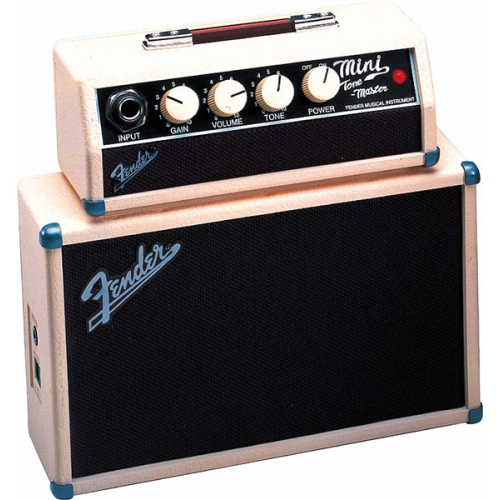
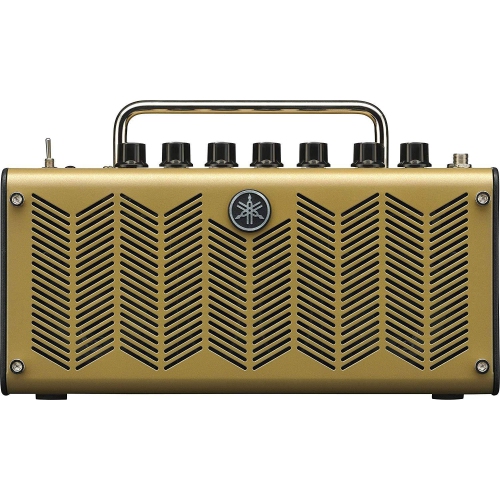




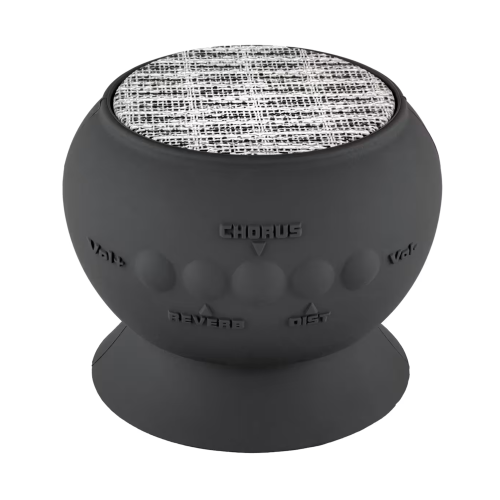


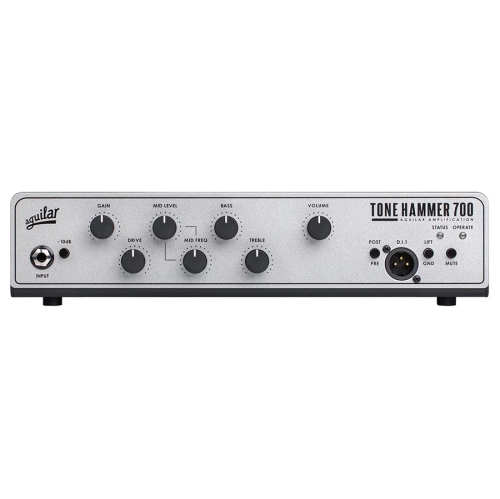
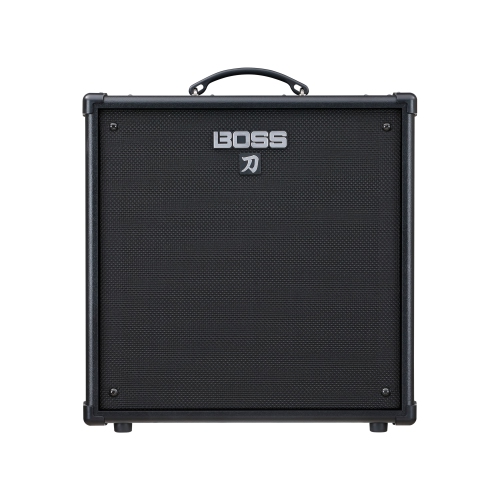
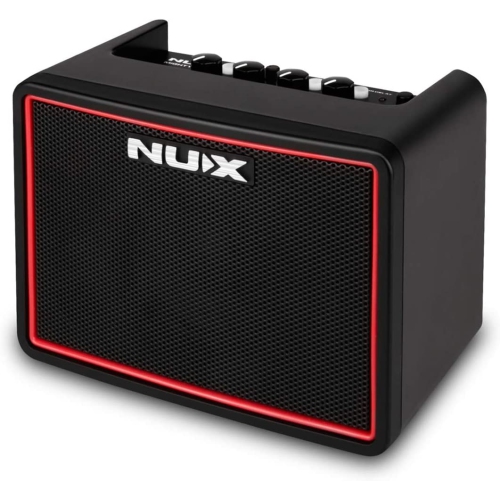



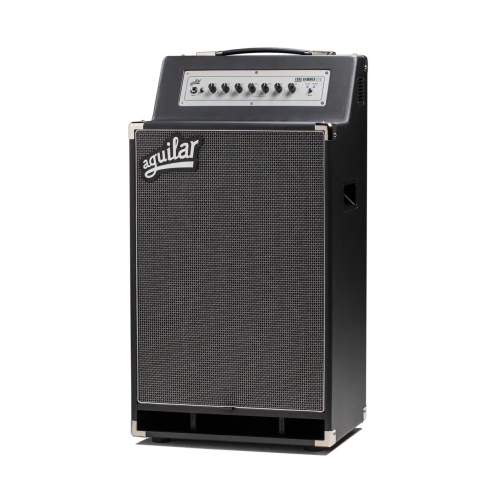
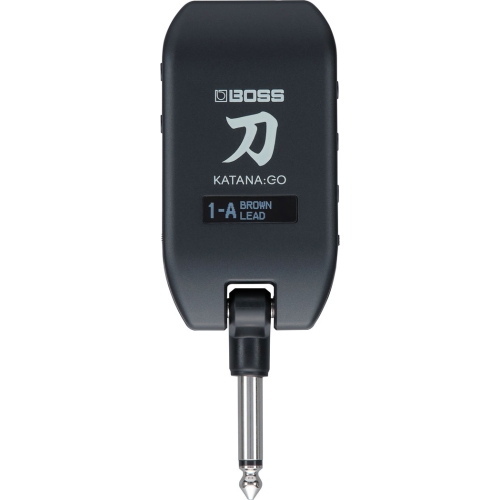
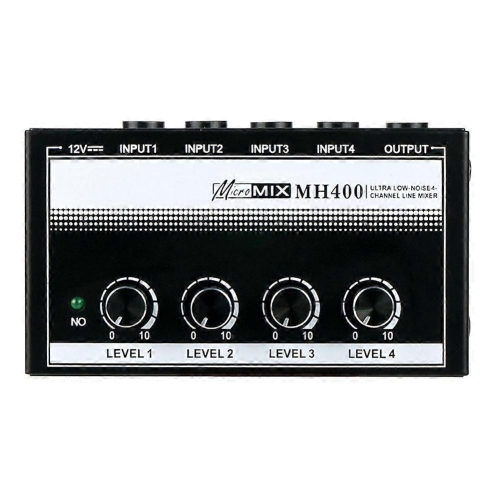


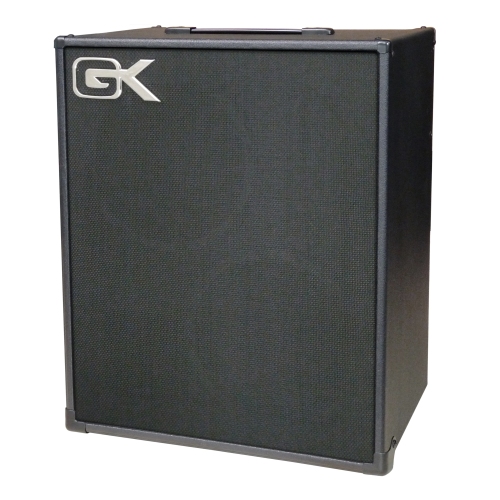
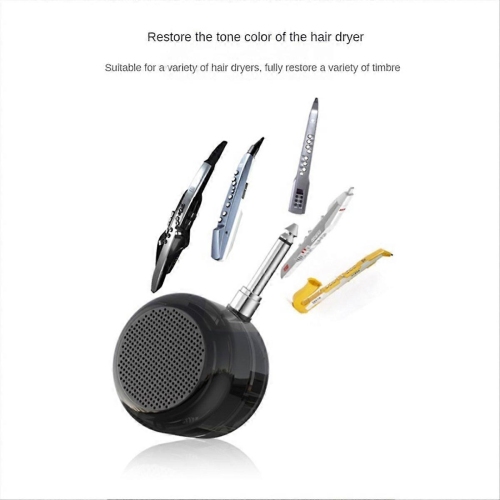
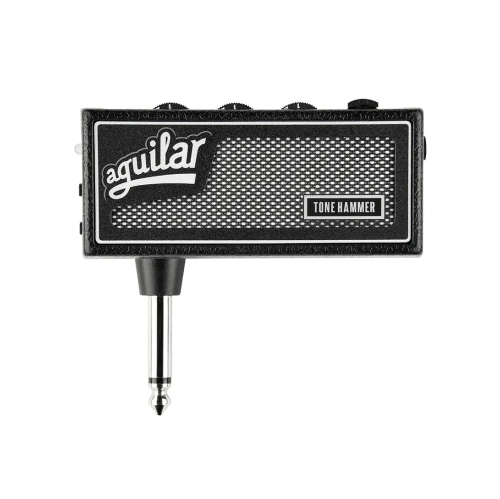
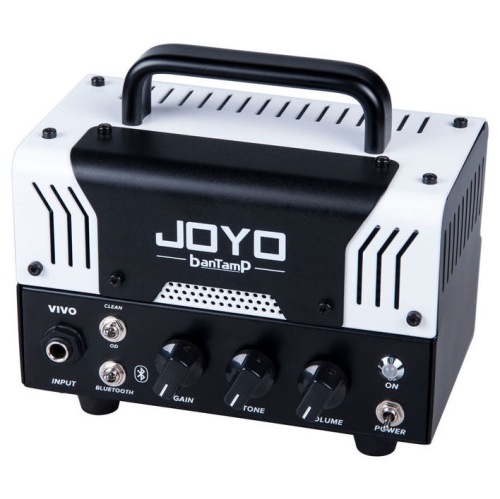
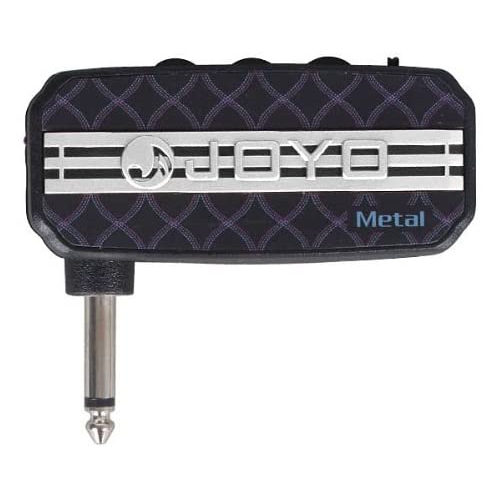
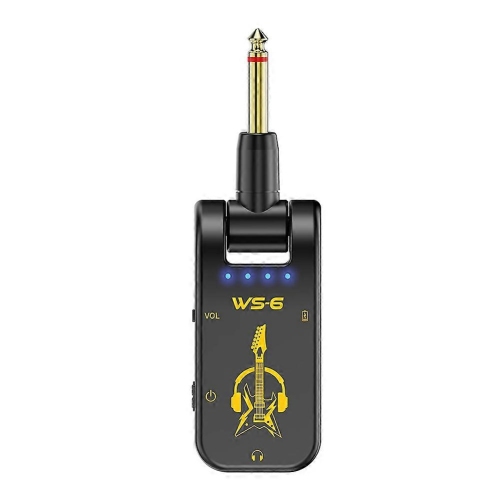
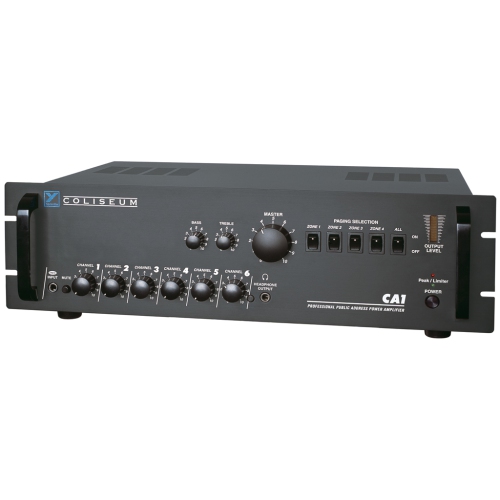
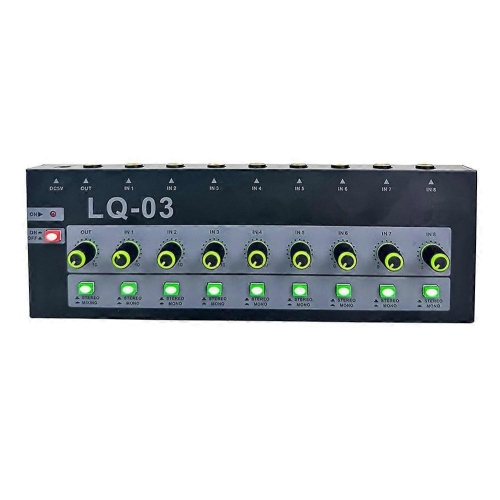
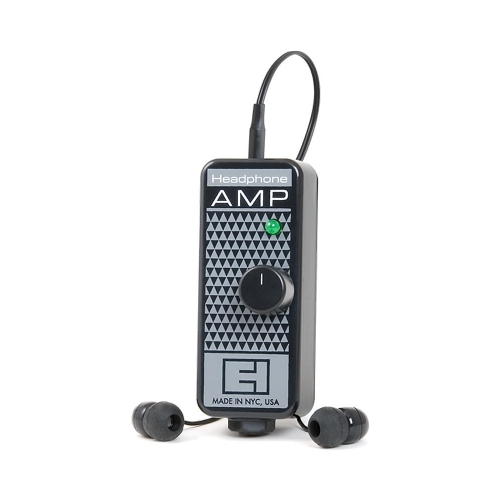
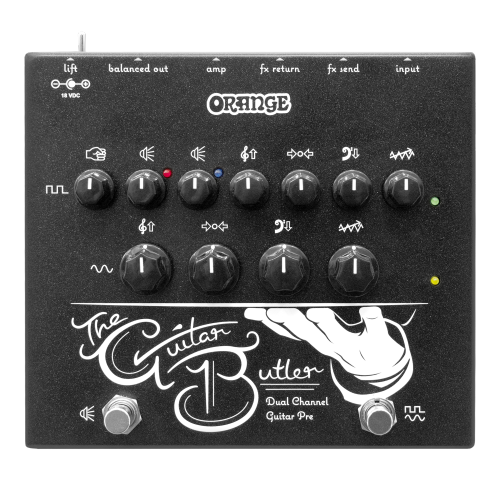
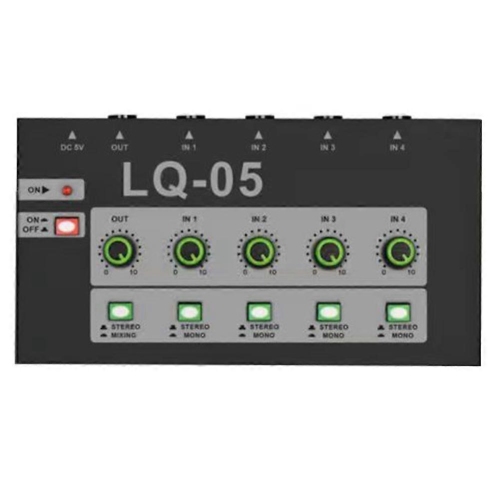
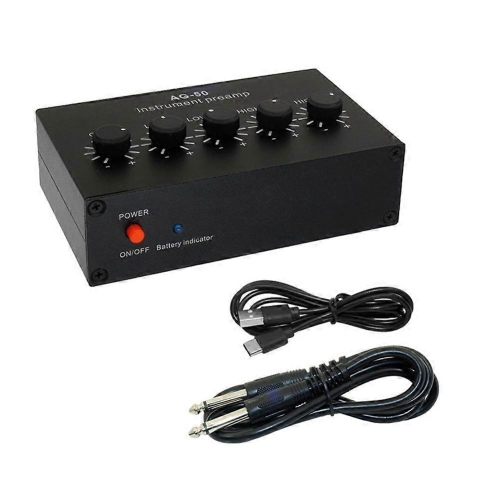


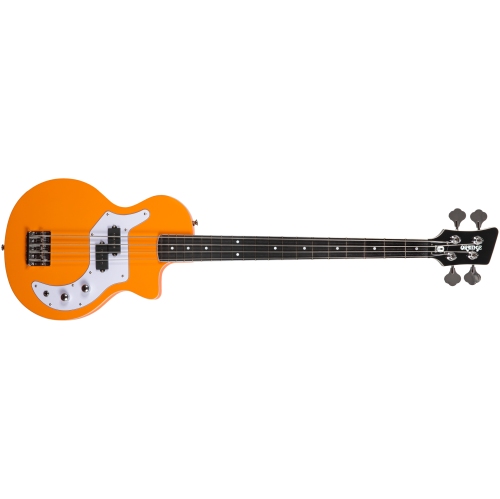

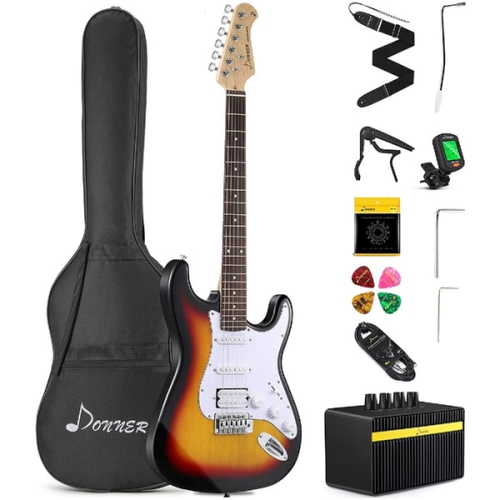
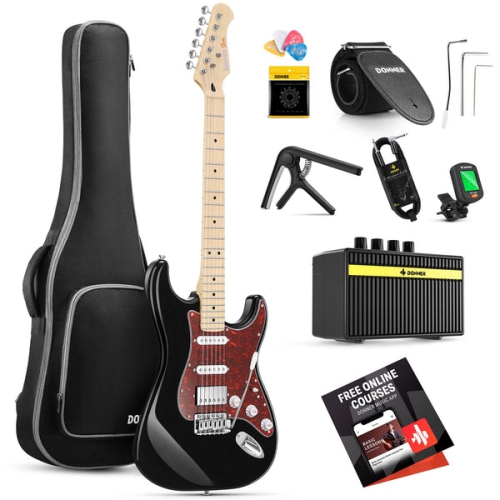
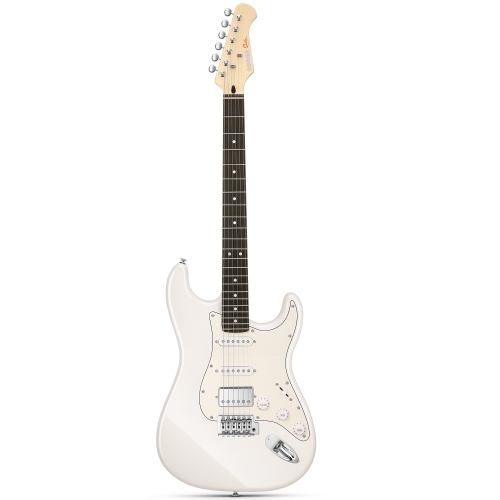
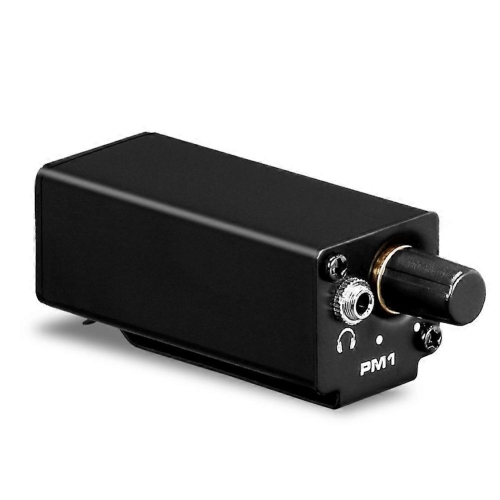


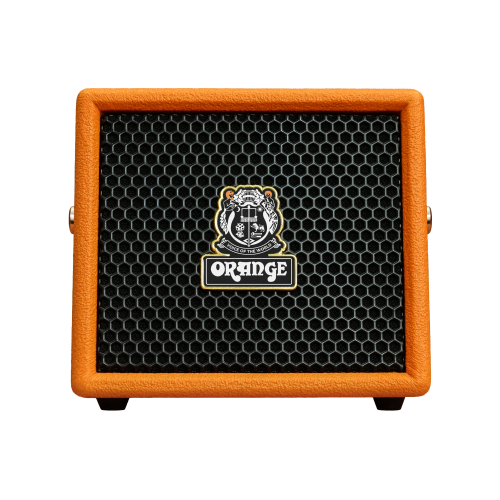
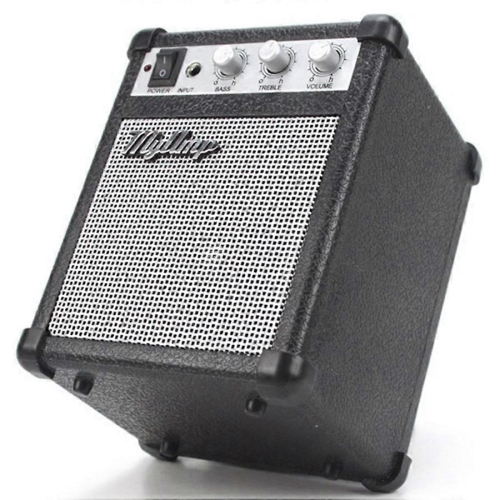

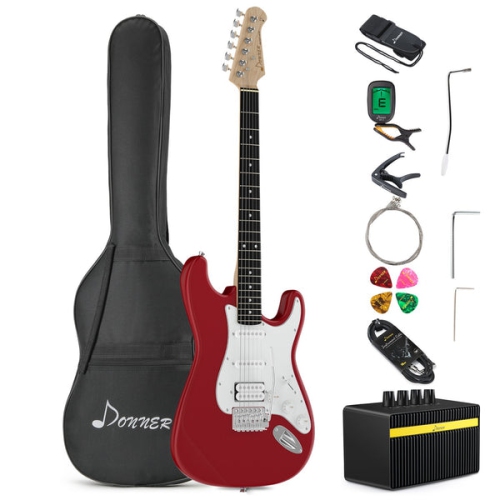
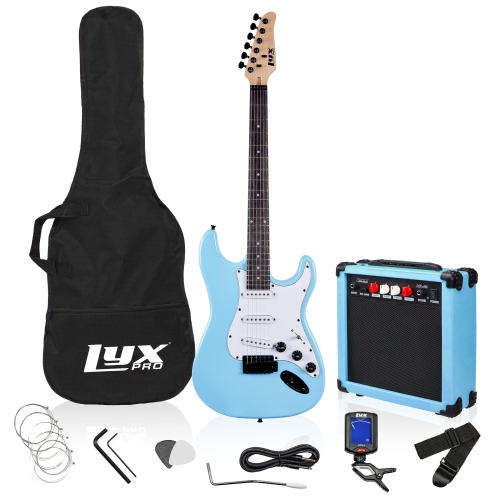

Amplifier types and features shape every playing experience
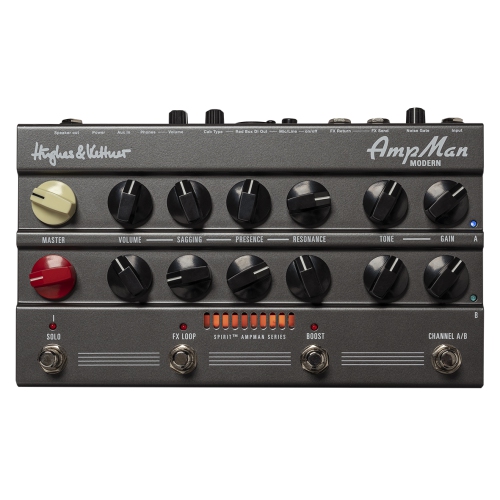
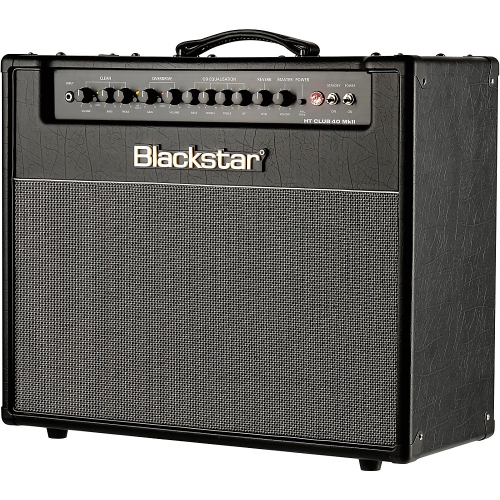
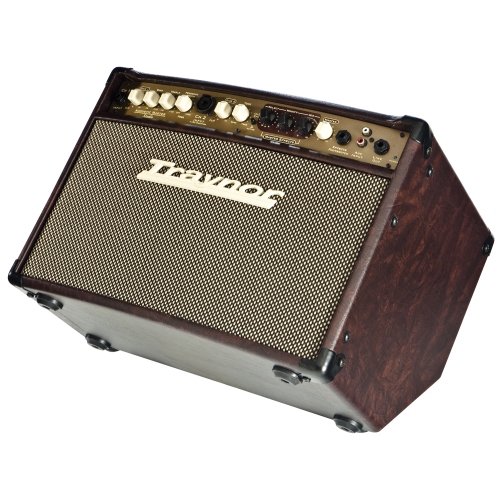
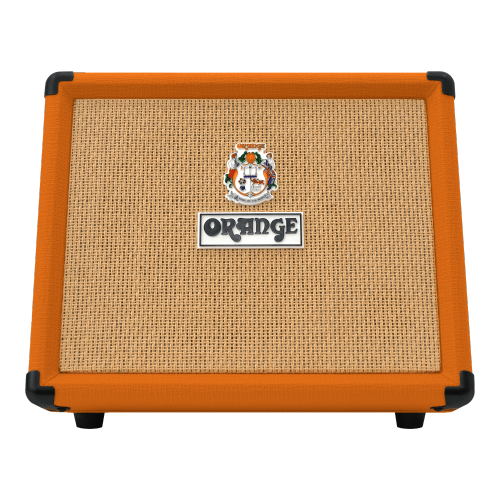
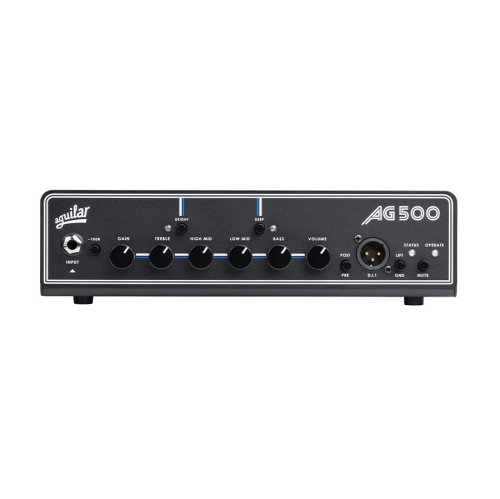
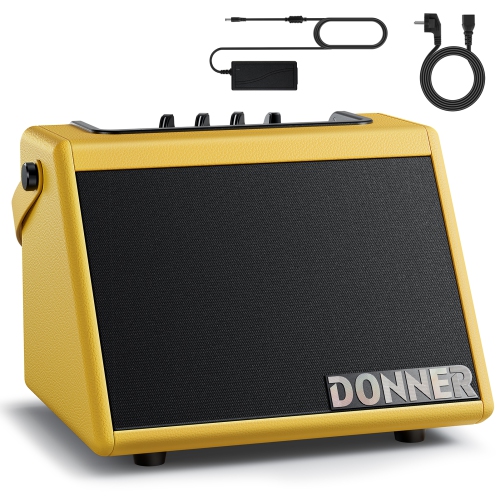
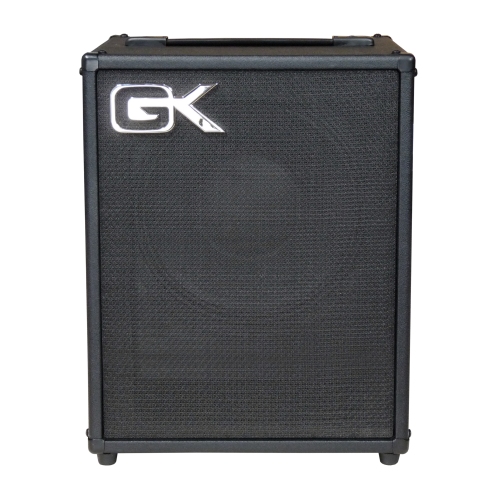
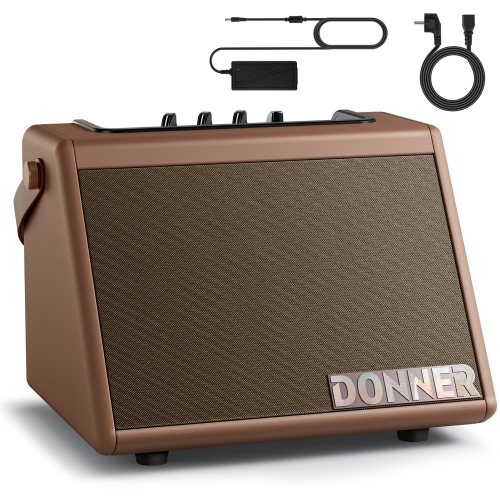
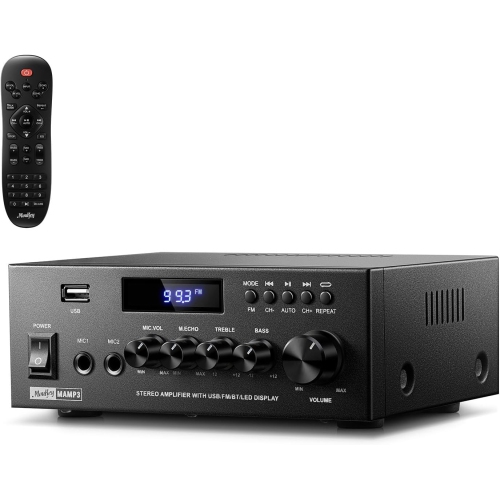
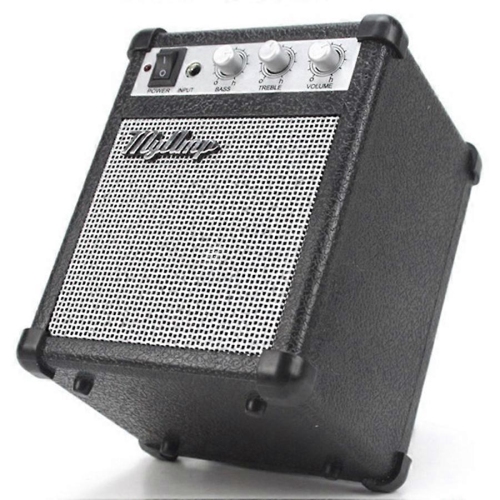
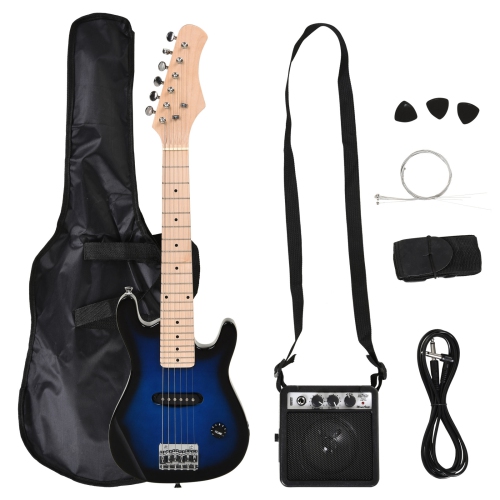
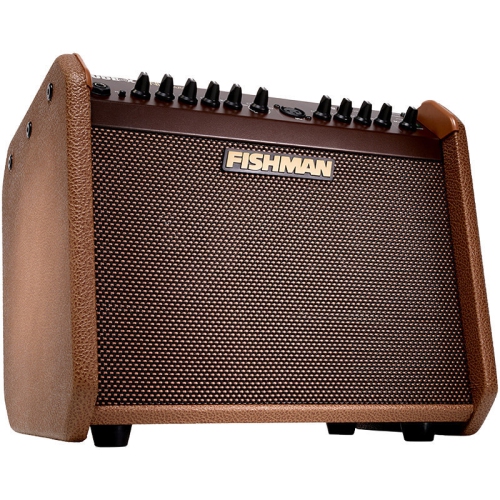
Musical instrument amplifiers bring an instrument’s electronic signal to life, adding volume, presence, character and control for practice, recording, rehearsals and performances. They are designed for different types of instruments, so choosing the right amplifier begins with considering what you play and how you want it to sound. Guitar amplifiers are built to shape the natural voice of an electric guitar, with controls for volume, equalization and often gain that can take a tone from crisp and clean to warm, gritty or heavily overdriven. Bass amplifiers are made to reproduce deep, powerful low frequencies while keeping notes defined, which is especially important when playing with a band. Keyboard amplifiers are generally designed for a broad frequency range, allowing the high notes, midrange detail and lower tones of a keyboard to come through with balance. Amplifiers for electronic drums need to handle sharp percussion sounds as well as strong kick-drum frequencies, making them useful for practice spaces, rehearsals and small performances. Some models are made for a specific instrument, while others are more flexible and may suit multiple electronic instruments or audio sources. Exploring a range of Music Amplifiers can help you compare formats, features and power levels before choosing a setup that fits your playing environment.
The amplifier’s design has a noticeable effect on both sound and everyday use. Tube amplifiers use vacuum tubes to create a warm, rich response that can become naturally compressed and harmonically textured as the volume rises. Many players enjoy the way this type of amplifier reacts to picking strength and playing dynamics, although tube models can be heavier and may require more care when transported or maintained. Solid-state amplifiers use transistors and are often valued for their reliability, lighter weight and consistent performance. They can deliver a clean, clear sound at a variety of volume levels and are well suited to home practice, teaching spaces, rehearsals and performers who regularly move their equipment. Modelling amplifiers use digital processing to recreate the characteristics of different amplifier styles, speaker cabinets and effects. This can provide a wide selection of tones in one unit, from bright country-style cleans to classic rock-inspired drive, atmospheric effects and heavier sounds. They are useful for players who enjoy experimenting, recording several styles or practising with headphones and built-in effects. Other helpful features may include multiple channels, an input for an instrument and a separate microphone input, headphone output, an auxiliary input for playing along with recorded music, Bluetooth connectivity, USB recording and a footswitch connection. Power output matters as well: a compact practice amplifier can be appropriate for a bedroom, lesson area or small creative space, while a higher-powered model may be more suitable for a rehearsal room or live setting. Speaker size, cabinet construction and portability also affect the result, with larger cabinets typically offering more fullness while compact designs are easier to carry and store.
When selecting an amplifier, think about the space where it will be used, the instrument’s output, the desired volume and the type of control you want over your sound. A guitarist practising at home may appreciate a compact model with low-volume tone shaping, headphone monitoring and built-in effects, while a performer may prioritize stronger projection, multiple channels and dependable connections for pedals or other equipment. Bass players should look for an amplifier that handles low frequencies without sounding loose or distorted, and electronic drummers may want a speaker system with enough headroom to reproduce forceful playing without harshness. Keyboard players often benefit from a full-range design that preserves the character of piano, organ, synthesizer and orchestral sounds across the entire register. It is also worth considering how much room is available for the amplifier, how often it will be moved and whether it needs to fit in a vehicle or be carried between lessons, rehearsals and performances. For families, an amplifier can be a thoughtful gift for someone learning electric guitar, bass, keyboard or electronic drums, particularly when it makes regular practice more engaging and gives a new player a way to hear progress from the first few notes. During the cooler months, a dependable home setup can make an inviting place for private practice, songwriting or informal jam sessions, while a portable amplifier can support music-making in rehearsal rooms and community spaces. Comparing the instrument compatibility, controls, connections, sound profile and power requirements helps ensure the amplifier feels natural to use and supports the player’s goals as their skills develop.
Top selling and popular products
-
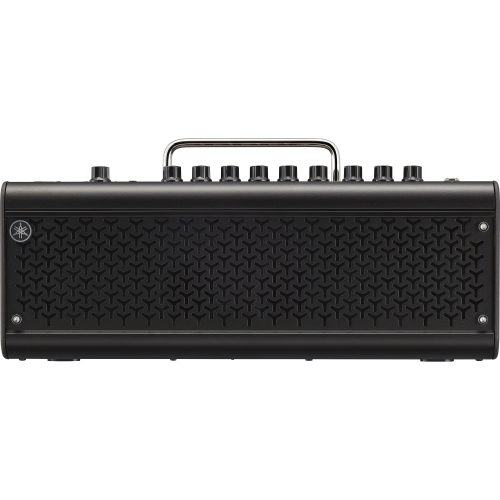 Your price for this item is $599.99
-
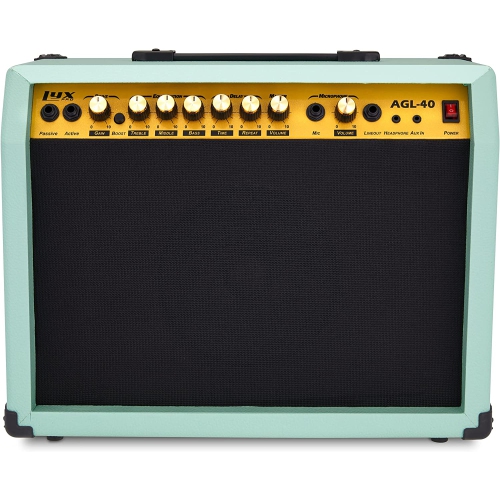 Your price for this item is $159.99
-
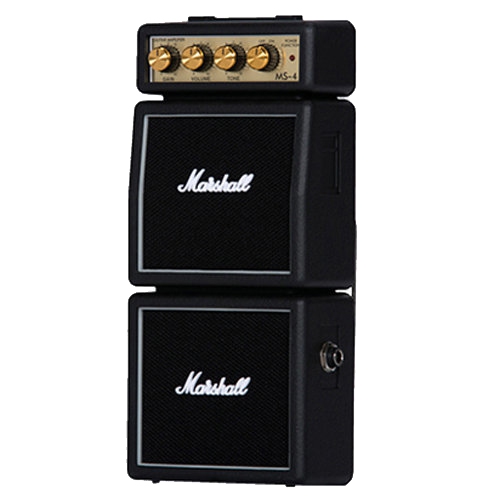 Your price for this item is $99.99
-
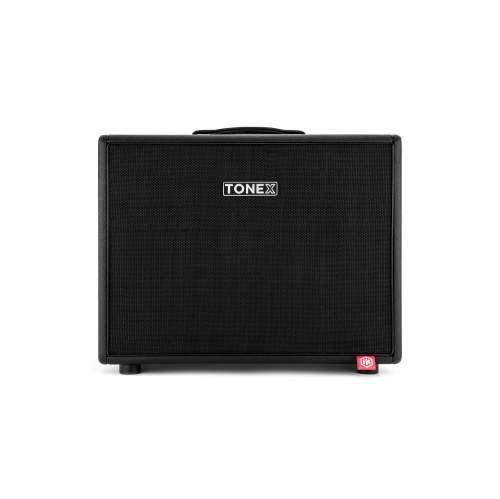 Your price for this item is $1119
-
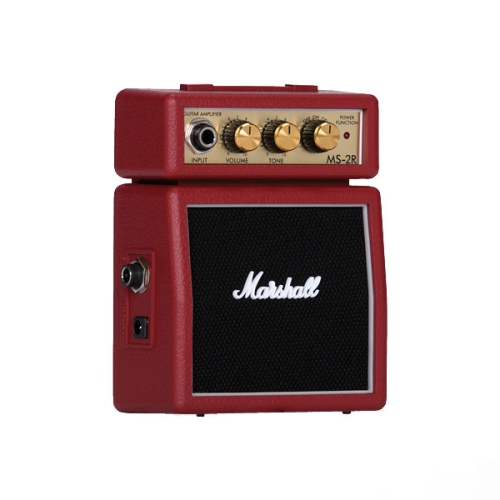 Your price for this item is $79.99
-
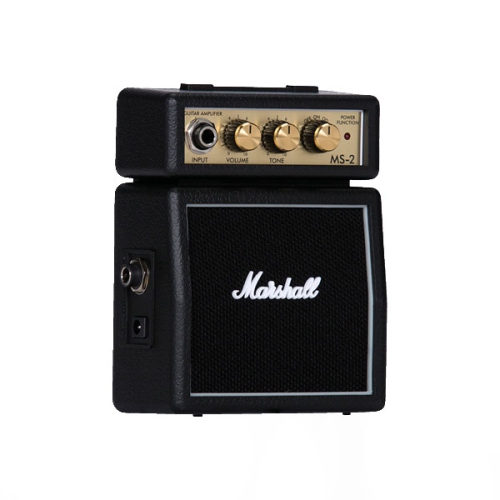 Your price for this item is $79.99
-
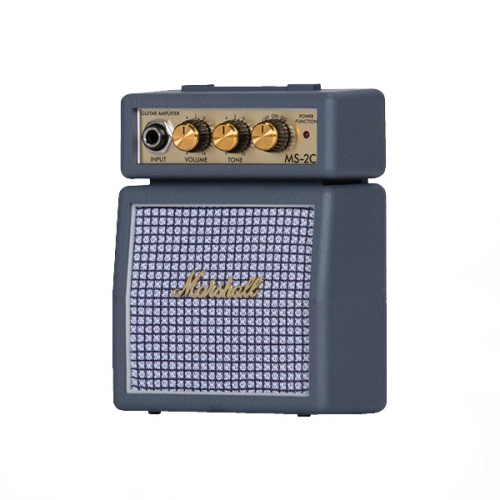 Your price for this item is $79.99
-
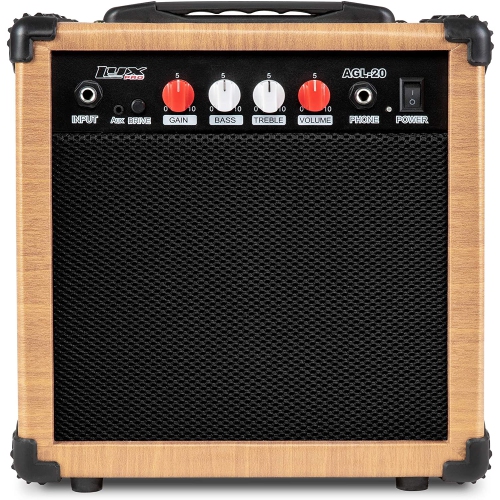 Your price for this item is $159.99
Discover more categories related to Musical Instrument Amplifiers
Top Collections:
Pokemon Centers, Best Cameras for Sports Photography, Kindle Devices, Samsung Galaxy Phones, Canon G7X Cameras, Pokémon 30th Celebration Cards, Refurbished Apple Laptops, iPhone 15 Apple, Laptops for Students, Budget Smartphones
Some products may be subject to Environmental Handling Fees
(EHF) depending on your province.
Learn more about EHFs.