Natural Color Acoustic Guitars
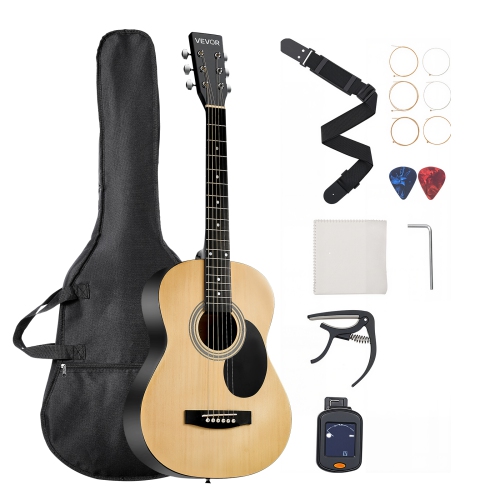
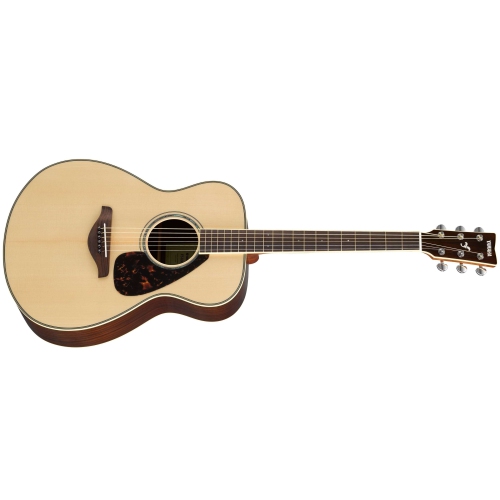
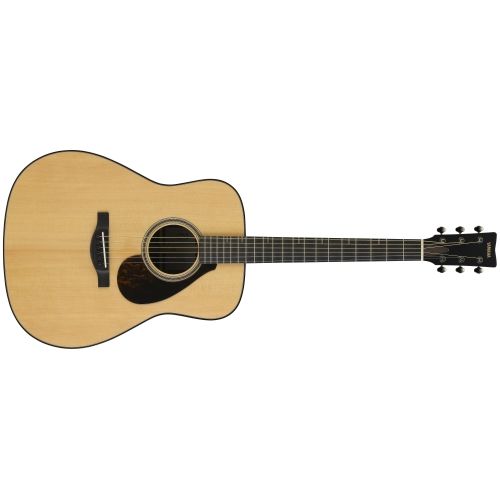
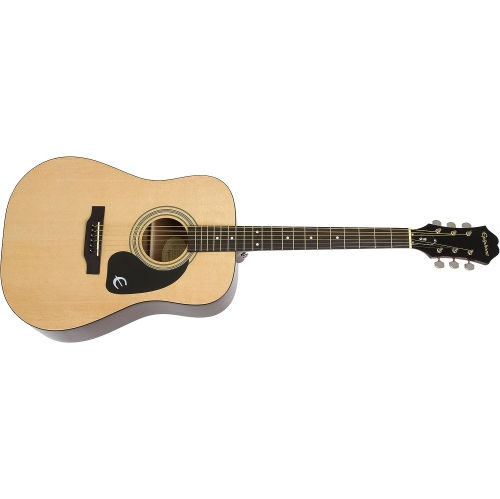
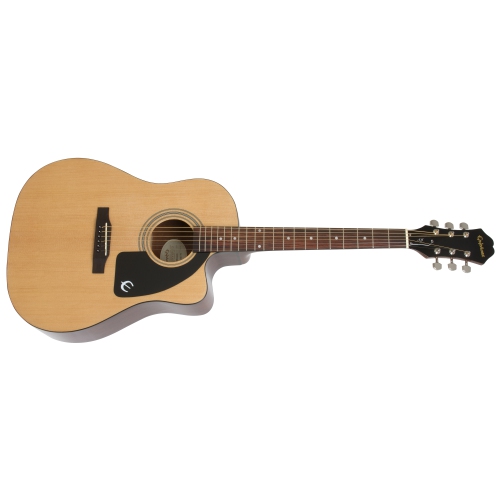
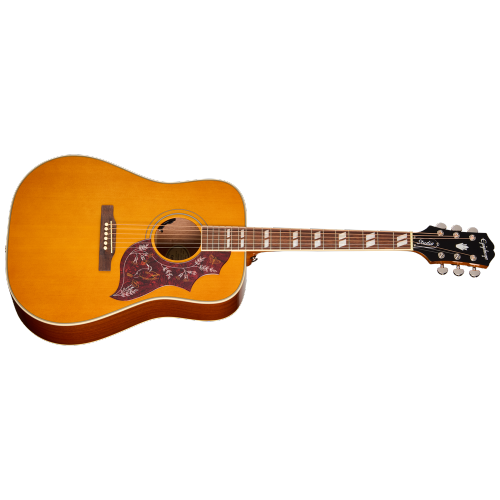
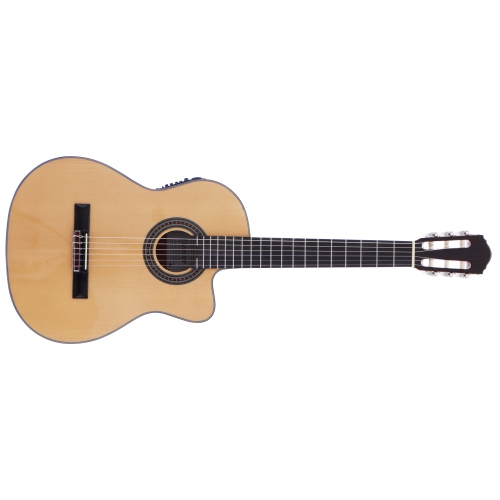
If you're looking for a classic, timeless look for your acoustic guitar, a natural color finish is the perfect choice. These guitars have a warm, inviting hue that is sure to catch the eye of almost any musician. These guitars are made from high-quality materials, giving them a unique, rich sound. Here are some of the great options.
Sort
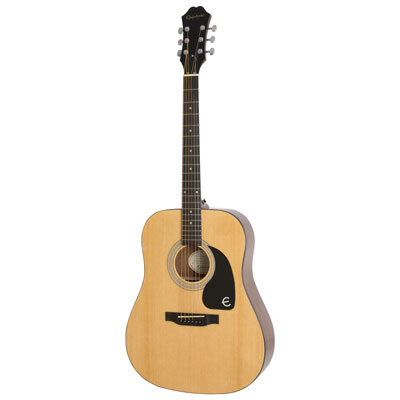
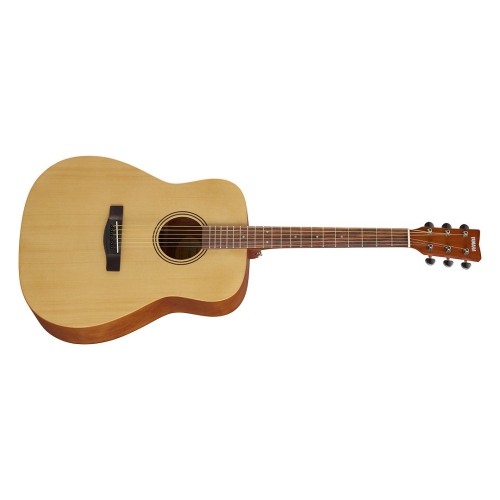
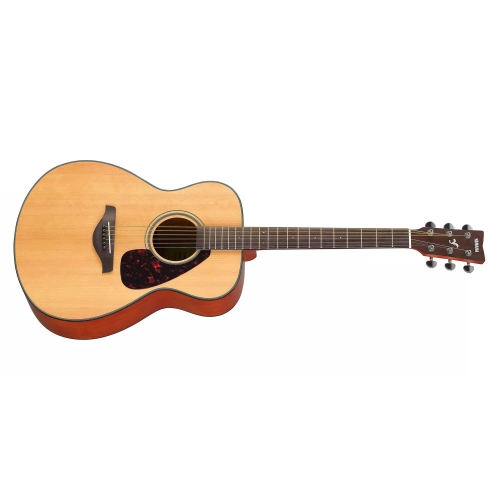
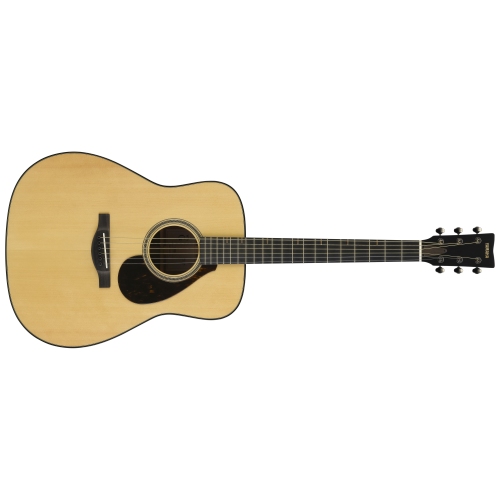


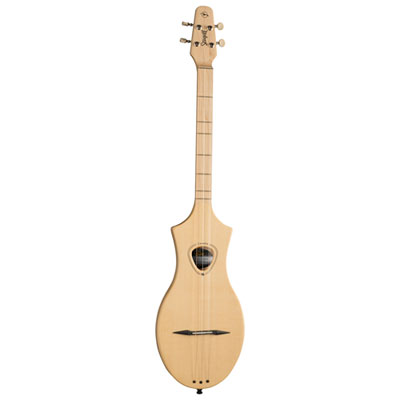
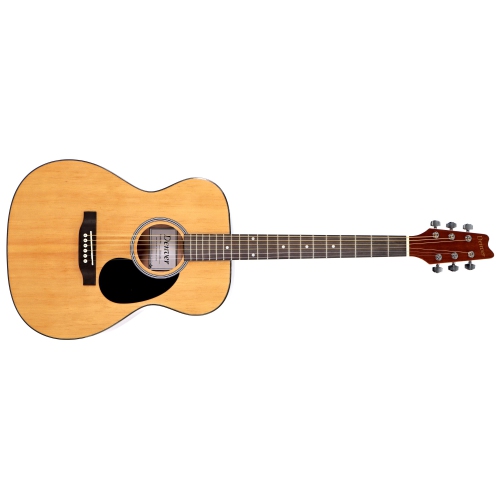
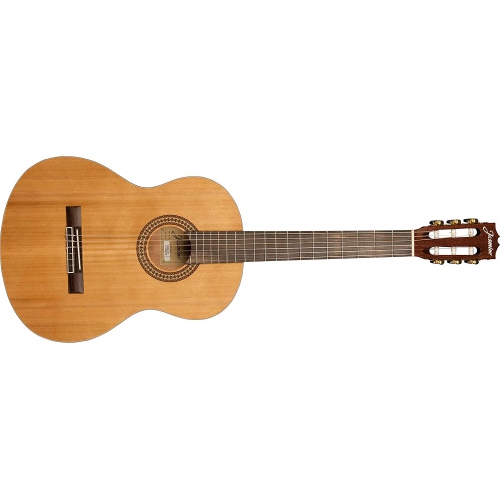
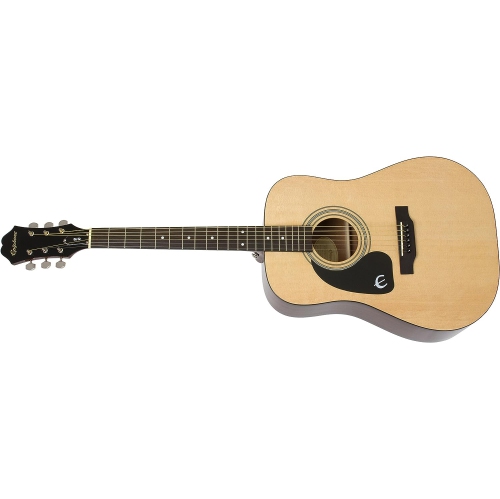
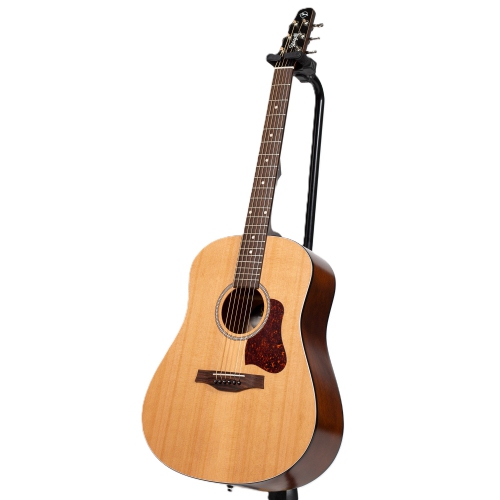
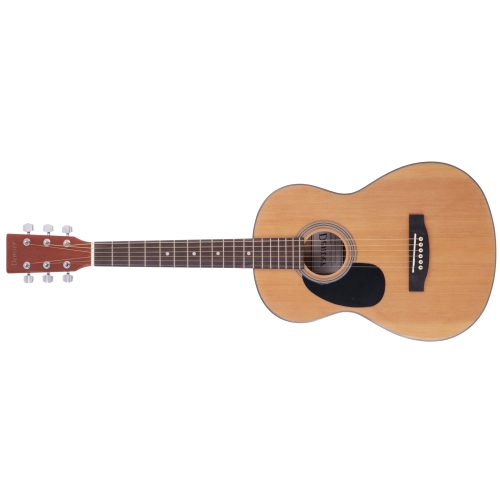
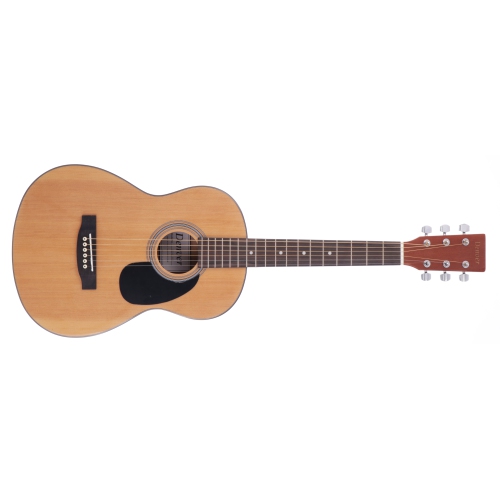
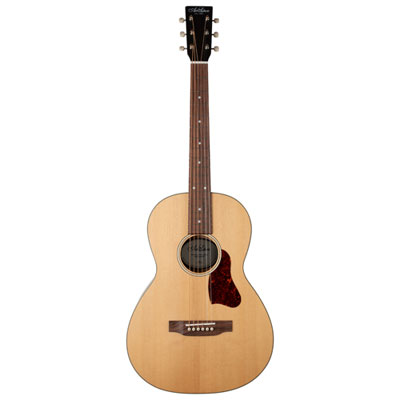
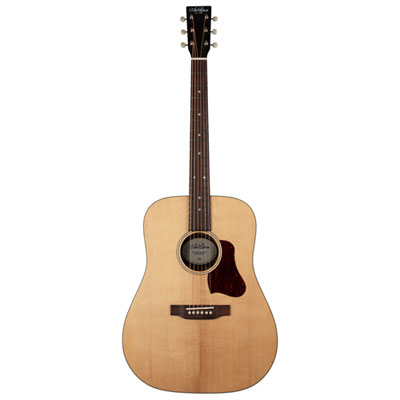
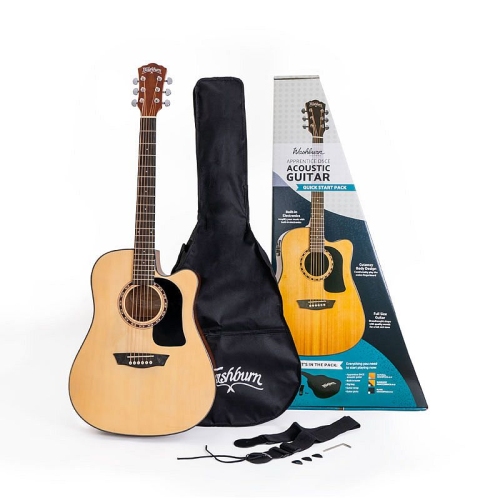
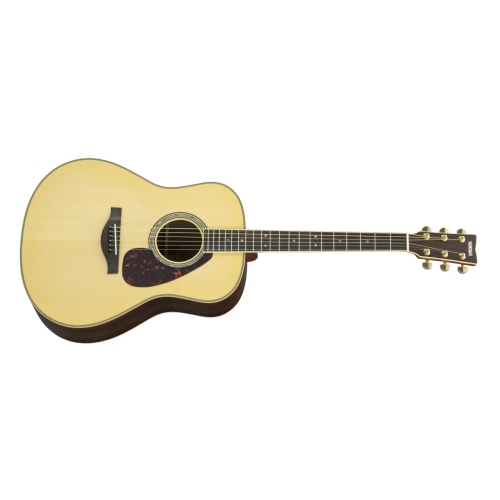
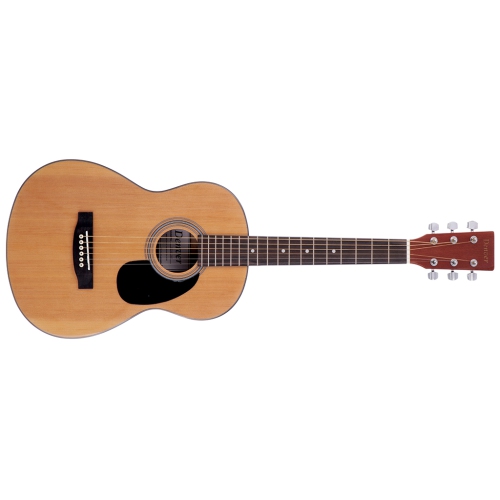
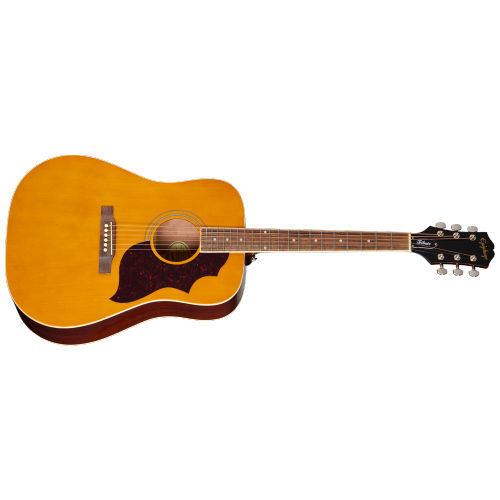
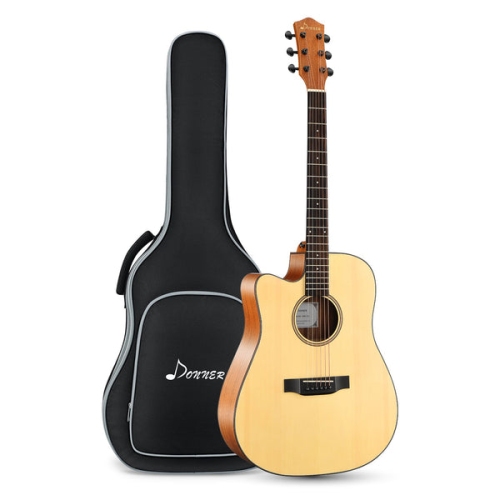

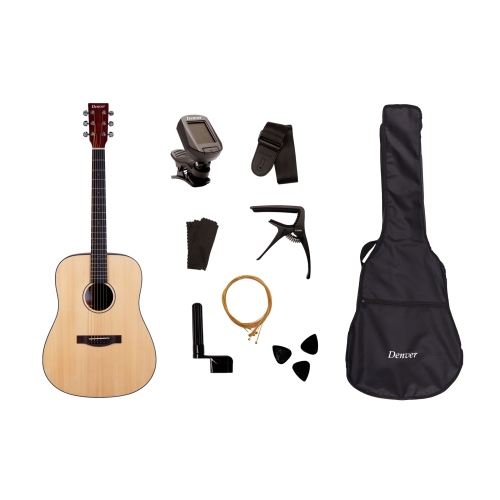
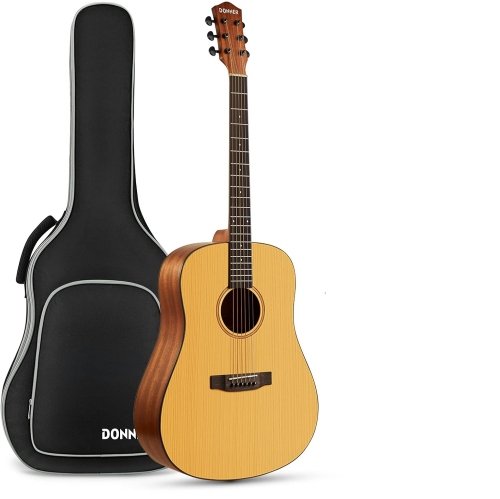
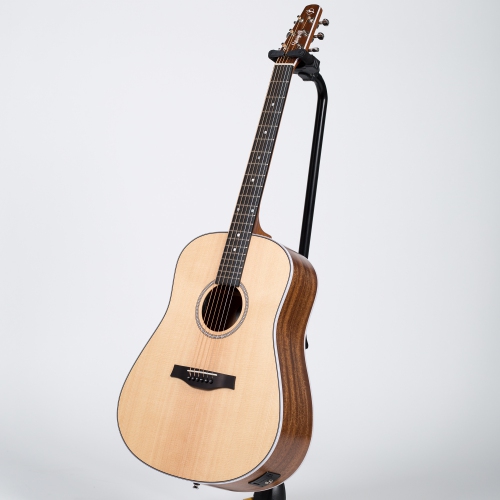
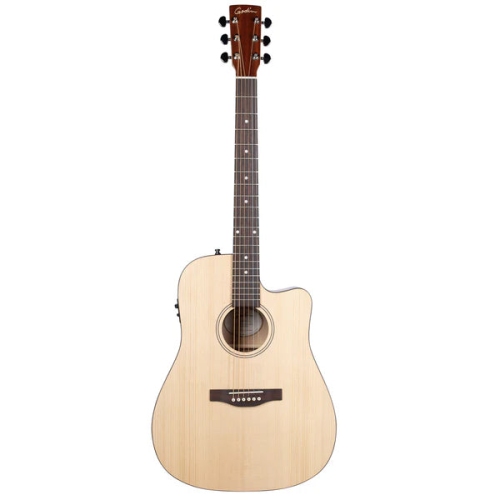
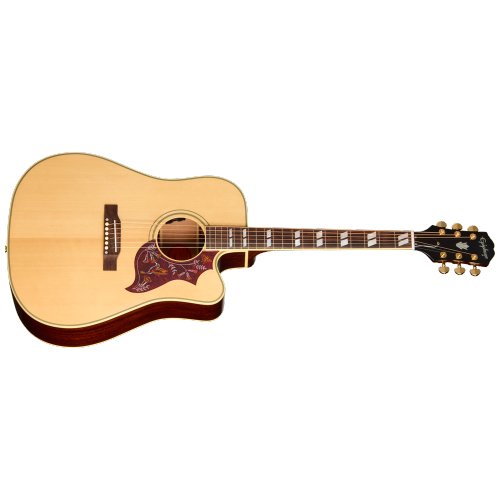
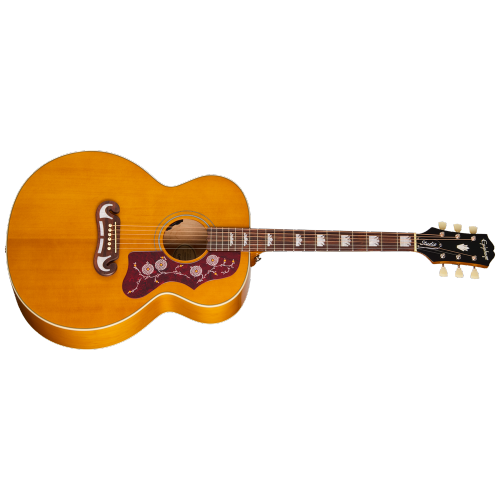

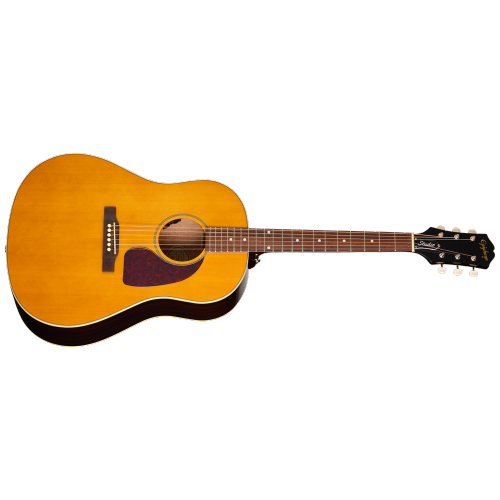
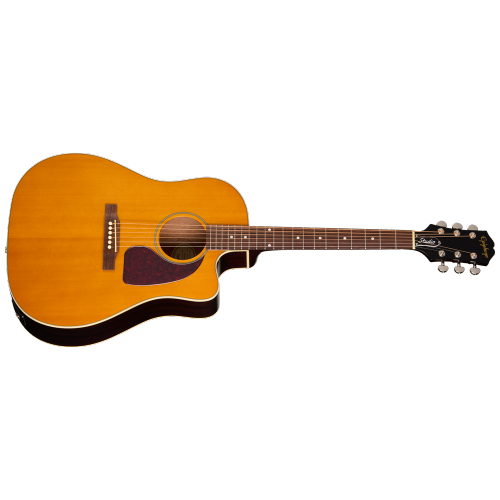
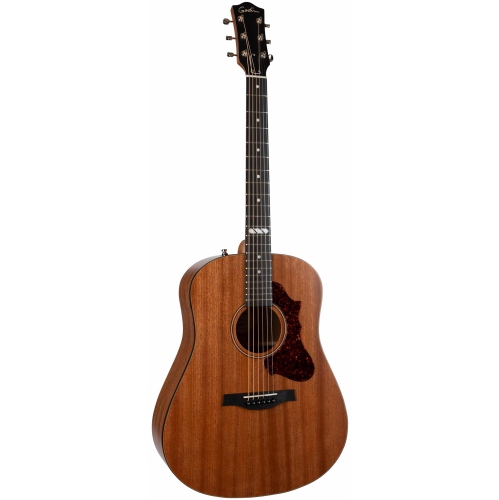
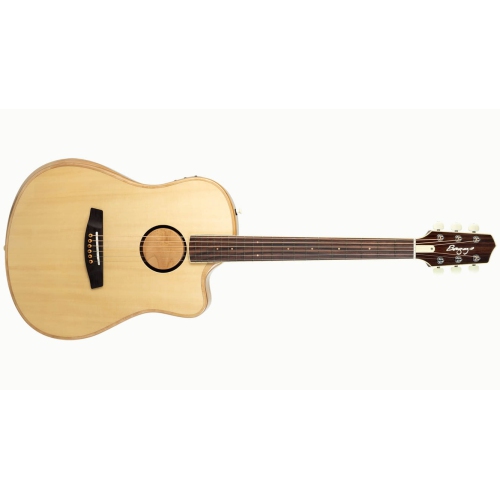
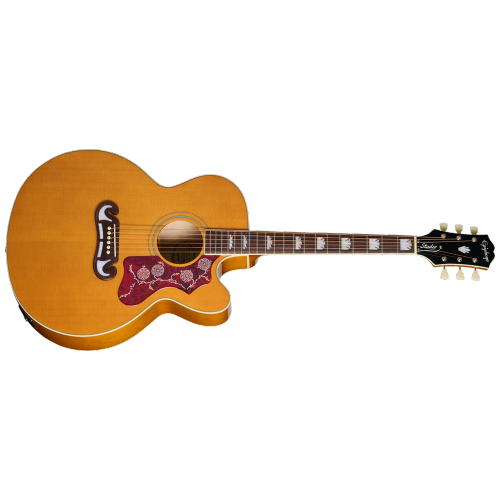
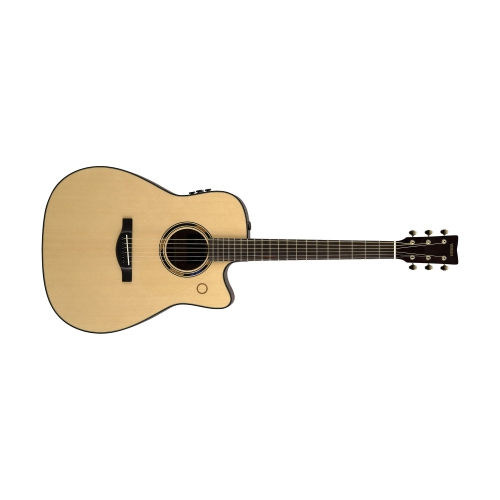
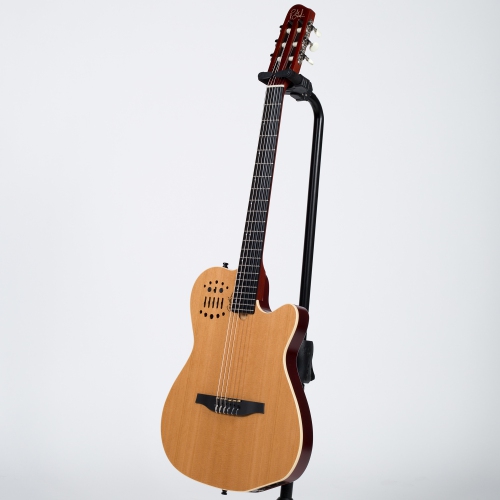
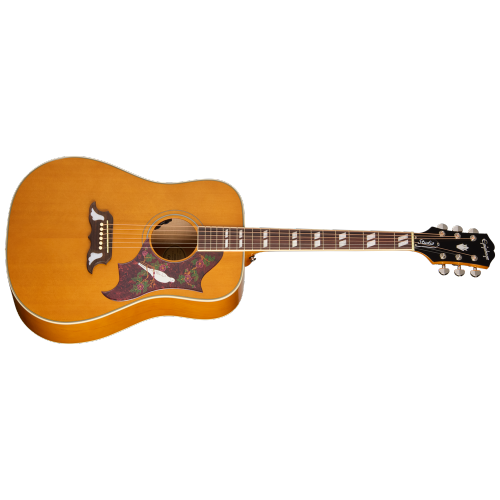
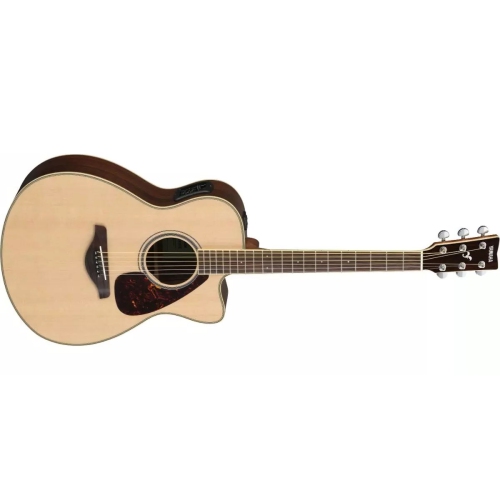
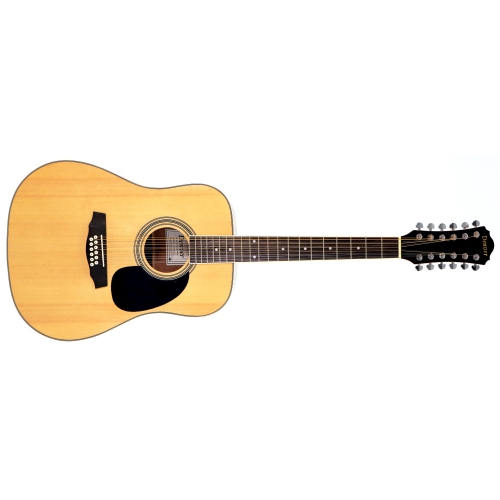
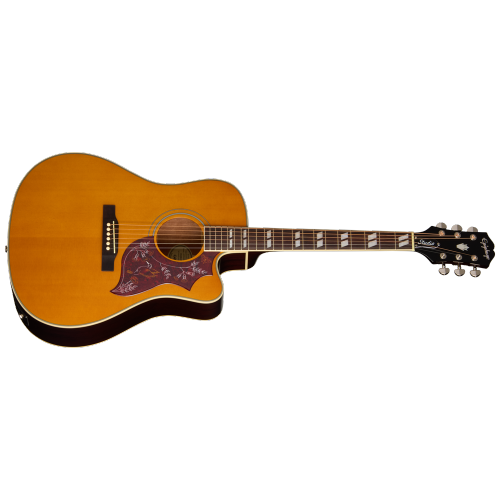

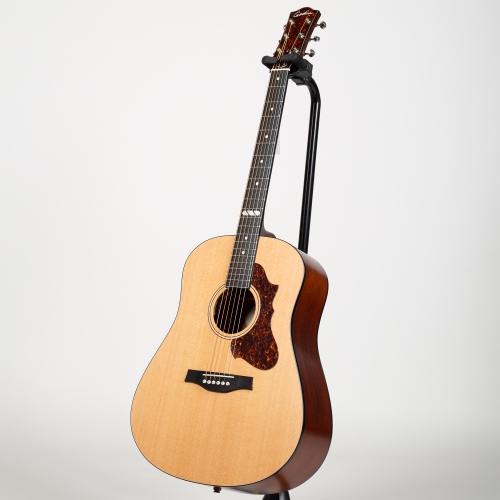
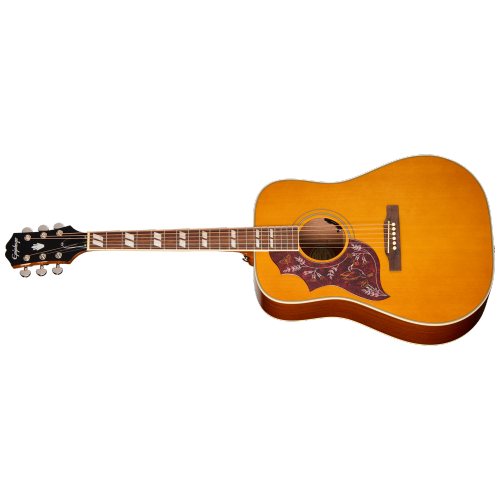
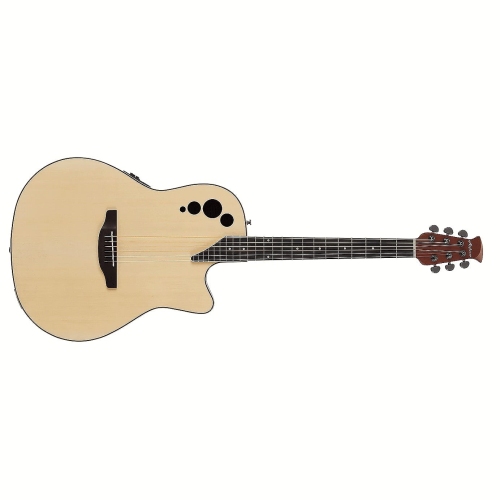
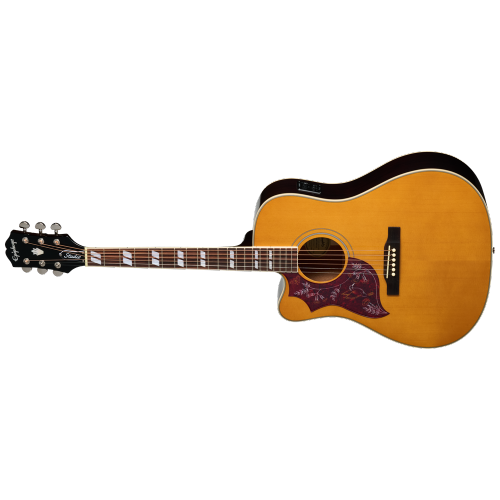
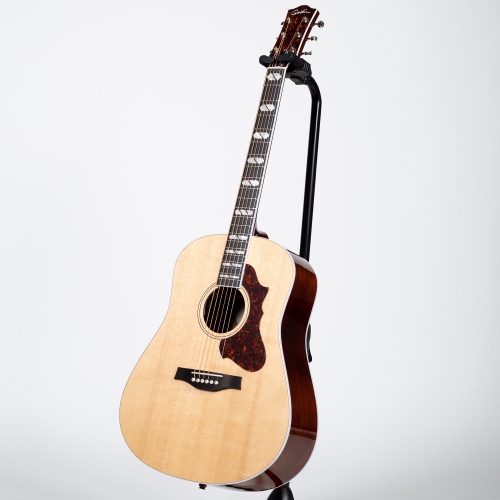
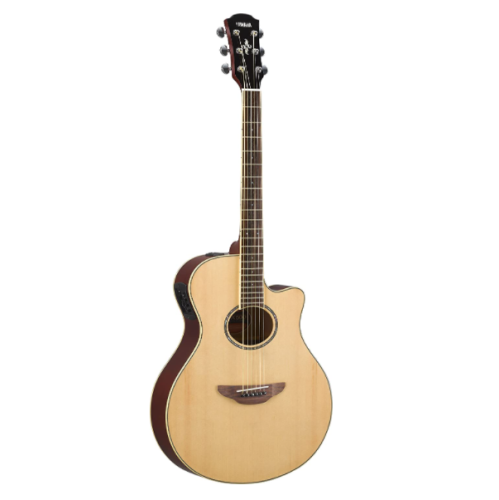
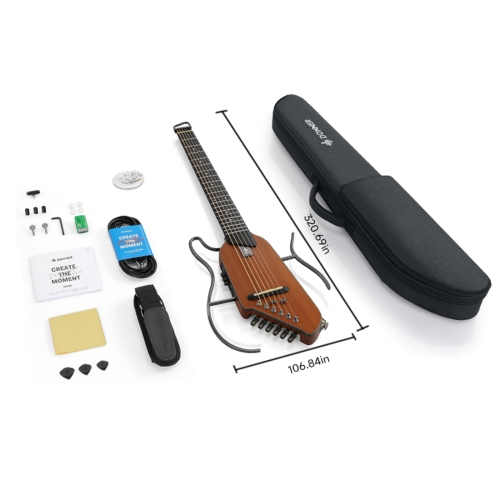
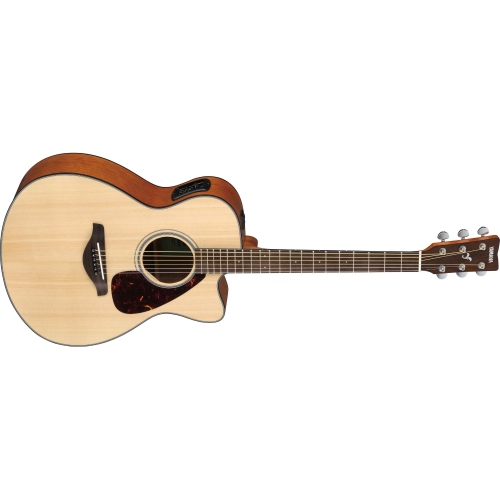
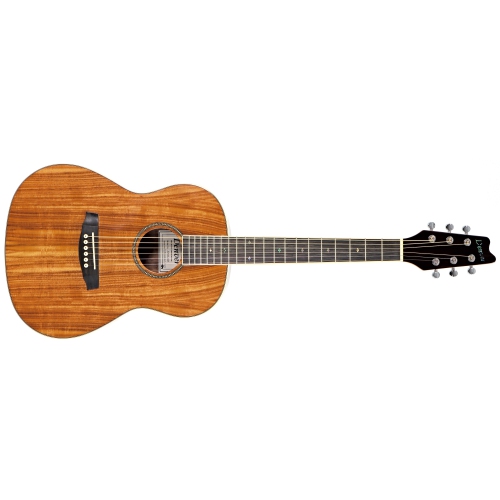
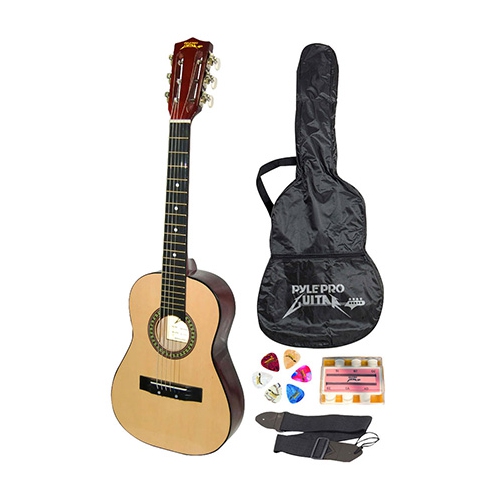
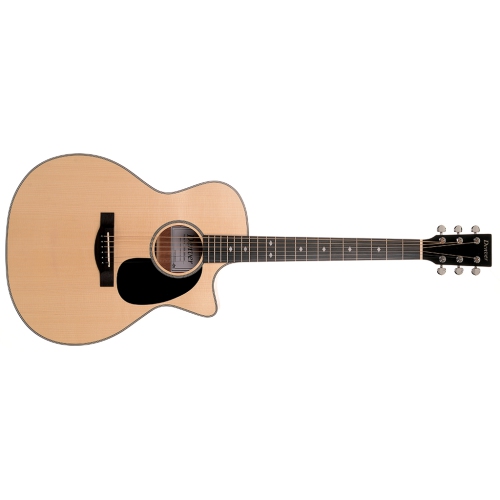
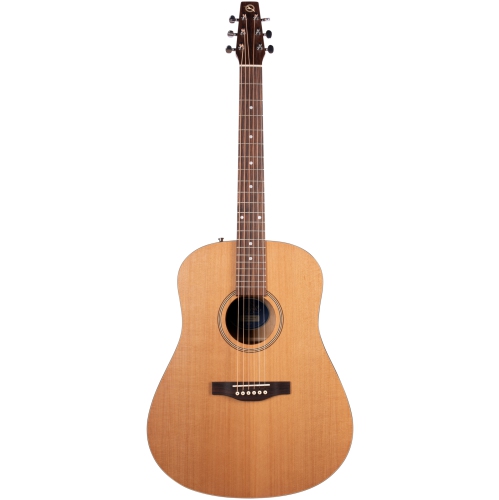
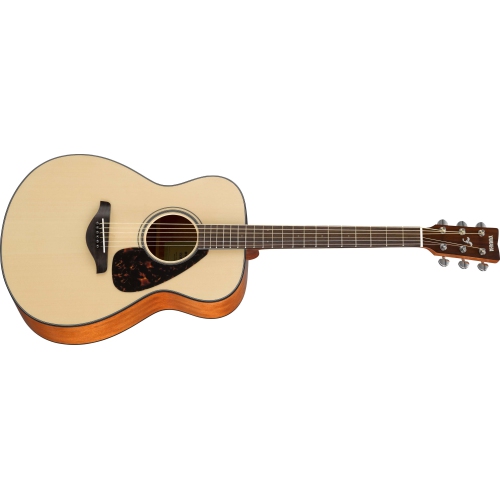
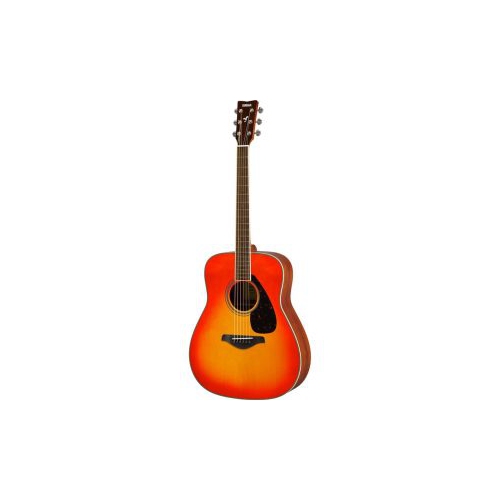
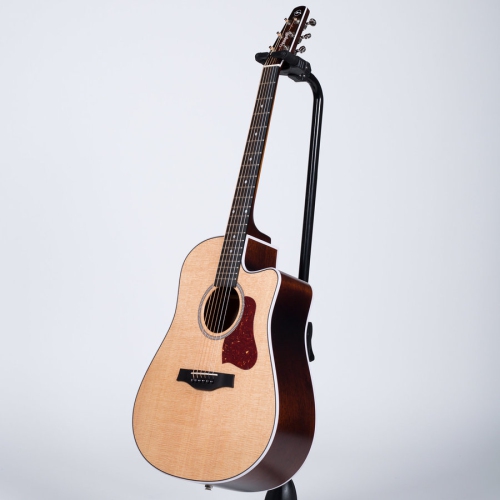
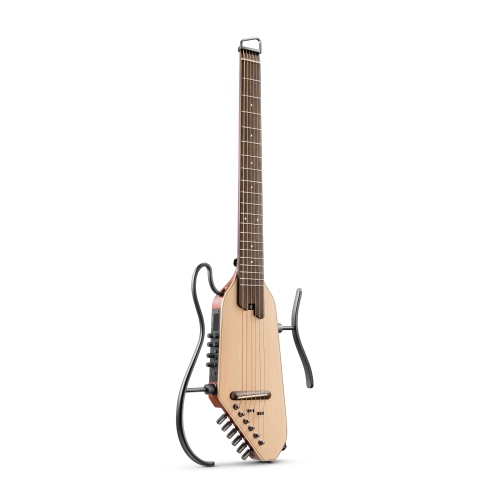
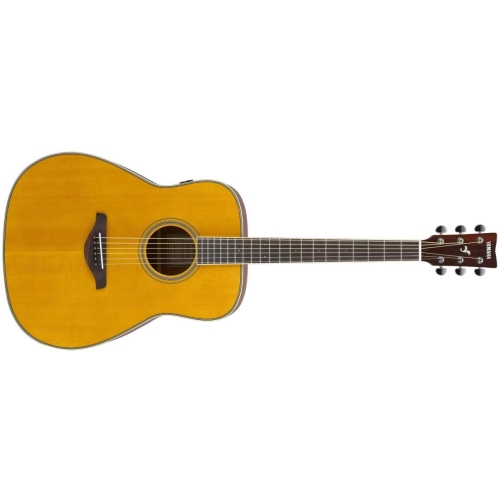
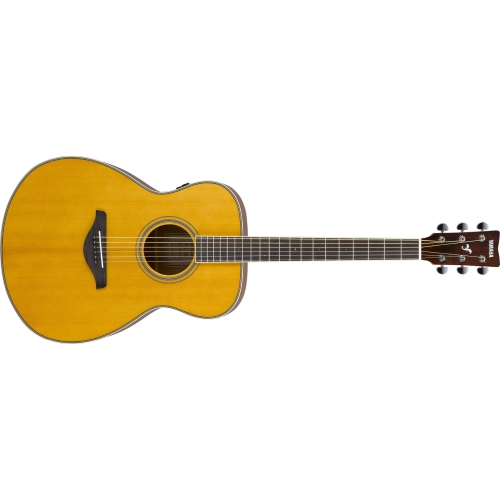
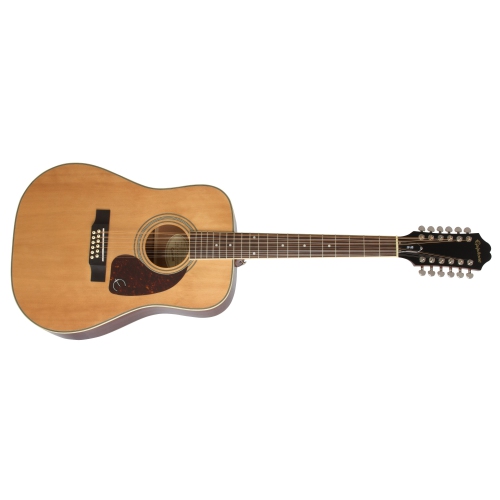
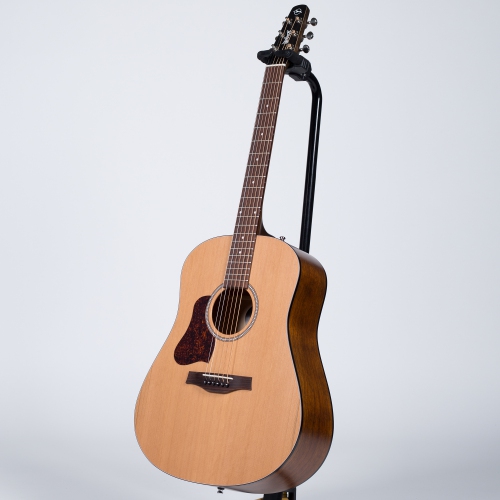
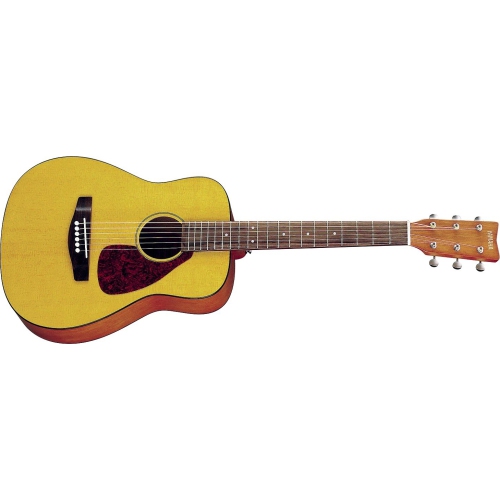

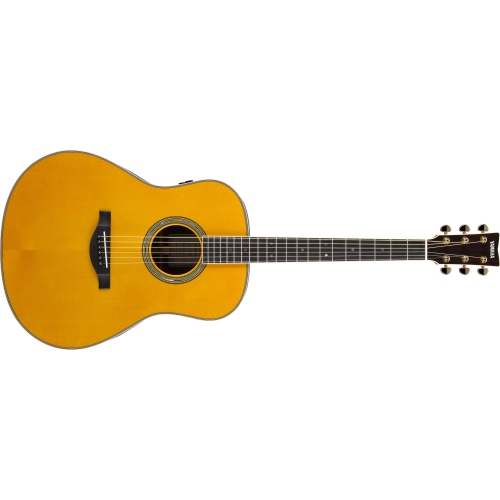
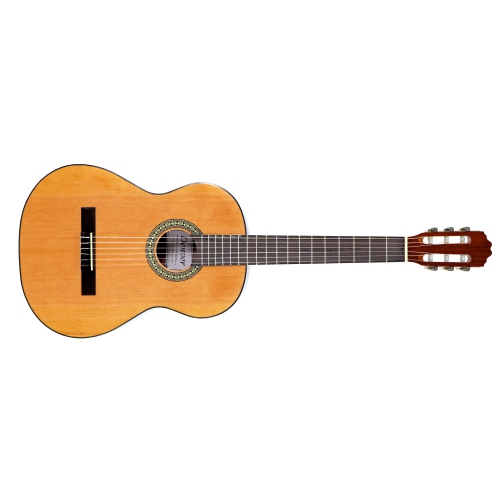
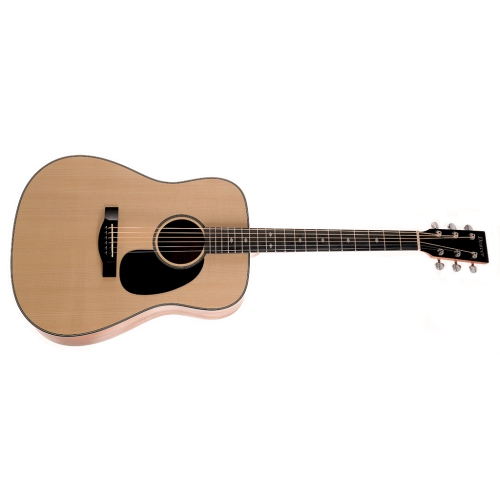
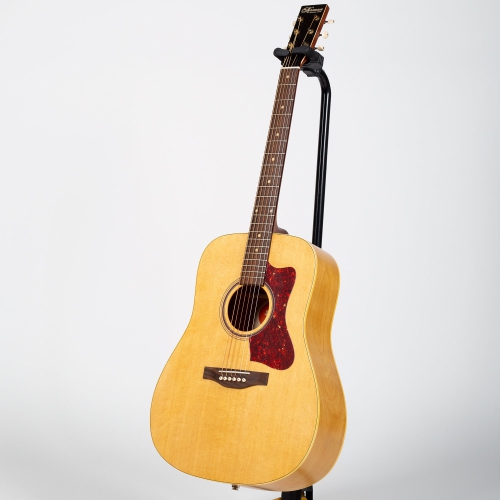
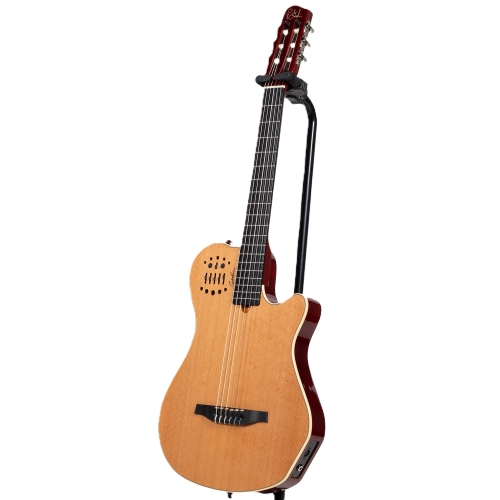
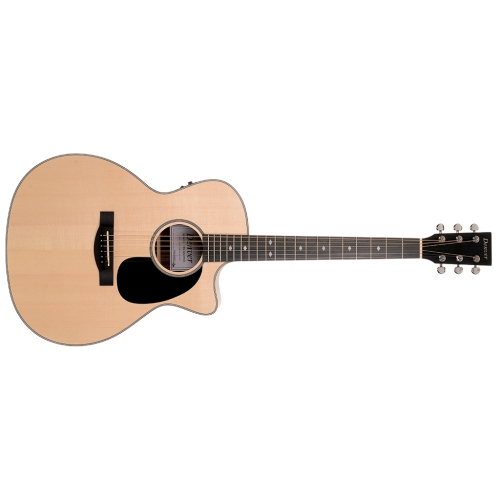
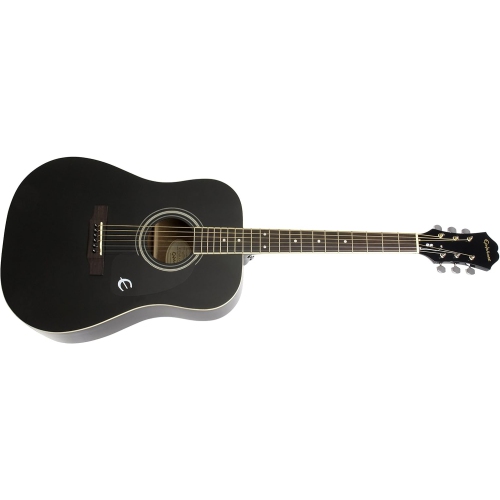
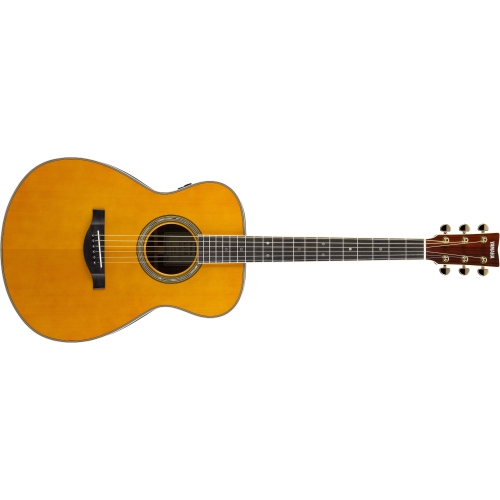
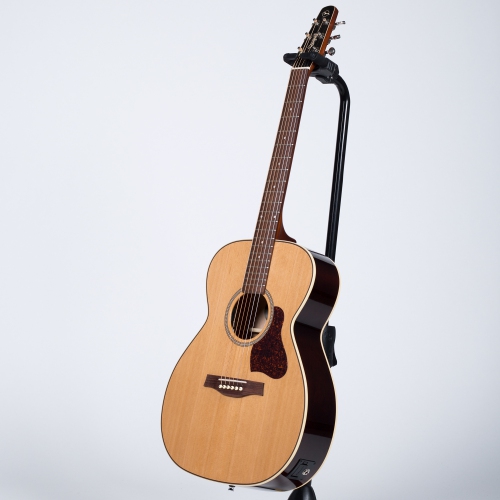
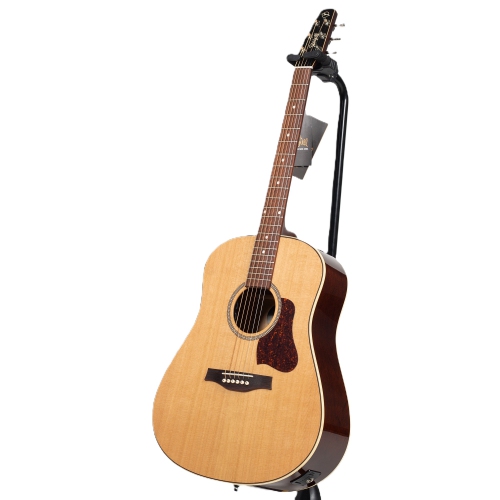
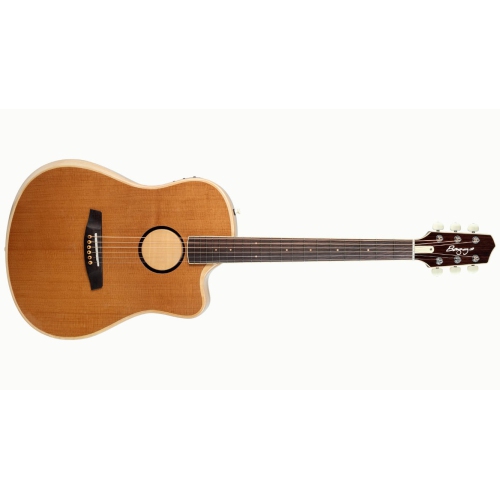
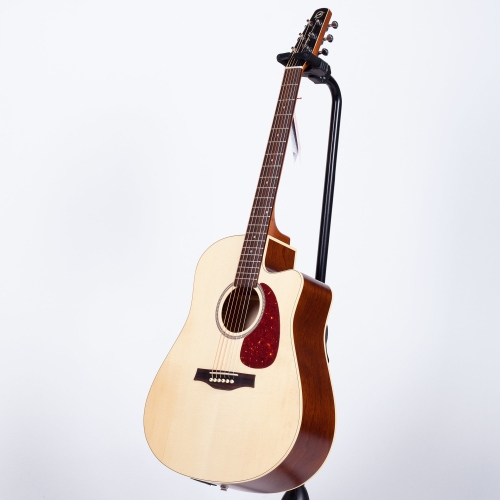
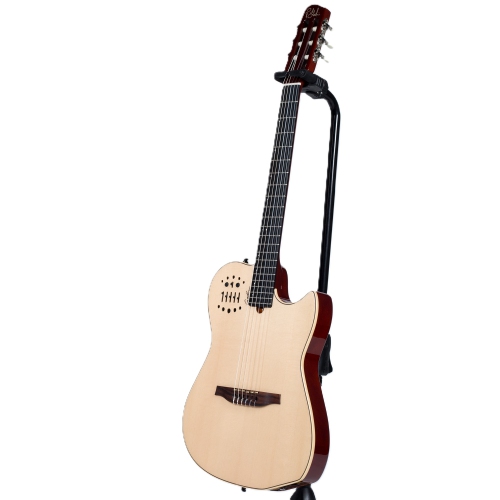
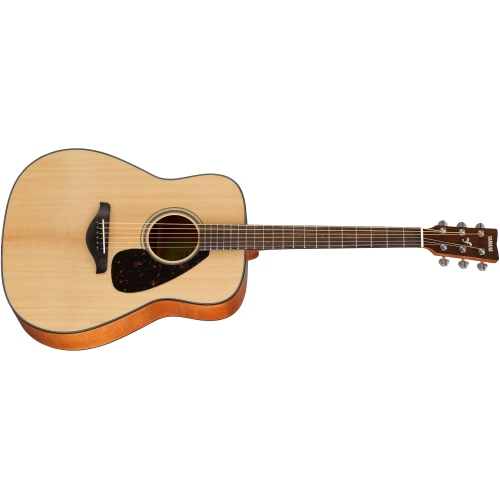

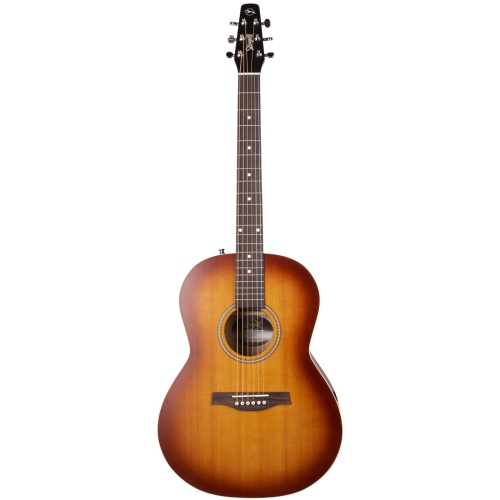
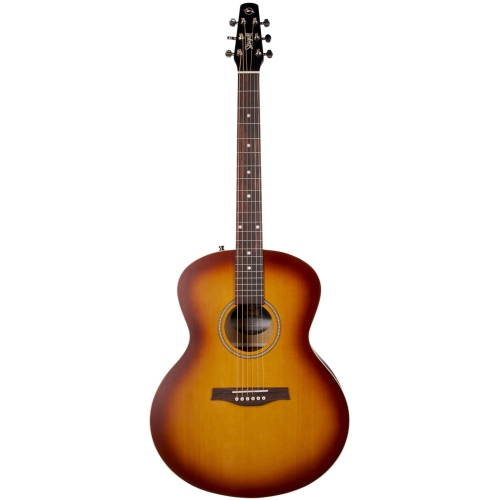
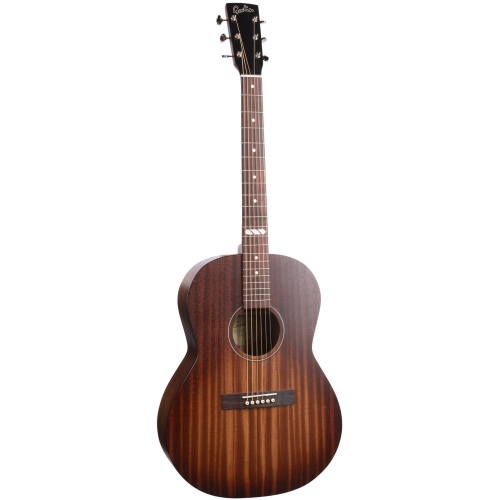
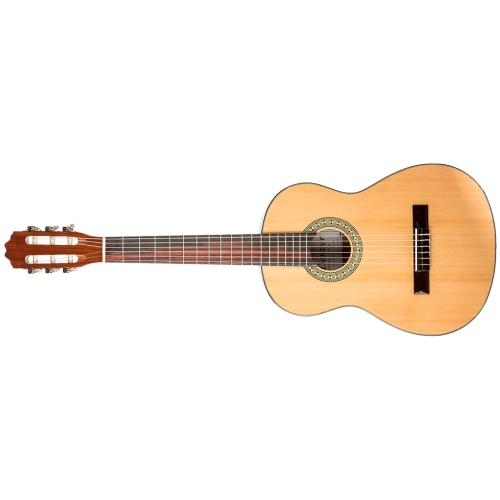
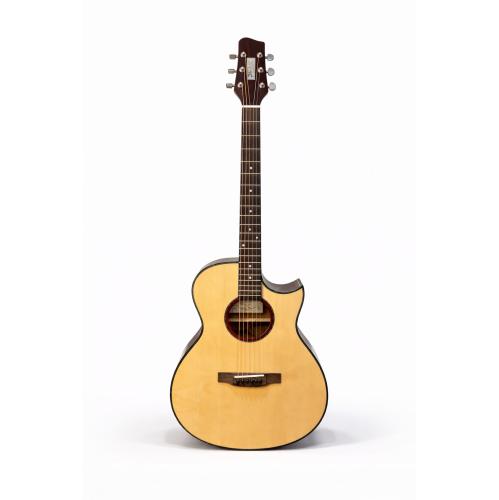
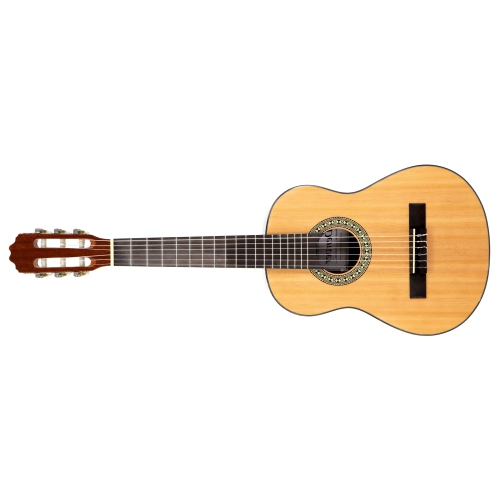
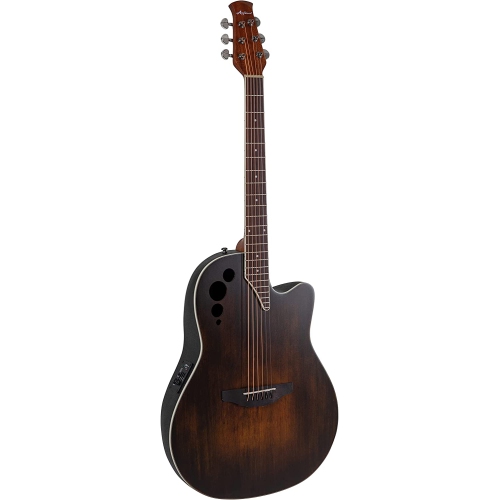
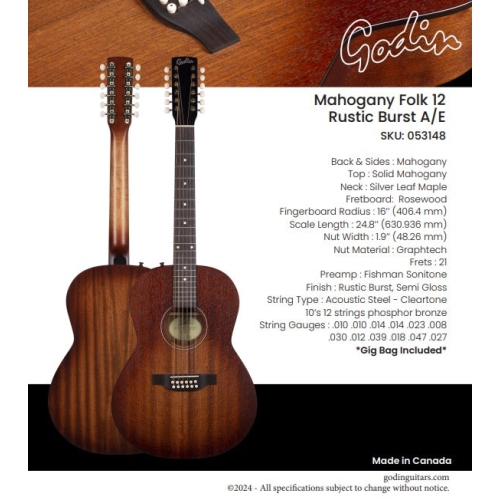
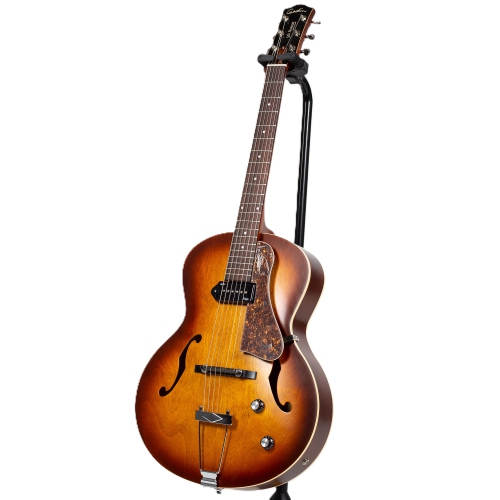
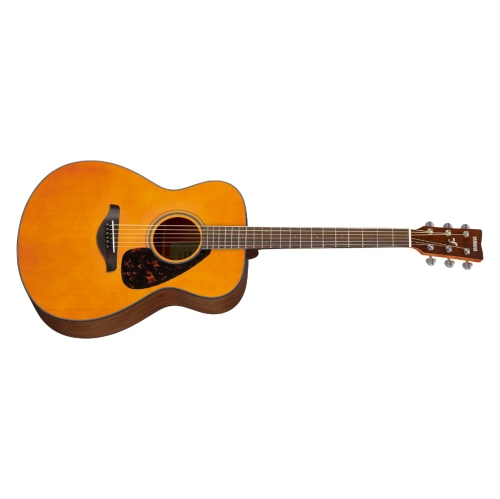
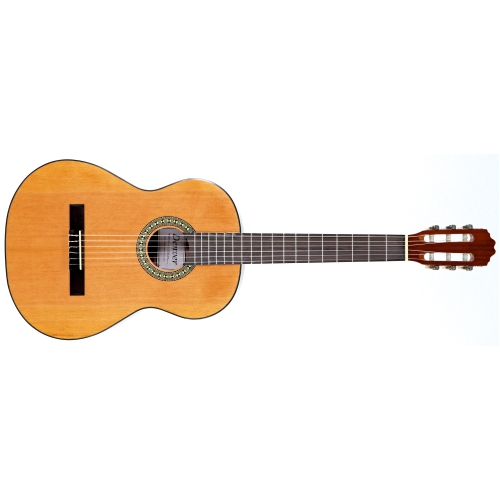

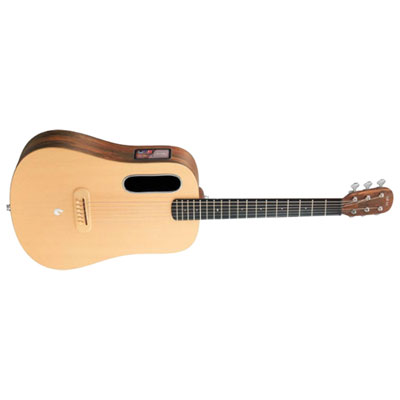
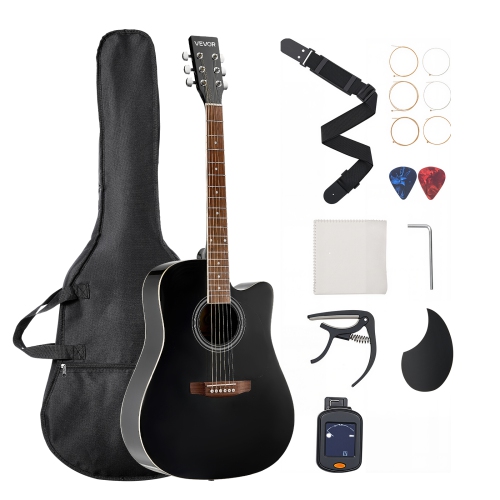
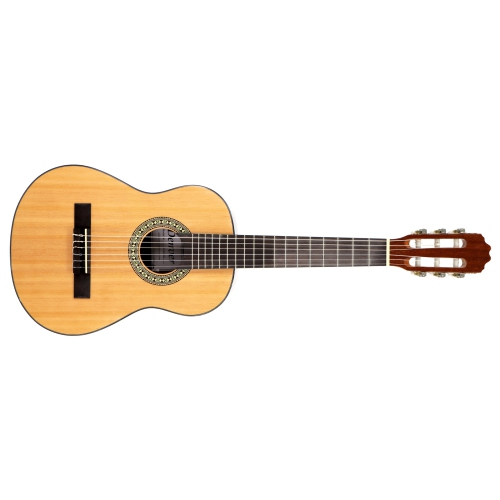
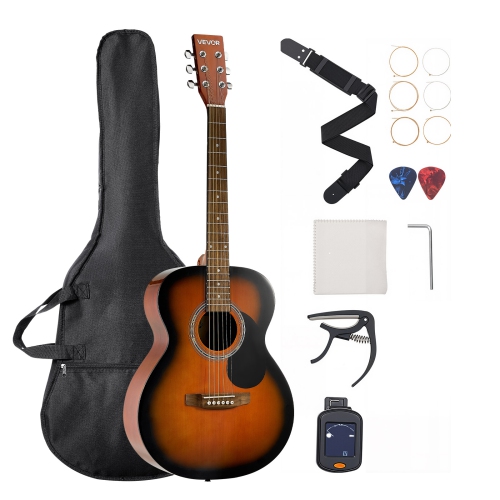
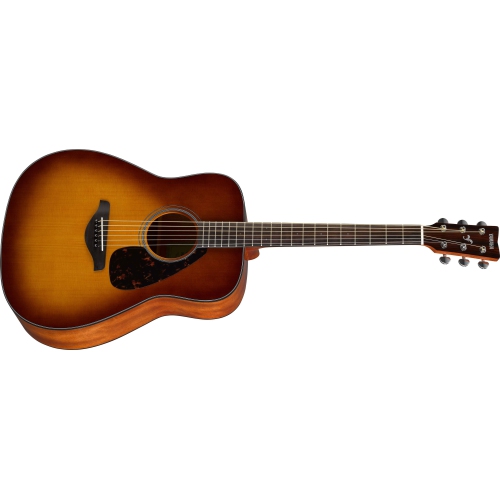
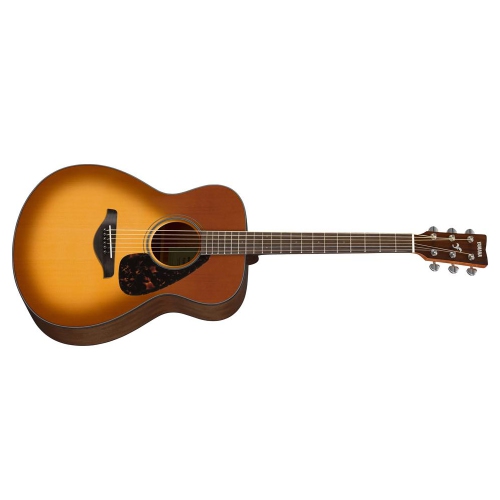
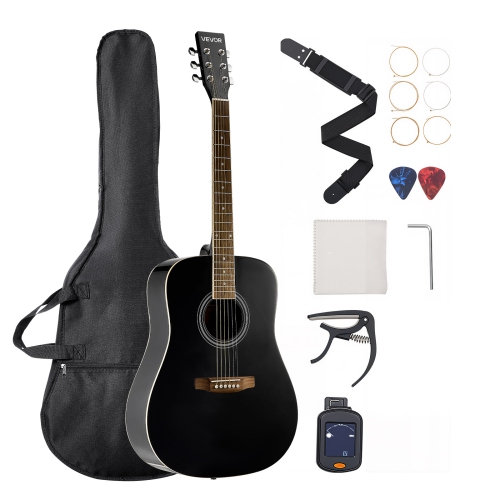
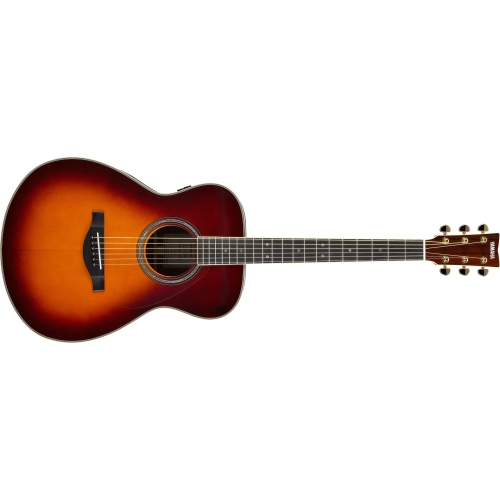
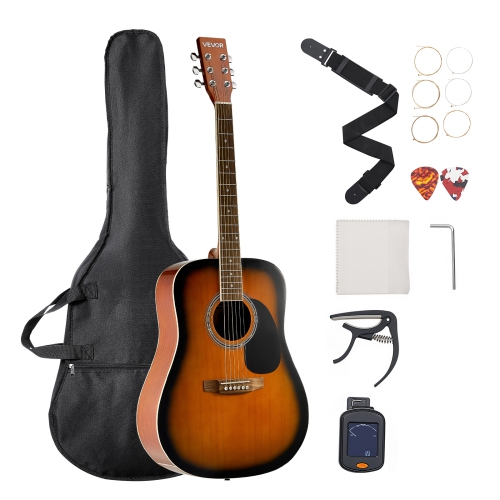
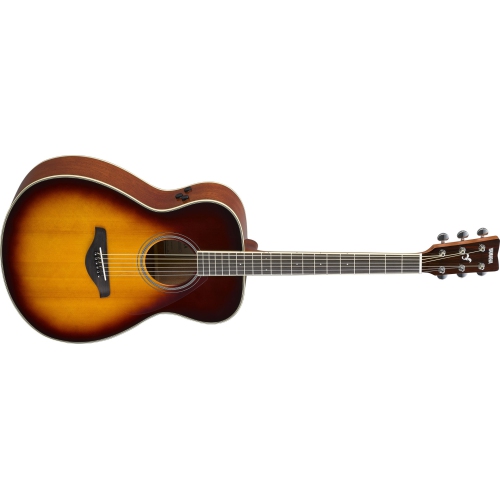
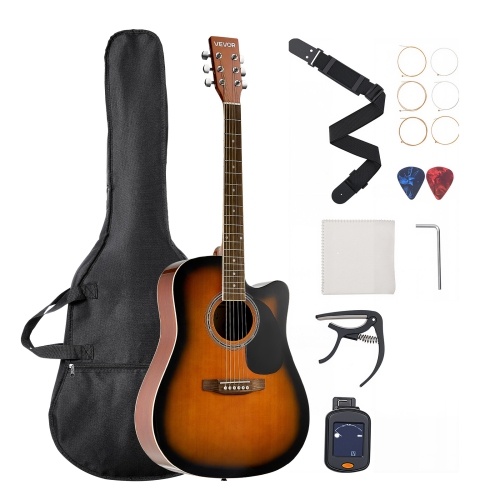
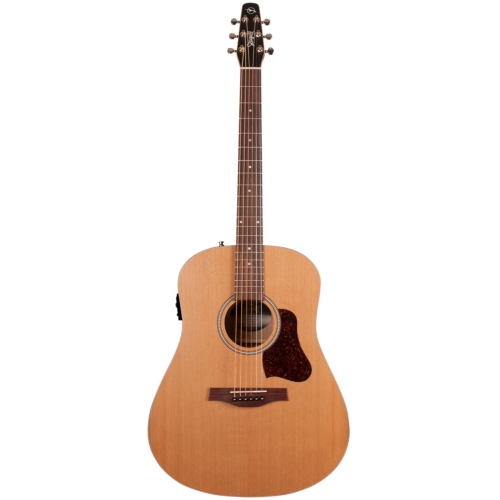
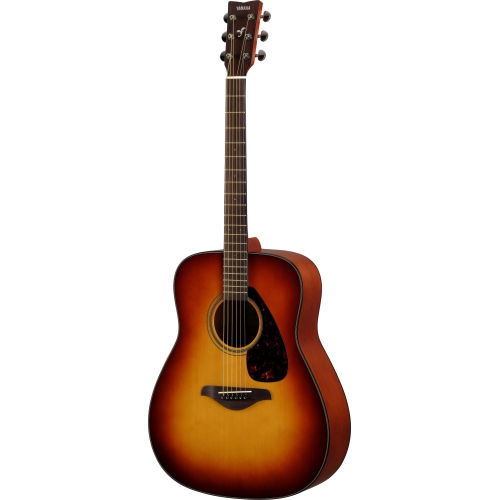
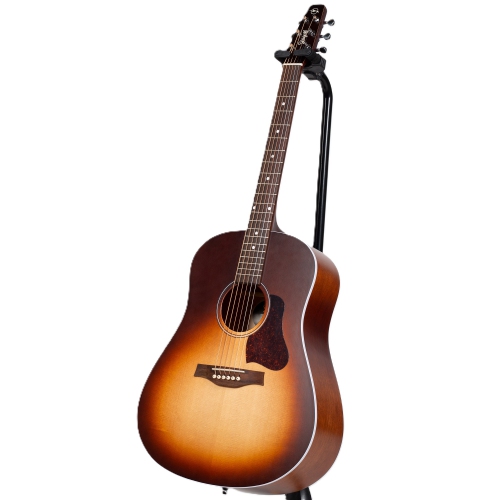
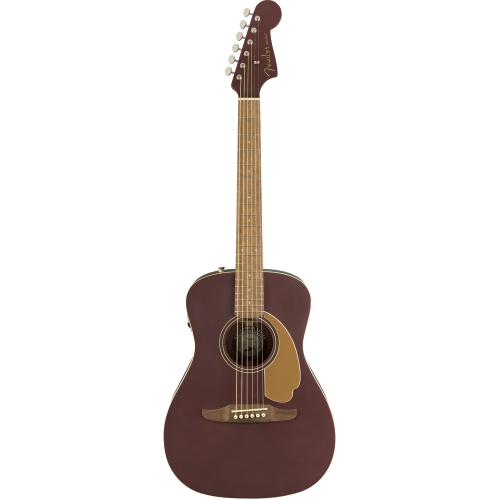

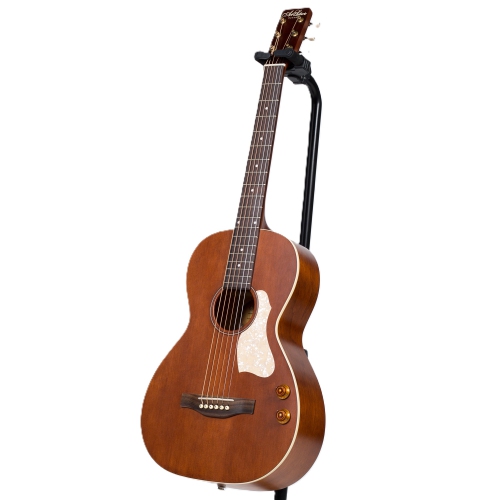
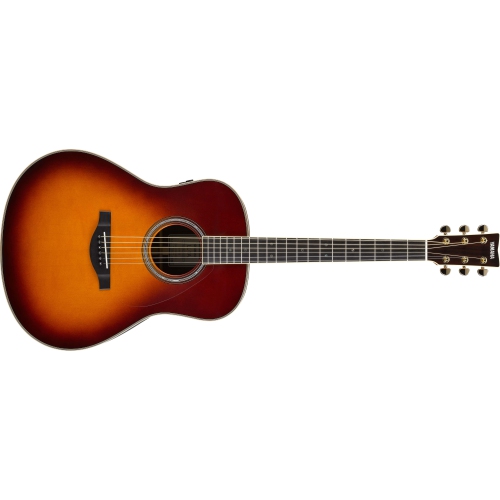

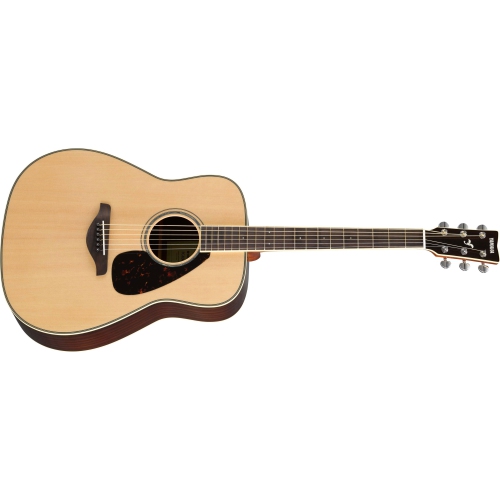
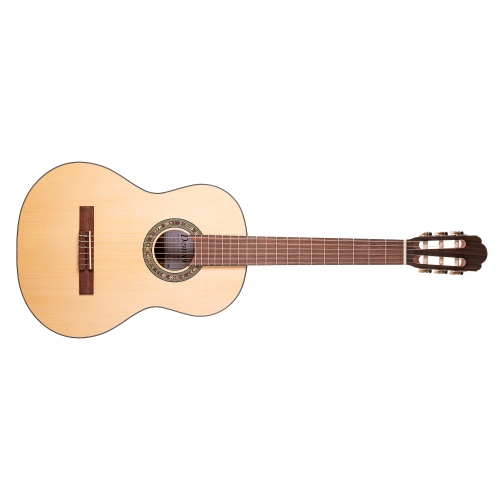
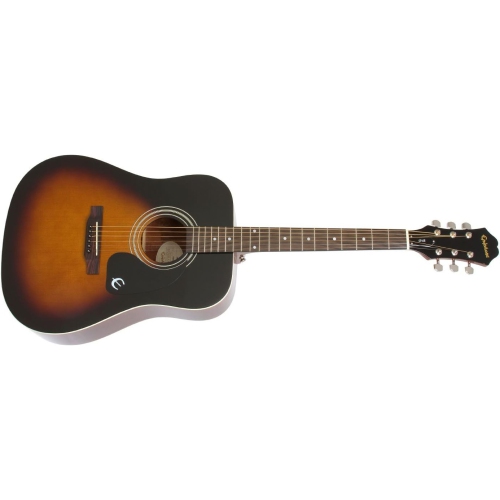
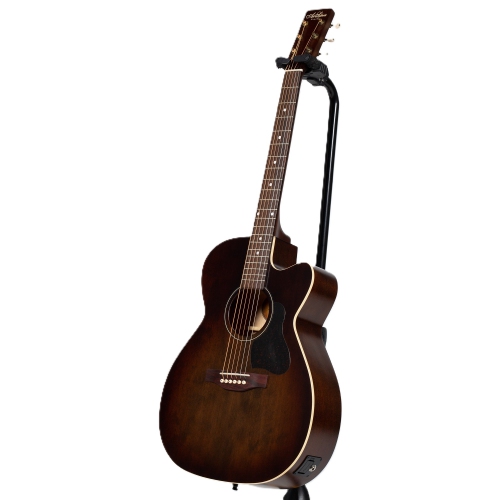
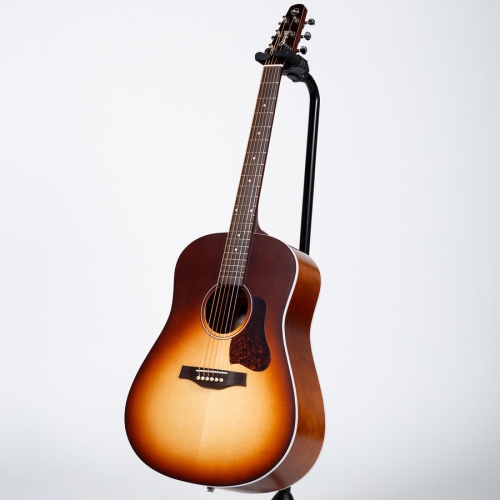
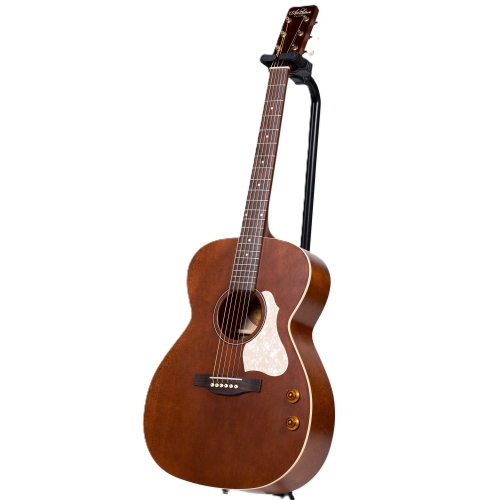
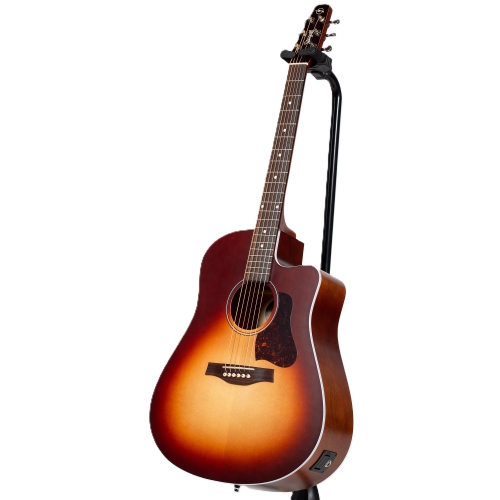
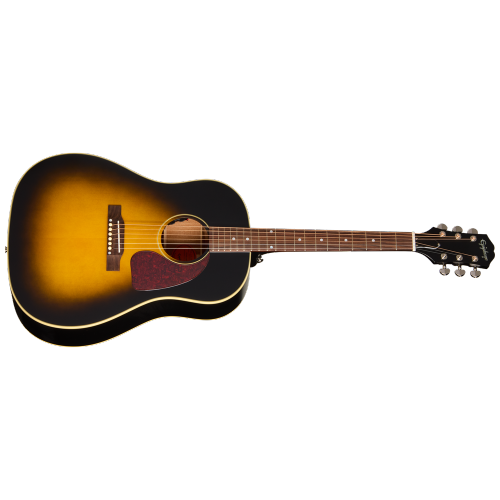
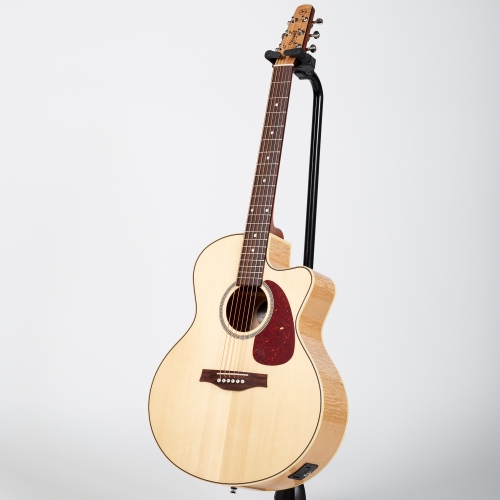
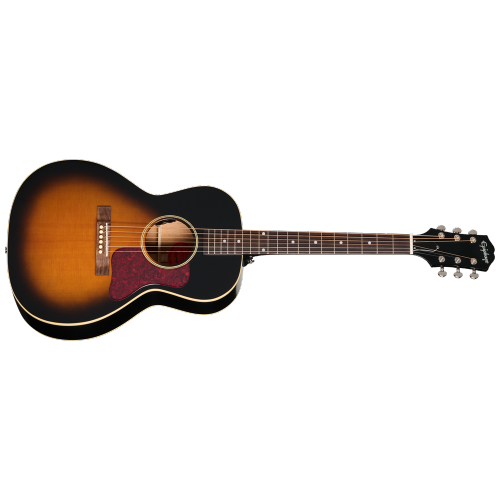
Tonewoods and body shapes shape every playing experience
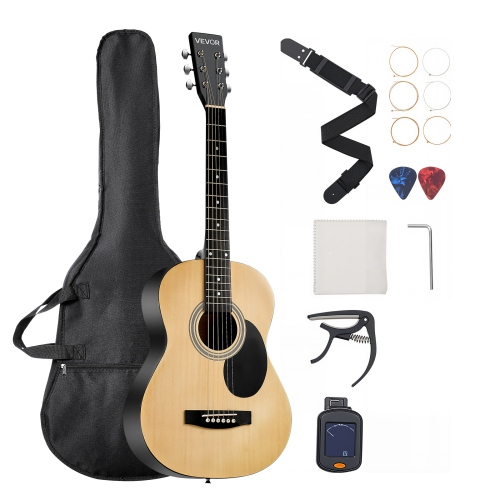
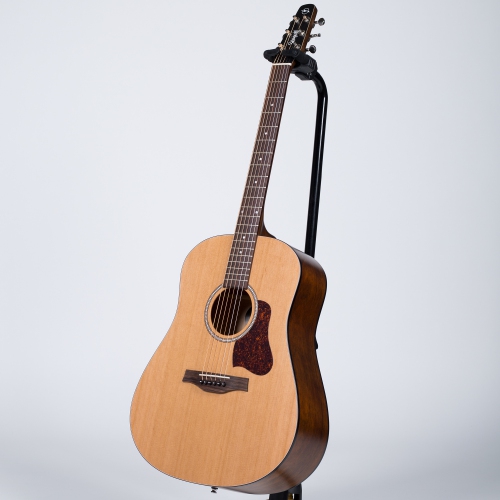
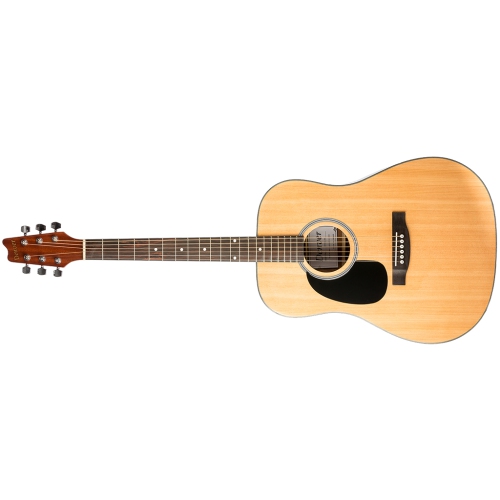
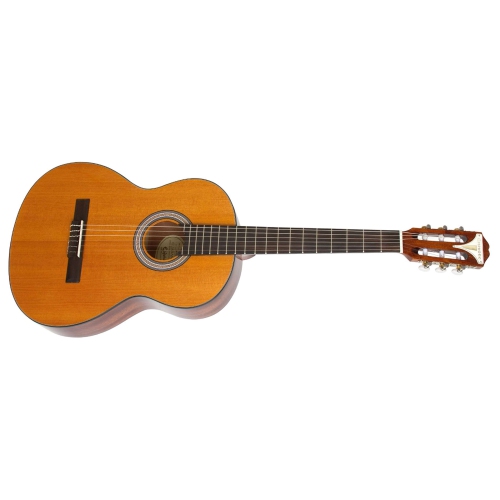
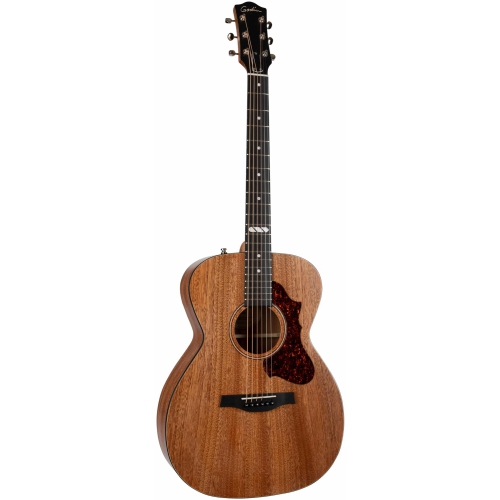
Natural colour acoustic guitars bring a classic, understated look to a wide range of playing styles. Their clear or lightly tinted finishes allow the grain, knots and tonal character of the wood to remain visible, creating an instrument that feels warm, familiar and timeless. Many players are drawn to the soft honey, blonde, amber and light brown shades associated with spruce, cedar and mahogany, while others appreciate how a natural finish can complement almost any room, stage setup or personal style. The appearance is only part of the appeal. An acoustic guitar’s sound is shaped by its tonewoods, body design, bracing, strings and construction, so the right choice depends on how and where you plan to play. Spruce tops are widely valued for their clear projection, balanced response and ability to become more expressive as a player develops a stronger touch. Cedar can offer a warmer, more immediately responsive sound that suits gentle fingerpicking, folk arrangements and players with a lighter attack. Mahogany is often associated with a focused, woody tone and a pleasing balance between warmth and definition; browse Mahogany Acoustic Guitars for instruments featuring this popular tonewood. A clear finish does not determine sound on its own, but it can preserve the visual presence of the top and give the guitar a clean, traditional appearance that looks at home beside a bookshelf, around a campfire or under stage lighting.
Body shape is one of the most important considerations when comparing natural colour acoustic guitars. Dreadnought guitars have a broad waist and generous sound chamber, making them a popular choice for strumming, singing and styles that benefit from strong volume and low-end presence. Their larger bodies can feel substantial against the player, particularly for younger musicians or anyone with a smaller frame, so it is worth considering comfort alongside projection. Concert and auditorium shapes tend to be more compact, with a comfortable fit for seated practice, fingerstyle playing and longer sessions. They can offer a balanced voice that sits neatly beneath vocals without overpowering the player. Parlor-style guitars are smaller still and often appeal to players who enjoy an intimate, focused sound, vintage-inspired proportions or a guitar that is easy to carry between rooms. Neck width, scale length and fret access also affect the playing experience. A narrower neck may feel approachable for beginners and players who favour chord changes, while a wider fingerboard can provide extra room for intricate picking. Cutaway bodies allow easier access to higher frets, though a traditional full-body design may provide the visual character and resonance some players prefer. Before choosing, think about whether the guitar will be used mainly for private practice, songwriting, lessons, casual gatherings, recording or live performance. A beginner may value comfortable action, dependable tuning and an included gig bag, while an experienced player may pay closer attention to solid-top construction, bracing patterns, pickup systems and the subtle response of different woods.
Natural colour acoustic guitars can make thoughtful gifts for music students, first-time players, songwriters and anyone who enjoys adding live music to everyday routines. They are especially well suited to a recipient who has mentioned wanting to learn chords, accompany their voice or return to an instrument after years away. For a new player, a comfortable body and easy-to-press strings can make practice feel inviting rather than demanding. For a more advanced guitarist, a second acoustic can provide a different tonal option for fingerstyle arrangements, alternate tunings or informal performances. A gift-giver may also want to consider practical additions such as a tuner, picks, spare strings, a strap, a stand or a padded case, although the guitar itself should remain the focus. During the cooler months, an acoustic guitar can become a welcome companion for quiet evenings indoors, relaxed family gatherings and creative time away from screens. It can rest beside a chair for spontaneous practice, accompany familiar songs after dinner or help a songwriter capture a melody before it disappears. Proper care will help preserve both its appearance and playability: keep the instrument away from radiators, vents and sudden temperature changes, wipe the strings after playing, store it in a suitable case and use a guitar humidifier when indoor air becomes especially dry. New strings, occasional setup work and regular tuning can also make a noticeable difference. Whether selected for its visible wood grain, comfortable shape, rich acoustic voice or gift-ready appeal, a natural colour acoustic guitar offers a versatile starting point for learning, performing and making music throughout the seasons.
Top selling and popular products
-
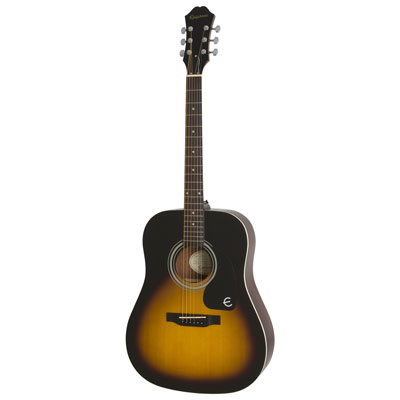 Your price for this item is $259.99
-
 Your price for this item is $279.99
-
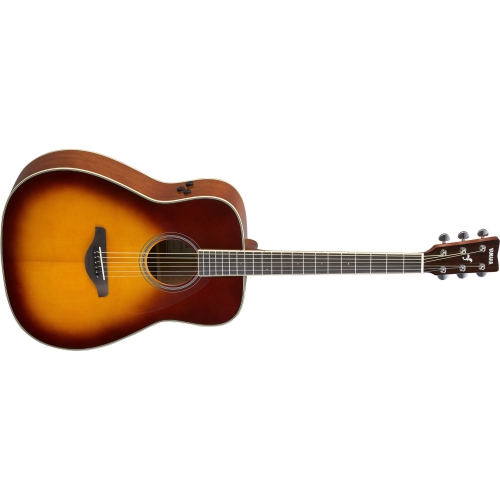 Your price for this item is $999.99
-
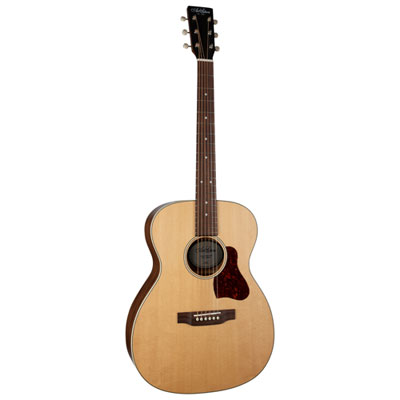 Your price for this item is $599.99
-
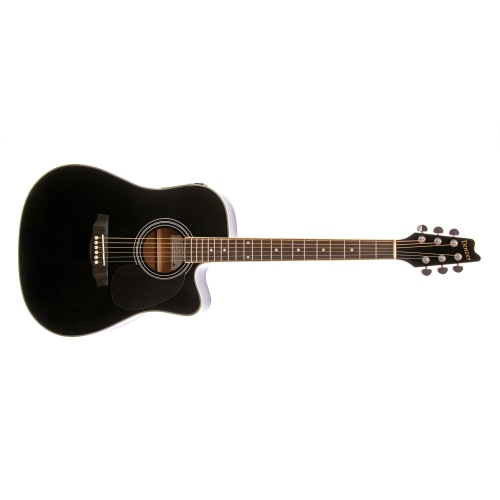 Your price for this item is $269.99
-
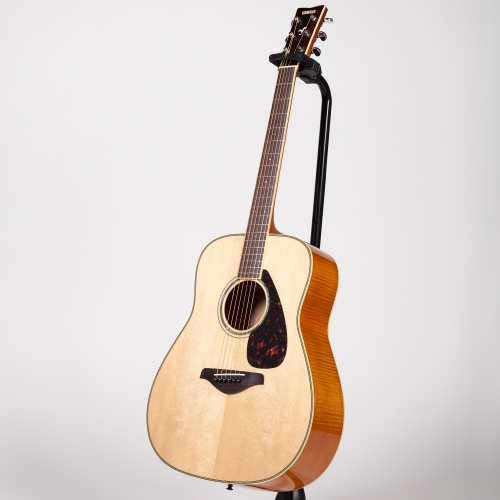 Your price for this item is $649.99
-
 Your price for this item is $459.99
-
 Your price for this item is $918.85
Discover more categories related to Natural Color Acoustic Guitars
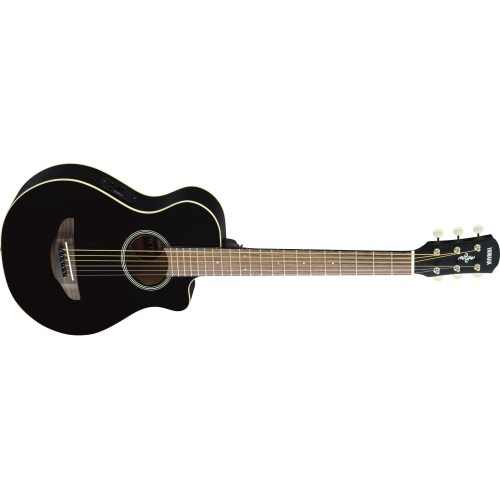
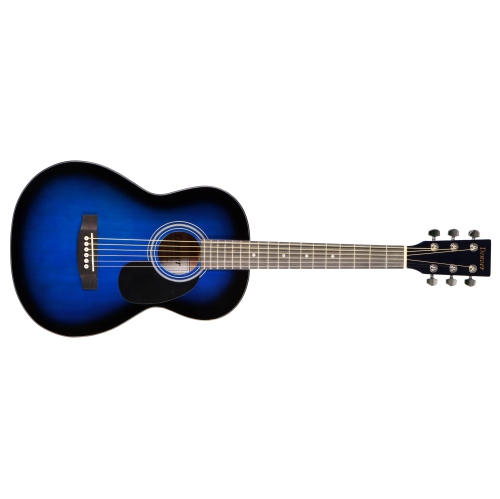
Top Collections:
Pokemon Centers, Best Cameras for Sports Photography, Kindle Devices, Samsung Galaxy Phones, Canon G7X Cameras, Pokémon 30th Celebration Cards, Refurbished Apple Laptops, iPhone 15 Apple, Laptops for Students, Budget Smartphones
Some products may be subject to Environmental Handling Fees
(EHF) depending on your province.
Learn more about EHFs.