Overdrive Pedals for Bass
Looking to take your bass guitar playing to the next level? Look no further than our selection of overdrive pedals for bass. These powerful and versatile pedals are designed specifically to enhance the low-end frequencies of your bass, giving you a wide range of tones to explore. Whether you're looking to add a subtle grit to your sound or unleash a full-on distortion, our collection of overdrive pedals has got you covered. With their intuitive controls and high-quality construction, these pedals are sure to become an essential part of your bass rig. Get ready to dial in the perfect blend of drive and clarity, and unleash your creativity like never before.
Sort
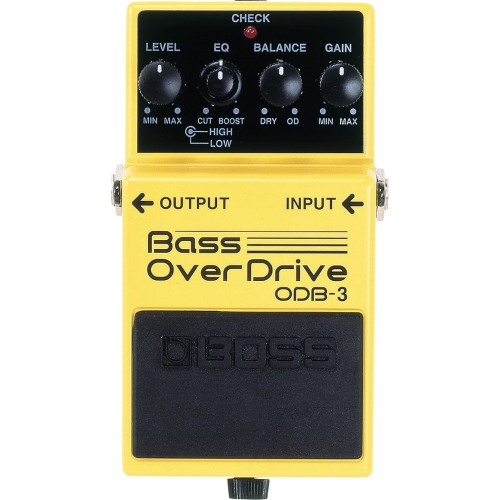
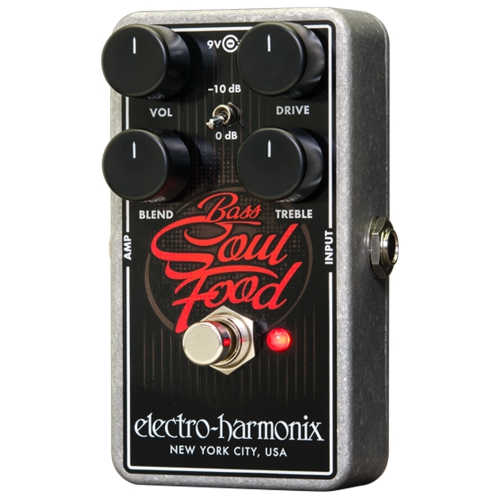
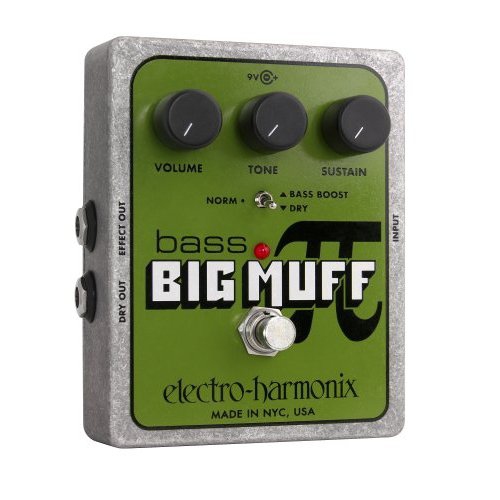
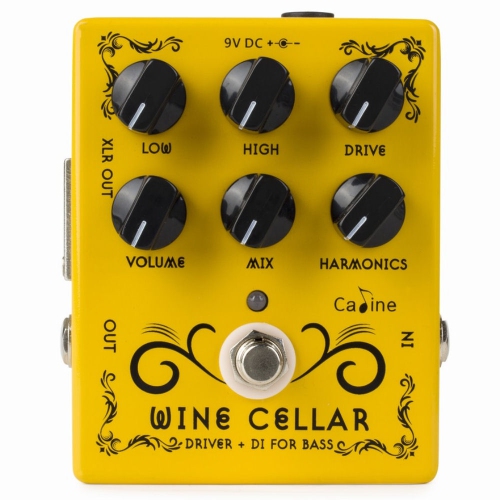
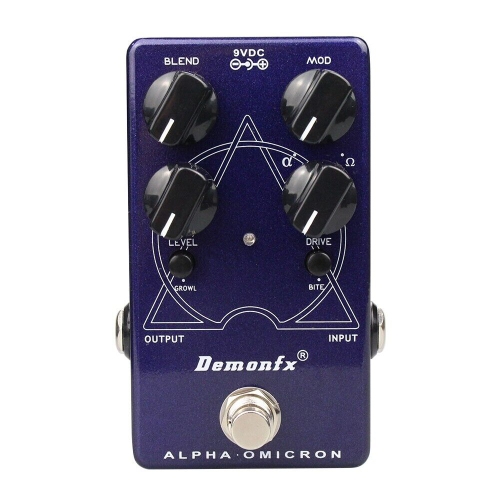
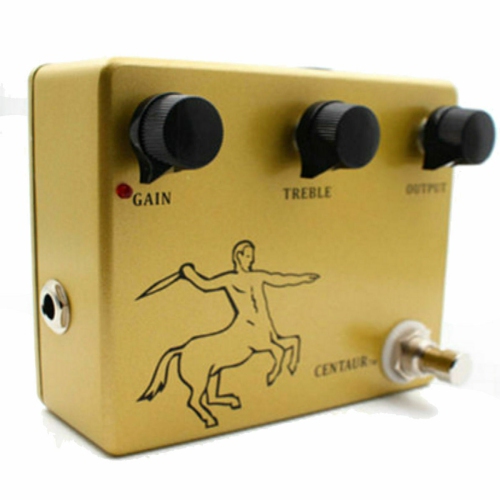
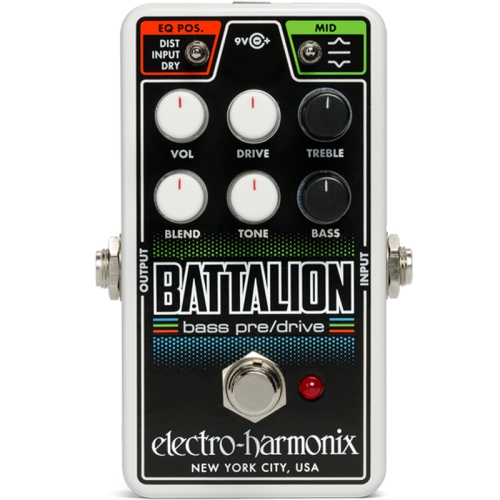


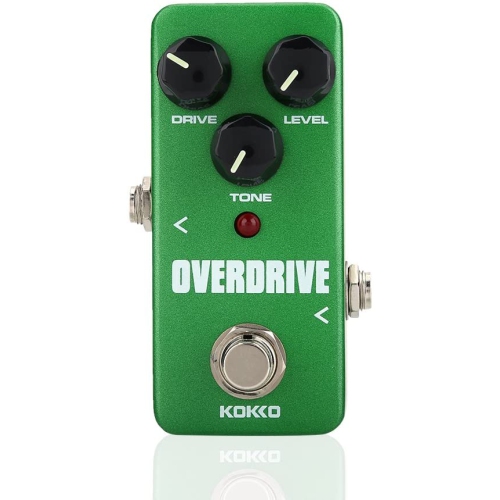
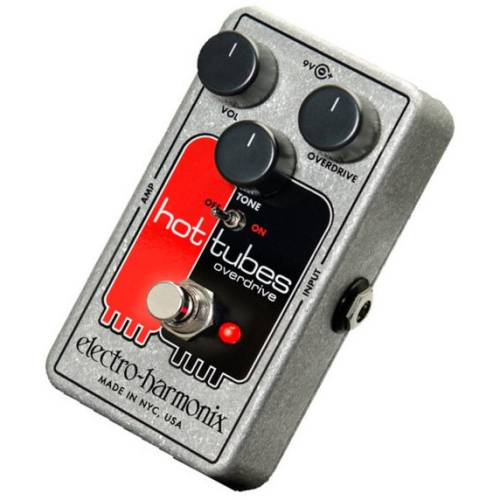

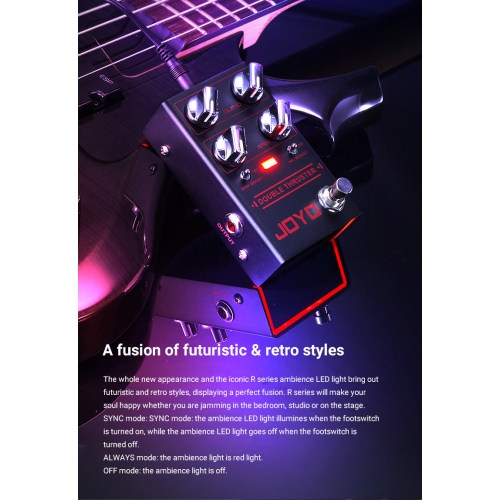
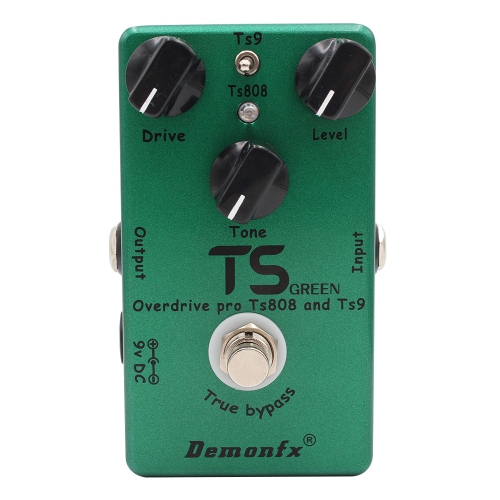
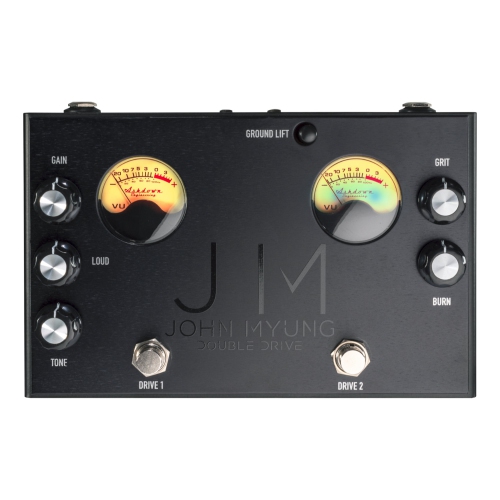
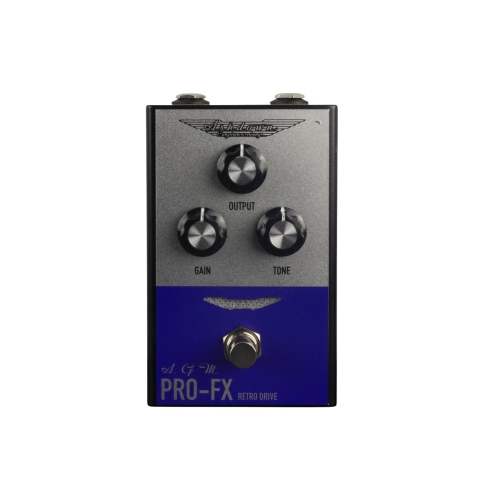
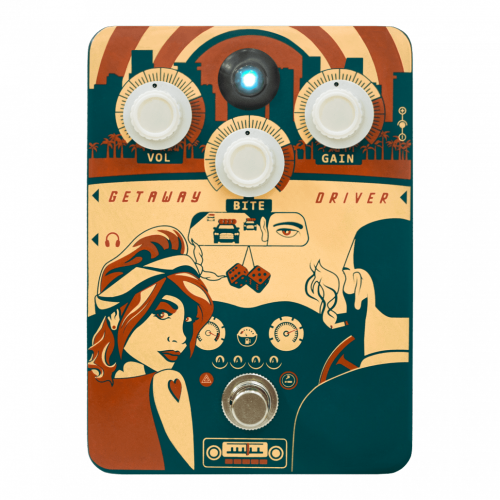
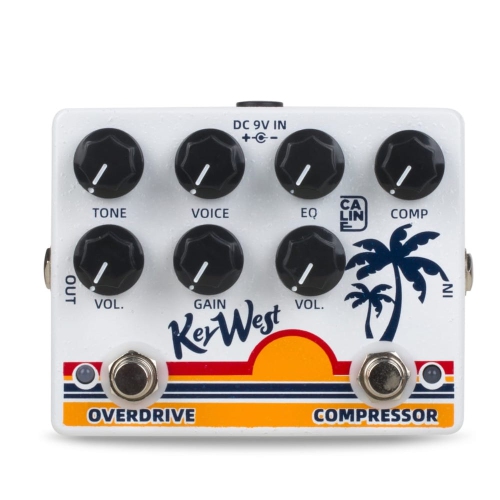
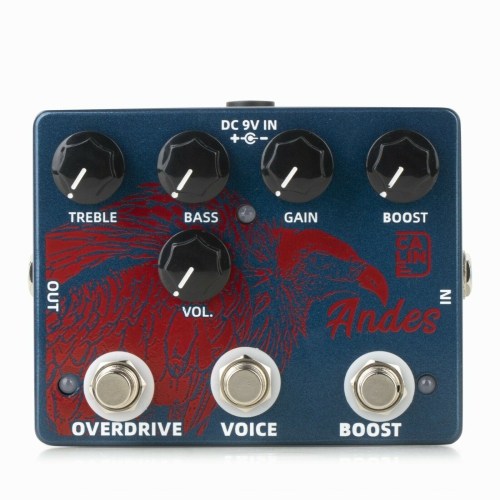
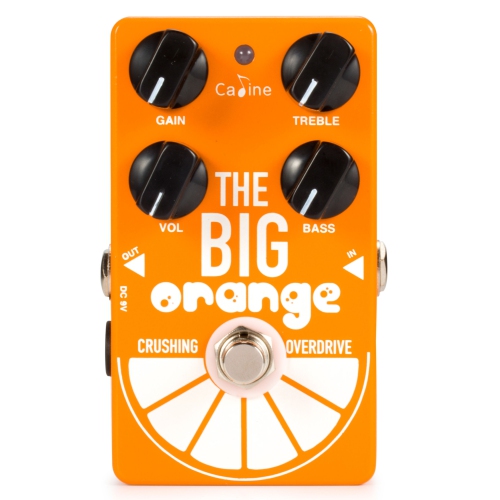
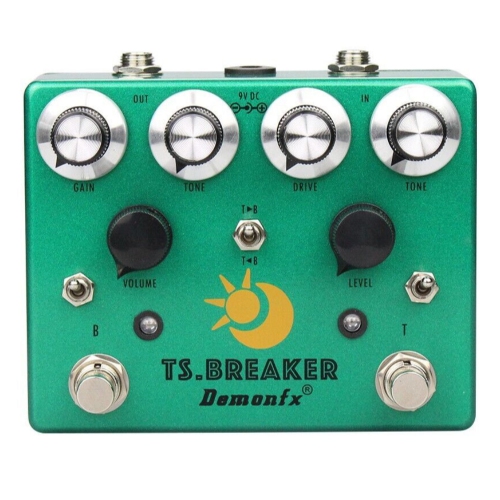
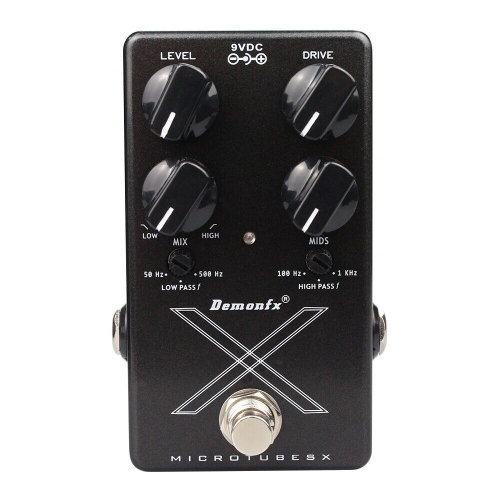
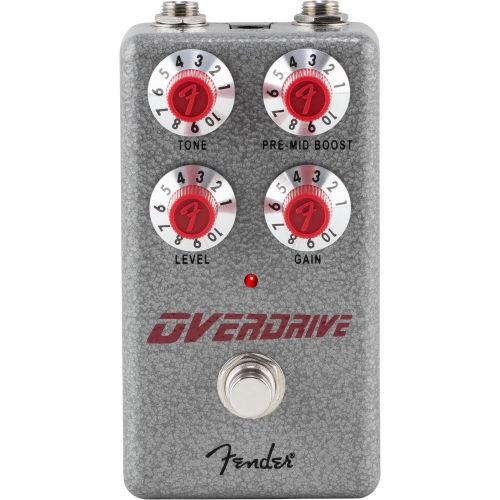
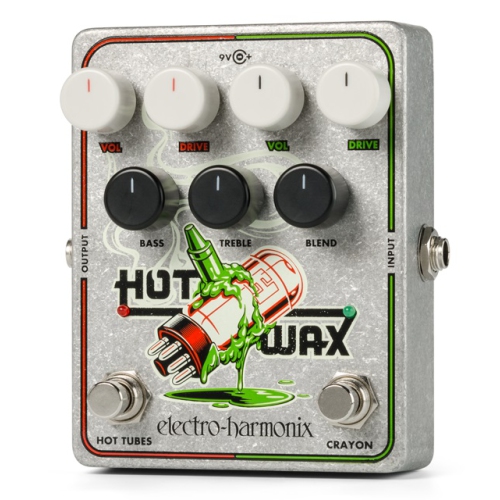
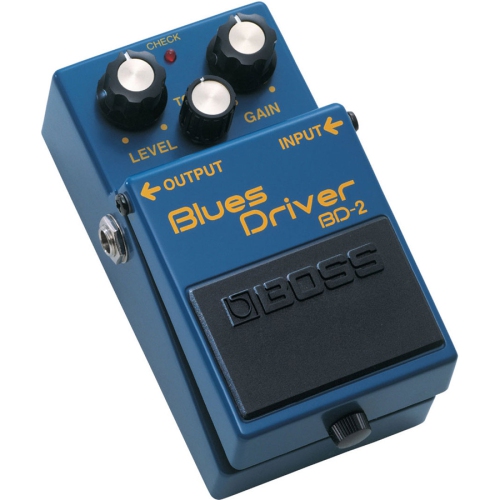
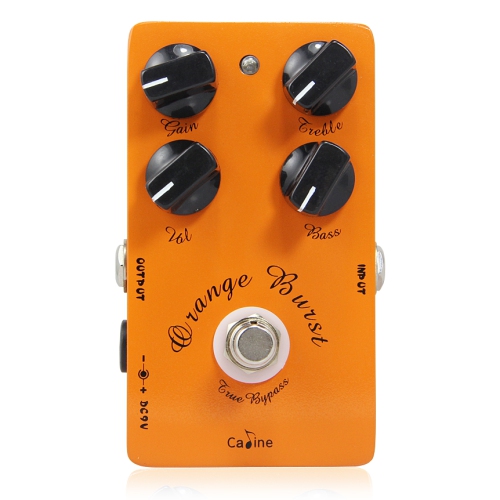
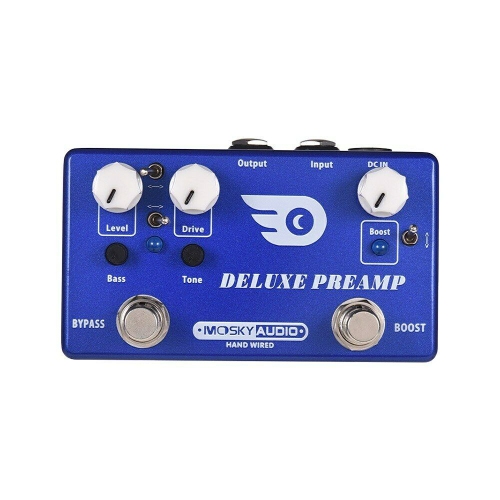
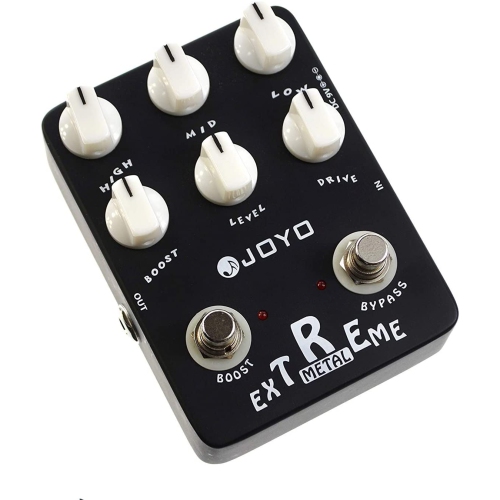
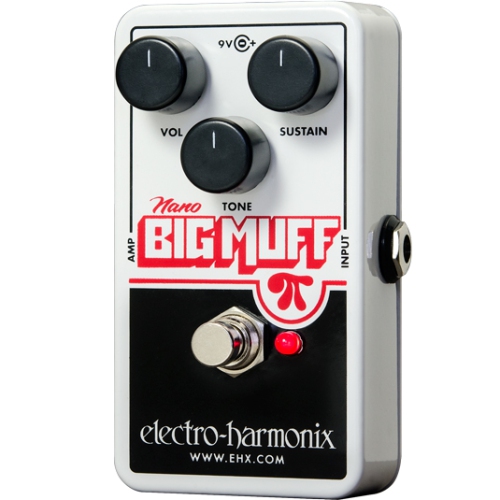
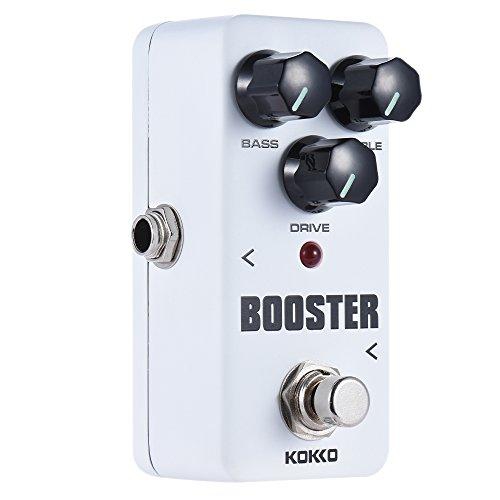
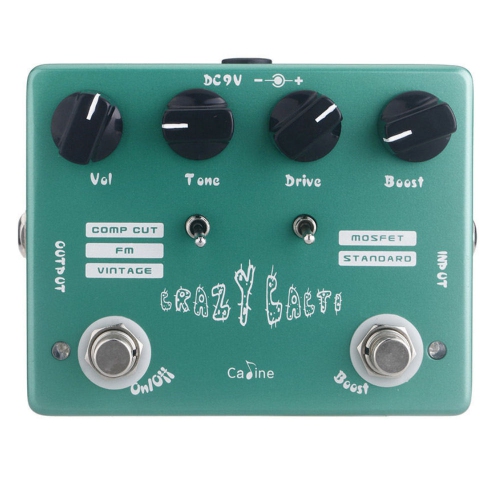
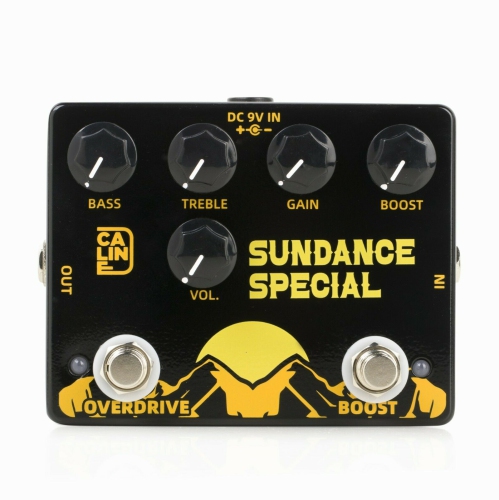
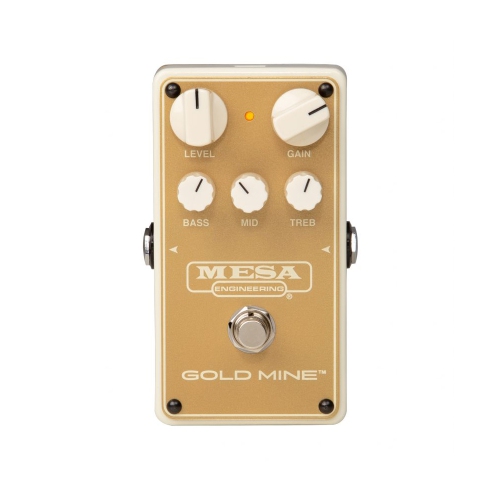
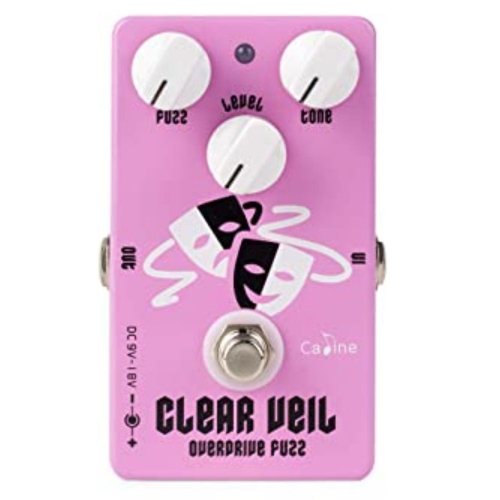
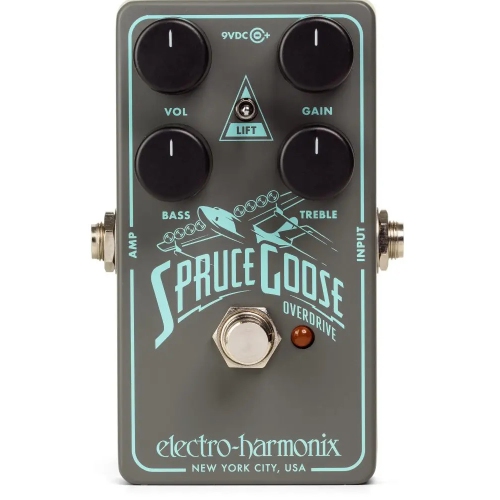
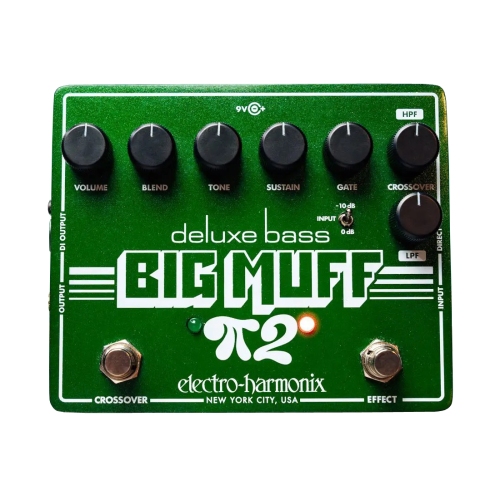
Add harmonic grit while keeping your bass lines powerful
Overdrive pedals for bass add warmth, grit, growl, and controlled crunch while keeping the instrument’s low-end authority at the centre of the mix. Unlike a clean boost, an overdrive pedal intentionally pushes the signal into gentle saturation, giving sustained notes more texture and making picked lines, fingerstyle grooves, and aggressive playing feel more expressive. A lightly driven setting can add a touch of harmonic colour that becomes noticeable only when the bass player digs in, while a higher-gain setting can create a rougher, more pronounced character for rock, punk, metal, alternative, and experimental styles. Bassists often use overdrive to help their sound stand out in a full band without simply turning up the volume. The added harmonics can make each note easier to hear through layers of guitars and drums, particularly on smaller stages, in rehearsal rooms, or when recording directly into an audio interface. The most important consideration is low-end retention. A pedal that sounds impressive on its own but removes too much of the fundamental bass frequencies may leave the instrument feeling thin once the entire band starts playing. Bass-focused overdrive pedals are designed to preserve more of the bottom end, and many include a clean blend or mix control that combines the unaffected bass signal with the overdriven sound. This lets players keep the solid, familiar foundation of their instrument while adding midrange bite and upper-frequency definition. A blend control is especially useful for players who switch between softer passages and louder choruses, since the clean signal can maintain consistency while the driven signal supplies character.
Control layout also plays a major role in choosing an overdrive pedal for bass. Drive or gain determines how much the signal breaks up, ranging from a barely coloured edge to a dense, saturated roar. Level or volume sets the pedal’s output and helps match the bypassed signal so that engaging the effect does not create an unwanted jump in loudness. Tone controls shape the balance between darker, rounded lows and brighter, more present highs, while more advanced pedals may provide separate controls for bass, middle, and treble frequencies. These adjustments can help compensate for different instruments, strings, amplifiers, rooms, and playing techniques. A bass with active electronics may produce a hotter signal than a passive bass, so a pedal with plenty of headroom or an input pad can help prevent harsh, unintentional clipping. Headroom is also useful for players who want a responsive sound: softer notes remain relatively clean, while harder picking or finger attack brings out more natural breakup. A pedal with a broad gain range can therefore cover subtle warmth and pronounced drive without requiring a separate effect for every song. When setting up, start with the drive low, keep the blend mostly clean, and adjust the tone until the bass remains clear alongside the kick drum. Increase the drive gradually, then bring in the affected signal until the grit is audible without masking the note’s initial attack. It is worth testing settings at rehearsal volume because tones that seem full through headphones or a quiet practice amplifier can change when the cabinet is moving more air. Players using a compressor, tuner, fuzz, distortion, or preamp should also consider pedal order. Overdrive before a compressor can give the compressor a more harmonically rich signal, while placing it after compression may produce a steadier and more even drive response. There is no single arrangement that suits every rig, so short listening tests with familiar bass lines are more useful than relying on control positions alone.
Overdrive pedals for bass are a practical choice for gigging musicians, home players, studio users, and anyone building a compact pedalboard around a particular sound. They can suit a bassist who wants vintage-style warmth, a modern player looking for extra articulation, or a beginner learning how small changes in gain and EQ affect a signal. They may also make a thoughtful gift for a bass player when the recipient’s musical preferences are known, especially if they enjoy experimenting with tones, recording demos, or playing with a band. For a gift or first pedal purchase, versatile controls such as clean blend, adjustable tone, manageable gain, and a dependable footswitch offer more room to explore than a design built around one highly specialised sound. Consider the player’s bass, amplifier, and usual playing environment as well. A musician who performs through a large, naturally driven amplifier may prefer a lower-gain pedal for added definition, while someone using a clean solid-state amplifier may appreciate a wider gain range and stronger tonal shaping. Power requirements, enclosure size, bypass style, and available space on the pedalboard are practical details that matter during regular use. Most pedals require a standard power supply or battery, and checking the manufacturer’s requirements helps avoid compatibility problems. Players who use extended-range basses or low tunings should pay particular attention to the pedal’s ability to preserve clarity at deeper frequencies. For a broader selection of effects and accessories, explore Bass Guitar Pedals. During the cooler months, a bass overdrive pedal can be an engaging addition to a home practice setup, a recording corner, or a rehearsal-ready board, giving players a simple way to make familiar riffs feel new. The right setting should respond naturally to the player’s touch, retain the weight of the bass line, and add enough harmonic texture to support the music rather than overwhelm it.
Control layout also plays a major role in choosing an overdrive pedal for bass. Drive or gain determines how much the signal breaks up, ranging from a barely coloured edge to a dense, saturated roar. Level or volume sets the pedal’s output and helps match the bypassed signal so that engaging the effect does not create an unwanted jump in loudness. Tone controls shape the balance between darker, rounded lows and brighter, more present highs, while more advanced pedals may provide separate controls for bass, middle, and treble frequencies. These adjustments can help compensate for different instruments, strings, amplifiers, rooms, and playing techniques. A bass with active electronics may produce a hotter signal than a passive bass, so a pedal with plenty of headroom or an input pad can help prevent harsh, unintentional clipping. Headroom is also useful for players who want a responsive sound: softer notes remain relatively clean, while harder picking or finger attack brings out more natural breakup. A pedal with a broad gain range can therefore cover subtle warmth and pronounced drive without requiring a separate effect for every song. When setting up, start with the drive low, keep the blend mostly clean, and adjust the tone until the bass remains clear alongside the kick drum. Increase the drive gradually, then bring in the affected signal until the grit is audible without masking the note’s initial attack. It is worth testing settings at rehearsal volume because tones that seem full through headphones or a quiet practice amplifier can change when the cabinet is moving more air. Players using a compressor, tuner, fuzz, distortion, or preamp should also consider pedal order. Overdrive before a compressor can give the compressor a more harmonically rich signal, while placing it after compression may produce a steadier and more even drive response. There is no single arrangement that suits every rig, so short listening tests with familiar bass lines are more useful than relying on control positions alone.
Overdrive pedals for bass are a practical choice for gigging musicians, home players, studio users, and anyone building a compact pedalboard around a particular sound. They can suit a bassist who wants vintage-style warmth, a modern player looking for extra articulation, or a beginner learning how small changes in gain and EQ affect a signal. They may also make a thoughtful gift for a bass player when the recipient’s musical preferences are known, especially if they enjoy experimenting with tones, recording demos, or playing with a band. For a gift or first pedal purchase, versatile controls such as clean blend, adjustable tone, manageable gain, and a dependable footswitch offer more room to explore than a design built around one highly specialised sound. Consider the player’s bass, amplifier, and usual playing environment as well. A musician who performs through a large, naturally driven amplifier may prefer a lower-gain pedal for added definition, while someone using a clean solid-state amplifier may appreciate a wider gain range and stronger tonal shaping. Power requirements, enclosure size, bypass style, and available space on the pedalboard are practical details that matter during regular use. Most pedals require a standard power supply or battery, and checking the manufacturer’s requirements helps avoid compatibility problems. Players who use extended-range basses or low tunings should pay particular attention to the pedal’s ability to preserve clarity at deeper frequencies. For a broader selection of effects and accessories, explore Bass Guitar Pedals. During the cooler months, a bass overdrive pedal can be an engaging addition to a home practice setup, a recording corner, or a rehearsal-ready board, giving players a simple way to make familiar riffs feel new. The right setting should respond naturally to the player’s touch, retain the weight of the bass line, and add enough harmonic texture to support the music rather than overwhelm it.
Top selling and popular products
-
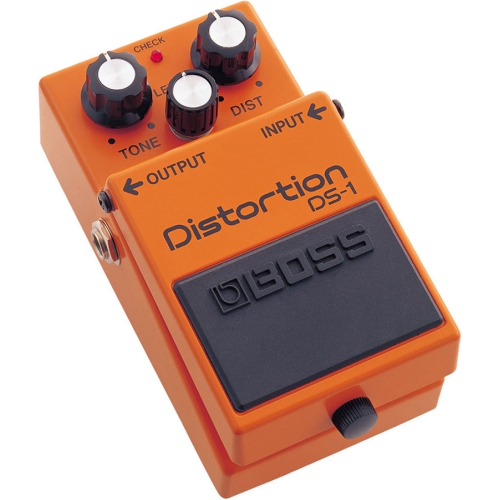 Your price for this item is $89.99
 -
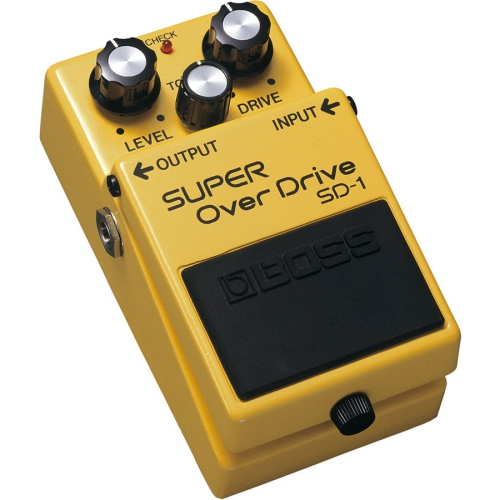 Your price for this item is $89.99
 -
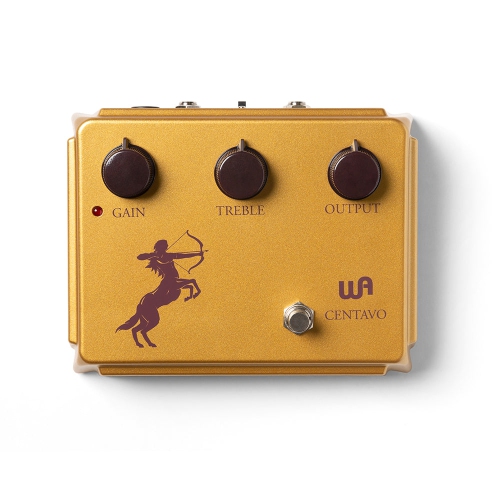 Your price for this item is $289
 -
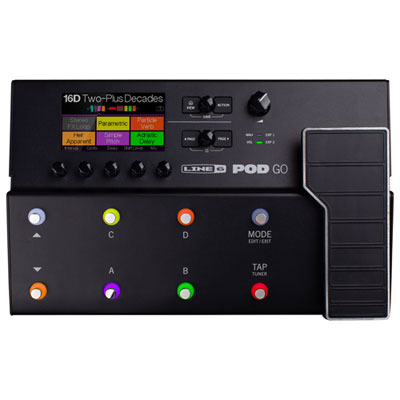 Your price for this item is $589.99
 -
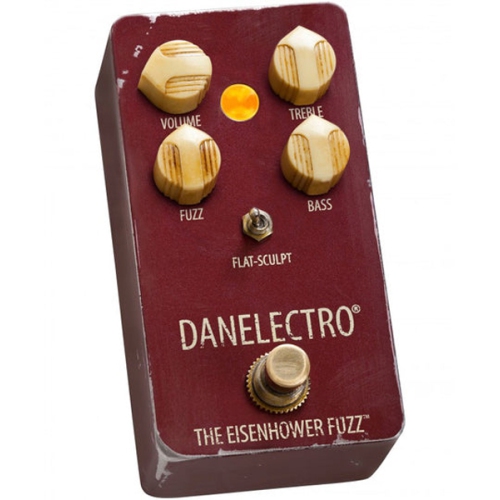 Your price for this item is $164.99
 -
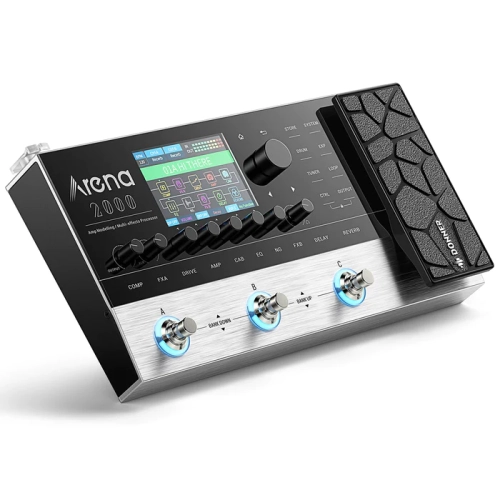 Your price for this item is $209.99
 -
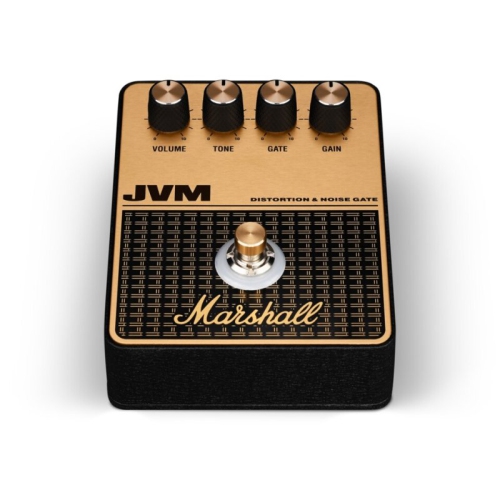 Your price for this item is $249.99
 -
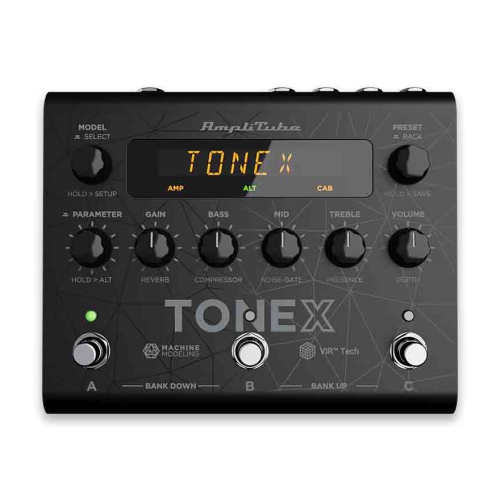 Your price for this item is $599.99
Discover more categories related to Overdrive Pedals for Bass
Top Collections:
Pokemon Centers, Kindle Devices, Best Budget Office Chairs, Apple iPhones 16, Best Laptops for Writers, iPhone 15 Apple, Canon G7X Cameras, Refurbished Apple Laptops, Alarm Clock, Motorola Razr Phones
Some products may be subject to Environmental Handling Fees
(EHF) depending on your province.
Learn more about EHFs.