Pacifica Guitars
Explore a world of melodic possibilities with our collection of high-quality guitars. Whether you're a seasoned musician or just starting your musical journey, our selection of guitars offers a range of styles and features to suit every player's needs. From classic acoustic tones to powerful electric sounds, each guitar is crafted with precision and care to deliver exceptional performance and tone. Elevate your music game with a guitar that resonates with your unique style and passion for music.
Sort
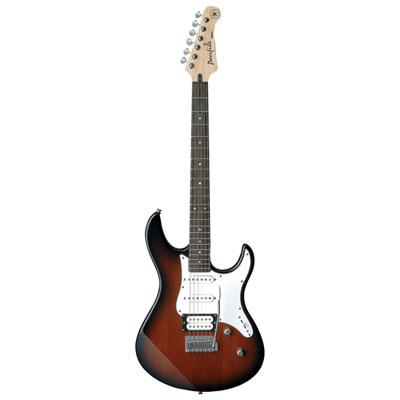
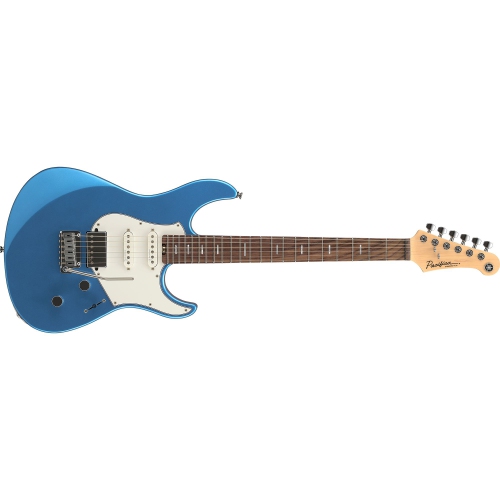
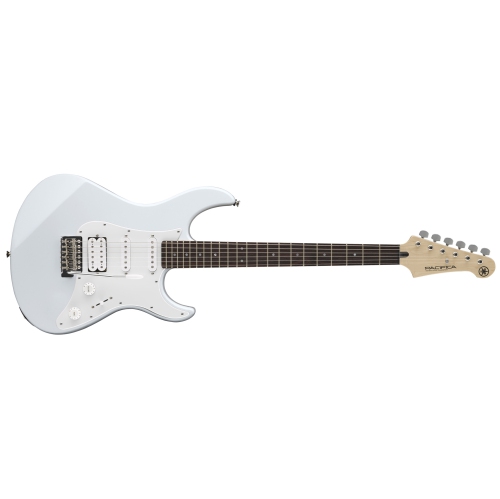
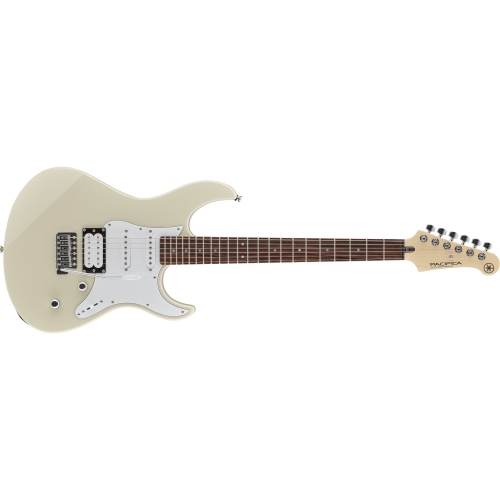
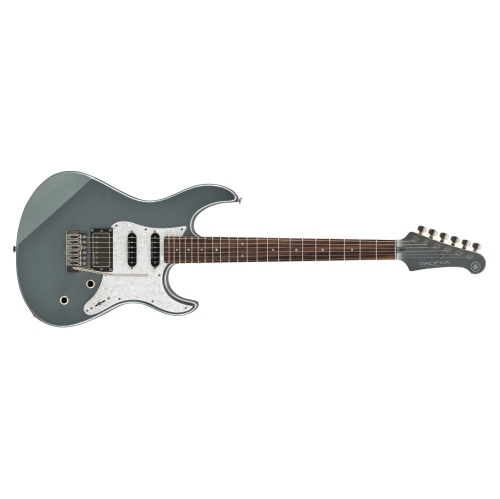
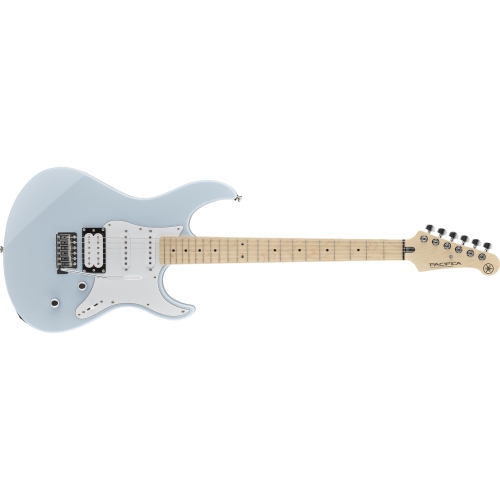
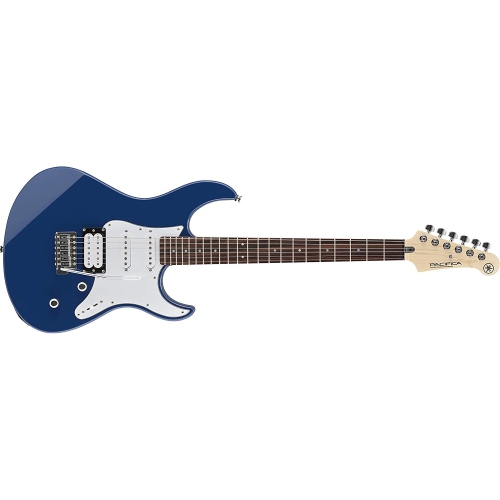
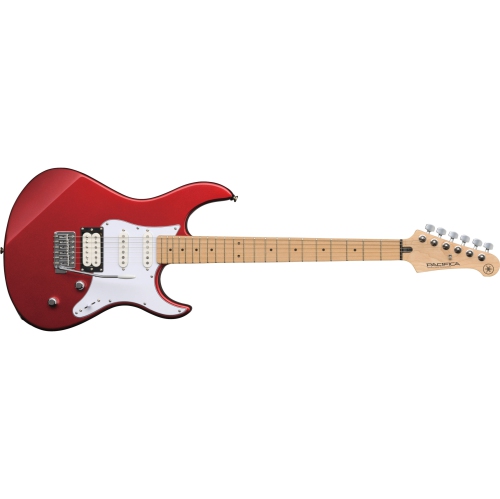
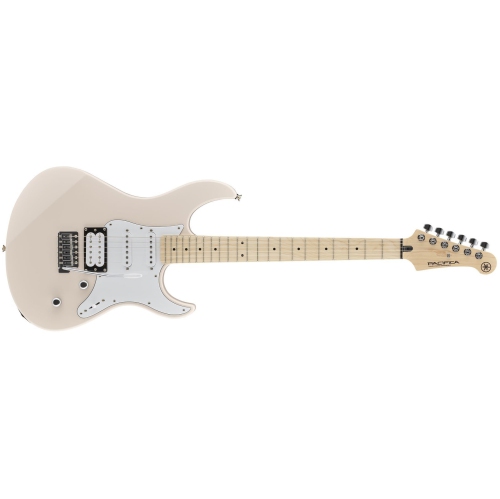
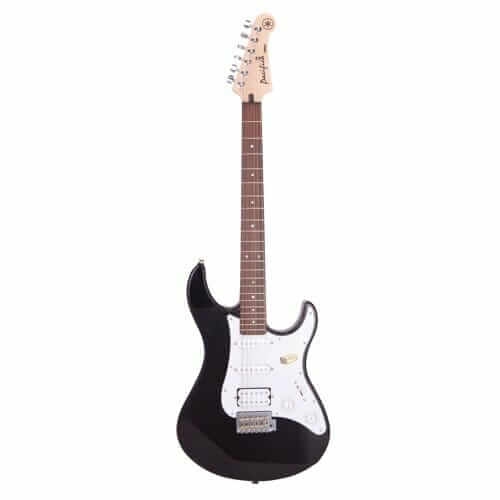
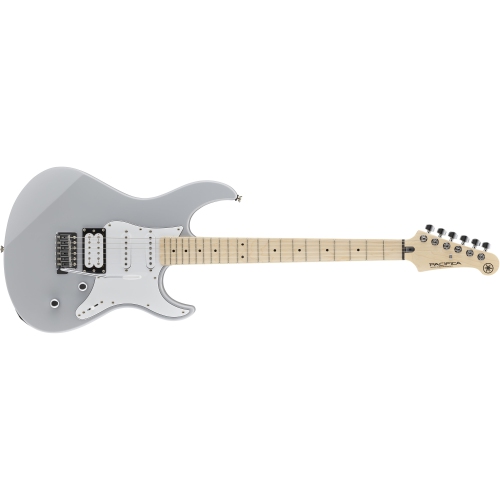
Comfortable contours meet a versatile range of tones
Pacifica guitars are solid-body electric guitars known for comfortable contours, approachable playability, and versatile pickup configurations. They suit players building their first electric setup as well as experienced musicians who need a flexible instrument for practice, rehearsal, recording, or performance. Many configurations combine a bridge humbucker with two single-coil pickups, an arrangement commonly described as HSS. This combination gives players access to contrasting sounds without changing instruments: a fuller bridge voice for driven rhythm parts and lead lines, alongside clearer single-coil sounds for clean chords, melodic picking, and lighter textures. Other pickup arrangements offer different tonal possibilities, so the configuration matters more than the family name alone when comparing instruments. A humbucker generally reduces the electrical hum associated with single-coil pickups, while single coils often deliver the crisp attack and note separation that suit funk, pop, blues, and clean accompaniment. Where fitted, coil-splitting controls provide another variation by using one coil of a humbucker, although the result will not necessarily sound identical to a separate single-coil pickup. The amplifier, effects, strings, and playing technique also shape the final sound. A lightly picked chord through a clean amplifier can feel open and delicate, while the same guitar can produce a more assertive voice with a bridge pickup setting and added drive. That range is useful for someone moving between chord-based songs, blues phrases, and heavier rhythm playing during the same session. Pickup selector positions and accessible volume and tone controls make these changes practical during a rehearsal or song, rather than requiring a different instrument for every part. For home use, an electric guitar needs suitable amplification or a compatible audio setup to deliver its intended sound. Headphone practice is possible through equipment designed for that purpose; ordinary headphones do not connect directly to a standard guitar output. For players exploring different musical styles, this adaptable electric format leaves room for changing interests and developing technique.
Comfort is an important part of choosing Pacifica guitars, especially when practice sessions grow from a few minutes into an hour of chord changes, scales, or learning songs by ear. Body contours influence how an instrument rests against the ribs and picking arm, while its overall weight and balance affect comfort both seated and standing. A strap can help establish a consistent playing position, but the guitar should still sit securely without requiring the fretting hand to support the neck. Neck shape, nut width, fingerboard curvature, and fret size all contribute to the feel under the fingers. A slimmer neck may feel immediately accessible to one player, while another prefers more support in the palm; hand size alone does not determine the best fit. Reaching the lower frets comfortably and moving between open chords are useful everyday considerations, as is access to higher notes for lead playing. Construction materials vary, with body woods such as alder, maple necks, and maple or rosewood fingerboards appearing in electric guitar designs. Wood selection contributes to weight, appearance, and feel, but it does not predict the amplified sound on its own. Pickups, hardware, setup, and the rest of the signal chain also have substantial roles. Finish colour and visible grain are personal choices that can make an instrument feel inviting each time it comes off its stand. Bridge design deserves attention as well. A vibrato bridge allows pitch movement with an arm, but string changes and tuning adjustments can involve more interaction between string tension and the bridge than on a fixed-bridge instrument. String gauge and setup influence how easily notes bend and how much resistance the picking hand feels. Action, the distance between the strings and frets, should support comfortable playing without excessive buzzing. An appropriate setup can make an otherwise suitable guitar much more enjoyable, particularly for a beginner developing clean fretting technique. Handedness also needs to match the player, since reversing the strings alone does not address every difference in the instrument’s layout.
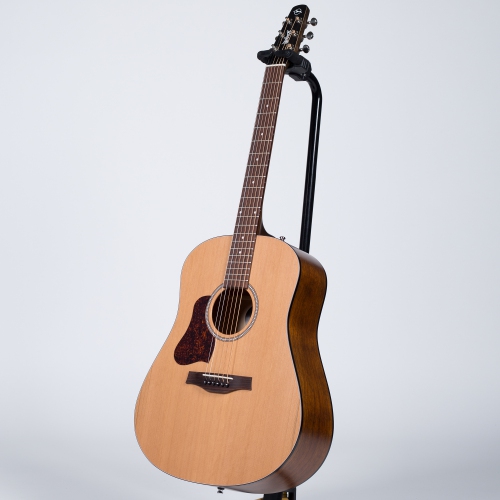
Pacifica guitars can serve several roles as a musician’s needs develop: a first instrument for lessons, a familiar companion for writing songs, or a versatile electric guitar for playing with other musicians. A student learning open chords benefits from reliable tuning and comfortable string height, while someone rehearsing with a drummer may place greater importance on pickup response, control access, and how clearly rhythm parts come through an amplifier. For home recording, a compatible audio interface can connect the guitar to recording software, with appropriate monitoring making it easier to hear timing, articulation, and unwanted string noise. The supporting equipment matters: a suitable cable, tuner, picks, strap, and protective case or gig bag help make an electric guitar practical to use and transport. A padded bag can suit careful local travel, while a fitted hard case provides more protection against knocks; neither replaces careful handling. Long-term durability also depends on routine care. Wiping the strings and contact areas with a clean, soft cloth after playing helps remove residue from hands, and cleaning products should be compatible with the instrument’s finish and fingerboard material. A stable stand with suitable contact surfaces keeps the guitar accessible without leaning it against furniture. Loose hardware, persistent tuning problems, sharp fret edges, or notes that repeatedly buzz are worth having assessed rather than accepting them as part of learning. String replacement is normal maintenance, with the interval depending on playing time, feel, and visible wear. As a gift, an electric guitar is most useful when the recipient’s handedness, preferred feel, musical interests, and existing equipment are understood. An established player may have strong preferences about neck shape or bridge type, whereas a new player may also need amplification and help with an initial setup. Musicians who enjoy acoustic strumming and fingerpicking alongside electric playing may also appreciate Seagull Guitars as a related direction to explore. The most rewarding choice is an instrument that feels comfortable, supports the music being played, and encourages regular time spent making music.
Top selling and popular products
-
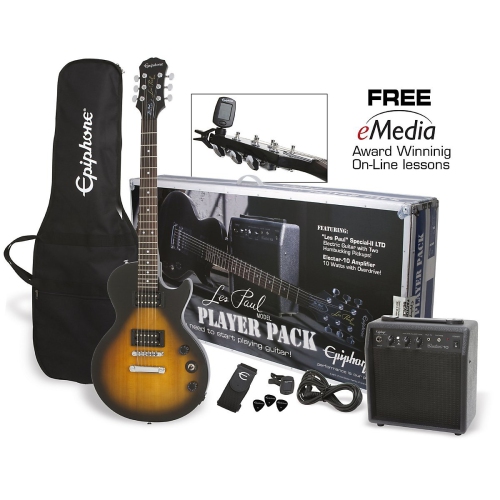 Your price for this item is $494.49
-
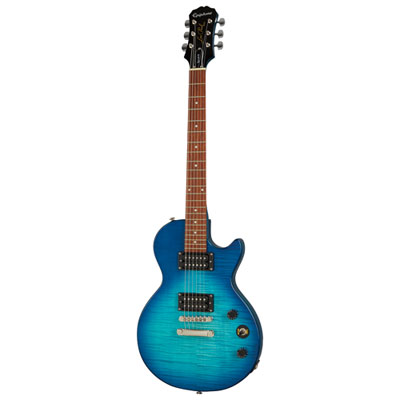 Your price for this item is $379.99
-
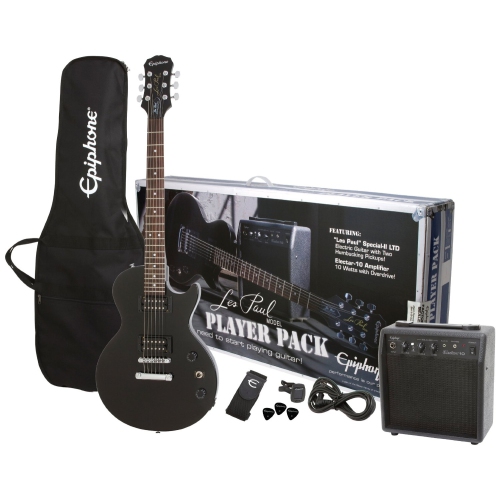 Your price for this item is $494.49
-
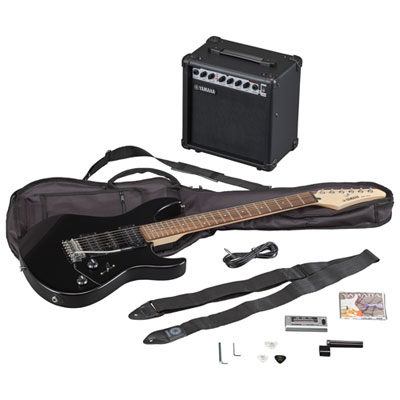 Your price for this item is $349.99
-
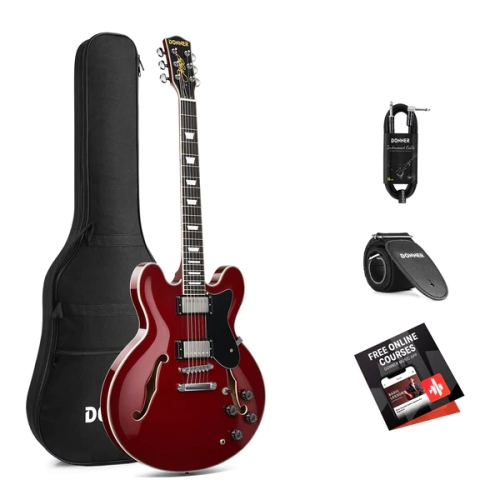 Your price for this item is $395.99
-
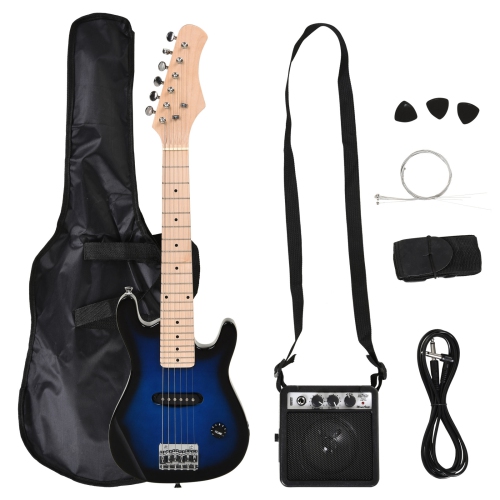 Your price for this item is $124.99
-
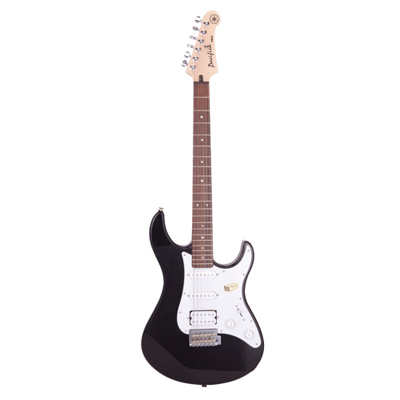 Your price for this item is $299.99
-
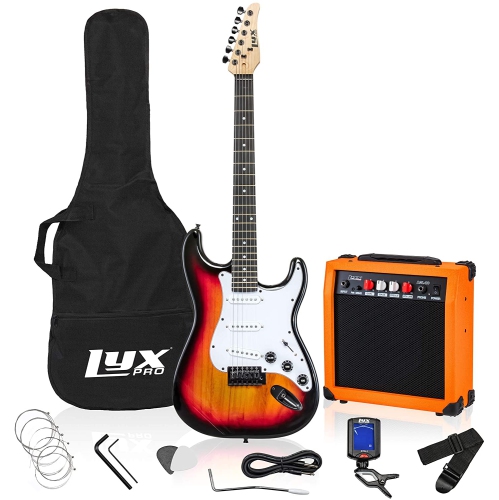 Your price for this item is $239.99
Discover more categories related to Pacifica Guitars
Top Collections:
Pokemon Centers, Best Cameras for Sports Photography, Kindle Devices, Samsung Galaxy Phones, Canon G7X Cameras, Pokémon 30th Celebration Cards, Refurbished Apple Laptops, iPhone 15 Apple, Laptops for Students, Budget Smartphones
Some products may be subject to Environmental Handling Fees
(EHF) depending on your province.
Learn more about EHFs.