Reverb Guitar Pedals
Looking to take your guitar playing to the next level? Look no further than our selection of reverb guitar pedals. These versatile and powerful devices are designed to add depth, texture, and ambience to your sound, allowing you to create unique and captivating tones. Whether you're a seasoned musician or just starting out, our range of reverb guitar pedals has something for everyone. From subtle and smooth reverbs to bold and atmospheric effects, these pedals are sure to inspire your creativity and elevate your performance. Explore our collection today and discover the perfect pedal to enhance your musical journey.
Sort



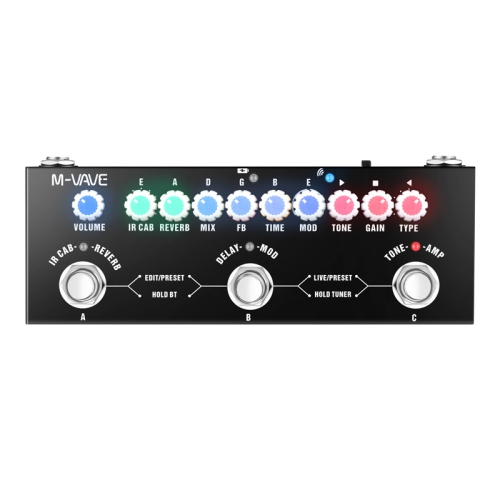
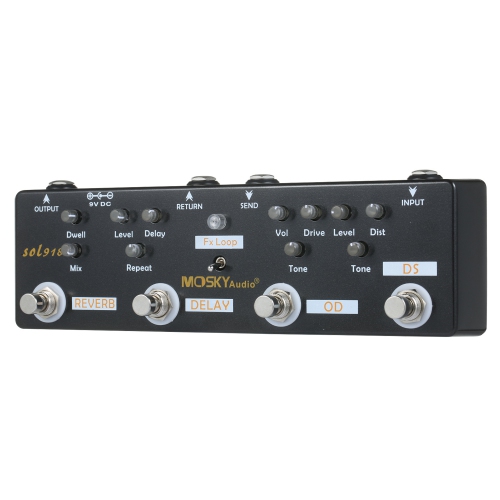
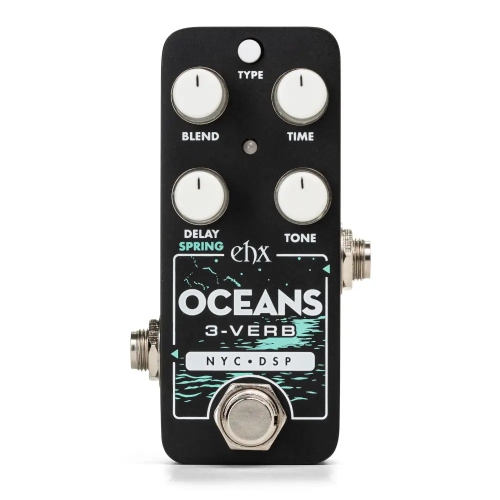

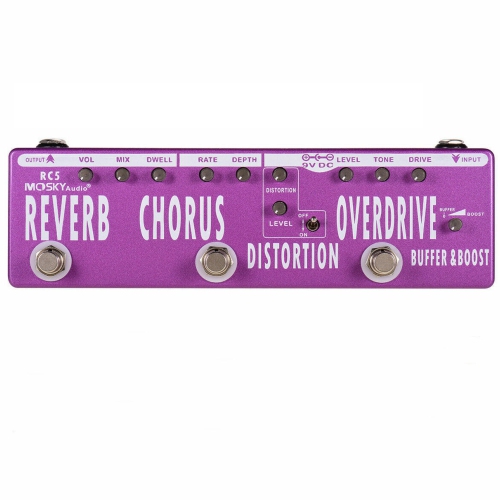
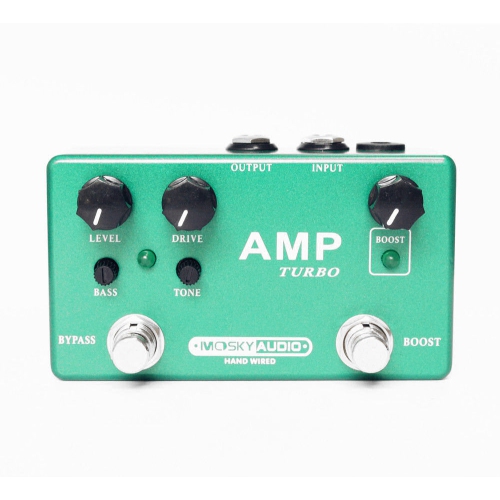

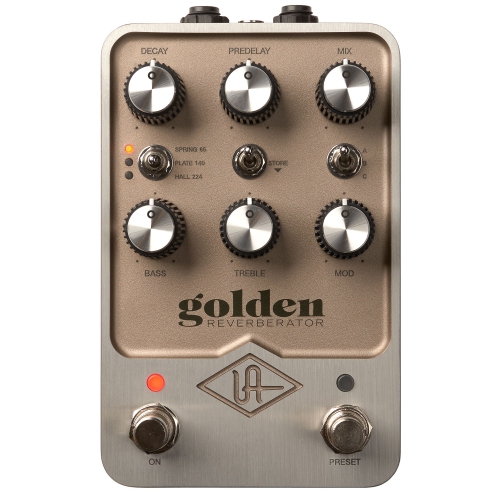
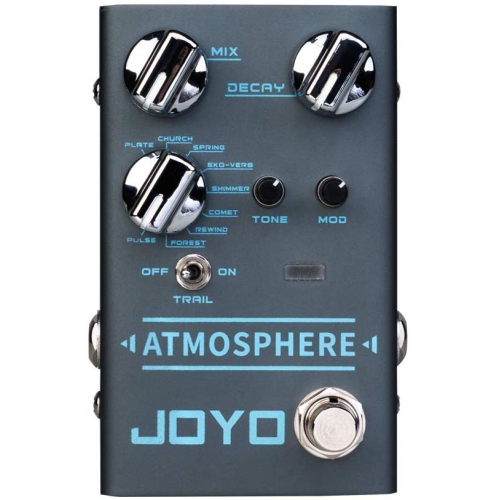
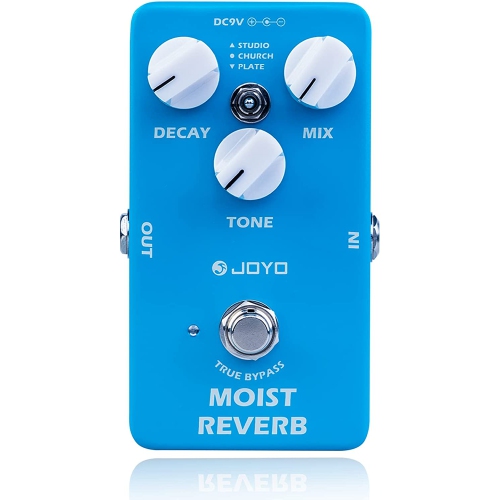


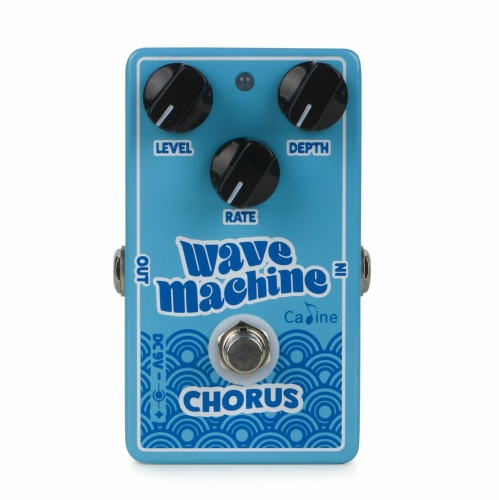
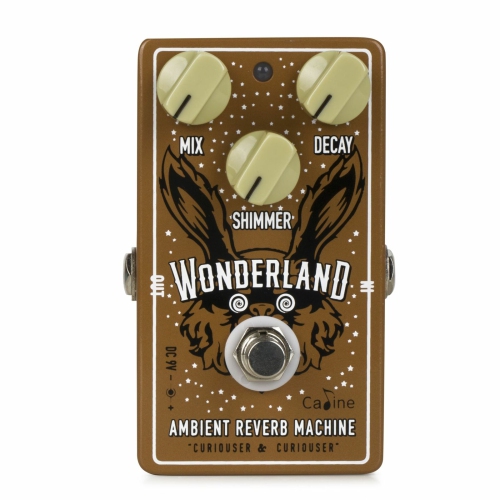
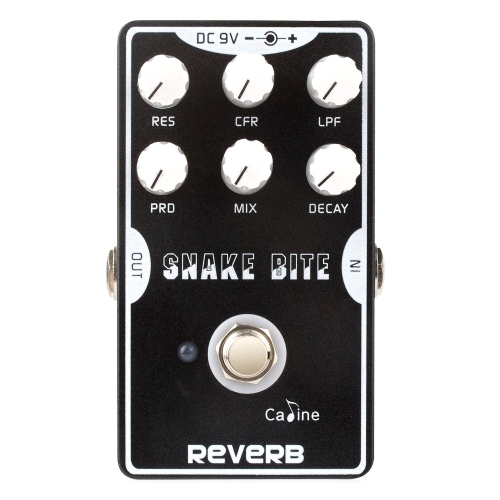
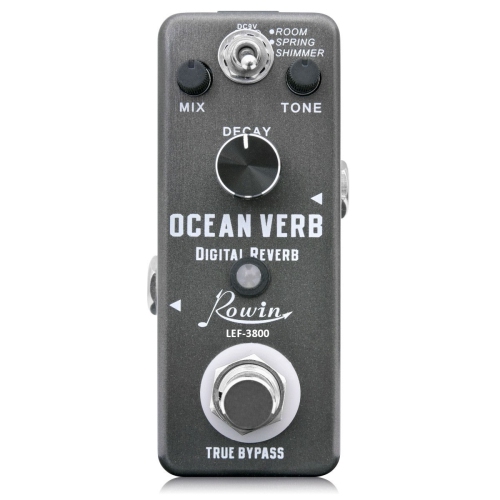



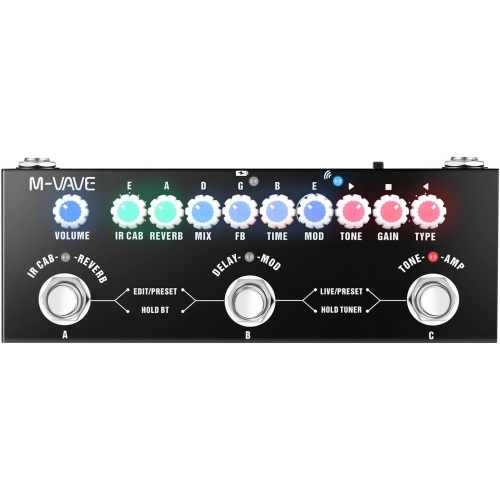
How reverb shapes the space around each note
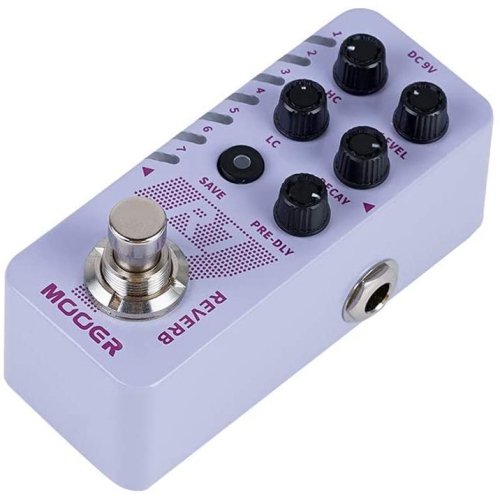
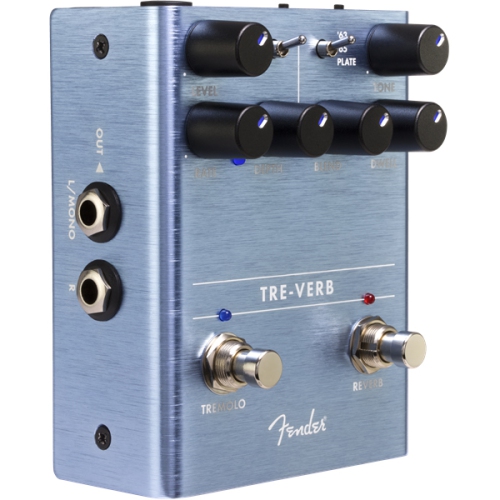
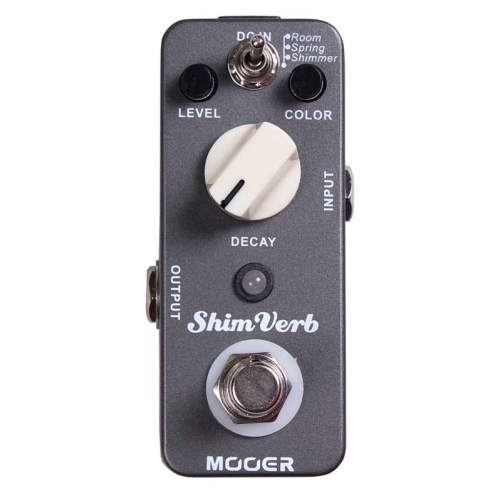
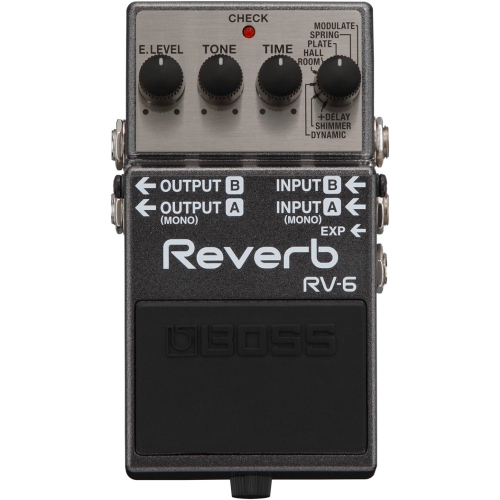
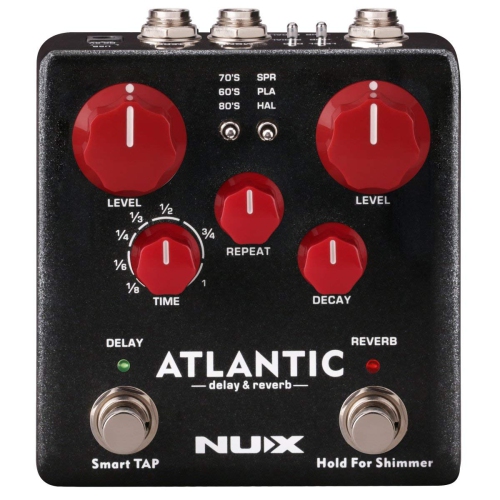
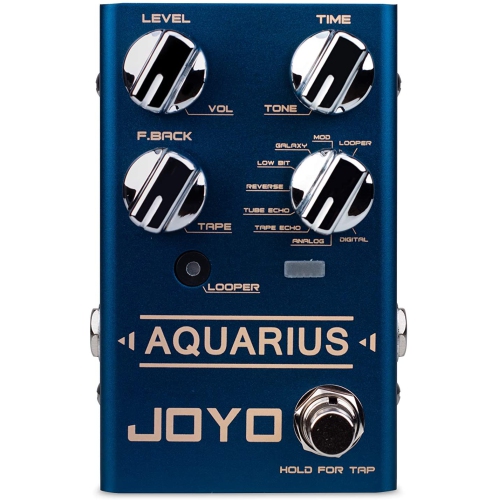
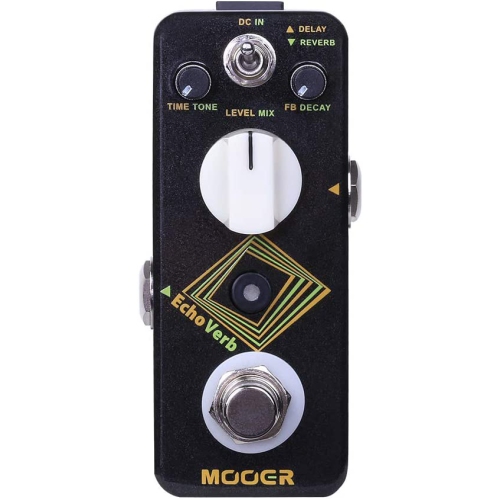
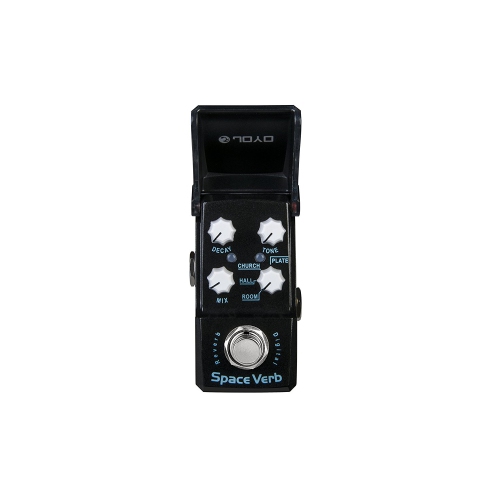
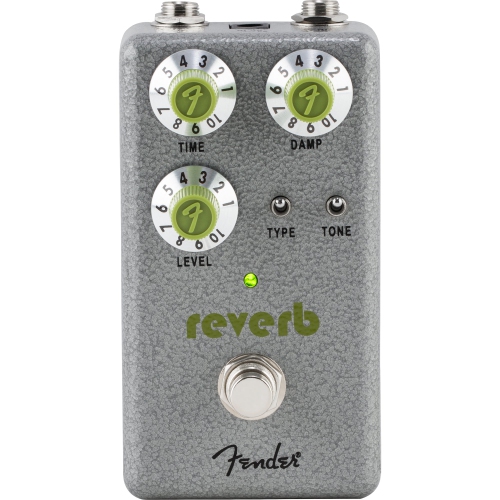
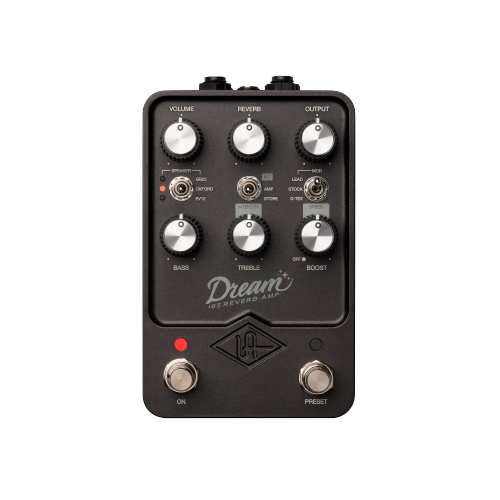
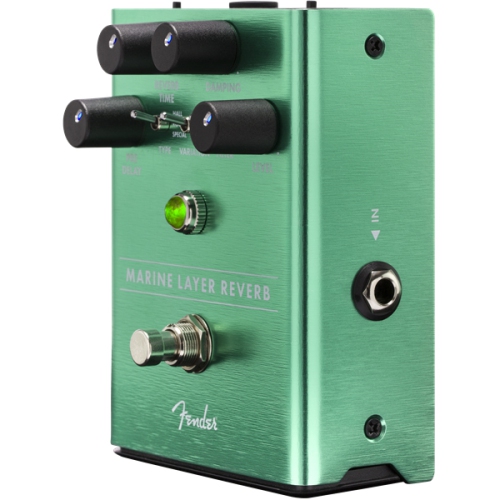
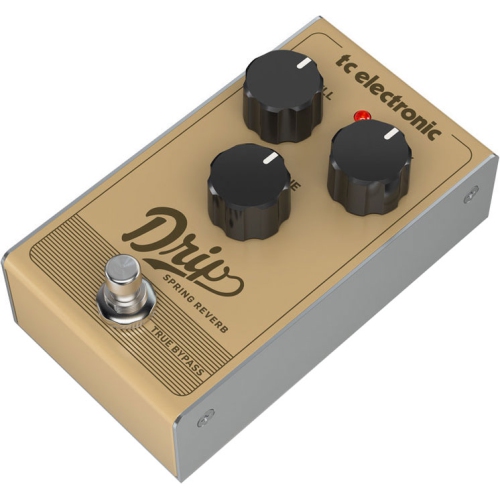
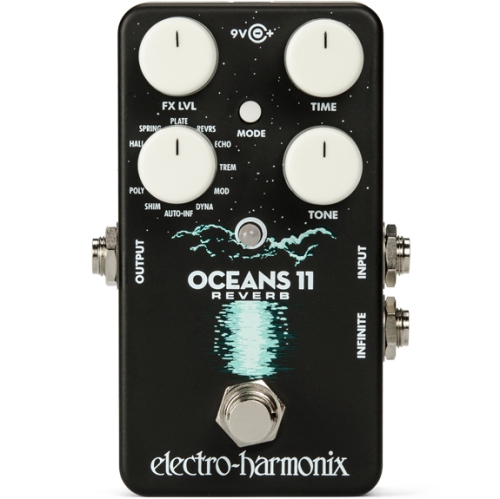
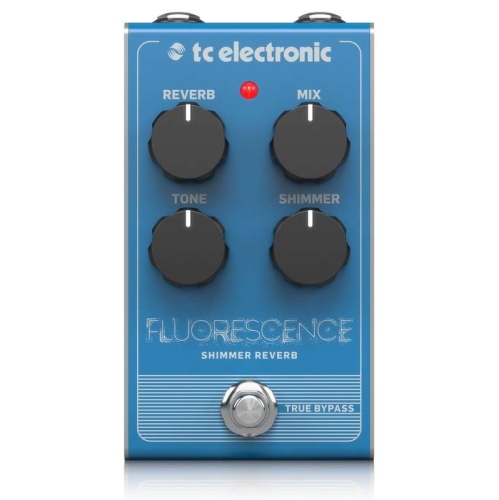
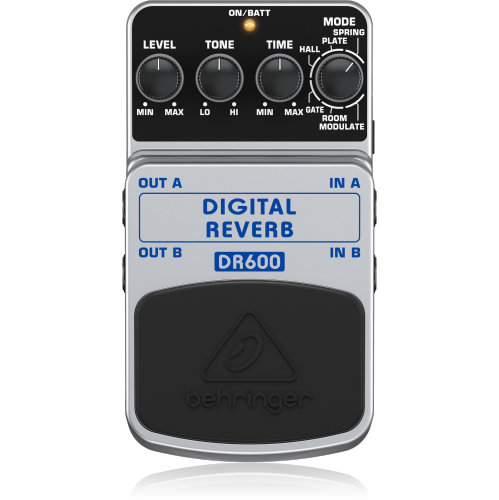
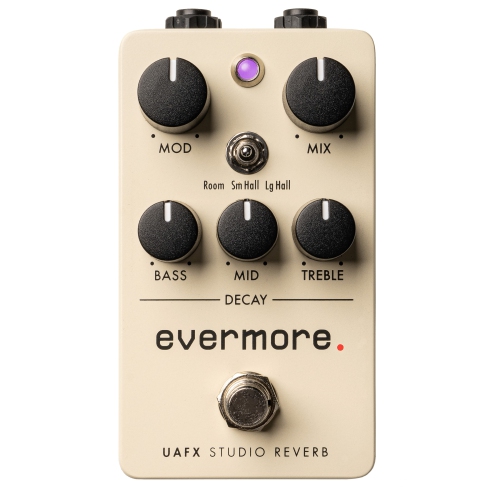
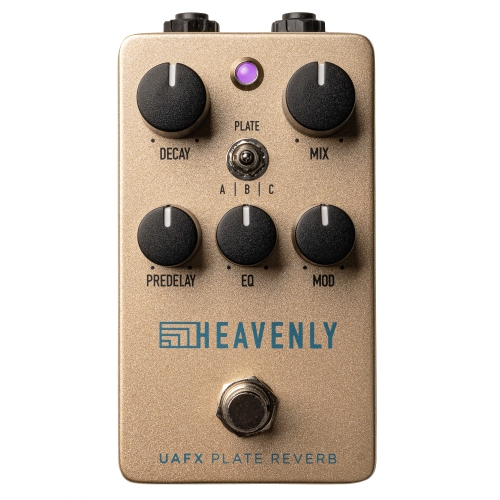
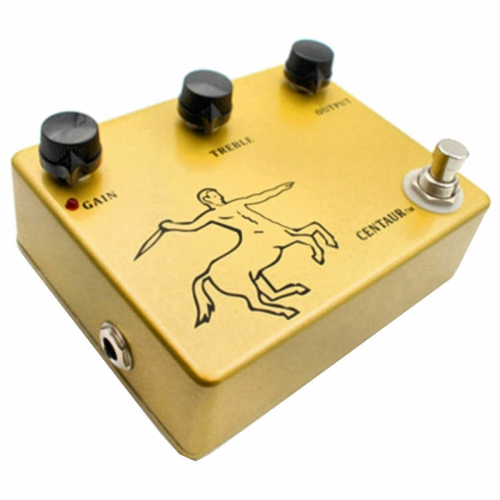
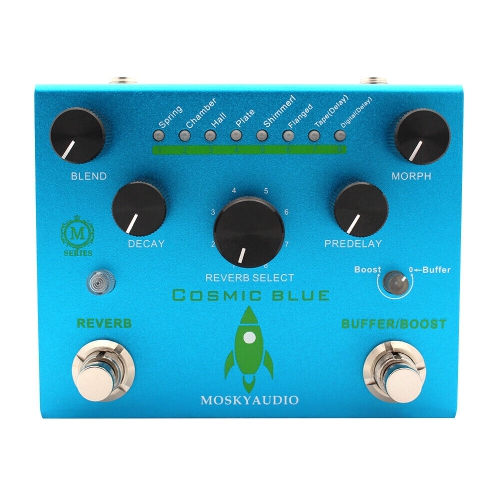
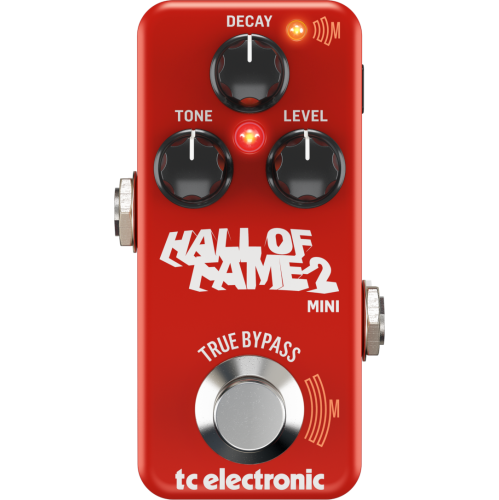
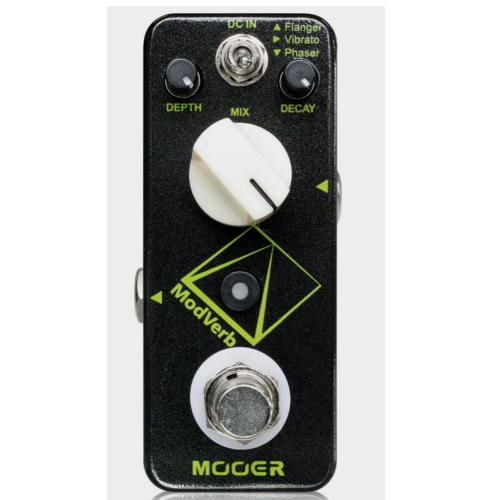
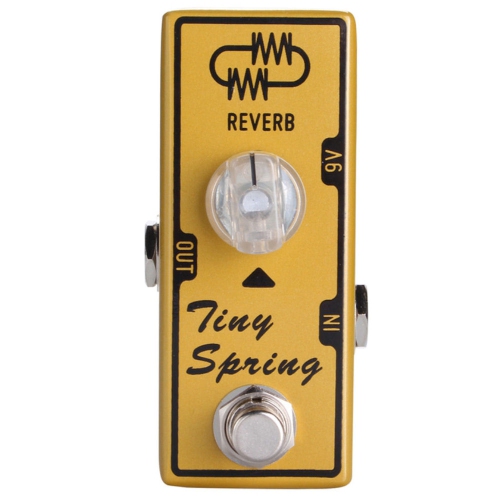
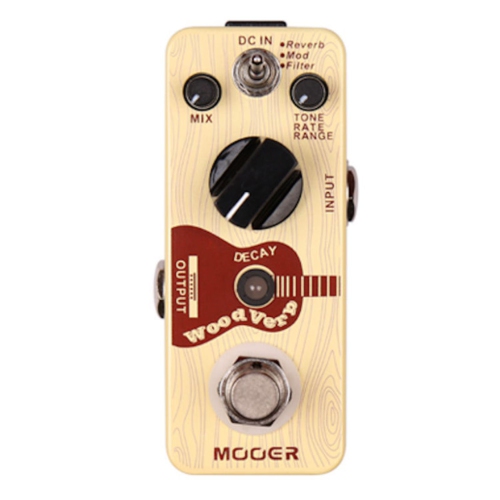
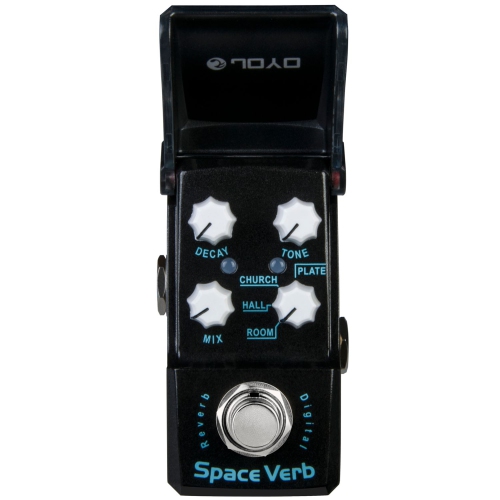
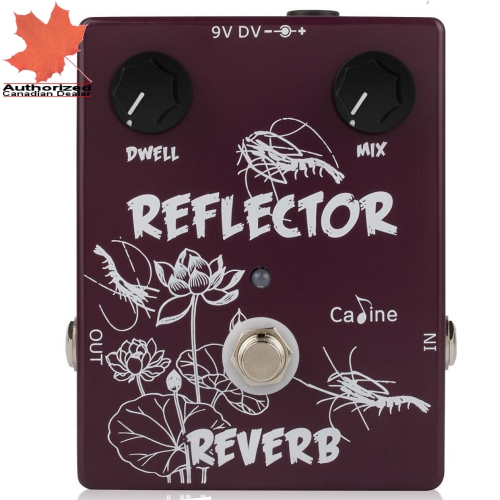
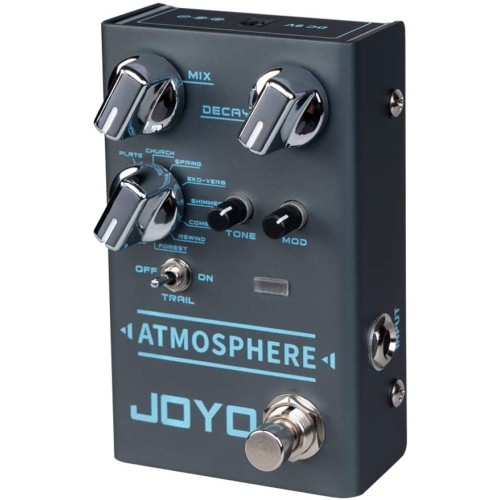
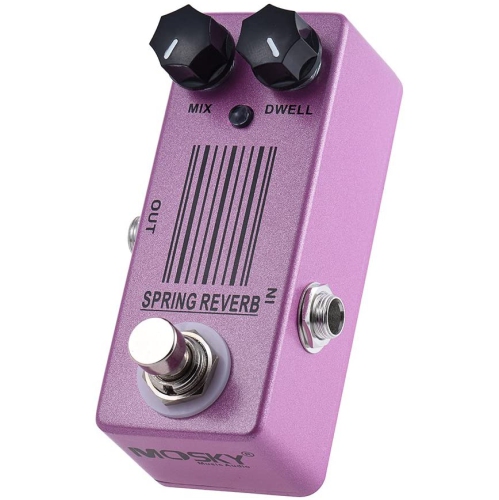
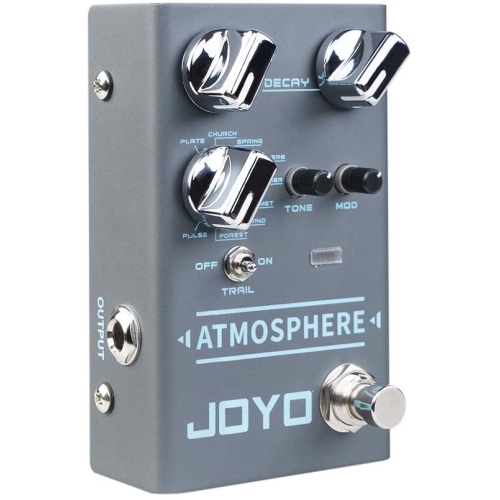
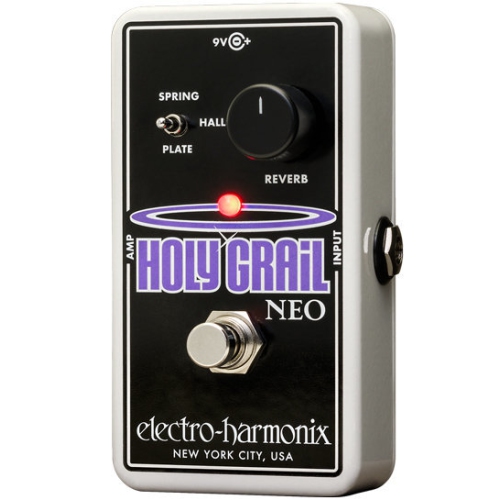
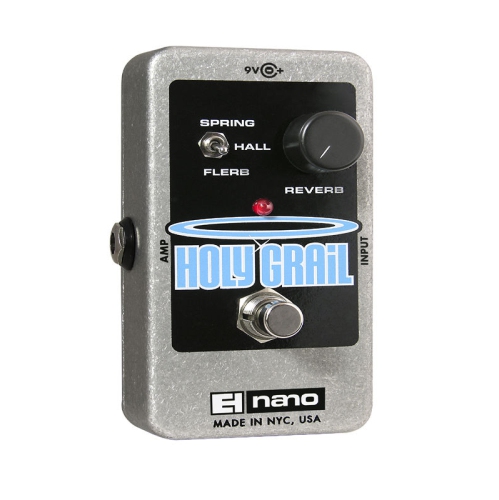
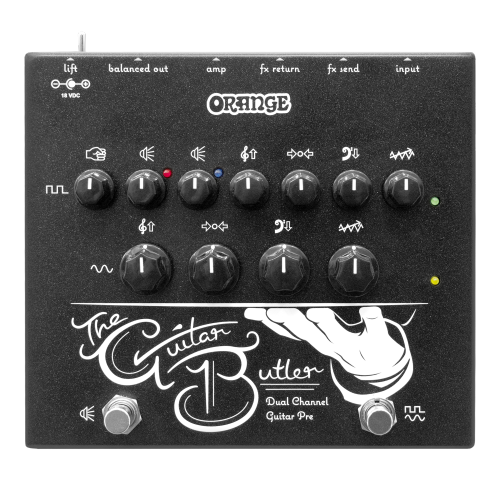
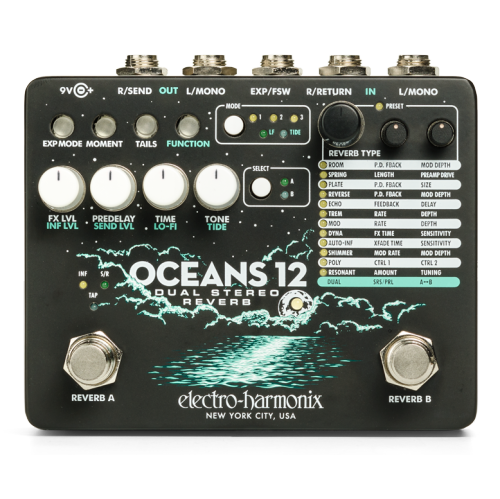
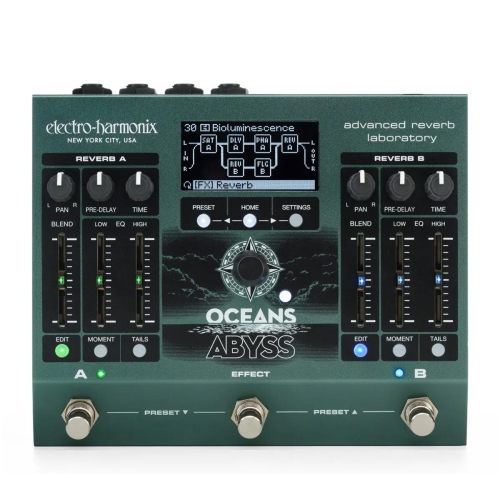
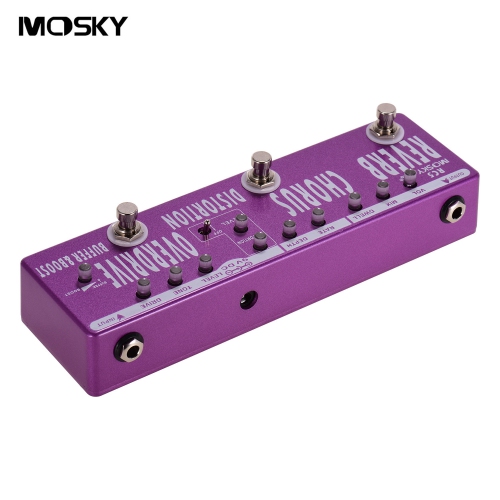
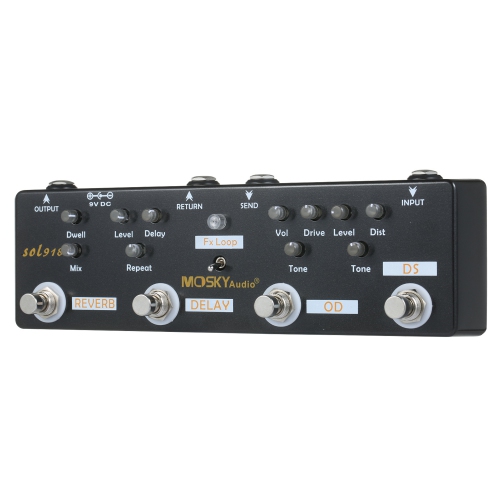
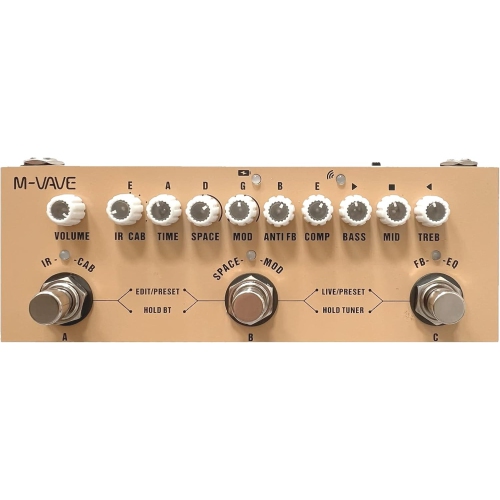
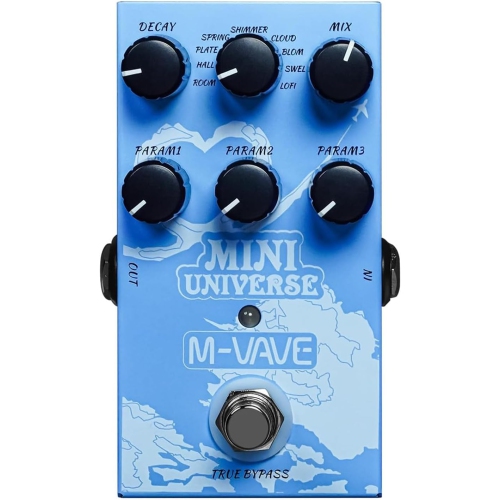
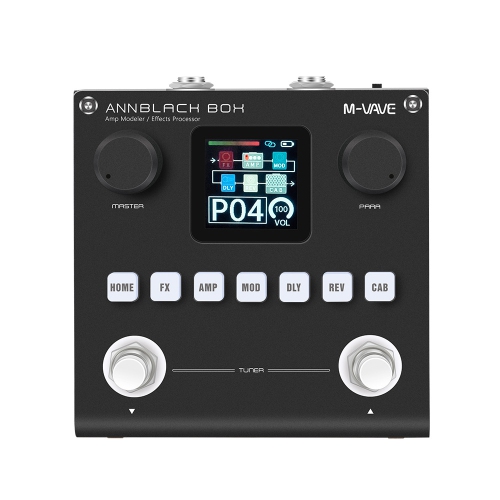
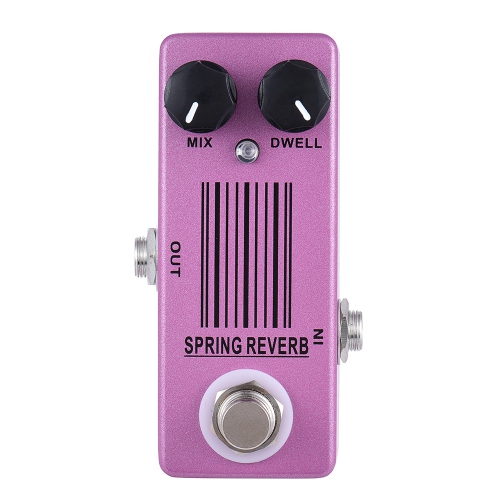
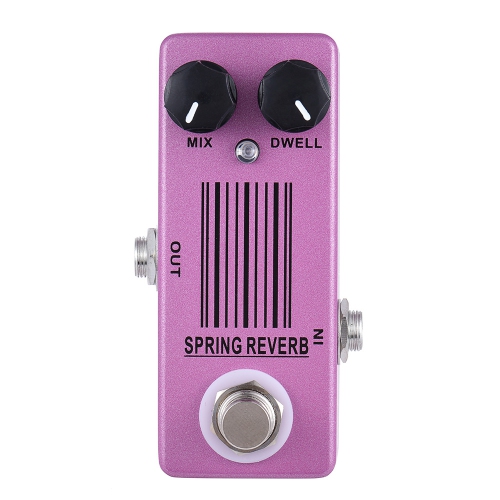
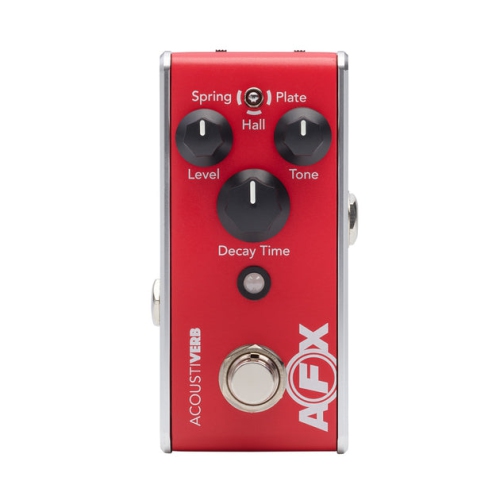
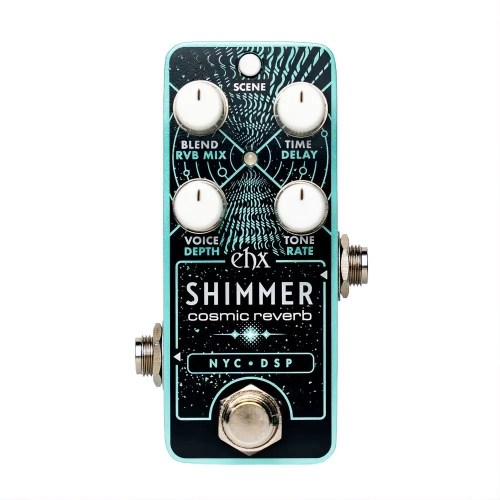
Reverb guitar pedals add a sense of space to an electric guitar’s sound, creating reflections that can suggest a small room, a concert hall, or a vast, imagined space. Unlike delay, which typically produces distinct repeats, reverb builds a more continuous wash of reflections around each note. A light touch can make a dry guitar tone feel fuller without drawing attention to the effect; a longer tail can let a single chord linger beneath the next phrase. Different reverb types have recognizable characters. Room reverb generally offers a close, natural sense of space that suits rhythm playing and understated lead lines. Hall reverb suggests a larger space, with a lingering decay that can give slow melodies extra weight. Plate reverb recreates the dense, smooth reflections associated with vibrating metal plates in studio equipment, often adding polish to clean chords and sustained solos. Spring reverb captures the splashy, sometimes metallic character associated with spring tanks in guitar amplifiers, making it a familiar choice for surf, blues, and roots-inspired playing. Many pedals recreate these sounds digitally rather than containing a physical spring or plate. More expansive effects move beyond familiar spaces: shimmer adds pitch-shifted layers to the reverb tail, modulated reverb introduces gentle movement, and reverse reverb creates a swelling texture instead of a conventional fading tail. These differences matter in everyday playing. A guitarist picking a delicate arpeggio may want each note to remain clear while a soft trail fills the gaps, whereas an ambient player may want successive chords to overlap into a broad backdrop. For fast, muted rhythm parts, a shorter, quieter reverb can preserve definition. Reverb pedals suit players working across many styles because the effect can function as either a subtle finishing touch or a central part of the sound. The most useful character depends on the guitar, amplifier, playing technique, and amount of space already present in the music.
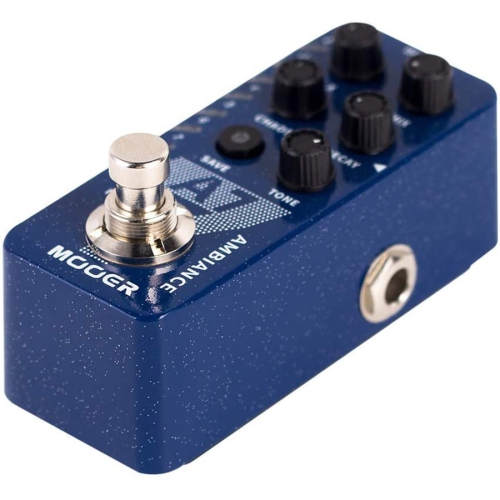
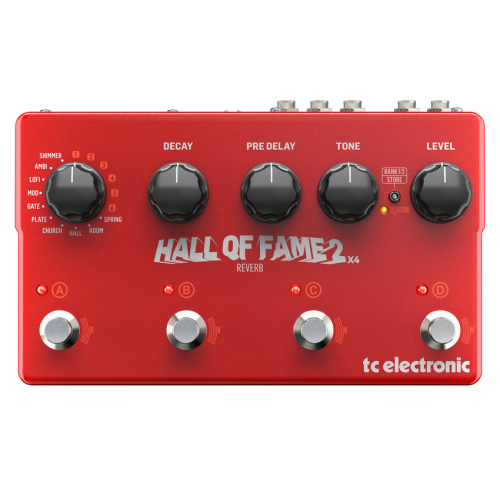
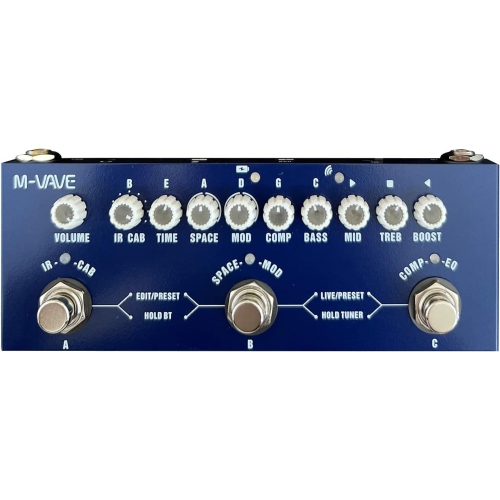
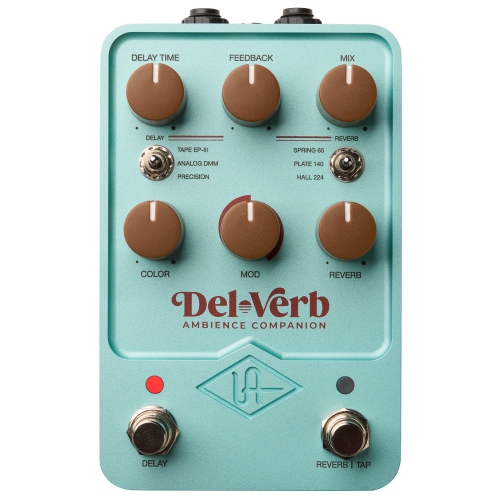
The controls on a reverb pedal shape how that space behaves. Mix or effect level adjusts the prominence of the reverberated sound relative to the dry guitar, while decay controls how long the tail lasts. Tone or damping controls influence the brightness of the reflections; a darker tail can sit behind a clear lead line, while a brighter one can make clean picking sound more open. Pre-delay, when provided, leaves a brief gap before the reverb begins, helping the initial pick attack stand apart from the surrounding wash. Some pedals keep these adjustments on a few straightforward knobs, while others offer additional parameters, saved presets, or expression-pedal control. A simple layout suits someone who wants a dependable sound with minimal adjustment. Presets can be useful when moving between a restrained verse sound and a much larger effect for an instrumental passage. Footswitch functions also vary: some pedals let the tail continue after bypass, often called trails or spillover, while others cut it off. That distinction becomes noticeable when a song moves from a ringing chord into a sudden stop. Connections are just as important as sound options. Mono operation fits a conventional single-amplifier setup, while stereo outputs can spread the effect across two suitable signal paths, such as a pair of amplifiers or compatible audio interface inputs. Stereo benefits depend on the rest of the setup and how it is monitored. Reverb commonly sits after drive and modulation effects, though placement is a creative choice. An amplifier’s effects loop can keep the reverb after its preamp distortion, provided the pedal is compatible with the loop’s signal level. Players seeking both spacious tails and rhythmic echoes may also be interested in reverb delay pedals, which combine two related but distinct effects. In either format, suitable input and output connections, power requirements, and control access help determine how comfortably the pedal fits into a working setup.
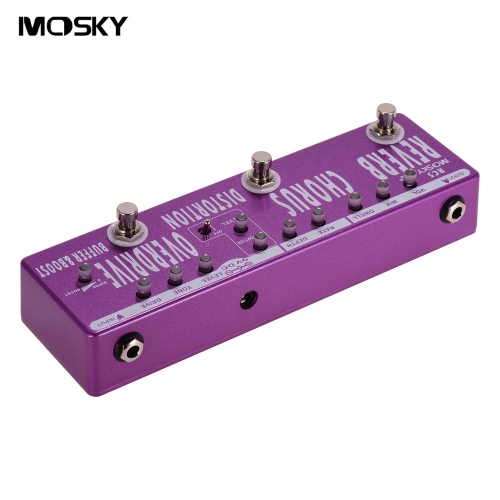
Physical design influences how well a reverb guitar pedal handles practice, rehearsals, performance, and travel. Metal enclosures are common because they provide a sturdy housing for foot-operated equipment, but overall durability also depends on the quality of the switches, sockets, knobs, and assembly. A compact enclosure leaves more room on a crowded pedalboard, although closely spaced controls may be harder to adjust quickly. Wider layouts can provide better separation between footswitches, which matters when engaging an effect mid-song without disturbing nearby settings. Top-mounted and side-mounted jacks require different amounts of clearance, so the pedal’s footprint includes the space needed for cable plugs and power connections, not just the enclosure itself. Power compatibility deserves particular attention: voltage, polarity, and required current must match the manufacturer’s specifications, and not every pedal supports battery operation. An appropriate isolated power supply can help reduce some sources of unwanted noise, especially in setups with several digital effects, though it cannot solve every hum or interference problem. Routine care is straightforward. Unplug the pedal before cleaning, wipe the exterior with a soft, dry cloth, keep liquids away from openings, and avoid pulling cables out by their leads. Secure mounting helps prevent movement on a pedalboard, while a padded case protects knobs and sockets during transport. For home practice, easy-to-read controls and a pleasing sound at restrained settings may matter more than extensive switching options. A performing guitarist may value accessible presets and dependable footswitches, while someone making layered recordings may appreciate stereo routing and detailed control over the tail. Acoustic-electric guitars and other instruments can also work with suitable reverb pedals when their output levels and connections are compatible. As a gift, a reverb pedal can appeal to a guitarist who enjoys shaping sounds, but compatibility with their amplifier, power supply, and existing effects matters more than the number of modes. A well-matched pedal gives its player room to explore while remaining practical enough to use whenever the guitar comes out.
The controls on a reverb pedal shape how that space behaves. Mix or effect level adjusts the prominence of the reverberated sound relative to the dry guitar, while decay controls how long the tail lasts. Tone or damping controls influence the brightness of the reflections; a darker tail can sit behind a clear lead line, while a brighter one can make clean picking sound more open. Pre-delay, when provided, leaves a brief gap before the reverb begins, helping the initial pick attack stand apart from the surrounding wash. Some pedals keep these adjustments on a few straightforward knobs, while others offer additional parameters, saved presets, or expression-pedal control. A simple layout suits someone who wants a dependable sound with minimal adjustment. Presets can be useful when moving between a restrained verse sound and a much larger effect for an instrumental passage. Footswitch functions also vary: some pedals let the tail continue after bypass, often called trails or spillover, while others cut it off. That distinction becomes noticeable when a song moves from a ringing chord into a sudden stop. Connections are just as important as sound options. Mono operation fits a conventional single-amplifier setup, while stereo outputs can spread the effect across two suitable signal paths, such as a pair of amplifiers or compatible audio interface inputs. Stereo benefits depend on the rest of the setup and how it is monitored. Reverb commonly sits after drive and modulation effects, though placement is a creative choice. An amplifier’s effects loop can keep the reverb after its preamp distortion, provided the pedal is compatible with the loop’s signal level. Players seeking both spacious tails and rhythmic echoes may also be interested in reverb delay pedals, which combine two related but distinct effects. In either format, suitable input and output connections, power requirements, and control access help determine how comfortably the pedal fits into a working setup.
Physical design influences how well a reverb guitar pedal handles practice, rehearsals, performance, and travel. Metal enclosures are common because they provide a sturdy housing for foot-operated equipment, but overall durability also depends on the quality of the switches, sockets, knobs, and assembly. A compact enclosure leaves more room on a crowded pedalboard, although closely spaced controls may be harder to adjust quickly. Wider layouts can provide better separation between footswitches, which matters when engaging an effect mid-song without disturbing nearby settings. Top-mounted and side-mounted jacks require different amounts of clearance, so the pedal’s footprint includes the space needed for cable plugs and power connections, not just the enclosure itself. Power compatibility deserves particular attention: voltage, polarity, and required current must match the manufacturer’s specifications, and not every pedal supports battery operation. An appropriate isolated power supply can help reduce some sources of unwanted noise, especially in setups with several digital effects, though it cannot solve every hum or interference problem. Routine care is straightforward. Unplug the pedal before cleaning, wipe the exterior with a soft, dry cloth, keep liquids away from openings, and avoid pulling cables out by their leads. Secure mounting helps prevent movement on a pedalboard, while a padded case protects knobs and sockets during transport. For home practice, easy-to-read controls and a pleasing sound at restrained settings may matter more than extensive switching options. A performing guitarist may value accessible presets and dependable footswitches, while someone making layered recordings may appreciate stereo routing and detailed control over the tail. Acoustic-electric guitars and other instruments can also work with suitable reverb pedals when their output levels and connections are compatible. As a gift, a reverb pedal can appeal to a guitarist who enjoys shaping sounds, but compatibility with their amplifier, power supply, and existing effects matters more than the number of modes. A well-matched pedal gives its player room to explore while remaining practical enough to use whenever the guitar comes out.
Top selling and popular products
-
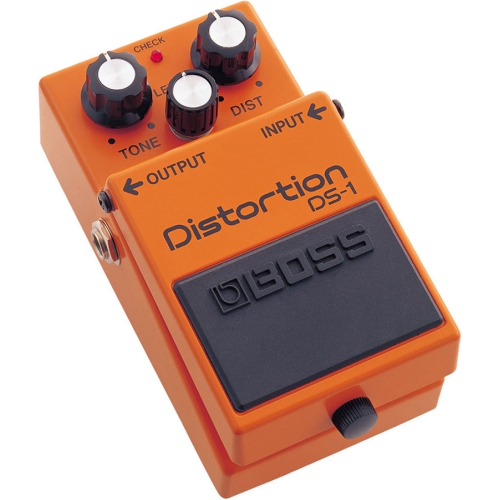 Your price for this item is $89.99
 -
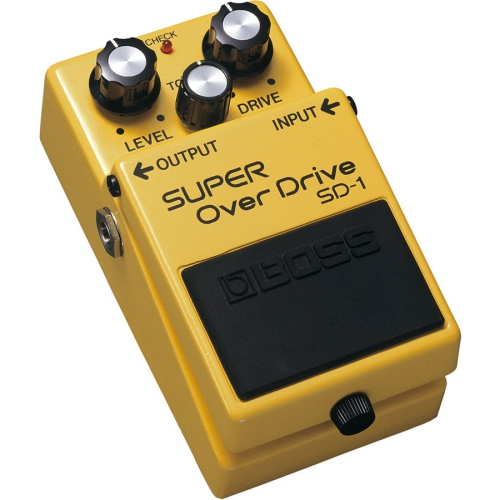 Your price for this item is $89.99
 -
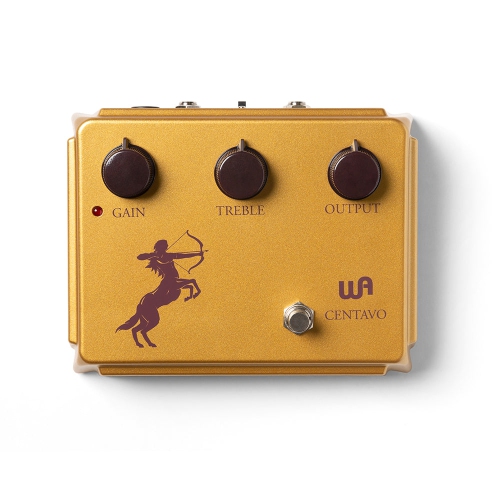 Your price for this item is $289
 -
 Your price for this item is $164.99
 -
 Your price for this item is $209.99
 -
 Your price for this item is $249.99
 -
 Your price for this item is $249.99
 -
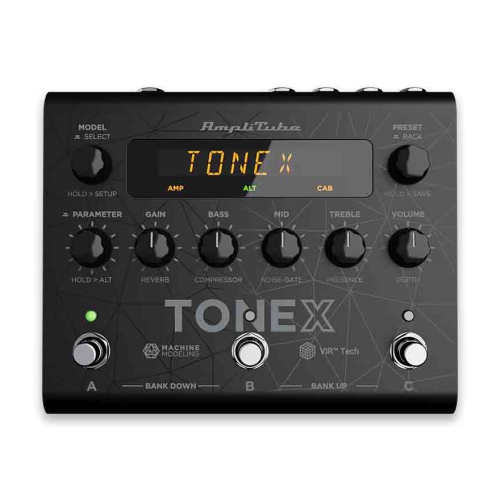 Your price for this item is $599.99
Discover more categories related to Reverb Guitar Pedals

Top Collections:
Pokemon Centers, Kindle Devices, Best Budget Office Chairs, Apple iPhones 16, Canon G7X Cameras, iPhone 15 Apple, Alarm Clock, Refurbished Apple Laptops, Flip Phones, Best Laptops for Writers
Some products may be subject to Environmental Handling Fees
(EHF) depending on your province.
Learn more about EHFs.