Small Keyboard Piano
Discover the perfect blend of portability and performance with a small keyboard piano. Ideal for beginners, hobbyists, and musicians on the go, these compact instruments are designed to fit seamlessly into any space while offering endless musical possibilities. Whether you're looking to practice at home, compose on the move, or introduce a young learner to the world of music, a small keyboard piano makes it easy to enjoy playing anytime, anywhere. Explore a wide selection to find the right model that matches your style and needs.
Sort
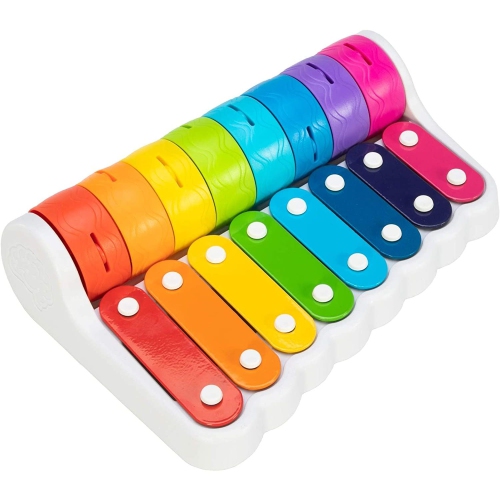
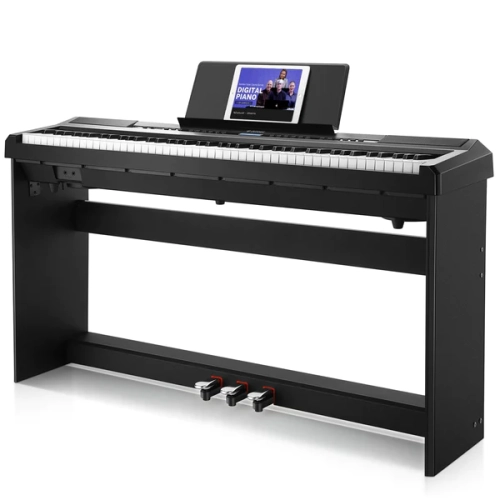
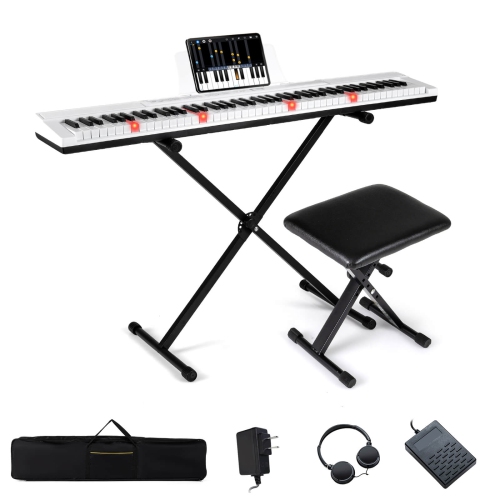
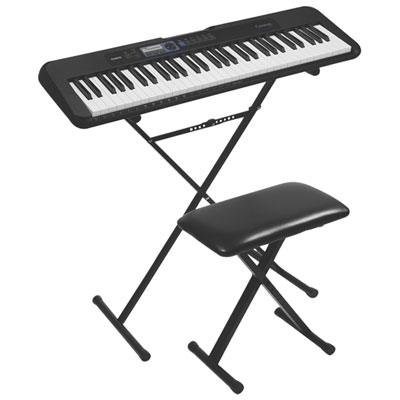
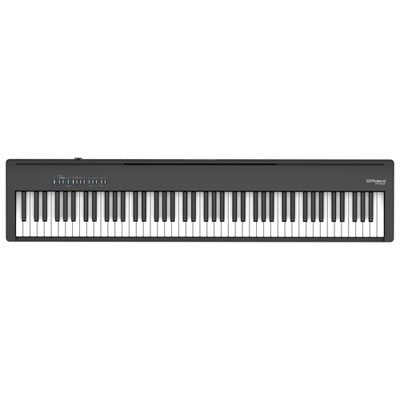
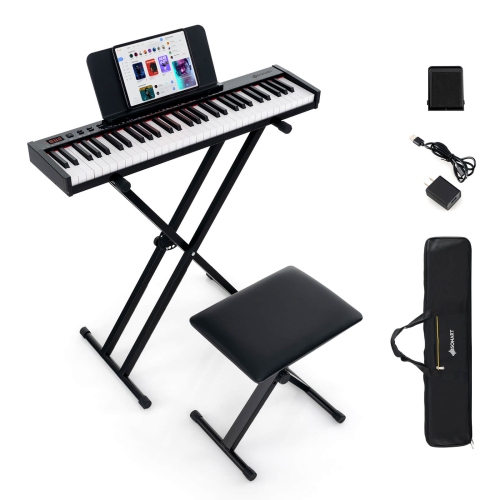
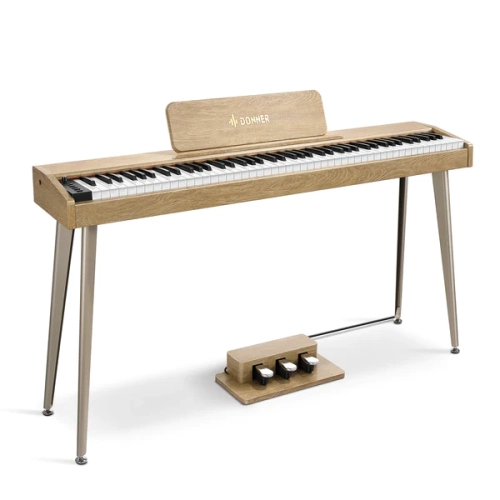
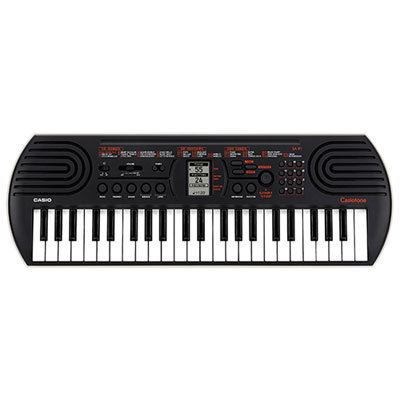
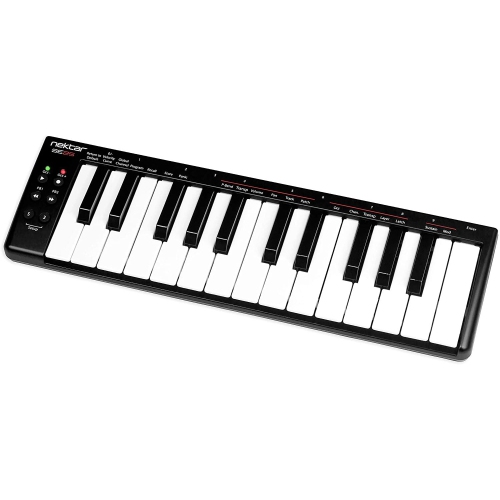

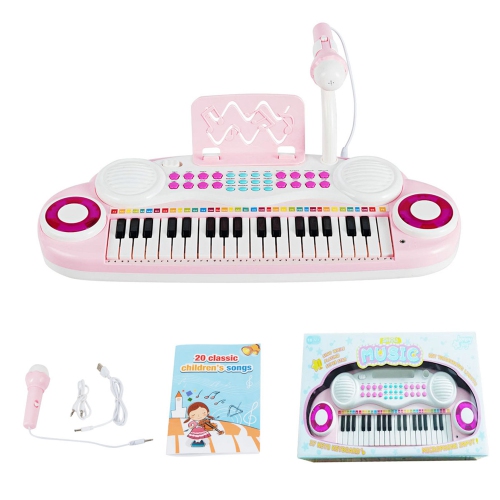
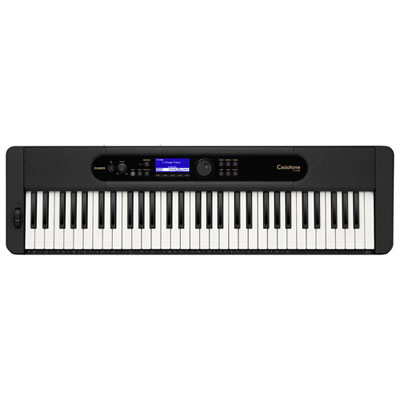
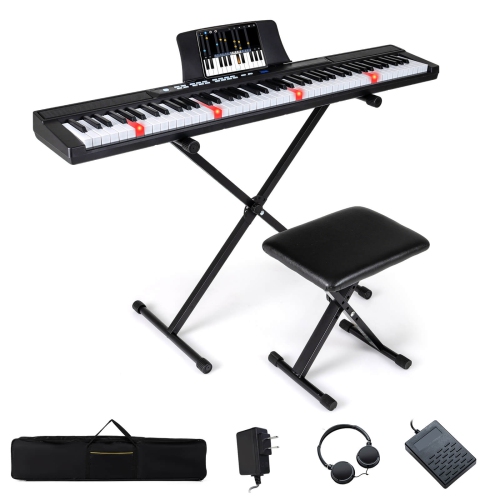
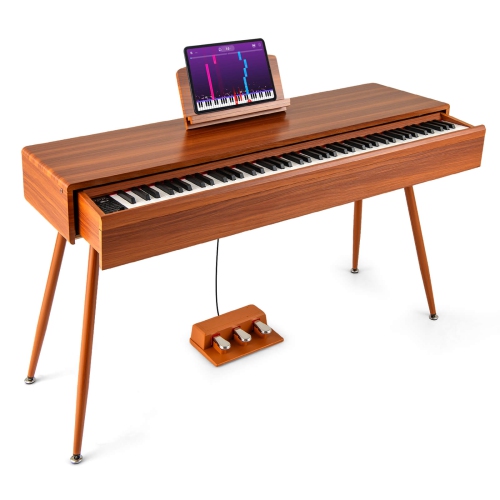
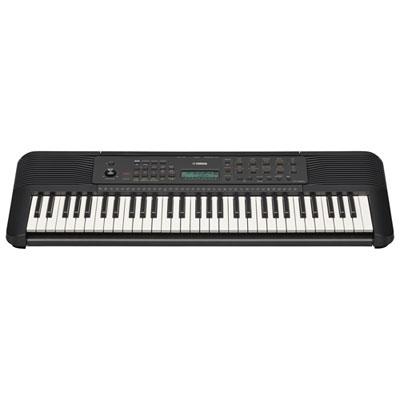
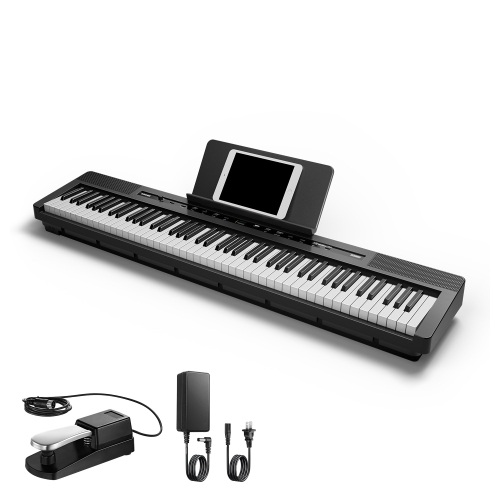
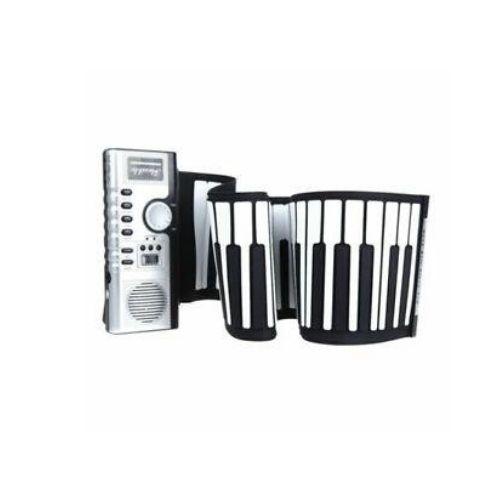
Piano-style playing for smaller spaces and everyday practice
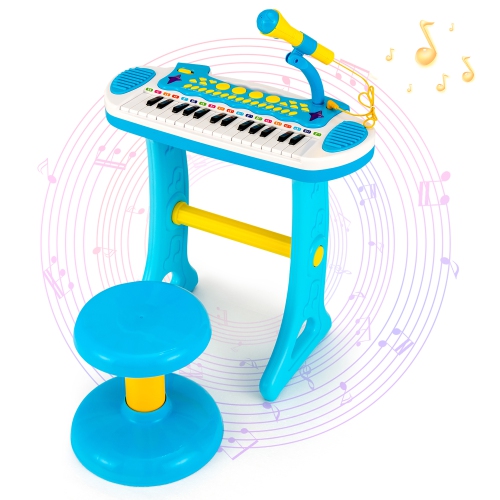
A small keyboard piano is a compact electronic instrument that brings piano-style playing into spaces where a larger keyboard or acoustic piano would be difficult to accommodate. Many compact keyboards have 32, 37, 49, or 61 keys, rather than the 88 keys of a standard piano, although their dimensions and playing features vary. Their shorter key range and lighter construction can make them practical for beginners, children, casual players, and musicians who want an instrument they can move between rooms or take along to a rehearsal. A keyboard on a bedroom desk can provide a place to practise a melody, while one set up beside a computer can become part of a small music-making workspace. Key size matters as much as key count: mini keys reduce the instrument’s width, whereas full-size keys offer spacing closer to a traditional piano. Smaller keys may suit exploratory playing or a portable setup, but players learning standard fingering may prefer the familiar proportions of full-size keys. A shorter keyboard can handle many simple tunes, basic chords, and introductory exercises, though music that moves across a wide range may require more keys. Octave-shift controls, where included, let players access higher or lower notes without adding physical keys, but they do not provide the same freedom as having that entire range under both hands at once. The feel of the keys also shapes the experience. Lightweight, unweighted keys are common on portable instruments, while some compact keyboards offer additional resistance or touch-sensitive response. Touch sensitivity allows playing strength to affect volume; it is different from weighted action, which changes the physical resistance beneath the fingers. These distinctions become noticeable when moving from picking out a tune to shaping a phrase with softer and louder notes. For a comfortable setup, the keyboard needs enough surface depth for stable support, space for connected cables, and a playing height that lets the shoulders relax. A narrow instrument can still need room around it for a music rest, headphones, or a sustain pedal.
The appeal of a compact piano keyboard often extends beyond its piano sound. Depending on the instrument, built-in voices may include electric piano, organ, strings, and other sounds that give familiar melodies a different character. A child experimenting with a short tune might enjoy hearing it played with a bright bell-like voice, while an adult returning to music may spend more time with a straightforward piano tone. Rhythm patterns and automatic accompaniment can add a backing part to simple chords, making a small instrument feel more complete during casual playing. These features vary, and some players prefer a simpler layout with fewer controls between them and the keys. Clearly labelled buttons, an easy-to-read display, and accessible volume adjustment can make everyday use more comfortable, especially when several family members share the instrument. Built-in speakers offer a convenient way to play without separate audio equipment, though their size affects how full and powerful the sound feels. A headphone connection, when provided, supports more private practice in shared rooms; the keys themselves may still make a little mechanical noise. Headphone plug size and any required adapter are worth considering alongside the instrument’s connections. A metronome can help establish a steady beat, and lesson functions may support note recognition or practice exercises, but their scope differs between keyboards. They are useful additions rather than a substitute for clear instruction and regular playing. Polyphony, the number of notes an instrument can sound at once, becomes more relevant when sustained notes overlap or accompaniment is running. Connection features also deserve a clear distinction: USB MIDI can send note and control information to compatible software, while USB audio, when supported, carries the sound itself. A USB socket does not automatically mean both functions are included. Power arrangements affect portability, too. Some small keyboards run from batteries, some use a power adapter, and some support both. Battery operation can simplify moving from a desk to another practice spot, while adapter power suits a keyboard that stays set up for frequent use.
Materials, handling, and storage play a part in how well a small keyboard piano fits into everyday life. Moulded plastic housings help keep many portable instruments light, but low weight does not mean the keys, controls, or connection sockets can withstand rough handling. A firm, level surface keeps the instrument steady during playing, and a properly sized stand leaves more room for comfortable seated posture than a crowded tabletop. Carrying the keyboard by its body, rather than its music rest or attached cables, helps avoid unnecessary strain on removable parts. For travel between lessons or practice spaces, a fitted padded case can protect the keys and controls from bumps; a bag with loose space around the instrument may need additional support to keep it from shifting. Dust covers are useful when a keyboard remains set up, while a clean, dry storage area helps protect electronic components. Routine care is generally straightforward: switch the instrument off, disconnect power as directed, and use the manufacturer’s recommended cleaning method. A soft, dry cloth is often suitable for surface dust, and liquids should not be sprayed directly onto keys or controls. Drinks placed beside a keyboard create an avoidable risk, particularly on a small desk where space is tight. Accessories also influence day-to-day comfort. An adjustable bench, a secure music rest, compatible headphones, and a suitable stand can turn an occasional playing spot into a welcoming practice area. Sustain pedals require a compatible connection, and pedal behaviour or polarity may differ, so compatibility matters more than appearance. As a gift, a compact keyboard can suit a curious young learner, a student with limited room, an adult revisiting childhood lessons, or a musician interested in a portable second instrument. Age recommendations, key size, and control complexity help determine whether it feels approachable to its intended player. For a broader selection beyond compact instruments, Best Piano Keyboards provides a related place to explore. A small keyboard’s strongest appeal is often its ease of use: it can keep a few minutes of practice, a new melody, or a shared musical moment comfortably within reach.
Top selling and popular products
-
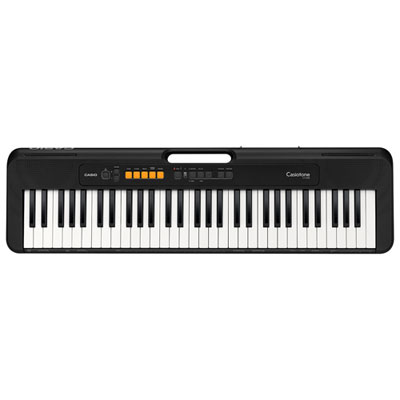 Your price for this item is $149.99
-
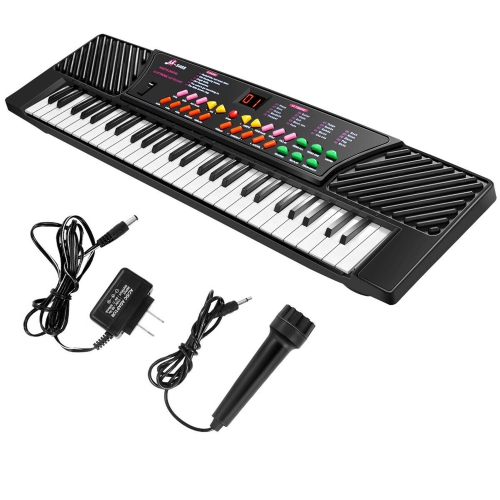 Your price for this item is $69.99
-
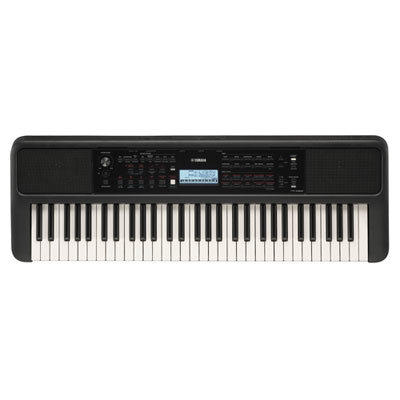 Your price for this item is $289.99
-
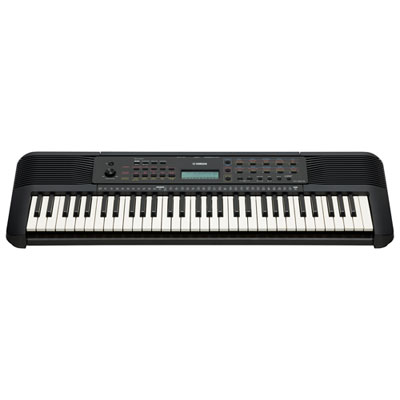 Your price for this item is $119.95
-
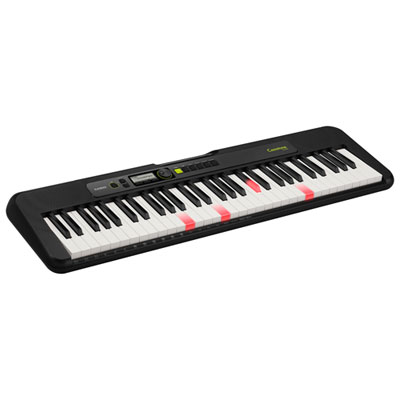 Your price for this item is $229.95
-
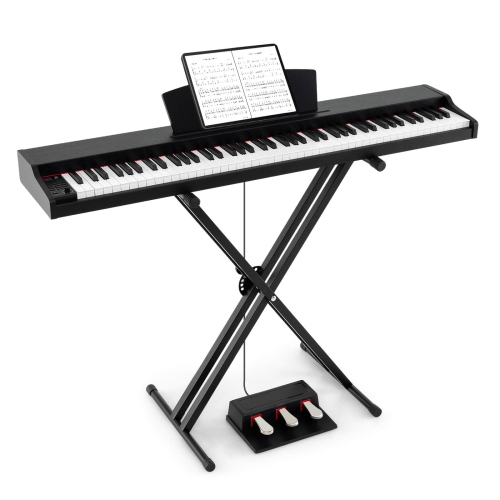 Your price for this item is $236.99
-
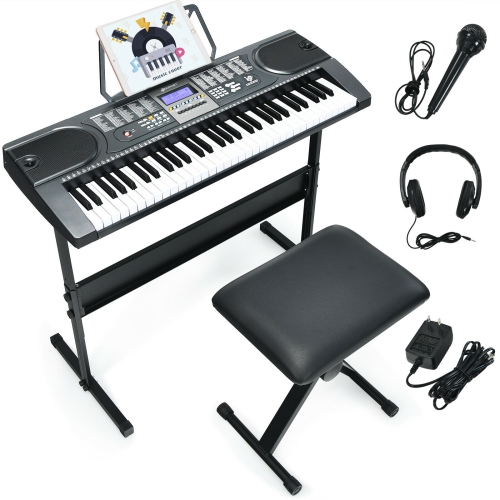 Your price for this item is $199.99
-
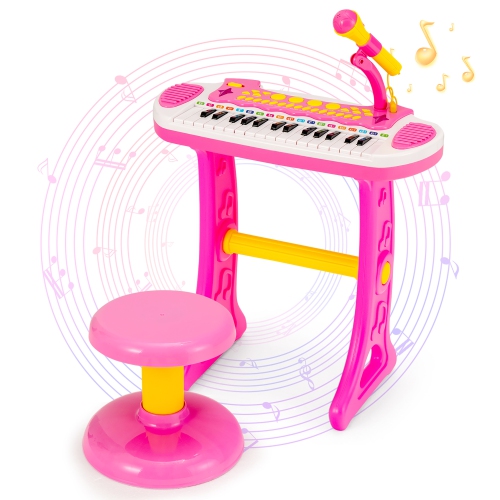 Your price for this item is $74.99
Discover more categories related to Small Keyboard Piano
Top Collections:
Pokemon Centers, Kindle Devices, Best Budget Office Chairs, Canon G7X Cameras, Apple iPhones 16, Samsung Galaxy Phones, Refurbished Apple Laptops, Laptops for Students, iPhone 15 Apple, Budget Smartphones
Some products may be subject to Environmental Handling Fees
(EHF) depending on your province.
Learn more about EHFs.