Solid Body Electric Guitars
Explore the electrifying world of solid-body electric guitars, where sleek design meets powerful sound. Whether you're a seasoned rock star or a budding musician, these guitars are a must-have for any music enthusiast looking to take their performance to the next level. With a range of styles, tones, and features to choose from, finding the perfect solid-body electric guitar to match your unique sound and style has never been easier. Dive into our collection and discover the instrument that will help you unleash your musical creativity like never before.
Sort
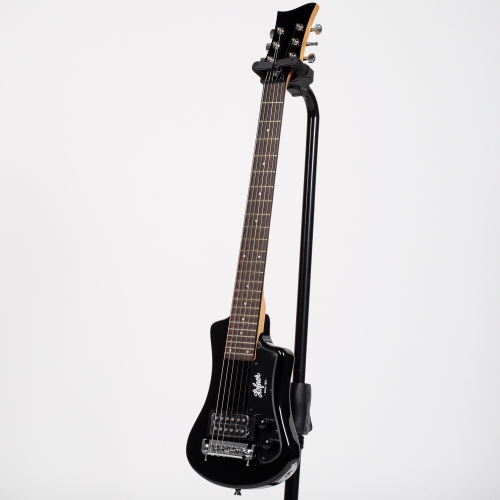
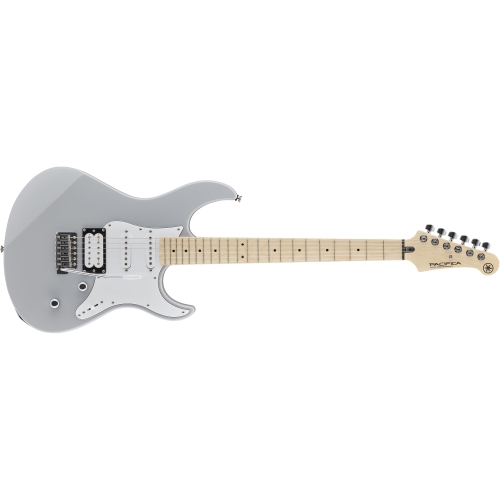
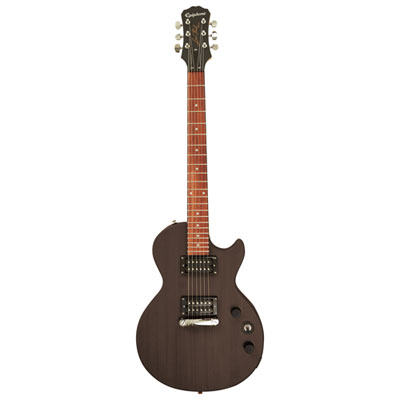
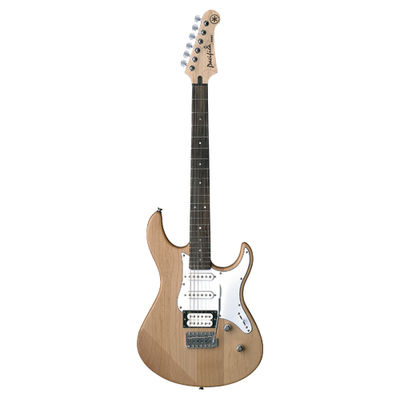

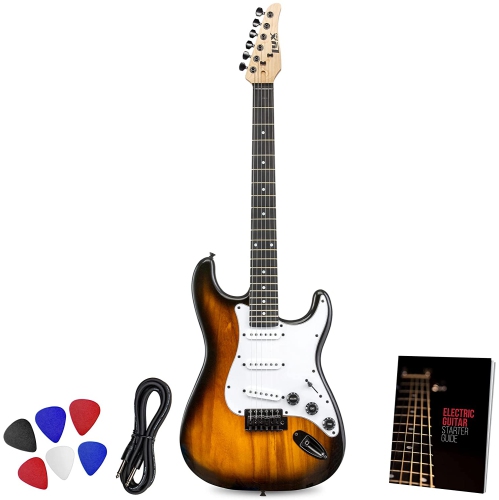
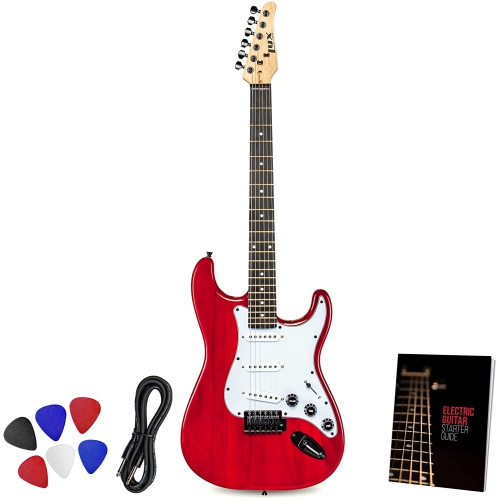
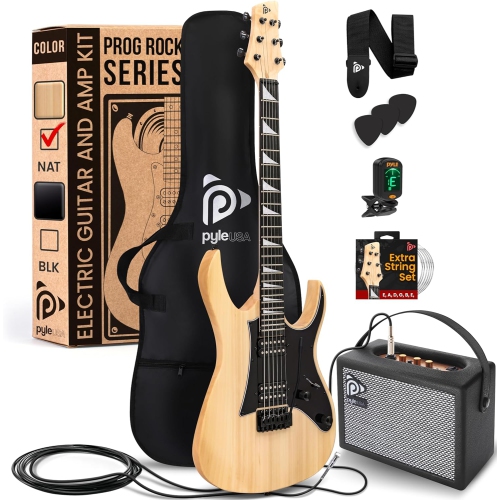
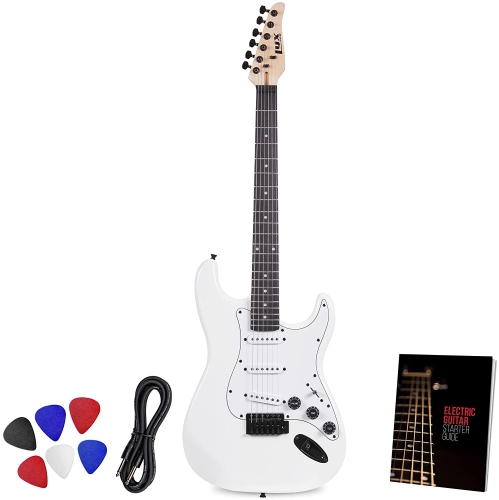
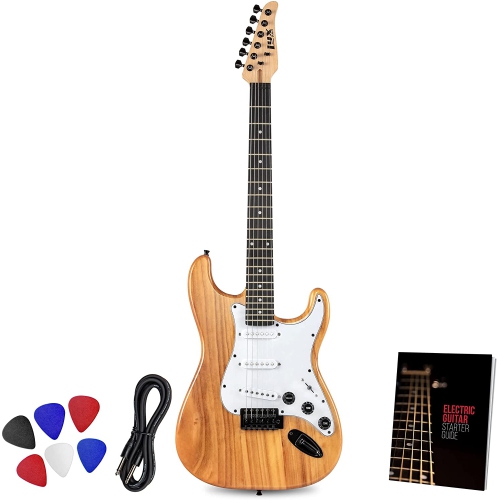
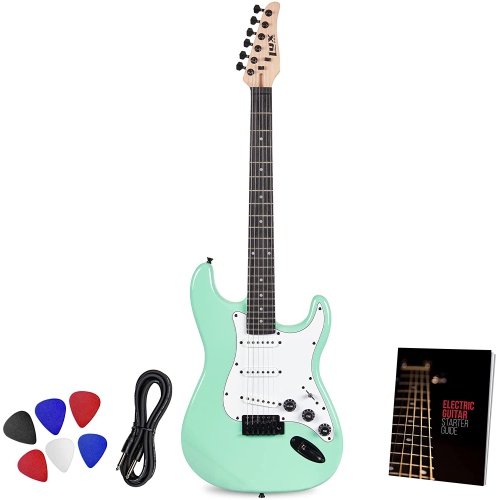
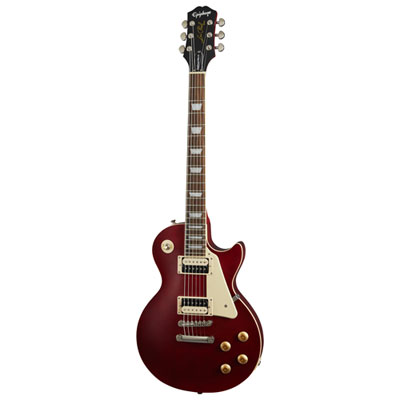
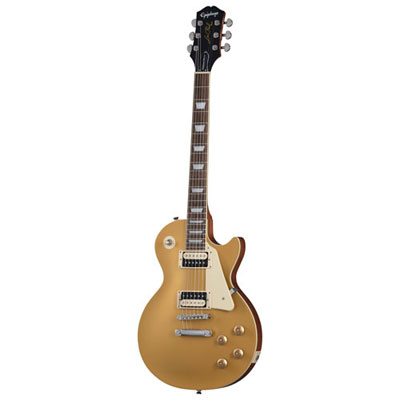


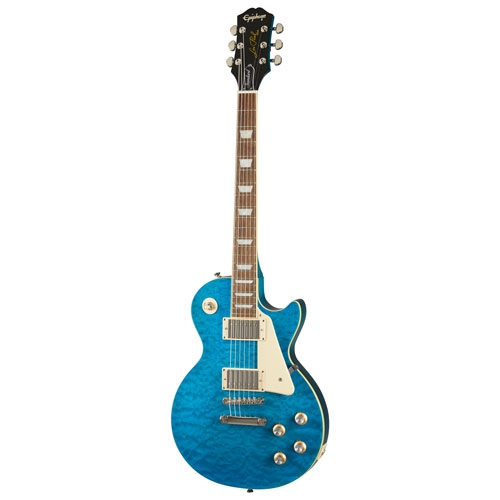
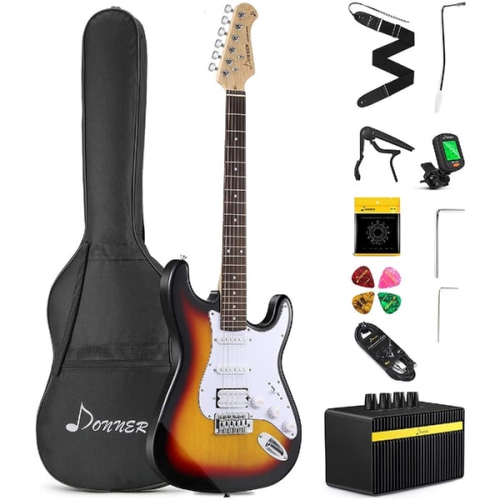

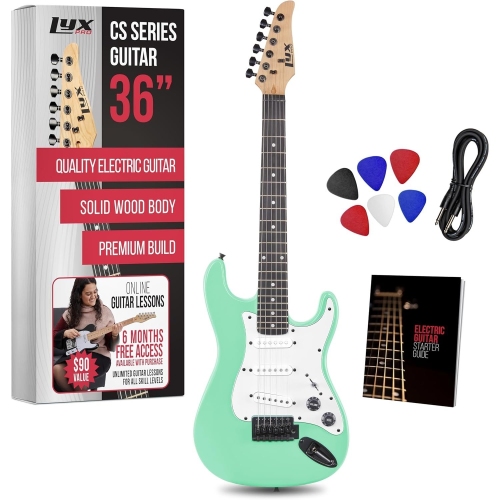

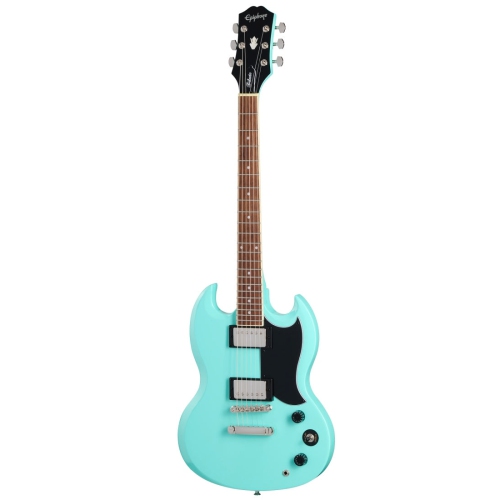
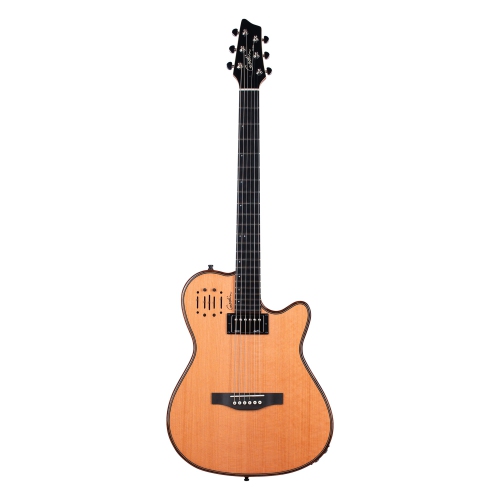
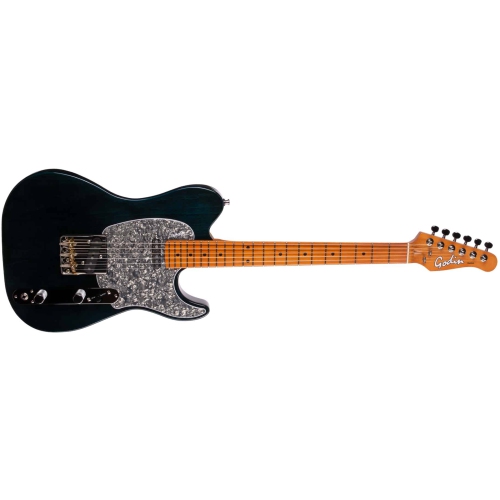
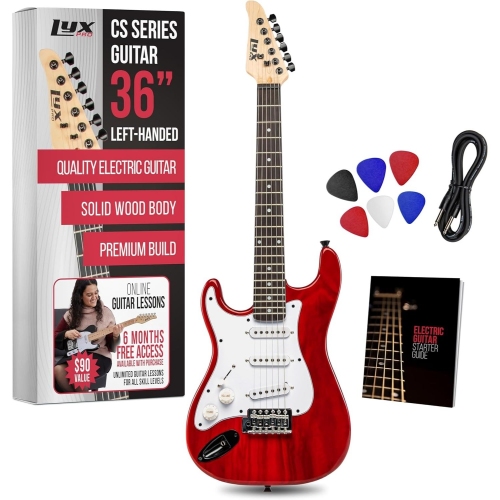
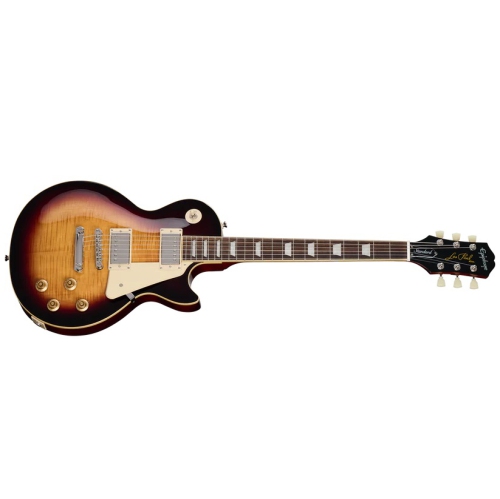
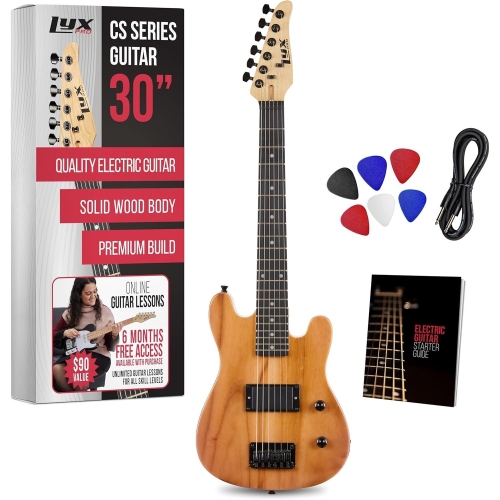
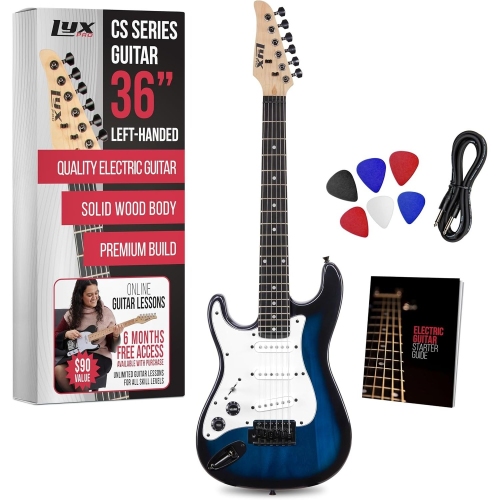
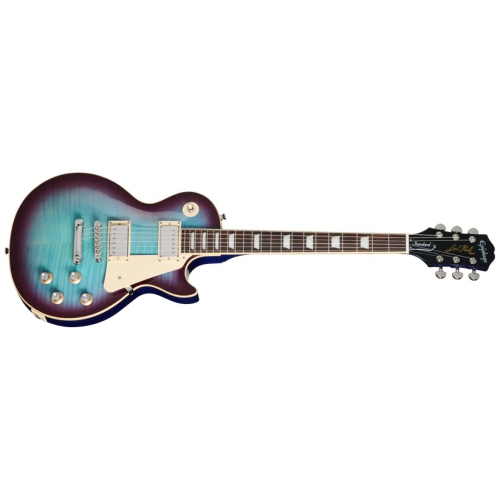
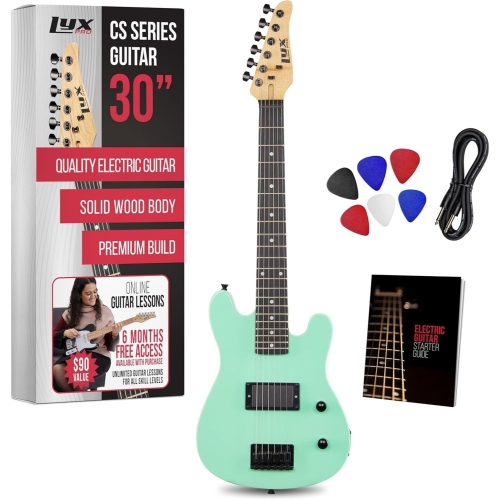
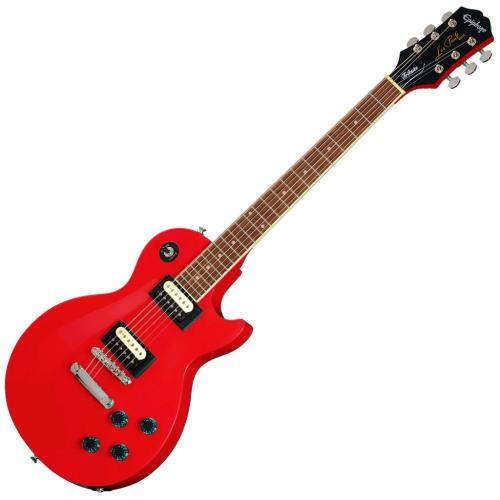
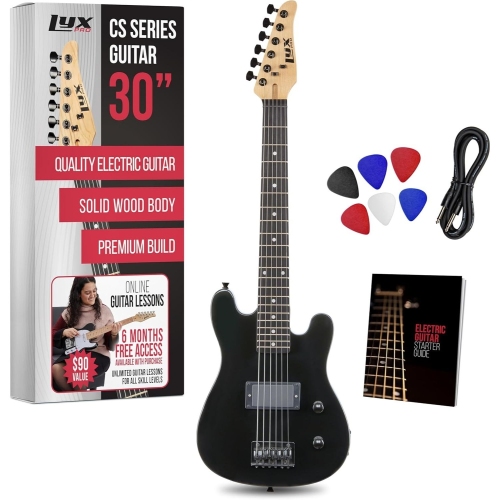
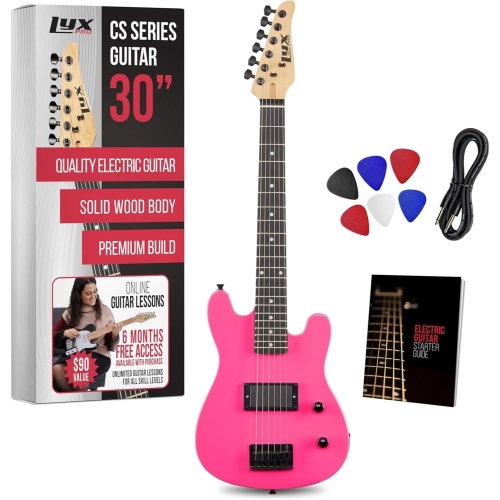
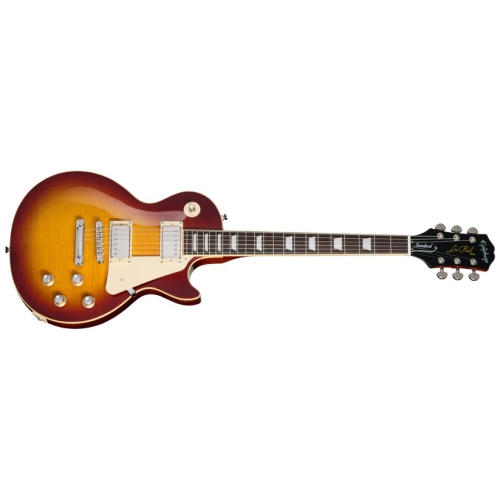

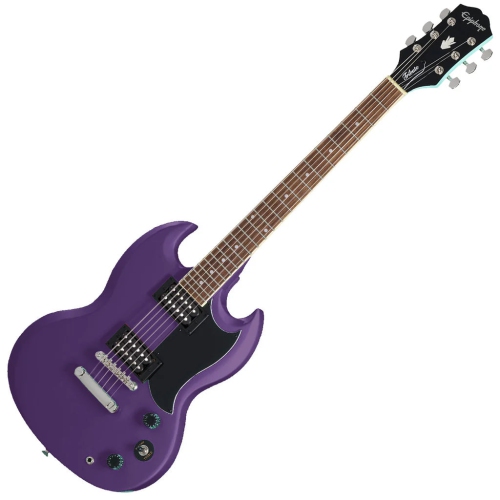
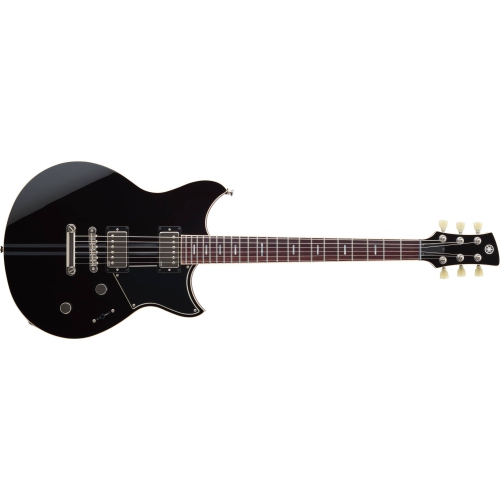
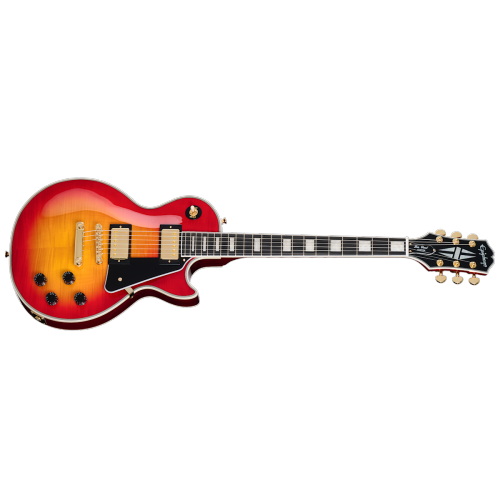
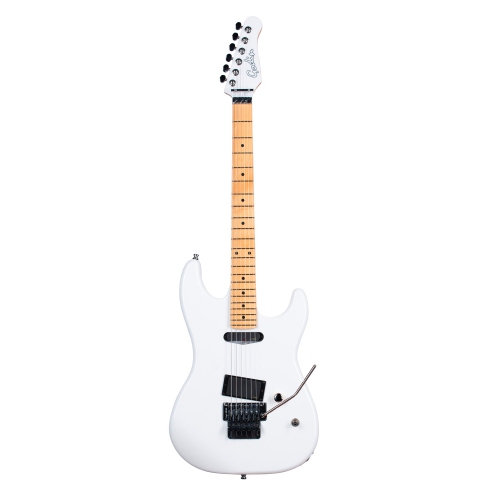


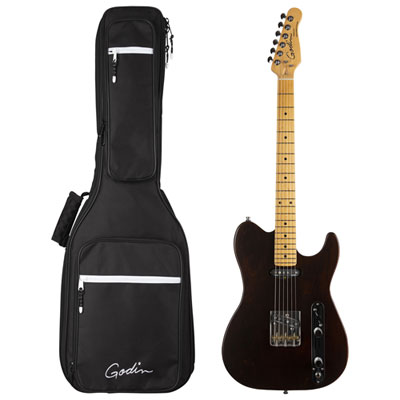
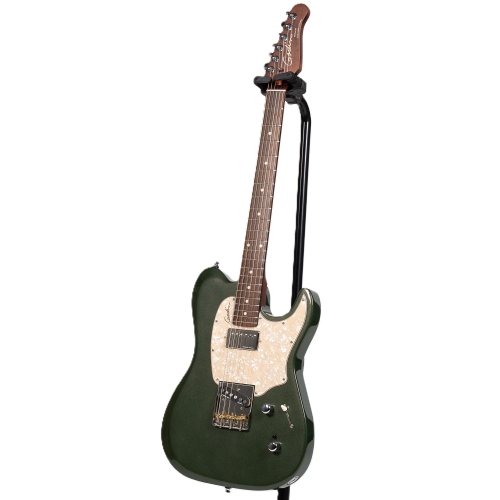
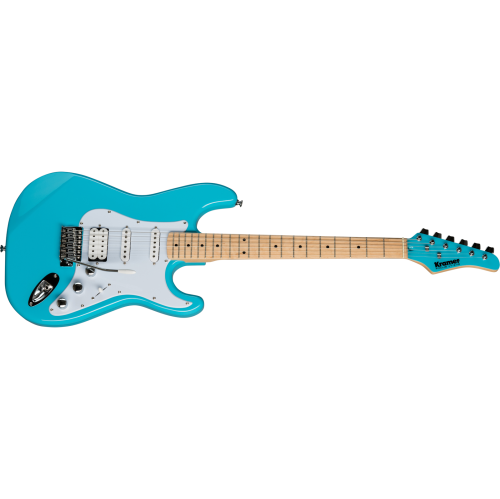

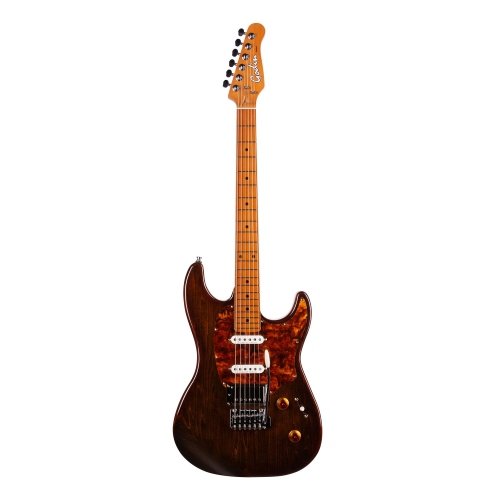
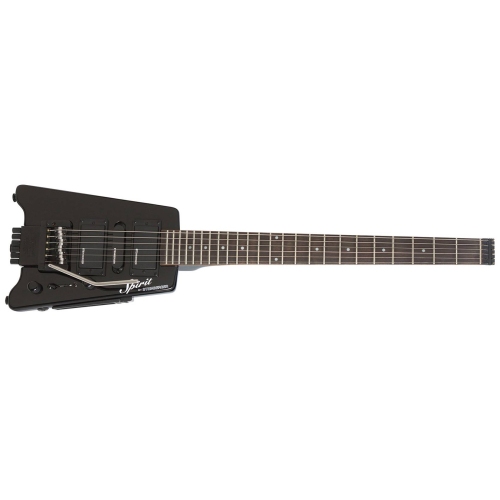
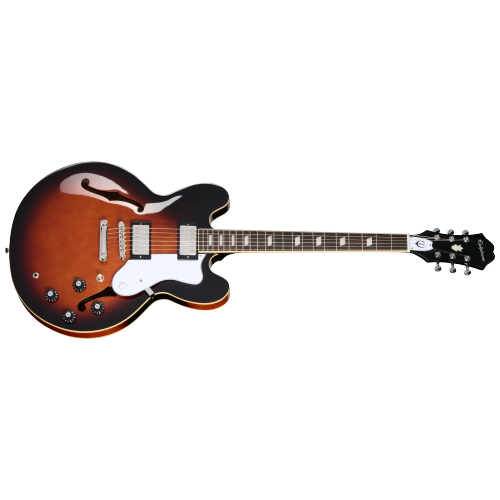
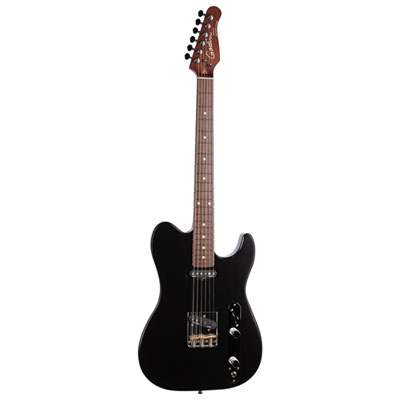
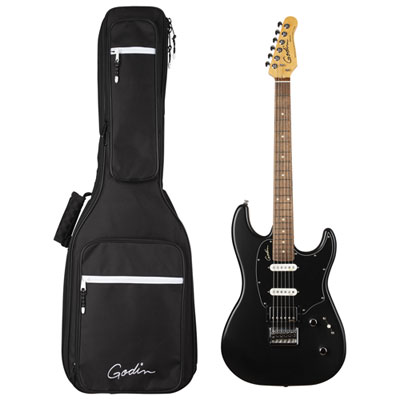
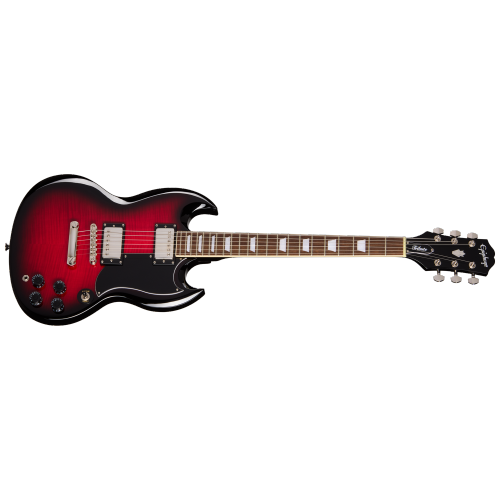
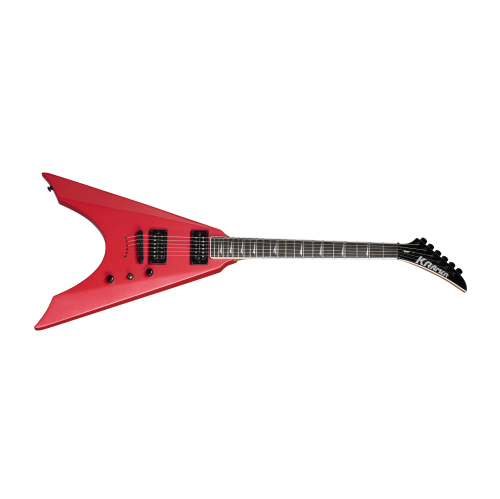
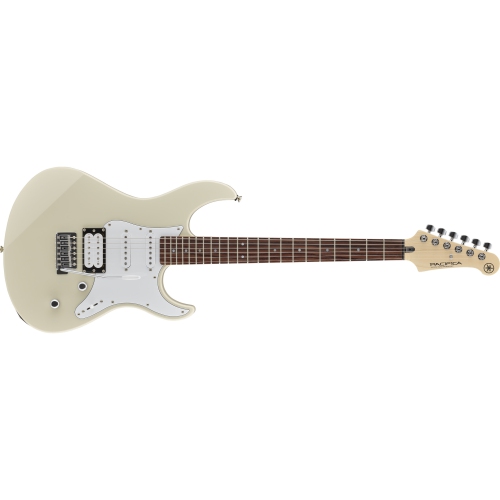
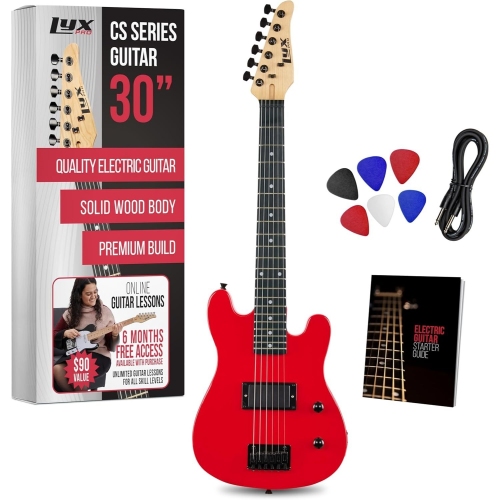

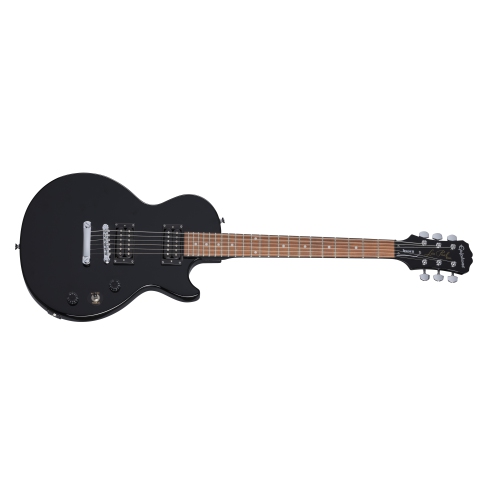
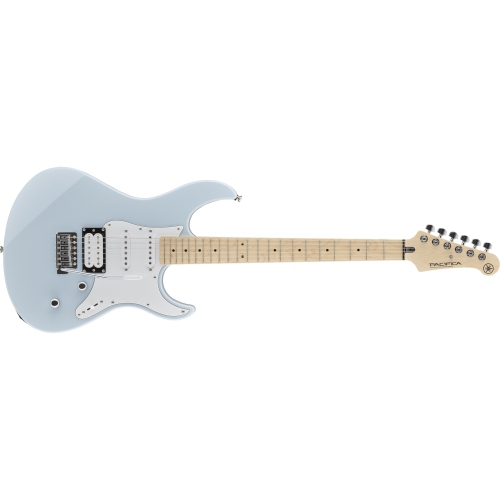
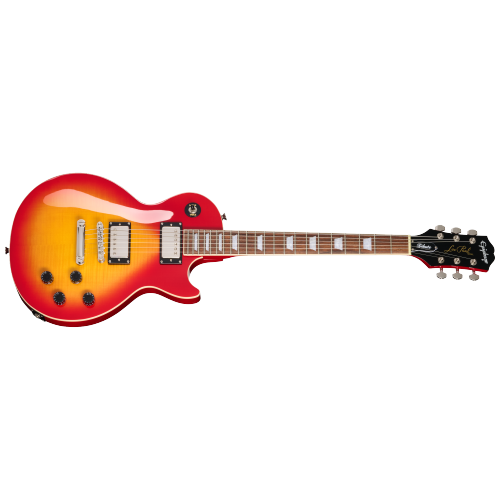
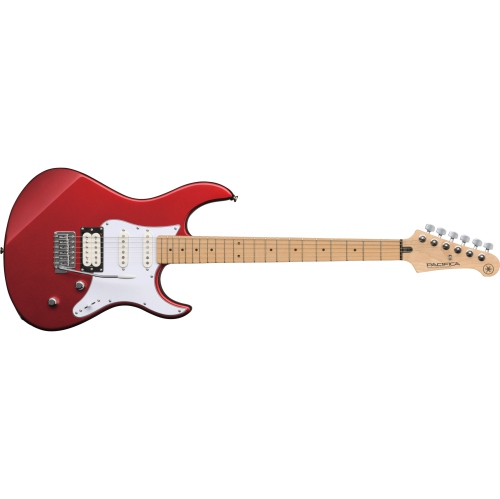
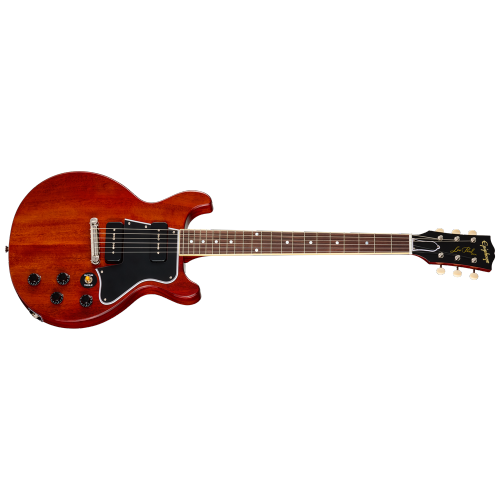
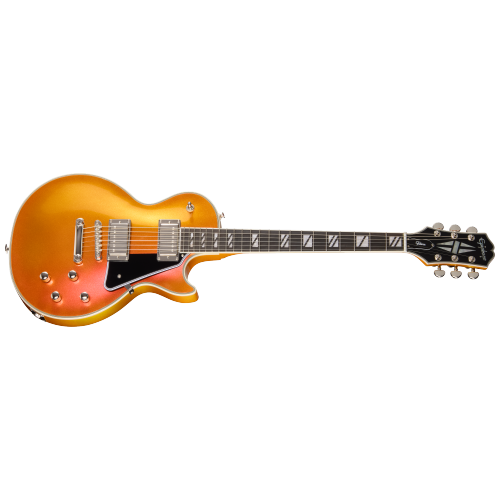
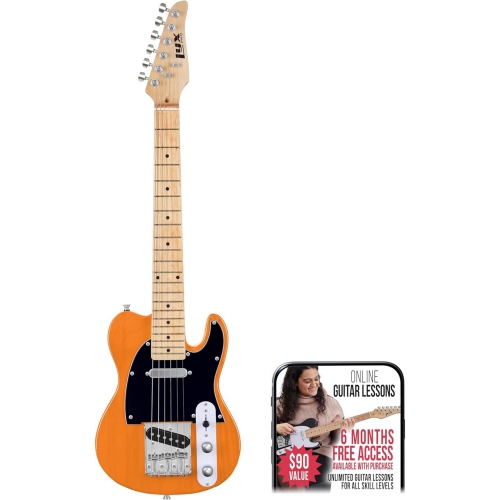
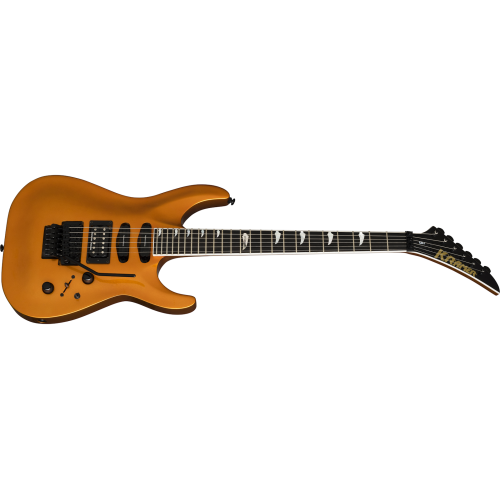
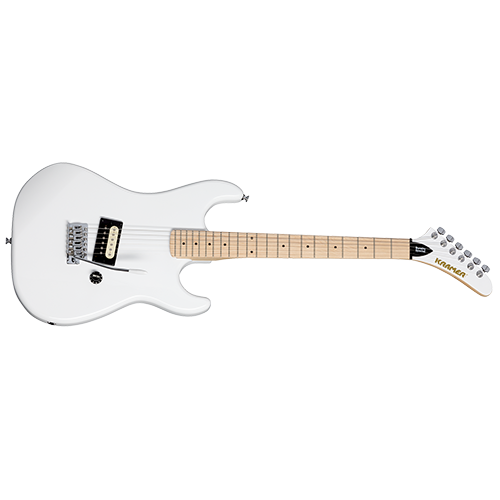
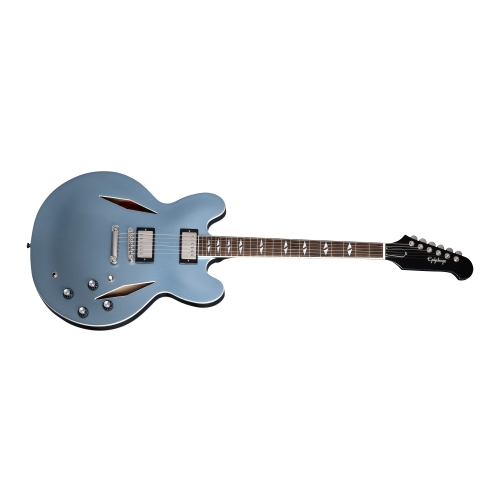

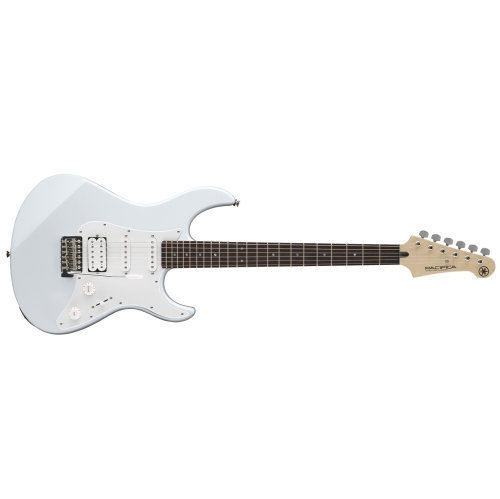
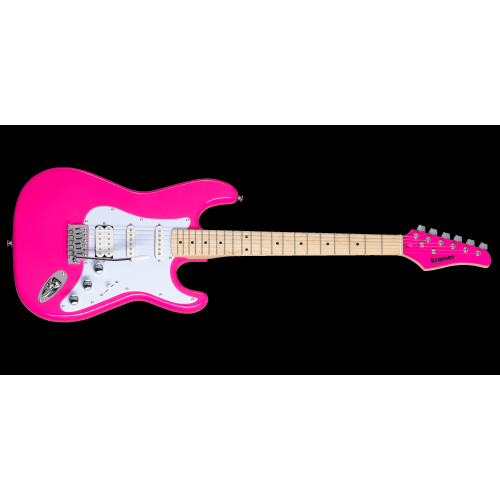
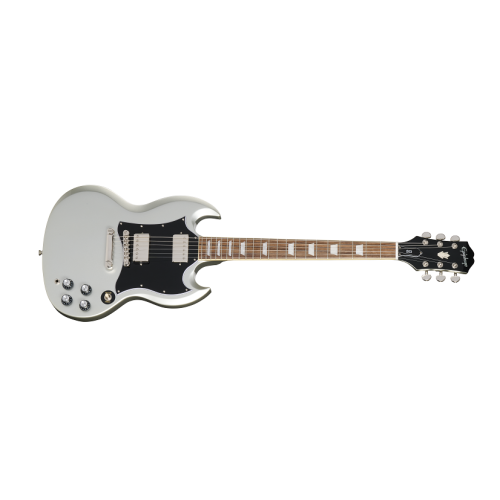
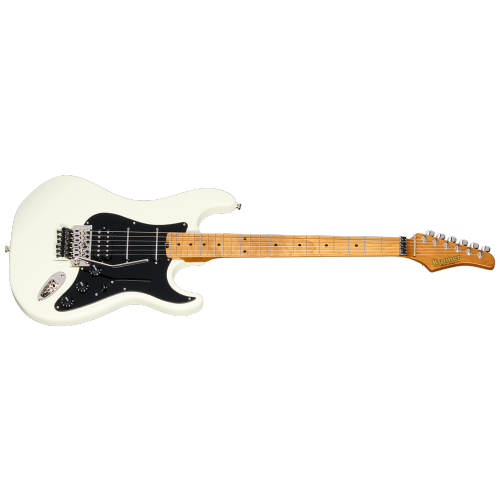
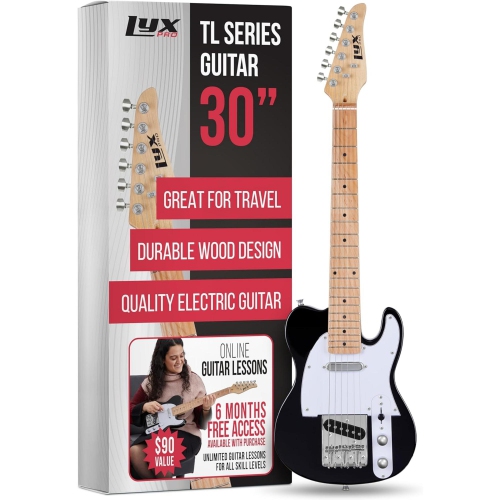
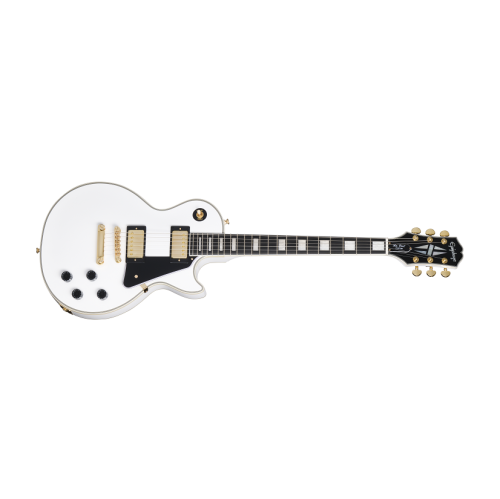
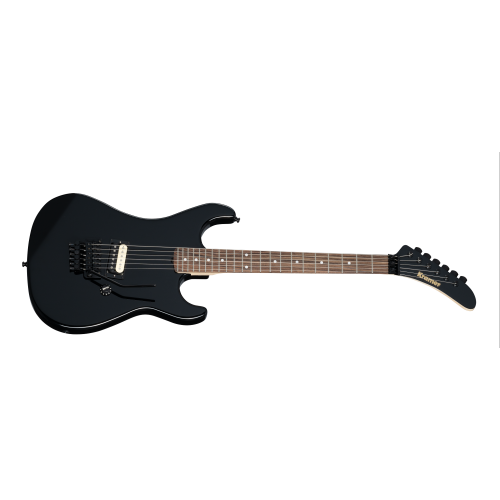
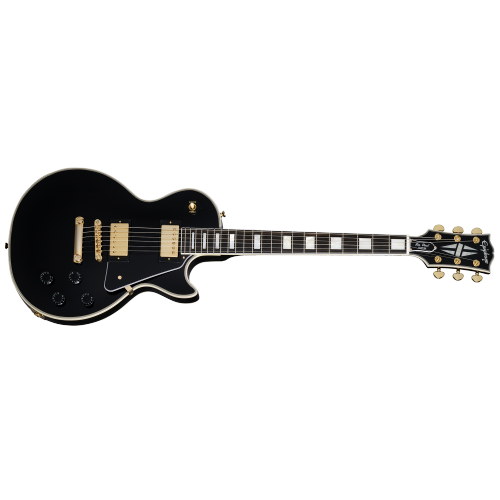
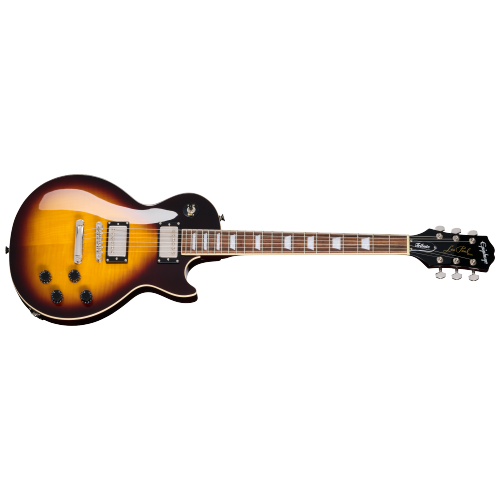
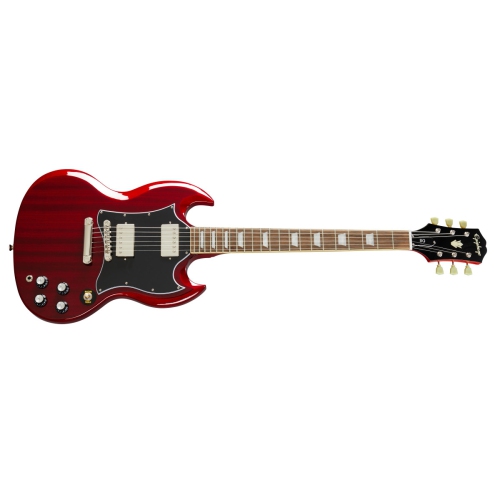
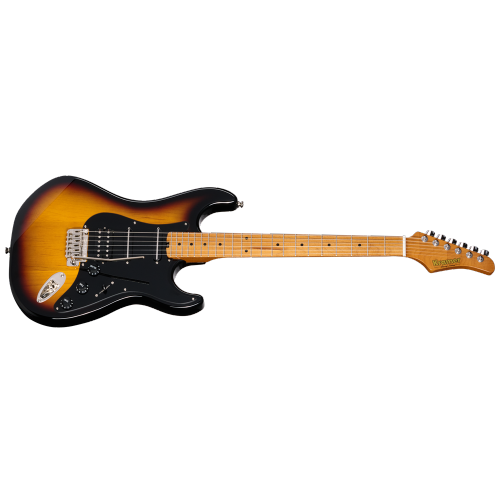
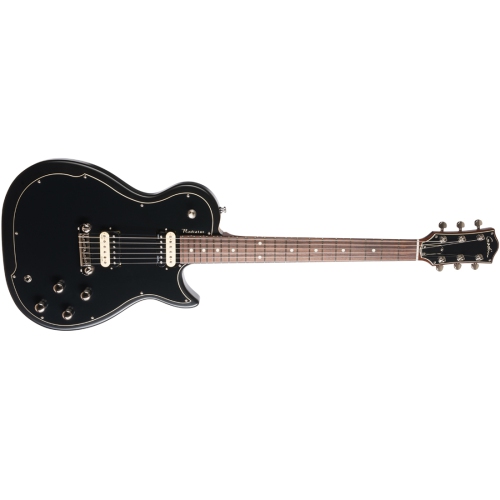
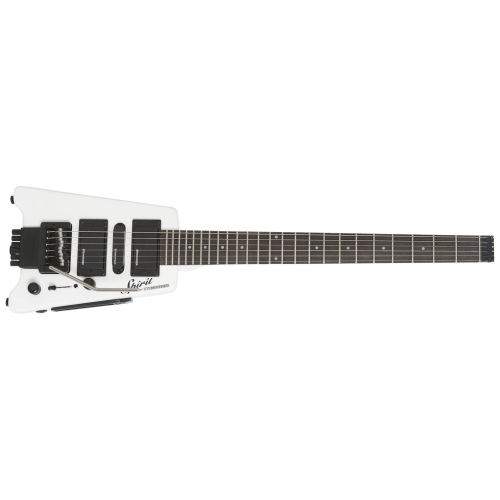
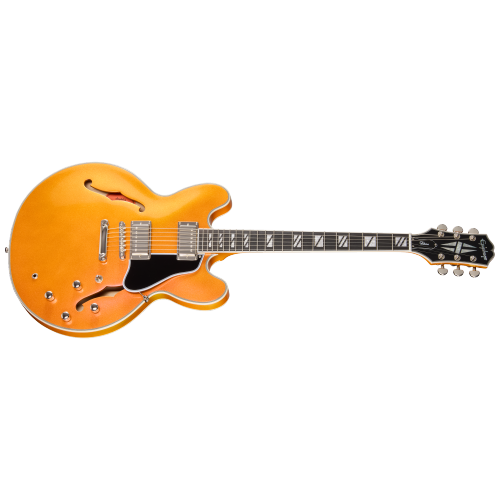
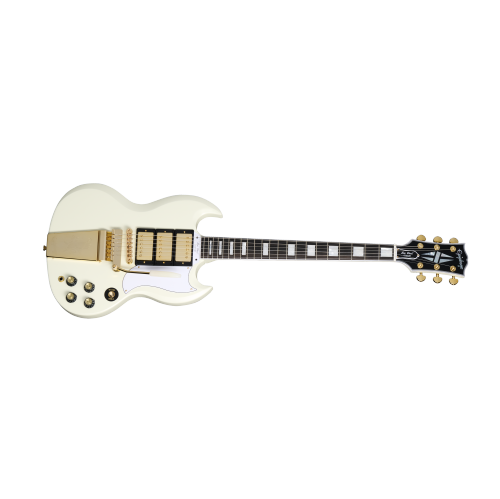
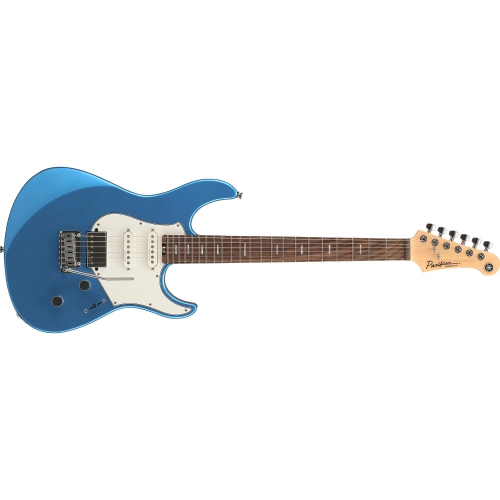
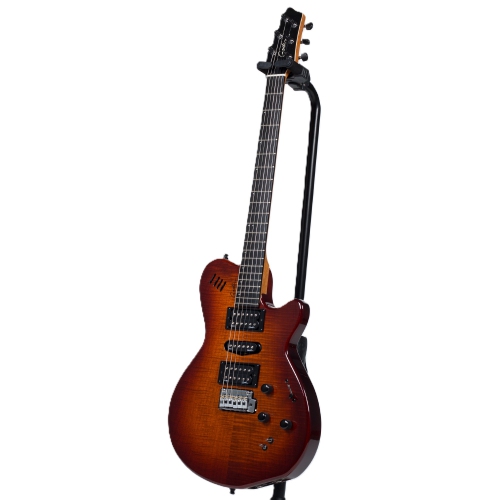
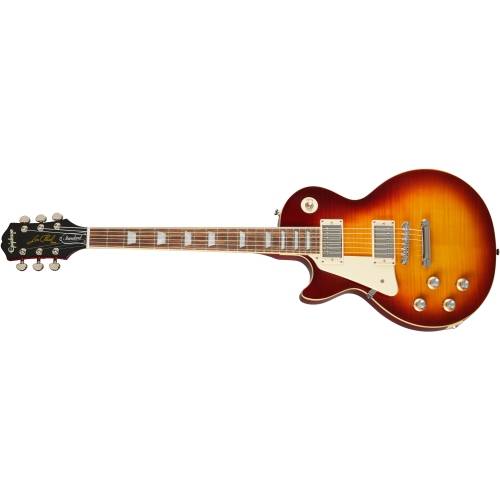
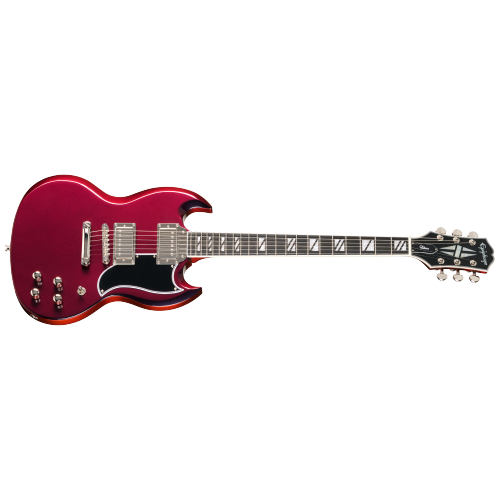
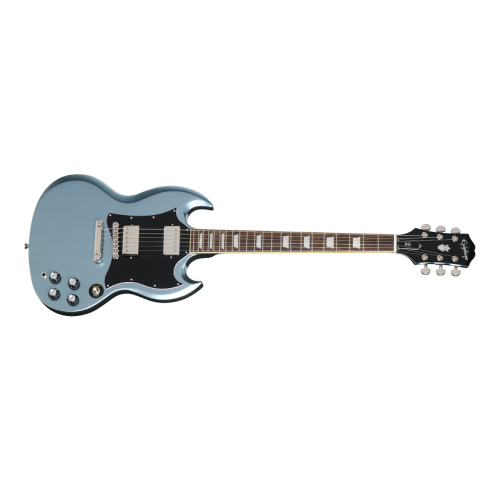
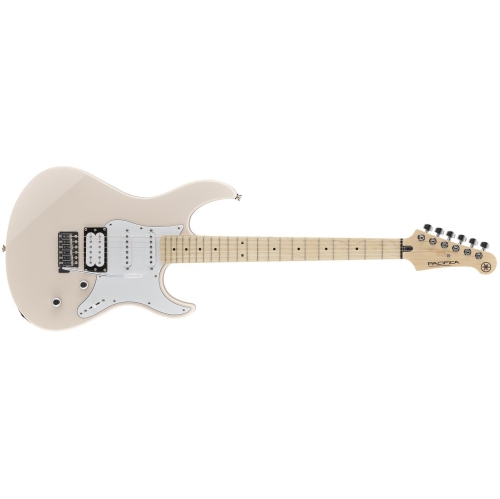
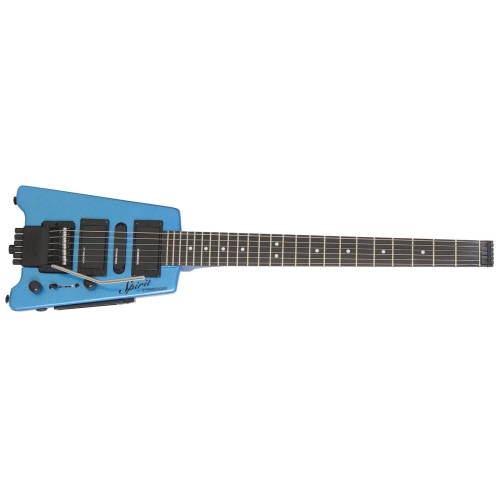
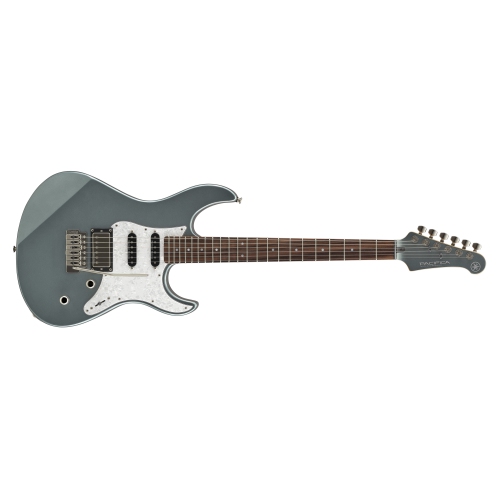
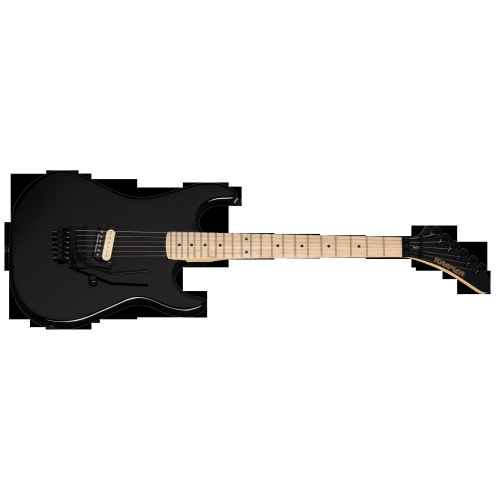
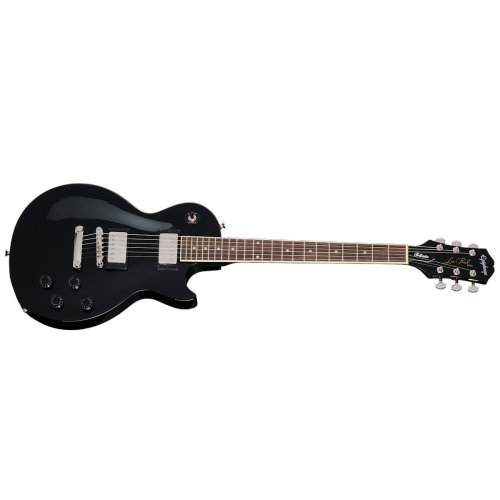
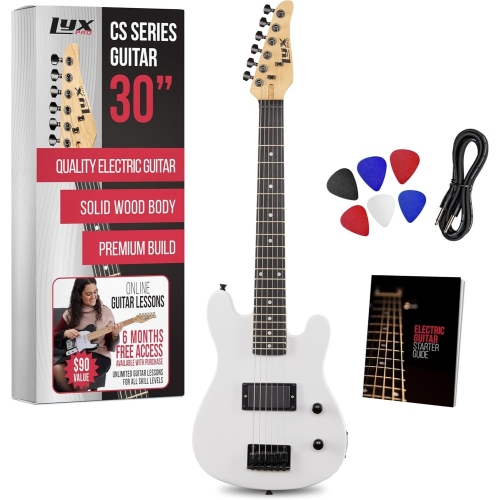
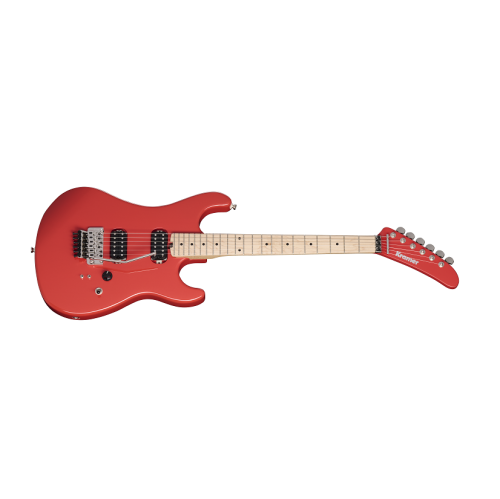
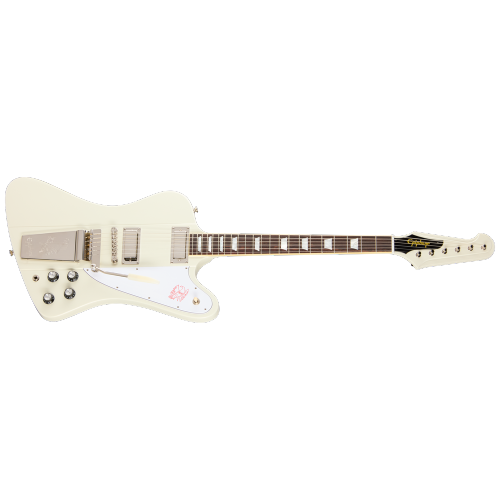
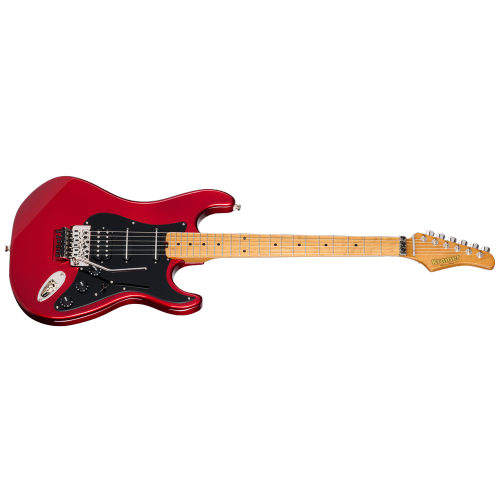
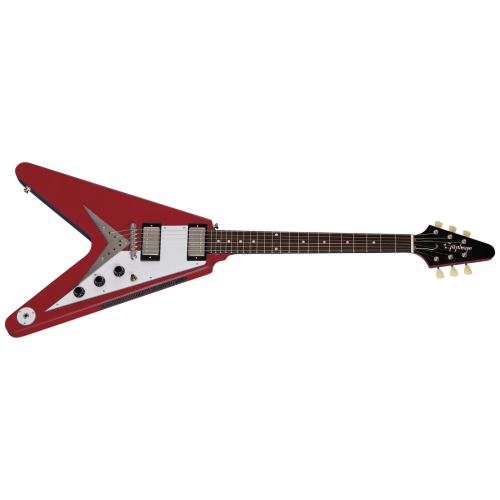
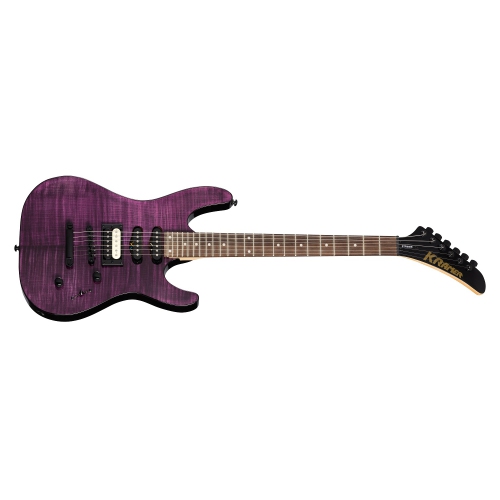
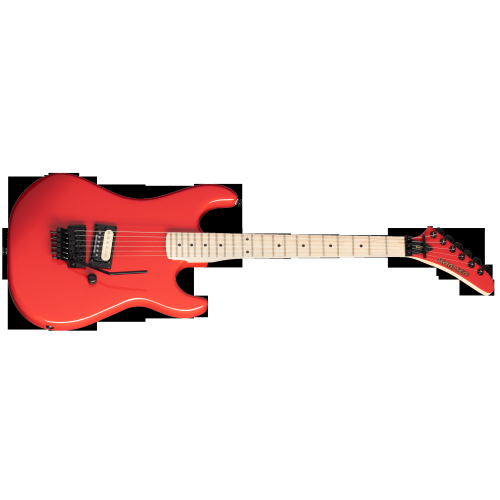

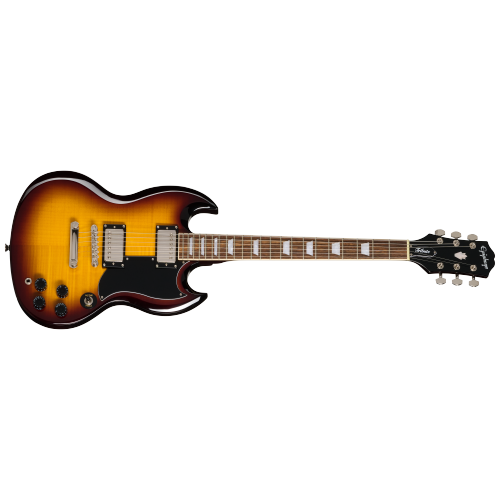
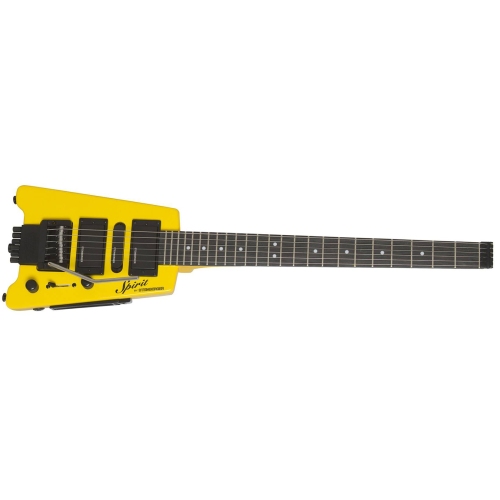
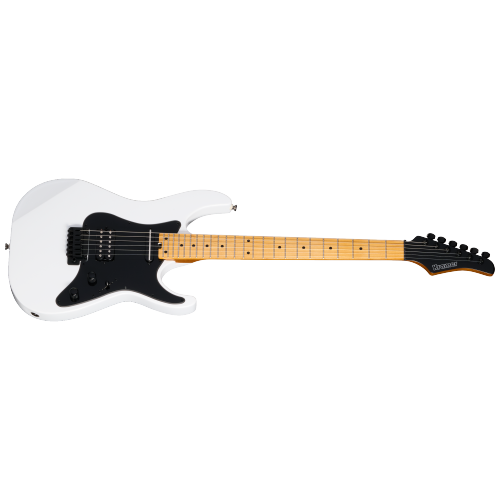
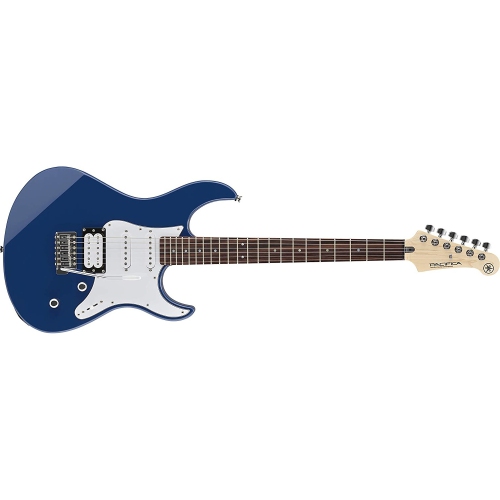
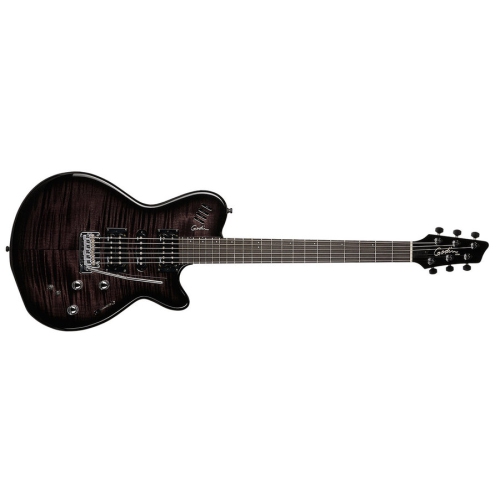
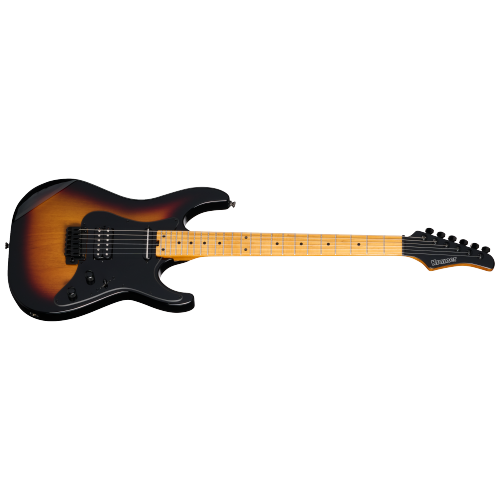
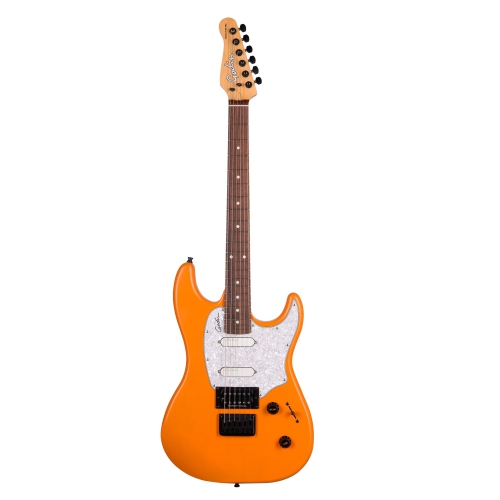
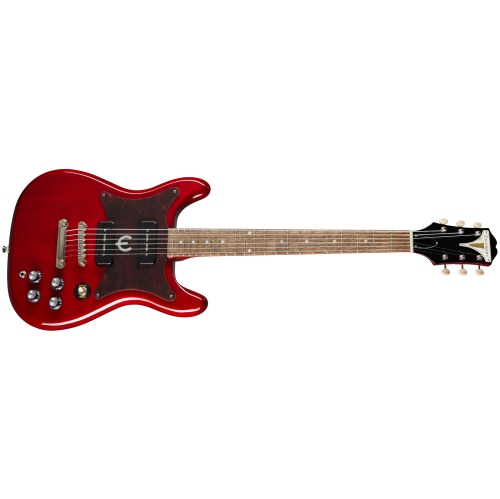
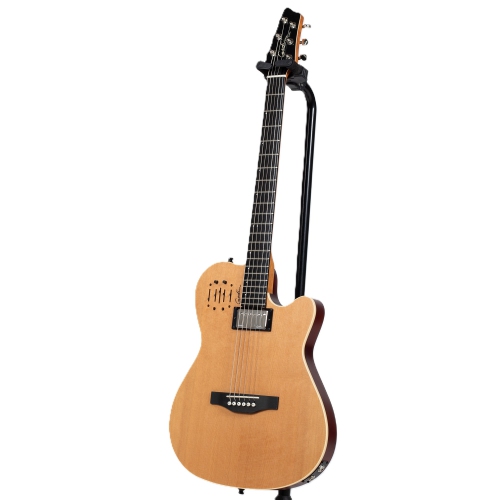
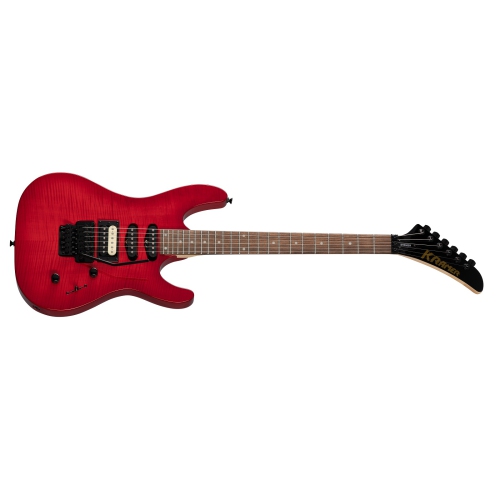
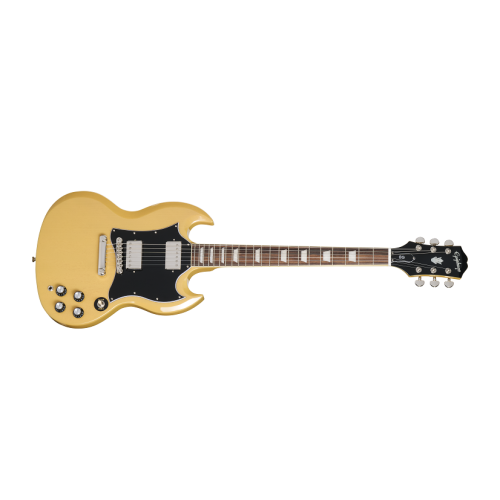
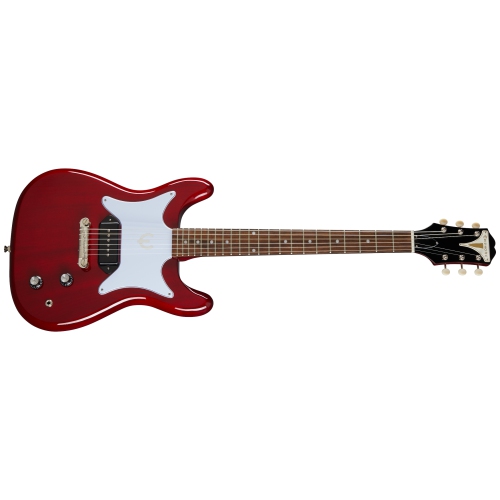
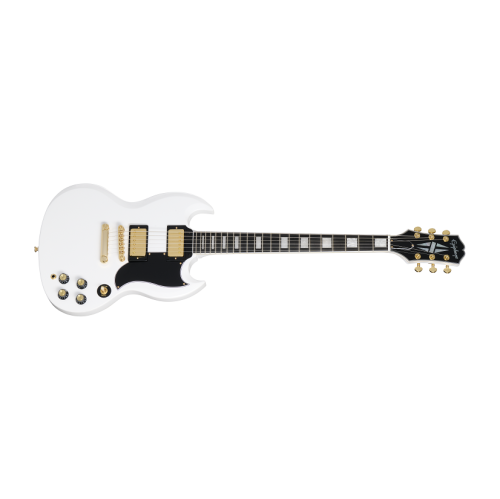
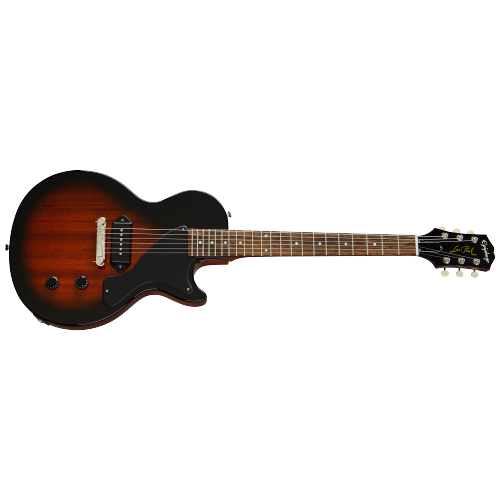
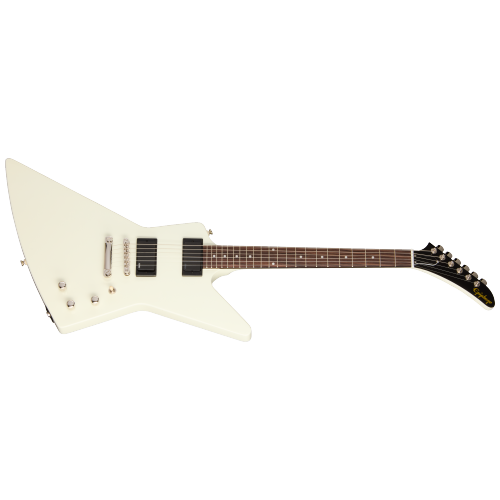
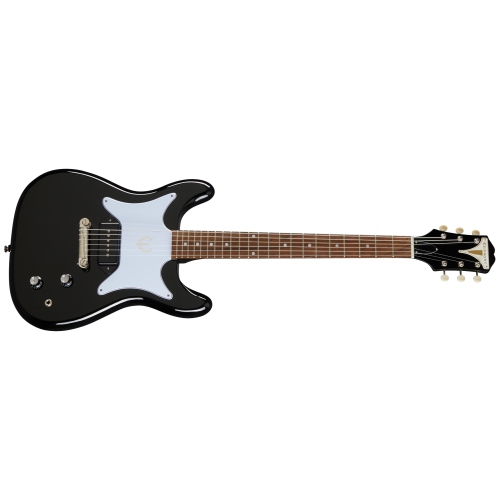
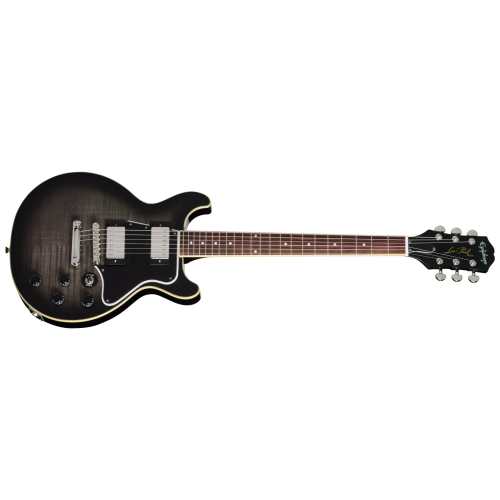
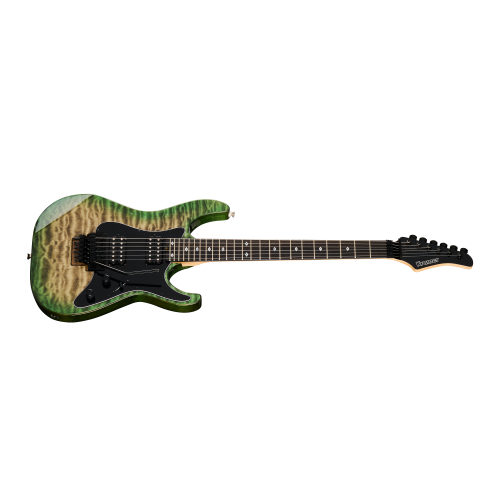
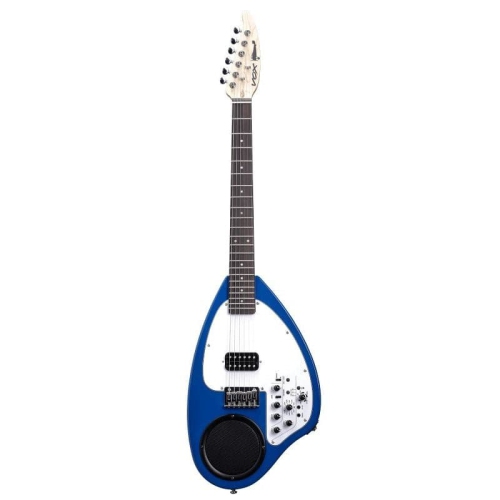

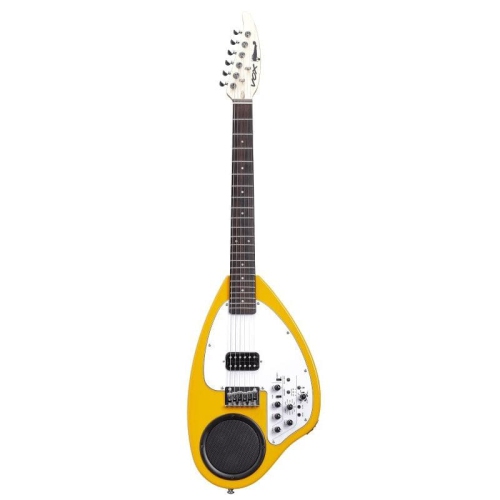
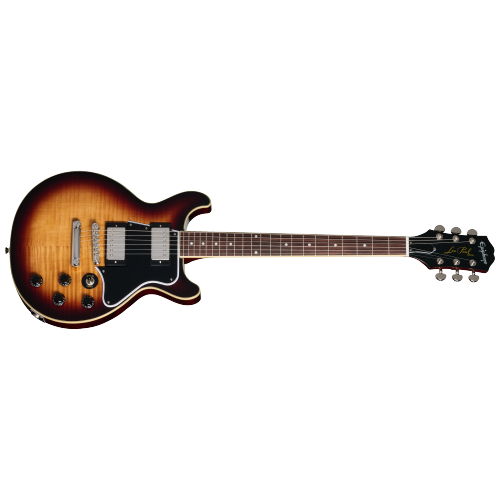

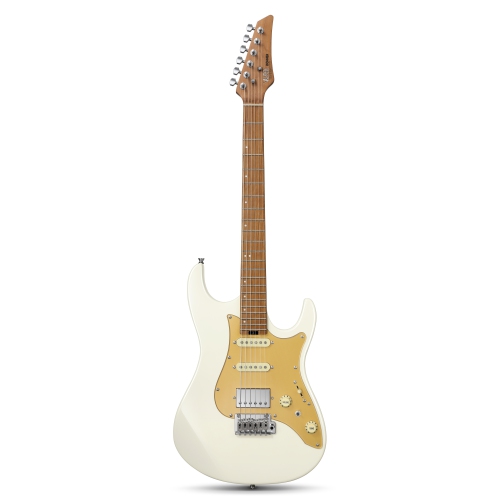


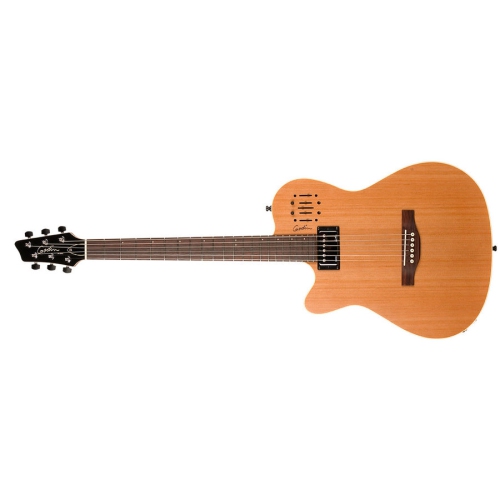
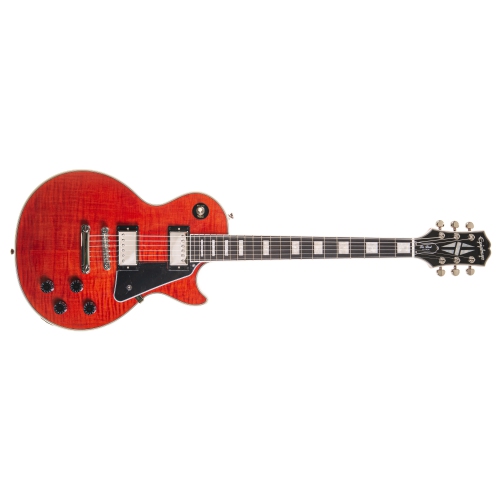

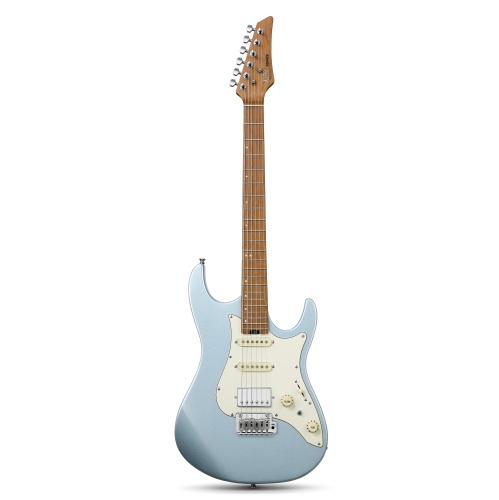
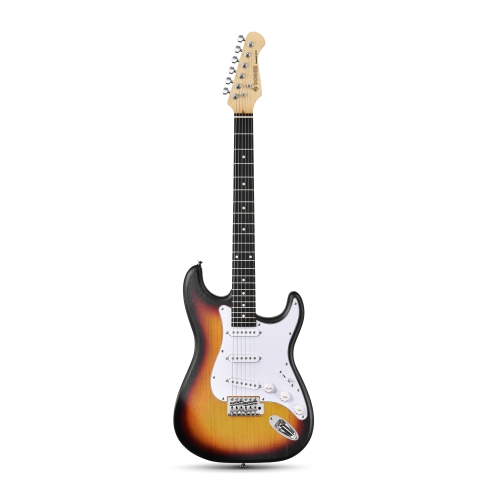
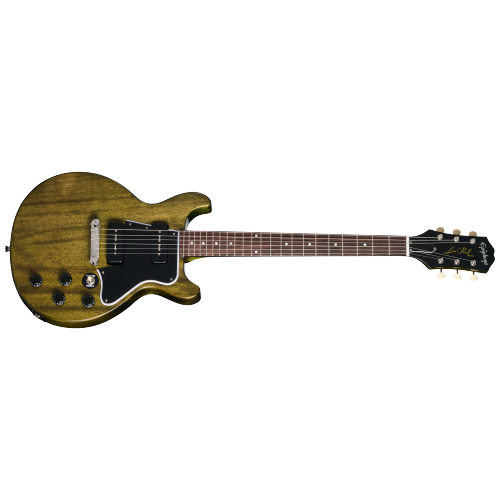
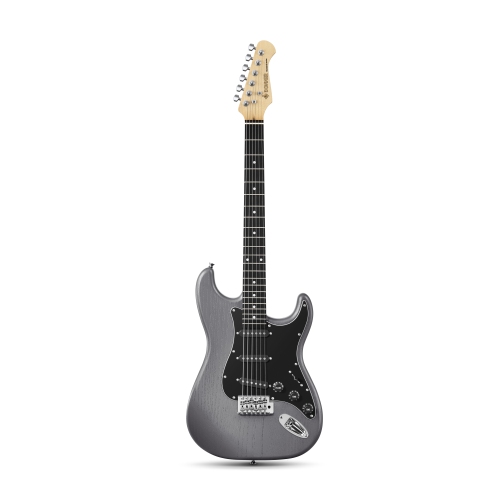
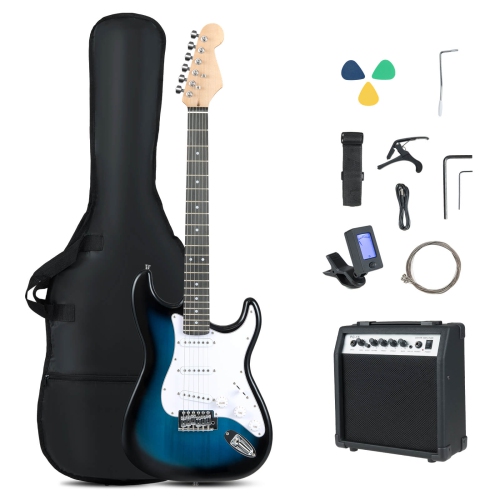
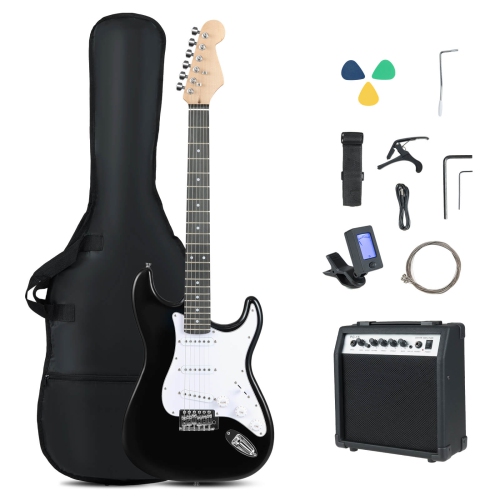
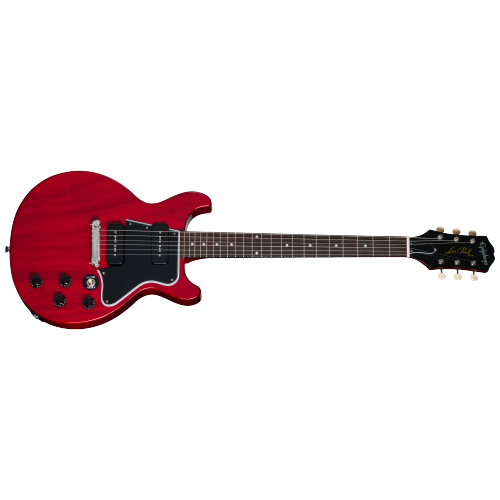
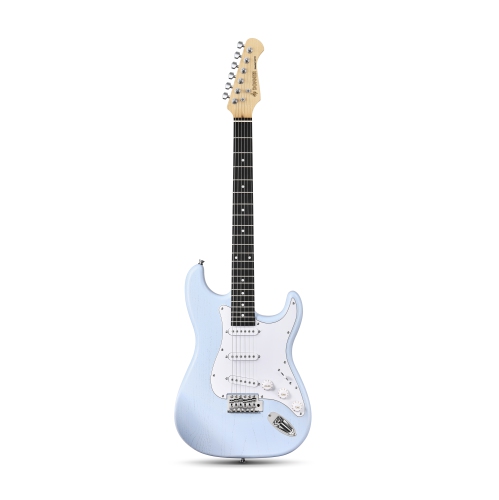
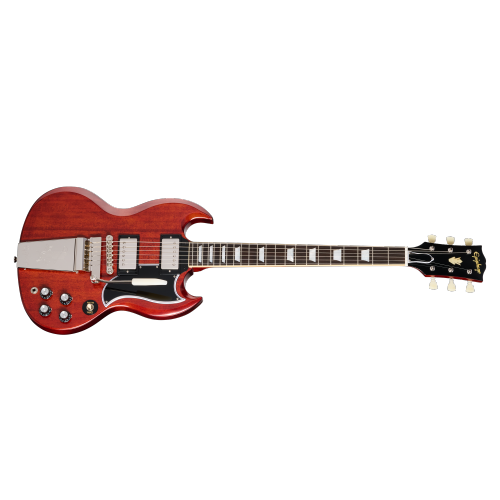
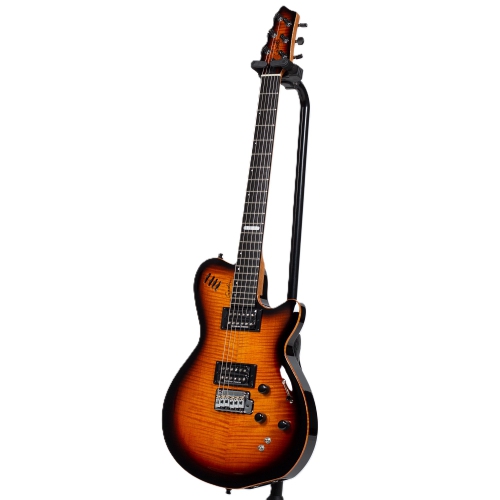


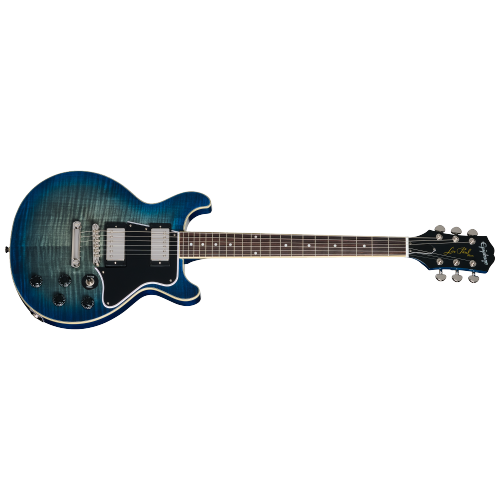

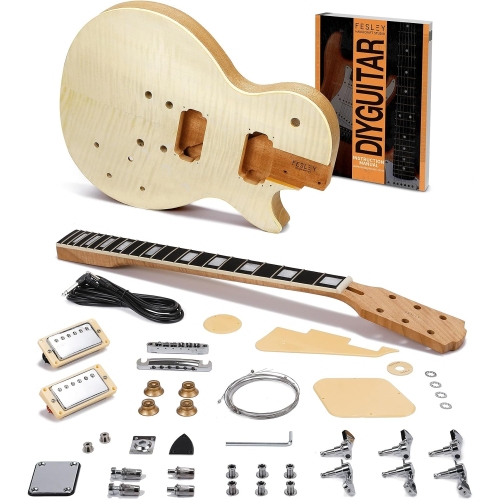
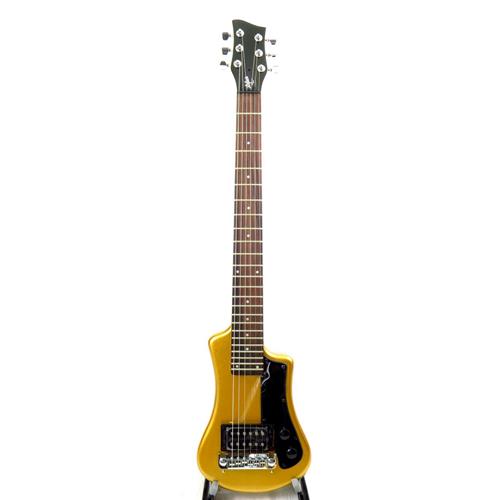
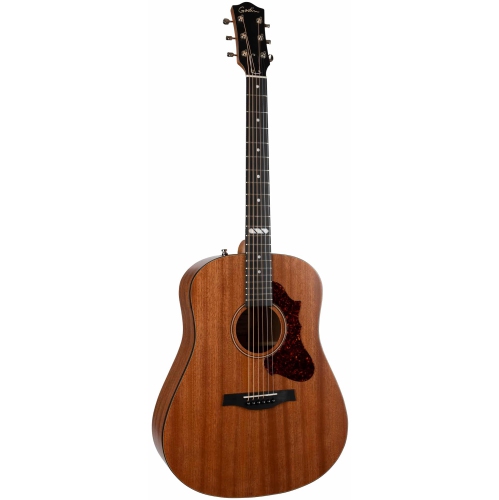
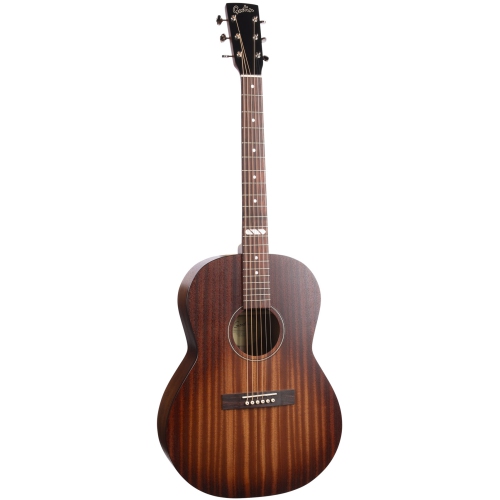
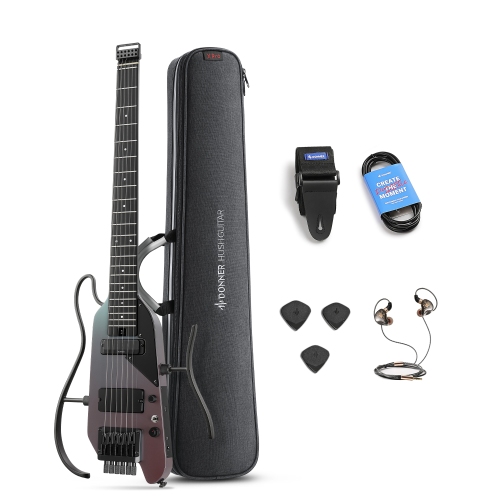
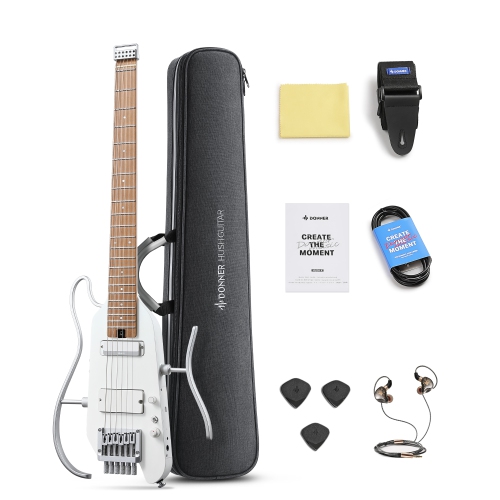
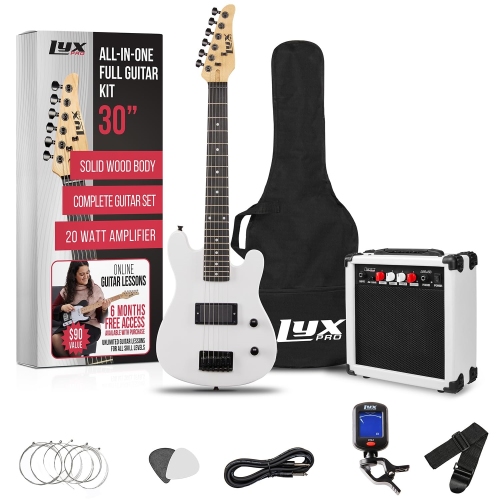
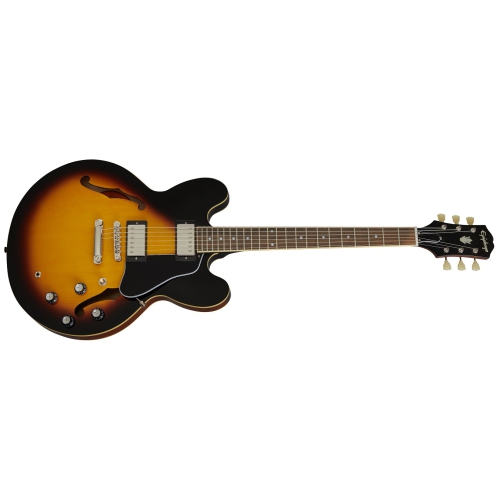


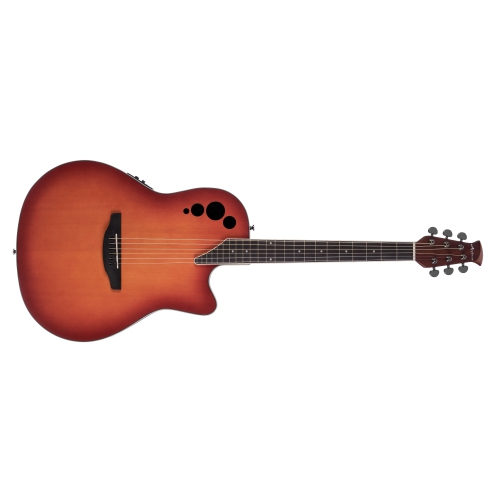
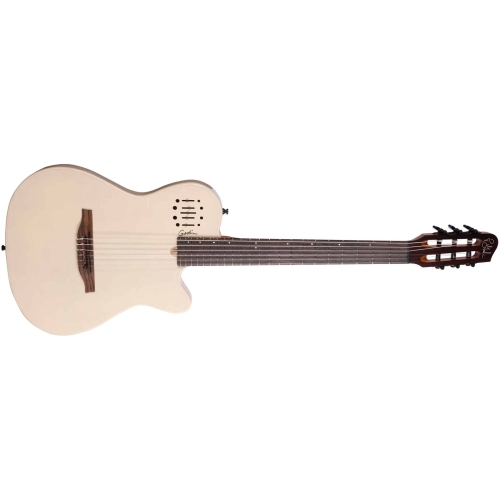
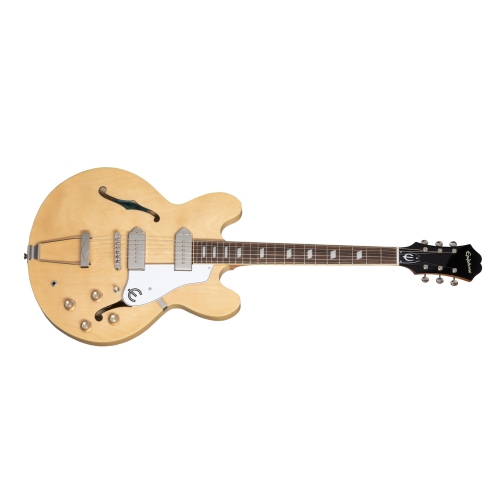
How solid construction shapes tone, feel, and versatility
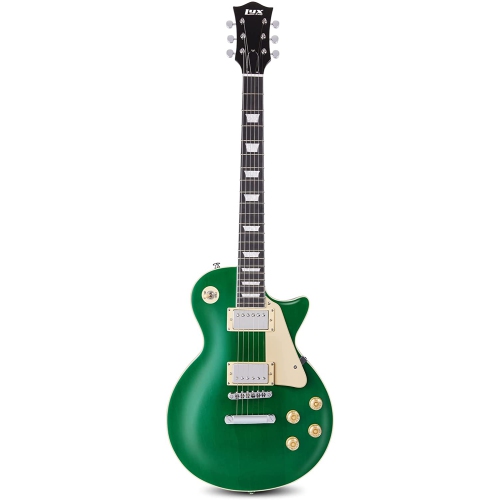
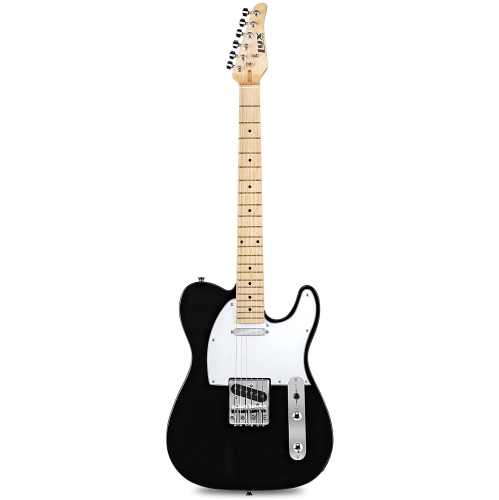
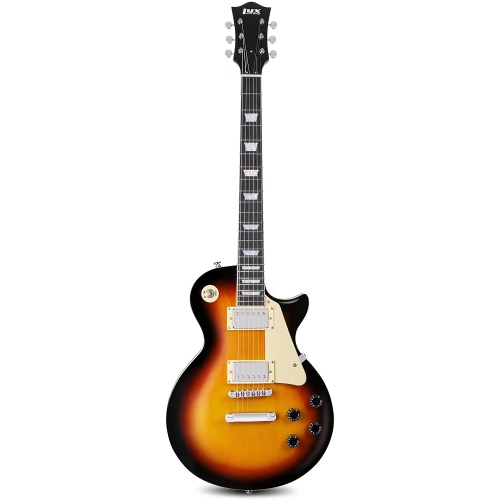
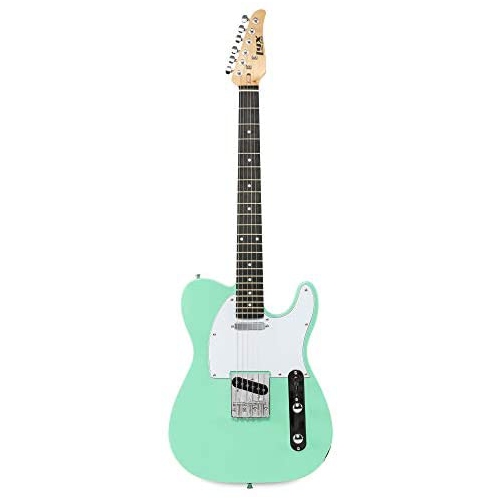
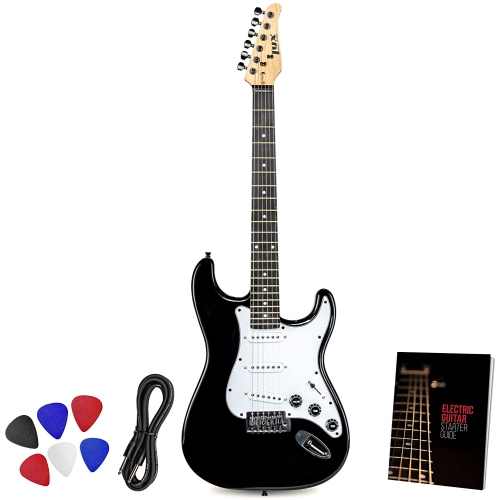
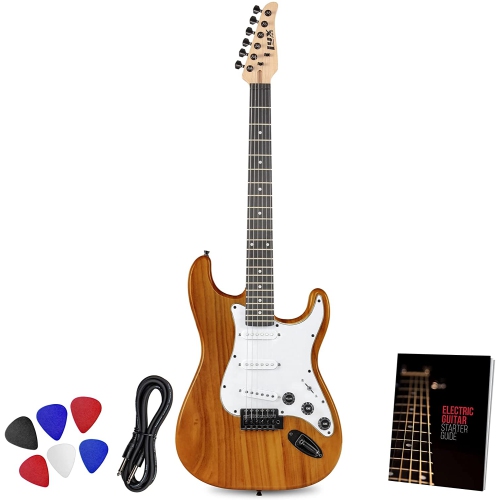
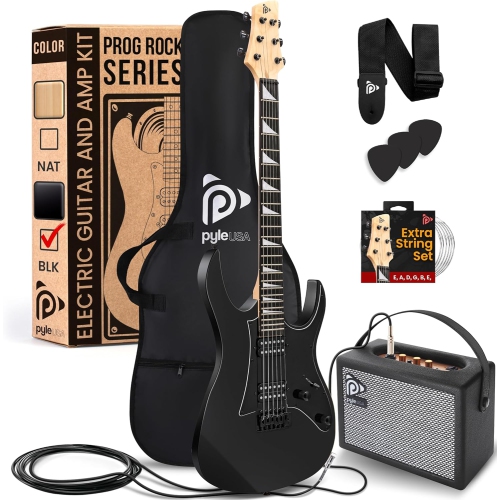
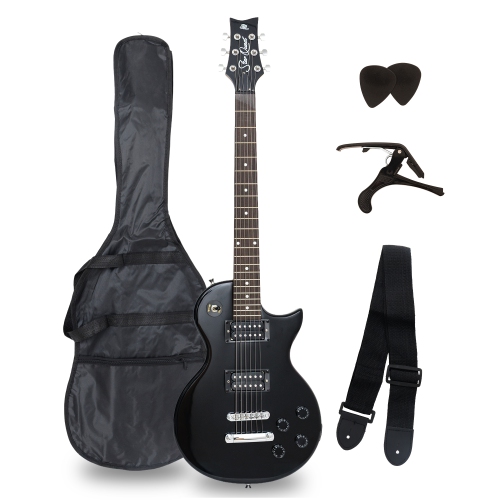
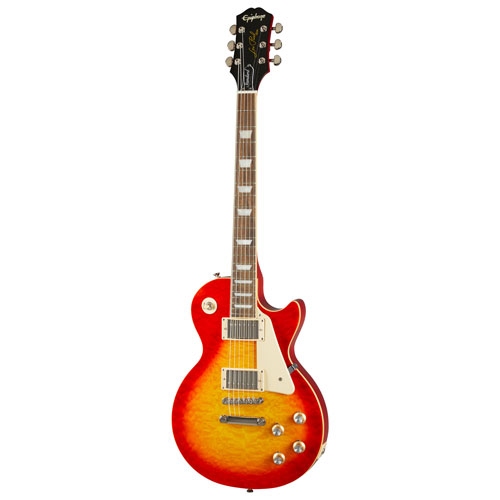
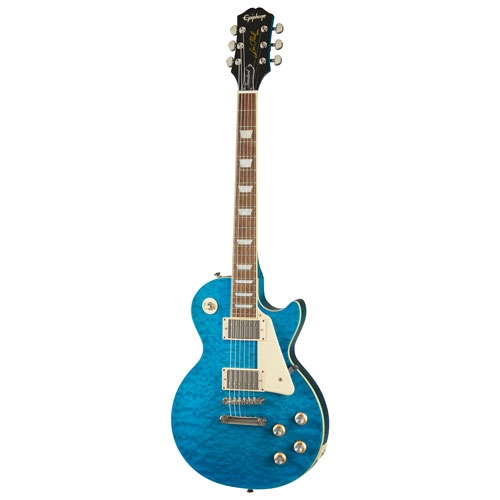
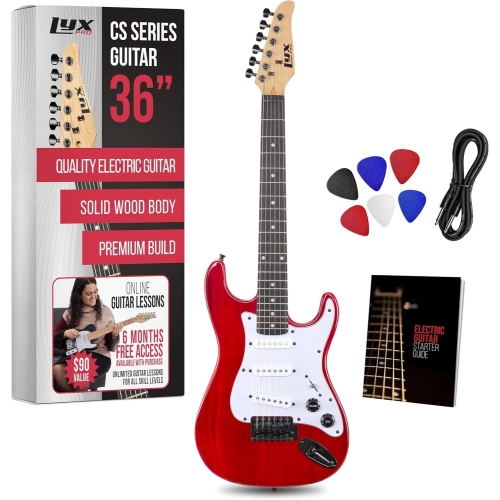
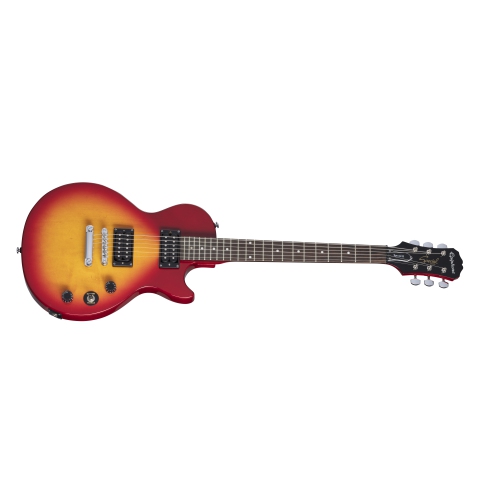
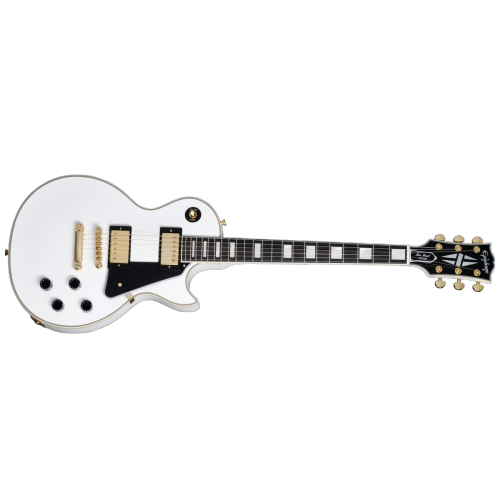
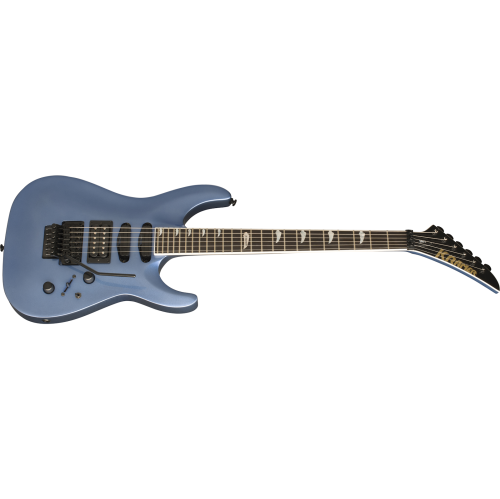
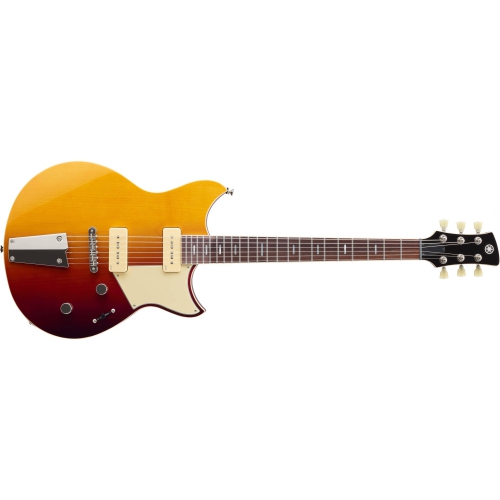
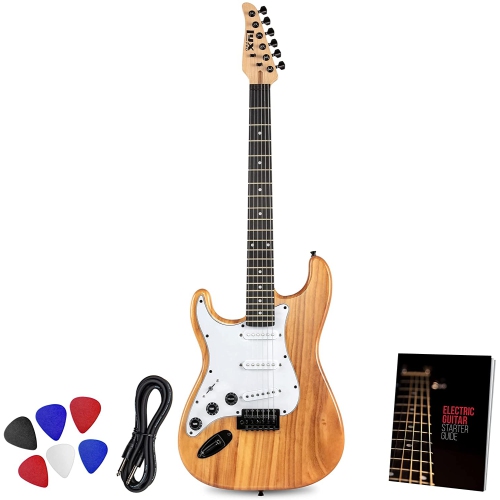
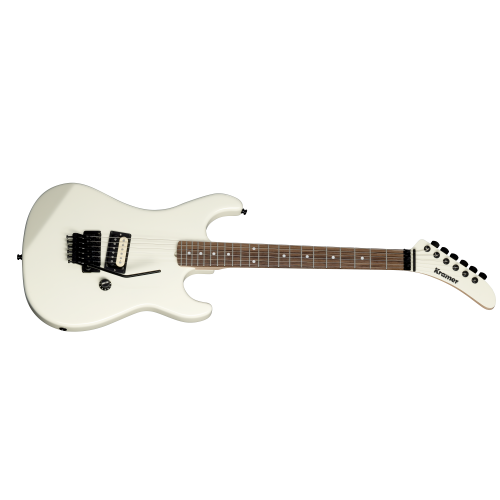
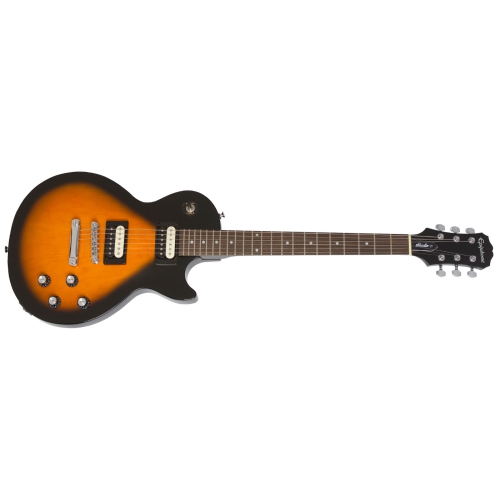
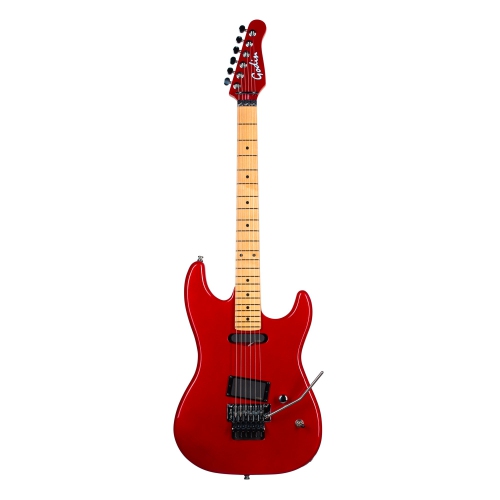
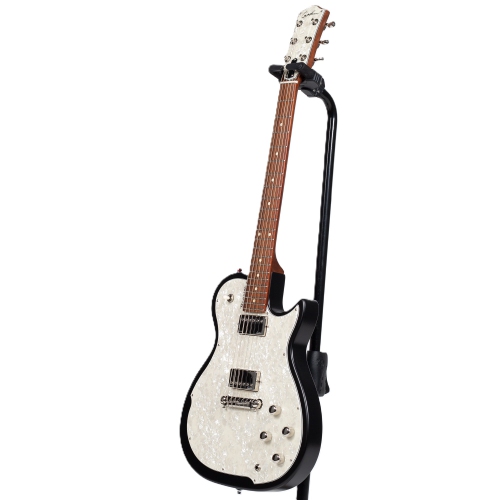
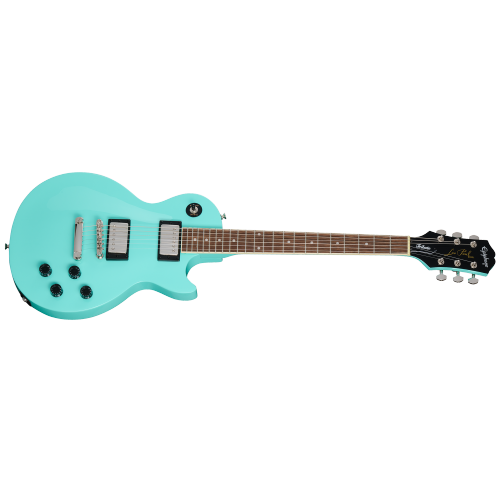
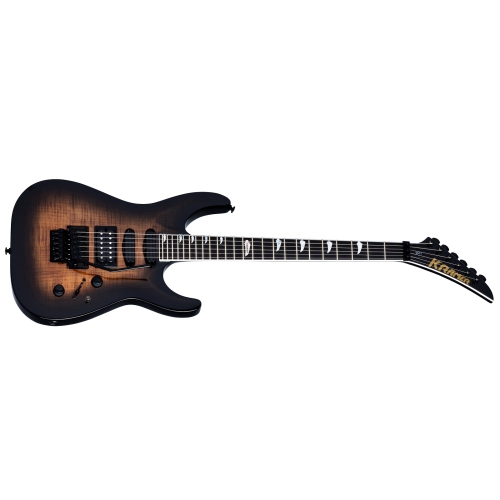
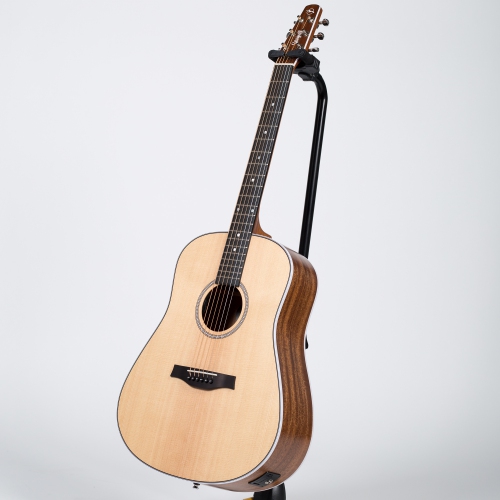
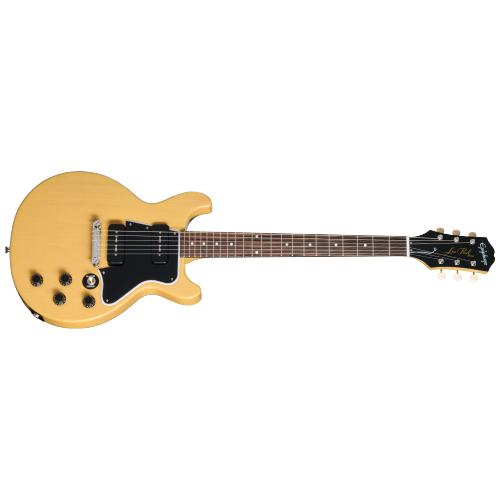
Solid body electric guitars are built around a dense, non-resonant body rather than the hollow sound chamber found in an acoustic or hollow body instrument. That solid construction gives the strings a firm anchor and helps the instrument deliver clear notes, strong sustain, and consistent performance at higher volume. When a string vibrates, magnetic pickups beneath it detect that movement and convert it into an electrical signal, which travels through the guitar cable to an amplifier, effects pedal, or recording setup. Because the body is not designed to project sound acoustically, a solid body electric guitar is meant to be played with amplification, although you can still hear the strings quietly when practising unplugged. This design is especially useful for rock, blues, metal, country, pop, punk, jazz, and many other styles where players want control over volume, tone, distortion, and effects. Solid construction also helps reduce the unwanted feedback that can occur when a hollow instrument is placed near a loud amplifier. The result is an adaptable platform for everything from clean, bell-like chords to thick overdrive, sustained lead lines, and tightly muted rhythm parts. For anyone comparing instruments, it helps to think about the complete playing experience rather than appearance alone. The shape and weight of the body affect comfort during long rehearsals, while the neck profile, fretboard radius, scale length, and fret size influence how the guitar feels in your hand. A slimmer neck may feel approachable for players with smaller hands or those learning their first chords, while a fuller neck can provide a more substantial grip for players who prefer a traditional feel. A lighter instrument can be easier to carry between lessons, rehearsals, and performances, whereas some musicians enjoy the grounded feel of a heavier body. Try to picture the guitar resting against you while seated and standing, with the picking hand falling naturally over the strings and the fretting hand moving easily along the neck.
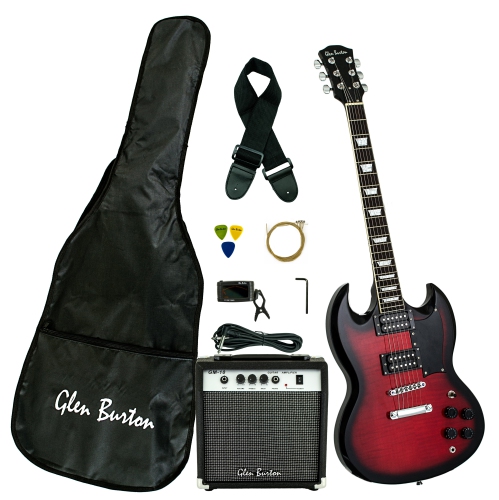
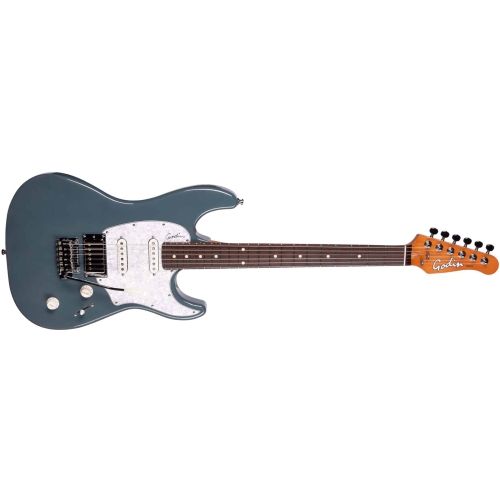
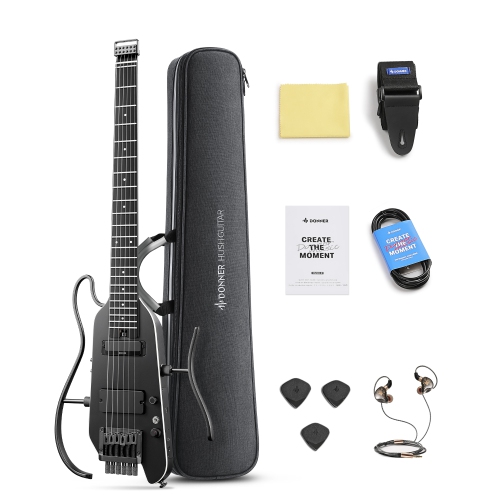
The type and arrangement of pickups have a major effect on the character of a solid body electric guitar. Single-coil pickups often provide a crisp, articulate response with plenty of bite and definition, making individual notes stand out in clean passages and chord work. Humbucker pickups use two coils to help reduce electrical hum and typically offer a fuller, warmer sound with strong output, making them well suited to overdriven riffs, sustained solos, and heavier music. Some guitars combine pickup styles or include switching controls that allow players to move between brighter, sharper tones and thicker, more powerful sounds. Volume and tone knobs also provide useful control from the instrument itself; rolling back the volume can soften an overdriven amplifier, while adjusting the tone can take the edge off a bright setting. The wood used for the body and neck can contribute to the instrument’s overall feel and response, although the final sound is shaped by the pickups, hardware, strings, amplifier, playing technique, and room together. Mahogany is often associated with a warm, dense character, while alder and ash are commonly valued for balanced, lively, and articulate tones. Basswood can offer a comfortable lightweight body and a responsive sound that works well with amplified styles. The fretboard material and neck construction also contribute to the tactile experience, so details such as smooth fret edges, stable tuning, and a comfortable finish are worth considering. A fixed bridge can provide a straightforward, dependable setup that is convenient for regular string changes and alternate tunings. A tremolo bridge can add expressive pitch movement, though it may require more attention when changing string gauges or tuning. Locking tuners, accessible controls, and a well-adjusted nut can make everyday playing more convenient, particularly for beginners who are still learning how to tune and maintain an instrument. Players who are building a home setup may also want to consider an amplifier with a headphone output, practice features, or built-in effects, along with a cable, strap, picks, tuner, and a suitable stand or case. These additions can turn a new guitar into a practical ready-to-play setup for evening practice, songwriting, lessons, or recording.
Solid body electric guitars can suit first-time players, returning musicians, experienced performers, and anyone looking for a flexible instrument to complement an existing collection. A beginner may appreciate the straightforward controls, durable design, and wide range of sounds available through a small practice amplifier. An advancing player might choose a second guitar with a different pickup configuration, scale length, or bridge style to explore new techniques and musical genres. For a working musician, dependable tuning, comfortable balance, and easy access to the upper frets can matter as much as the finish or colour. These guitars can also make thoughtful gifts for a student beginning lessons, a teenager discovering songwriting, or a seasoned player who enjoys experimenting with new tones. If you are shopping for someone else, pay attention to their preferred music, playing position, existing amplifier, and whether they favour a lighter or more substantial instrument. When in doubt, a versatile configuration with comfortable ergonomics and familiar controls can provide room to grow. Browsing Quality Electric Guitars can also help you compare construction details, pickup layouts, finishes, and included accessories in one place. Whether it is used for quiet practice with headphones, lively sessions with friends, layered home recordings, or amplified performances during the cooler months, a solid body electric guitar can become a dependable creative companion. The feel of the neck under your thumb, the gentle resistance of the strings, and the moment an amplifier brings a carefully played chord to life all shape the connection between player and instrument. Choosing a guitar that feels comfortable, responds naturally, and supports the music you want to make is often the most important step toward playing regularly and enjoying the instrument for years to come.
The type and arrangement of pickups have a major effect on the character of a solid body electric guitar. Single-coil pickups often provide a crisp, articulate response with plenty of bite and definition, making individual notes stand out in clean passages and chord work. Humbucker pickups use two coils to help reduce electrical hum and typically offer a fuller, warmer sound with strong output, making them well suited to overdriven riffs, sustained solos, and heavier music. Some guitars combine pickup styles or include switching controls that allow players to move between brighter, sharper tones and thicker, more powerful sounds. Volume and tone knobs also provide useful control from the instrument itself; rolling back the volume can soften an overdriven amplifier, while adjusting the tone can take the edge off a bright setting. The wood used for the body and neck can contribute to the instrument’s overall feel and response, although the final sound is shaped by the pickups, hardware, strings, amplifier, playing technique, and room together. Mahogany is often associated with a warm, dense character, while alder and ash are commonly valued for balanced, lively, and articulate tones. Basswood can offer a comfortable lightweight body and a responsive sound that works well with amplified styles. The fretboard material and neck construction also contribute to the tactile experience, so details such as smooth fret edges, stable tuning, and a comfortable finish are worth considering. A fixed bridge can provide a straightforward, dependable setup that is convenient for regular string changes and alternate tunings. A tremolo bridge can add expressive pitch movement, though it may require more attention when changing string gauges or tuning. Locking tuners, accessible controls, and a well-adjusted nut can make everyday playing more convenient, particularly for beginners who are still learning how to tune and maintain an instrument. Players who are building a home setup may also want to consider an amplifier with a headphone output, practice features, or built-in effects, along with a cable, strap, picks, tuner, and a suitable stand or case. These additions can turn a new guitar into a practical ready-to-play setup for evening practice, songwriting, lessons, or recording.
Solid body electric guitars can suit first-time players, returning musicians, experienced performers, and anyone looking for a flexible instrument to complement an existing collection. A beginner may appreciate the straightforward controls, durable design, and wide range of sounds available through a small practice amplifier. An advancing player might choose a second guitar with a different pickup configuration, scale length, or bridge style to explore new techniques and musical genres. For a working musician, dependable tuning, comfortable balance, and easy access to the upper frets can matter as much as the finish or colour. These guitars can also make thoughtful gifts for a student beginning lessons, a teenager discovering songwriting, or a seasoned player who enjoys experimenting with new tones. If you are shopping for someone else, pay attention to their preferred music, playing position, existing amplifier, and whether they favour a lighter or more substantial instrument. When in doubt, a versatile configuration with comfortable ergonomics and familiar controls can provide room to grow. Browsing Quality Electric Guitars can also help you compare construction details, pickup layouts, finishes, and included accessories in one place. Whether it is used for quiet practice with headphones, lively sessions with friends, layered home recordings, or amplified performances during the cooler months, a solid body electric guitar can become a dependable creative companion. The feel of the neck under your thumb, the gentle resistance of the strings, and the moment an amplifier brings a carefully played chord to life all shape the connection between player and instrument. Choosing a guitar that feels comfortable, responds naturally, and supports the music you want to make is often the most important step toward playing regularly and enjoying the instrument for years to come.
Top selling and popular products
-
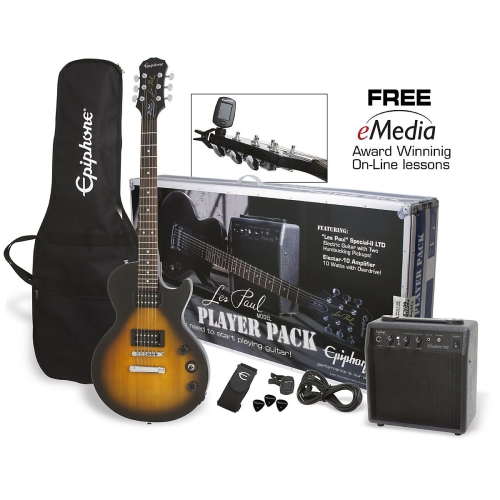 Your price for this item is $494.49
 -
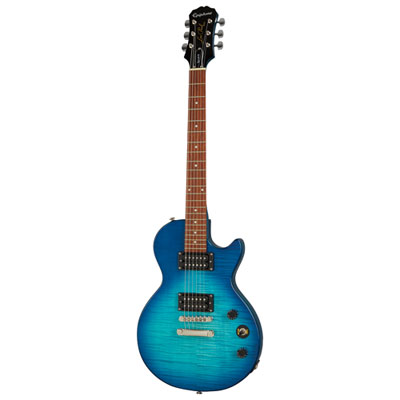 Your price for this item is $379.99
 -
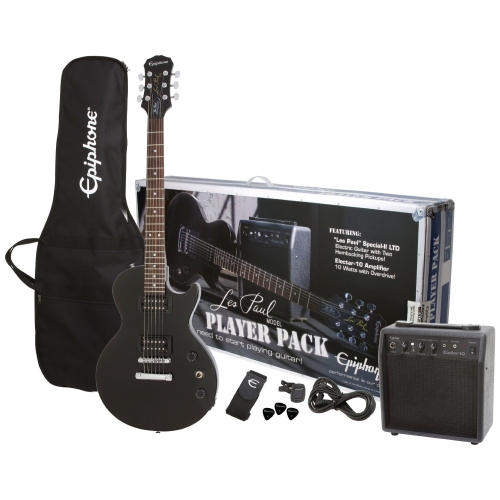 Your price for this item is $494.49
 -
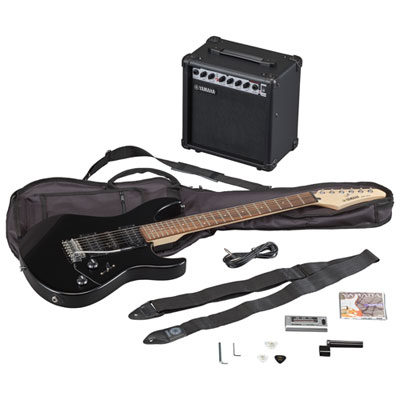 Your price for this item is $349.99
 -
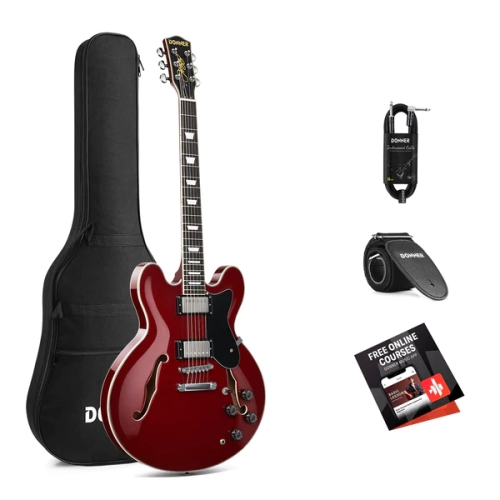 Your price for this item is $395.99
 -
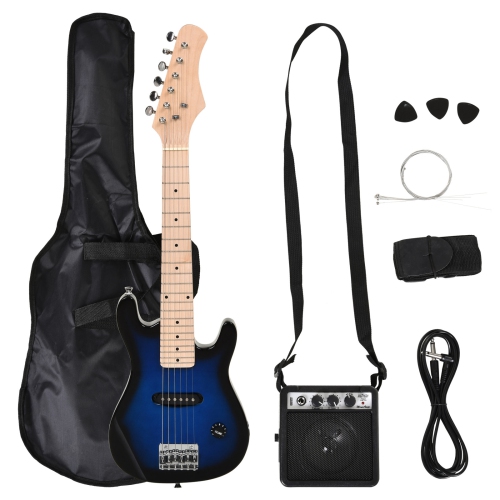 Your price for this item is $124.99
 -
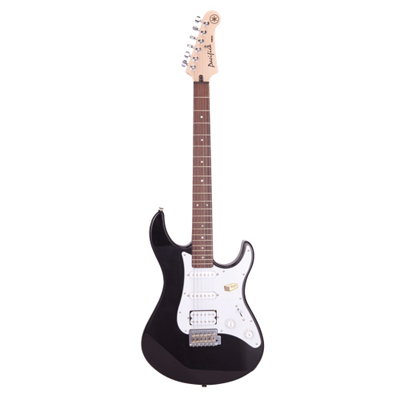 Your price for this item is $299.99
 -
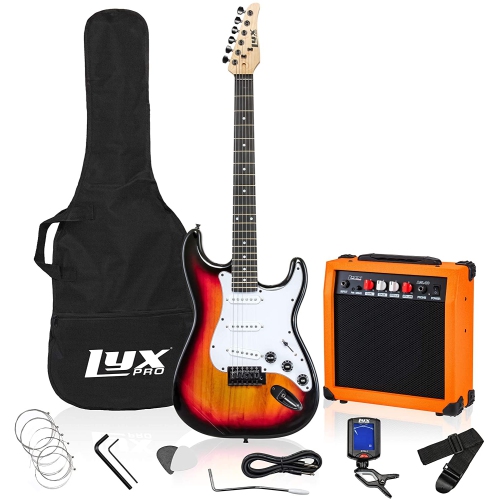 Your price for this item is $239.99
Discover more categories related to Solid Body Electric Guitars
Top Collections:
Pokemon Centers, Best Cameras for Sports Photography, Kindle Devices, Samsung Galaxy Phones, Canon G7X Cameras, Pokémon 30th Celebration Cards, Refurbished Apple Laptops, iPhone 15 Apple, Laptops for Students, Budget Smartphones
Some products may be subject to Environmental Handling Fees
(EHF) depending on your province.
Learn more about EHFs.