Ukulele Strings
Whether you're a seasoned ukulele player or just starting out, finding the right strings for your instrument is essential to producing beautiful music. Our selection of ukulele strings offers a variety of options to suit different playing styles and preferences. From traditional nylon strings to fluorocarbon options known for their bright tones, you'll find everything you need to keep your ukulele sounding its best. Explore our range of ukulele strings to find the perfect set for your musical journey.
Sort




The right strings shape your ukulele’s tone and feel
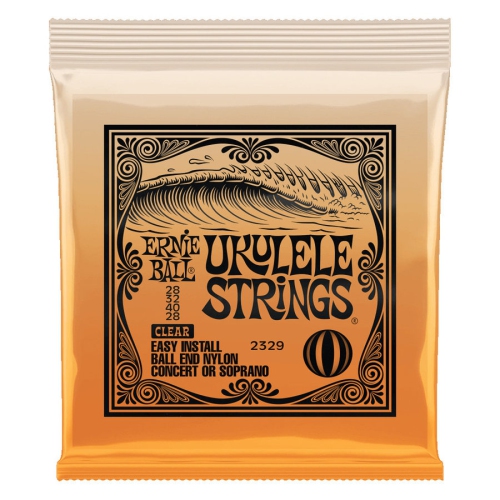
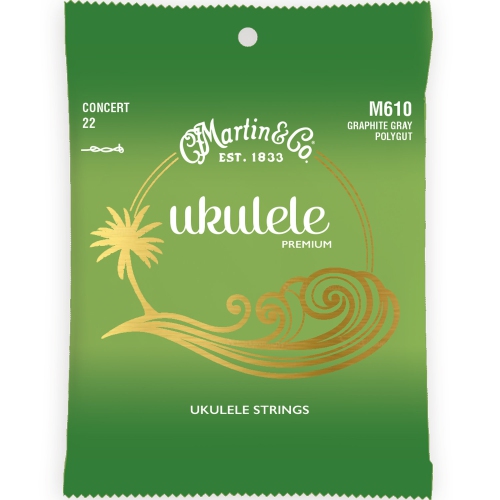
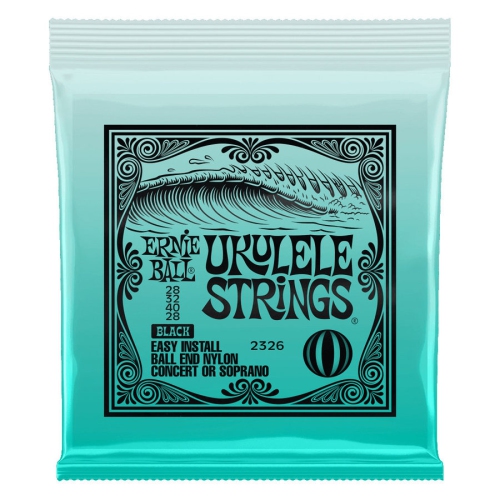
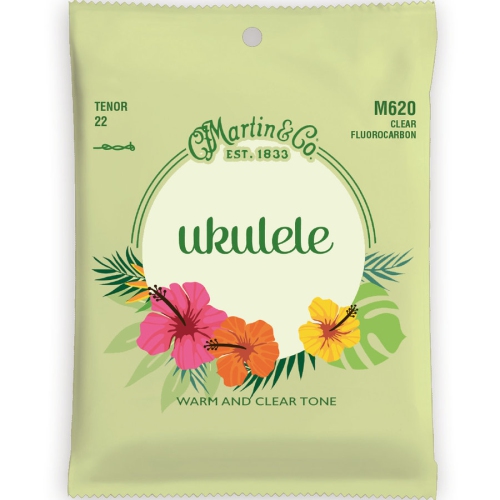
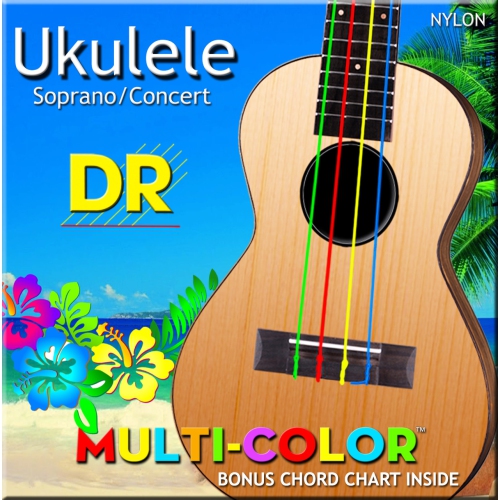
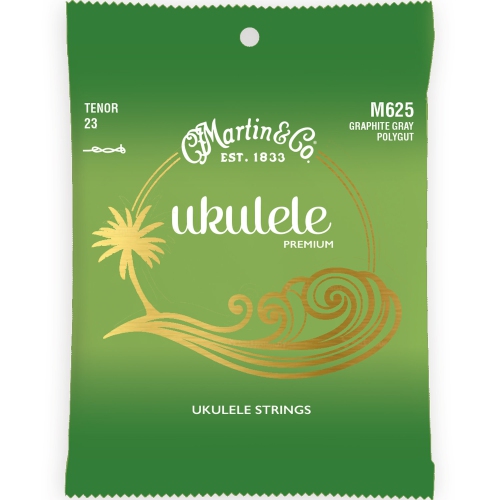
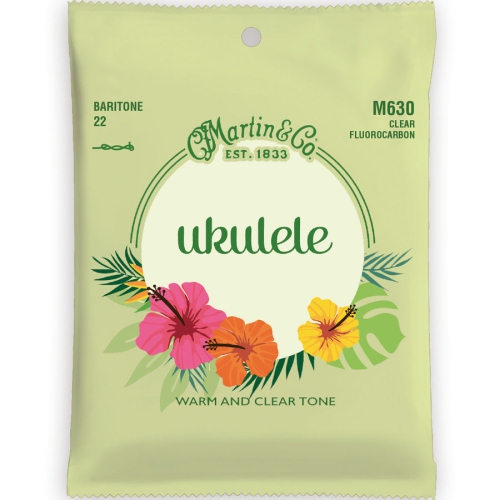
Ukulele strings are a small but important part of the instrument’s sound, feel, and playability. Whether you are refreshing a well-loved ukulele or keeping a spare set on hand, the right strings can help bring back a clear tone and a comfortable response under your fingers. Standard ukulele tuning is G–C–E–A, with the G string closest to the player’s face and the A string closest to the floor when the instrument is held in playing position. On many ukuleles, the G string is a high-G string that sits above the C string in pitch, creating the familiar bright, chiming sound associated with the instrument. Some players choose a low-G setup instead, where the G string is tuned an octave lower for a fuller, more guitar-like range. Before choosing a set, check whether it is intended for soprano, concert, tenor, or baritone ukulele, as these instruments differ in scale length, tuning, and string requirements. Soprano ukuleles tend to have a short, lively voice, while concert and tenor models offer more room for the fretting hand and often benefit from strings that bring out their added body and sustain. Baritone ukuleles are generally tuned D–G–B–E, like the highest four strings of a guitar, so they require a dedicated baritone set rather than standard G–C–E–A strings. String material also has a noticeable effect on the playing experience. Nylon strings are a traditional choice, with a warm, rounded tone and a soft feel that many beginners find inviting. Nylgut strings are made from a synthetic gut-style material and are valued for their punchy volume, smooth response, and ability to produce a clear, distinctive ukulele voice. Fluorocarbon strings often deliver a brighter tone, longer sustain, and a crisp attack, making them popular with players who want individual notes to stand out during fingerpicking or melodic passages. Different materials may settle into tune at different rates, and a fresh set can stretch for a little while after installation, so gradual tuning is normal. Gauge is another consideration: lighter strings can feel easy to press and bend, while heavier strings may provide a more substantial feel and stronger projection. The best choice depends on the player’s comfort, technique, instrument, and preferred sound rather than on one material being ideal for everyone.
A replacement set is useful for players at every level. Beginners may need strings after learning how to tune, practise chords, and build confidence through regular playing, particularly if the original strings have become dull or difficult to keep in tune. Experienced musicians often keep an extra set in a gig bag or instrument case so an unexpected break does not interrupt a rehearsal, lesson, campfire session, or performance. Strings can gradually lose some of their liveliness through regular contact with fingers, airborne dust, temperature changes, and repeated tuning, even when they remain intact. A fresh set may make familiar chords sound more defined and can renew the enjoyment of an instrument that has been sitting unused during the cooler months. Ukulele strings can also make a thoughtful gift for a student, hobby musician, music teacher, or family member who enjoys bringing a compact instrument to gatherings, cottages, parks, and travel destinations. They pair naturally with other practical Ukulele Accessories, such as a tuner, case, strap, or cleaning cloth, without requiring the recipient to change instruments or learn a new setup. When restringing, remove and replace the strings one at a time if you want to keep the bridge and neck under more consistent tension, or follow the instrument manufacturer’s recommended method. Thread each string securely through the bridge, guide it neatly around the tuning post, and leave enough length for several clean wraps without creating bulky overlaps. Tune slowly to G, C, E, and A, then stretch each string gently and retune until the pitch becomes more stable. It is worth checking the tuning from the side and listening for buzzing, rattling, or notes that sound unusually muted; these signs may point to an installation issue or a setup concern rather than a problem with the string itself. Store unused strings in their packaging in a dry indoor location, and avoid leaving the ukulele in a vehicle or beside a heat source, where rapid changes in temperature and humidity can affect both strings and the instrument. With a suitable set and a little patience during installation, a ukulele can offer a bright, welcoming sound for relaxed strumming, careful fingerpicking, singalongs, lessons, and everyday practice.
A replacement set is useful for players at every level. Beginners may need strings after learning how to tune, practise chords, and build confidence through regular playing, particularly if the original strings have become dull or difficult to keep in tune. Experienced musicians often keep an extra set in a gig bag or instrument case so an unexpected break does not interrupt a rehearsal, lesson, campfire session, or performance. Strings can gradually lose some of their liveliness through regular contact with fingers, airborne dust, temperature changes, and repeated tuning, even when they remain intact. A fresh set may make familiar chords sound more defined and can renew the enjoyment of an instrument that has been sitting unused during the cooler months. Ukulele strings can also make a thoughtful gift for a student, hobby musician, music teacher, or family member who enjoys bringing a compact instrument to gatherings, cottages, parks, and travel destinations. They pair naturally with other practical Ukulele Accessories, such as a tuner, case, strap, or cleaning cloth, without requiring the recipient to change instruments or learn a new setup. When restringing, remove and replace the strings one at a time if you want to keep the bridge and neck under more consistent tension, or follow the instrument manufacturer’s recommended method. Thread each string securely through the bridge, guide it neatly around the tuning post, and leave enough length for several clean wraps without creating bulky overlaps. Tune slowly to G, C, E, and A, then stretch each string gently and retune until the pitch becomes more stable. It is worth checking the tuning from the side and listening for buzzing, rattling, or notes that sound unusually muted; these signs may point to an installation issue or a setup concern rather than a problem with the string itself. Store unused strings in their packaging in a dry indoor location, and avoid leaving the ukulele in a vehicle or beside a heat source, where rapid changes in temperature and humidity can affect both strings and the instrument. With a suitable set and a little patience during installation, a ukulele can offer a bright, welcoming sound for relaxed strumming, careful fingerpicking, singalongs, lessons, and everyday practice.
Top selling and popular products
-
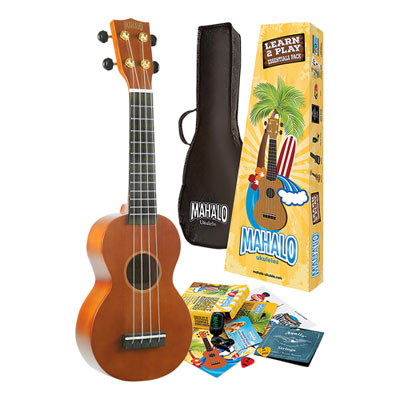 Your price for this item is $79.99
 -
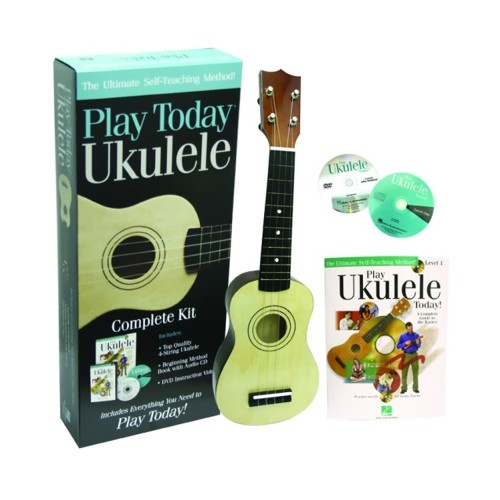 Your price for this item is $68.99
 -
 Your price for this item is $155.24
 -
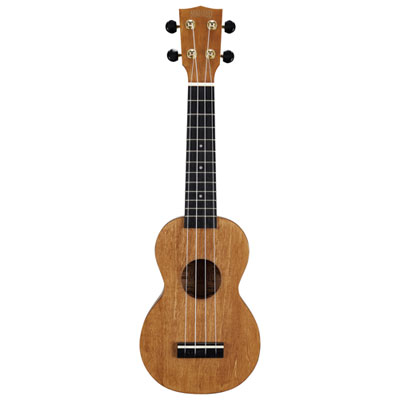 Your price for this item is $59.99
 -
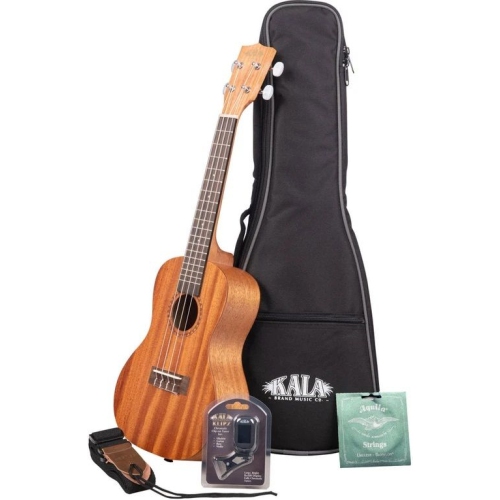 Your price for this item is $214.99
 -
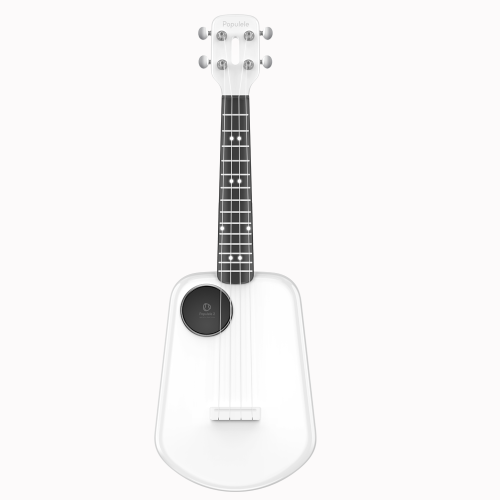 Your price for this item is $239.99
 -
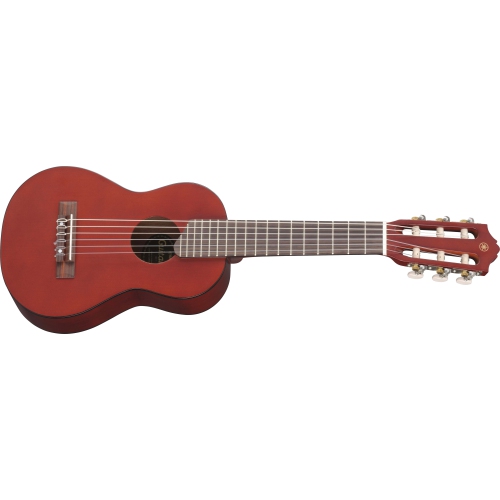 Your price for this item is $169.99
 -
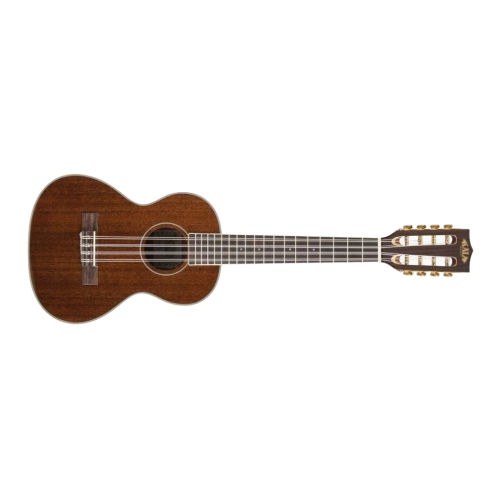 Your price for this item is $474.99
Discover more categories related to Ukulele Strings
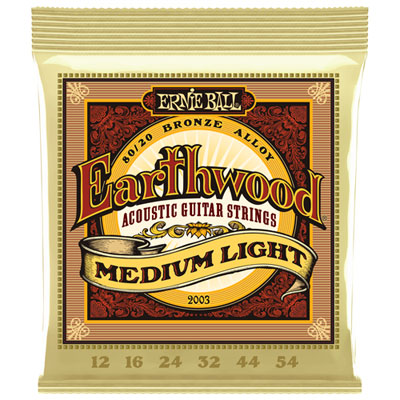


Top Collections:
Pokemon Centers, Kindle Devices, Best Cell Phones Under $500, Alarm Clock, Canon G7X Cameras, iPhone 15 Apple, Apple iPhones 16, Laptops for Students, iPhone 14 256GB, Budget Smartphones
Some products may be subject to Environmental Handling Fees
(EHF) depending on your province.
Learn more about EHFs.