Good Guitar Strings
Guitar strings are one of the most important parts of your guitar. They're what make your guitar sound good and what allow you to play music. Here are some of the best guitar strings available today.
Sort
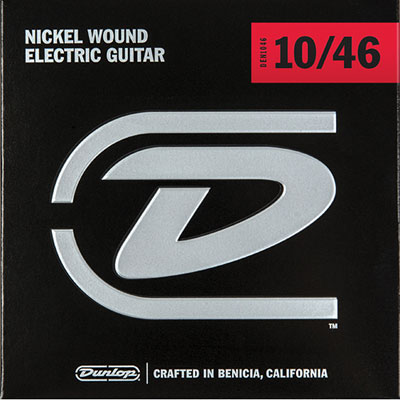
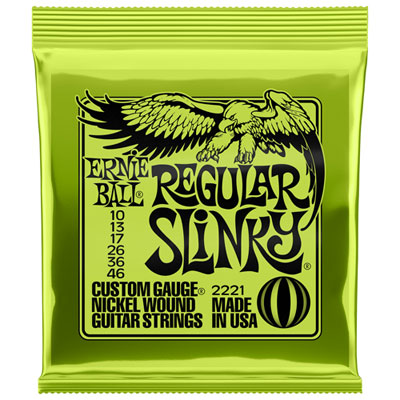
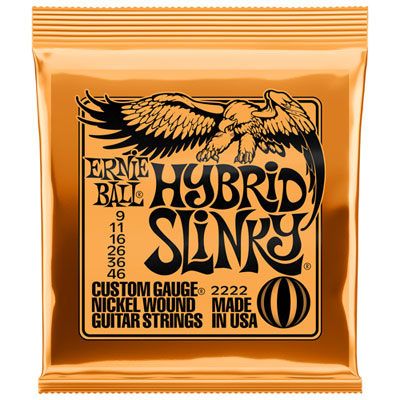
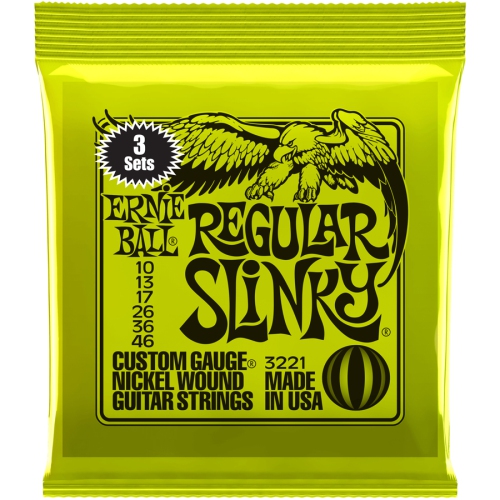
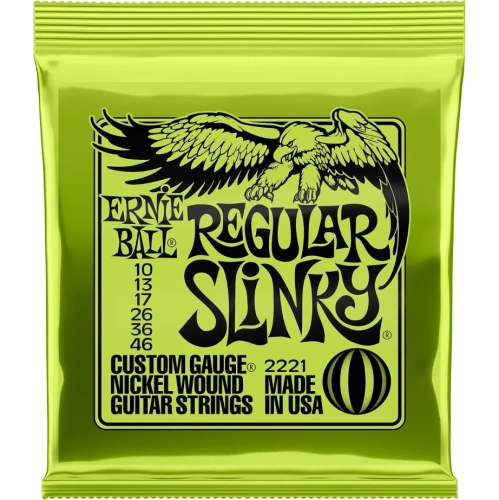
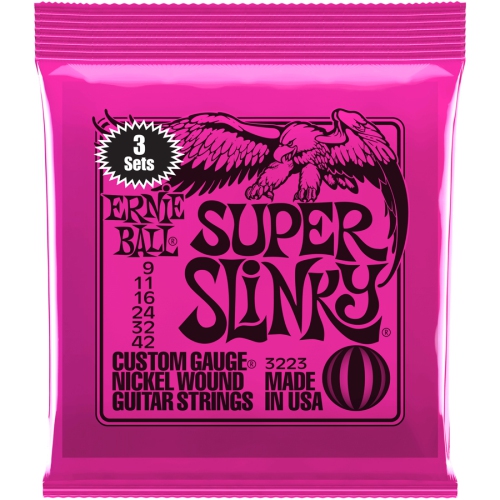
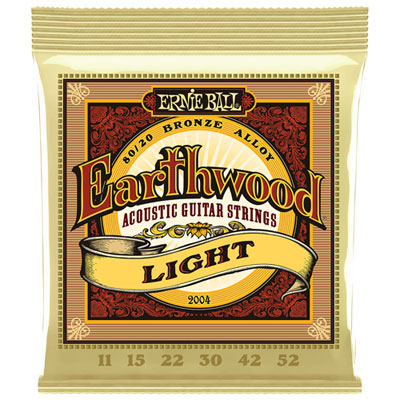
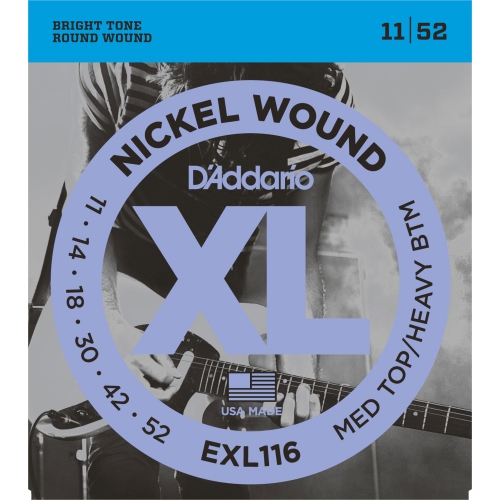
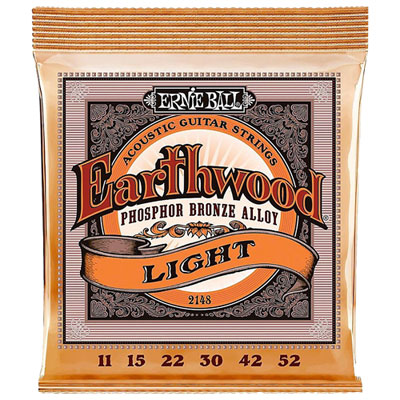
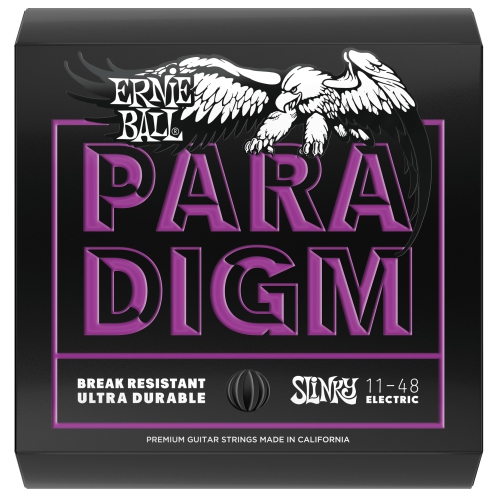
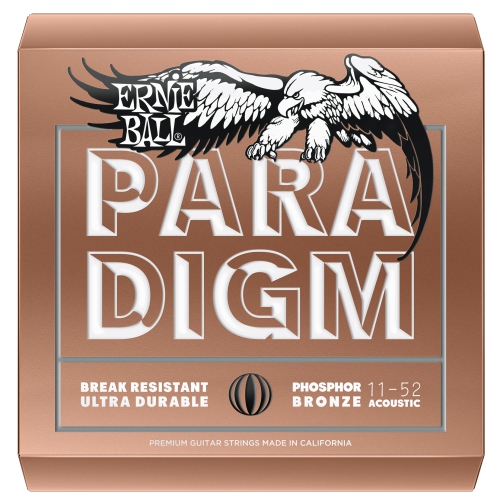
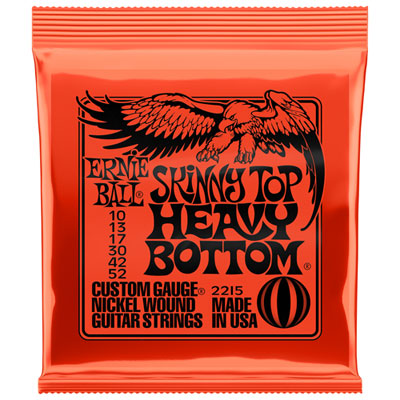
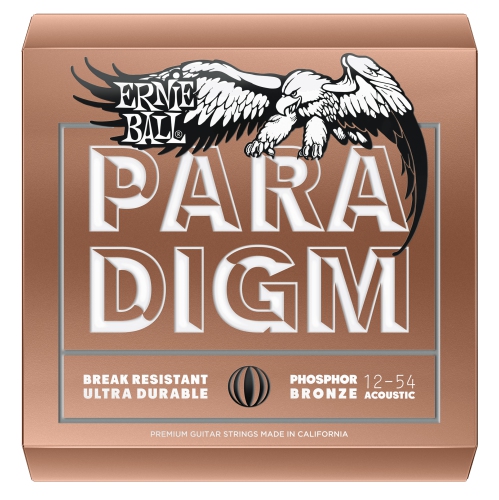


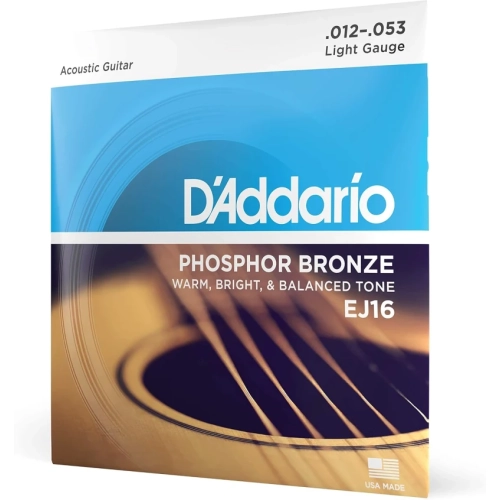





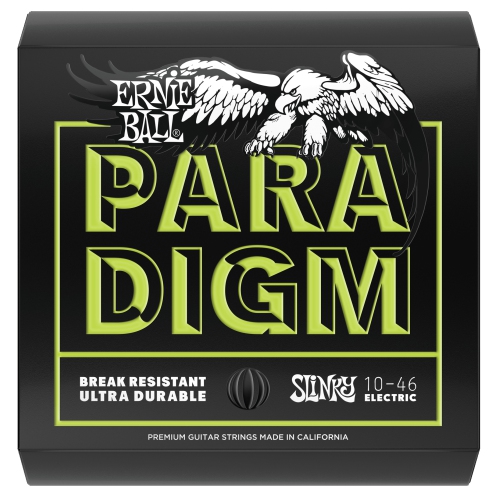
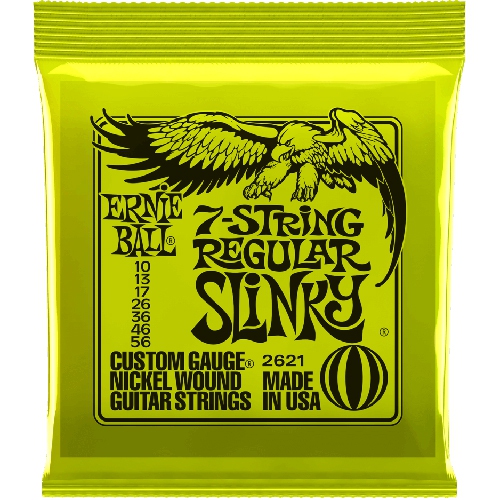
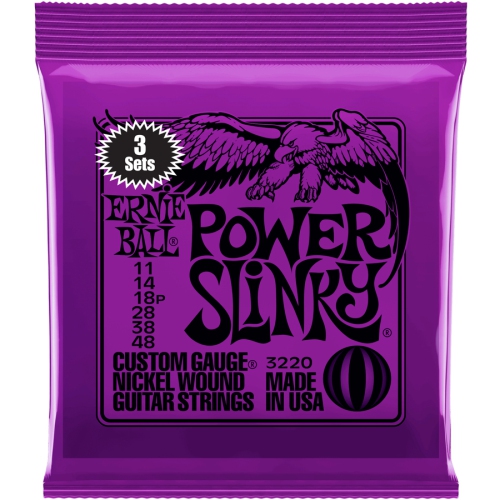


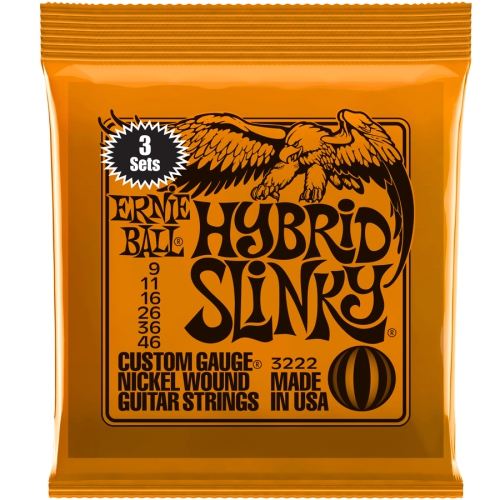
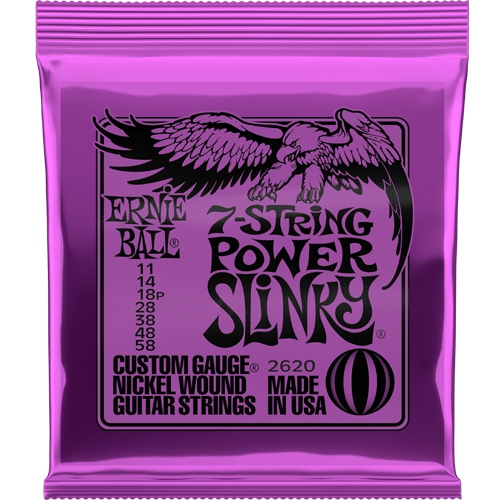
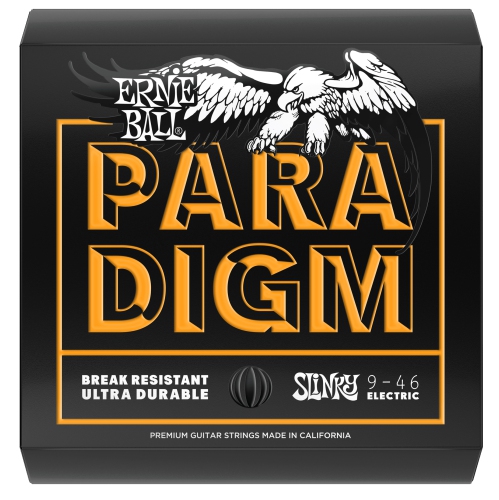

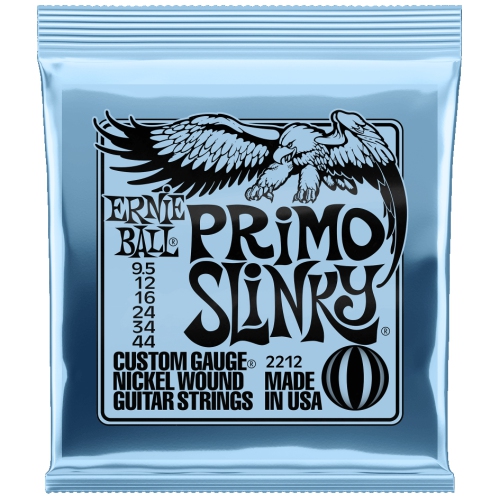
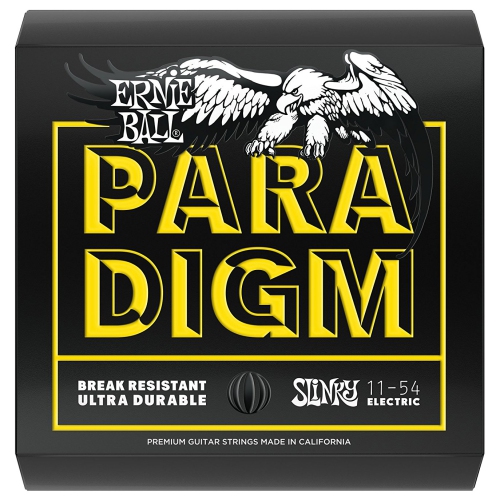
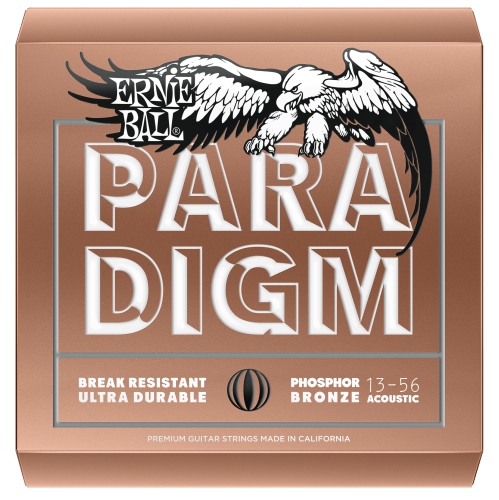
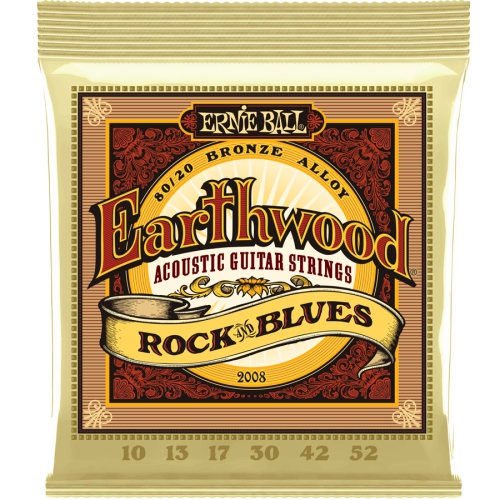



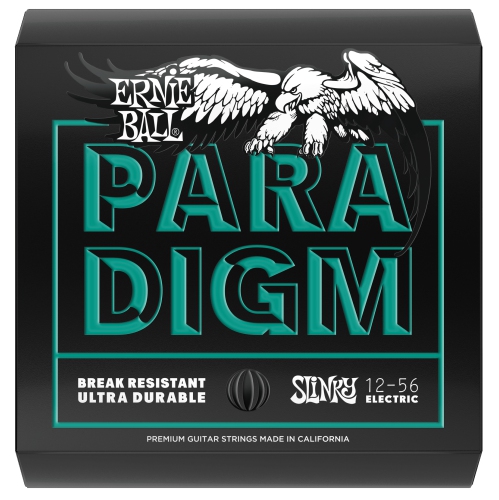

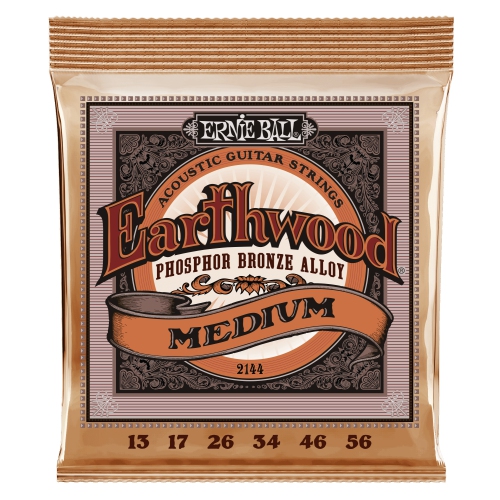
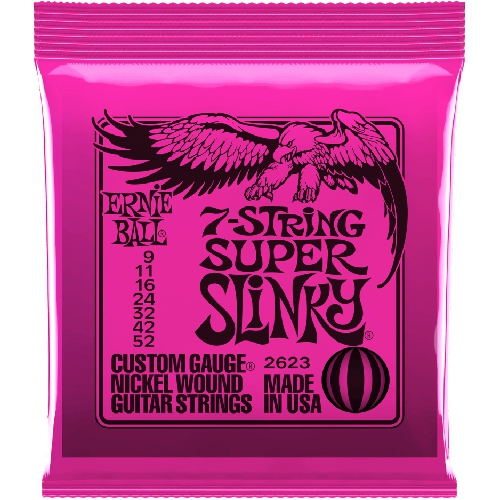
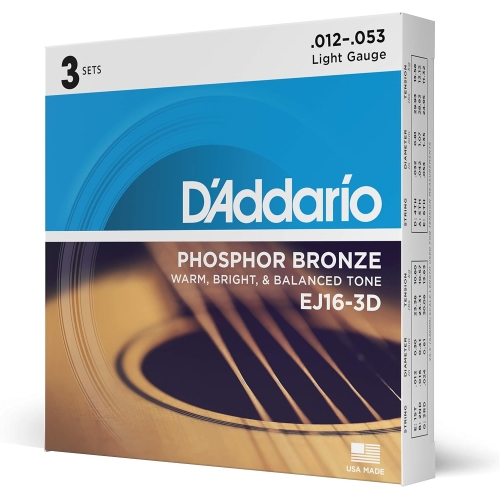

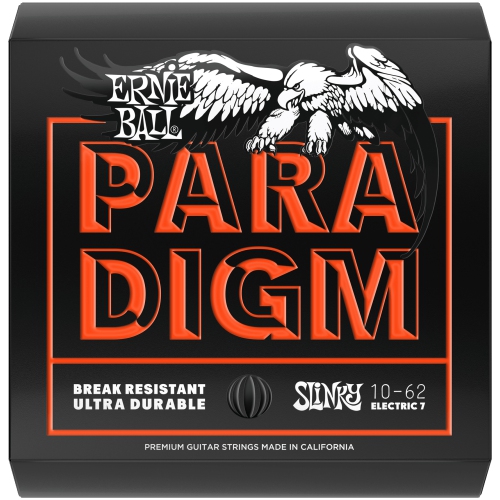


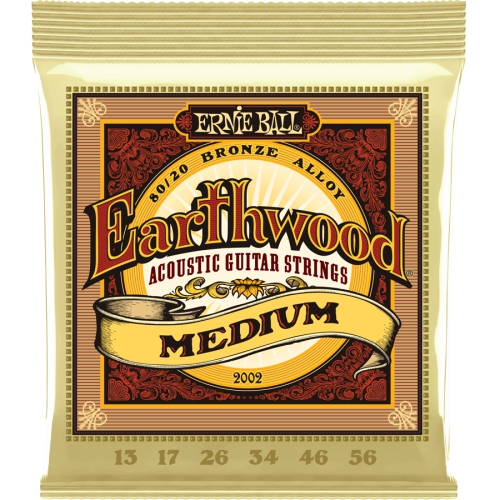
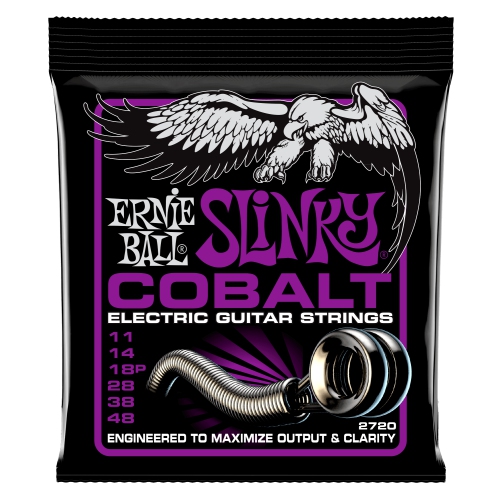

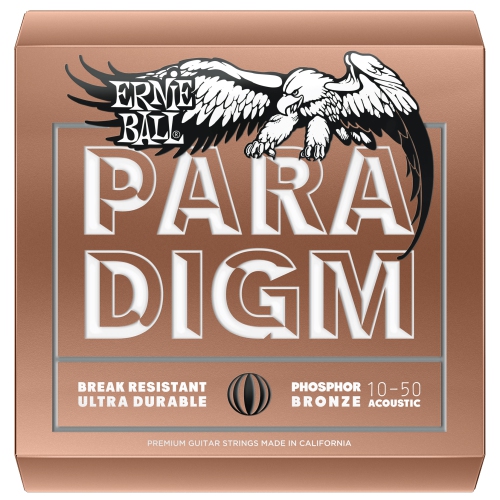


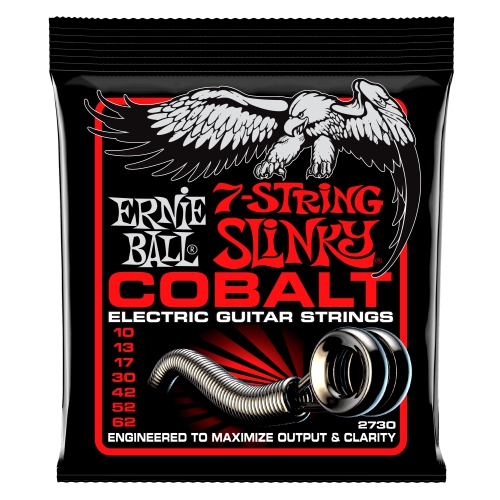
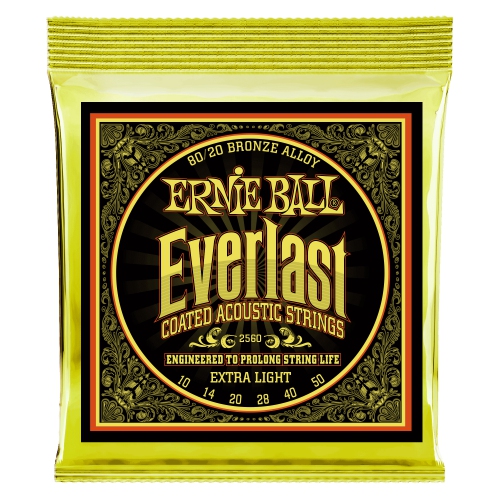

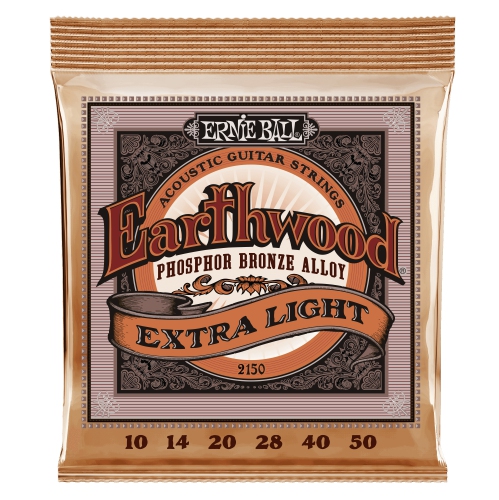

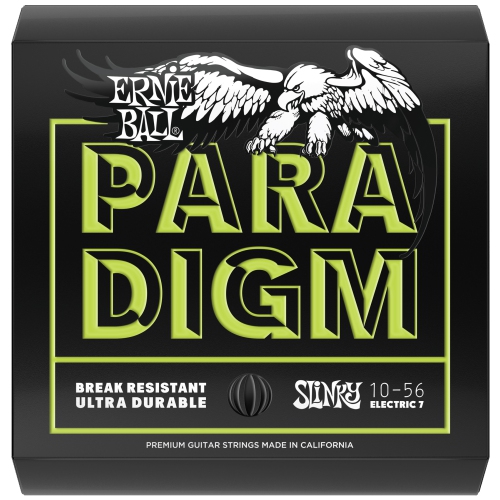
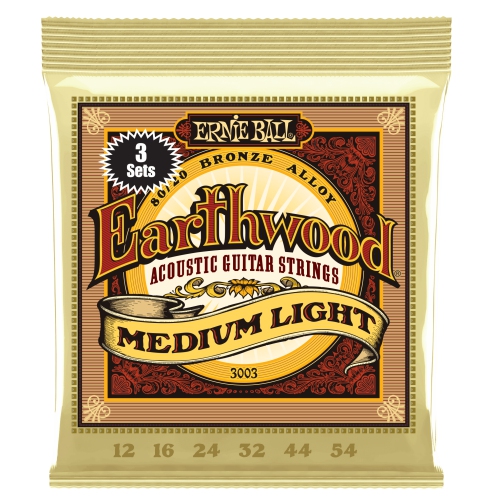


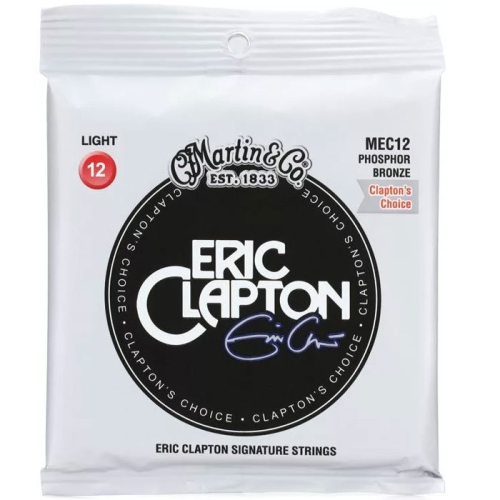
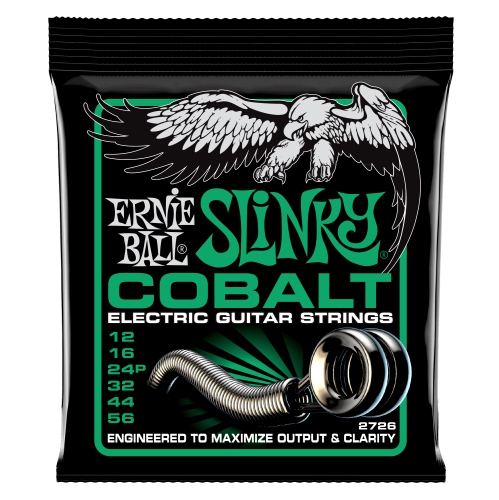
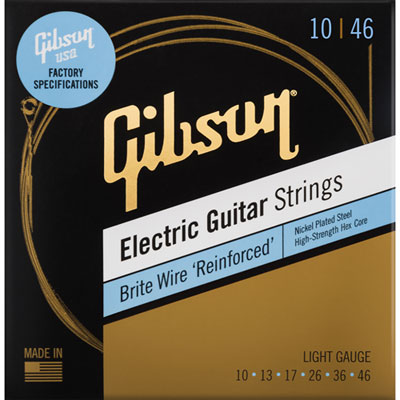
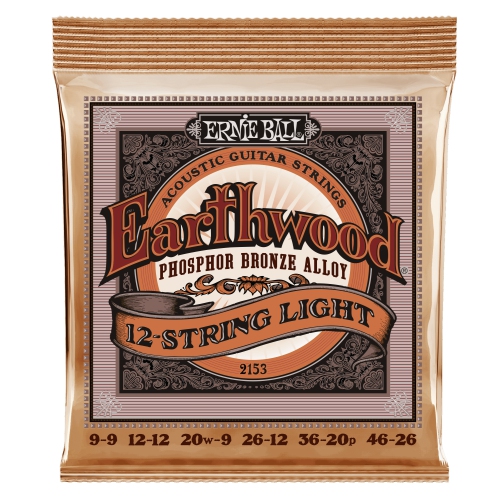
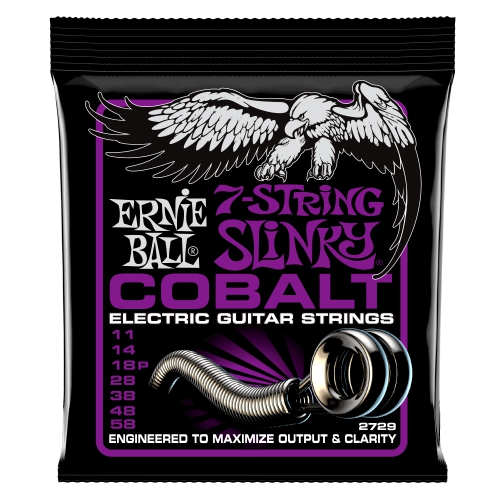
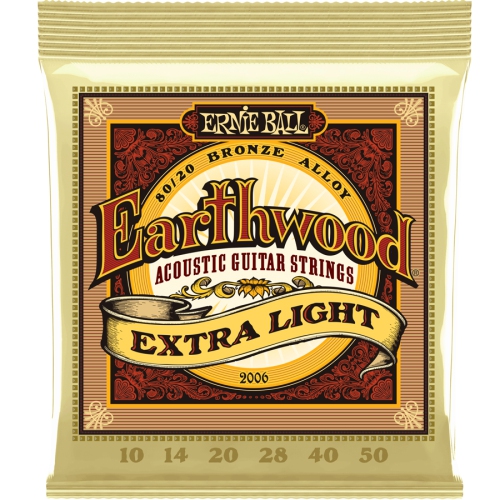
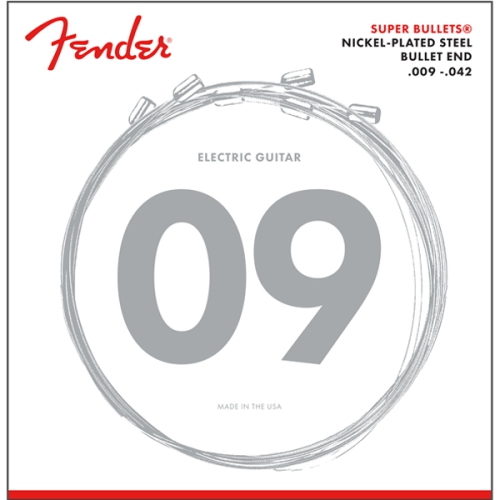

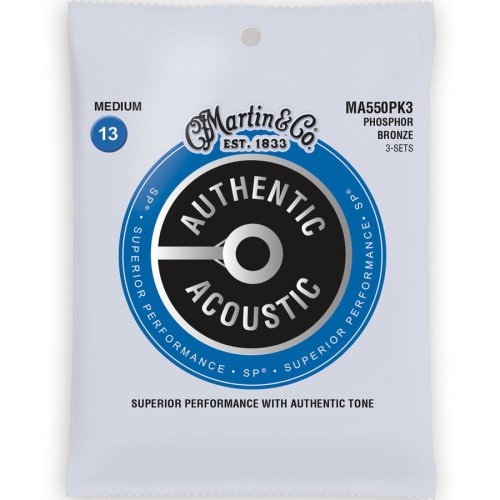
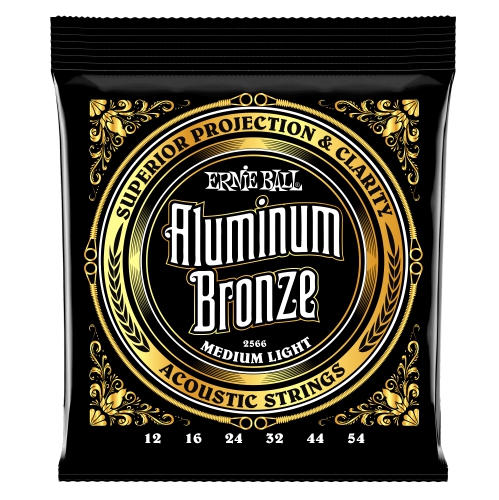

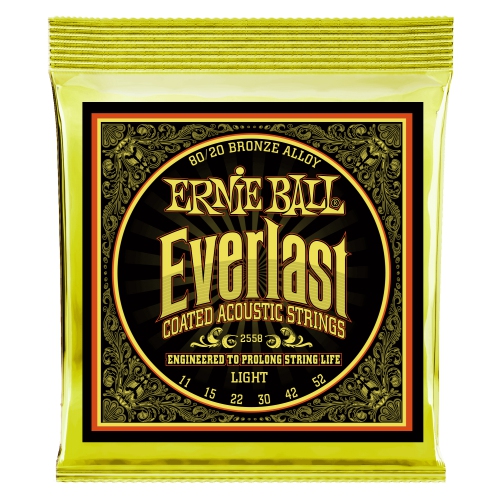
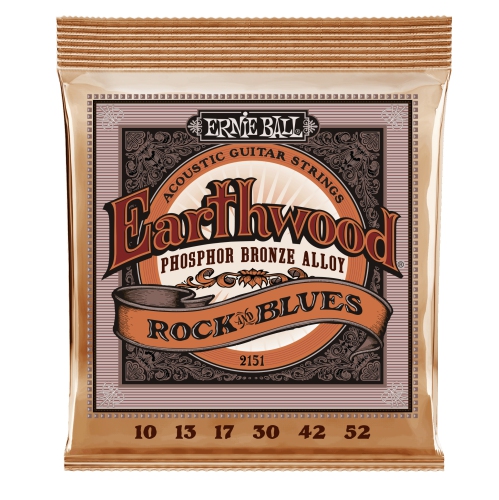
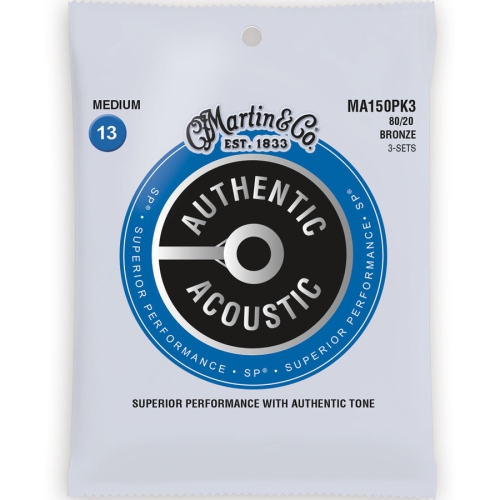


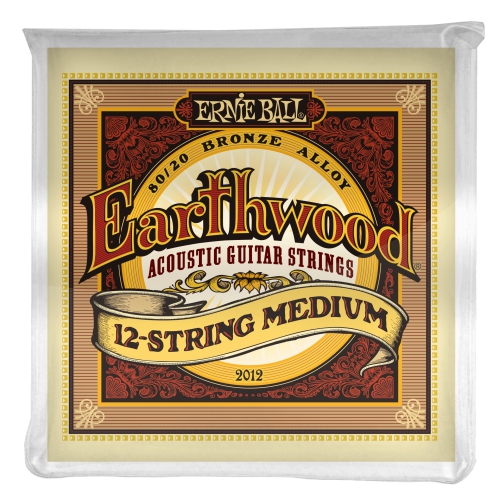
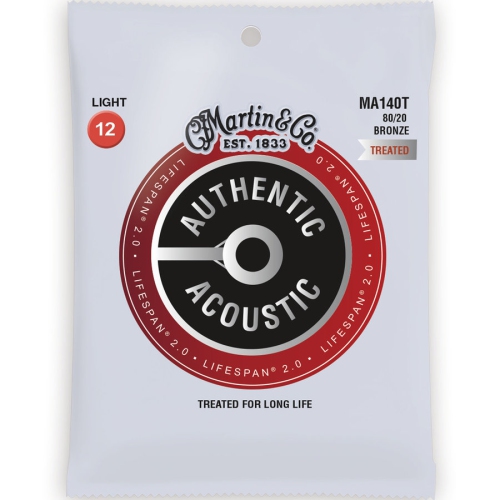
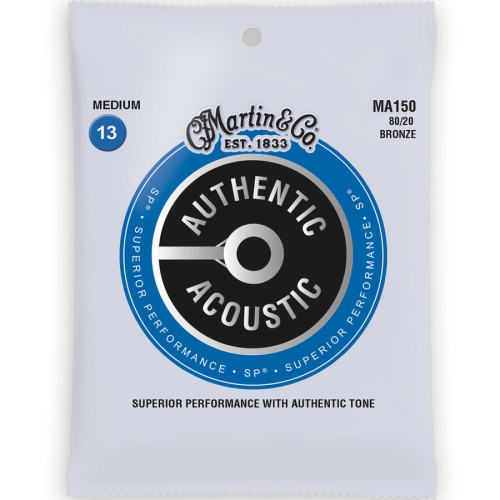

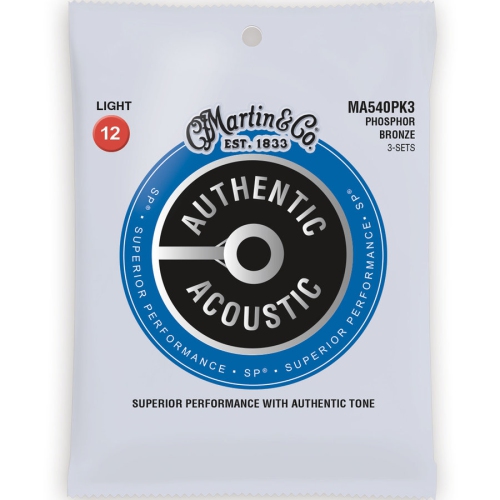

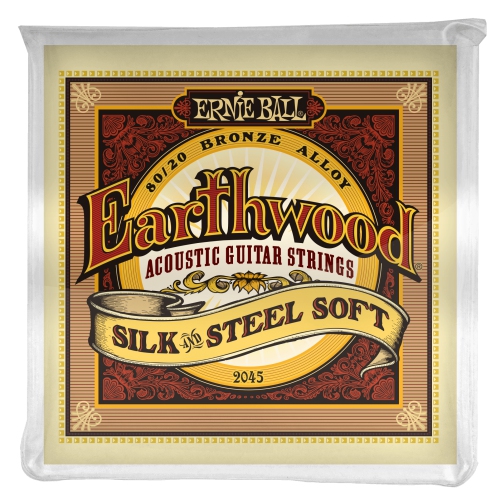


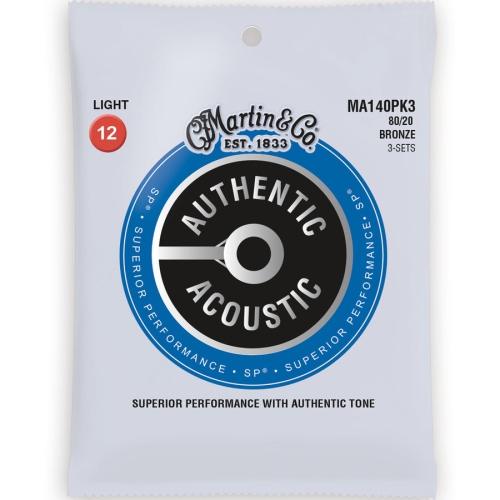



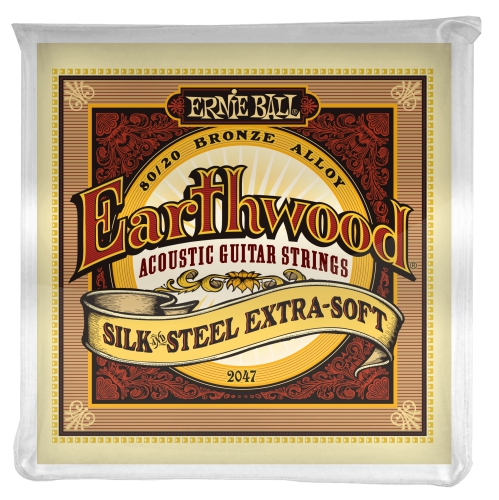
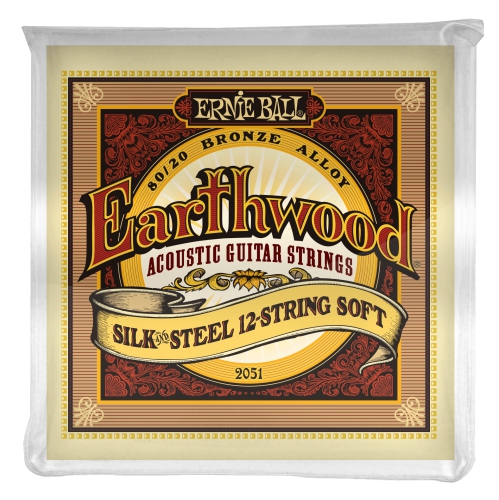
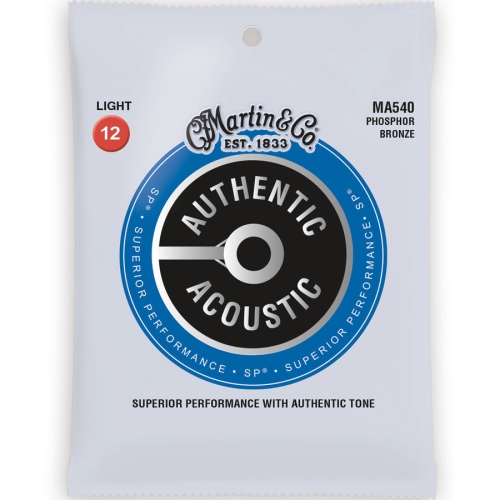
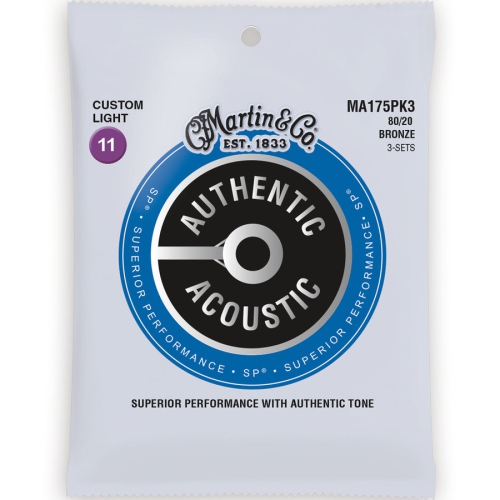
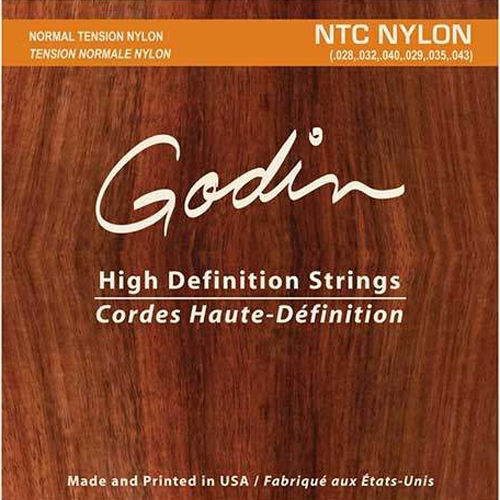
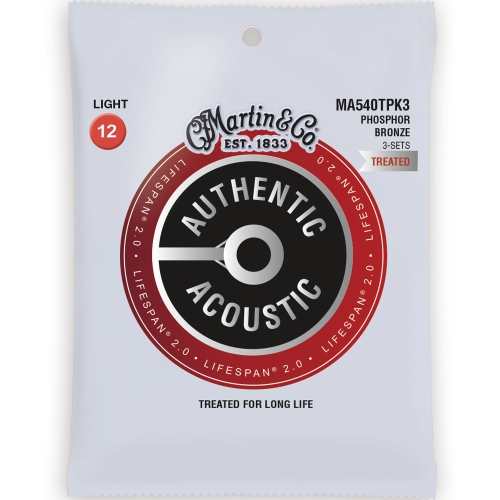


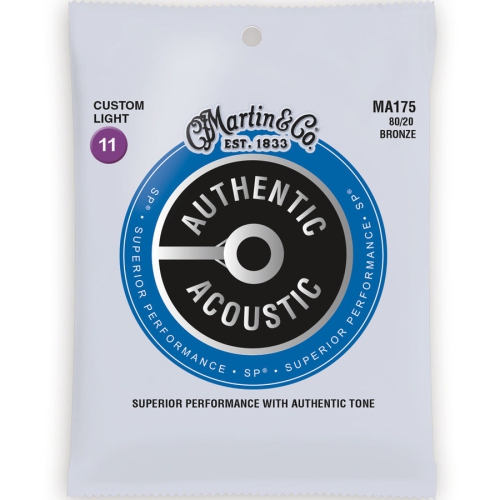
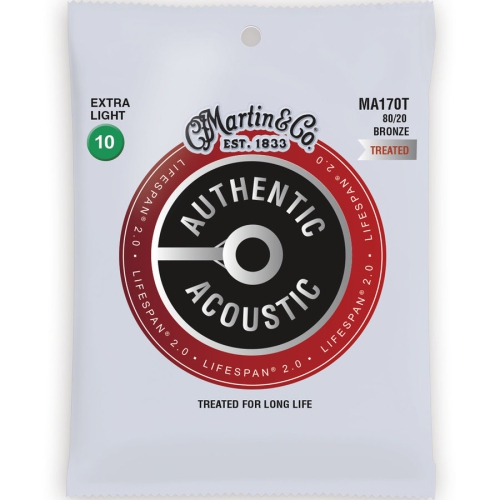
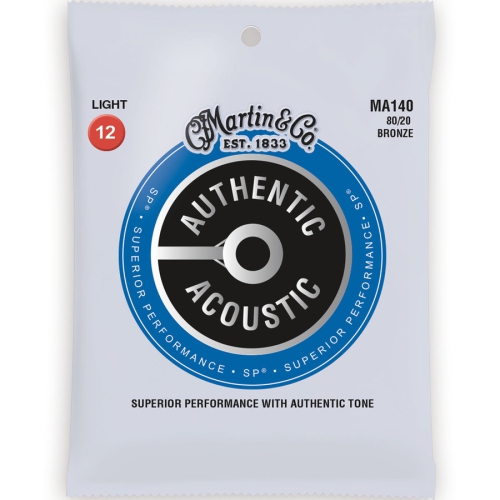
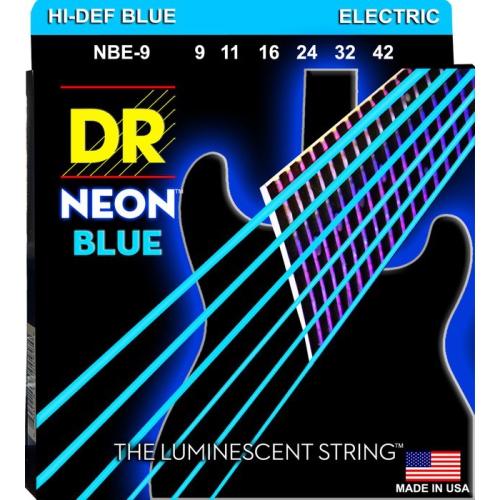
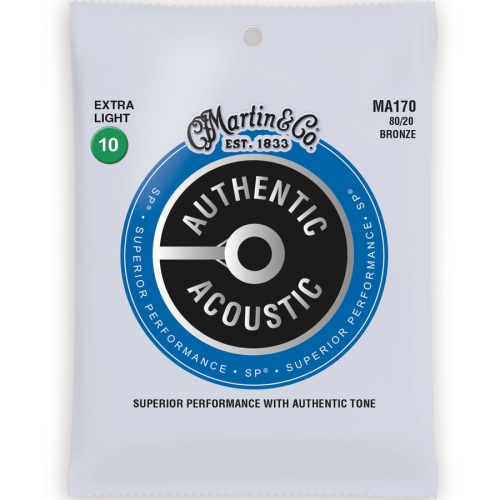
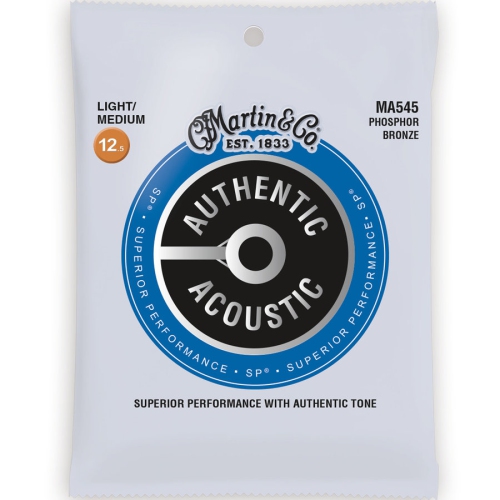
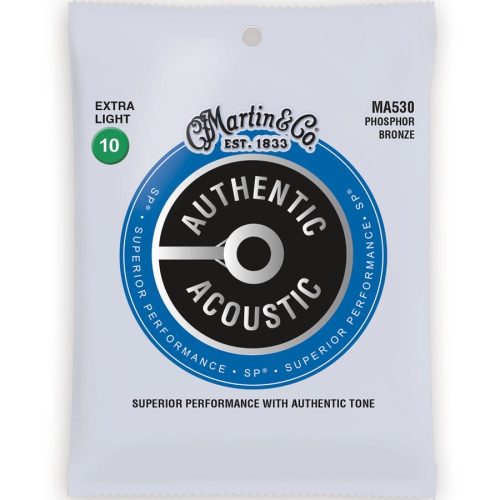
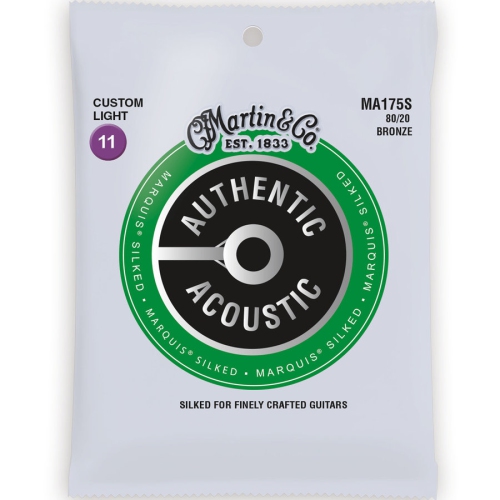
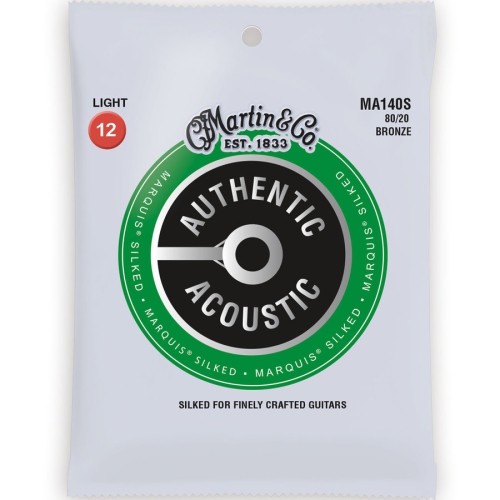
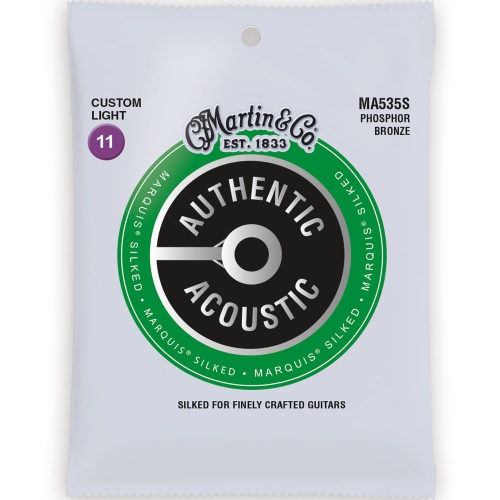

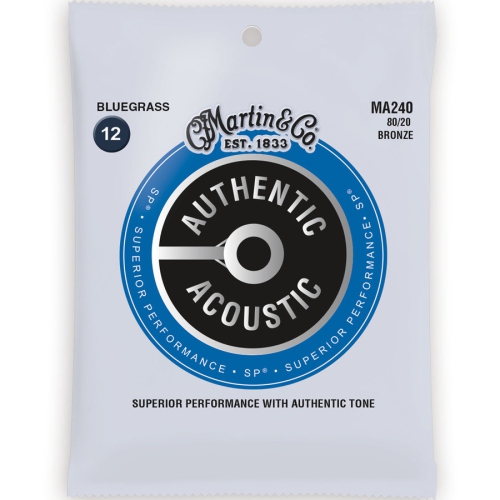

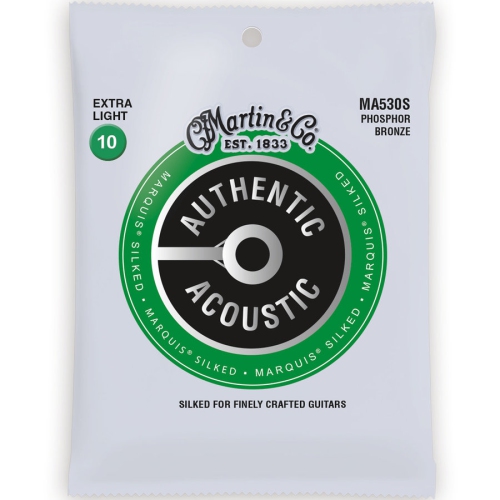
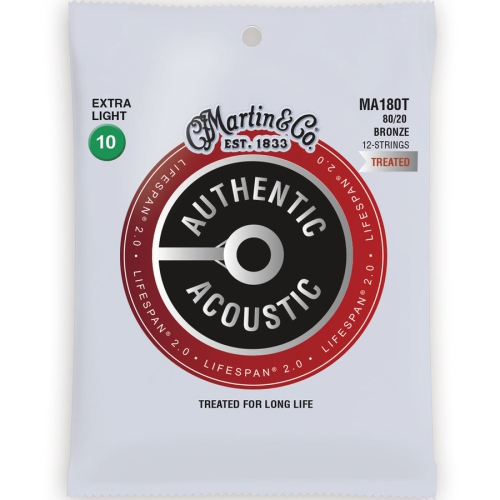
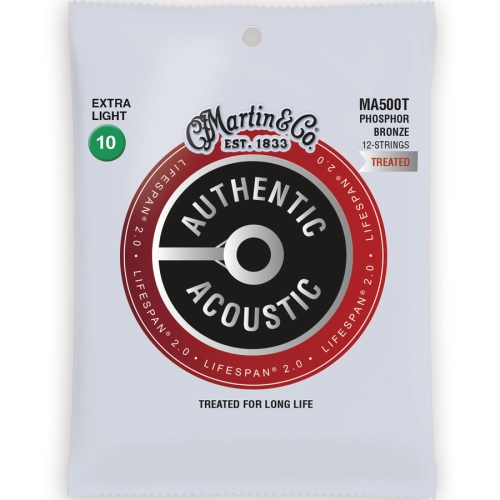
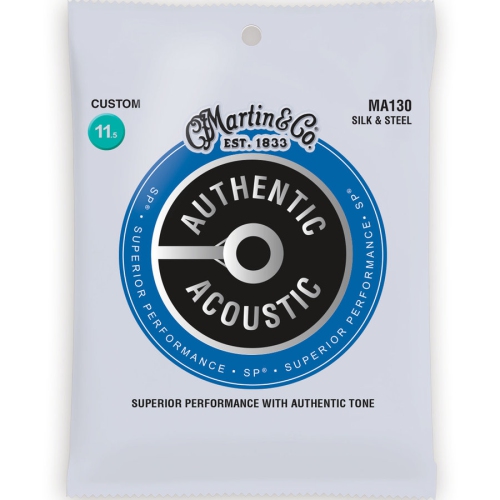

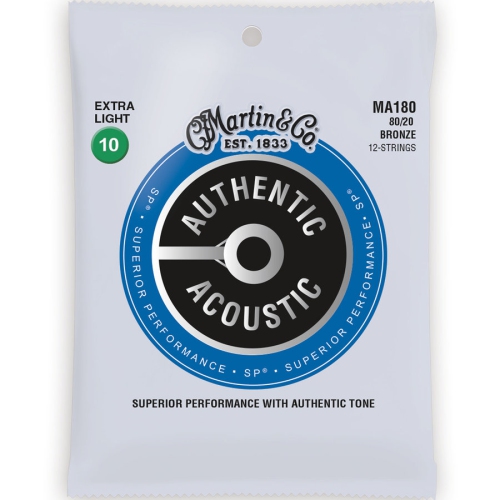
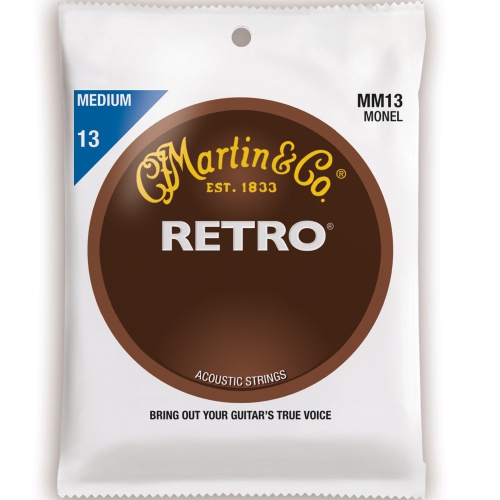
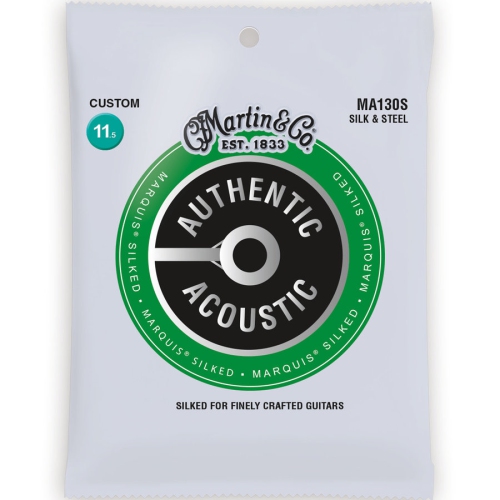
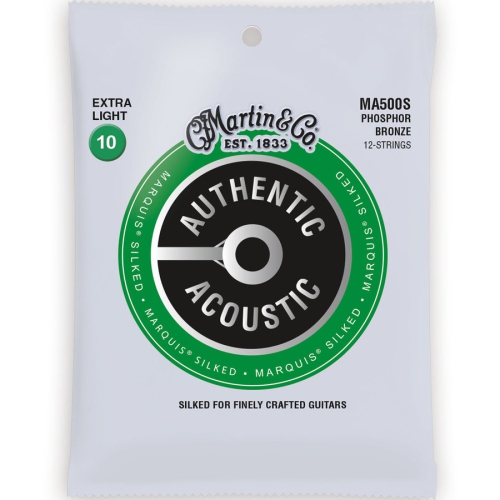
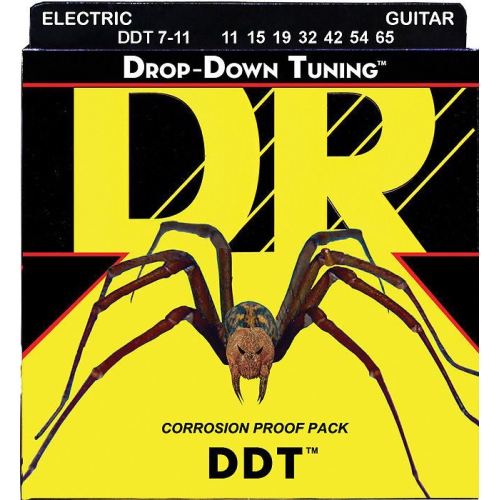


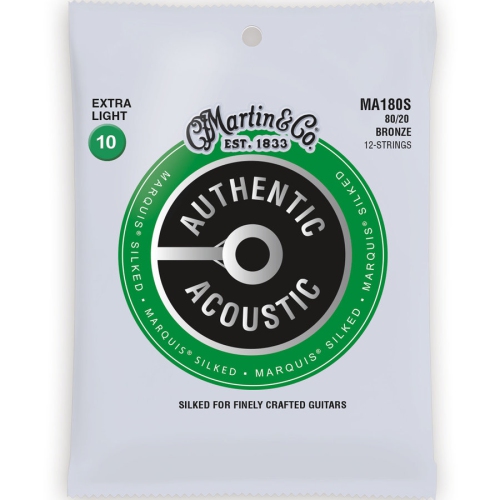
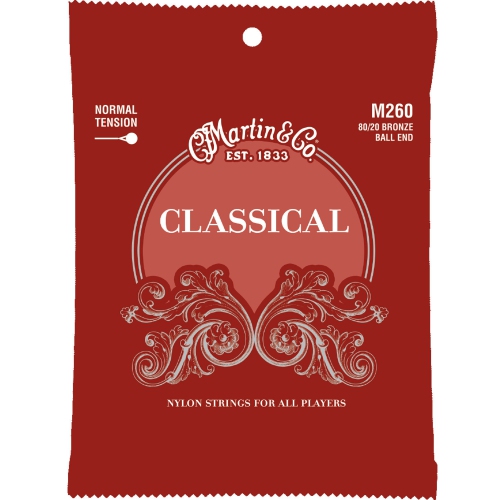

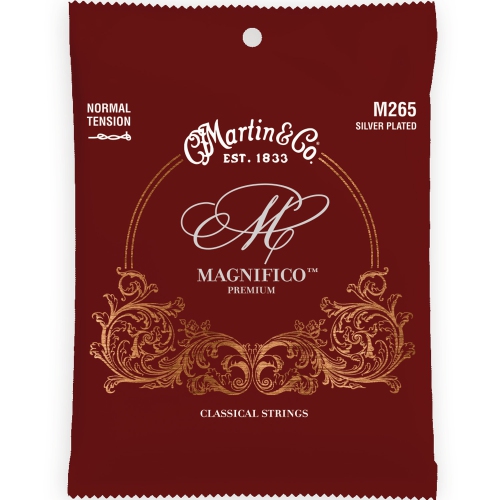

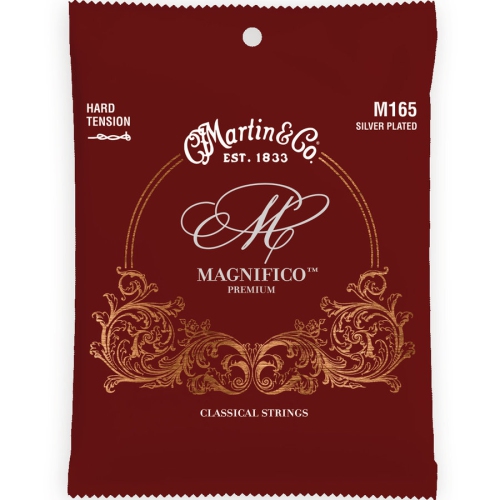


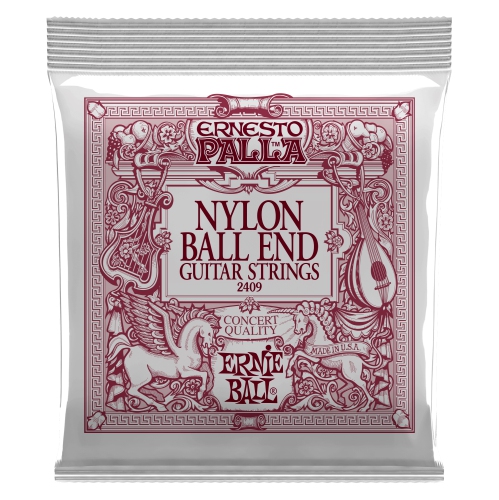
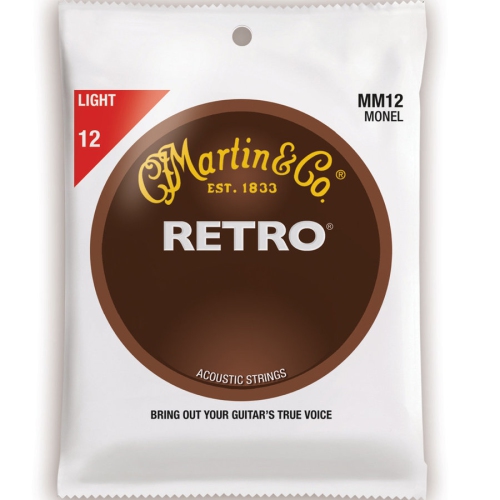
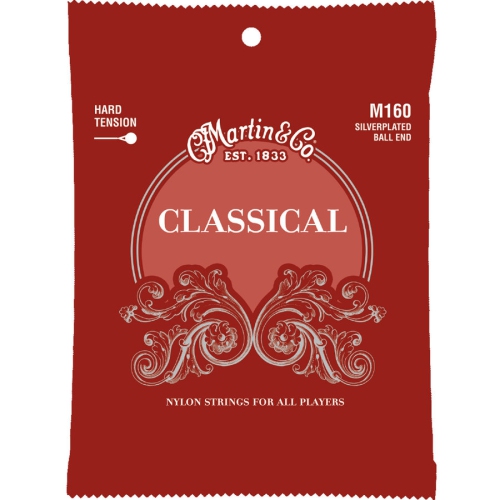
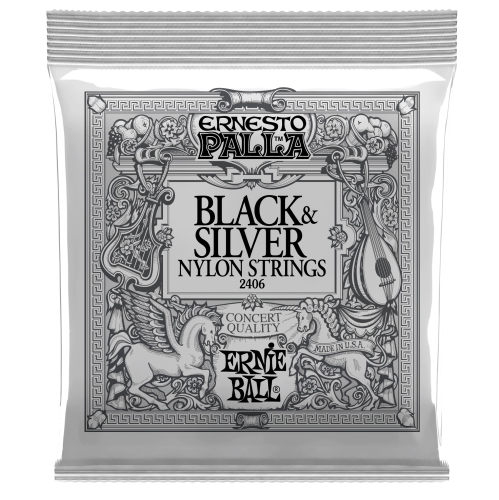

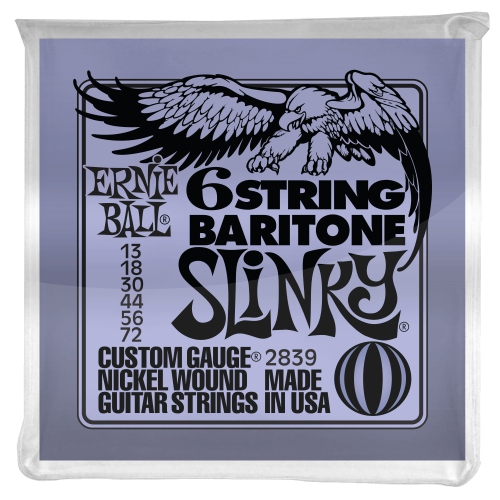
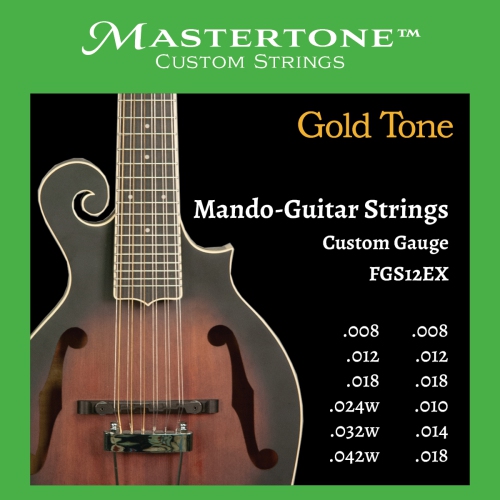
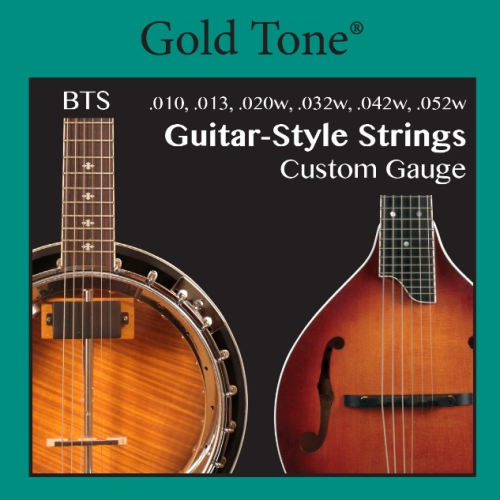
String materials, gauges and guitar types shape every note
Good guitar strings can make a familiar instrument feel newly responsive, whether you are replacing a broken string before rehearsal or refreshing a full set after months of playing. The right choice depends first on the type of guitar: acoustic guitars generally use steel strings designed to project a clear, resonant tone, while electric guitar strings are made to work with magnetic pickups and amplification. Classical guitars require nylon or composite strings and should not be fitted with steel strings, which can place damaging tension on the instrument. Within each category, players can choose from different gauges, materials, winding styles and finishes to suit their hands and musical preferences. Lighter gauges are often comfortable for beginners, players who use frequent bends, or anyone who prefers a softer feel under the fingers. Medium and heavier gauges can provide more volume, stronger projection and a fuller low end, although they may require more finger strength and a careful setup. Tuning also matters: players who regularly use lower or alternate tunings may prefer a heavier gauge to keep the strings feeling firm and the notes sounding focused, while standard-tuning players may enjoy the flexibility of a lighter set. When shopping for Replacement Guitar Strings, checking the guitar type, existing gauge and preferred tuning is a practical place to begin.
String material has a noticeable influence on the character of an instrument. On acoustic guitars, bronze-based strings are known for a lively, sparkling response that can bring definition to strumming, while phosphor bronze options often add a warmer balance with rich mids and a smooth, rounded presence. Some players prefer a brighter, more immediate sound for folk, country and rhythmic accompaniment; others look for warmth and complexity for fingerpicking, recording or quieter playing at home. Electric guitar strings can use nickel-based or steel-based windings, with differences in attack, brightness, sustain and feel. Pure nickel-style tones tend to suit players looking for a softer, warmer character with a vintage-inspired response, while nickel-plated or brighter steel options can provide crisp articulation for rock, pop, blues and modern styles. The winding pattern matters as well. Roundwound strings are common and offer a clear, lively sound, whereas flatter winding styles feel smoother and produce a more subdued tone. Coated strings have a thin protective finish intended to reduce the effects of sweat, moisture and everyday handling. They can be a useful choice for players whose strings lose their freshness quickly, musicians who practise often, or anyone who prefers a smoother surface beneath the fingertips. Uncoated strings offer a direct, traditional feel and may appeal to players who like the crisp sound of a fresh set and change strings regularly. No single construction is best for every guitarist; good strings are the ones that complement the instrument, playing style and sound a player wants to hear in the room.
Fresh strings are useful for much more than emergency repairs. A new set can be part of preparing for lessons, rehearsals, open-mic performances, recording sessions or relaxed evenings playing around the living room. Many guitarists keep a spare set in their case so a snapped string does not interrupt a practice session, and a string winder, cutter and electronic tuner can make changes faster and more accurate. Strings gradually collect oils from the hands and lose some of their clarity through playing, so wiping them with a clean, dry cloth after use can help maintain a comfortable feel. Even with careful handling, a set may eventually sound dull, feel rough or struggle to stay in tune; those are useful signs that it is time to replace it. Players who perform frequently may change strings more often for consistent tone, while occasional players may simply install a fresh set before an important gathering or recording. Guitar strings also make a thoughtful gift for a student, a family member learning their first chords or an experienced musician who always appreciates dependable supplies. For a gift, identify whether the recipient plays acoustic, electric or classical guitar and, if possible, check the gauge printed on the existing package or ask their teacher, music shop or bandmate. During the warmer months and through the cooler months, guitars may encounter changes in temperature and humidity, so allowing new strings and the instrument to acclimatize before tuning fully can be helpful. With the right match and a little care, a good set of guitar strings can bring back bright harmonics, steady tuning and the satisfying snap of an instrument ready to be played.
String material has a noticeable influence on the character of an instrument. On acoustic guitars, bronze-based strings are known for a lively, sparkling response that can bring definition to strumming, while phosphor bronze options often add a warmer balance with rich mids and a smooth, rounded presence. Some players prefer a brighter, more immediate sound for folk, country and rhythmic accompaniment; others look for warmth and complexity for fingerpicking, recording or quieter playing at home. Electric guitar strings can use nickel-based or steel-based windings, with differences in attack, brightness, sustain and feel. Pure nickel-style tones tend to suit players looking for a softer, warmer character with a vintage-inspired response, while nickel-plated or brighter steel options can provide crisp articulation for rock, pop, blues and modern styles. The winding pattern matters as well. Roundwound strings are common and offer a clear, lively sound, whereas flatter winding styles feel smoother and produce a more subdued tone. Coated strings have a thin protective finish intended to reduce the effects of sweat, moisture and everyday handling. They can be a useful choice for players whose strings lose their freshness quickly, musicians who practise often, or anyone who prefers a smoother surface beneath the fingertips. Uncoated strings offer a direct, traditional feel and may appeal to players who like the crisp sound of a fresh set and change strings regularly. No single construction is best for every guitarist; good strings are the ones that complement the instrument, playing style and sound a player wants to hear in the room.
Fresh strings are useful for much more than emergency repairs. A new set can be part of preparing for lessons, rehearsals, open-mic performances, recording sessions or relaxed evenings playing around the living room. Many guitarists keep a spare set in their case so a snapped string does not interrupt a practice session, and a string winder, cutter and electronic tuner can make changes faster and more accurate. Strings gradually collect oils from the hands and lose some of their clarity through playing, so wiping them with a clean, dry cloth after use can help maintain a comfortable feel. Even with careful handling, a set may eventually sound dull, feel rough or struggle to stay in tune; those are useful signs that it is time to replace it. Players who perform frequently may change strings more often for consistent tone, while occasional players may simply install a fresh set before an important gathering or recording. Guitar strings also make a thoughtful gift for a student, a family member learning their first chords or an experienced musician who always appreciates dependable supplies. For a gift, identify whether the recipient plays acoustic, electric or classical guitar and, if possible, check the gauge printed on the existing package or ask their teacher, music shop or bandmate. During the warmer months and through the cooler months, guitars may encounter changes in temperature and humidity, so allowing new strings and the instrument to acclimatize before tuning fully can be helpful. With the right match and a little care, a good set of guitar strings can bring back bright harmonics, steady tuning and the satisfying snap of an instrument ready to be played.
Top selling and popular products
-
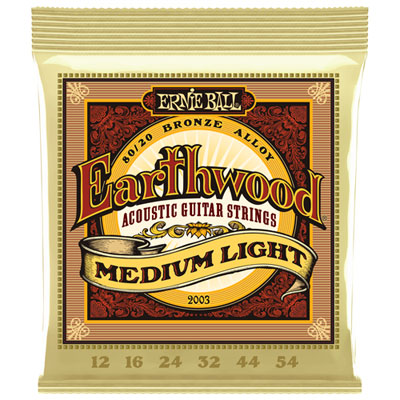 Your price for this item is $14.99
 -
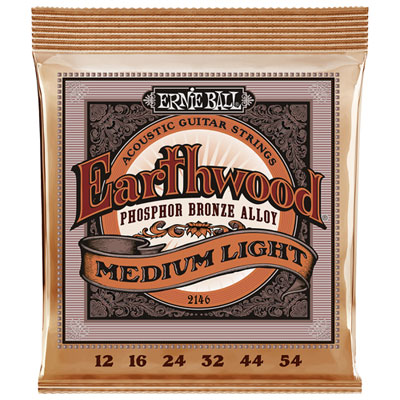 Your price for this item is $11.49
 -
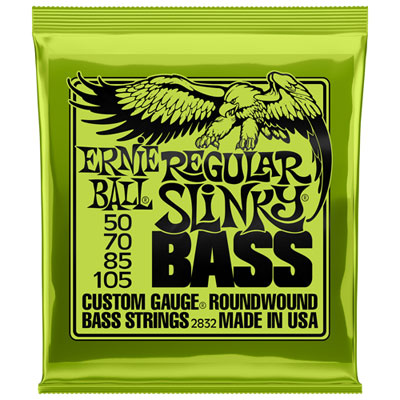 Your price for this item is $31.49
 -
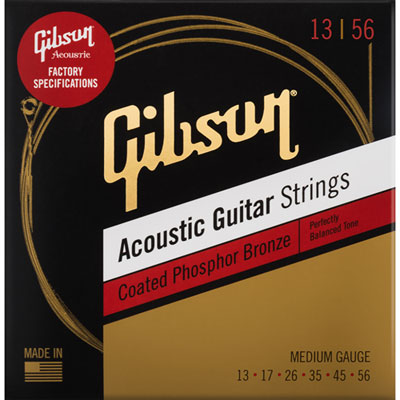 Your price for this item is $18.19
 -
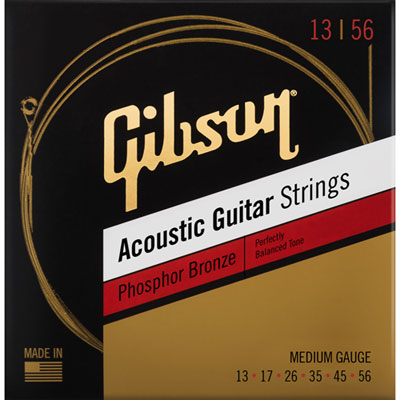 Your price for this item is $13.95
 -
 Your price for this item is $15.49
 -
 Your price for this item is $15.49
 -
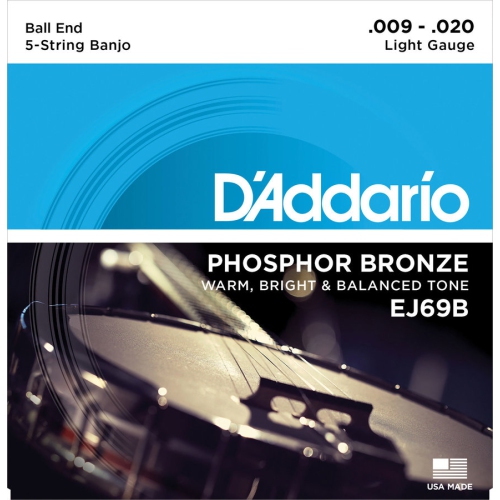 Your price for this item is $6.49
Discover more categories related to Good Guitar Strings
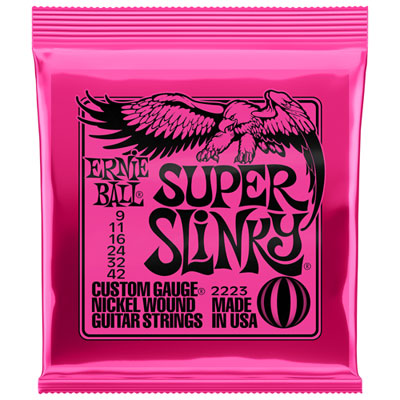
Top Collections:
Pokemon Centers, Best Cameras for Sports Photography, Kindle Devices, Samsung Galaxy Phones, Canon G7X Cameras, Pokémon 30th Celebration Cards, Refurbished Apple Laptops, iPhone 15 Apple, Laptops for Students, Budget Smartphones
Some products may be subject to Environmental Handling Fees
(EHF) depending on your province.
Learn more about EHFs.