Upright Piano
Elevate your musical journey with an upright piano, a timeless instrument that brings elegance and rich sound to any space. Perfect for both beginners and seasoned musicians, these pianos offer a harmonious blend of traditional craftsmanship and modern design. Whether you're looking to enhance your living room's ambiance or seeking an inspiring addition to your music studio, an upright piano delivers exceptional acoustics and aesthetic appeal. Discover the joy of playing on a beautifully crafted instrument that fits seamlessly into your home while providing endless opportunities for musical expression.
Sort
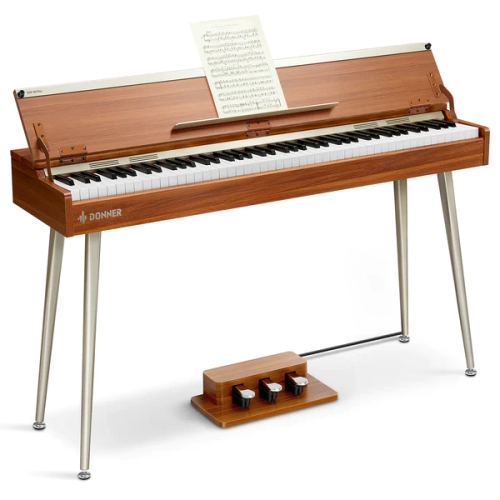
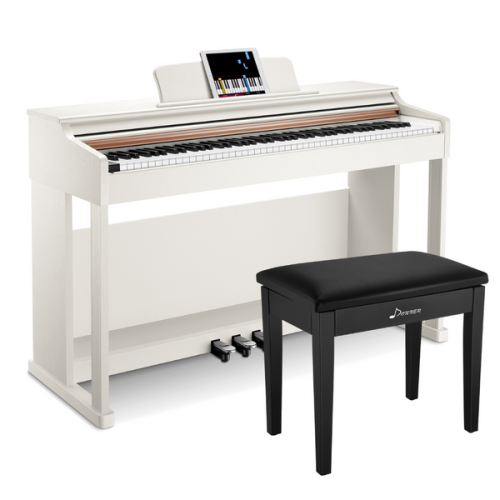
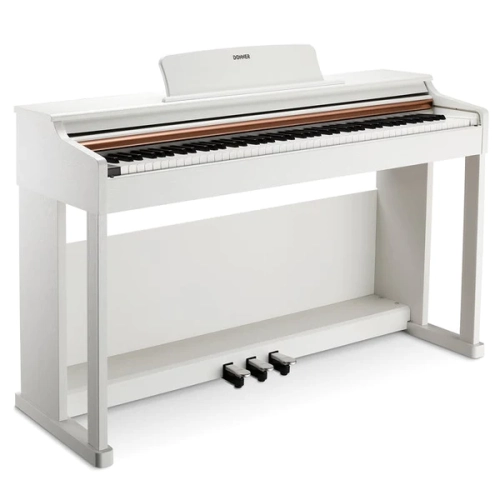
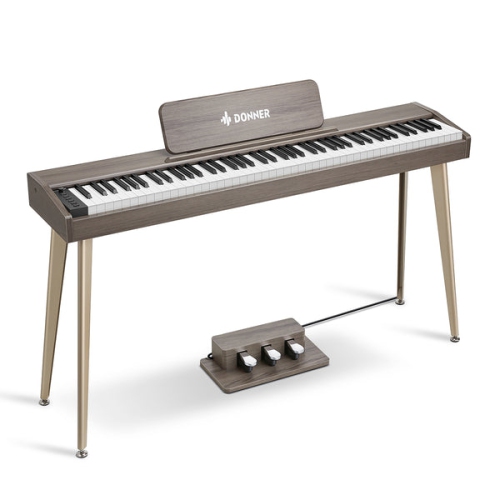
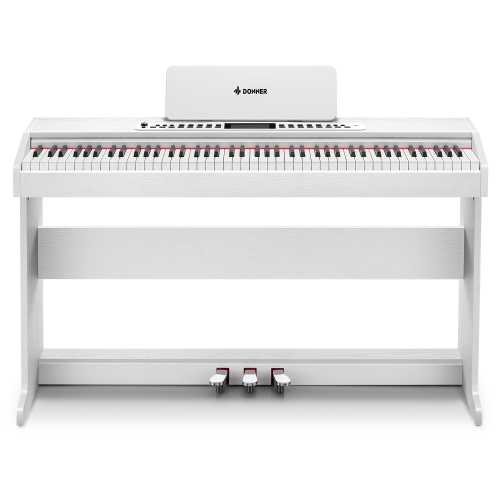
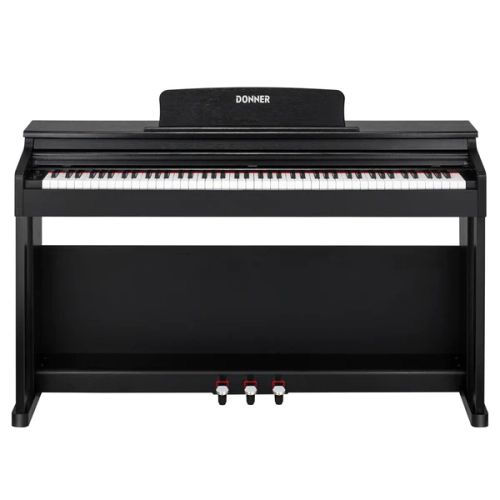
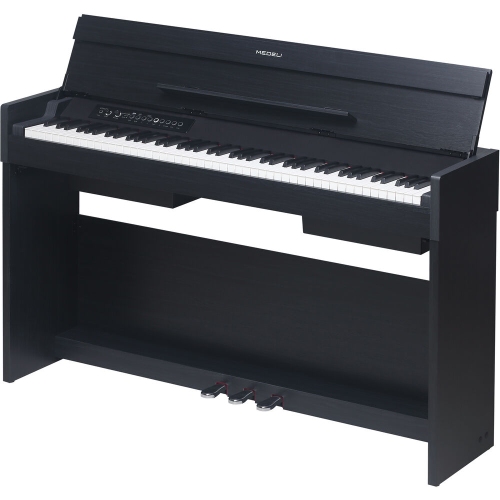

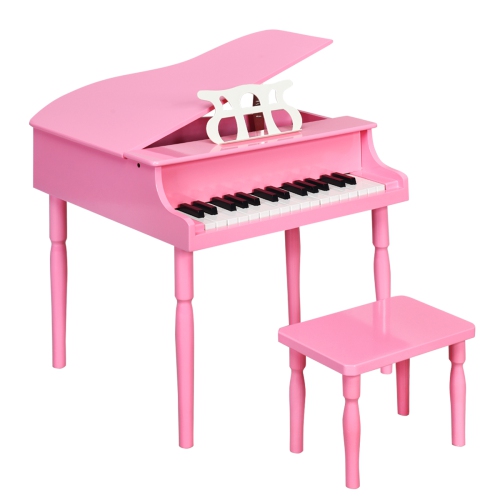
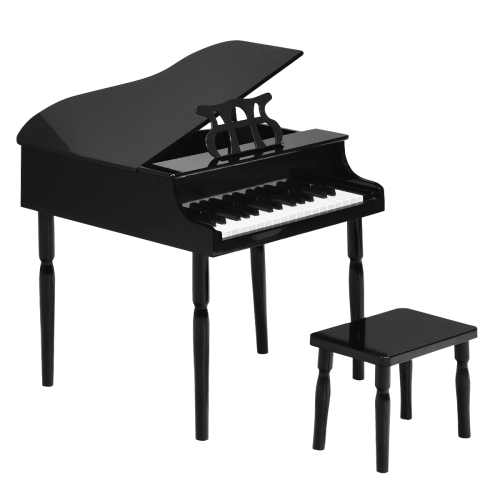
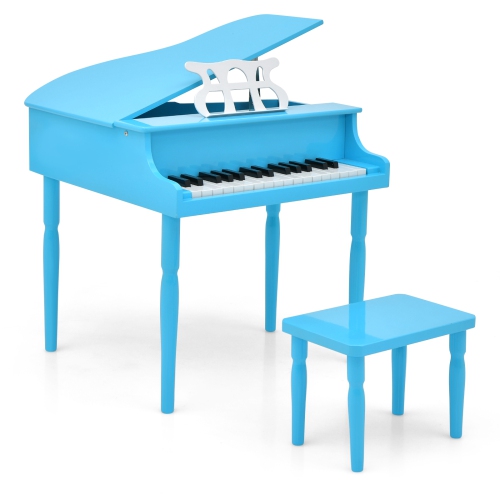
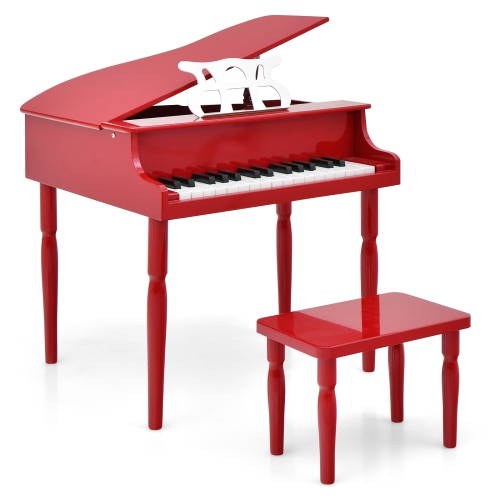
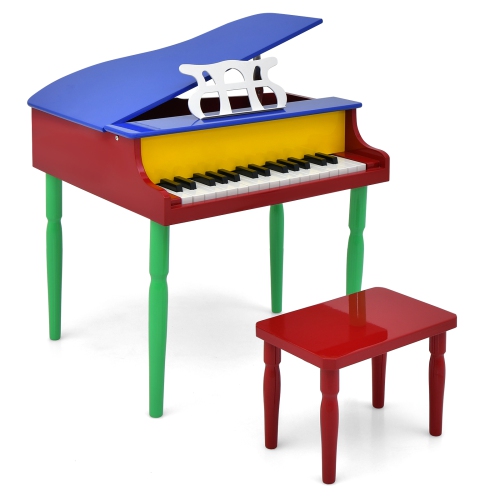
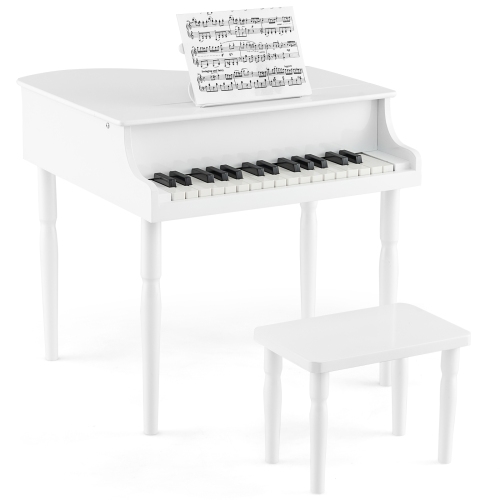
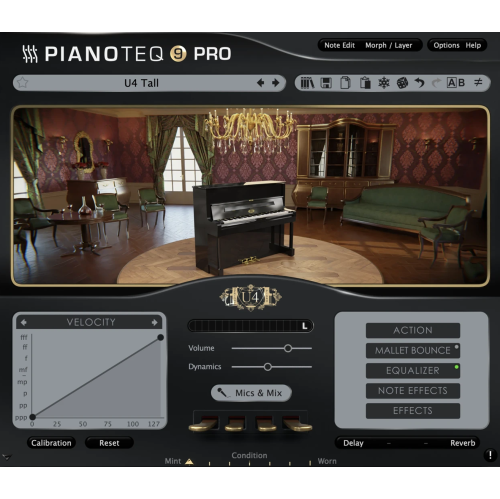
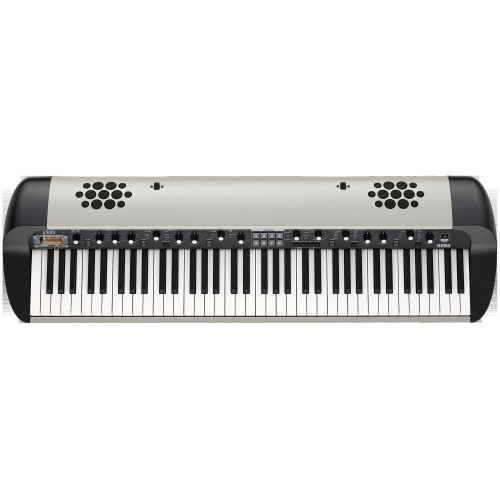
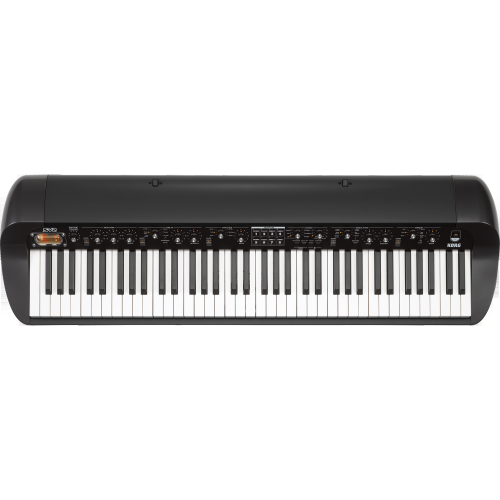
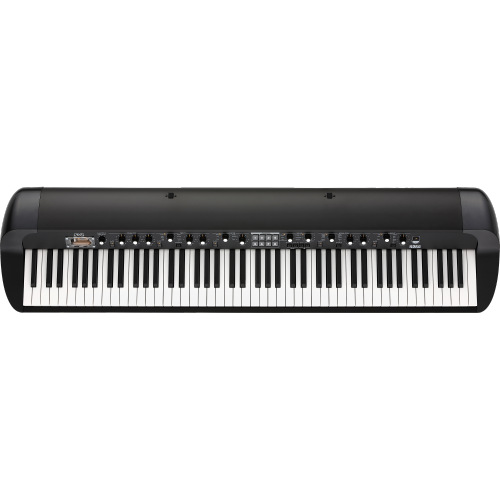
A practical acoustic centrepiece for learning and everyday music
An upright piano brings the character of an acoustic instrument into a practical vertical format. Unlike a grand piano, which extends out into the room, an upright piano arranges its strings, soundboard, hammers, and other components from bottom to top, allowing the instrument to rest close to a wall while using relatively little floor space. This makes upright pianos a natural fit for family rooms, dedicated music spaces, classrooms, community halls, and smaller teaching studios. Their height can vary considerably: a spinet is typically about 36 to 39 inches tall, a console often measures around 40 to 44 inches, a studio upright is commonly about 45 to 49 inches, and a professional upright may stand between 50 and 60 inches. In general, a taller cabinet can accommodate longer strings and a larger soundboard, which may contribute to fuller bass, greater volume, and a more resonant playing experience. A shorter design can be easier to place in a compact room or beneath a lower ceiling. The vertical layout also gives an upright piano its distinctive presence: the cabinet rises elegantly against the wall, while the keyboard sits at a familiar height for seated playing. When choosing one, consider the room’s available width, depth, and ceiling clearance, as well as the path through doorways, halls, and staircases. Leave enough space for a bench and comfortable movement around the instrument, and avoid placing an acoustic piano directly beside a radiator, heat vent, fireplace, or a window with strong temperature changes. Acoustic pianos respond to their surroundings, so a stable indoor environment helps support consistent tuning and playability. The action—the mechanism that transfers each key press to a felt-covered hammer—also deserves attention. A responsive action should feel controlled at both gentle and forceful volumes, allowing a beginner to build good habits and an experienced player to shape melody, rhythm, and expression with precision. Because upright pianos use springs and other mechanical components to return the hammers after each note, their action operates differently from that of a grand piano, where gravity plays a larger role in the return movement. These details can influence touch, repetition, and overall feel, making it helpful to compare instruments in person whenever possible.
An upright piano can serve many kinds of players, from a child taking first lessons to an adult returning to music after years away. It can become the steady centre of a home’s music routine, with scales and exercises in the afternoon, quiet practice after dinner, and familiar songs filling the room during family gatherings. For learners, an acoustic upright provides immediate feedback through touch and sound: pressing a key softly produces a different result from striking it firmly, encouraging careful listening and control. Teachers may appreciate the clear projection and traditional layout for demonstrations, while composers and hobby musicians can use the full keyboard to explore harmony, accompaniment patterns, and layered melodies. An upright piano can also be a thoughtful gift for a new student, a household preparing a music room, or someone who has always wanted to play but never had a suitable instrument at home. Before purchasing, think about the player’s experience level, preferred repertoire, and practice habits. A beginner may benefit from an instrument with a manageable touch and dependable tuning, while an advanced player may place greater emphasis on tonal range, dynamic response, cabinet height, and the ability to project through more demanding pieces. Room acoustics matter as well. Bare floors and hard walls can make an acoustic piano sound bright and lively, while rugs, curtains, bookcases, and upholstered furniture may soften the sound. Measuring the room and considering how sound will travel to nearby spaces can help create a more comfortable setting for everyone in the home. If a traditional acoustic instrument is not practical because of volume, maintenance, or placement, a vertical digital piano may offer a similar upright profile with features such as adjustable volume, headphone compatibility, built-in voices, recording functions, and lesson support. Digital models can be especially convenient for apartment living, shared homes, or players who practise during the cooler months when family schedules and indoor routines become busier. Those comparing acoustic and digital options may also wish to explore a Small Piano for a more compact footprint. Whichever style suits the space, check the keyboard feel, pedal layout, speaker or acoustic projection, bench height, and included accessories before making a decision. A suitable upright piano should fit naturally into the room and the player’s routine, offering an inviting place to practise, learn, compose, accompany others, and enjoy music for years to come.
An upright piano can serve many kinds of players, from a child taking first lessons to an adult returning to music after years away. It can become the steady centre of a home’s music routine, with scales and exercises in the afternoon, quiet practice after dinner, and familiar songs filling the room during family gatherings. For learners, an acoustic upright provides immediate feedback through touch and sound: pressing a key softly produces a different result from striking it firmly, encouraging careful listening and control. Teachers may appreciate the clear projection and traditional layout for demonstrations, while composers and hobby musicians can use the full keyboard to explore harmony, accompaniment patterns, and layered melodies. An upright piano can also be a thoughtful gift for a new student, a household preparing a music room, or someone who has always wanted to play but never had a suitable instrument at home. Before purchasing, think about the player’s experience level, preferred repertoire, and practice habits. A beginner may benefit from an instrument with a manageable touch and dependable tuning, while an advanced player may place greater emphasis on tonal range, dynamic response, cabinet height, and the ability to project through more demanding pieces. Room acoustics matter as well. Bare floors and hard walls can make an acoustic piano sound bright and lively, while rugs, curtains, bookcases, and upholstered furniture may soften the sound. Measuring the room and considering how sound will travel to nearby spaces can help create a more comfortable setting for everyone in the home. If a traditional acoustic instrument is not practical because of volume, maintenance, or placement, a vertical digital piano may offer a similar upright profile with features such as adjustable volume, headphone compatibility, built-in voices, recording functions, and lesson support. Digital models can be especially convenient for apartment living, shared homes, or players who practise during the cooler months when family schedules and indoor routines become busier. Those comparing acoustic and digital options may also wish to explore a Small Piano for a more compact footprint. Whichever style suits the space, check the keyboard feel, pedal layout, speaker or acoustic projection, bench height, and included accessories before making a decision. A suitable upright piano should fit naturally into the room and the player’s routine, offering an inviting place to practise, learn, compose, accompany others, and enjoy music for years to come.
Top selling and popular products
-
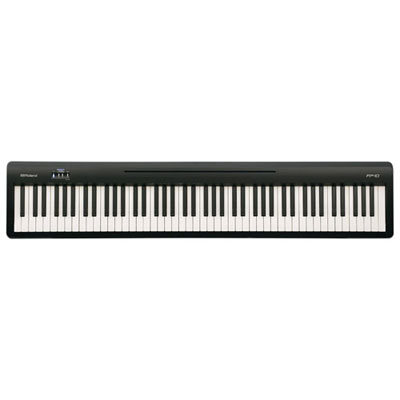 Your price for this item is $779.99
 -
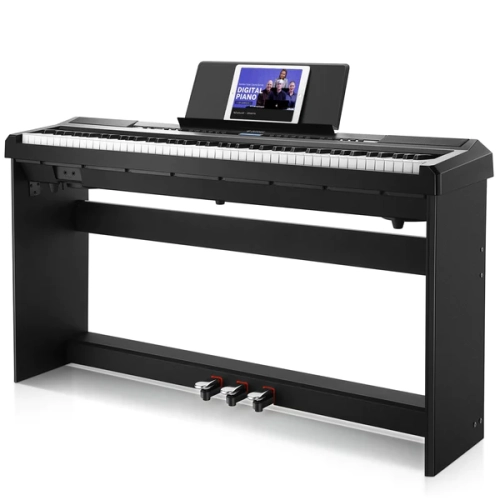 Your price for this item is $479.99
 -
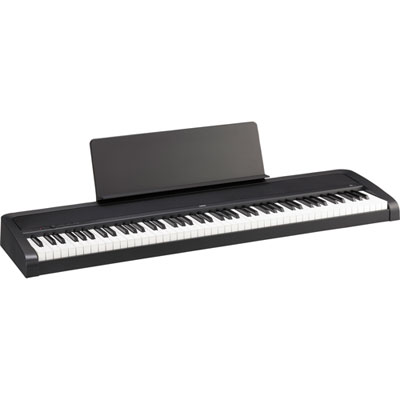 Your price for this item is $699.98
 -
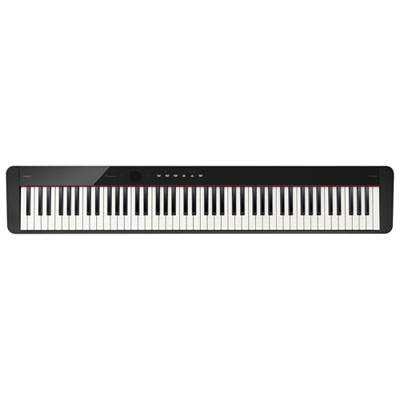 Your price for this item is $849.99
 -
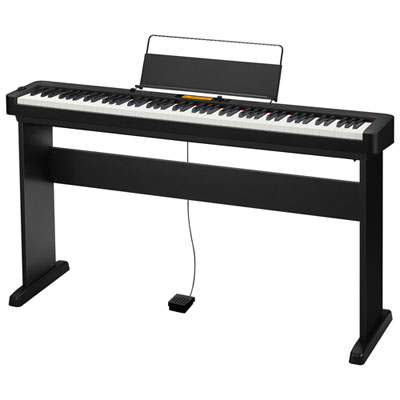 Your price for this item is $869.95
 -
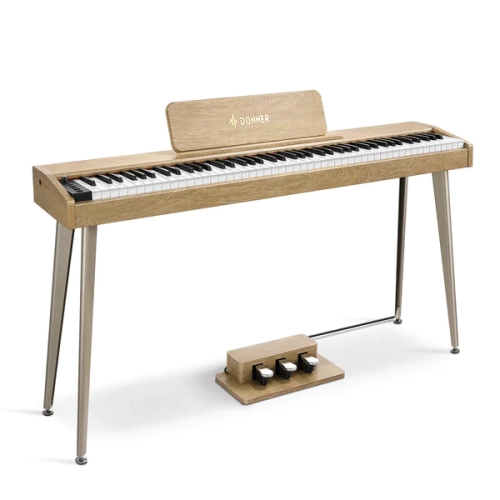 Your price for this item is $415.99
 -
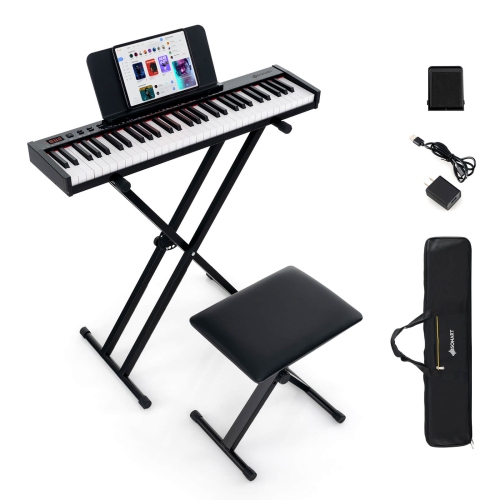 Your price for this item is $189.99
 -
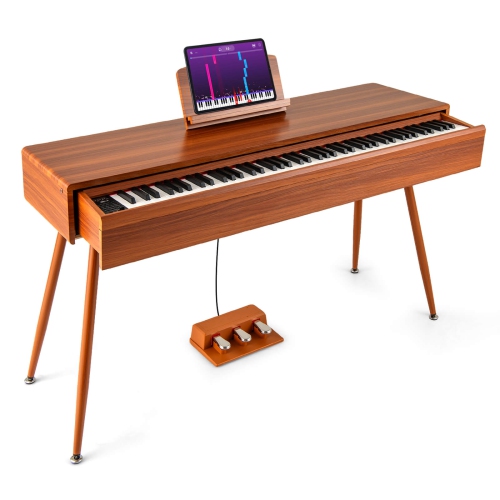 Your price for this item is $571.99
Discover more categories related to Upright Piano
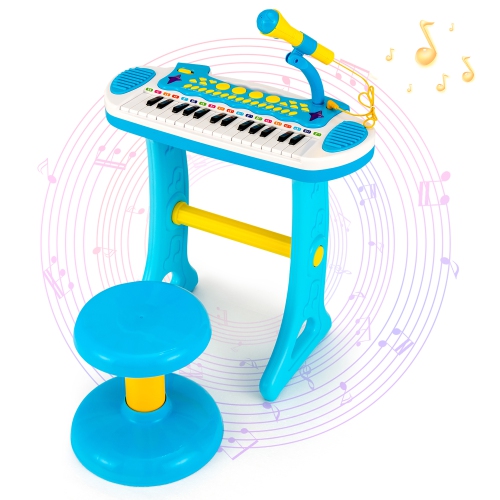
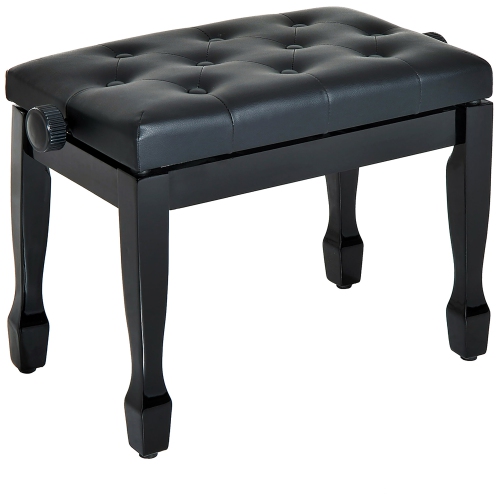
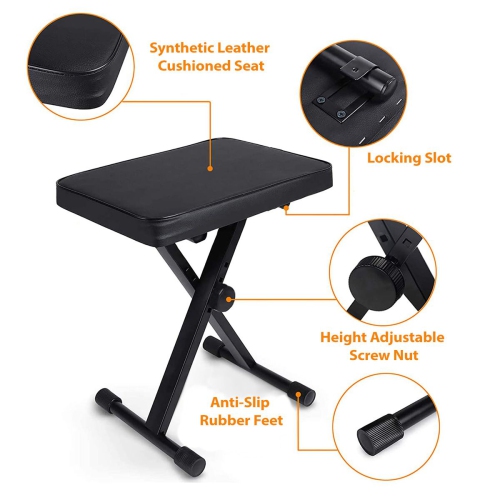
Top Collections:
Pokemon Centers, Kindle Devices, Best Budget Office Chairs, Canon G7X Cameras, Apple iPhones 16, Samsung Galaxy Phones, Refurbished Apple Laptops, Laptops for Students, iPhone 15 Apple, Budget Smartphones
Some products may be subject to Environmental Handling Fees
(EHF) depending on your province.
Learn more about EHFs.