Piano Furniture
Transform your living space into a harmonious haven with our exquisite collection of piano furniture. Elevate your home decor to a whole new level of elegance and sophistication with these stunning pieces that exude timeless beauty. From sleek and modern designs to classic and ornate styles, our piano furniture range offers something for every taste and preference. Whether you're a music enthusiast or simply looking to create a striking focal point in your room, our selection of piano furniture is sure to strike the perfect chord in your home.
Sort
















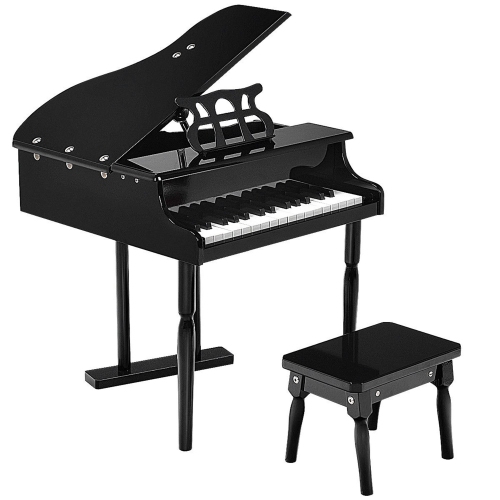
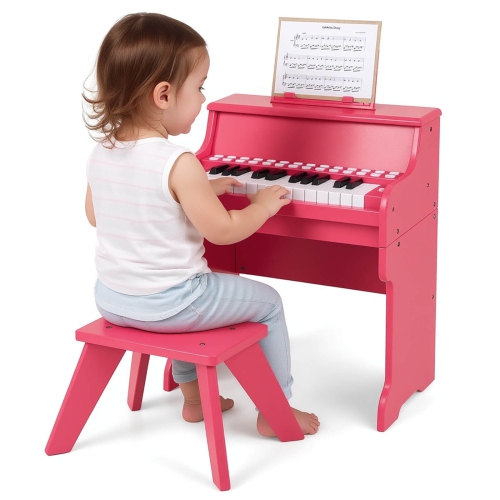
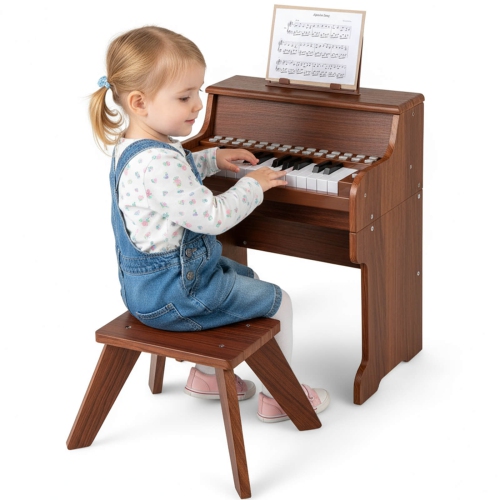
A comfortable piano setup goes beyond the instrument
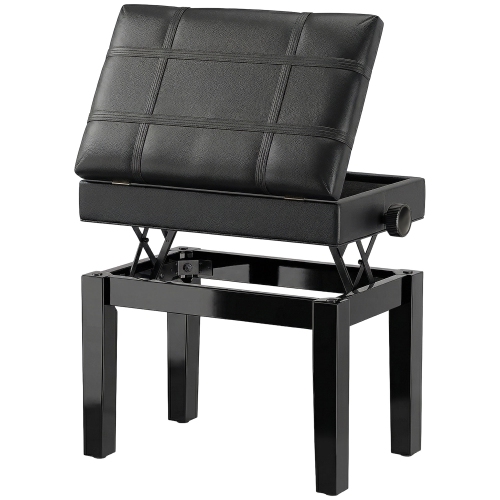
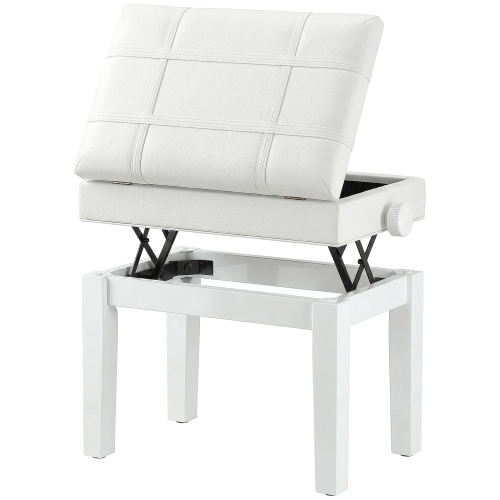
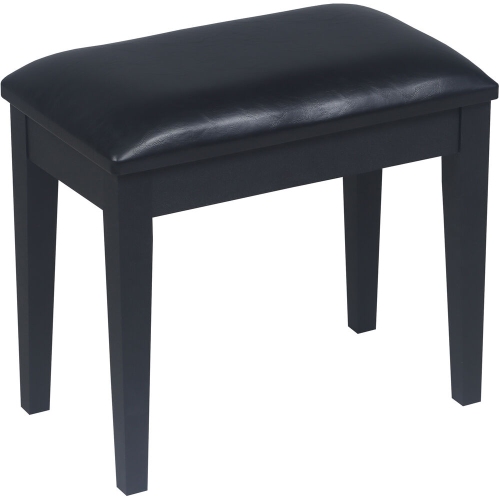
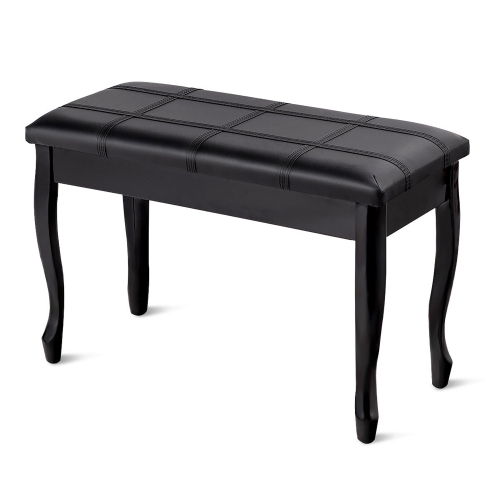
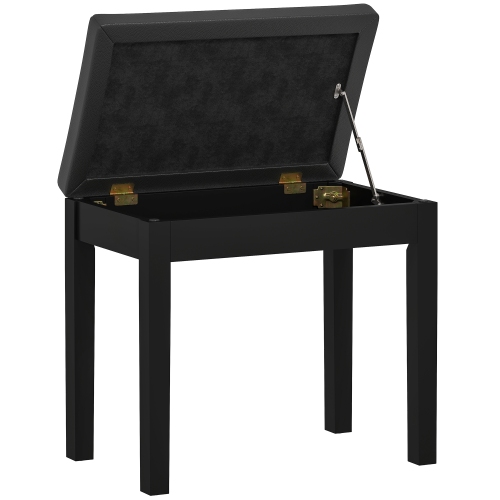
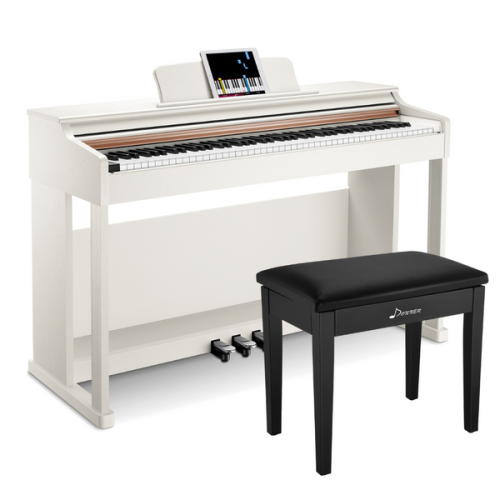
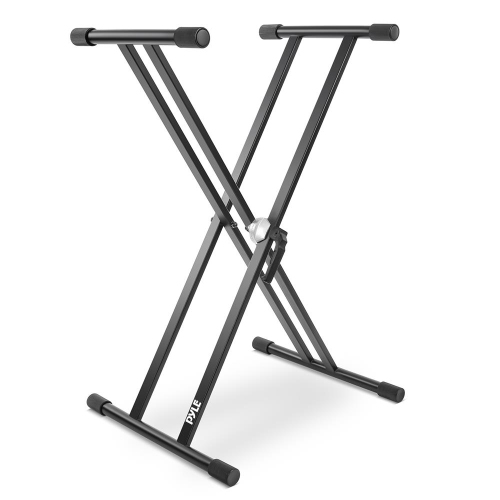
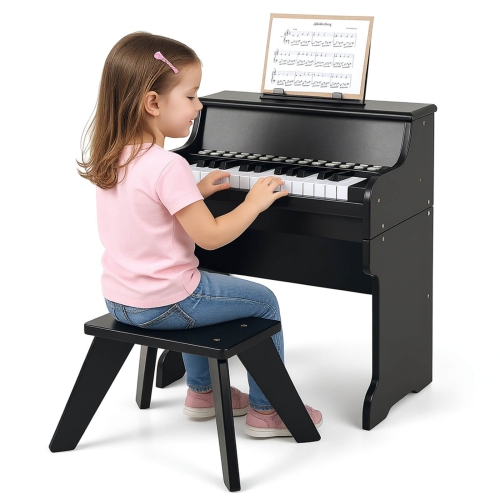
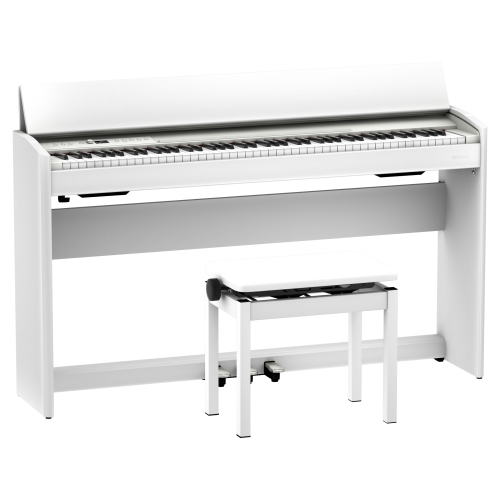
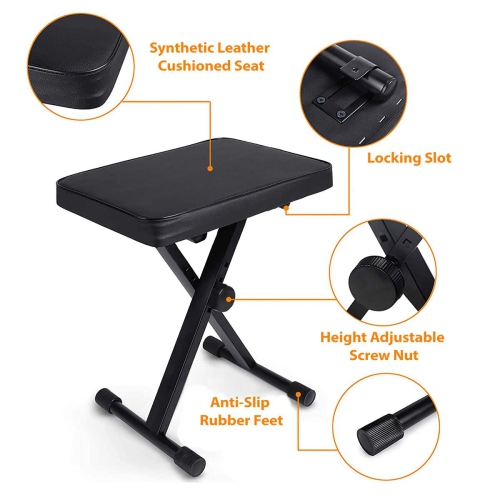
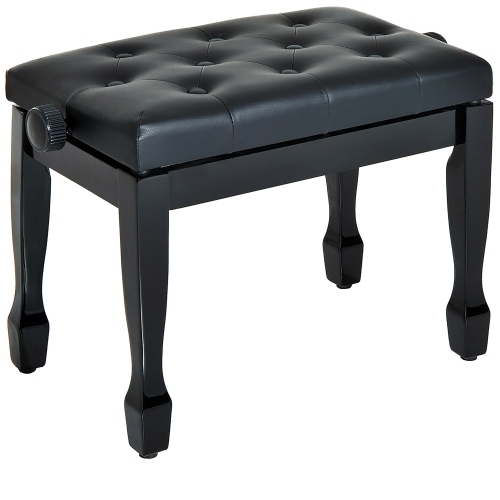
Piano furniture includes benches, furniture-style stands, and supporting accessories such as dedicated lamps and protective covers that help create a comfortable, organized place to play. These pieces serve different purposes: a bench positions the player at the keyboard, a stand supports a compatible digital instrument, and lighting makes printed music easier to read. Together, they give a piano area the same sense of purpose as a thoughtfully arranged desk or reading corner. For seating, the most important considerations are height, stability, seat dimensions, and the way the bench fits beneath or beside the instrument. A player should be able to sit with relaxed shoulders, reach the keys without stretching, and move their arms freely. An adjustable piano bench can accommodate players of different heights, making it useful in a household where a child and an adult share practice time. Height adjustment is also helpful when the same seat is used with instruments whose keyboards sit at different levels. A fixed-height bench offers a straightforward seating arrangement when its dimensions suit the player and piano. Firm padding provides cushioning without the deep sinking feeling of a lounge chair, while a sufficiently wide seat leaves room to shift position during passages that span the keyboard. Duet benches offer space for two people, whether that means a teacher demonstrating a phrase beside a student or family members playing together. Storage beneath a hinged seat can keep sheet music, lesson books, and small accessories close at hand, although usable compartment dimensions and hinge construction vary. Solid wood, engineered wood, and metal each bring different qualities to the frame; sound construction, secure joints, and a suitable weight capacity matter more than appearance alone. Upholstery also affects everyday use. Fabric offers texture, while leather and synthetic coverings have their own cleaning requirements. In a busy practice space, a stable bench with securely attached legs and a seat covering that can be cared for easily is a practical foundation for years of lessons and recreational playing.
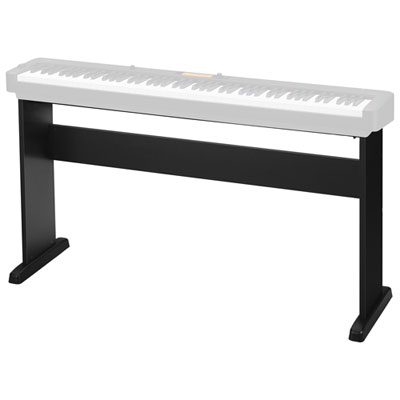
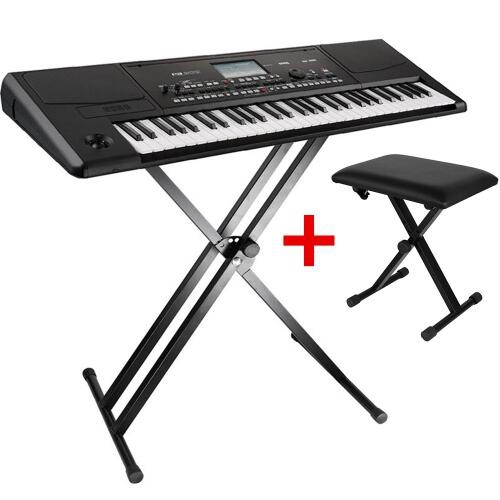
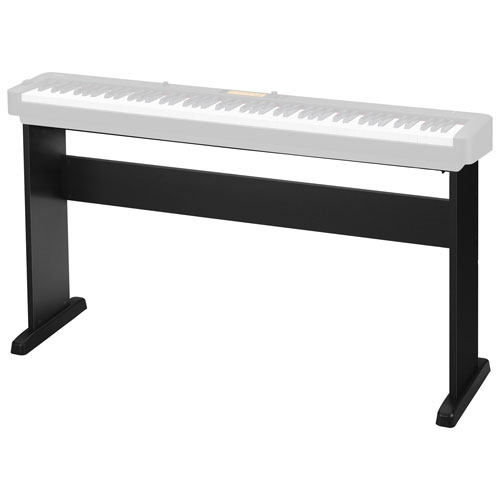
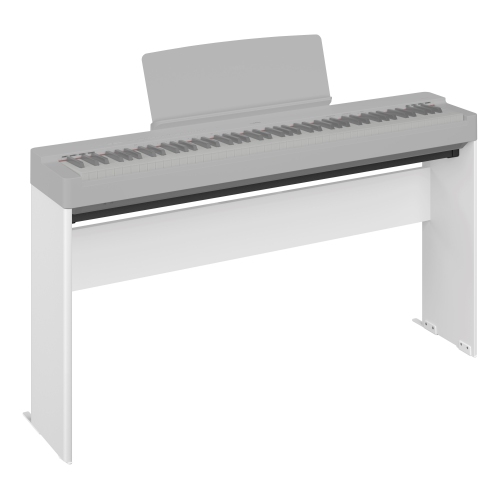
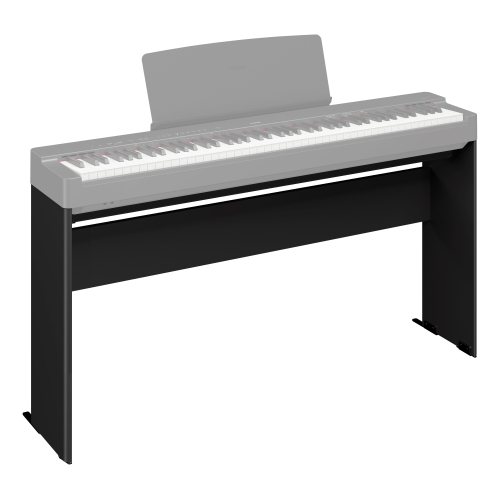
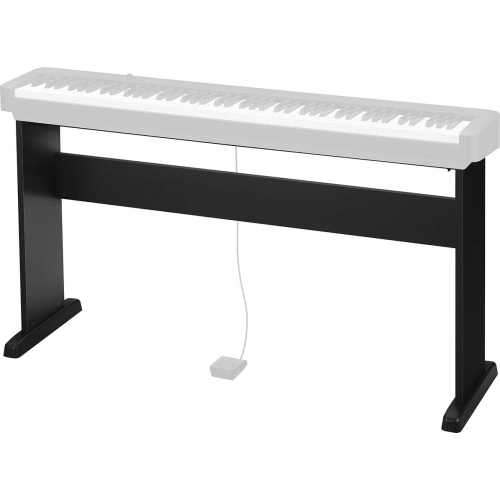
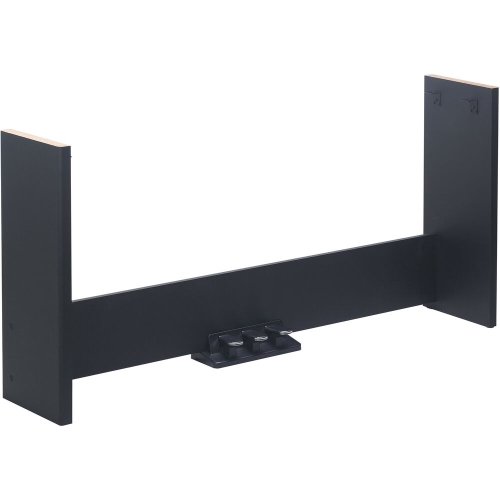
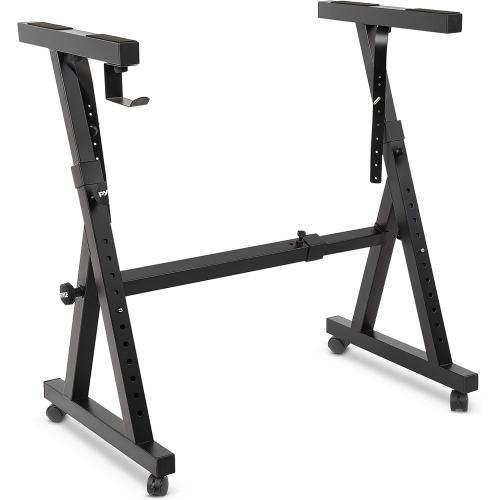
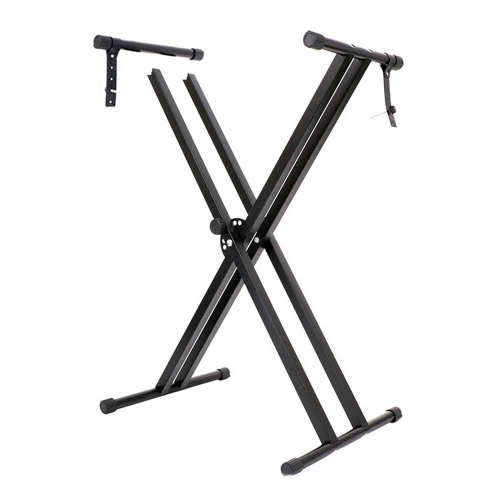
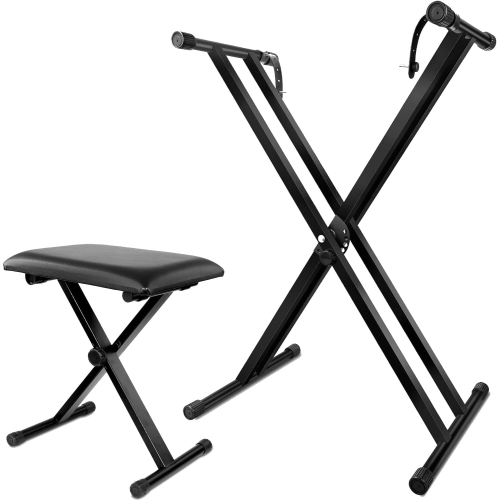
Furniture-style piano stands are designed to give compatible digital pianos a more permanent place in the home. Unlike a portable keyboard stand, a cabinet-style base often uses side panels and a crosspiece to create a substantial silhouette that resembles traditional piano furniture. Compatibility is essential: mounting points, instrument dimensions, weight limits, and pedal arrangements need to match the intended keyboard. A stand that looks similar is not necessarily an appropriate fit, and furniture-style bases should not be assumed to support acoustic pianos. For a digital setup, the stand’s depth and width affect both its stability and how comfortably it fits into the room. The full playing area includes more than the instrument’s footprint. Space is needed to pull out the bench, sit down without squeezing past another piece of furniture, and reach the pedals without obstruction. A piano placed along a living room wall may also need room for a raised music rest, connected cables, and access to an electrical outlet. Keeping cords away from footpaths and bench legs helps the area remain tidy and easier to use. Finishes can connect the instrument with nearby furniture: a dark wood tone may sit naturally beside a bookcase, while a lighter finish can complement pale flooring or a compact practice nook. Matching every surface is less important than choosing proportions and colours that feel balanced in the room. Materials deserve attention beyond their finish. Wood and engineered wood panels need appropriate care around spills, while metal components should remain securely fastened and free of damage. Follow the manufacturer’s assembly instructions and check accessible fasteners periodically, especially if the setup is moved. Pedal clearance is another important detail, particularly when a stand supports an integrated pedal unit. For complementary components used in a piano setup, Piano Parts provides a related category to explore, with compatibility still determined by the instrument and component specifications.
Lighting and covers complete a piano area by addressing the small details that become noticeable during regular use. A dedicated piano lamp directs light towards sheet music or the keyboard, which can be helpful when room lighting leaves the page in shadow. The lamp’s reach, base dimensions, adjustment range, and power connection all affect where it can sit. A slim lamp may suit a narrow ledge, while a broader base requires enough flat surface to remain secure. On an acoustic piano, placement should respect the instrument’s finish and the clearance needed to open its lid or music desk. On a digital piano, a lamp should not obstruct controls, speakers, or the player’s view of the keys. Adjustable light direction can reduce distracting reflections on glossy pages, and a shielded light source helps keep brightness out of the player’s eyes. A cover serves a different purpose, helping keep dust off an instrument between practice sessions. Fit depends on the piano’s shape and measurements, not just whether it is described as a keyboard or piano cover. Fabric weight, lining, fastening details, and washing instructions also matter; a cover should be removed before playing and kept clear of powered equipment or vents where applicable. Routine furniture care is usually simple but should follow the material’s instructions: remove dust with a suitable soft cloth, deal with spills promptly, and avoid applying cleaners directly to surfaces near the instrument. Benches, stands, and accessories are useful for beginner practice corners, established home music rooms, and teaching spaces where several players use the same setup. They can also make thoughtful gifts for a student starting lessons or a pianist improving an existing space, provided measurements and compatibility are confirmed first. A well-fitted bench, dependable support, readable sheet music, and an uncluttered pedal area let the furniture do its job quietly, leaving the player free to concentrate on the music.
Top selling and popular products
-
 Your price for this item is $45.88
-
 Your price for this item is $32.99
-
 Your price for this item is $114.99
-
 Your price for this item is $94.99
-
 Your price for this item is $59.99
-
 Your price for this item is $106.99
-
 Your price for this item is $82.99
-
 Your price for this item is $211.6
Discover more categories related to Piano Furniture
Top Collections:
Pokemon Centers, Kindle Devices, Best Budget Office Chairs, Canon G7X Cameras, Apple iPhones 16, Samsung Galaxy Phones, Refurbished Apple Laptops, Laptops for Students, iPhone 15 Apple, Budget Smartphones
Some products may be subject to Environmental Handling Fees
(EHF) depending on your province.
Learn more about EHFs.