White Pianos
Enhance the elegance and sophistication of your space with our collection of white pianos. Whether you're a seasoned pianist or just starting out, a white piano adds a touch of timeless beauty to any room. From sleek modern designs to classic styles, our selection offers something for every taste and decor. Discover the perfect white piano to complement your home and create a stunning focal point that will inspire your musical creativity.
Sort

Why key feel matters more than the finish
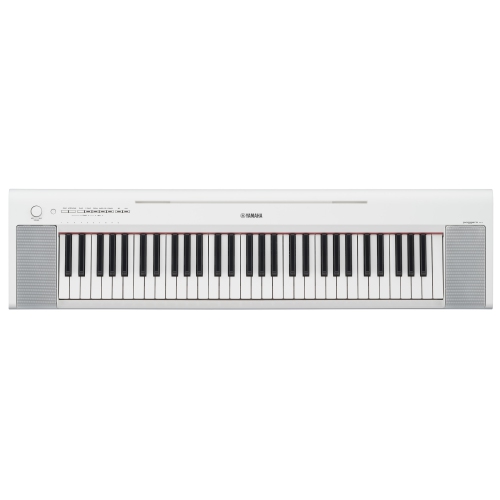
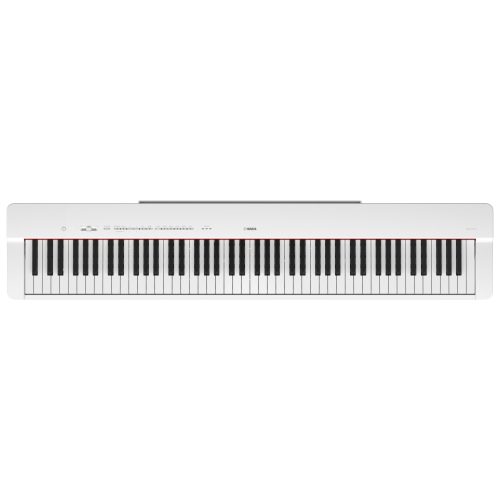
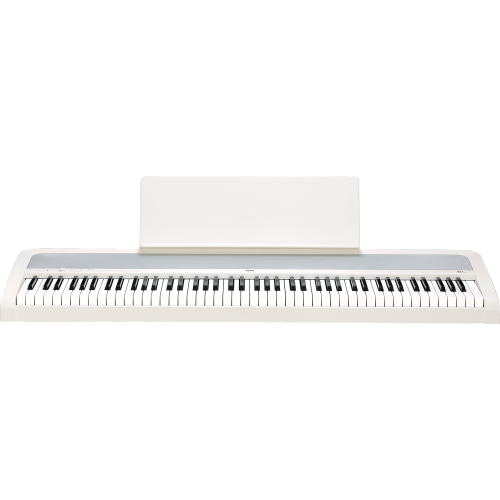
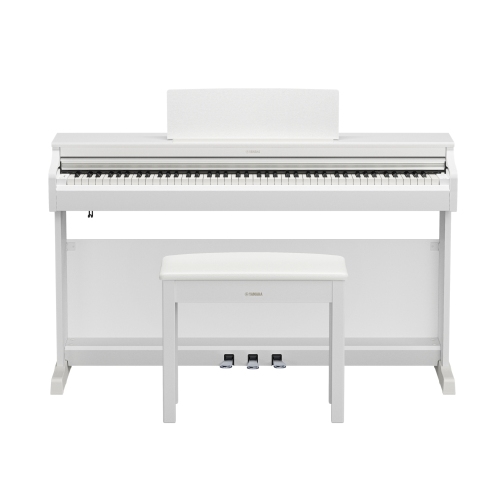
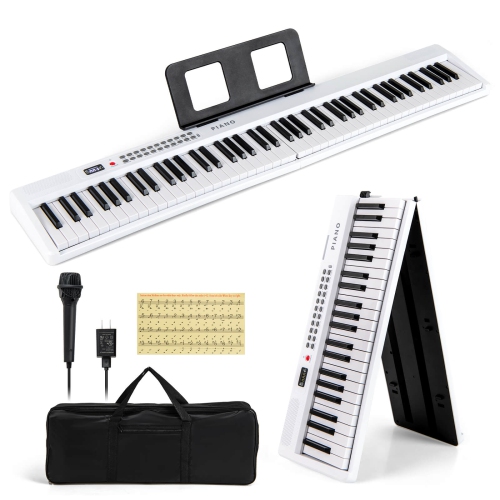
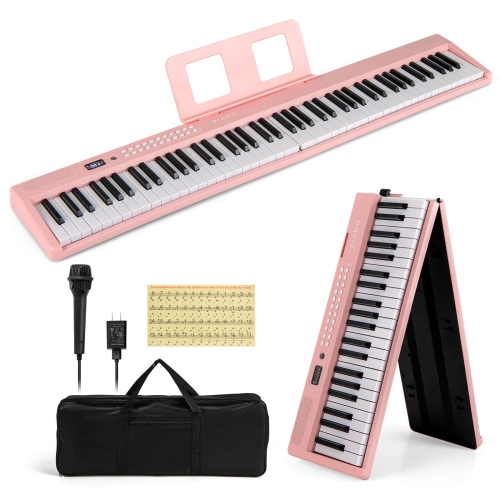
White pianos bring a distinctive visual presence to a room while keeping music at the centre of the space. Against a dark wall, a white cabinet creates a crisp contrast; beside pale wood furniture, it can feel quiet and understated. The finish suits a range of settings, from a dedicated music room to a living area where practising and everyday life share the same floor space. Within this colour theme, the main differences are musical and practical rather than purely decorative. Acoustic pianos produce sound through strings and a resonant soundboard, while digital pianos use electronic sound generation and built-in speakers or connected audio equipment. An acoustic instrument offers a direct mechanical relationship between the keys, hammers, and strings, along with the ongoing need for professional tuning and maintenance. A digital piano generally needs no tuning and may offer headphone listening, adjustable volume, and recording features, depending on its design. Neither the white finish nor the cabinet shape alone determines how an instrument feels or sounds. Key action, speaker quality, construction, and pedal response all matter more to the playing experience. For a beginner working through scales, a full set of 88 keys provides room to progress into a broad repertoire. For an experienced player returning to familiar pieces, responsive keys and expressive control can be more important than a large selection of instrument voices. White pianos can also make meaningful gifts for someone beginning lessons, returning to music after a break, or setting up a place to compose. Because an instrument is both personal and substantial, the recipient’s playing preferences, available space, and need for quiet practice deserve as much attention as its appearance. A piano that feels comfortable and fits naturally into daily routines is more likely to become a well-used part of the home rather than an object admired from across the room.
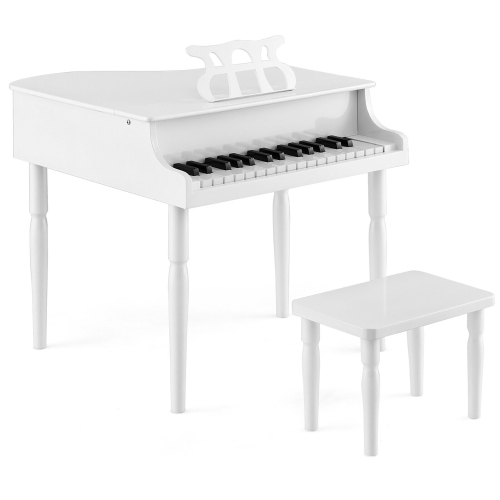
The physical fit of a white piano includes more than the width of its cabinet. Depth affects how far the instrument projects into a room, and comfortable seating requires clearance for a bench, the player’s knees, and movement behind the seat. A narrow upright-style digital cabinet may work along a living room wall, while a grand-style body needs a larger footprint and a clear route into its intended position. Doorways, stair turns, and lift dimensions can be just as important as the final placement, particularly for heavy acoustic instruments that require professional moving. Cabinet-style digital pianos often use engineered wood panels with an applied finish, while portable designs commonly use moulded housings supported by a separate stand. Acoustic pianos combine wood components, strings, and a substantial metal frame, with exterior finishes that vary by construction. A glossy white surface reflects surrounding light and can make a cabinet look more prominent; a matte or satin finish gives a softer visual effect. Finish names and shades are not always identical, so a piano described as white may not perfectly match a nearby desk or bookshelf. Stability matters regardless of style. A firm stand or cabinet helps prevent movement during stronger playing, while a suitable bench supports a comfortable posture with relaxed shoulders and forearms positioned naturally at the keyboard. Young learners may also need support beneath their feet rather than sitting with their legs dangling. For digital instruments, weighted hammer-action keys are particularly relevant to players practising piano technique, although the resistance and response can vary considerably. Graded actions typically feel heavier in the lower register and lighter in the upper register, echoing a characteristic of acoustic pianos. Pedals deserve similar attention: a simple sustain control can cover basic needs, while more advanced playing may benefit from a stable three-pedal unit and support for nuanced half-pedalling. The right combination of seating, key feel, and pedal placement makes slow practice passages and longer playing sessions more comfortable.
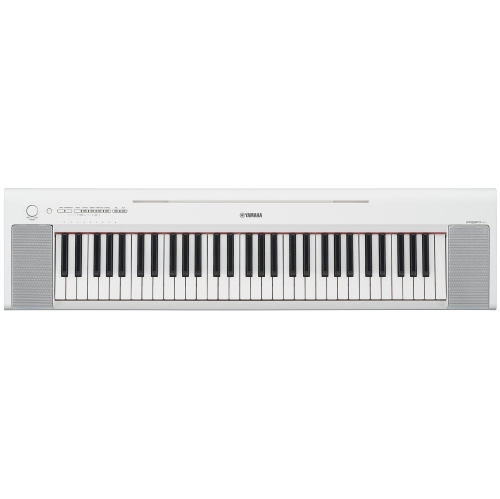
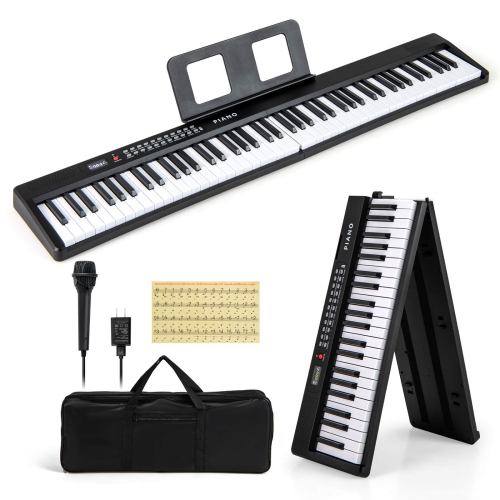
Intended use helps distinguish the features that will earn their place in everyday playing. In a shared household, headphone support on a digital piano can let a learner repeat a difficult left-hand pattern without filling the room with sound, though the physical movement of the keys may still be audible nearby. Two headphone connections, where supported, can be useful for a teacher and student listening together. Built-in metronomes support steady timing, while recording functions make it easier to hear uneven rhythms or compare different interpretations of a piece. USB or MIDI connections may allow a compatible digital piano to communicate with learning software or a computer-based recording setup, but the connection type and supported functions need to match the intended device. Players who want a more compact format can also explore white piano keyboards, paying particular attention to key count, action, and stand requirements when comparing them with cabinet-style instruments. Sound projection matters, too: built-in speakers that work well for personal practice may not provide the coverage needed for a performance space. Care is usually straightforward for exterior surfaces, provided it follows the manufacturer’s recommendations. A soft, clean cloth helps remove dust without dragging grit across a white finish, and cleaning liquid should never be sprayed directly onto keys, seams, speakers, or controls. Abrasive cleaners and unsuitable polishes can dull or damage surfaces, while excess moisture can affect both cabinetry and internal parts. Clean hands help limit marks on keys and frequently touched areas, and keeping drinks on a separate surface reduces the risk of spills. Where fitted, a key cover offers useful protection from dust when the piano is not being played. Acoustic instruments also need regular assessment by a qualified piano technician, while digital models benefit from tidy cable routing and secure power connections. Durable construction, a stable playing position, and sensible care all contribute to an instrument that remains enjoyable to use. Whether it accompanies singing, supports formal lessons, or offers a familiar place to unwind with a favourite melody, a white piano brings together musical expression and a finish that becomes part of the room’s character.
The physical fit of a white piano includes more than the width of its cabinet. Depth affects how far the instrument projects into a room, and comfortable seating requires clearance for a bench, the player’s knees, and movement behind the seat. A narrow upright-style digital cabinet may work along a living room wall, while a grand-style body needs a larger footprint and a clear route into its intended position. Doorways, stair turns, and lift dimensions can be just as important as the final placement, particularly for heavy acoustic instruments that require professional moving. Cabinet-style digital pianos often use engineered wood panels with an applied finish, while portable designs commonly use moulded housings supported by a separate stand. Acoustic pianos combine wood components, strings, and a substantial metal frame, with exterior finishes that vary by construction. A glossy white surface reflects surrounding light and can make a cabinet look more prominent; a matte or satin finish gives a softer visual effect. Finish names and shades are not always identical, so a piano described as white may not perfectly match a nearby desk or bookshelf. Stability matters regardless of style. A firm stand or cabinet helps prevent movement during stronger playing, while a suitable bench supports a comfortable posture with relaxed shoulders and forearms positioned naturally at the keyboard. Young learners may also need support beneath their feet rather than sitting with their legs dangling. For digital instruments, weighted hammer-action keys are particularly relevant to players practising piano technique, although the resistance and response can vary considerably. Graded actions typically feel heavier in the lower register and lighter in the upper register, echoing a characteristic of acoustic pianos. Pedals deserve similar attention: a simple sustain control can cover basic needs, while more advanced playing may benefit from a stable three-pedal unit and support for nuanced half-pedalling. The right combination of seating, key feel, and pedal placement makes slow practice passages and longer playing sessions more comfortable.
Intended use helps distinguish the features that will earn their place in everyday playing. In a shared household, headphone support on a digital piano can let a learner repeat a difficult left-hand pattern without filling the room with sound, though the physical movement of the keys may still be audible nearby. Two headphone connections, where supported, can be useful for a teacher and student listening together. Built-in metronomes support steady timing, while recording functions make it easier to hear uneven rhythms or compare different interpretations of a piece. USB or MIDI connections may allow a compatible digital piano to communicate with learning software or a computer-based recording setup, but the connection type and supported functions need to match the intended device. Players who want a more compact format can also explore white piano keyboards, paying particular attention to key count, action, and stand requirements when comparing them with cabinet-style instruments. Sound projection matters, too: built-in speakers that work well for personal practice may not provide the coverage needed for a performance space. Care is usually straightforward for exterior surfaces, provided it follows the manufacturer’s recommendations. A soft, clean cloth helps remove dust without dragging grit across a white finish, and cleaning liquid should never be sprayed directly onto keys, seams, speakers, or controls. Abrasive cleaners and unsuitable polishes can dull or damage surfaces, while excess moisture can affect both cabinetry and internal parts. Clean hands help limit marks on keys and frequently touched areas, and keeping drinks on a separate surface reduces the risk of spills. Where fitted, a key cover offers useful protection from dust when the piano is not being played. Acoustic instruments also need regular assessment by a qualified piano technician, while digital models benefit from tidy cable routing and secure power connections. Durable construction, a stable playing position, and sensible care all contribute to an instrument that remains enjoyable to use. Whether it accompanies singing, supports formal lessons, or offers a familiar place to unwind with a favourite melody, a white piano brings together musical expression and a finish that becomes part of the room’s character.
Top selling and popular products
-
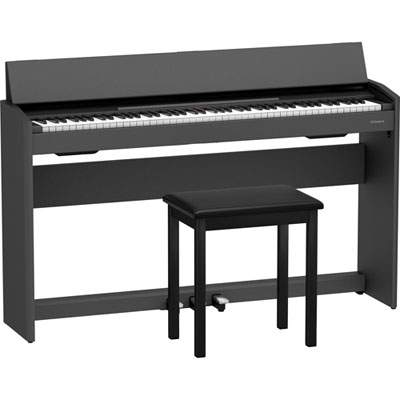 Your price for this item is $1699.99
 -
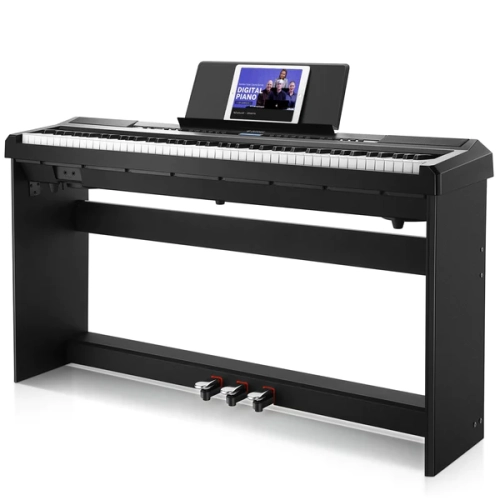 Your price for this item is $479.99
 -
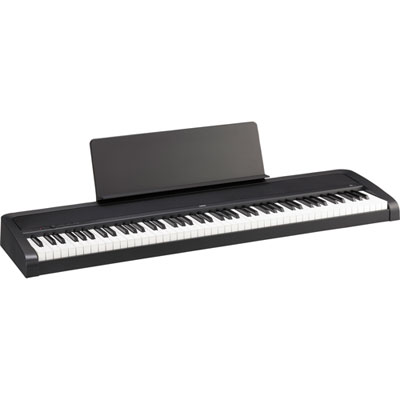 Your price for this item is $699.98
 -
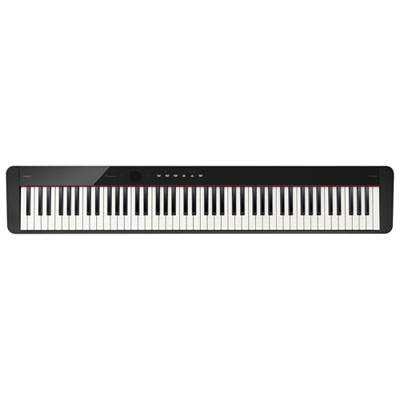 Your price for this item is $849.99
 -
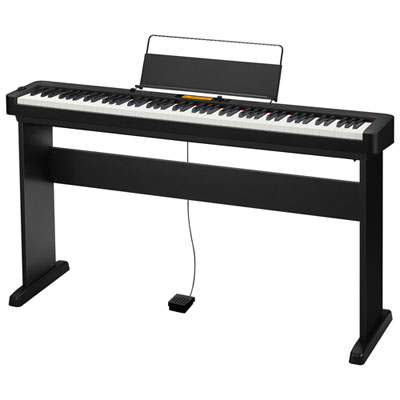 Your price for this item is $869.99
 -
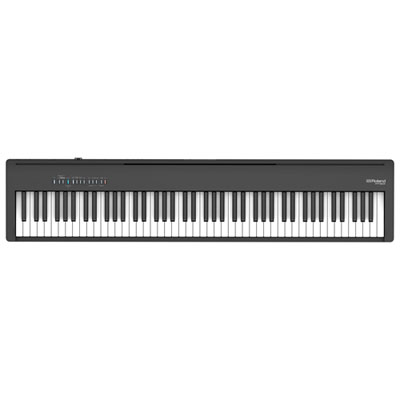 Your price for this item is $1199.99
 -
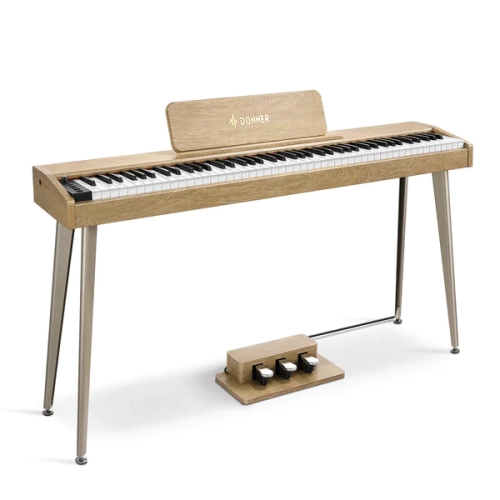 Your price for this item is $415.99
 -
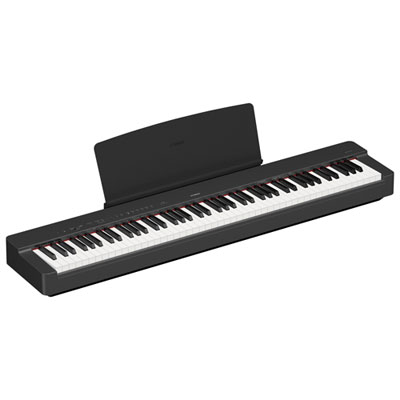 Your price for this item is $799.99
Discover more categories related to White Pianos
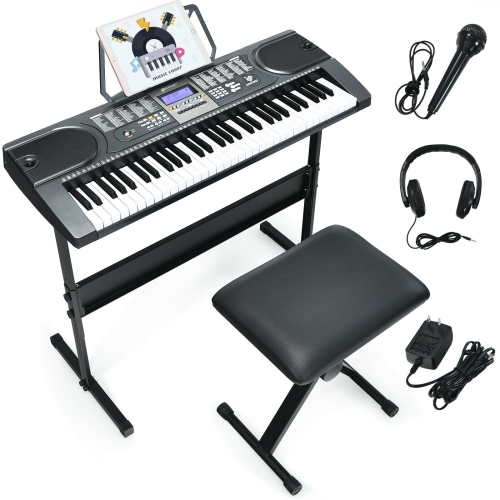
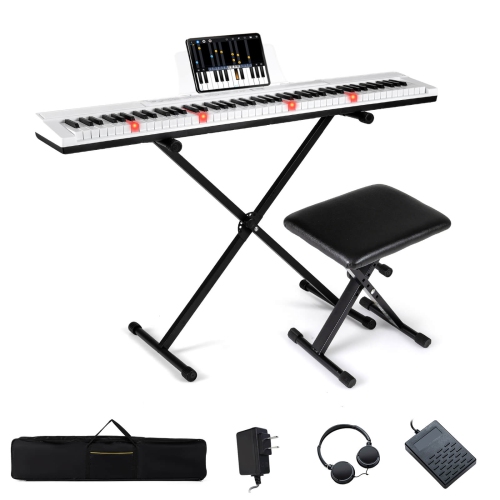
Top Collections:
Pokemon Centers, Kindle Devices, Best Budget Office Chairs, Apple iPhones 16, Best Laptops for Writers, iPhone 15 Apple, Canon G7X Cameras, Refurbished Apple Laptops, Alarm Clock, Motorola Razr Phones
Some products may be subject to Environmental Handling Fees
(EHF) depending on your province.
Learn more about EHFs.