Piano Black And White
Immerse yourself in the timeless elegance and sophistication of these black and white pianos. The striking contrast between ebony and ivory keys creates a visually captivating instrument that has been a staple in musical performances for years. Whether you're a seasoned pianist or just beginning your musical journey, these black and white pianos are not only a beautiful addition to almost any space but also a powerful tool for expressing emotions and creating stunning melodies. Explore the allure of this classic instrument and discover the perfect black and white pianos to elevate your musical experience.
Sort
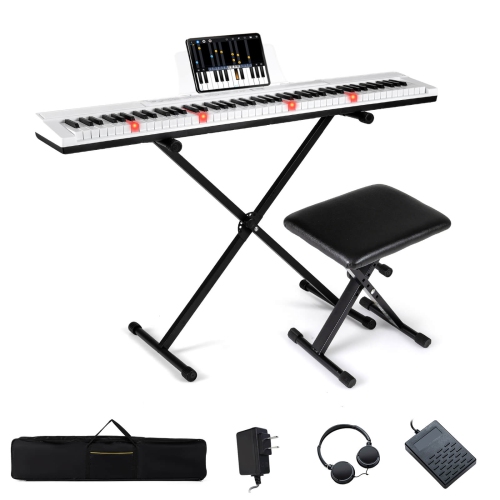
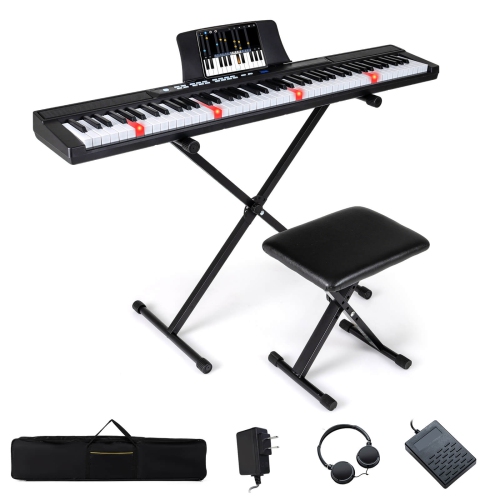
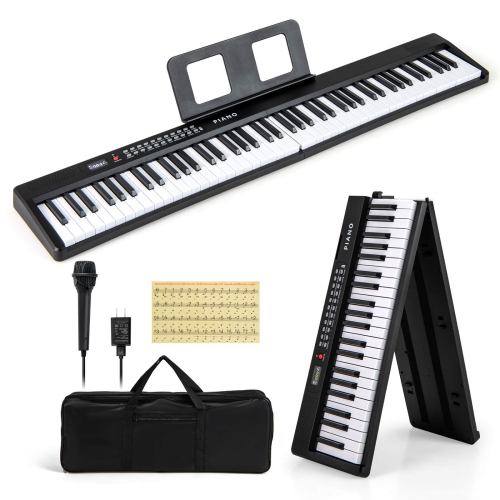
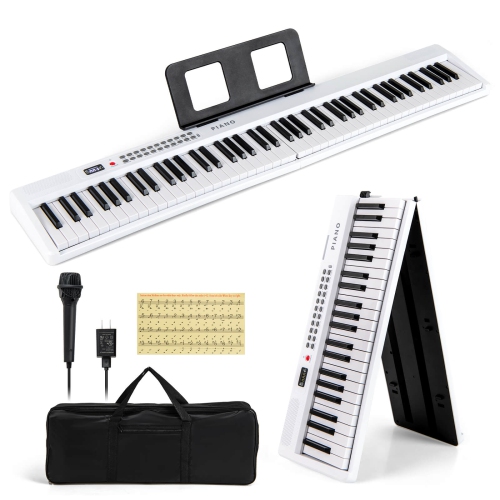
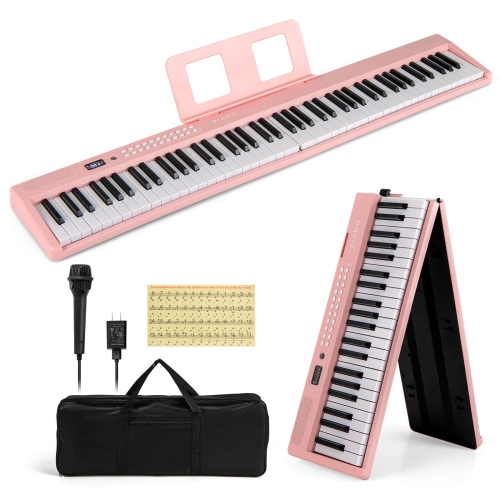
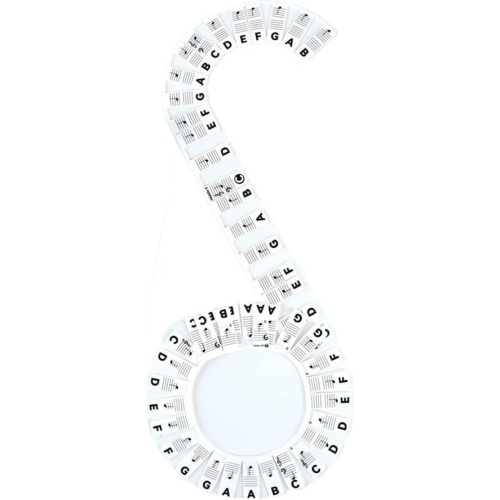
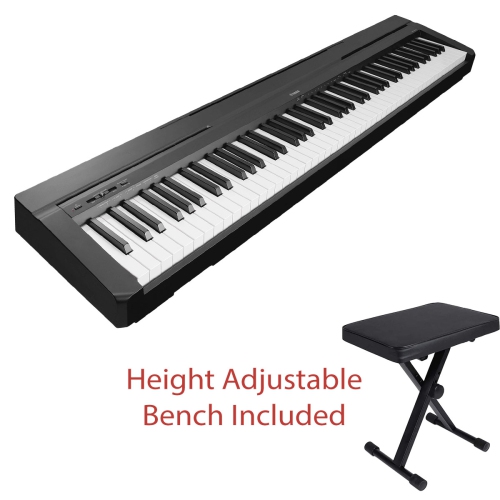
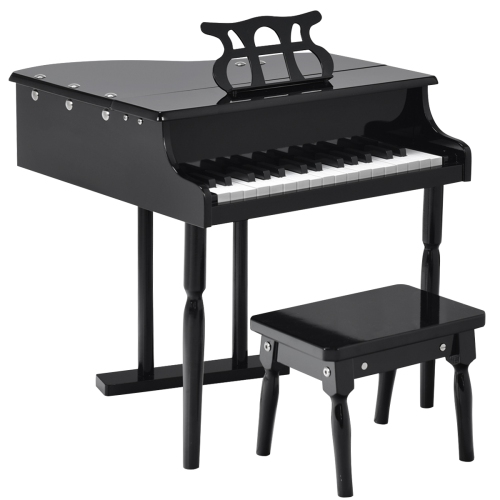
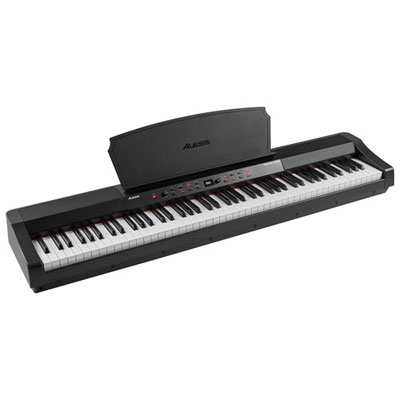

Understanding piano keys, finishes and features for every player
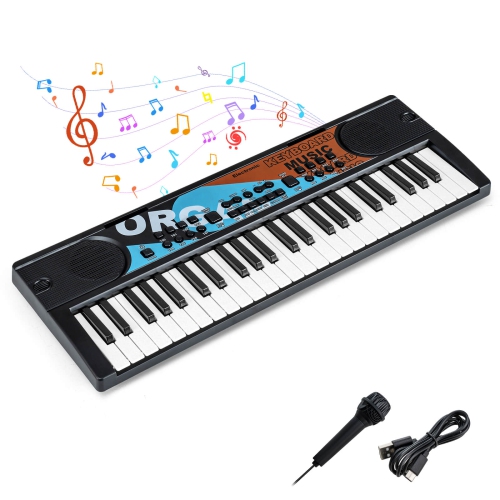
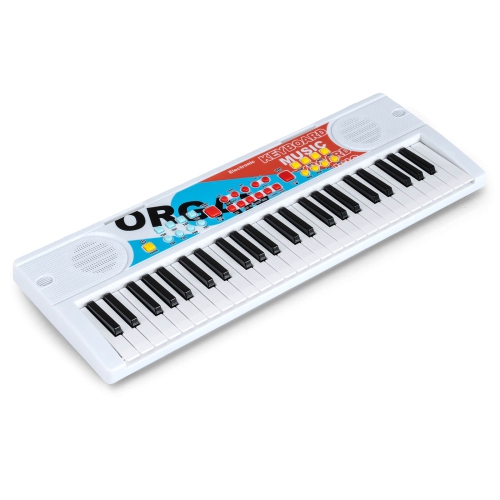
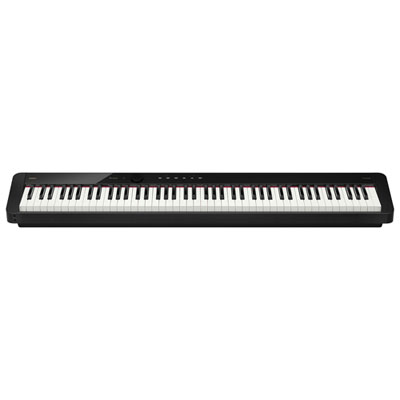
Pianos in black and white finishes bring together a familiar musical layout and a distinctive visual presence. A standard piano keyboard has 88 keys: 52 white keys and 36 black keys. The white keys represent the seven natural notes, A, B, C, D, E, F and G, while the black keys represent the five in-between notes, commonly described as sharps or flats. Their repeating arrangement of two black keys followed by three black keys gives players a reliable way to find their place, even before they can read music fluently. Middle C, for example, sits immediately to the left of a group of two black keys, creating a useful reference point for beginners. This pattern remains consistent across the keyboard, so a player can recognize octaves, scales and chords by sight as well as by sound. The contrast between black and white keys is also practical: it helps the hands navigate the keyboard during lessons, rehearsals and casual playing, while giving the instrument the classic appearance associated with piano music. For shoppers drawn to this look, a finish in black, white or a combination of both can complement a range of rooms, from a dedicated music area to a living room, bedroom or compact apartment corner. Those who prefer a lighter visual style can explore White Pianos for a bright, polished presence that makes the instrument feel like part of the room’s design.
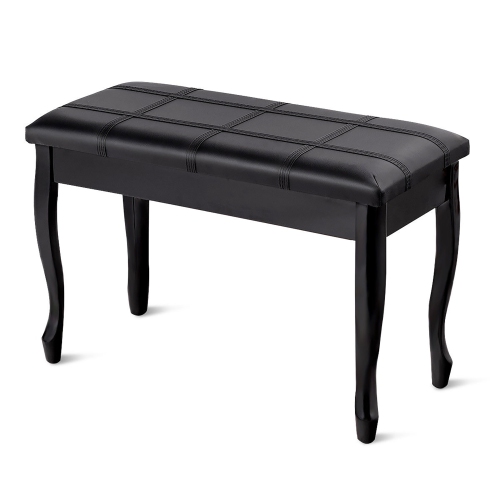
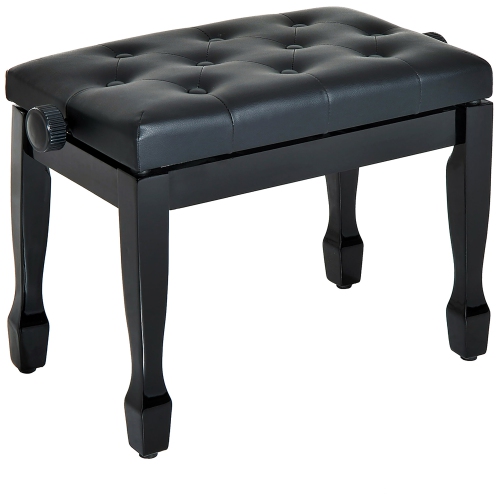
When choosing a piano with black and white keys, start by considering how it will be used and how much space is available. A full-size 88-key keyboard offers the broad range needed for classical pieces, advanced lessons and arrangements that move from deep bass notes to bright upper registers. Shorter keyboards can be easier to position in a smaller space, but they may not provide the same range for progressing players. Touch response is another important consideration. Weighted or hammer-action keys are designed to provide resistance that changes with the force of a player’s touch, helping develop finger strength and control that can transfer well to an acoustic piano. Lighter keys may suit beginners, recreational players or anyone who values easy movement during extended sessions. Look for adjustable volume, headphone compatibility and a metronome when quiet practice is important, particularly in shared homes or during the cooler months when windows stay closed and indoor routines become more common. A stand and bench at the correct height can make practice more comfortable, while a sustain pedal allows notes and chords to ring naturally. Before choosing a finish, measure the intended area carefully, including space for the player’s bench, music stand and room to move around the instrument. Glossy surfaces can create a striking focal point, while matte finishes tend to show fewer reflections. Whichever appearance you prefer, a clear view of the keys, comfortable posture and dependable access to controls will encourage regular playing far more than appearance alone.
A piano can be a thoughtful gift for a child beginning lessons, a student setting up a first practice space, or an experienced musician returning to an instrument after time away. It can also become a shared part of a household: one person may use it for structured practice, another may play familiar melodies by ear, and family members may gather around it for informal singing or seasonal music. Beginners often benefit from a layout that makes the relationship between the keys easy to see. Starting with Middle C, they can learn simple five-note patterns, then gradually add scales, chords and basic sheet music. The groups of two and three black keys act as visual landmarks, helping players locate notes without counting from one end of the keyboard. More advanced players may look for a full range, responsive keys and settings that support nuanced dynamics, recording or connection to learning tools. A black-and-white piano can suit many styles of playing, from gentle evening practice through energetic pop arrangements, jazz exercises and classical repertoire. Its visual contrast can also add character to a room without requiring elaborate décor, making it a natural choice for homes where the instrument will remain on display between sessions. During the transition from warmer days to indoor-focused routines, having an accessible keyboard can turn a quiet corner into a place for concentration, creativity and shared time. With the right size, key action, sound controls and finish, a piano becomes more than a decorative piece: it is a practical instrument for building skills, expressing ideas and creating music at home.
When choosing a piano with black and white keys, start by considering how it will be used and how much space is available. A full-size 88-key keyboard offers the broad range needed for classical pieces, advanced lessons and arrangements that move from deep bass notes to bright upper registers. Shorter keyboards can be easier to position in a smaller space, but they may not provide the same range for progressing players. Touch response is another important consideration. Weighted or hammer-action keys are designed to provide resistance that changes with the force of a player’s touch, helping develop finger strength and control that can transfer well to an acoustic piano. Lighter keys may suit beginners, recreational players or anyone who values easy movement during extended sessions. Look for adjustable volume, headphone compatibility and a metronome when quiet practice is important, particularly in shared homes or during the cooler months when windows stay closed and indoor routines become more common. A stand and bench at the correct height can make practice more comfortable, while a sustain pedal allows notes and chords to ring naturally. Before choosing a finish, measure the intended area carefully, including space for the player’s bench, music stand and room to move around the instrument. Glossy surfaces can create a striking focal point, while matte finishes tend to show fewer reflections. Whichever appearance you prefer, a clear view of the keys, comfortable posture and dependable access to controls will encourage regular playing far more than appearance alone.
A piano can be a thoughtful gift for a child beginning lessons, a student setting up a first practice space, or an experienced musician returning to an instrument after time away. It can also become a shared part of a household: one person may use it for structured practice, another may play familiar melodies by ear, and family members may gather around it for informal singing or seasonal music. Beginners often benefit from a layout that makes the relationship between the keys easy to see. Starting with Middle C, they can learn simple five-note patterns, then gradually add scales, chords and basic sheet music. The groups of two and three black keys act as visual landmarks, helping players locate notes without counting from one end of the keyboard. More advanced players may look for a full range, responsive keys and settings that support nuanced dynamics, recording or connection to learning tools. A black-and-white piano can suit many styles of playing, from gentle evening practice through energetic pop arrangements, jazz exercises and classical repertoire. Its visual contrast can also add character to a room without requiring elaborate décor, making it a natural choice for homes where the instrument will remain on display between sessions. During the transition from warmer days to indoor-focused routines, having an accessible keyboard can turn a quiet corner into a place for concentration, creativity and shared time. With the right size, key action, sound controls and finish, a piano becomes more than a decorative piece: it is a practical instrument for building skills, expressing ideas and creating music at home.
Top selling and popular products
-
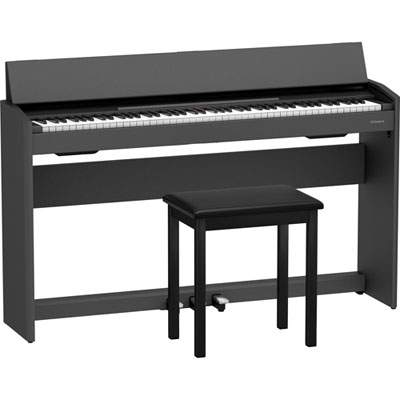 Your price for this item is $1699.99
 -
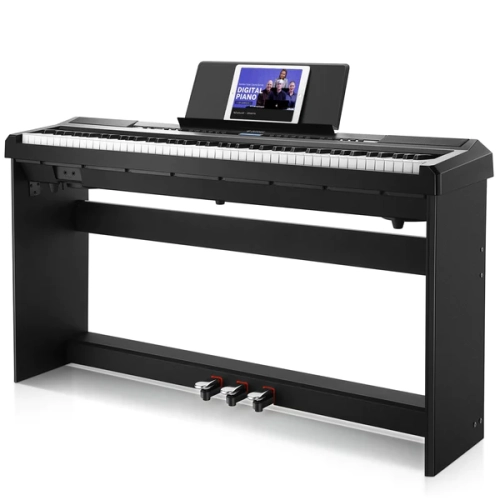 Your price for this item is $479.99
 -
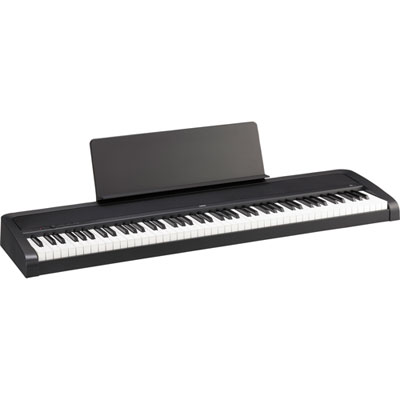 Your price for this item is $699.98
 -
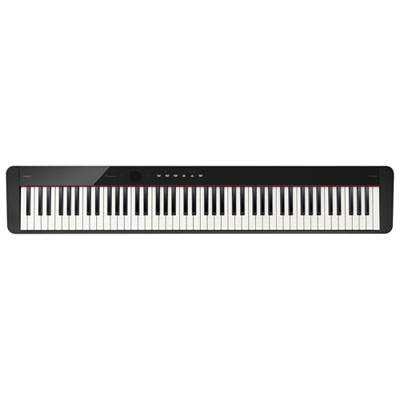 Your price for this item is $849.99
 -
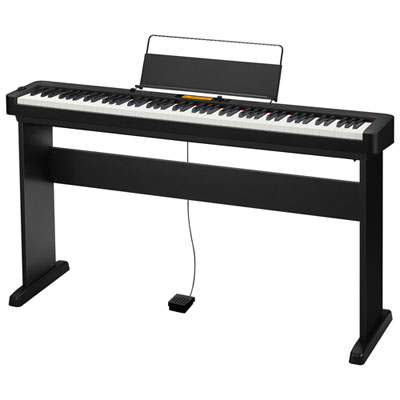 Your price for this item is $869.99
 -
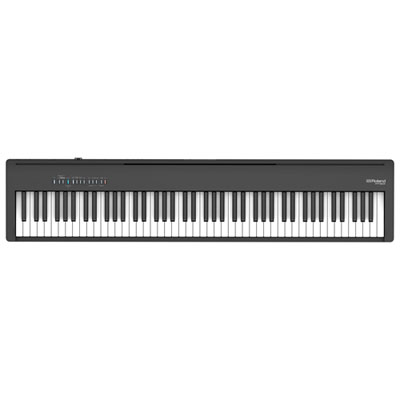 Your price for this item is $1199.99
 -
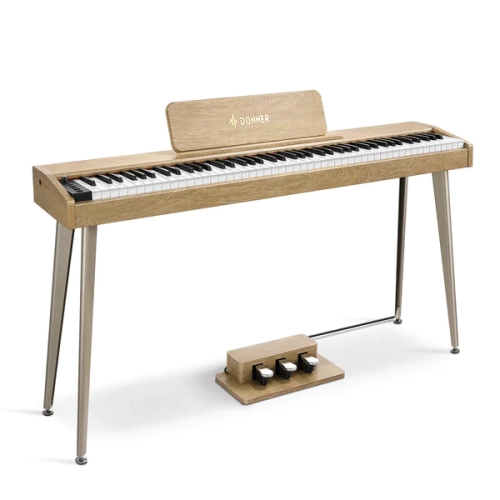 Your price for this item is $415.99
 -
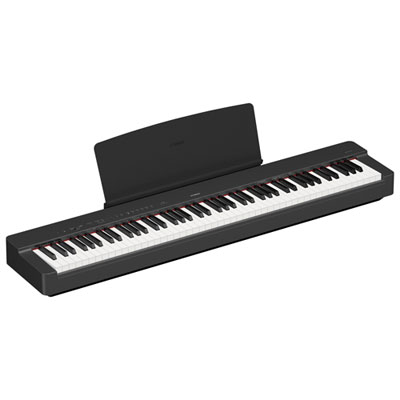 Your price for this item is $799.99
Discover more categories related to Piano Black And White
Top Collections:
Pokemon Centers, Kindle Devices, Best Budget Office Chairs, Apple iPhones 16, Best Laptops for Writers, iPhone 15 Apple, Canon G7X Cameras, Refurbished Apple Laptops, Alarm Clock, Motorola Razr Phones
Some products may be subject to Environmental Handling Fees
(EHF) depending on your province.
Learn more about EHFs.