Wood Electric Guitars
If you're looking for a guitar that can provide you with both classic and modern sounds, a wood electric guitar may be the perfect choice for you. These instruments are made from a variety of woods, including mahogany, maple, and ash, and offer a unique blend of warmth and clarity. Whether you're a professional musician or just starting out, a wood electric guitar can provide you with an instrument that sounds great and looks beautiful. Here are some of the great options available to choose from.
Sort


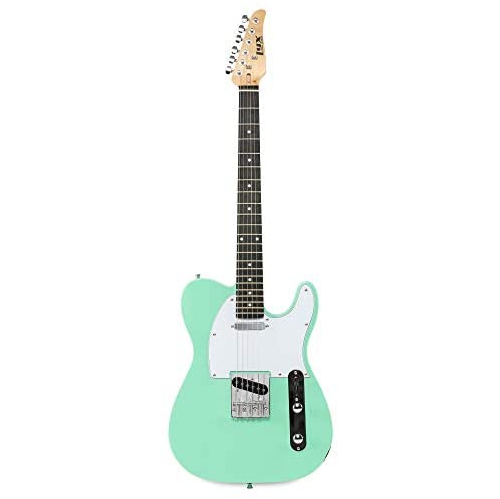
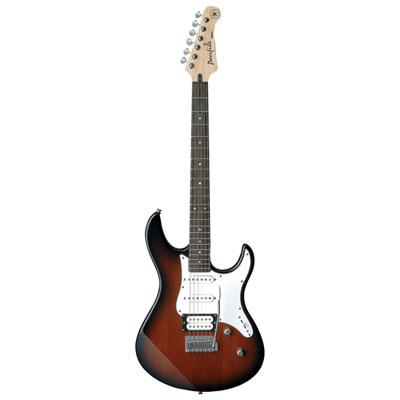
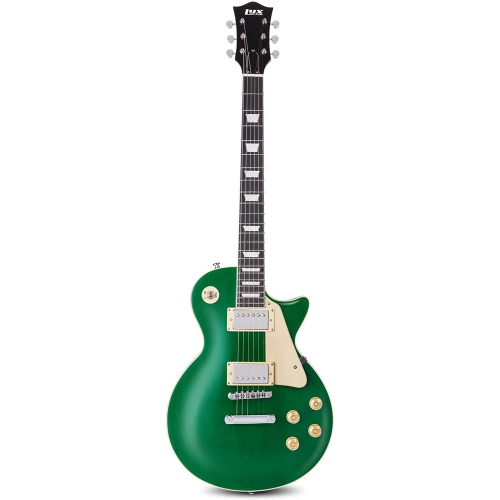
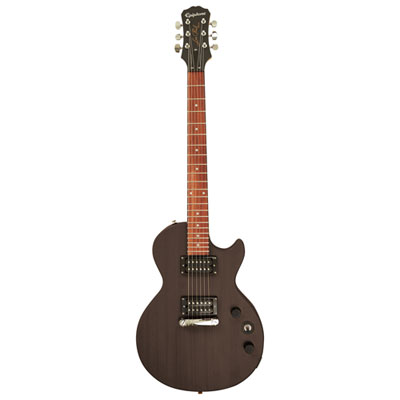

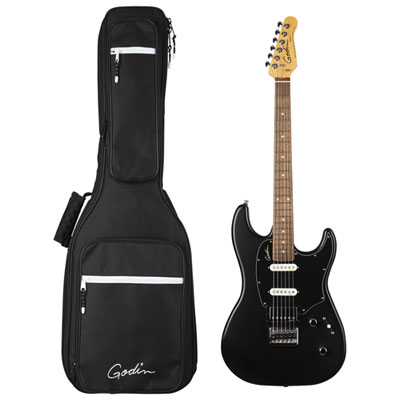

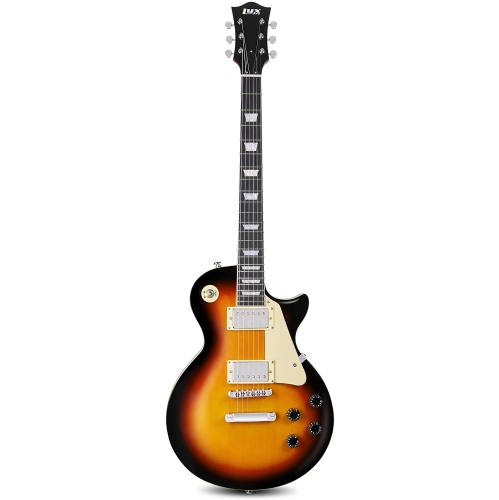
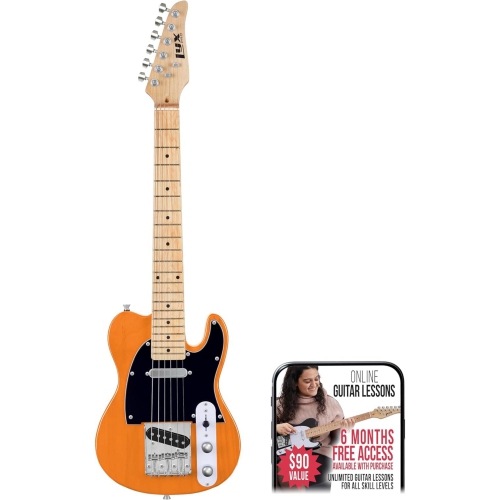
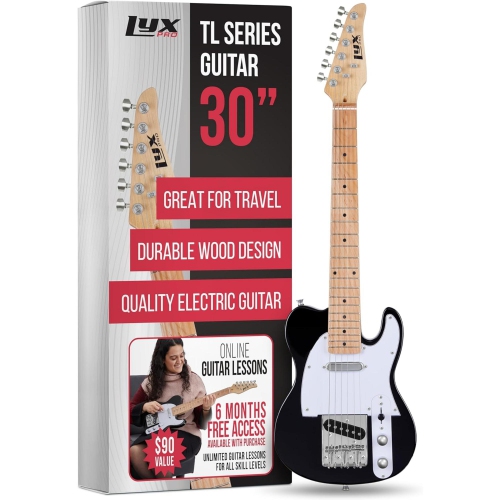
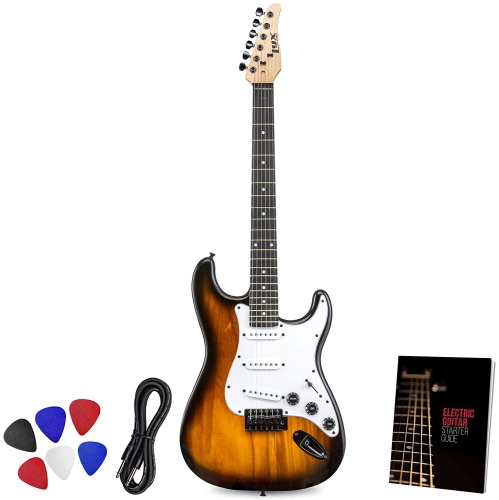
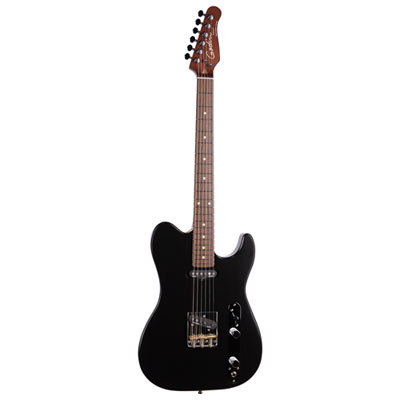
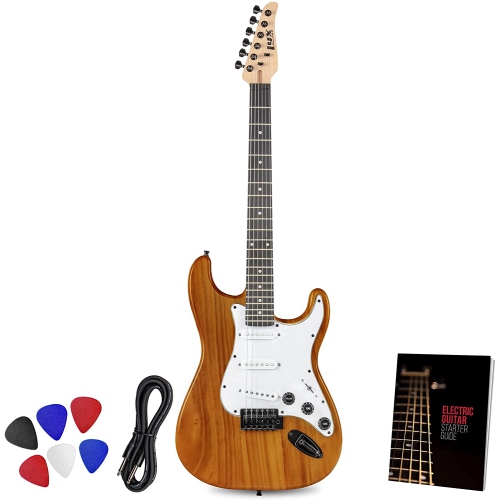
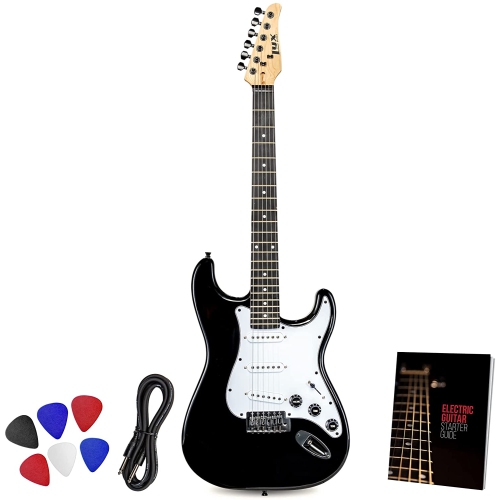
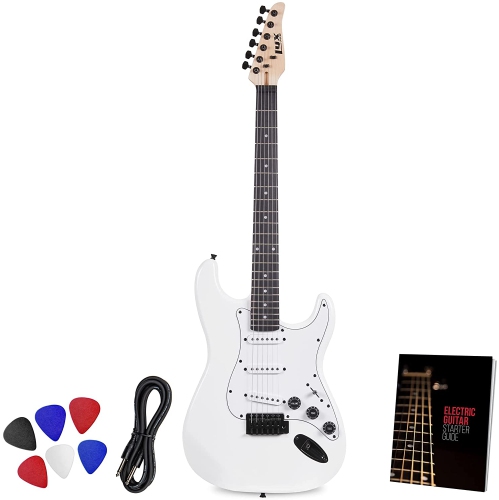

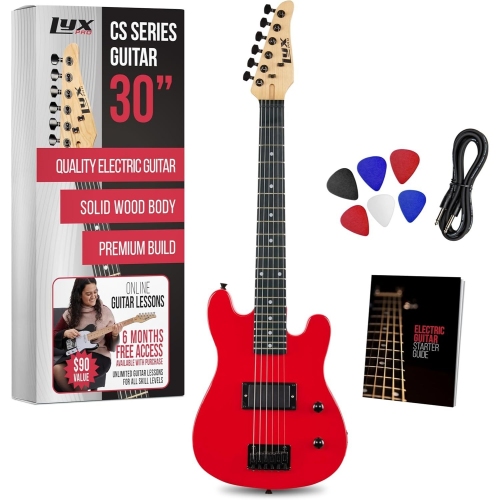
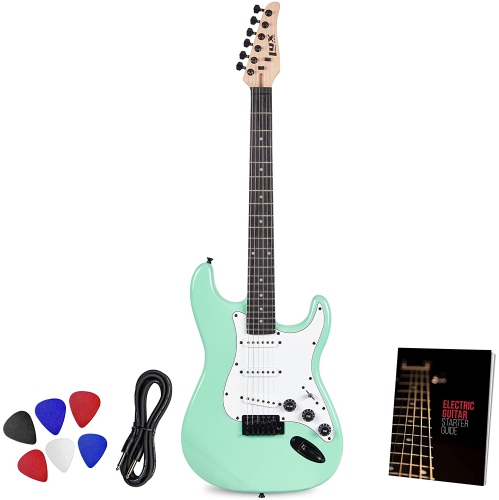
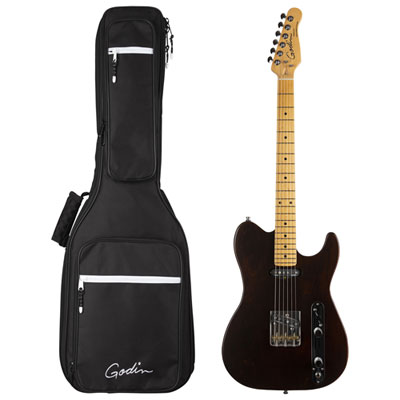
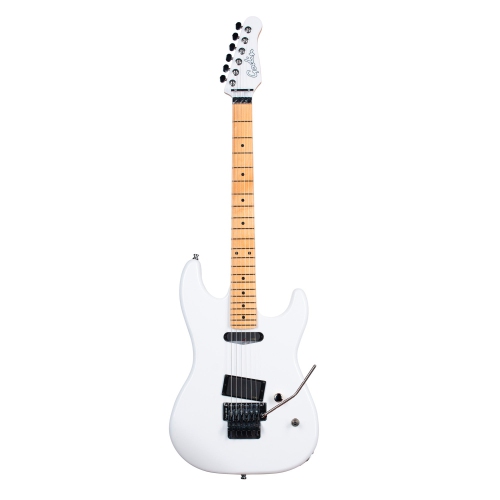
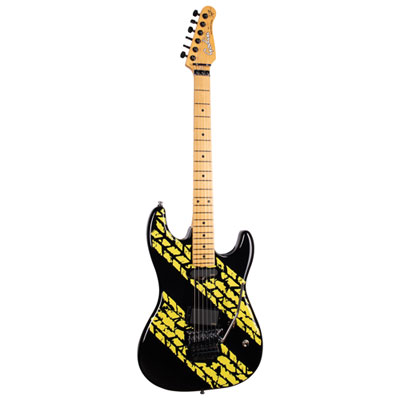
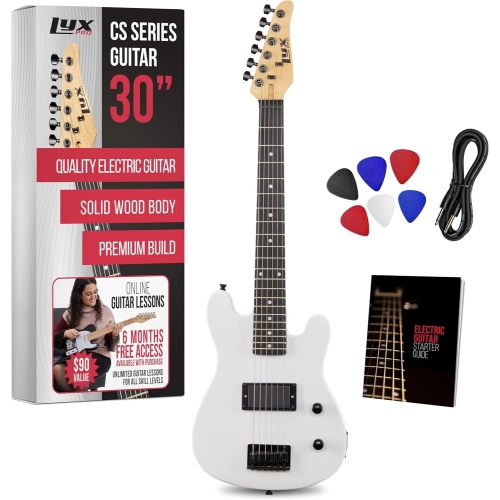
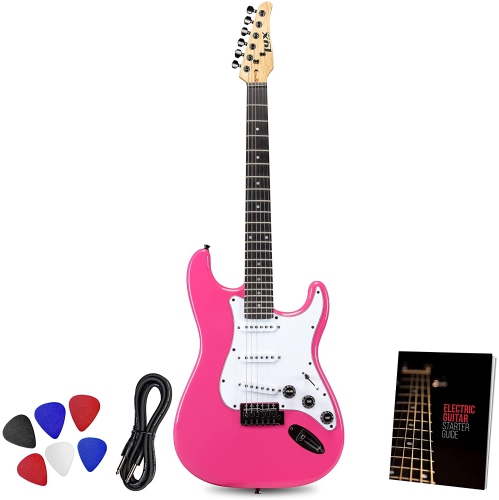

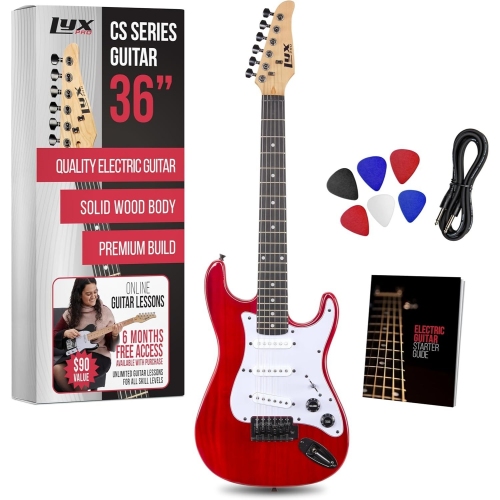


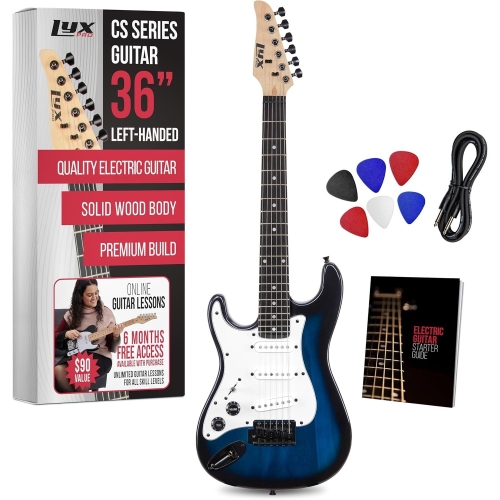
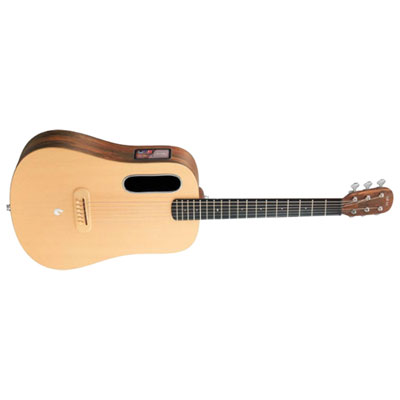
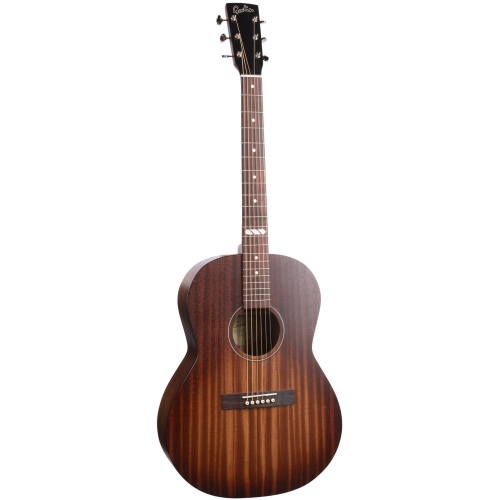




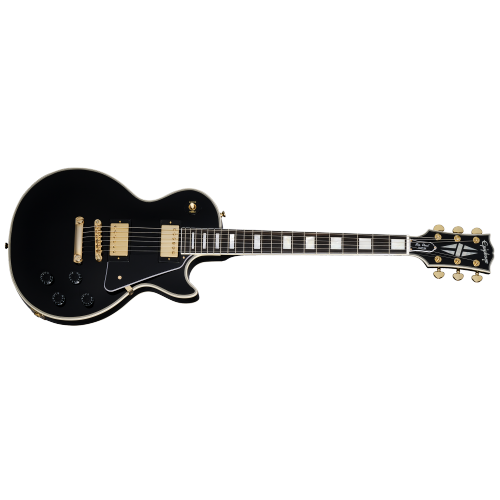

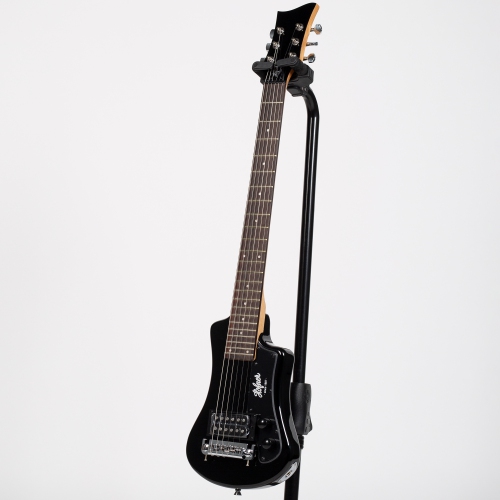
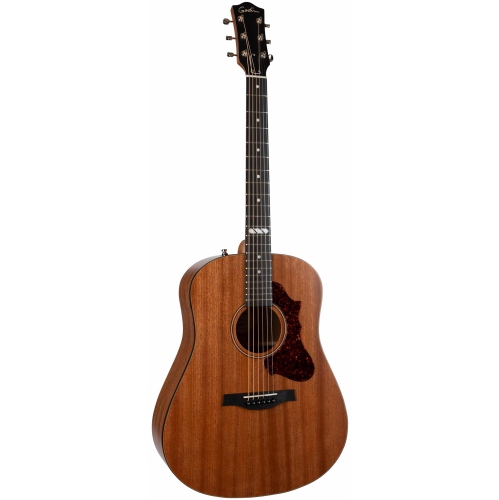
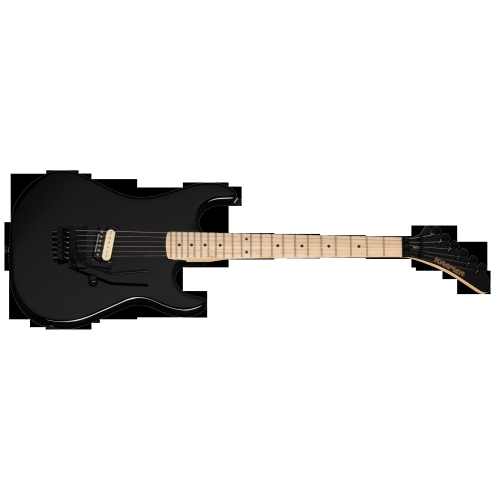





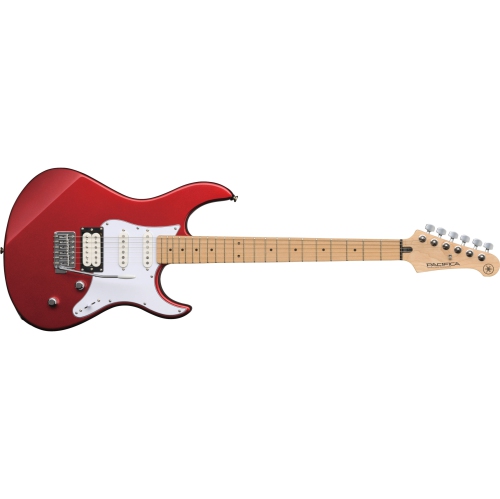
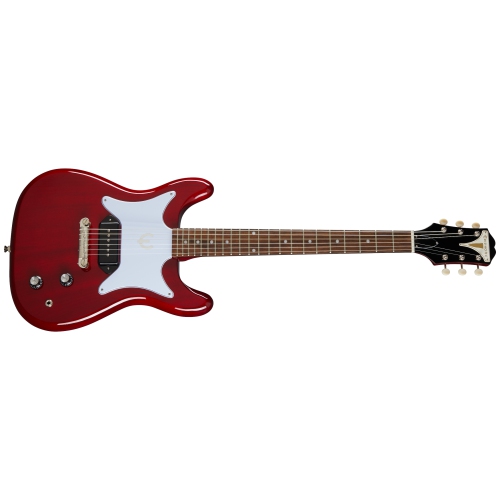
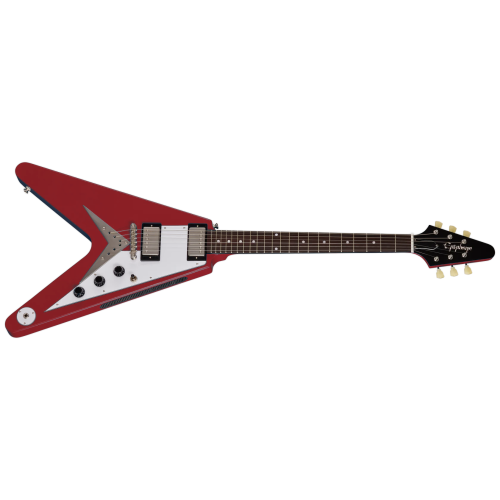
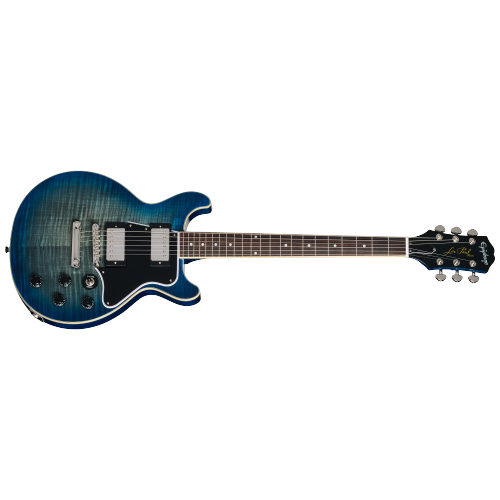
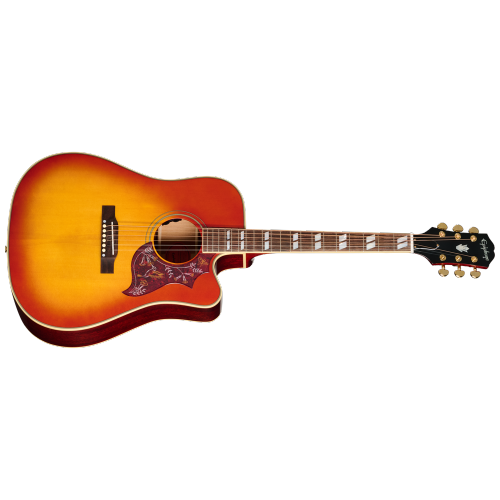
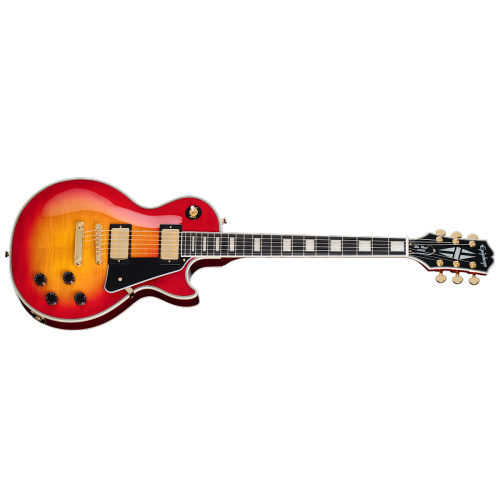
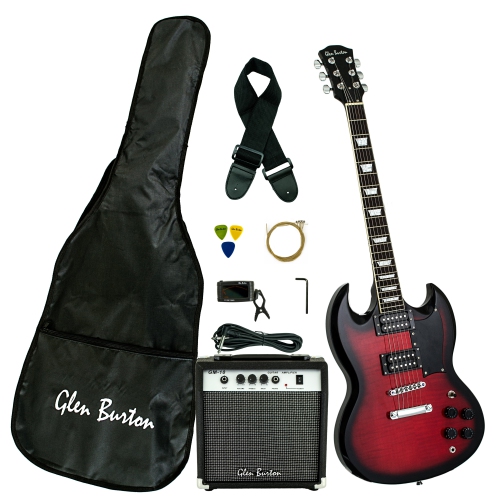
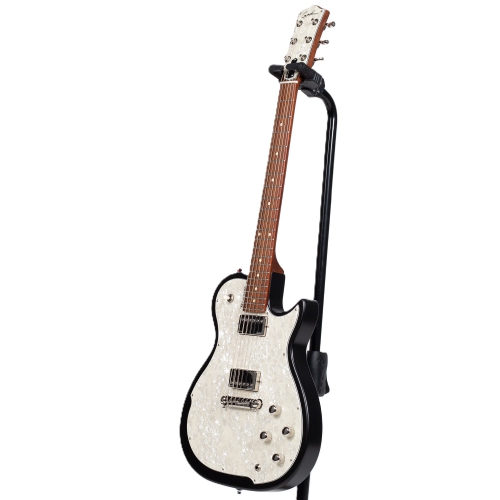
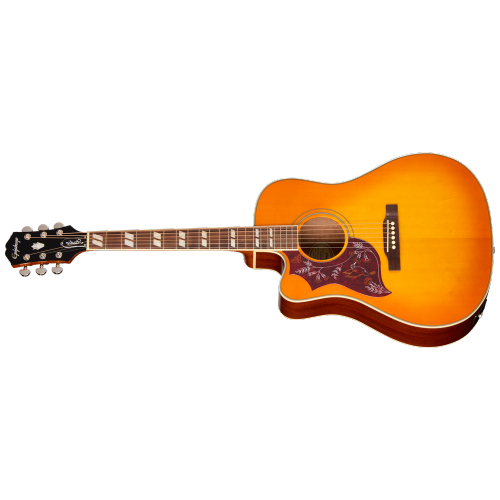
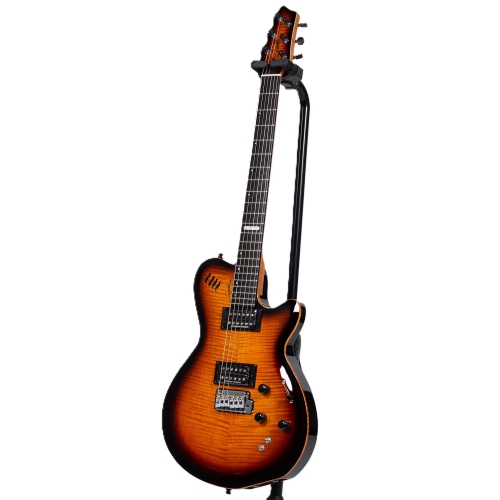
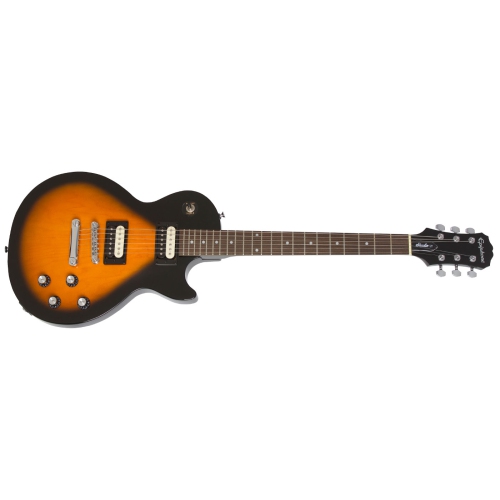
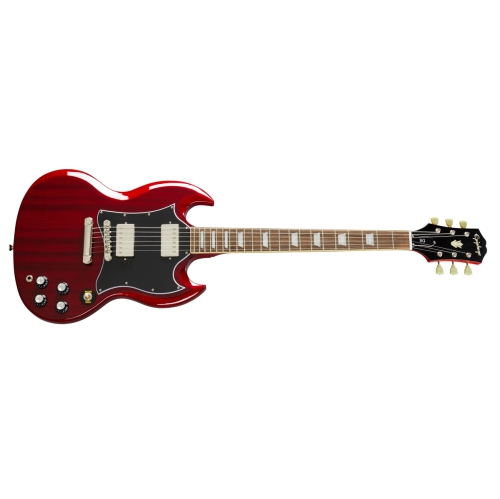











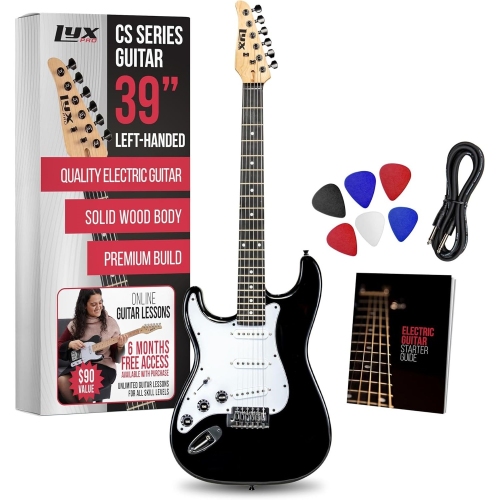
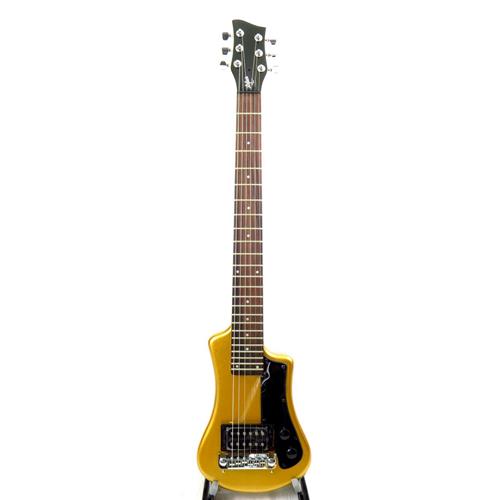
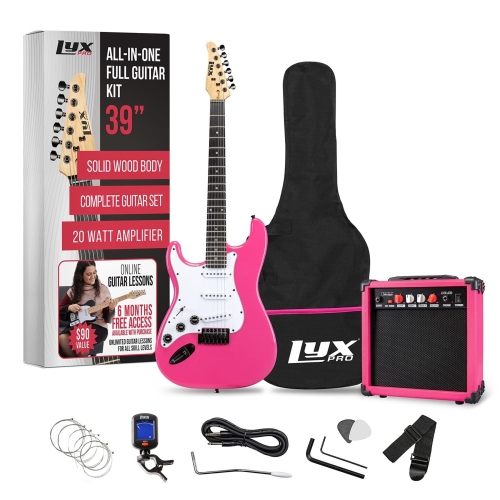
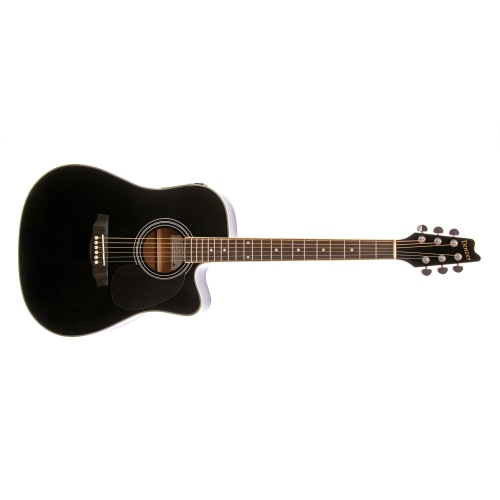
There’s more to guitar wood than visible grain
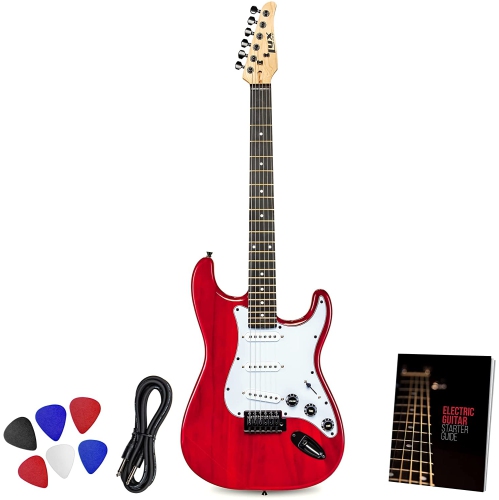
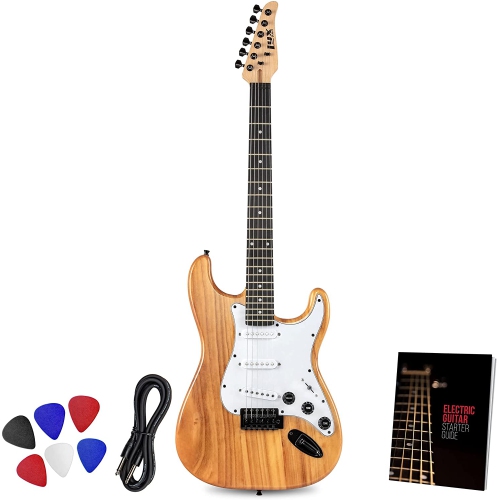
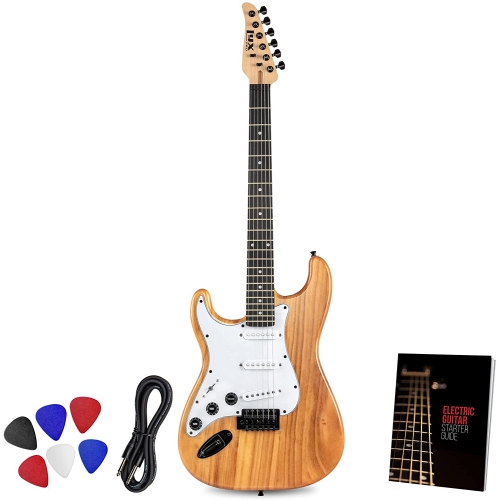
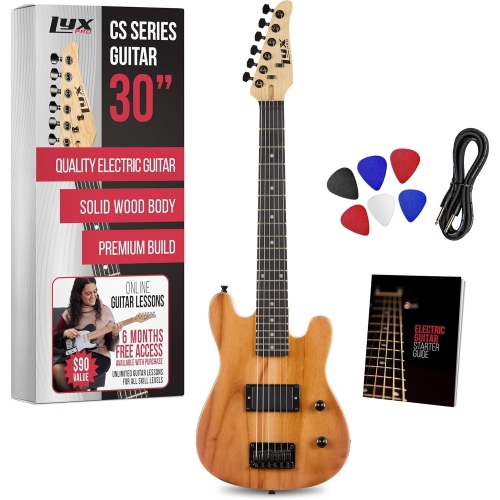
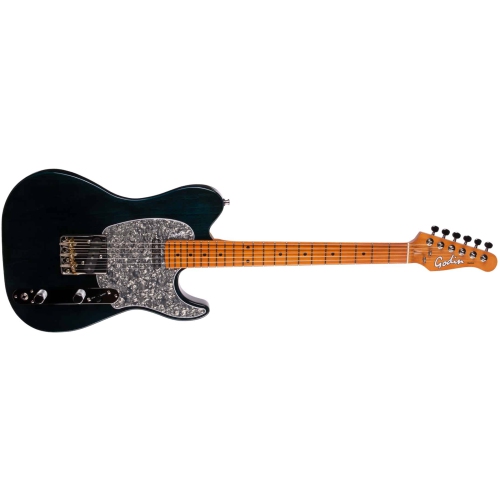
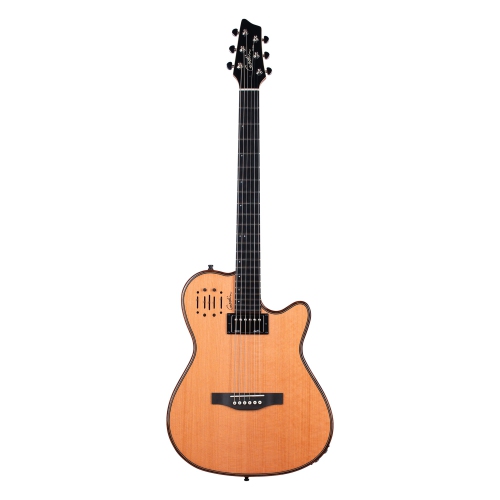
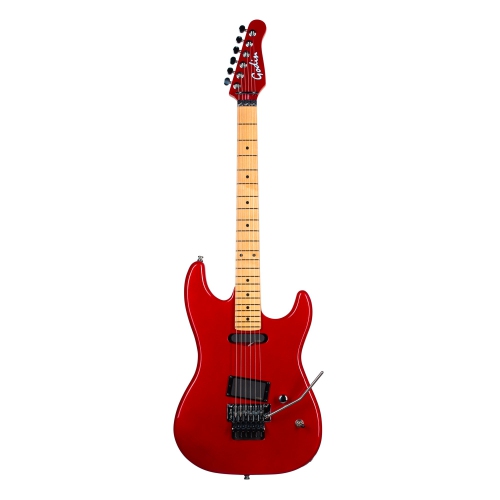
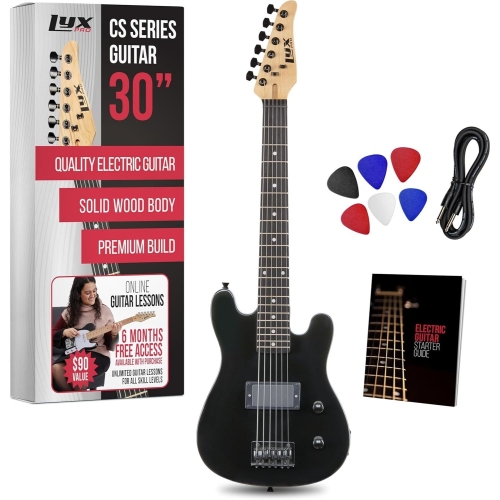
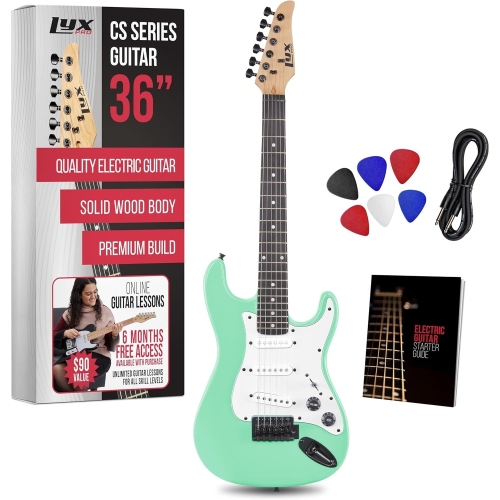
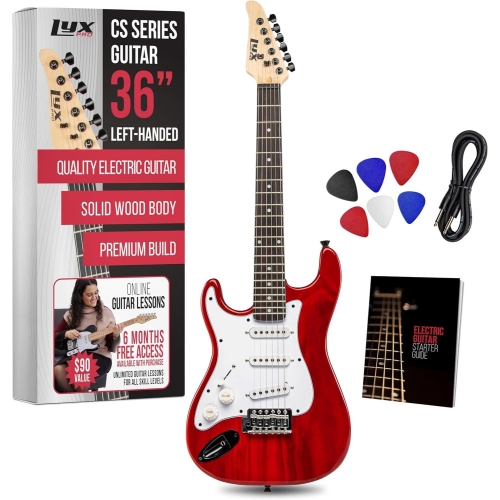
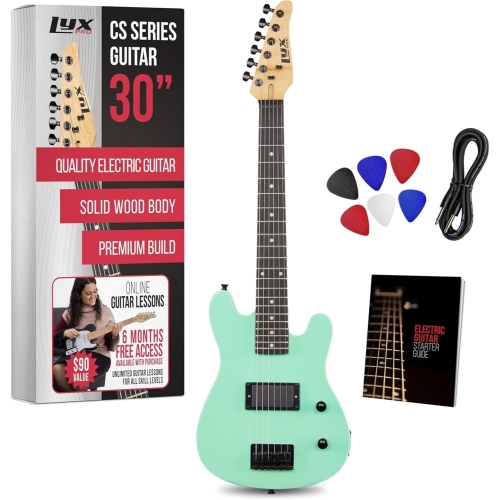
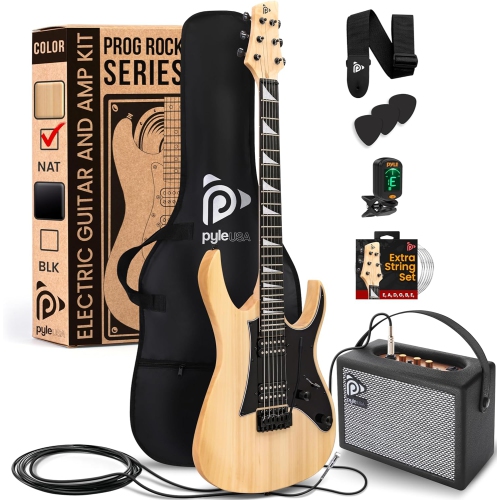
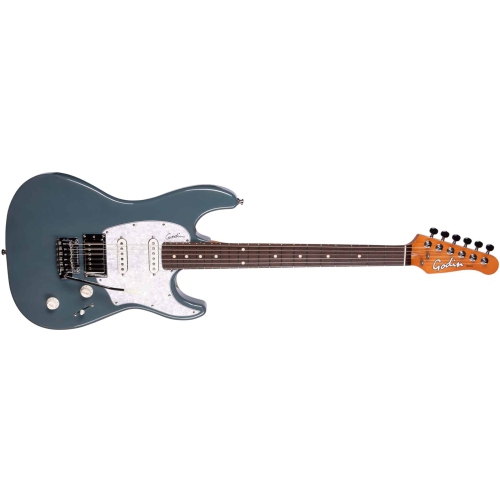
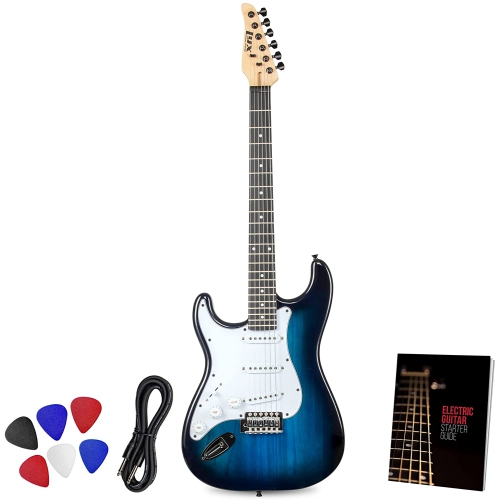
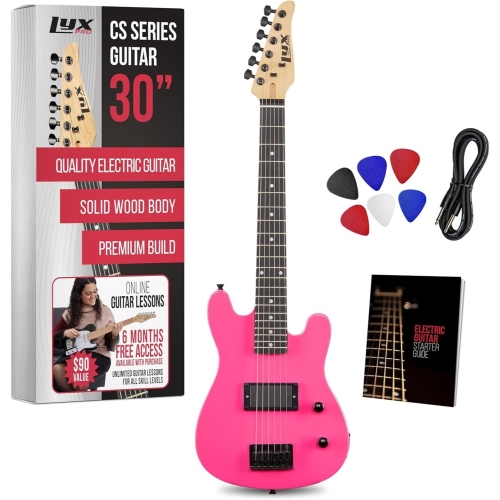
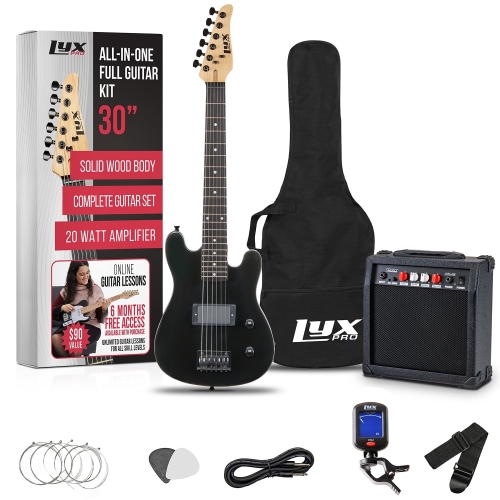
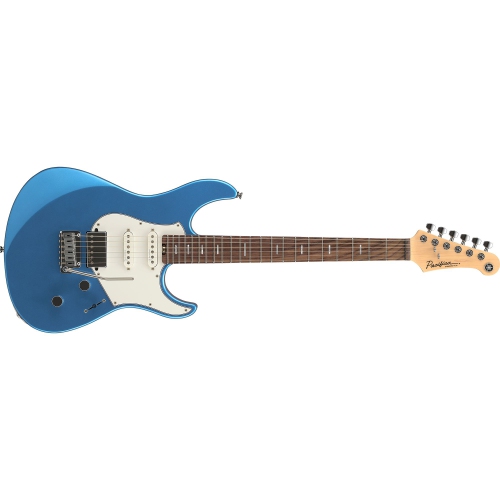
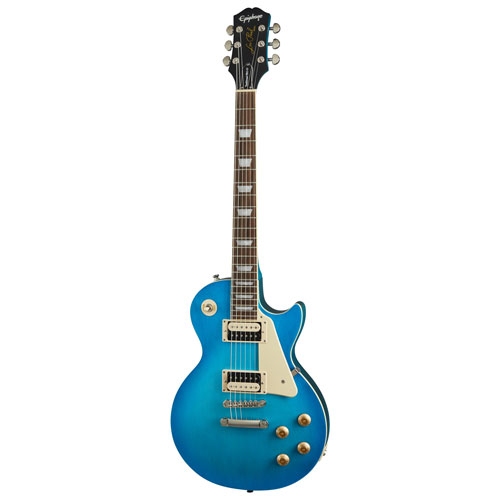
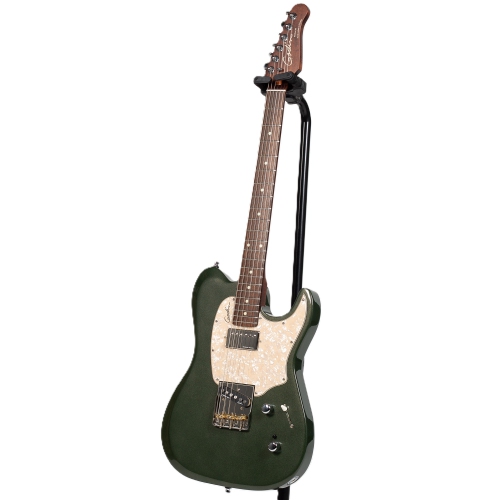
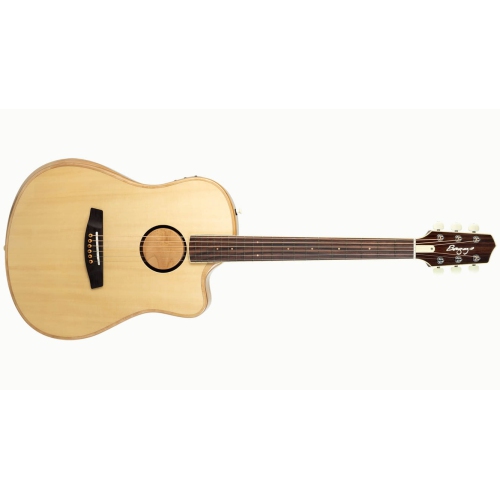
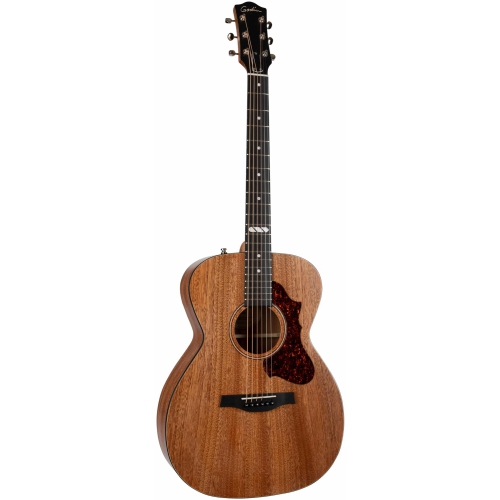
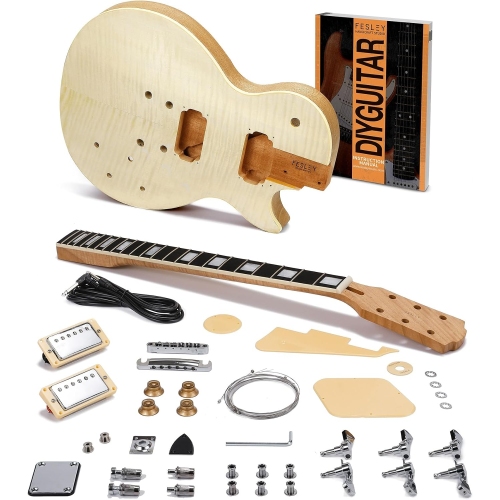
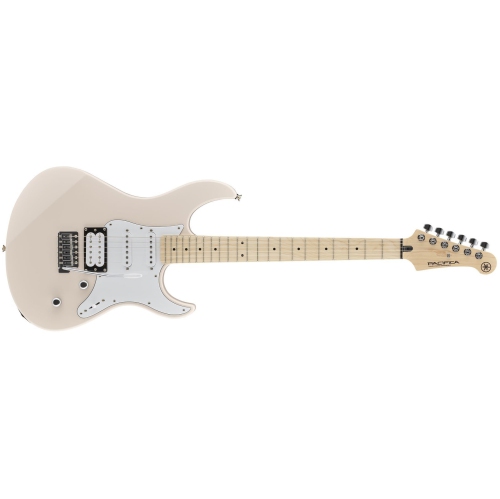
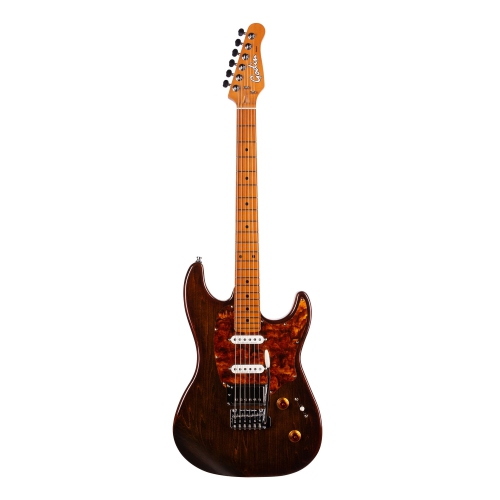
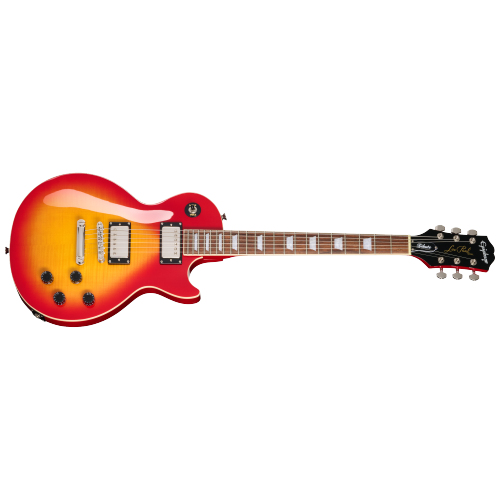
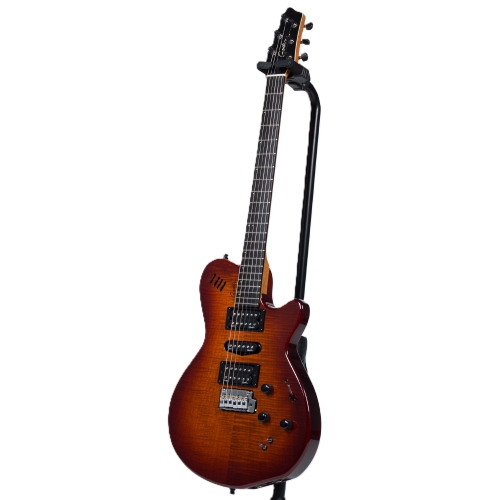
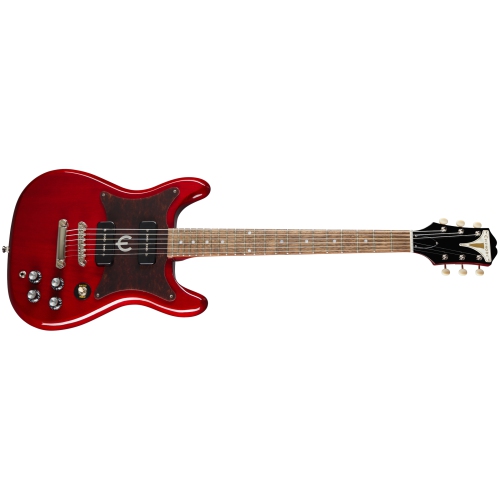
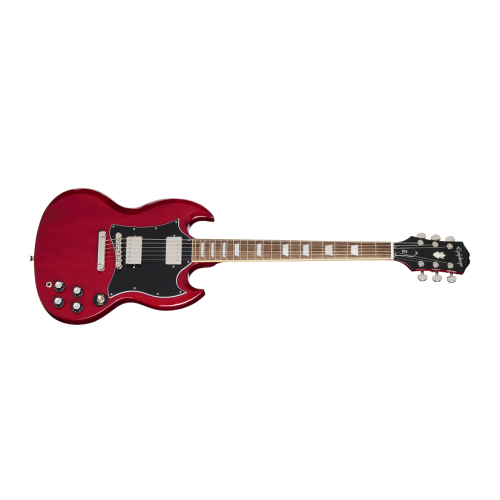
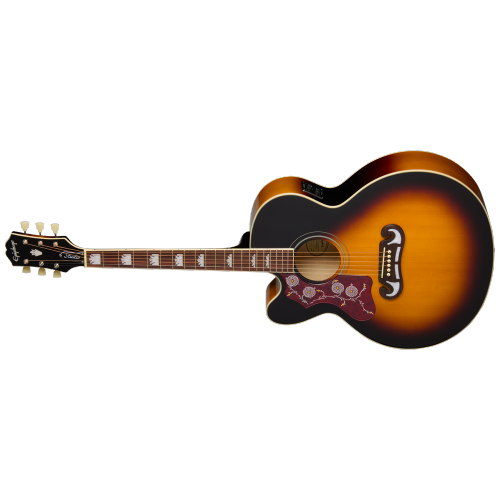
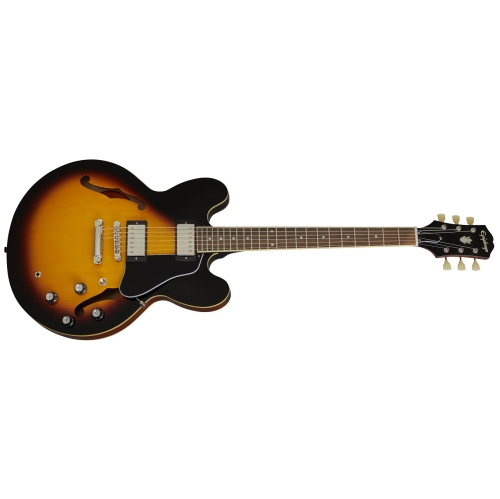
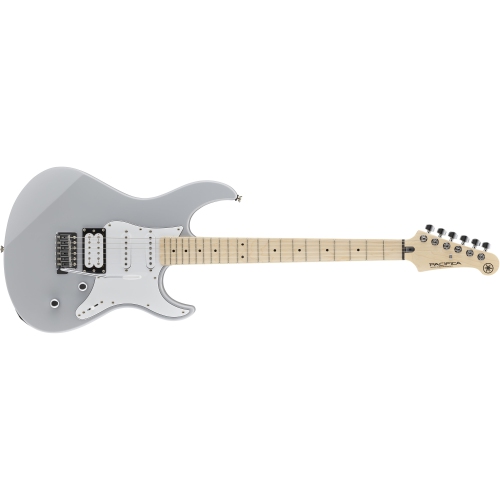
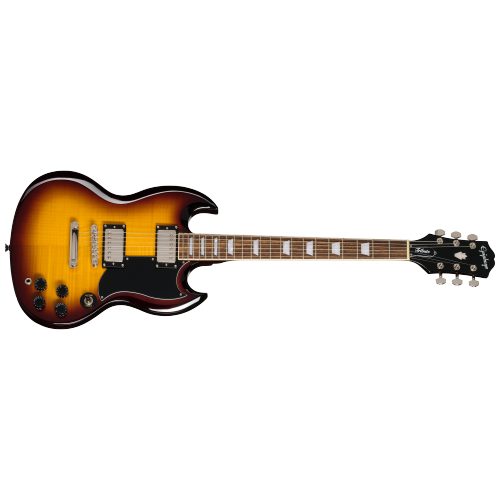
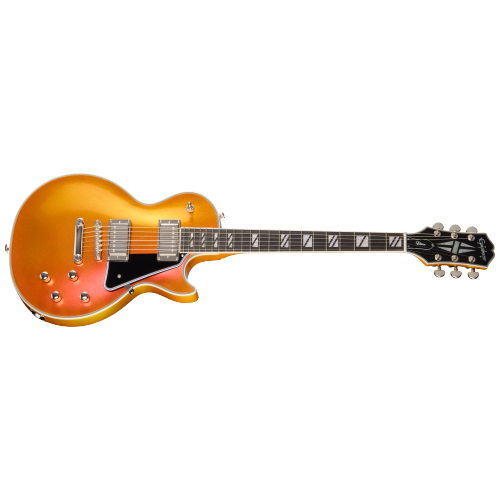
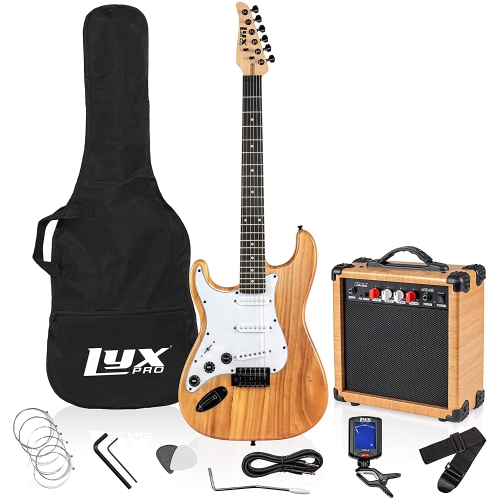
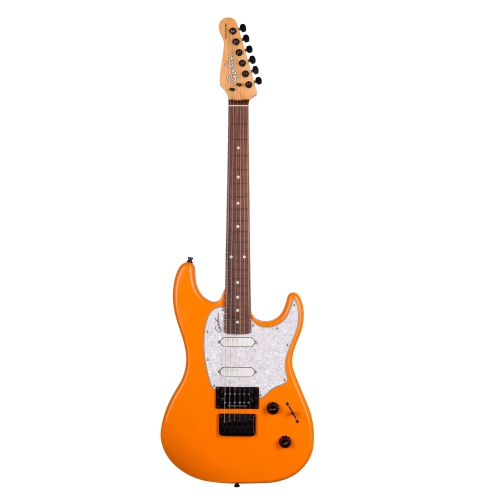
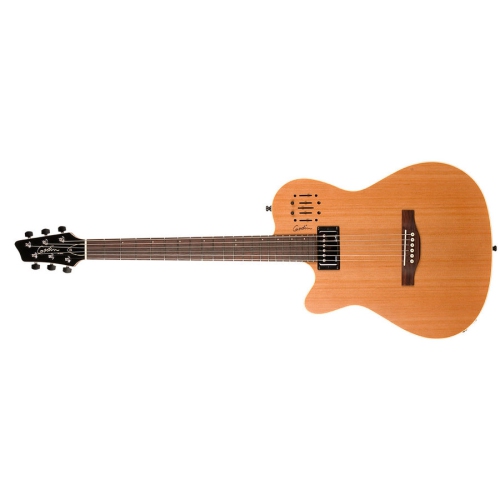
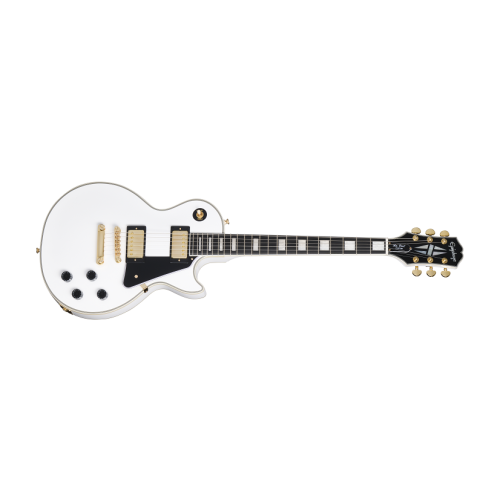
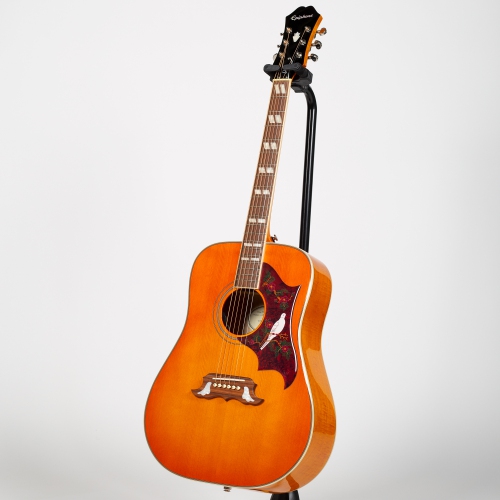
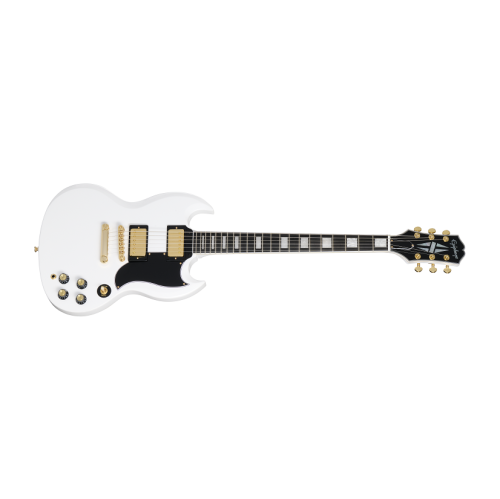
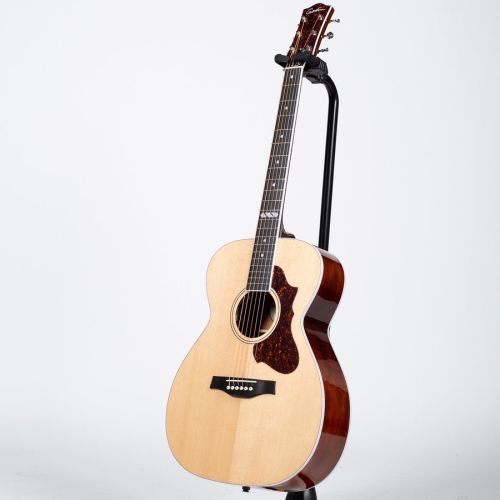
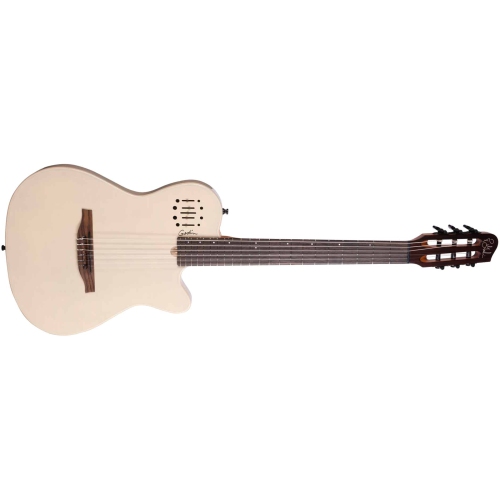
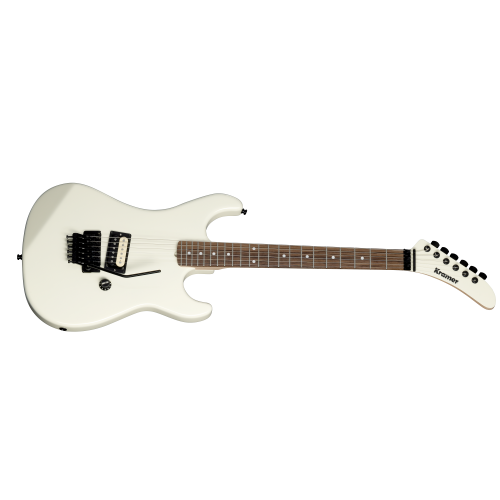
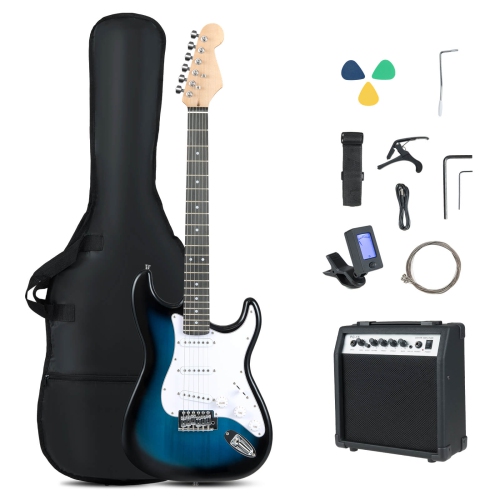
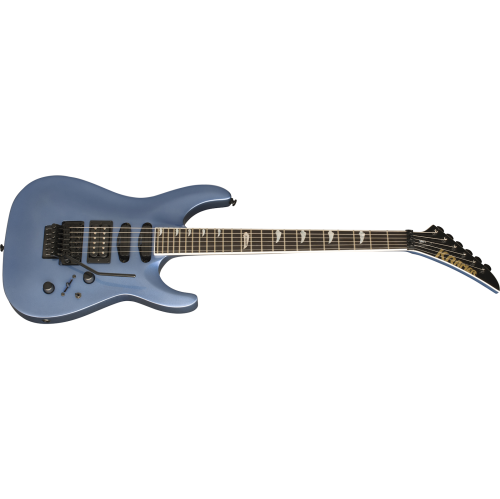
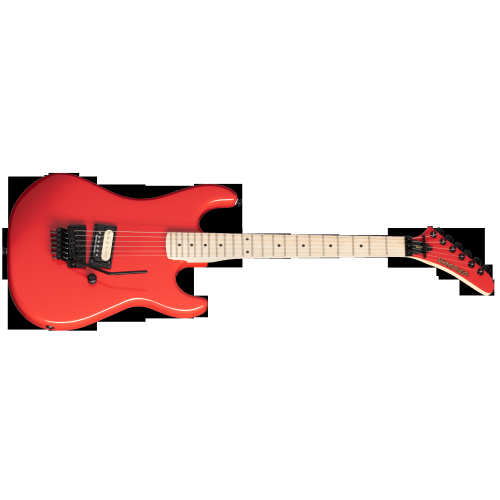
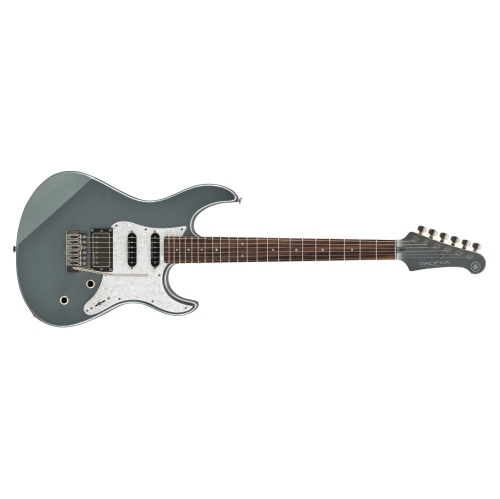
Wood electric guitars pair the familiar feel of a wooden instrument with the range and control of amplified sound. Their bodies, necks, and fingerboards may use different woods, each selected for its working properties, appearance, weight, and role in the instrument’s construction. A wood electric guitar is not necessarily a natural-finish guitar: transparent finishes reveal grain patterns, while solid colours cover the wood beneath. Alder, ash, mahogany, and basswood are common body materials; maple is widely used for necks and tops, and rosewood, ebony, and maple often appear on fingerboards. Alder generally offers moderate weight and a relatively understated grain, making it suitable for both transparent and opaque finishes. Ash can show bold, flowing grain, although its weight varies considerably between pieces. Mahogany often has a reddish-brown appearance and is used for bodies and necks, while basswood typically has a pale, subtle grain and is often chosen for relatively light bodies. Maple is valued for stiffness and can display striking figured patterns, including flame and quilt effects. A thin decorative maple veneer provides a different construction from a thicker maple cap, even when the surface looks similar. Rosewood commonly has a dark, visibly grained surface, while ebony is usually dense and fine-textured; both can offer a smooth fingerboard feel when properly finished and maintained. Traditional descriptions associate mahogany with warmth, alder with balance, ash with brightness, basswood with an even response, and maple with a crisp attack. Those terms are useful background rather than firm predictions of amplified tone. Pickups, pickup placement, strings, bridge design, scale length, and amplifier settings all influence the sound, and the effect of wood alone is difficult to separate from the complete instrument. Even two guitars made from the same wood species can differ in weight and response. The most meaningful distinction is how the whole guitar feels and performs, whether the goal is clear chord work, expressive bends, or a tight rhythm sound.
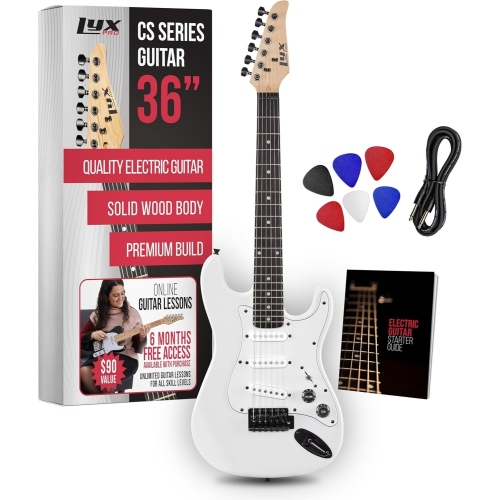
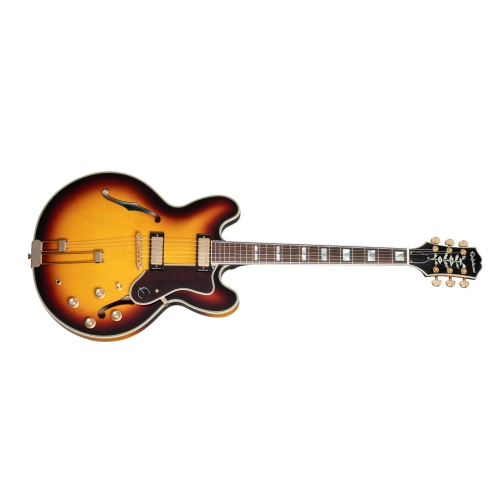
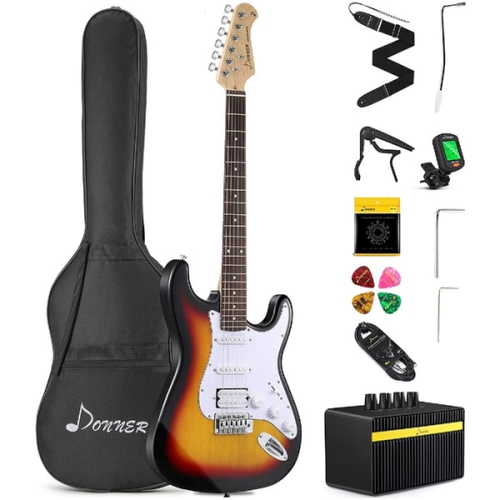
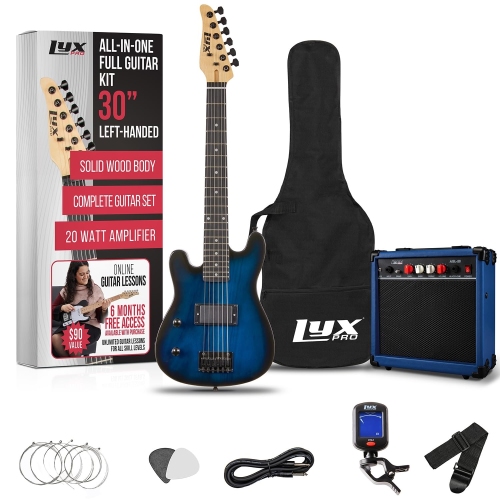
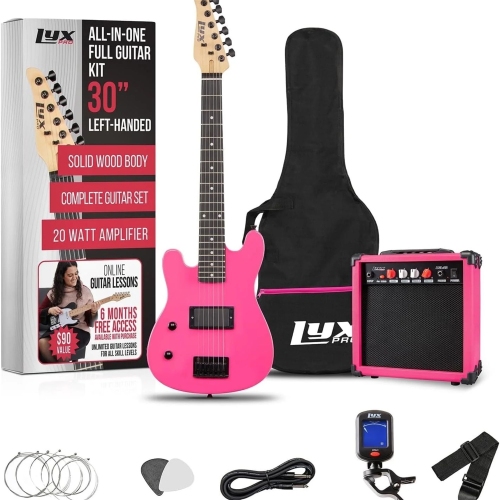
Body construction gives wood electric guitars much of their character in everyday use. Solid-body designs have a largely solid wooden body and suit a wide range of playing styles, especially where higher volume or heavier distortion is part of the sound. Semi-hollow designs often combine hollow sections with a solid centre block, offering a different balance of acoustic response, weight, and feedback resistance. Hollow-body electric guitars have larger resonant cavities and can produce a more audible unplugged sound, though they are generally more prone to feedback at high amplified volumes. None of these constructions belongs to only one genre; jazz, blues, rock, country, and heavier styles can overlap across body types. Comfort often matters as much as construction. A body contour can soften the contact against the ribs or forearm, while the position of the waist affects how securely the guitar sits on a leg. Standing players may notice overall weight, strap placement, and whether the neck tends to dip when their fretting hand relaxes. Neck depth, fingerboard width, fret size, and the curve of the fingerboard all contribute to the playing feel. A thinner neck is not automatically easier for every hand, and a shorter scale length generally reduces string tension only when tuning and string gauge remain the same. Beginners may appreciate comfortable string height and accessible controls, while experienced players might prioritize upper-fret access or a particular bridge layout. Fixed bridges offer a straightforward platform for many playing routines; vibrato systems add pitch movement but can require more attention during string changes and setup. Single-coil pickups are often associated with clear, articulate sounds, while humbuckers typically reduce mains-related hum and can provide a fuller output. These are broad tendencies, with considerable variation within each design. For home practice, a compatible headphone-equipped amplifier or audio interface can make a wood electric guitar useful without filling the room with amplified sound, although the strings themselves remain audible.
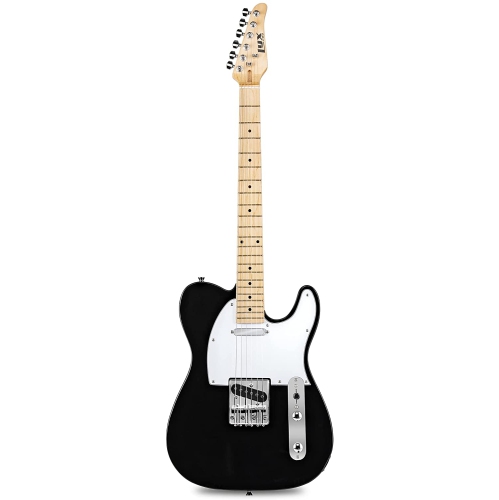
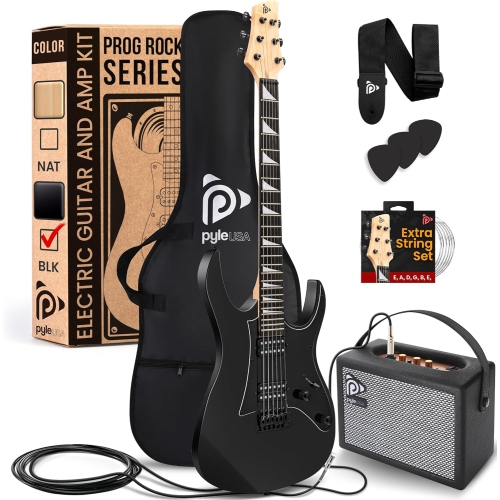
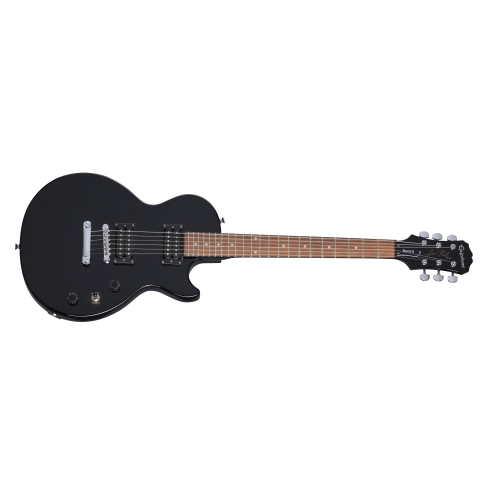
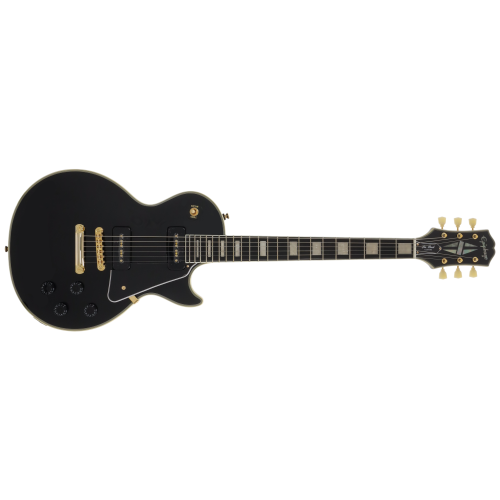
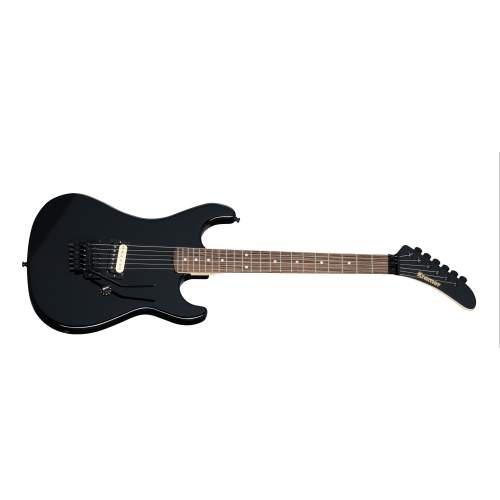
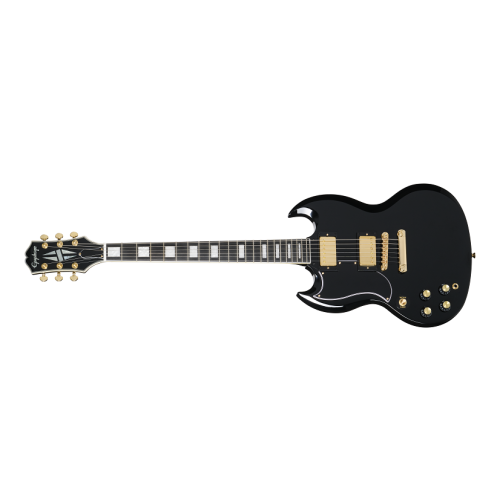
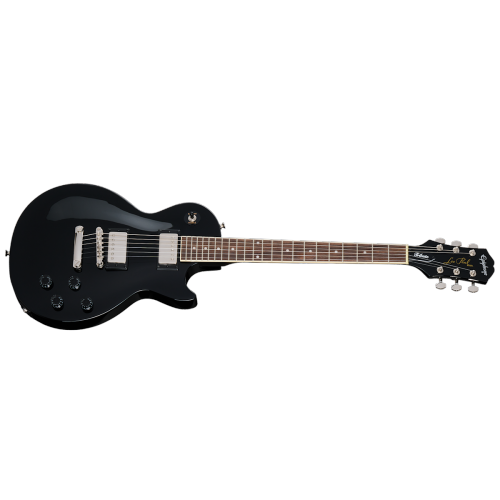
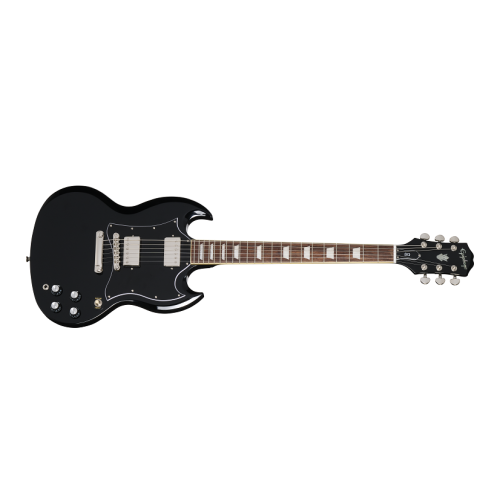
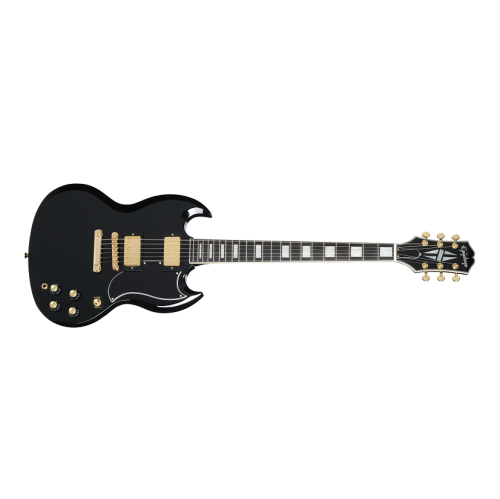
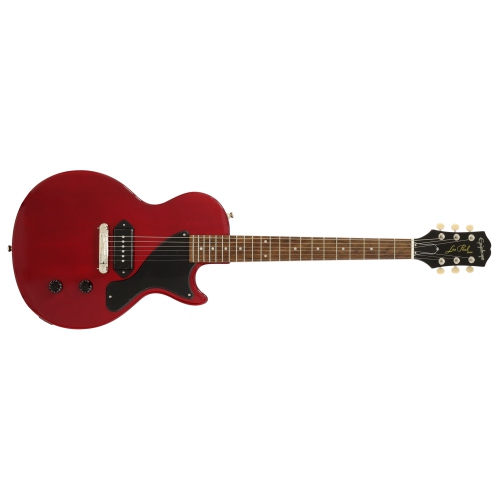
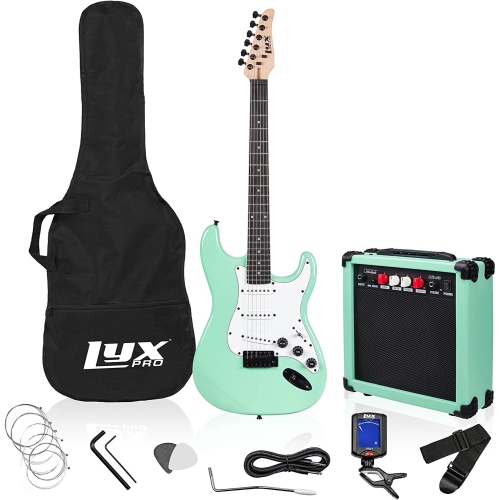
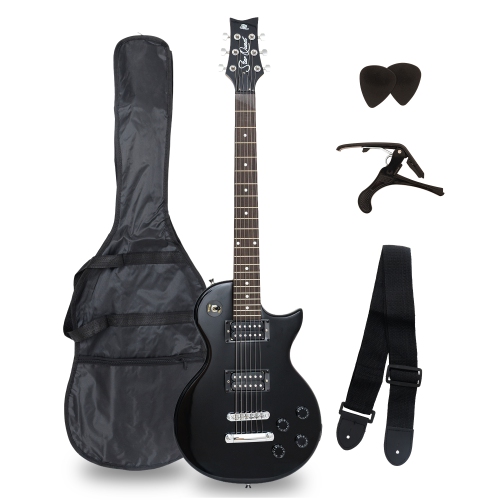
The appearance of a wood electric guitar can be understated, richly textured, or strikingly bold. Natural and transparent finishes bring out grain differences, making each visible wooden surface distinctive. Opaque finishes offer another look without changing the fact that the body beneath may be wood; Black Electric Guitars offer a contrasting aesthetic for players who prefer a dark finish to exposed grain. Gloss surfaces reflect light and can show fingerprints, while satin surfaces have a softer sheen and may become polished in areas that receive frequent contact. Durability depends on more than the species of wood. Finish quality, sound neck construction, secure hardware, and careful handling all matter, particularly for an instrument carried between lessons, rehearsals, and performances. A padded gig bag helps protect against light scuffs during careful transport, while a fitted hard case offers more substantial protection against knocks. After playing, a clean, soft cloth can remove fingerprints and moisture from the strings and accessible surfaces. Cleaning products should suit the finish, and fingerboard treatments are not interchangeable: a finished maple fingerboard generally needs different care from an unfinished rosewood or ebony surface. Excess liquid and household cleaners can damage finishes or affect glued joints. A stable indoor storage space, a suitable stand, and a case when the instrument is not in use help protect its condition. Periodic attention to string height, neck relief, intonation, and fret condition keeps the guitar comfortable and dependable; persistent buzzing or unusually high strings may call for a professional setup rather than a different instrument. For a new player, a well-fitting guitar can make a short practice session more inviting, whether that means learning a first open chord or repeating a favourite riff until it feels natural. For an experienced musician, another wood electric guitar may bring a different neck feel, pickup arrangement, or body shape to an established routine. As a gift, it is most personal when handedness, physical comfort, musical interests, and the recipient’s existing amplifier or accessories are taken into account.
Top selling and popular products
-
 Your price for this item is $494.49
-
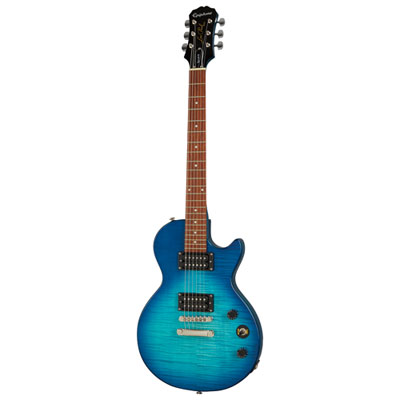 Your price for this item is $379.99
-
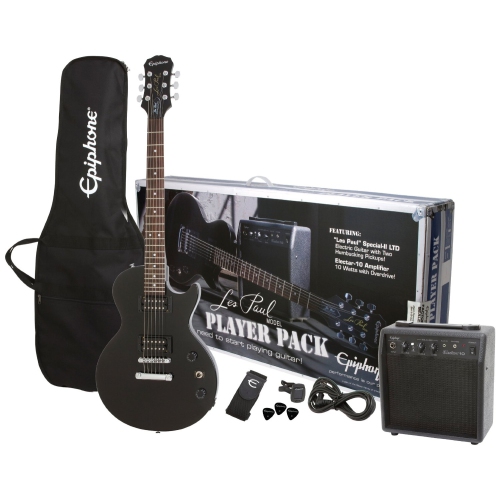 Your price for this item is $494.49
-
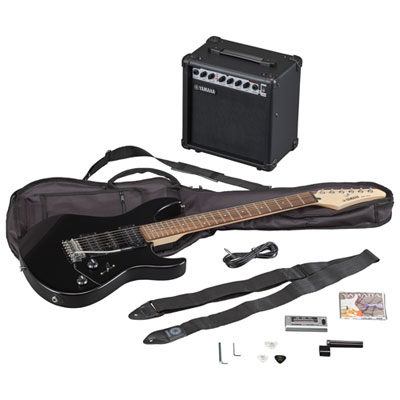 Your price for this item is $349.99
-
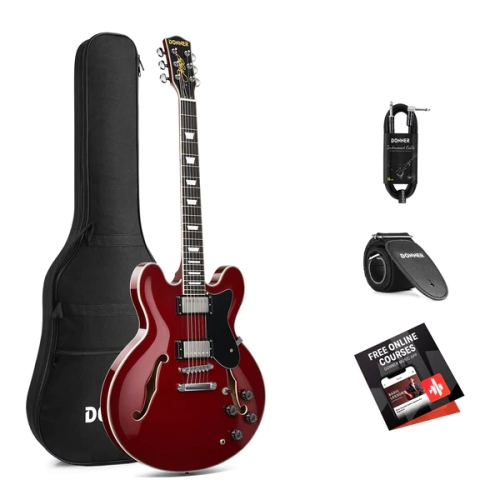 Your price for this item is $395.99
-
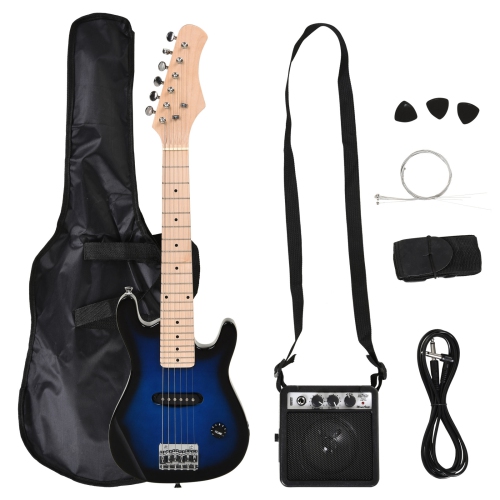 Your price for this item is $124.99
-
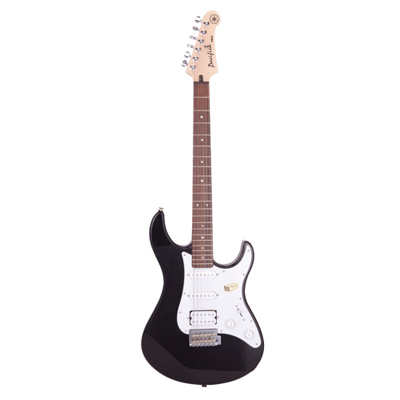 Your price for this item is $299.99
-
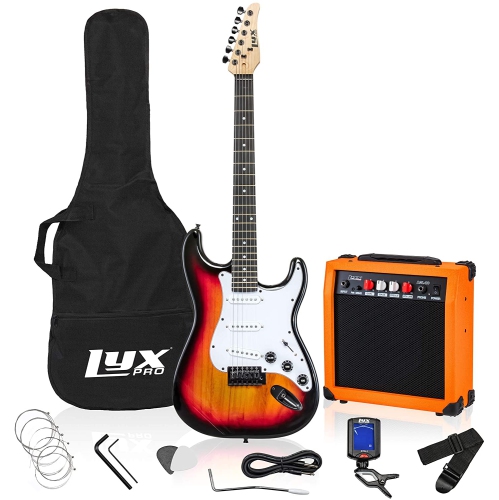 Your price for this item is $239.99
Discover more categories related to Wood Electric Guitars
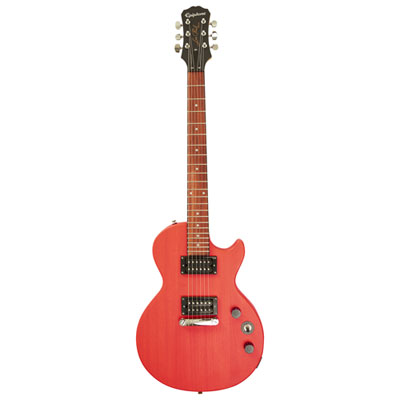
Top Collections:
Pokemon Centers, Best Cameras for Sports Photography, Kindle Devices, Samsung Galaxy Phones, Canon G7X Cameras, Pokémon 30th Celebration Cards, Refurbished Apple Laptops, iPhone 15 Apple, Laptops for Students, Budget Smartphones
Some products may be subject to Environmental Handling Fees
(EHF) depending on your province.
Learn more about EHFs.