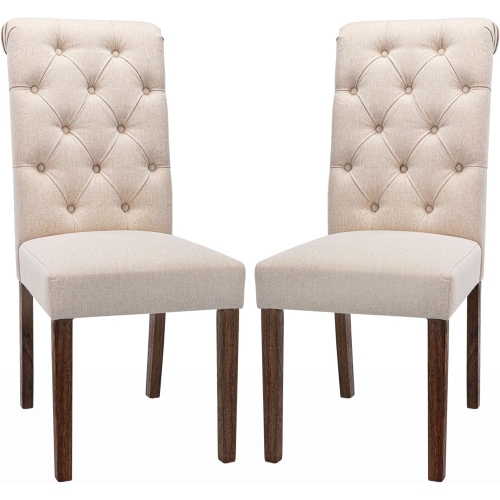
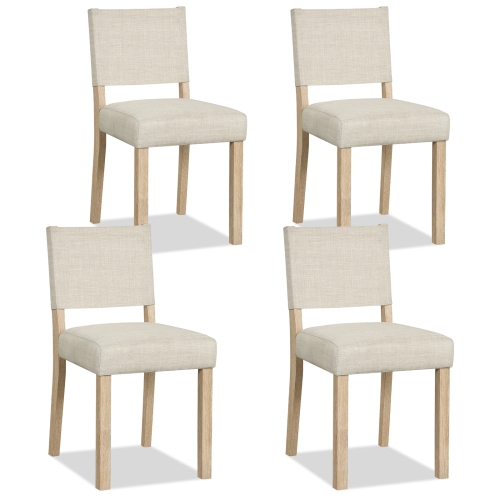
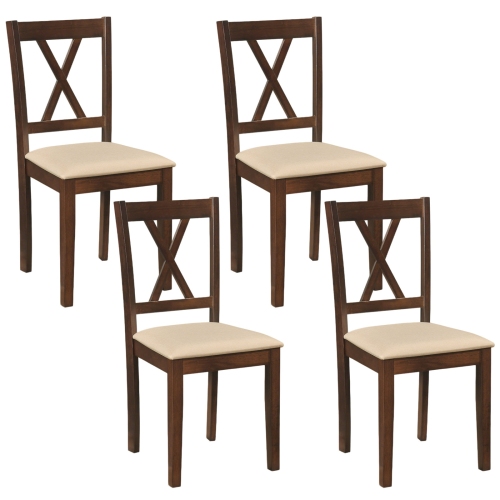
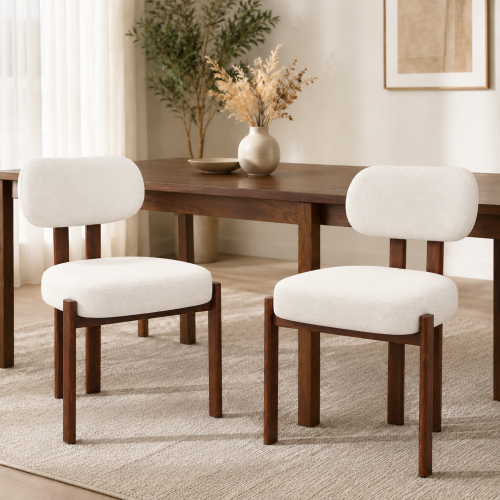
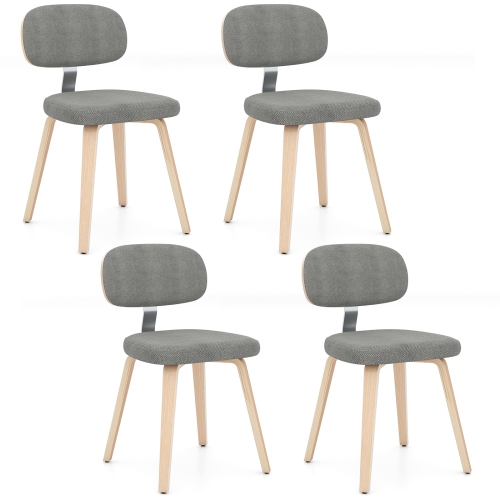
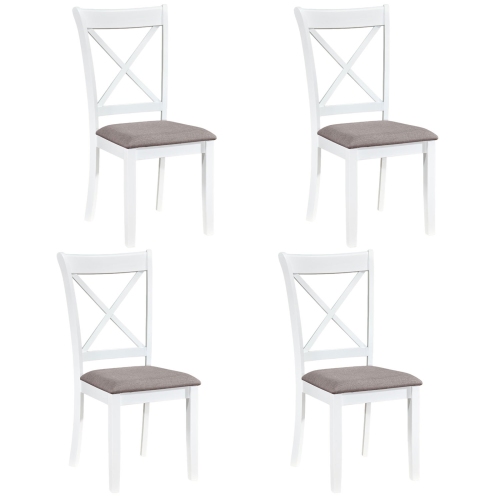
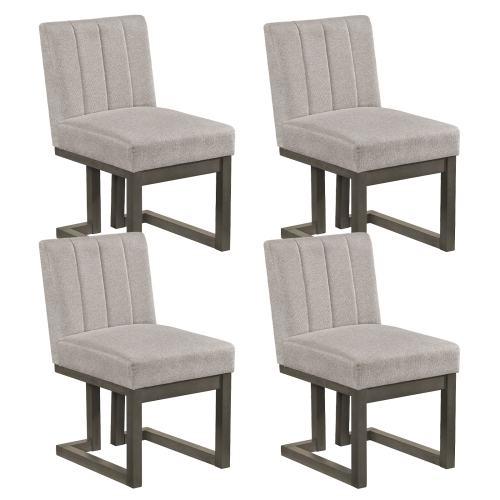
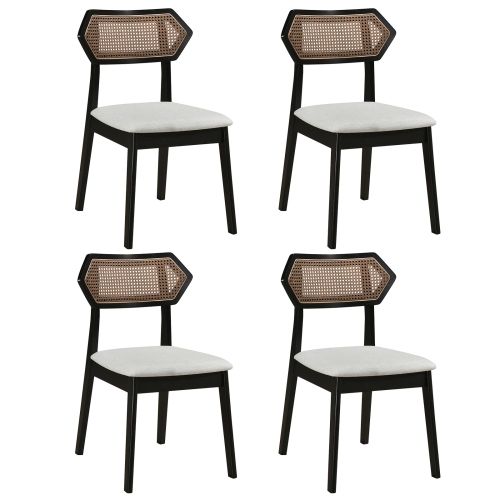
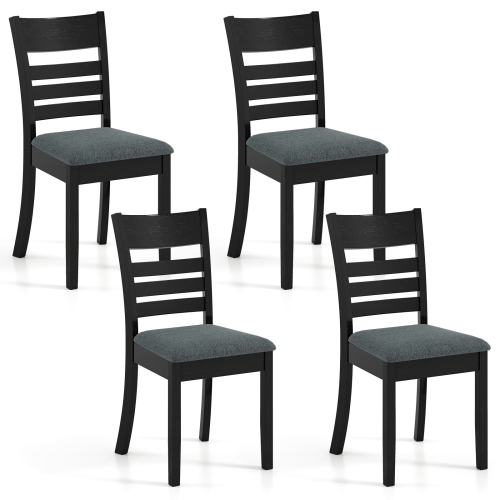
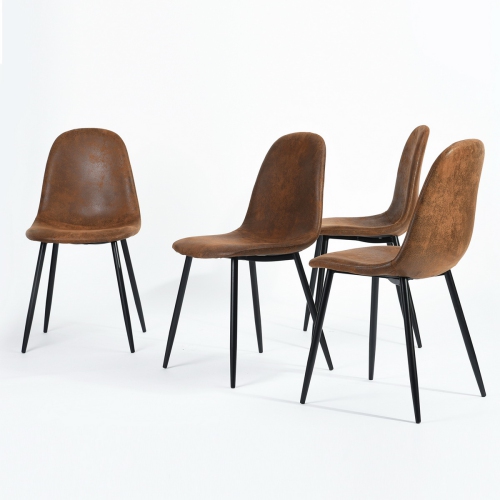
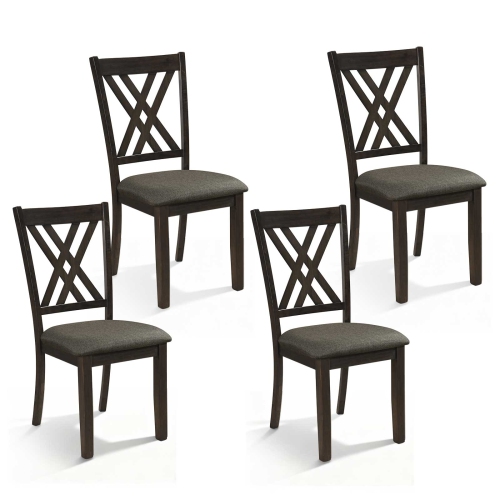
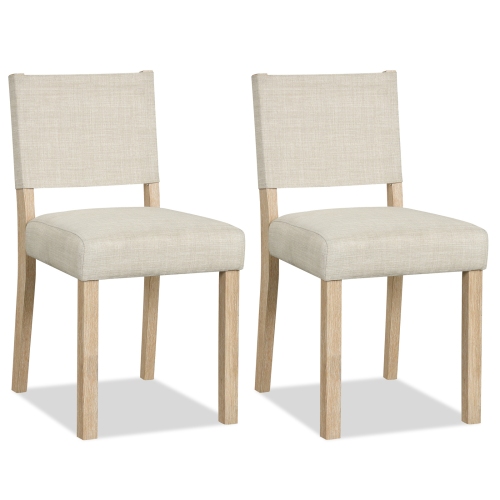
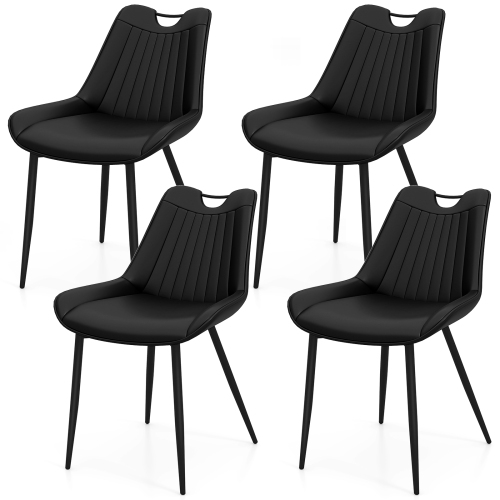
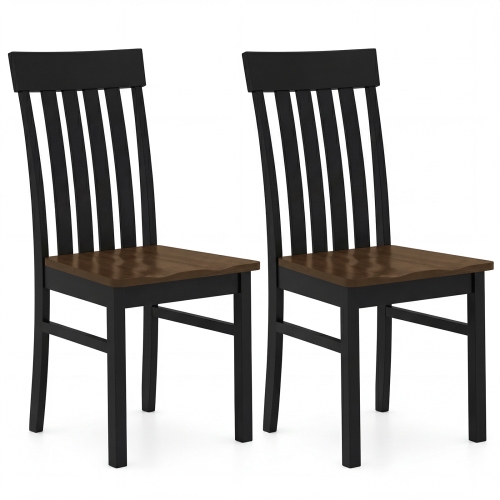
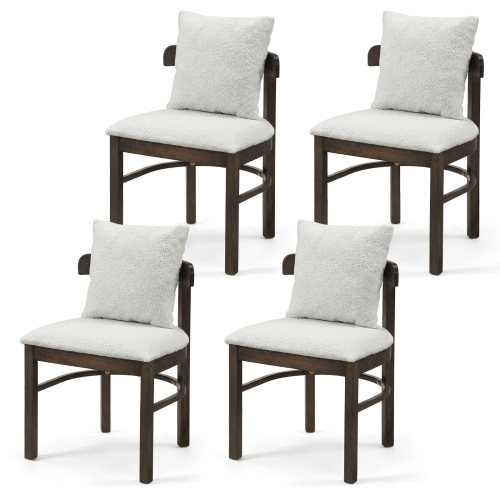
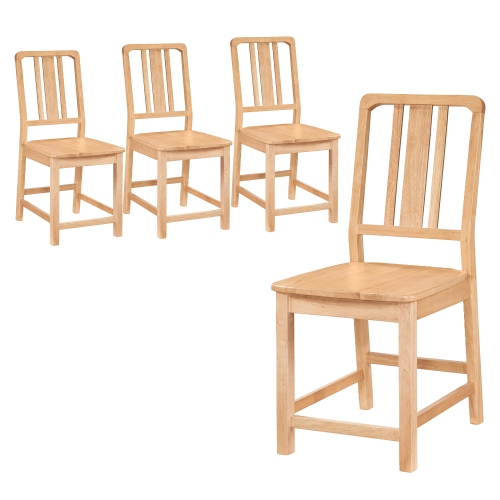
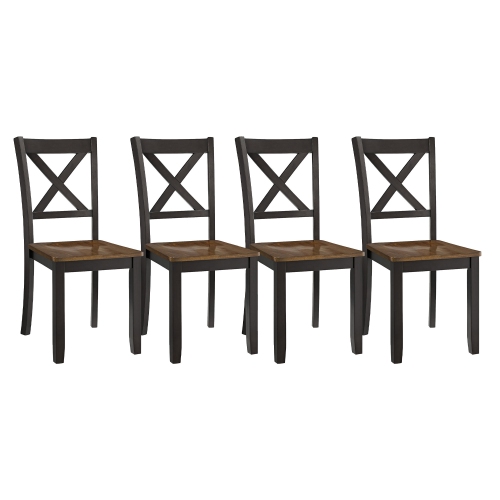
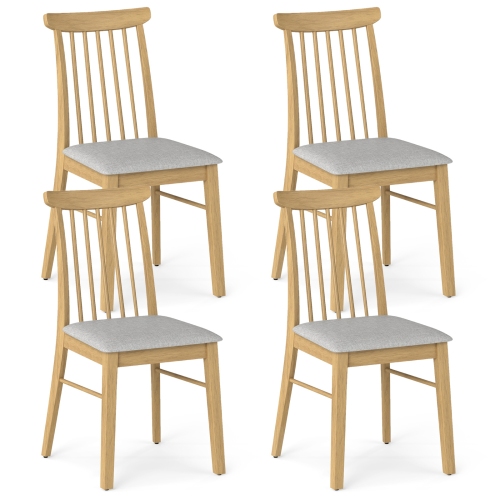
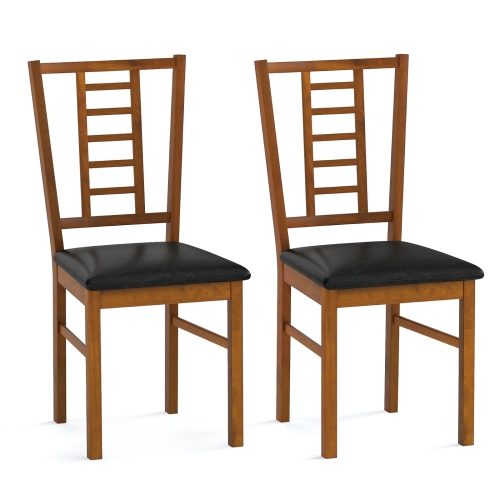
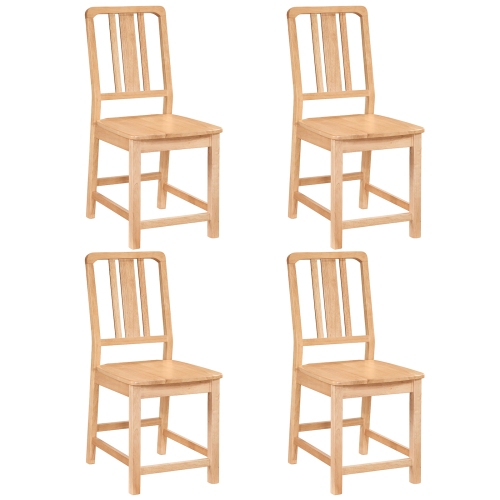
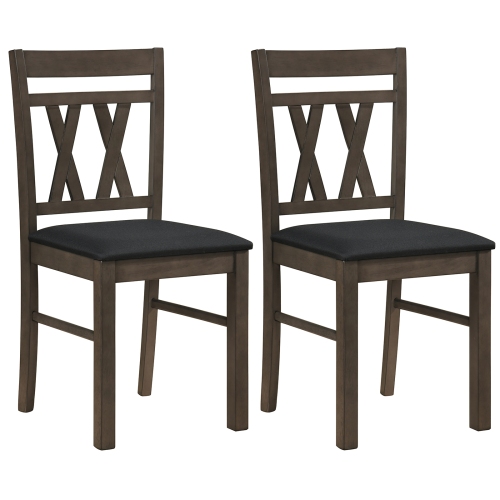
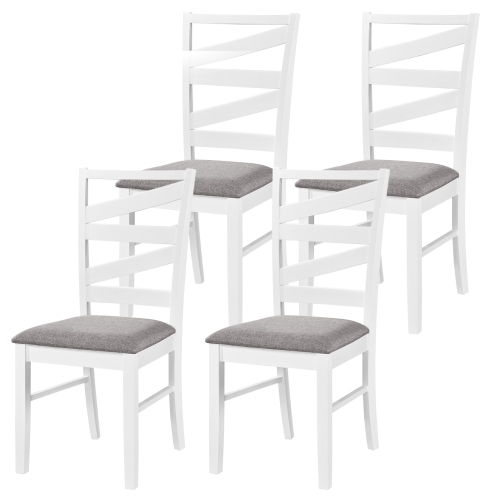
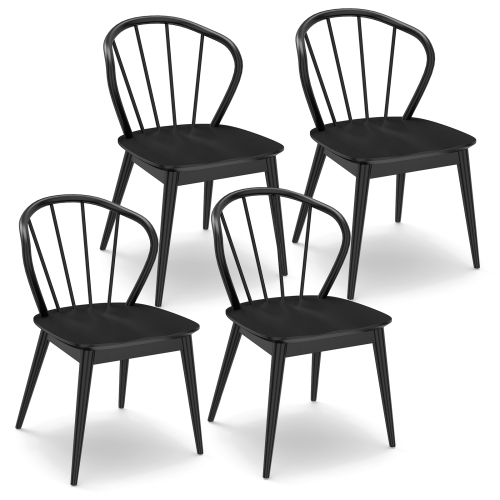
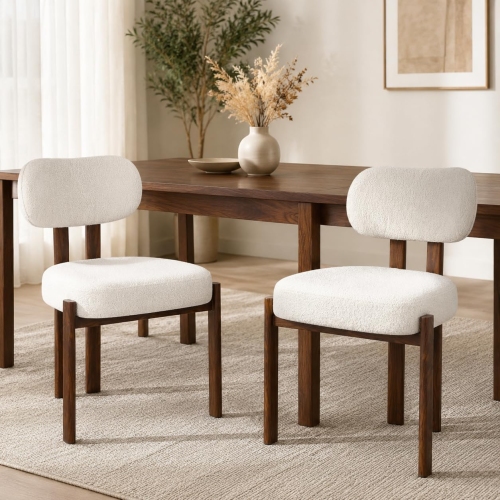
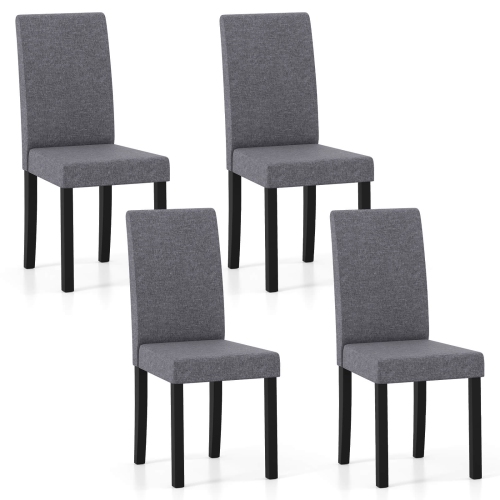
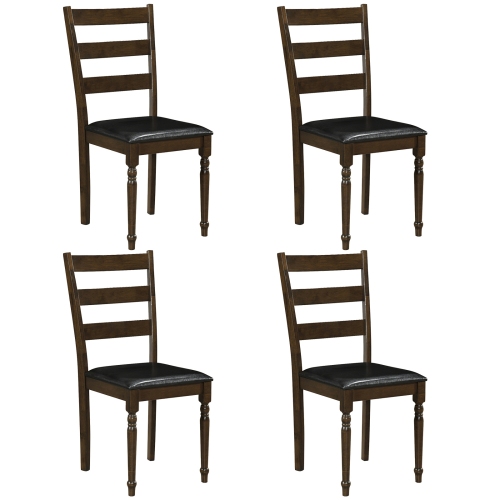
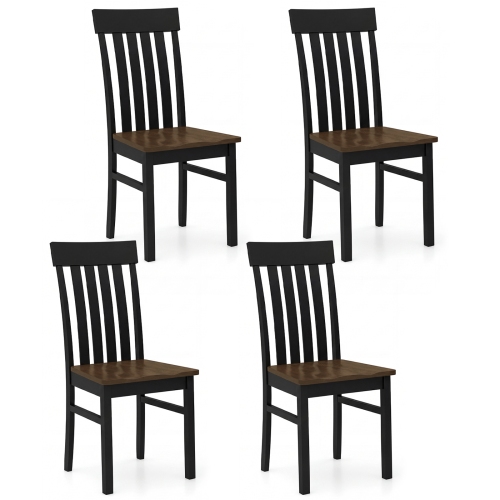
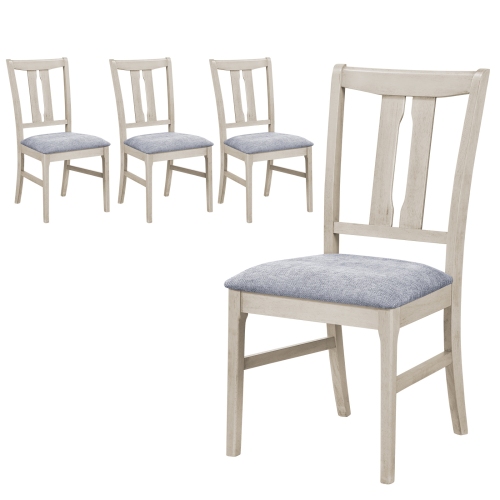
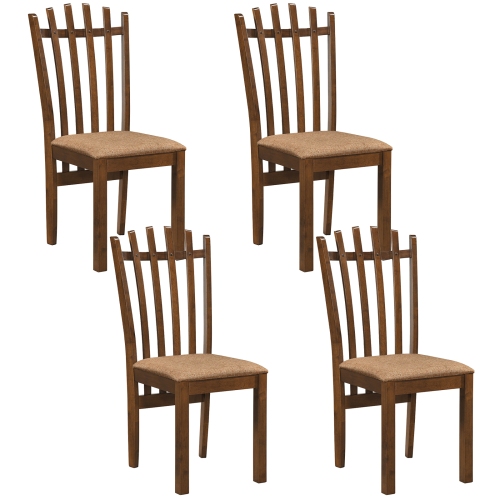
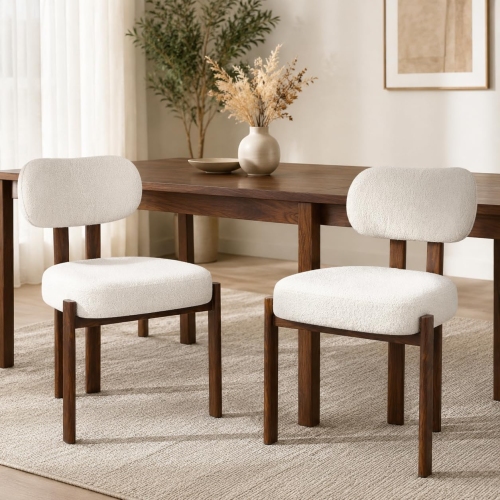
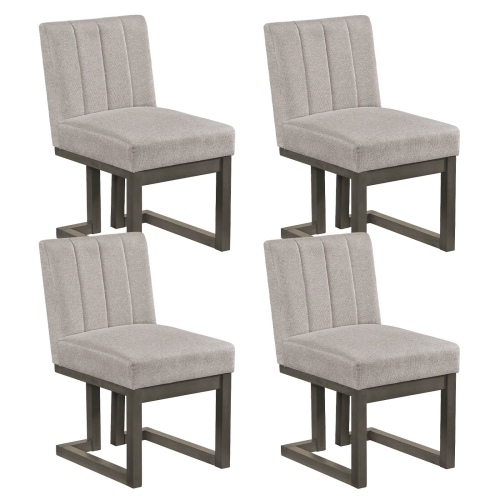
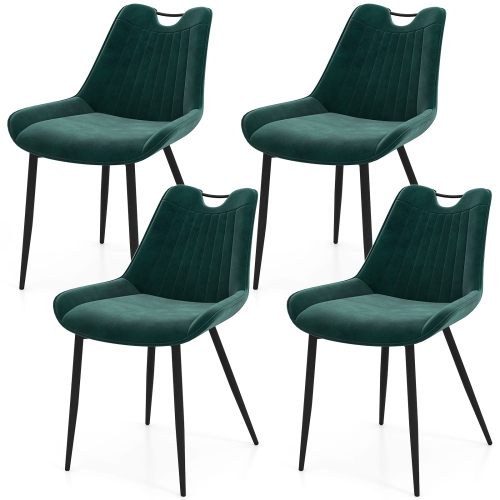
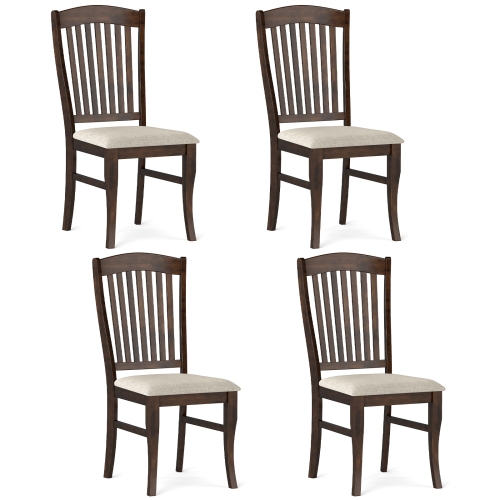
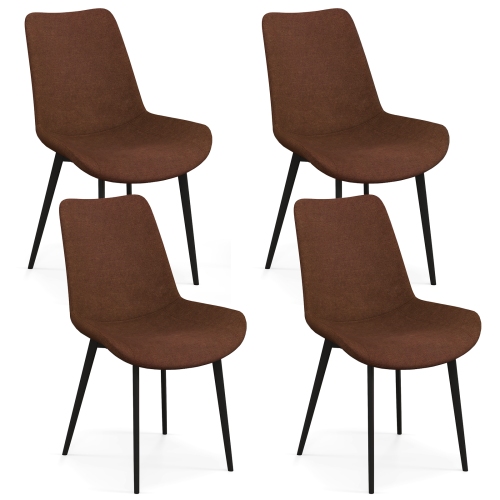
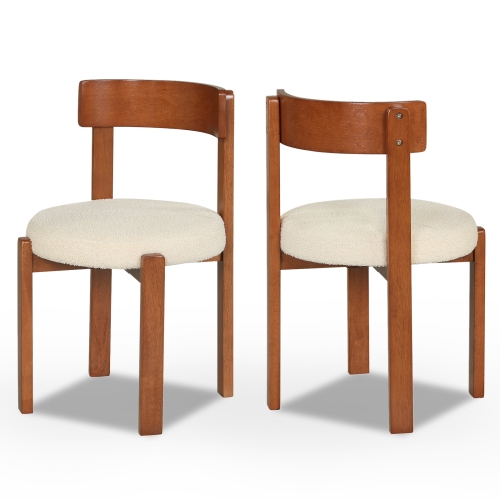
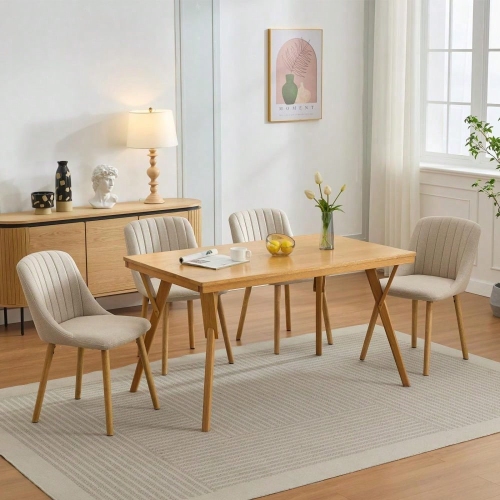
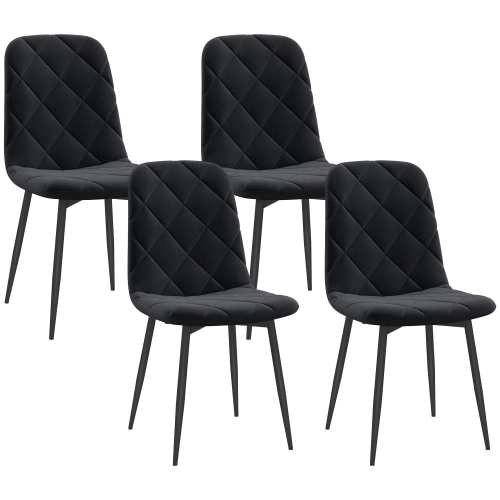
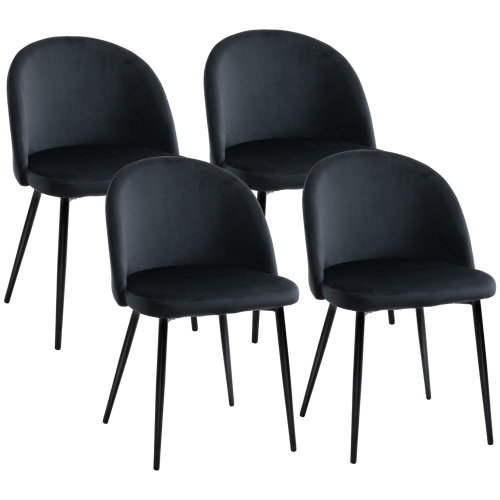
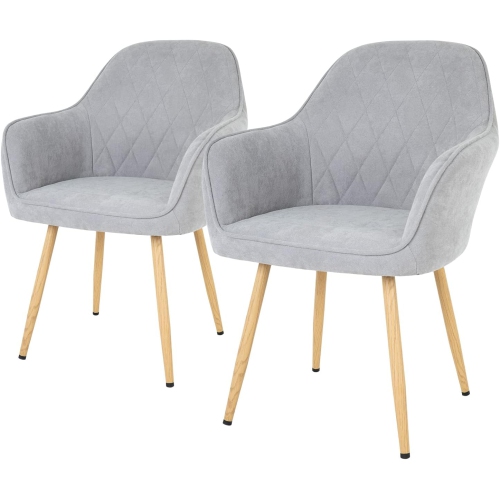
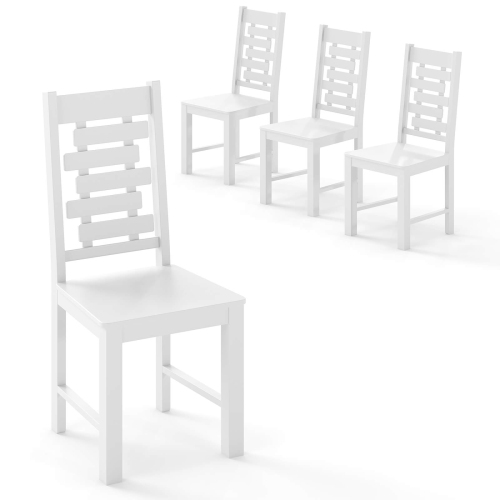
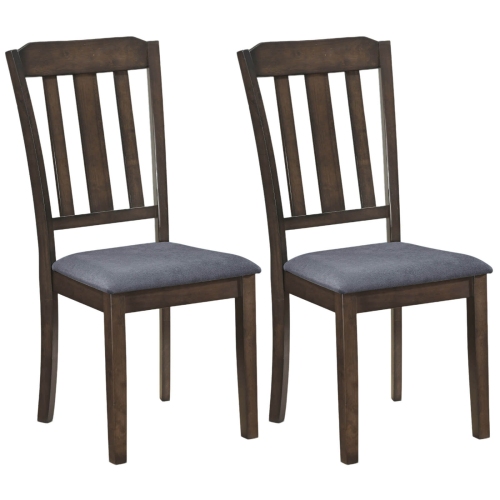
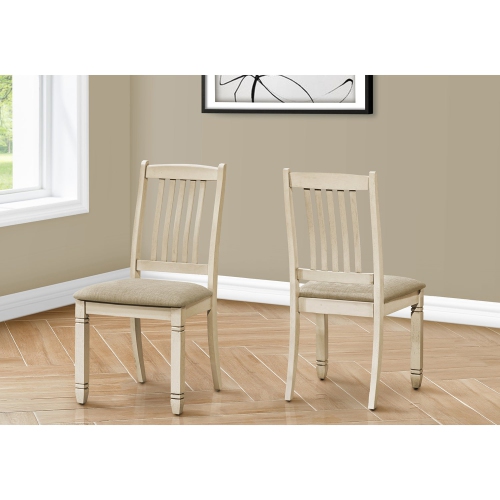
New Dining Room Chairs

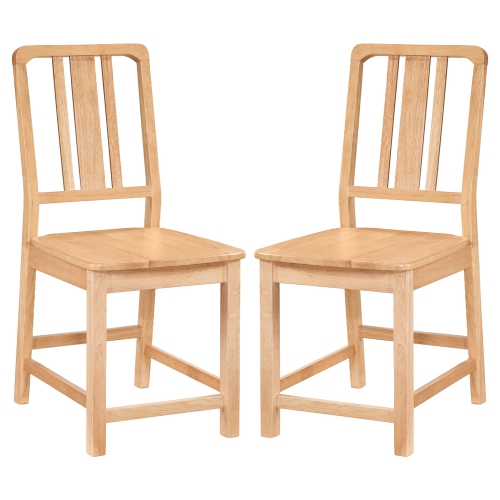
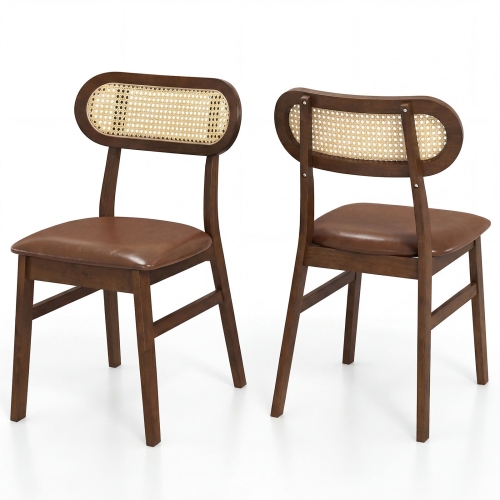
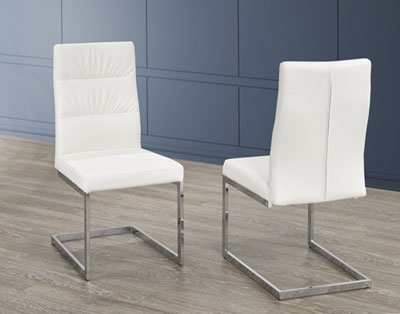
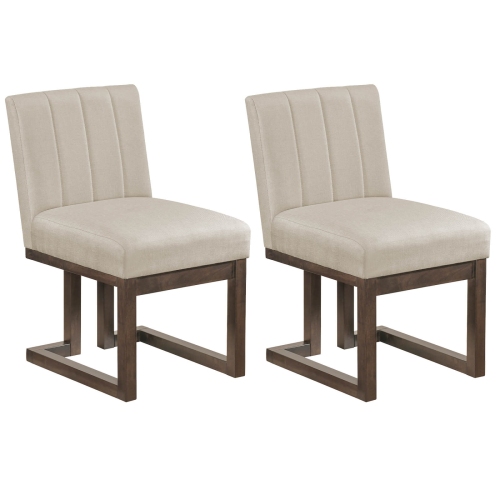
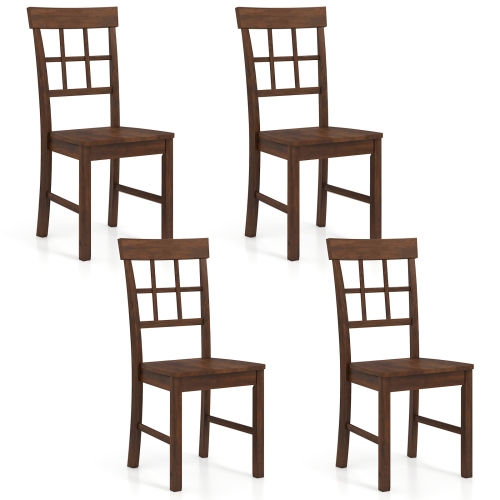
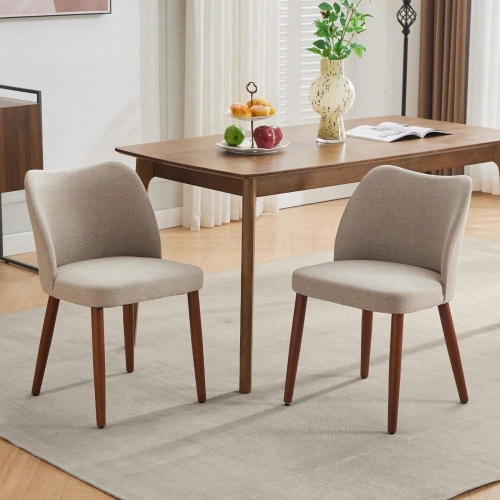
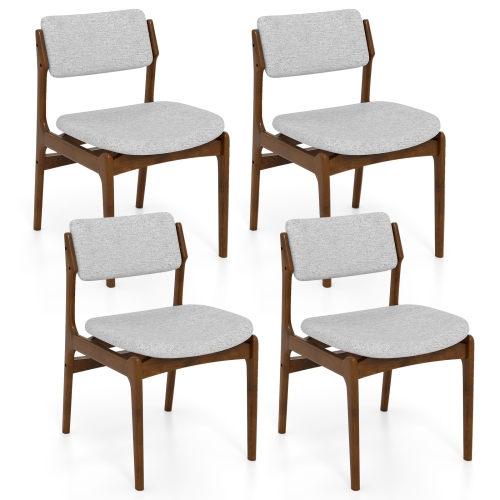
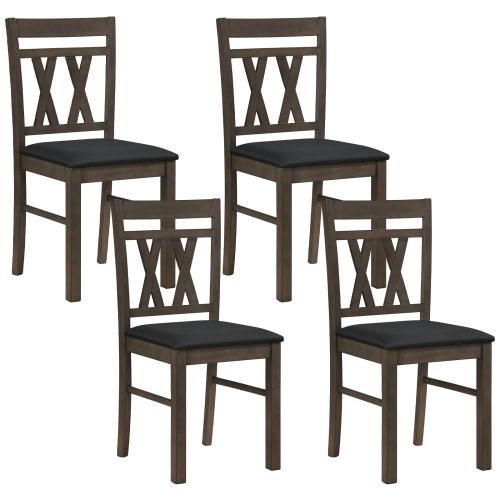
Browse new dining room chairs to replace existing seating, add places at the table, or refresh your dining area. Compare seat height, overall dimensions, and style to find options that suit your table and leave enough space to sit and move comfortably.
Read More

Sort

Comfort starts with chairs that fit your table

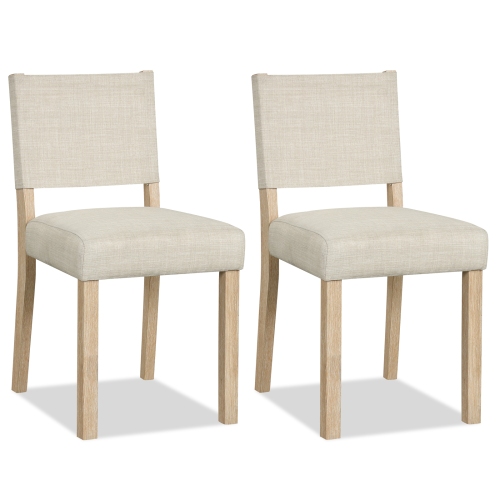
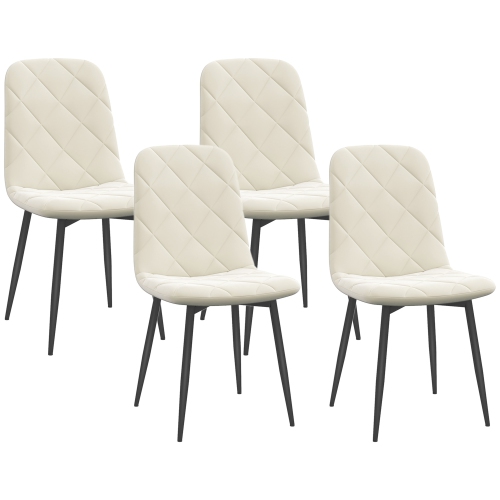
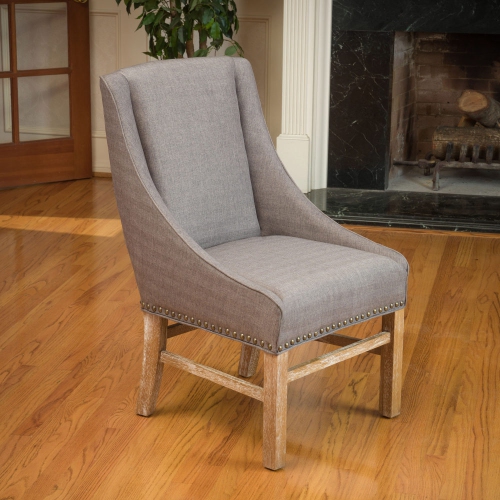
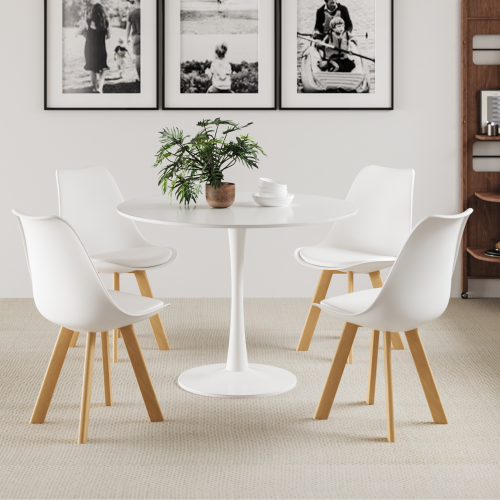
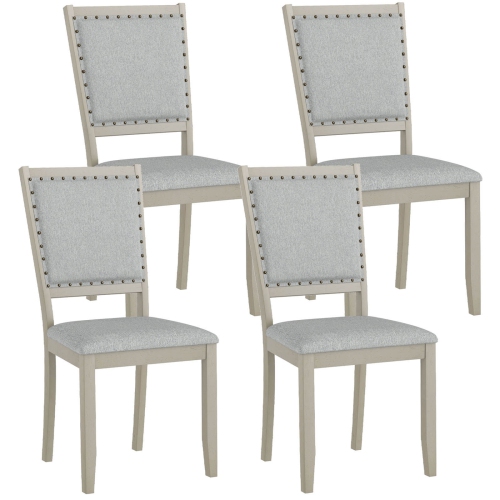
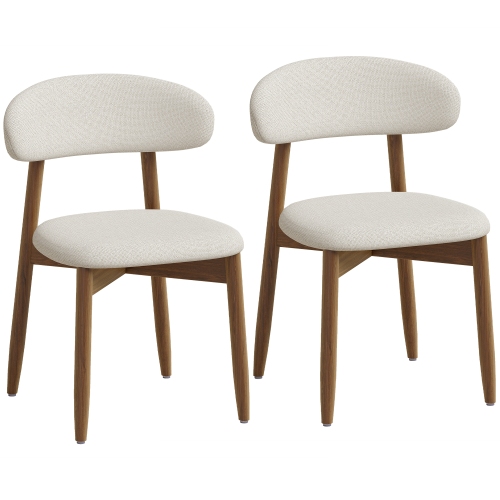
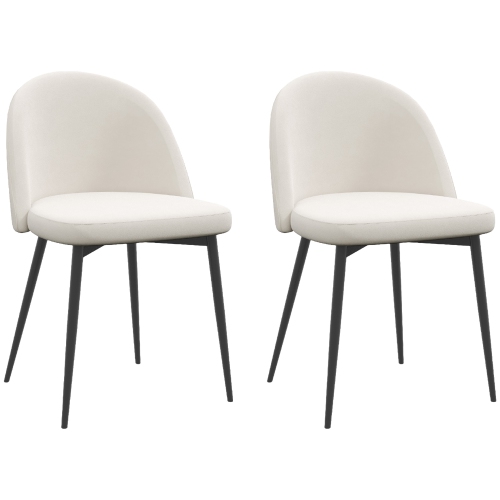
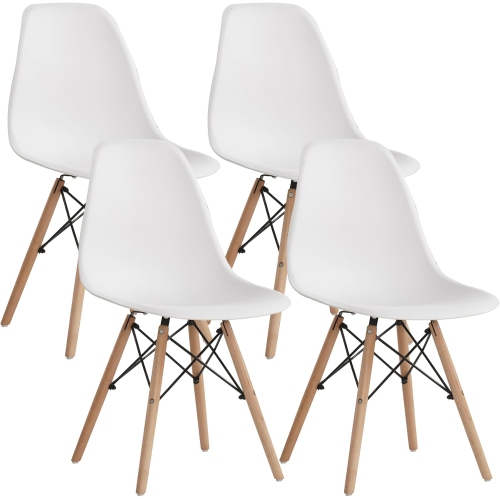
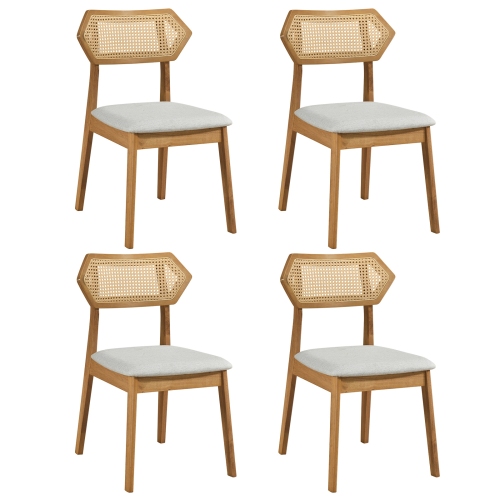
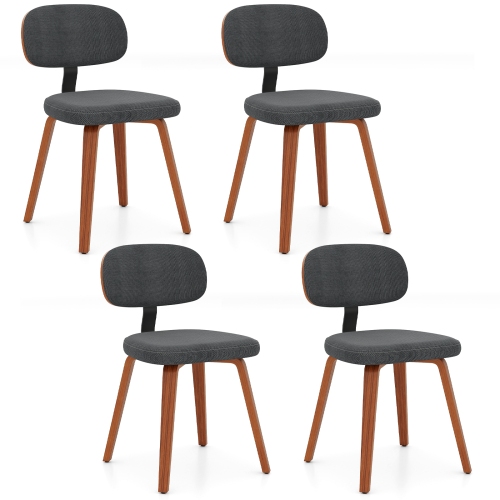
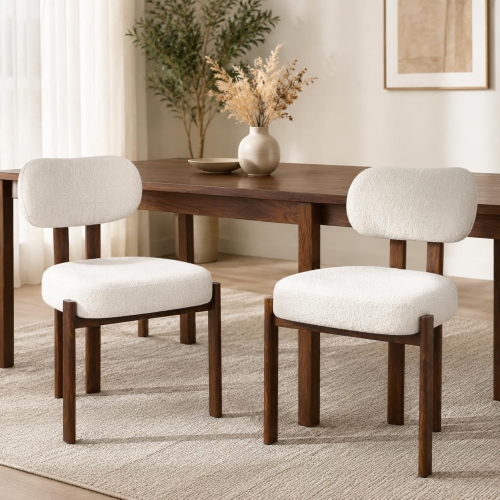
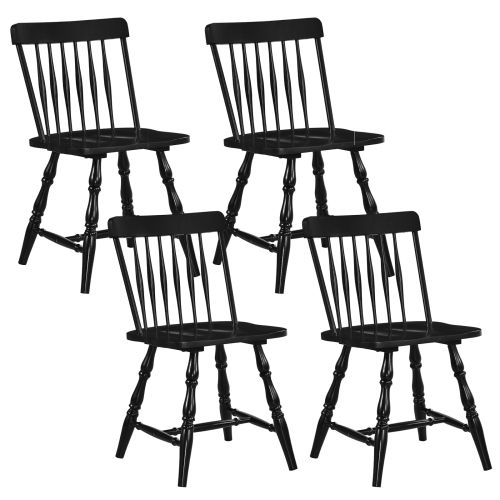
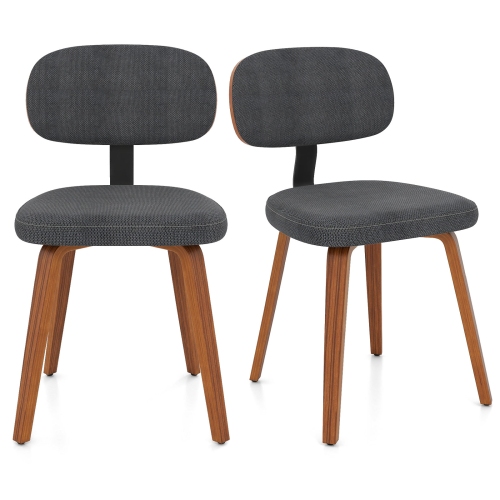
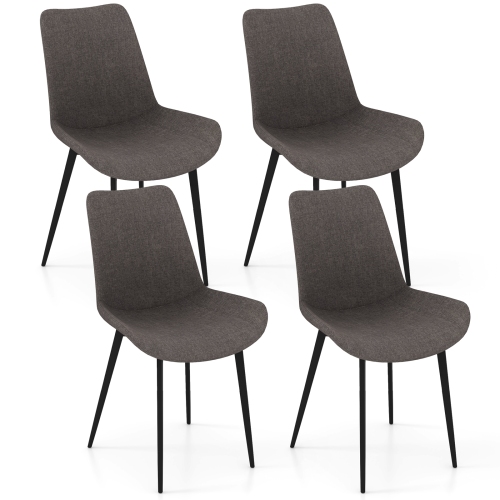
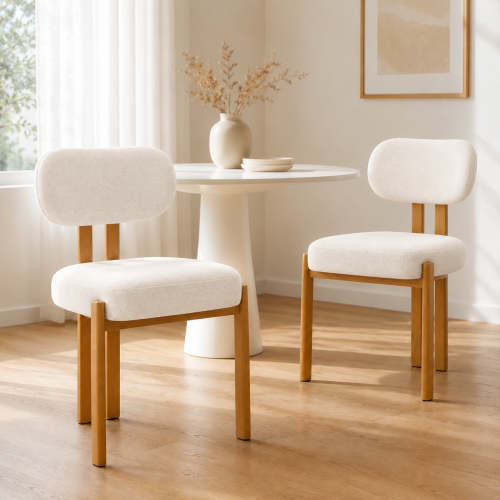
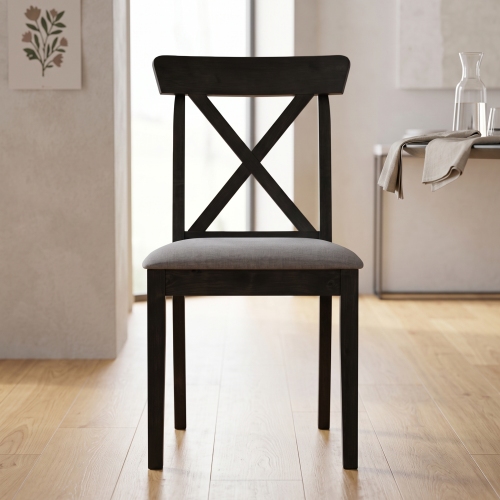
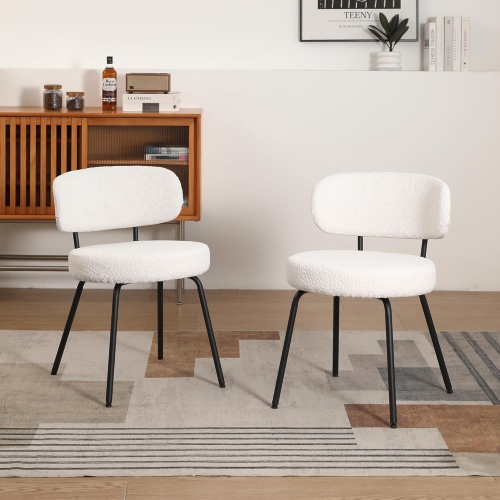
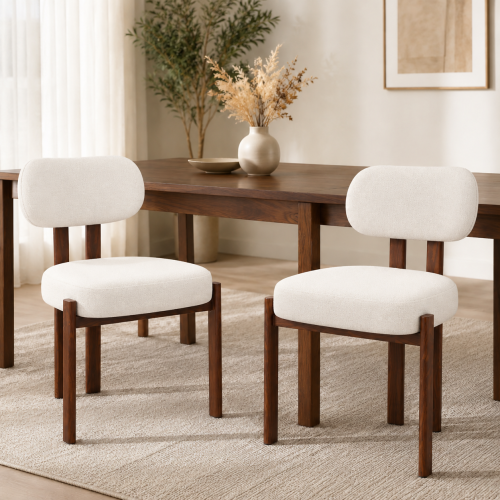
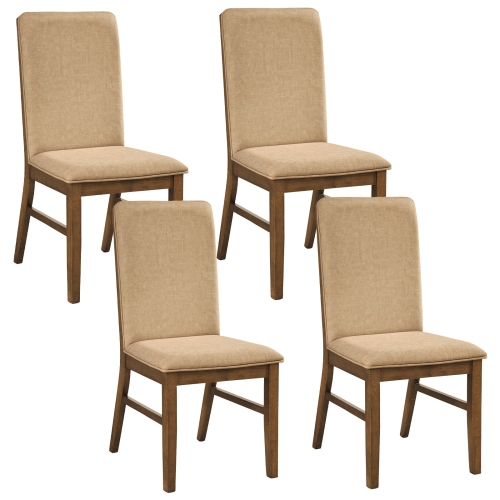
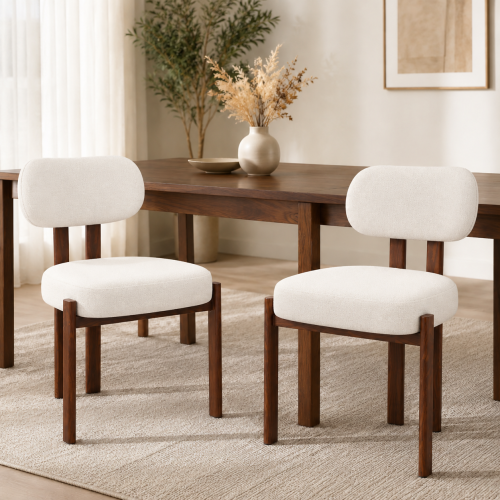
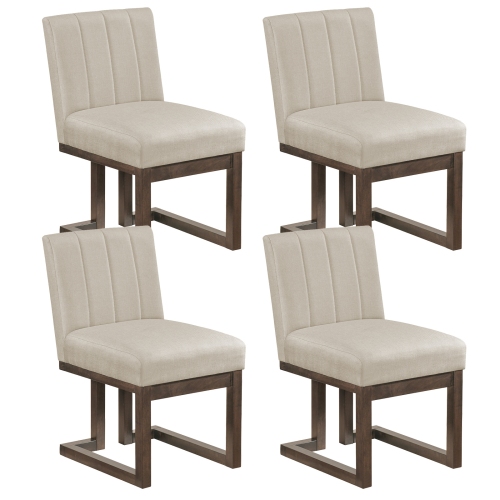
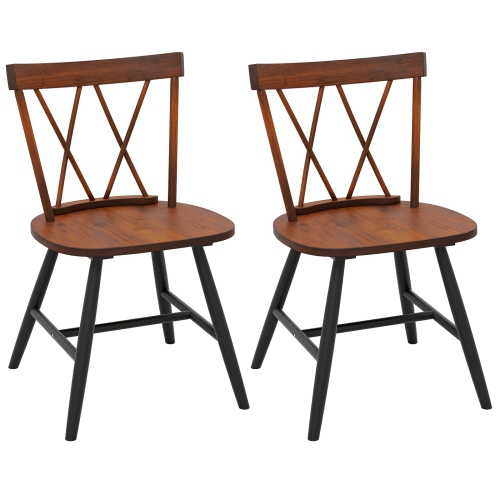
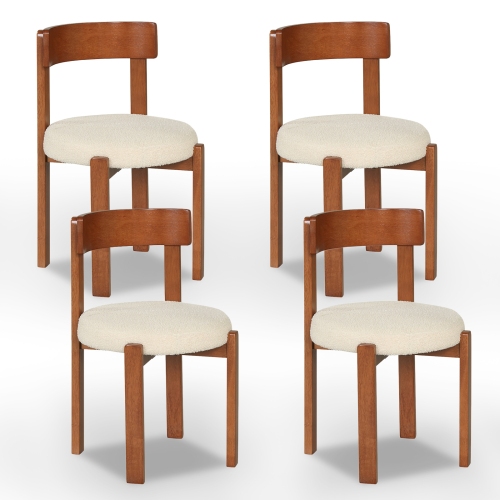
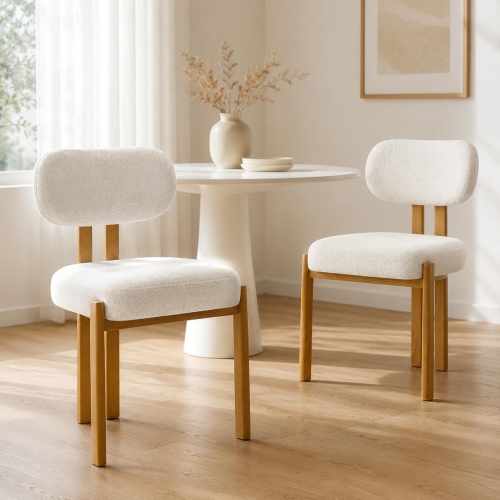
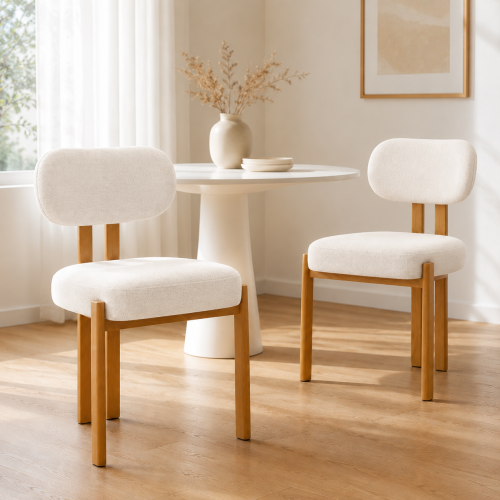
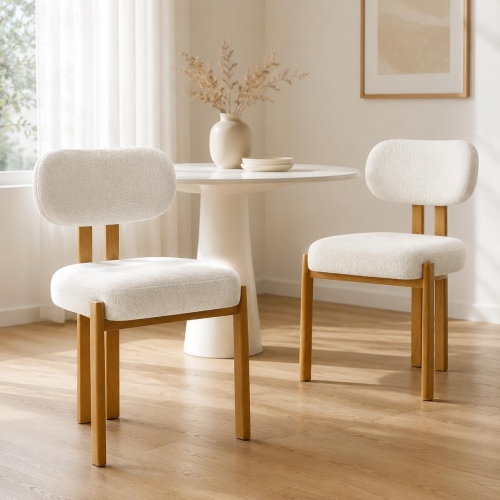
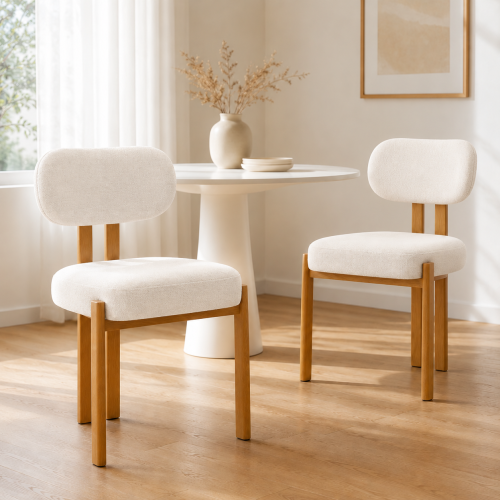
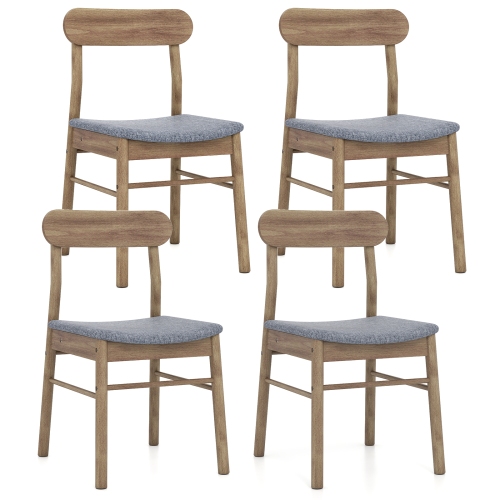
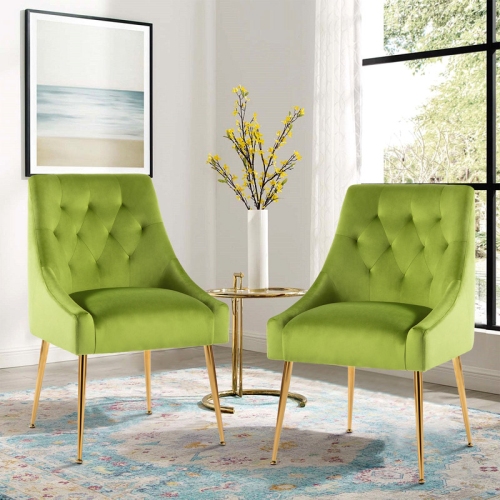
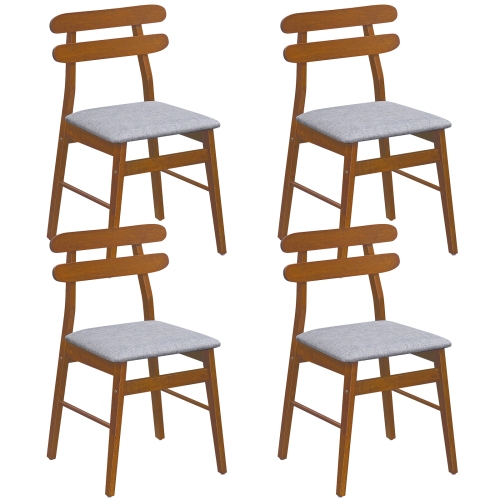
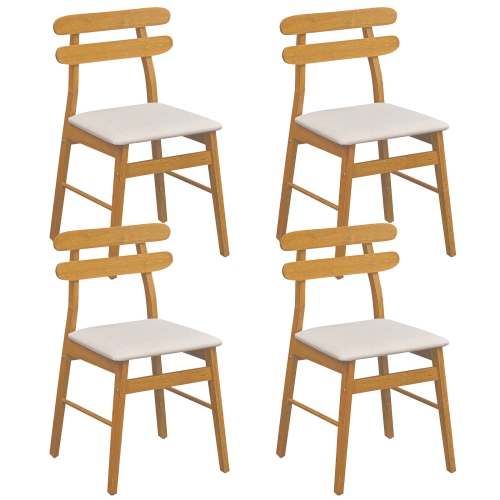
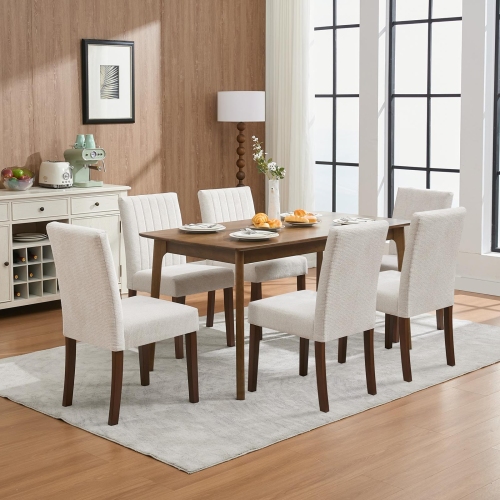
New dining room chairs can change the feel of a space without replacing the table that already makes it familiar. A curved back can soften the straight lines of a rectangular tabletop, while a slim frame can leave a compact dining area feeling more open. Upholstered seating brings texture and a softer place to settle in; exposed wood, metal, or moulded surfaces create a different visual rhythm and can be practical for busy households. The most comfortable arrangement begins with proportions rather than a particular look. Seat height needs to suit the underside of the table, including any apron that extends below the tabletop, so there is room for legs without forcing diners to sit too far from their plates. Armrests need enough clearance to tuck underneath if that is how the chairs will be stored between meals. Seat width and depth matter just as much: a deep seat may feel generous to a taller adult but leave a shorter person leaning forward to reach the table. A supportive back and a front edge that does not press into the backs of the knees can make a noticeable difference over a long meal. Around the table, each chair needs space to pull out without catching on its neighbour, and someone walking behind a seated diner should not have to squeeze sideways. Pedestal tables may offer more flexibility than tables with legs near the corners, although the shape and size of the base still affect foot room. In a narrow dining nook, armless chairs with modest footprints can preserve useful passage space. A larger room may accommodate broader seats or armchairs at the ends of the table. Measuring the table, the surrounding floor area, and the chairs themselves helps bring these details together, especially when a rug, sideboard, doorway, or nearby kitchen island limits how far a chair can move. The result should feel easy to use, not simply well arranged when every seat is tucked in.

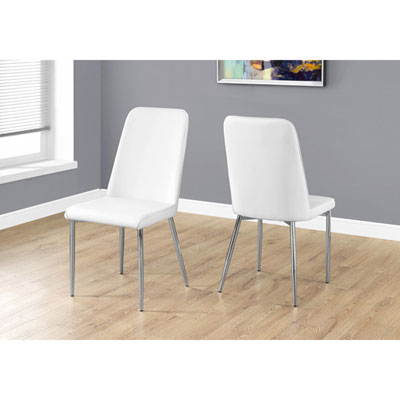
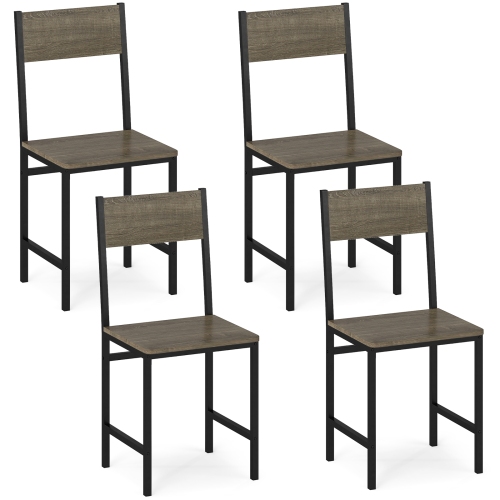
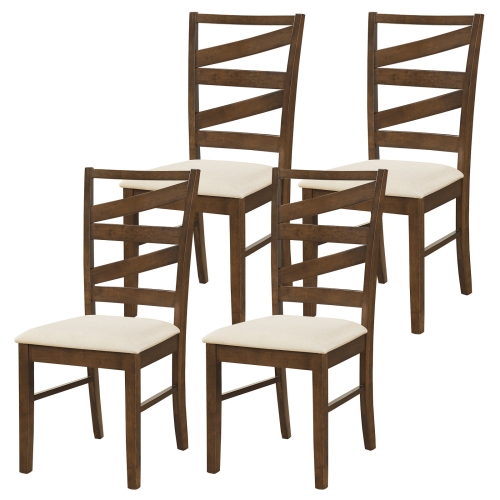
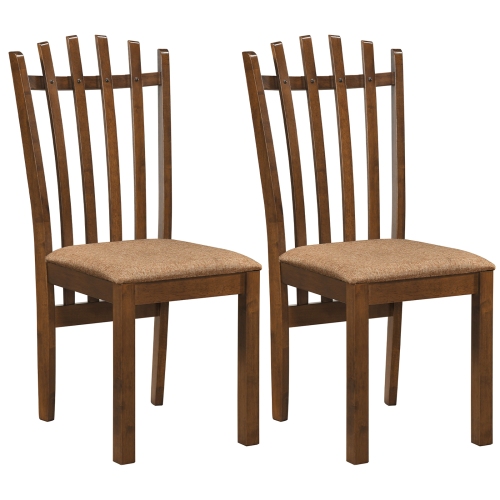
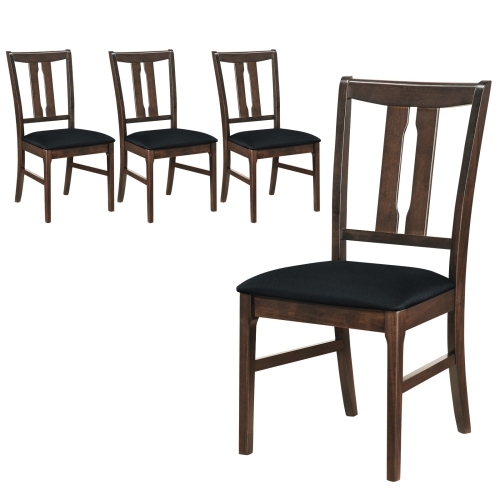
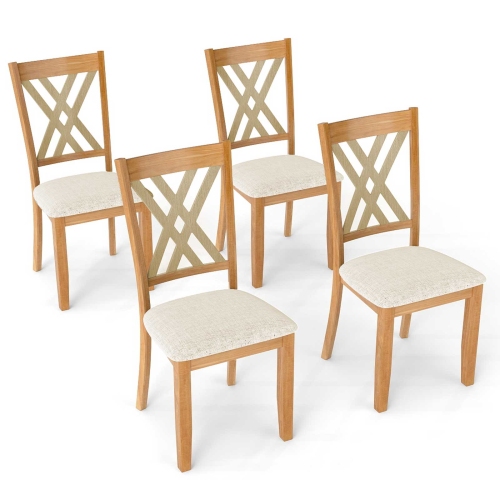
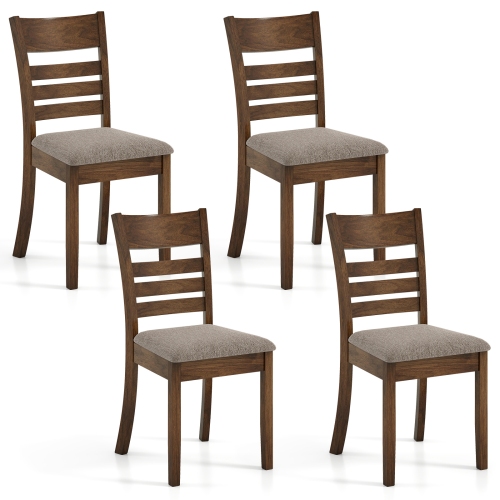
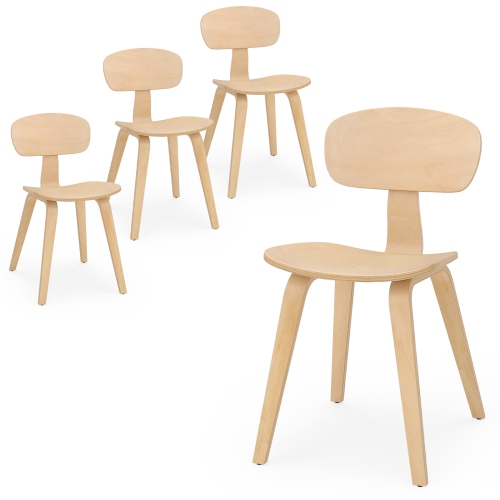
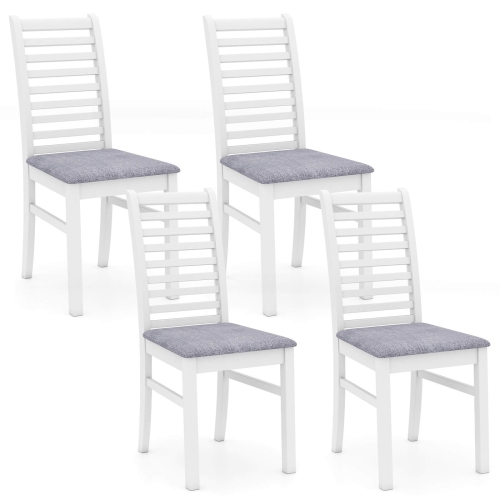
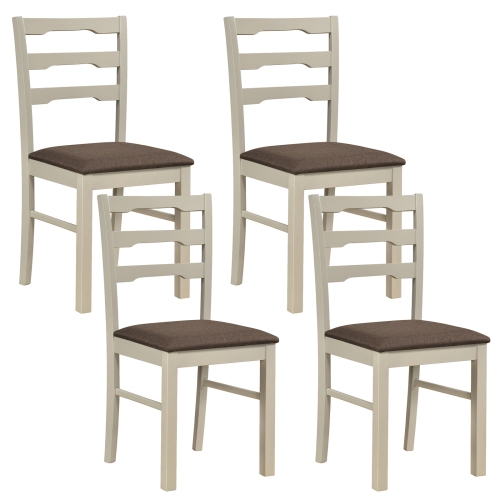
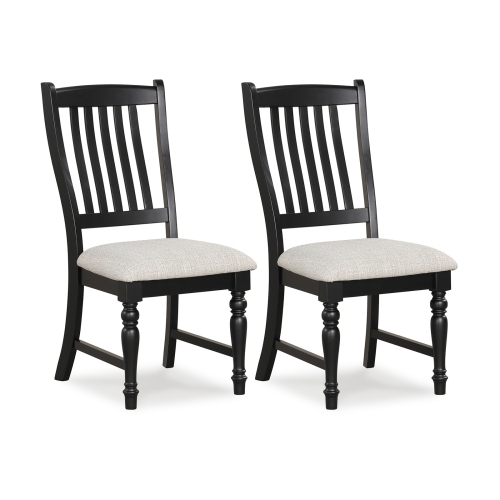
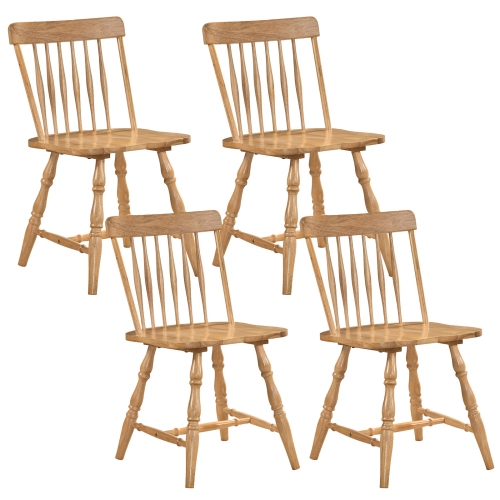
Materials influence how dining chairs feel in daily use, how they age, and the attention they need between meals. Solid wood can bring visible grain and subtle variation to a room, while stained or painted finishes offer different ways to coordinate with the table and surrounding furniture. Wood veneer provides the appearance of a wood surface over an underlying structure, so its care requirements depend on both the finish and the construction beneath it. Metal frames can create slender outlines, but the quality of the joints, the stability of the base, and the condition of protective floor glides are more useful considerations than appearance alone. Moulded plastic seats often have fewer seams to catch crumbs, although cleaning methods should still suit the material and finish. With upholstered chairs, the fabric’s weave, texture, and cleaning instructions deserve a close look. A nubby surface may add depth and softness, while a smoother upholstery can be easier to brush free of everyday debris. Leather and leather-look coverings have different care needs, and neither should be treated as suitable for every cleaning product. Spills are best addressed promptly using the method specified for the chair, rather than a strong household cleaner chosen out of habit. Removable covers, where included, can be convenient, but removal does not necessarily mean machine washing is permitted. Cushion firmness also changes the sitting experience: a plush seat may feel welcoming at first, while firmer padding can provide more consistent support through a lengthy dinner. Durability depends on the whole chair, including its frame, joints, upholstery attachment, and intended weight capacity. A chair that rocks on a level floor or has loosened hardware needs attention rather than continued use. Periodic checks of fasteners, suitable felt pads or glides, and lifting chairs instead of dragging them can help protect both the seating and the floor. For households with children or pets, accessible seams and surfaces that tolerate the recommended routine cleaning can make everyday upkeep less demanding.
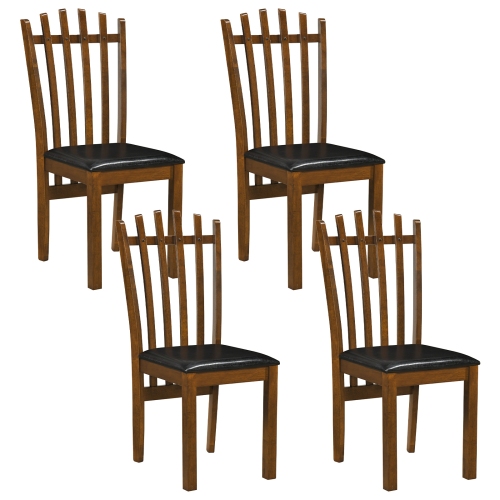
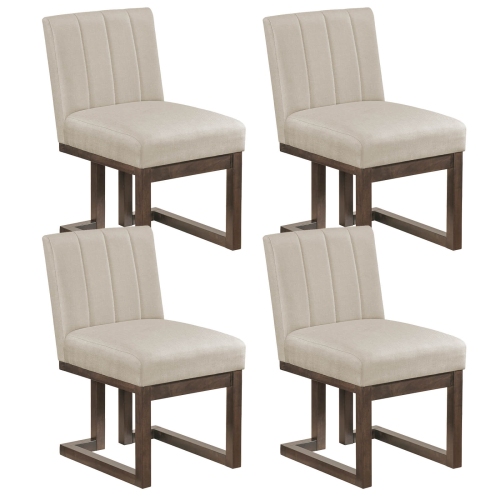
The right dining seating also reflects what happens around the table beyond the main meal. In one home, chairs may be used for quick breakfasts and an occasional dinner with friends; in another, the table is a gathering place for homework, board games, puzzles, and conversations that continue after the dishes are cleared. These routines can help clarify whether easy handling, back support, a cushioned seat, or a compact shape matters most. Lightweight chairs are easier to move for cleaning or an extra place setting, while chairs with arms may offer a useful place to rest the forearms. Anyone who finds sitting down or standing up difficult may prefer a stable chair with a suitable seat height and accessible arms, rather than a low, deeply cushioned design. Dining chairs should not be used as step stools, and occasional use at a table does not replace appropriate seating for extended desk work. For smaller homes, stackable designs can simplify storage when their specifications allow it, but the stacked footprint and the space needed to lift them should be considered too. Visual coordination can be flexible. Matching chairs create a consistent outline, while a mix of styles can feel intentional when there is a shared colour, material, seat height, or repeated shape. Different chairs at the ends of the table can add distinction without making every place setting feel unrelated. Upholstery samples, finish descriptions, and measurements are useful when an existing table has a distinctive wood tone or an unusual base. The Best Dining Chairs collection provides another place to explore seating styles with these practical details in mind. Whether furnishing a first apartment, making room for a growing household, or refreshing a dining room that sees daily use, a well-suited chair should earn its place through comfort and function. The most satisfying choice is one that looks at home beside the table, supports the people who use it, and remains straightforward to care for after the guests have gone.
Read More

FAQ

Some products may be subject to Environmental Handling Fees (EHF) depending on your province. Learn more about EHFs.