New Home Automation Technology
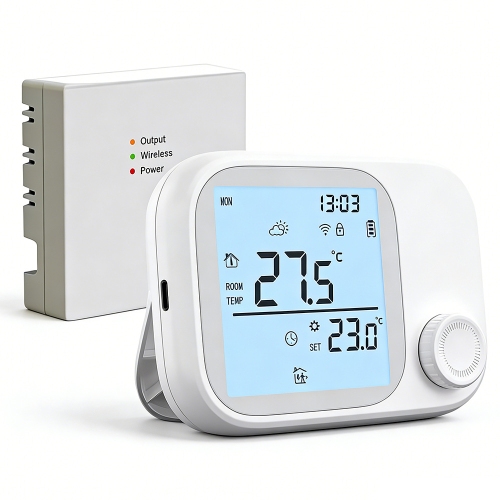
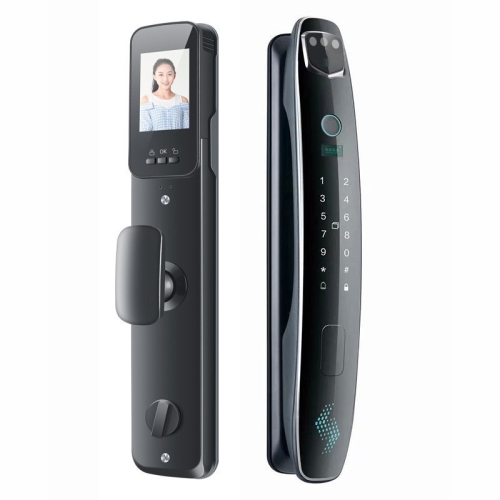
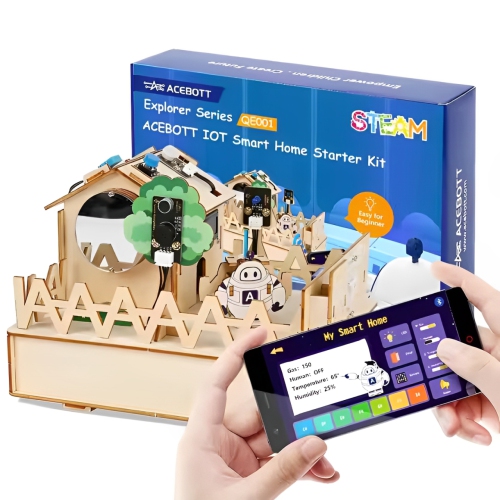
Explore new home automation technology to find smart home options that fit your space and daily routines. Compare compatibility with your existing devices, supported control methods, and setup requirements to choose additions that work with your connected home.


























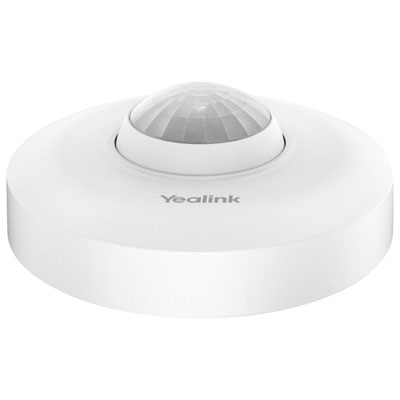
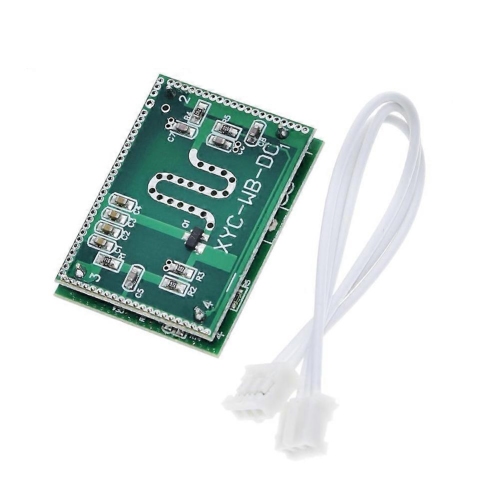
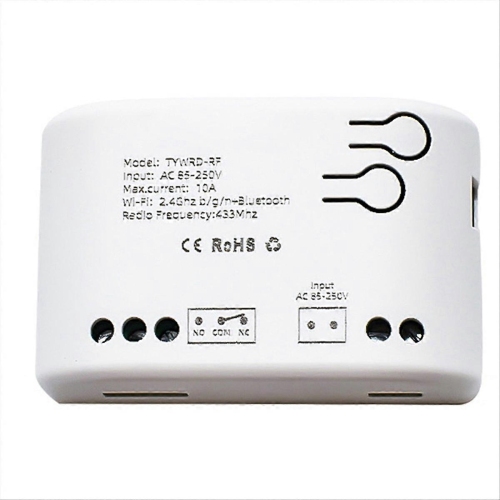
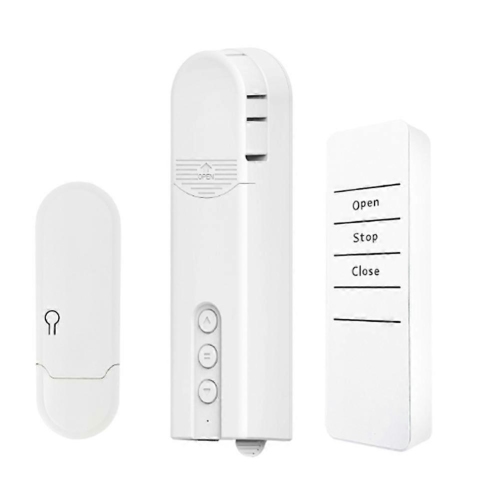

FAQ
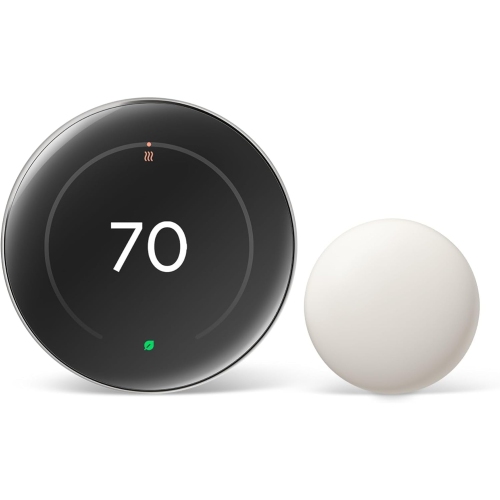
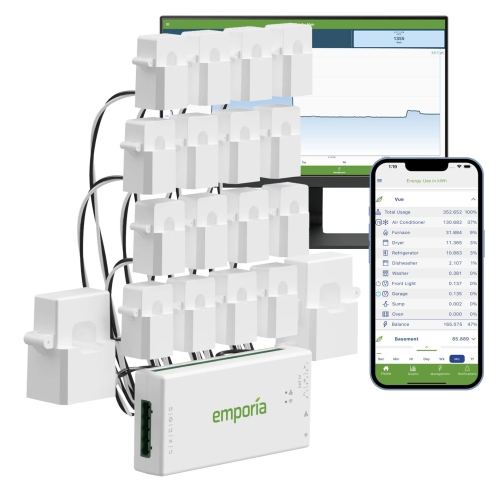
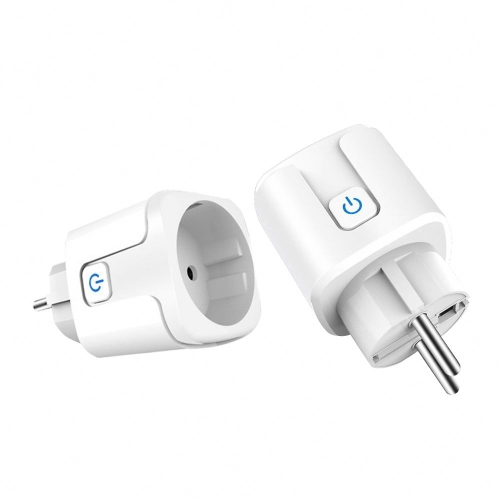
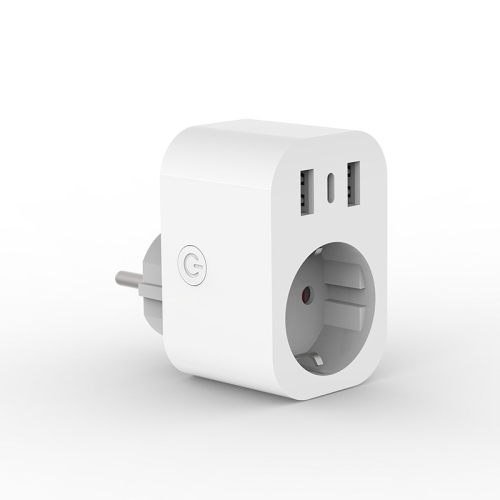
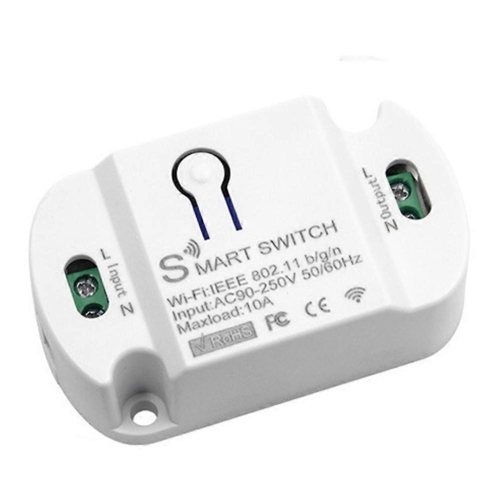
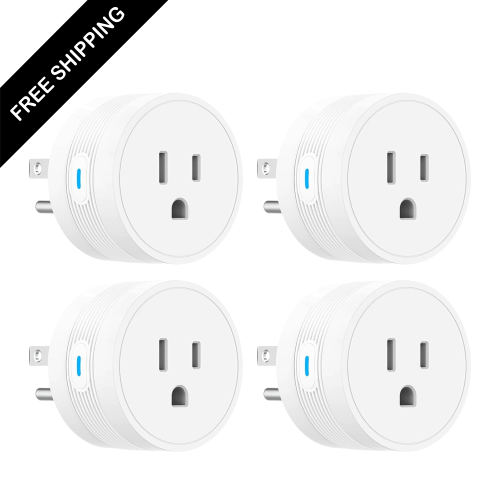
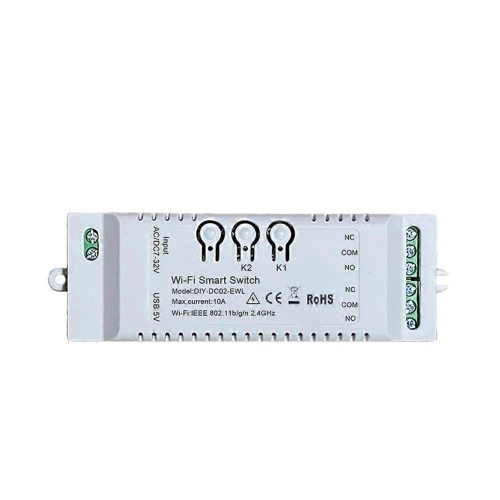
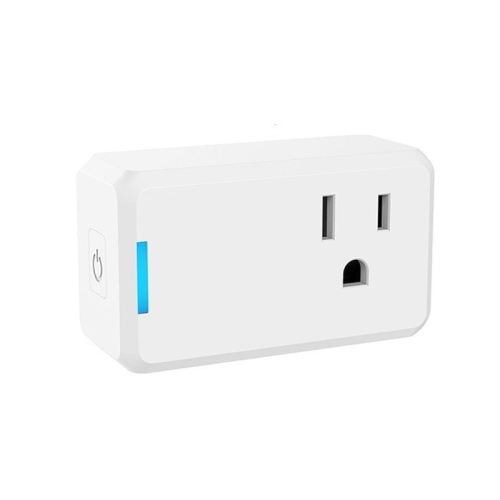
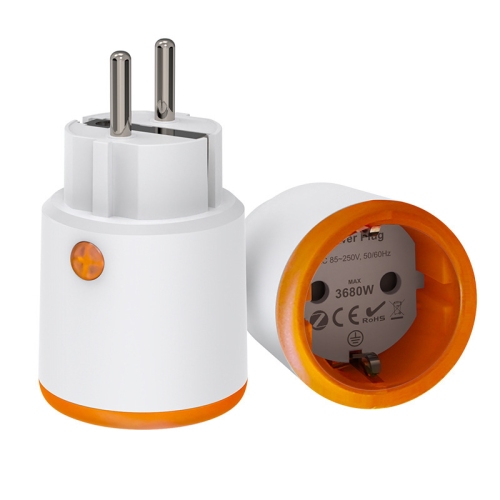
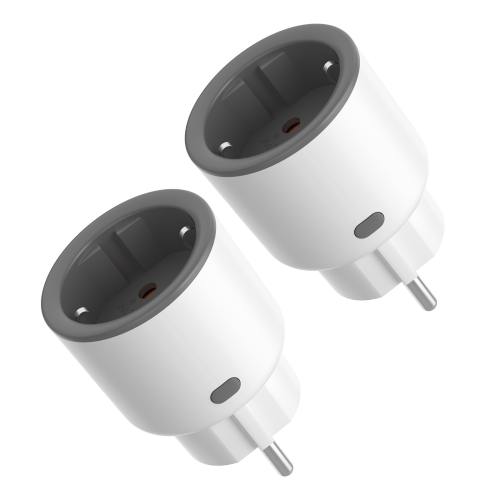
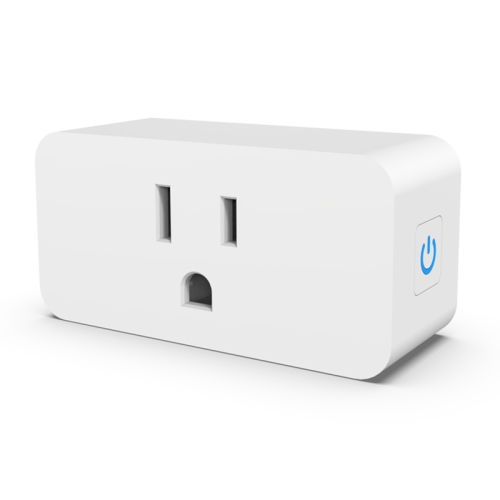
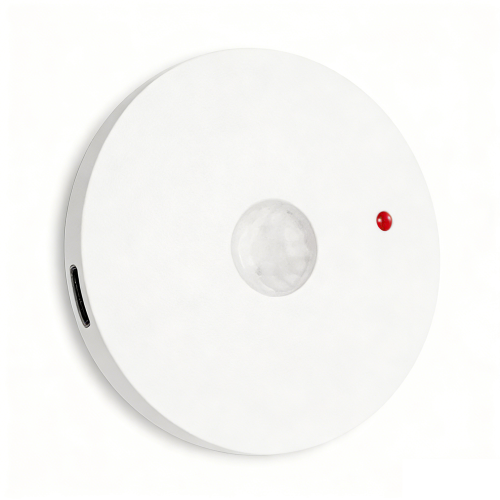
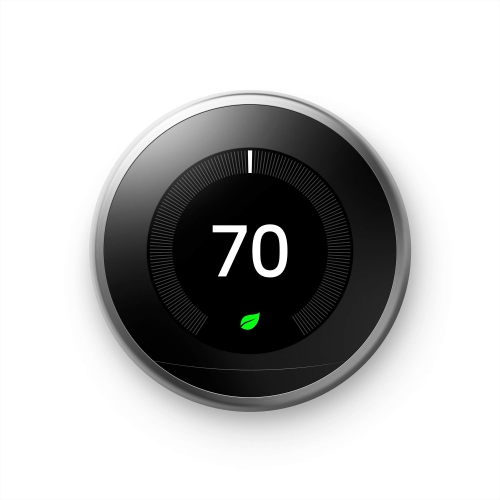
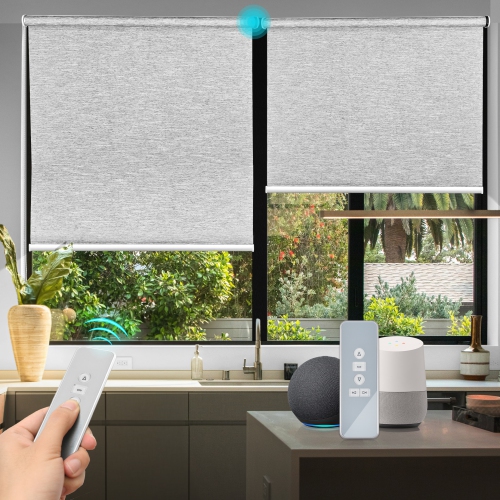
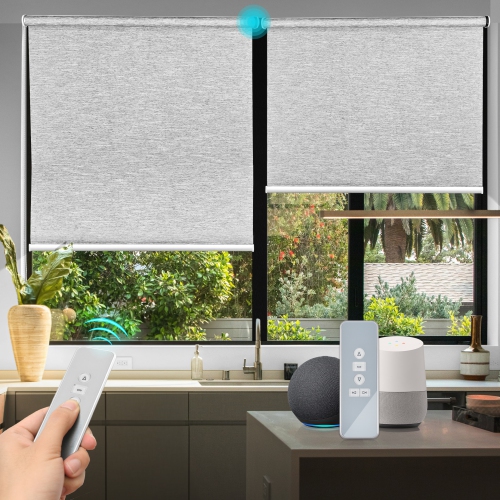
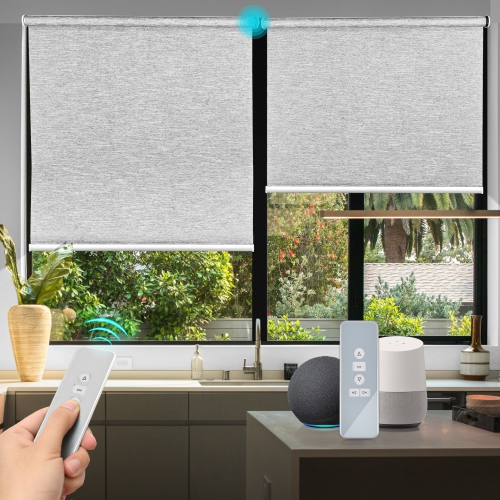
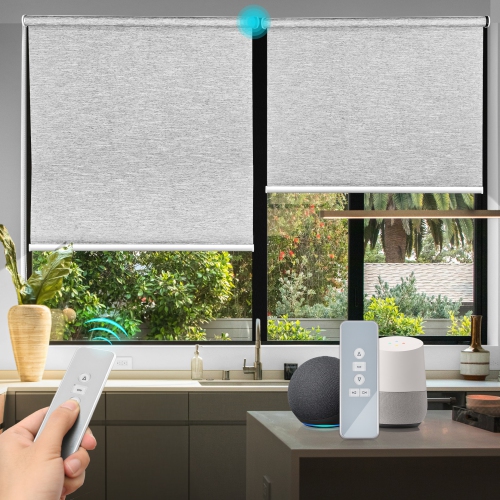
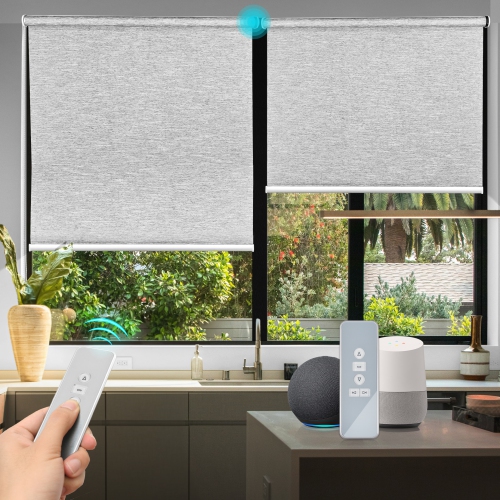
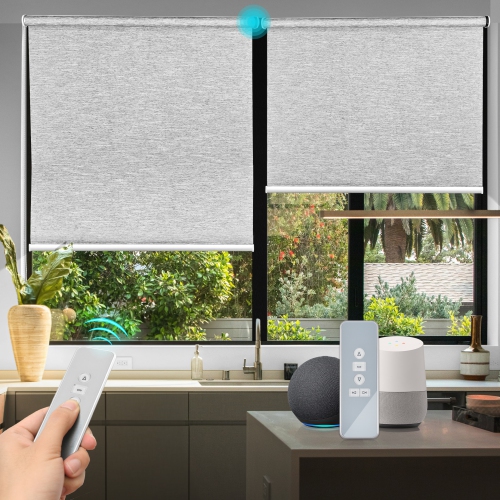
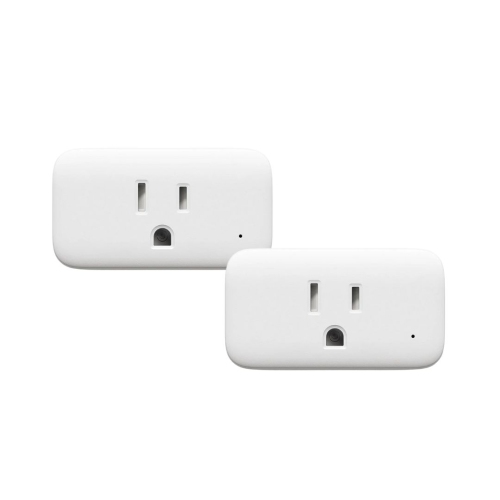
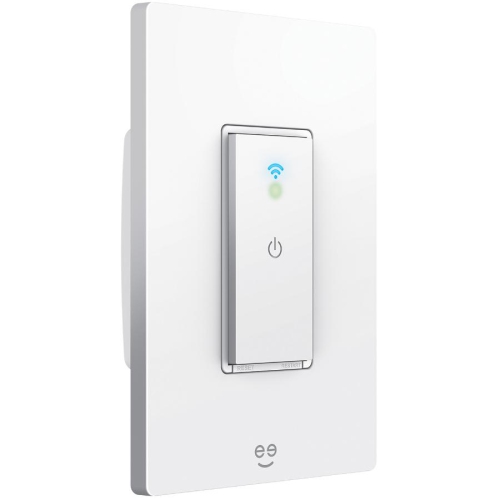
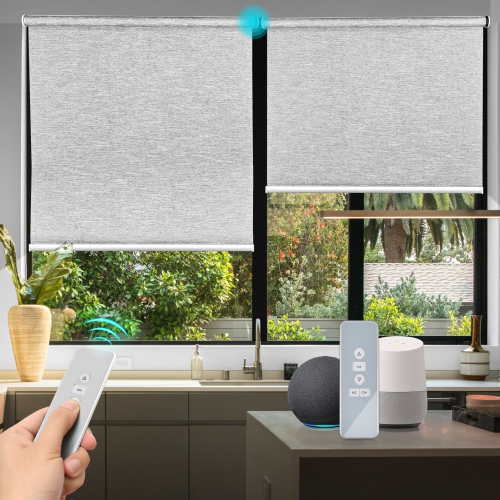
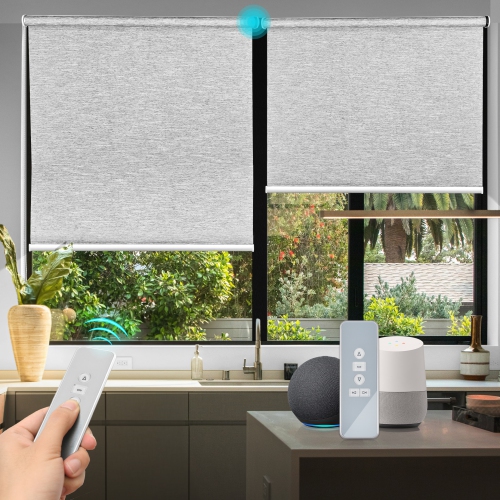
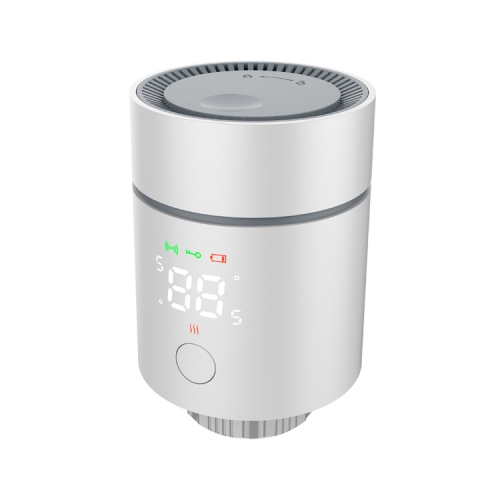
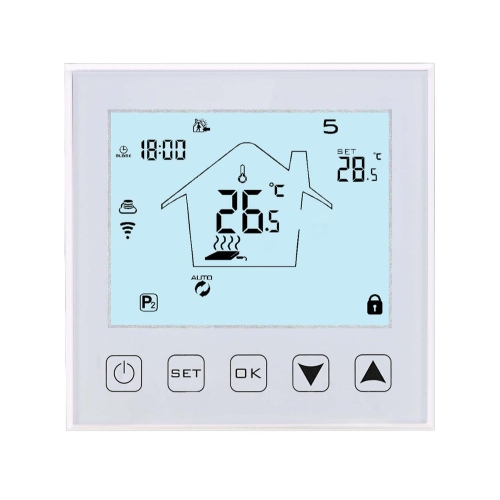
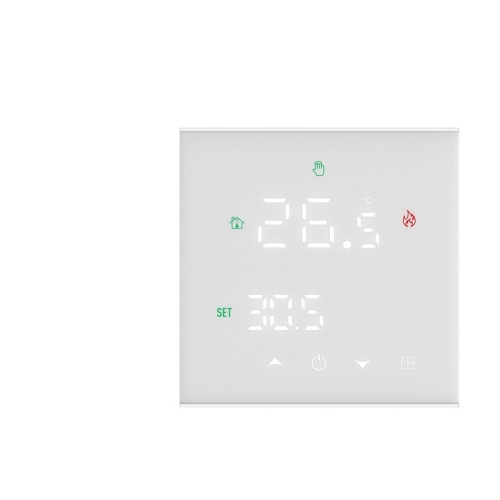
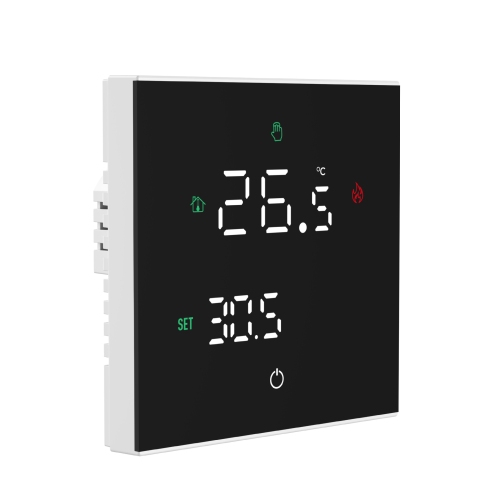
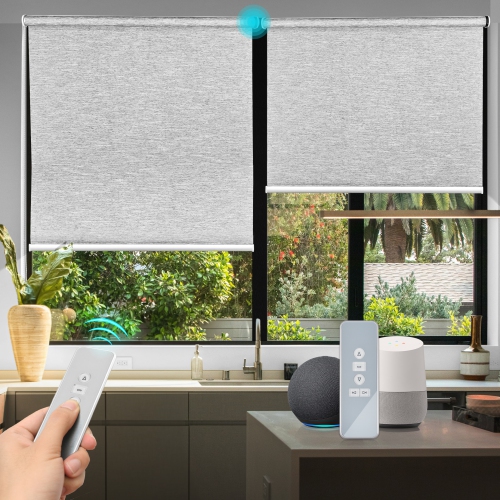
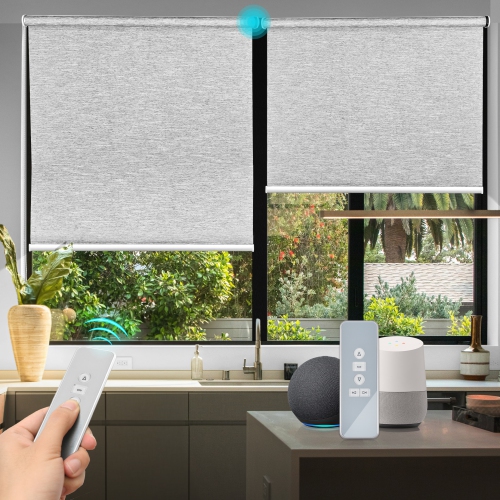
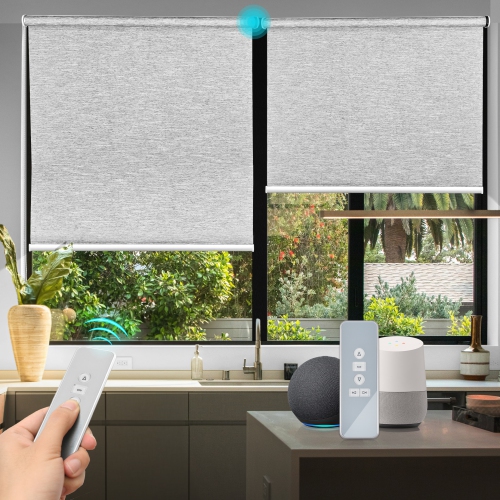
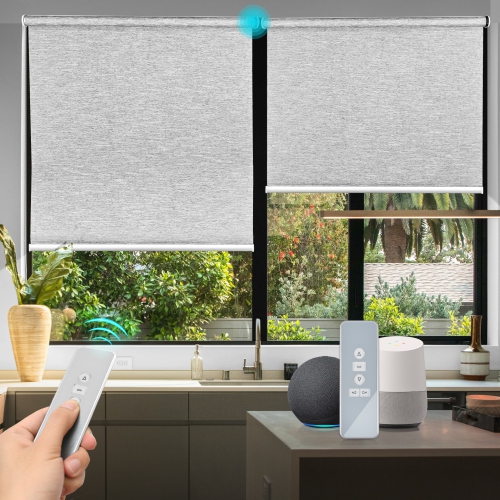
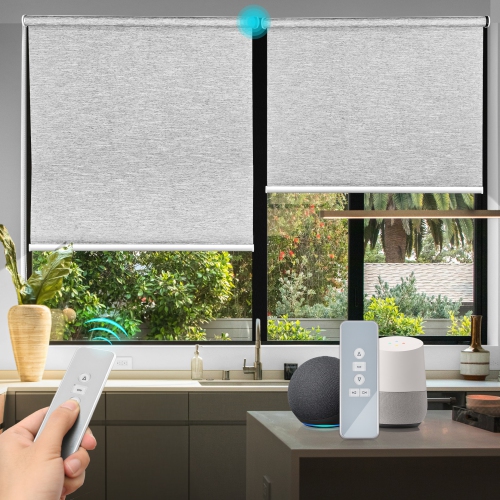
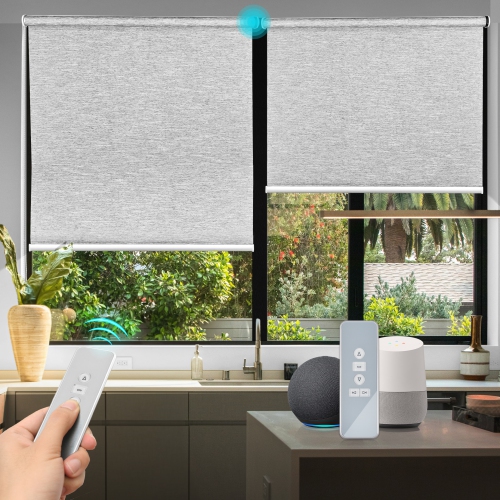
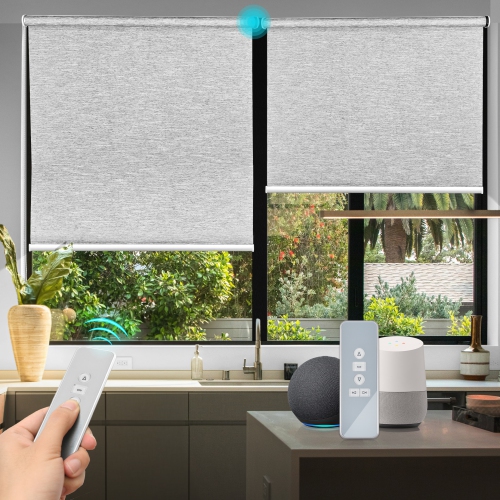
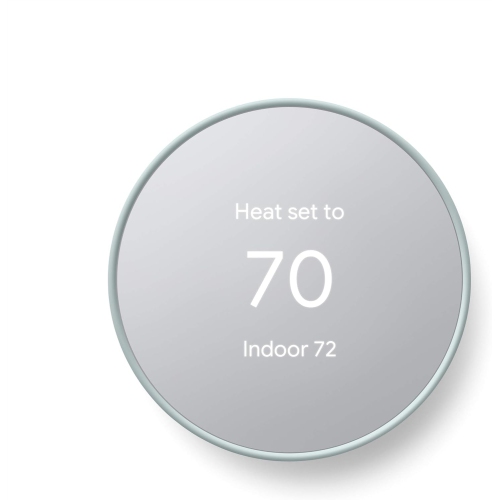
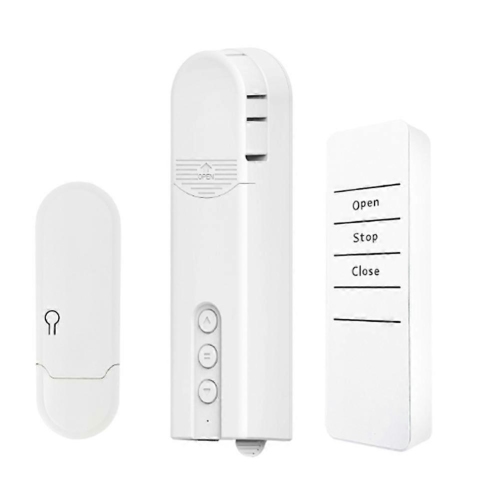
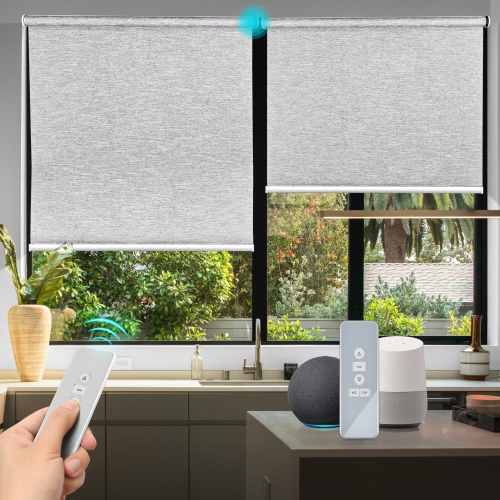
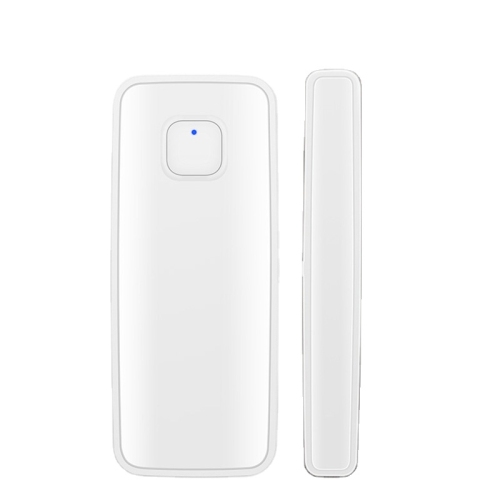
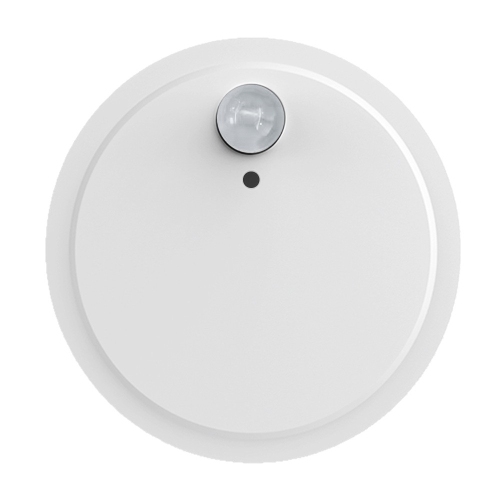
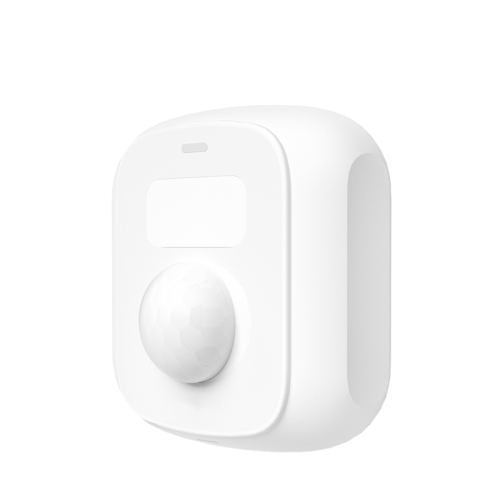
Home automation can include smart lighting, plugs, thermostats, motorized window coverings, sensors, and compatible appliances. These devices can be organized into rooms and connected through a supported app, hub, or smart home platform.
Matter is a smart home compatibility standard, while Thread and Wi-Fi are networking technologies. Thread creates a low-power mesh network for compatible devices, while Wi-Fi connects devices to a wireless network. Matter devices may use Thread, Wi-Fi, or Ethernet, depending on their design.
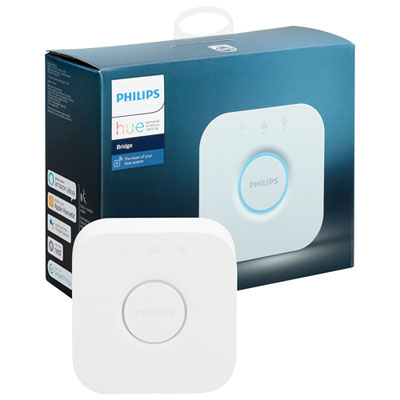
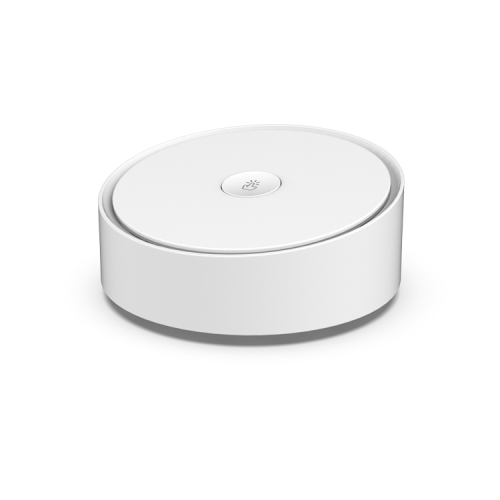
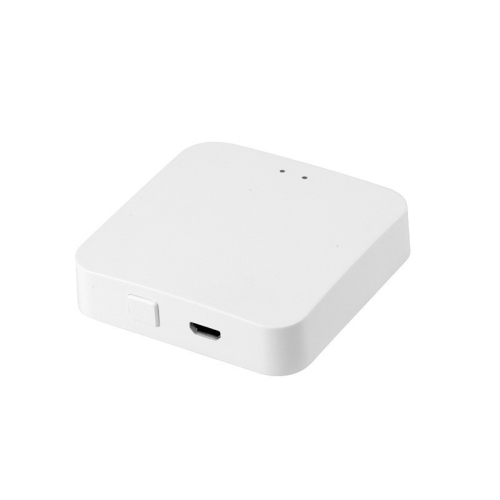
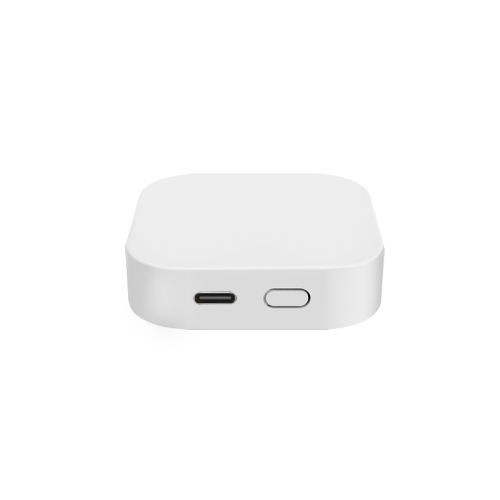
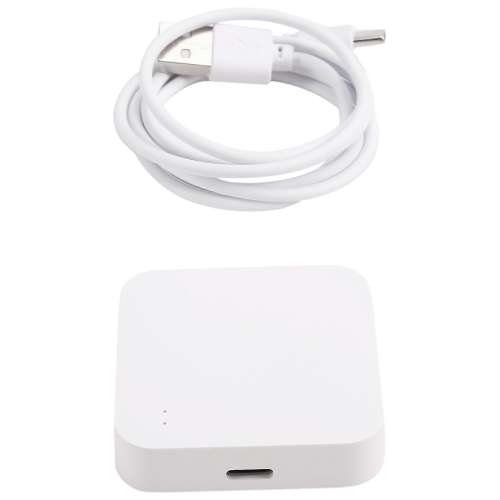
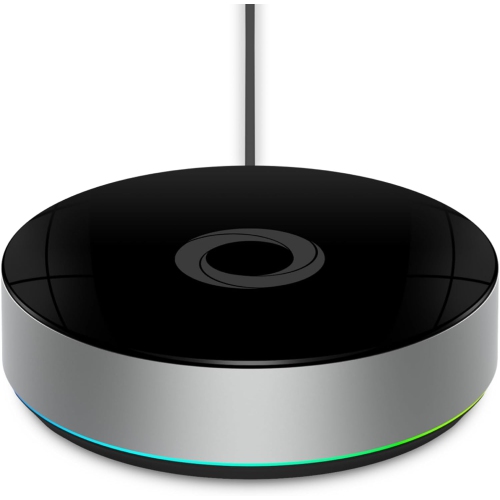
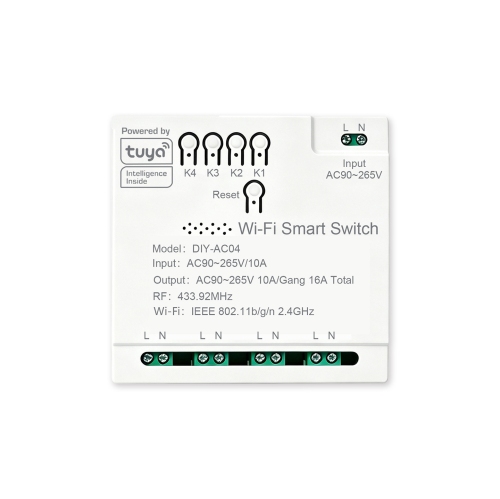
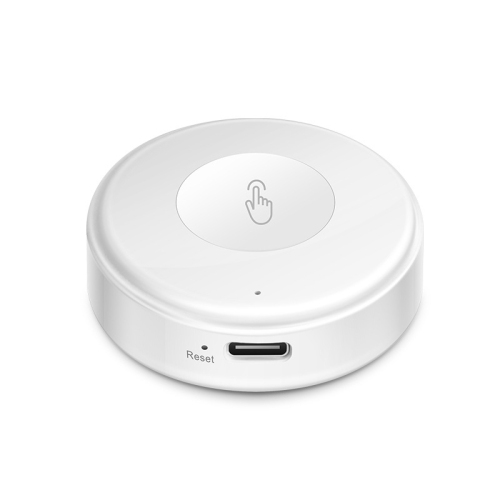
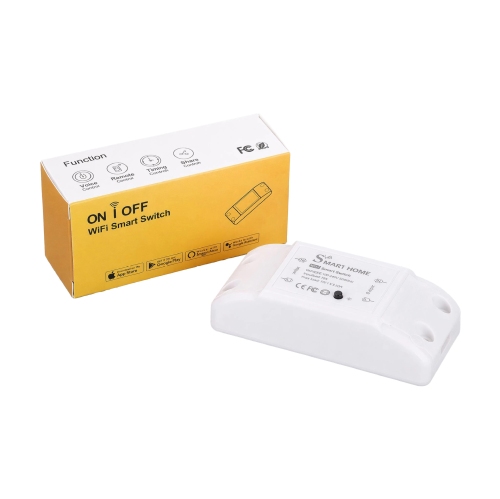
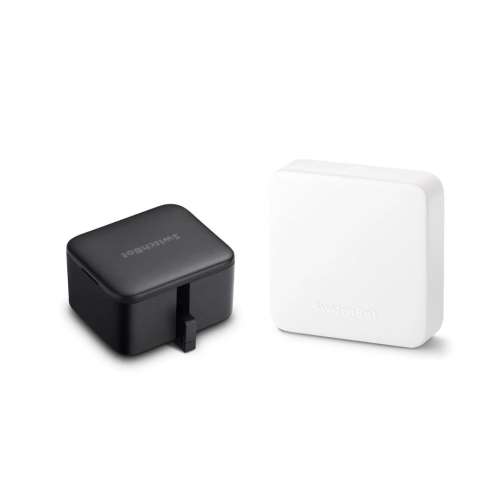
A smart home hub is a central device that connects and coordinates compatible smart home accessories. Some accessories require a dedicated hub, while others connect directly through Wi-Fi. Thread devices use a Thread border router, which may be built into a compatible hub, smart speaker, or other controller.
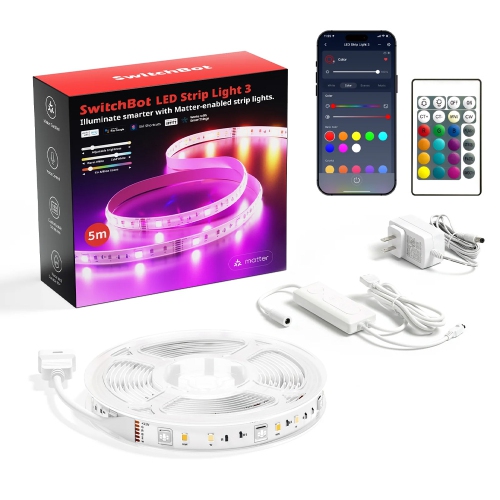
A scene applies a group of settings at once, such as adjusting light brightness and colour for movie night. A routine or automation triggers actions based on a schedule, sensor event, or another condition. The terminology and available settings vary by smart home platform.
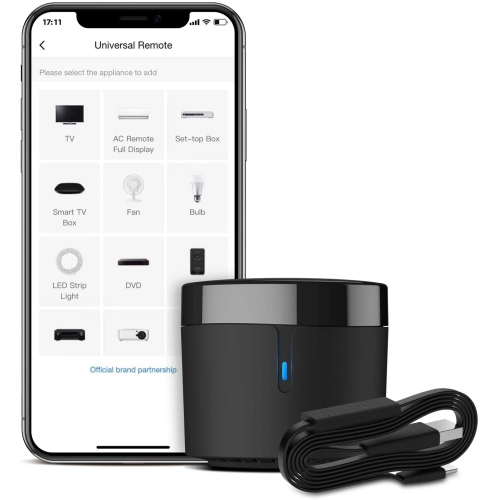
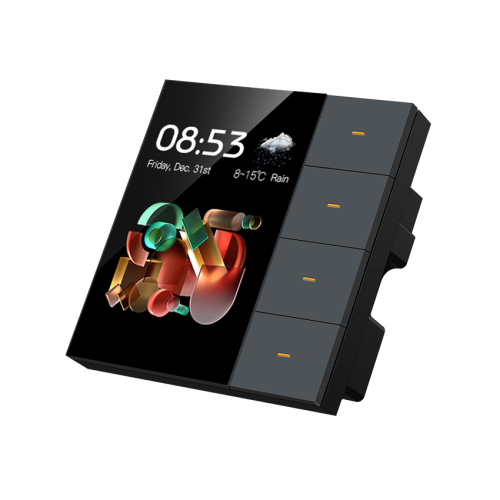
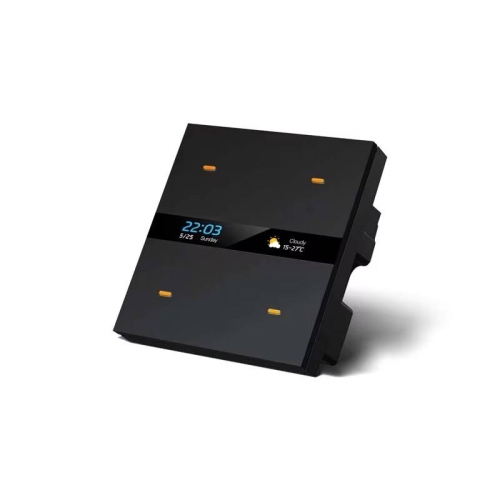
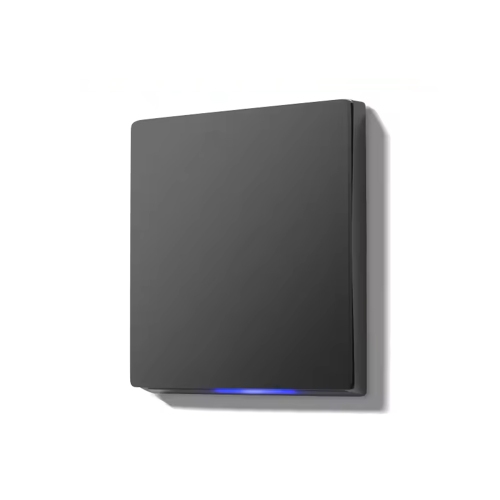
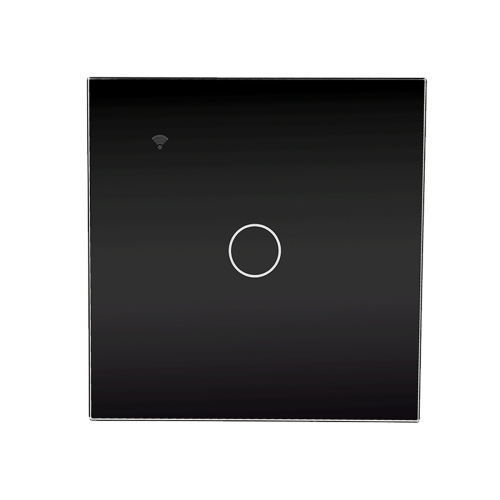
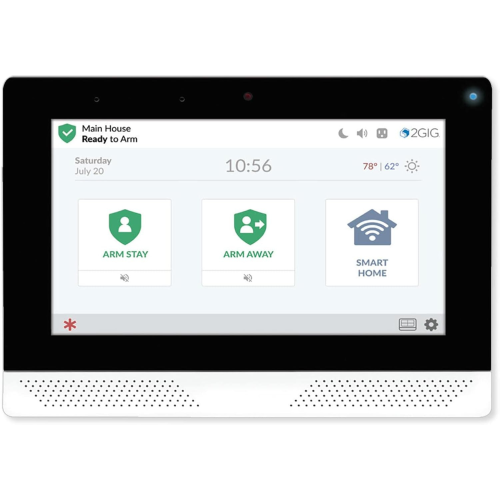
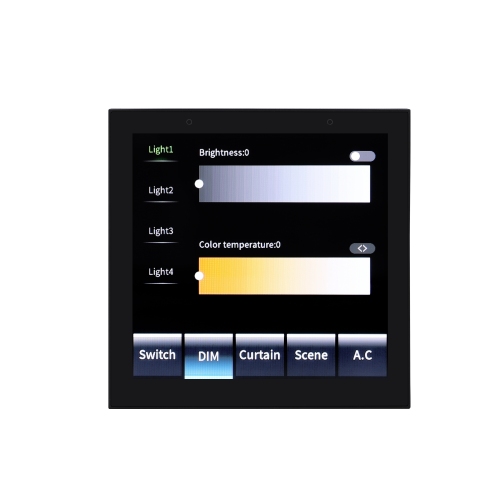
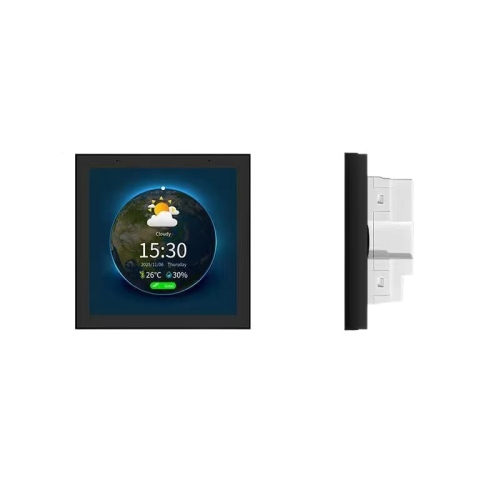
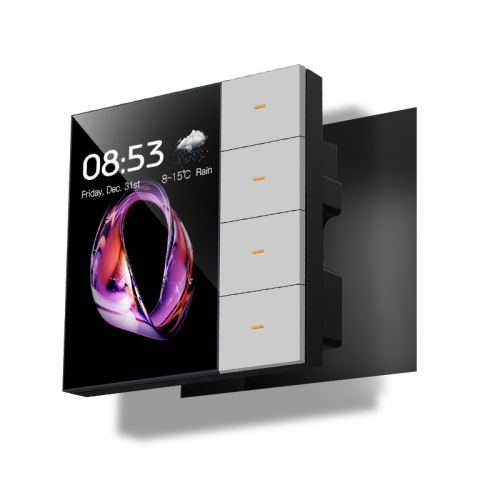
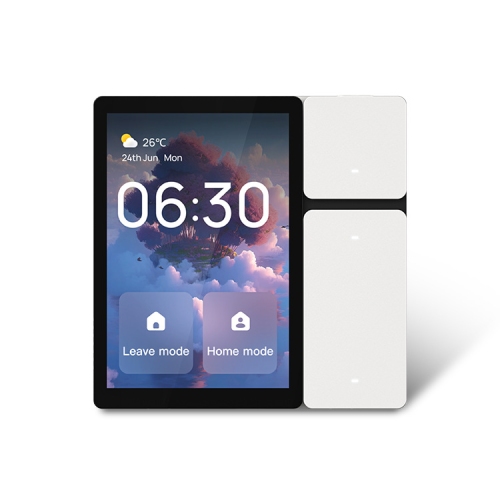
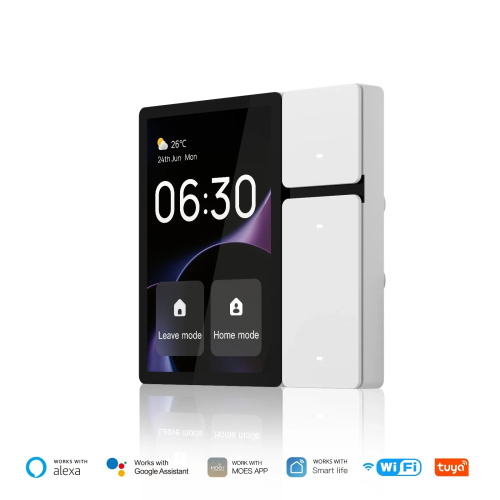
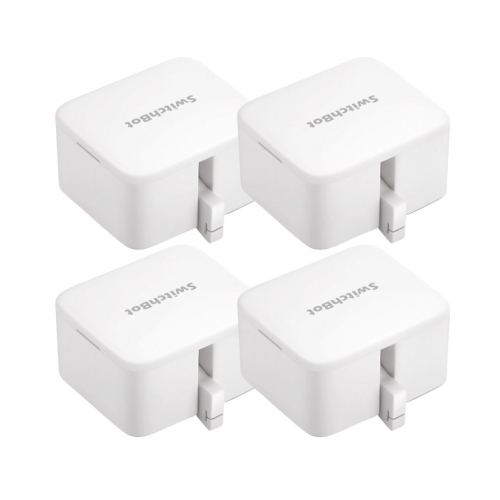
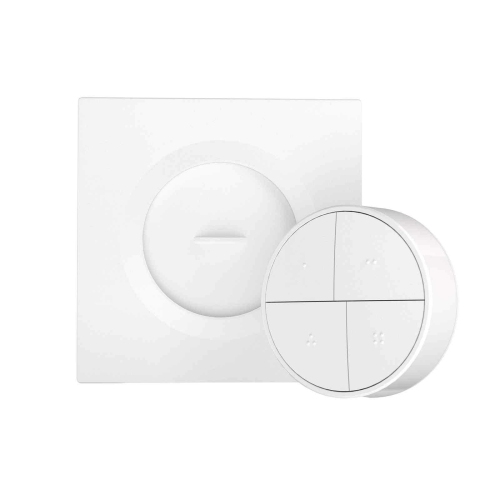
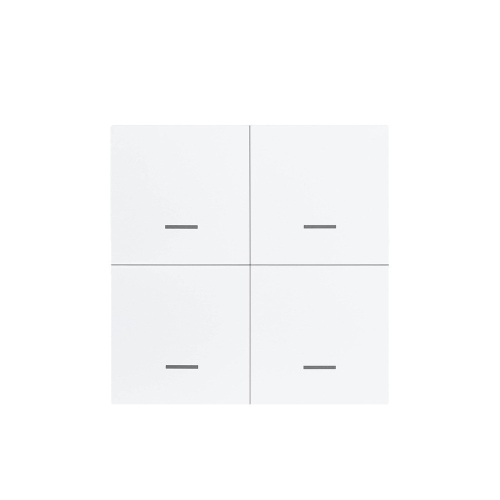
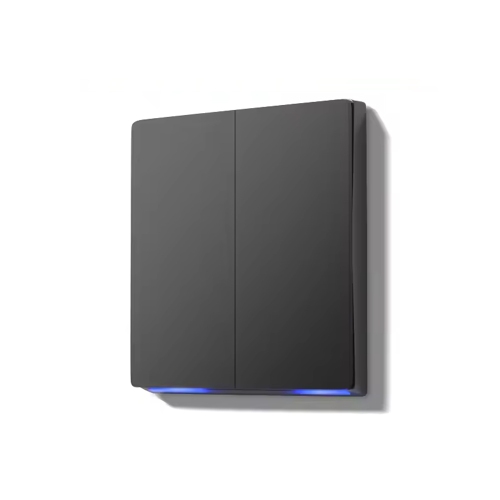
Depending on the devices and platform, control options can include mobile apps, voice assistants, physical switches, buttons, and touch panels. Voice control is optional for many systems. Check which control methods and smart home platforms each device supports when planning your setup.
Top selling and popular products
Discover more categories related to New Home Automation Technology
Some products may be subject to Environmental Handling Fees (EHF) depending on your province. Learn more about EHFs.