Antique Leather Office Chairs
If you're looking for an office chair that has a classic and retro design, consider an antique leather chair. These tend to be comfortable and durable, and they look great in any home office or work area. Here are some of the best antique leather office chairs on the market today.
Sort

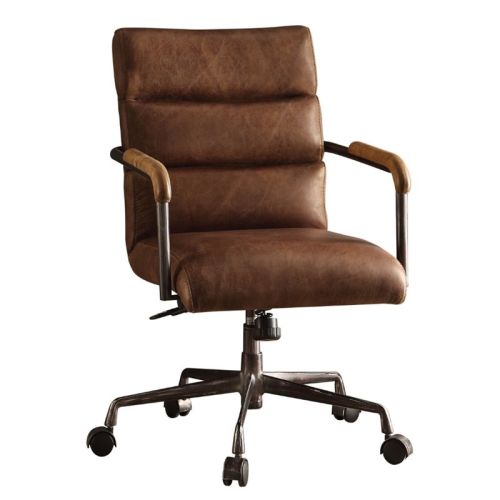
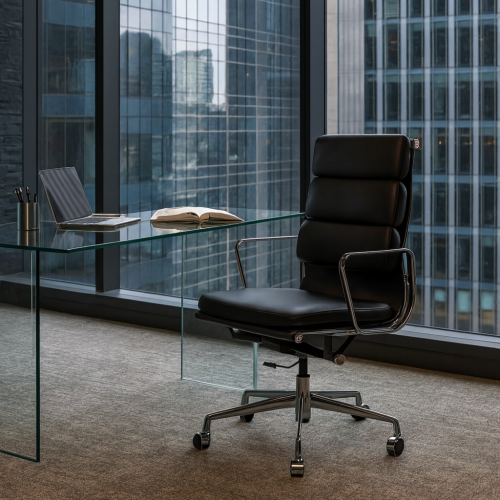
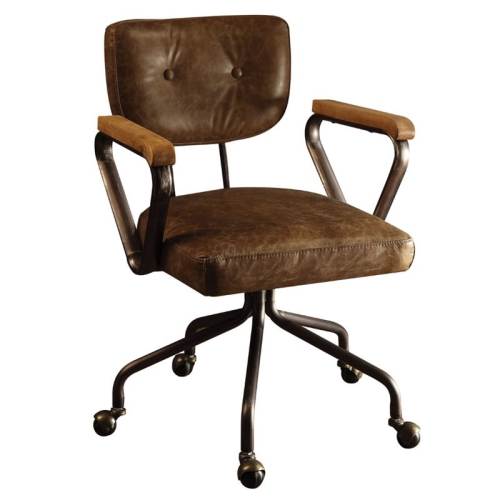
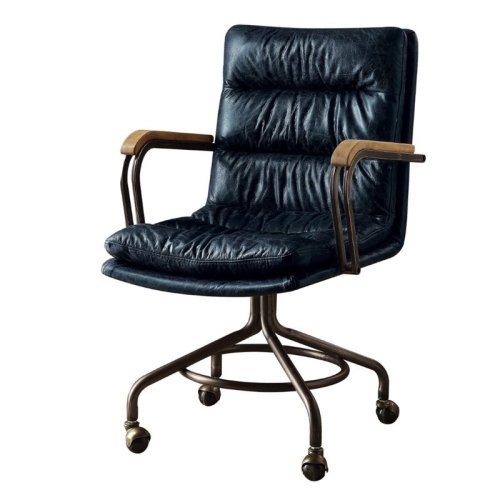
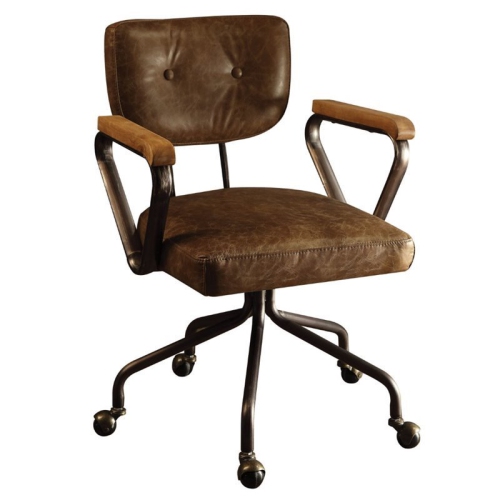
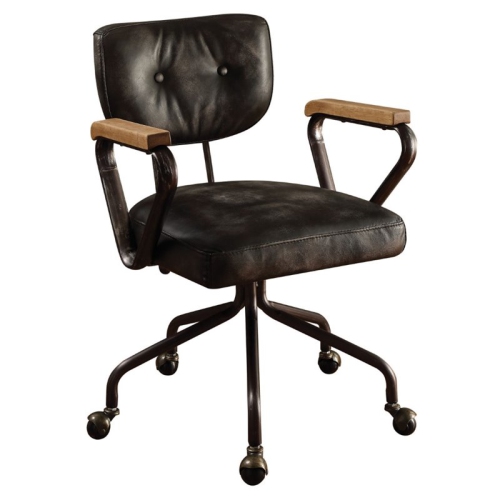
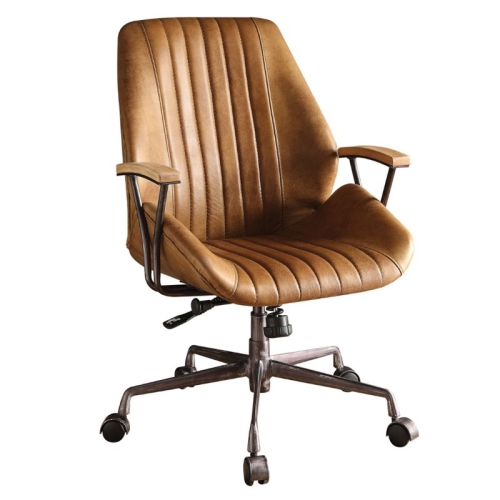
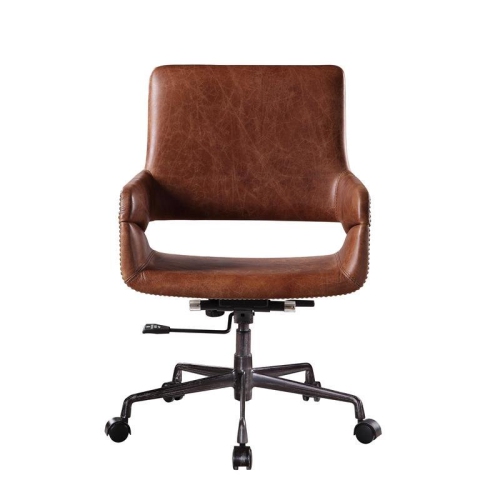
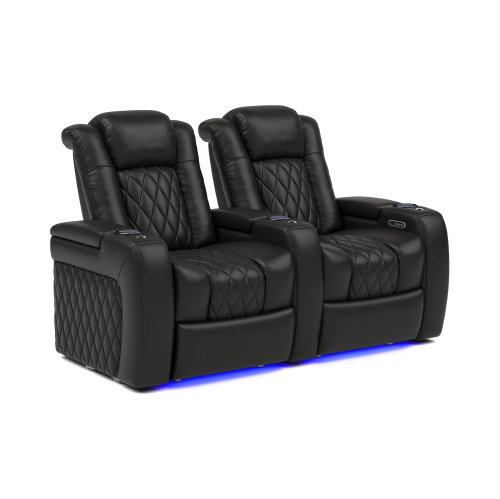

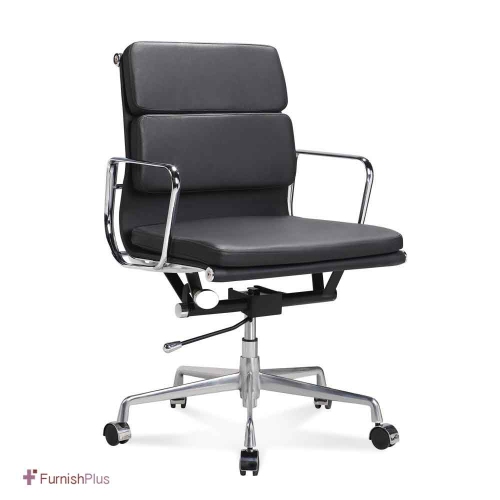
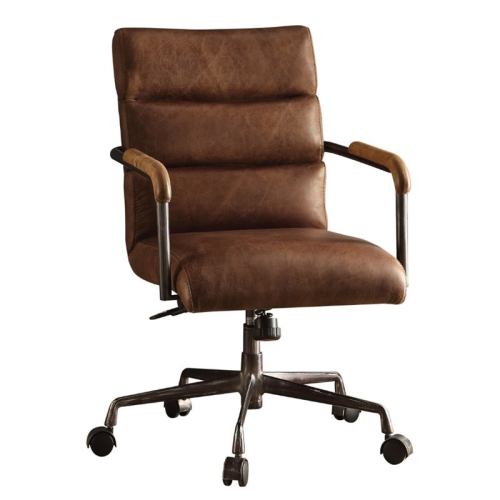
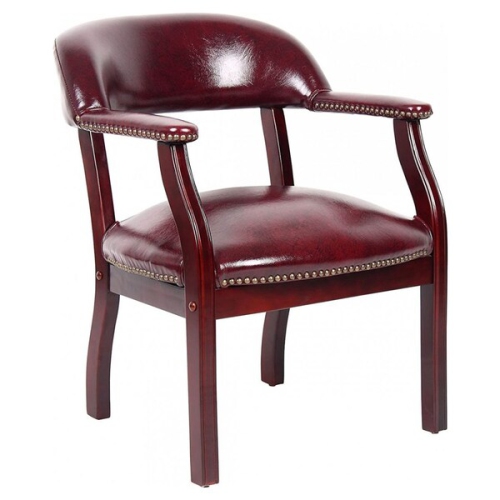

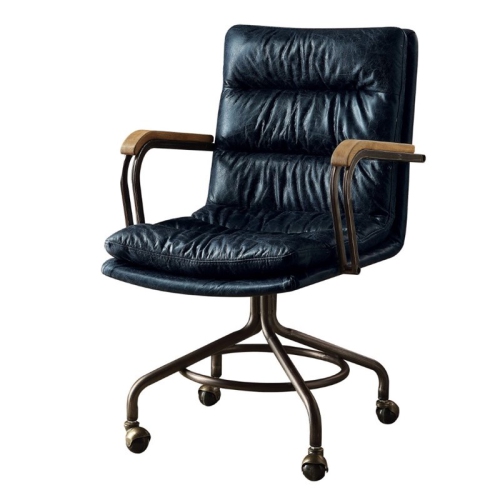
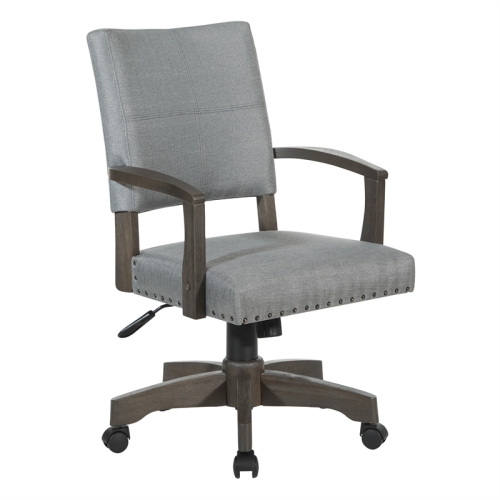
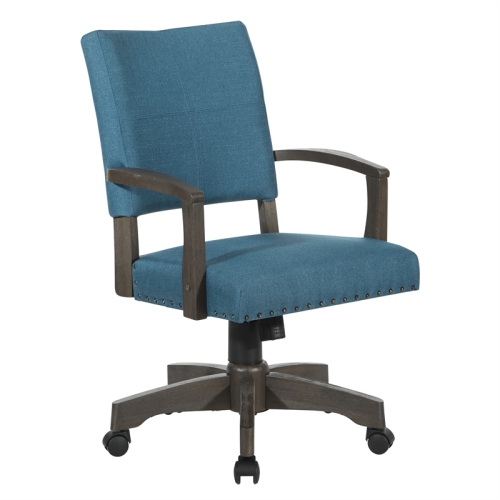
A chair’s antique look doesn’t always reveal its age
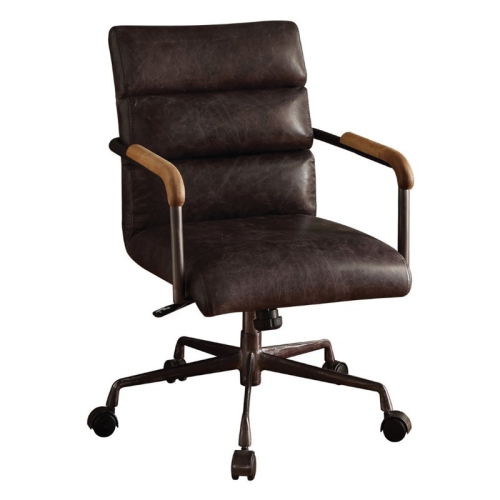
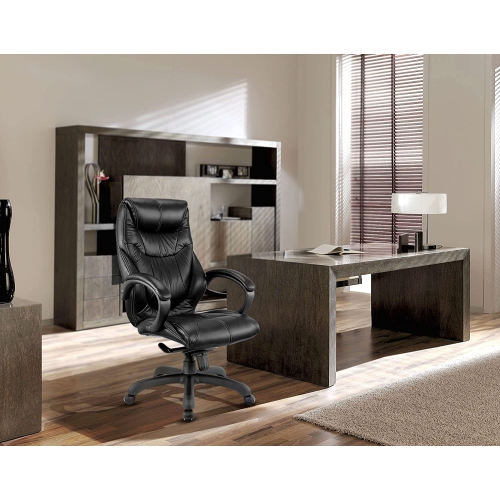
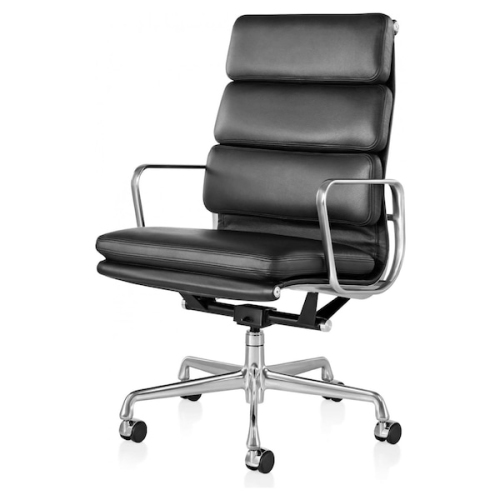
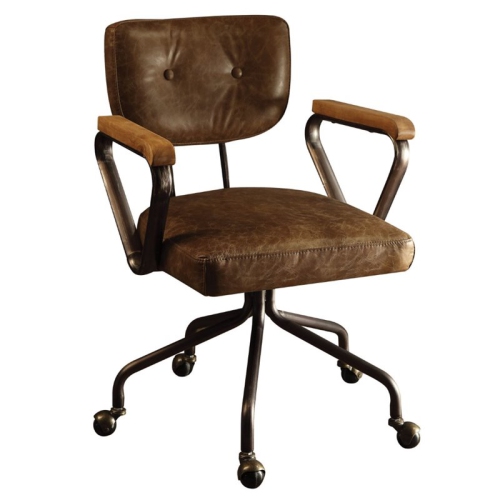
Antique leather office chairs bring the character of traditional furniture into a workspace, combining richly toned upholstery with details such as curved wood arms, button tufting, nailhead trim, and shaped backrests. The term can describe genuinely old furniture or the appearance of newer antique-inspired seating, so age and style are important distinctions. A true antique is generally understood to be at least 100 years old; a chair with a distressed finish or Victorian-style carving is not necessarily an antique. For many home offices, the appeal lies in the visual character: tobacco-brown leather beside a walnut desk, a deeply tufted back against a wall of books, or polished wooden arms that soften the look of a screen-filled workspace. Several design traditions contribute to this category. Chesterfield-style office chairs borrow the deep buttoning and generous upholstery associated with classic seating, sometimes pairing those features with a swivel base. Gainsborough-style chairs typically have a broad upholstered seat and back with open wooden arms, giving them a lighter outline than fully enclosed executive seating. Captain’s chairs often feature a curved, wraparound wooden back and a leather-covered seat, while Victorian-inspired designs may include more elaborate carving and turned details. These styles differ considerably in scale and function, even when they share similar colours and materials. A compact wood-framed chair can suit a writing desk used for correspondence, while a substantial upholstered chair may feel more at home behind a large desk in a dedicated study. Brown remains a familiar choice because it works with oak, walnut, painted cabinetry, and metal accents without requiring every finish to match. For a broader look at that colour family, Brown Leather Office Chairs spans the same warm palette beyond a strictly antique aesthetic. Burgundy, tan, and black leather can also express a traditional style, with the overall effect shaped as much by the chair’s silhouette and trim as by its upholstery colour.
Materials and construction help determine how an antique leather office chair will feel, wear, and fit into daily life. Full-grain leather retains the hide’s natural surface markings and can develop a distinctive patina through use, while top-grain leather has been refined for a more consistent appearance. Neither term alone establishes the quality of the whole chair: leather thickness, finishing, stitching, cushioning, and frame construction also matter. Bonded leather contains leather fibres combined with other materials, and faux leather is a leather-look material rather than hide; both should be distinguished from full-grain or top-grain upholstery. This distinction is especially useful when a chair’s antique character comes from its finish rather than its age. Rubbed edges and uneven colour can be intentional features of new upholstery, whereas deep cracking, flaking, or exposed backing indicate wear rather than simply a handsome aged surface. On older seating, sound wooden joints, secure armrests, intact stitching, and well-supported cushioning are more meaningful for regular use than an attractive finish alone. Previous repairs or replacement upholstery may improve usability, but they can also affect historical originality. Solid wood brings its own variation in grain and tone, and carved details need enough structural substance to withstand everyday handling. Fit deserves equal attention. A wide, imposing seat may look inviting yet be too deep for someone to sit with their back supported and feet resting comfortably on the floor. Thick padded arms can prevent a chair from sliding beneath a desk, particularly when the desk has a low drawer or apron. Seat height, usable seat depth, arm height, and the chair’s full width provide a clearer picture than its overall height alone. A high back does not automatically provide effective lower-back support, and a soft cushion is not necessarily comfortable over several hours. For shared workspaces, adjustable features can make a traditional-looking chair easier for different people to use, provided those features are actually part of its design.
Intended use is often the deciding factor between an authentic period chair and newer seating with an antique appearance. A chair used for occasional paperwork, reading, or a short video call has different demands from one occupied through a full working day. Many older designs have fixed seat heights, limited back support, or mechanisms that were not built around present-day desk setups. Antique-inspired office seating may combine traditional detailing with height adjustment, tilt control, or a swivel function, but those features should never be assumed from appearance. A stable base and smooth, controlled movement matter when turning between a desk and filing cabinet, and castors need to suit the floor beneath them. A suitable chair mat can help protect flooring and make movement easier, particularly under a heavier chair, although it does not compensate for worn wheels or an unstable base. For stationary seating, properly fitted protective pads can reduce scuffing without changing the chair’s visual character. Care should reflect the upholstery’s finish and condition rather than follow a single routine for all leather. Gentle dusting with a soft cloth keeps debris from settling into seams, tufting, and carved woodwork. Spills are best blotted promptly rather than rubbed, and cleaning or conditioning products should be suitable for the specific leather and tested in a discreet area first. Unfinished, hand-dyed, or fragile older leather may need specialist advice before treatment; applying conditioner more often is not automatically better. Direct sunlight and nearby heat sources can contribute to fading and drying, so placement matters as much as cleaning. Loose joints, damaged upholstery, and unreliable moving parts deserve attention before regular use, especially with genuinely antique furniture. With appropriate care and a realistic match between design and daily routine, this style can serve a writer’s study, a client-facing office, or a quiet corner for household administration. Its lasting appeal comes from tangible details: the curve of a wooden arm, the depth of a leather tone, and the sense of a workspace furnished with intention.
Materials and construction help determine how an antique leather office chair will feel, wear, and fit into daily life. Full-grain leather retains the hide’s natural surface markings and can develop a distinctive patina through use, while top-grain leather has been refined for a more consistent appearance. Neither term alone establishes the quality of the whole chair: leather thickness, finishing, stitching, cushioning, and frame construction also matter. Bonded leather contains leather fibres combined with other materials, and faux leather is a leather-look material rather than hide; both should be distinguished from full-grain or top-grain upholstery. This distinction is especially useful when a chair’s antique character comes from its finish rather than its age. Rubbed edges and uneven colour can be intentional features of new upholstery, whereas deep cracking, flaking, or exposed backing indicate wear rather than simply a handsome aged surface. On older seating, sound wooden joints, secure armrests, intact stitching, and well-supported cushioning are more meaningful for regular use than an attractive finish alone. Previous repairs or replacement upholstery may improve usability, but they can also affect historical originality. Solid wood brings its own variation in grain and tone, and carved details need enough structural substance to withstand everyday handling. Fit deserves equal attention. A wide, imposing seat may look inviting yet be too deep for someone to sit with their back supported and feet resting comfortably on the floor. Thick padded arms can prevent a chair from sliding beneath a desk, particularly when the desk has a low drawer or apron. Seat height, usable seat depth, arm height, and the chair’s full width provide a clearer picture than its overall height alone. A high back does not automatically provide effective lower-back support, and a soft cushion is not necessarily comfortable over several hours. For shared workspaces, adjustable features can make a traditional-looking chair easier for different people to use, provided those features are actually part of its design.
Intended use is often the deciding factor between an authentic period chair and newer seating with an antique appearance. A chair used for occasional paperwork, reading, or a short video call has different demands from one occupied through a full working day. Many older designs have fixed seat heights, limited back support, or mechanisms that were not built around present-day desk setups. Antique-inspired office seating may combine traditional detailing with height adjustment, tilt control, or a swivel function, but those features should never be assumed from appearance. A stable base and smooth, controlled movement matter when turning between a desk and filing cabinet, and castors need to suit the floor beneath them. A suitable chair mat can help protect flooring and make movement easier, particularly under a heavier chair, although it does not compensate for worn wheels or an unstable base. For stationary seating, properly fitted protective pads can reduce scuffing without changing the chair’s visual character. Care should reflect the upholstery’s finish and condition rather than follow a single routine for all leather. Gentle dusting with a soft cloth keeps debris from settling into seams, tufting, and carved woodwork. Spills are best blotted promptly rather than rubbed, and cleaning or conditioning products should be suitable for the specific leather and tested in a discreet area first. Unfinished, hand-dyed, or fragile older leather may need specialist advice before treatment; applying conditioner more often is not automatically better. Direct sunlight and nearby heat sources can contribute to fading and drying, so placement matters as much as cleaning. Loose joints, damaged upholstery, and unreliable moving parts deserve attention before regular use, especially with genuinely antique furniture. With appropriate care and a realistic match between design and daily routine, this style can serve a writer’s study, a client-facing office, or a quiet corner for household administration. Its lasting appeal comes from tangible details: the curve of a wooden arm, the depth of a leather tone, and the sense of a workspace furnished with intention.
Top selling and popular products
-
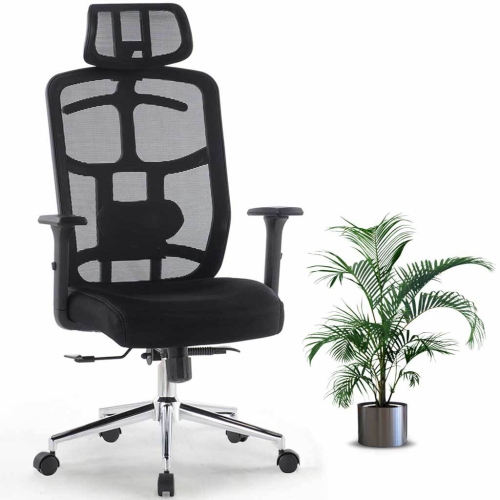 Your price for this item is $114.99
 -
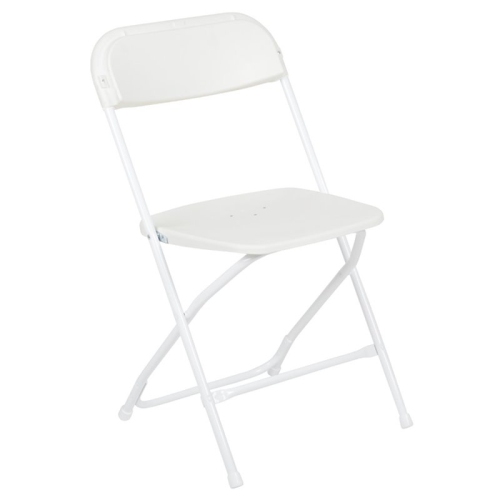 Your price for this item is $123
 -
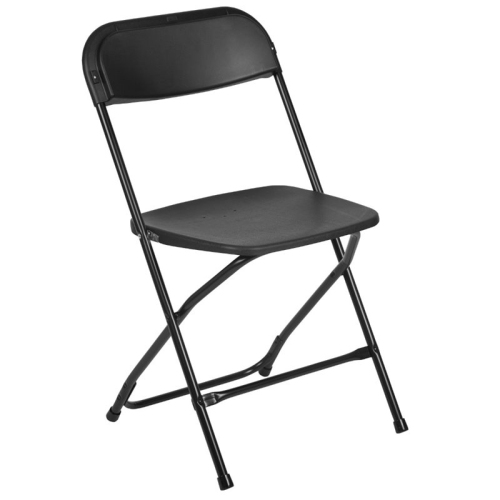 Your price for this item is $139.99
 -
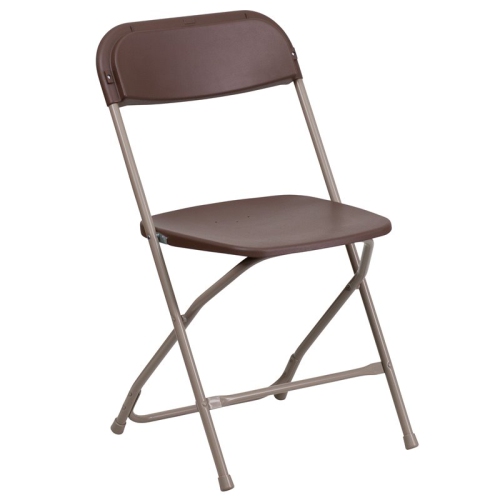 Your price for this item is $139.99
 -
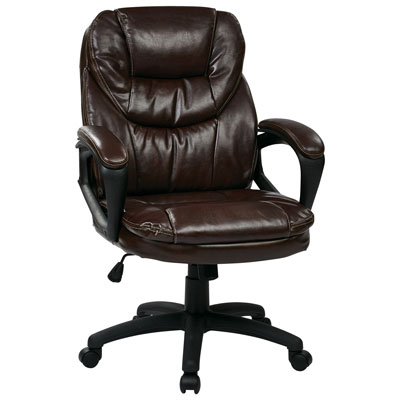 Your price for this item is $203.98
 -
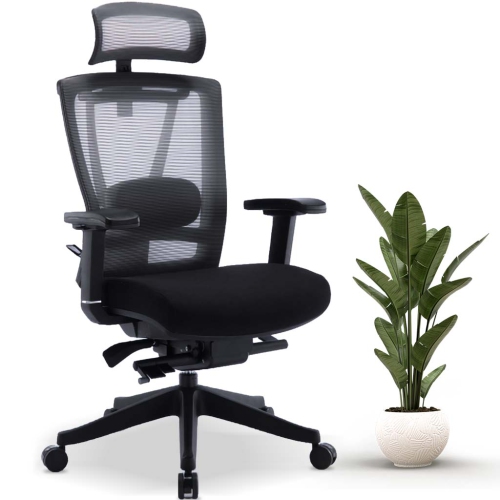 Your price for this item is $379.99
 -
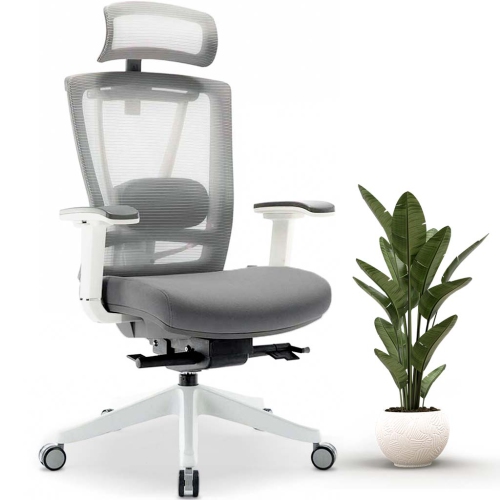 Your price for this item is $379.99
 -
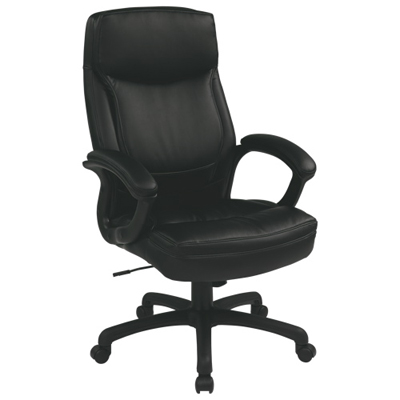 Your price for this item is $594.99
Discover more categories related to Antique Leather Office Chairs
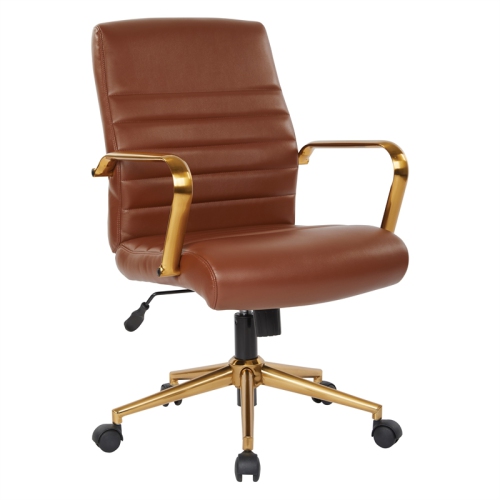
Top Collections:
Pokemon Centers, Kindle Devices, Best Budget Office Chairs, Apple iPhones 16, Best Laptops for Writers, iPhone 15 Apple, Canon G7X Cameras, Refurbished Apple Laptops, Alarm Clock, Motorola Razr Phones
Some products may be subject to Environmental Handling Fees
(EHF) depending on your province.
Learn more about EHFs.