Black Leather Office Chairs
A leather office chair is a great addition to any office. It adds elegance and comfort to the place. Leather chairs are also very durable and long-lasting. Here are some of the best black leather office chairs available today.
Sort

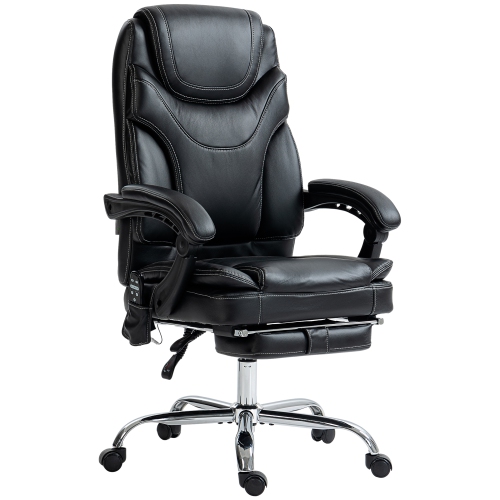
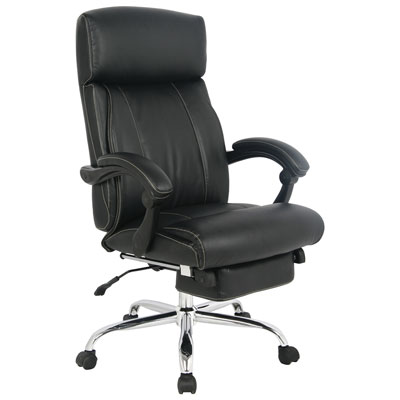
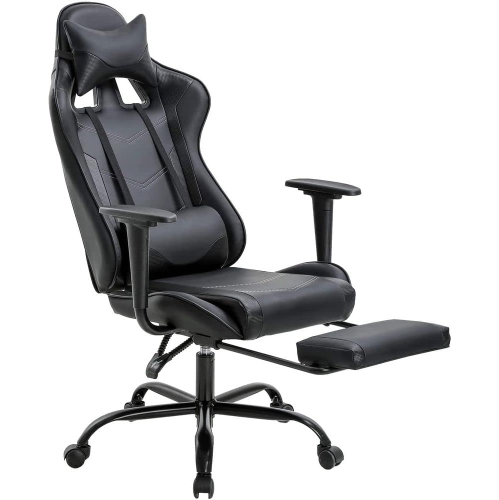
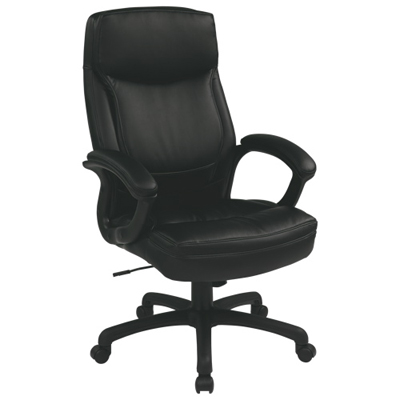

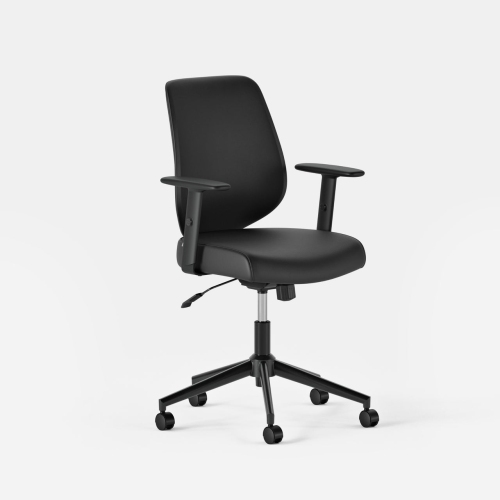
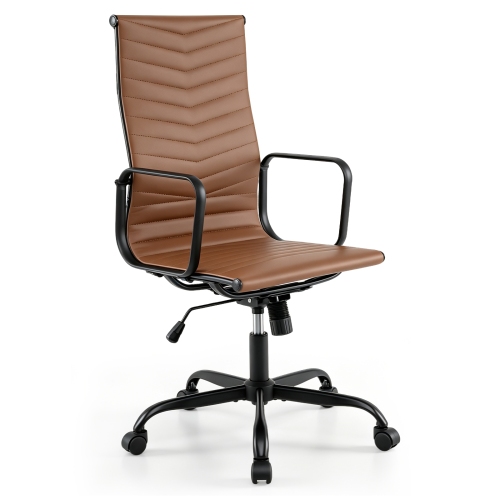
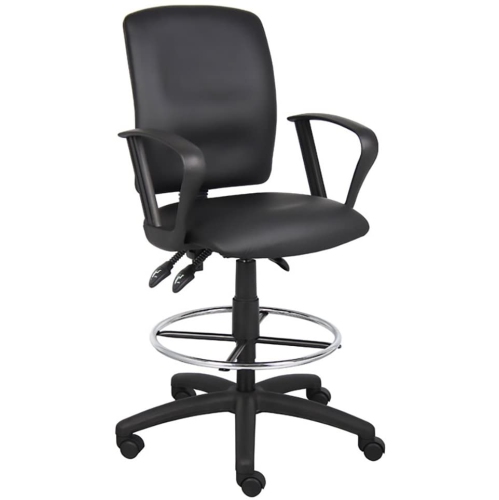
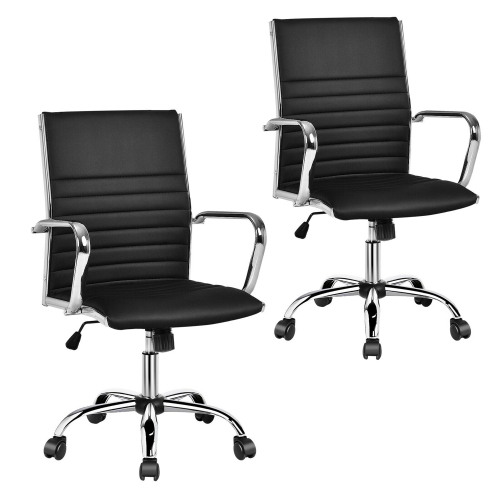
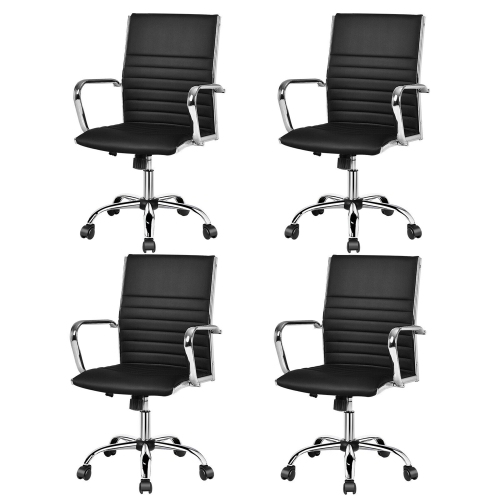
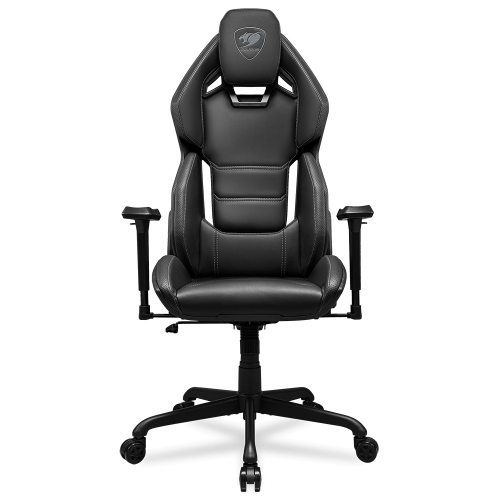

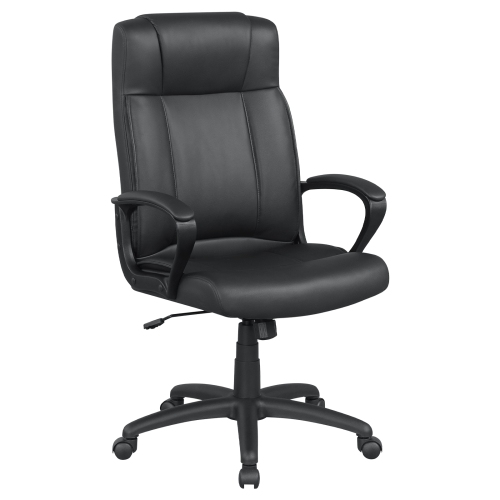
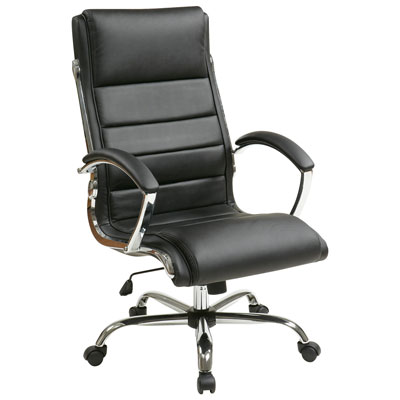

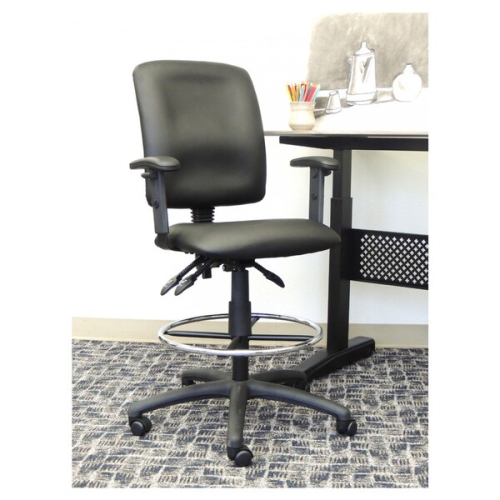
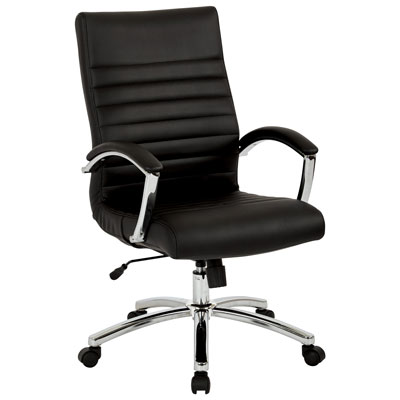
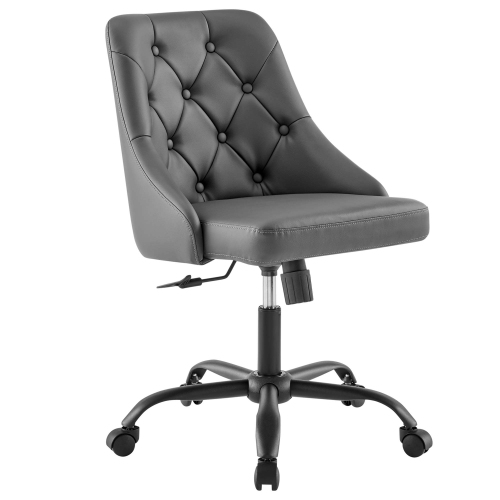
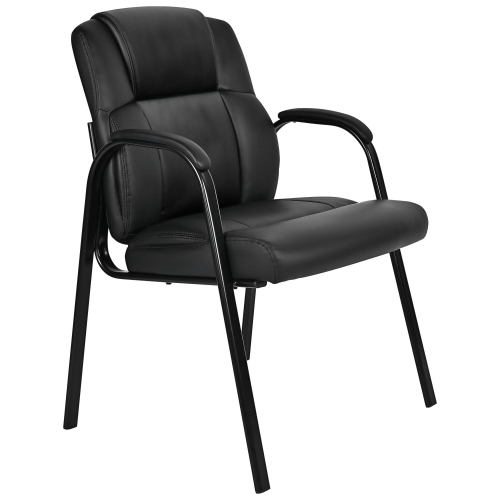



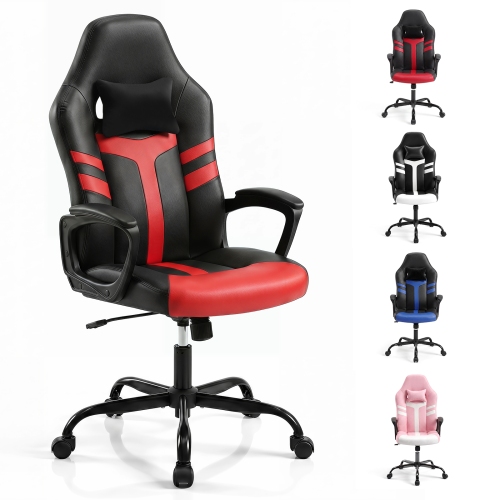
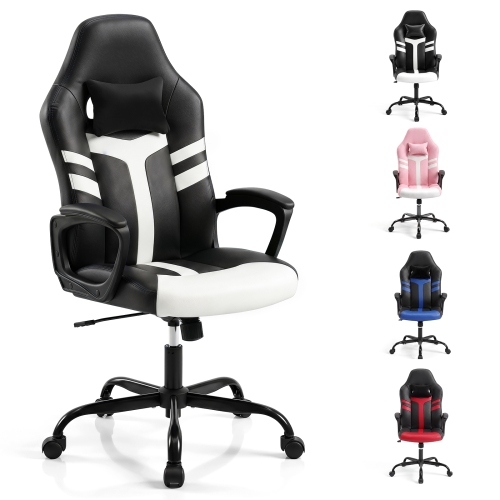
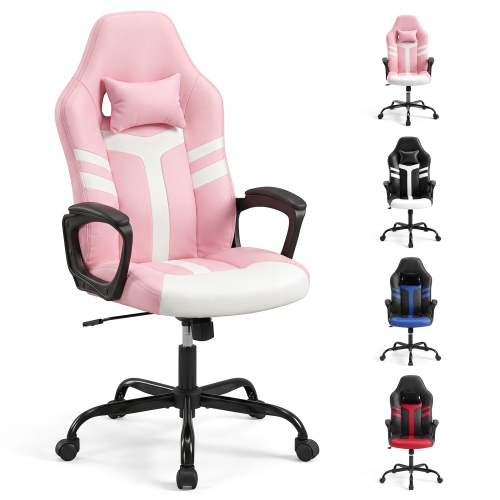
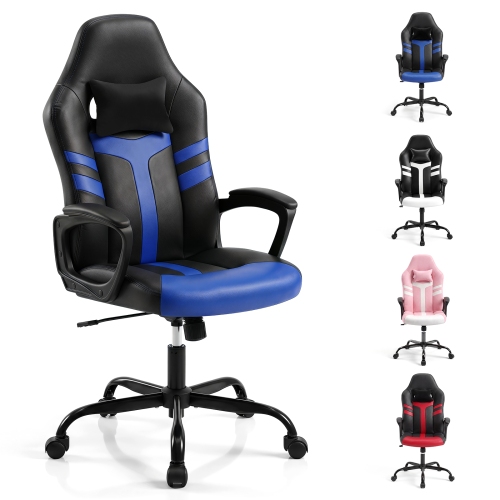
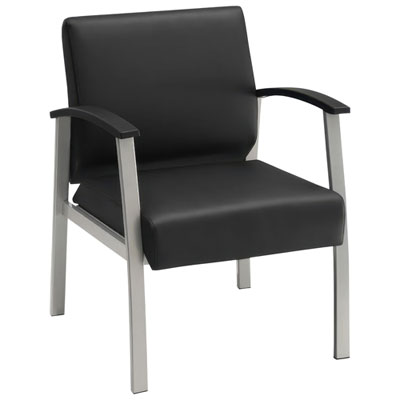
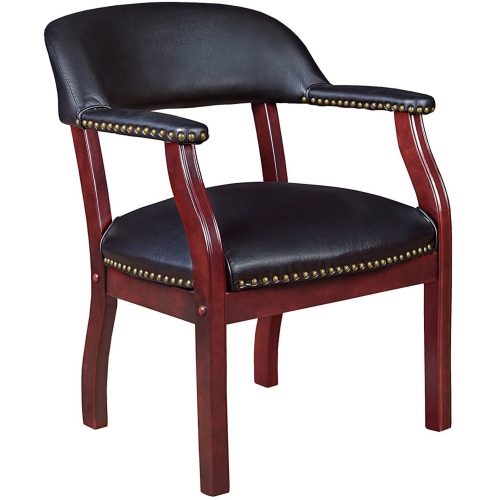
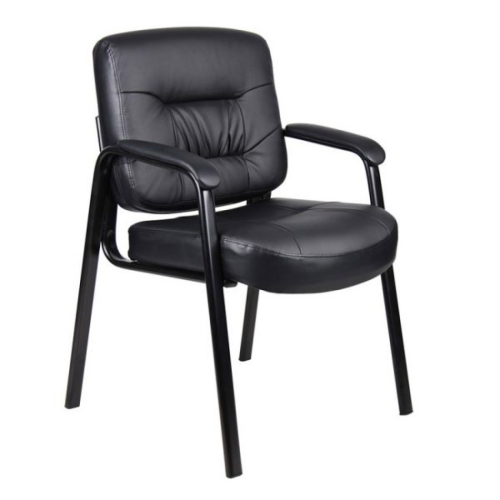
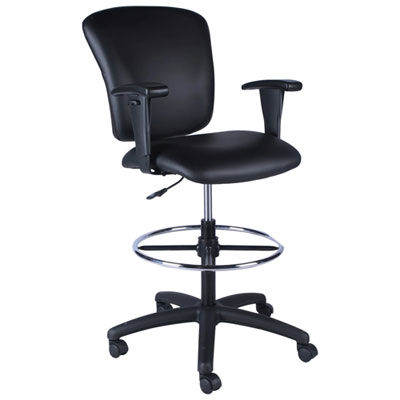
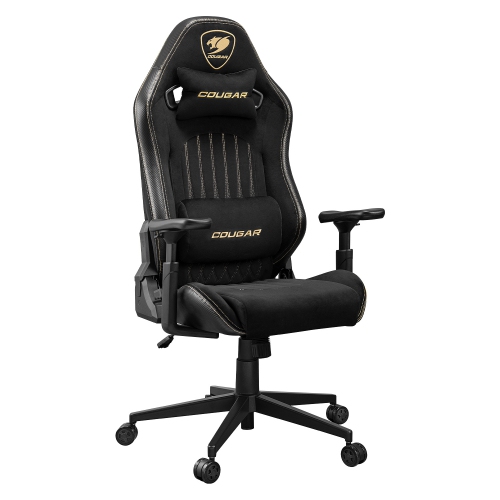
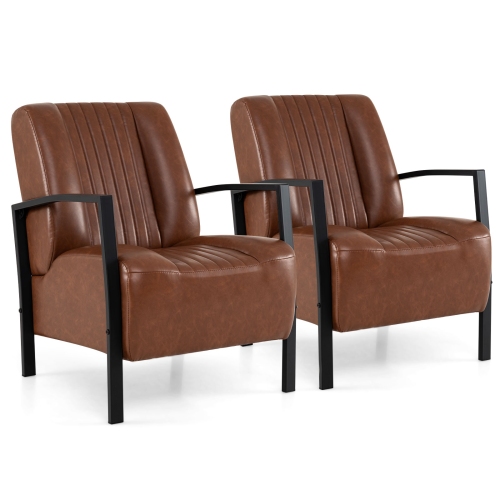
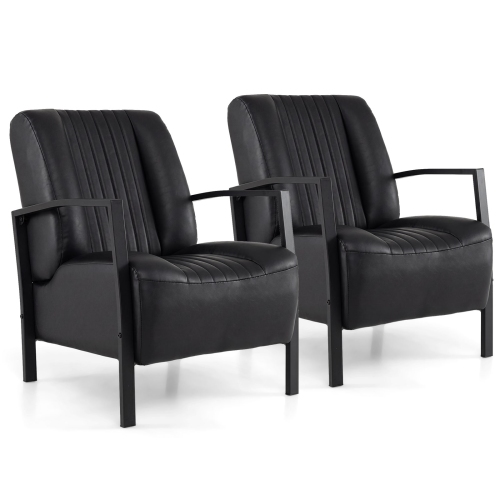
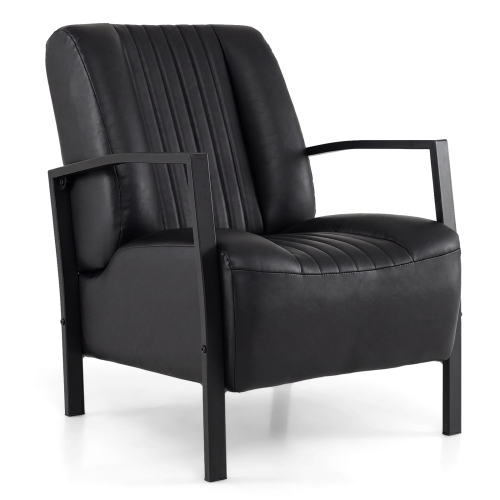
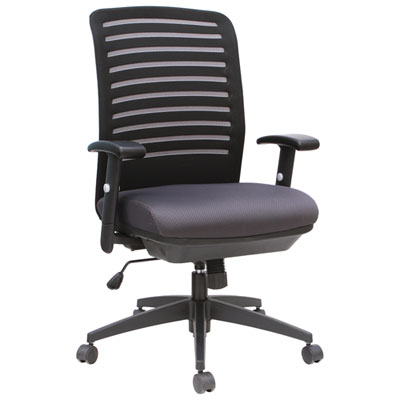
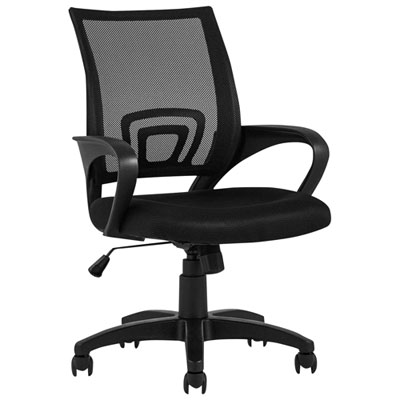
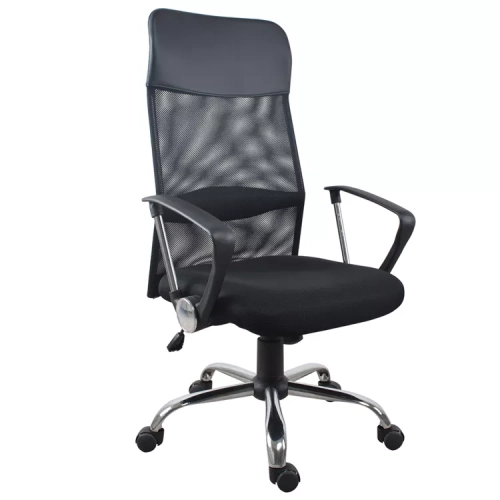
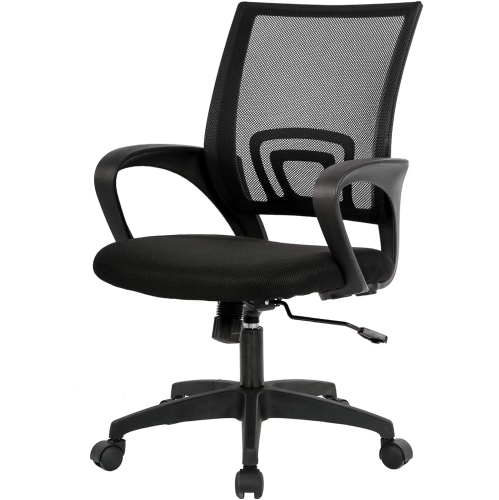

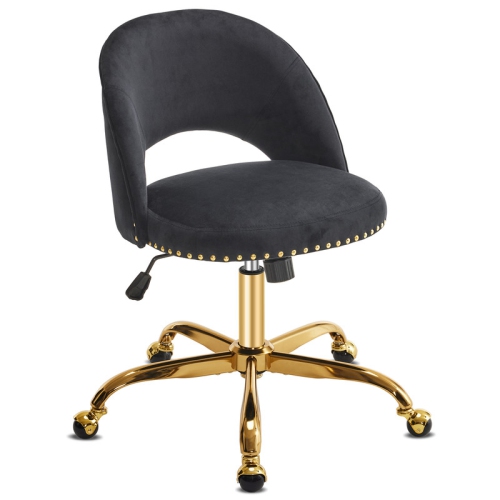
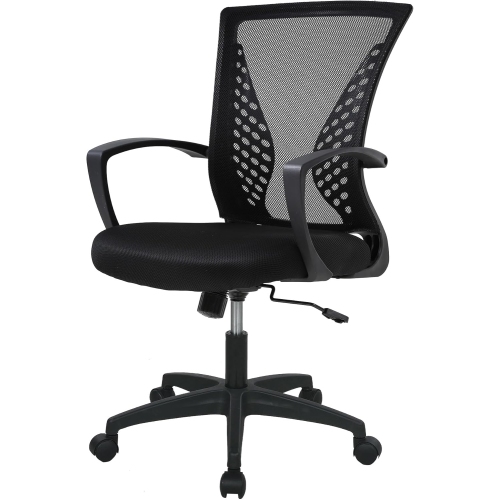
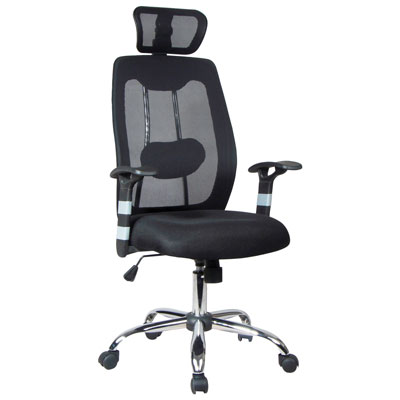
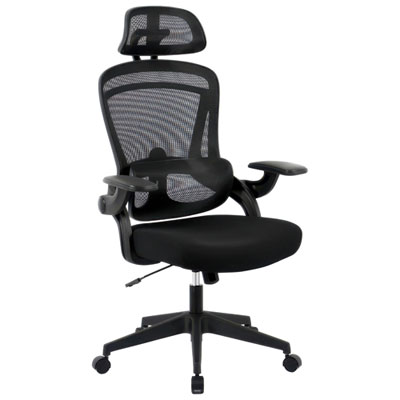
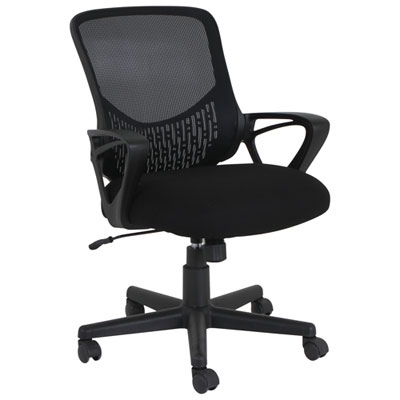
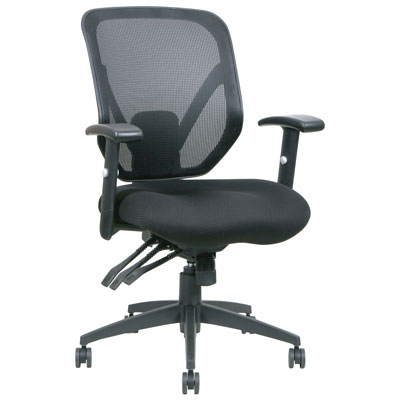
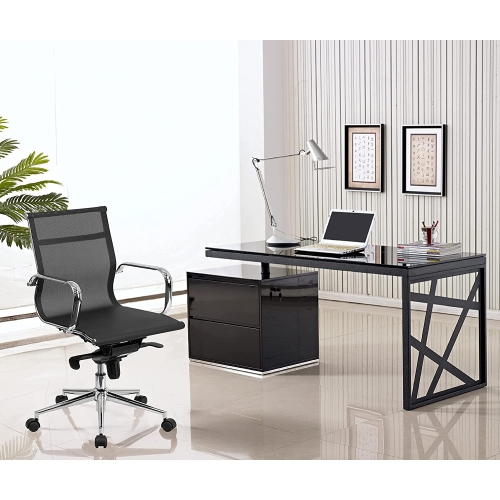
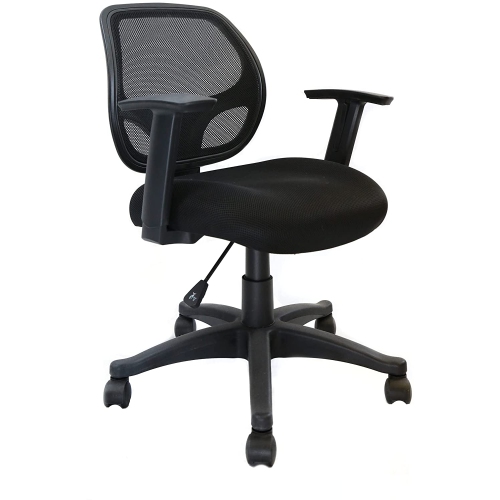

Why chair comfort goes beyond thick cushioning
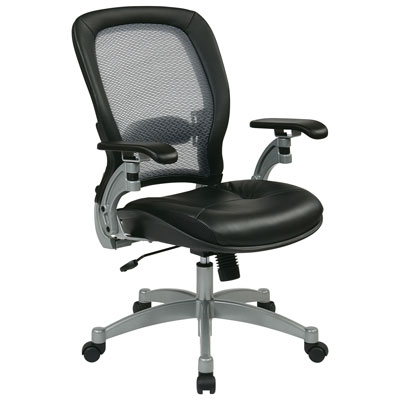
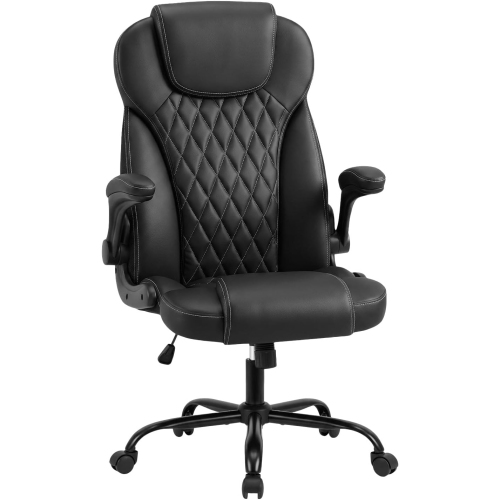
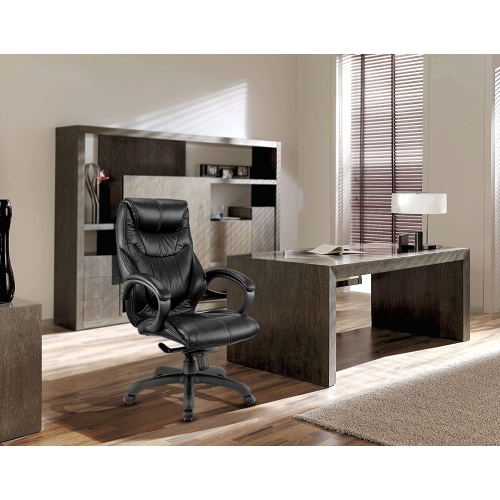
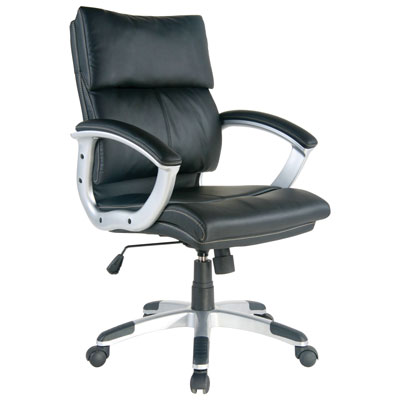
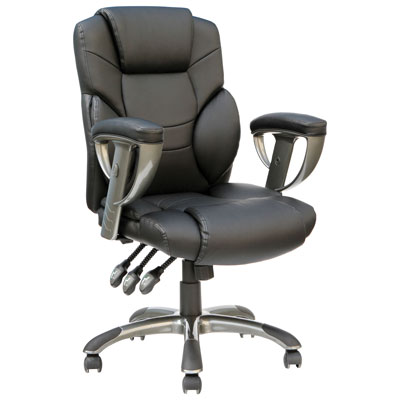
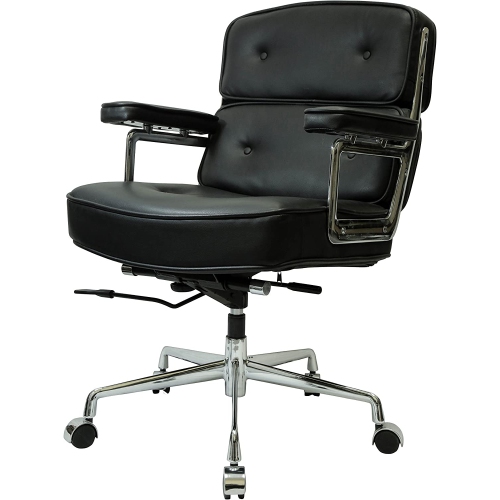
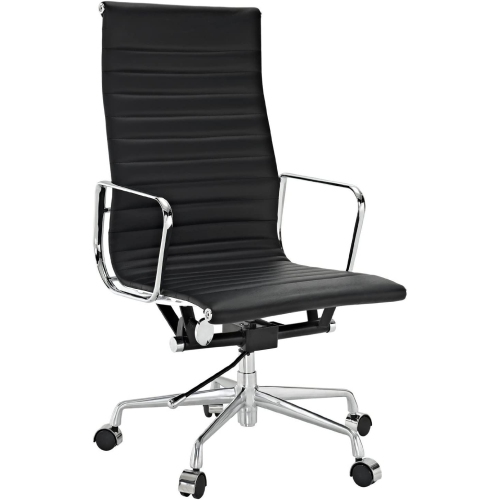
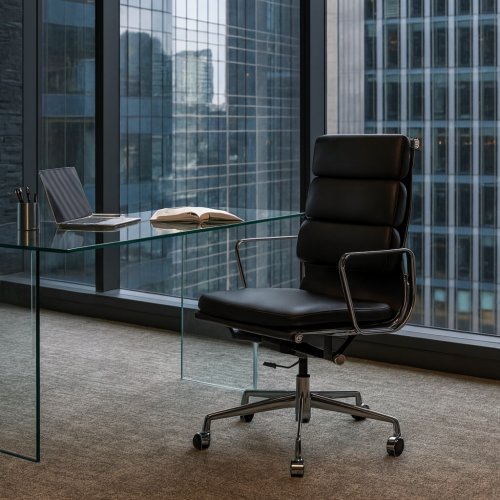
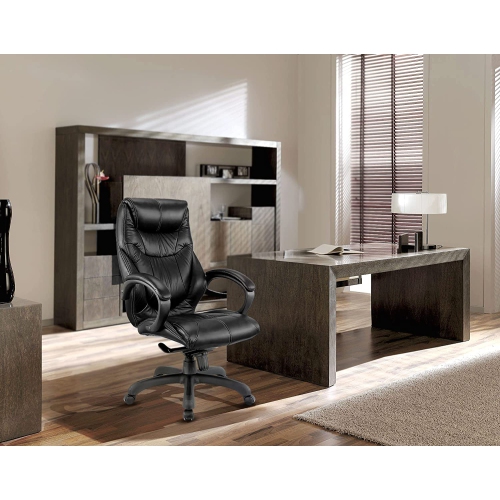
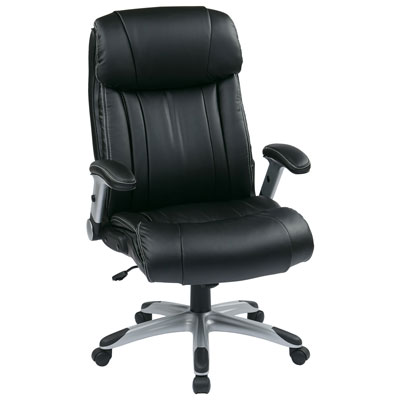
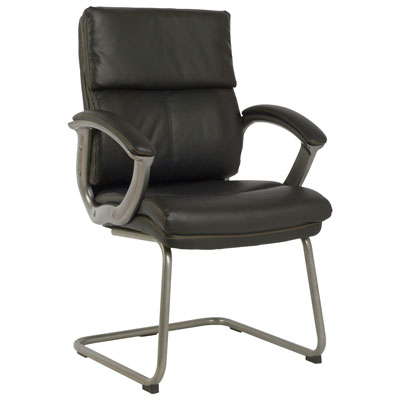
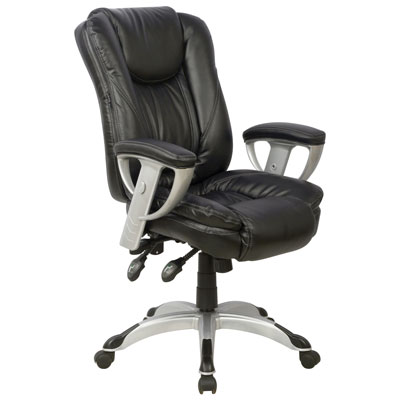
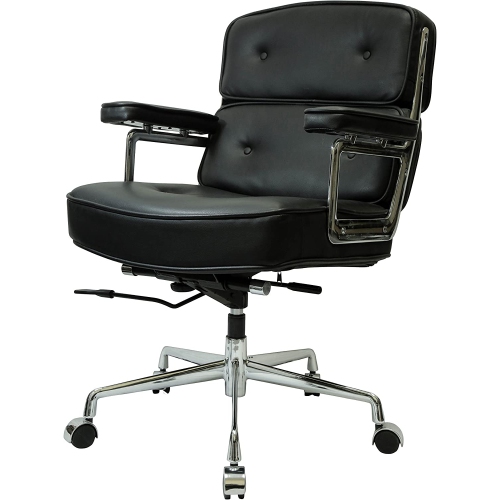
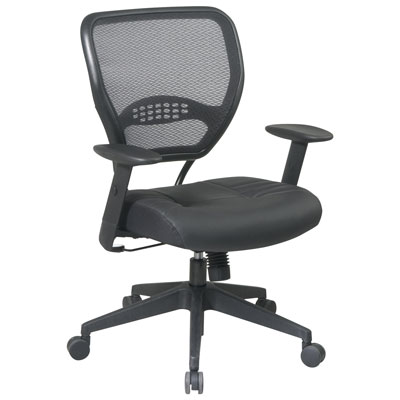
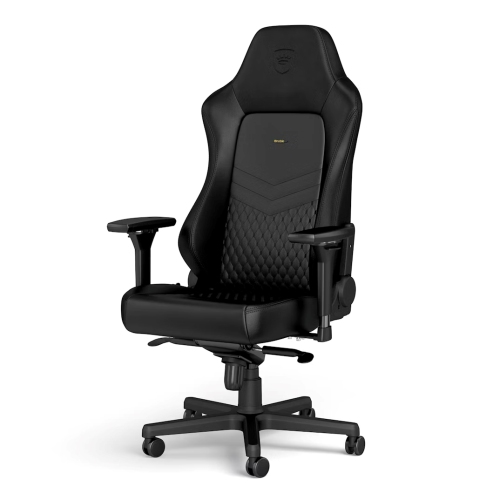
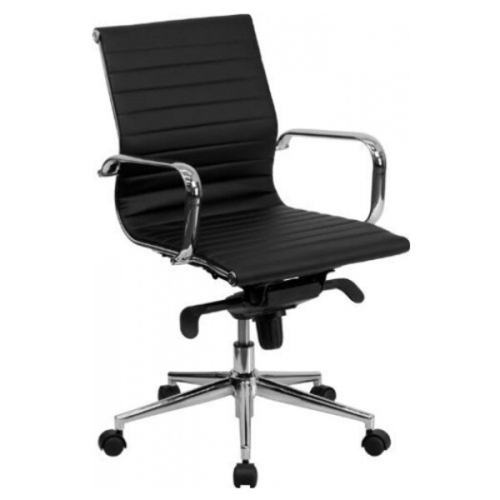
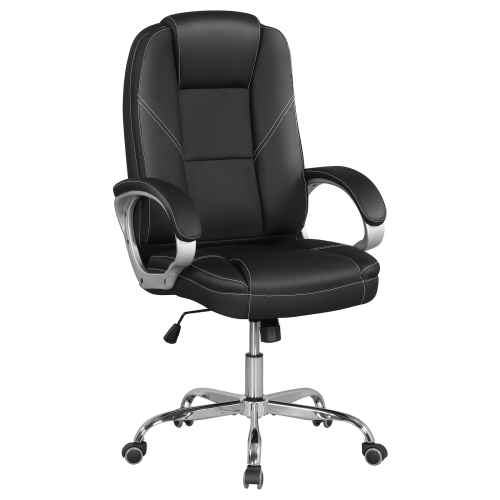
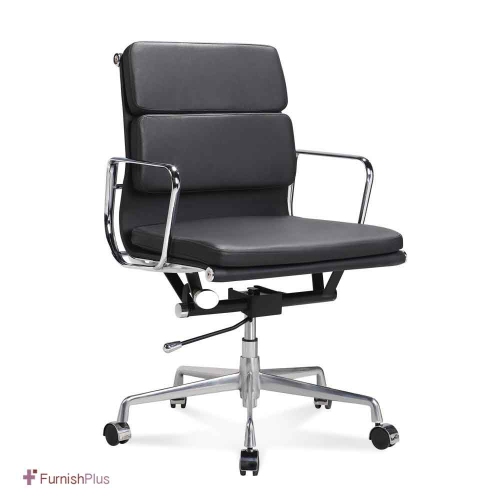
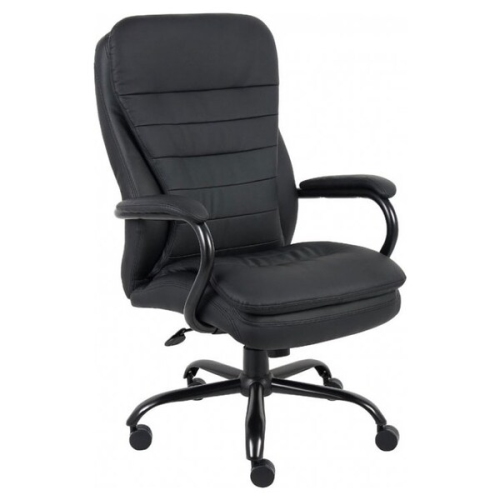
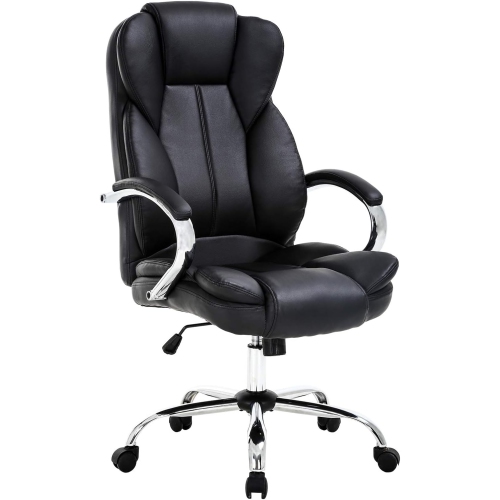
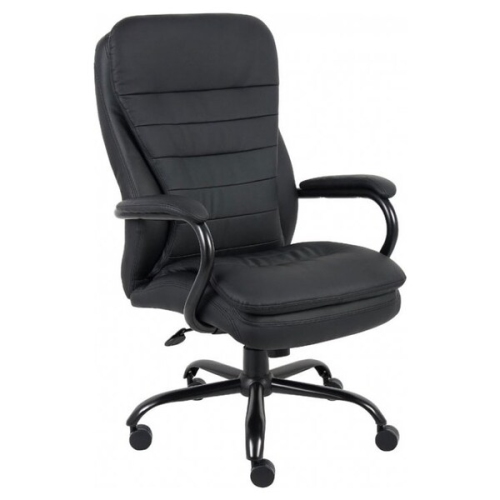
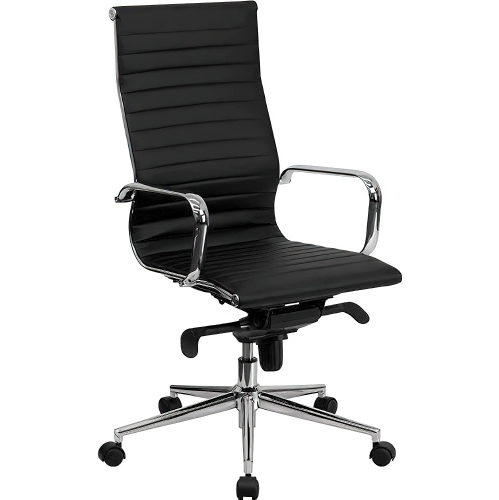
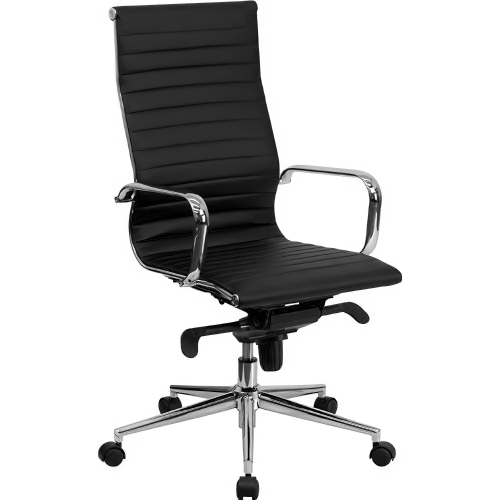
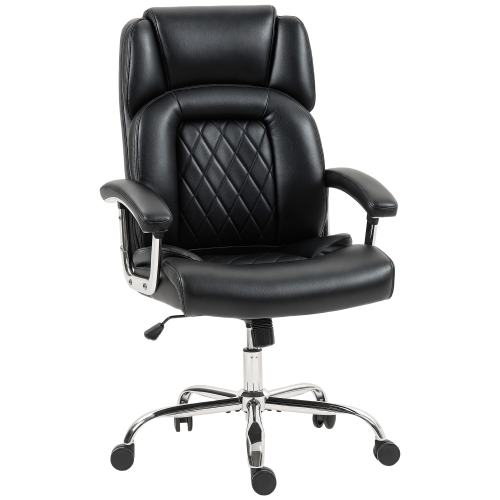
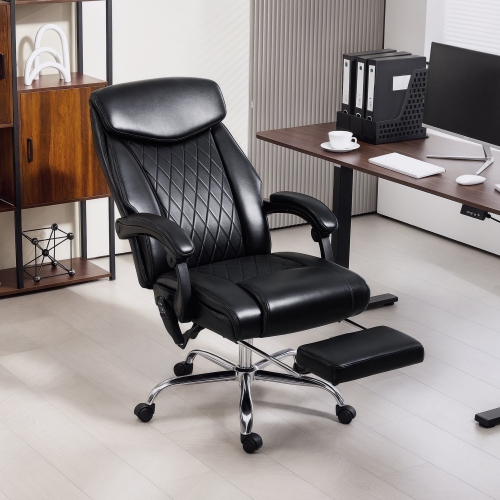
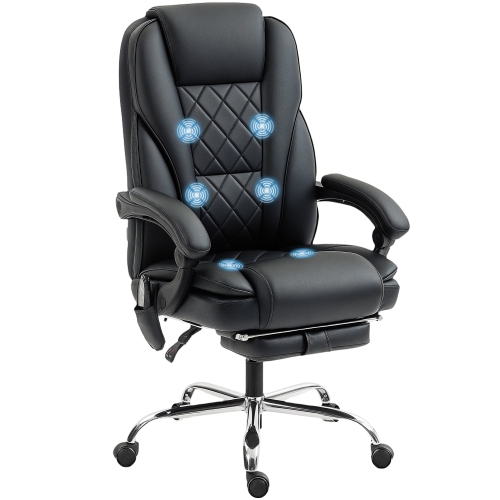
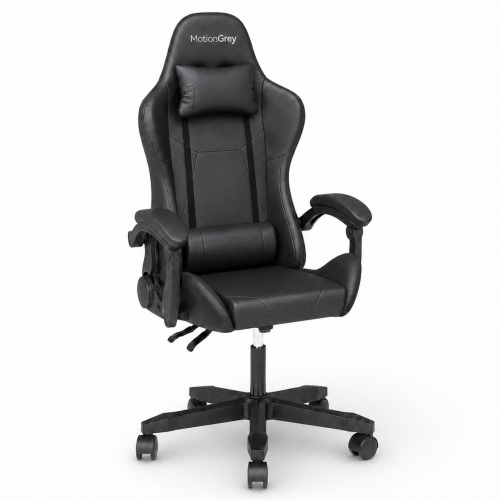
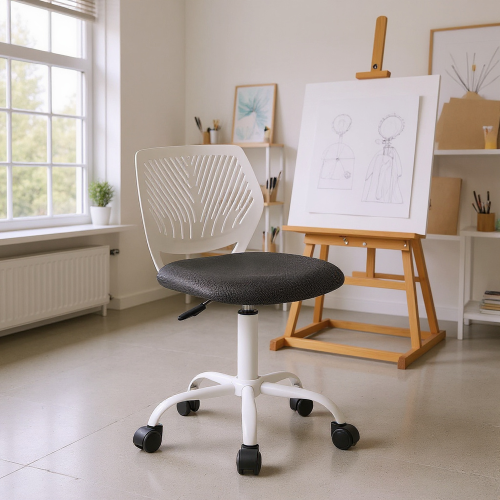
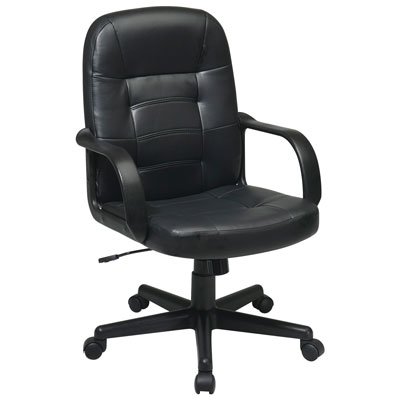
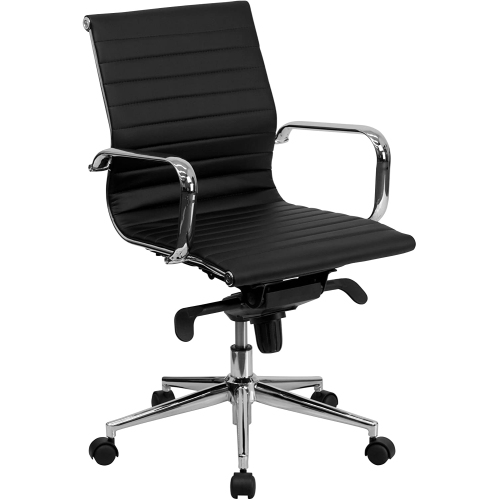
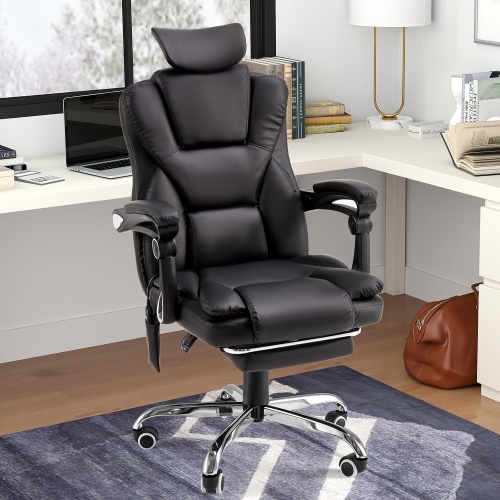
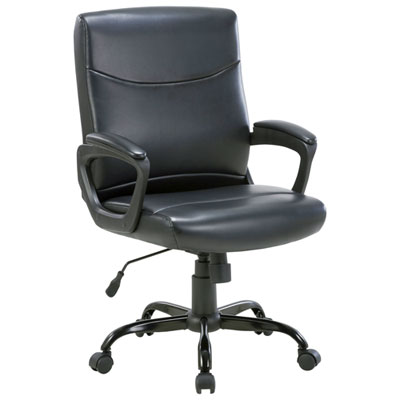
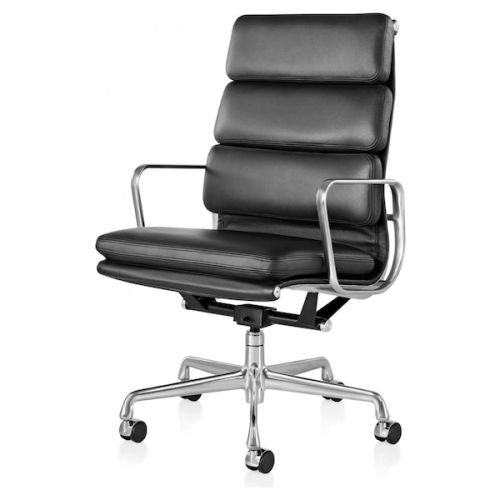
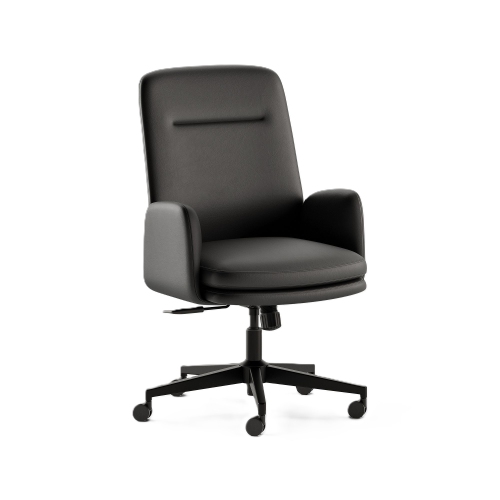
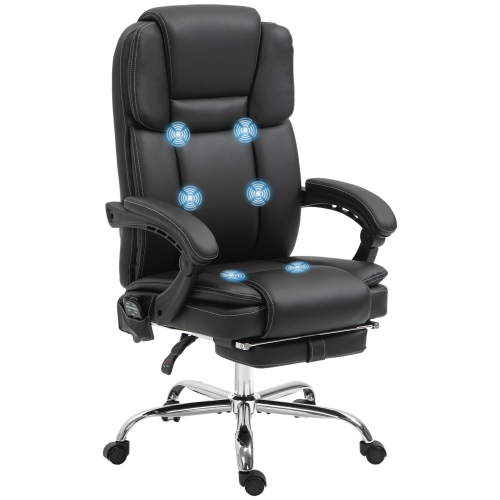
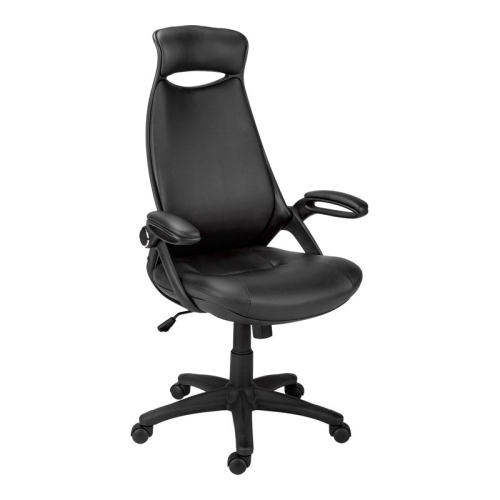
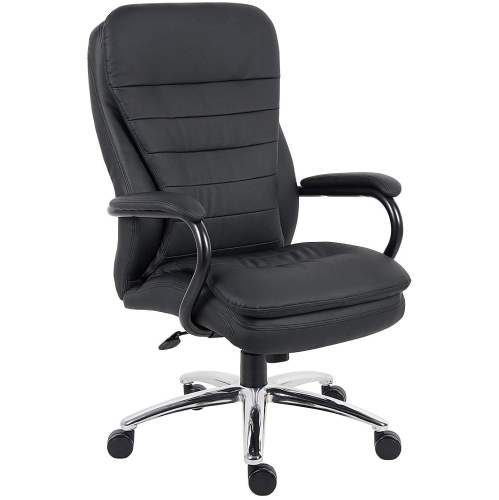
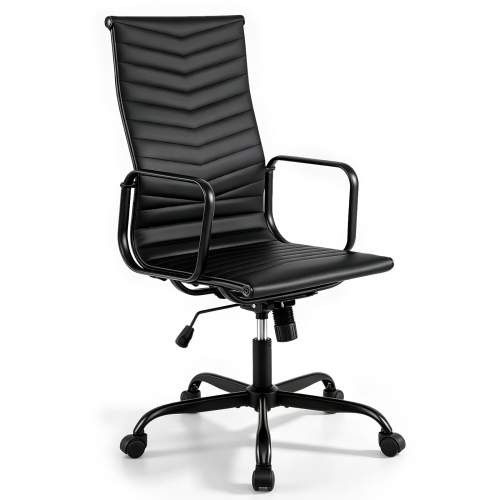
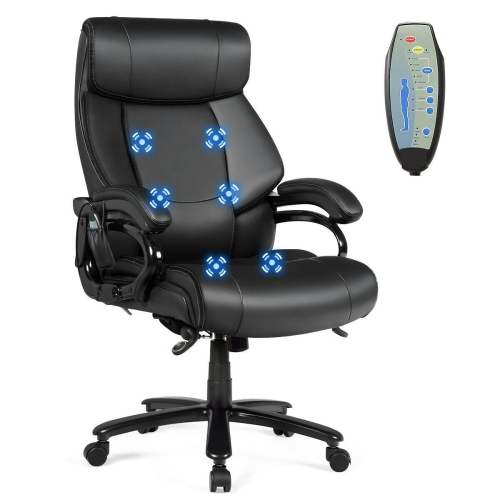
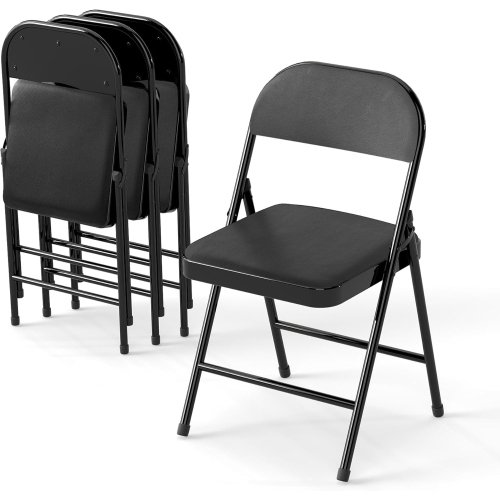
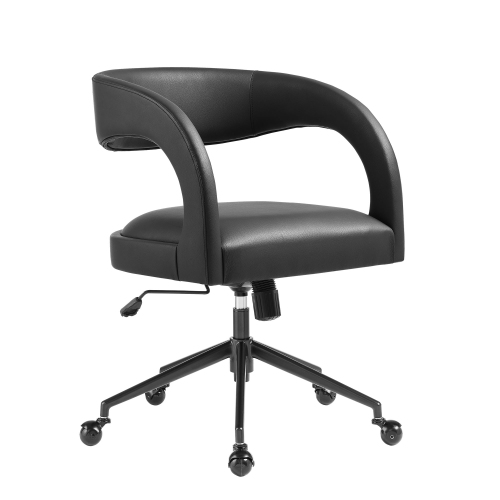
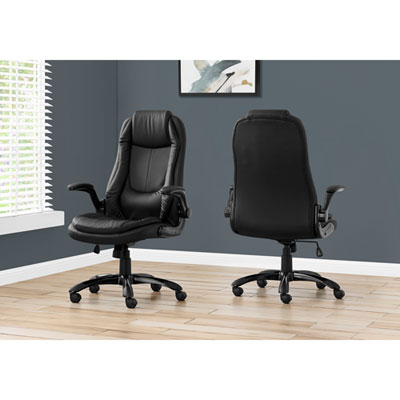
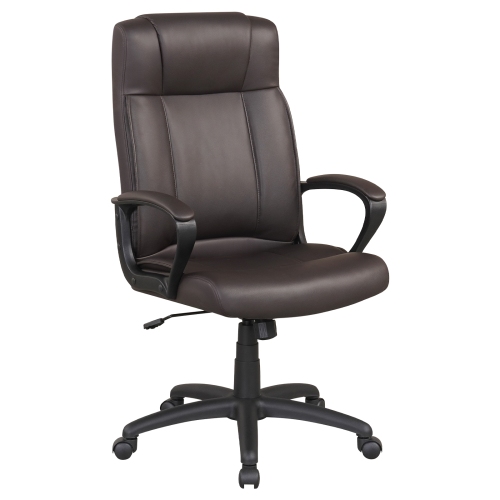
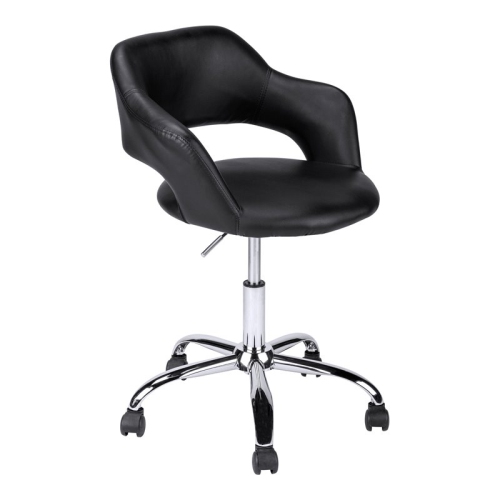
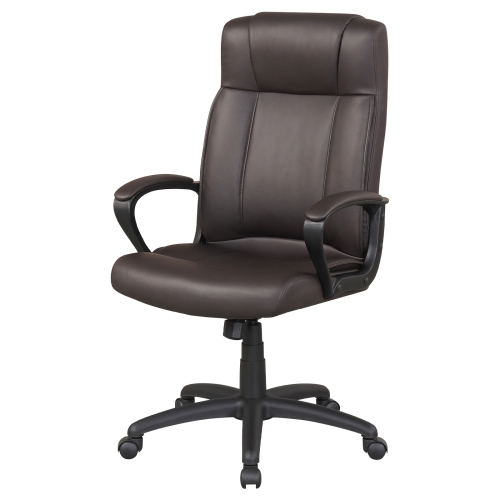
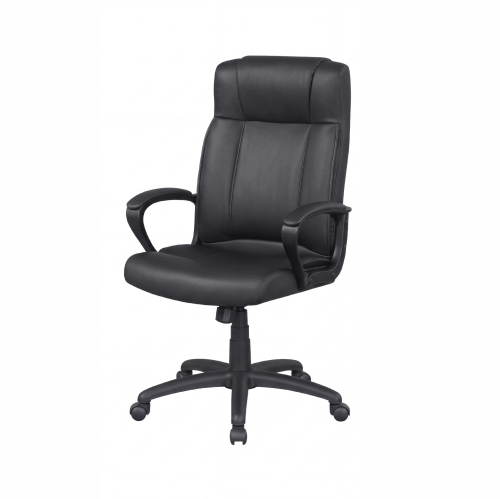
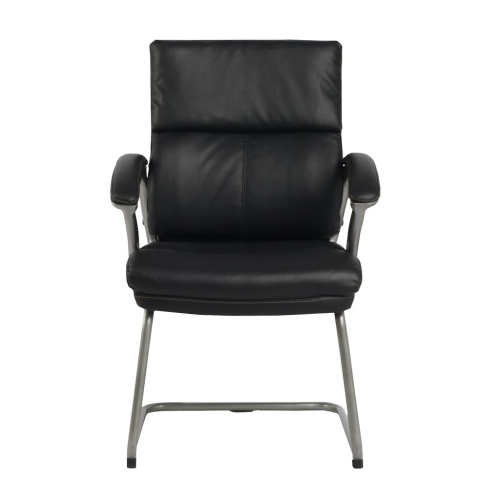
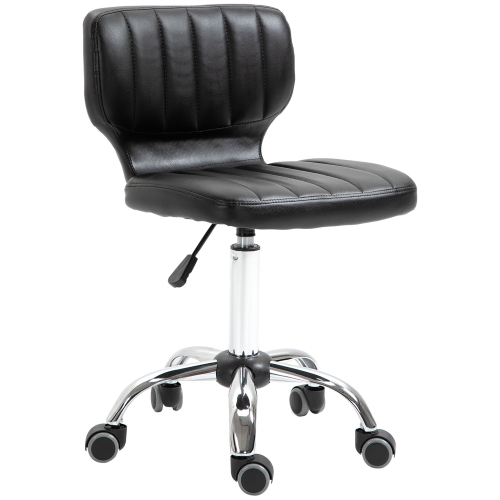
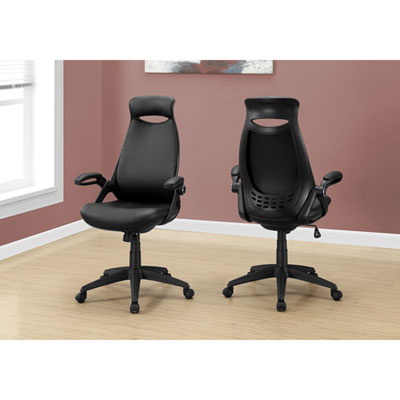
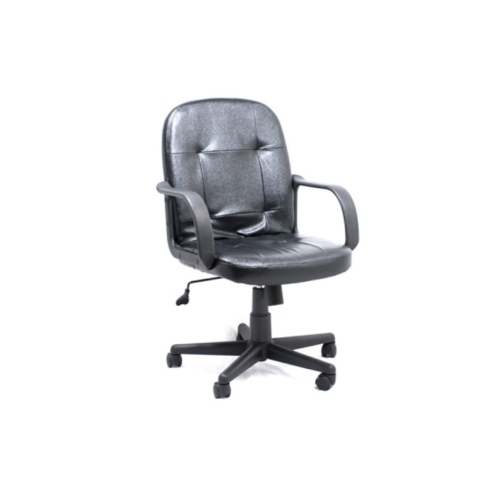
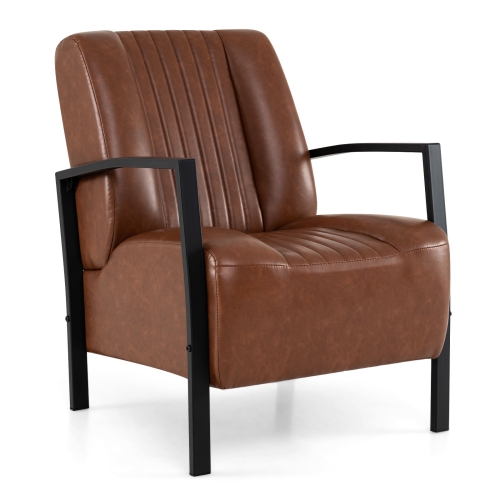
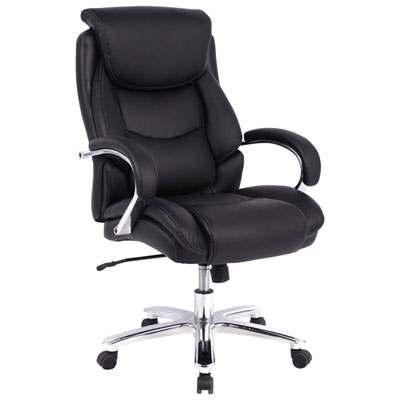
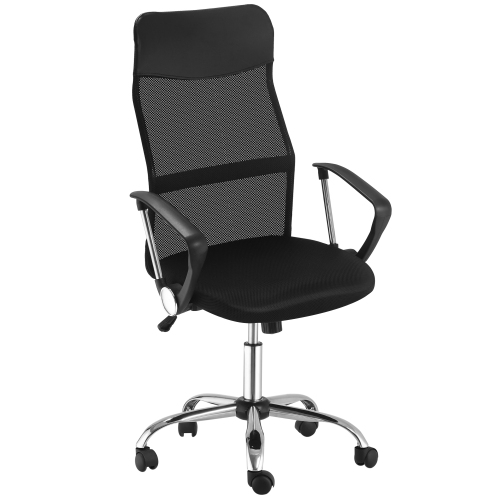
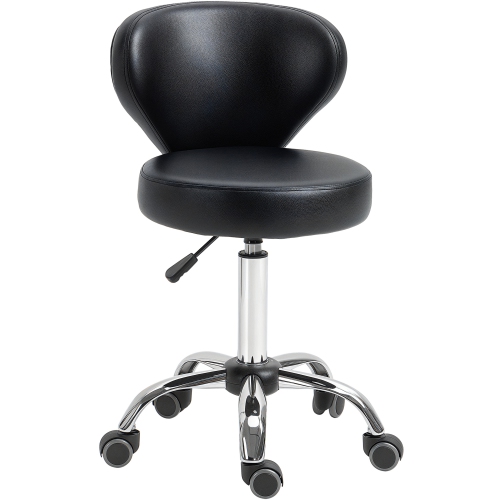
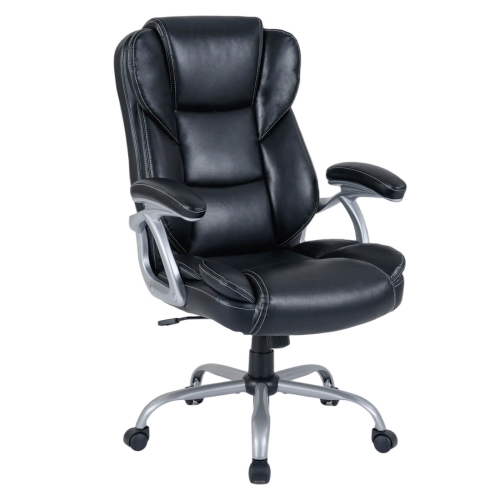
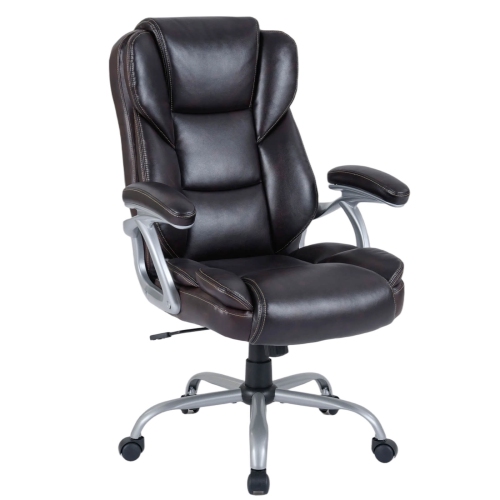
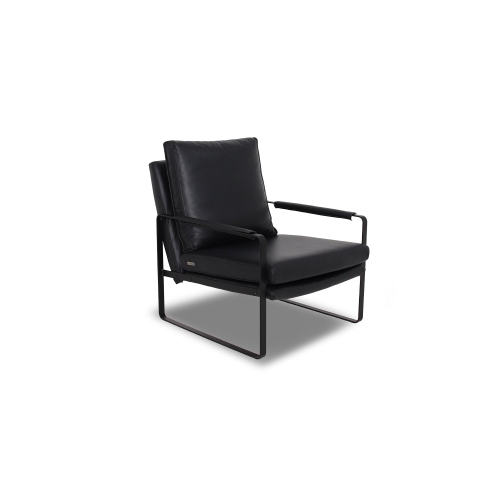
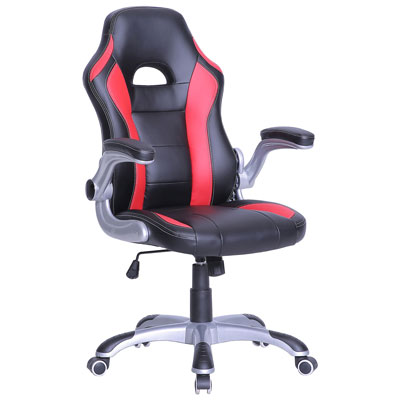
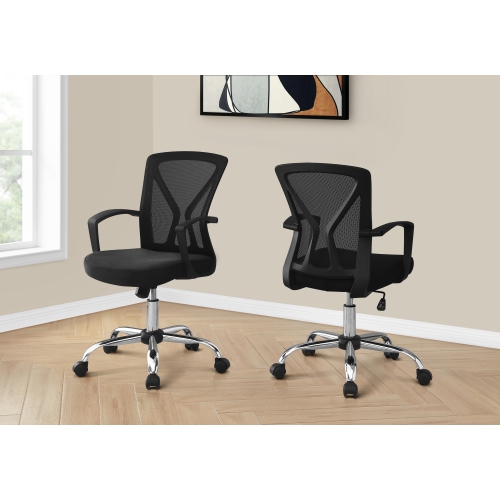
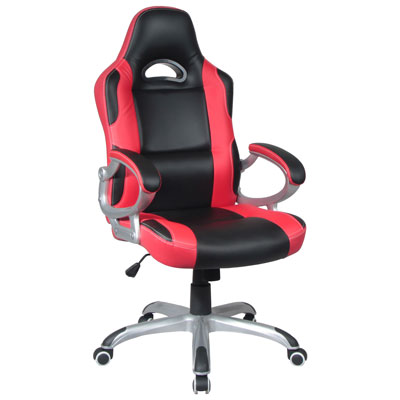
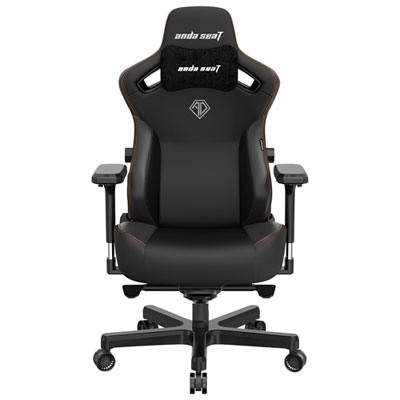
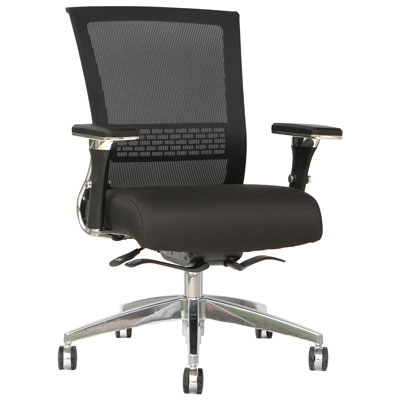
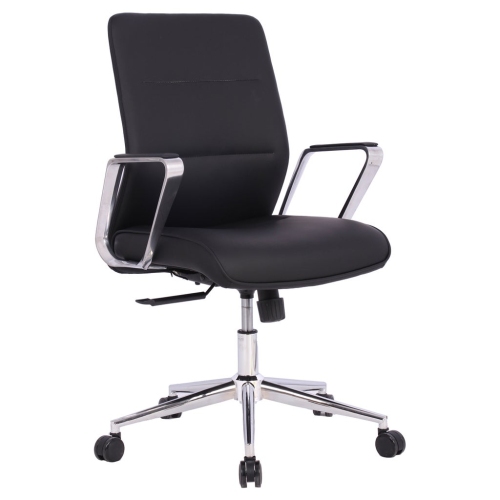
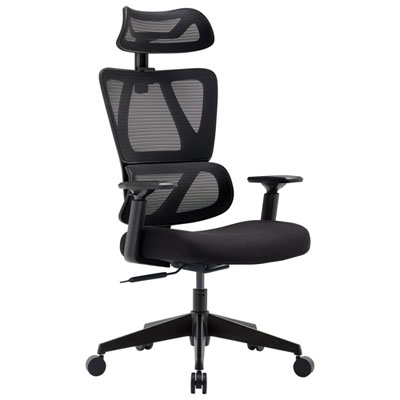
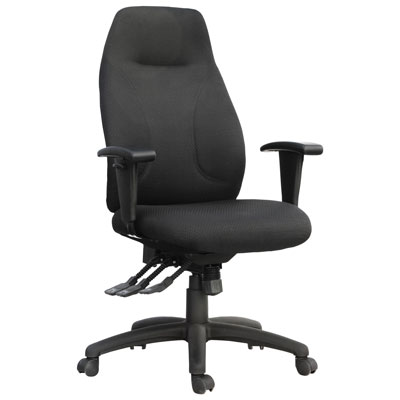
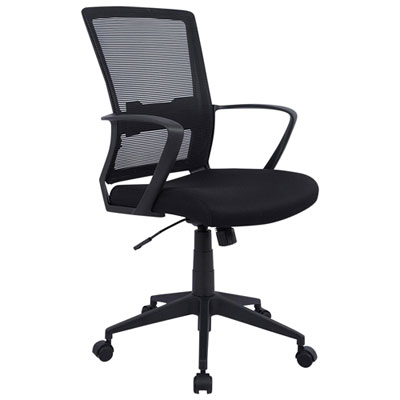
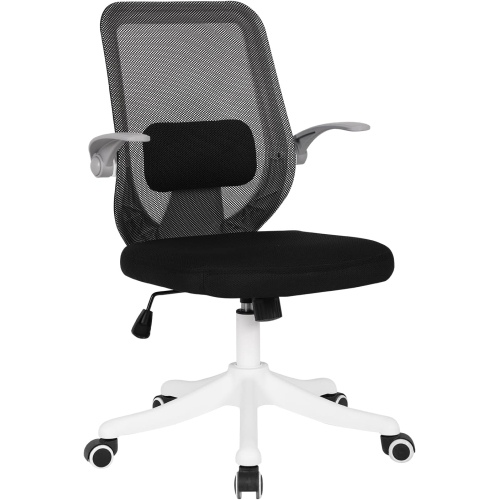
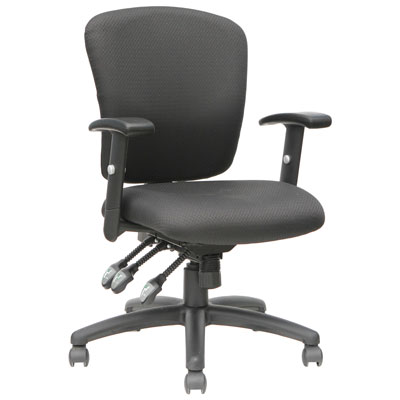
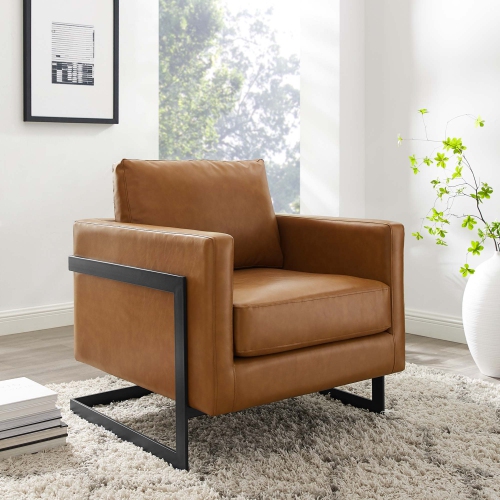
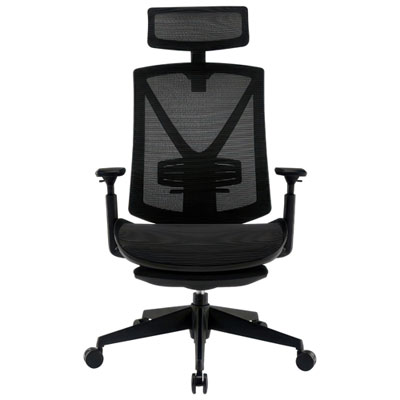
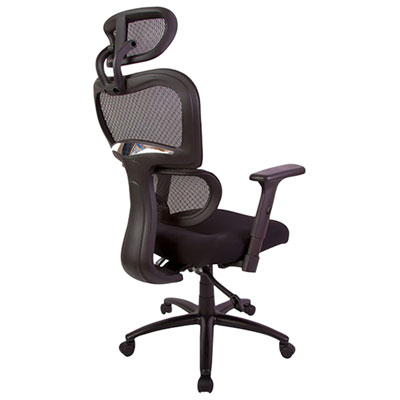
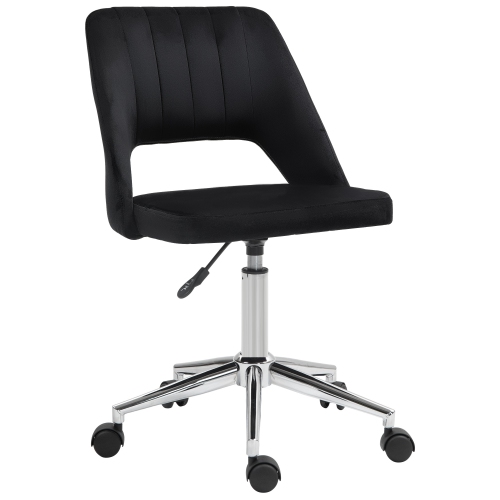
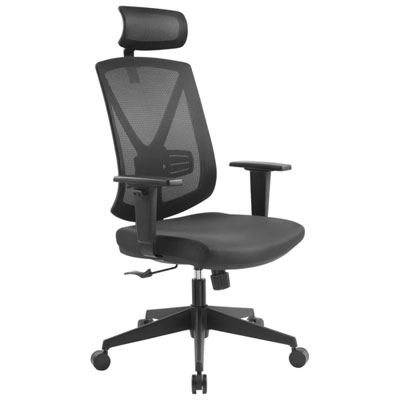
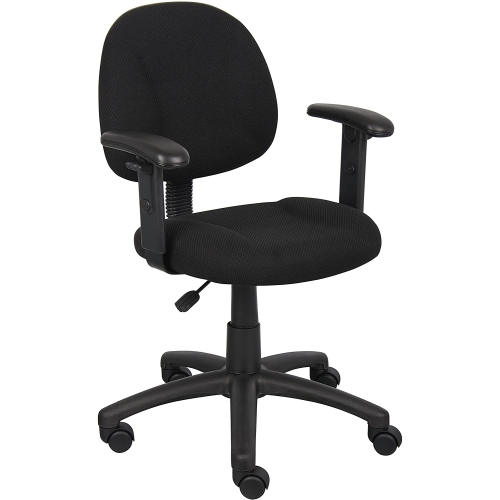
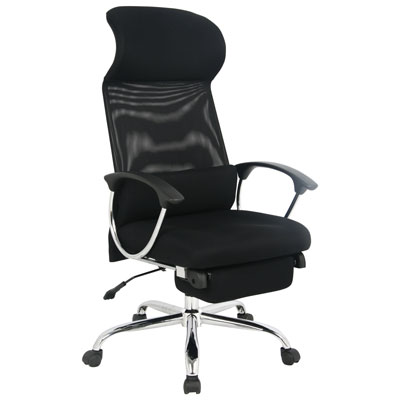
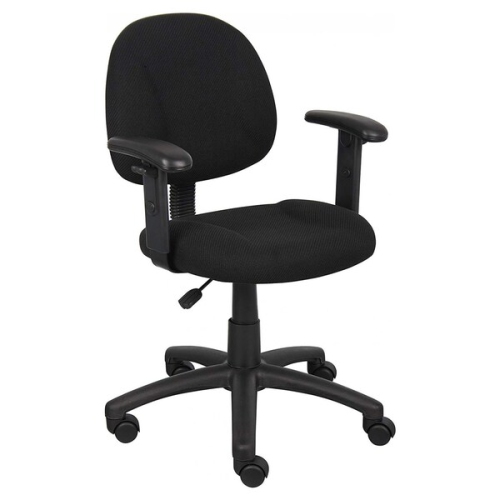
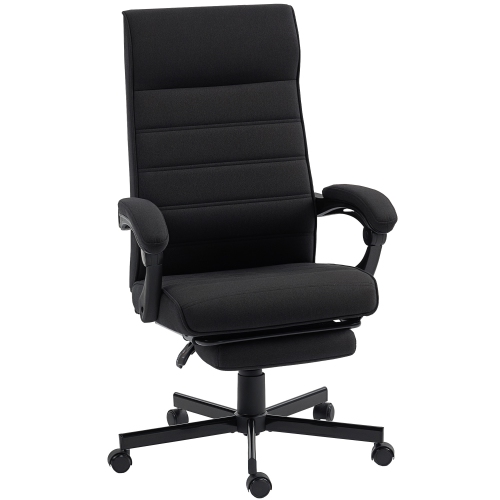
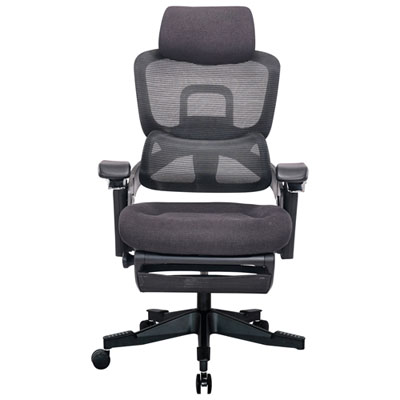
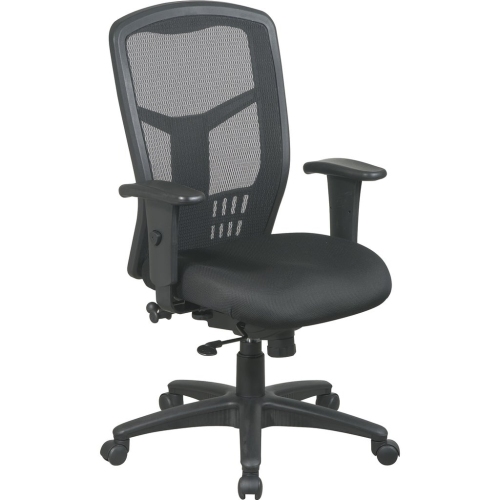
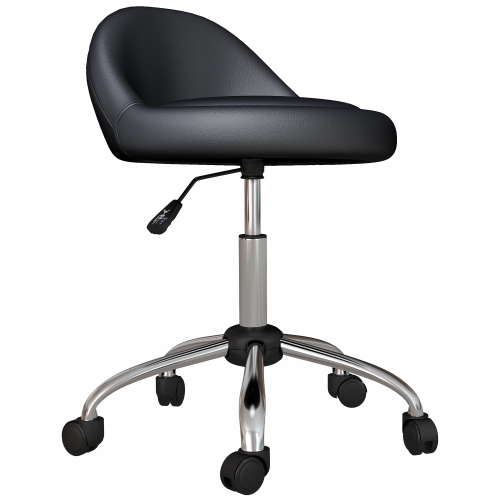
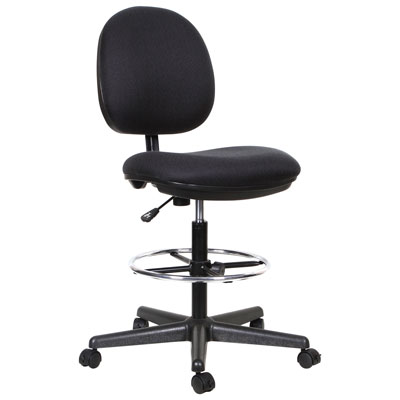
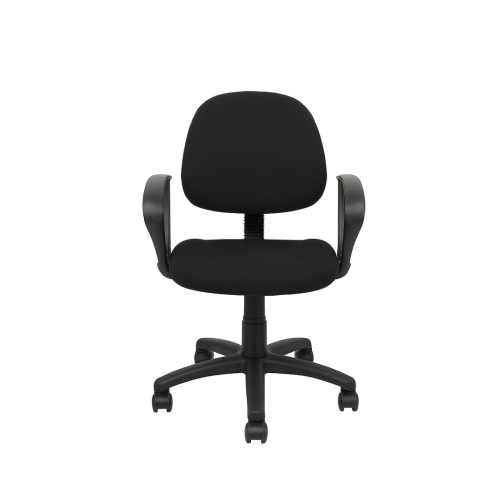
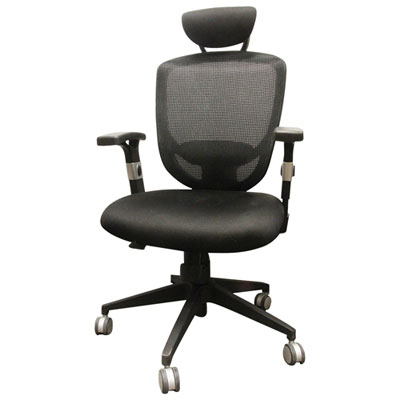
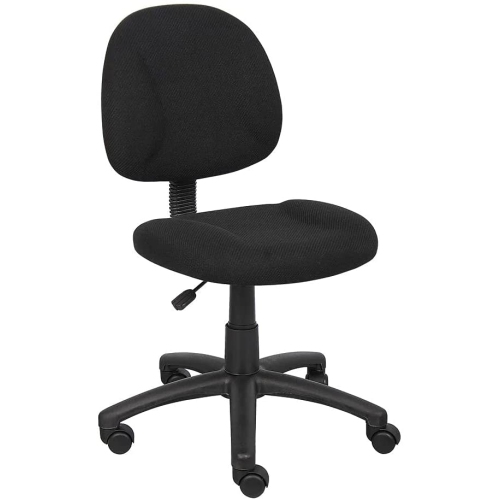
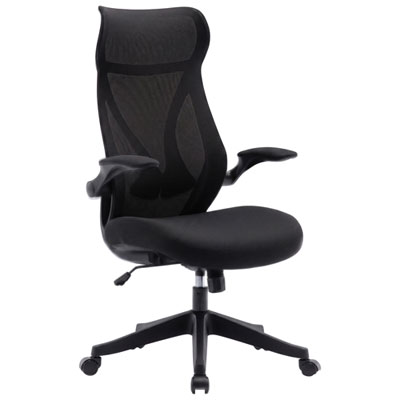
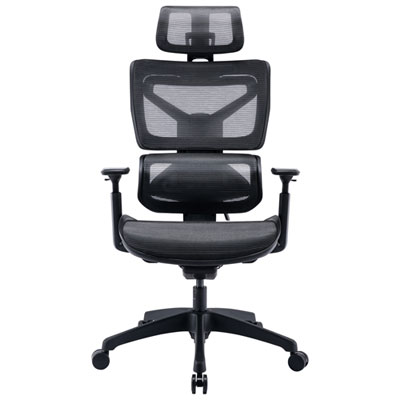
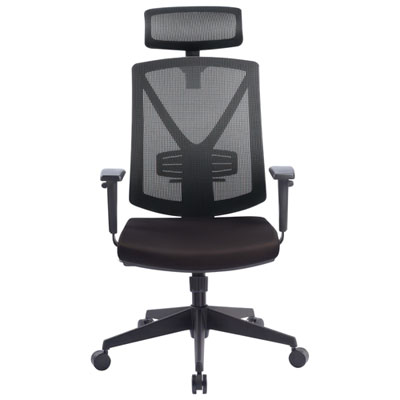
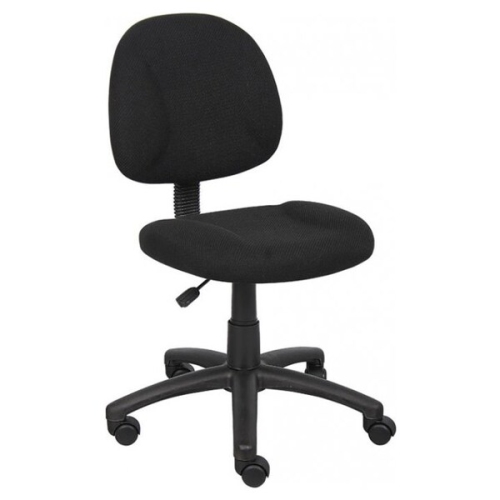
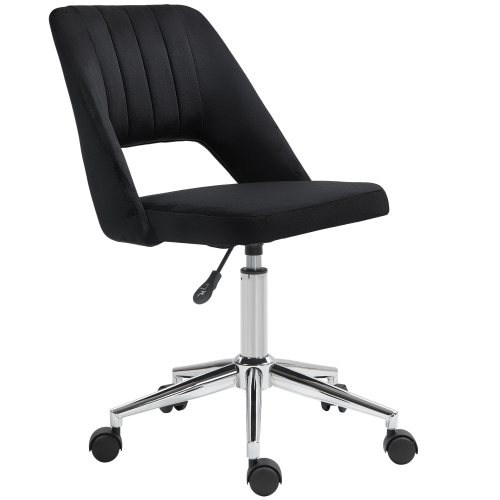
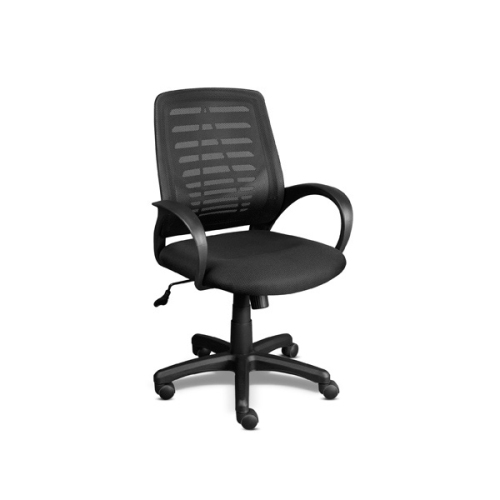
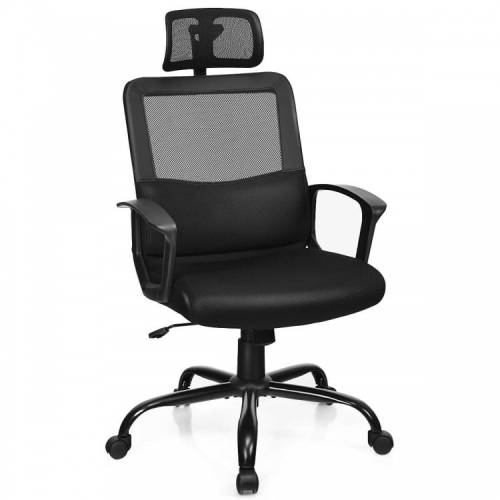
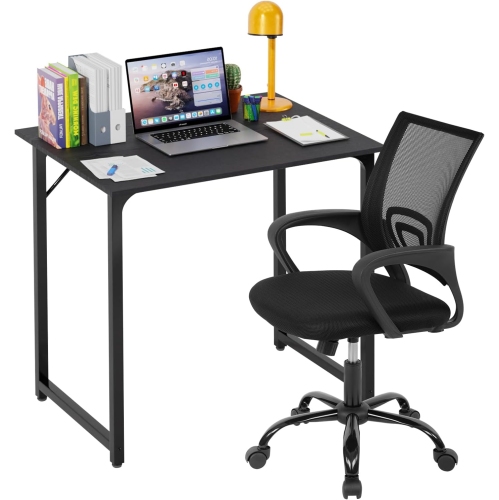
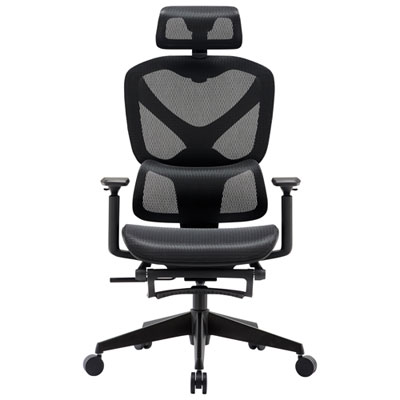
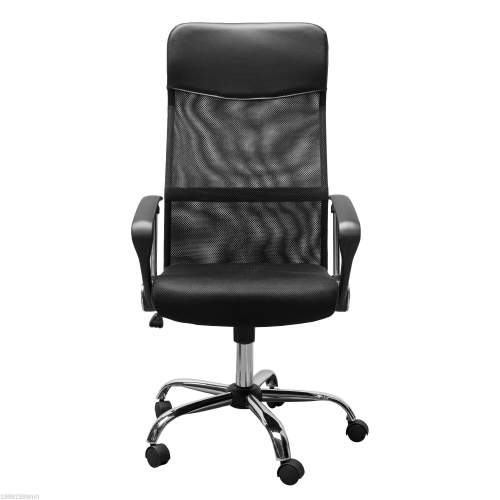
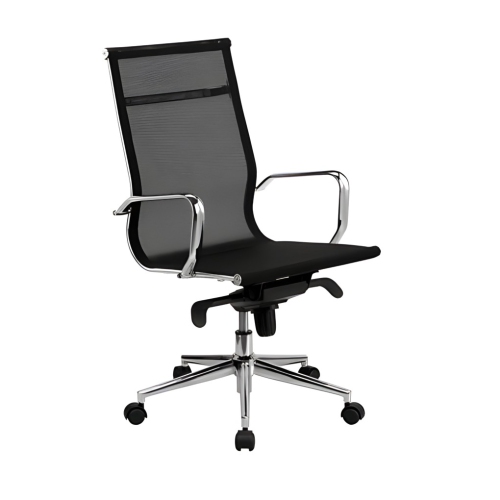
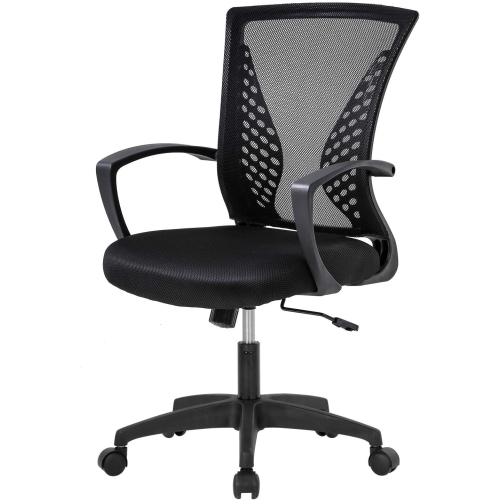
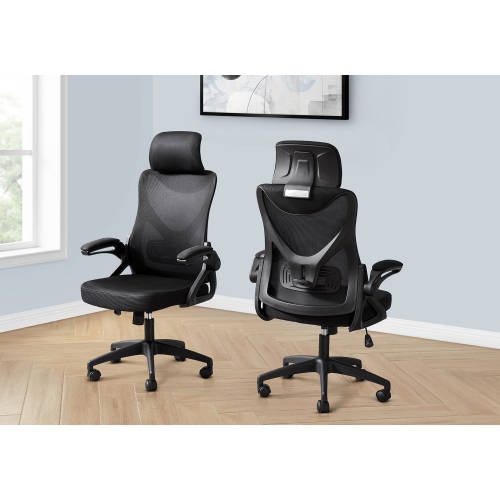
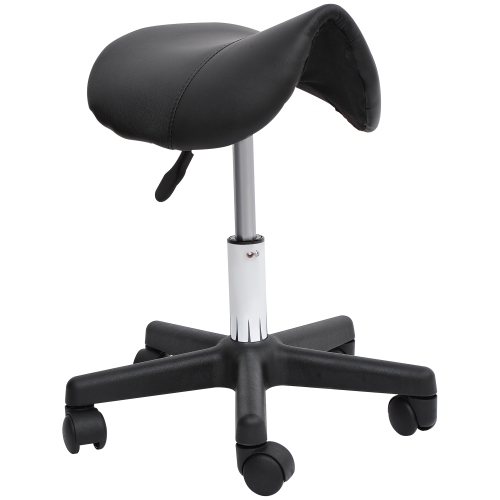
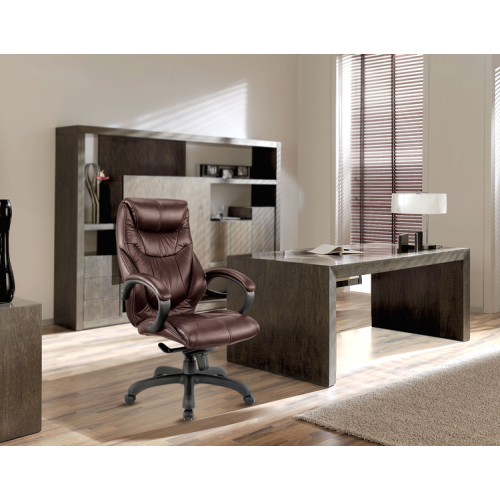
Black leather office chairs bring a tailored look to workspaces ranging from a compact bedroom desk to a dedicated home office or shared meeting room. Their dark upholstery pairs naturally with pale wood, glass, metal, and darker cabinetry, making it easy to carry a consistent style through a room without matching every finish. Within this category, the differences go well beyond appearance: upholstery composition, seat dimensions, back height, cushioning, and adjustment options all influence how a chair feels during everyday use. A streamlined mid-back chair can suit paperwork, studying, or a desk tucked into a living area, while a high-back design provides a taller surface behind the shoulders and may include a headrest. For a more substantial profile, Black Leather Executive Chairs offer a related style often associated with generous padding, broad backrests, and upholstered arms. Neither a tall back nor thick cushioning alone guarantees a comfortable fit, however; the relationship between the chair, its user, and the desk matters more than size or visual presence. Upholstery descriptions also deserve attention because leather, bonded leather, and faux leather are different materials. Full-grain leather retains the hide’s natural surface, while top-grain leather has been refined for a more uniform finish. Genuine leather is a broad description rather than a precise grade, so it does not establish thickness, softness, or durability on its own. Bonded leather combines leather fibres with binders and a surface finish, while faux leather is a manufactured alternative, commonly made with a polyurethane or vinyl surface over a backing. Some chairs use different materials on their seating surfaces, sides, and backs. Those distinctions affect texture, cleaning requirements, and how the upholstery changes with use. Natural leather may develop creases and a patina, whereas coated materials can wear differently, including cracking or peeling as their surface ages. A black finish can make a workspace feel visually settled, but its practical value still depends on suitable construction and care.
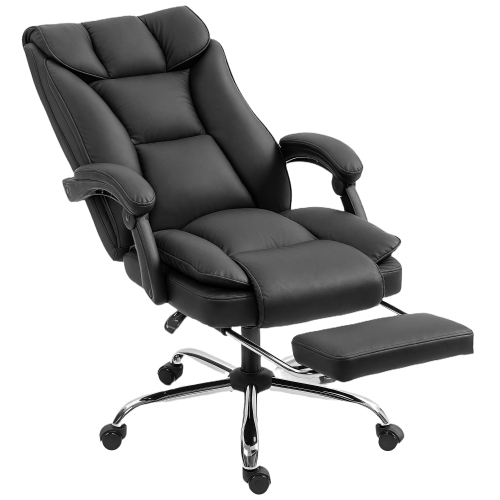
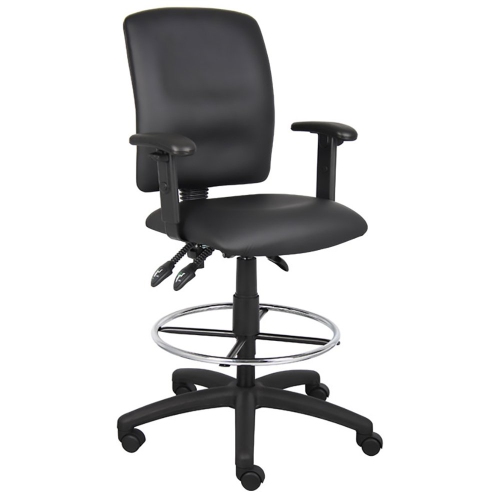
Comfort starts with dimensions that let the body settle into a supported working position. With the seat height adjusted appropriately, feet should rest flat on the floor or on a footrest, while shoulders remain relaxed when using the keyboard and mouse. Seat depth is equally important: a small gap between the front edge and the backs of the knees allows room without requiring the user to perch forward and lose contact with the backrest. A deeply padded seat may feel inviting at first yet be too long for a shorter person, while a narrow seat or closely spaced armrests can restrict someone who needs more room. Seat width, usable depth, arm spacing, and the stated weight capacity provide a more useful picture than an overall photograph. Adjustable lumbar support can help position support near the curve of the lower back, but fixed lumbar contours need to match the user’s proportions to feel comfortable. Armrests should support the forearms without pushing the shoulders upward or stopping the chair from moving close enough to the desk. Height-adjustable, width-adjustable, or flip-up arms can be useful in different layouts, though the available adjustments vary by design. Tilt tension controls the resistance felt when leaning back; a tilt lock holds the chair in supported positions, depending on the mechanism. A reclining backrest is not necessarily the same as a synchronized tilt system, which coordinates movement between the seat and back. For someone switching between focused typing, reading documents, and video calls, these differences can be more useful than extra padding. A headrest is most helpful when its height and angle suit the user, particularly in a reclined position, rather than pressing the head forward during desk work. Shared workspaces benefit from adjustments that are easy to reach and reset between users. Even a well-fitted office chair works best alongside changes in posture and regular opportunities to stand or move; no seat removes the need for breaks during a long working day.
Construction, mobility, and maintenance shape how black leather desk chairs perform after the initial setup. A five-point base provides a broad footprint, but stability also depends on the chair’s design, assembly, and use within its specified limits. Bases may be made from metal or reinforced nylon, and the material name alone does not establish overall strength. The lifting mechanism, arm attachments, tilt hardware, stitching, and upholstery edges all contribute to everyday durability. Firm, supportive cushioning should provide comfort without allowing the user to sink into contact with the structure underneath, though preferences vary with body size and sitting habits. Casters need to suit the floor: wheels intended for carpet may behave differently on hardwood, laminate, or tile, and a compatible chair mat can help protect the surface while easing movement. In a small office, allow enough space to swivel, roll back, and open nearby drawers without the arms striking the desk or cabinets. Overall chair height and arm height also matter when the chair needs to tuck away between work sessions. Care is usually straightforward when it follows the upholstery manufacturer’s directions. A soft cloth can remove dust, and prompt attention to spills helps keep residue from settling into seams. Use only cleaners approved for the stated material, test them on an inconspicuous area when directed, and avoid soaking the upholstery. Leather conditioners are not suitable for every finish and should not automatically be used on bonded or faux leather. Direct sunlight and nearby heating vents can contribute to drying, fading, or surface deterioration, so placement matters, especially in rooms with strong afternoon light or frequent heating use. Periodic checks of accessible fasteners and removal of hair or debris from casters can also help keep the chair operating smoothly. For remote workers, students, or anyone managing household tasks at a desk, the most useful black leather office chair is one whose proportions, support, and upkeep match the routine it will serve.
Top selling and popular products
-
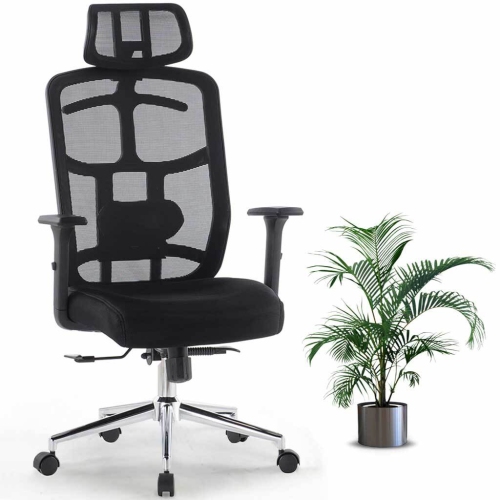 Your price for this item is $126.99
-
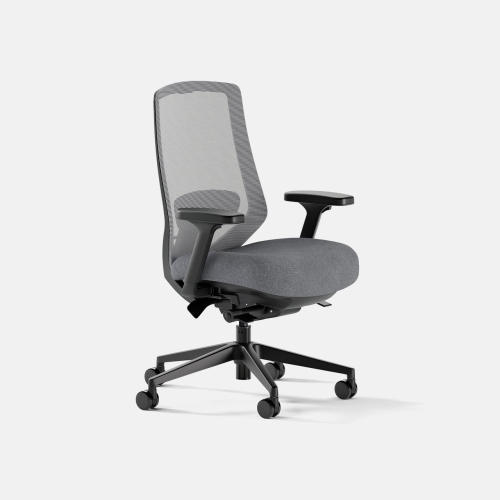 Your price for this item is $599
-
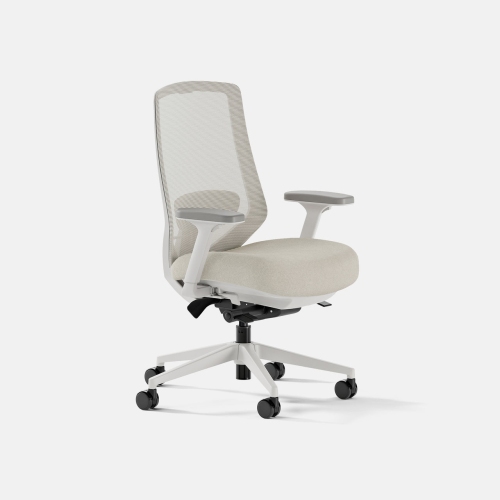 Your price for this item is $599
-
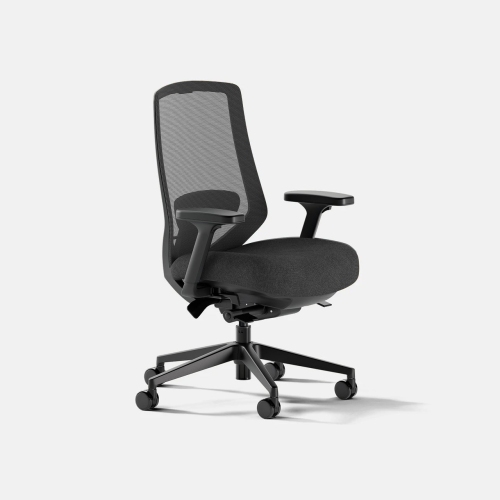 Your price for this item is $599
-
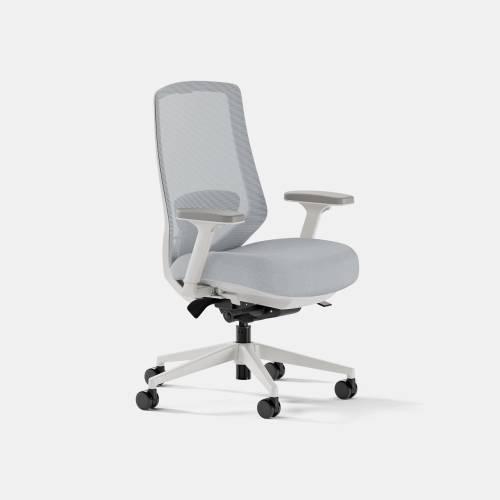 Your price for this item is $599
-
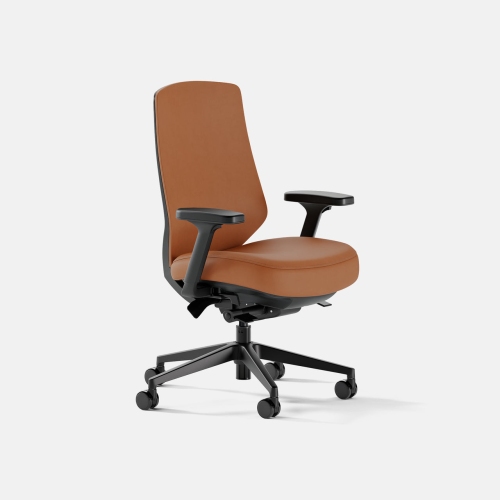 Your price for this item is $649
-
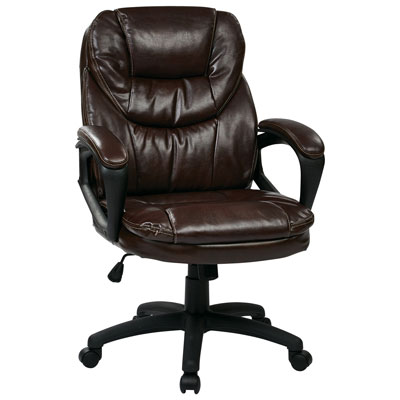 Your price for this item is $459.99
-
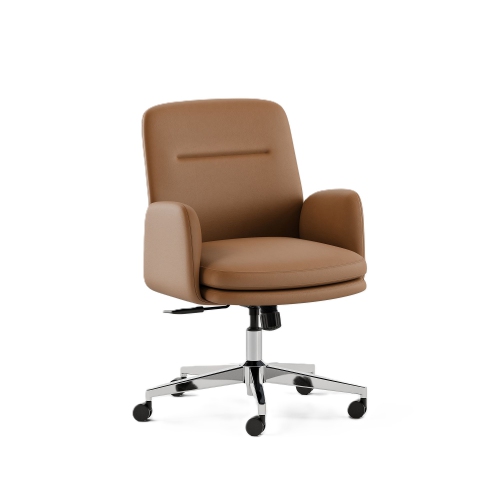 Your price for this item is $429
Discover more categories related to Black Leather Office Chairs

Top Collections:
Best Black Friday Deals This Year, Best Black Friday Deals On Electronics, Kindle Devices, Pokemon Centers, Best Black Friday Deals On Apple Products, Best Cameras for Sports Photography, Dyson Airwrap, Pokémon 30th Celebration Cards, Apple iPhone 17 Pro, Canon G7X Cameras
Some products may be subject to Environmental Handling Fees
(EHF) depending on your province.
Learn more about EHFs.