Genuine Leather Office Chairs
Upgrade your home office with the epitome of style and comfort - a genuine leather office chair. Crafted with premium materials and designed for both functionality and elegance, these chairs are perfect for long hours of work or study. Experience luxury seating that not only enhances your workspace but also provides much-needed support for your back and posture. Discover a range of genuine leather office chairs that blend seamlessly with almost any decor, adding a touch of sophistication to your work environment.
Sort

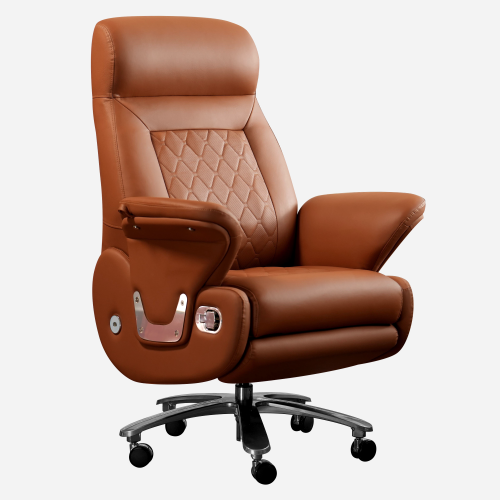
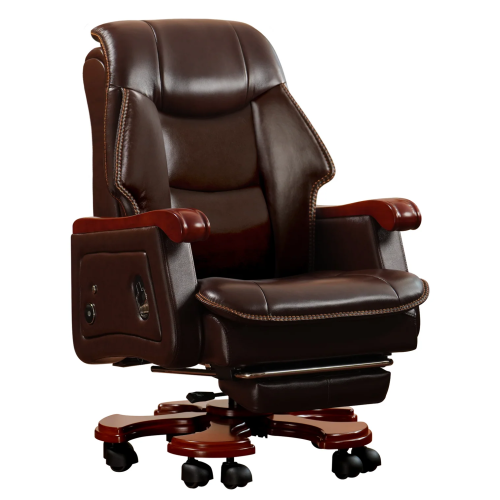
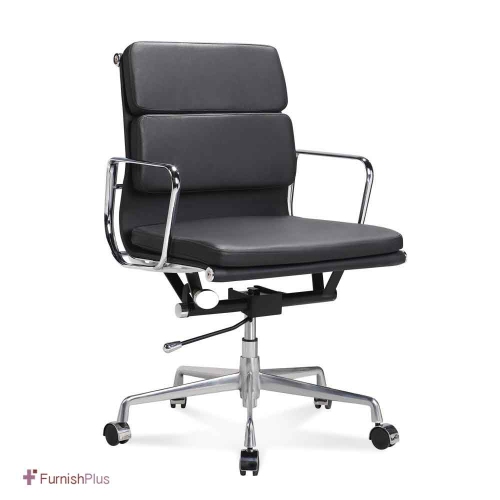
Leather chair comfort goes deeper than the upholstery
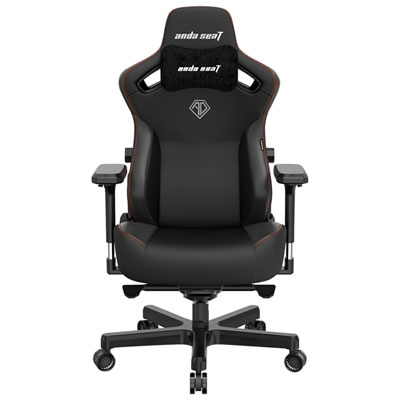
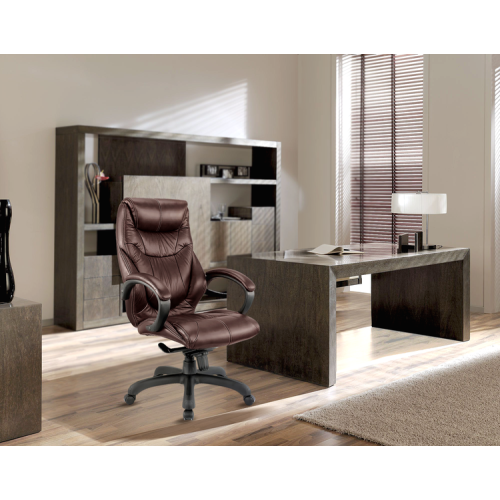
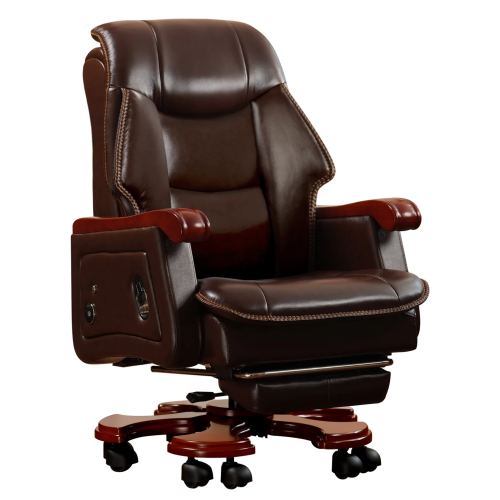
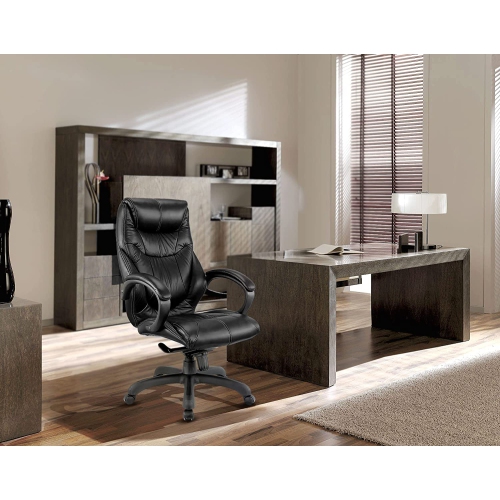
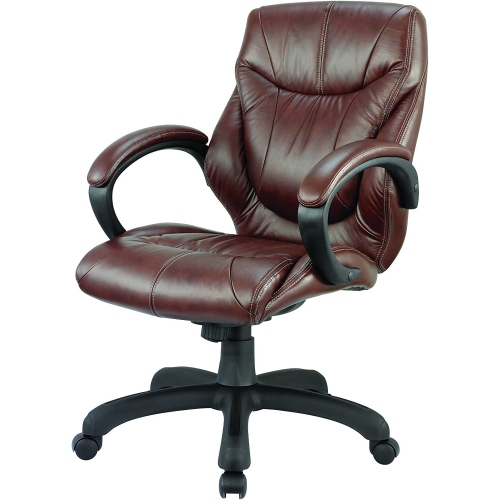
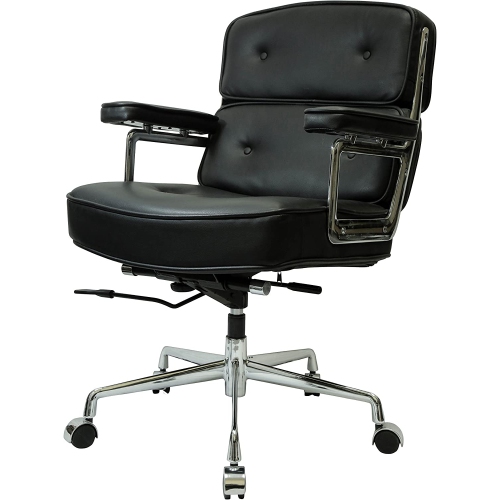
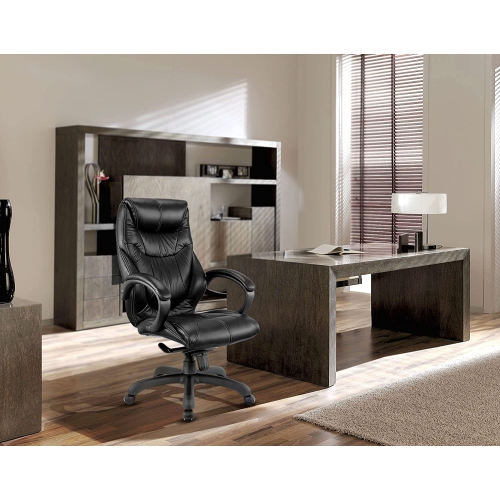
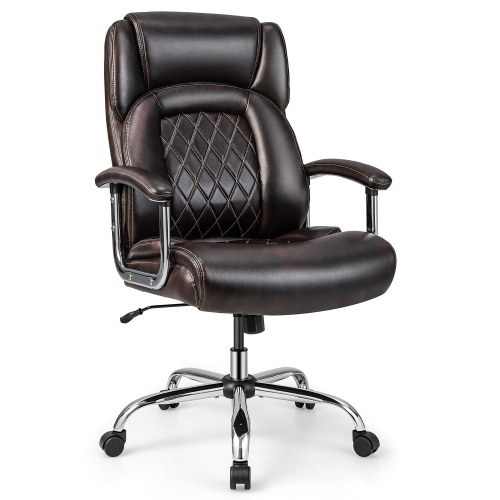
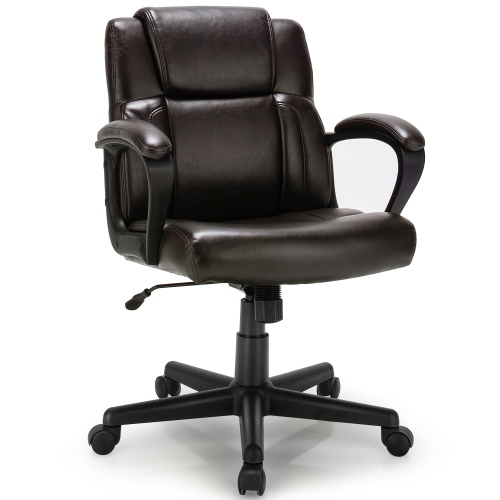
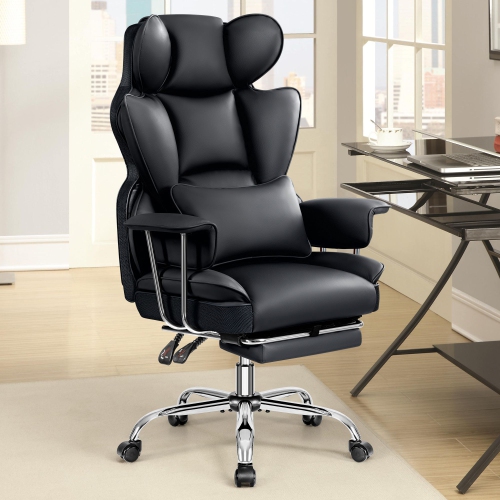
Genuine leather office chairs combine the texture of real hide with the support and mobility of a desk chair, bringing a tailored look to home offices, private workspaces, and meeting rooms. Their appeal goes beyond appearance: leather can feel supple, develop character with use, and provide a durable seating surface when its finish and construction suit the demands of the workspace. The term “genuine leather” identifies real leather, but it does not establish a particular quality grade or mean that every upholstered section of the chair is leather. Some designs use leather on the seat, front of the backrest, and arm pads, with matching synthetic material on the outer back or sides. Upholstery descriptions are therefore useful for understanding exactly where leather is used. Full-grain leather retains the hide’s natural grain, while top-grain leather has generally undergone some surface refinement for a more consistent appearance. Bonded leather is a different material made with leather fibres or scraps and binders; it should not be confused with an intact leather hide. Protective coatings also affect how a chair feels, how readily it marks, and which cleaning methods are appropriate. Smooth, evenly finished upholstery gives a crisp, formal impression, while visible grain and subtle variations can lend a more relaxed character. Black leather pairs easily with dark cabinetry and metal desk frames, brown brings depth to wood furniture, and lighter neutral colours create a softer visual contrast. A high back with padded arms often suits an executive-style workspace, whereas a slimmer mid-back profile can look more proportionate beside a compact writing desk. For a closer focus on refined finishes and more elaborate seating designs, High End Leather Office Chairs offer a related category to explore. In either style, the leather covering is only one part of the experience; the seat shape, adjustment range, and underlying construction determine how well the chair works in everyday use.
Fit matters most when a leather office chair will be used for sustained computer work rather than occasional paperwork or short meetings. Seat height should allow feet to rest flat on the floor or a footrest, with the desk positioned so the shoulders can remain relaxed while typing. Seat depth is equally important: sitting back against the backrest should still leave a small gap between the front edge of the cushion and the backs of the knees. A deep executive seat may feel generous to a taller person but make it difficult for someone with shorter legs to reach the back support comfortably. A waterfall seat edge curves downward at the front and may help reduce pressure behind the thighs, though it cannot make up for unsuitable seat dimensions. Lumbar support should meet the natural inward curve of the lower back rather than push against the pelvis or upper back. Adjustable lumbar height or depth can make that fit easier to achieve, while fixed support depends more closely on the shape of the user. Armrests should support the forearms without forcing the shoulders upward, and their height needs to work with the desk apron so the chair can move close enough to the keyboard. Tilt tension controls how much effort is needed to lean back, while tilt locks hold the chair in the positions permitted by its mechanism. A knee-tilt design pivots closer to the front of the seat and can help keep the feet nearer the floor during recline, depending on the chair’s geometry. These features serve different needs: a person moving between calls and focused typing may appreciate flexible adjustments, while an occasional desk user may need a simpler setup. Thick padding alone does not guarantee lasting comfort, and a headrest is useful only if its position suits the person sitting in the chair. Even a well-fitted chair works best alongside regular changes of position and breaks from sitting.
Long-term satisfaction with a genuine leather desk chair also depends on the parts beneath the upholstery and the space around it. Cushion density and resilience influence whether the seat holds its shape, while secure stitching, neatly finished seams, and stable arm attachments contribute to a well-built feel. The base, lift mechanism, and casters need to suit both the user and the intended workload; the stated weight capacity is an important limit, but it does not describe seat width or guarantee a comfortable fit. A chair used by several people at a shared desk benefits from adjustments that are easy to reach and reset. In a smaller room, the full footprint matters as much as the seat itself, particularly when the back reclines or the arms extend beyond the desk opening. Leave enough clearance to turn, stand, and reach nearby storage without bumping surrounding furniture. Casters should be suitable for the floor surface, with manufacturer-approved options or an appropriate chair mat helping protect flooring and support smooth movement. Leather care is usually straightforward, but it should follow the upholstery manufacturer’s directions rather than a general household cleaning routine. Remove loose dust with a soft cloth, blot spills promptly instead of rubbing them into seams, and test any approved cleaner in an inconspicuous area before broader use. Avoid soaking the surface or applying harsh solvents, and use conditioner only when recommended for that leather and finish. Ink, clothing dyes, sharp fasteners, and repeated contact with rough objects can leave marks, so keeping pens capped and checking pockets before sitting are practical habits. Occasional checks for loose fasteners or worn casters can also help preserve stability and movement. For someone furnishing a dedicated home office, upgrading a professional workspace, or choosing a substantial gift for a person who works at a desk, a leather office chair offers both everyday utility and a distinctive furniture finish. Measurements, preferred sitting positions, and care expectations make the difference between a chair that simply looks impressive and one that feels right through ordinary working days.
Fit matters most when a leather office chair will be used for sustained computer work rather than occasional paperwork or short meetings. Seat height should allow feet to rest flat on the floor or a footrest, with the desk positioned so the shoulders can remain relaxed while typing. Seat depth is equally important: sitting back against the backrest should still leave a small gap between the front edge of the cushion and the backs of the knees. A deep executive seat may feel generous to a taller person but make it difficult for someone with shorter legs to reach the back support comfortably. A waterfall seat edge curves downward at the front and may help reduce pressure behind the thighs, though it cannot make up for unsuitable seat dimensions. Lumbar support should meet the natural inward curve of the lower back rather than push against the pelvis or upper back. Adjustable lumbar height or depth can make that fit easier to achieve, while fixed support depends more closely on the shape of the user. Armrests should support the forearms without forcing the shoulders upward, and their height needs to work with the desk apron so the chair can move close enough to the keyboard. Tilt tension controls how much effort is needed to lean back, while tilt locks hold the chair in the positions permitted by its mechanism. A knee-tilt design pivots closer to the front of the seat and can help keep the feet nearer the floor during recline, depending on the chair’s geometry. These features serve different needs: a person moving between calls and focused typing may appreciate flexible adjustments, while an occasional desk user may need a simpler setup. Thick padding alone does not guarantee lasting comfort, and a headrest is useful only if its position suits the person sitting in the chair. Even a well-fitted chair works best alongside regular changes of position and breaks from sitting.
Long-term satisfaction with a genuine leather desk chair also depends on the parts beneath the upholstery and the space around it. Cushion density and resilience influence whether the seat holds its shape, while secure stitching, neatly finished seams, and stable arm attachments contribute to a well-built feel. The base, lift mechanism, and casters need to suit both the user and the intended workload; the stated weight capacity is an important limit, but it does not describe seat width or guarantee a comfortable fit. A chair used by several people at a shared desk benefits from adjustments that are easy to reach and reset. In a smaller room, the full footprint matters as much as the seat itself, particularly when the back reclines or the arms extend beyond the desk opening. Leave enough clearance to turn, stand, and reach nearby storage without bumping surrounding furniture. Casters should be suitable for the floor surface, with manufacturer-approved options or an appropriate chair mat helping protect flooring and support smooth movement. Leather care is usually straightforward, but it should follow the upholstery manufacturer’s directions rather than a general household cleaning routine. Remove loose dust with a soft cloth, blot spills promptly instead of rubbing them into seams, and test any approved cleaner in an inconspicuous area before broader use. Avoid soaking the surface or applying harsh solvents, and use conditioner only when recommended for that leather and finish. Ink, clothing dyes, sharp fasteners, and repeated contact with rough objects can leave marks, so keeping pens capped and checking pockets before sitting are practical habits. Occasional checks for loose fasteners or worn casters can also help preserve stability and movement. For someone furnishing a dedicated home office, upgrading a professional workspace, or choosing a substantial gift for a person who works at a desk, a leather office chair offers both everyday utility and a distinctive furniture finish. Measurements, preferred sitting positions, and care expectations make the difference between a chair that simply looks impressive and one that feels right through ordinary working days.
Top selling and popular products
-
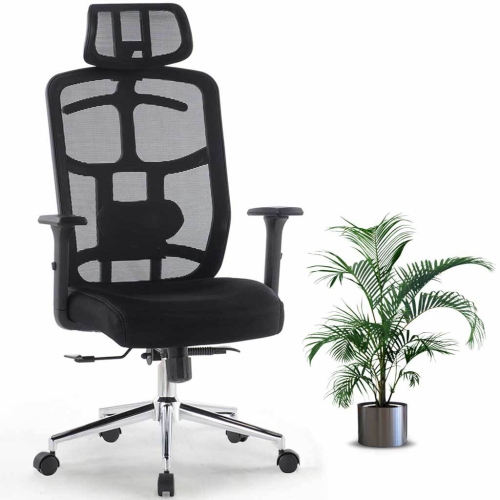 Your price for this item is $114.99
 -
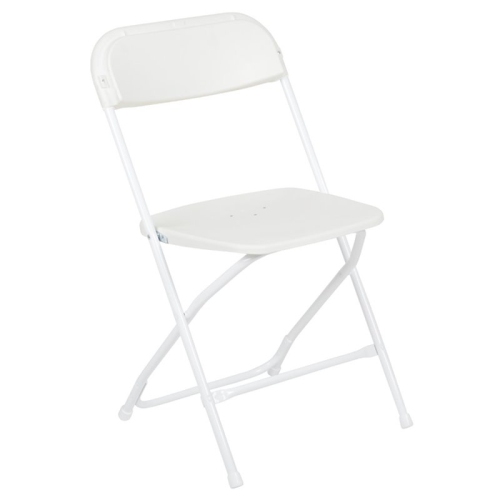 Your price for this item is $123
 -
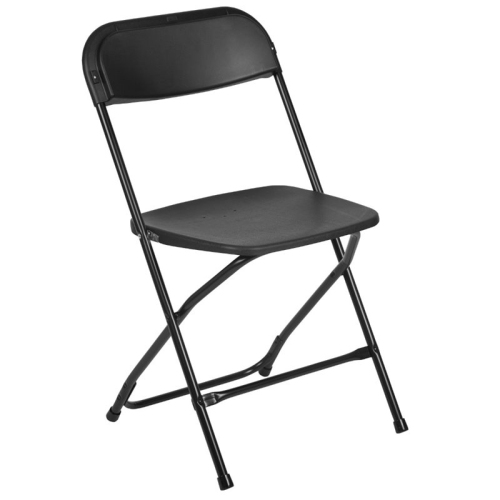 Your price for this item is $139.99
 -
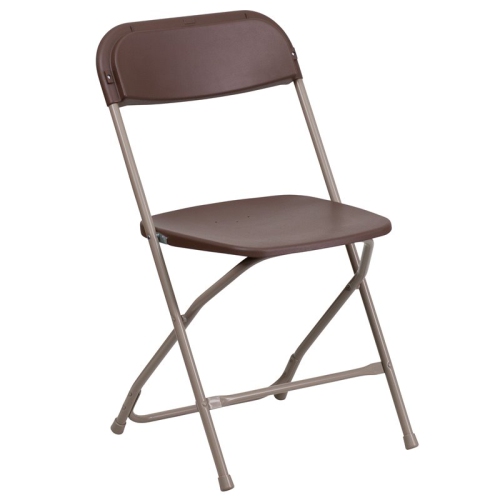 Your price for this item is $139.99
 -
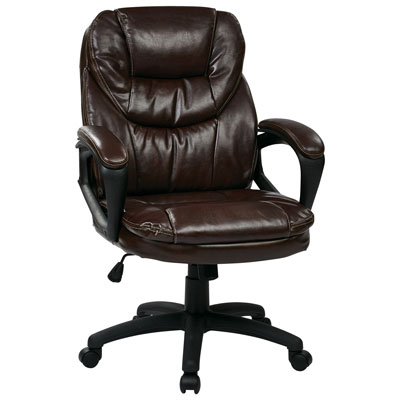 Your price for this item is $203.98
 -
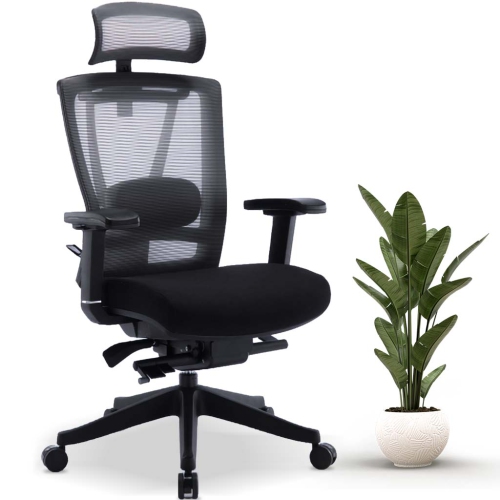 Your price for this item is $379.99
 -
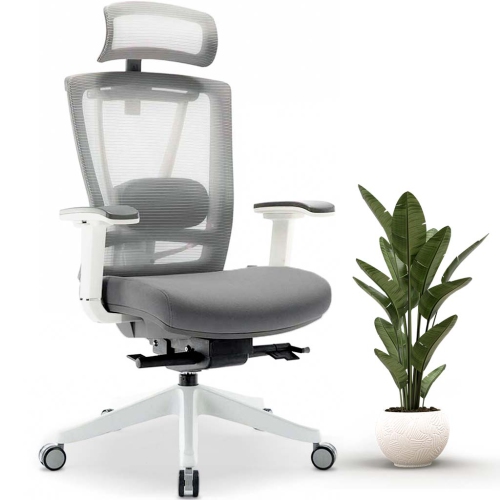 Your price for this item is $379.99
 -
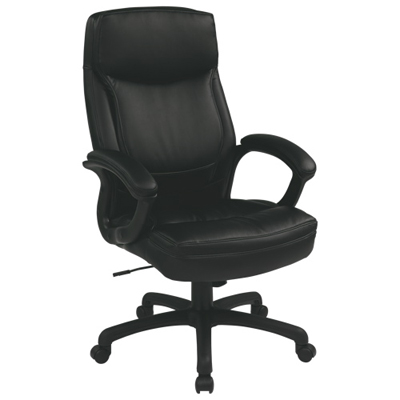 Your price for this item is $594.99
Discover more categories related to Genuine Leather Office Chairs
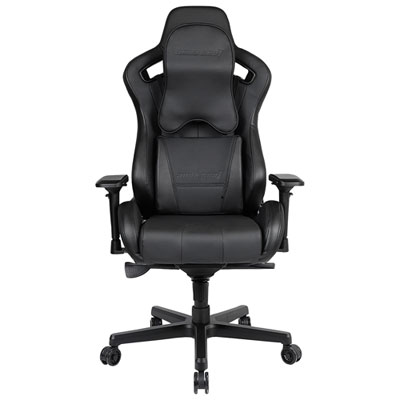
Top Collections:
Pokemon Centers, Kindle Devices, Best Budget Office Chairs, Apple iPhones 16, Best Laptops for Writers, iPhone 15 Apple, Canon G7X Cameras, Refurbished Apple Laptops, Alarm Clock, Motorola Razr Phones
Some products may be subject to Environmental Handling Fees
(EHF) depending on your province.
Learn more about EHFs.